CHEMICAL, BIOLOGICAL, RADIOLOGICAL, AND NUCLEAR DEFENSE (CBRND) FUNCTIONAL NEEDS ANALYSIS. FINAL REPORT (2005) - page 30
For Official Use Only
CBRND Functional Needs Analysis/Functional Solution Analysis
Chapter 17. Tactical Sustain Tasks
M8
Time required to modify restoration
Capability enables rapid modification of
8-10: Full capability.
operation priority determination after
restoration operation priorities.
4-7: Partial capability.
substantive operational changes are
1-3: Limited capability.
assessed.
0: No capability.
M9
There is effective DOTLPF in place to
Assessment of the extent of DOTLPF to
8-10: Complete DOTLPF in place to execute task.
conduct task.
enable task performance.
4-7: Partial DOTLPF in place to execute task.
1-3: Limited DOTLPF in place to execute task.
0: No DOTLPF in place to execute task.
216
For Official Use Only
For Official Use Only
CBRND Functional Needs Analysis/Functional Solution Analysis
Chapter 17. Tactical Sustain Tasks
17.24.3 Functional Solution Analysis
17.24.3.1
DOTLPF Assessment Summary
This section addresses the deficiencies and suggests potential non-materiel solutions. If there are
no non-materiel solutions, or they are only partial solutions, the remaining non-materiel need is
then stated. Materiel needs are assessed in the IMA section.
1.
Deficiency: The current capability is not automated, slowing down the process.
Non-Materiel Solutions: None.
2.
Deficiency: More detailed specific information and checklists useful for time-sensitive
situations are not available.
Non-Materiel Solutions: Doctrine: Develop TTPs to include time-saving procedures and
checklists.
3.
Deficiency: A restoration exercise focused on risk assessment of units, equipment, facilities,
activities or terrain that is contaminated for restoration prioritization and timing has not been
conducted.
Non-Materiel Solutions: Training: Conduct an exercise (or experimentation) that will
produce lessons learned and actionable recommendations.
4.
Deficiency: After unit operational risk assessment is completed, there are no TTPs to help
determine restoration operation priorities.
Non-Materiel Solutions: Doctrine: Develop TTPs that provide guidance on restoration
prioritization and timing.
5.
Deficiency: No doctrine has been developed.
Non-Materiel Solutions: Doctrine: Promulgate doctrine that provides information on
tactical risk assessment of units, equipment, facilities, activities, or terrain that are
contaminated for restoration prioritization and timing.
6.
Deficiency: The linkage of restoration operations and operational risk assessment is not
integrated into leader education.
Non-Materiel Solutions: Leadership: Leader education should provide a command and staff
focus on tactical risk assessment of units, equipment, facilities, activities, or terrain that are
contaminated for restoration prioritization and timing.
17.24.3.2
IMA Assessment Summary
Table 17.24-2 is a possible idea for a materiel approach and a corresponding description of that
idea. There is the possibility of an automated information distribution software and system that
are applicable for conducting tactical risk assessment of units, equipment, facilities, activities, or
terrain that are contaminated for restoration prioritization and timing.
217
For Official Use Only
For Official Use Only
CBRND Functional Needs Analysis/Functional Solution Analysis
Chapter 17. Tactical Sustain Tasks
Table 17.24-2. TASUST 24: IMA Assessment
Idea for Materiel
Capability Gap
Description
Approach
The current
Automated
Based on the inability to conduct a tactical
capability is not
information
risk assessment of units, equipment,
automated, slowing
distribution software
facilities, activities, or terrain that are
down the process.
and system
contaminated and to disseminate
information necessary for restoration
prioritization in a rapid and accurate
method.
There is a requirement for automated
systems that will collect, organize, and
disseminate information rapidly and
accurately to prioritize restoration efforts.
218
For Official Use Only
For Official Use Only
CBRND Functional Needs Analysis/Functional Solution Analysis
Chapter 17. Tactical Sustain Tasks
17.25 Task TASUST 25: Assess the impact of restoration activities on tactical objectives
17.25.1
Functional Area Analysis
17.25.1.1
Definition
To make an assessment that determines how the required restoration activities of key units,
facilities, or equipment will impact current or projected tactical objectives. Some contaminated
units or facilities must undergo restoration operations within a short time period or risk becoming
completely combat ineffective.
17.25.1.2
Derivation
OPSUST 4.
17.25.1.2.1
Supported Tasks: OPSUST 2, OPSUST 3, OPSUST 4, OPSUST 7, OPSUST 8,
OPSUST 9, OPSUST 10, OPSUST 11
17.25.1.2.2
Lateral Task: TASHA 7
17.25.1.2.3
Supporting Task: N/A
17.25.1.3
Condition
Perform this task under conditions of:
Physical
1. Persistent CBR effects. (C1.3.3.1-3)
Military
1. Stressful mission. (C2.1)
2. No mission preparation. (C2.1.3)
3. Negligible personnel experience. (C2.2.4.5)
4. Moderate rear-area security. (C2.7.1)
5. Fully developed state of conflict. (C2.10.1)
Civil
1. Limited foreign government support (C3.1.2.3)
219
For Official Use Only
For Official Use Only
CBRND Functional Needs Analysis/Functional Solution Analysis
Chapter 17. Tactical Sustain Tasks
17.25.2
Functional Needs Analysis
17.25.2.1
Capabilities and Deficiencies Assessment Summary
Table 17.25-1 discusses a capability that currently exists to perform the task to the designated
standard. Any tactical unit staff has a team of operational planners and command and control
specialists and most have CBRN subject matter experts. This team of experts has the skill to
assess the impact of restoration activities on tactical objectives, but there are some deficiencies
that impact on the speed they will be able to operate.
Current Capabilities and Deficiencies
Any tactical unit staff has the ability to assist the unit commander to direct, control, and
coordinate operations of assigned and attached forces and to provide tactical guidance to forces
with contaminated units. Table 17.25-1 lists the overall capabilities and deficiencies associated
with the staff’s ability to assess the impact of restoration activities on tactical objectives. While
the staff has the ability to assess the situation and determine priorities, it is unlikely they will be
able to meet the time requirements without automated assistance and the development of specific
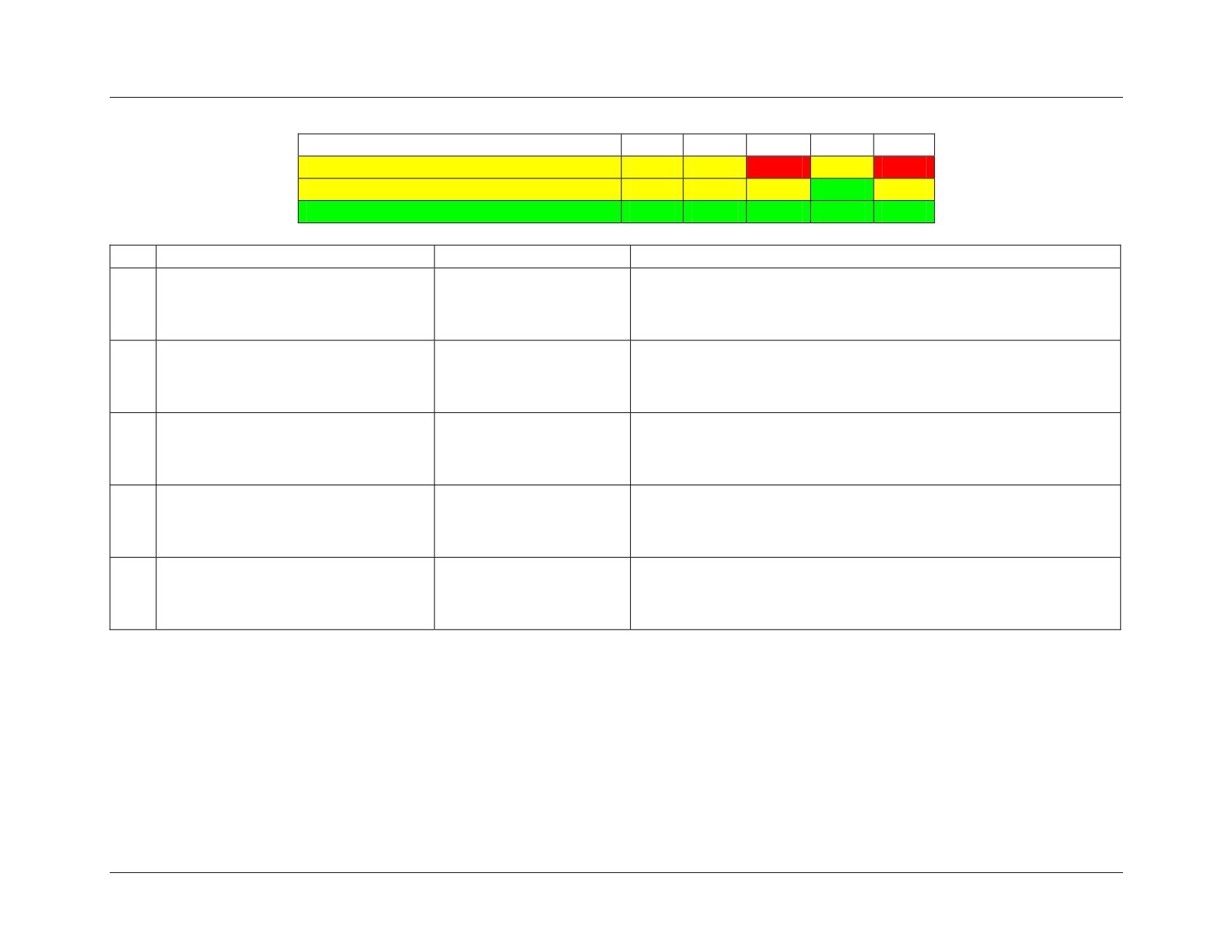
doctrine and TTPs. The overall current assessment is “red.”
Projected Near/Mid-Term Capabilities and Deficiencies
Capability will improve in the near/mid-term as results of the Restoration Operations Advanced
Capability Technology Demonstration are incorporated into DOTLPF and TTPs. The overall
assessment will improve to “yellow.”
Projected Far-Term Capabilities and Deficiencies
The capability will continue to improve in the far-term as additional exercises and experiments
focus on restoration operations. Improvements will be evident in TTPs and DOTLPF. Further,
the fielding of automated systems will improve the time and accuracy of restoration operation
assessments. The overall assessment will improve to “green” in the far term.
220
For Official Use Only
For Official Use Only
CBRND Functional Needs Analysis/Functional Solution Analysis
Chapter 17. Tactical Sustain Tasks
Table 17.25-1. TASUST 25: Capabilities and Deficiencies Assessment
Capability: Tactical Unit Staff.
M1
M2
M3
M4
M5
Current Overall Capabilities
5
5
0
5
0
Near/Mid-Term Overall Capabilities
5
5
5
10
5
Far-Term Overall Capabilities
10
10
10
10
10
FAA Measure
Elaboration
Scale
M1
Time to make determination of
Capability enables
8-10: Full capability.
restoration operation impact on tactical
determination of restoration
4-7: Partial capability.
objectives.
operation impact in a timely
1-3: Limited capability.
manner.
0: No capability.
M2
Instances of incorrect assessments of
Capability enables the
8-10: Full capability.
impact of restoration operations.
accurate assessment of the
4-7: Partial capability.
impact of restoration
1-3: Limited capability.
operations.
0: No capability.
M3
Procedures and checklists are developed
Extent to which capability
8-10: Complete procedures and checklists exist.
to facilitate the ability to assess the
has procedures and
4-7: Partial procedures and checklists exist.
impact of required restoration activities
checklists.
1-3: Very limited procedures and checklists exist.
on tactical objectives.
0: No procedures or checklists exist.
M4
Joint exercises/experimentation provide
Extent to which exercises
8-10: Full range of exercises and experiments in restoration operations.
lessons learned on procedures for
and experiments address
4-7: Exercises and experiments sometimes address restoration operations.
determining restoration operation impact
restoration operations.
1-3: Exercises and experiments rarely address restoration operations.
on tactical objectives.
0: Exercises and experiments never address restoration operations.
M5
Effective DOTLPF is in place to conduct
Assessment of the extent of
8-10: Complete DOTLPF in place to execute task.
this task.
DOTLPF to enable task
4-7: Partial DOTLPF in place to execute task.
performance.
1-3: Limited DOTLPF in place to execute task.
0: No DOTLPF in place to execute task.
221
For Official Use Only
For Official Use Only
CBRND Functional Needs Analysis/Functional Solution Analysis
Chapter 17. Tactical Sustain Tasks
17.25.3 Functional Solution Analysis
17.25.3.1
DOTLPF Assessment Summary
This section addresses the deficiencies and suggests potential non-materiel solutions. If there are
no non-materiel solutions, or they are only partial solutions, the remaining non-materiel need is
then stated. Materiel needs are assessed in the IMA section.
1. Deficiency: The current capability is not automated, slowing down the process. Accuracy is
limited to human actions.
Non-Materiel Solutions: None.
2. Deficiency: No doctrine or TTPs have been developed.
Non-Materiel Solutions: Doctrine: Promulgate Doctrine and TTPs that provide information
on assessing the impact of restoration activities on tactical objectives should be developed.
3. Deficiency: This assessment process is not integrated into leader education.
Non-Materiel Solutions: Leadership: Leader education should provide a command and staff
focus on tactical risk assessment of units, equipment, facilities, activities, or terrain that are
contaminated for restoration prioritization and timing.
17.25.3.2
IMA Assessment Summary
Table 17.25-2 identifies which of the materiel approaches might address specific materiel gaps
identified in the DOTMLPF assessment.
222
For Official Use Only
For Official Use Only
CBRND Functional Needs Analysis/Functional Solution Analysis
Chapter 17. Tactical Sustain Tasks
Table 17.25-2. TASUST 25: IMA Assessment
Idea for Materiel
Capability Gap
Description
Approach
The current capability
Automated
Based on the inability to conduct a tactical risk
is not automated,
information
assessment of units, equipment, facilities,
slowing down the
distribution
activities, or terrain that are contaminated and
process. Accuracy is
software and system
to disseminate information necessary for
limited to human
restoration prioritization in a rapid and accurate
actions.
method.
There is a requirement for automated systems
that will collect, organize, and disseminate
information rapidly and accurately to prioritize
restoration efforts.
223
For Official Use Only
For Official Use Only
CBRND Functional Needs Analysis/Functional Solution Analysis
Chapter 17. Tactical Sustain Tasks
17.26 Task TASUST 26: Provide tactical guidance to forces with contaminated units
17.26.1
Functional Area Analysis
17.26.1.1
Definition
To provide specific, tailored tactical guidance to forces that have some or all of their units
contaminated. The component commander may determine that some critical units or facilities
must continue essential operations for a specified period of time despite contamination, prior to
conducting restoration operations. to provide adequate guidance, a complete picture of the
projected degradation of the unit/facility over time must be available to the component
commander.
17.26.1.2
Derivation
OPSUST 5.
17.26.1.2.1
Supported Tasks: OPSUST 5, OPSUST 8, OPSUST 11
17.26.1.2.2
Lateral Task: TASHA 10
17.26.1.2.3
Supporting Task: N/A
17.26.1.3
Condition
Perform this task under conditions of.
Physical
1. Persistent CBR effects. (C1.3.3.1-3)
Military
1. Stressful mission. (C2.1)
2. No mission preparation. (C2.1.3)
3. Negligible personnel experience. (C2.2.4.5)
4. Moderate rear-area security. (C2.7.1)
5. Fully developed state of conflict. (C2.10.1)
Civil. N/A
17.26.2
Functional Needs Analysis
17.26.2.1
Capabilities and Deficiencies Assessment Summary
Table 17.26-1 discusses the capability that currently exists to perform the task to the designated
standard. Any tactical unit staff has a team of operational planners and command and control
224
For Official Use Only
For Official Use Only
CBRND Functional Needs Analysis/Functional Solution Analysis
Chapter 17. Tactical Sustain Tasks
specialists and most have CBRN subject matter experts. This team of experts has the skill to
provide tactical guidance to forces with contaminated units, but there are some deficiencies that
impact on the speed with which they will be able to develop the guidance.
Overall Current Capabilities and Deficiencies Summary
Any tactical unit staff has the ability to assist the unit commander to direct, control, and
coordinate operations of assigned and attached forces and to provide tactical guidance to forces
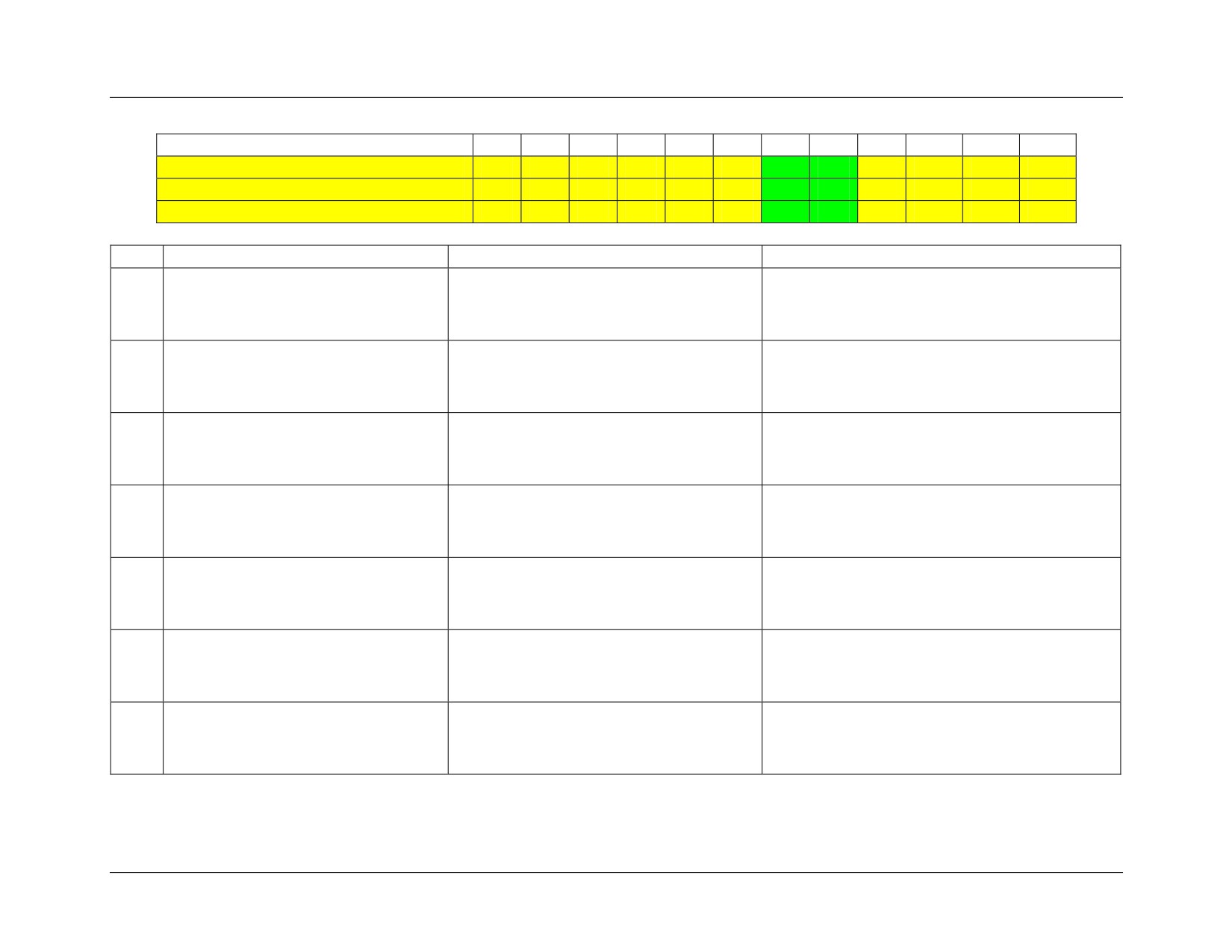
with contaminated units. Table 17.26-1 lists the overall capabilities and deficiencies associated
with the tactical staff’s ability to provide tactical guidance to forces with contaminated units.
While the staff has the ability to develop and provide this guidance, it is unlikely they will be
able to meet time requirements without automated assistance and the development of specific
doctrine and TTPs. There are currently no projected capabilities being assessed that would
increase effectiveness in conducting and completing this task.
Projected Near/Mid-Term Capabilities and Deficiencies
There are currently no projected capabilities being assessed that would increase effectiveness in
conducting and completing this task.
Projected Far-Term Capabilities and Deficiencies
There are currently no projected capabilities being assessed that would increase effectiveness in
conducting and completing this task.
225
For Official Use Only
For Official Use Only
CBRND Functional Needs Analysis/Functional Solution Analysis
Chapter 17. Tactical Sustain Tasks
Table 17.26-1. TASUST 26: Capabilities and Deficiencies Assessment
Capability: Tactical Unit Staff.
M1
M2
M3
M4
M5
M6
M7
M8
M9
M10
M11
M12
Current Overall Capabilities
6
6
6
6
6
6
8
8
6
6
6
51
Near/Mid-Term Overall Capabilities
6
6
6
6
6
6
8
8
6
6
6
5
Far-Term Overall Capabilities
6
6
6
6
6
6
8
8
6
6
6
5
FAA Measure
Elaboration
Scale
M1
Time since update of the joint force
Capability enables rapid updates of joint force
8-10: Full capability.
situation.
situation based on individual unit updates.
4-7: Partial capability.
1-3: Limited capability.
0: No capability.
M2
Time for commander to forward and
Capability enables rapid formulation of and
8-10: Full capability.
disseminate contaminated unit assessment.
dissemination of contaminated unit assessment
4-7: Partial capability.
1-3: Limited capability.
0: No capability.
M3
Time to assess current situation and
Capability to rapidly assess current unit
8-10: Full capability.
formulate revised plan of action.
situation and formulate revised plan of action.
4-7: Partial capability.
1-3: Limited capability.
0: No capability.
M4
Percent of time contamination of forces
Capability to develop options in the event of
8-10: Full capability.
occurs without options available.
force contamination.
4-7: Partial capability.
1-3: Limited capability.
0: No capability.
M5
Time for component commander to
Capability to rapidly assess current joint force
8-10: Full capability.
formulate crisis assessment.
situation.
4-7: Partial capability.
1-3: Limited capability.
0: No capability.
M6
Time to adjust original plan for alternate
Capability to rapidly formulate alternate
8-10: Full capability.
operations (after recognizing planning
operations in response to joint force
4-7: Partial capability.
assumptions invalid).
contamination.
1-3: Limited capability.
0: No capability.
M7
Time to compile appropriate reports.
Capability to rapidly compile appropriate
8-10: Full capability.
reports concerning unit contamination.
4-7: Partial capability.
1-3: Limited capability.
0: No capability.
226
For Official Use Only
For Official Use Only
CBRND Functional Needs Analysis/Functional Solution Analysis
Chapter 17. Tactical Sustain Tasks
M8
Time to generate and forward component
Capability to rapidly generate and forward
8-10: Full capability.
commander’s situation report (SITREP).
component commander’s SITREP to higher
4-7: Partial capability.
headquarters.
1-3: Limited capability.
0: No capability.
M9
Courses of action (COAs) are evaluated to
Capability to rapidly evaluate COAs for
8-10: Full capability.
find which are suitable, feasible,
employment of units affected by
4-7: Partial capability.
acceptable, and complete after assessing
contamination.
1-3: Limited capability.
capabilities of contaminated units.
0: No capability.
M10
Milestone criteria for plan development
Capability to meet plan development milestone
8-10: Full capability.
are met.
criteria after a COA has been chosen.
4-7: Partial capability.
1-3: Limited capability.
0: No capability.
M11
Time to complete new executable
Capability to rapidly complete executable
8-10: Full capability.
operational plans and orders (after receipt
operational plans and orders after receipt of
4-7: Partial capability.
of commander’s estimate).
commander’s estimate.
1-3: Limited capability.
0: No capability.
M12
Effective DOTLPF exists to conduct this
Assessment of the extent of DOTLPF to enable
8-10: Complete DOTLPF in place to execute task.
task.
task performance.
4-7: Partial DOTLPF in place to execute task.
1-3: Limited DOTLPF in place to execute task.
0: No DOTLPF in place to execute task.
1 No doctrine has been developed. This task is not a standard part of training. This formulation of guidance process is not integrated into leader education.
227
For Official Use Only
For Official Use Only
CBRND Functional Needs Analysis/Functional Solution Analysis
Chapter 17. Tactical Sustain Tasks
17.26.3 Functional Solution Analysis
17.26.3.1
DOTLPF Assessment Summary
This section addresses the deficiencies and suggests potential non-materiel solutions. If there are
no non-materiel solutions, or they are only partial solutions, the remaining non-materiel need is
then stated. Materiel needs are assessed in the IMA section.
1.
Deficiency: Contamination information is not automatically updated for the joint force.
Non-Materiel Solutions: None.
2.
Deficiency: There are no standardized assessment procedures.
Non-Materiel Solutions: Doctrine: Develop standardized assessment procedures.
3.
Deficiency: TTPs on how to specifically adjust original plan for alternate operations and for
assessing COAs to find which are suitable, feasible, acceptable, and complete after assessing
capabilities of contaminated units do not exist.
Non-Materiel Solutions: Doctrine: Develop TTPs on how to specifically adjust original
plan for alternate operations and for assessing COAs to find which are suitable, feasible,
acceptable, and complete after assessing capabilities of contaminated units.
4.
Deficiency: Doctrine has not been developed.
Non-Materiel Solutions: Doctrine: Develop doctrine on providing tactical guidance to
forces with contaminated units.
5.
Deficiency: This task is not integrated as a standard part of training.
Non-Materiel Solutions: Training: Integrate this task into unit training and develop
guidelines for how to do so.
6.
Deficiency: This assessment process is not integrated into leader education.
Non-Materiel Solutions: Leadership: Leader education should provide a command and staff
focus on providing tactical guidance to forces with contaminated units.
17.26.3.2
IMA Assessment Summary
Table 17.26-2 is a possible idea for a materiel approach and a corresponding description of that
ides. There is the possibility of an automated information distribution software and system that
would assist in collecting, organizing, and disseminating contamination information to support
the development of assessments and tactical guidance when forces are contaminated.
228
For Official Use Only
For Official Use Only
CBRND Functional Needs Analysis/Functional Solution Analysis
Chapter 17. Tactical Sustain Tasks
Table 17.26-2. TASUST 26: IMA Assessment
Idea for Materiel
Capability Gap
Description
Approach
Contamination
Automated
Based on the inability to conduct a tactical risk
information is not
information
assessment of units, equipment, facilities, or
automatically
distribution software
activities that are contaminated and to
updated for the joint
and system
disseminate timely tactical guidance.
force.
There is a requirement for automated systems
that will collect, organize, and disseminate
information rapidly and accurately in order to
support development of assessments and
tactical guidance.
229
For Official Use Only
For Official Use Only
CBRND Functional Needs Analysis/Functional Solution Analysis
Chapter 17. Tactical Sustain Tasks
17.27 Task TASUST 27: Conduct salvage operations to recover critical materiel
17.27.1
Functional Area Analysis
17.27.1.1
Definition
To plan, conduct, and control the recovery of critical materiel that is determined salvageable but
also may require decontamination prior to retrograde to CONUS or movement to another theater.
Includes the recovery, evacuation, and reclamation of damaged, discarded, condemned, or
abandoned allied or enemy materiel, ships, craft, and floating equipment for reuse, repair,
refabrication, or scrapping. Also includes naval salvage operations such as harbor and channel
clearance, diving, hazardous towing and rescue tug services and the recovery of materiel, ships,
craft, and floating equipment sunk offshore or elsewhere stranded.
17.27.1.2
Derivation
OPSUST 3, OPSUST 9, and OPSUST 12.
17.27.1.2.1
Supported Tasks: OPSUST 8, OPSUST 11, OPSUST 13
17.27.1.2.2
Lateral Task: N/A
17.27.1.2.3
Supporting Task: N/A
17.27.1.3
Condition
Perform this task under conditions of:
Physical
Mountainous, jungle, desert, and arctic terrain. (C1.1.1)
Steep terrain slope. (C1.1.1.3)
Extensive obstacles to movement. (C1.1.3.4)
Low route availability. (C1.1.3.5)
Deep ocean depth. (C1.2.1.1)
Rough sea state. (C1.2.1.3)
Extremely cold ocean temperature. (C1.2.1.4)
All ocean features. (C1.2.1.6)
Poor divers/swimmers underwater visibility. (C1.2.1.14)
Strong divers/swimmers ocean currents. (C1.2.1.16)
Irregular ocean bottom. (C1.2.2)
Harsh littoral characteristics. (C1.2.4)
High shipping presence. (C1.2.6)
Artic, tropical, and arid climate. (C1.3.1)
Summer and winter season. (C1.3.1.1)
Stormy weather. (C1.3.1.3)
Hot and very cold air temperature. (C1.3.1.3.1)
230
For Official Use Only
For Official Use Only
CBRND Functional Needs Analysis/Functional Solution Analysis
Chapter 17. Tactical Sustain Tasks
High surface-wind velocity. (C1.3.1.3.3)
Liquid, freezing, and frozen precipitation. (C1.3.1.3.6)
Heavy precipitation intensity. (C1.3.1.3.6.2)
Extreme turbulence and wind shear. (C1.3.1.3.8)
Moderately high altitude. (C1.3.1.3.9)
Very low visibility. (C1.3.2)
Negligible light. (C1.3.2.1)
Moderate obscurants. (C1.3.2.2)
Moderate nuclear effects. (C1.3.3.1)
Moderate nuclear blast/thermal effects. (C1.3.3.1.1)
Moderate nuclear radiation effects. (C1.3.3.1.2)
Persistent blood, blister, choking, incapacitating nerve chemical effects. (C1.3.3.2)
All pathogens and toxins, biological effects. (C1.3.3.3)
Military
1. Stressful mission. (C2.1)
2. No preexisting arrangements. (C2.1.1.2)
3. Major military commitments to other nations. (C2.1.1.6)
4. Negligible military commitments from other nations. (C2.1.1.7)
5. Partially completed mission preparation. (C2.1.3)
6. Ashore, afloat location. (C2.1.4.1)
7. Two theaters. (C2.1.4.2)
8. Very long intertheater distance. (C2.1.4.4)
9. Short time available. (C2.1.5)
10. Very short mission duration. (C2.1.5.2)
11. Weak forces assigned. (C2.2.1)
12. Marginal forces allocated. (C2.2.3)
13. Low personnel capability. (C2.2.4)
14. Negligible personnel experience. (C2.2.4.5)
15. No interoperability. (C2.2.6)
16. Little or no lift assets. (C2.5.2)
17. Little or no sealift assets. (C2.5.2.1)
18. Limited rear-area security. (C2.7.1)
19. Slow pipeline responsiveness. (C2.8.3.1)
20. No host-nation support. (C2.8.5)
21. Nuclear, chemical and biological threat form. (C2.9.2)
22. Fully developed state of conflict. (C2.10.1)
Civil
1. Negative foreign government support. (C3.1.2.3)
2. Aggressively opposed foreign public opinion. (C3.1.2.4)
231
For Official Use Only
For Official Use Only
CBRND Functional Needs Analysis/Functional Solution Analysis
Chapter 17. Tactical Sustain Tasks
17.27.2
Functional Needs Analysis
17.27.2.1
Capabilities and Deficiencies Assessment Summary
Table 17.27-1 discusses the capability that currently exists to perform the task to the designated
standard. Any tactical unit and staff that have a salvage capability can perform this task, but there
are some deficiencies that affect the efficiency with which a salvage unit can perform under
contamination conditions.
Current Capabilities and Deficiencies
Any tactical unit and staff with the ability to conduct salvage operations have the ability to
conduct salvage operations to recover critical materiel in a contaminated environment/situation.
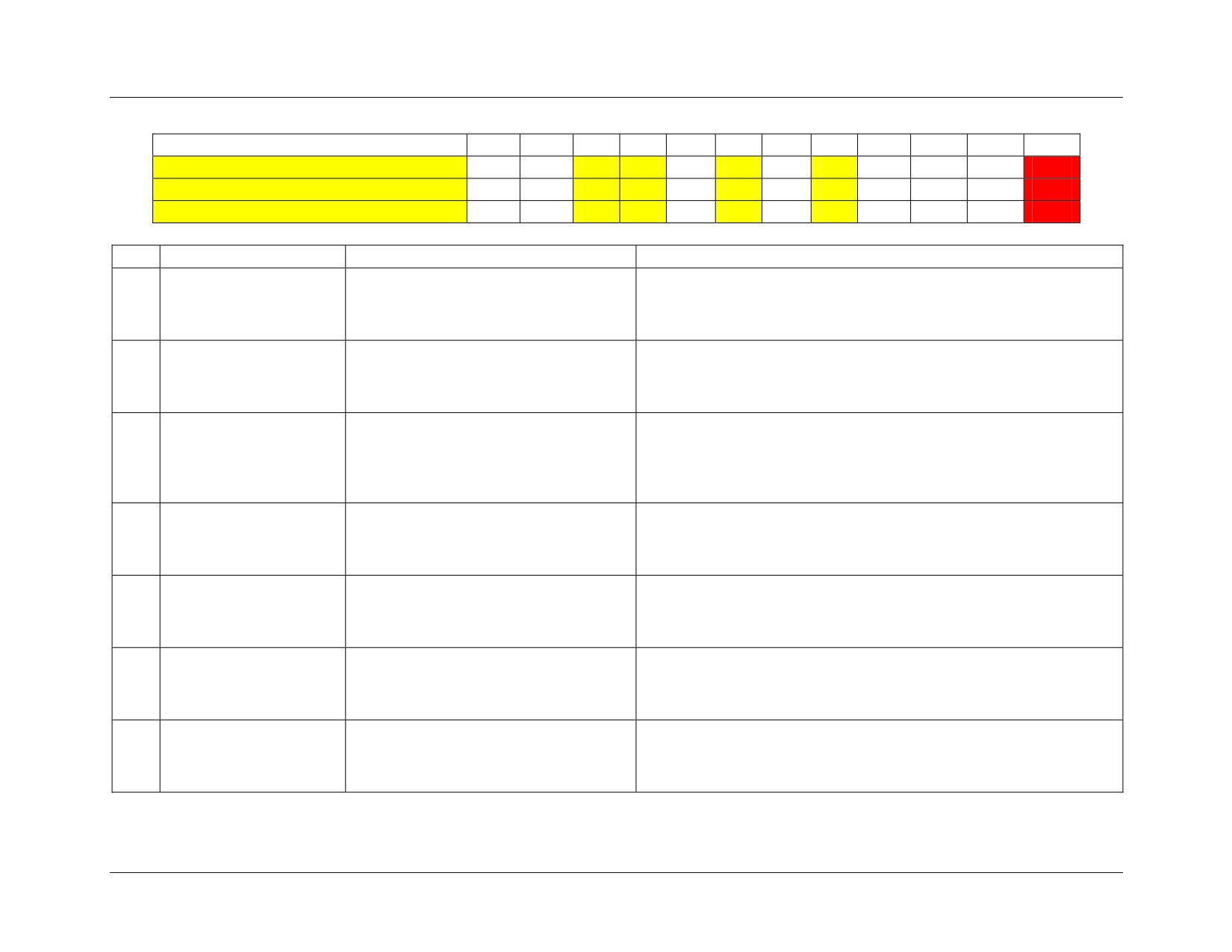
Table 17.27-1 lists the overall capabilities and deficiencies associated with the tactical
unit/staff’s ability to conduct salvage operations to recover critical materiel in a contaminated
environment/situation. In particular, specific doctrine and TTPs that address salvage operations
in a chemical, biological, and radiological or nuclear contaminated environment do not exist.
Issues such as planning, personal protective equipment, and decontamination are several aspects
of salvage operations that must be addressed by procedures and doctrine.
Projected Near/Mid-Term Capabilities and Deficiencies
There are currently no projected capabilities being assessed that would increase effectiveness in
conducting and completing this task.
Projected Far-Term Capabilities and Deficiencies
There are currently no projected capabilities being assessed that would increase effectiveness in
conducting and completing this task.
232
For Official Use Only
For Official Use Only
CBRND Functional Needs Analysis/Functional Solution Analysis
Chapter 17. Tactical Sustain Tasks
Table 17.27-1. TASUST 27: Capabilities and Deficiencies Assessment
Capability: Tactical Unit Staff.
M1
M2
M3
M4
M5
M6
M7
M8
M9
M10
M11
M12
Current Overall Capabilities
N/A
N/A
5
5
N/A
5
N/A
6
N/A
N/A
N/A
3
Near/Mid-Term Overall Capabilities
N/A
N/A
5
5
N/A
5
N/A
6
N/A
N/A
N/A
3
Far-Term Overall Capabilities
N/A
N/A
5
5
N/A
5
N/A
6
N/A
N/A
N/A
3
FAA Measure
Elaboration
Scale
M1
Percent of total losses.
Fraction of recovered items and materiel
8-10: Most recovered items and materiel can be repaired or reused.
that cannot be repaired or reused.
4-7: Some recovered items and materiel can be repaired or reused.
N/A—This is situation-specific and will
1-3: Little recovered items and materiel can be repaired or reused.
vary.
0: No recovered items and materiel can be repaired or reused.
M2
Percent of items
Fraction of proposed items to be salvaged
8-10: Most items to be salvaged can be recovered.
recovered.
that are actually recovered.
4-7: Some items to be salvaged can be recovered.
N/A—This is situation-specific and will
1-3: Few items to be salvaged can be recovered.
vary.
0: No items to be salvaged can be recovered.
M3
Percent of contaminated
Capability to decontaminate and repair or
8-10: Most contaminated items can be processed.
items that cannot be
reuse salvaged items.
4-7: Some contaminated items can be processed.
processed in accordance
1-3: Few contaminated items can be processed.
with appropriate
0: No contaminated items can be processed.
regulations.
M4
Time to appropriately
Capability to dispose of hazardous material
8-10: Full capability.
dispose of hazardous
from salvage operations, in a timely
4-7: Partial capability.
material.
manner
1-3: Limited capability.
0: No capability.
M5
Percent of items recovered
Fraction of items recovered that can be
8-10: Most recovered items can be repaired or reused.
and salvaged for further
used.
4-7: Some recovered items can be repaired or reused.
use.
N/A—This is situation-specific and will
1-3: Little recovered items can be repaired or reused.
vary.
0: No recovered items can be repaired or reused.
M6
Percent of items returned
Fraction of salvaged items that require
8-10: No items are returned to rear areas for additional decontamination.
to rear areas for additional
additional decontamination in rear areas.
4-7: Few items are returned to rear areas for additional decontamination.
decontamination.
1-3: Some items are returned to rear areas for additional decontamination.
0: Most items are returned to rear areas for decontamination.
M7
Percent increase in combat
Increase in combat capability from
8-10: Substantial increase in combat capability.
capability.
recovery and repair of salvaged equipment.
4-7: Some increase in combat capability.
N/A—This is situation-specific and will
1-3: Little increase in combat capability.
vary.
0: No increase in combat capability.
233
For Official Use Only
For Official Use Only
CBRND Functional Needs Analysis/Functional Solution Analysis
Chapter 17. Tactical Sustain Tasks
M8
Time to conduct salvage.
Capability to conduct salvage operations in
8-10: Most salvage operations can be conducted in a timely manner.
a timely manner.
4-7: Some salvage operations can be conducted in a timely manner.
1-3: Few salvage operations can be conducted in a timely manner.
0: No salvage operations can be conducted in a timely manner.
M9
Percent of total materiel
Fraction of materiel that is disposed of in a
8-10: No disposed-of materiel is contaminated.
disposed of that is
contaminated state.
4-7: Little disposed-of materiel is contaminated.
contaminated.
N/A—This is situation-specific and will
1-3: Some disposed-of materiel is contaminated.
vary.
0: Most disposed-of materiel is contaminated.
M10
Percent of items requiring
Fraction of items to be salvaged that are
8-10: No items to be salvaged are contaminated.
decontamination.
contaminated.
4-7: Few items to be salvaged are contaminated.
NA—This is situation-specific and will
1-3: Some items to be salvaged are contaminated.
vary.
0: Most items to be salvaged are contaminated.
M11
Percent of items
Fraction of critical items that are recovered
8-10: Most critical items are recovered and decontaminated in a timely
designated as critical that
and decontaminated in a timely manner.
manner.
are recovered and
NA—This is situation-specific and will
4-7: Some critical items are recovered and decontaminated in a timely
decontaminated within
vary.
manner.
designated time frame.
1-3: Few critical items are recovered and decontaminated in a timely
manner.
0: No critical items are recovered and decontaminated in a timely manner.
M12
There is effective
Assessment of the extent of DOTLPF to
8-10: Complete DOTLPF in place to execute task.
DOTLPF in place to
enable task performance.
4-7: Partial DOTLPF in place to execute task.
conduct this task.
1-3: Limited DOTLPF in place to execute task.
0: No DOTLPF in place to execute task.
234
For Official Use Only
For Official Use Only
CBRND Functional Needs Analysis/Functional Solution Analysis
Chapter 17. Tactical Sustain Tasks
17.27.3 Functional Solution Analysis
17.27.3.1
DOTLPF Assessment Summary
This section addresses the deficiencies and suggests potential non-materiel solutions. If there are
no non-materiel solutions, or they are only partial solutions, the remaining non-materiel need is
then stated. Materiel needs are assessed in the IMA section.
1.
Deficiency: Procedures to guide recovery of salvageable contaminated critical materiel do
not exist.
Non-Materiel Solutions: Doctrine: Develop standardized procedures to guide recovery of
salvageable contaminated critical materiel.
2.
Deficiency: There is no specific listing of what can or cannot be decontaminated during
salvage operations.
Non-Materiel Solutions: Doctrine: Develop a listing of what can or cannot be
decontaminated during salvage operations.
3.
Deficiency: There are no TTPs for disposal in conjunction with salvage operations.
Non-Materiel Solutions: Doctrine: Develop TTPs on how to specifically conduct hazardous
disposal in conjunction with salvage operations.
4.
Deficiency: No specific doctrine exists that has been developed through actionable results of
experimentation or lessons learned from exercises.
Non-Materiel Solutions: Doctrine: Develop doctrine on recovery of salvageable
contaminated critical materiel.
5.
Deficiency: This task is not integrated into salvage operation training or exercises.
Non-Materiel Solutions: Training: Integrate this task into unit training/exercises and
develop guidelines for how to do so.
17.27.3.2
IMA Assessment Summary
The analysis of this task has determined the need for non-materiel solutions only, and therefore
no IMAs are required.
235
For Official Use Only
For Official Use Only
CBRND Functional Needs Analysis/Functional Solution Analysis
Chapter 17. Tactical Sustain Tasks
17.28 Task TASUST 28: Conduct exploitation operations
17.28.1
Functional Area Analysis
17.28.1.1
Definition
To conduct exploitation operations. A component commander may be directed by the JTF
commander to conduct exploitation operations for the explicit purpose of eliminating the CBRN
weapons or capabilities held by an adversary. Specifically, these include U.S. military operations
across the range of military operations (ROMO). The assigned task of exploitation includes
locating, characterizing, and securing CBRN materiel, weapons, equipment, personnel, and
infrastructure, and developing appropriate forensic evidence. Also, it includes field
decontamination as required.
17.28.1.2
Derivation
OPSUST 14, Combatant Commander’s Planning Guide for WMD Elimination Operations
(Draft), UJTL (TA 7, TA 7.1).
17.28.1.2.1
Supported Tasks: OPSUST 8, OPSUST 11, OPSUST 14
17.28.1.2.2
Lateral Task: N/A
17.28.1.2.3
Supporting Task: N/A
17.28.1.3
Condition
Perform this task under conditions of:
Physical
1. Mountainous, desert, jungle, arctic terrain. (C1.1.1)
2. Significant urbanization. (C1.1.3.1)
3. Rough sea state. (C1.2.1.3)
4. Tropical, arid, artic climate. (C1.3.1)
5. Summer, winter season. (C1.3.1.1)
6. Stormy weather. (C1.3.1.3)
7. Hot and very cold air temperature. (C1.3.1.3.1)
8. Liquid, freezing, and frozen precipitation. (C1.3.1.3.6)
9. Heavy precipitation intensity. (C1.3.1.3.6.2)
10. Low visibility. (C1.3.2)
11. Negligible light. (C1.3.2.1)
12. Moderate obscurants. (C1.3.2.2)
13. Moderate nuclear effects. (C1.3.3.1)
14. Persistent blood, blister, choking, incapacitating nerve chemical effects. (C1.3.3.2)
15. All pathogens and toxins, biological effects. (C1.3.3.3)
236
For Official Use Only
For Official Use Only
CBRND Functional Needs Analysis/Functional Solution Analysis
Chapter 17. Tactical Sustain Tasks
Military
1. Cooperative nation
a. Partial preexisting arrangements. (C2.1.1.2)
b. Limited military commitments from other nations.(C2.1.1.7)
c. Limited host-nation support. (C2.8.5)
2. Uncooperative nation
a. No preexisting arrangements. (C2.1.1.2)
b. Negligible military commitments from other nations. (C2.1.1.7)
c. No host-nation support. (C2.8.5)
3. Common military conditions
a. Limited personnel expertise. (C2.2.4.5)
b. Chemical, biological, radiological or nuclear threat form. (C2.9.2)
Civil
1. Cooperative nation
a. Limited foreign government support. (C3.1.2.3)
2. Uncooperative nation
a. Negative foreign government support. (C3.1.2.3)
3. Common civil conditions
a. Moderate restraints on action. (C3.1.3.4)
This task is analyzed in the WMD Interdiction and Elimination JCIDS Analysis.
237
For Official Use Only
For Official Use Only
CBRND Functional Needs Analysis/Functional Solution Analysis
Chapter 17. Tactical Sustain Tasks
17.29 Task TASUST 29: Conduct disposition or destruction operations
17.29.1
Functional Area Analysis
17.29.1.1
Definition
To conduct disposition or destruction operations. A component or unit commander may be
directed by the JTF commander to conduct disposition or destruction operations for the explicit
purpose of eliminating the CBRN weapons or capabilities held by an adversary. Specifically,
these may include U.S. military operations across the ROMO. The assigned task of disposition or
destruction includes destroying, dismantling, rendering safe, removing, transferring, or otherwise
verifiably disposing of CBRN materiel, weapons, equipment, and infrastructure. It also includes
operations to prevent/reduce the chance for misuse of sensitive materiel.
17.29.1.2
Derivation
OPSUST 14, Combatant Commander’s Planning Guide for WMD Elimination Operations
(Draft), UJTL (TA 7, TA 7.1).
17.29.1.2.1
Supported Tasks: OPSUST 8, OPSUST 11, OPSUST 14
17.29.1.2.2
Lateral Task: N/A
17.29.1.2.3
Supporting Task: N/A
17.29.1.3
Condition
Perform this task under conditions of:
Physical
1. Mountainous, desert, jungle, arctic terrain. (C1.1.1)
2. Significant urbanization. (C1.1.3.1)
3. Rough sea state. (C1.2.1.3)
4. Tropical, arid, artic climate. (C1.3.1)
5. Summer, winter season. (C1.3.1.1)
6. Stormy weather. (C1.3.1.3)
7. Hot and very cold air temperature. (C1.3.1.3.1)
8. Liquid, freezing, and frozen precipitation. (C1.3.1.3.6)
9. Heavy precipitation intensity. (C1.3.1.3.6.2)
10. Low visibility. (C1.3.2)
11. Negligible light. (C1.3.2.1)
12. Moderate obscurants. (C1.3.2.2)
13. Moderate nuclear effects. (C1.3.3.1)
14. Persistent blood, blister, choking, incapacitating nerve chemical effects. (C1.3.3.2)
15. All pathogens and toxins, biological effects. (C1.3.3.3)
238
For Official Use Only
For Official Use Only
CBRND Functional Needs Analysis/Functional Solution Analysis
Chapter 17. Tactical Sustain Tasks
Military
1. Cooperative nation
a. Partial preexisting arrangements. (C2.1.1.2)
2. Limited military commitments from other nations. (C2.1.1.7)
a. Limited host-nation support. (C2.8.5)
3. Uncooperative nation
a. No preexisting arrangements. (C2.1.1.2)
b. Negligible military commitments from other nations. (C2.1.1.7)
c. No host-nation support. (C2.8.5)
4. Common military conditions
a. Limited personnel expertise. (C2.2.4.5)
b. Chemical, biological, radiological or nuclear threat form. (C2.9.2)
Civil
1. Cooperative nation
a. Limited foreign government support. (C3.1.2.3)
2. Uncooperative nation
a. Negative foreign government support. (C3.1.2.3)
3. Common civil conditions
a. Moderate restraints on action. (C3.1.3.4)
This task is analyzed in the WMD Interdiction and Elimination JCIDS Analysis.
239
For Official Use Only
For Official Use Only
CBRND Functional Needs Analysis/Functional Solution Analysis
Chapter 17. Tactical Sustain Tasks
17.30 Task TASUST 30: Conduct monitoring and redirection operations
17.30.1
Functional Area Analysis
17.30.1.1
Definition
To conduct monitoring and redirection operations. A component or unit commander may be
directed by the JTF commander to conduct monitoring and redirection operations for the explicit
purpose of eliminating the CBRN weapons or capabilities held by an adversary. Specifically,
these include U.S. military operations across the ROMO. The assigned task of monitoring and
redirection includes monitoring, inspecting, and redirecting/converting former CBRN programs,
facilities, and personnel.
17.30.1.2
Derivation
OPSUST 14, Combatant Commander’s Planning Guide for WMD Elimination Operations
(Draft), UJTL (TA 7, TA 7.1).
17.30.1.2.1
Supported Tasks: OPSUST 8, OPSUST 11, OPSUST 14
17.30.1.2.2
Lateral Task: TASHA 1
17.30.1.2.3
Supporting Task: N/A
17.30.1.3
Condition
Perform this task under conditions of:
Physical
1. Mountainous, desert, jungle, arctic terrain. (C1.1.1)
2. Significant urbanization. (C1.1.3.1)
3. Rough sea state. (C1.2.1.3)
4. Tropical, arid, artic climate. (C1.3.1)
5. Summer, winter season. (C1.3.1.1)
6. Stormy weather. (C1.3.1.3)
7. Hot and very cold air temperature. (C1.3.1.3.1)
8. Liquid, freezing, and frozen precipitation. (C1.3.1.3.6)
9. Heavy precipitation intensity. (C1.3.1.3.6.2)
10. Low visibility. (C1.3.2)
11. Negligible light. (C1.3.2.1)
12. Moderate obscurants. (C1.3.2.2)
13. Moderate nuclear effects. (C1.3.3.1)
14. Persistent blood, blister, choking, incapacitating nerve chemical effects. (C1.3.3.2)
15. All pathogens and toxins, biological effects. (C1.3.3.3)
240
For Official Use Only
For Official Use Only
CBRND Functional Needs Analysis/Functional Solution Analysis
Chapter 17. Tactical Sustain Tasks
Military
1. Cooperative nation
a. Partial preexisting arrangements. (C2.1.1.2)
b. Limited military commitments from other nations.(C2.1.1.7)
c. Limited host-nation support. (C2.8.5)
2. Uncooperative nation
a. No preexisting arrangements. (C2.1.1.2)
b. Negligible military commitments from other nations. (C2.1.1.7)
c. No host-nation support. (C2.8.5)
3. Common Military Conditions
a. Limited personnel expertise. (C2.2.4.5)
b. Chemical, biological, radiological or nuclear threat form. (C2.9.2)
Civil
1. Cooperative nation
a. Limited foreign government support. (C3.1.2.3)
2. Uncooperative nation
a. Negative foreign government support. (C3.1.2.3)
3. Common civil conditions
a. Moderate restraints on action. (C3.1.3.1)
This task is analyzed in the WMD Interdiction and Elimination JCIDS Analysis.
241
For Official Use Only