Military reference books and manuals (2009-2023, Volume 2) - page 46

Page 140 of 187
LVMPD Internal Oversight & Constitutional Policing Bureau
Force Investigation Team
Page 141 of 187
APPENDIX C
Stephen Paddock’s Autopsy Reports
Page 142 of 187
LVMPD Internal Oversight & Constitutional Policing Bureau
Force Investigation Team
Page 143 of 187
LVMPD Internal Oversight & Constitutional Policing Bureau
Force Investigation Team
Page 144 of 187
LVMPD Internal Oversight & Constitutional Policing Bureau
Force Investigation Team
Page 145 of 187
LVMPD Internal Oversight & Constitutional Policing Bureau
Force Investigation Team
Page 146 of 187
LVMPD Internal Oversight & Constitutional Policing Bureau
Force Investigation Team

Page 147 of 187
LVMPD Internal Oversight & Constitutional Policing Bureau
Force Investigation Team
Page 148 of 187
LVMPD Internal Oversight & Constitutional Policing Bureau
Force Investigation Team
Page 149 of 187
LVMPD Internal Oversight & Constitutional Policing Bureau
Force Investigation Team
Page 150 of 187
LVMPD Internal Oversight & Constitutional Policing Bureau
Force Investigation Team
Page 151 of 187
LVMPD Internal Oversight & Constitutional Policing Bureau
Force Investigation Team
Page 152 of 187
LVMPD Internal Oversight & Constitutional Policing Bureau
Force Investigation Team
Page 153 of 187
LVMPD Internal Oversight & Constitutional Policing Bureau
Force Investigation Team
Page 154 of 187
LVMPD Internal Oversight & Constitutional Policing Bureau
Force Investigation Team
Page 155 of 187
LVMPD Internal Oversight & Constitutional Policing Bureau
Force Investigation Team
Page 156 of 187
LVMPD Internal Oversight & Constitutional Policing Bureau
Force Investigation Team

Page 157 of 187
LVMPD Internal Oversight & Constitutional Policing Bureau
Force Investigation Team

Page 158 of 187
LVMPD Internal Oversight & Constitutional Policing Bureau
Force Investigation Team
Page 159 of 187
LVMPD Internal Oversight & Constitutional Policing Bureau
Force Investigation Team
Page 160 of 187
LVMPD Internal Oversight & Constitutional Policing Bureau
Force Investigation Team
Page 161 of 187
LVMPD Internal Oversight & Constitutional Policing Bureau
Force Investigation Team
Page 162 of 187
LVMPD Internal Oversight & Constitutional Policing Bureau
Force Investigation Team

Page 163 of 187
LVMPD Internal Oversight & Constitutional Policing Bureau
Force Investigation Team
Page 164 of 187
LVMPD Internal Oversight & Constitutional Policing Bureau
Force Investigation Team
Page 165 of 187
LVMPD Internal Oversight & Constitutional Policing Bureau
Force Investigation Team
Page 166 of 187
LVMPD Internal Oversight & Constitutional Policing Bureau
Force Investigation Team

Page 167 of 187
LVMPD Internal Oversight & Constitutional Policing Bureau
Force Investigation Team

Page 168 of 187
LVMPD Internal Oversight & Constitutional Policing Bureau
Force Investigation Team

Page 169 of 187
LVMPD Internal Oversight & Constitutional Policing Bureau
Force Investigation Team

Page 170 of 187
LVMPD Internal Oversight & Constitutional Policing Bureau
Force Investigation Team
Page 171 of 187
LVMPD Internal Oversight & Constitutional Policing Bureau
Force Investigation Team
Page 172 of 187
LVMPD Internal Oversight & Constitutional Policing Bureau
Force Investigation Team
Page 173 of 187
LVMPD Internal Oversight & Constitutional Policing Bureau
Force Investigation Team

Page 174 of 187
LVMPD Internal Oversight & Constitutional Policing Bureau
Force Investigation Team
Page 175 of 187
LVMPD Internal Oversight & Constitutional Policing Bureau
Force Investigation Team
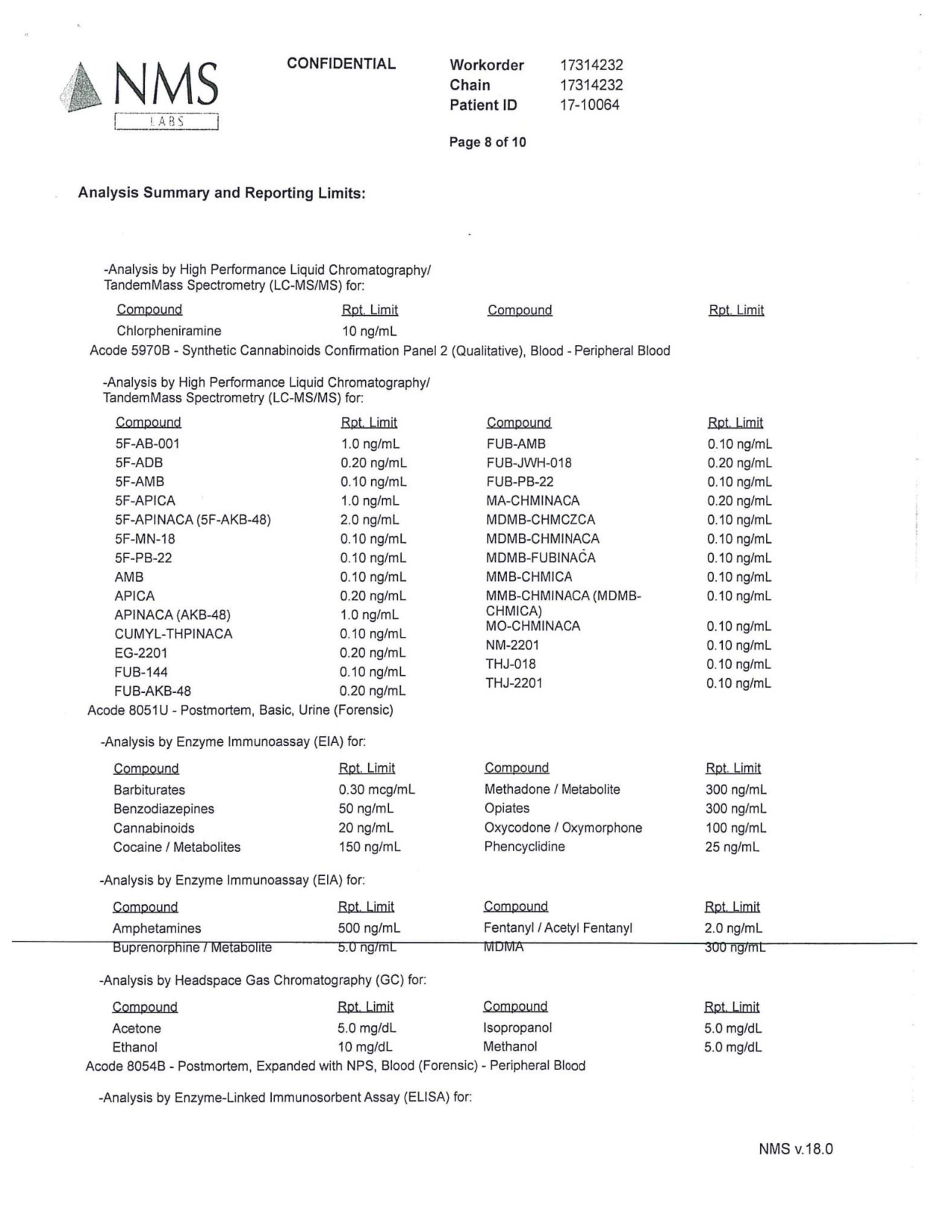
Page 176 of 187
LVMPD Internal Oversight & Constitutional Policing Bureau
Force Investigation Team

Page 177 of 187
LVMPD Internal Oversight & Constitutional Policing Bureau
Force Investigation Team

Page 178 of 187
LVMPD Internal Oversight & Constitutional Policing Bureau
Force Investigation Team
Page 179 of 187
LVMPD Internal Oversight & Constitutional Policing Bureau
Force Investigation Team
Page 180 of 187
LVMPD Internal Oversight & Constitutional Policing Bureau
Force Investigation Team
Page 181 of 187
LVMPD Internal Oversight & Constitutional Policing Bureau
Force Investigation Team
Page 182 of 187
LVMPD Internal Oversight & Constitutional Policing Bureau
Force Investigation Team
Page 183 of 187
LVMPD Internal Oversight & Constitutional Policing Bureau
Force Investigation Team
Page 184 of 187
LVMPD Internal Oversight & Constitutional Policing Bureau
Force Investigation Team
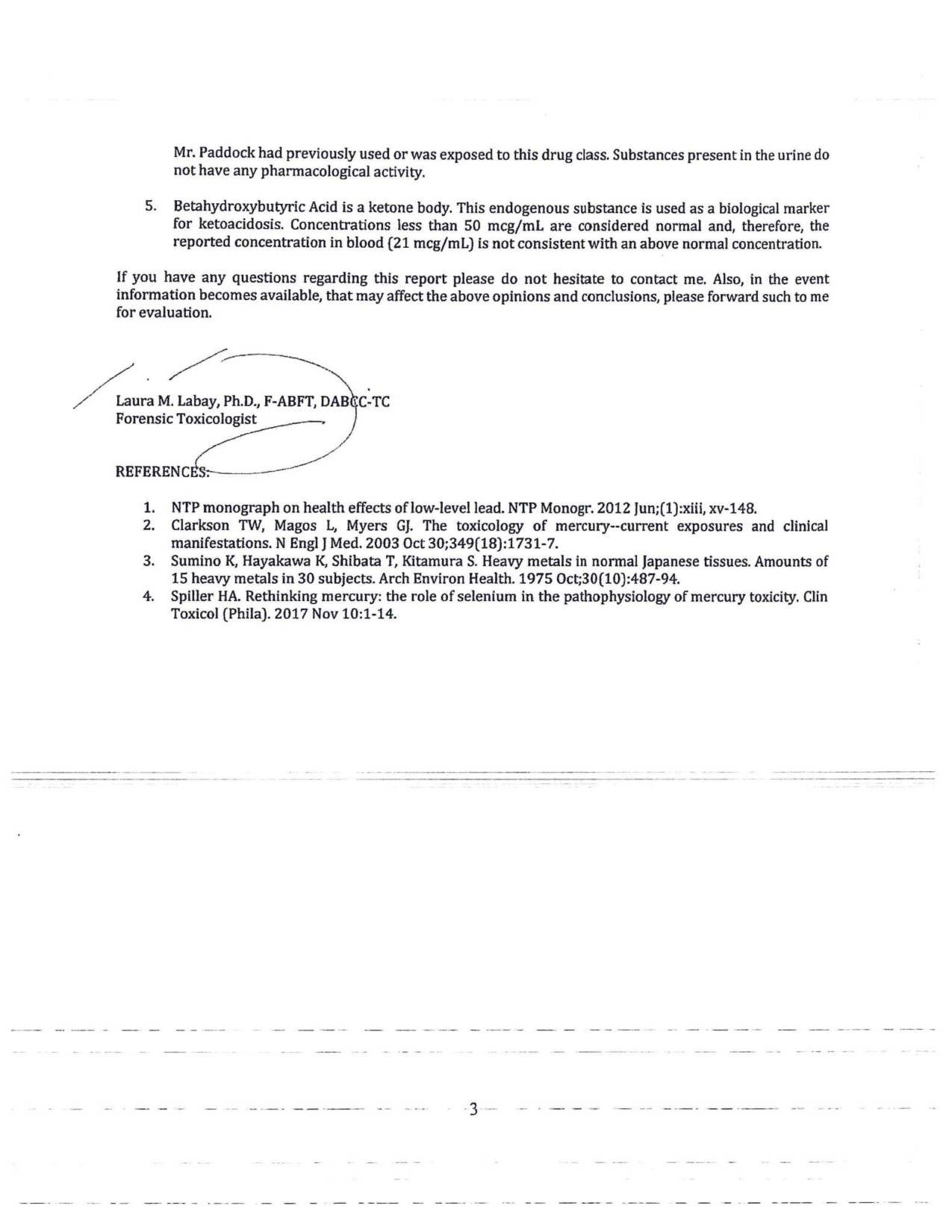
Page 185 of 187
LVMPD Internal Oversight & Constitutional Policing Bureau
Force Investigation Team
LAS VEGAS METROPOLITAN POLICE DEPARTMENT
Criminal Investigative Report of the 1 October Mass Casualty Shooting
CONTINUATION
Event: 171001-3519
(THIS PAGE INTENTIONALLY LEFT BLANK)
LVMPD Internal Oversight & Constitutional Policing Bureau
Page 186 of 187
Force Investigation Team

B-GL-346-001/PT-001
LAND FORCE
THE CHAPLAIN’S MANUAL
(ENGLISH)
This publication supersedes B-GL-312-015/PT-001, rescinded
1998-04-17.
WARNING
ALTHOUGH NOT CLASSIFIED, THIS PUBLICATION, OR ANY PART OF IT,
MAY BE EXEMPT FROM DISCLOSURE TO THE PUBLIC UNDER THE
ACCESS TO INFORMATION ACT. ALL ELEMENTS OF INFORMATION
CONTAINED HEREIN MUST BE CLOSELY SCRUTINIZED TO ASCERTAIN
WHETHER OR NOT THE PUBLICATION OR ANY PART OF IT MAY BE
RELEASED.
Issued on the authority of the Chief of the Land Staff
B-GL-346-001/PT-001
LAND FORCE
THE CHAPLAIN’S MANUAL
(ENGLISH)
This publication supersedes B-GL-312-015/PT-001, rescinded
1998-04-17.
WARNING
ALTHOUGH NOT CLASSIFIED, THIS PUBLICATION, OR ANY PART OF IT,
MAY BE EXEMPT FROM DISCLOSURE TO THE PUBLIC UNDER THE
ACCESS TO INFORMATION ACT. ALL ELEMENTS OF INFORMATION
CONTAINED HEREIN MUST BE CLOSELY SCRUTINIZED TO ASCERTAIN
WHETHER OR NOT THE PUBLICATION OR ANY PART OF IT MAY BE
RELEASED.
Issued on the authority of the Chief of the Land Staff
OPI: DAD 9-2
2005-08-01
The Chaplain’s Manual
FOREWORD
1.
B-GL-346-001/FP-001 The Chaplain’s Manual sets out
policies for the provision of chaplain services within Canada’s Army,
and provides planning guidance for Army commanders, staffs, and
chaplains.
2.
It is issued on the authority of the Chief of the Land Staff,
having been approved by the Chaplain General.
3.
This publication is effective on receipt, and replaces the
rescinded publication B-GL-312-015/PT-001 Combat Service Support,
Volume 15, Chaplains in Battle.
4.
Unless otherwise noted, masculine pronouns contained herein
refer to both genders.
5.
Published on the authority of the Chief of the Land Staff by
the Army Publishing Office, Fort Frontenac, Kingston, Ontario.
represented by the Minister of National Defence, 2005
i
The Chaplain’s Manual
PREFACE
1.
The Canadian Charter of Rights and Freedoms guarantees the
“freedom of conscience and religion” for every Canadian.
Accordingly, CF regulations direct that, subject to operational and
service exigencies, commanding officers shall make provision for
spiritual service support and religious accommodation for the soldiers
under their command.
2.
Freedom of conscience and religion may be exercised by
soldiers in a number of ways, including:
a.
accessing spiritual guidance, care and counsel;
b.
worshiping according to one’s faith;
c.
keeping holy days and religious observances;
d.
practicing religious dietary laws;
e.
receiving casualty care and treatment that is
sensitive to one’s religious practice and belief; and
f.
honouring religious appearance and dress
requirements.
3.
A soldier’s freedom of conscience and religion is also
exercised when he/she chooses to abstain, for the sake of conscience,
from participation in religious services or ceremonies. Regulation
prohibits requiring any soldier to participate in a religious service
parade, unless it is in connection with Remembrance Day observances,
a military funeral, or a ceremony of significant civic or memorial
nature.
ROLES AND RESPONSIBILITIES
4.
Commanders and chaplains have distinct roles and
responsibilities with respect to the provision of religious support to
soldiers and their families.
COMMANDER
5.
Commanders, within their area of responsibility, are
responsible for ensuring that soldiers and their families have the
opportunity to exercise their freedom of religion and conscience. A
commander therefore ensures the provision of and access to religious
support services, from the garrison right through to the zone of
iii
B-GL-346-001/FP-001
combat. A commander is also responsible for making decisions on
requests for religious accommodation in accordance with appropriate
CF regulations.
CHAPLAIN
6.
The chaplain exercises a specialized ministry within the
Army, aimed at promoting religious, spiritual, moral and ethical
values, and providing spiritual care and nurture to military members
and their families. The chaplain functions both as a specialist staff
officer, and as a religious leader.
CHAPLAIN AS STAFF OFFICER
7.
As a staff officer the chaplain functions as a specialist advisor
and has direct access to the commander. The chaplain is responsible
to the commander for planning and implementing religious support
programs and ministry activities within the commander’s area of
responsibility. The chaplain advises the commander and other staff on
matters of spirituality, ethics, morale, and religious accommodation.
CHAPLAIN AS RELIGIOUS LEADER
8.
As religious leaders chaplains are endorsed by their particular
faith community and by the Interfaith Committee on Canadian
Military Chaplaincy (ICCMC). Chaplains are mandated for this
specialized ministry by the Chaplain General, and are responsible to
the Chaplain General, to the Interfaith Committee, and to their
particular faith community authorities through their chaplain
supervisors and ecclesiastical superiors.
MINISTER TO OUR OWN—CARE FOR ALL—FACILITATE
WORSHIP OF OTHERS
9.
The chaplain performs religious rites and ceremonies, and
administers sacraments and ordinances, in accordance with the
tradition and polity of their own endorsing faith tradition. In so far as
is possible, the chaplain offers appropriate spiritual support and care to
all soldiers and their families, regardless of their religious faith
expression. If a chaplain is unable to personally provide specific
religious support, the chaplain will seek to have such support provided
iv
The Chaplain’s Manual
by another chaplain or, where possible, by appropriate civilian
religious leaders.
v
The Chaplain’s Manual
TABLE OF CONTENTS
FOREWORD
i
PREFACE
iii
Roles and Responsibilities
iii
Commander
iii
Chaplain
iv
Chaplain as Staff Officer
iv
Chaplain as Religious Leader
iv
Minister to our Own—Care for All—Facilitate
Worship of Others
iv
CHAPTER 1 SPIRITUAL VALUES AND CANADA’S ARMY
Canada’s Army
1
Core Principles
1
Spirituality
1
Spirituality and Army Culture
2
Spiritual Values and Operational Effectiveness
3
Spiritual Values and the Chaplain
4
Spirituality and Religious Practice
4
Conclusion
5
CHAPTER 2 THE CHAPLAIN’S ROLE IN THE ARMY
General
7
Chaplain as Spiritual Leader
7
Chaplain Confidentiality
8
Legal Liability Protection
8
Duties and Responsibilities
9
Dual Accountability
9
Staff Function
9
Chaplain Chain of Command
11
vii
B-GL-346-001/FP-001
Relationship with Interfaith Committee on
Canadian Military Chaplaincy (ICCMC)
11
Relationship with Denomination/Faith Group
11
Relationship with other Professionals
11
Relationship with the Chaplain Team
12
Relationship with the Unit
12
Relationship with CO and Other Senior Officers
13
Role of the Chaplain in Soldier Care
14
Chaplain Resources
15
Activities of a Chaplain
15
Ethics Training
16
Padre’s Hours
16
Leave
16
Gender Inclusive Chaplaincy
17
Cultural Sensitivity
17
ANNEX A ARMY COMMAND STRUCTURE
WITHIN THE CF
19
ANNEX B SCALE OF ISSUE: PROTESTANT CHAPLAIN
21
ANNEX C SCALE OF ISSUE: ROMAN
CATHOLIC CHAPLAIN
27
ANNEX D SUGGESTED CHAPLAIN KIT LIST
29
ANNEX E SUGGESTED TASK LISTS
SECTION 1 SUGGESTED TASK LIST UNIT CHAPLAIN
33
SECTION 2 SUGGESTED TASK LIST
BRIGADE/BASE/ASG CHAPLAIN
37
SECTION 3 SUGGESTED TASK LIST AREA CHAPLAIN ... 41
SECTION 4 SUGGESTED TASK LIST
DEPUTY AREA CHAPLAIN
45
ANNEX F CHAPLAINS ENVIRONMENTAL ORIENTATION
REQUIREMENTS RECORD
viii
The Chaplain’s Manual
Navy
47
Army
49
Air
50
CHAPTER 3 THE ROLE OF THE CHAPLAIN IN COMBAT
General
53
Chaplain Support Priorities
53
Deployment of Chaplains in Combat
54
Doctrine of Chaplains in Combat
54
Operational Considerations for Chaplains in Combat
56
CHAPTER 4 CHAPLAIN’S ROLE IN PEACE SUPPORT
OPERATIONS
General
57
Departure Assistance Groups
57
Theatre Ministry
57
Critical Incident Stress Management
58
The Chaplain’s Role in Reconciliation
58
Liaison with Local Clergy
59
Praying and Worshiping with Local Communities
59
The Chaplain’s Role with Military Liaison
Officers, CIMIC, and NGOs
60
CHAPTER 5 THE CHAPLAIN’S ROLE IN DOMESTIC
OPERATIONS
General
61
History
61
Authority, Requests and Planning Priorities
62
Chaplain Services
63
Primary Reserve Service
63
Pre-Deployment
63
Ministry Activities
64
ix
B-GL-346-001/FP-001
Post-Deployment
65
CHAPTER 6 THE CHAPLAIN’S ROLE IN GARRISON
General
67
Unit Lines Ministry
67
Chapel Ministry
68
Ministry to the Military Community
69
CHAPTER 7 CHAPLAIN SELF-CARE
General
73
Compassion Fatigue
74
SECTION 1 SELF-CARE AND SPIRITUALITY
75
Chaplain Mutual Support
75
SECTION 2 CHAPLAIN SELF-CARE
AND RELATIONSHIPS
76
Other Resources for Chaplain Care
76
ANNEX A COMPASSION FATIGUE
PREVENTION THROUGH SELF CARE
77
CHAPTER 8 MINISTRY IN AN INTERFAITH
ENVIRONMENT
General
81
Ecclesiastical Authority
82
Military Authority
83
Chaplains Minister to their Own
84
Team Cohesion
84
Chaplains Facilitate Worship for Others
85
Interfaith Advisory Group
85
Religions in Canada
85
The Internet
85
Sacred Space
86
Burial Services
87
x
The Chaplain’s Manual
First Nations Spirituality
89
Chaplains Care for All
90
Chaplain General's Policy on Public Prayer
90
Guidelines for Public Liturgy
91
ANNEX A INTERIM POLICY—RELIGIOUS
ACCOMMODATION
Purpose
93
General
93
Definitions
94
Member
94
Policy
95
Religious Practices which may be Considered for
Accommodation
95
Action by Member or Applicant Making the Request
97
Action by the Commanding Officer
97
Documentation
99
Avenues of Redress
100
APPENDIX 1 RELIGIOUS ACCOMMODATION
REQUEST FORM
101
ANNEX B INTERIM CHAPEL INTERFAITH
ACCOMMODATION
105
CHAPTER 9 THE CHAPLAIN, THE NATURE OF CONFLICT
AND THE LAW OF ARMED CONFLICT
General
107
Peace
107
Conflict
107
War
108
Spectrum of Conflict
108
Physical and Moral Aspects of Conflict
109
The Law of Armed Conflict
109
xi
B-GL-346-001/FP-001
Hague Conventions
110
Geneva Conventions
112
Chaplain and Red Cross/Red Crescent Armlet
117
National Direction and Rules of Engagement
117
Chaplains and the Bearing of Arms
117
ANNEX A DISCUSSION ON WAR FROM AN INTERFAITH
PERSPECTIVE
General
119
Pacifism
119
Holy War
119
Just War
119
ANNEX B, ADDITIONAL TREATIES,
CONVENTIONS, AND PROTOCOLS
123
CHAPTER 10 CHAPLAIN SUPPORT PLAN
General
125
Preparation
125
Submission and Approval
126
Conclusion
126
ANNEX A TEMPLATE: UNIT CHAPLAIN SUPPORT PLAN
SECTION 1 PRE-DEPLOYMENT
129
Situation
129
Mission
129
Execution
129
Administration and Logistics
130
Communications
130
SECTION 2 DEPLOYMENT
130
Situation
130
Mission
131
Execution
131
xii
The Chaplain’s Manual
Administration and Logistics
132
Communications
132
SECTION 3 POST-DEPLOYMENT
132
Situation
132
Mission
132
Execution
132
Administration and Logistics
133
Communications
133
ANNEX B TEMPLATE SENIOR CHAPLAIN SUPPORT PLAN
SECTION 1 PRE-DEPLOYMENT
135
Situation
135
Mission
135
Execution
135
Administration and Logistics
136
Command and Communications
137
SECTION 2 DEPLOYMENT
137
Situation
137
Mission
137
Execution
137
Administration and Logistics
138
Command and Communications
139
SECTION 3 POST-DEPLOYMENT
139
Situation
139
Mission
139
Execution
139
Administration and Logistics
140
Command and Communications
140
APPENDIX 1 CHAPLAIN MID -AND
POST-DEPLOYMENT REPORT
141
xiii
B-GL-346-001/FP-001
CHAPTER 11 HISTORICAL BACKGROUND OF CANADIAN
ARMY CHAPLAINCY “CELEBRATING OUR HERITAGE”
General
145
The Canadian Story
146
The Boer War
146
First World War (1914-1918)—Organization
147
After the First World War
147
Second World War (1939-1945)
148
Second World War—Role
148
Second World War—Prisoners of War
148
After the Second World War
149
Korea (1950-53)
149
Building Community
150
Peace Support Operations
150
Unification of the Chaplain Services
150
Integration and the Chaplain School
151
Multi-Faith Chaplaincy
152
Conclusion
152
CHAPTER 12 CARE OF CASUALTIES AND BURIAL OF THE
DEAD
Mass Casualties
153
Burial Procedures and Graves Registration
153
Repatriation of Bodies and Wounded
155
Condolence
156
Notification of NOK and Care of the Bereaved
157
Mortuary Affairs
159
CHAPTER 13 CHAPLAIN INTEROPERABILITY
General
161
Ministry to Prisoners of War
161
xiv
The Chaplain’s Manual
Relation with Local Clergy
162
CHAPTER 14 MOBILIZATION
General
163
Force Generation
163
Force Enhancement
164
Force Expansion
164
National Mobilization
165
Chaplain Support to Canadian
Operational Commitments
165
CHAPTER 15 RESERVE CHAPLAINS
General
167
Recruitment
168
Training and Career Progression
169
SECTION 2 DEVELOPMENTAL PERIOD (DP)1
169
Chaplain Basic Training Course
169
SECTION 3 DP2
170
Intermediate Chaplain Course
170
SECTION 4 DP3
170
Senior Chaplain Course
170
RESO Student Chaplains
170
Senior Appointments
171
Deployments
171
xv
The Chaplain’s Manual
CHAPTER 1
SPIRITUAL VALUES AND CANADA’S ARMY
CANADA’S ARMY
1.
The relationship between Canadian society and its military
requires mutual respect and reciprocal liability. As long as Canadians
wish to remain free, and preserve the ideals that distinguish them as a
nation, the military will continue to remain necessary. For its part, the
military must reflect and espouse the very best qualities and values of
the Canadian society it protects and represents.
2.
The fundamental purpose of the military is to serve in
defence of the nation, and to protect its interests at home and abroad.
This involves both the disciplined application of lethal force and the
unlimited liability of every soldier. The military can only remain
effective, however, if its personnel and material requirements are
recognized, understood, and supported by Canadians, and as long as it
is seen by Canadians to affirm and reflect those good and basic
qualities which define us as a nation.
CORE PRINCIPLES
3.
The principles of Respect for the Dignity of all Persons,
Service to Canada before Self, and Obedience to Lawful Authority
must remain the core of our military ethos. These core principles are
essential to our military capabilities in peace, in conflict, and in war.
4.
The unlimited liability of soldiering demands, therefore, both
a selfless and a sound ethical foundation which soldiers believe,
understand and accept. To this end, the Army must strive to instill and
nurture, within its officers and soldiers, ideals that underlie its military
ethos. Important to the development of, and integral to sustaining
such ideals and principles, is the attention paid to cultivating spiritual
values and attending to issues of spiritual care and nurture.
SPIRITUALITY
5.
Human beings are spiritual beings. The spiritual dimension is
a part of each individual’s psyche, and helps provide meaning,
cohesion and integrity as a human person. Spirituality is a dimension
of our humanity which is timeless, eternal and transcendent. It
nurtures in us a vision of what it is to be human, and provides us with
B-GL-346-001/FP-001
1
The Chaplain’s Manual
sources of inner strength and purpose, affording a connection with the
greater good, and helping us to overcome meaninglessness and
despair.
6.
This spiritual aspect of the human psyche is also deeply
communal. It draws us into relationship with others beyond the self,
and also draws many into a relationship with a divine other. Our
spirituality enables us to see ourselves in the other, and the other in us,
and is related, therefore, not only to our sense of individual wellness
and worth, but also to the character and quality of the relationships we
build.
7.
At its most basic level spirituality has to do with meaning and
relationship. It has to do with our need to understand who we are and
how we relate to ourselves, to others, and to our world; and with our
need, as well, to discern how it is we comprehend and relate to our
origins and to the originator, to what the future holds, and also to the
one who holds it. Spirituality helps us to discover our need to love
and to be loved, and our need to forgive and to be forgiven - by
ourselves, by one another and, for many, by a higher power.
SPIRITUALITY AND ARMY CULTURE
8.
Attending to the importance of spiritual development and
care amongst our soldiers and families is vital to the development of a
healthy Army Culture. Spiritual values strengthen resolve and
promote decency, and they nourish all other important human
characteristics that touch the human spirit: comradeship, respect for
others, selfless commitment, and discipline. They allow soldiers more
easily to see themselves as having a vocation, that “soldiering” is a
way of life and service, not just a career or a job.
9.
Spiritual values are noble: they inspire individuals to reach
out beyond themselves, many towards a higher power, while also
underpinning a vital sense of self-belief and self-worth. Spiritual
values foster a sense of identity, a growth of maturity throughout an
individual’s life, and a foundation for human motivations, particularly
in times of crisis. Spiritual values help an individual to address issues
of life and death, meaning and significance, guilt and forgiveness,
good and evil.
B-GL-346-001/FP-001
2
Spiritual Values and Canada’s Army
SPIRITUAL VALUES AND OPERATIONAL EFFECTIVENESS
10.
The longstanding principles of effective war-fighting have
consistently acknowledged the vital importance of soldier morale.
Field Marshal Montgomery listed four key factors that constitute the
morale of a soldier in battle:
a.
leadership,
b.
discipline,
c.
comradeship, and
d.
self-respect.
11.
These factors, so essential to a soldier’s morale, are certainly
not created by chance, but rather are underpinned by the spiritual
values that help provide a structure for sustaining and upholding
soldiers who are engaged in the dreadful business of combat.
12.
Effective military forces have historically identified with
something beyond themselves, and have been prepared to sacrifice
their lives for a belief, a cause, a principle or a purpose. Spirituality is
a key enabler, or catalyst, in bringing clarity to such a purpose, and has
a crucial influence, therefore, on individual soldier morale, and
consequently on overall military effectiveness.
13.
Equally important, spiritual values also underline the
standards of individual and collective behaviour. Without spiritual
values there can be a tendency towards a mercenary rather than a
vocational approach to soldiering, and it can become all too easy for
soldiers to divorce themselves from the consequences of their actions.
14.
The Army’s credibility has at times suffered serious damage
from errors in judgment and breakdowns of discipline. The Somalia
experience illustrates how easily lapses may occur - even in an Army
with a superb and hard-won record of decency and professionalism.
The Army needs, therefore, to keep its moral compass fixed in order to
ensure that under the pressures of conflict its actions will remain
justifiable and ethical.
15.
Consequently, soldiers need values both for which, and by
which, they will fight.
B-GL-346-001/FP-001
3
The Chaplain’s Manual
SPIRITUAL VALUES AND THE CHAPLAIN
16.
Every soldier has the right to belong to any religion, or to
none. All soldiers, regardless of their religious affiliation, have need
of spiritual values and the right of access to spiritual nurture and care.
The chaplain is part of a multidisciplinary care team whose different
members, coordinated by the chain of command, all contribute
towards the support and care of soldiers and their families.
17.
Chaplains remain first and foremost ministers of their own
civilian faith communities, without whose recognition and
endorsement they would not be permitted to exercise ministry in this
context. Chaplains minister to the moral and spiritual welfare of
soldiers both at home and abroad, and in many instances, chaplains are
the only “welfare officer” on the battlefield.
18.
Chaplains bring images of order in the midst of chaos, and
hope in the midst of despair. They advise commanders at all levels,
and offer honest, candid moral and spiritual guidance to all. Chaplains
are walking sacraments, signs and agents of grace. They offer
nourishment in word and sacrament, and create a sanctuary, a safe
place to be and to share, where confidentiality is valued and respected.
19.
Chaplains offer care and support to every member of the
community regardless of faith, religion, and belief, or their absence.
Chaplains provide spiritual counselling, and offer soldiers a
connection with people and life at home, as well as to a sense of
transcendent and eternal truth and values. Chaplains are non-
threatening and familiar, and in part they are advocate, ombudsman,
conscience, symbol, and encourager. Chaplains build trust in
leadership and lead by being. They are role models, mentors and
agents of truth and reconciliation. Chaplains help to build a sense of
community and contribute to the development of cohesive teams
imbued with integrity.
SPIRITUALITY AND RELIGIOUS PRACTICE
20.
Spiritual values are not exclusively about religion, however
for many there is a profound connection between spiritual belief and
religious practice. Occasions, therefore, to engage in and to be
engaged by sacred worship, ritual and tradition remain of vital
importance and significance.
B-GL-346-001/FP-001
4
Spiritual Values and Canada’s Army
21.
Religious practice, discipline, and ritual help many people to
experience and more fully comprehend their place within and
connection to the divine. These are means by which we seek to know
God and to be more fully known by God, as well as to discern and
commit ourselves to living out God’s purposes for our life. These are
also means by which we seek to process, honour and more fully
comprehend our experiences of the world around us, and especially
those experiences of profound joy or loss. Rituals are symbolic
activities that help us express our deepest thoughts and feelings about
life and about life’s most important events.
22.
Chaplains will seek to assist all soldiers, regardless of their
faith expression, to pursue the religious traditions and practices of
their proper faith community - both through the freedom to practice
personal private spiritual exercises and disciplines of their faith, as
military exigencies permit, and, whenever possible, to join with others
in opportunities for shared public communal acts of religious
observance or worship.
CONCLUSION
23.
Although spiritual values may well be, in and of themselves,
absolute and eternal, the level of perceived spiritual need is relative to
the demands and stresses of the particular situation at hand. Hence the
well-worn cliché: “there are no atheists in a foxhole.” The need
amongst soldiers for spiritual values and spiritual care is
unquestionably most acute during difficult military operations, and at
any other time of increased personal stress or danger.
24.
That being said, however, consideration of spiritual needs,
and the nurture of spiritual values, must clearly be attended to in times
of peace if they are to effectively support or sustain a soldier in battle.
Soldiers must have consistent moral values in peace and war, and can
neither afford to breach international laws, nor lose their sense of
human decency, if they are to effectively deliver and defend an
enduring peace.
B-GL-346-001/FP-001
5
The Chaplain’s Manual
CHAPTER 2
THE CHAPLAIN’S ROLE IN THE ARMY
GENERAL
1.
As men and women of faith, endorsed and supported by their
respective religious authorities, the chaplains serving Canada’s Army
are dedicated to the provision of spiritual, religious, moral and ethical
support to soldiers and their families.
2.
Army chaplains advise commanders on spiritual, religious,
moral, and ethical issues affecting soldiers and their families. They
provide religious, spiritual, moral and ethical support to soldiers and
their families during operations and in static situations.
3.
The first chapter of this manual addressed spirituality and the
role it plays in the life and the culture of the Army. The chaplain has
been entrusted with a unique leadership role within this dimension of
army life. Guided by the CF Chaplain Branch Manual, and other
relevant orders and directives, Army chaplains minister to their own,
facilitate the worship of others, and care for all.
4.
All Army chaplains are commissioned as chaplains and serve
as CF officers. They have the responsibility to conform to the same
high standards expected of every Army officer. They are subject to
the Code of Service Discipline. They do not, however, have the
authority of command (see A-CG-001/JD-000 CF Chaplain Branch
Manual, Chapter 3, paragraph 5).
5.
Under the terms of the Geneva Convention, chaplains are
non-combatants. The policy of the ICCMC and Chaplain General is
that chaplains shall not bear arms (see A-CG-001/JD-000 CF
Chaplain Branch Manual, Chapter 3, paragraph 4, and Chapter 9 of
this manual).
CHAPLAIN AS SPIRITUAL LEADER
6.
An effective Army chaplain is a mentor in their unit. They
live their life emphasizing service to others over self. They journey
alongside others in their unit and present an example that inspires
others to lives of service and sacrifice.
7.
The chaplain acts as confessor for those who have fallen short
of their own or others’ expectations. Chaplains provide comfort,
forgiveness, restoration and guidance for the way forward.
B-GL-346-001/FP-001
7
The Chaplain’s Manual
8.
The chaplain fulfills the threefold role, present in sacred
scriptures, of Prophet, Priest and King. Prophets are those who
represent God to people. Chaplains will from time to time have to
confront members of their unit and even their leadership about issues
of morality or fairness. They are sometimes challenged to speak the
truth where it may not be welcomed. Priests are those who represent
people to God. As chaplains, we do this through worship and
prayerful support. Chaplains also have a kingly role. This is not to
take people for granted or to exploit them. Rather, it is the role of
servant-ruler who lovingly cares for people.
9.
In the unit, chaplains are not just witnesses through their
personal life and ministry of presence but also symbols. They are
symbolic of the higher principles of faith, hope and love. They are a
visible reminder of the eternal. They are a source of vision. They are
agents of grace offering a human face in inhumane situations. They
offer sanctuary and a starting point away from the absurdity of war.
10.
The chaplain can contribute to the health and wellness of the
unit by fulfilling a number of roles. The chaplain can act as
reconciler, mitigator, advocate, mediator and conflict manager. The
most important role that the chaplain can play is friend. The chaplain
is in a unique position to be a friend to every member of the unit, from
the commanding officer to the newest private soldier. Chaplains can
offer a listening ear and a friendly face in those times when soldiers
feel vulnerable and alone.
CHAPLAIN CONFIDENTIALITY
11.
Absolute confidentiality is offered only during the conduct of
penitential rites in accordance with specific faith group practices.
Confidentiality in pastoral care and counselling is not applicable in the
following circumstances: when there is a reasonable chance that the
counselled may pose a threat to others or to themselves, when there is
indication of the abuse of minors, and when ordered by a court of law.
Chaplains must ensure that persons seeking their counsel are advised
of these limits to confidentiality (see A-CG-001/JD-000 CF Chaplain
Branch Manual, Chapter 3, paragraph 19).
LEGAL LIABILITY PROTECTION
12.
Chaplains are protected from legal cost under the Treasury
Board of Canada’s Policy on the Indemnification of and Legal
B-GL-346-001/FP-001
8
The Chaplain’s Role in the Army
Assistance for Crown Servants. The qualifier for coverage is that the
chaplain acted honestly and without malice within their scope of duties
or employment, and met reasonable department expectations (Chapter
4a.). The cost of legal counsel will be assumed by the crown (Chapter
4a(IV)). It is the practice of the Government of Canada to pay out of
public funds any judgment, including costs, against their employee
once they have been judged entitled to indemnification (Chapter 7.5).
Chaplains can obtain a complete copy of this document from the
Office of the Judge Advocate.
DUTIES AND RESPONSIBILITIES
13.
Although the general duties and responsibilities of all
chaplains are outlined in the CF Chaplain Branch Manual, suggested
task list descriptions for Army unit, brigade and area chaplains are
contained in Annex E to this chapter. These terms of reference are not
meant to be exhaustive in nature, but should be used as a guide for
preparing Professional Development Review (PDR) task descriptions,
and for selection and supervision of chaplains at the tactical and
operational level.
DUAL ACCOUNTABILITY
14.
As professional officers, chaplains are responsible to the
Chaplain General and their military commanders through their
respective chains of command. As religious professionals, they are
also answerable to their own religious superiors and are responsible
for fulfilling the requirements of their particular community of faith
(see A-CG-001/JD-000 CF Chaplain Branch Manual, Chapter 3,
paragraph 3).
STAFF FUNCTION
15.
There are generally three types of staff officers:
a.
personal staff, such as aide-de-camps and executive
assistants;
b.
general staff, who assist the commander in meeting
the responsibility of command, such as an operations
officer; and
c.
specialist staff, such as chaplains, doctors and
lawyers.
B-GL-346-001/FP-001
9
The Chaplain’s Manual
16.
Army chaplains function as Specialist Advisors to their
commanders. In so doing they work alongside other staff officers. At
the general staff level, these are:
a.
G1—who assists the commander with personnel
administration;
b.
G2—who provides the commander with the
intelligence needed to conduct operations;
c.
G3—who assists the commander with planning,
directing, controlling, and coordinating operations
and training;
d.
G4—who assists the commander with planning and
coordinating the logistical aspects of combat service
support;
e.
G5—who assists the commander with developing
and executing policies related to civil authorities and
the civilian population; and
f.
G6—who assists the commander with
telecommunications support.
17.
There are two components to the G1 staff: Personnel
Management and Personnel Services. Chaplain Service is usually
considered as one aspect of Personnel Services. Note that while
chaplains will usually fall administratively under the G1 staff, their
function as Specialist Advisors to the commander allows them the
right and responsibility to meet with the commander on an as required
basis. The chaplain should always have direct access to the
commander.
18.
At the unit level, the G1 equates to the Adjutant, G2 to the
Intelligence Officer, G3 to the Operations Officer, G4 to the Logistics
Officer, G5 to the Unit Information Officer, and G6 to the Signals
Officer.
19.
In certain units and headquarters, local customs and traditions
may account for some variance in this system. The Adjutant and/or
the senior sergeant-major are always a good resource to explain local
staff configurations.
B-GL-346-001/FP-001
10
The Chaplain’s Role in the Army
CHAPLAIN CHAIN OF COMMAND
20.
Army chaplains serving their unit are under the direct
supervision of their brigade or base chaplain. The Brigade/Base
Chaplain reports to the Area Chaplain, who in turn reports to the Army
Command Chaplain. The Army Command Chaplain is the specialist
advisor to the Chief of the Land Staff (CLS), and also functions as a
staff officer to the Director Pastoral Operations and Chancery
Services, who reports to the Chaplain General (see A-CG-001/JD-000
CF Chaplain Branch Manual, Chapter 10). Annex A outlines the
Army structure in the CF.
RELATIONSHIP WITH INTERFAITH COMMITTEE ON
CANADIAN MILITARY CHAPLAINCY (ICCMC)
21.
In ecclesiastical matters, the Chaplain Branch is subject to the
direction of, and is responsible to, the ICCMC, which is the sole
representative from the faith groups in Canada to the Government of
Canada and the Minister of National Defence. Chaplains are also
subject to the ecclesiastical direction of their own denominational /
faith group representative of the ICCMC, in accordance with specific
denominational/faith group rules, regulations and laws.
Communication affecting a chaplain’s personal ministry and of a
purely religious nature may be referred to the appropriate member of
the ICCMC (see A-CG-001/JD-000 CF Chaplain Branch Manual,
Chapter 3, paragraph 6.c., and Chapter 10, paragraph 2).
RELATIONSHIP WITH DENOMINATION/FAITH GROUP
22.
Army chaplains work in a multi-faith environment and on an
ecumenical team. They are, however, endorsed spiritual leaders from
a specific denomination/faith group. It is imperative that chaplains
remain faithful to the teachings and limitations of their sponsoring
faith community. Chaplains must not compromise the integrity of
their own denomination/faith group, and where possible should
participate in, and contribute to, the activities of their own faith
communities.
RELATIONSHIP WITH OTHER PROFESSIONALS
23.
Chaplains will often find themselves working in concert with
other professionals, particularly in the counselling and health fields. It
B-GL-346-001/FP-001
11
The Chaplain’s Manual
is imperative that chaplains maintain a positive relationship with
agencies and people who share the common goal of caring for soldiers
and their families. Chaplains need to recognize their own counselling
and skill limitations, and be prepared to make appropriate referrals
(see A-CG-001/JD-000 CF Chaplain Branch Manual, Chapter 3,
paragraphs 14-16).
RELATIONSHIP WITH THE CHAPLAIN TEAM
24.
All Army chaplains belong to a larger team. Reserve unit
chaplains belong to the brigade team, and regular force unit chaplains
belong to a brigade or base team. There should be no ‘Lone Rangers’
serving as chaplains. A strong identification with the unit is desirable
and necessary for an effective ministry, but the relationship with the
chaplain team and the Chaplain Branch must be even stronger.
Chaplains must endeavour to be loyal to the chaplaincy leadership and
faithful to the policies of the Branch even when this places them in an
awkward position in their own unit. Senior chaplains can promote this
sense of team through such events as annual gatherings, regional
meetings, unit visits, conference calls, weekly meetings, and the
chaplaincy monthly prayer cycle.
RELATIONSHIP WITH THE UNIT
25.
The single most important issue around the relationship with
a unit is for a chaplain to establish a strong ministry of presence. A
program of regular visitation in the lines is an absolute must for an
effective chaplain. This is true of ministry in garrison or in operations.
The chaplain who visits soldiers and demonstrates a willingness to
share their hardships and listen to their observations is going to be
more readily accepted. A chaplain must work hard to be known by the
troops, but also to know the troops.
26.
The chaplain must lead by example. Effective chaplains will
lead lives that reflect the Army’s core values of duty, integrity,
discipline, and honour. As Canada’s Army continues to transform
itself to meet the challenges of the future, chaplains can inspire trust in
the leadership by being aware of and supporting the strategic plan.
27.
The chaplain is part of the unit leadership team. Chaplains
work with other officers, senior non-commissioned members, and the
commanding officer to solve problems at the lowest level. A chaplain
has the unique ability to discover personnel problems and help solve
B-GL-346-001/FP-001
12