DB2 Server for VSE. Operations Guide / Handbooks (2004-2007) - page 10
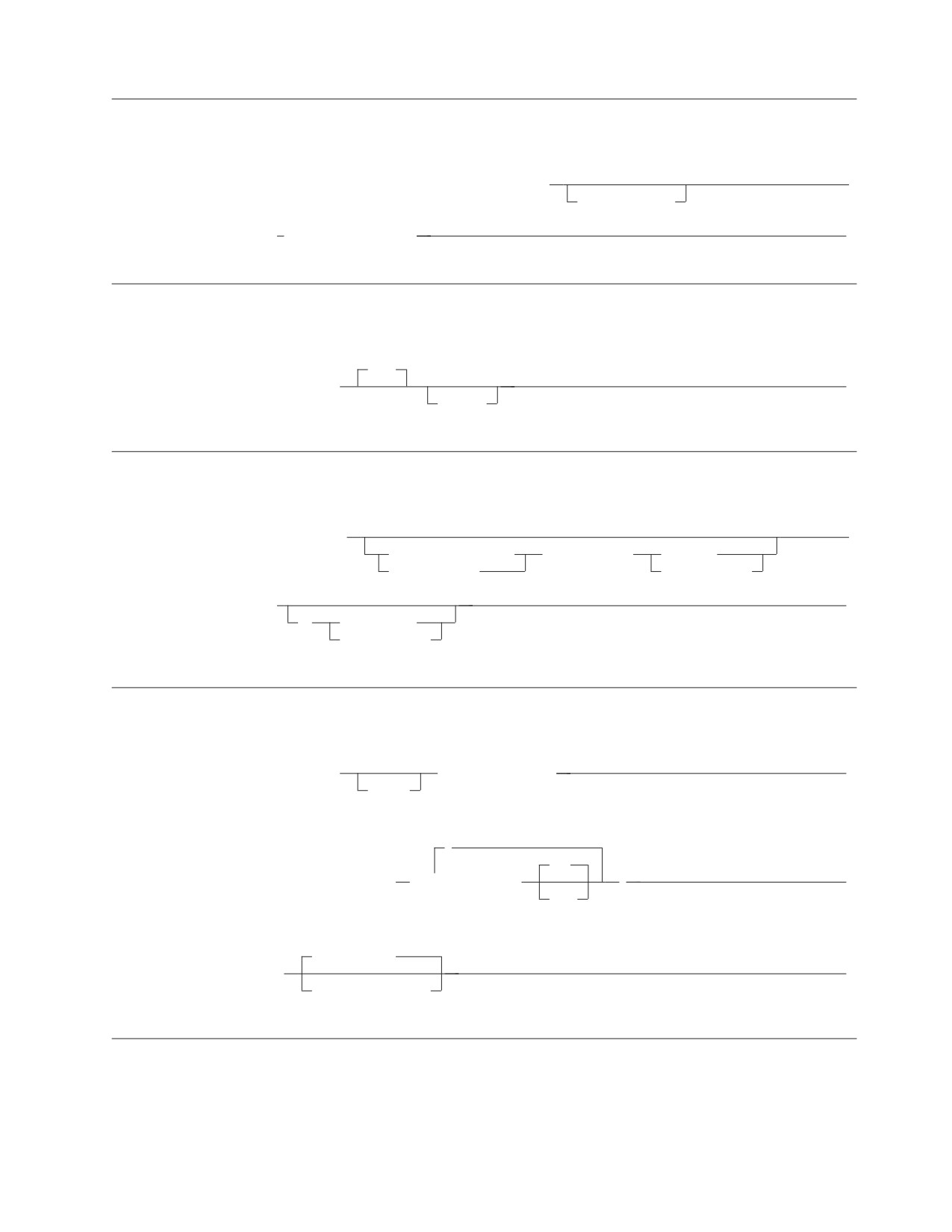
Search Conditions
Specifies a condition that is true, false, or unknown about a row or group. The
common form of a search condition is column_name operator value. Refer to
“Predicate” on page 13 for additional functions available for search conditions.
►►
predicate
►
NOT
(search_condition)
► ▼
►◄
AND
predicate
OR
NOT
(search_condition)
Chapter 1. DB2 Language Elements
15
16

Chapter 2. Functions
The two kinds of functions are column and scalar.
Column Functions
Produce a value from an argument having a collection of values that are derived
from one or more columns.
AVG
Calculates the average of a group of column values.
ALL
►► AVG
(
numeric_exp
)
►◄
DISTINCT column_name
COUNT
Obtains the number of rows or distinct values in a collection of rows or column
values.
►► COUNT
( DISTINCT column_name
)
►◄
(*)
MAX
Obtains the maximum value in a collection of column values.
ALL
►► MAX
(
exp
)
►◄
(1)
DISTINCT
column_name
Notes:
1
Although the keyword DISTINCT is allowed, it does not affect the result of
the function.
MIN
Obtains the minimum value in a set of column values.
ALL
►► MIN
(
exp
)
►◄
(1)
DISTINCT
column_name
Notes:
1
Although the keyword DISTINCT is allowed, it does not affect the result of
the function.
17

SUM
Obtains the total of all values in a group.
ALL
►► SUM
(
numeric_exp
)
►◄
DISTINCT column_name
Scalar Functions
Produce a single value from an argument having a single value.
CHAR
Creates a character representation of certain noncharacter data types.
►► CHAR
(
decimal_exp
)
►◄
timestamp_exp
date_exp
time_exp
,ISO
,USA
,EUR
,JIS
,LOCAL
DATE
Creates a date from an expression or timestamp.
►► DATE
(exp)
►◄
DAY
Extracts the day part of a value.
►► DAY
(
date_exp
)
►◄
timestamp_exp
date_dur_exp
timestamp_dur_exp
DAYS
Extracts an integer representation of a date. The result is one more than the
number of days from January 1, 0001, to the date.
►► DAYS
(
date_exp
)
►◄
timestamp_exp
date_str_exp
DECIMAL
Returns a decimal representation of a numeric value.
18

►► DECIMAL
( numeric_exp
)
►◄
,0
,precision_integer
,scale_integer
DIGITS
Returns a character string representation of a number without a sign or decimal
point.
►► DIGITS
(
integer_exp
)
►◄
decimal_exp
FLOAT
Returns a floating-point representation of a number.
►► FLOAT
(numeric_exp)
►◄
HEX
Returns a hexadecimal representation of a value.
►► HEX
(exp)
►◄
HOUR
Extracts the hour part of a value.
►► HOUR
(
time_exp
)
►◄
timestamp_exp
time_dur_exp
timestamp_dur_exp
INTEGER
Returns an integer representation of a number.
►► INTEGER
(numeric_exp)
►◄
LENGTH
Returns the length of a value.
►► LENGTH
(exp)
►◄
MICROSECOND
Extracts the microsecond part of a value.
►► MICROSECOND
(
timestamp_exp
)
►◄
timestamp_dur_exp
Chapter 2. Functions
19
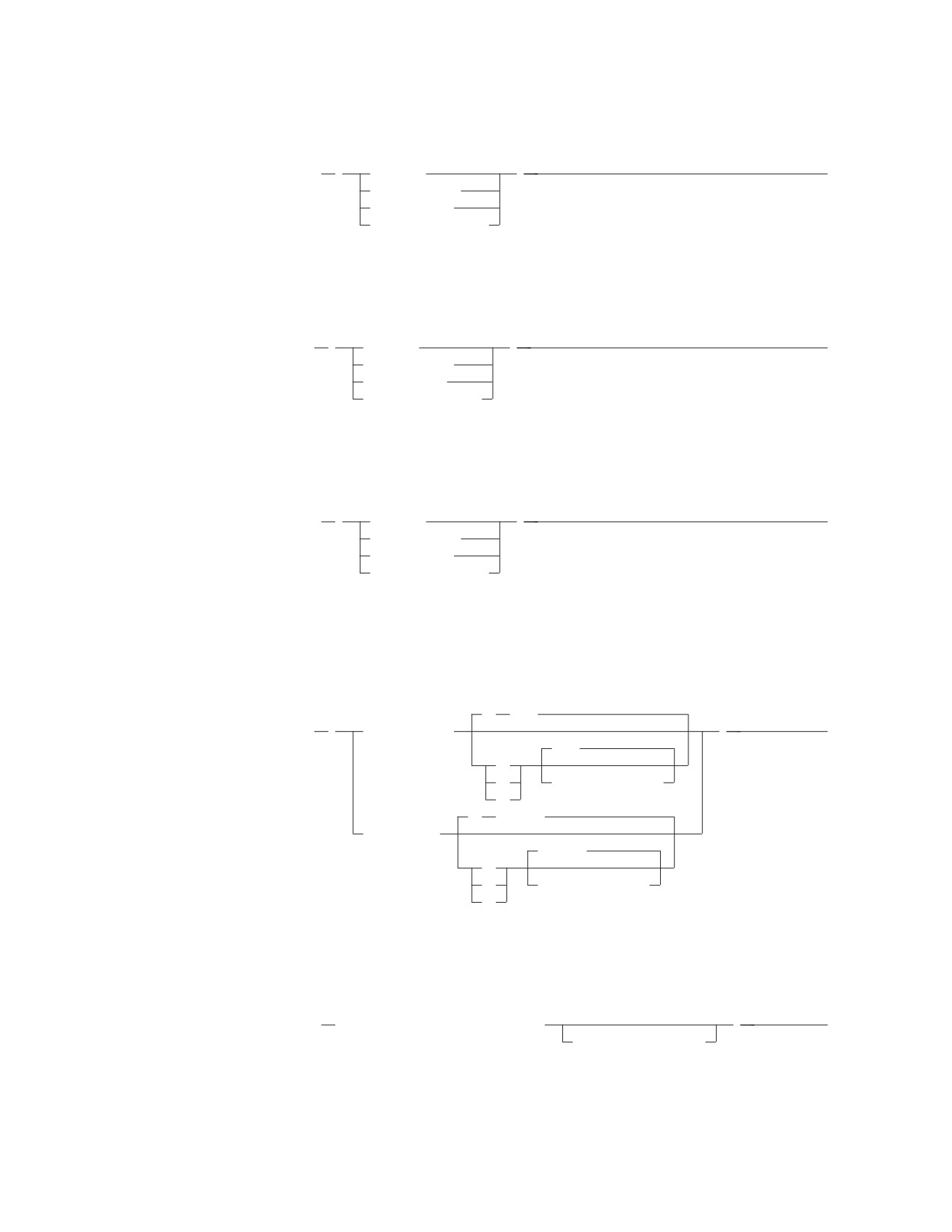
MINUTE
Extracts the minute part of a value.
►► MINUTE
(
time_exp
)
►◄
timestamp_exp
time_dur_exp
timestamp_dur_exp
MONTH
Extracts the month part of a value.
►► MONTH
(
date_exp
)
►◄
timestamp_exp
date_dur_exp
timestamp_dur_exp
SECOND
Extracts the seconds part of a value.
►► SECOND
(
time_exp
)
►◄
timestamp_exp
time_dur_exp
timestamp_dur_exp
STRIP
Removes blanks or another specified character from the end or the beginning of a
string.
,B
,’ ’
►► STRIP
(
character_str
)
►◄
,’ ’
,L
,T
,strip_character
,B
,B
,’G< >’
graphic_str
,’G< >’
,L
,T
,strip_character
,B
SUBSTR
Returns a part (substring) of string as indicated by the length and starting position.
►► SUBSTR
( str_exp, start_integer_exp
)
►◄
,length_integer_exp
20
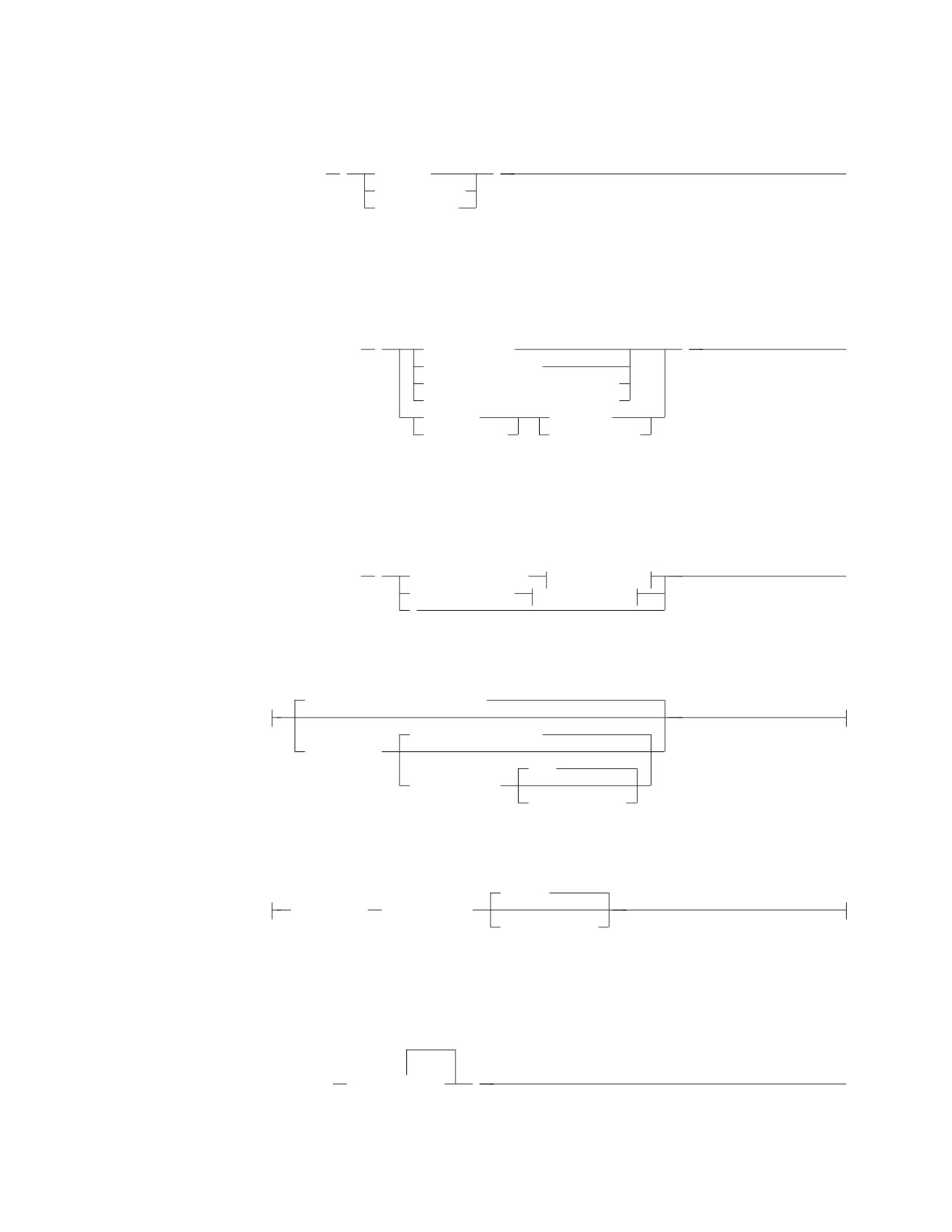
TIME
Creates a time from a value.
►► TIME
(
time_exp
)
►◄
timestamp_exp
time_str_exp
TIMESTAMP
Creates a timestamp from a value or a pair of values that represent a date and
time.
►► TIMESTAMP
(
timestamp_exp
)
►◄
timestamp_str_exp
yyyymmddhhmmss_character_exp
370_storeclock_character_exp
date_exp
,time_exp
date_str_exp
,time_str_exp
TRANSLATE
Changes one or more characters in a string expression into other characters. For
example, it can be used to reorder characters in a string to uppercase.
►► TRANSLATE
(
character_str_exp
parameters-a
►◄
graphic_str_exp
parameters-b
)
parameters-a:
,’ABC...XYZ’,——’abc...xyz’
,X’000102...FDFEFF’
,to_str_exp
,’ ’
,from_str_exp
,pad_character
parameters-b:
,G’< >’
,to_str_exp
,from str_exp
,pad_character
VALUE
Returns the first nonnull result in a series of SQL expressions.
►► VALUE
( exp
▼
,exp
)
►◄
Chapter 2. Functions
21
VARGRAPHIC
Returns a graphic string representation of a character string.
►► VARGRAPHIC
(exp)
►◄
YEAR
Extracts the year part of a value.
►► YEAR
(
date_exp
)
►◄
timestamp_exp
date_dur_exp
timestamp_dur_exp
22
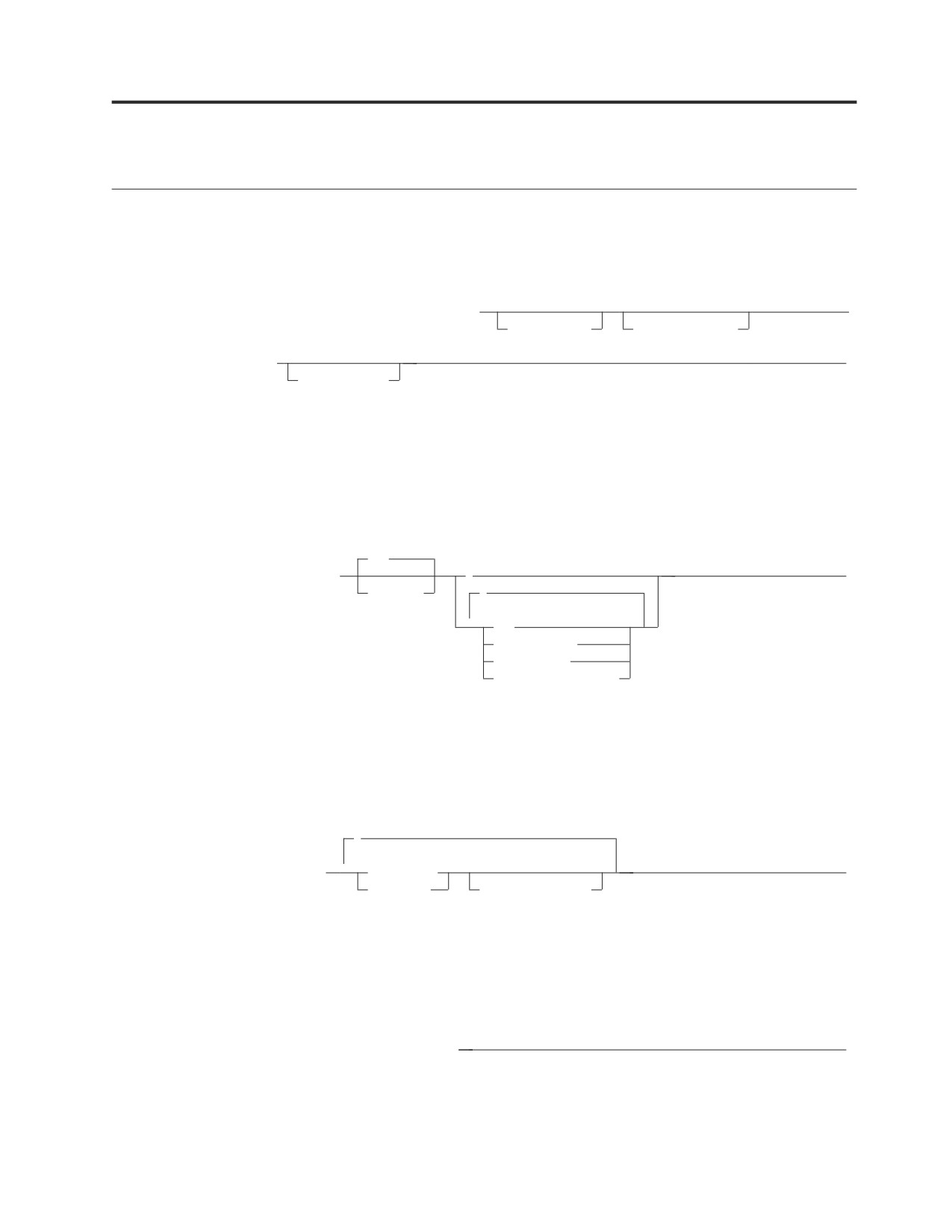
Chapter 3. Queries
subselect
Specifies a result table derived from the tables or views identified in the FROM
clause. Subselect is a component of the fullselect statement, the CREATE VIEW
statement, the INSERT statement, and certain predicates.
►► select_clause from_clause
►
where_clause
group_by_clause
►
►◄
having_clause
select-clause
Produces a final result table by selecting only the columns indicated by the select
list from R, where R is the result of the previous operation. For example, if the
group-by-clause and having-clause are not specified, R is the result of the
where-clause.
ALL
►► SELECT
►◄
DISTINCT
,
▼
exp
table_name.*
view_name.*
correlation_name.*
from-clause
Names a single table or view, or produces an intermediate result table. The
intermediate result table contains all possible combinations of the rows of the
named tables or views.
,
▼
►► FROM
table_name
►◄
view_name
correlation_name
where-clause
Produces an intermediate result table by applying search-condition to each row of R,
where R is the result of the FROM clause. The result table contains the rows of R
for which the search-condition is true.
►► WHERE search_condition
►◄
23

group-by-clause
Produces an intermediate result table by grouping the rows of R, where R is the
result of the previous clause.
,
▼
►► GROUP BY
column_name
►◄
having-clause
Produces an intermediate result table by applying search-condition to each group of
R, where R is the result of the previous clause.
►► HAVING search_condition
►◄
fullselect
Specifies a result table. If UNION is not used, the result of the fullselect is the
result of the specified subselect.
▼
►►
subselect
►◄
(fullselect)
UNION
subselect
UNION ALL
(fullselect)
select-statement
Is the form of a query that can be specified or referenced in a DECLARE CURSOR
statement and in the interactive select statement.
►► fullselect
►◄
order_by_clause
with_clause
(1)
update_clause
Notes:
1
The interactive select-statement does not incorporate the update-clause. That
clause cannot be issued in ISQL or in the DBS Utility.
order-by-clause
Orders the rows of the result table by the values of the identified columns.
,
ASC
▼
►► ORDER BY
column_name
►◄
integer
DESC
24
update-clause
Refers to the cursor in a positioned UPDATE statement. The UPDATE statement
can update only columns in the column-name list. This update-clause cannot be
used interactively.
,
▼
►► FOR UPDATE OF
column_name
►◄
with-clause
Specifies the isolation level at which the statement is executed.
►► WITH
RR
►◄
CS
UR
Chapter 3. Queries
25
26
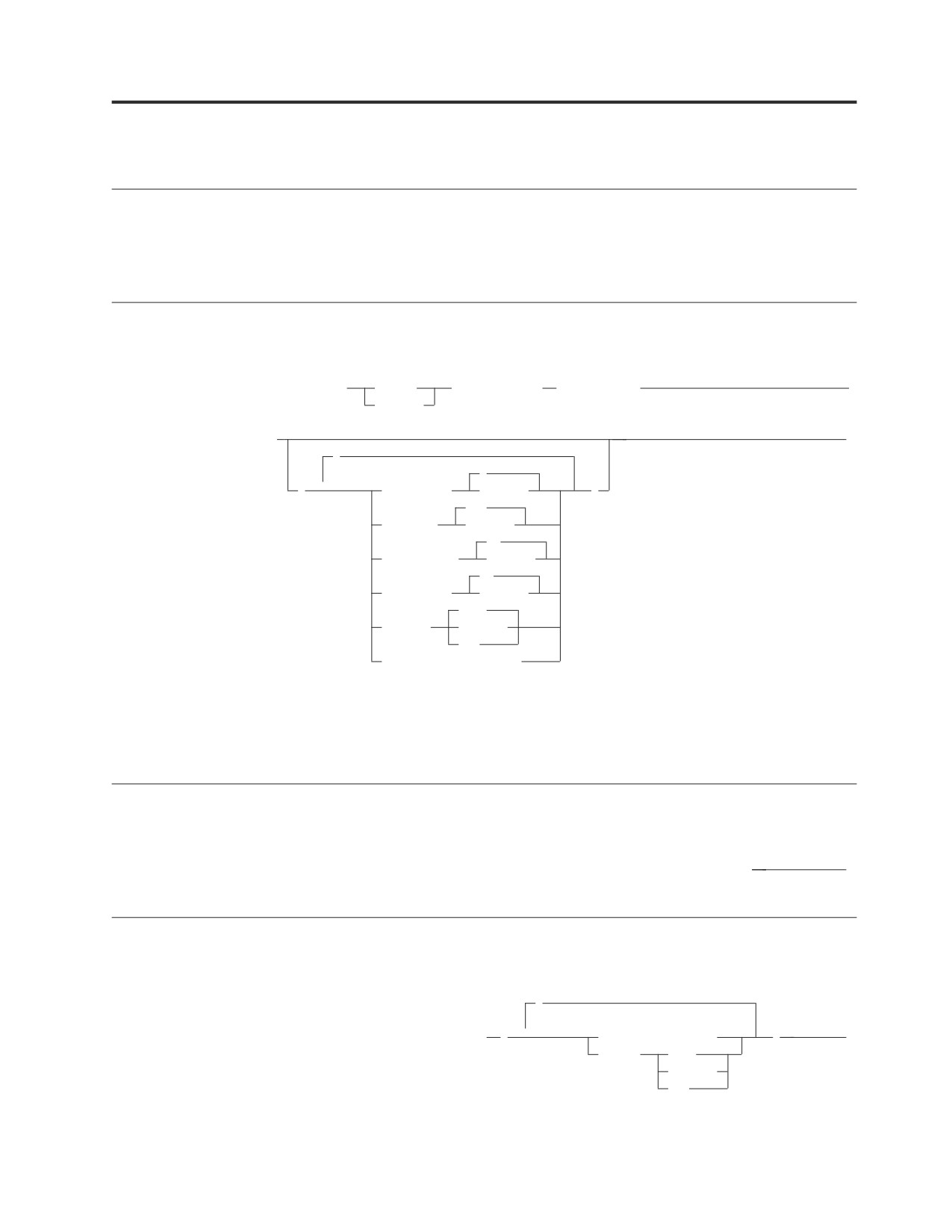
Chapter 4. SQL Statements
Invocation
The letters I and P, printed to the right of the statement, indicate where each
statement can be used. The I indicates the statement can be issued interactively,
and the P indicates the statement can be embedded in an application program.
ACQUIRE DBSPACE (I,P)
Finds and names an available dbspace.
►► ACQUIRE
PUBLIC
DBSPACE NAMED
dbspace_name
►
PRIVATE
►
►◄
,
(1)
8
(
▼
NHEADER =
integer
)
128
PAGES =
integer
33
PCTINDEX =
integer
15
PCTFREE =
integer
PAGE
LOCK =
DBSPACE
ROW
STORPOOL = integer
Notes:
1
If any of these clauses is specified more than once, the value with the first
specification is used.
ALLOCATE CURSOR (P)
Defines a cursor and associates it with a result set locator variable.
►► ALLOCATE cursor-name CURSOR FOR RESULT SET rs-locator-variable
►◄
ALTER DBSPACE (I,P)
Changes the percentage of free space and the type of locking of a PUBLIC dbspace.
,
(1)
▼
►► ALTER DBSPACE dbspace_name
(
PCTFREE = integer
)
►◄
LOCK =
PAGE
DBSPACE
ROW
27
Notes:
1
If either of these clauses is specified more than once, the value with the first
specification is used.
ALTER PROCEDURE (I,P)
Alters the definition of a stored procedure.
ALTER PROCEDURE
►► ALTER PROCEDURE procedure-name
►
AUTHID authid
,
(1)
► ▼
►◄
options
Notes:
1
One or more clauses may be specified, however each clause may be specified
at most once.
28
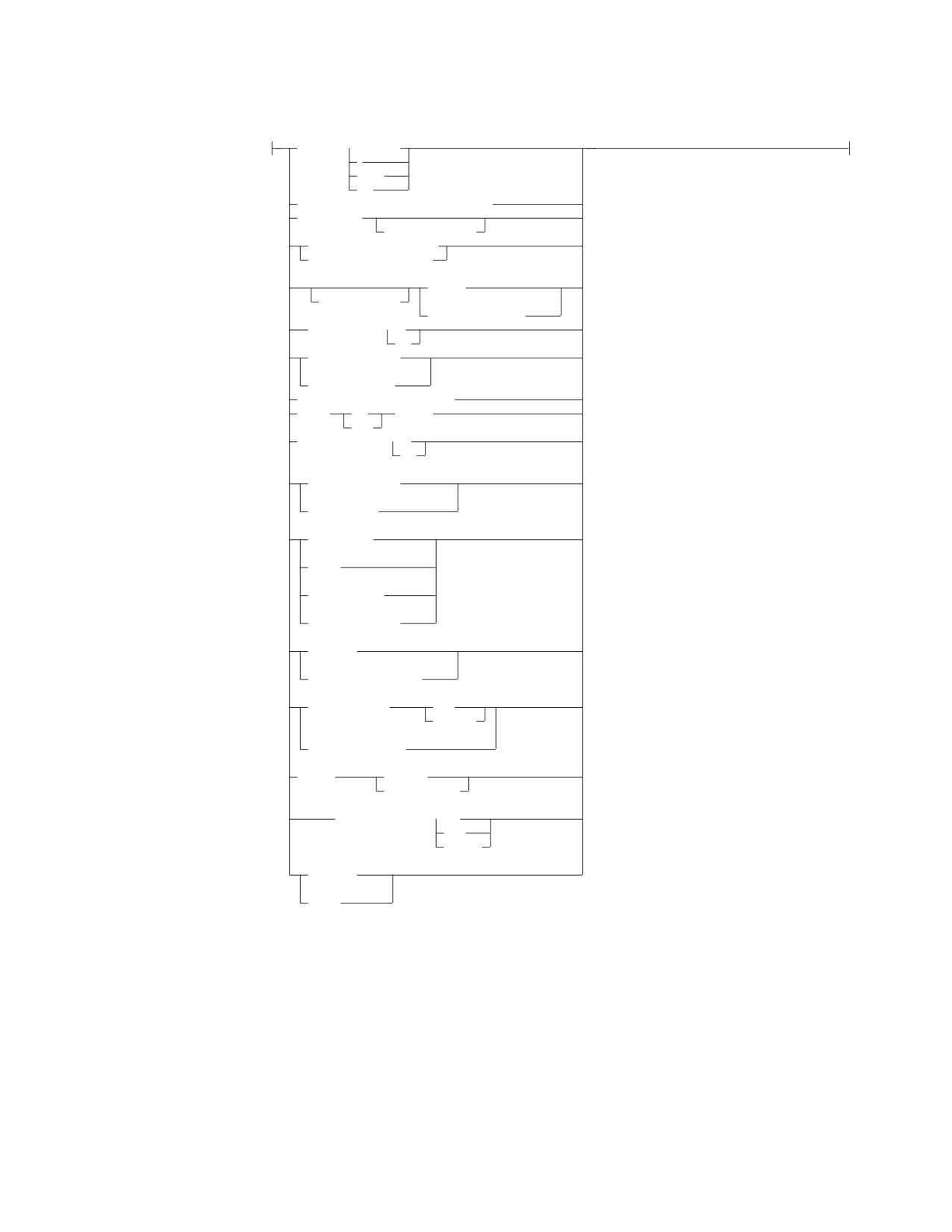
options:
LANGUAGE ASSEMBLE
C
COBOL
PLI
EXTERNAL NAME external-program-name
SERVER GROUP
server-group-name
DEFAULT SERVER GROUP YES
DEFAULT SERVER GROUP NO
(1)
GENERAL
PARAMETER STYLE
(2)
GENERAL WITH
NULLS
STAY RESIDENT NO
YES
PROGRAM TYPE MAIN
(3)
PROGRAM TYPE SUB
RUN OPTIONS run-time-options
RESULT
SET
integer
SETS
COMMIT ON RETURN NO
YES
(4)
(5)
NOT DETERMINISTIC
(4)
(6)
DETERMINISTIC
(4)
CONTAINS SQL
(4)
NO SQL
(4)
READS SQL DATA
(4)
MODIFIES SQL DATA
(4)
NO COLLID
(4)
COLLID collection-id
(4)
WLM ENVIRONMENT
name
(name,*)
(4)
NO WLM ENVIRONMENT
(4)
ASUTIME
NO LIMIT
LIMIT integer
(4)
EXTERNAL SECURITY DB2
USER
DEFINER
(4)
NO DBINFO
(4)
DBINFO
Notes:
1
SIMPLE CALL may be used as an alternative to GENERAL. This is for
compatibility within the DB2 family.
2
SIMPLE CALL WITH NULLS may be used as an alternative to GENERAL
WITH NULLS. This is for compatibility within the DB2 family.
3
Currently, DB2 Server for VSE & VM supports stored procedures written as
main programs only.
4
This parameter is included for compatibility with the DB2 family. If specified,
it is ignored.
Chapter 4. SQL Statements
29
5
VARIANT may be specified as an alternative to NOT DETERMINISTIC. This
is for compatibility within the DB2 family.
6
NOT VARIANT may be specified as an alternative to DETERMINISTIC. This
is for compatibility within the DB2 family.
ALTER PSERVER (I,P)
Alters the definition of a stored procedure server.
,
(1)
▼
►► ALTER PSERVER
procedure-server
GROUP
►◄
group-name
AUTOSTART NO
AUTOSTART YES
DESCRIPTION description
Notes:
1
One or more clauses may be specified, however each clause may be specified
at most once.
ALTER TABLE (I,P)
Adds a new column, or adds, drops, activates, or deactivates a primary key,
foreign key, or unique constraint on a specified table.
►► ALTER TABLE table_name
ADD
column-definition-block
►◄
ADD
primary-key-block
referential-constraint-block
unique-block
DROP
PRIMARY KEY
FOREIGN KEY constraint_name
UNIQUE constraint_name
ACTIVATE
ALL
PRIMARY KEY
FOREIGN KEY constraint_name
UNIQUE constraint_name
DEACTIVATE
ALL
PRIMARY KEY
FOREIGN KEY constraint_name
UNIQUE constraint_name
DATA CAPTURE
NONE
CHANGES
column-definition-block:
column_name
data-type
(1)
fieldproc-block
data-type:
30
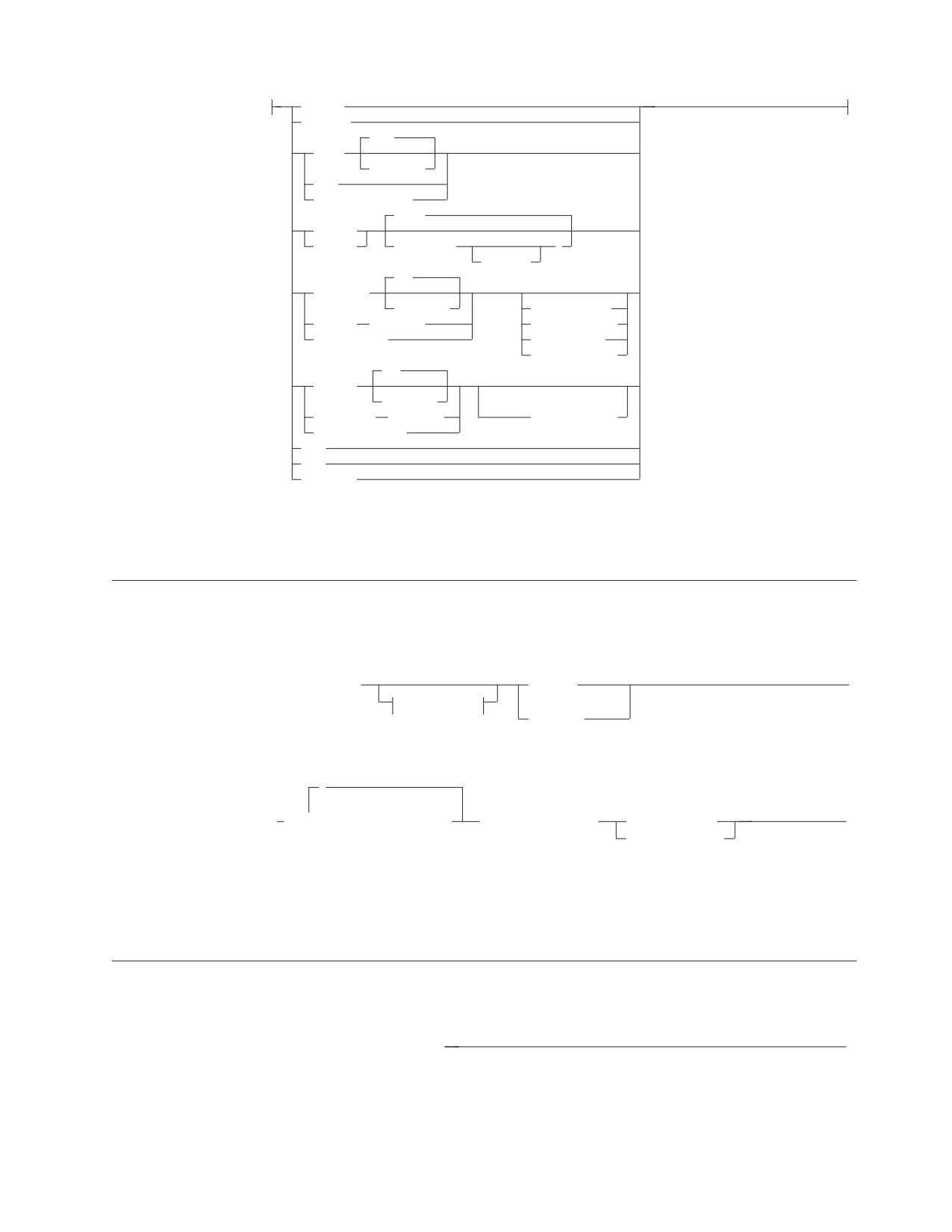
INTeger
SMALLINT
(53)
FLOAT
(integer)
REAL
DOUBLE PRECISION
(5,0)
DECimal
NUMERIC
( integer
)
,integer
(1)
(1)
CHARacter
(integer)
FOR SBCS DATA
VARCHAR
(integer)
FOR MIXED DATA
LONG VARCHAR
FOR BIT DATA
CCSID integer
(1)
GRAPHIC
(integer)
(1)
VARGRAPHIC
(integer)
CCSID integer
LONG VARGRAPHIC
DATE
TIME
TIMESTAMP
Notes:
1
These clauses may be specified in any order.
ASSOCIATE LOCATORS (P)
Obtains the RESULT SET LOCATOR value for each result set data type returned
by a stored procedure.
►► ASSOCIATE
LOCATOR
►
RESULT SET
(1)
LOCATORS
,
▼
►
(
rs-locator-variable
) WITH PROCEDURE
host-variable
►◄
procedure-name
Notes:
1
RESULT SET LOCATOR variables are only supported in client applications
written in Assembler, C, COBOL, and PL/I.
BEGIN DECLARE SECTION (P)
Marks the beginning of a host variable declare section, including host structures.
►► BEGIN DECLARE SECTION
►◄
Chapter 4. SQL Statements
31
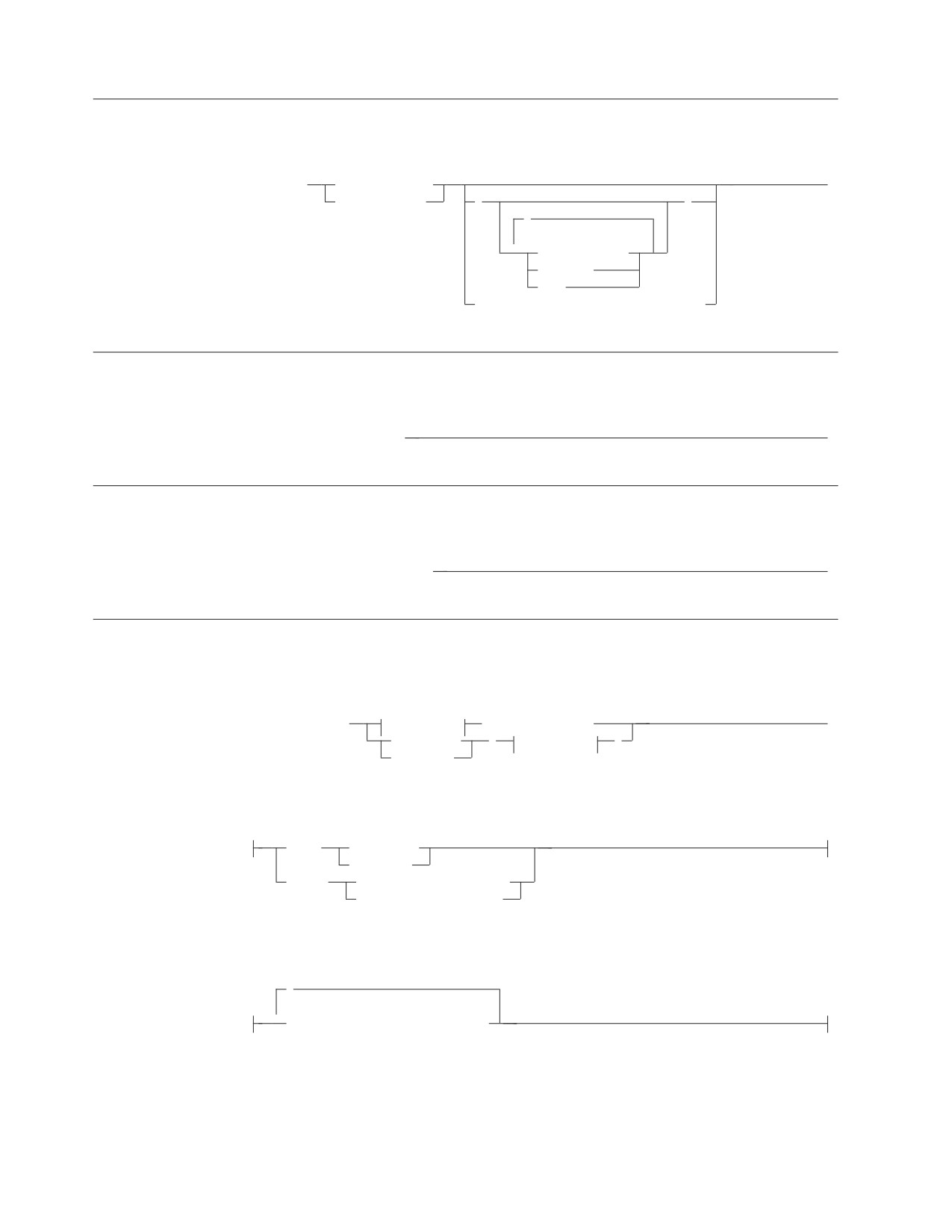
CALL (P)
Invokes a stored procedure with a list of input/output parameters.
►► CALL
procedure-name
►◄
host-variable
(
)
,
▼
host-variable
constant
NULL
USING DESCRIPTOR descriptor-name
CLOSE (P)
Closes the cursor identified by cursor-name.
►► CLOSE cursor_name
►◄
Extended CLOSE (P)
Closes the cursor identified by cursor-variable.
►► CLOSE cursor_variable
►◄
COMMENT ON (I,P)
Adds or replaces comments in the catalog descriptions of tables, views, or
columns.
►► COMMENT ON
options_a
IS str_constant
►◄
table_name
(
options_b
)
view_name
options_a
TABLE
table_name
view_name
COLUMN
table_name.column_name
view_name.column_name
options_b
,
▼
column_name IS str_constant
32
COMMENT ON PROCEDURE (I,P)
Adds or replaces comments in the catalog descriptions of stored procedures.
►► COMMENT ON PROCEDURE procedure_name
►
AUTHID authid
► IS string_constant
►◄
COMMIT (I,P)
Ends the current logical unit of work and commits any changes.
WORK
►► COMMIT
►◄
RELEASE
CONNECT (I,P)
Connects an application process or a user, or both, to an application server.
►► CONNECT
►
authorization_name
IDENTIFIED BY
password
host_variable
host_variable
►
►◄
TO
server_name
host_variable
CREATE INDEX (I,P)
Creates an index on one or more columns of a table.
►► CREATE
INDEX index_name
►◄
UNIQUE
,
ASC
▼
►► ON table_name
(
column_name
)
►◄
DESC
PCTFREE = 10
►►
►◄
PCTFREE = integer
CREATE PACKAGE (P)
Creates a package.
Chapter 4. SQL Statements
33
(1)
►►
CREATE PACKAGE
package_spec
►◄
(2)
▼
USING OPTIONs
option
host_variable
Notes:
1
PROGRAM is equivalent to PACKAGE, and is provided for compatibility
with some older versions of the SQL/DS product.
2
An option may be specified only once.
Using Options
Table 1.
CCSIDSbcs (integer)
NOCHECK | CHECK | ERROR
CCSIDMixed (integer)
NODESCRIBE | DESCRIBE
CCSIDGraphic (integer)
NOEXIST | EXIST
CHARSUB (Sbcs | Mixed | Bit)
NOMODIFY | MODIFY
DATE (ISO | USA | EUR | JIS |
OWner (authorization-name)
LOCAL)
EXPLAIN (NO | YES)
QUALifier (collection-id)
ISOLation (RR | RS | CS | UR |
RELease (COMMIT | DEALLOCATE)
USER)
KEEP | REVOKE
REPLACE | NEW
LABEL (label-text)
TIME (ISO | USA | EUR | JIS |
LOCAL)
NOBLock | BLock | SBLock
CREATE PROCEDURE (I,P)
Defines a stored procedure.
►► CREATE PROCEDURE procedure-name
(
)
►
AUTHID authid
parameters
34
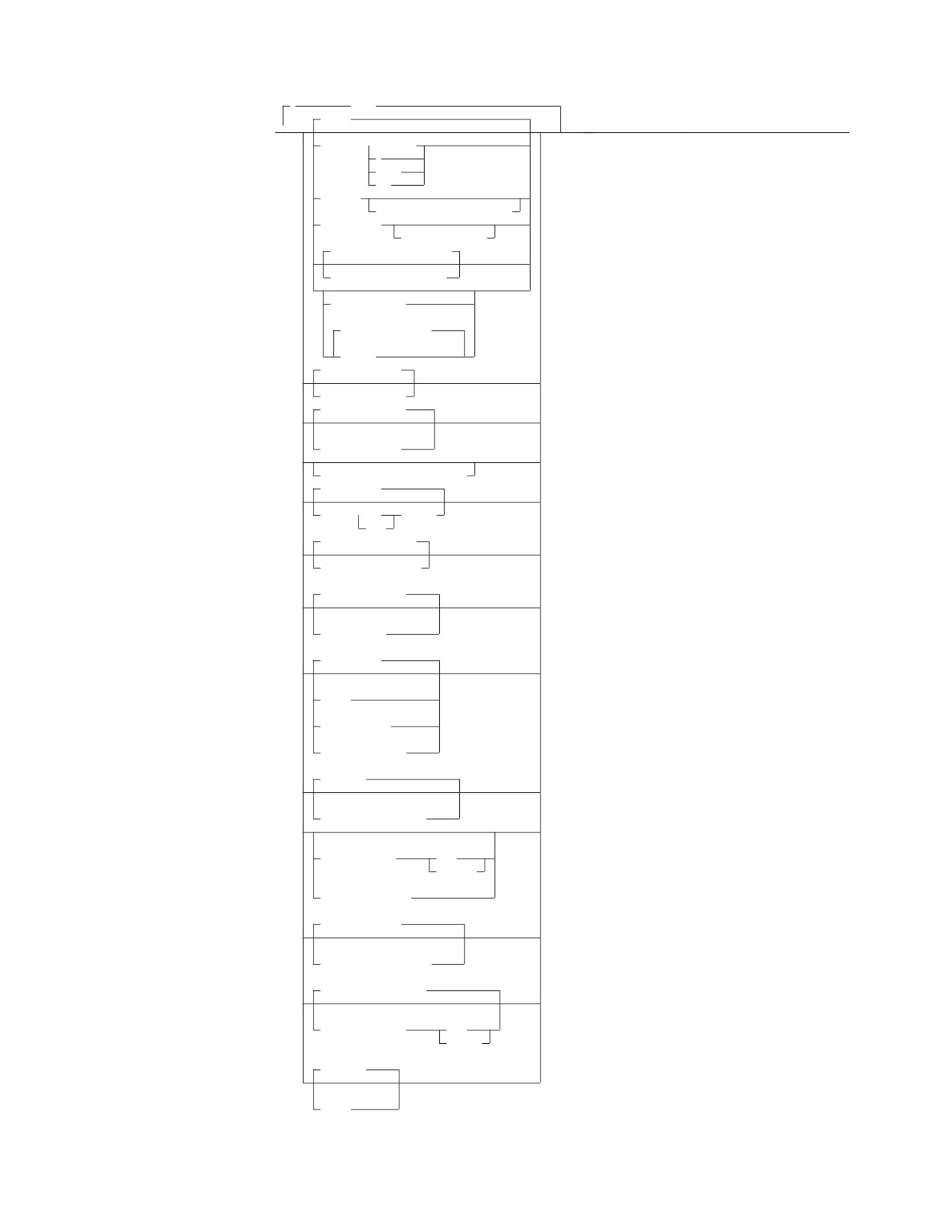
,
(1)
FENCED
(8)
▼
►
►◄
LANGUAGE ASSEMBLE
C
COBOL
PLI
EXTERNAL
NAME external-program-name
SERVER GROUP
server-group-name
DEFAULT SERVER GROUP YES
DEFAULT SERVER GROUP NO
PARAMETER STYLE
(3)
GENERAL WITH NULLS
(2)
GENERAL
STAY RESIDENT NO
STAY RESIDENT YES
PROGRAM TYPE MAIN
(4)
PROGRAM TYPE SUB
RUN OPTIONS run-time-options
RESULT SET 0
RESULT SET
integer
SETS
COMMIT ON RETURN NO
COMMIT ON RETURN YES
(5)
NOT DETERMINISTIC
(6)
DETERMINISTIC
(7)
CONTAINS SQL
(7)
NO SQL
(7)
READS SQL DATA
(7)
MODIFIES SQL DATA
(7)
NO COLLID
(7)
COLLID collection-id
(7)
WLM ENVIRONMENT
name
(name,*)
(7)
NO WLM ENVIRONMENT
(7)
ASUTIME NO LIMIT
(7)
ASUTIME LIMIT integer
(7)
EXTERNAL SECURITY DB2
(7)
EXTERNAL SECURITY
USER
DEFINER
(7)
NO DBINFO
(7)
DBINFO
Chapter 4. SQL Statements
35
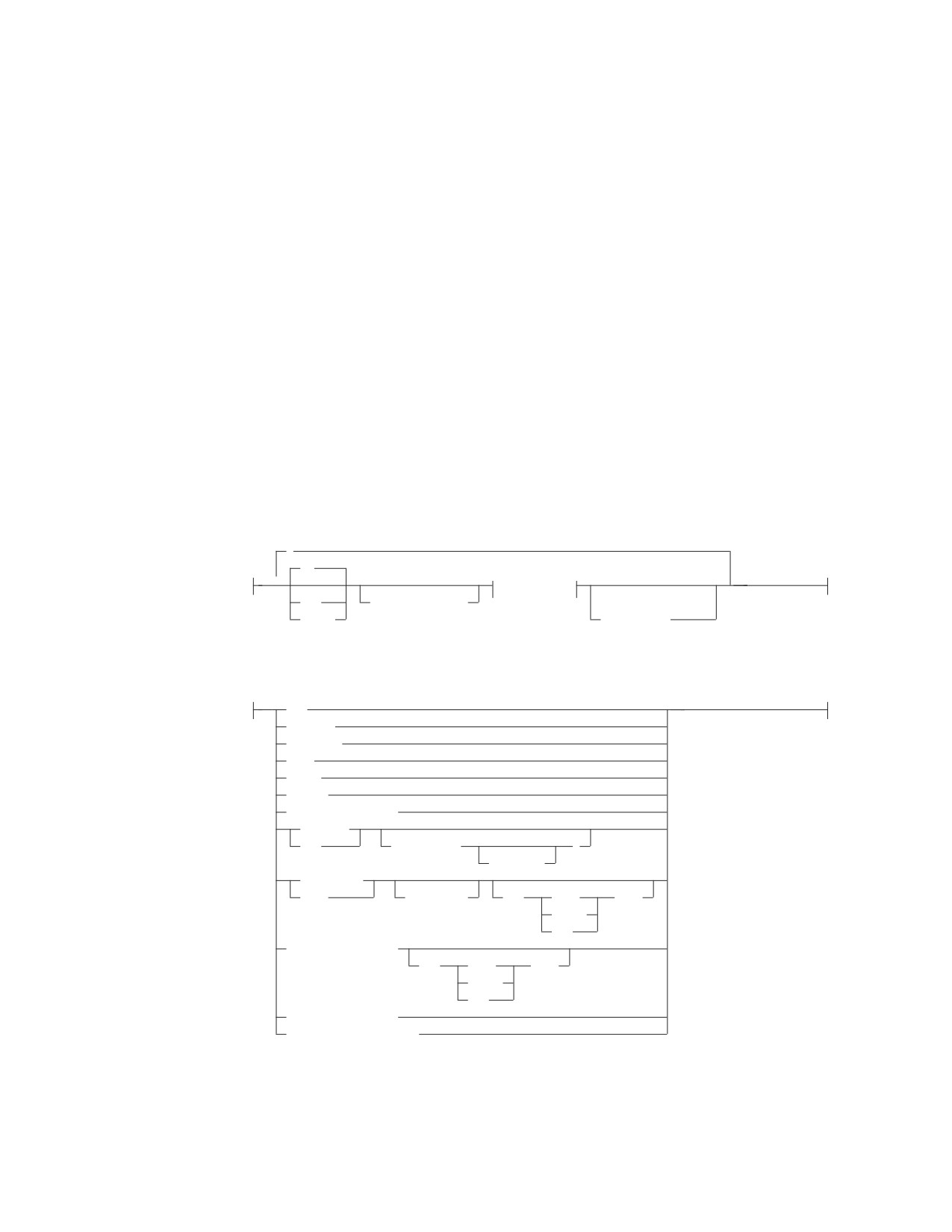
Notes:
1
This parameter is included for compatibility with the DB2 family. If specified,
it is ignored.
2
As an alternative to GENERAL, SIMPLE CALL may be used. This is for
compatibility within the DB2 family.
3
As an alternative to GENERAL WITH NULLS, SIMPLE CALL WITH NULLS
may be used. This is for compatibility within the DB2 family.
4
Currently, DB2 Server for VSE & VM supports stored procedures written as
main programs only.
5
VARIANT may be specified as an alternative to NOT DETERMINISTIC. This
is for compatibility within the DB2 family.
6
NOT VARIANT may be specified as an alternative to DETERMINISTIC. This
is for compatibility within the DB2 family.
7
This parameter is included for compatibility with the DB2 family. If specified,
it is ignored.
8
One or more clauses may be specified, however each clause may be specified
at most once.
parameters:
,
IN
▼
data-type
OUT
parameter-name
(1)
INOUT
AS LOCATOR
data-type:
INT
INTEGER
SMALLINT
REAL
FLOAT
DOUBLE
DOUBLE PRECISION
DECIMAL
DEC
( integer
)
,integer
CHARACTER
CHAR
(integer)
FOR
SBCS
DATA
MIXED
BIT
VARCHAR(integer)
FOR
SBCS
DATA
MIXED
BIT
GRAPHIC(integer)
VARGRAPHIC(integer)
Notes:
1
This parameter is included for compatibility with the DB2
family. If specified,
it is ignored.
36
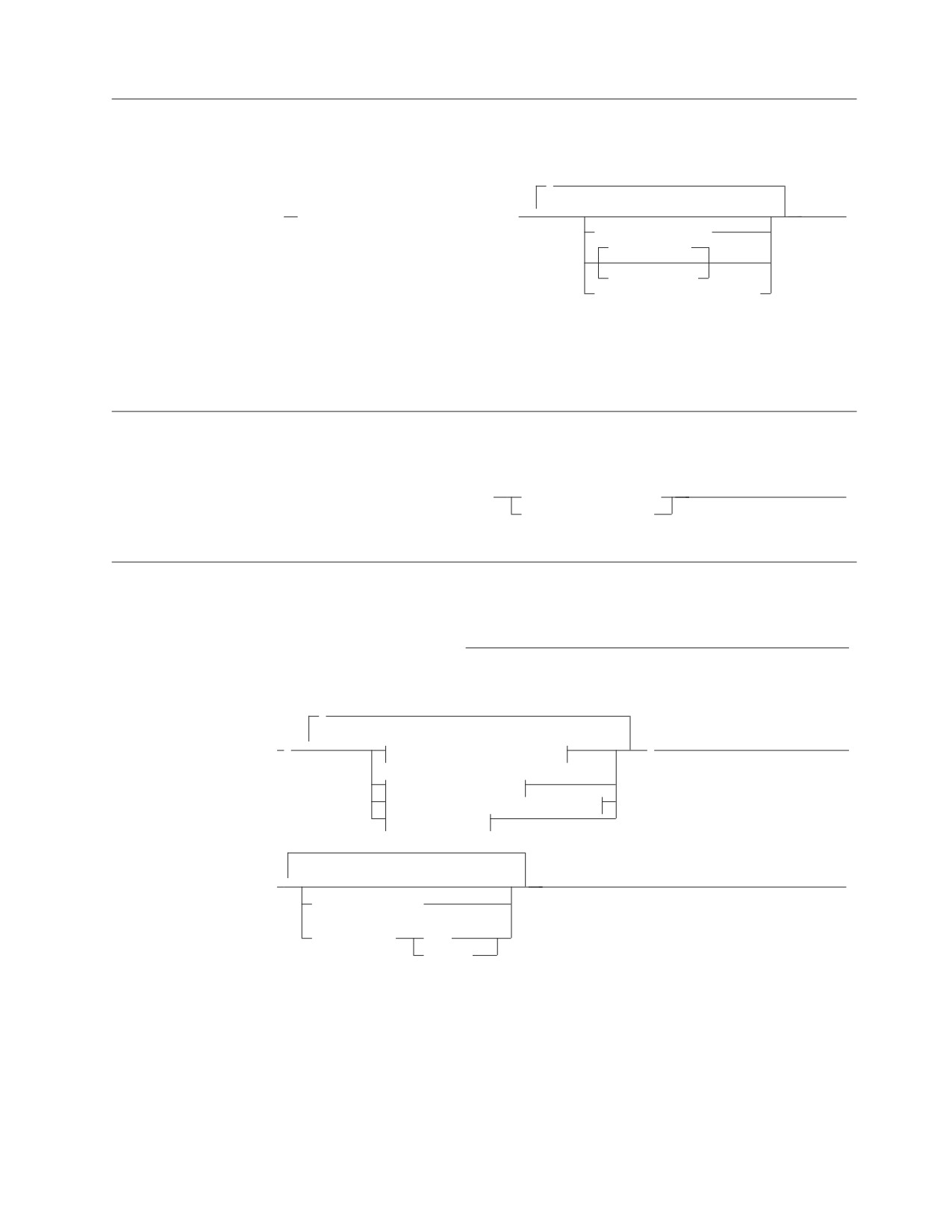
CREATE PSERVER (I,P)
Defines a stored procedure server.
,
(1)
►►
CREATE PSERVER procedure-server
▼
►◄
GROUP group-name
AUTOSTART NO
AUTOSTART YES
DESCRIPTION description
Notes:
1
One or more clauses may be specified, however each clause may be specified
at most once.
CREATE SYNONYM (I,P)
Defines an alternative name for a table or view.
►► CREATE SYNONYM synonym FOR
qualified_table_name
►◄
qualified_view_name
CREATE TABLE (I,P)
Creates a new table.
►► CREATE TABLE table_name
►
,
(1)
▼
►
(
column-definition-block
)
►
(2)
primary-key-block
referential-constraint-block
unique-block
► ▼
►◄
IN dbspace_name
(3)
DATA CAPTURE
NONE
CHANGES
Notes:
1
There can be up to 255 columns in a table.
2
Only one primary key may be defined (either in a primary-key-block or as a
column attribute).
3
The same clause must not be specified more than once.
Chapter 4. SQL Statements
37
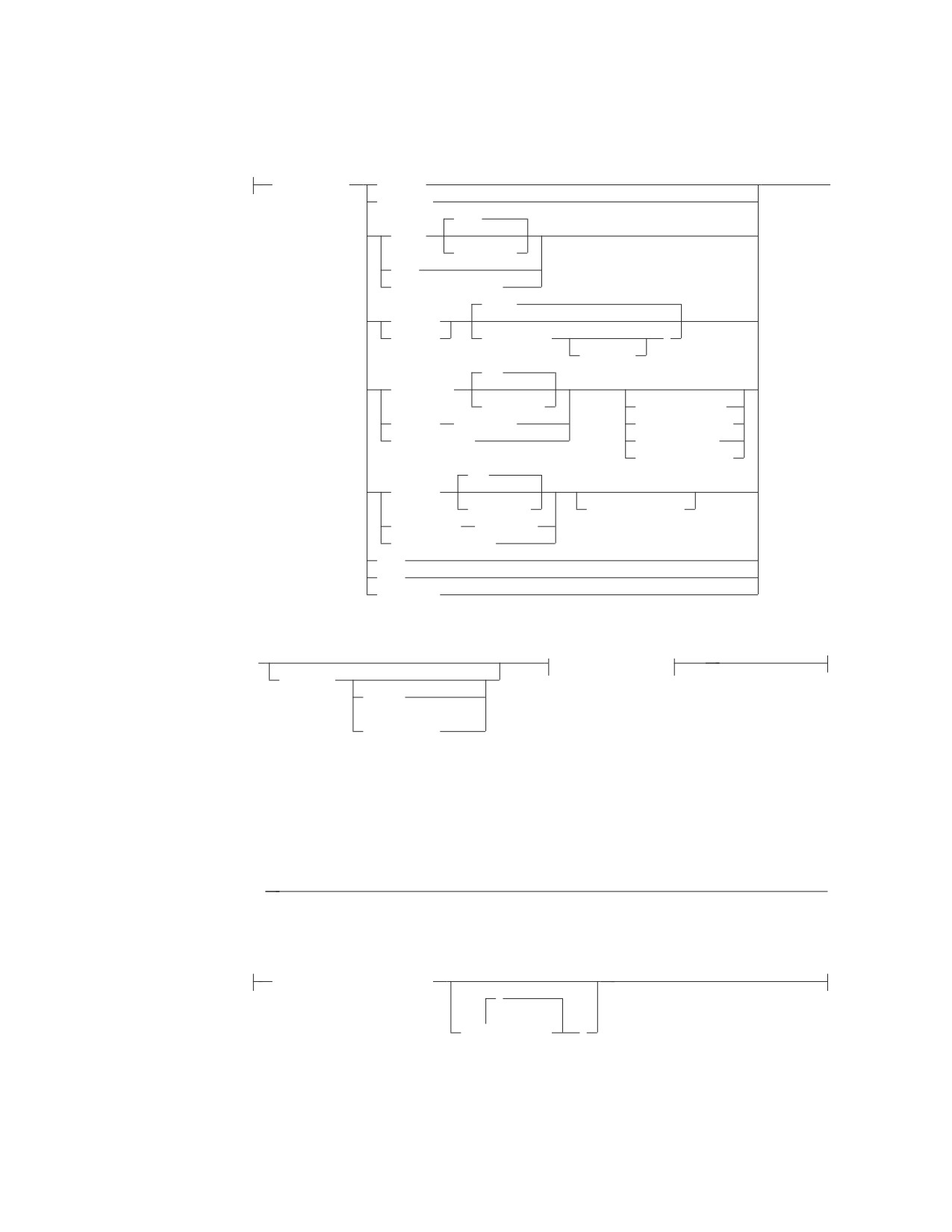
column-definition-block:
column_name
INTeger
►
SMALLINT
(53)
FLOAT
(integer)
REAL
DOUBLE PRECISION
(5,0)
DECimal
NUMERIC
( integer
)
,integer
(1)
(1)
CHARacter
(integer)
FOR SBCS DATA
VARCHAR
(integer)
FOR MIXED DATA
LONG VARCHAR
FOR BIT DATA
CCSID integer
(1)
(1)
GRAPHIC
(integer)
CCSID integer
VARGRAPHIC
(integer)
LONG VARGRAPHIC
DATE
TIME
TIMESTAMP
(1)
(1)
►
fieldproc-block
NOT NULL
UNIQUE
(2)
PRIMARY KEY
Notes:
1
These clauses may be specified in any order.
2
Only one primary key may be defined (either in a primary-key-block or as a
column attribute).
►►
►◄
fieldproc-block:
FIELDPROC program_name
,
▼
(
constant
)
primary-key-block:
38
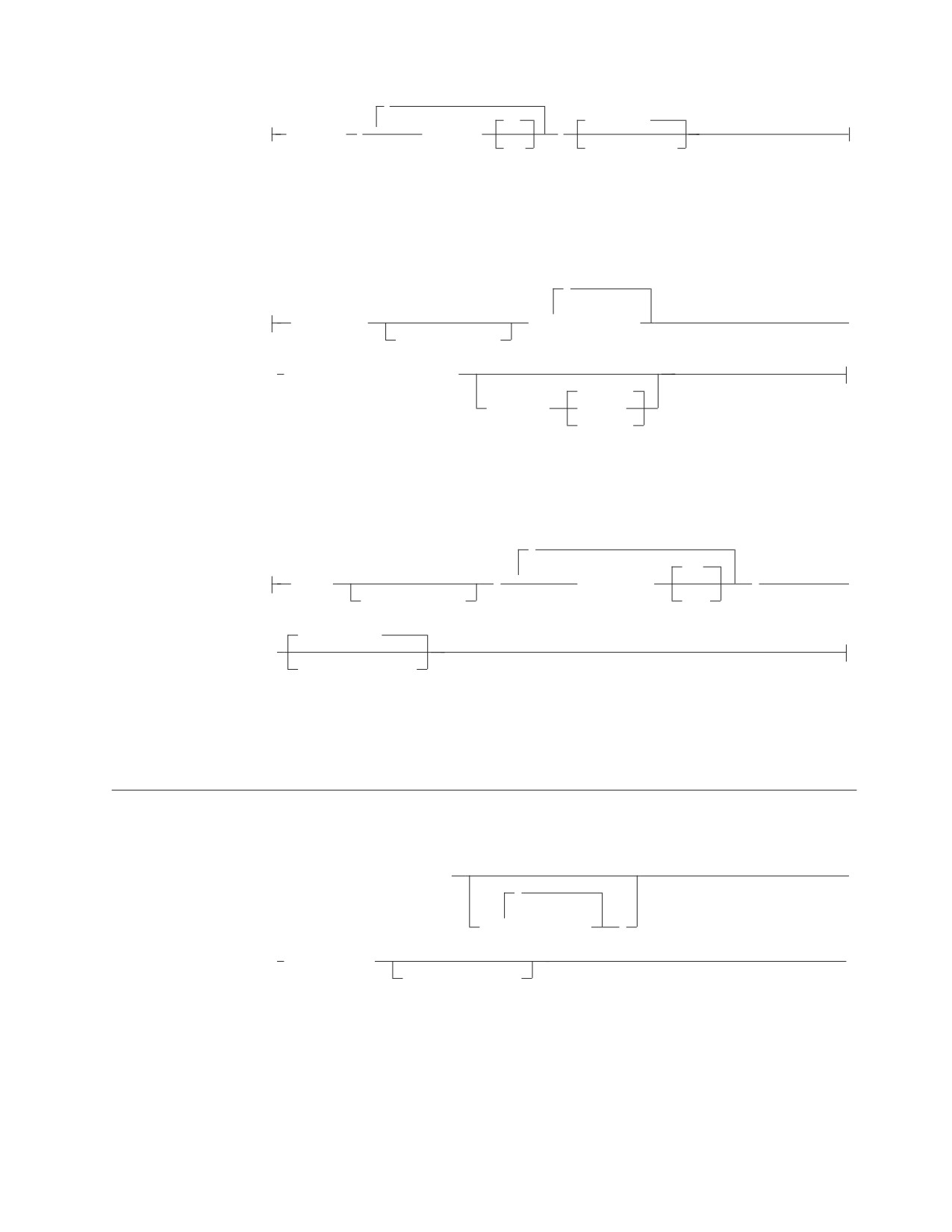
,
(1)
ASC
PCTFREE = 10
PRIMARY KEY
(
▼
column_name
)
DESC
PCTFREE = integer
Notes:
1
A PRIMARY KEY can have up to 16 columns.
referential-constraint-block:
,
▼
FOREIGN KEY
(
column_name
►
constraint_name
► ) REFERENCES table_name
RESTRICT
ON DELETE
CASCADE
SET NULL
unique-block:
,
(1)
ASC
▼
UNIQUE
(
column_name
)
►
constraint_name
DESC
PCTFREE = 10
►
PCTFREE = integer
Notes:
1
There can be up to 16 columns on a unique constraint.
CREATE VIEW (I,P)
Creates a view on one or more tables or views.
►► CREATE VIEW view_name
►
,
▼
(
column_name
)
► AS subselect
►◄
WITH CHECK OPTION
Chapter 4. SQL Statements
39
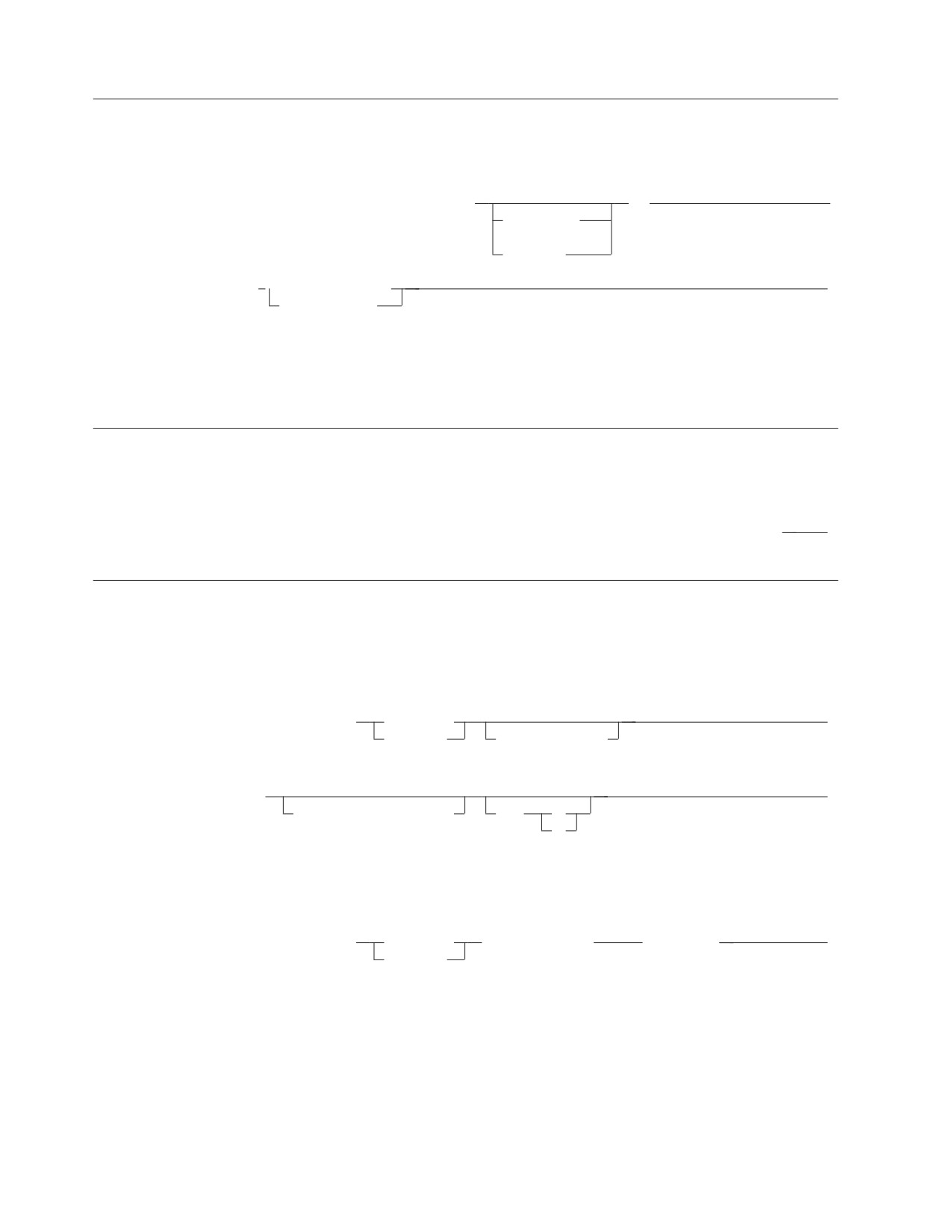
DECLARE CURSOR (P)
Declares the cursor that you can use to fetch or put the results of a prepared
statement.
►► DECLARE cursor-name CURSOR
FOR
►
WITH RETURN
(1)
WITH HOLD
► select-statement
►◄
statement-name
Notes:
1
Note that DB2 Server for VSE & VM does not support CURSOR WITH
HOLD.
Extended DECLARE CURSOR (P)
Declares the cursor that you can use to fetch or put the results of a prepared
statement.
►► DECLARE cursor_variable CURSOR FOR section_variable IN package_spec
►◄
DELETE (I,P)
Deletes one or more rows from a table or view. Deleting a row from a view deletes
the row from the table on which the view is based.
Searched delete (I,P)
►► DELETE FROM
table_name
►◄
view_name
correlation_name
►►
►◄
WHERE search_condition
WITH
RR
CS
Positioned delete (P)
(1)
►► DELETE FROM
table_name
WHERE CURRENT OF
cursor_name
►◄
view_name
Notes:
1
A Positioned DELETE in Fortran, and programs prepared using Extended
dynamic SQL cannot be used with DRDA protocol.
40
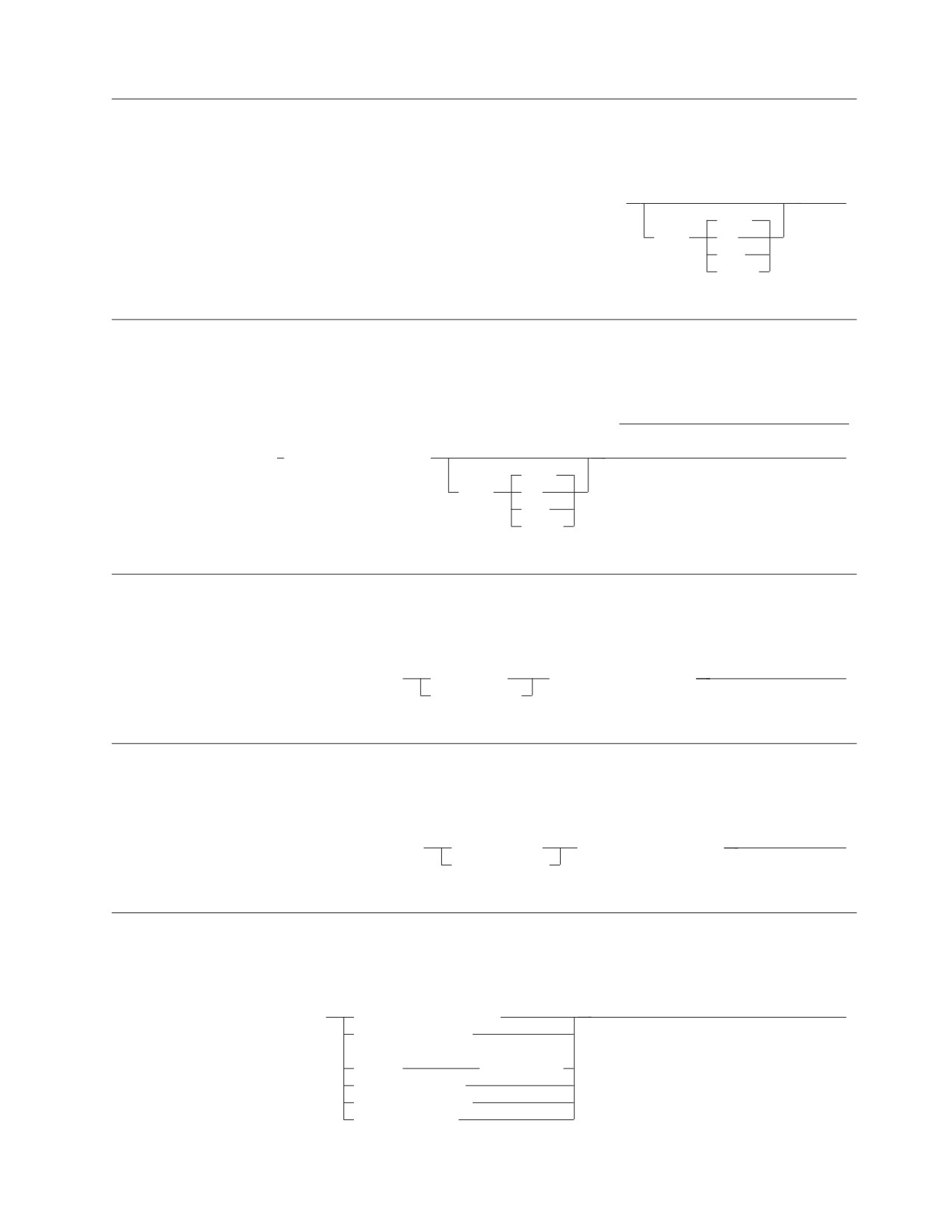
DESCRIBE (P)
Retrieves information about an SQL select-statement previously prepared with a
PREPARE statement.
►► DESCRIBE statement_name INTO descriptor_name
►◄
NAMES
USING
ANY
BOTH
LABELS
Extended DESCRIBE (P)
Retrieves information about an SQL SELECT statement previously prepared with
an Extended PREPARE statement.
►► DESCRIBE statement_variable IN package_spec
►
► INTO descriptor_name
►◄
NAMES
USING
ANY
BOTH
LABELS
DESCRIBE CURSOR (P)
Obtains information about the result set that is associated with the cursor and puts
that information into a descriptor.
►► DESCRIBE CURSOR
cursor-name
INTO descriptor-name
►◄
host-variable
DESCRIBE PROCEDURE (P)
Obtains information about the result sets returned by a stored procedure and puts
that information into a descriptor.
►► DESCRIBE PROCEDURE
host-variable
INTO descriptor-name
►◄
procedure-name
DROP (I,P)
Deletes an object. Objects that are directly or indirectly dependent on that object
are also deleted.
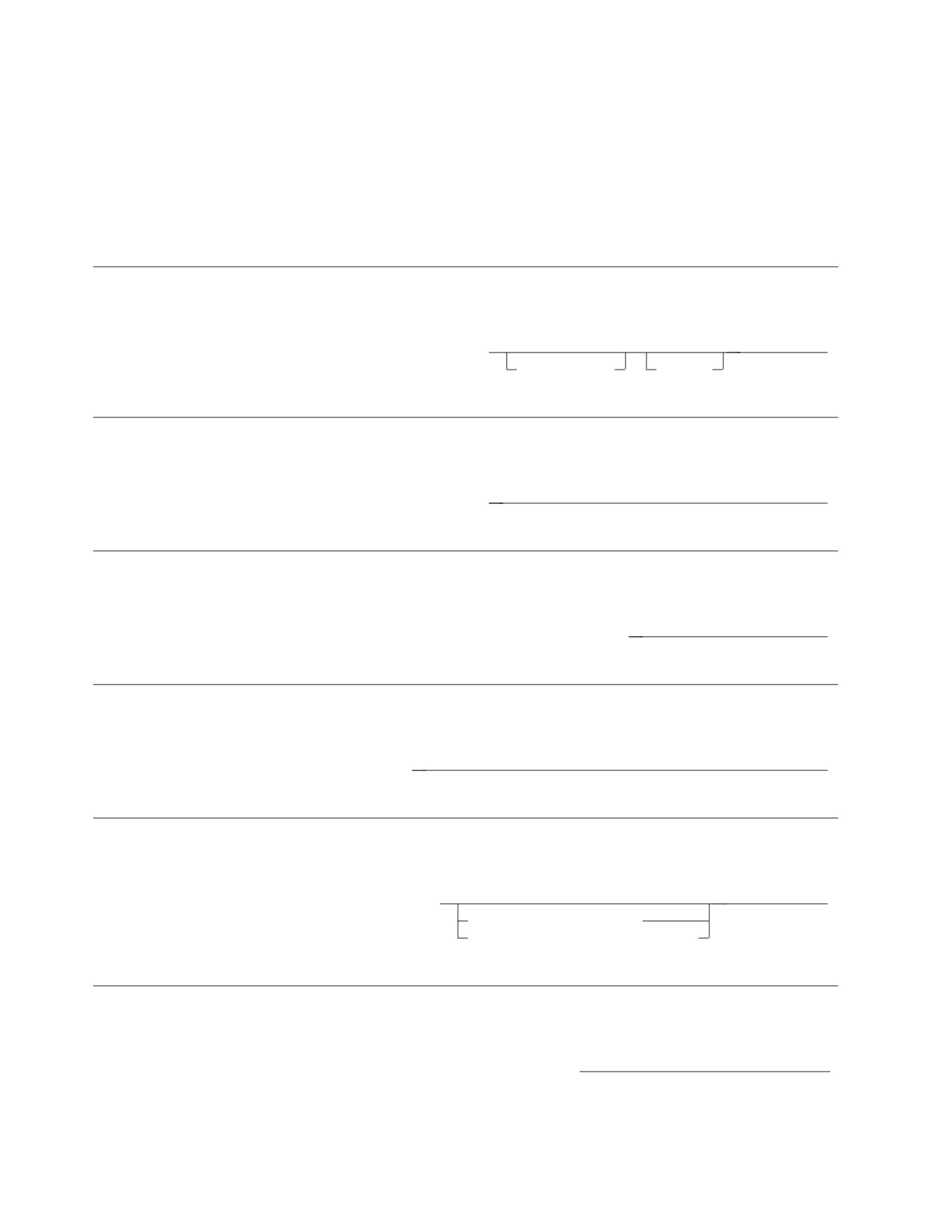
►► DROP
DBSPACE dbspace_name
►◄
INDEX index_name
(1)
(2)
PACKAGE
package_spec
SYNONYM synonym
TABLE table_name
VIEW view_name
Chapter 4. SQL Statements
41
Notes:
1
PROGRAM is equivalent to PACKAGE and is provided for compatibility with
prior releases of SQL/DS.
2
DROP PACKAGE cannot support a qualified structure subfield name. A host
structure subfield name can be used as normal host variables, but must be
unqualified. If being unqualified results in an ambiguous reference, the
subfield cannot be used.
DROP PROCEDURE (I,P)
Removes a stored procedure.
►► DROP PROCEDURE procedure-name
►◄
AUTHID authid
RESTRICT
DROP PSERVER (I,P)
Removes a stored procedure pserver.
►► DROP PSERVER procedure-server
►◄
DROP STATEMENT (P)
Selectively deletes a statement from a package.
►► DROP STATEMENT section_variable IN package_spec
►◄
END DECLARE SECTION (P)
Marks the end of a host-variable declare section.
►► END DECLARE SECTION
►◄
EXECUTE (P)
Executes a prepared SQL statement.
►► EXECUTE statement_name
►◄
USING host_variable_list
USING DESCRIPTOR descriptor_name
Extended EXECUTE (P)
Executes a statement previously prepared by an Extended PREPARE statement.
►► EXECUTE section_variable IN package_spec
►
42
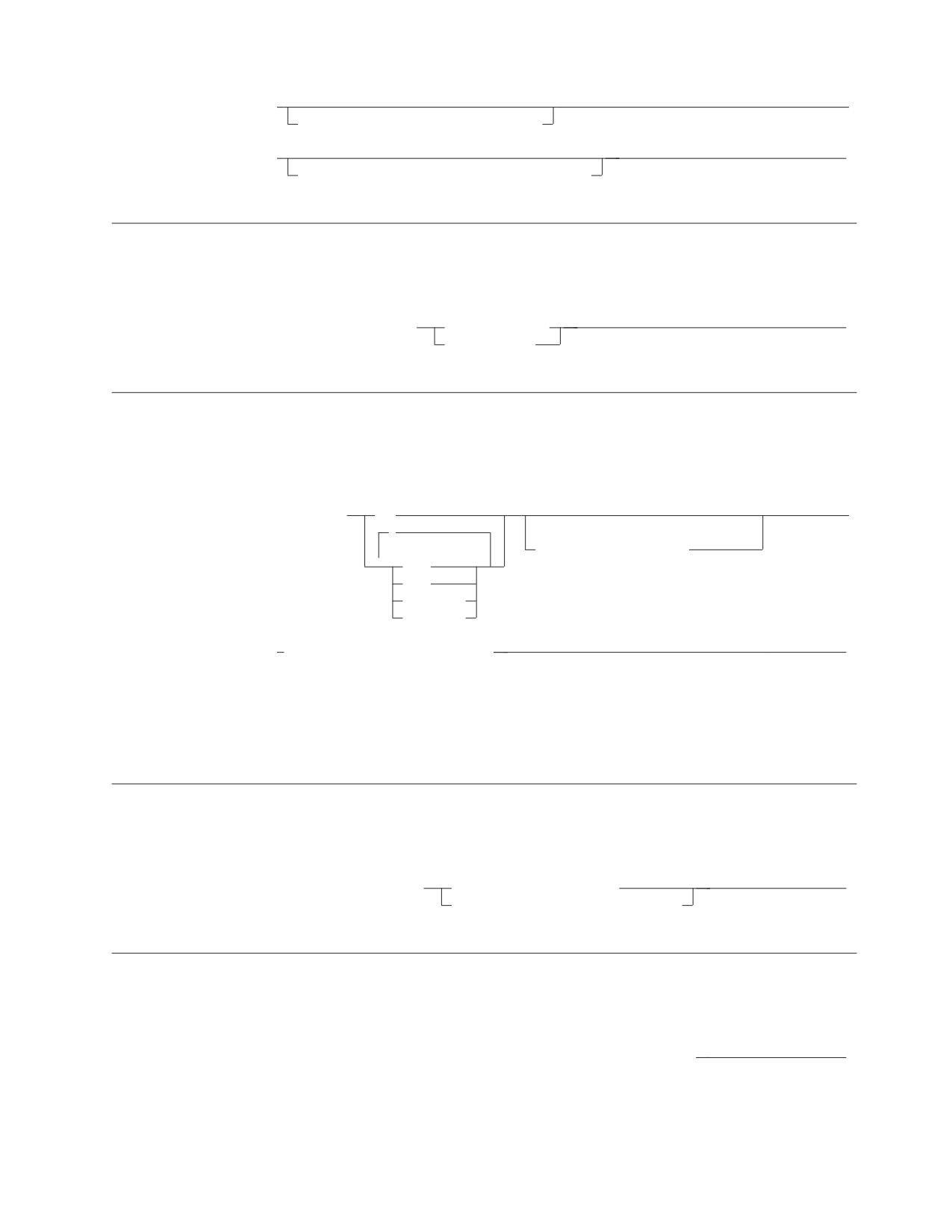
►
►
USING DESCRIPTOR descriptor_name_1
►
►◄
USING OUTPUT DESCRIPTOR descriptor_name_2
EXECUTE IMMEDIATE (P)
Prepares an executable form of an SQL statement from a character string form of
the statement, executes the SQL statement, and then destroys the executable form.
►► EXECUTE IMMEDIATE
string_constant
►◄
host_variable
EXPLAIN (I,P)
Retrieves information about the access path chosen for the execution of the SQL
query, and about the structure and execution performance of a DELETE, INSERT,
UPDATE or select-statement.
►► EXPLAIN
ALL
►
,
(1)
(2)
SET QUERYNO = integer
▼
COST
PLAN
REFERENCE
STRUCTURE
► FOR explainable_sql_statement
►◄
Notes:
1
The QUERYNO can be up to 2,147,483,647.
2
The integer constant must not be preceded by a sign.
FETCH (P)
Positions a cursor on the next row of its result table and assigns the values of that
row to the host variables.
►► FETCH cursor_name
INTO host_variable_list
►◄
USING DESCRIPTOR descriptor_name
Extended FETCH (P)
Positions a cursor on the next row of its result table and assigns the values of that
row to the host variables.
►► FETCH cursor_variable USING DESCRIPTOR descriptor_name
►◄
Chapter 4. SQL Statements
43
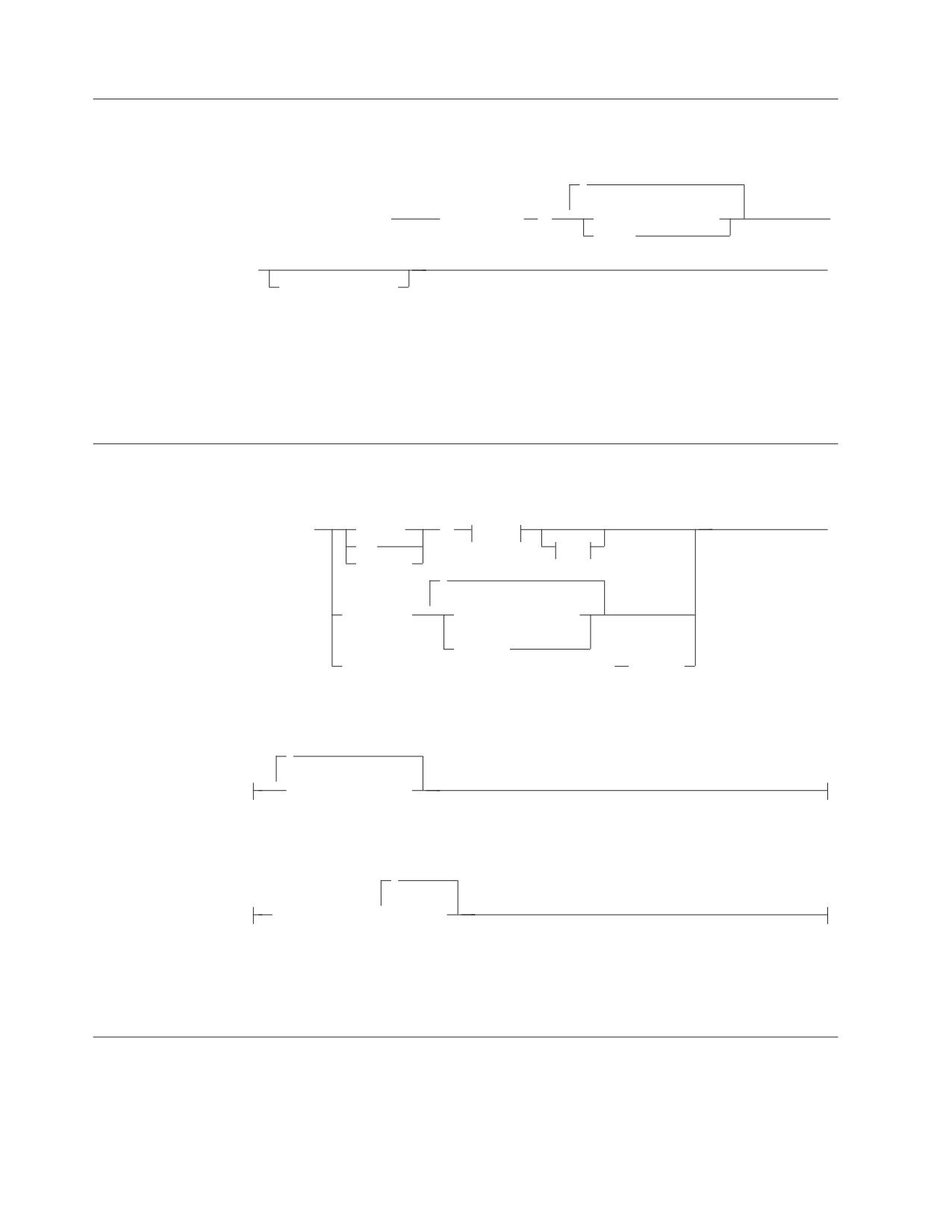
GRANT Package Privileges (I,P)
Grants the privilege to execute a package.
,
(1)
▼
►► GRANT EXECUTE ON
package_name
TO
authorization_name
►
PUBLIC
►
►◄
WITH GRANT OPTION
Notes:
1
RUN can be specified as a synonym for EXECUTE to support applications
developed for previous releases of SQL/DS.
GRANT System Authorities (I,P)
Grants authorities to users and changes passwords.
►► GRANT
CONNECT
TO
AUTH
►◄
DBA
ID
RESOURCE
,
▼
CONNECT TO
authorization_name
(1)
ALLUSERS
SCHEDULE TO subsystemid IDENTIFIED BY
password
AUTH:
,
▼
authorization_name
ID:
,
▼
IDENTIFIED BY
password
Notes:
1
ALLUSERS can only be specified once and is not applicable to a VSE
application server.
GRANT Table Privileges (I,P)
Grants privileges on a table or view.
44
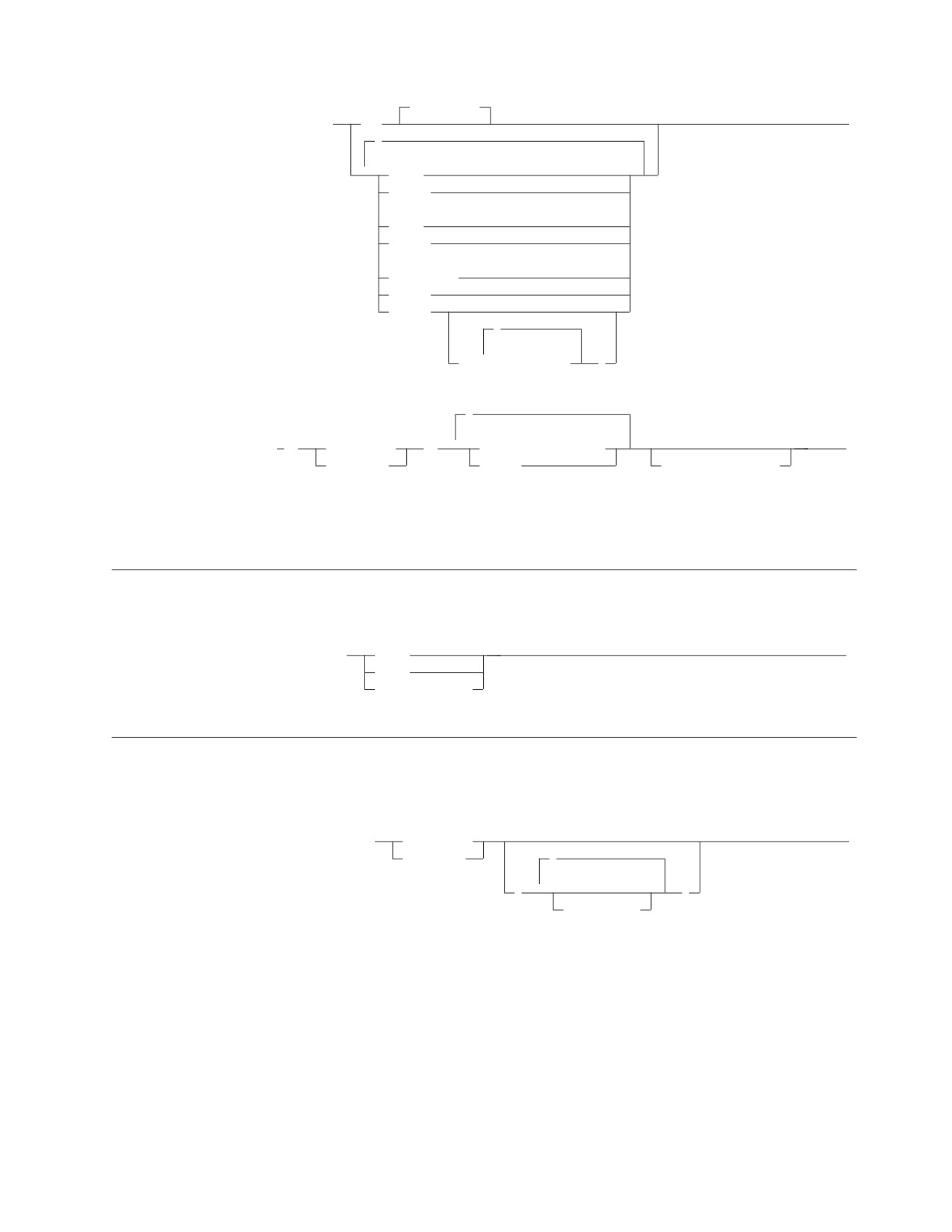
PRIVILEGES
►► GRANT
ALL
►
,
(1)
▼
ALTER
DELETE
(1)
INDEX
INSERT
(1)
REFERENCES
SELECT
UPDATE
,
(
▼
column_name
)
,
►
ON
table_name
TO
▼
authorization_name
►◄
view_name
PUBLIC
WITH GRANT
OPTION
Notes:
1
ALTER, INDEX, and REFERENCES do not apply to views.
INCLUDE (P)
Inserts declarations or statements into a source program.
►► INCLUDE
SQLCA
►◄
SQLDA
text_file_name
INSERT (I,P)
Inserts rows into a table or view. Inserting a row in a view inserts the row into the
tables on which the view is based.
►► INSERT INTO
table_name
►
view_name
,
▼
(
)
column_name
Chapter 4. SQL Statements
45
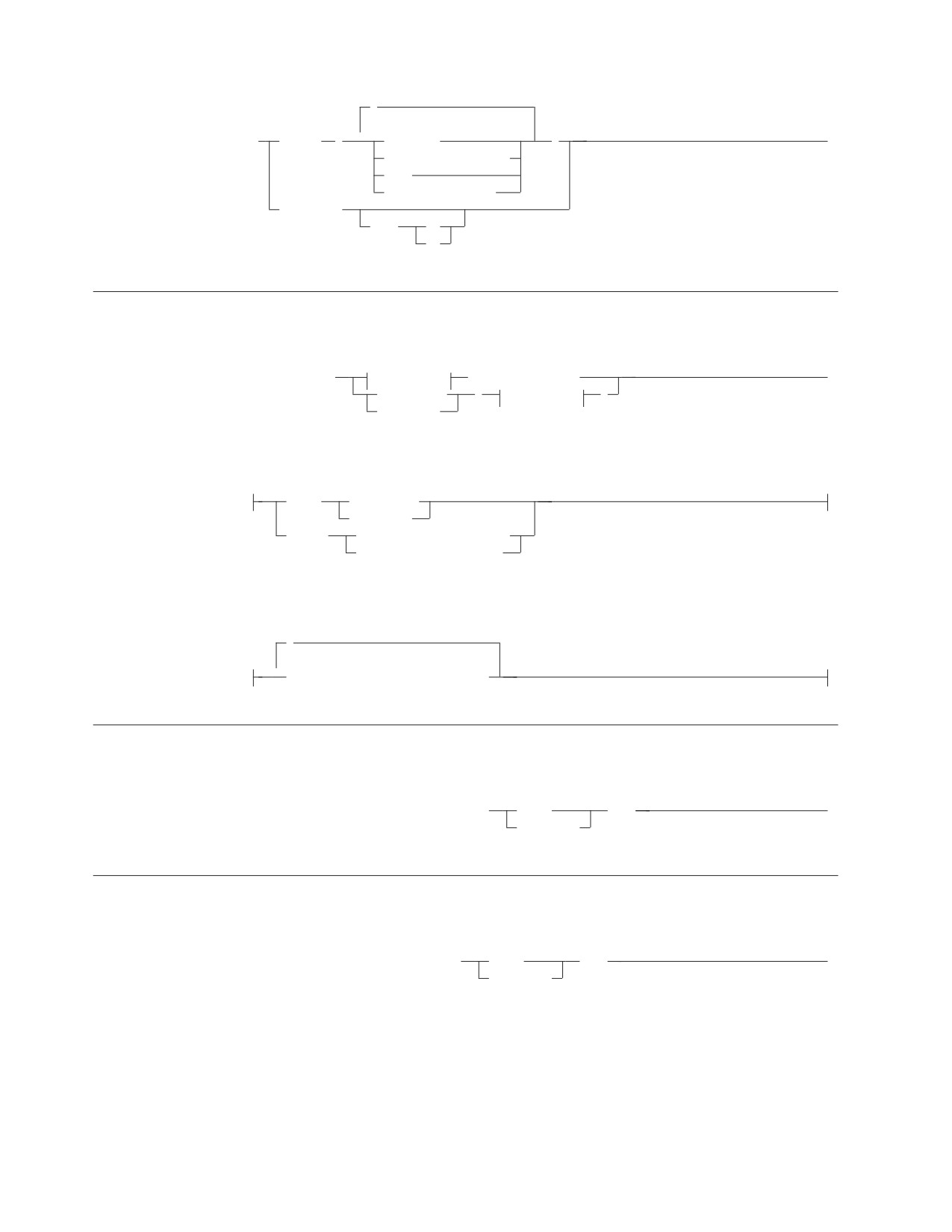
,
▼
►
VALUES
(
constant
)
►◄
host_variable_list
NULL
special_register
subselect
WITH
RR
CS
LABEL ON (I,P)
Adds or replaces labels in the catalog descriptions of tables, views, or columns.
►► LABEL ON
options_a
IS str_constant
►◄
table_name
(
options_b
)
view_name
options_a
TABLE
table_name
view_name
COLUMN
table_name.column_name
view_name.column_name
options_b
,
▼
column_name IS str_constant
LOCK DBSPACE (I,P)
Acquires a shared or exclusive lock on the dbspace-name specified.
►► LOCK DBSPACE dbspace_name IN
SHARE
MODE
►◄
EXCLUSIVE
LOCK TABLE (I,P)
Acquires a shared or exclusive lock on the named table.
►► LOCK TABLE table_name IN
SHARE
MODE
►◄
EXCLUSIVE
46

OPEN (P)
Opens a cursor.
►► OPEN cursor_name
►◄
USING host_variable_list
USING DESCRIPTOR descriptor_name
Extended OPEN CURSOR (P)
Opens a cursor.
►► OPEN cursor_variable
►◄
USING DESCRIPTOR descriptor_name
PREPARE (P)
Prepares an SQL statement for execution from a character string form of the
statement.
►► PREPARE statement_name FROM
string_constant
►◄
host_variable
Extended PREPARE (P)
Basic Extended PREPARE
Adds an SQL statement to an existing package.
►► PREPARE FROM host_variable
►◄
►► SETTING section_variable IN package_spec
►
►
►◄
USING DESCRIPTOR descriptor_name
Single Row Extended PREPARE
Indicates that the SELECT statement in the host-variable is a single row SELECT.
►► PREPARE SINGLE ROW FROM host_variable
►◄
►► SETTING section_variable IN package_spec
►
►
►◄
USING DESCRIPTOR descriptor_name
Chapter 4. SQL Statements
47

Empty Extended PREPARE
Allows for the creation of an indefinite section in a program.
►► PREPARE FROM NULL SETTING section_variable IN package_spec
►◄
Temporary Extended PREPARE
Prepares the statement in the host-variable and associates the output with a
previously created indefinite section.
►► PREPARE FROM host_variable FOR section_variable IN package_spec
►◄
PUT (P)
Inserts a row into a table.
►► PUT cursor-name
►◄
►►
►◄
FROM host-variable-list
USING DESCRIPTOR descriptor-name
Extended PUT (P)
Inserts a row into a table.
►► PUT cursor_variable
►◄
FROM host_variable_list
USING DESCRIPTOR descriptor_name
REVOKE Package Privileges (I,P)
Revokes the privilege to execute a package.
,
(1)
▼
►► REVOKE EXECUTE
ON package_name
FROM
authorization_name
►◄
(2)
PUBLIC
Notes:
1
RUN can be used as a synonym for EXECUTE and is provided for
compatibility with previous versions of SQL/DS.
2
PUBLIC is specified only once.
48
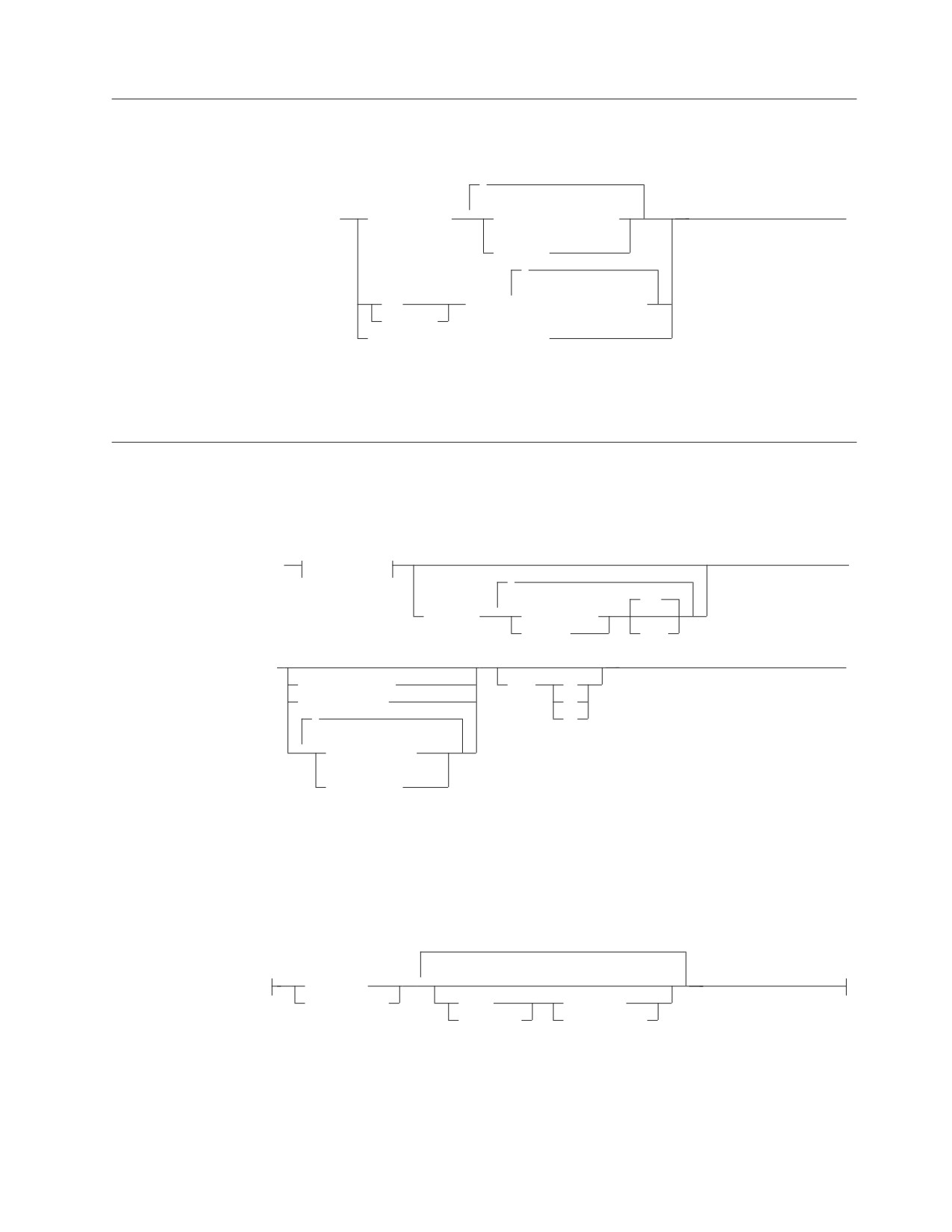
REVOKE System Authorities (I,P)
Revokes system authorities.
,
▼
►► REVOKE
CONNECT FROM
authorization_name
►◄
(1)
ALLUSERS
,
▼
DBA
FROM
authorization_name
RESOURCE
SCHEDULE FROM subsystemid
Notes:
1
ALLUSERS can only be specified once.
REVOKE Table Privileges (I,P)
Revokes privileges on a table or view.
interactive-select-statement
►►
fullselect
►
,
ASC
▼
ORDER BY
column_name
integer
DESC
|
►
►◄
FOR FETCH ONLY
WITH
RR
FOR READ ONLY
CS
,
UR
▼
FOR UPDATE OF
(1)
column_name
Notes:
1
The update-clause cannot be specified if the fullselect contains an
order-by-clause.
fullselect:
▼
subselect
(fullselect)
UNION
subselect
UNION ALL
(fullselect)
Chapter 4. SQL Statements
49

ROLLBACK (I,P)
Ends a logical unit of work without committing any changes.
WORK
►► ROLLBACK
►◄
RELEASE
SELECT INTO (P)
Produces a result table consisting of one row, and assigns the values in that row to
host variables.
,
►► select_clause INTO
▼
host_variable_list
►
► from_clause
►◄
where_clause
with_clause
UPDATE (I,P)
Updates one or more column values in one or more rows of a table or view.
Updating a row of a view updates a row of its base tables.
Searched update (I,P)
►► UPDATE
table_name
►
view_name
correlation_name
,
▼
►
SET
column_name
=
expression
►
NULL
WHERE search_condition
►
►◄
WITH
RR
CS
Positioned update (P)
,
▼
►► UPDATE
table_name
SET
column_name
expression
►
view_name
NULL
50
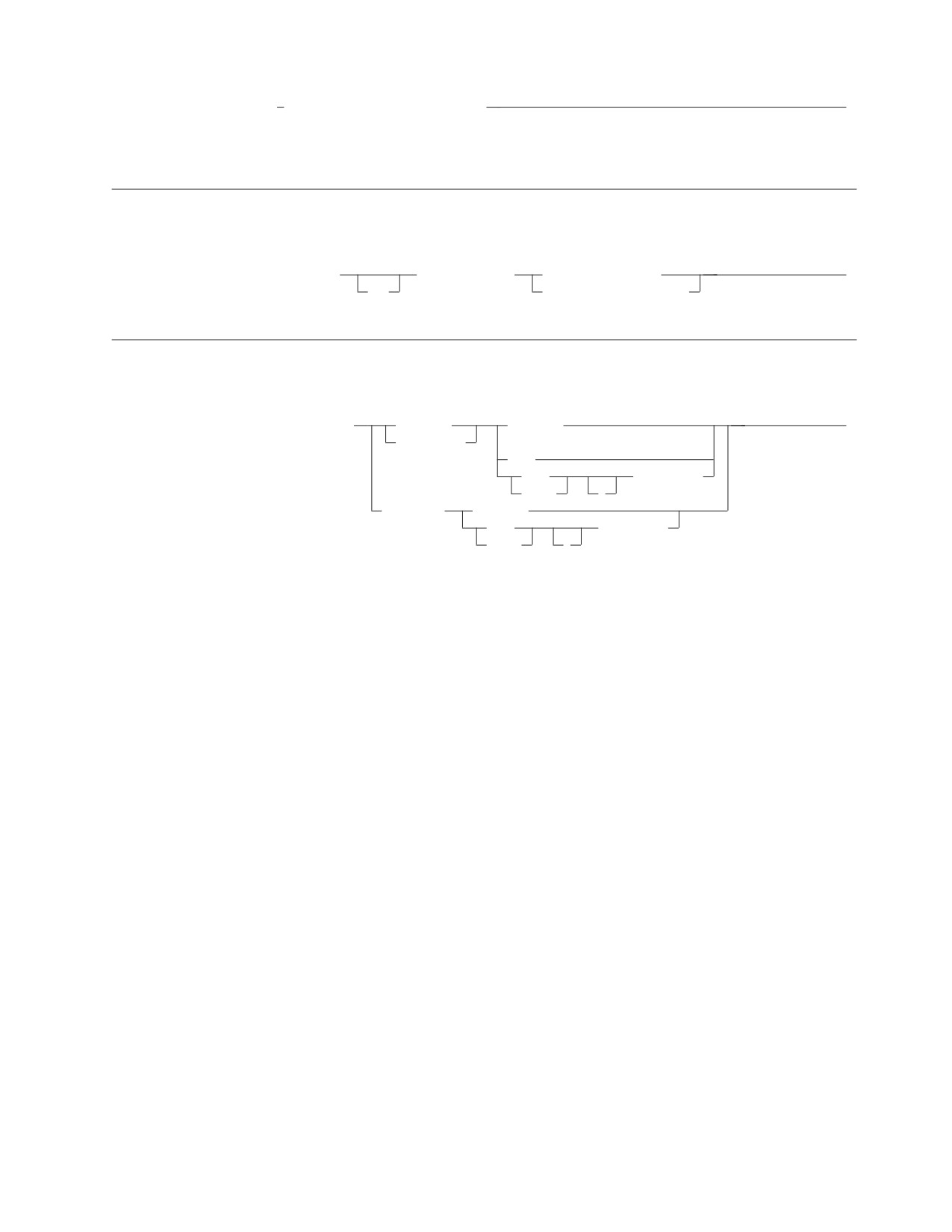
► WHERE CURRENT OF cursor_name
►◄
UPDATE STATISTICS (I,P)
Updates the statistics in the catalog about the tables and indexes.
►► UPDATE
STATISTICS FOR
TABLE table_name
►◄
ALL
DBSPACE dbspace_name
WHENEVER (P)
Specifies the action to be taken when a specified exception condition occurs.
►► WHENEVER
SQLERROR
CONTINUE
►◄
SQLWARNING
(1)
STOP
GOTO
host_label
GO TO
:
NOT FOUND
CONTINUE
GOTO
host_label
GO TO
:
Notes:
1
STOP is not valid for C and FORTRAN.
Chapter 4. SQL Statements
51
52
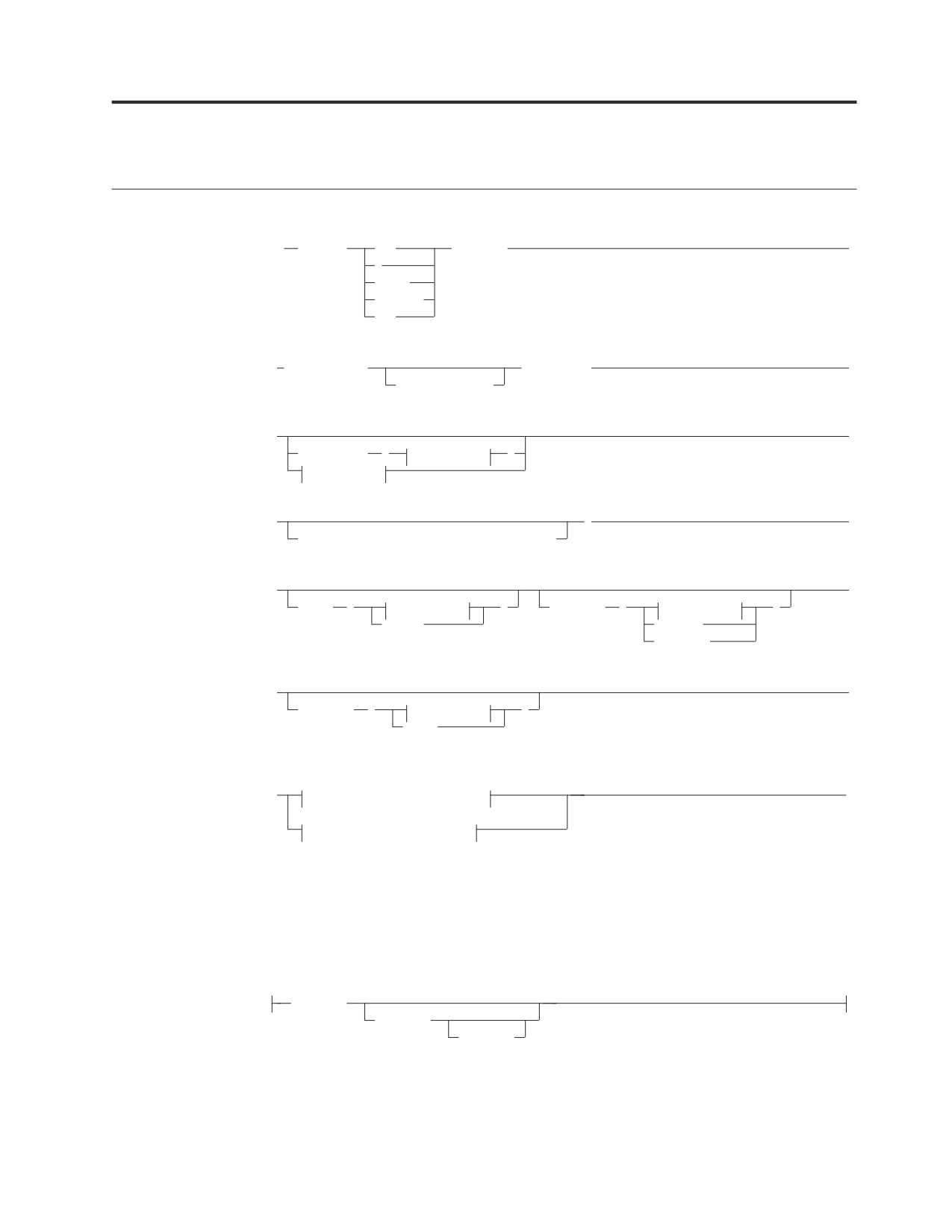
Chapter 5. Preprocessing the Program
Program Preparation Command - VM Users
►►
SQLPREP
ASM
PrepParm
►
C
COBol
FORTran
PLI
► ( PREPname=
package_id
►
collection_id.
►
►
,PrepFile=
(
fileparms
)
prepparms
►
)
►
,USERid= authorization_name/password
►
►
sysIN
(
fileparms
)
sysPRint
(
fileparms
)
Reader
Printer
Terminal
►
►
sysPUnch
(
fileparms
)
Punch
(1)
(2)
►
multiple-user-mode-parms
►◄
(2)
single-user-mode-parms
Notes:
1
Optional for multiple-user-mode.
2
Valid for DB2 Server for VM only.
fileparms:
filename
filetype
filemode
53
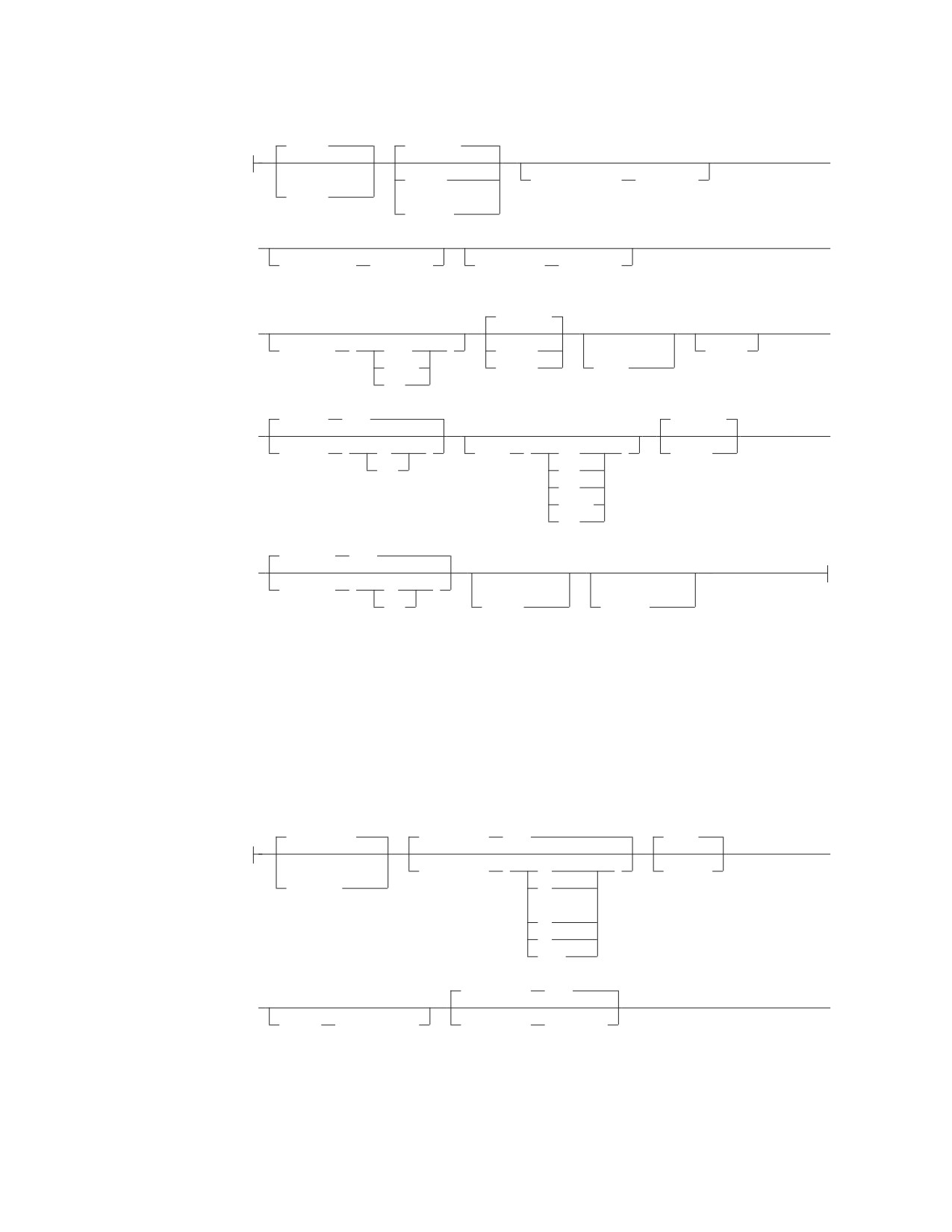
prepparms:
,APOST
,NOBLocK
►
(1)
,BLocK
,CCSIDGraphic
(integer)
,Quote
(2)
,SBLocK
►
►
,CCSIDMixed
(integer)
,CCSIDSbcs
(integer)
,NOCHECK
(1)
►
►
,CHARSUB
(
Sbcs
)
,CHECK
(1)
,COBRC
Mixed
,ERROR
,COB2
Bit
,CTOKEN
(NO)
,NOEXIST
►
►
,CTOKEN
(
NO
)
,DATE
(
EUR
)
,EXIST
YES
ISO
JIS
LOCAL
USA
,EXPLAIN
(NO)
►
,EXPLAIN
(
NO
)
(3)
(4)
YES
,NOFOR
,DYNALC
Notes:
1
COBOL only (DB2 Server for VM only).
2
Not meaningful for DB2 Server for VSE; (DB2 Server for VM only).
3
Implied if STDSQL(89) is specified for DB2 Server for VM.
4
COBOL, PL/I, C, and Assember only.
prepparms (continued):
,NOGRaphic
,ISOLation
(RR)
,KEEP
►
(1)
,ISOLation
(
CS
)
,REVOKE
,GRaphic
RR
(2)
RS
UR
USER
,LineCount
(60)
►
►
,LABEL
(label_text)
,LineCount
(integer)
54