Volkswagen New Beetle. Manual - part 163
 

  Index      Volkswagen     Volkswagen New Beetle 1998-2008 year - service repair manual


Search            


Content   ..  161  162  163  164   ..


Volkswagen New Beetle. Manual - part 163


GENERAL INFORMATION 

Manual Transmission Trouble Shooting 

INTRODUCTION 

There are many times when the transmission is incorrectly blamed for shifting problems or noises that are 
actually caused by other reasons. Shift difficulties are frequently caused by conditions outside of the 
transmission or transaxle. Typical conditions include: shift linkage, shift cables, alignment of engine to 
transmission, worn engine mounts or clutch problems. Drive train noises may come from many sources such as 
tires, road surfaces, wheel bearings, differentials, engine or exhaust system. Repairing or overhauling 
transmission will not cure these problems.  

No manufacturer makes a perfectly quiet transmission. Gear rollover noise is present in most constant mesh 
transmissions and will tend to disappear when the clutch is disengaged or transmission is placed in gear. If 
clutch is properly adjusted, clutch release bearing noise will disappear when release bearing is moved enough to 
slide release bearing away from pressure plate.  

Trouble shooting can be helped by driving vehicle on a smooth level road to help eliminate tire and body noise. 
Note whether noise occurs on acceleration, coasting, deceleration or steady driving conditions. Some problems 
may only occur when transmission is either hot or cold. Gear lubricant that is too thick can cause hard shifting 
on cold mornings before engine is warm and vehicle has been driven.  

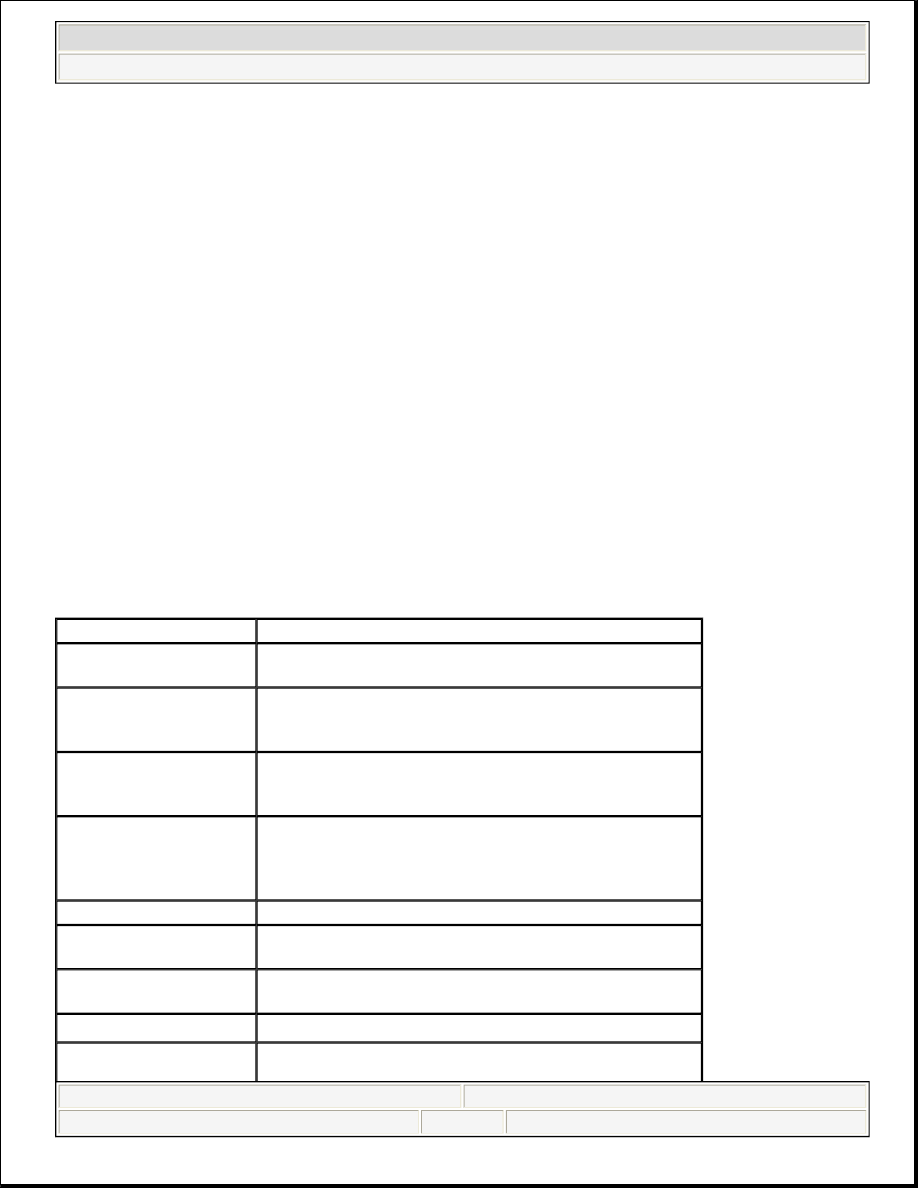
MANUAL TRANSMISSION/TRANSAXLE TROUBLE SHOOTING 

Condition 

Possible Cause 

Noisy In Forward Gears 

Low Gear Oil Level, Loose Bellhousing Bolts, Worn 

Bearings Or Gears 

Clunk On Deceleration 
(FWD Only) 

Loose Engine Mounts, Worn Inboard CV Joints, Worn 

Differential Pinion Shaft, Oversized Side Gear Hub 

Counterbore in Case 

Gear Clash When Shifting 
Forward Gears 

Clutch Out Of Alignment, Shift Linkage Damaged Or Out 

Of Adjustment, Gears Or Synchronizers Damaged, Low 

Gear Oil Level 

Transmission Noisy When 
Moving (RWD Only); 
Quiet In Neutral With 
Clutch Engaged 

Worn Rear Output Shaft Bearing 

Gear Rattle 

Worn Bearings, Worn Gear Oil, Low Gear Oil, Worn Gears 

Steady Ticking At Idle 
(Increases With RPM) 

Broken Tooth On A Gear 

Gear Clash When Shifting 
Forward Gears 

Worn Or Broken Synchronizers, Faulty Clutch 

Loud Whine In Reverse 

Normal Condition 

(1)

Noise When Stepping On 

Faulty Release Bearing, Worn Pilot Bearing 


1998 Chevrolet Pickup C1500 

GENERAL INFORMATION Manual Transmission Trouble Shooting


1998 Chevrolet Pickup C1500 

GENERAL INFORMATION Manual Transmission Trouble Shooting


Clutch 

Ticking Or Screeching As 
Clutch Is Engaged 

Faulty Release Bearing, Uneven Pressure Plate Fingers 

Click Or Snap When 
Clutch Is Engaged 

Worn Clutch Fork, Worn Pivot Ball, Worn Or Broken Front 

Bearing Retainer 

Transmission Shifts Hard 

Clutch Not Releasing, Incorrect Gear Oil, Shift Mechanism 

Binding, Clutch Installed Backward 

Will Not Shift Into One 
Gear, Shifts Into All 
Others 

Bent Shift Fork, Worn Detent Balls 

Locked Into Gear, Cannot 
Shift 

Clutch Adjustment, Worn Detent Balls 

Transmission Jumps Out 
Of Gear 

Pilot Bearing Worn, Bent Shift Fork, Worn Gear Teeth Or 

Face, Excessive Gear Train End Play, Worn Synchronizers, 

Missing Detent Ball Spring, Shift Mechanism Worn Or Out 

Of Adjustment, Engine Or Transmission Mount Bolts Loose, 

Transmission Not Aligned 

Shift Lever Rattle 

Worn Detents Or Shift Lever, Worn Shift Fork, Worn 

Synchronizer Sleeves 

Shift Lever Hops Under 
Acceleration 

Worn Engine Or Transmission Mounts 

(1)

Most units use spur cut gears in Reverse and are naturally noisy.


1998 Chevrolet Pickup C1500 

GENERAL INFORMATION Manual Transmission Trouble Shooting


GENERAL INFORMATION 

Waveforms - Injector Pattern Tutorial 

PURPOSE OF THIS ARTICLE 

Learning how to interpret injector drive patterns from a Lab Scope can be like learning ignition patterns all over 
again. This article exists to ease you into becoming a skilled injector pattern interpreter.  

You will learn:  

z

How a DVOM and noid light fall short of a lab scope.  

z

The two types of injector driver circuits, voltage controlled & current controlled.  

z

The two ways injector circuits can be wired, constant ground/switched power & constant power/switched 
ground.  

z

The two different pattern types you can use to diagnose with, voltage & current.  

z

All the valuable details injector patterns can reveal.  

SCOPE OF THIS ARTICLE 

This is NOT a manufacturer specific article. All different types of systems are covered here, regardless of the 
specific year/make/model/engine.  

The reason for such broad coverage is because there are only a few basic ways to operate a solenoid-type 
injector. By understanding the fundamental principles, you will understand all the major points of injector 
patterns you encounter. Of course there are minor differences in each specific system, but that is where a 
waveform library helps out.  

If this is confusing, consider a secondary ignition pattern. Even though there are many different 
implementations, each still has a primary voltage turn-on, firing line, spark line, etc.  

If specific waveforms are available in On Demand for the engine and vehicle you are working on, you will find 
them in the Engine Performance section under the Engine Performance category.  

IS A LAB SCOPE NECESSARY? 

INTRODUCTION 

You probably have several tools at your disposal to diagnose injector circuits. But you might have questioned 
"Is a lab scope necessary to do a thorough job, or will a set of noid lights and a multifunction DVOM do just as 
well?"  

NOTE:

This article is intended for general information purposes only. This information 
may not apply to all makes and models. 


1998 Chevrolet Pickup C1500 

GENERAL INFORMATION Waveforms - Injector Pattern Tutorial


1998 Chevrolet Pickup C1500 

GENERAL INFORMATION Waveforms - Injector Pattern Tutorial


In the following text, we are going to look at what noid lights and DVOMs do best, do not do very well, and 
when they can mislead you. As you might suspect, the lab scope, with its ability to look inside an active circuit, 
comes to the rescue by answering for the deficiencies of these other tools.  

OVERVIEW OF NOID LIGHT 

The noid light is an excellent "quick and dirty" tool. It can usually be hooked to a fuel injector harness fast and 
the flashing light is easy to understand. It is a dependable way to identify a no-pulse situation.  

However, a noid light can be very deceptive in two cases:  

z

If the wrong one is used for the circuit being tested. Beware: Just because a connector on a noid light fits 
the harness does not mean it is the right one.  

z

If an injector driver is weak or a minor voltage drop is present.  

Use the Right Noid Light 

In the following text we will look at what can happen if the wrong noid light is used, why there are different 
types of noid lights (besides differences with connectors), how to identify the types of noid lights, and how to 
know the right type to use.  

First, let's discuss what can happen if the incorrect type of noid light is used. You might see:  

z

A dimly flashing light when it should be normal.  

z

A normal flashing light when it should be dim.  

A noid light will flash dim if used on a lower voltage circuit than it was designed for. A normally operating 
circuit would appear underpowered, which could be misinterpreted as the cause of a fuel starvation problem.  

Here are the two circuit types that could cause this problem:  

z

Circuits with external injector resistors. Used predominately on some Asian & European systems, they 
are used to reduce the available voltage to an injector in order to limit the current flow. This lower voltage 
can cause a dim flash on a noid light designed for full voltage.  

z

Circuits with current controlled injector drivers (e.g. "Peak and Hold"). Basically, this type of driver 
allows a quick burst of voltage/current to flow and then throttles it back significantly for the remainder of 
the pulse width duration. If a noid light was designed for the other type of driver (voltage controlled, e.g. 
"Saturated"), it will appear dim because it is expecting full voltage/current to flow for the entire duration 
of the pulse width.  

Let's move to the other situation where a noid light flashes normally when it should be dim. This could occur if 
a more sensitive noid light is used on a higher voltage/amperage circuit that was weakened enough to cause 
problems (but not outright broken). A circuit with an actual problem would thus appear normal.  

Let's look at why. A noid light does not come close to consuming as much amperage as an injector solenoid. If 
there is a partial driver failure or a minor voltage drop in the injector circuit, there can be adequate amperage to 


1998 Chevrolet Pickup C1500 

GENERAL INFORMATION Waveforms - Injector Pattern Tutorial


Content   ..  161  162  163  164   ..