FM 10-450-4 MULTISERVICE HELICOPTER SLING LOAD: SINGLE-POINT LOAD RIGGING PROCEDURES (September 2003) - page 9
FM 10-450-4/MCRP 4-23E, VOL II/NWP 3-04.12/AFJMAN 11-223, VOL II/
COMDTINST M13482.2
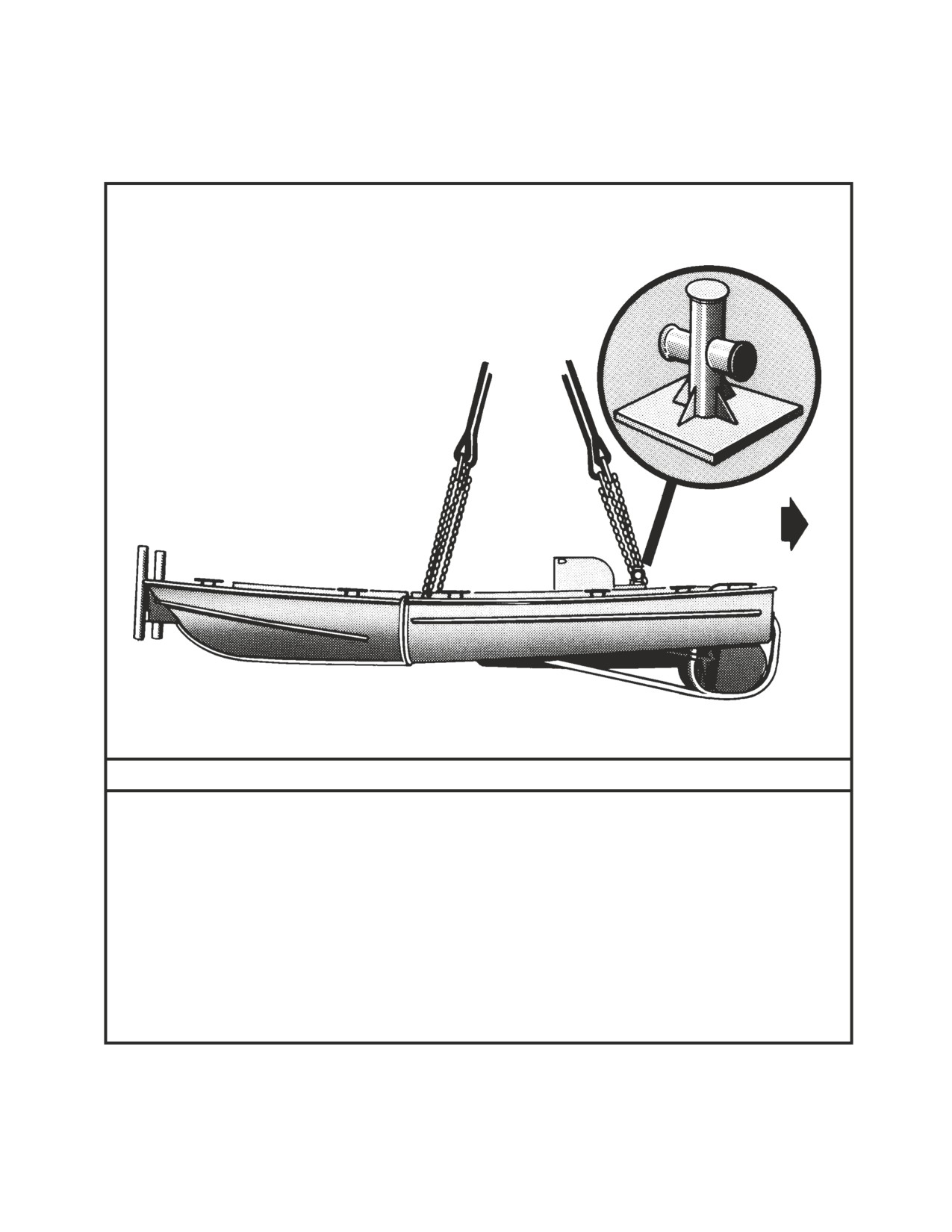
8-31. Boat, Bridge Erection
a. Applicability. The following item in Table 8-30 is certified for all helicopters with suitable lift capacity by the US
Army Natick Research, Development, and Engineering Center:
Table 8-30. Boat, Bridge Erection
MAX
RECOMMENDED
LINK COUNT
NOMENCLATURE
WEIGHT
SLING SET
AIRSPEED
FRONT/REAR
(POUNDS)
(KNOTS)
Boat, Bridge Erection, 27-foot
6,000
15K
4/4
60
b. Materials. The following materials are required to
(b) Remove or secure all loose items of equipment.
rig this load:
(c) Attach the front section to the rear section of the
(1) Sling set (15,000-pound capacity).
boat.
(2) Tape, adhesive, pressure-sensitive, 2-inch wide
(d) Tape all lights, gages, compass, and glass items.
roll.
(e) Ensure the shipping cradles are removed from
(3) Cord, nylon, Type III, 550-pound breaking strength.
both boat sections.
(4) Webbing, cotton, 1/4-inch, 80-pound breaking
(2) Rigging. Rig the load according to the steps in
strength.
Figure 8-30.
c. Personnel. Two persons can prepare and rig each
(3) Hookup. The hookup team stands on top of the
load in 30 minutes.
boat. The static wand person discharges the static elec-
tricity with the static wand. The hookup person places
d. Procedures. The following procedures apply to this
the apex fitting onto the aircraft cargo hook. The hookup
load:
team then moves clear of the load but remains close to the
load as the helicopter removes slack from the sling legs.
(1) Preparation. Prepare the load using the following
When successful hookup is assured, the hookup team
steps:
quickly exits the area underneath the helicopter to the
designated rendezvous point.
(a) Remove and secure the canvas cover in the stern
of the boat.
(4) Derigging. Derigging is the reverse of the prepa-
ration and rigging procedures in steps d (1) and d (2).
8-63
FM 10-450-4/MCRP 4-23E, VOL II/NWP 3-04.12/AFJMAN 11-223, VOL II/
COMDTINST M13482.2
RIGGING STEPS
1. Position apex fitting on top of the center of the boat.
3. Wrap the chain end of sling leg 3 two times around
Route outer sling legs 1 and 2 to the stern section and
the vertical post of the rear towing bitt. Wrap the chain
inner sling legs 3 and 4 to the bow section. Make sure
end of sling leg 4 two times in the opposite direction around
chains for sling legs 3 and 4 are forward (toward the bow)
the vertical post of the rear towing bitt. Place the correct
of the horizontal arms on the rear towing bitt. Sling legs 1
link from Table 8-30 in the grab hook. Ensure the chains
and 3 must be on the same side of the load.
are below the horizontal arm of the towing bitt.
2. Loop the chain end of sling leg 1 through the left rear
4. Cluster and tie or tape (breakaway technique) all sling
lifting U-bolt located on the left side of the stern section.
legs together on top of the boat to prevent entanglement
Place the correct link from Table 8-30 in the grab hook.
during hookup and lift-off.
Repeat with sling leg 2 and the right rear lifting U-bolt.
Figure 8-30. Boat, Bridge Erection
8-64
FM 10-450-4/MCRP 4-23E, VOL II/NWP 3-04.12/AFJMAN 11-223, VOL II/
COMDTINST M13482.2
8-32. Bridge, Medium Girder, Dry Gap (MGB)
a. Applicability. The following item in Table 8-31 is certified for all helicopters with suitable lift capacity by the US
Army Natick Research, Development, and Engineering Center:
Table 8-31. Medium Girder Bridge
MAX
RECOMMENDED
LINK COUNT
NOMENCLATURE
WEIGHT
SLING SET
AIRSPEED
FRONT/REAR
(POUNDS)
(KNOTS)
Medium Girder Bridge, Ramp Section,
6,500
15K
10/5
70
Palletized, TAMCN B0152
b. Materials. The following materials are required to
(a) The larger ends of the bridge sections are at the
rig this load:
front of the load.
(1) Sling set (15,000-pound capacity).
(b) Ensure all sections of the bridge are properly
secured to the pallet using the cargo tie-down straps.
(2) Tape, adhesive, pressure-sensitive, 2-inch wide
Route two straps from the pallet forward end to the aft
roll.
end. Route the remaining straps from one side of the
pallet, over the ramp sections, and to the other side of the
(3) Cord, nylon, Type III, 550-pound breaking strength.
pallet. Tighten all tie-down straps.
(4) Webbing, cotton, 1/4-inch, 80-pound breaking
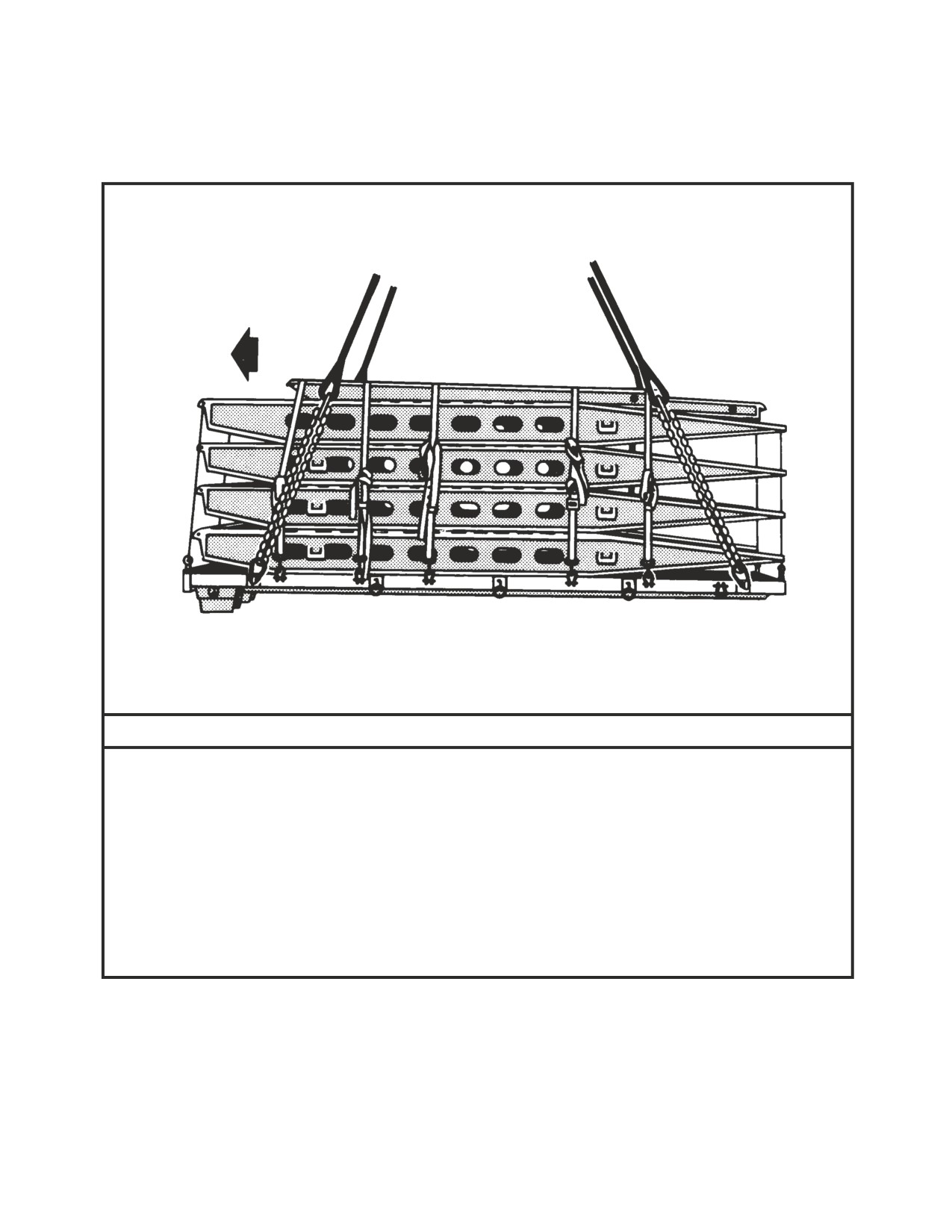
(2) Rigging. Rig the load according to the steps in
strength.
Figure 8-31.
(5) Tie-down strap, cargo, CGU-1/B (as required).
(3) Hookup. The hookup team stands on top of the
bridge ramp sections. The static wand person discharges
c. Personnel. Two persons can prepare and rig each
the static electricity with the static wand. The hookup
load in 20 minutes.
person places the apex fitting onto the aircraft cargo hook.
The hookup team then moves clear of the load but re-
d. Procedures. The following procedures apply to this
mains close to the load as the helicopter removes slack
load:
from the sling legs. When successful hookup is assured,
the hookup team quickly exits the area underneath the
(1) Preparation. Prepare the load using the following
helicopter to the designated rendezvous point.
steps:
(4) Derigging. Derigging is the reverse of the prepa-
ration and rigging procedures in steps d (1) and d (2).
8-65
FM 10-450-4/MCRP 4-23E, VOL II/NWP 3-04.12/AFJMAN 11-223, VOL II/
COMDTINST M13482.2
RIGGING STEPS
1.
Position apex fitting on top of the ramp sections.
3. Loop the chain end of sling leg 3 through the pallet
Route outer sling legs 1 and 2 to the front of the load and
left rear lift provision. Place the correct link from Table 8-
inner sling legs 3 and 4 to the rear. Sling legs 1 and 3 must
31 in the grab hook. Repeat with sling leg 4 and the pallet
be on the left side of the load.
right rear lift provision.
2. Loop the chain end of sling leg 1 through the pallet
4. Cluster and tie or tape (breakaway technique) all sling
left front lift provision. Place the correct link from Table 8-
legs together on top of the bridge ramp sections to pre-
31 in the grab hook. Repeat with sling leg 2 and the pallet
vent entanglement during hookup and lift-off.
right front lift provision. Secure excess chain with tape or
nylon cord.
Figure 8-31. Medium Girder Bridge
8-66

FM 10-450-4/MCRP 4-23E, VOL II/NWP 3-04.12/AFJMAN 11-223, VOL II/
COMDTINST M13482.2
8-33. Ribbon Bridge Ramp Bay
a. Applicability. The following item in Table 8-32 is certified for all helicopters with suitable lift capacity by the US
Army Natick Research, Development, and Engineering Center:
Table 8-32. Ribbon Bridge Ramp Bay
MAX
RECOMMENDED
LINK COUNT
NOMENCLATURE
WEIGHT
SLING SET
AIRSPEED
FRONT/REAR
(POUNDS)
(KNOTS)
Ribbon Bridge, Ramp Bay
11,560
25K
3/60
90
b. Materials. The following materials are required to
(a) The shorter end of the bay section is the front of
rig this load:
the load.
(1) Sling set (25,000-pound capacity).
(b) Ensure all the bay latches are securely fastened.
(2) Tape, adhesive, pressure-sensitive, 2-inch wide
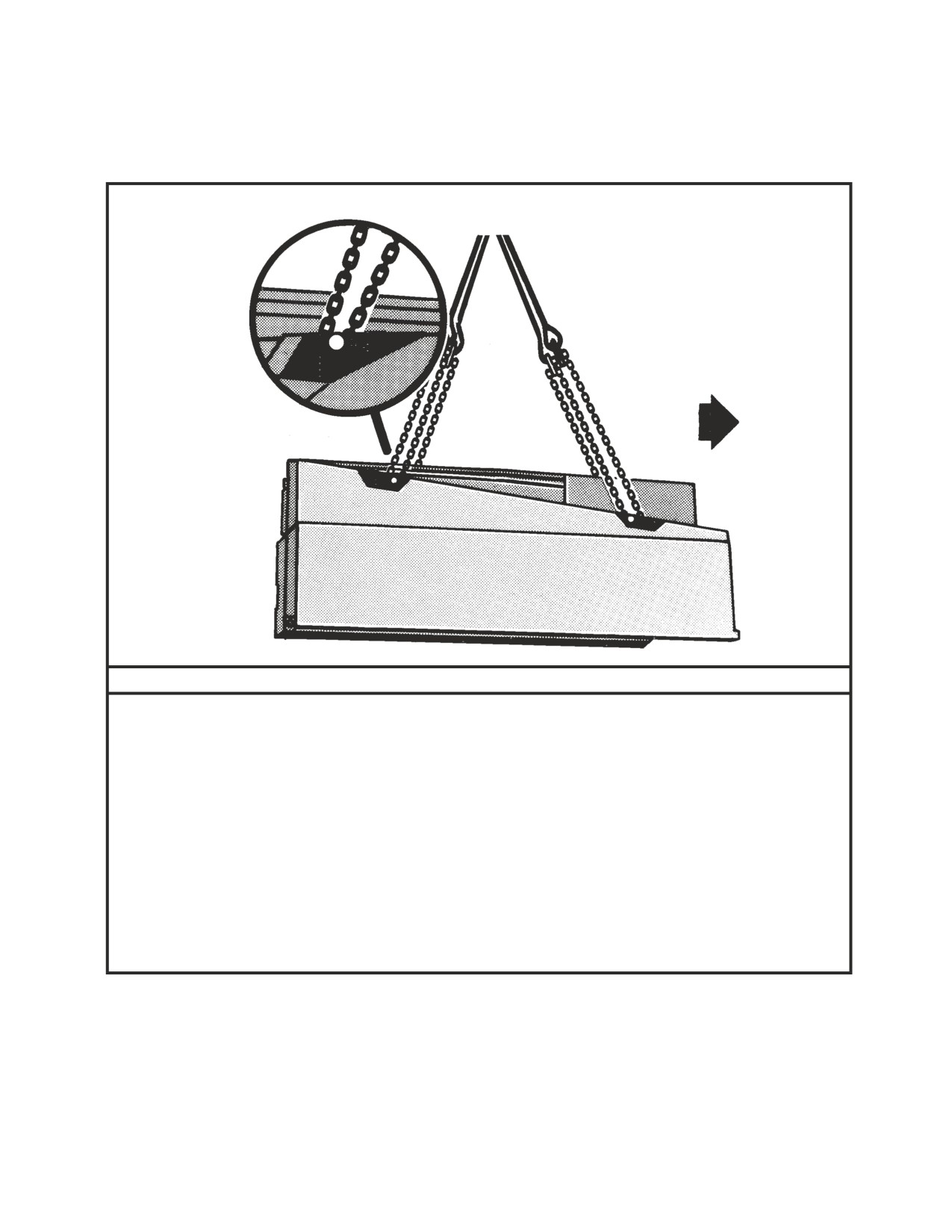
(2) Rigging. Rig the load according to the steps in
roll.
Figure 8-32.
(3) Cord, nylon, Type III, 550-pound breaking strength.
(3) Hookup. The hookup team stands on top of the
ramp bays. The static wand person discharges the static
(4) Webbing, cotton, 1/4-inch, 80-pound breaking
electricity with the static wand. The hookup person places
strength.
the apex fitting onto the aircraft cargo hook. The hookup
team then moves clear of the load but remains close to the
c. Personnel. Two persons can prepare and rig each
load as the helicopter removes slack from the sling legs.
load in 15 minutes.
When successful hookup is assured, the hookup team
quickly exits the area underneath the helicopter to the
d. Procedures. The following procedures apply to this
designated rendezvous point.
load:
(4) Derigging. Derigging is the reverse of the prepa-
(1) Preparation. Prepare the load using the following
ration and rigging procedures in steps d (1) and d (2).
steps:
8-67
FM 10-450-4/MCRP 4-23E, VOL II/NWP 3-04.12/AFJMAN 11-223, VOL II/
COMDTINST M13482.2
RIGGING STEPS
1. Position the apex fitting on top of the ramp bay.
top left edge of the bay). Place the correct link from Table
Route outer sling legs 1 and 2 to the front of the bay and
8-32 in the grab hook. Repeat with sling leg 4 and the
inner sling legs 3 and 4 to the rear of the bay. Sling legs 1
right rear lift provision. Secure the excess chain with Type
and 3 must be on the left side of the load.
III nylon cord.
2. Loop the chain end of sling leg 1 through the left
4. Pull the chain of each sling leg up tightly, tape or tie
front lift provision (a pin located between two plates on
with nylon cord just above the lift provisions to prevent
the top edge of the bay). Place the correct link from Table
the chain from falling down between the plates.
8-32 in the grab hook. Repeat with sling leg 2 and the
right front lift provision.
5. Cluster and tie or tape (breakaway technique) all sling
legs together on top of the bay to prevent entanglement
3.
Loop the chain end of sling leg 3 through the left
during hookup and lift-off.
rearlift provision (a pin located between two plates on the
Figure 8-32. Ribbon Bridge Ramp Bay
8-68
FM 10-450-4/MCRP 4-23E, VOL II/NWP 3-04.12/AFJMAN 11-223, VOL II/
COMDTINST M13482.2
8-34. Ribbon Bridge Interior Bay
a. Applicability. The following item in Table 8-33 is certified for all helicopters with suitable lift capacity by the US
Army Natick Research, Development, and Engineering Center:
Table 8-33. Ribbon Bridge Interior Bay
MAX
RECOMMENDED
LINK COUNT
NOMENCLATURE
WEIGHT
SLING SET
AIRSPEED
FRONT/REAR
(POUNDS)
(KNOTS)
Ribbon Bridge, Interior Bay
11,800
25K
3/15
70
b. Materials. The following materials are required to
(a) The end with the roadway lock is the front of the
rig this load:
load.
(1) Sling set (25,000-pound capacity).
(b) Ensure all the bay latches are securely fastened.
(2) Tape, adhesive, pressure-sensitive, 2-inch wide
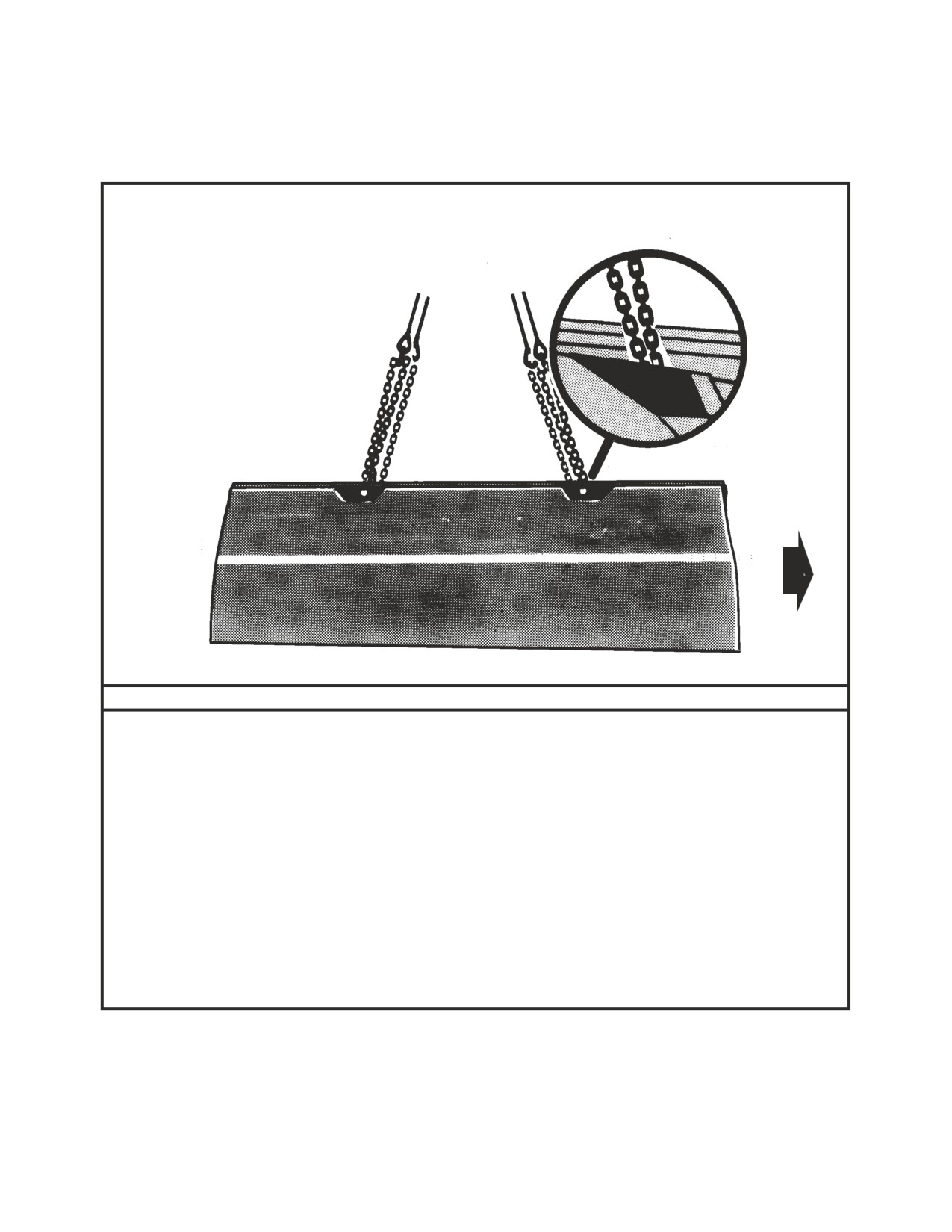
(2) Rigging. Rig the load according to the steps in
roll.
Figure 8-33.
(3) Cord, nylon, Type III, 550-pound breaking strength.
(3) Hookup. The hookup team stands on top of the
interior bays. The static wand person discharges the static
(4) Webbing, cotton, 1/4-inch, 80-pound breaking
electricity with the static wand. The hookup person places
strength.
the apex fitting onto the aircraft cargo hook. The hookup
team then moves clear of the load but remains close to the
c. Personnel. Two persons can prepare and rig each
load as the helicopter removes slack from the sling legs.
load in 15 minutes.
When successful hookup is assured, the hookup team
quickly exits the area underneath the helicopter to the
d. Procedures. The following procedures apply to this
designated rendezvous point.
load:
(4) Derigging. Derigging is the reverse of the prepa-
(1) Preparation. Prepare the load using the following
ration and rigging procedures in steps d (1) and d (2).
steps:
8-69
FM 10-450-4/MCRP 4-23E, VOL II/NWP 3-04.12/AFJMAN 11-223, VOL II/
COMDTINST M13482.2
RIGGING STEPS
1. Position the apex fitting on top of the interior bay.
lift provision (a pin located between two plates on the top
Route outer sling legs 1 and 2 to the front of the bay
left edge of the bay). Place the correct link from Table 8-
and inner sling legs 3 and 4 to the rear of the bay. The
33 in the grab hook. Repeat with sling leg 4 and the right
front of the bay is the end with the roadway lock. Sling
rear lift provision. Secure excess chain with tape or nylon
legs 1 and 3 must be on the left side of the load.
cord.
2. Loop the chain end of sling leg 1 through the left
4. Pull the chain of each sling leg up tightly, tape or tie
front lift provision (a pin between two plates on the top
with nylon cord just above the lift provisions to prevent
left edge of the bay). Place the correct link from Table 8-33
the chain from falling down between the plates.
in the grab hook. Repeat with sling leg 2 and the right
front lift provision.
5. Cluster and tie or tape (breakaway technique) all sling
legs together on top of the bay to prevent entanglement
3. Loop the chain end of sling leg 3 through the left rear
during hookup and lift-off.
Figure 8-33. Ribbon Bridge Interior Bay
8-70
FM 10-450-4/MCRP 4-23E, VOL II/NWP 3-04.12/AFJMAN 11-223, VOL II/
COMDTINST M13482.2
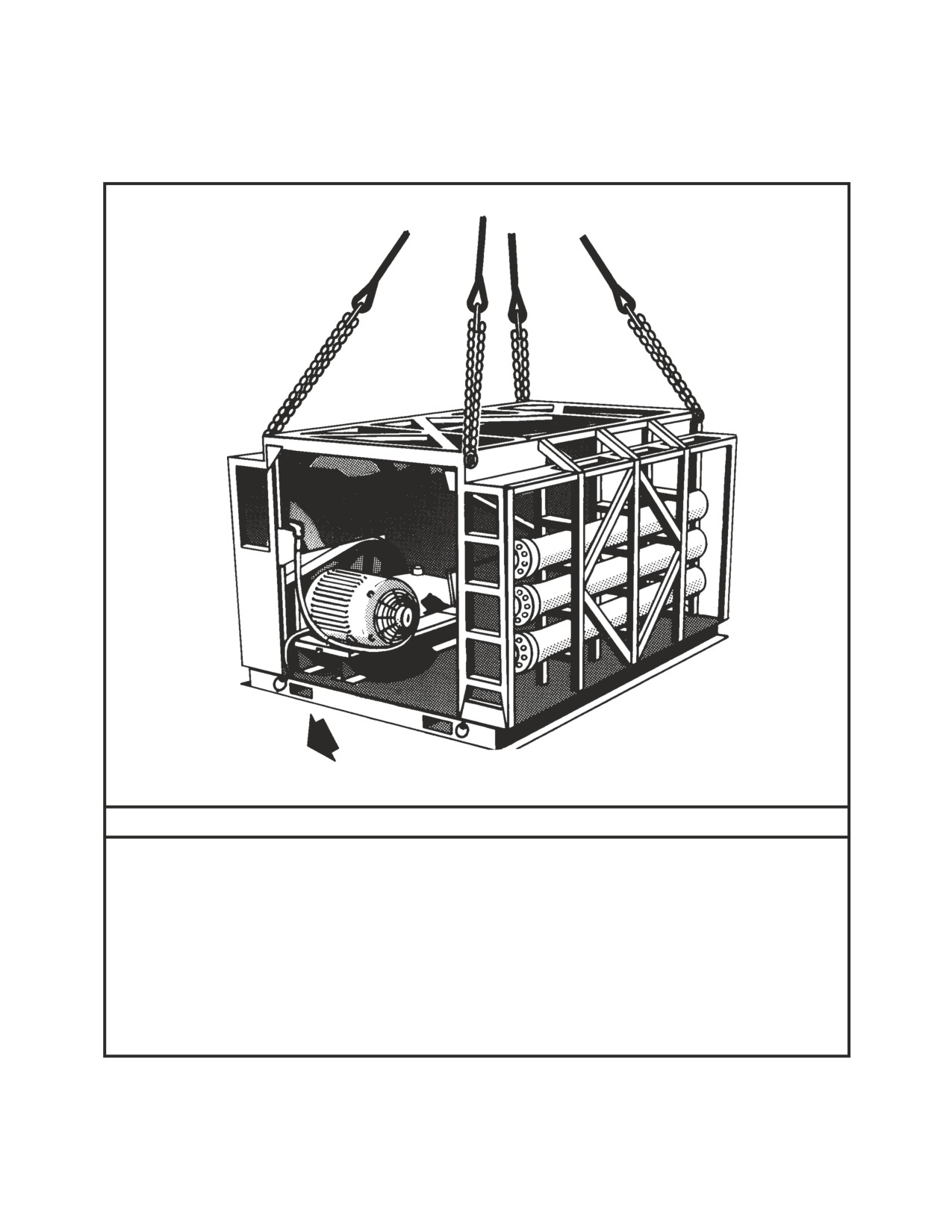
8-35. Water Purification Unit-Reverse Osmosis (ROWPU)
a. Applicability. The following item in Table 8-34 is certified for all helicopters with suitable lift capacity by the US
Army Natick Research, Development, and Engineering Center:
Table 8-34. Water Purification Unit-Reverse Osmosis
MAX
RECOMMENDED
LINK COUNT
NOMENCLATURE
WEIGHT
SLING SET
AIRSPEED
FRONT/REAR
(POUNDS)
(KNOTS)
MC257 Water Purification
Unit-Reverse Osmosis, 600 gallons per
7,400
15K
5/5
90
hour (GPH), Skid Mounted, TAMCN
B2064
b. Materials. The following materials are required to
(a) The water pump end is the front of the load.
rig this load:
(b) Secure all containers, boxes, and other equip-
(1) Sling set (15,000-pound capacity).
ment with tape or Type III nylon cord.
(2) Tape, adhesive, pressure-sensitive, 2-inch wide
(c) Tape all glass fixtures.
roll.
(2) Rigging. Rig the load according to the steps in
(3) Cord, nylon, Type III, 550-pound breaking strength.
Figure 8-34.
(4) Webbing, cotton, 1/4-inch, 80-pound breaking
(3) Hookup. The hookup team stands on top of the
strength.
unit. The static wand person discharges the static elec-
tricity with the static wand. The hookup person places
c. Personnel. Two persons can prepare and rig each
the apex fitting onto the aircraft cargo hook. The hookup
load in 15 minutes.
team then moves clear of the load but remains close to the
load as the helicopter removes slack from the sling legs.
d. Procedures. The following procedures apply to this
When successful hookup is assured, the hookup team
load:
quickly exits the area underneath the helicopter to the
designated rendezvous point.
(1) Preparation. Prepare the load using the following
steps:
(4) Derigging. Derigging is the reverse of the prepa-
ration and rigging procedures in steps d (1) and d (2).
8-71
FM 10-450-4/MCRP 4-23E, VOL II/NWP 3-04.12/AFJMAN 11-223, VOL II/
COMDTINST M13482.2
RIGGING STEPS
1.
Position apex fitting on top of the ROWPU unit.
3. Loop the chain end of sling leg 3 through the left rear
Route outer sling legs 1 and 2 to the front of the unit and
lift ring. Place the correct link from Table 8-34 in the grab
inner sling legs 3 and 4 to the rear. Sling legs 1 and 3 must
hook. Repeat with sling leg 4 and the right rear lift ring.
be on the left side of the load.
4. Cluster and tie or tape (breakaway technique) all
2. Loop the chain end of sling leg 1 through the left
sling legs together on top of the unit to prevent entangle-
front lift ring on the top of the unit. Place the correct link
ment during hookup and lift-off.
from Table 8-34 in the grab hook. Repeat with sling leg 2
and the right front lift ring.
Figure 8-34. Water Purification Unit-Reverse Osmosis (ROWPU)
8-72
FM 10-450-4/MCRP 4-23E, VOL II/NWP 3-04.12/AFJMAN 11-223, VOL II/
COMDTINST M13482.2
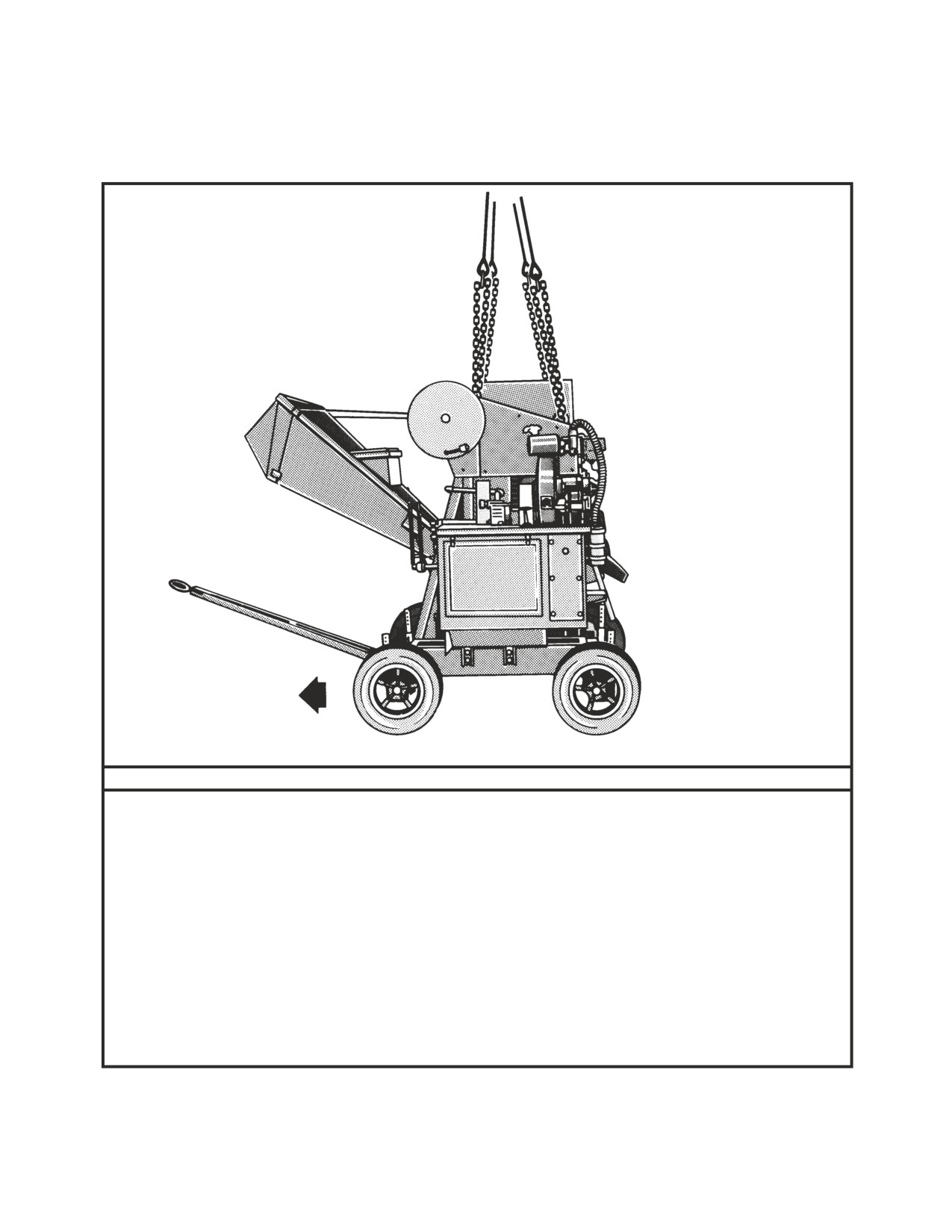
8-36. MS114 WFD Concrete Mixer
a. Applicability. The following item in Table 8-35 is certified for all helicopters with suitable lift capacity by the US
Army Natick Research, Development, and Engineering Center:
Table 8-35. MS114 WFD Concrete Mixer
MAX
RECOMMENDED
LINK COUNT
NOMENCLATURE
WEIGHT
SLING SET
AIRSPEED
FRONT/REAR
(POUNDS)
(KNOTS)
MS114WFD Concrete Mixer, TAMCN
4,223
15K
50/30
70
B1326
b. Materials. The following materials are required to
(b) Secure the towbar in the raised/locked position.
rig this load:
(c) Raise the scoop to the up position and secure the
(1) Sling set (15,000-pound capacity).
scoop elevating wheel with the tie-down strap.
(2) Tape, adhesive, pressure-sensitive, 2-inch wide
(d) Since the mixer does not have a hand brake, loop
roll.
a tie-down strap through a wheel rim and secure it to the
frame to keep the wheel from turning.
(3) Cord, nylon, Type III, 550-pound breaking strength.
(2) Rigging. Rig the load according to the steps in
(4) Webbing, cotton, 1/4-inch, 80-pound breaking
Figure 8-35.
strength.
(3) Hookup. The hookup team stands on top of the
(5) Tie-down strap, cargo, CGU-1/B (as required).
mixer. The static wand person discharges the static elec-
tricity with the static wand. The hookup person places
c. Personnel. Two persons can prepare and rig each
the apex fitting onto the aircraft cargo hook. The hookup
load in 10 minutes.
team then moves clear of the load but remains close to the
load as the helicopter removes slack from the sling legs.
d. Procedures. The following procedures apply to this
When successful hookup is assured, the hookup team
load:
quickly exits the area underneath the helicopter to the
designated rendezvous point.
(1) Preparation. Prepare the load using the following
steps:
(4) Derigging. Derigging is the reverse of the prepa-
ration and rigging procedures in steps d (1) and d (2).
(a) Secure all hoses, cables, or chains with tape or
nylon cord.
8-73
FM 10-450-4/MCRP 4-23E, VOL II/NWP 3-04.12/AFJMAN 11-223, VOL II/
COMDTINST M13482.2
RIGGING STEPS
1. Position the apex fitting on top of the mixer. Route
3. Loop the chain end of sling leg 3 through the left rear
outer sling legs 1 and 2 to the front of the mixer (towbar
U-bolt lift provision located on the left top side of the
end) and inner sling legs 3 and 4 to the rear. Sling legs 1
mixer. Place the correct link from Table 8-35 in the grab
and 3 must be on the left side of the load.
hook. Route the chain from the inboard side of the provi-
sion to the outboard side. Repeat with sling leg 4 and the
2. Loop the chain end of sling leg 1 through the left
right rear lift provision. Secure excess chain with tape or
front U-bolt lift provision located on the left top side of
nylon cord.
the mixer. Place the correct link from Table 8-35 in the grab
hook. Route the chain from the inboard side of the provi-
4. Cluster and tie or tape (breakaway technique) all
sion to the outboard side. Repeat with sling leg 2 and the
sling legs together on top of the mixer to prevent entangle-
right front lift provision. Secure excess chain with tape or
ment during hookup and lift-off.
nylon cord.
Figure 8-35. MS114 WFD Concrete Mixer
8-74

FM 10-450-4/MCRP 4-23E, VOL II/NWP 3-04.12/AFJMAN 11-223, VOL II/
COMDTINST M13482.2
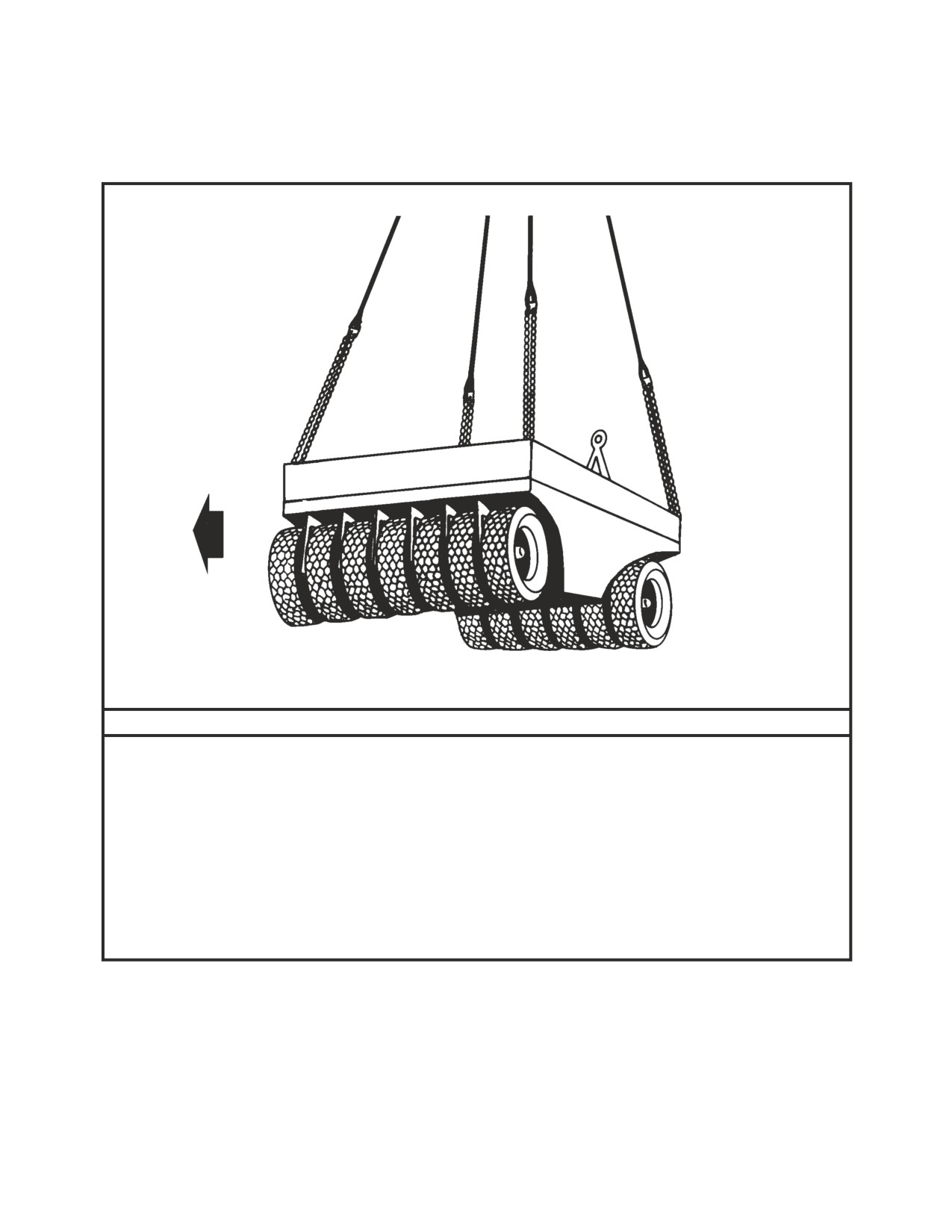
8-37. Towed Rollers
a. Applicability. The following items in Table 8-36 are certified for all helicopters with suitable lift capacity by the US
Army Natick Research, Development, and Engineering Center:
Table 8-36. Towed Rollers
MAX
RECOMMENDED
LINK COUNT
NOMENCLATURE
WEIGHT
SLING SET
AIRSPEED
FRONT/REAR
(POUNDS)
(KNOTS)
Roller,Towed, RO3402
4,600
10K
3/30
120
Roller, Hercules, PT-11
3,520
10K
3/3
85
b. Materials. The following materials are required to
(a) Secure the drain plugs with tape.
rig this load:
(b) Raise and secure the tongue with tie-down staps.
(1) Sling set (10,000-pound capacity).
(2) Rigging. Rig the load according to the steps in
(2) Tape, adhesive, pressure-sensitive, 2-inch wide
Figure 8-36.
roll.
(3) Hookup. The hookup team stands on top of the
(3) Cord, nylon, Type III, 550-pound breaking strength.
roller. The static wand person discharges the static elec-
tricity with the static wand. The hookup person places
(4) Webbing, cotton, 1/4-inch, 80-pound breaking
the apex fitting onto the aircraft cargo hook. The hookup
strength.
team then moves clear of the load but remains close to the
load as the helicopter removes slack from the sling legs.
(5) Tie-down strap, cargo, CGU-1/B (as required).
When successful hookup is assured, the hookup team
quickly exits the area underneath the helicopter to the
c. Personnel. Two persons can prepare and rig each
designated rendezvous point.
load in 10 minutes.
NOTE: Brief the aircrew to hover to one side of the load
d. Procedures. The following procedures apply to this
and relax the sling tension before releasing the apex fit-
load:
ting to prevent damaging the load.
(1) Preparation. Prepare the load using the following
(4) Derigging. Derigging is the reverse of the prepa-
steps:
ration and rigging procedures in steps d (1) and d (2).
8-75
FM 10-450-4/MCRP 4-23E, VOL II/NWP 3-04.12/AFJMAN 11-223, VOL II/
COMDTINST M13482.2
RIGGING STEPS
1. Position the apex fitting on top of the roller. Route
3. Loop the chain end of sling leg 3 through the left rear
outer sling legs 1 and 2 to the front of the roller (lunette
lift provision located on the left rear corner of the roller.
end) and inner sling legs 3 and 4 to the rear. Sling legs 1
Place the correct link from Table 8-36 in the grab hook.
and 3 must be on the left side of the load.
Repeat with sling leg 4 and the right rear lift provision.
2. Loop the chain end of sling leg 1 through the left
4. Cluster and tie or tape (breakaway technique) all
front lift provision located on the left front corner of the
sling legs together on top of the roller to prevent entangle-
roller. Place the correct link from Table 8-36 in the grab
ment during hookup and lift-off.
hook. Repeat with sling leg 2 and the right front lift provi-
sion.
Figure 8-36. Towed Rollers
8-76
C1, FM 10-450-4/MCRP 4-23E, VOL II/NWP 3-04.12/AFJMAN 11-223, VOL II/
COMDTINST M13482.2
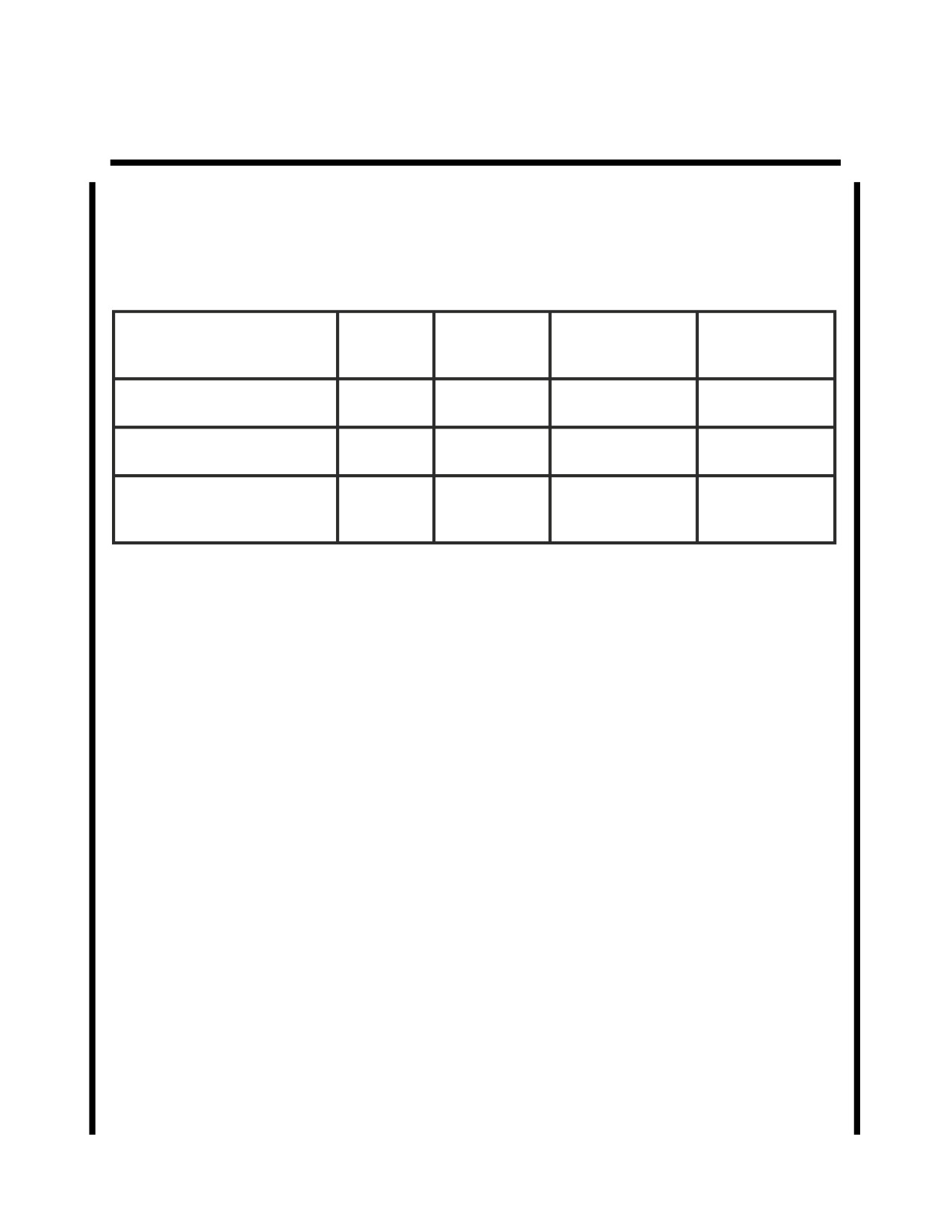
8-38. Tractor (Dozer), Full-Tracked, Type III, JD450G
a. Applicability. The following items in Table 8-37 are certified for all helicopters with suitable lift capacity by the US
Army Soldier Systems Center:
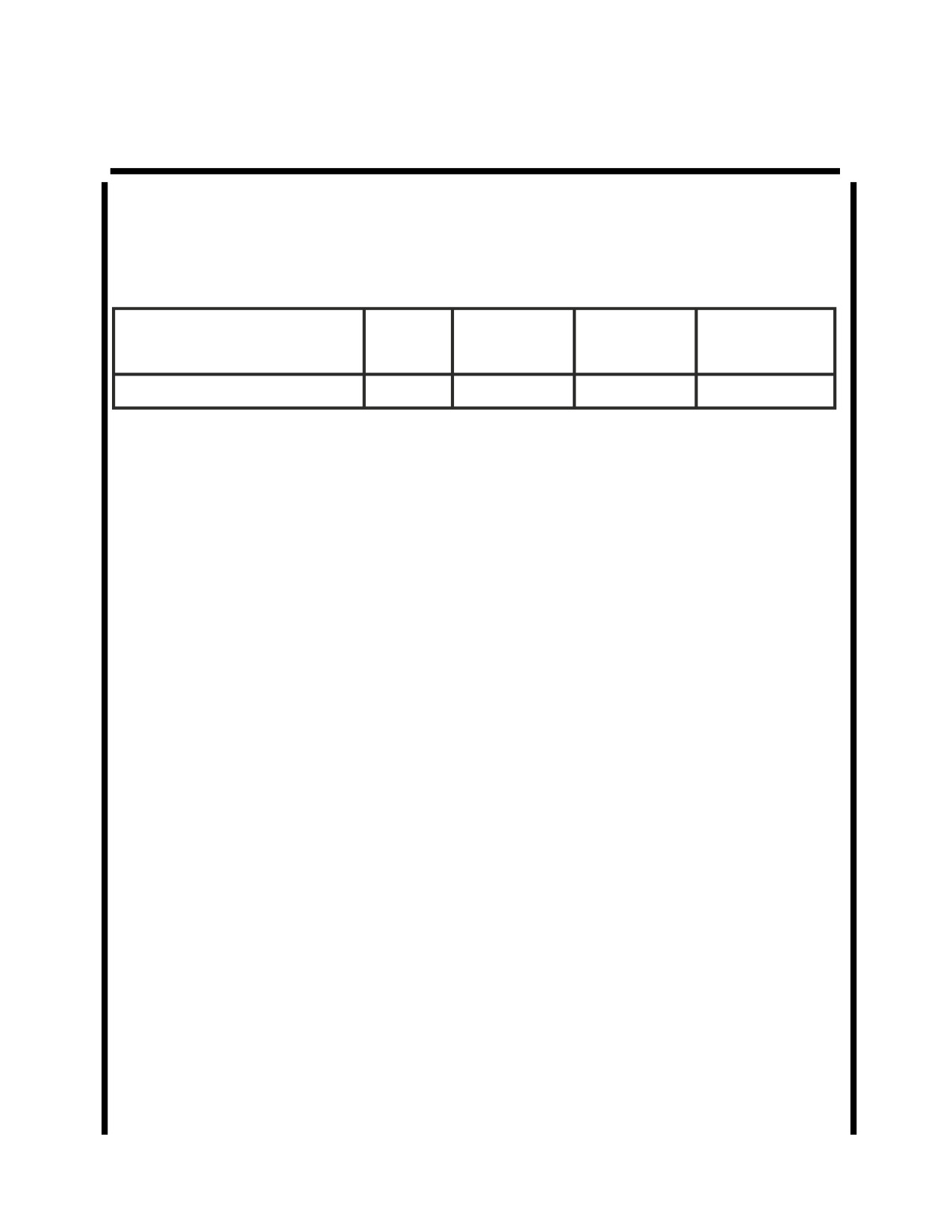
Table 8-37. Tractor (Dozer), Full-Tracked, Type III, JD450G
M AX
LINK COUNT
RECOMMENDED
NOMENCLATURE
WEIGH T
SLING SET
FRONT /
AIRSPEE D
(POUNDS )
REAR
(KNOTS )
T
ractor (Dozer), Full-Tracked, Type
18,400
25K
3/10
100
III, JD450G
T
ractor (Dozer), Full-Tracked, Type
17,700
25K
3/10
100
III, JD450G,without ROP S
T
ractor (Dozer), Full-Tracked, Type
III, JD450G,without ROPS and
16,160
25K
3/10
100
Winch
b. Materials. The following materials are required to
(1) Preparation. Prepare the load using the following
rig this load:
steps:
(1) Sling set (25,000-pound capacity).
(a) Connect one additional chain length to each chain
on each sling set with a coupling link.
(a) Chain length, part number 38850-00053-102, from
a 25,000-pound capacity sling set (4 each).
(b) Prepare the tractor for mission needs using the
operator's manual. Special tools may be required to re-
(b) Coupling link, part number 664241, from a 25,000-
move the ROPS or winch.
pound capacity sling set (4 each).
(c) Secure all loose equipment with tape or Type III
(2) Tape, adhesive, pressure-sensitive, 2-inch wide
nylon cord.
roll.
(d) Place the transmission in neutral and set the park-
(3) Cord, nylon, Type III, 550-pound breaking strength.
ing brake.
(4) Webbing, cotton, 1/4-inch, 80-pound breaking
(e) Tape the front sling guides on the ROPS. Tape all
strength.
lights and gauges.
(5) Heavy padding (1/4 section of a steel-belted tire or
(f) Ensure the fuel tank is not over 3/4 full. Ensure
a length of fire hose or equivalent) (2 each).
the fuel tank cap is in the vent position. Inspect the oil
filter cap and battery caps for proper installation.
c. Personnel. Two persons can prepare and rig this
load in 15 minutes.
(2) Rigging. Rig the load according to the steps in
Figure 8-37.
d. Procedures. The following procedures apply to this
load:
(3) Hookup. The hookup team stands on top of the
dozer. The static wand person discharges the static elec-
8-77
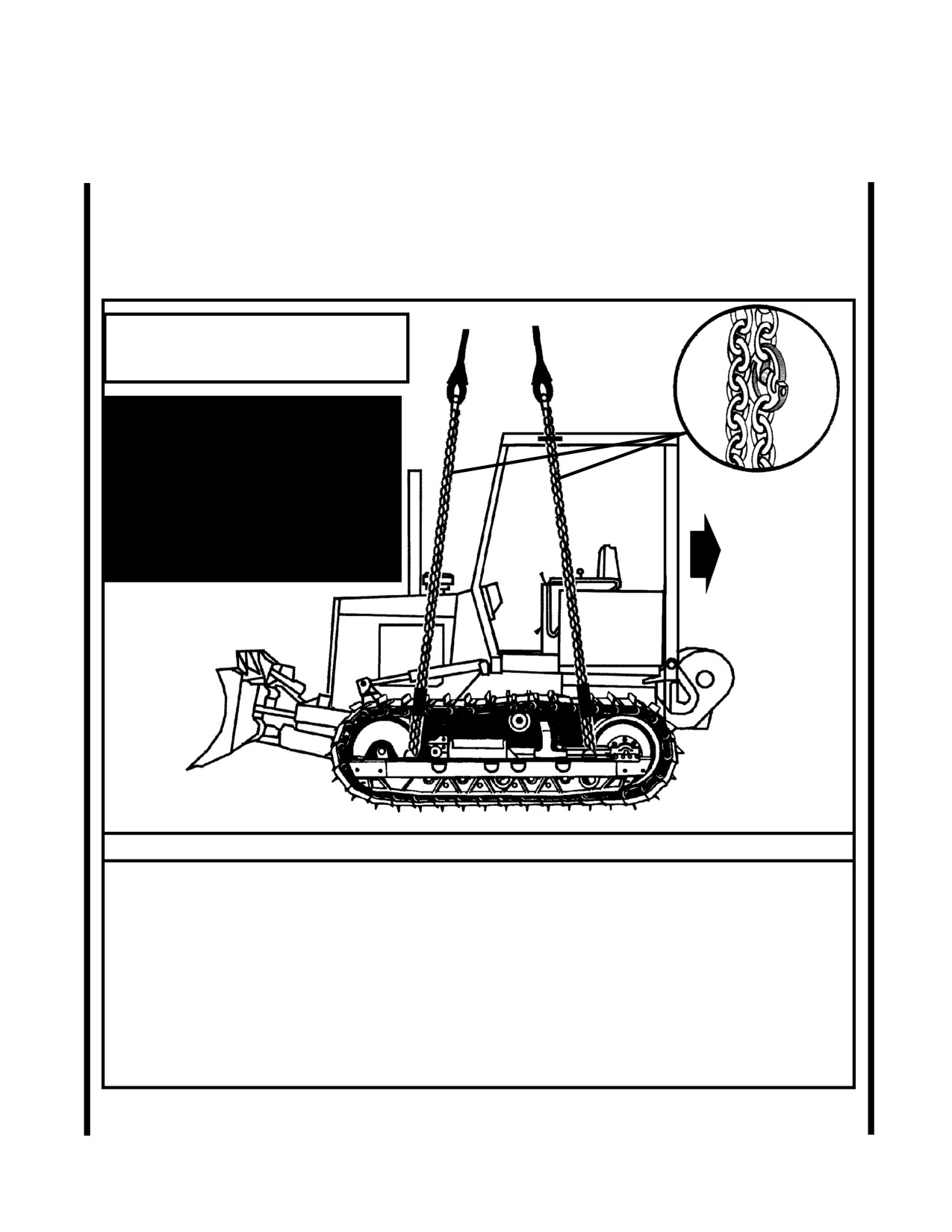
C1, FM 10-450-4/MCRP 4-23E, VOL II/NWP 3-04.12/AFJMAN 11-223, VOL II/
COMDTINST M13482.2
tricity with the static wand. The hookup person places
quickly exits the area underneath the helicopter to the
the apex fitting onto the aircraft cargo hook. The hookup
designated rendezvous point.
team then moves clear of the load but remains close to the
load as the helicopter removes slack from the sling legs.
(4) Derigging. Derigging is the reverse of the prepa-
When successful hookup is assured, the hookup team
ration and rigging procedures in steps d (1) and d (2).
NOTES: Padding for the rear chains cannot be
added until the chains have been routed through
the sling guides and attached to the grabhooks.
CAUTION
THIS LOAD HAS A TENDENCY
TO ROTATE IN FLIGHT. DO NOT
ALLOW THE LOAD TO ROTATE
MORE THAN TWO COMPLETE
TURNS. IF THE LOAD CANNOT
BE STABILIZED, IT SHOULD BE
LANDED.
RIGGING STEPS
1. Position the apex fitting on top of the ROPS. Route
front sling guide on the ROPS, down through the left rear
outer sling legs 1and 2 to the front of the load. Route
lift provision, and back through the same sling guide. Place
inner sling legs 3 and 4 to the rear of the load. Sling legs 1
the correct link from Table 8-37 in the grab hook. Repeat
and 3 must be on the left side of the load.
with sling leg 4 on the right rear lift provision. Secure the
excess chain with tape or Type III nylon cord.
2. Route the chain end of sling leg 1 through the left
front lift provision. Place the correct link from Table 8-37
4. Heavy pad the sling legs where they make contact
in the grab hook. Repeat with sling leg 2 and the right
with the tracks.
front lift provision.
5. Cluster and tie or tape (breakaway technique) the
3. Route the chain end of sling leg 3 through the left
sling legs together on top of the ROPS to prevent en-
tanglement during hookup and lift-off.
Figure 8-37. Tractor (Dozer), Full-Tracked, Type III, JD450G
8-78
C1, FM 10-450-4/MCRP 4-23E, VOL II/NWP 3-04.12/AFJMAN 11-223, VOL II/
COMDTINST M13482.2
8-39. Vibrating Roller, Caterpillar, RO-33
a. Applicability. The following item in Table 8-38 is certified for all helicopters with suitable lift capacity by the US
Army Soldier Systems Center:
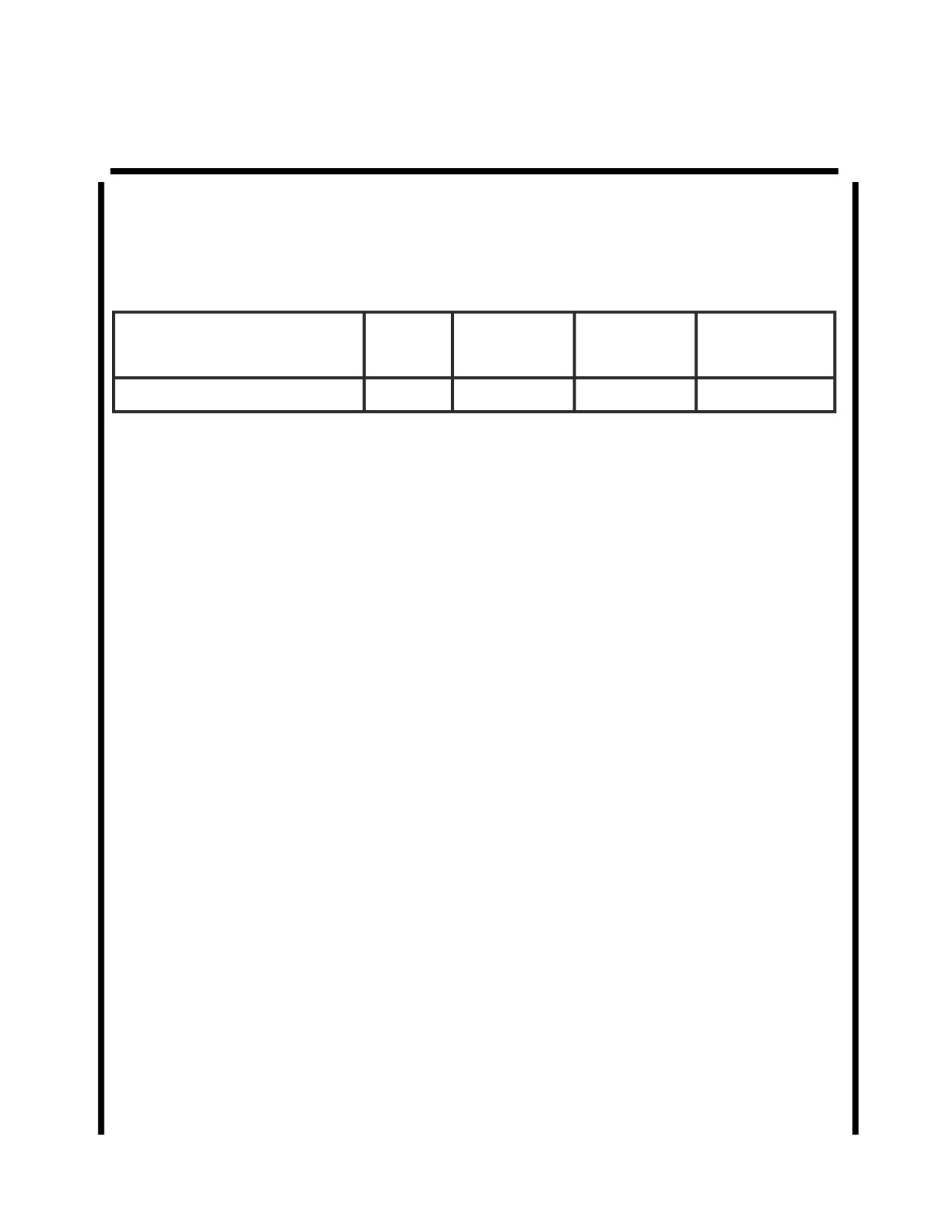
Table 8-38. Vibrating Roller, Caterpillar, RO-33
M AX
RECOMMENDED
LINK COUNT
NOMENCLATURE
WEIGH T
SLING SET
AIRSPEE D
FRONT/REA R
(POUNDS )
(KNOTS )
Vibrating Roller, Caterpillar, RO-33
16,425
25K
3
/
120
b. Materials. The following materials are required to
filter cap and battery caps for proper installation.
rig this load:
(c) Secure the seat cushion to the frame with tape or
(1) Sling set (25,000-pound capacity).
Type III nylon cord.
(2) Tape, adhesive, pressure-sensitive, 2-inch wide
(d) Remove and secure the exhaust stack.
roll.
(e) Tape all lights and gauges. Secure all loose cov-
(3) Cord, nylon, Type III, 550-pound breaking strength.
ers and panels with tape or Type III nylon cord.
(4) Webbing, cotton, 1/4-inch, 80-pound breaking
(f) Tie down the steering wheel with Type III nylon
strength.
cord.
(5) Lumber, 2-inch x 4-inch (as required).
(g) Place the wooden block in the pivot point at the
center of the roller to prevent the two halves from flexing
(6) Felt sheet, cattle hair, Type IV, 1/2-inch or suitable
during flight.
padding.
(2) Rigging. Rig the load according to the steps in
c. Personnel. Two persons can prepare and rig this
Figure 8-38.
load in 15 minutes.
(3) Hookup. The hookup team stands on top of the
d. Procedures. The following procedures apply to this
roller. The static wand person discharges the static elec-
load:
tricity with the static wand. The hookup person places
the apex fitting onto the aircraft cargo hook. The hookup
(1) Preparation. Prepare the load using the following
team then moves clear of the load but remains close to the
steps:
load as the helicopter removes slack from the sling legs.
When successful hookup is assured, the hookup team
(a) Place the transmission in neutral and set the park-
quickly exits the area underneath the helicopter to
ing brake.
thedesignated rendezvous point.
(b) Ensure the fuel tank is not over 3/4 full. Ensure
(4) Derigging. Derigging is the reverse of the prepa-
the fuel tank cap is in the vent position. Inspect the oil
ration and rigging procedures in steps d (1) and d (2).
8-79
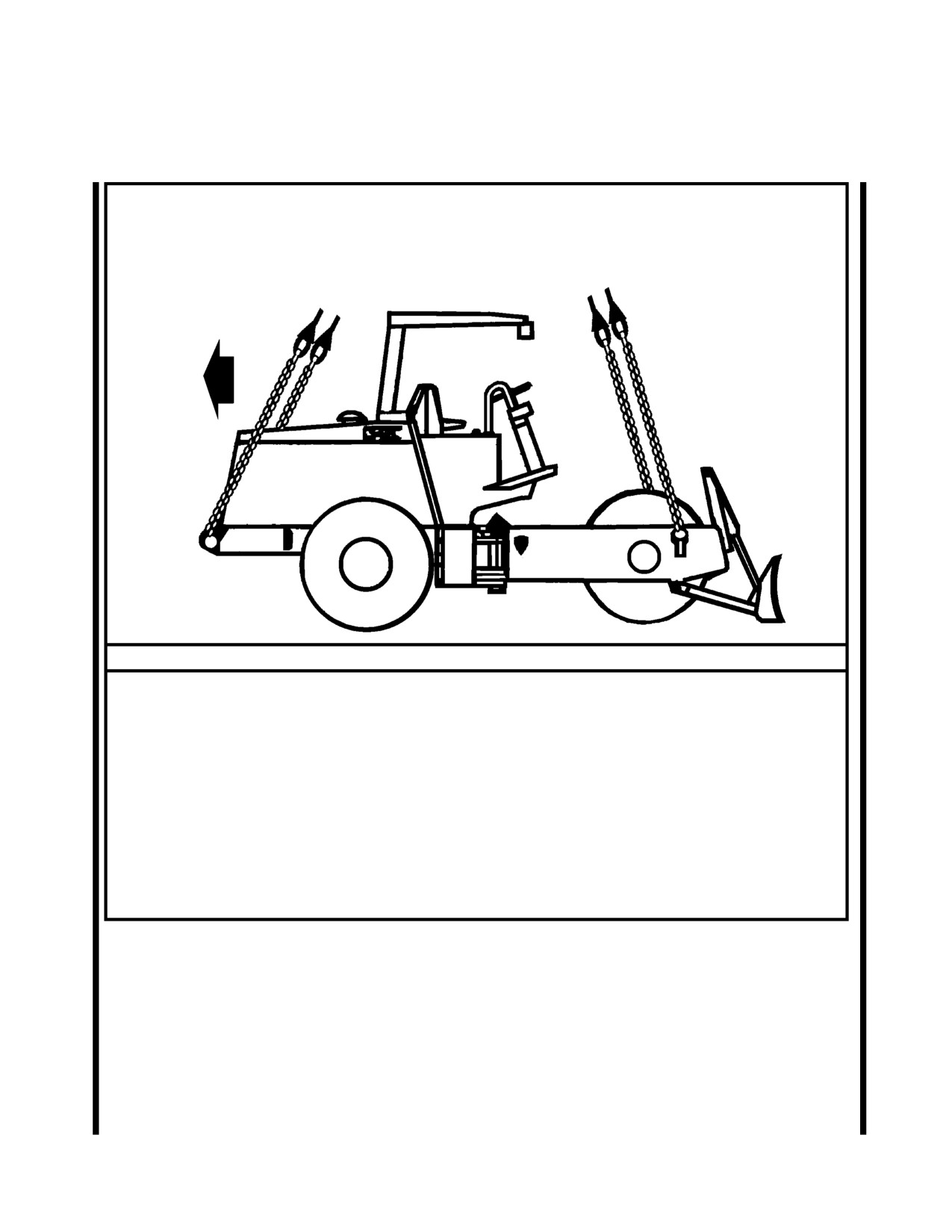
C1, FM 10-450-4/MCRP 4-23E, VOL II/NWP 3-04.12/AFJMAN 11-223, VOL II/
COMDTINST M13482.2
RIGGING STEPS
1. Position the apex fitting near the roller. Route outer
rear lift provision. Place the correct link from Table 8-38 in
sling legs 1and 2 to the front of the load (roller end). Route
the grab hook. Repeat with sling leg 4 on the right rear lift
inner sling legs 3 and 4 to the rear of the load (engine end).
provision.
Sling legs 1 and 3 must be on the left side of the load.
4. Pad the sling legs/chains in the area where they make
2. Route the chain end of sling leg 1 through the left
contact with the vehicle.
front lift provision. Place the correct link from Table 8-38
in the grab hook. Repeat with sling leg 2 and the right
5. Cluster and tie or tape (breakaway technique) the
front lift provision. Secure the excess chain with tape or
sling legs together on top of the roller to prevent entangle-
Type III nylon cord.
ment during hookup and lift-off.
3. Route the chain end of sling leg 3 through the left
Figure 8-38. Vibrating Roller, Caterpillar, RO-33
8-80
C1, FM 10-450-4/MCRP 4-23E, VOL II/NWP 3-04.12/AFJMAN 11-223, VOL II/
COMDTINST M13482.2
8-40. Countermine Mini-Flail
a. Applicability. The following item in Table 8-39 is certified for all helicopters with suitable lift capacity by the US
Army Soldier Systems Center:
Table 8-39. Countermine Mini-Flail
M AX
RECOMMENDED
LINK COUNT
NOMENCLATURE
WEIGH T
SLING SET
AIRSPEE D
FRONT/REA R
(POUNDS )
(KNOTS )
Countermine M
i
i
2,420
10K
3
/
100
b. Materials. The following materials are required to
(a) Tape the flail headspring mechanism to the lift/tie
rig this load:
crossmember.
(1) Sling set (10,000-pound capacity).
(b) Ensure the engine compartment door securing
pin is present and safety the pin with tape.
(2) Tape, adhesive, pressure-sensitive, 2-inch wide
roll.
(c) Secure loose cables, safety cables, and safety
chains with tape or Type III nylon cord.
(3) Cord, nylon, Type III, 550-pound breaking strength.
(d) Engage the brakes.
(4) Webbing, cotton, 1/4-inch, 80-pound breaking
strength.
(2) Rigging. Rig the load according to the steps in
Figure 8-39.
(5) Felt sheet, cattle hair, Type IV, 1/2-inch or suitable
padding.
(3) Hookup. The hookup team stands beside the mini-
flail. The static wand person discharges the static elec-
c. Personnel. Two persons can prepare and rig this
tricity with the static wand. The hookup person places
load in 10 minutes.
the apex fitting onto the aircraft cargo hook. The hookup
team then moves clear of the load but remains close to the
d. Procedures. The following procedures apply to this
load as the helicopter removes slack from the sling legs.
load:
When successful hookup is assured, the hookup team
quickly exits the area underneath the helicopter to
(1) Preparation. Prepare the load using the following
thedesignated rendezvous point.
steps:
(4) Derigging. Derigging is the reverse of the prepa-
ration and rigging procedures in steps d (1) and d (2).
8-81
C1, FM 10-450-4/MCRP 4-23E, VOL II/NWP 3-04.12/AFJMAN 11-223, VOL II/
COMDTINST M13482.2
RIGGING STEPS
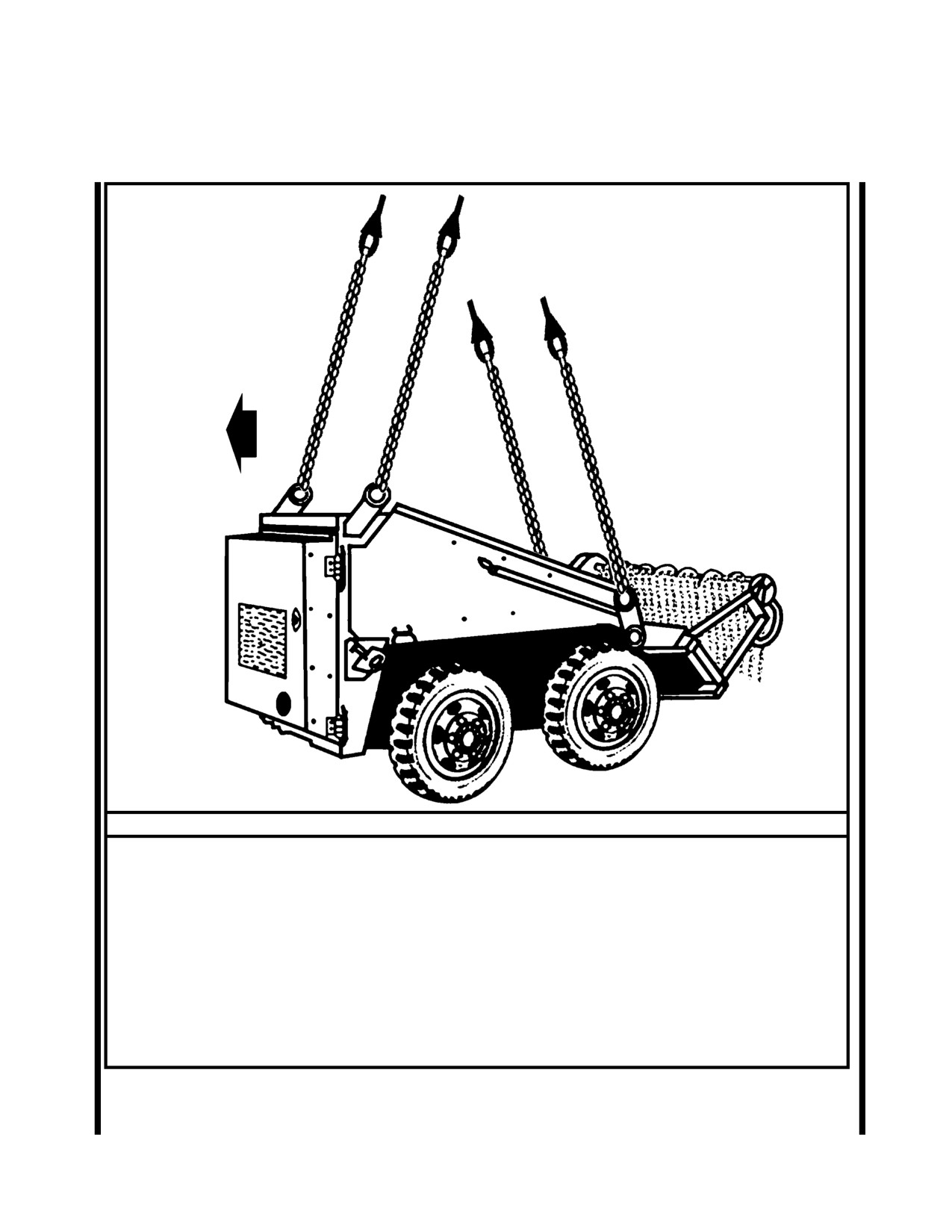
1. Position the apex fitting near the mini-flail. Route
3. Route the chain end of sling leg 3 through the left
outer sling legs 1and 2 to the front of the load (engine
rear lift provision (flail head end). Place the correct link
end). Route inner sling legs 3 and 4 to the rear of the load
from Table 8-39 in the grab hook. Repeat with sling leg 4
(flail head). Sling legs 1 and 3 must be on the left side of
on the right rear lift provision.
the load.
4. Pad the sling legs/chains in the area where they make
2. Route the chain end of sling leg 1 through the left
contact with the vehicle.
front lift provision (engine end). Place the correct link
from Table 8-39 in the grab hook. Repeat with sling leg 2
5. Cluster and tie or tape (breakaway technique) the
and the right front lift provision. Secure the excess chain
sling legs together on top of the vehicle to prevent en-
with tape or Type III nylon cord.
tanglement during hookup and lift-off.
Figure 8-39. Countermine Mini-Flail
8-82

C3, FM 10-450-4/MCRP 4-23E, VOL II/NWP 3-04.12/AFJMAN 11-223, VOL II/
COMDTINST M13482.3A
8-41. Bobcat 863 Skid-Steer Loader
a. Applicability. The following items in Table 8-40 are certified for all helicopters with suitable lift capacity by the US
Army Soldier Systems Center:
Table 8-40. Bobcat 863 Skid-Steer Loader
M AX
RECOMMENDED
SLING
LINK COUNT
NOMENCLATURE
WEIGH T
AIRSPEE D
SET
FRONT / REA R
(POUNDS )
(KNOTS )
Bobcat 863 Skid-Steer Loader
with Construction and Industrial
6,870
25K
5/10
100
Bucket
Bobcat 863 Skid-Steer Loader
with Construction and Industrial
7,720
25K
5/10
100
Bucket and Tracks
Bobcat 863 Skid-Steer Loader
7,235
25K
5/10
100
with Pallet Forks
Bobcat 863 Skid-Steer Loader
8,085
25K
5/10
100
with Pallet Forks and Tracks
Bobcat 863 Skid-Steer Loader
7,690
25K
5/10
100
with 36-inch Auger Bit
Bobcat 863 Skid-Steer Loader
with 36-inch Auger Bit and
8,540
25K
5/10
100
Tracks
Bobcat 863 Skid-Steer Loader
7,770
25K
5/10
100
with Dozer Blade
Bobcat 863 Skid-Steer Loader
8,620
25K
5/10
100
with Dozer Blade and Tracks
Bobcat 863 Skid-Steer Loader
7,910
25K
5/10
100
with Angle Broom
Bobcat 863 Skid-Steer Loader
8,760
25K
5/10
100
with Angle Broom and Tracks
b. Materials. The following materials are required to
(4) Webbing, cotton, 1/4-inch, 80-pound breaking
rig this load:
strength.
(1) Sling set (25,000-pound capacity).
(5) Tiedown strap, cargo, CGU-1/B (as required).
(2) Tape, adhesive, pressure-sensitive, 2-inch wide
c. Personnel. Two persons can prepare and rig each
roll.
load in 15 minutes.
(3) Cord, nylon, Type III, 550-pound breaking strength.
8-83
C3, FM 10-450-4/MCRP 4-23E, VOL II/NWP 3-04.12/AFJMAN 11-223, VOL II/
COMDTINST M13482.3A
d. Procedures. The following procedures apply to this
(d) Secure each control arm lever to the side of the
load:
roll over protection system (ROPS) with Type III nylon
cord.
(1) Preparation. Prepare the load using the following
steps:
(e) Tie the rear lift provisions to the ROPS in the up
position with Type III nylon cord.
(a) Adjust the boom arm and attachment angles:
(f) Ensure the fuel tank is not over 3/4 full. Inspect
1. Tilt the construction and industrial bucket,
the fuel tank cap for proper installation.
pallet forks, dozer blade, or angle broom all the way up
and lower the boom all the way down.
(g) Tape all windows, lights and reflectors.
2. Tilt the 36-inch auger all the way up and ad-
(h) Tape the end of the exhaust pipe.
just the boom height so the auger point is 8-12 inches off
the ground.
(2) Rigging. Rig the load according to the steps in
Figure 8-40.
(b) Secure the 36-inch auger bit and angle broom
with CGU-1/B cargo tiedown straps as follows:
(3) Hookup. The hookup team stands on the rear of
the load directly behind the ROPS. The static wand per-
1. Swing the 36-inch auger bit all the way to the
son discharges the static electricity with the static wand.
left and secure with a CGU-1/B cargo tiedown strap. Route
The hookup person places the apex fitting onto the air-
the strap around the point of the bit and around the boom
craft cargo hook. The hookup team then moves clear of
arm above the attachment connection. Tighten the strap
the load but remains close to the load as the helicopter
(see insert Figure 8-40).
removes slack from the sling legs. When successful
hookup is assured, the hookup team quickly exits the area
2. Route a CGU-1/B cargo tiedown stap around
underneath the helicopter to the designated rendezvous
the left side of the angle broom and around the boom arm
point.
above the attachment connection. Repeat the above pro-
cedures on the right side. Tighten the straps.
(4) Derigging. Derigging is the reverse of the prepa-
ration and rigging procedures in steps d (1) and d (2).
(c) Detach any attachment hydraulic hoses and cover
the ends with tape.
8-84
C3, FM 10-450-4/MCRP 4-23E, VOL II/NWP 3-04.12/AFJMAN 11-223, VOL II/
COMDTINST M13482.3A
RIGGING STEPS
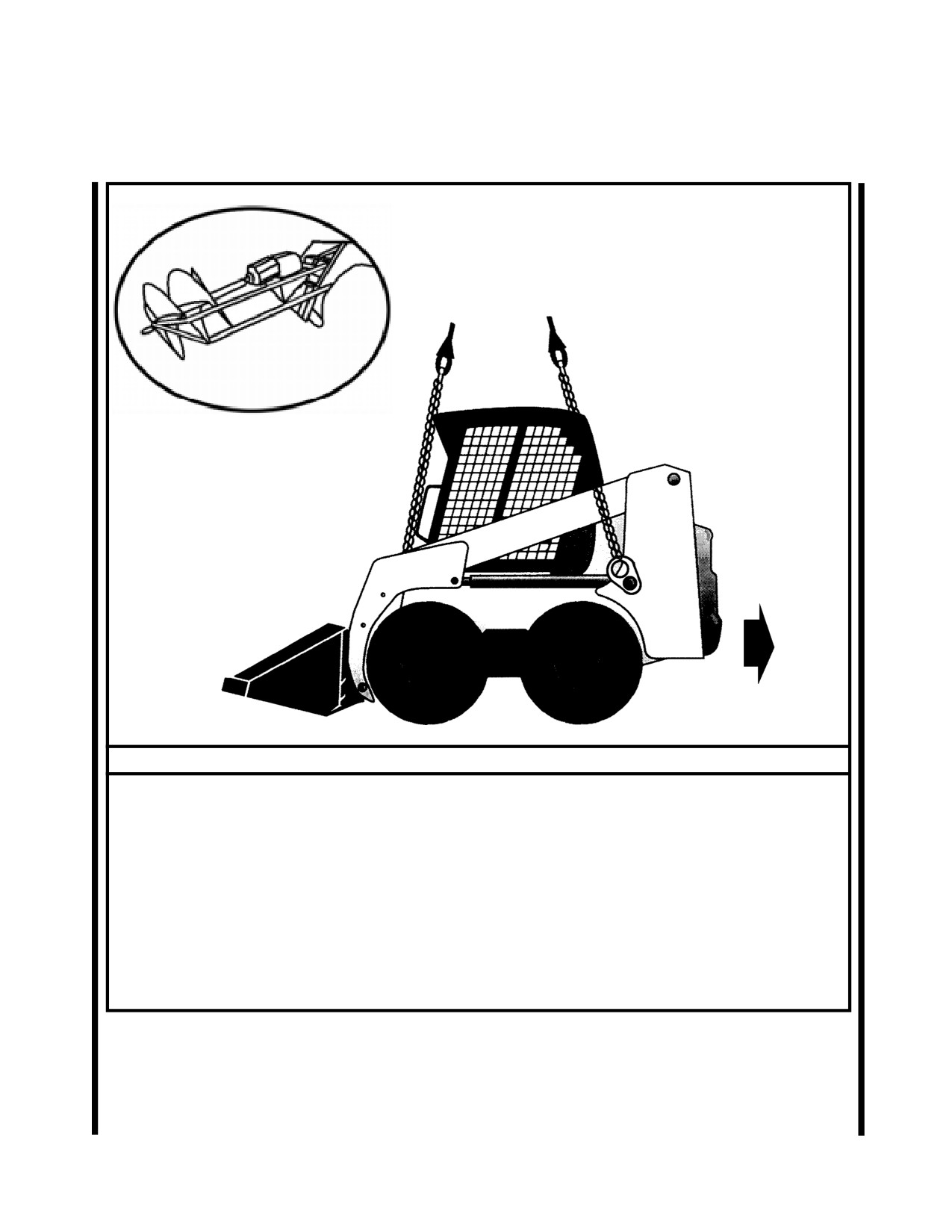
1. Position the apex fitting on top of the ROPS. Route
lift provision. Place the correct link from Table 8-40 in the
outer sling legs 1 and 2 to the front of the vehicle and
grab hook. Repeat with sling leg 4 and the right rear lift
inner sling legs 3 and 4 to the rear of the vehicle. Sling
provision. Secure excess chain with tape or Type III ny-
legs 1 and 3 must be on the left side of the load.
lon cord.
2. Loop the chain end of sling leg 1 through the left
4. Tie the grabhooks from the rear sling legs to the side
front lift provision. Place the correct link from Table 8-40
of the ROPS with Type I, 1/4-inch cotton webbing.
in the grab hook. Repeat with sling leg 2 and the right
front lift provision.
5. Cluster and tie or tape (breakaway technique) all sling
legs together on top of the vehicle to prevent entangle-
3. Loop the chain end of sling leg 3 through the left rear
ment during hookup and lift-off.
Figure 8-40. Bobcat 863 Skid-Steer Loader
8-85
FM 10-450-4/MCRP 4-23E, VOL II/NWP 3-04.12/AFJMAN 11-223, VOL II/
COMDTINST M13482.2
CHAPTER 9
CERTIFIED SINGLE-POINT RIGGING PROCEDURES FOR LIQUID CONTAINERS
9-1. INTRODUCTION
This chapter contains rigging procedures for single-point
procedures for liquid containers are in this section. Para-
lift of liquid containers that have been certified for sling
graphs 9-2 through 9-6 give detailed instructions for rig-
load. Each rigging procedure is found in a paragraph that
ging loads.
includes a description of the load, materials required for
rigging, and steps to complete the procedure. An applica-
NOTE: Reach Pendants may be used on all single point
bility paragraph is also a part of each paragraph and iden-
loads. A static discharge person is not required when
tifies the certified loads. The certified single-point rigging
using a Reach Pendant.
9-2. Lightweight Collapsible Fabric Tank
a. Applicability. The following item in Table 9-1 is certified for all helicopters with suitable lift capacity by the US Army
Natick Research, Development, and Engineering Center:
Table 9-1. Lightweight Collapsible Fabric Tank
MAX
RECOMMENDED
LINK COUNT
NOMENCLATURE
WEIGHT
SLING SET
AIRSPEED
FRONT/REAR
(POUNDS)
(KNOTS)
Tank, Fabric, Lightweight Collapsible,
5,000-pound
1,400
N/A
N/A
160 gallon
capacity net
b. Materials. The following materials are required to
(a) Inspect the net in accordance with the inspection
rig this load:
procedures in FM 10-450-3.
(1) Net, cargo (5,000-pound capacity).
(b) Ensure all sharp edges on the tank are protected.
(2) Tape, adhesive, pressure-sensitive, 2-inch wide
(2) Rigging. Rig the load according to the steps in
roll.
Figure 9-1.
(3) Cord, nylon, Type III, 550-pound breaking strength.
(3) Hookup. The hookup team stands alongside the
load. The static wand person discharges the static elec-
(4) Webbing, cotton, 1/4-inch, 80-pound breaking
tricity with the static wand. The hookup person places
strength.
the apex fitting onto the aircraft cargo hook. The hookup
team then moves clear of the load but remains close to the
c. Personnel. Two persons can prepare and rig this
load as the helicopter removes slack from the sling legs.
load in 15 minutes.
When successful hookup is assured, the hookup team
quickly exits the area underneath the helicopter to the
d. Procedures. The following procedures apply to this
designated rendezvous point.
load:
(4) Derigging. Derigging is the reverse of the prepa-
(1) Preparation. Prepare the load using the following
ration and rigging procedures in steps d (1) and d (2).
steps:
9-1
FM 10-450-4/MCRP 4-23E, VOL II/NWP 3-04.12/AFJMAN 11-223, VOL II/
COMDTINST M13482.2
RIGGING STEPS
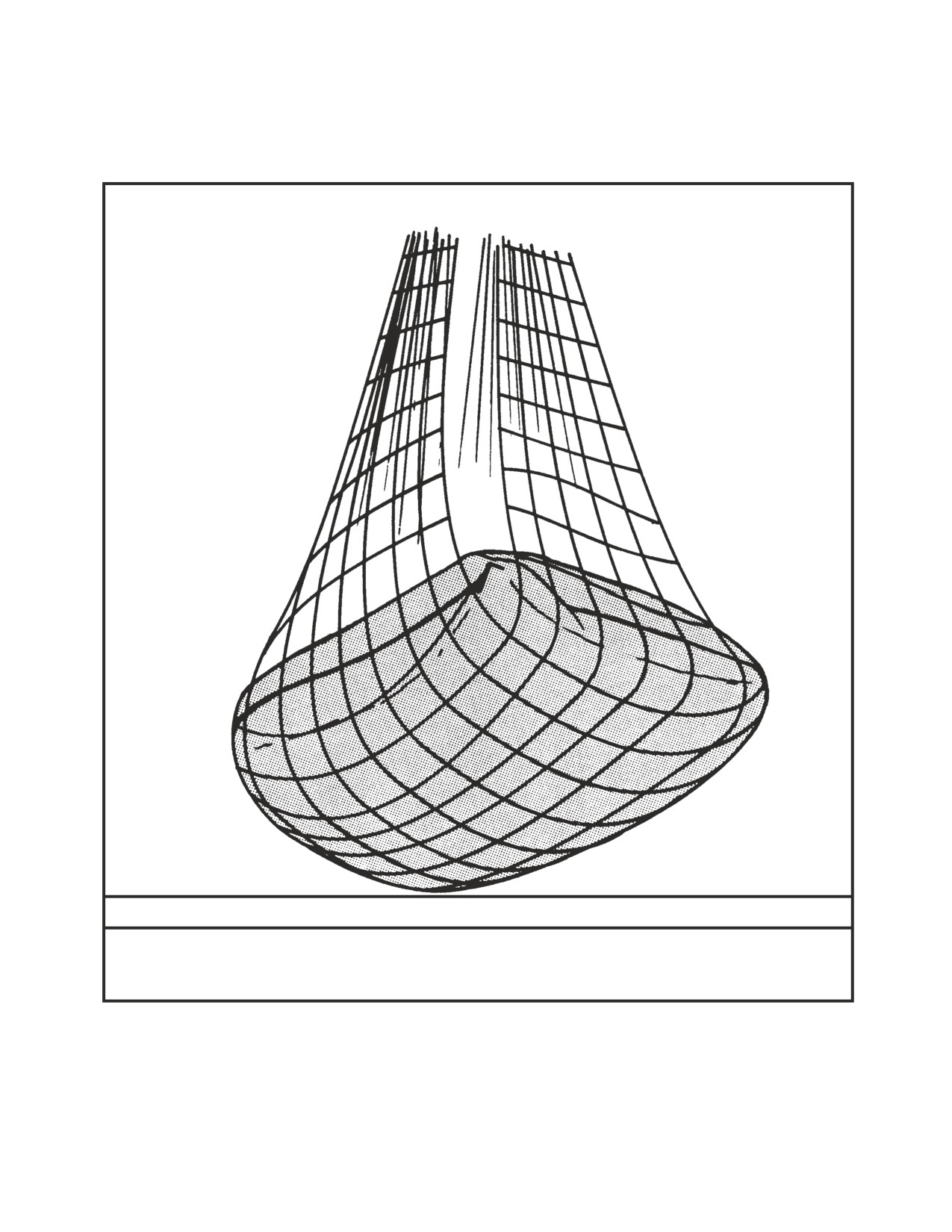
1. Spread the cargo net and position the tank in the
2. Rig and close the net in accordance with the proce-
center of the net.
dures in FM 10-450-3.
Figure 9-1. Lightweight Collapsible Fabric Tank
9-2

FM 10-450-4/MCRP 4-23E, VOL II/NWP 3-04.12/AFJMAN 11-223, VOL II/
COMDTINST M13482.2
9-3. One to Four 500-Gallon Fuel Drums
a. Applicability. The following items in Table 9-2 are certified for all helicopters with suitable lift capacity by the US
Army Natick Research, Development, and Engineering Center:
Table 9-2. One to Four 500-Gallon Fuel Drums
MAX
RECOMMENDED
LINK COUNT
NOMENCLATURE
WEIGHT
SLING SET
AIRSPEED
FRONT/REAR
(POUNDS)
(KNOTS)
Drum, Fabric, Fuel, 500-gallon
4,200
10K
3/3
80
(1 each)
Drum, Fabric, Fuel, 500-gallon
8,400
10K
3/3
80
(2 each)
Drum, Fabric, Fuel, 500-gallon
12,600
25K
3/55
80
(3 each)
Drum, Fabric, Fuel, 500-gallon
16,800
25K
3/3
80
(4 each)
b. Materials. The following materials are required to
(a) Align the drums side by side in a row.
rig this load:
(b) Ensure the lifting clevises are serviceable.
(1) Sling set (10,000 or 25,000-pound capacity).
(c) Rotate the drum hub so a clevis is in the top
(2) Tape, adhesive, pressure-sensitive, 2-inch wide
position.
roll.
(2) Rigging. Rig the load according to the steps in
(3) Cord, nylon, Type III, 550-pound breaking strength.
Figure 9-2.
(4) Webbing, cotton, 1/4-inch, 80-pound breaking
(3) Hookup. The hookup team stands alongside the
strength.
load. The static wand person discharges the static elec-
tricity with the static wand. The hookup person places
c. Personnel. Two persons can prepare and rig this
the apex fitting onto the aircraft cargo hook. The hookup
load in 5 to 15 minutes.
team then moves clear of the load but remains close to the
load as the helicopter removes slack from the sling legs.
d. Procedures. The following procedures apply to this
When successful hookup is assured, the hookup team
load:
quickly exits the area underneath the helicopter to the
designated rendezvous point.
(1) Preparation. Prepare the load using the following
steps:
(4) Derigging. Derigging is the reverse of the prepa-
ration and rigging procedures in steps d (1) and d (2).
9-3
FM 10-450-4/MCRP 4-23E, VOL II/NWP 3-04.12/AFJMAN 11-223, VOL II/
COMDTINST M13482.2
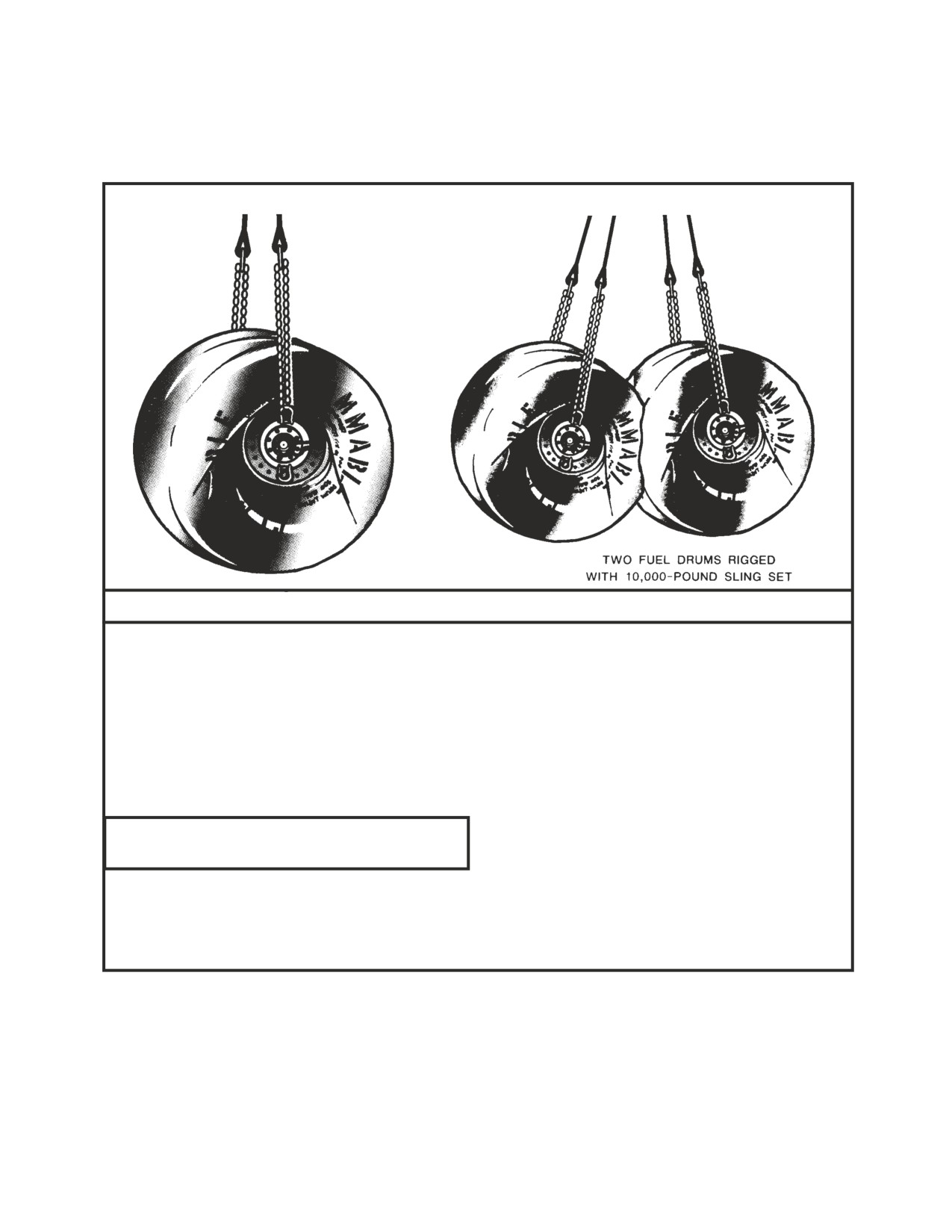
RIGGING STEPS (ONE DRUM)
RIGGING STEPS (TWO DRUMS)
1. Position apex fitting on top of the drum. Route one
1. Position apex fitting on top of the two drums. Route
outer and one inner sling legs 1 and 3 to the the left side
outer sling legs 1 and 2 to one drum and inner sling legs 3
of the drum and the other two sling legs 2 and 4 to the
and 4 to the other drum. Sling legs 1 and 3 should be on
right side.
the same side of the two drums.
2. Loop the chain end of sling legs 1 and 3 through the
2. Loop the chain end of sling legs 1 through the left
left clevis. Place the correct link from Table 9-2 in the grab
clevis. Place the correct link from Table 9-2 in the grab
hook. Repeat with sling legs 2 and 4 through the right
hook. Repeat with sling leg 2 through the right clevis.
clevis.
3. Loop the chain end of sling legs 3 through the left
NOTE: One drum can be rigged with a two-legged sling
clevis of the other drum. Place the correct link from Table
set using sling legs 1 and 2.
9-2 in the grab hook. Repeat with sling leg 4 through the
right clevis.
3. Cluster and tie or tape (breakaway technique) all
sling legs together to prevent entanglement during hookup
4. Cluster and tie or tape (breakaway technique) all
and lift-off.
sling legs together to prevent entanglement during hookup
and lift-off.
Figure 9-2. One to Four 500-Gallon Fuel Drums
9-4
FM 10-450-4/MCRP 4-23E, VOL II/NWP 3-04.12/AFJMAN 11-223, VOL II/
COMDTINST M13482.2
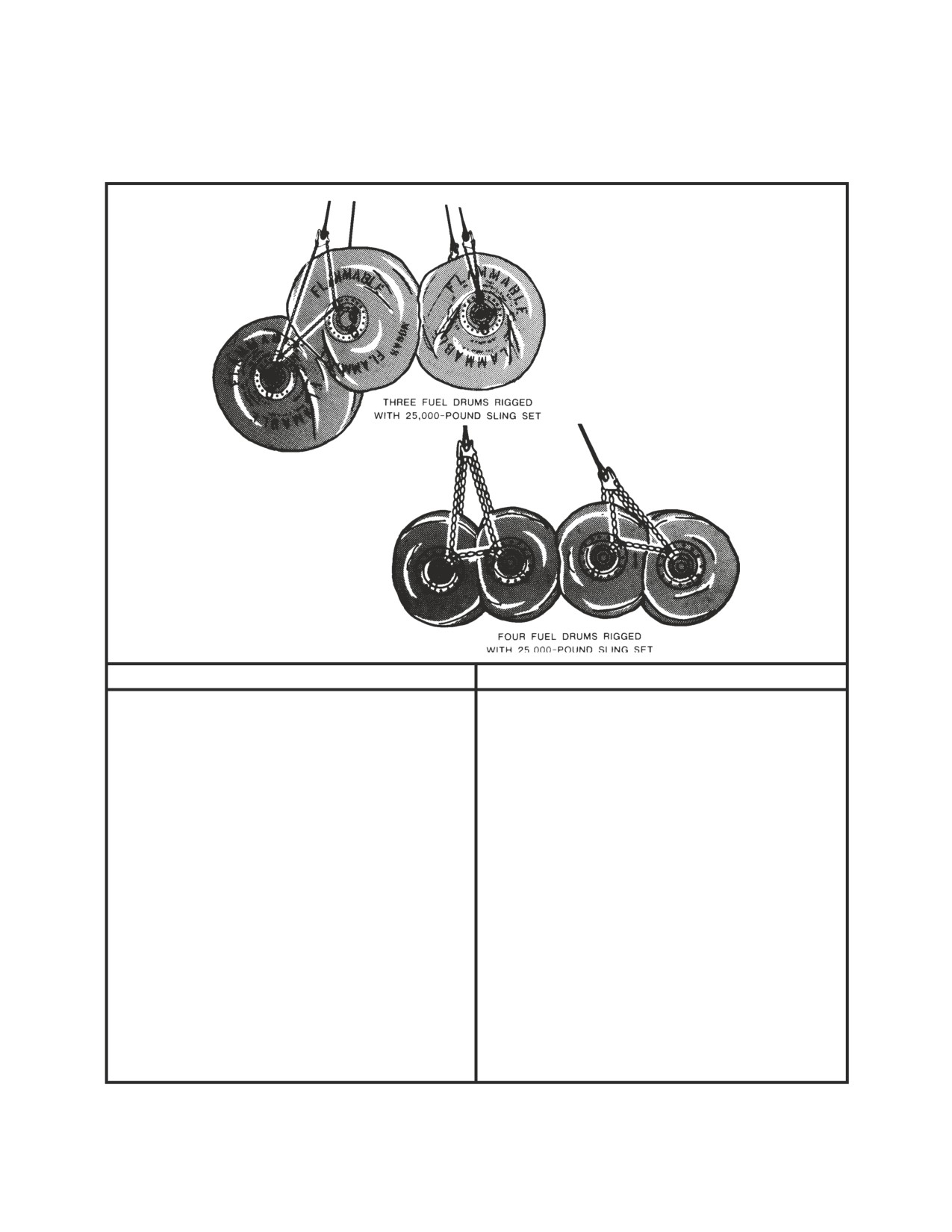
RIGGING STEPS (THREE DRUMS)
RIGGING STEPS (FOUR DRUMS)
1. Position apex fitting on top of the center drum. Route
1. Position the apex fitting on the top of the drums.
outer sling legs 1 and 2 to the middle drum and inner sling
route outer sling legs 1 and 2 to two drums and inner sling
legs 3 and 4 to an outer drum. Sling legs 1 and 3 should be
legs 3 and 4 to the other two drums. Sling legs 1 and 3
on the same side of the three drums.
should be on the same side of the load.
2. Loop the chain end of sling leg 1 through the clevis
2. Loop the chain end of sling leg 1 through the clevis
on the left hub of the middle drum, through the clevis on
on the left hub of one drum, over and through the clevis of
the left side of one of the outer drums. Place the correct
the second drum. Place the correct link from Table 9-2 in
link from Table 9-2 in the grab hook. Repeat with sling leg
the grab hook. Repeat with sling leg 2 through the other
2 through the clevises on the right side of the two drums.
side of the the two drums.
3. Loop the chain end of sling leg 3 through the clevis
3. Loop the chain end of sling leg 3 through the clevis
on the left hub of the outer drum not yet connected. Place
on the left hub of one of the other drums, over and through
the correct link from Table 9-2 in the grab hook. Repeat
the clevis of the second drum. Place the correct link from
with sling leg 4 through the right side of the drum.
Table 9-2 in the grab hook. Repeat with sling leg 4 through
the other side of the two drums.
4. Cluster and tie or tape (breakaway technique) all sling
legs together to prevent entanglement during hookup and
4. Cluster and tie or tape (breakaway technique) all sling
lift-off.
legs together to prevent entanglement during hookup and
lift-off.
Figure 9-2. One to Four 500-Gallon Fuel Drums (continued)
9-5
FM 10-450-4/MCRP 4-23E, VOL II/NWP 3-04.12/AFJMAN 11-223, VOL II/
COMDTINST M13482.2
9-4. Six 500-Gallon Fuel Drums, Empty
a. Applicability. The following item in Table 9-3 is certified for all helicopters with suitable lift capacity by the US Army
Natick Research, Development, and Engineering Center:
CAUTION
One to five empty fuel drums are not a stable load and are not certified for sling loading.
One to five empty fuel drums may cause damage to the aircraft and endanger the aircrew due
to violent oscillations and inherent instability.
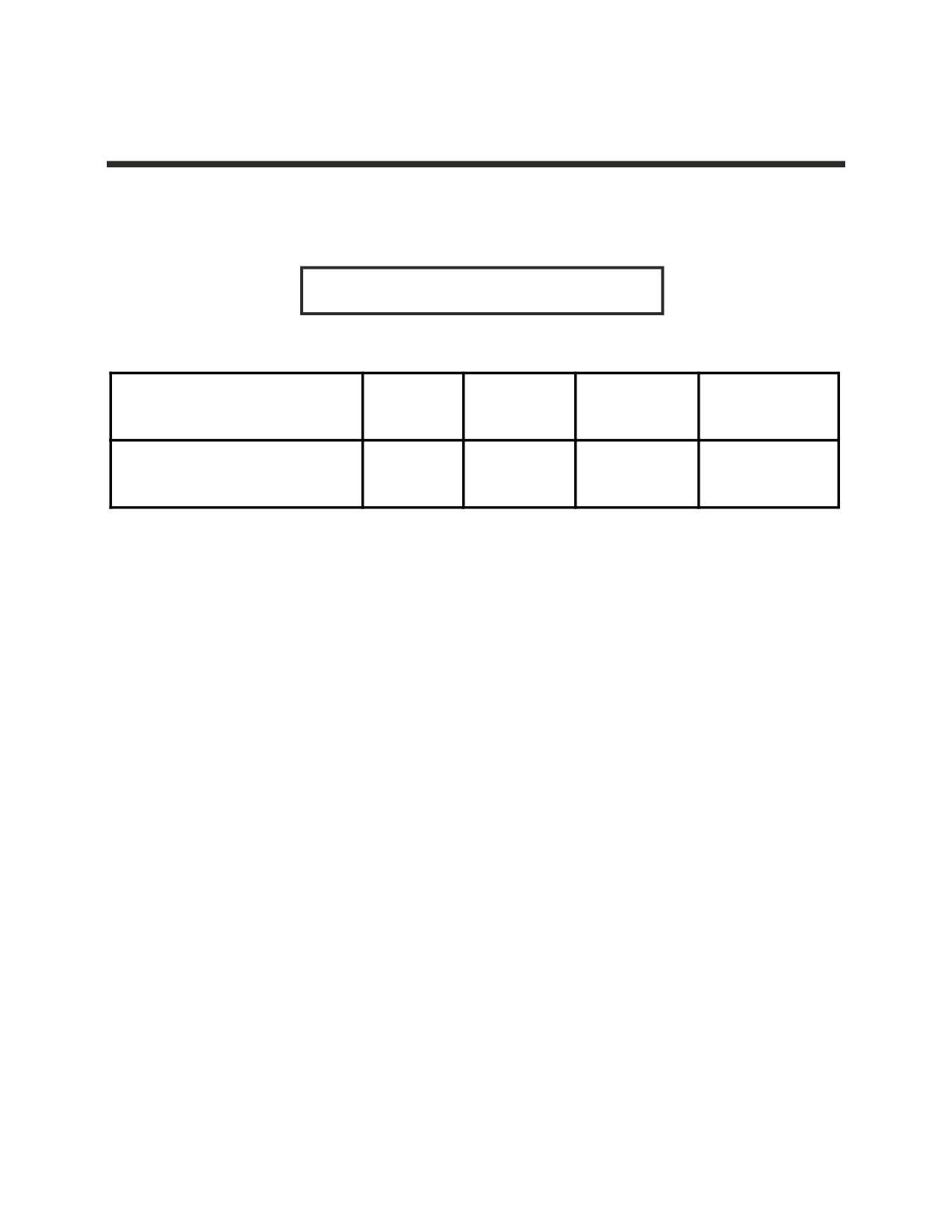
Table 9-3. Six 500-Gallon Fuel Drums, Empty
MAX
RECOMMENDED
LINK COUNT
NOMENCLATURE
WEIGHT
SLING SET
AIRSPEED
FRONT/REAR
(POUNDS)
(KNOTS)
Drum, Fabric, Fuel, 500-gallon, Empty
4,500
10K
3/3/14
90
(6 each)
b. Materials. The following materials are required to
(a) Align the drums side by side in a row.
rig this load:
(b) Ensure the lifting clevises are serviceable and
(1) Sling set (10,000-pound capacity), with two addi-
secure.
tional sling leg assemblies.
(c) Rotate the drum hub so a clevis is in the top
(2) Tape, adhesive, pressure-sensitive, 2-inch wide
position.
roll.
(d) Assemble a six-leg sling set in accordance with
(3) Webbing, tubular, nylon, 1/2-inch.
the procedures in FM 10-450-3.
(4) Cord, nylon, Type III, 550-pound breaking strength.
(2) Rigging. Rig the load according to the steps in
Figure 9-3.
(5) Webbing, cotton, 1/4-inch, 80-pound breaking
strength.
(3) Hookup. The hookup team stands alongside the
load. The static wand person discharges the static elec-
c. Personnel. Four persons can prepare and rig this
tricity with the static wand. The hookup person places
load in 20 minutes.
the apex fitting onto the aircraft cargo hook. The hookup
team then moves clear of the load but remains close to the
d. Procedures. The following procedures apply to this
load as the helicopter removes slack from the sling legs.
load:
When successful hookup is assured, the hookup team
quickly exits the area underneath the helicopter to the
(1) Preparation. Prepare the load using the following
designated rendezvous point.
steps:
(4) Derigging. Derigging is the reverse of the prepa-
ration and rigging procedures in steps d (1) and d (2).
9-6
FM 10-450-4/MCRP 4-23E, VOL II/NWP 3-04.12/AFJMAN 11-223, VOL II/
COMDTINST M13482.2
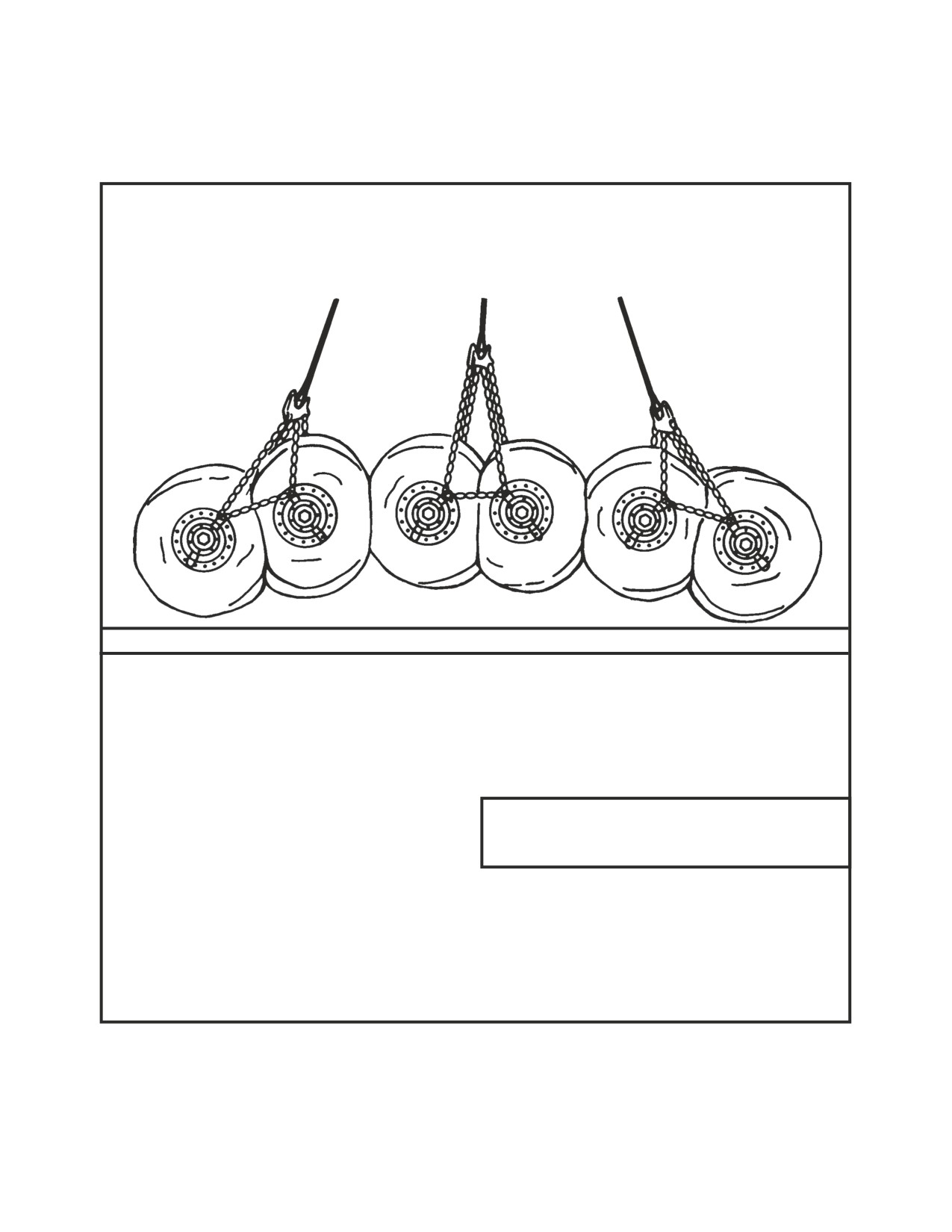
RIGGING STEPS
1. Route outer sling legs 1 and 2 to the forward outer
Table 9-3 in the grab hook. Repeat with sling leg 6 on the
drum, middle sling legs 3 and 4 to the rearward outer drum,
right side of the two center drums. Secure excess chain
and inner sling legs 5 and 6 to the two center drums.
with wide tape or nylon cord.
2. Loop the chain end of sling leg 1 through the left
5. Sling legs 1, 3, and 5 should be on the left side of the
clevis on the outer drum and through the left clevis of the
load.
next inner drum. Place the correct link from Table 9-3 in the
grab hook. Repeat with sling leg 2 on the right side of the
NOTE: At this point, you have effectively rigged three
two drums.
individual, 2-leg sling loads under one apex fitting. Now
you must unite the three pairs of drums.
3. Loop the chain end of sling leg 3 through the left
clevis on the other outer drum and through the left clevis
6. Loop a length of tubular nylon through the clevis
of the next inner drum. Place the correct link from Table 9-
assemblies on each side of the load. Tighten as securely
3 in the grab hook. Repeat with sling leg 4 on the right
as possible.
side of the two drums.
7. Cluster and tie or tape (breakaway technique)
4. Loop the chain end of sling leg 5 through the left
all sling legs together to prevent entanglement during
clevis on the two center drums. Place the correct link from
hookup and lift-off.
Figure 9-3. Six 500-Gallon Fuel Drums, Empty
9-7
FM 10-450-4/MCRP 4-23E, VOL II/NWP 3-04.12/AFJMAN 11-223, VOL II/
COMDTINST M13482.2
9-5. Storage Module, Fuel/Water, Six Compartment Container (SIXCON), Individual
a. Applicability. The following item in Table 9-4 is certified for all helicopters with suitable lift capacity by the US Army
Natick Research, Development, and Engineering Center:
NOTE: This load is certified at the FULL weight only.
Table 9-4. Storage Module, Fuel/Water, Six Compartment Container (SIXCON), Individual
MAX
RECOMMENDED
LINK COUNT
NOMENCLATURE
WEIGHT
SLING SET
AIRSPEED
FRONT/REAR
(POUNDS)
(KNOTS)
Storage Module, Fuel/Water, Six
Compartment Container (SIXCON),
10,000
15K
3/3
100
Individual
b. Materials. The following materials are required to
(a) Ensure the storage tank is completely full.
rig this load:
(b) Secure all hatches, hoses, valves, and loose
(1) Sling set (15,000-pound capacity).
equipment.
(2) Tape, adhesive, pressure-sensitive, 2-inch wide
(2) Rigging. Rig the load according to the steps in
roll.
Figure 9-4.
(3) Cord, nylon, Type III, 550-pound breaking strength.
(3) Hookup. The hookup team stands on top of the
SIXCON. The static wand person discharges the static
(4) Webbing, cotton, 1/4-inch, 80-pound breaking
electricity with the static wand. The hookup person places
strength.
the apex fitting onto the aircraft cargo hook. The hookup
team then moves clear of the load but remains close to the
c. Personnel. Four persons can prepare and rig this
load as the helicopter removes slack from the sling legs.
load in 5 minutes.
When successful hookup is assured, the hookup team
quickly exits the area underneath the helicopter to the
d. Procedures. The following procedures apply to this
designated rendezvous point.
load:
(4) Derigging. Derigging is the reverse of the prepa-
(1) Preparation. Prepare the load using the following
ration and rigging procedures in steps d (1) and d (2).
steps:
9-8
FM 10-450-4/MCRP 4-23E, VOL II/NWP 3-04.12/AFJMAN 11-223, VOL II/
COMDTINST M13482.2
RIGGING STEPS
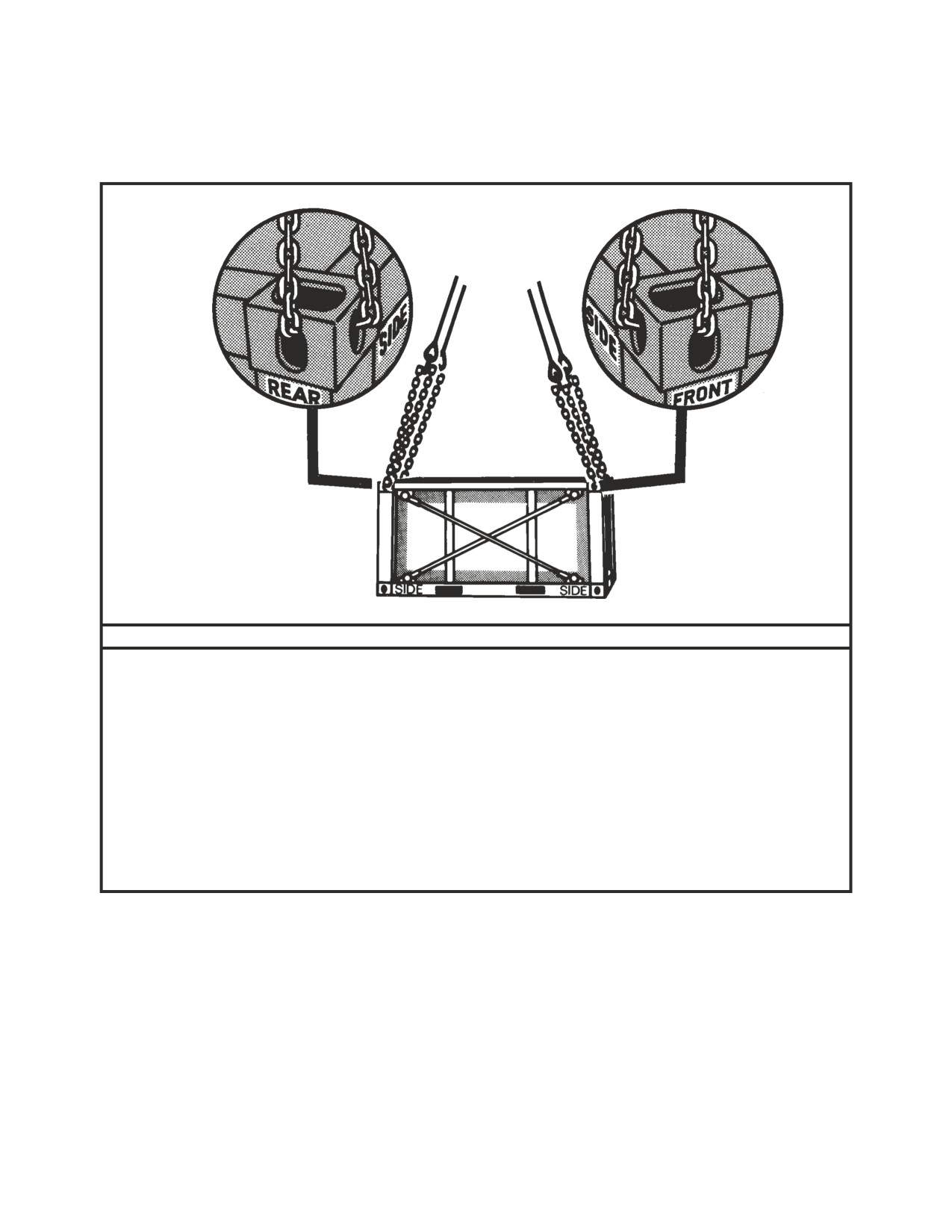
1. Position apex fitting on top of the SIXCON. Route
3. Loop the chain end of sling leg 3 through the open-
outer sling legs 1 and 2 to one end of the SIXCON and
ing on the side of the left rear corner ISO lift provision and
inner sling legs 3 and 4 to the other end. Sling legs 1 and
out through the rear opening. Place the correct link from
3 must be on the left side of the load.
Table 9-4 in the grab hook. Repeat with sling leg 4 and the
right rear corner ISO lift provision.
2. Loop the chain end of sling leg 1 through the open-
ing on the side of the left front corner international organi-
4. Cluster and tie or tape (breakaway technique) all sling
zation of standardization (ISO) lift provision and out
legs together on top of the SIXCON to prevent entangle-
through the front opening. Place the correct link from
ment during hookup and lift-off.
Table 9-4 in the grab hook. Repeat with sling leg 2 and the
right front corner ISO lift provision.
Figure 9-4. Storage Module, Fuel/Water, Six Compartment Container (SIXCON), Individual
9-9
FM 10-450-4/MCRP 4-23E, VOL II/NWP 3-04.12/AFJMAN 11-223, VOL II/
COMDTINST M13482.2
9-6. Two Storage Modules, Fuel/Water, Six Compartment Container (SIXCON), (Stacked)
a. Applicability. The following item in Table 9-5 is certified for all helicopters with suitable lift capacity by the US Army
Natick Research, Development, and Engineering Center:
NOTE: This load is certified at the FULL weight only.
Table 9-5. Two Storage Modules, Fuel/Water, Six Compartment Container (SIXCON), (Stacked)
MAX
RECOMMENDED
LINK COUNT
NOMENCLATURE
WEIGHT
SLING SET
AIRSPEED
FRONT/REAR
(POUNDS)
(KNOTS)
2 Storage Modules, Fuel/Water, Six
Compartment Container (SIXCON),
20,100
40K
3/3
110
Stacked
b. Materials. The following materials are required to
(b) Tape the pins in the ISO vertical corner connec-
rig this load:
tors.
(1) Sling set (40,000-pound capacity).
(c) Ensure the storage tanks are completely full.
(2) Tape, adhesive, pressure-sensitive, 2-inch wide
(d) Secure all hatches, hoses, valves, and loose gear.
roll.
(3) Cord, nylon, Type III, 550-pound breaking strength.
(2) Rigging. Rig the load according to the steps in
Figure 9-5.
(4) Webbing, cotton, 1/4-inch, 80-pound breaking
strength.
(3) Hookup. The hookup team stands on top of the
SIXCONs. The static wand person discharges the static
c. Personnel. Four persons can prepare and rig this
electricity with the static wand. The hookup person places
load in 15 minutes.
the apex fitting onto the aircraft cargo hook. The hookup
team then moves clear of the load but remains close to the
d. Procedures. The following procedures apply to this
load as the helicopter removes slack from the sling legs.
load:
When successful hookup is assured, the hookup team
quickly exits the area underneath the helicopter to the
(1) Preparation. Prepare the load using the following
designated rendezvous point.
steps:
(4) Derigging. Derigging is the reverse of the prepa-
(a) Position the two SIXCONs on top of each other.
ration and rigging procedures in steps d (1) and d (2).
Ensure the ISO vertical corner connectors are properly
secured.
9-10
FM 10-450-4/MCRP 4-23E, VOL II/NWP 3-04.12/AFJMAN 11-223, VOL II/
COMDTINST M13482.2
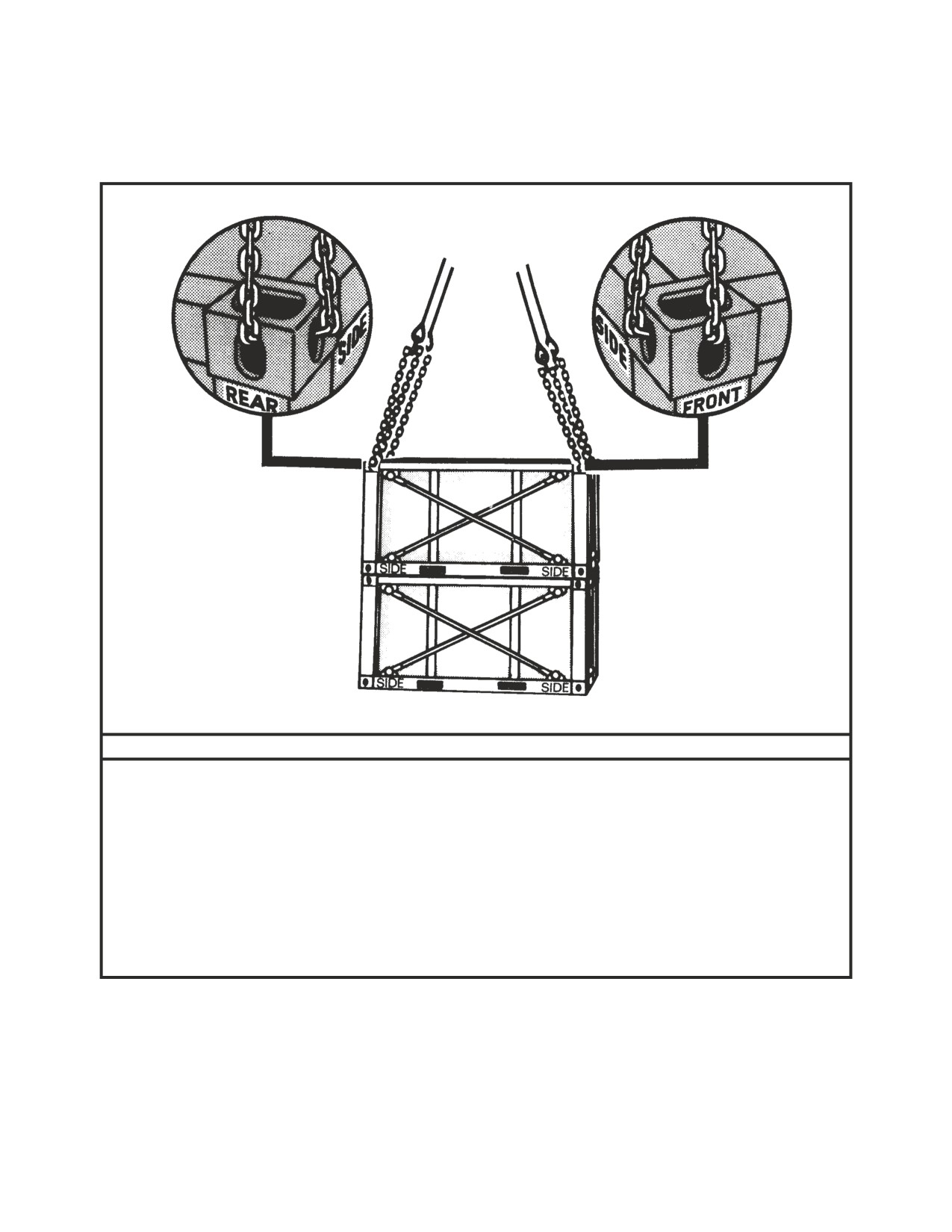
RIGGING STEPS
1. Position apex fitting on top of the SIXCONS. Route
3. Loop the chain end of sling leg 3 through the open-
outer sling legs 1 and 2 to one end of the top SIXCON and
ing on the side of the left rear corner ISO lift provision and
inner sling legs 3 and 4 to the other end. Sling legs 1 and
out through the rear opening. Place the correct link from
3 must be on the left side of the load.
Table 9-5 in the grab hook. Repeat with sling leg 4 and the
right rear corner ISO lift provision.
2. Loop the chain end of sling leg 1 through the open-
ing on the side of the left front ISO lift provision and out
4. Cluster and tie or tape (breakaway technique) all sling
through the front opening. Place the correct link from
legs together on top of the SIXCON to prevent entangle-
Table 9-5 in the grab hook. Repeat with sling leg 4 and
ment during hookup and lift-off.
the right front ISO lift provision.
Figure 9-5. Two Storage Modules, Fuel/Water, Six Compartment Container (SIXCON), (Stacked)
9-11
FM 10-450-4/MCRP 4-23E, VOL II/NWP 3-04.12/AFJMAN 11-223, VOL II/
COMDTINST M13482.2
CHAPTER 10
CERTIFIED SINGLE-POINT RIGGING PROCEDURES FOR SHELTERS
10-1. INTRODUCTION
This chapter contains rigging procedures for single-point
dures for shelters are in this section. Paragraphs 10-2
lift of shelters that have been certified for sling load. Each
through 10-13 give detailed instructions for rigging loads.
rigging procedure is found in a paragraph that includes a
description of the load, materials required for rigging, and
NOTE: Reach Pendants may be used on all single point
steps to complete the procedure. An applicability para-
loads. A static discharge person is not required when
graph is also a part of each paragraph and identifies the
using a Reach Pendant.
certified loads. The certified single-point rigging proce-
10-2. AN/ASM-146 or AN/MSM-108 Electronic Shops
a. Applicability. The following items in Table 10-1 are certified for all helicopters with suitable lift capacity by the US
Army Natick Research, Development, and Engineering Center:
Table 10-1. Electronic Shops
MAX
RECOMMENDED
LINK COUNT
NOMENCLATURE
WEIGHT
SLING SET
AIRSPEED
FRONT/REAR
(POUNDS)
(KNOTS)
AN/ASM-146
3,940
10K
3/3
80
AN/MSM-108
3,940
10K
3/3
80
(a) Close and secure all doors, vents, caps, and en-
b. Materials. The following materials are required to
gage the brakes.
rig this load:
(b) Secure the tongue in the up position with the
(1) Sling set (10,000-pound capacity).
safety chains.
(2) Tape, adhesive, pressure-sensitive, 2-inch wide
(2) Rigging. Rig the load according to the steps in
roll.
Figure 10-1.
(3) Cord, nylon, Type III, 550-pound breaking strength.
(3) Hookup. The hookup team stands on top of the
shelter. The static wand person discharges the static elec-
(4) Webbing, cotton, 1/4-inch, 80-pound breaking
tricity with the static wand. The hookup person places
strength.
the apex fitting onto the aircraft cargo hook. The hookup
team then moves clear of the load but remains close to the
c. Personnel. Two persons can prepare and rig this
load as the helicopter removes slack from the sling legs.
load in 20 minutes.
When successful hookup is assured, the hookup team
quickly exits the area underneath the helicopter to the
d. Procedures. The following procedures apply to this
designated rendezvous point.
load:
(4) Derigging. Derigging is the reverse of the prepa-
(1) Preparation. Prepare the load using the following
ration and rigging procedures in steps d (1) and d (2).
steps:
FM 10-450-4/MCRP 4-23E, VOL II/NWP 3-04.12/AFJMAN 11-223, VOL II/
COMDTINST M13482.2
RIGGING STEPS
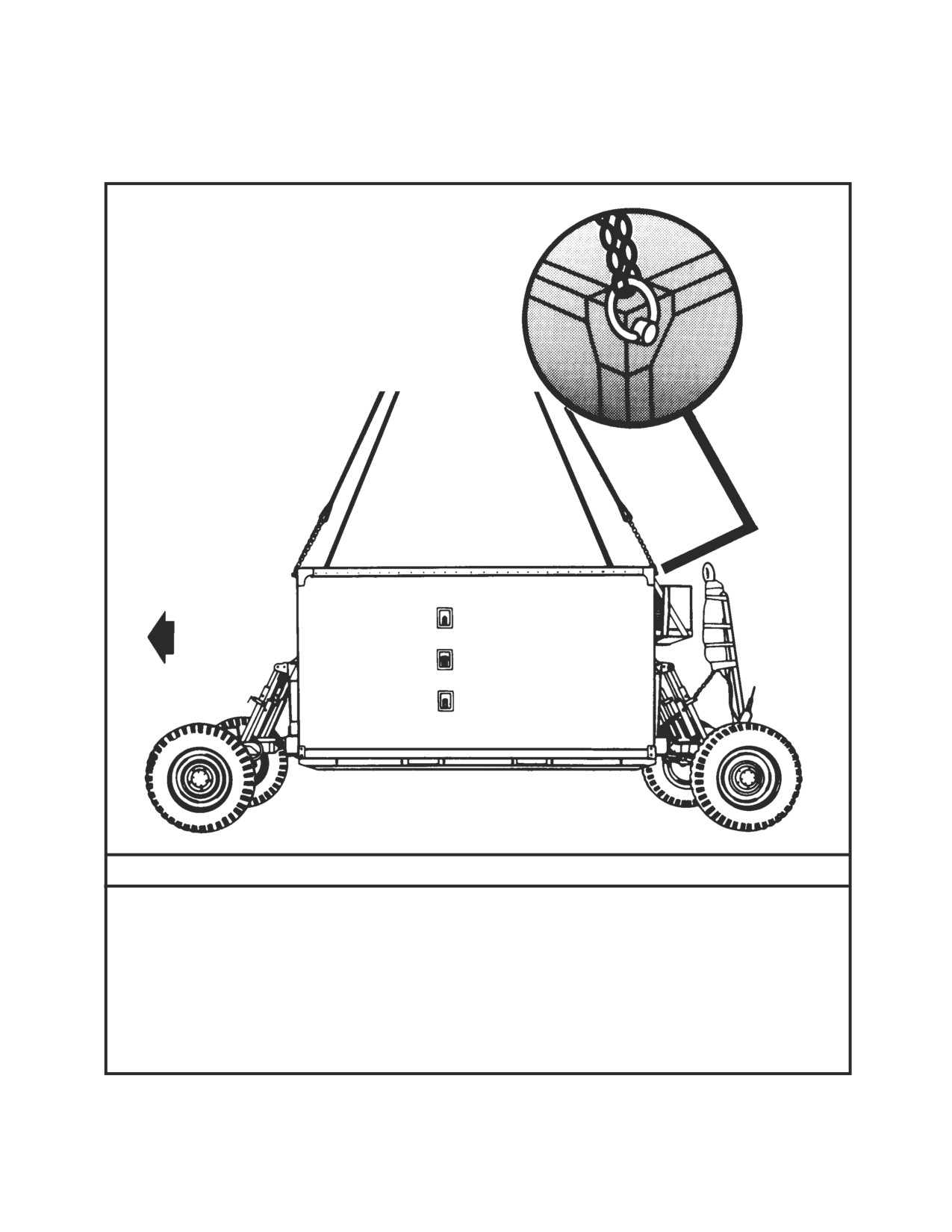
1. Position apex fitting on top of the shelter. Route
3. Loop the chain end of sling leg 3 through the left rear
outer sling legs 1 and 2 to the front (door end of the shel-
lift provision at the top left corner of the shelter. Place the
ter) and inner sling legs 3 and 4 to the rear.
correct link from Table 10-1 in the grab hook. Repeat with
sling leg 4 on the right rear lift provision.
2. Loop the chain end of sling leg 1 through the left
front lift provision at the top left corner of the shelter.
4. Cluster and tie or tape (breakaway technique) all sling
Place the correct link from Table 10-1 in the grab hook.
legs together on top of the shelter to prevent entangle-
Repeat with sling leg 2 on the right front lift provision.
ment during hookup and lift-off.
Figure 10-1. Electronic Shops
10-2

FM 10-450-4/MCRP 4-23E, VOL II/NWP 3-04.12/AFJMAN 11-223, VOL II/
COMDTINST M13482.2
10-3. Communications or Electronic Systems Housed in S-250 Shelters
a. Applicability. The following items in Table 10-2 are certified for all helicopters with suitable lift capacity by the US
Army Natick Research, Development, and Engineering Center:
Table 10-2. S-250 Shelters
MAX
RECOMMENDED
LINK COUNT
NOMENCLATURE
WEIGHT
SLING SET
AIRSPEED
FRONT/REAR
(POUNDS)
(KNOTS)
AN/TRC-93B (V)1 or (V)2
3,250
10K
33/3
115
AN/TRC-93B (Reconfiguration)
3,660
10K
33/3
115
AN/TSC-124, Single Channel
2,100
10K
33/3
60
Objective Tactical Terminal (SCOTT)
b. Materials. The following materials are required to
(b) Secure all loose equipment (antennas, electrical
rig this load:
lines, hoses, etc.) with tape or Type III nylon cord.
(1) Sling set (10,000-pound capacity).
(c) Ensure all the bolts in the Environmental Control
Unit's (ECU) mounting frame are present and tight.
(2) Tape, adhesive, pressure-sensitive, 2-inch wide
(d) Secure the ECU cover with tape or Type III nylon
roll.
cord.
(3) Cord, nylon, Type III, 550-pound breaking strength.
(2) Rigging. Rig the load according to the steps in
Figure 10-2.
(4) Webbing, cotton, 1/4-inch, 80-pound breaking
strength.
(3) Hookup. The hookup team stands on top of the
shelter. The static wand person discharges the static elec-
c. Personnel. Two persons can prepare and rig this
tricity with the static wand. The hookup person places
load in 15 minutes.
the apex fitting onto the aircraft cargo hook. The hookup
team then moves clear of the load but remains close to the
d. Procedures. The following procedures apply to this
load as the helicopter removes slack from the sling legs.
load:
When successful hookup is assured, the hookup team
quickly exits the area underneath the helicopter to the
(1) Preparation. Prepare the load using the following
designated rendezvous point.
steps:
(4) Derigging. Derigging is the reverse of the prepa-
(a) Close and secure all doors, vents, and caps with
ration and rigging procedures in steps d (1) and d (2).
tape or Type III nylon cord.
FM 10-450-4/MCRP 4-23E, VOL II/NWP 3-04.12/AFJMAN 11-223, VOL II/
COMDTINST M13482.2
RIGGING STEPS
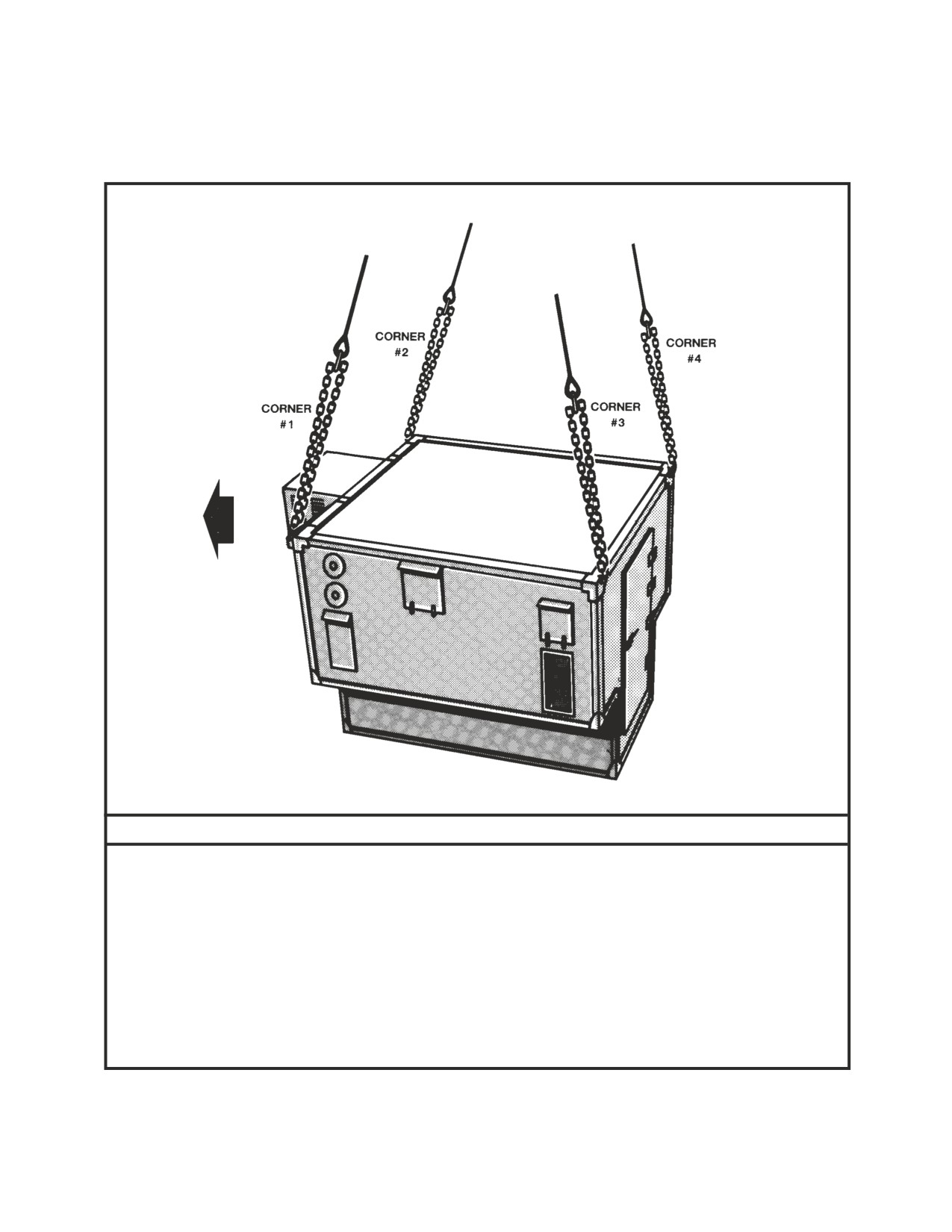
1. Position apex fitting on top of the shelter. Route
Secure the excess chain with tape or Type III nylon cord.
outer sling legs 1 and 2 to the front of the shelter and inner
sling legs 3 and 4 to the rear (door end). Sling legs 1 and
3. Loop the chain end of sling leg 3 through the left rear
3 must be on the left side of the load.
lift provision at the top left corner of the shelter. Place the
correct link from Table 10-2 in the grab hook. Repeat with
2. Loop the chain end of sling leg 1 through the left
sling leg 4 on the right rear lift provision.
front lift provision at the top left corner of the shelter.
Place the correct link from Table 10-2 in the grab hook.
4. Cluster and tie or tape (breakaway technique) all sling
Repeat with sling leg 2 on the right front lift provision.
legs together on top of the shelter to prevent entangle-
ment during hookup and lift-off.
Figure 10-2. S-250 Shelters
10-4

FM 10-450-4/MCRP 4-23E, VOL II/NWP 3-04.12/AFJMAN 11-223, VOL II/
COMDTINST M13482.2
10-4. Communications or Electronic Systems Housed in Lightweight Multipurpose Shelter
(LMS)
a. Applicability. The following items in Table 10-3 are certified for all helicopters with suitable lift capacity by the US
Army Natick Research, Development, and Engineering Center:
Table 10-3. Lightweight Multipurpose Shelter (LMS)
MAX
RECOMMENDED
LINK COUNT
NOMENCLATURE
WEIGHT
SLING SET
AIRSPEED
FRONT/REAR
(POUNDS)
(KNOTS)
Operations Central Shelter, Firefinder
2,869
10K
20/3
80
AN/TPQ-36(V)8, S-788
Biological Agent, Automatic:
3,300
10K
25/3
100
Integrated Detection System, S-788
Downsized Direct Support Section,
Standardized Integrated Command
2,400
10K
10/20
90
Post Systems (SICPS)
b. Materials. The following materials are required to
tape or Type III nylon cord.
rig this load:
(c) Secure all loose equipment (electrical lines, hoses,
(1) Sling set (10,000-pound capacity).
etc.) with tape or Type III nylon cord.
(2) Tape, adhesive, pressure-sensitive, 2-inch wide
(d) Ensure all the bolts in the Environmental Control
roll.
Unit's (ECU) mounting frame are present and tight.
(e) Secure the ECU cover with tape or Type III nylon
(3) Cord, nylon, Type III, 550-pound breaking strength.
cord.
(4) Webbing, cotton, 1/4-inch, 80-pound breaking
(f) Secure the lift rings in the vertical position with
strength.
Type III nylon cord.
c. Personnel. Two persons can prepare and rig this
(2) Rigging. Rig the load according to the steps in
load in 15 minutes.
Figure 10-3.
d. Procedures. The following procedures apply to this
(3) Hookup. The hookup team stands on top of the
load:
shelter. The static wand person discharges the static elec-
tricity with the static wand. The hookup person places
(1) Preparation. Prepare the load using the following
the apex fitting onto the aircraft cargo hook. The hookup
steps:
team then moves clear of the load but remains close to the
load as the helicopter removes slack from the sling legs.
(a) Remove all antennas. Disassemble and securely
When successful hookup is assured, the hookup team
stow inside the shelter.
quickly exits the area underneath the helicopter to the
designated rendezvous point.
(b) Close and secure all doors, vents, and caps with
FM 10-450-4/MCRP 4-23E, VOL II/NWP 3-04.12/AFJMAN 11-223, VOL II/
COMDTINST M13482.2
(4) Derigging. Derigging is the reverse of the prepa-
ration and rigging procedures in steps d (1) and d (2).
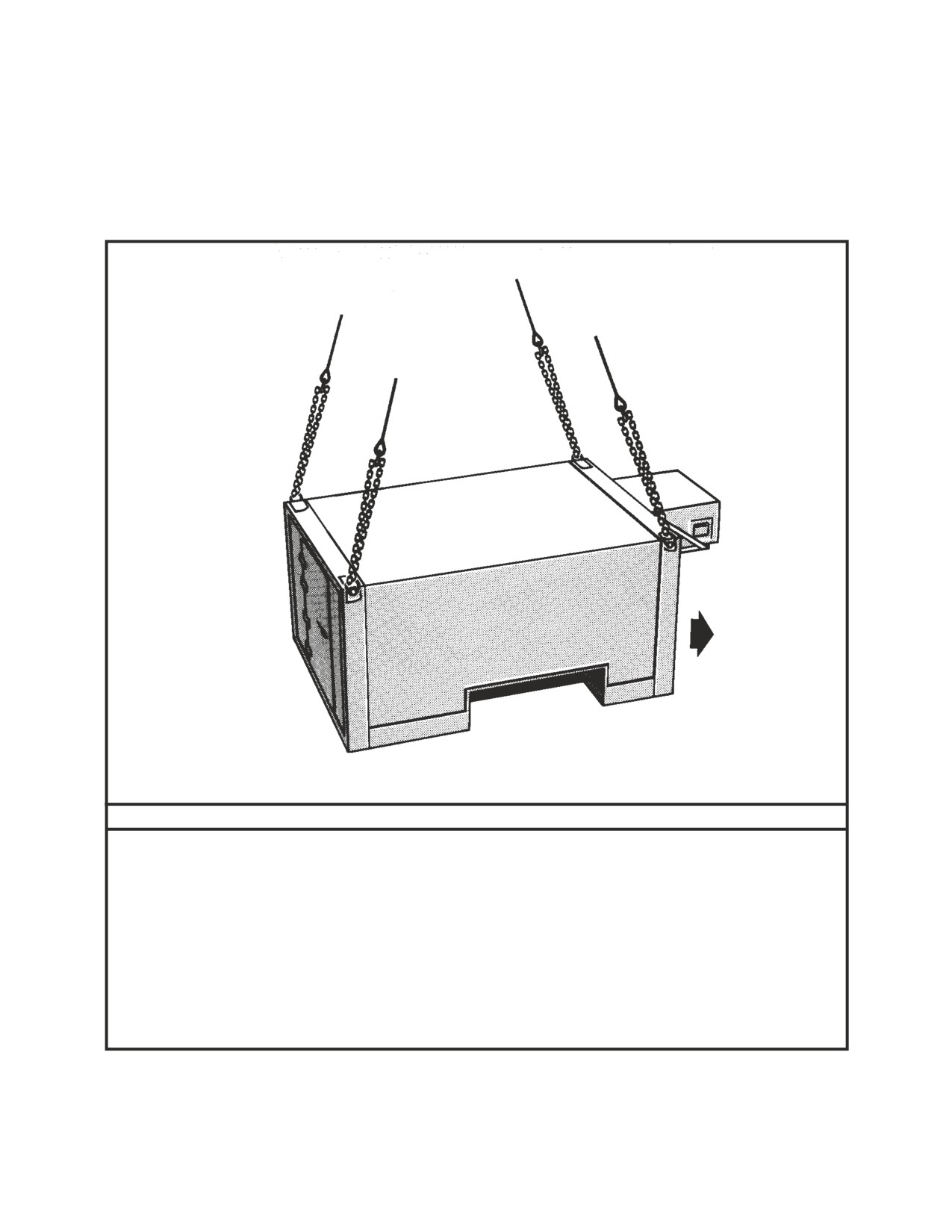
RIGGING STEPS
1. Position apex fitting on top of the shelter. Route
3. Loop the chain end of sling leg 3 through the left rear
outer sling legs 1 and 2 to the front of the shelter and inner
lift provision at the top left corner of the shelter. Place the
sling legs 3 and 4 to the rear (door end). Sling legs 1 and
correct link from Table 10-3 in the grab hook. Repeat with
3 must be on the left side of the load.
sling leg 4 on the right rear lift provision. Secure the
excess chain with tape or Type III nylon cord.
2. Loop the chain end of sling leg 1 through the left
front lift provision at the top left corner of the shelter.
4. Cluster and tie or tape (breakaway technique) all sling
Place the correct link from Table 10-3 in the grab hook.
legs together on top of the shelter to prevent entangle-
Repeat with sling leg 2 on the right front lift provision.
ment during hookup and lift-off.
Secure the excess chain with tape or Type III nylon cord.
Figure 10-3. Lightweight Multipurpose Shelter (LMS)
10-6