FM 3-11.3 PROCEDURES FOR CHEMICAL, BIOLOGICAL, RADIOLOGICAL, AND NUCLEAR CONTAMINATION AVOIDANCE (FEBRUARY 2006) - page 11
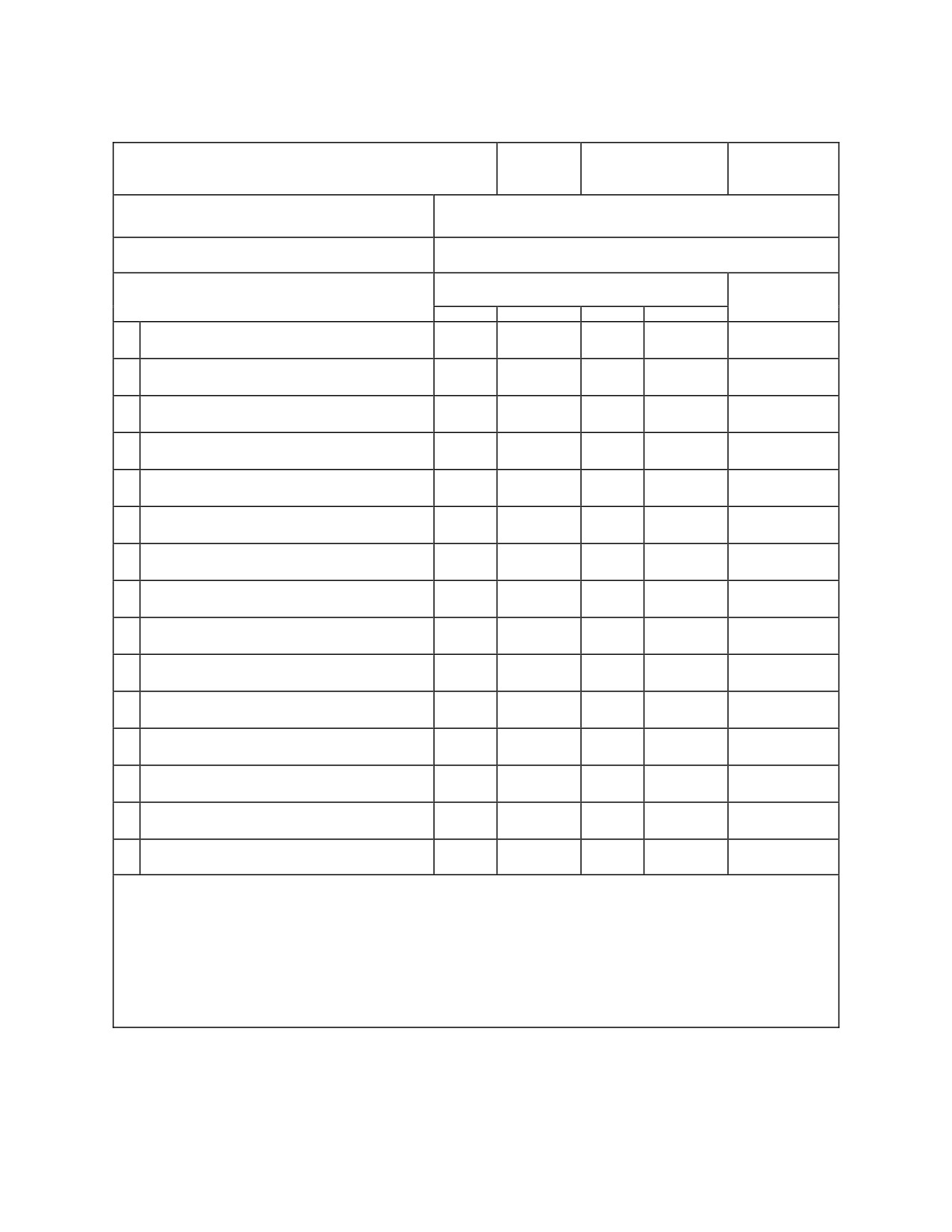
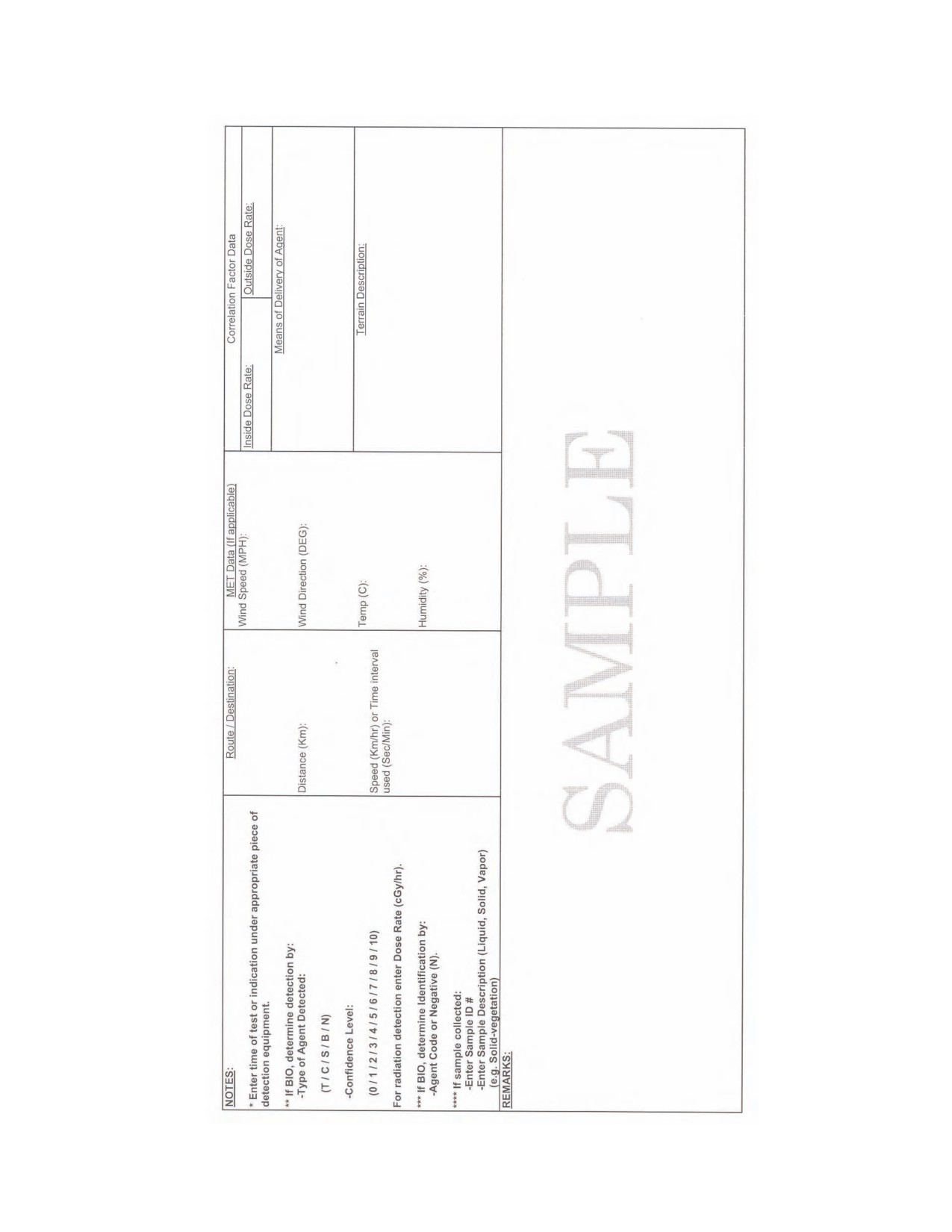
CHEMICAL / BIOLOGICAL or ROTA *
DATE
PAGE NO.
NO. OF PAGES
DATA SHEET- MONITORING OR SURVEY
* ROTA in this case encompasses TIC/TIB.
UNIT DESIGNATION
MONITOR OR SURVEY TEAM MEMBER
(Print Name)
MAP USED
MONITOR OR SURVEY TEAM NUMBER
LOCATION / TIME OF TEST OR INDICATION
TYPE OF DETECTOR USED
AGENT
(SPECIFY WHICH TYPE)
DETECTED
PAPER
ALARM
KIT
OTHER
SAMPLE
REMARKS
L-4
FM 3-11.3/MCRP 3-37.2A/NTTP 3-11.25/AFTTP(I) 3-2.56
2 February 2006
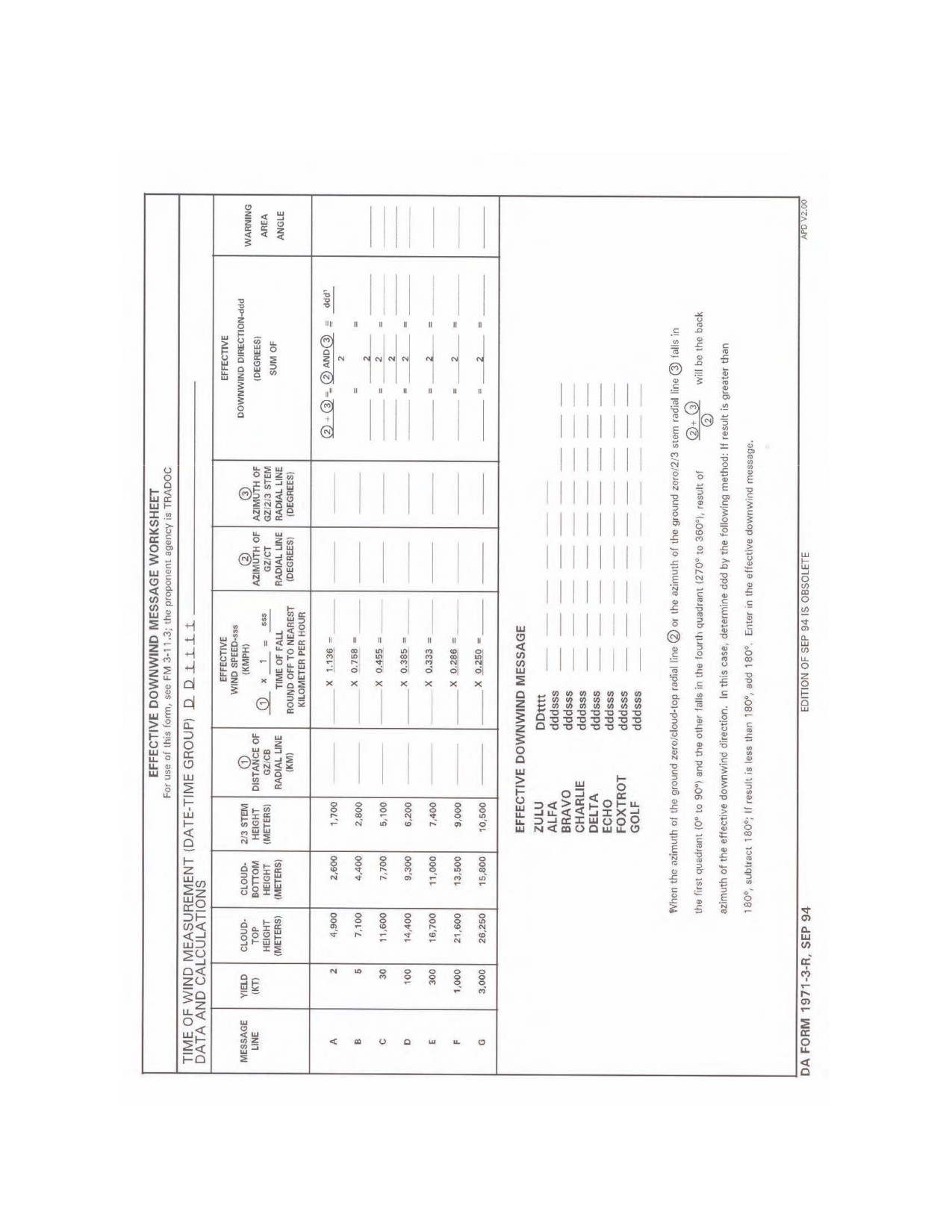
2 February 2006 FM 3-11.3/MCRP 3-37.2A/NTTP 3-11.25/AFTTP(I) 3-2.56
L-5

NUCLEAR FALLOUT PREDICTION WORK SHEET - SURFACE BURST
NOTE: Complete Work Sheet to determine NBC3 NUC Report. (Line out unused unit of measure in far right hand column.)
DELTA (DD TTTTZ MMM YYYY)
A.
Time of burst (DTG) (From NBC2 NUC Report)
__________________________
(local or Zulu time)
FOXTROT (yy zzzzzz)
B.
GZ Coordinates (from NBC2 NUC Report)
__________________________
(Actual or Estimated)
C.
FY/TY Ratio (from target analysis for friendly weapons only)
(If known, enter #, If unknown or For enemy attack, enter “1”).
__________________________
D.
HOB (from target analysis for friendly weapons only)
(If known, enter #, If unknown or For enemy attack, enter “0).
__________________________ Meters
E.
Yield (from NBC2 NUC Report)
__________________________ KT or MT
F.
Cloud Top Height (Use Figure J-3 on page J-11.)
__________________________
103 meters or feet
G.
Cloud Bottom Height (Use Figure J-3 on page J-11.)
__________________________
103 meters or feet
H.
2/3 Stem (Use Figure J-3 on page J-11.)
__________________________
103 meters or feet
PAPA BRAVO - rr
I.
Stabilized Cloud Radius (Use Figure J-3 on page J-11.)
__________________________
(km)
J.
Time of Fall from Cloud Bottom (Use Fig. J-3 on p. J-11.)
__________________________ Hours
NOTE: Plot F, G, and H on the current wind vector plot. Measure the distance from GZ to the cloud bottom height.
K.
Radial Line Distance from GZ to Cloud Bottom Height
__________________________ KM
L.
Effective Wind Speed
K
__________________________ PAPA BRAVO - sss
=
=
J
(kph)
M.
Downwind Distance of ZONE I (Use Fig. J-8 or p. J-15)
with E. and L.)
__________________________ PAPA BRAVO - xxx
(km)
N.
Adjustment Calculation of Downwind Distance of ZONE I
__________________________
FY/TY Factor (C.) _________ x HOB (D.) __________
=
Use Fig. J- on p. J-.
Use Fig. J- / on p. J- / .
(If unknown or For enemy attack, enter “1” and “1”.)
O.
Adjustment of Downwind Distance of ZONE I
__________________________ PAPA BRAVO - xxx
(KM)
NOTE: Ensure that lateral limit angle (angle between Left and Right Radial Lines) is > 400 . If not, then, add azimuths; divide sum by 2;
add 200 to each azimuth. These are the new radial lines. Ensure that the new azimuths are entered below.
PAPA BRAVO - dddd
P.
Azimuth of Left Radial Line
__________________________
(mils or degrees)
PAPA BRAVO - cccc
Q.
Azimuth of Right Radial Line
__________________________
(mils or degrees)
R.
NBC-3 (NUC) Report
ALFA
(AAA)
__________________________
(Strike Serial Number)
DELTA
(DD TTTTZ MMM YYYY)
__________________________
(Local or Zulu time)
FOXTROT
(yy zzzzzz)
__________________________
(Actual or Estimated)
(sss xxx rr) *
(Azimuths of Radial Lines -
PAPA BRAVO
(dddd cccc)**
__________________________ Mils or Degrees)
* sss
- Effective Wind Speed (KMPH)
* xxx
- Downwind Distance of ZONE I (KM)
* rr
- Cloud Radius (KM)
**dddd - Left Radial Line **cccc
- Right Radial Line
L-6
FM 3-11.3/MCRP 3-37.2A/NTTP 3-11.25/AFTTP(I) 3-2.56
2 February 2006
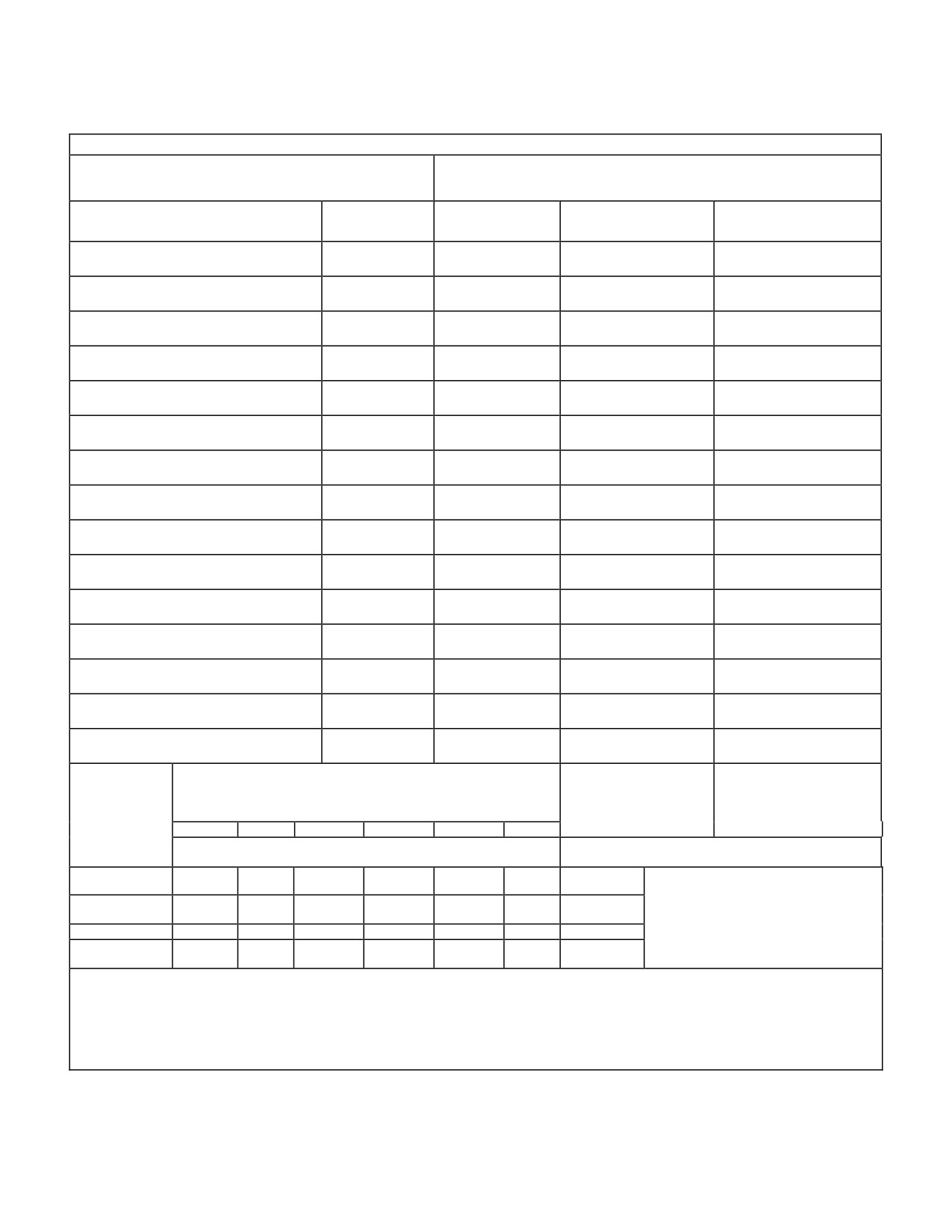
UNIT RADIATION DOSE RECORD
Unit:
Date:
Element
Previous
New
Total
RES
Exposure
Exposure
Exposure
Category
SAMPLE
Radiation
status
Number of Elements
Category Total 1
Overall RES 2
category of
Unit
2
3
4
5
6
7
Sum of RES Numbers
Radiation Status Categories
RES-0
0
0-1
0-1
0-2
0-2
0-3
RES - 0
0 = (no exposure)
RES-1
1-2
2-4
2-5
3-7
3-8
4-10
RES - 1
1 = Greater than 0cGy, but less than or
equal to 70cGy
RES-2
3-4
5-7
6-9
8-12
9-14
11-17
RES - 2
2 = Greater than 70cGy, but less than
RES-3
5-6
8-9
10-12
13-15
15-18
18-21
RES - 3
or equal 125cGy
3 = Greater than 125cGy
NOTE: For Category Total, see 1 below. For Overall Unit RES, see 2 below.
1 To determine Category Total, add total number of RESs (0,1,2, 3 for each element) “RES Category” column.
2 To determine Overall RES, Determine total number of elements. Enter the number of elements and continue down that column to
locate the category total (Note 1) range, then read the RES category to the left or right.
Example: A Unit had five (5) elements with a total RES Category of 11. Enter “5” as the number of elements. Using this column,
locate “11”. “11” is between the range of “8-12”; read left or right: Overall RES would be RES-2.
2 February 2006 FM 3-11.3/MCRP 3-37.2A/NTTP 3-11.25/AFTTP(I) 3-2.56
L-7
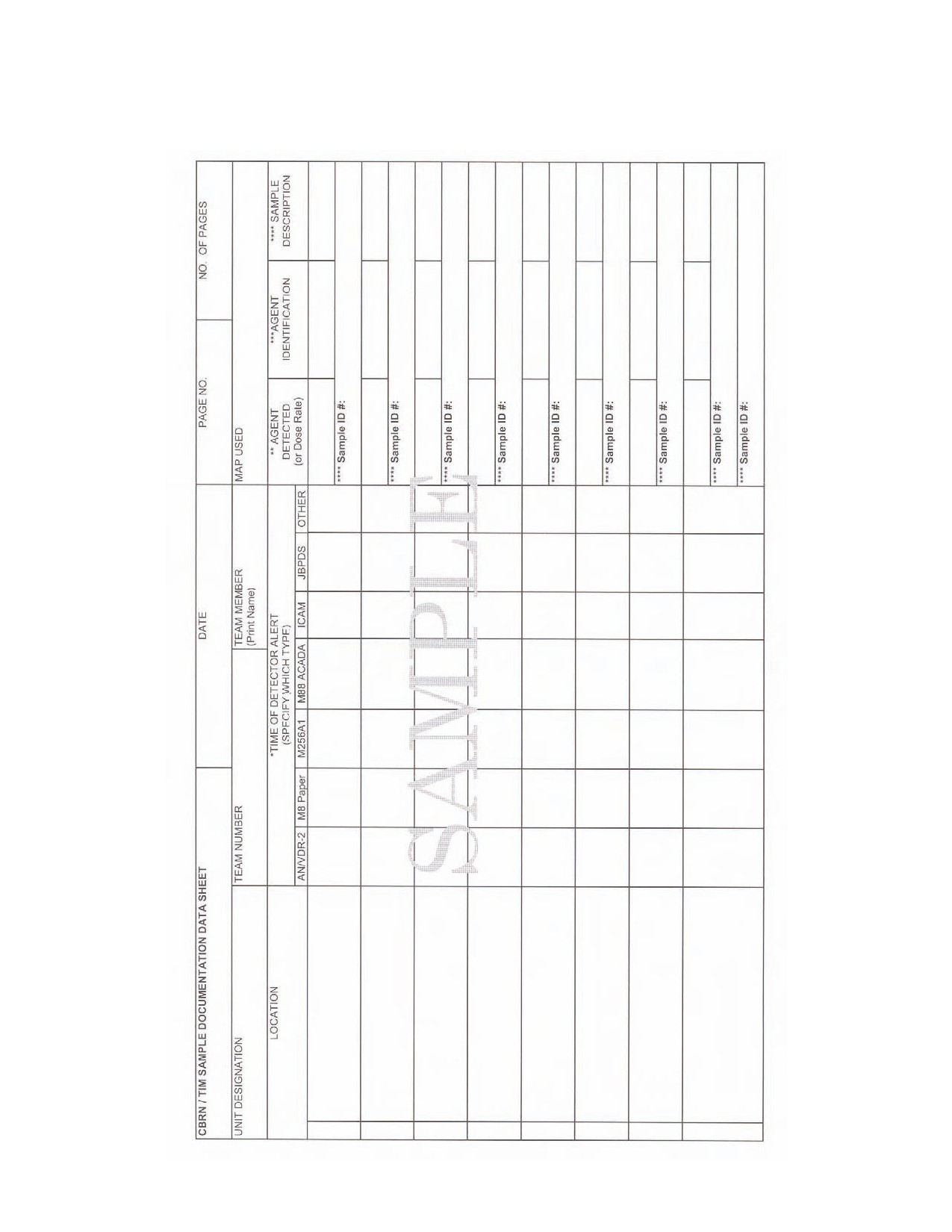
L-8
FM 3-11.3/MCRP 3-37.2A/NTTP 3-11.25/AFTTP(I) 3-2.56
2 February 2006
2 February 2006 FM 3-11.3/MCRP 3-37.2A/NTTP 3-11.25/AFTTP(I) 3-2.56
L-9
CBRN WARNING AND REPORTING SYSTEM (CBRNWRS)
LINE ITEMS
Line:
MEANING:
ALFA
Strike Serial Number
BRAVO
Location of observer and direction of attack or event
CHARLIE
DTG of report or observation and end of event
DELTA
DTG of attack or detonation and attack end
FOXTROT
Location of attack or event
GENTEXT
General text
GOLF
Delivery and quantity information
HOTEL
Type of nuclear burst
INDIA
Release information on biological/chemical agent attacks or
ROTA events
JULIET
Flash-To-Bang Time in Seconds
KILO
Crater description
LIMA
Nuclear burst angular cloud width at H+5 minutes
MIKE
Stabilised cloud measurement at H+10 minutes
MIKER
Description and status of a ROTA event
NOVEMBER
Estimated nuclear yield in kilotons
OSCAR
Reference DTG for estimated contour lines
PAPAA
Predicted attack/release and hazard area
PAPAB
Detailed fallout hazard prediction parameters
PAPAC
Radar determined external contour of radioactive cloud
PAPAD
Radar determined downwind direction of radioactive cloud
PAPAX
Hazard area location for weather period
QUEBEC
Location of reading/sample/detection and type of
sample/detection
ROMEO
Level of contamination, dose rate trend & decay rate trend
SIERRA
DTG of reading or initial detection of contamination
TANGO
Terrain/topography and vegetation description
WHISKEY
Sensor information
XRAYA
Actual contour information
XRAYB
Predicted contour information
YANKEE
Downwind direction and downwind speed
ZULU
Actual weather conditions
L-10
FM 3-11.3/MCRP 3-37.2A/NTTP 3-11.25/AFTTP(I) 3-2.56
2 February 2006

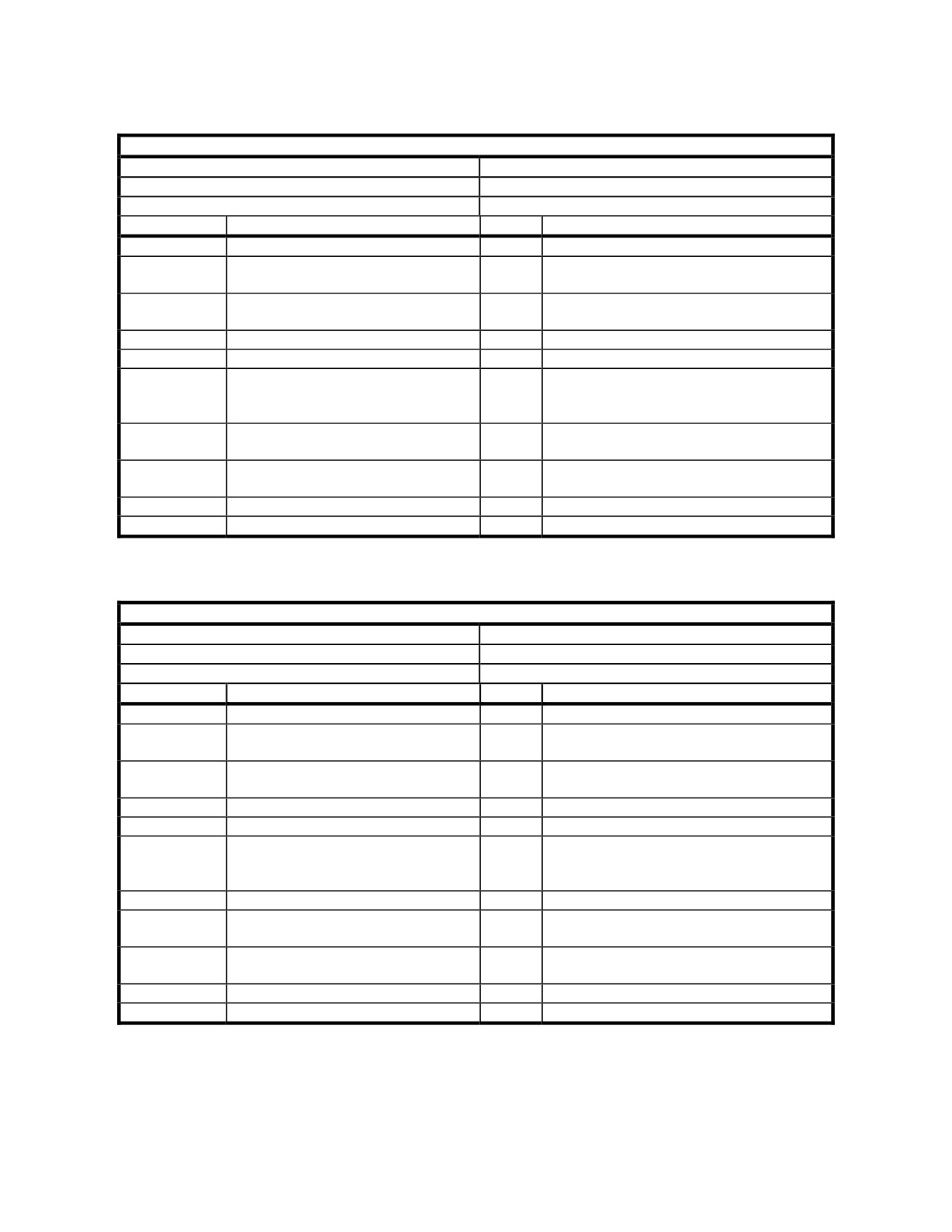
NBC1 REPORT TEMPLATES
NBC1 NUC Report
From:
To:
Precedence:
Security Classification:
DTG Sent:
Category of Report: Initial
Follow-up
Line Item
Description
Cond
Template
ALFA
Strike Serial Number
O
BRAVO
Location of Observer and
M
Direction of Attack or Event
DELTA
DTG of Attack or Detonation and
M
Attack End
FOXTROT
Location of Attack or Event
O
GOLF
Delivery and Quantity Information
M
HOTEL
Type of Nuclear Burst
M
JULIET
Flash-to-Bang Time in seconds
O
LIMA
Nuclear Burst Angular Cloud
O
Width at H+5 Minutes
MIKE
Stabilized Cloud Measurement at
O
H+10 Minutes
PAPAC
Radar Determined External
O
Contour of Radioactive Cloud
PAPAD
Radar Determined Downwind
O
Direction of Radioactive Cloud
YANKEE
Downwind Direction and
O
Downwind Speed
ZULU
Actual Weather Conditions
O
GENTEXT
General Text
O
*The “Cond” column in the examples shows that each line item is operationally determined
(O) or mandatory (M).
2 February 2006 FM 3-11.3/MCRP 3-37.2A/NTTP 3-11.25/AFTTP(I) 3-2.56
L-11
NBC1 CHEM/BIO Report
From:
To:
Precedence:
Security Classification:
DTG Sent:
Category of Report: Initial
Follow-up
Line Item
Description
Cond
Template
ALFA
Strike Serial Number
C
BRAVO
Location of Observer and
M
Direction of Attack or Event
DELTA
DTG of Attack or Detonation and
M
Attack End
FOXTROT
Location of Attack or Event
O
GOLF
Delivery and Quantity Information
M
INDIA
Release Information on
M
Biological/Chemical Agent Attacks
or ROTA events
TANGO
Terrain/Topography and
M
Vegetation Description
YANKEE
Downwind Direction and
O
Downwind Speed
ZULU
Actual Weather Conditions
O
GENTEXT
General Text
O
* The “Cond” column in the examples shows that each line item is operationally determined
(O) or mandatory (M).
NBC1 ROTA Report
From:
To:
Precedence:
Security Classification:
DTG Sent:
Category of Report: Initial
Follow-up
Line Item
Description
Cond
Template
ALFA
Strike Serial Number
O
BRAVO
Location of Observer and
M
Direction of Attack or Event
CHARLIE
DTG of Report or Observation
M
and End of Event
FOXTROT
Location of Attack or Event
O
GOLF
Delivery and Quantity Information
M
INDIA
Release Information on
M
Biological/Chemical Agent Attacks
or ROTA events
MIKER
Description and Status
O
TANGO
Terrain/Topography and
M
Vegetation Description
YANKEE
Downwind Direction and
O
Downwind Speed
ZULU
Actual Weather Conditions
O
GENTEXT
General Text
O
*The “Cond” column in the examples shows that each line item is operationally determined
(O) or mandatory (M).
L-12
FM 3-11.3/MCRP 3-37.2A/NTTP 3-11.25/AFTTP(I) 3-2.56
2 February 2006
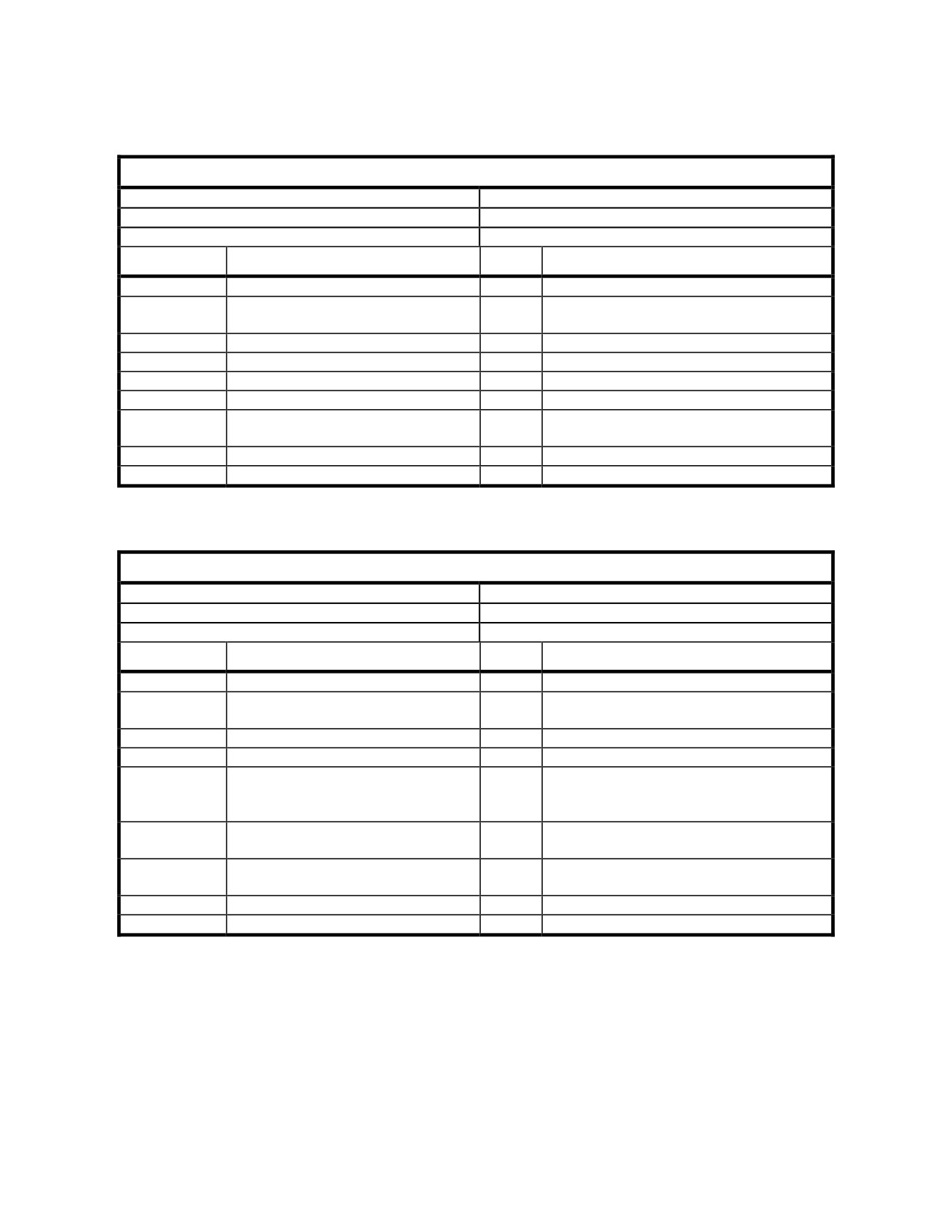
NBC2 REPORT TEMPLATES
NBC2 NUC Report
From:
To:
Precedence:
Security Classification:
DTG Sent:
Category of Report: Initial
Follow-up
Line Item
Description
Cond
Template
ALFA
Strike Serial Number
M
DELTA
DTG of Attack or Detonation and
M
Attack End
FOXTROT
Location of Attack or Event
M
GOLF
Delivery and Quantity Information
M
HOTEL
Type of Nuclear Burst
M
NOVEMBER
Estimated Nuclear Yield in KT
M
YANKEE
Downwind Direction and
O
Downwind Speed
ZULU
Actual Weather Conditions
O
GENTEXT
General Text
O
*The “Cond” column in the examples shows that each line item is operationally determined
(O) or mandatory (M).
NBC2 CHEM/BIO Report
From:
To:
Precedence:
Security Classification:
DTG Sent:
Category of Report: Initial
Follow-up
Line Item
Description
Cond
Template
ALFA
Strike Serial Number
M
DELTA
DTG of Attack or Detonation and
M
Attack End
FOXTROT
Location of Attack or Event
M
GOLF
Delivery and Quantity Information
M
INDIA
Release Information on
M
Biological/Chemical Agent Attacks
or ROTA events
TANGO
Terrain/Topography and
M
Vegetation Description
YANKEE
Downwind Direction and
O
Downwind Speed
ZULU
Actual Weather Conditions
O
GENTEXT
General Text
O
* The “Cond.” column in the examples shows that each line item is operationally
determined (O) or mandatory (M).
2 February 2006 FM 3-11.3/MCRP 3-37.2A/NTTP 3-11.25/AFTTP(I) 3-2.56
L-13

NBC2 ROTA Report
From:
To:
Precedence:
Security Classification:
DTG Sent:
Category of Report: Initial
Follow-up
Line Item
Description
Cond
Template
ALFA
Strike Serial Number
M
CHARLIE
DTG of Report /Observation and
M
Event End
FOXTROT
Location of Attack or Event
M
GOLF
Delivery and Quantity Information
M
INDIA
Release Information on
M
Biological/Chemical Agent Attacks
or ROTA events
MIKER
Description and Status
M
TANGO
Terrain/Topography and
M
Vegetation Description
YANKEE
Downwind Direction and
O
Downwind Speed
ZULU
Actual Weather Conditions
O
GENTEXT
General Text
O
* The “Cond” column in the examples shows that each line item is operationally determined
(O) or mandatory (M).
L-14
FM 3-11.3/MCRP 3-37.2A/NTTP 3-11.25/AFTTP(I) 3-2.56
2 February 2006

NBC3 REPORT TEMPLATES
NBC3 NUC Report
From:
To:
Precedence:
Security Classification:
DTG Sent:
Category of Report: Initial
Follow-up
Line Item
Description
Cond
Template
ALFA
Strike Serial Number
M
DELTA
DTG of Attack or Detonation and
M
Attack End
FOXTROT
Location of Attack or Event
M
GOLF
Delivery and Quantity Information
O
HOTEL
Type of Nuclear Burst
O
NOVEMBER
Estimated Nuclear Yield in KT
O
OSCAR
Reference DTG for Contour Lines
O
PAPAB
Detailed Fallout Hazard Prediction
M
Parameters
PAPAC
Radar Determined External
O
Contour of Radioactive Cloud
PAPAD
Radar Determined Downwind
O
Direction of Radioactive Cloud
XRAYB**
Predicted Contour Information
C
YANKEE
Downwind Direction and
O
Downwind Speed
ZULU
Actual Weather Conditions
O
GENTEXT
General Text
O
** Line Item is repeatable up to 50 times to represent multiple contours
The “Cond” column in the examples shows that each set is operationally determined (O),
conditional (C), or mandatory (M).
Note: XRAYB is prohibited if OSCAR is not used.
30 April 2009 FM 3-11.3/MCWP 3-37.2A/NTTP 3-11.25/AFTTP(I) 3-2.56, C1
L-15
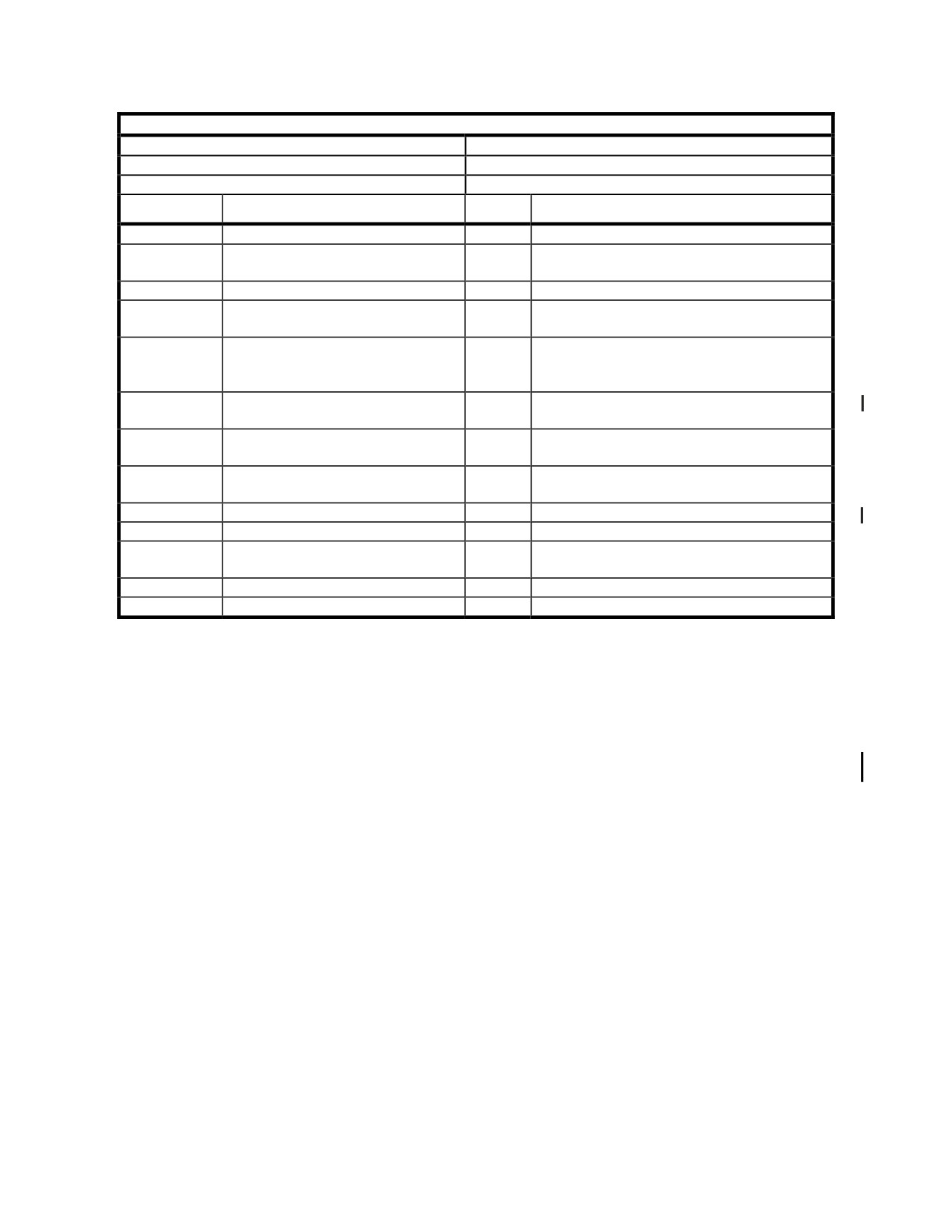
NBC3 CHEM/BIO Report
From:
To:
Precedence:
Security Classification:
DTG Sent:
Category of Report: Initial
Follow-up
Line Item
Description
Cond
Template
ALFA
Strike Serial Number
M
DELTA
DTG of Attack or Detonation and
M
Attack End
FOXTROT
Location of Attack or Event
M
GOLF
Delivery and Quantity
O
Information
INDIA
Release Information on
M
Biological/Chemical Agent
Attacks or ROTA Events
OSCAR
Reference DTG for Contour
O
Lines
PAPAA
Predicted Attack/Release and
M
Hazard Area
PAPAX*
Hazard Area Location for
M
Weather Period
TANGO
Terrain/vegetation Information
O
XRAYB**
Predicted Contour Information
C
YANKEE
Downwind Direction and
O
Downwind Speed
ZULU
Actual Weather Conditions
O
GENTEXT
General Text
O
* Line item is repeatable up to 3 times in order to describe three possible hazard areas
corresponding to the time periods from the CDM. A hazard area for a following time period
will always include the previous hazard area.
** Line item is repeatable up to 50 times to represent multiple contours. The “Cond”
column in the examples shows that each set is operationally determined (O), conditional (C)
or mandatory (M).
Note: XRAYB is prohibited if OSCAR is not used.
L-16
FM 3-11.3/MCWP 3-37.2A/NTTP 3-11.25/AFTTP(I) 3-2.56, C1
30 April 2009

NBC3 ROTA Report
From:
To:
Precedence:
Security Classification:
DTG Sent:
Category of Report: Initial
Follow-up
Line Item
Description
Cond
Template
ALFA
Strike Serial Number
M
CHARLIE
DTG of Report/observation and
M
Event End
FOXTROT
Location of Attack or Event
M
GOLF
Delivery and Quantity Information
O
INDIA
Release Information on
M
Biological/Chemical Agent Attacks
or ROTA Events
MIKER
Description and Status of ROTA
O
Event
OSCAR
Reference DTG for Contour Lines
O
PAPAA
Predicted Attack/Release and
M
Hazard Area
PAPAX*
Hazard Area Location for Weather
M
Period
TANGO
Terrain/Vegetation Information
O
XRAYB**
Predicted Contour Information
C
YANKEE
Downwind Direction and
O
Downwind Speed
ZULU
Actual Weather Conditions
O
GENTEXT
General Text
O
* Line item is repeatable up to 3 times in order to describe three possible hazard areas
corresponding to the time periods from the CDM. A hazard area for a following time period
will always include the previous hazard area.
** Line item is repeatable up to 50 times to represent multiple contours
The “Cond” column in the examples shows that each set is operationally determined (O),
conditional (C), or mandatory (M).
Note: XRAYB is prohibited if OSCAR is not used.
30 April 2009 FM 3-11.3/MCWP 3-37.2A/NTTP 3-11.25/AFTTP(I) 3-2.56, C1
L-17
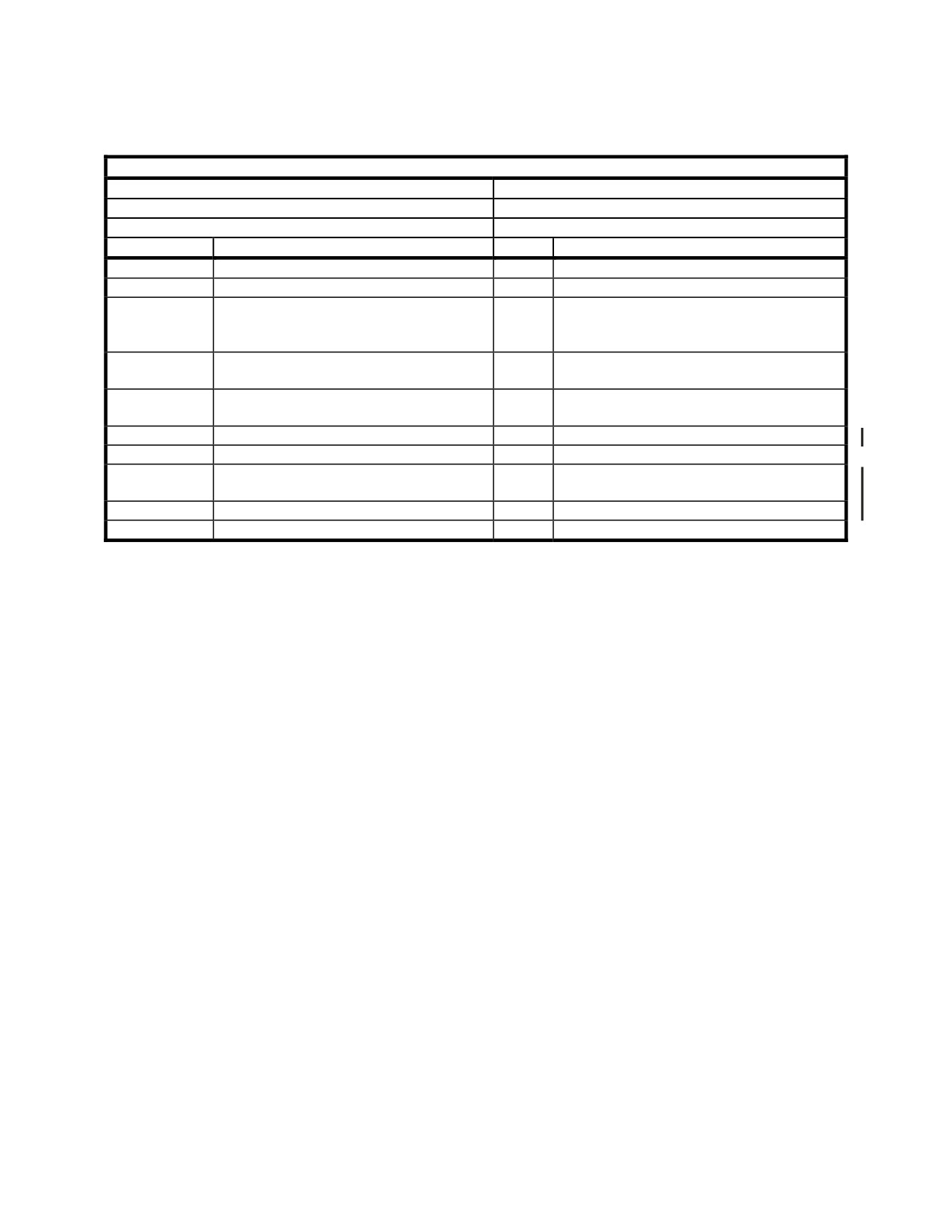
NBC4 REPORT TEMPLATES
NBC4 NUC Report
From:
To:
Precedence:
Security Classification:
DTG Sent:
Category of Report: Initial
Follow-up
Line Item
Description
Cond
Template
ALFA
Strike Serial Number
O
KILO
Crater Description
O
QUEBEC*
Location of
M
Reading/Sample/Detection and Type
of Sample/Detection
ROMEO*
Level of Contamination, Dose Rate
M
Trend and Decay Rate Trend
SIERRA*
DTG of Reading or Initial Detection of
M
Contamination
TANGO
Terrain/Vegetation Information
O
WHISKEY
Sensor Information
O
YANKEE
Downwind Direction and Downwind
O
Speed
ZULU
Actual Weather Conditions
O
GENTEXT
General Text
O
* The “Cond” column in the examples shows that each line item is operationally determined
(O) or mandatory (M).
* Line items QUEBEC, ROMEO, SIERRA, and TANGO are a segment. With exclusion of
line item ROMEO, this segment is mandatory. Line items/segments are repeatable up to 20
times in order to describe multiple detection, monitoring, or survey points.
L-18
FM 3-11.3/MCWP 3-37.2A/NTTP 3-11.25/AFTTP(I) 3-2.56, C1
30 April 2009
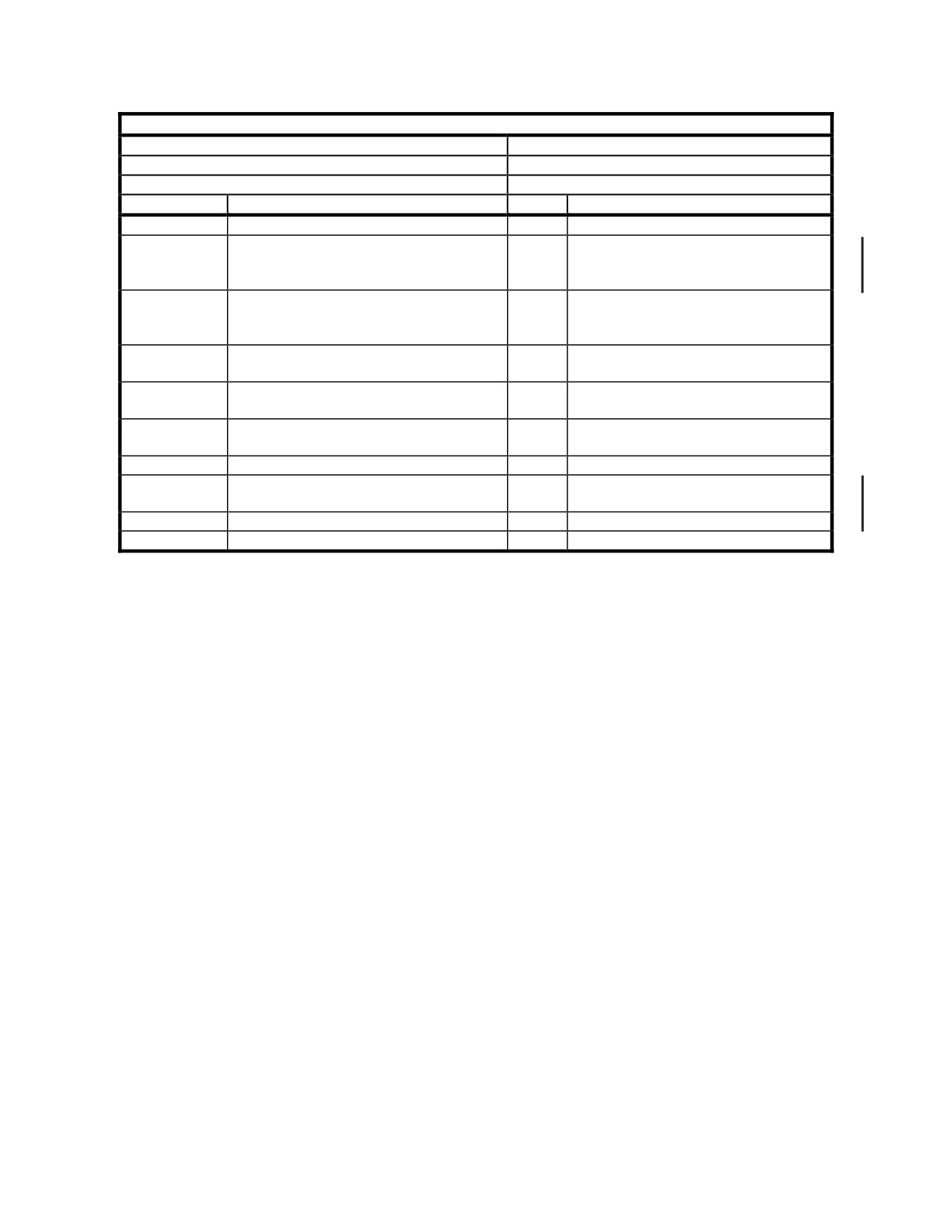
NBC4 CHEM/BIO Report
From:
To:
Precedence:
Security Classification:
DTG Sent:
Category of Report: Initial
Follow-up
Line Item
Description
Cond
Template
ALFA
Strike Serial Number
O
INDIA
Release Information on
M
Biological/Chemical Agent Attacks or
ROTA Events
QUEBEC*
Location of
M
Reading/Sample/Detection and Type
of Sample/Detection
ROMEO*
Level of Contamination, Dose Rate
O
Trend and Decay Rate Trend
SIERRA*
DTG of Reading or Initial Detection of
M
Contamination
TANGO*
Terrain/Topography and Vegetation
M
Description
WHISKEY
Sensor Information
O
YANKEE
Downwind Direction and Downwind
O
Speed
ZULU
Actual Weather Conditions
O
GENTEXT
General Text
O
* The “Cond” column in the examples shows that each line item is operationally determined
(O) or mandatory (M).
* Line items QUEBEC, ROMEO, SIERRA, and TANGO are a segment. With exclusion of
line item ROMEO, this segment is mandatory. Line items/segments are repeatable up to 20
times in order to describe multiple detection, monitoring, or survey points.
30 April 2009 FM 3-11.3/MCWP 3-37.2A/NTTP 3-11.25/AFTTP(I) 3-2.56, C1
L-19
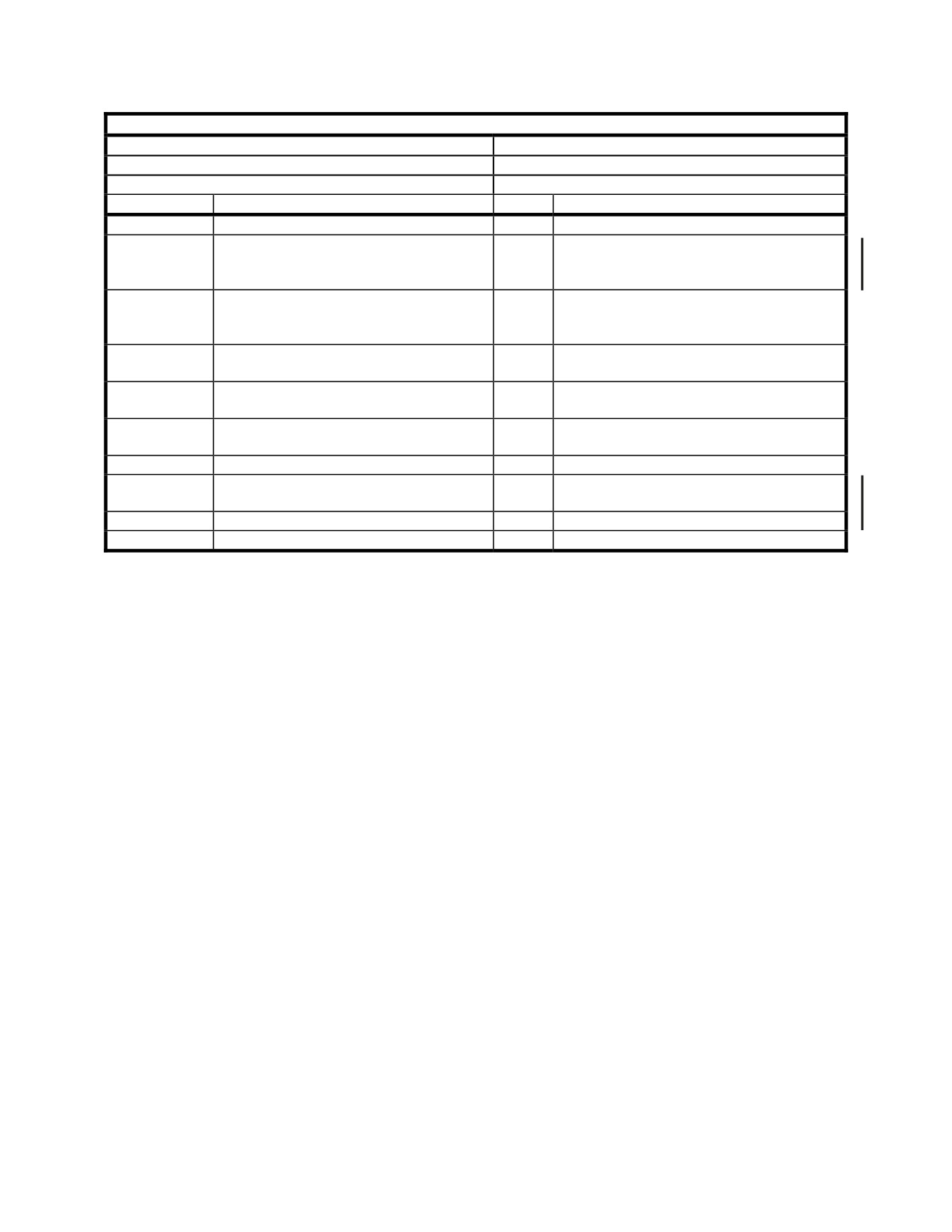
NBC4 ROTA Report
From:
To:
Precedence:
Security Classification:
DTG Sent:
Category of Report: Initial
Follow-up
Line Item
Description
Cond
Template
ALFA
Strike Serial Number
O
INDIA
Release Information on
M
Biological/Chemical Agent Attacks or
ROTA events
QUEBEC*
Location of
M
Reading/Sample/Detection and Type
of Sample/Detection
ROMEO*
Level of Contamination, Dose Rate
O
Trend and Decay Rate Trend
SIERRA*
DTG of Reading or Initial Detection of
M
Contamination
TANGO*
Terrain/Topography and Vegetation
M
Description
WHISKEY
Sensor Information
O
YANKEE
Downwind Direction and Downwind
O
Speed
ZULU
Actual Weather Conditions
O
GENTEXT
General Text
O
* The “Cond” column in the examples shows that each line item is operationally determined
(O) or, mandatory (M).
* Line items QUEBEC, ROMEO, SIERRA, and TANGO are a segment. With exclusion of
line item ROMEO, this segment is mandatory. Line items/segments are repeatable up to 20
times in order to describe multiple detection, monitoring, or survey points.
L-20
FM 3-11.3/MCWP 3-37.2A/NTTP 3-11.25/AFTTP(I) 3-2.56, C1
30 April 2009
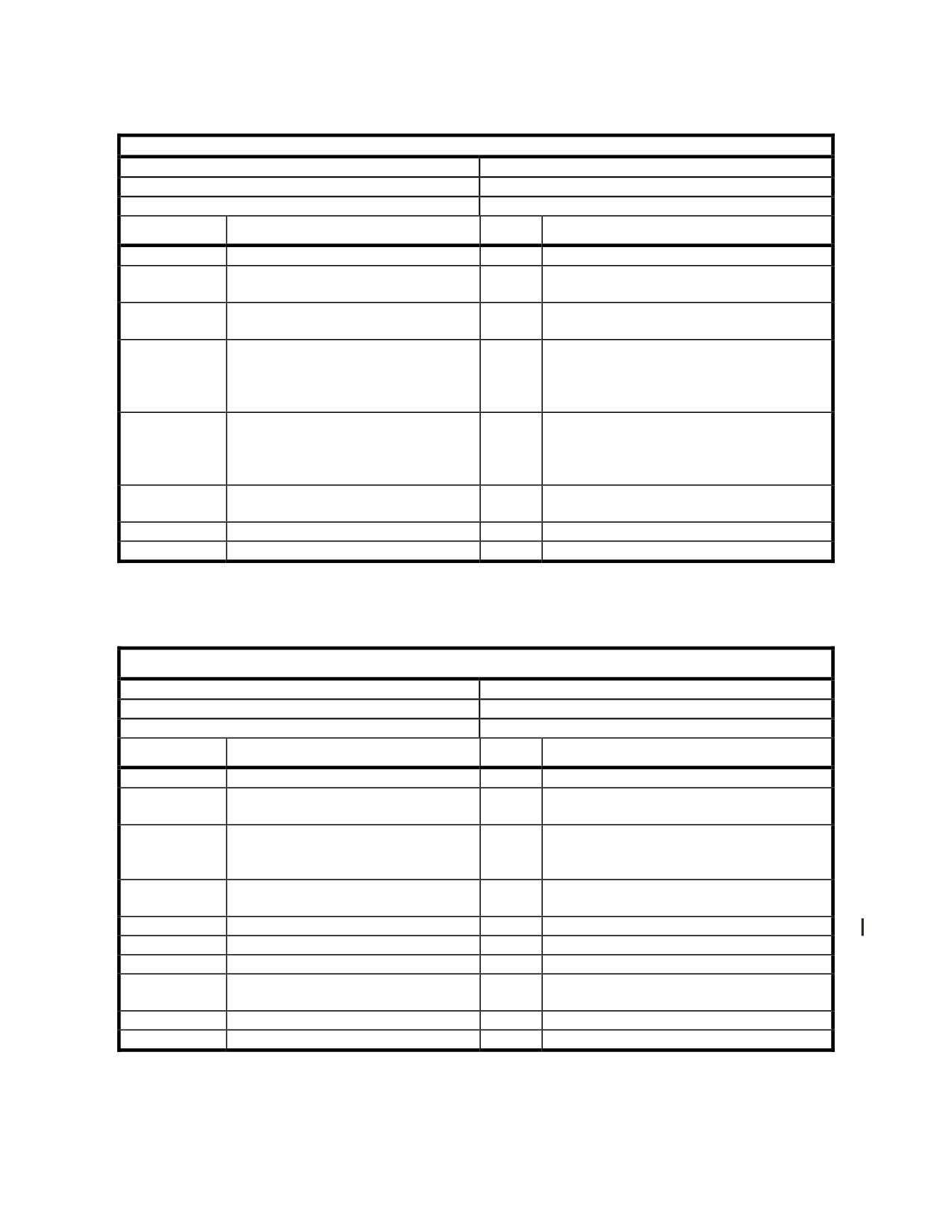
NBC5 REPORT TEMPLATES
NBC5 NUC Report
From:
To:
Precedence:
Security Classification:
DTG Sent:
Category of Report: Initial
Follow-up
Line Item
Description
Cond
Template
ALFA
Strike Serial Number
O
DELTA
DTG of Attack or Detonation and
O
Attack End
OSCAR
Reference DTG for Estimated
M
Contour Lines
XRAYA*
Actual Contour Information
M
XRAYB*
Predicted Contour Information
O
YANKEE
Downwind Direction and
O
Downwind Speed
ZULU
Actual Weather Conditions
O
GENTEXT
General Text
O
The “Cond” column in the examples shows that each line item is operationally determined
(O) or mandatory (M).
* Sets are repeatable up to 50 times to represent multiple contours.
NBC5 CHEM/BIO Report
From:
To:
Precedence:
Security Classification:
DTG Sent:
Category of Report: Initial
Follow-up
Line Item
Description
Cond.
Template
ALFA
Strike Serial Number
O
DELTA
DTG of Attack or Detonation and
O
Attack End
INDIA
Release Information on
M
Biological/Chemical Agent Attacks
or ROTA Events
OSCAR
Reference DTG for Estimated
M
Contour Lines
TANGO
Terrain/vegetation Information
O
XRAYA*
Actual Contour Information
M
XRAYB*
Predicted Contour Information
O
YANKEE
Downwind Direction and
O
Downwind Speed
ZULU
Actual Weather Conditions
O
GENTEXT
General Text
O
The “Cond.” column in the examples shows that each line item is operationally determined
(O) or mandatory (M).
* Sets are repeatable up to 50 times to represent multiple contours.
30 April 2009 FM 3-11.3/MCWP 3-37.2A/NTTP 3-11.25/AFTTP(I) 3-2.56, C1
L-21
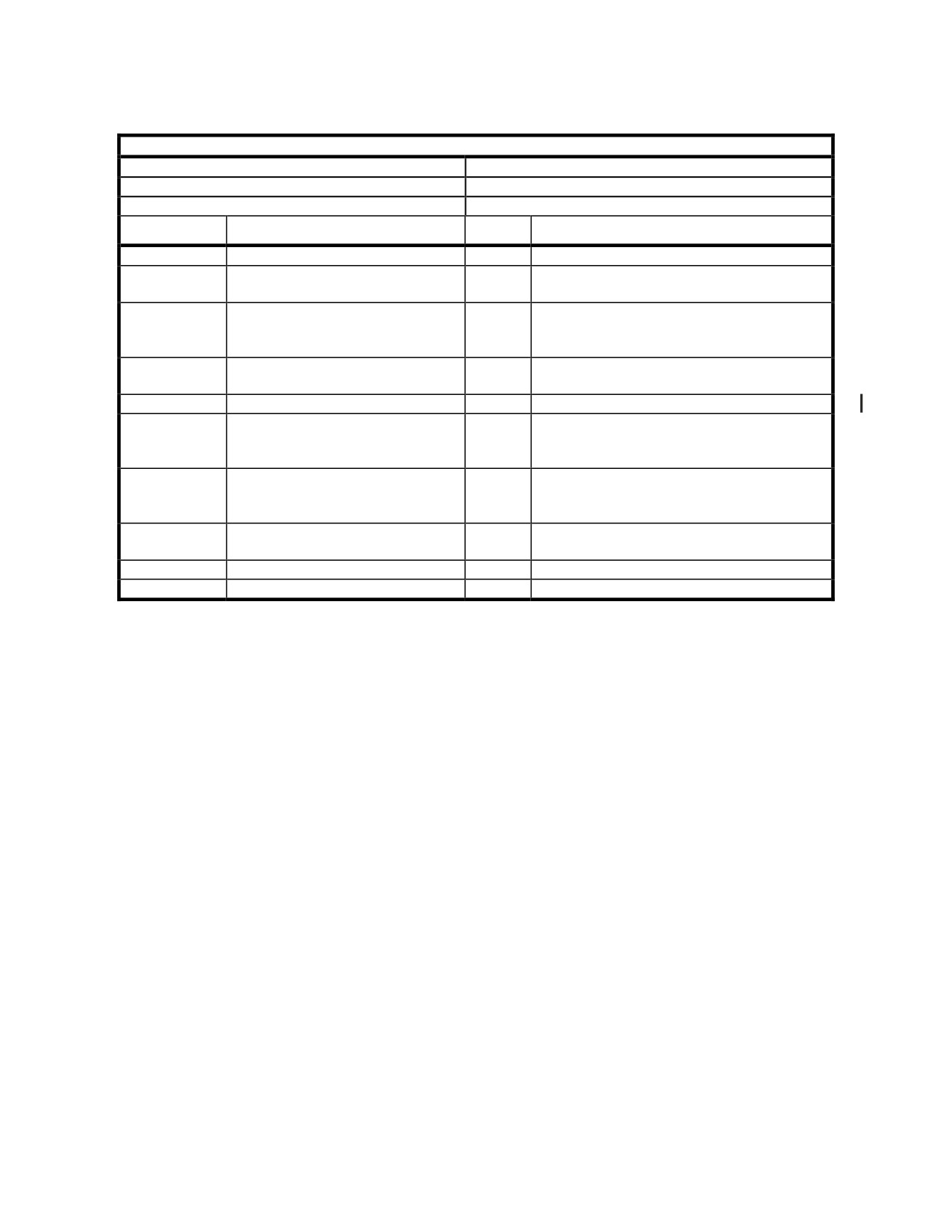
NBC5 ROTA Report
From:
To:
Precedence:
Security Classification:
DTG Sent:
Category of Report: Initial
Follow-up
Line Item
Description
Cond
Template
ALFA
Strike Serial Number
O
CHARLIE
DTG of Report/Observation and
O
Event End
INDIA
Release Information on
M
Biological/Chemical Agent
Attacks or ROTA Events
OSCAR
Reference DTG for Estimated
M
Contour Lines
TANGO
Terrain/Vegetation Information
O
XRAYA*
Actual Contour Information
M
XRAYB*
Predicted Contour Information
O
YANKEE
Downwind Direction and
O
Downwind Speed
ZULU
Actual Weather Conditions
O
GENTEXT
General Text
O
The “Cond.” column in the examples shows that each line item is operationally determined
(O) or mandatory (M).
* Sets are repeatable up to 50 times to represent multiple contours.
L-22
FM 3-11.3/MCWP 3-37.2A/NTTP 3-11.25/AFTTP(I) 3-2.56, C1
30 April 2009
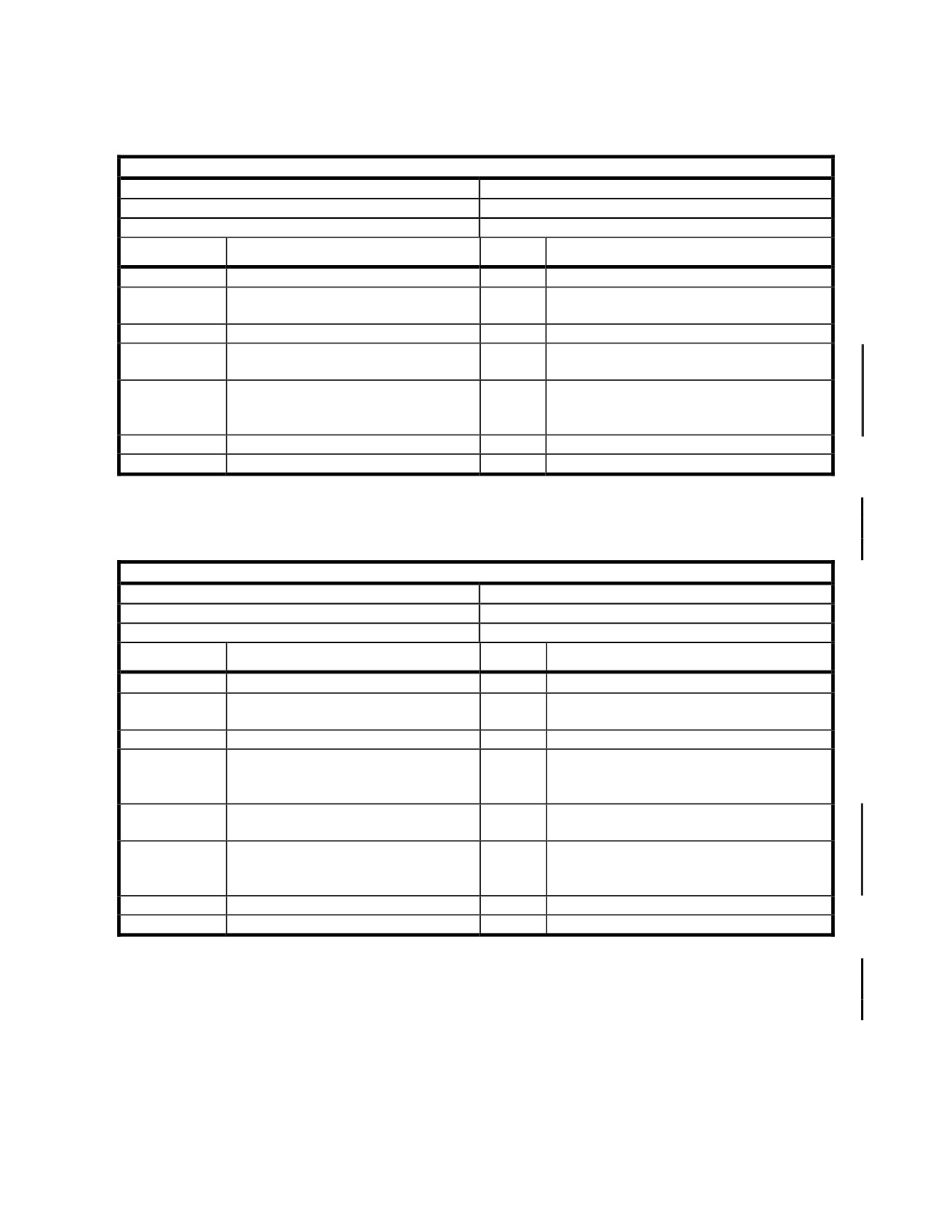
NBC6 REPORT TEMPLATES
NBC6 NUC Report
From:
To:
Precedence:
Security Classification:
DTG Sent:
Category of Report: Initial
Follow-up
Line Item
Description
Cond
Template
ALFA
Strike Serial Number
O
DELTA
DTG of Attack or Detonation and
O
Attack End
FOXTROT
Location of Attack and Qualifier
O
QUEBEC
Location and Type
O
Reading/Sample/Detection
ROMEO
Level of Contamination, Dose
O
Rate Trend, and Decay Rate
Trend
SIERRA
DTG of Reading
O
GENTEXT
General Text
M
* The “Cond” column in the examples shows that each line item is operationally
determined (O) or mandatory (M).
NBC6 CHEM/BIO Report
From:
To:
Precedence:
Security Classification:
DTG Sent:
Category of Report: Initial
Follow-up
Line Item
Description
Cond
Template
ALFA
Strike Serial Number
O
DELTA
DTG of Attack or Detonation and
O
Attack End
FOXTROT
Location of Attack and Qualifier
O
INDIA
Release Information on
O
Biological/Chemical Agent Attacks
or ROTA Events
QUEBEC
Location and Type
O
Reading/Sample/Detection
ROMEO
Level of Contamination, Dose
O
Rate Trend, and Decay Rate
Trend
SIERRA
DTG of Reading
O
GENTEXT
General Text
M
* The “Cond.” column in the examples shows that each line item is operationally
determined (O) or mandatory (M).
30 April 2009 FM 3-11.3/MCWP 3-37.2A/NTTP 3-11.25/AFTTP(I) 3-2.56, C1
L-23
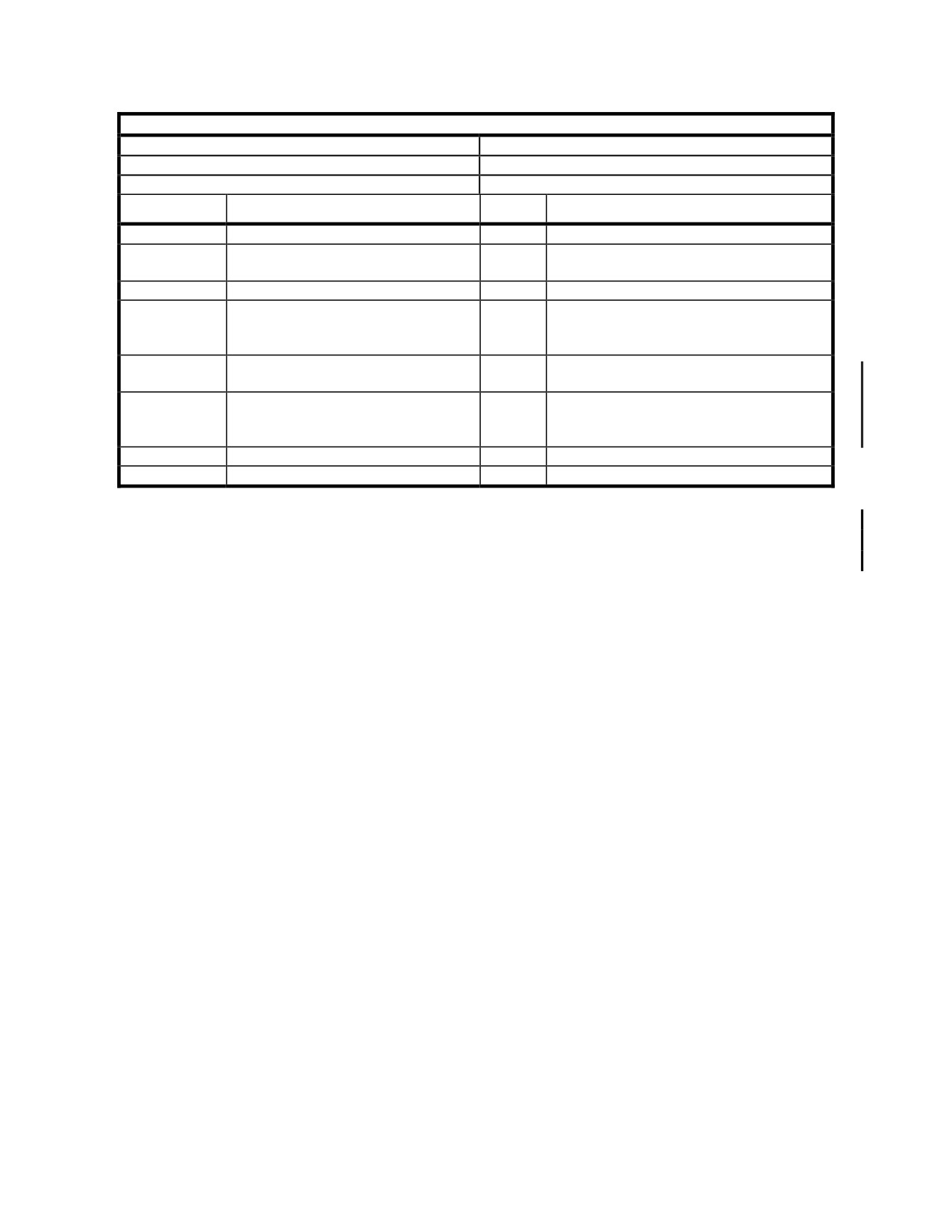
NBC6 ROTA Report
From:
To:
Precedence:
Security Classification:
DTG Sent:
Category of Report: Initial
Follow-up
Line Item
Description
Cond
Template
ALFA
Strike Serial Number
O
CHARLIE
DTG of Report /Observation and
O
Event End
FOXTROT
Location of Attack or Event
O
INDIA
Release Information on
O
Biological/Chemical Agent Attacks
or ROTA Events
QUEBEC
Location and Type
O
Reading/Sample/Detection
ROMEO
Level of Contamination, Dose
O
Rate Trend, and Decay Rate
Trend
SIERRA
DTG of Reading
O
GENTEXT
General Text
M
* The “Cond” column in the examples shows that each line item is operationally
determined (O) or mandatory (M).
L-24
FM 3-11.3/MCWP 3-37.2A/NTTP 3-11.25/AFTTP(I) 3-2.56, C1
30 April 2009
BIDS/JSLBNCRS/NBCRV Number: _________________________
19 Digit Sample Identification Number: __________________
1. Detection Time
a. DTG
b. Background Sample
c. Command Directed Sample
2. MET Data
a. Elevation
b. Direction
c. Wind Speed
d. Temperature
e. Relative Humidity
3. Identification
a. DTG
SAMPLE
b. Agent Code
c. Negative
4. Mode of Operation
a. Standard
b. Single Sample
c. Periodic
d. Degraded
e. Extreme Cold
Biological Incident Report
2 February 2006 FM 3-11.3/MCRP 3-37.2A/NTTP 3-11.25/AFTTP(I) 3-2.56
L-25
THIS PAGE IS INTENTIONALLY LEFT BLANK.
REFERENCES
Department of Defense
DODD 2000.12, DOD Antiterrorism/Force Protection (AT/FP) Program, 13 April 1999.
DODI 2000.16, DOD Antiterrorism Standards, 14 June 2001.
Joint
JP 1, Joint Warfare of the Armed Forces of the United States, 14 November 2000.
JP 1-01, Joint Publication System: Joint Doctrine and Joint Tactics, Techniques, and
Procedures Development Program, Change 1, 5 July 2000.
JP 1-02, Department of Defense Dictionary of Military and Associated Terms, 12 April 2001.
JP 2-01.3, Joint Tactics, Techniques, and Procedures for Joint Intelligence Preparation of
the Battlespace, Final Coordination, 24 May 2000.
JP 3-0, Doctrine for Joint Operations, 10 September 2001.
JP 3-01, Joint Doctrine for Countering Air and Missile Threats, 19 October 1999.
JP 3-01.5, Doctrine for Joint Theater Missile Defense, 22 February 1996.
JP 3-07, Joint Doctrine for Military Operations Other Than War, 16 June 1995.
JP 3-07.2, Joint Tactics, Techniques, and Procedures for Antiterrorism, 17 March 1998.
JP 3-10, Joint Doctrine for Rear Area Operations, 28 May 1996.
JP 3-10.1, Joint Tactics, Techniques, and Procedures for Base Defense, 23 July 1996.
JP 3-11, Joint Doctrine for Operations in Nuclear, Biological, and Chemical (NBC)
Environments, 11 July 2000.
JP 3-12, Doctrine for Joint Nuclear Operations, 15 December 1995.
JP 3-12.1, Doctrine for Joint Theater Nuclear Operations, 9 February 1996.
JP 3-12.2, Nuclear Weapons Employment and Effects Data, 20 December 1995.
JP 3-12.3, Nuclear Weapons Employment Effects Data (Notional), 14 February 1996.
JP 4-06, Joint Tactics, Techniques, and Procedures for Mortuary Affairs in Joint
Operations, 28 August 1996.
JP 5-0, Doctrine for Planning Joint Operations, 13 April 1995.
JP 5-00.2, Joint Task Force (JTF) Planning Guidance and Procedures, 13 January 1999.
JP 5-03.1, Joint Operation Planning and Execution System Volume I: (Planning Policies
and Procedures, 9 August 1993.
JP 5.03.2, Joint Operation Planning and Execution System (JOPES), Volume II,
10 March 1992 (U).
2 February 2006 FM 3-11.3/MCRP 3-37.2A/NTTP 3-11.25/AFTTP(I) 3-2.56
References-1
Multiservice
FM 3-11.5/MCWP 3-37.3/NWP 3-11.26/AFTTP(I) 3-2.60, Multiservice Tactics, Techniques,
and Procedures for Chemical, Biological, Radiological, and Nuclear Decontamination, to
be published within 6 months.
FM 3-6/AFM 105-7/FMFM 7-11-H, Field Behavior of NBC Agents (Including Smoke and
Incendiaries), 3 November 1986.
FM 3-11/MCWP 3-37.1/NWP 3-11/AFTTP(I) 3-2.42, Multiservice Tactics, Techniques, and
Procedures for Nuclear, Biological, and Chemical Defense Operations, 10 March 2003.
FM 3-11.4/MCWP 3-37.2/NTTP 3-11.27/AFTTP(I) 3-2.46, Multiservice Tactics, Techniques,
and Procedures for Nuclear, Biological, and Chemical (NBC) Protection, 2 June 2003.
FM 3-11.9/MCRP 3-37.1A/NTTP 3-11.28/AFTTP(I) 3-2.54, Multiservice Tatics, Techniques,
and Procedures for Nuclear, Biological, and Chemical Vulnerability Assessment,
28 December 2004.
FM 3-11.14/MCRP 3-37.1B/NTRP 3-11.32/AFTTP(I) 3-2.55, Potential Military
Chemical/Biological Agents and Compounds, 10 January 2005.
FM 3-11.19/MCWP 3-37.4/NTTP 3-11.29/AFTTP(I) 3-2.44, Multiservice Tactics, Techniques,
and Procedures for Nuclear, Biological, and Chemical Reconnaissance, 30 July 2004.
FM 3-11.34/MCWP 3-37.5/NTTP 3-11.23/AFTTP(1) 3-2.33, Multi-Service Procedures for
Nuclear, Biological, and Chemical Defense of Theater Fixed Sites, Ports and Airfields,
29 September 2000.
FM 3-11.86/MCRP 3-37.1C/NTTP 3-11.31/AFTTP(I) 3-2.52, Multi-Service Tactics,
Techniques, and Procedures for Biological Surveillance, 04 October 2004.
FM 4-02.283/NTRP 4-02.21/AFMAN 44-161(I)/MCRP 4-11.1B, Treatment of Nuclear and
Radiological Casualties, 20 December 2001.
FM 4-25.11/NTRP 4-02.1.1/AFMAN 44-163(I)/MCRP 3-02G, First Aid, 23 December 2002.
FM 8-9/NAVMED P-5059/AFJMAN 44-151(V1,V2,V3), NATO Handbook on the Medical
Aspects of NBC Defensive Operations AMEDP-6(B) (Part I-Nuclear, Part II-Biological,
Part III- Chemical), 1 February 1996.
FM 8-284/NAVMED P-5042/AFMAN(I) 44-156/MCRP 4-11.1C, Treatment of Biological
Warfare Agent Casualties, 17 July 2000.
FM 8-285/NAVMED P-5041/AFJMAN 44-149/FMFM 11-11, Treatment of Chemical Agent
Casualties and Conventional Military Chemical Injuries, 22 December 1995.
Army
DA Form 12-99-R, Initial Distribution Requirements for Publications, April 1996.
DA Form 1971-3-R, Effective Downwind Message Worksheet, September 1994.
FM 3-0, Operations, 14 June 2001.
FM 3-7, NBC Field Handbook, 29 September 1994.
FM 3-13, Information Operations: Doctrine, Tactics, Techniques, and Procedures,
28 November 2003.
References-2
FM 3-11.3/MCRP 3-37.2A/NTTP 3-11.25/AFTTP(I) 3-2.56
2 February 2006
FM 3-90, Tactics, 4 July 2001.
FM 3-101, Chemical Staffs and Units, 19 November 1993.
FM 4-02, Force Health Protection in a Global Environment, 13 February 2003.
FM 4-02.7, Health Service Support in a Nuclear, Biological, and Chemical Environment,
1 October 2002.
FM 4-02.33, Control of Communicable Diseases Manual (18th Edition), 1 June 2005.
FM 21-10, Field Hygiene and Sanitation, 21 June 2000.
FM 34-130, Intelligence Preparation of the Battlefield, 8 July 1994.
FM 100-7, DECISIVE FORCE: The Army in Theater Operations, 31 May 1995.
FM 101-5, Staff Organization and Operations, 31 May 1997.
TM 11-6665-251-10, Operator’s Manual for Radiac Set AN/VDR-2, 1 March 1988.
USAMRIID, Medical Management of Biological Casualties Handbook, February 2001.
Air Force
AFDD-1, Air Force Basic Doctrine, September 1997.
AFDD-2-1.8, Counter Nuclear, Biological, and Chemical (NBC) Operations, 16 August 2000.
AFH 32-4001, USAF, Ability to Survive and Operate Procedures in a Nuclear, Biological,
and Chemical Environment, Volume 4, 1 March 1998.
AFH 32-4004, Emergency Response Operations, 1 December 1995.
AFH 32-4014, USAF Operations in a Chemical and Biological (CB) Warfare Environment,
Planning and Analysis, Volume 1, 1 March 1998.
AFH 32-4014, USAF Operations in a Chemical and Biological Warfare Environment, CB
Hazards, Volume 2, 1 December 1997.
AFH 32-4014, USAF Operations in a Chemical and Biological (CB) Warfare Environment,
Defense Equipment, Volume 3, 1 February 1998.
AFH 32-4014, USAF Ability to Survive and Operate Procedures in a Nuclear, Biological,
and Chemical (NBC) Environment, Volume 4, 1 March 1998.
AFI 32-4001, Disaster Preparedness Planning and Operations, 28 August 2002.
AFI 32-4004, Emergency Response Operations, 1 December 1995.
AFMAN 10-2602, Nuclear, Biological, Chemical, and Conventional (NBCC) Defense
Operations and Standards, 29 May 2003.
AFMAN 32-4005, Personnel Protection and Attack Actions, 30 October 2001.
AFMAN 32-4017, Civil Engineer Readiness Technician's Manual for Nuclear, Biological,
and Chemical Defense, 29 May 2003.
AFPAM 32-4019, Chemical-Biological Warfare Commander’s Guide, 1 April 1998.
AFPD 10-26, Counter-Nuclear, Biological, and Chemical Operational Preparedness,
6 February 2001.
30 April 2009 FM 3-11.3/MCWP 3-37.2A/NTTP 3-11.25/AFTTP(I) 3-2.56, C1
References-3
AFPD 32-40, Disaster Preparedness, 7 May 1997.
US Air Force Engineering Support Activity, Chemical and Biological Defense Concept of
Operations, January 1998.
US Air Force Institute for National Security Studies, Countering the Proliferation and Use
of Weapons of Mass Destruction, 1998.
Marine Corps
MCWP 3-37, Marine Air-Ground Task Force (MAGTF) Nuclear, Biological, and Chemical
Defensive Operations, September 1998.
MCWP 3-40.2, Information Management, January 2002.
Navy
Naval Doctrine Command, US Navy, Executive Summary, Multinational Maritime
Operations, 1996.
Naval Doctrine Publication 1, Naval Warfare, Washington, DC: Department of the Navy,
28 March 1994.
Naval Doctrine Publication 2, Naval Intelligence, Washington, DC: Department of the
Navy, 30 September 1994.
Naval Doctrine Publication 4, Naval Logistics, Washington, DC: Department of the Navy,
20 February 2000.
Navy Warfare Publication 3-20.31, Ship Survivability, January 2000.
Trainee Guide, Disaster Preparedness Operations Specialist, US Navy Detachment, Fort
Leonard Wood, MO, June 1998.
NATO Standardization Agreements (STANAG) and Publications
STANAG 2002, Warning Signs for the Marking of Contaminated or Dangerous Land Areas,
Complete Equipment, Supplies, and Stores, 29 January 1999.
STANAG 2047(Ed 6), Emergency Alarms of Hazard or Attack (NBC or Air Attack Only),
27 March 1985.
STANAG 2083 (Ed 5), Commander’s Guide on Nuclear Radiation Exposure of Groups,
24 June 1994.
STANAG 2103 (Ed 9), Reporting Nuclear Detonations, Biological and Chemical Attacks,
and Predicting the Warning of Associated Hazards and Hazard Areas-Allied Tactical
Publication (ATP)45(C), December 2005.
STANAG 2104, Friendly Nuclear Strike Warning (STRIKWARN), 20 May 2003.
STANAG 2112, NBC Reconnaissance, 6 March 1998.
STANAG 2133(SD6), Vulnerability Analysis of Chemical and Biological Hazards, October
2000.
STANAG 2353, Evaluation of NBC Defense Capability, 24 March 2000.
STANAG 2473(Ed. 1), Commander’s Guide on Low Level Radiation (LLR) Exposure in
Military Operations, 03 May 2000.
References-4 FM 3-11.3/MCWP 3-37.2A/NTTP 3-11.25/AFTTP(I) 3-2.56, C1
30 April 2009
STANAG 2984(Ed. 5), Graduated Levels of NBC Threat and Associated Protection,
21 March 2001.
Other Sources
Allied Engineering Publication (AEP) (10), Sampling and Identification of CB Agents,
February 2000.
Department of Transportation, 2000 Emergency Response Guidebook, A Guide for First
Responders During the Initial Phase of a Dangerous Goods/ Hazardous Materials
Incident.
Emergency Response Guidebook 2004.
Joint Vision 2020, June 2000.
Medical Management of Radiological Casualties Handbook, Second Edition, April 2003.
Presidential Decision Directive (PDD)/National Security Council (NSC) 39, US Government
Policy on Counterterrorism, 21 June 1995.
30 April 2009 FM 3-11.3/MCWP 3-37.2A/NTTP 3-11.25/AFTTP(I) 3-2.56, C1
References-5
THIS PAGE IS INTENTIONALLY LEFT BLANK.
References-6 FM 3-11.3/MCWP 3-37.2A/NTTP 3-11.25/AFTTP(I) 3-2.56, C1
30 April 2009
GLOSSARY
PART I—ABBREVIATIONS AND ACRONYMS
A
ACADA
automatic chemical-agent detection and alarm
ACCA
aircrew contamination control area
ACPL
agent containing particles per liter
ADA
air defense artillery
admin
administrative
ADP
automatic data processing
AEP
Allied Engineering publication
AFB
Air Force base
AFCESA
Air Force Civil Engineer Support Agency
AFDD
Air Force doctrine document
AFH
Air Force handbook
AFI
Air Force instruction
AFJMAN
Air Force joint manual
AFM
Air Force manual
AFMAN
Air Force manual
AFPAM
Air Force pamphlet
AFPD
Air Force policy directive
AFR
Air Force regulation
AFRRI
Armed Forces Radiobiology Research Institute
AFTTP
Air Force tactics, techniques, and procedures (interservice)
AGCF
air-ground correlation factor
AIR
aircraft
AL
Alabama
ALARA
as low as reasonably achievable
ALP
Alpha
AM
ante meridiem
AO
area of operations
AOI
area of interest
AOR
area of responsibility
APC
armored personnel carrier
ATP
allied tactical publication
ATTN
attention
AWS
Air Weather Service
B
B
biological attack; top of inversion layer less than 400 meters
BAC
bacterial
BACK
background
BD
buffer distance
BDA
battle damage assessment
BDM
basic downwind message
2 February 2006 FM 3-11.3/MCRP 3-37.2A/NTTP 3-11.25/AFTTP(I) 3-2.56
Glossary-1
BDRD
Biological Defense Research Directorate
BIDS
Biological Integrated Detection System
BIO
biological
BIR
biological integrated detection system incident report
BL
blister agent
BLOD
blood agent
BM
battle management
BML
bomblets
BOM
bomb
Bq
Becquerel
bq/m2
Becquerel per square meter
bq/m3
Becquerel per cubic meter
BTL
pressurized gas bottle
BUK
bunker
BW
biological warfare
BWF
basic wind forecast
BWM
basic wind message
BWR
basic wind report
BZ
quinuclidinyl benzilate
C
c
centi
C
Celsius; chemical attack; conditional; top of inversion layer
less than 200 meters
C2
command and control
C4I
command, control, communications, computers, and
intelligence
CA
civil affairs; California
CAM
chemical-agent monitor
CAM II
Chemical-Agent Monitor Block II (USMC)
CAN
cannon
CB
chemical-biological; toxic
CBRN
chemical, biological, radiological, and nuclear
CBRNWRS
Chemical, Biological, Radiological, and Nuclear Warning and
Reporting System
CCA
contamination control area
cccc
right radial
CCIR
commander’s critical information requirement
CDF
chemical downwind forecast
CDM
chemical downwind message
CDR
chemical downwind report
CENTCOM
Central Command
CES
cesium
CF
correlation factor
CFM
cubic feet per minute
CFR
Code of Federal Regulations
CFU
colony-forming unit(s)
CG
commanding general; phosgene (choking agent)
Glossary-2
FM 3-11.3/MCRP 3-37.2A/NTTP 3-11.25/AFTTP(I) 3-2.56
2 February 2006
cGy
centigray
cGyph
centigray per hour
CHEM
chemical
CHEMTREC
Chemical Transportation Emergency Center
CHOK
choking agent
Ci
Curie
CI
combat ineffective
CJCS
Commander of the Joint Chiefs of Staff
CK
cyanogen chloride (blood agent)
CLA
chlamydia
CLOUD
visible cloud
CLS
contracted logistics support
cm
centimeter(s)
CM
consequence management
CMOC
civil-military operations center
COA
course of action
COB
cobalt
COCOM
combatant command (command authority)
COG
center of gravity
COLPRO
collective protection
COMM
communications; commercial
COMSEC
communications security
CON
generic storage container
CONUS
continental United States
COP
common operational picture
COTS
commercial off-the-shelf
CP
collection point
CPDS
chemical prediction data sheet
CPE
collective protection equipment
CRS
chromic radiation syndrome
CS
o-chlorobenzylidene malononitrile (a tear agent)
CSH
centisievert(s) per hour
CSS
combat service support
CST
civil support team
CSV
centisievert(s)
CT
cloud top
CW
chemical warfare
CX
phosgene oxime
D
D
total dose in centigrays
DA
Department of the Army; total downwind distance, in
kilometers
DA PAM
Department of the Army pamphlet
DAY
day(s)
DD
day
ddd
effective downward direction
dddd
left radial
2 February 2006 FM 3-11.3/MCRP 3-37.2A/NTTP 3-11.25/AFTTP(I) 3-2.56
Glossary-3
DE
extended distance, in kilometers, traveled within the third
nuclear, biological, and chemical downwind report 2-hour
period
DECR
decreasing
DEG
degree(s)
deton
detonation
DFU
dry filter unit
DGG
degrees/grid north
DGM
degrees/magnetic north
DGT
degrees/true north
DGZ
designated ground zero
DHD
downwind hazard distance
DHHS
Department of Health and Human Services
DKIE
decontaminating kit, individual equipment
DL
limiting dose
DMS
defense message system
DNA EM
Defense Nuclear Agency Effects Manual
DOD
Department of Defense
DODD
Department of Defense directive
DODI
Department of Defense instruction
DOT
Department of Transportation
DP
di-phosgene
DRM
nominal 55-gallon storage drum
DSM
decision support matrix
DSN
Defense Switched Network
DST
decision support tools
DT
demanding task
DTG
date-time group
DTRA
Defense Threat Reduction Center
DU
depleted uranium
E
ECP
entry control point
EDF
effective downwind forecast
EDM
effective downwind message
EDR
effective downwind report
EMP
electromagnetic pulse
EMS
emergency medical services
EMT
emergency medical technician
EOC
emergency operations center
EOD
explosive ordnance disposal
EPA
Environmental Protection Agency
EPW
enemy prisoner of war
ERG
Emergency Response Guidebook
EWO
electronic warfare officer
EWS
effective wind speed
Glossary-4
FM 3-11.3/MCRP 3-37.2A/NTTP 3-11.25/AFTTP(I) 3-2.56
2 February 2006
F
F
Fahrenheit
FBI
Federal Bureau of Investigation
FEMA
Federal Emergency Management Agency
FF
fresh reactor fuel
FFR
for future reference
FIDLER
field instrument for detection of low-energy radiation
FIRE
burning fire
FL
Florida; nuclear weapon fallout
FM
field manual
FMFM
Fleet Marine Force manual
FNMOC
Fleet Numerical Meteorology and Oceanography Center
FP
force protection
FPCON
force protection condition
FRAGORD
fragmentary order
FROG
free rocket over ground
FSTR
full-spectrum threat response
FSU
former Soviet Union
ft
foot; feet
FY
fission yield
G
g
gram(s)
G
G agent, giga
GA
tabun (nerve agent)
GAM
Gamma
GB
sarin (nerve agent)
GCCS
Global Command and Control System
GD
soman (nerve agent)
GEN
generator (aerosol)
GENTEXT
general text
GF
cyclosarin (nerve agent)
GM
Geiger-Mueller counter
GMT
Greenwich mean time
GN
grid north
GOTS
government off-the-shelf
Gy
gray
GZ
ground zero
2 February 2006 FM 3-11.3/MCRP 3-37.2A/NTTP 3-11.25/AFTTP(I) 3-2.56
Glossary-5
H
H
mustard agent
ha
hectares
HAZMAT
hazardous materials
HD
distilled mustard (blister agent)
HHA
handheld assay
HI
Hawaii
HIL
hill
HL
mustard (lewisite)
hm
hectometer(s)
HN
host nation; nitrogen mustard (blister agent) (HN-1, HN-2,
HN-3)
HOB
height of burst
HQ
headquarters
HR
hour(s)
HSS
health service support
HT
mustard-T mixture
HVAC
heating, ventilation, and air conditioning
HVT
high-value target
I
IBADS
Interim Biological Agent Detection System
ICAM
improved chemical-agent monitor
ICS
incident command system
ICTXX
incapacitating dosage xx
ID
inside shielded dose rate
IDXX
incapacitating dose xx
IED
improvised explosive device; initial explosive device
IIR
intelligence information report
IM
information management
INCP
incapacitating agent
INCR
increasing
INIT
initial
INSUM
intelligence summary
IO
iodine
IPB
intelligence preparation of the battlespace
IPDS
improved point detection system
IPE
individual protective equipment
IR
intelligence requirement
IRT
initial response team; irritant
ISR
intelligence, surveillance, and reconnaissance
IT
Italy
J
JBPDS
Joint Biological Point Detection System
JF
joint force
Glossary-6
FM 3-11.3/MCRP 3-37.2A/NTTP 3-11.25/AFTTP(I) 3-2.56
2 February 2006
JFC
joint force commander
JIPB
joint intelligence preparation of the battlespace
JMETL
joint mission-essential task list
JOC
joint operations center
JP
joint publication
JRO
joint requirements office
JSLIST
joint service lightweight integrated suit technology
JTF
joint task force
JULLS
Joint Universal Lessons-Learned System
JWARN
joint warning and reporting network
K
k
kilo
kf
kilofeet
kg
kilogram(s)
km
kilometer(s)
kph
kilometers per hour
KT
kiloton(s)
kt
knots
L
L
lewisite (blister agent)
LAT
latitude
LCTXX
lethal dosage xx
LDXX
lethal dose xx
LEAK
continuous flow from damaged pipe container
LI
latent ineffectiveness
LIQ
liquid
LLR
low-level radiation
LNO
liaison officer
LOAC
law of armed conflict
LOC
line of communications
LONG
longitude
LSD
least separation distance
M
m
meter(s)
m2
square meters
M
mandatory; mega
MADCP
mortuary affairs decontamination collection point
MANSCEN
Maneuver Support Center
MCCDC
Marine Corps Combat Development Command
mcg
microgram(s)
MCRP
Marine Corps reference publication
MCTXX
eye-effecting dosage xx (miosis)
MCWP
Marine Corps warfighting publication
MD
Maryland
MEDSURV
medical surveillance
2 February 2006 FM 3-11.3/MCRP 3-37.2A/NTTP 3-11.25/AFTTP(I) 3-2.56
Glossary-7
MERCOMMS
merchant ship communications system
MERWARN
Merchant Warning System
MET
meteorological
METT-T
mission, enemy, terrain and weather, troops and support
available—time available
METT-TC
mission, enemy, terrain and weather, troops available and
support available, time available, and civil considerations
MeV
million electron volts
MF
multiplication factor
mg
milligram(s)
mg/L
milligrams per liter
mg/m2
milligrams per square meter
mg/m3
milligrams per cubic meter
mg-min/m3
milligrams per minute, cubed
mgy
milligray(s)
mL
milliliter(s)
Mi
micro
MIJI
meaconing, intrusion, jamming, or interference
MILSTRIP
Military Standard Requisitioning and Issue Procedures
min
minute(s)
MLG
mils/grid north
MLM
mils/magnetic north
MLR
multiple launch rocket
MLRS
Multiple Launch Rocket System
MLT
mils/true north
mm
millimeter(s)
MMM
month(s)
MNE
mine (nuclear, biological, and/or chemical-filled only)
MO
Missouri
MOA
memorandum of agreement
MOB
main operations base
mon
month(s)
MOOTW
military operations other than war
MOPP
mission-oriented protective posture
MOR
mortar
MOU
memorandum of understanding
MPDS
manned point detection system
mph
miles per hour
mps
miles per second
mrad
millirads
MSD
minimum safe distance
MSDS
manned standoff detection system
MSEL
master scenario events list
MSH
millisievert(s) per hour
MSL
missile
mSv
millisievert(s)
MSVY
manned survey
Mt
megaton(s)
MTF
medical treatment facility
Glossary-8
FM 3-11.3/MCRP 3-37.2A/NTTP 3-11.25/AFTTP(I) 3-2.56
2 February 2006
MTTP
multiservice tactics, techniques, and procedures
N
n
nano; decay rate; number of half-thicknesses contained in
the total thickness of shielding material
N
nuclear attack; neutral
NA
North American; not applicable
NAAK
nerve-agent antidote kit
NAI
named area of interest
NATO
North Atlantic Treaty Organization
NAV
Navy
NAVFAC
Naval facility
NAVMED
Naval Medical Command
NAVMEDCOMINST
Navy medical command instruction
NBC
nuclear, biological, and chemical
NBCC
nuclear, biological, chemical, and conventional
NBC-IST
nuclear, biological, and chemical installation support team
NBCRS
Nuclear, Biological, and Chemical Reconnaissance System
NBCWRS
Nuclear, Biological, and Chemical Warning and Reporting
System
NCO
noncommissioned officer
NCOIC
noncommissioned officer in charge
NCS
Naval Control of Shipping
NEHC
Navy Environmental Health Center
NEO
noncombatant evacuation operation
NEPMU
Navy environmental and preventive medicine unit
NERV
nerve agent
NEU
neutron
NF
normalization factor
NIGA
neutron-induced gamma activity
NIL
no agent detected
NLT
not later than
NM
nautical mile(s)
NMRC
Navy Medical Research Center
NOFORN
not releasable to foreign nationals
NOP
Naval Oceanography Program
NP
nonpersistent
NRC
National Response Center
NSC
National Security Council
NSN
National Stock Number
NSTM
Naval Ships technical manual
NTTP
Navy tactics, techniques, and procedures
NUC
nuclear
NVD
night vision device
NWDC
Navy Warfare Development Command
NWP
Naval warfare publication
2 February 2006 FM 3-11.3/MCRP 3-37.2A/NTTP 3-11.25/AFTTP(I) 3-2.56
Glossary-9
O
O
operationally determined
OCF
overall correlation factor
OD
outside unshielded dose rate
OEG
operational exposure guide
OF
spent reactor fuel
OIC
officer in charge
OOTW
operations other than war
OPCEN
operations center
OPCON
operational control
OCONUS
outside the continental United States
OPLAN
operation plan
OPNAV
Office of the Chief of Naval Operations
OPORD
operation order
OPR
office of primary responsibility
OPREP
operational report
OPSEC
operations security
OPTEMPO
operating tempo
OSC
operations support center
OTH
other
OTR
other agent
P
p
pico
P
persistent; peta
PA
public address
PCR
polymerase chain reaction
PD
performance decrement; partially degraded
PDD
Presidential decision directive
PEAK
peak
PENT
penetrating agent
PF
protection factor
PIR
priority intelligence requirements
PLT
plant; platoon
PM
post meridiem
PMCS
preventive-maintenance checks and services
POC
point of contact
POL
petroleum, oil, and lubricants
POOL
large quantity of still liquid
ppb
parts per billion
PPE
personal protective equipment
ppm
parts per million
PS
chloropicrin
psi
pounds per square inch
PSYOP
psychological operations
PU
plutonium
PVNTMED
preventive medicine
Glossary-10
FM 3-11.3/MCRP 3-37.2A/NTTP 3-11.25/AFTTP(I) 3-2.56
2 February 2006
R
R
shielded dose rate
R&S
reconnaissance and surveillance
Ra
peak reading
RAI
radioactive iodine
Rb
last reading
RB
biological release other than attack
RC
chemical release other than attack
RCA
riot control agent
RCT
reactor
RDD
radiological dispersal device
RDECOM
Research Development and Engineering Command
RES
radiation exposure status
RFI
request for information
RI
Rhode Island
RIC
rickettsiae
RKT
rocket
RLD
railroad car
RM
risk management
RN
nuclear release other than attack
RNP
release other than attack nuclear power plant
Ro
unshielded dose rate
ROC
regional operations center
ROE
rules of engagement
ROTA
release other than attack
rr
radius
RS
radius of safety
RSCAAL
remote-sensing, chemical-agent alarm
RU
unidentified release other than attack
RV
radius of vulnerability
S
S
stable
SA
situational awareness; arsin
SALUTE
size, activity, location, unit, time, and equipment
SBCCOM
United States Army Soldier and Biological Chemical
Command
SCBA
self-contained breathing apparatus
SCRUB
scrubby vegetation
SEA
sea
sec
second(s)
SHL
shell
SHP
ship
SIC
signal indicator code
SIP
shelter in place
SIPRNET
Secure Internet Protocol Router Network
SIR
special information requirement
2 February 2006 FM 3-11.3/MCRP 3-37.2A/NTTP 3-11.25/AFTTP(I) 3-2.56
Glossary-11