FM 3-24.2 TACTICS IN COUNTERINSURGENCY (APRIL 2009) - page 1
* FM 3-24.2 (FM 90-8, FM 7-98)
Headquarters
Field Manual
Department of the Army
No. 3-24.2
Washington, DC, 21 April 2009
Tactics in Counterinsurgency
Contents
Page
PREFACE
viii
INTRODUCTION
ix
Chapter 1
OPERATIONAL ENVIRONMENT OF COUNTERINSURGENCY
1-1
Section I—OVERVIEW
1-1
Insurgency
1-1
Counterinsurgency
1-2
Influences on Current Operational Environments
1-2
Section II—OPERATIONAL AND MISSION VARIABLES
1-3
Operational Variables
1-3
Mission Variables
1-6
Section III—ANALYSIS OF CIVIL CONSIDERATIONS USING ASCOPE
1-8
Methodology
1-8
Civil Considerations Overlay
1-9
Civil Consideration Matrixes
1-10
Section IV—EFFECTS
1-16
Prerequisites
1-16
Root Causes
1-17
Section V—CULTURAL COMPETENCE AND SITUATIONAL AWARENESS ... 1-18
Culture
1-18
Cultural Capability
1-24
Cultural Proficiency Levels
1-24
Culturally Influenced Situational Awareness
1-25
Chapter 2
FOUNDATIONS OF INSURGENCY
2-1
Section I—OVERVIEW
2-1
Components
2-1
Manifestations
2-1
Historical Insurgency
2-2
Section II—ELEMENTS
2-2
Leaders
2-3
Guerrillas
2-3
Distribution Restriction: Approved for public release; distribution is unlimited.
* This publication supersedes FM 90-8, 29 August 1986 and FM 7-98, 19 October 1992.
FM 3-24.2
i
Contents
Underground
2-4
Auxiliaries
2-4
Mass Base
2-4
Example
2-5
Section III—DYNAMICS
2-5
Leadership
2-5
Objective
2-7
Ideology
2-9
Environment and Geography
2-10
External Support
2-11
Internal Support
2-12
Phasing and Timing
2-15
Organizational and Operational Patterns
2-16
Section IV—STRATEGIES
2-16
Urban Strategy
2-17
Military-Focused Strategy
2-17
Protracted Popular War Strategy
2-17
Identity-Focused Strategy
2-18
Conspiratorial Strategy
2-18
Section V—TACTICS
2-20
Violent Tactics
2-20
Nonviolent Tactics
2-23
Section VI—STRENGTHS AND VULNERABILITIES
2-24
Strengths
2-24
Vulnerabilities
2-25
Chapter 3
FOUNDATIONS OF COUNTERINSURGENCY
3-1
Section I—OVERVIEW
3-1
Definition of Counterinsurgency
3-1
Goal of Counterinsurgency Operations
3-1
Foreign Internal Defense
3-2
Internal Defense and Development
3-2
Joint, Interagency, Intergovernmental, Multinational
3-2
Interagency Coordination in COIN
3-5
Lines of Effort in Counterinsurgency
3-7
Section II—HISTORICAL THEORIES
3-9
Robert Thompson's Principles for Successful COIN
3-9
David Galula’s Four Laws for Successful COIN
3-9
Charles Callwell’s Ideas for Successful COIN
3-10
Section III—TACTICAL CONSIDERATIONS
3-10
Terrain
3-10
Troops
3-14
Section IV—CLEAR-HOLD-BUILD OPERATIONS
3-17
Overview
3-18
Clear
3-19
Hold
3-20
Build
3-21
ii
FM 3-24.2
21 April 2009
Contents
Section V—OTHER MAJOR COIN TACTICAL OPERATIONS
3-23
Strike Operations
3-23
Populace and Resource Control Operations
3-24
Section VI—PHASES
3-27
Initial Response Phase
3-27
Transformation Phase
3-28
Fostering Sustainability Phase
3-28
Chapter 4
COMPREHENSIVE TACTICAL PLANNING IN COIN
4-1
Section I—OVERVIEW
4-1
End State
4-1
Measures of Performance and Effectiveness
4-2
Planning Horizons
4-3
Section II—TACTICAL DESIGN
4-5
Considerations
4-5
The Seven Counterinsurgency Lines of Effort
4-6
Section III—MDMP AND TLP
4-14
Military Decision-Making Process
4-14
Troop-Leading Procedures
4-22
Section IV—TARGETING INSURGENTS
4-25
Role in COIN
4-25
Counterinsurgency Targeting Process
4-27
Targeting Battle Rhythm
4-30
Chapter 5
OFFENSIVE CONSIDERATIONS IN COIN
5-1
Section I—OVERVIEW
5-1
Purpose in COIN
5-1
Characteristics of the Offense
5-1
Types of Offensive Operations
5-2
Offensive Operations in Clear, Hold, Build Operations
5-3
Mission Variables in COIN
5-3
Section II—CIVIL SECURITY AND CONTROL
5-4
Search and Attack
5-4
Cordon and Search
5-8
Search Operations
5-15
Site Exploitation
5-17
Raid
5-22
Ambush
5-24
Sniper Operations
5-30
COIN Patrols
5-32
Section III—OTHER LINES OF EFFORT
5-38
Support Host Nation Security Forces
5-38
Support to Governance
5-38
Restore Essential Services
5-38
Support to Economic and Infrastructure Development
5-39
Conduct Information Engagement
5-39
21 April 2009
FM 3-24.2
iii
Contents
Chapter 6
DEFENSIVE CONSIDERATIONS IN COIN
6-1
Section I—OVERVIEW
6-1
Area Defense
6-1
Mobile Defense
6-1
Retrograde
6-2
Major Counterinsurgency Operations
6-2
Section II—CIVIL SECURITY AND CONTROL
6-2
Site Selection
6-2
Protection
6-7
Counterinsurgency Bases
6-8
Planning Considerations for a Base Defense
6-10
Combat Outpost Construction Considerations
6-12
Base Defense
6-14
Counter Ambush
6-17
Countering IEDs
6-18
Countersniper or Sniper Defeat
6-26
Countering Drive-By Shootings
6-30
Section III—OTHER LINES OF EFFORT
6-31
Support Host Nation Security Forces
6-31
Support to Governance
6-31
Restore Essential Services
6-31
Support to Economic and Infrastructure Development
6-31
Conduct Information Engagement
6-32
Chapter 7
STABILITY OPERATIONS CONSIDERATIONS IN COIN
7-1
Section I—OVERVIEW
7-1
Nature of Stability Operations
7-1
Clear-Hold-Build Operations
7-2
Section II—FIVE PRIMARY STABILITY TASKS
7-2
Establish Civil Security
7-2
Establish Civil Control
7-5
Support to Governance
7-15
Restore Essential Services
7-20
Support to Economic and Infrastructure Development
7-22
Chapter 8
SUPPORT TO HOST NATION SECURITY FORCES
8-1
Section I—BENEFITS, CHALLENGES, AND GOALS
8-1
Benefits
8-1
Challenges
8-2
Goals
8-4
Section II—THE FRAMEWORK
8-4
Developing a Plan
8-4
Developing HN Security Forces
8-7
Employment of Newly Trained Forces in COIN
8-23
Appendix A
IPB IN COIN
A-1
Overview
A-1
Signifigant Characteristics in COIN
A-2
iv
FM 3-24.2
21 April 2009
Contents
Appendix B READINGS FOR COIN TACTICAL LEADERS IN A TIME-CONSTRAINED
ENVIRONMENT
B-1
Appendix C
TWENTY-EIGHT ARTICLES: FUNDAMENTALS OF COMPANY-LEVEL COIN .. C-1
Introduction
C-1
What is Counterinsurgency?
C-1
Preparation
C-2
Golden Hour
C-4
Groundhog Day
C-6
Getting Short
C-8
Four “What Ifs”
C-8
Appendix D
TWENTY-SEVEN ARTICLES OF T.E. LAWRENCE
D-1
GLOSSARY
Glossary-1
REFERENCES
References-1
INDEX
Index-1
Figures
Figure
1-1. Comparison of insurgent's and counterinsurgent's perspectives of time
1-6
Figure
1-2. ASCOPE
1-8
Figure
1-3. Civil considerations overlay
1-10
Figure
1-4. Taxonomy of culture
1-19
Figure
1-5. Changes in cultural capability over time
1-24
Figure
2-1. Insurgency
2-1
Figure
2-2. Components of Malaysian Insurgency (circa 1950)
2-2
Figure
2-3. Organizational elements of an insurgency
2-3
Figure
2-4. Example insurgent organization
2-5
Figure
2-5. Range of popular support
2-12
Figure
2-6. Shifts between strategies and phases
2-20
Figure
3-1. Full-spectrum operations
3-6
Figure
3-2. Example lines of effort for a counterinsurgency
3-8
Figure 3-3. Rheostat approach to the lines of effort
3-9
Figure
3-4. Example format for AO platoon requirements worksheet
3-15
Figure
3-5. Clear-hold-build framework
3-18
Figure
4-1. Lines of effort
4-8
Figure
4-2. COIN MDMP
4-16
Figure
4-3. Course of action analysis (wargame)
4-19
Figure
4-4. Example expanded synch(ronization) matrix
4-21
Figure
4-5. TLPs in COIN
4-22
Figure
4-6. Lethal and nonlethal targeting
4-26
Figure
4-7. Targeting and MDMP
4-27
Figure
4-8. Targeting battle rhythm
4-30
Figure
5-1. Infiltration by company
5-7
Figure 5-2. Infiltration by squad/platoon
5-7
Figure
5-3. Comparison of cordon and search methods
5-8
21 April 2009
FM 3-24.2
v
Contents
Figure
5-4. Typical organization for cordon and search operations
5-11
Figure
5-5. Typical establishment of an urban cordon
5-13
Figure
5-6. Urban inner cordon
5-14
Figure
5-7. Example site exploitation sketch
5-17
Figure
5-8. Example raid concept
5-23
Figure
5-9. Linear formation ambush
5-28
Figure
5-10. L-shaped formation ambush
5-29
Figure
5-11. Satellite patrol movement
5-37
Figure
6-1. Example format for Vulnerability Prioritization Matrix
6-3
Figure
6-2. Example completed CARVER-P Vulnerability Prioritization Matrix
6-3
Figure
6-3. Criteria evaluation tool
6-4
Figure
6-4. Facility categories
6-6
Figure
6-5. Typical US combat outpost design
6-13
Figure
6-6. Organization of base command
6-15
Figure
6-7. Base defense elements forces
6-16
Figure
6-8. Key base defense structures
6-16
Figure
6-9. Coordinates register
6-20
Figure
6-10. Example pattern-analysis plot sheet
6-21
Figure
6-11. Example activities matrix
6-22
Figure
6-12. Example association matrix
6-23
Figure
6-13. Example link diagram
6-23
Figure
6-14. Types of snipers
6-27
Figure
7-1. Example BCT using LOEs
7-2
Figure
7-2. Well-equipped snap checkpoint layout
7-10
Figure
7-3. Typical enduring checkpoint layout
7-11
Figure
7-4. Legitimate governance
7-15
Figure
8-1. Partnership benefits
8-2
Figure
8-2. Host nation contributions
8-2
Figure
8-3. Characteristics of well-trained HN security forces
8-5
Figure
8-4. Possible duties of the advisor team
8-7
Figure
8-5. Seven framework tasks
8-8
Figure
8-6. Example format for readiness assessment
8-9
Figure
8-7. Augmentation of an example unit
8-18
Figure
8-8. Principles of advising
8-21
Figure
8-9. Team-building process
8-22
Figure
8-10. Example Host Nation security force AAR—operation summary
8-24
Figure A-1. The steps of IPB
A-1
Figure A-2. Significant terrain characteristics common to COIN operations
A-4
Figure A-3. Societal considerations
A-6
vi
FM 3-24.2
21 April 2009
Contents
Tables
Table 1-2. Example area matrix
1-11
Table 1-3. Example structures matrix
1-12
Table 1-4. Example capabilities matrix
1-13
Table 1-5. Example organizations matrix
1-14
Table 1-6. Example people (means of communications) matrix
1-15
Table 1-7. Example event matrix
1-16
Table 2-1. Insurgent strengths and countermeasures
2-24
Table 2-2. Insurgent vulnerabilities and considerations
2-26
Table 3-1. US governmental organizations
3-4
Table 4-1. COIN long-range planning cycle
4-4
Table 4-2. COIN mid-range planning cycle
4-4
Table 4-3. COIN short-range planning cycle
4-5
21 April 2009
FM 3-24.2
vii
Preface
This field manual establishes doctrine
(fundamental principles) for tactical counterinsurgency
(COIN)
operations at the company, battalion, and brigade level. It is based on lessons learned from historic
counterinsurgencies and current operations. This manual continues the efforts of FM 3-24, Counterinsurgency,
in combining the historic approaches to COIN with the realities of today’s operational environment (OE)—an
environment modified by a population explosion, urbanization, globalization, technology, the spread
of religious fundamentalism, resource demand, climate change and natural disasters, and proliferation
of weapons of mass destruction. This manual is generic in its geographic focus and should be used with other
doctrinal sources.
• Chapter
1, Operational Environment of Counterinsurgency, defines insurgent
and counterinsurgent while using the operational variables and mission variables to describe the
OE. Finally, it stresses developing a culture capability for Soldiers and leaders.
• Chapter 2, Foundations of Insurgency, categorizes insurgent groups by their components—
elements,
dynamics,
and strategies
and their
manifestations—tactics,
strengths,
and vulnerabilities.
• Chapter
3, Foundations of Counterinsurgency, covers the seven lines of effort, tactical
considerations, clear-hold-build operations, and counterinsurgency phases.
• Chapter
4, Planning in Counterinsurgency, arguably the most important chapter, covers
planning for tactical units during counterinsurgency operations. It also covers planning
horizons and targeting.
• Chapter 5, Offensive Operations in Counterinsurgency, addresses offensive techniques used by
tactical units during counterinsurgency operations.
• Chapter 6, Defensive Operations in Counterinsurgency, addresses defensive techniques used by
tactical units during counterinsurgency operations.
• Chapter 7, Stability Operations in Counterinsurgency, addresses stability techniques used by
tactical units during counterinsurgency operations.
• Chapter 8, Working with Host Nation Security Forces, covers the seven steps (MORTEAM)
units use to train, advise, and partner with Host Nation security forces.
The target audience is commanders, staff, and Soldiers of US Army units up to brigade level.
This manual applies to the Active Army, the Army National Guard (ARNG)/Army National Guard of the
United States (ARNGUS), and the US Army Reserve (USAR) unless otherwise stated.
The proponent for this publication is the US Army Training and Doctrine Command. The preparing agency is
the US Army Infantry School. You may send comments and recommendations by any means, US mail, e-mail,
or telephone, as long as you provide the same information required on DA Form 2028, Recommended Changes
to Publications and Blank Forms.
E-mail
benn.catd.doctrine@conus.army.mil
Phone
COM 706-545-7114 or DSN 835-7114
US Mail
Commandant, USAIS
8150 Marne Road, BLDG 9230
Fort Benning, GA 31905-5593
Unless this publication states otherwise, masculine nouns and pronouns may refer to either men or women.
viii
FM 3-24.2
21 April 2009
Introduction
This manual gives the US Army a common language, concept, and purpose to fight and achieve success in a
counterinsurgency. COIN is a complex subset of warfare that encompasses all military, paramilitary, political,
economic, psychological, and civic actions taken by a government to defeat an insurgency at the company, battalion,
and brigade levels. To do this, the manual merges traditional approaches to COIN with the realities of the current
operational environment.
The US Army thinking and doctrine on COIN tactics since the end of World War II have focused on the conduct
of counterguerrilla operations in the later stages of insurgency. The Army has seen itself as defeating guerrilla
forces—usually communist forces—rather than defeating an entire insurgency. It saw success as something it could
achieve by using the force of arms directly against guerrilla forces. This doctrine of COIN began to take shape shortly
after World War II in manuals such as FM 31-20, Operations against Guerrilla Forces (1951) and later in FM 31-15,
Operations against Irregular Forces (1961). The Army refined its counterinsurgency doctrine during Vietnam
in FM 31-22, US Counterinsurgency Force, FM 31-16, Counterguerrilla Operations
(both published in 1963)
and in FM 31-23, Stability and Support Operations (1972). After Vietnam, the Army split COIN doctrine off from
conventional “high intensity” operations in FM 100-20, Military Operations in Low Intensity Conflict (1990) in which
the “light” forces owned counterinsurgency, and FM 90-8, Counterguerrilla Operations (1986), where the focus
remained on defeating the guerrilla force. This manual is the historical successor to FM 90-8. In addition, parts of FM
100-20 have been integrated into this FM, as have the Army’s concept of full-spectrum operations and all elements
of COIN operations.
At its heart, a counterinsurgency is an armed struggle for the support of the population. This support can be achieved
or lost through information engagement, strong representative government, access to goods and services, fear,
or violence. This armed struggle also involves eliminating insurgents who threaten the safety and security of the
population. However, military units alone cannot defeat an insurgency. Most of the work involves discovering
and solving the population’s underlying issues, that is, the root causes of their dissatisfaction with the current
arrangement of political power. Dealing with diverse issues such as land reform, unemployment, oppressive
leadership, or ethical tensions places a premium on tactical leaders who can not only close with the enemy, but also
negotiate agreements, operate with nonmilitary agencies and other nations, restore basic services, speak the native (a
foreign) language, orchestrate political deals, and get "the word" on the street.
Today’s counterinsurgent battlefield is increasingly cluttered with US, Host Nation, and other coalition forces, each
with its own strengths and limitations. In addition, multiple insurgent groups, nongovernmental organizations, armed
contractors, and a local population divided into several ethnic groups add to this clutter. A counterinsurgency
long-range plan for a tactical unit combines offensive, defensive and stability operations. To achieve the appropriate
ratio between these and accomplish unity of effort among diverse units and actors, units must build long-term plans
around the seven counterinsurgency lines of effort: establish civil security, establish civil control, support Host Nation
forces, support to governance, restore essential services, support economic and infrastructure development,
and conduct information engagement.
All seven lines of effort are critical to establishing unity of effort for actions conducted by US units, Host Nation
security forces, and the Host Nation government. These actions can range from killing or capturing an insurgent cell
known to emplace IEDs, to solving unemployment in an area, to publicizing the opening of a water treatment facility.
Without unity of effort over time, the tactical unit’s long-range plan will face challenges in securing the population,
gathering the population’s support, and defeating the insurgency.
Counterinsurgency is an iterative process. Tactical units can conduct a wide variety of operations. These can include
anything from a combined cordon and search operation with Host Nation security forces, to a medical operation
to inoculate a hamlet’s children against disease, to a road project to connect a village to the highway, to a loudspeaker
broadcast to inform a village about a recent council meeting. Regardless of the mission, successful tactical units learn
and adapt as they discover more about their own strengths and limitations—and the strengths and limitations of the
Host Nation government, the populace, and the insurgents. This manual furthers FM 3-24’s theory that “in COIN, the
side that learns faster and adapts more rapidly—the better learning organization—usually wins.”
Each counterinsurgency is unique. Leaders must always execute good judgment, tactical patience, and innovation
to defeat an insurgency. As the US Army continues its lengthy battles against insurgency around the world, tactical
units must continue to focus on securing the support of the population, achieving unity of effort, and learning
and adapting faster than the insurgents do.
21 April 2009
FM 3-24.2
ix
This page intentionally left blank.
Chapter 1
Operational Environment of Counterinsurgency
“Learn all you can about your Ashraf and Bedu. Get to know their families, clans
and tribes, friends and enemies, wells, hills and roads.”
T. E. Lawrence, The 27 Articles of T.E. Lawrence.
FM 3-0 defines an operational environment as “…a composite of the conditions,
circumstances, and influences that affect the employment of capabilities and bear on
the decisions of the commander.” The particular operational environment heavily
influences both the nature of insurgent warfare and the methods of counterinsurgency
operations. This chapter helps units define the operational environment of COIN by
using operational variables, employing mission variables; understanding the effects
of the operational environment; and comprehending the importance of cultural
awareness.
Section I—OVERVIEW
For more than two centuries, the United States military has been called upon to defeat insurgencies like the
Whiskey Rebellion in the eastern United States, the Native Americans on the western plains of the United
States, the Boxer Rebellion in China, Pancho Villa in Mexico, Augusto Sandino in Nicaragua, and the Viet
Cong in Vietnam. Although the Army does have historic examples of COIN operations, our doctrine and COIN
skills atrophied between Vietnam and the invasion of Afghanistan. In addition, the world is increasingly shaped
by population explosion, urbanization, globalization, technology, religious fundamentalism, resource demand,
climate change and natural disasters, and proliferation of weapons of mass destruction. The increasing
complexity of the world has made it more challenging for governments to maintain order and satisfy the rapidly
growing needs of their populations. As these governments try to maintain their tenuous hold on power,
dissatisfied portions of their population have, like dissatisfied groups for thousands of years, turned to violence
to achieve political goals. Using violence to achieve political goals is known as insurgency. As a result, US
forces have conducted counterinsurgency operations around the world in Colombia, Somalia, Kosovo,
Afghanistan, the Philippines, and Iraq. Before developing a better understanding of the operational environment
(OE), it is important to understand what insurgencies, counterinsurgencies, and the influences shaping the
OE are—
INSURGENCY
1-1.
This is an organized movement aimed at the overthrow of a constituted government through use
of subversion and armed conflict
(JP 1-02). The key distinction between an insurgency and other
movements is the decision to use violence to achieve political goals. An insurgency is typically an internal
struggle within a state, not between states. It is normally a protracted political and military struggle
designed to weaken the existing government’s power, control, and legitimacy, while increasing the
insurgency’s power, control, and legitimacy.
1-2.
The majority of insurgencies have been limited to local regions or specific countries. However,
today’s instant communications allow insurgent groups and leaders to communicate worldwide to find
support for their cause, and to support causes they view as compatible with their own goals. External
forces, including nation-states, may support an insurgency for their own benefit. They may also oppose a
competing nation-state that supports the existing government. As a result, modern insurgencies can often
cross multiple countries.
21 April 2009
FM 3-24.2
1-1
Chapter 1
1-3.
An insurgency is made up of components (the five insurgent elements, the eight dynamics,
and one or more of the six insurgent strategies) and manifestations (tactics, strengths and vulnerabilities).
(For a greater understanding of insurgencies, see Chapter 2.)
COUNTERINSURGENCY
1-4.
COIN involves all political, economic, military, paramilitary, psychological, and civic actions that
can be taken by a government to defeat an insurgency (JP 1-02). COIN operations include supporting a
Host Nation’s military, paramilitary, political, economic, psychological, and civic actions taken to defeat
an insurgency. Avoiding the creation of new insurgents and forcing existing insurgents to end their
participation is vital to defeating an insurgency. COIN operations often include security assistance
programs such as foreign military sales programs, the foreign military financing program, and international
military training and education programs.
1-5.
Counterguerrilla operations, on the other hand, focus on detecting and defeating the armed
insurgent or guerrilla, without solving the society’s underlying problems. Military efforts alone, however,
cannot defeat an insurgency. (For a better understanding of counterinsurgency, see Chapter 3.)
INFLUENCES ON CURRENT OPERATIONAL ENVIRONMENTS
1-6.
Eight forces are shaping current operational environments:
POPULATION EXPLOSION
1-7.
Population explosion is the rapid growth of the world’s population over the last six decades.
In 1950, the world’s population was 2.5 billion people; in 2008, the population is estimated at 6.5 billion
people; and in 2050, the population is expected to reach 9 billion. The population explosion provides more
opportunities for the insurgent to hide within the population and places a premium on winning the struggle
for the populace’s support. As the population continues to grow, governments will struggle to provide their
people with food, water, and power, giving potential insurgent groups an opportunity to exploit a
vulnerable population.
URBANIZATION
1-8.
Urbanization is the growth of urban areas due to both a population surge and migration. In 1950,
29 percent of the world’s population lived in urban areas; in 2008, almost 50 percent of the population
lives in urban areas; and by 2050, it is estimated that 60 percent of the population will live in urban areas.
This rapid growth of urban areas indicates that there is a greater potential that future insurgencies will be
fought in urban areas.
GLOBALIZATION
1-9.
Globalization is a combination of the technological, economic, social, cultural, and political forces
that are bringing nation-states and the people of the world closer together. These forces are making the
world more interconnected and economically linked. Positively, it has reduced poverty in nations like
China and India. It has increased the gap between rich and poor nations, caused an increased demand
for resources, and may be affecting the climate.
TECHNOLOGY
1-10.
Technological developments such as the computer, the internet, the digital camera, and satellite
television have transformed the world since 1950. Information can be exchanged around the world in less
than a second. This has also increased the reach, impact, and influence of the media to the insurgent
and the counterinsurgent. Additionally these same technologies, along with advanced weaponry, have
1-2
FM 3-24.2
21 April 2009
Operational Environment of Counterinsurgency
dramatically changed the battlefield. Both insurgents and counterinsurgents will continue to innovate
and adapt these technologies to the battlefield of today and the future.
RELIGIOUS FUNDAMENTALISM
1-11.
Religious fundamentalism is defined as a belief in the infallibility of holy scriptures, absolute
religious authority, and strict adherence to a set of basic religious principles without any compromise with
modern life. As nation-states struggle to provide for their people, some of the dissatisfied population, as a
backlash against globalization, will turn to religious fundamentalism to provide those needs that the
nation-state cannot. (This is a primary insurgent ideology, and is further discussed in Chapter 2.)
RESOURCE DEMAND
1-12.
Demand for energy, water, and food for growing populations will increase competition and,
potentially, conflict.
CLIMATE CHANGE AND NATURAL DISASTERS
1-13.
Climate change and natural disasters will compound already difficult conditions in developing
countries and have the ability to cause humanitarian crises, driving regionally destabilizing population
migrations and raising potential for epidemic diseases.
PROLIFERATION OF WEAPONS OF MASS DESTRUCTION AND EFFECTS
1-14.
Proliferation of weapons of mass destruction and effects will increase the potential
for catastrophic attacks, especially if used by failed states or terrorist organizations.
Section II—OPERATIONAL AND MISSION VARIABLES
A thorough analysis of the population, the insurgency, and the counterinsurgent using the eight operational
variables and the six mission variables is critical to developing a counterinsurgency plan that can defeat the
insurgency. Even, a tactical unit will use the operational variables as a way to define their operational
environment, which often corresponds to their area of interest (AI).
OPERATIONAL VARIABLES
1-15.
Army doctrine uses eight interrelated operational variables to analyze the operational
environment. Known as PMESII-PT, the eight operational variables are—
POLITICAL
1-16.
The political variable describes the distribution of responsibility and power at all levels
of government. Since an insurgency is fundamentally a struggle for political power, the political
environment in the HN country is critical. Attention should be paid not just to the formal political system
(such as political parties and elected officials) but also to informal political systems (such as tribes, ethnic
groups, and other centers of power). Long-term success in COIN is ultimately based on political efforts; all
counterinsurgents must focus on the political impact of their actions. Therefore, tactical leaders may be
expected to broker local political solutions.
1-17.
Host Nation
(HN), US and coalition political considerations drive the conduct of COIN
operations. This is especially true concerning the involvement of the US Government and US public
opinion. A major goal of most insurgencies is to influence US public opinion against US involvement as a
21 April 2009
FM 3-24.2
1-3
Chapter 1
counterinsurgent force. Successful counterinsurgents must therefore not only prevent insurgents from
obtaining this goal, but also actively work to influence public opinion for the COIN mission.
1-18.
Commanders must be prepared to operate within a broad range of political structures. The Host
Nation’s form of government may range from a despotic dictatorship to a struggling democracy.
Commanders at all levels, including platoon leaders and company commanders, need to recognize the
importance of establishing and reinforcing the HN as the lead authority for all operations. This reinforces
the legitimacy of the HN government.
MILITARY
1-19.
This variable includes the military capabilities of all armed forces. Most COIN units will need
to analyze the insurgency’s military forces (guerrillas), local militias, and the Host Nation security forces.
Commanders should consider qualitative aspects, such as conscription or recruitment systems, economic
basis (to include appropriations system), and position of forces in national and local government structure.
Additional qualitative considerations are general organization, training and doctrine, efficiency, rapport
with population, and the police role in the nation’s internal security. For example, a typical US brigade
in Iraq might have to analyze a Sunni guerrilla force, a Shia guerrilla force, an Iraqi National Police
brigade, an Iraqi Army brigade, the Iraqi local police, and a Sons of Iraq militia unit.
ECONOMIC
1-20.
The economic variable consists of the general economic categories of an Area of Operations
(AO), such as energy; raw materials; government development policy; distribution of labor and labor
policies; income distribution; national food distribution; free market or socialist interface and functions;
consumption patterns; external investment, taxation policy; port authorities; movement of goods; consumer
issues; border controls; foreign trade; tariffs; and graft or corruption.
1-21.
A low standard of living and a desire for economic reform may be a cause of resentment toward
the government. Generally, the counterinsurgents plan their operations to minimize damage to the
economic structure of an area to avoid causing adverse psychological and economic impacts and to support
economic development.
SOCIAL
1-22.
The social variable describes societies within an operational environment. A society is a
population whose members are subject to the same political authority, occupy a common territory, have a
common culture, and share a sense of identity. Both insurgents and counterinsurgents need the support
of the population to be successful. Most insurgencies attempt to increase friction between different groups
in a society and to gain or increase support from any group that shares common elements with the
insurgency. These groups may be aligned along racial, ethnic, religious, or social lines. Language
similarities or tradition can also be a reason for alignment. Religious influences often play a major role in
the sociological factors that affect the insurgent.
1-23.
To be successful against insurgents in a particular area and to avoid alienating the populace,
counterinsurgents must understand the local environment. This includes local social issues and national
issues that effect the local environment. For instance, Afghanistan units may interact with groups
of Pashtuns, Tajiks, Hazaras, Uzbeks, and Nuristani across their AO.
INFORMATION
1-24.
The information variable involves the collection, access, use, manipulation, rapid distribution,
and reliance on data, media, and knowledge systems—both civilian and military—by the global and local
communities. Insurgents seek to control and manipulate how the local, regional, national, and international
1-4
FM 3-24.2
21 April 2009
Operational Environment of Counterinsurgency
community perceives its cause and events within their operational environment. To achieve this, they try to
control, manipulate, and distribute information.
1-25.
Understanding the existing communication system is important because it influences local,
regional, national, and international audiences. Media coverage, in particular, influences US political
decision-making, popular opinion, and the sensitivities of coalition members, while the local teahouse may
control the community’s opinion and the
“word on the street.” Commanders must use information
engagements to fully achieve their tactical goals.
1-26.
Insurgents observe the actions of both government and COIN forces. Insurgents often use
propaganda to gain creditability and legitimacy with the population, while simultaneously undermining
their opponents. Successful insurgents strive to seize the moral high ground on any counterinsurgent
mistakes, both real and perceived. This includes political, military, economic, social, religious, cultural,
or legal errors. They will use all available means, including the media, nongovernmental organizations,
and religious and civic leaders, to get their information out to all audiences.
INFRASTRUCTURE
1-27.
The infrastructure variable includes the basic facilities, services, and installations needed for a
community or society to function. The state of the infrastructure determines the resources required
for reconstruction. Typical key infrastructure includes sewers, water, electrical, academic, trash, medical
facilities, safety, and other considerations (also known as SWEAT-MSO). The degradation or destruction
of infrastructure will negatively affect both the Host Nation and its population. Thus, the degradation
or destruction of infrastructure often helps the insurgency, especially with respect to propaganda and the
population’s perception of the HN.
PHYSICAL ENVIRONMENT
1-28.
The physical environment variable is often the most noticeable aspect of an operational
environment. Terrain affects people, equipment, trafficability, visibility, and the employment of many
weapons. The terrain aspects of each area of operations must be evaluated to determine the impact on both
insurgent and counterinsurgent forces. For COIN operations, terrain is categorized as either rural or urban.
Weather and climate influence insurgents, the population, and counterinsurgents, who analyze the weather
to determine its effect on the population’s well-being and operations. They pay particular attention to
trafficability, visibility, and equipment. Despite weather extremes, most insurgents have an advantage,
since they are usually native to the climate.
TIME
1-29.
Time affects everything and influences all decisions. However, the population, the
counterinsurgent, and the insurgent often view time differently. Insurgents may design operations with the
intent to influence the American political process or elections. In contrast, counterinsurgents must
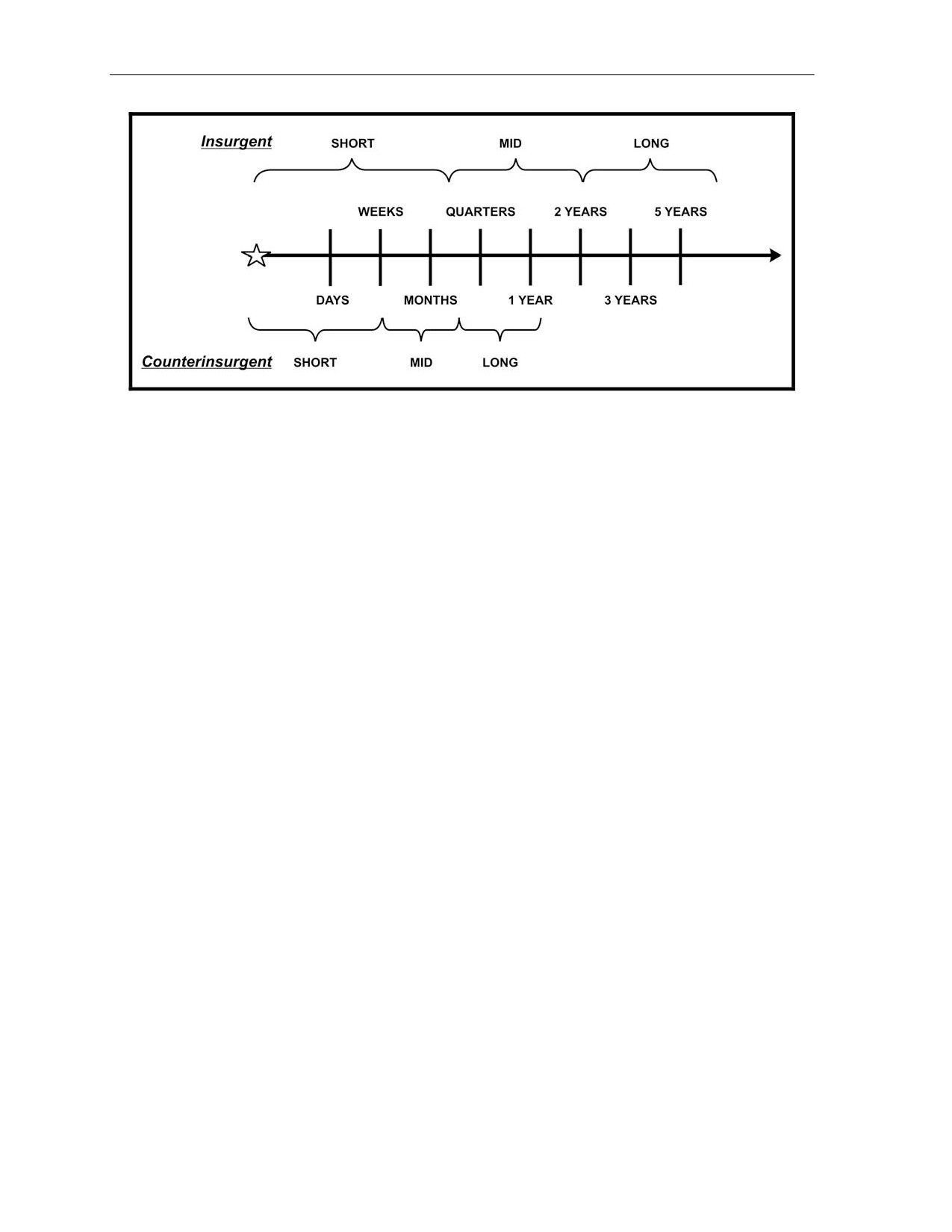
understand that popular support for extended operations may diminish over time. Figure 1-1 shows the
difference between a western counterinsurgent’s and an insurgent’s perspective of time.
21 April 2009
FM 3-24.2
1-5
Chapter 1
Figure 1-1. Comparison of insurgent's and counterinsurgent's perspectives of time.
MISSION VARIABLES
1-30.
While analysis, in terms of the operational variables, improves understanding of the operational
environment, it does not lend itself directly to mission accomplishment. For operations at the tactical level,
the Army uses the mission variables of METT-TC (mission, enemy, terrain and weather, troops available,
time available, and civil considerations) to help a unit understand its mission within the context of its
specific OE. For COIN, civil considerations are especially important. When commanders and staff receive
a specific mission, or identify a particular problem, they can draw relevant information from their ongoing
analysis of their OE (using operational variables) to further complement their analysis of mission variables.
Use of the mission variables, combined with the knowledge of the operational variables, enables leaders
to understand the threat, act effectively, and anticipate the consequences of their operations before
and during mission execution.
MISSION
1-31.
Mission is the task, together with the purpose, that clearly indicates the action to be taken and the
reason therefore (FM 1-02). At the brigade, battalion, and company level, the COIN force conducts tactical
operations, across seven COIN lines of effort. These incorporate the five stability tasks—establish civil
security, establish civil control, support HN security forces, support to governance, restore essential
services, support to economic development, and conduct information engagement. These tasks are
described in detail in Chapter
3 and Chapter 4. Lethal efforts may include patrols, raids, and cordon
and searches. Nonlethal efforts may include attending council meetings, engaging tribal leaders,
or repairing damaged infrastructure.
ENEMY
1-32.
COIN operations, by nature, involve a confusing enemy situation, since the enemy generally lacks
a traditional task organization (FM 34-130). Moreover, the enemy (insurgents) can have a varying level
of training, capability, commitment, involvement, and experience. In addition to analyzing the insurgent’s
disposition, composition, strengths, and weaknesses, counterinsurgents must identify and understand the
five elements of the insurgency—leaders, guerrillas, auxiliary, underground, and mass base. Furthermore,
it is important to understand the eight dynamics of the insurgency—its leadership, ideology, objectives,
environment and geography, external support, internal support, phasing and timing, organizational
and operational patterns. Finally, it is critical to identify which of the six strategies—urban, military
focused, protracted popular war, conspiratorial, identity, and composite and coalition—the insurgent
is employing. (For more on insurgency, see Chapter 2.)
1-6
FM 3-24.2
21 April 2009
Operational Environment of Counterinsurgency
TERRAIN AND WEATHER
1-33.
Terrain includes natural features, such as rivers and mountains, and man-made features, such
as cities, airfields, and bridges. Weather describes the conditions of temperature, wind velocity,
precipitation, and visibility at a specific place and time. When evaluating the effects of terrain and weather
on COIN operations, the commander should consider the effects of seasons of the year (to include planting
and harvesting periods); phases of the moon; and coastal tides. In particular, he concentrates on—
• The effects of the weather—which mainly includes his Soldiers, equipment, and visibility, but
also includes other factors such as mobility;
• The suitability of terrain and road nets for tactical and logistical operations.
1-34.
He focuses on the effects of the terrain on Soldiers, equipment, visibility, and mobility. Units and
staffs study the terrain in relation to the factors of OAKOC:
• Observation and fields of fire
• Avenues of approach
• Key and decisive terrain
• Obstacles
• Cover and concealment.
TROOPS AND SUPPORT AVAILABLE
1-35.
Successful counterinsurgency operations depend upon the commander using his available assets
to maximize force strengths and minimize vulnerabilities. To do this, the commander realistically appraises
the capabilities and limitations of his assets, as well as joint, interagency, international, and multinational
elements, to organize and employ them on suitable missions. In the COIN environment, the tactical unit
must identify, account for, and leverage all HN security forces—police, army and paramilitary—to secure
and control the population and disrupt the insurgency.
TIME AVAILABLE
1-36.
For tactical operations, time available for planning and execution varies. Major operations need
prolonged periods of time for detailed planning. Stability operations that address political, economic,
and social issues usually take a considerable length of time to complete. As such, after the initial period
of planning, the time available for modified or future planning is often quite long.
1-37.
When planning short-term actions such as offensive operations against fleeting insurgent targets,
planning time is usually short, and information is scarce. Commanders at all levels can use the time
available to them more efficiently by planning contingency missions. One method to reduce planning time
is to codify routine tasks common to similar missions in SOP. When the need to execute a contingency
mission arises, the basic plan can be reviewed and planning expedited by making minor adjustment
as required.
CIVIL CONSIDERATIONS
1-38.
In COIN operations, the population is vital—since whoever the population supports has the
advantage. Consequently, civil considerations are normally the most important mission variable for COIN.
This variable comprises the influence of manmade infrastructure on the conduct of military operations.
21 April 2009
FM 3-24.2
1-7
Chapter 1
Section III—ANALYSIS OF CIVIL CONSIDERATIONS USING ASCOPE
An in-depth analysis of the civil considerations is vital for the long-term success of the counterinsurgent unit.
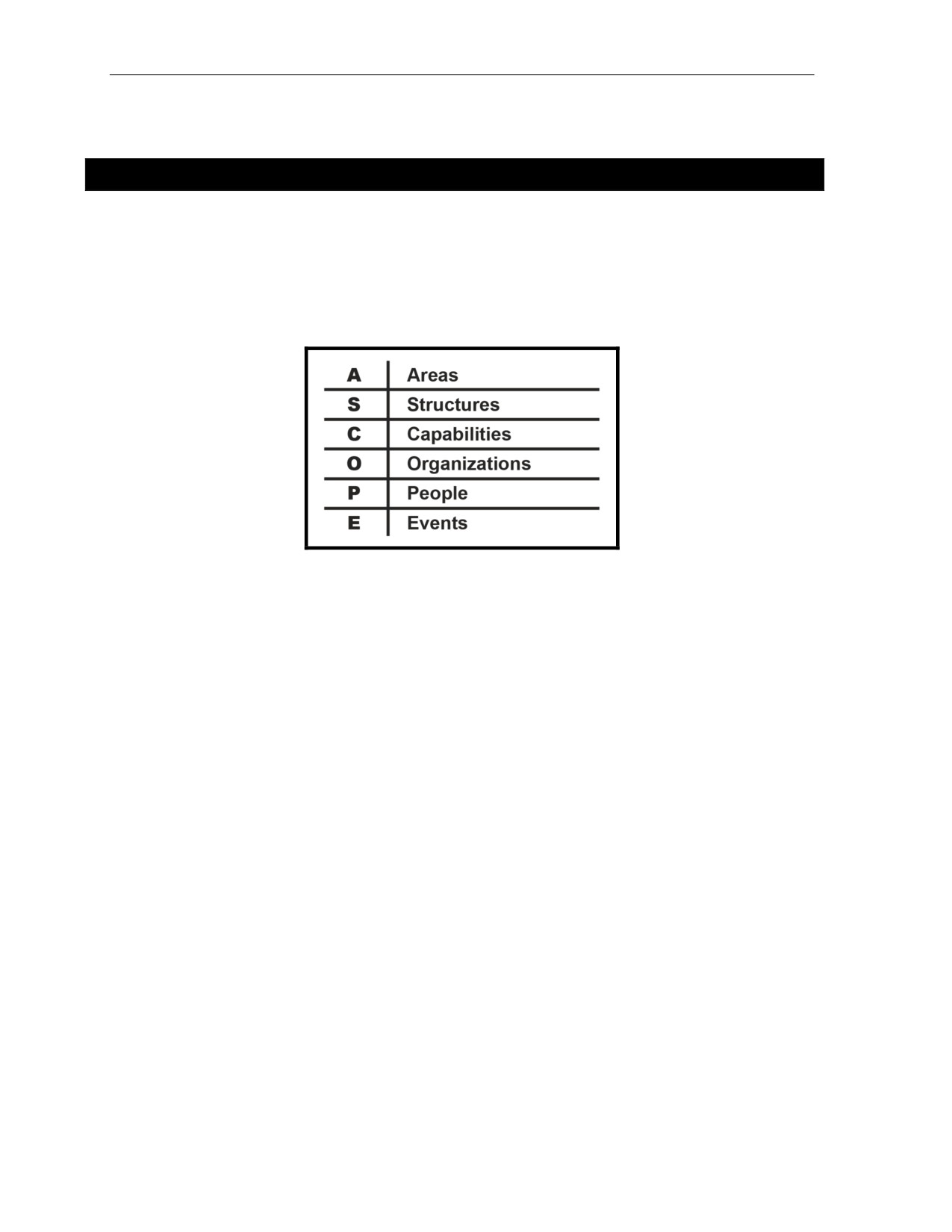
There are six categories of civil considerations: areas, structures, capabilities, organizations, people, and events,
represented by the useful memory aid, ASCOPE (Figure 1-2). During intelligence preparation of the battlefield
(IPB), the commander and staff analyze civil considerations from several perspectives—the population, the
insurgents, and the counterinsurgents—to determine the effects on friendly and enemy courses of action.
Analyzing the six categories of civil considerations from multiple perspectives aids in understanding of the OE,
and helps to isolate the insurgents from the population (FM 3-0 and FM 6-0).
Figure 1-2. ASCOPE.
METHODOLOGY
1-39.
While analyzing civil considerations, counterinsurgents should develop both ASCOPE matrixes
and map overlays. Developing these products should be done in partnership with HN security forces
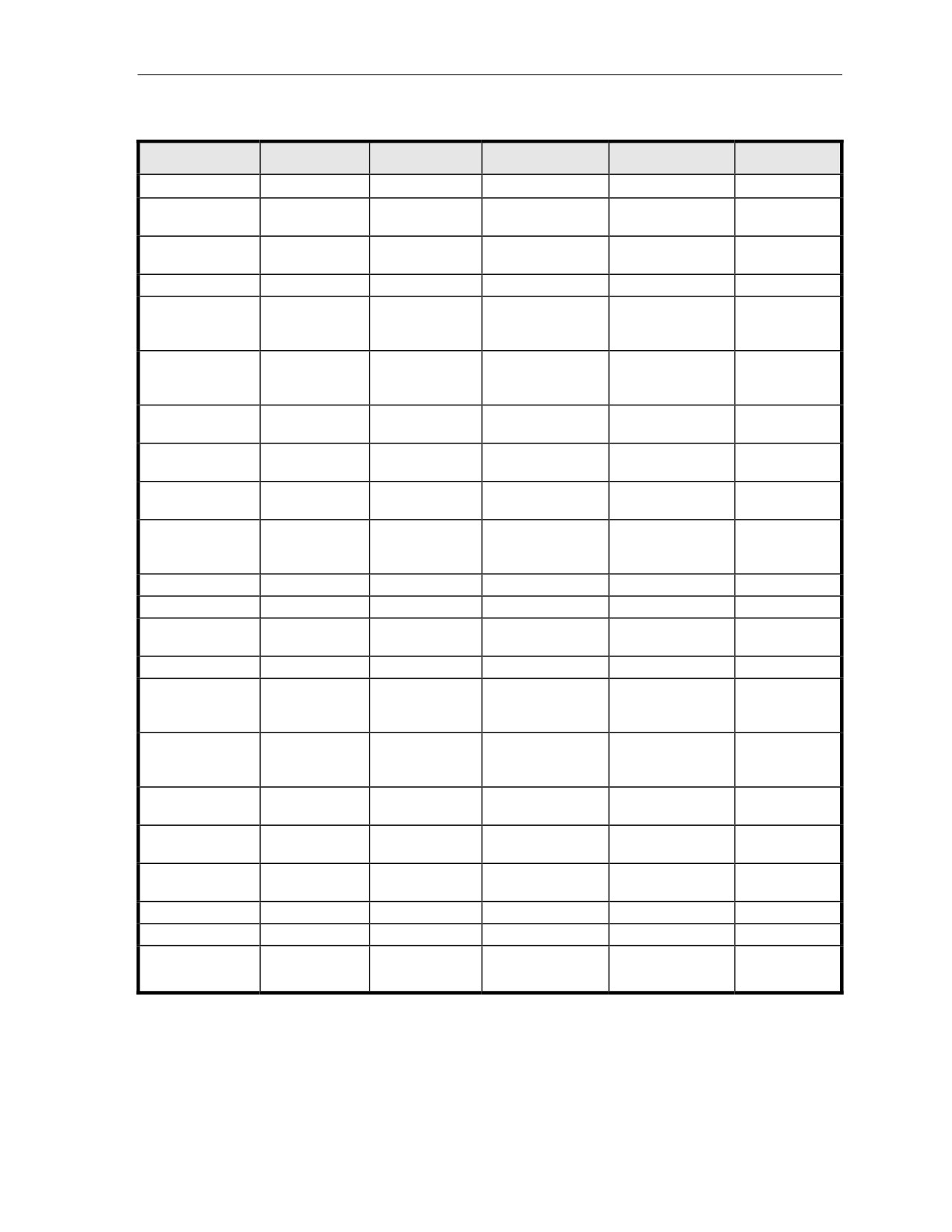
and local government officials. Effective civil considerations analysis facilitates understanding. Table 1-1
lists typical examples in each of the ASCOPE categories.
1-8
FM 3-24.2
21 April 2009
Operational Environment of Counterinsurgency
Table 1-1. Typical civil considerations within each ASCOPE category.
Area
Structure
Capabilities
Organization
People
Events
Tribe
Cemeteries
Sewer
Tribal
Phones
Weddings
Families/Clans
Religious
Water
Family/clan
Speeches
Birthdays
shrines
Ethnicity
Houses
Electrical
Religious
Face-to-face
Religious
of worship
meetings
gatherings
Religion
Bars/tea shops
Academic
Ethnic
Media/radio
Funerals
Economic
Social
Trash
US/coalition
Media/TV
Major religious
districts
gathering
forces
events
places
Smuggling
Print shops
Medical
Governmental
Media/print
Anniversaries
routes
agencies
(newspaper)
of wars
or battles
National
Internet cafes
Security
Farmers or
Visual
Holidays
Unions
(graffiti, signs)
Social classes
Television
Market (use
Community
Visual (videos,
Harvests
and goods)
DVDs)
Political districts
Radio station
Employment
Military or militia
Audio (pirated
Reconstruction
and commerce
units
or illegal radio)
openings
Military districts
Hospitals
Crime
Illicit organizations
Rallies
Town
and justice
or demonstrations
or council
meetings
School districts
Banks
Basic needs
Insurgent groups
Restaurants
Elections
Road system
Dams
Public health
Gangs
Door-to-door
Sports events
Water sources
Bridges
Economic (jobs)
Businesses
Internet
organizations
Water coverage
Police stations
Religion
Police
Markets
Water districts
Gas stations
Displaced
Nomads
Sports
persons
and refugees
Construction
Military
Political voice
Displaced
Religious
sites
barracks
persons
gatherings
and refugees
Gang territory
Jails
Civil rights,
Volunteer groups
Parks
individual rights
Safe areas/
Water pumping
Intergovernmental
Family gatherings
sanctuary
stations
organizations
Trade routes
Oil/gas
Political
Gas lines
pipelines
Power grids
Water lines
Contractors
Bars/tea shops
Power lines
NGOs
Food lines
Storage
Labor unions
Job lines
facilities
CIVIL CONSIDERATIONS OVERLAY
1-40.
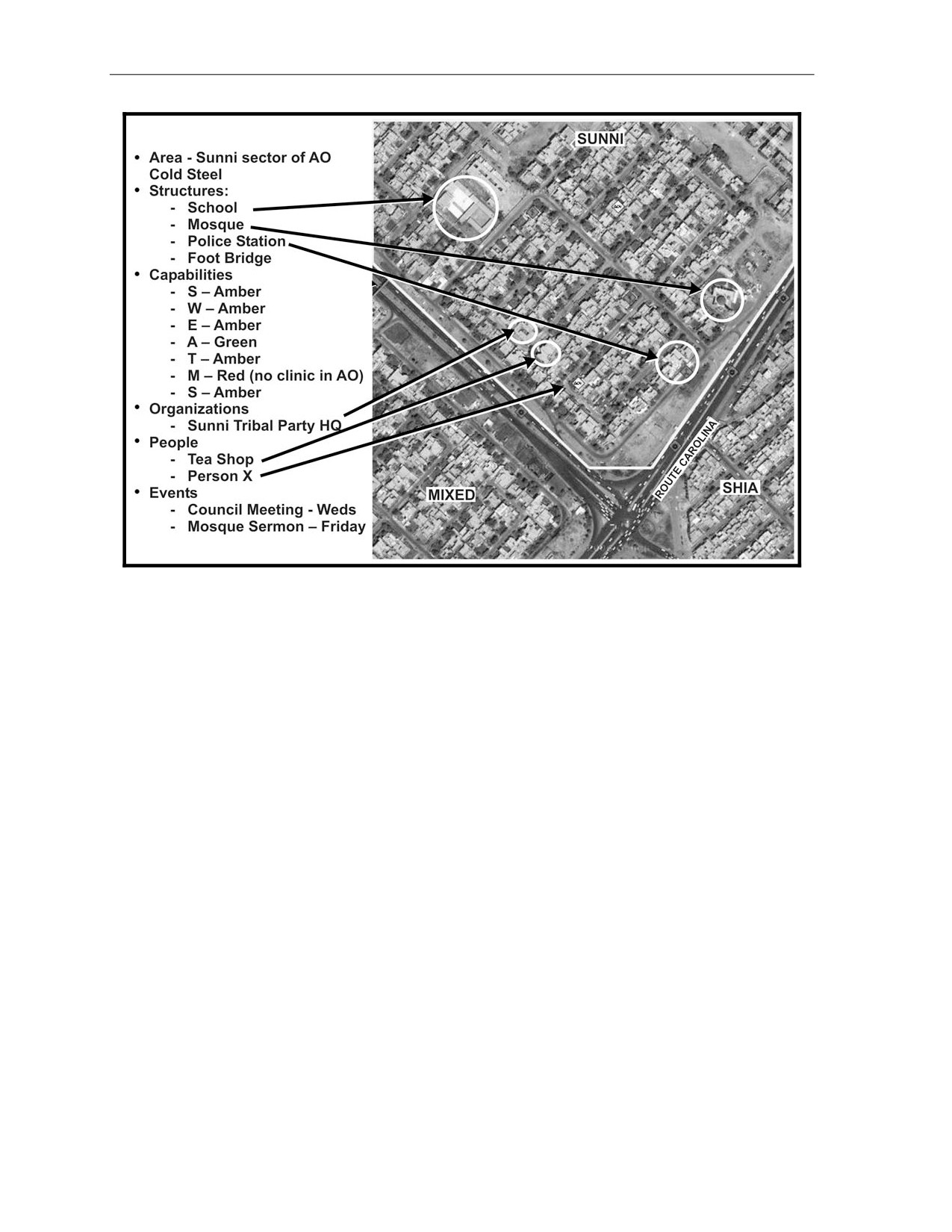
The civil considerations overlay provides insights to the area of operations by identifying
sectarian fault lines, demographic groups, and their issues. Figure 1-3 shows an example of a civil
considerations (ASCOPE) overlay.
21 April 2009
FM 3-24.2
1-9
Chapter 1
Figure 1-3. Civil considerations overlay.
CIVIL CONSIDERATION MATRIXES
1-41.
A separate matrix is a useful tool for each of the six ASCOPE categories for any demographic
group. Also helpful is an ASCOPE map overlay that shows the boundaries of each identified demographic
group. The government’s districts (police, utilities, political) often fall along natural demographic lines.
When they do not, the boundary conflicts with how the population defines its neighborhood. This can
cause friction between the population and government. For each area, staffs might want to first identify the
demographic group it contains. Then, they can work through the rest of the ASCOPE categories. For
example, a unit with an area that has two main tribes should develop a separate ASCOPE matrix for each
tribe. Three key perspectives aid in understanding the categories of ASCOPE:
POPULATION OR POPULACE
1-42.
This refers to the local community.
INSURGENT
1-43.
This refers to any group illegally impeding the functions of the government, such as insurgents,
militias, gangs, criminals, foreign agents, and terrorists.
COUNTERINSURGENT
1-44.
This refers to the perspective of the forces and groups conducting the counterinsurgency and those
supporting them. These elements can include HN security forces, local police, government leadership
and employees, US military, government agencies, Provincial reconstruction teams, and coalition
members.
1-10
FM 3-24.2
21 April 2009
Operational Environment of Counterinsurgency
AREAS
1-45.
This term refers to the specific localities within an AO, where a particular demographic group s
lives, neighborhood by neighborhood and block by block. Unless a unit occupies an ethnically
homogenous area, it will have multiple “areas” within its AO. In addition, a single demographic area may
cross several unit boundaries. Examples of specific areas include—
• Those defined by political boundaries such as city districts or regional municipalities.
• Social, political, religious, or criminal enclaves.
1-46.
Once a unit defines the geographic area occupied by a demographic group, then it should
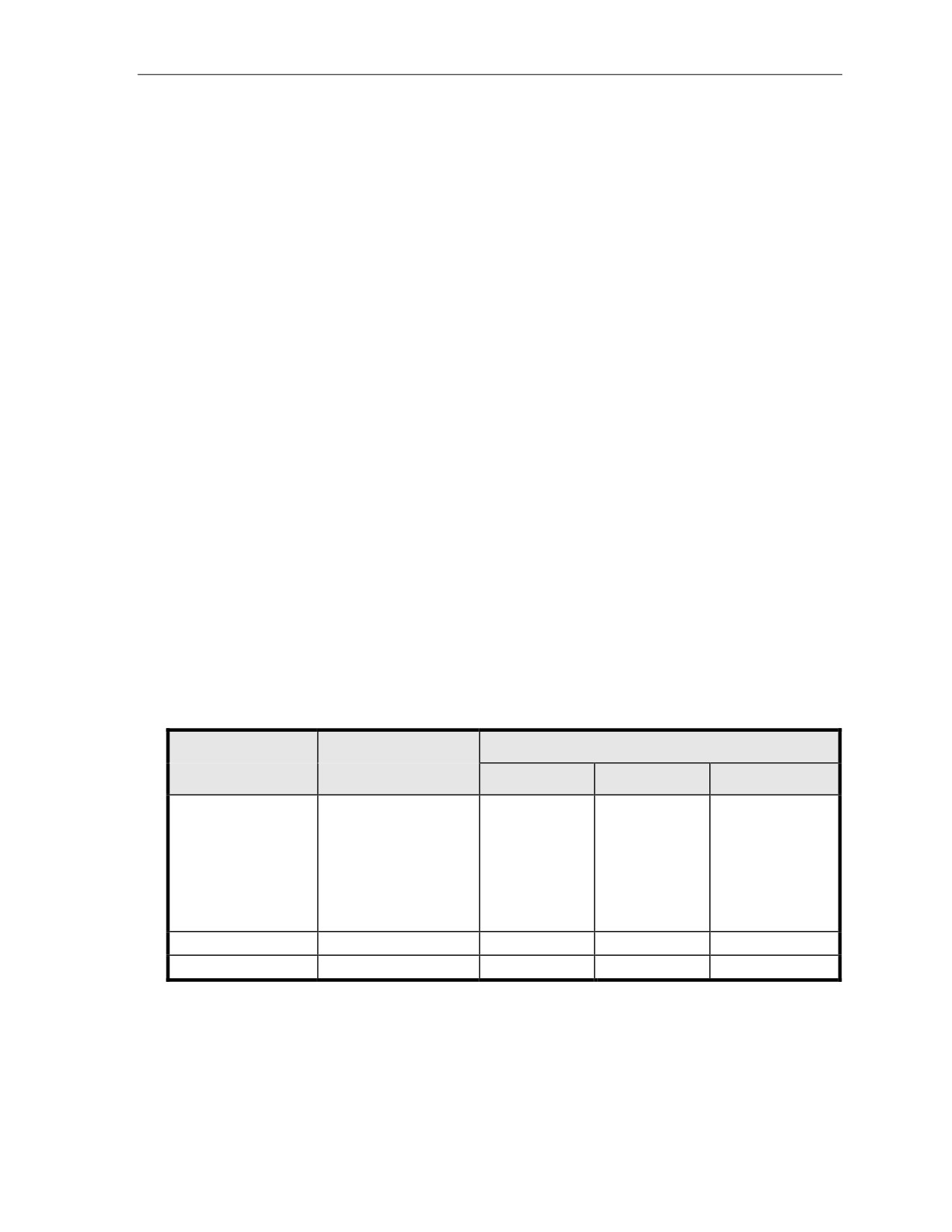
complete the remainder of the ASCOPE for that area. They repeat this for other areas. Table 1-2 shows an
example area matrix. Columns in this matrix include—
Area
1-47.
This column names or describes each of the sub areas of a unit’s AO, such as tribal, religious,
economic, or political districts.
Location
1-48.
This column describes the location or boundaries of each group. These boundaries will rarely be
pure, since often groups overlap.
Population
1-49.
This column describes how the population perceives and uses the area.
Insurgent
1-50.
This column shows how the adversary perceives and uses the area.
Counterinsurgent
1-51.
This column describes how counterinsurgents look at and use this area.
Table 1-2. Example area matrix.
From the Perspective of
Area
Location
Population
Insurgent
Counterinsurgent
Group/Tribe A
Grid
Safe haven;
Area provides
Nonpermissive
(specific name)
coordinates/boundaries,
Provides early
freedom of
terrain. All roads in
for example
warning from
movement,
area are high
attack;
protection from
threat. History of
community
government
IEDs/SAFs.
watches out for
forces, cache
each other
sites, safe
houses
Religious Group A
Boundary
Perspective is…
Perspective is…
Perspective is…
Political District A
Boundary
Perspective is…
Perspective is…
Perspective is…
STRUCTURES
1-52.
Existing structures can play many significant roles. Bridges, communications towers, power
plants, and dams are important infrastructure. Others, such as churches, mosques, national libraries,
and hospitals are cultural sites, play important roles in the community. Still others are facilities with
practical applications such as jails, warehouses, television/radio stations, and print plants. Some aspects
21 April 2009
FM 3-24.2
1-11

Chapter 1
of the civilian infrastructure, such as the location of toxic industrial materials, may influence operations.
Analyzing a structure involves determining how its location, functions, and capabilities support an
operation. Commanders also consider the consequences of using a certain structure. Commanders must
carefully weigh the expected military benefits against costs to the community that will have to be addressed
in the future. Table
1-3 shows an example structures matrix. Considerations for each of the
columns include—
Structure
1-53.
This identifies, defines, and names the specific structures within the AO.
Location
1-54.
This describes the specific location (grid coordinates) of each structure.
Population
1-55.
This describes how the population perceives and uses the structure.
Insurgent
1-56.
This describes how the insurgent perceives and uses the structure.
Counterinsurgent
1-57.
This describes how counterinsurgents look at this structure.
Table 1-3. Example structures matrix.
From the Perspective of
Area
Location
Population
Insurgent
Counterinsurgent
Hospital (specific name)
XM123456
Needed medical
Can provide black
Funding and
care, however,
market meds to fill
personnel
shortage of staff
shortages
shortfalls, needs
and meds
expanding
Houses of worship
Grid
Perspective is…
Perspective is…
Perspective is…
coordinates
Police stations
Grid
Perspective is…
Perspective is…
Perspective is…
coordinates
CAPABILITIES
1-58.
Capabilities refer to the ability of local authorities to provide citizens with key services such
as public administration, public safety, emergency services, and food. Capabilities include areas in which
the populace may need help after combat operations, such as public works and utilities, public health,
economics, and commerce. Capabilities also refer to resources and services that can be contracted
to support the military mission such as interpreters, laundry services, construction materials,
and equipment. The Host Nation or other nations might provide these resources and services. Commanders
and staffs analyze capabilities from different perspectives. They view capabilities in terms of those
required to save, sustain, or enhance life, in that priority.
1-59.
Within each demographic group, identify who is responsible overall for each item that is required
to save, sustain, or enhance life. Include preexisting needs as well as the needs of the populace after
combat operations or disaster. This will play a large part identifying root causes of the insurgency. These
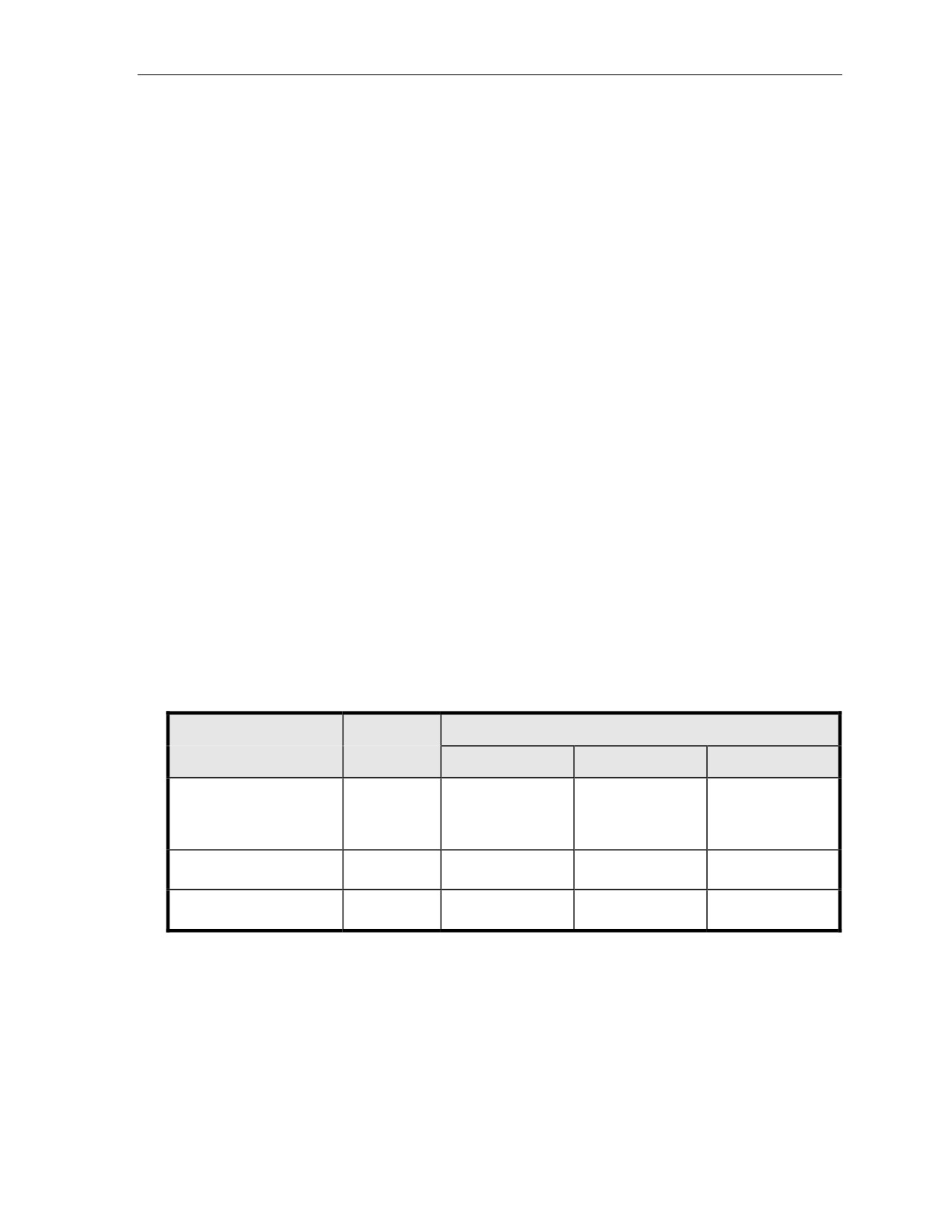
items are listed here as well but the focus is on who is responsible for each item. Table 1-4 shows an
example capabilities matrix. Considerations for each of the columns include—
1-12
FM 3-24.2
21 April 2009
Operational Environment of Counterinsurgency
Capabilities
1-60.
This, at a minimum, describes the SWEAT-MSO (sewer, water, electricity, academic, trash,
medical, safety, and other considerations) items.
Status
1-61.
This lists the status of each of the SWEAT-MSO items, for example—
Red
1-62.
Nonexistent or nonfunctioning.
Yellow
1-63.
Present but not fulfilling the requirements of the population, needs labor/parts/fuel
to maintain, expected to fail without support.
Green
1-64.
Satisfactory to sustain population.
Population
1-65.
This lists individuals that the population consider responsible for each specific
SWEAT-MSO item.
Insurgent
1-66.
This shows the perspective of the insurgency.
Counterinsurgent
1-67.
This lists the individual the local government considers responsible for each SWEAT-MSO item.
Table 1-4. Example capabilities matrix.
From the Perspective of
Area
Location
Population
Insurgent
Counterinsurgent
Sewer
Often red in
Blame tribal sheik;
Major issue to use
City manager
slums
hurts economic
against tribal
places low priority
development
sheiks; will destroy
on this tribal area
repairs
Water
Grid
Perspective is…
Perspective is…
Perspective is…
coordinates
Electrical
Grid
Perspective is…
Perspective is…
Perspective is…
coordinates
ORGANIZATIONS
1-68.
Organizations are nonmilitary groups or institutions in the AO. They influence and interact with
the populace, military units, and each other. Organizations generally have a hierarchical structure, defined
goals, established operations, fixed facilities or meeting places, and a means of financial or logistic support.
Some organizations may be indigenous to the area such as tribes and ethnic based groupings. Other
organizations include church groups, fraternal, patriotic or service organizations, labor unions, criminal
organizations, political parties, and community watch groups. Other organizations may come from outside
the AO. Examples of these include multinational corporations, United Nations agencies, US governmental
21 April 2009
FM 3-24.2
1-13

Chapter 1
agencies, and nongovernmental organizations (NGOs). Table 1-5 shows an example organizations matrix.
Considerations for each of the columns include—
Organization
1-69.
This identifies, defines, and names the specific organizations within the AO. Some may be
identified in the area matrix but this gives the details of the group where the area matrix identifies its
location.
Location
1-70.
This shows the specific location (grid coordinates) of each organization.
Population
1-71.
This shows how the population perceives and uses the organization.
Insurgent
1-72.
This shows how the insurgent perceives and uses the organization.
Counterinsurgent
1-73.
This tackles how the counterinsurgents look at this organization.
Table 1-5. Example organizations matrix.
From the Perspective of
Area
Location
Population
Insurgent
Counterinsurgent
Tribal
XM123456
Tribal loyalties and
Looks to increase
Must include tribal
interactions
intertribal strife,
leaders in
dominate life
violence
government
Political
Grid
Perspective is…
Perspective is…
Perspective is…
coordinates
Social
Grid
Perspective is…
Perspective is…
Perspective is…
coordinates
PEOPLE (MEANS OF COMMUNICATION)
1-74.
An important aspect of people is how they communicate. The term people includes all civilians
within the AO or AI whose actions or opinions can affect the mission. Both formal and informal means
of passing information, actions, opinions and political influence, are critical to understanding the AO. All
counterinsurgents should look for the obvious visual and audible signals as well as where people gather.
Visual examples include graffiti, posters, signs, billboards, murals, videos and DVDs, and television.
Audible examples include pirated radio broadcasts, loudspeakers from a Mosque, someone reading to a
group, speeches, and religious teachings or services.
1-75.
Most people who serve as the spokesmen in the community (community, labor, and religious
leaders) should also appear in the people matrix. If the counterinsurgent's information dissemination
techniques differ from the insurgents, this difference could explain why the enemy’s propaganda is more
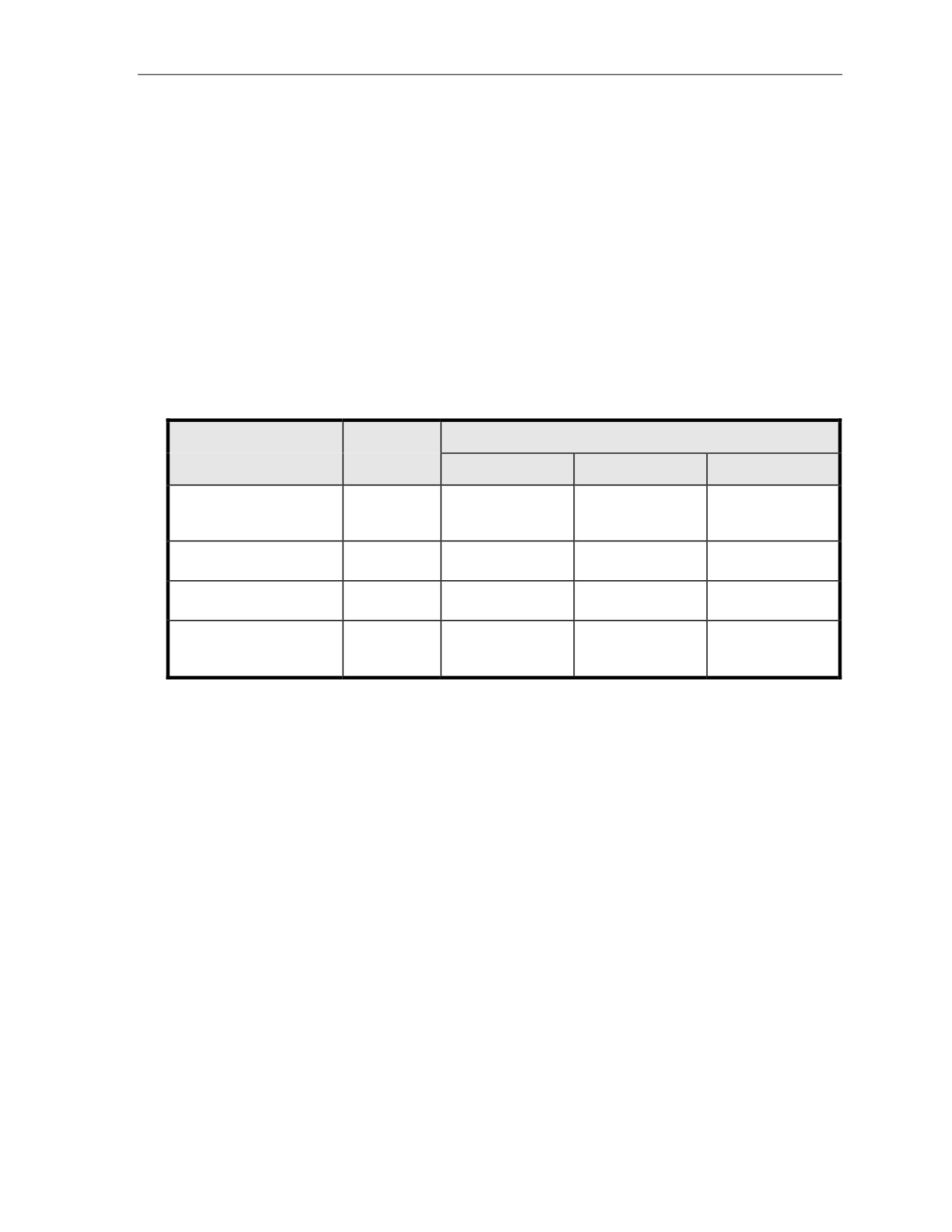
credible, timely, and considered to be more legitimate by the target audience. Table 1-6 shows an example
people matrix. Considerations for each of the columns include—
People
1-76.
This column identifies, defines and names the specific methods people use to communicate in this
area or key communicators.
1-14
FM 3-24.2
21 April 2009
Operational Environment of Counterinsurgency
Location
1-77.
This column shows the locations where people communicate or where key communicators live
and work.
Population
1-78.
This column describes who the population perceives as being a key source of communication.
Insurgent
1-79.
This column shows who the insurgents use to communicate with the population.
Counterinsurgent
1-80.
This column shows who the HN uses to communicate with the population.
Table 1-6. Example people (means of communications) matrix.
From the Perspective of
Area
Location
Population
Insurgent
Counterinsurgent
Phones
Grid
Local store owner
Unknown
Tribal and
coordinates
community leader
cell phones
Mass Media - Radio
Grid
Individual names…
Individual names…
Individual names…
coordinates
Religious services
Grid
Individual names…
Individual names…
Individual names…
coordinates
Individuals such as
Grid
Respected leader
Enemy of the
Tolerated because
mayor, police chief, of
coordinates
believed to be
people
not from same
store owner
unbiased
ethnic group
EVENTS
1-81.
Events, both public and private, are routine, cyclical, planned, or spontaneous activities that affect
organizations, people, and military operations. Examples include national and religious holidays,
agricultural crop/livestock and market cycles, elections, civil disturbances, and celebrations. Once tactical
units determine significant events, they must template the events and analyze them for their political,
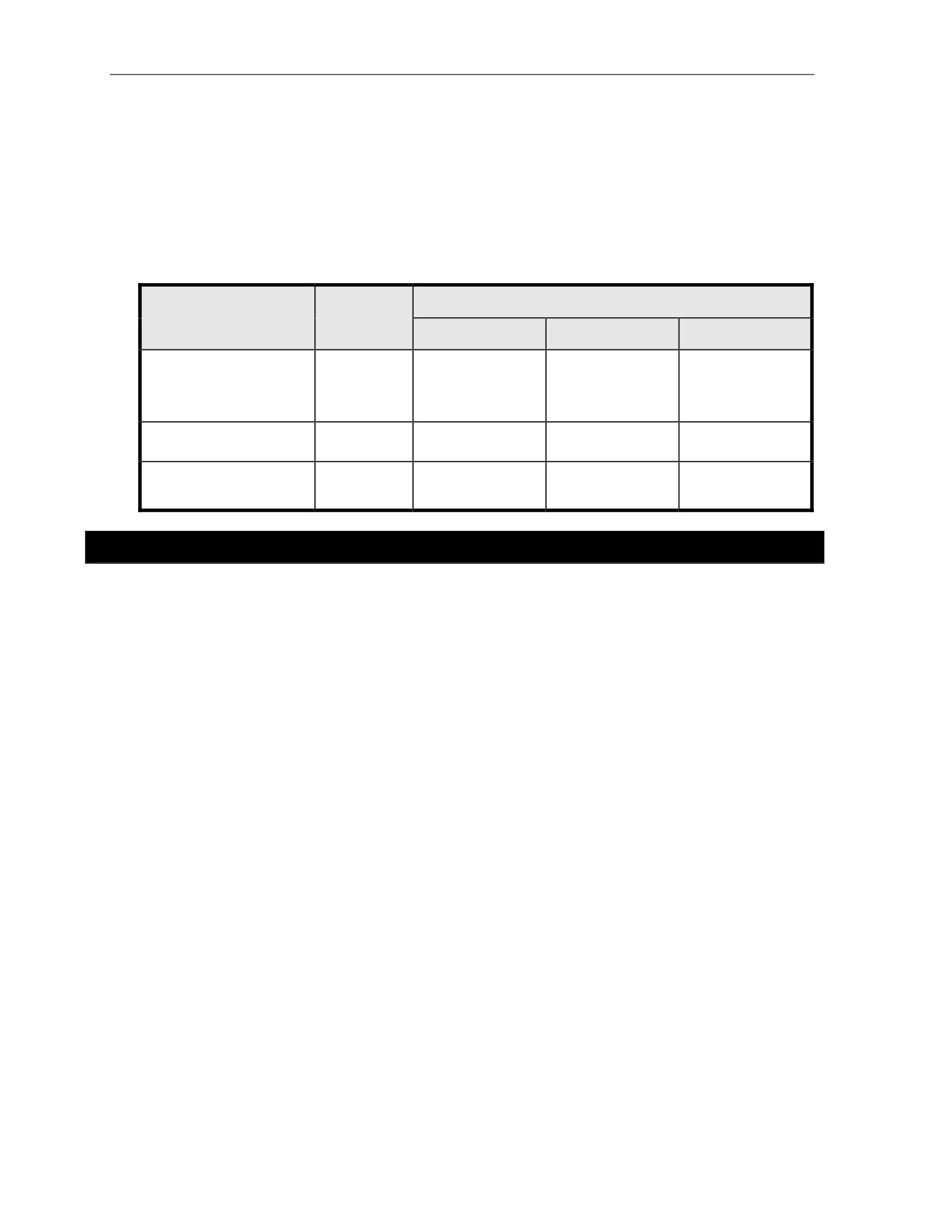
economic, psychological, environmental, and legal implications. Table 1-7 shows an example event matrix.
Event
1-82.
This column identifies and lists all events important to the populace. This includes annual events
such as religious holidays; seasonal harvests or migration of insurgents; or more frequent events like
council meetings, religious services, and special shopping days.
Location
1-83.
This column shows the location, normally in military format and includes a date-time-group
(DTG).
Population
1-84.
This column describes the population’s perception of the event.
21 April 2009
FM 3-24.2
1-15
Chapter 1
Insurgent
1-85.
This column comments on the insurgent’s perception of the event.
Counterinsurgent
1-86.
This column comments on how the HN perceives the event.
Table 1-7. Example event matrix.
From the Perspective of
Area
Location
Population
Insurgent
Counterinsurgent
Religious Festival XX
Route XYZ
One religion
Gives an
Religious freedom
approves; another
opportunity to
must be accepted
disapproves
promote religious
strife
Fire Station XX Opening
Grid
Perspective is…
Perspective is…
Perspective is…
coordinates
Funeral for XX
Grid
Perspective is…
Perspective is…
Perspective is…
coordinates
Section IV—EFFECTS
Describing the effects of the operational environment is the second step in IPB. It involves taking the facts
about an area of operations grouped by mission variables of terrain, weather, and civil considerations
and analyzing them to arrive at a conclusion about their effects on enemy and friendly courses of action.
In addition to the normal analytical tools, examining each of the prerequisites of an insurgency and the root
causes that lead to the insurgency have proved to be useful in identifying long-term societal problems. These
problems lie at the heart of the competition for the population’s support between the insurgent
and counterinsurgent.
PREREQUISITES
1-87.
There are three prerequisites for an insurgency to be successful in an area—a vulnerable
population, leadership available for direction, and lack of government control. When all three exist in an
area, an insurgency can operate with some freedom of movement, gain the support of the people,
and become entrenched over time.
VULNERABLE POPULATION
1-88.
A population is vulnerable if the people have real or perceived grievances that insurgents can
exploit. The insurgents can exploit the population by offering hope for change as well as exploiting
political, economic, or social dissatisfaction with the current government. A gap between population’s
expectations and the capability to meet these expectations may cause unrest within the population,
including turning to insurgency. The larger the gap, the greater the population’s perceived, or relative,
sense of deprivation between what they have and what they perceive they should have. Similarly, the larger
the gap, the more susceptible the population is to insurgent influence through promises to close the gap.
1-16
FM 3-24.2
21 April 2009
Operational Environment of Counterinsurgency
LEADERSHIP AVAILABLE FOR DIRECTION
1-89.
A vulnerable population alone will not support an insurgency. There must be a leadership element
that can direct the frustrations of the population. If insurgents can recruit, co-opt, or coerce local leaders or
the local leaders are part of the insurgency, these leaders can direct the frustrations of the populace.
LACK OF GOVERNMENT CONTROL
1-90.
Real or perceived lack of governmental control can allow insurgents to operate with little or no
interference from security forces or other agencies. The greater the control the government has over the
situation, the less likely are the chances for insurgent success. The opposite is also true. If the government
is not providing what the people believe their government should, insurgents may provide an alternative
government, or “shadow” government, or they may merely nullify governance to allow freedom of action
and movement, depending on their end state. Host Nation failure to see or admit that there is an issue
or outright refusal to change can further strengthen this prerequisite.
ROOT CAUSES
1-91.
There are five general categories of root causes for insurgencies. A root cause is the basis of a
grievance among the population. Some or all of these grievances may fuel an insurgency to varying
degrees. The importance of the root causes, or even their existence, can change over time. Additionally,
insurgents may be adept at manipulating or creating root causes and grievances to serve their purpose.
IDENTITY
1-92.
Many factors impact a person’s sense of identity, but membership in a socio cultural group may
have the deepest influence. Strong feelings based on identity can be in conflict with the group identity
of the majority of the members of the Host Nation government, potentially leading to insurgencies with
secession or political overthrow as goals. External nations with similar social identities as the insurgents
may assist.
RELIGION
1-93.
While religion is often a primary identity, it can become important enough to be a considered a
separate identity unto itself. In this way, religious fundamentalism or extremism can become a root cause
of an insurgency in and of itself. External groups with similar extremist religious views as the insurgents
may assist.
OCCUPATION OR EXPLOITATION
1-94.
Popular perception of outsiders either occupying the HN, or excessive HN pandering to outsiders,
can be a source of insurgency. For example, foreign businesses can dominate critical portions of the local
economy. This can occur to the point that some may feel that they or their country are being exploited.
An outside military presence or military treaty may offend national sentiment. The mere presence
or specific actions of foreigners may offend religious or cultural sensibilities as well.
ECONOMIC FAILURE
1-95.
Pervasive and desperate poverty can often be a root cause of an insurgency. Starving young
people without jobs or hope are ripe for insurgent recruitment. A large gap between the vast poor majority
and a small extremely rich minority will exacerbate these issues.
21 April 2009
FM 3-24.2
1-17
Chapter 1
CORRUPTION AND REPRESSION
1-96.
Corruption and repression can lead to popular dissatisfaction with the current government.
Rampant corruption leads to the loss of HN legitimacy and possibly a desire to change or replace the Host
Nation government.
Section V—CULTURAL COMPETENCE AND SITUATIONAL AWARENESS
Culture can be defined as the set of a system of shared beliefs, values, customs, behaviors, and artifacts that
members of a society use to cope with their world and one another. Since all wars are fought in and amongst a
population, the Army seeks to develop an ability to understand and work with a culture for its Soldiers
and leaders. Cultural capability is the blend of individual competence in understanding the general
characteristics and the characteristics of specific cultures, derived from a cumulative set of cultural knowledge,
skills, and attributes to help forecast and favorably influence the behavior of the target group or society. This
section will define culture; identify the two major components of culture capability—cross-cultural competence
and regional competence; and discuss the three cultural proficiency levels—cultural awareness, cultural
understanding, and cultural expertise—within a culture capability.
CULTURE
1-97.
Each society is composed of both a social structure and culture. Social structure refers to the
relations among groups of persons within a system of groups. Social structures persist over time. That is, it
is regular and continuous despite disturbances, and the relation between the parts holds steady even
as groups export contract. In an army, for example, the structure consists of the arrangement into groups
like divisions, battalions, and companies, and the hierarchy of ranks. In a society, the social structure
includes groups, institutions, organizations, and networks. Social structure involves the arrangement of the
parts that constitute society, the organization of social positions, and the distribution of people within those
positions. Some elements of the social structure are considered here:
SOCIAL GROUPS
• What are the major groups both inside and outside their AO?
• What are the formal relationships, such as treaties or alliances; and the informal relationships
such as tolerance or friction between groups? What are the cleavages between groups
and crosscutting ties, for example, religious alignments that cut across ethnic differences?
• Do the insurgent leadership and their rank and file belong to separate groups? Does the
population belong to a different social group than the insurgents? Can seams among insurgents
or between insurgents and the population be widened?
• How do people identify themselves (tribes, religions, ethnicity, provinces/regions, classes,
occupations, and common language)?
• Are there a large number of homeless, refugees, squatters, internally displaced persons (IDPs)?
What do the people think of them?
NORMS, ROLES, AND STATUSES
• What are the expected behaviors (roles) of people in different social status? How should a
parent, political leader, military figure, or religious leader behave? What are the appropriate
treatments for women and children? What are the common courtesies, such as gift giving?
What are the local business practices, such as bribes and haggling?
• What are the traditional roles of each family member?
• What are people in the society expected to do (norm)? Norms may be either moral (incest
prohibition, homicide prohibition) or customary (prayer before a meal, removing shoes before
entering a house). How important is being on time in the society (business, social gatherings)?
1-18
FM 3-24.2
21 April 2009
Operational Environment of Counterinsurgency
• What are the punishments (formal and informal) for role violations? What will the people
disapprove of? What are the requirements for revenge if honor is lost?
Interrelated Nature of Culture
1-98.
Culture is learned, shared by members of a society, patterned, changeable, arbitrary,
and internalized, in the sense that it is habitual, taken for granted, and perceived as “natural” by people in
the society. Culture conditions the individual’s range of action and ideas, including what to do and not do,
how to do or not do it, and whom to do it with or not to do it with. Culture also includes under what
circumstances the “rules” shift and change. Culture influences how people make judgments about what
is right and wrong, assess what is important and unimportant, categorize things, and deal with things that
do not fit into existing categories. Cultural rules are flexible in practice.
Taxonomy
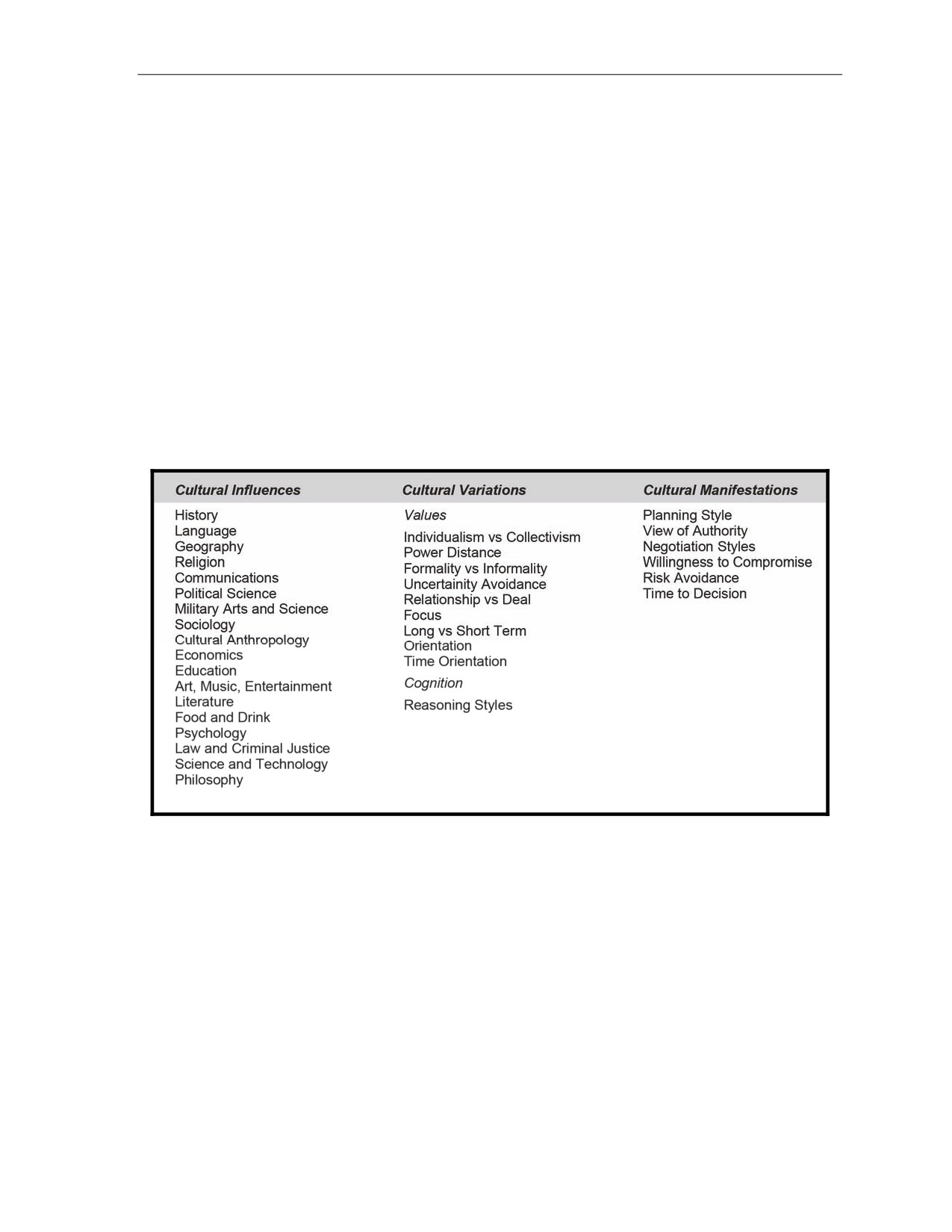
1-99.
One simple way to show a culture is to build a chart that systematically distinguishes, orders,
and names groups—a cultural taxonomy. In order to do this, leaders and staffs must define a culture’s
influences, variations, and manifestations. Cultural influences and cultural variations explain why the
culture is the way it is. Cultural manifestations refer to what one may encounter in a culture. Figure 1-4
shows an example of a culture’s taxonomy.
Figure 1-4. Taxonomy of culture.
ELEMENTS OF CULTURE
1-100. The size of a nation, its diverse subcultures, different educational levels and geographic
backgrounds contribute to a great range of cultural variances amongst individuals and groups. Members
of the population view cultural influences differently depending on their geographic location or identifying
group. Some elements of culture should be identified and evaluated in a counterinsurgency operation. The
following questions can aid units in defining the different elements of culture:
History
• What are the major wars, massacres, and conflicts that shaped the culture?
• What are some of the great leaders, heroes, or legends in the nation's history?
• What are some of the villains (infamous) people in the nation's history?
21 April 2009
FM 3-24.2
1-19
Chapter 1
•
Who founded the country? Who brought it to its modern form?
•
What are some of the significant eras, generations or major shifts in a nation that are
significant?
Language
•
What are the common languages or dialects spoken?
•
Standard words and phrases universal in all cultures (formal and informal):
Hello.
Goodbye.
Please.
Thank you.
You're welcome.
How are you?
May I help you?
•
Common sayings in a culture, for example, "God bless you" or "God save the Queen."
•
"Excuse me" or "Pardon me."
•
Toasts with appropriate beverages, such as coffee or beer, are sociable.
•
Grace or well wishes (for food)—meals are sociable.
•
What are the common sayings, clichés, or slang?
•
What is customary during greeting and departing (shake hands, kiss, and bowing)?
Geography
•
What typically defines a community or neighborhoods, for example, economic, ethnic, tribal,
religious, or political traits? Where are the neighborhood boundaries?
•
Where do new arrivals, immigrants, workers, and IDPs typically come from? Why did they
migrate here? Is the migration seasonal, temporary, or permanent?
•
What are the most significant local natural and man-made landmarks and structures (for
example, religious, historical, cultural)?
Religion
•
What are the main religions? Is there an official religion?
•
What are important religious events and holidays?
•
What is the role of religious leaders within the society?
•
What is traditional for funerals and mourning?
•
Are there any tensions in the nation due to religious differences?
•
What are the tenets of the main religions?
Communications
• How do people communicate?
• How do the people receive information? Radio, TV, newspaper, meetings, word of mouth)?
• Where do the people usually gather? Bars, tea or coffee shops, cafes, or markets?
• Where do people socialize or congregate randomly in previously unrecognized manners, for
example, wait in long lines, for day labor, in traffic, or at sporting events and tournaments)?
• Who are the principal communicators within the local community?
Political Science
• How do people view the role of the Host Nation government?
• What are the roles of and how important are civilian (nongovernmental) community leaders?
• What are the major political parties?
• Is the local government effective? Why or why not?
• What civil and human rights do the populace hold most sacred?
1-20
FM 3-24.2
21 April 2009
Operational Environment of Counterinsurgency
• Is the government secular or religious?
• Does the country have a constitution, document, guideline that lays out the role of government,
rights of the people, and laws?
Military Arts and Science
• How respected is military service in the culture? How are veterans treated?
• Who are some of the famous military leaders or revolutionaries in the country?
• Is there an NCO corps? How are NCOs selected? What are their duties and responsibilities?
What is their relationship with officers and Soldiers?
• What oath of allegiance, if any, do members of the military swear upon enrollment?
• What colors, banners, symbols, or uniforms do antigovernment forces use?
Sociology
• Do the people identify themselves with organizations or affiliations (tribes, religions, ethnicity,
provinces/regions, classes, occupations, and common language)?
• What are the major problems and underlying issues with the people (root causes)?
• Are there a large number of homeless, refugees, squatters, internally displaced persons (IDPs)?
What do the people think of them?
• What is customary in dealing with guests or strangers? Are people friendly or guarded with
strangers?
• What are some of the core values of the people that define who they are?
• What is the daily or weekly schedule of most citizens (wakeup, meals, work, social time,
sleep)?
Cultural Anthropology
•
Have current warring groups/factions ever lived side-by-side in peace? What changed?
•
What are some of the key cultural aspects of the local tribes or nomadic groups?
•
What are the traditional roles of each family member?
•
Whom do the people look to for leadership (governmental and nongovernmental)?
•
How important is being on time in the society (business, social gatherings)?
•
How do they correct social mistakes?
Economics
•
What export or local product are the people known for and the most proud of?
•
Are bribes or "gifts" normal in dealing with businesses, government officials, or police? What
is acceptable (levels of corruption)?
•
What infrastructure is required to support economic growth (electricity for factories, roads
to move produce, security to minimize extortion/black market)?
•
What is the daily wage of an average worker/laborer? Which jobs are considered honorable?
•
What economic organizations are important and influential in the society
(labor unions,
merchant guilds)?
•
Is there a local black market? Who is involved, what products, and how tied to the community
and local government?
•
Are prices fixed or negotiated in normal commerce?
Education
•
What is the literacy rate?
•
Who goes to school (males, females, all, optional)? What is the last year of general public
education?
•
Are public schools secular or religious? How?
21 April 2009
FM 3-24.2
1-21
Chapter 1
• What influence do local universities have, for example, do the professors promote radicalism
and do the schools serve as recruiting centers?
Art, Music, and Entertainment
• How important is the national anthem to the populace? What do the lyrics mean?
• What types of music do the most people listen like?
• What types of movies do they like?
• What are their favorite holidays, and how do they celebrate them? What types of food do they
eat during holidays and special occasions?
• What are some of the most popular hobbies and recreations?
Literature
• What types of stories do children read? What are the morals of these stories?
• What stories, fables, and epics, oral or written, pass down through families or communities?
Do these help define the culture?
• Who are the most famous—or infamous—characters in popular literature?
• What are some the legends of the nation's past?
• What are the popular books, and who are the controversial authors (past and present)?
Food and Drink
• What is the local cuisine?
• What are some typical or traditional foods and drinks?
• How are they prepared?
• How important is sharing a meal?
• Is there any food or drink culturally forbidden?
Psychology
• Who or what do people fear?
• Rank the following from 1 (most important) to 7 (least important):
God
Family
Tribe
Neighborhood
Country
Political party
Ethnic group
• Rank the following from 1 to 7 (most to least important):
Esteem needs (self-esteem and respect of others).
Safety needs (security and stability).
Self-actualization (meet ones potential).
Love needs (belonging).
Physiological needs (basics necessities—water, food, shelter).
Law and Criminal Justice
• Who makes and enforces the local laws? What justice can the victims or their families
exercise?
• What are the basic rules of the road, traffic laws, and right of way? Are they followed?
• What types of organized crime exists? What symbols, colors, graffiti, or uniforms do local
gangs or organized crime use? What does each mean (marks territory, identifies targets,
intimidates populace)?
• How do the people feel about corporal punishment and capital punishment?
1-22
FM 3-24.2
21 April 2009
Operational Environment of Counterinsurgency
• What could dishonor an individual, family, or group? How do you correct serious situations
between individuals, families, or groups or families?
Science and Technology
• Does the country or area have Internet service? Satellite or hardwired?
• Does the enemy use the Internet? How and why?
• What Internet sites are forbidden or blocked?
• What is the country recognized for inventing or discovering? What do the people generally
believe their country invented or discovered?
CULTURAL VARIATIONS
1-101. Cultural variations are the behaviors, values, and interests common to a culture. Understanding
these variations allows US and HN security forces to interact and thus to operate more effectively
in negotiations, advisory roles, population control, and daily interaction with the populace to gain better
cultural competence.
Behaviors
1-102. A culture’s behavior consists of actions which can be sensed; specifically a group’s language,
social mores, customs, structures, and institutions. Culturally competent units understand and train
to recognize these behaviors as a means to identify insurgent actions, anticipate the population actions,
and detect subtle changes within the population. Actions inconsistent with the population’s behavioral
norms could be indicators of guerrilla activity, internal conflict, or the confirmation or denial
of intelligence. Living and operating among the population is essential to understanding population
behavior.
Values
1-103. Values are the principles the population uses to evaluate alternatives or consequences of decisions
and actions. A value is a concept that describes the beliefs of an individual or culture and is identity based,
for example, Army Values. Values are how people understand what they are and what they will and will
not tolerate. Values define their sense of honor and respect. Values are often unchangeable. Soldiers never
attempt to change the population’s values, confuse its interests with its values, or use its interests in an
attempt to alter its values. During tactical operations, counterinsurgent forces prioritize the population’s
values over its interests to demonstrate the Host Nation government’s legitimacy in supporting the
population.
Interests
1-104. An interest is what the population wants or desires for a group’s benefit or advantage (it is often
perceived as a right or legitimate claim). An interest may be flexible and can change. Interests are linked to
the situation, such as what people want at present. US perceptions should not dictate what the population
needs and wants. The insurgency likely understands these needs and wants and eagerly exploits them
to gain support, as well as to turn the population away from the HN government. A vulnerable population
gravitates towards who it feels best understands and satisfies its needs and wants. During tactical COIN
operations, the counterinsurgent must know the local population’s difference between a need and a want
and not operate with a US cultural bias.
CULTURAL MANIFESTATIONS
1-105. Cultural manifestations are the concrete displays of a culture’s thought and behavior measured by
the senses. It is how a population demonstrates its views on authority, legitimacy, negotiation style,
compromise, and other similar thoughts and behaviors.
21 April 2009
FM 3-24.2
1-23
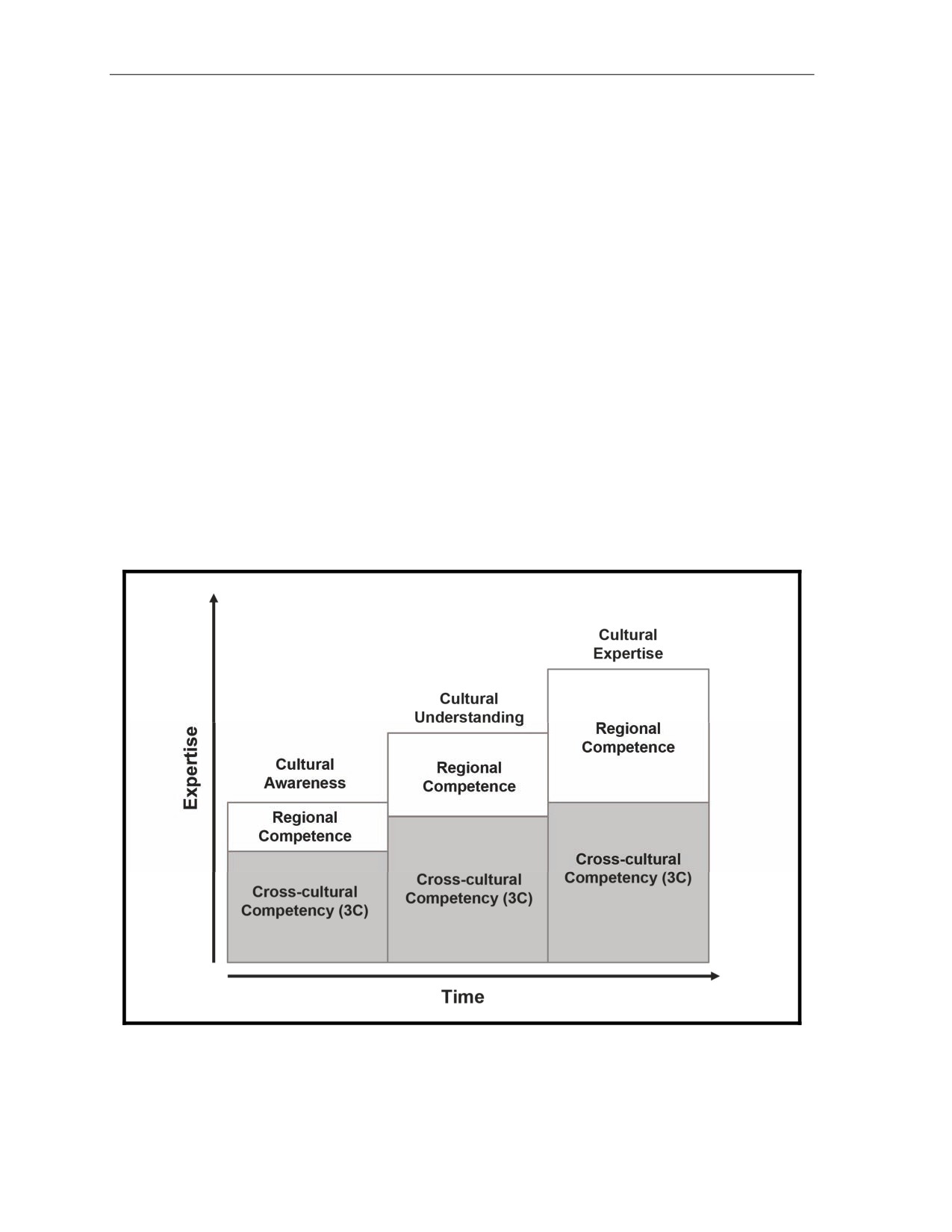
Chapter 1
CULTURAL CAPABILITY
1-106. Cultural capability has two major components:
CROSS-CULTURAL COMPETENCY
1-107. Cross-cultural competency (3C) includes general cultural knowledge, skills, and attributes. All
Soldiers must devote time to developing cross-cultural competency. It forms the foundation
for understanding any culture, and is developed by studying the humanities, including movies and other
media; traveling to other countries; and personally interacting with people from countries outside the US.
REGIONAL COMPETENCE
1-108. Regional competence includes culture-specific knowledge, skills, and attributes that pertain to a
given country or region. Regional competence is developed by lifelong study of a region and tailored
training during preparation for a deployment.
CULTURAL PROFICIENCY LEVELS
1-109. As Soldiers develop cross-cultural competence and regional competencies over time, broad
descriptions of their proficiency levels show the depth of their knowledge, skills, and attributes in those
competencies. These descriptions represent a standard that culture and foreign language education
and training are designed to achieve. The following paragraphs define the cultural proficiency levels,
and Figure 1-5 shows how they change over time:
Figure 1-5. Changes in cultural capability over time.
1-24
FM 3-24.2
21 April 2009
Operational Environment of Counterinsurgency
CULTURAL AWARENESS
1-110. This proficiency level describes Soldiers who demonstrate basic cross-cultural competence in all
three subcomponent areas: culture fundamentals, cultural self-awareness, and culture skills. They will have
a minimal level of regional competence necessary to perform assigned tasks in a specific geographic area.
These Soldiers will be able to describe key culture terms, factors, and concepts. Additional characteristics
of cultural awareness are—
• Cultural awareness sets the conditions to learn about foreign cultures and people.
• Cultural awareness includes Soldiers who have an appropriate mind-set and a basic culture
capability.
CULTURAL UNDERSTANDING
1-111. This proficiency level describes Soldiers and leaders with well-developed cross-cultural
competence. They will have a comprehensive level of regional competence that allows them to accomplish
the mission in a specific geographic area. These Soldiers will be able to apply relevant terms, factors,
concepts, and regional information to their tasks and mission. Additional characteristics of cultural
understanding are—
• The proficiency category of cultural understanding includes Soldiers who are familiar with a
specific region and have the ability to identify economic, religious, legal, governmental,
political, and infrastructural features of a specific region.
• Cultural understanding also includes Soldiers who are aware of regional sensitivities regarding
gender, race, local observances and local perception of the US and its allies.
CULTURAL EXPERTISE
1-112. Cultural expertise is a proficiency level that describes culture professionals and leaders who
possess an advanced level of cross-cultural competence. They will have an advanced and sophisticated
level of regional competence pertaining to a specific geographic area. These Soldiers will be able
to integrate and synthesize terms, factors, concepts, and regional information into plans, programs,
and advice to commanders. In addition—
• In most cases, cultural expertise entails some degree of proficiency in a language or a few
relevant languages; proficiency in the skills that enable effective cross-cultural persuasion,
negotiation, conflict resolution, influence, or leadership; and an understanding of the most
salient historic and present-day regional structural and cultural factors of a specific
geographic area.
• Cultural expertise also describes Soldiers and leaders with the ability to advise commanders
of the region on military operations.
CULTURALLY INFLUENCED SITUATIONAL AWARENESS
1-113. Situational awareness, the goal of every leader and Soldier, is the immediate knowledge of the
conditions of the operation, constrained geographically and in time
(FM 3-0). Culturally influenced
situational awareness allows counterinsurgents to detect subtle indicators of change or threat in the
operational environment and understand how this will affect insurgent decisions and planning. When
conducting counterinsurgency operations, cultural capability is a key part of achieving culturally
influenced situational awareness for a Soldier, leader, or tactical unit. Within small units, superb cultural
capability and improved situational awareness results in a greater chance of mission accomplishment,
tactical effectiveness, and protection.
ASSESSMENT
1-114. A leader or Soldier has begun to achieve culturally influenced situational awareness when he/she
can ask and answer such questions accurately:
21 April 2009
FM 3-24.2
1-25
Chapter 1
• What is my adversary thinking and why?
• What are my Host Nation security forces thinking and why?
• What are groups of people thinking and why?
• What will my adversaries, groups of people, adjacent units, and coalition partners, and Host
Nation security forces do if I take action X, and why?
• How are cultural factors influencing my operations?
• How can I make groups of people and Host Nation security forces do what I want them to do?
SUMMARY
Counterinsurgency can be extremely complex. At its core, COIN is a struggle for the population’s support.
Understanding that struggle or becoming “the world expert on your district” (28 Articles, Kilcullen) is the
foundation for any unit. A unit that uses the four tools described in this chapter dramatically increases its
likelihood of success against an insurgency. These four tools are—
•
Studies carefully its operational environment
(OE) using the operational variables of PMESII-PT
(political, military, economic, social, information, infrastructure, physical environment and time).
•
Defines its situation using METT-TC.
•
Determines the root causes of the insurgency and analyzes the three prerequisites.
•
Develops cultural capability to increase their ability to understand and interact with the population.
1-26
FM 3-24.2
21 April 2009
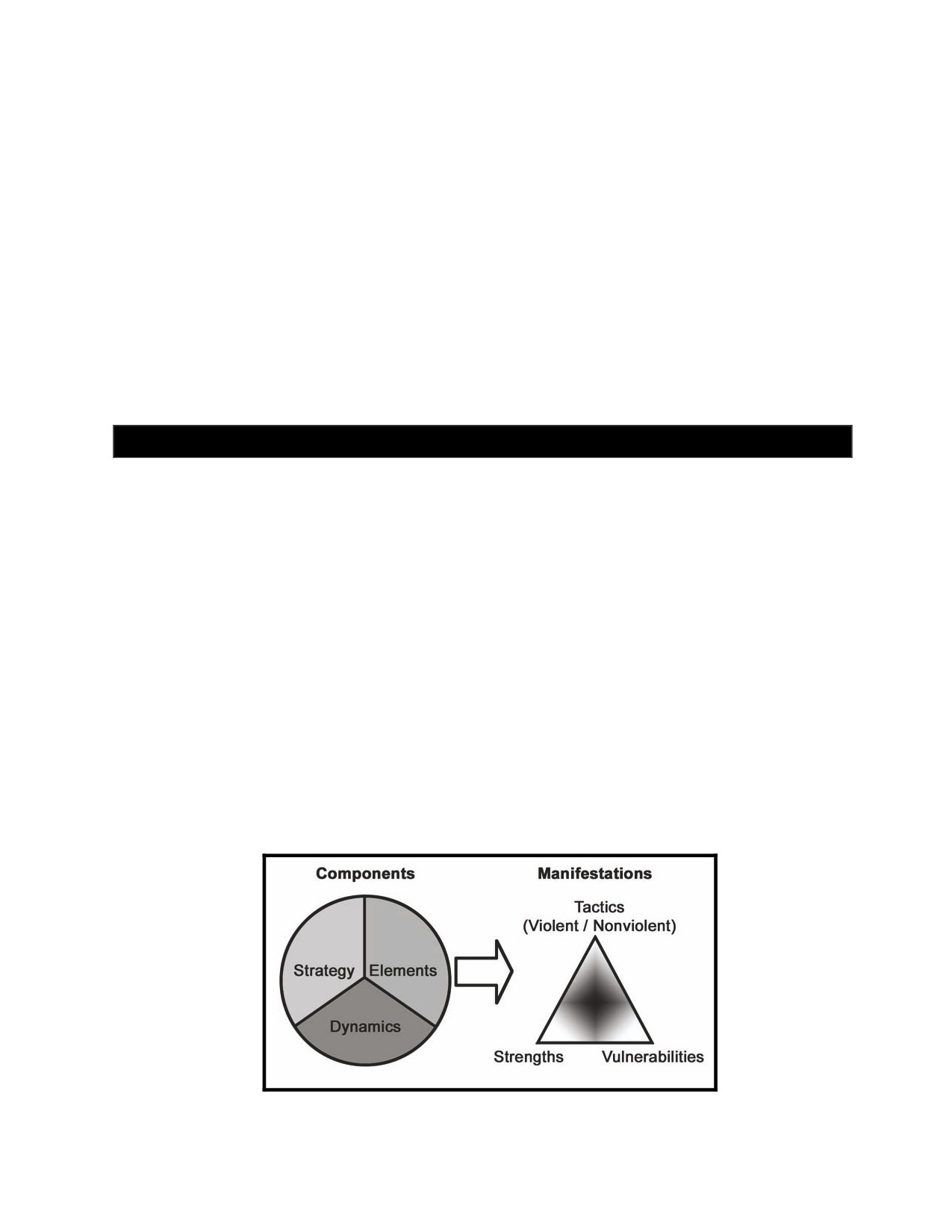
Chapter 2
Foundations of Insurgency
“It is certainly easier to launch an insurgency than it is to repress it.”
David Galula, Counterinsurgency Warfare.
An insurgency and the operational environment must be understood before the
insurgency can be defeated. Tools that assist the counterinsurgent in understanding
and predicting the insurgent’s actions are the five elements of an insurgency, the eight
dynamics of an insurgency, the six insurgent strategies, insurgent tactics, and the
strengths and vulnerabilities of insurgents. Together these tools, known as the
components and manifestations of an insurgency, provide leaders at all levels a means
to comprehend and defeat the insurgent.
Section I—OVERVIEW
This section introduces the relationship between the components and the manifestations of an insurgency. If a
counterinsurgent understands both the components and manifestations of the insurgency, then the unit can
correctly apply pressure along the seven counterinsurgency lines of effort (Chapter 3) to defeat it.
COMPONENTS
2-1.
The components of an insurgency are comprised of the five elements, the eight dynamics, and six
strategies. The elements are the five groups of people—leaders, guerrillas, underground, auxiliary,
and mass base—that form the insurgency’s organization. The dynamics are the eight categories that define
an insurgency—leadership, ideology, objectives, environment and geography, external support, internal
support, phasing and timing, organizational and operational patterns. Finally, the six insurgent strategies
are the urban, military focused, protracted popular war, identity focused, conspiratorial, and the composite
and coalition. Together, the components—the five elements, the eight dynamics, and the six strategies—are
tools of analysis that allow the counterinsurgent to fully grasp the nature of the insurgency.
MANIFESTATIONS
2-2.
The manifestations are the visible outputs of the insurgency. Made up of the insurgent’s tactics,
strengths and vulnerabilities, the counterinsurgent will be able to track, categorize, and develop the
insurgency’s pattern, and a means to defeat it. Figure 2-1 shows the relationship between the components
and manifestations of an insurgency.
Figure 2-1. Insurgency.
21 April 2009
FM 3-24.2
2-1
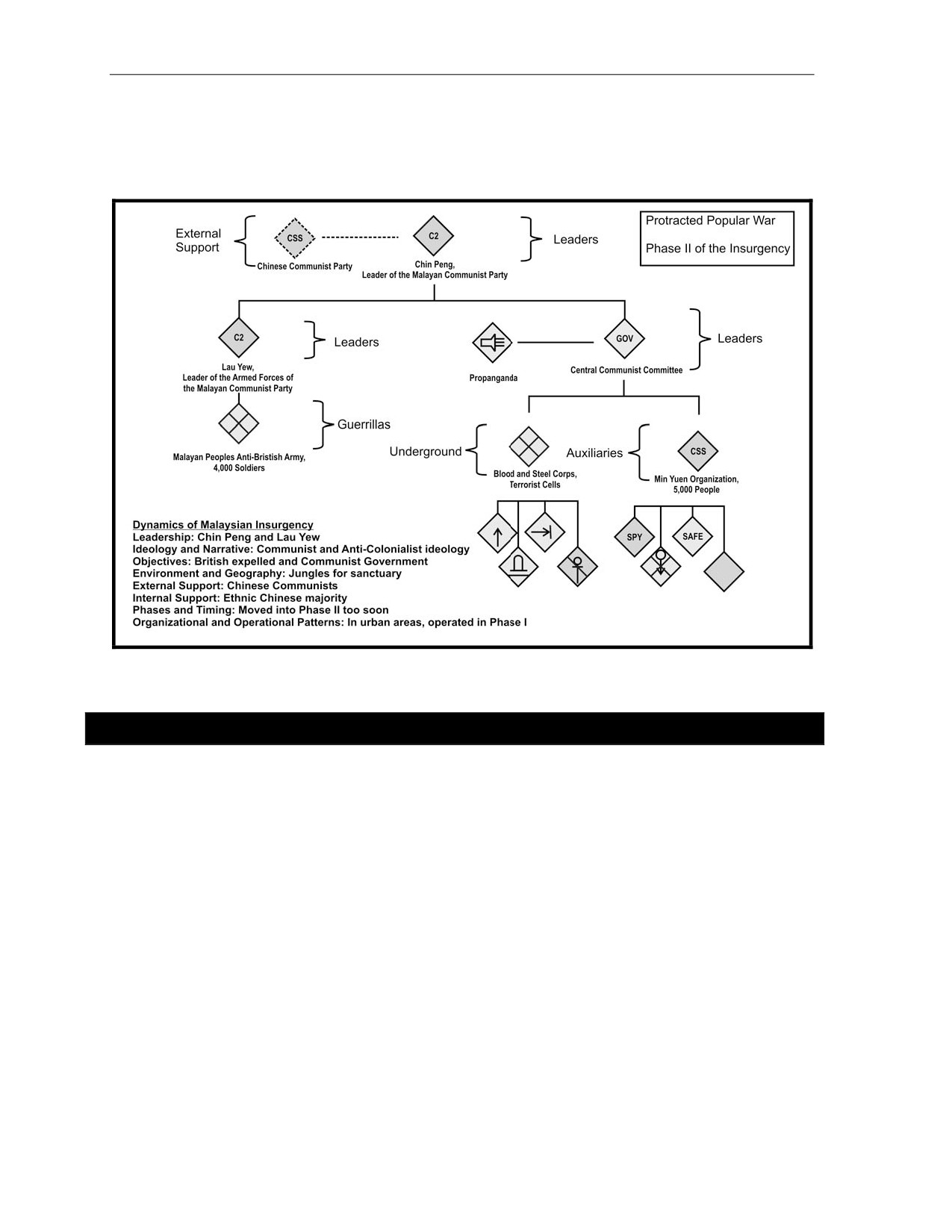
Chapter 2
HISTORICAL INSURGENCY
2-3.
With an understanding of the components of an insurgency, a counterinsurgent unit can identify,
describe, and categorize any insurgency. Figure 2-2 shows the components of an historical insurgency.
Figure 2-2. Components of Malaysian Insurgency (circa 1950).
Section II—ELEMENTS
Insurgent organizations vary considerably, but are typically made up of five elements supported by a military
wing and a political wing. The proportions of each element depend upon insurgent strategy and the degree
of active support obtained from the populace. If the existing government presence is eliminated in any
particular area, these elements can exist openly. If the HN government presence is strong in a particular area,
the elements of an insurgency will maintain a clandestine existence. The five elements of an insurgency are—
leaders, guerrillas, underground, auxiliaries, and mass base (Figure 2-3).
2-2
FM 3-24.2
21 April 2009
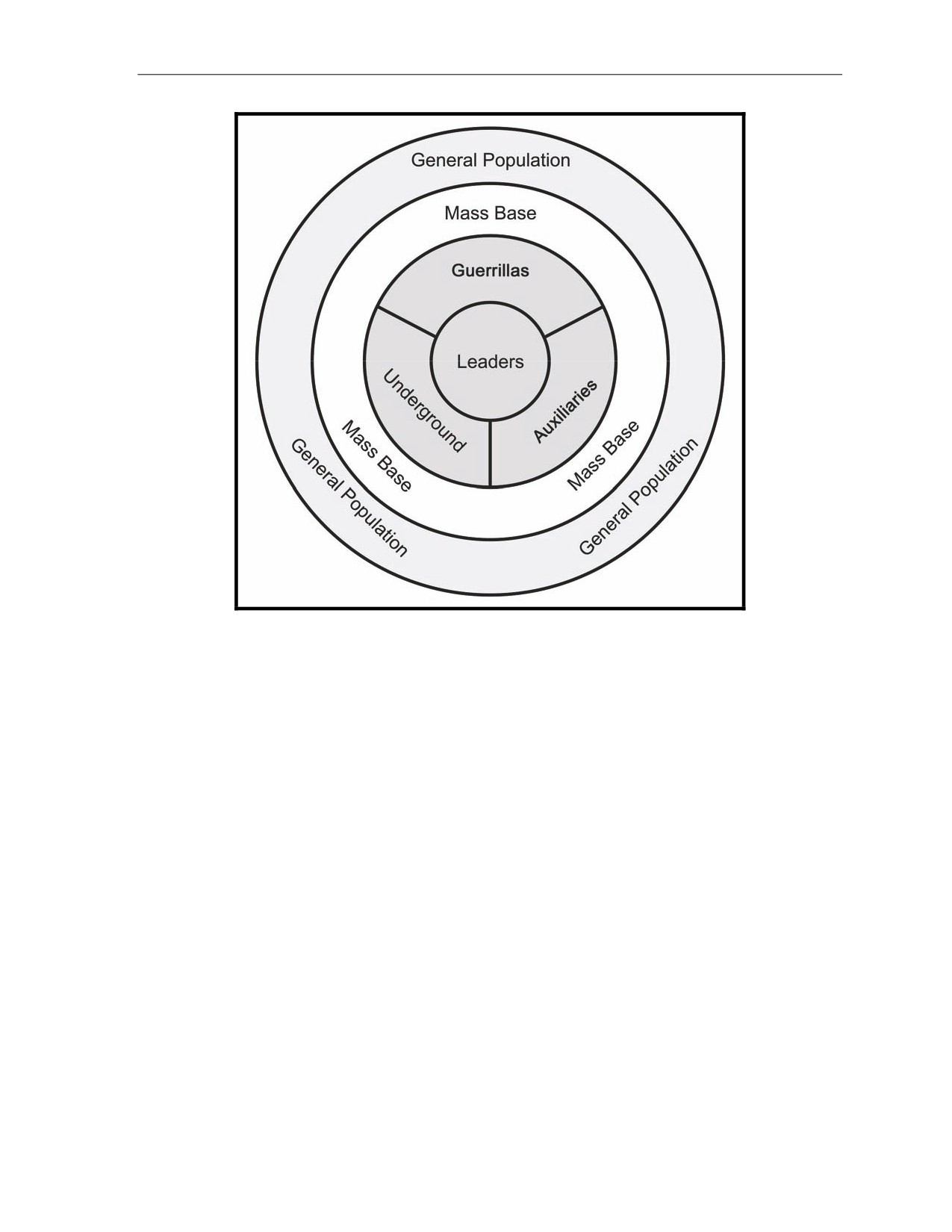
Foundations of Insurgency
Figure 2-3. Organizational elements of an insurgency.
LEADERS
2-4.
Leaders provide direction to the insurgency. They are the
“idea people” and the planners.
They usually exercise leadership through force of personality, the power of revolutionary ideas,
and personal charisma. Generally, they convey the ideology of the insurgency into objectives and direct the
military efforts of the guerrillas. In some insurgencies, they may hold their position through religious, clan,
or tribal authority.
2-5.
Leaders who form the political core of the insurgency are often called the political leaders.
They are actively engaged politically in the struggle to accomplish the goals of the insurgency. They may
also make up a formal political party to signify their political importance. These political leaders are the
driving force behind propaganda. Insurgencies based on religious extremism usually include religious
and spiritual advisors among their political cadre.
2-6.
At a tactical level, units may identify leaders as IED cell leaders; political, religious, or social
leaders who direct the propaganda and nonviolent efforts of the insurgency; or as business leaders who
provide extensive resource support to the insurgency, and other roles.
GUERRILLAS
2-7.
A guerrilla is any insurgent who uses a weapon of any sort and does the actual fighting for the
insurgency. They may conduct acts of terror, guerrilla warfare, criminal activities, or conventional
operations. They are often mistaken for the movement or insurgency itself; but they are merely the foot
soldiers of the movement or insurgency. Guerrillas vary widely in size, make-up, tactics, and methods from
one insurgency to another. They even vary widely within an insurgency, especially in each of the three
phases of an insurgency.
21 April 2009
FM 3-24.2
2-3
///////////////////////////////////////