FM 4-02.7 MULTISERVICE TACTICS, TECHNIQUES, AND PROCEDURES FOR HEALTH SERVICE SUPPORT IN A CHEMICAL, BIOLOGICAL, RADIOLOGICAL, AND NUCLEAR ENVIRONMENT (JULY 2009) - page 6
k. For additional discussion on the collection and management of suspect BW and CW
agent specimens and samples refer to FM 4-02.285; FM 8-284; Allied Medical Publication
(AMedP)-8; JBAIDS CONOPS; and FM 3-11.86.
3. Handling and Storage of Samples Within the Laboratory
a. Incoming Sample Disinfection. Although sample containers should have been
decontaminated at the time of collection, upon arrival at the laboratory, the outer sample
container should be disinfected again (for example, wipe with 5 percent bleach solution) and
placed into a protective container (for example, self-sealing plastic bag). This procedure
should be performed outside the entrance to the laboratory so as to prevent contamination
of the laboratory.
b. Storage. Samples should be stored at temperatures appropriate for the sample
type, which is usually in a refrigerator (1° to 4°C) for a short time (up to 1 hour) until it can
be processed. After the sample has been split (for example, aliquot taken for analysis), the
unused portion of the sample is usually stored in the refrigerator. Because of the hazardous
nature of the samples, maintain good physical security on the storage area. Storage
containers are to be physically secured to control access so as to maintain chain of custody
and assure biosafety.
c. Sample Accessioning. Recording pertinent data about the sample in the laboratory
records is critical so that the sample can be tracked and results reported to the appropriate
physician, unit, or agency. Using established laboratory standard operating procedures and
worksheets, record the type of sample, location from which it was obtained, date and time of
collection, sample identifying number, patient identifying information (if appropriate), and
other pertinent information, and assign a unique laboratory accession number to each
individual sample. In this process, the laboratory must record the sample identification
number assigned by the collector, if one exists (see FM 3-11.86). Data may be maintained
using paper records or computer databases, if available, and meets the needs of the
laboratory. The OPSEC of such records must be maintained.
d. Biological Safety in the Laboratory. According to standard safety practices and
Service-specific directives, medical units/facilities will analyze clinical and/or environmental
samples according to their established laboratory standard operating procedures and
current doctrine and policies. This will minimize the potential for spreading contamination
within the laboratory facility and MTF. Standard precautions (that is, gloves, appropriate
respiratory protection, and long-sleeved laboratory coat) must be used when handling and
analyzing samples. All samples are considered infectious and potential threats until
otherwise determined. Samples should be processed in a Class I or II Biological Safety
Cabinet while utilizing standard precautions to protect personnel from sample aerosolization
and to protect samples from cross-contamination in the laboratory.
e. Due to METT-TC, it may not be feasible for the specimen/sample to be shipped in a
timely manner to a laboratory having better containment capabilities. Therefore, under
these circumstances, field laboratories should use the best containment and
decontamination procedures to process the initial samples. On occasion, CDC and WHO
field laboratories have used BSL-2 conditions for these agents. A health risk assessment
should be accomplished to evaluate risk, adequacy of control measures, and the need for
additional controls such as PAPR. Services will determine procurements of additional
environmental engineering controls. If additional respiratory protection is utilized, Services
must ensure that proper certification and training are achieved.
15 July 2009
FM 4-02.7/MCRP 4-11.1F/NTTP 4-02.7/AFTTP 3-42.3
VII-5
f.
The handling of samples that may contain Ebola, Marburg, or Variola viruses require
additional precautions. Procedures recommended for handling these suspect samples
include—
(1) Commanders should make the greatest effort possible to protect the laboratory
personnel from these agents. However, assays for these agents are available in field
deployed laboratories because the need for laboratory results in a timely manner is so great.
(2) If rapid test results are urgently needed and no laboratory with suitable
biological containment facilities is close-by, process the initial sample using the best
biological safety methods possible. Once the patient or environmental material is known to
contain Ebola, Marburg, or Variola, make all reasonable efforts to send future similar
samples to a laboratory with appropriate biological containment facilities. However, if this is
not feasible, continue to use the strictest biological safety methods possible to process
future samples. Commanders should make all reasonable efforts to limit the further
exposure of laboratory personnel to these agents. Use of a PAPR maybe a partial solution.
(3) Dispose of all biohazardous waste using normal biohazard waste transport,
tracking, and disposal (incineration) procedures.
4. Confidence Levels of Laboratory Analysis
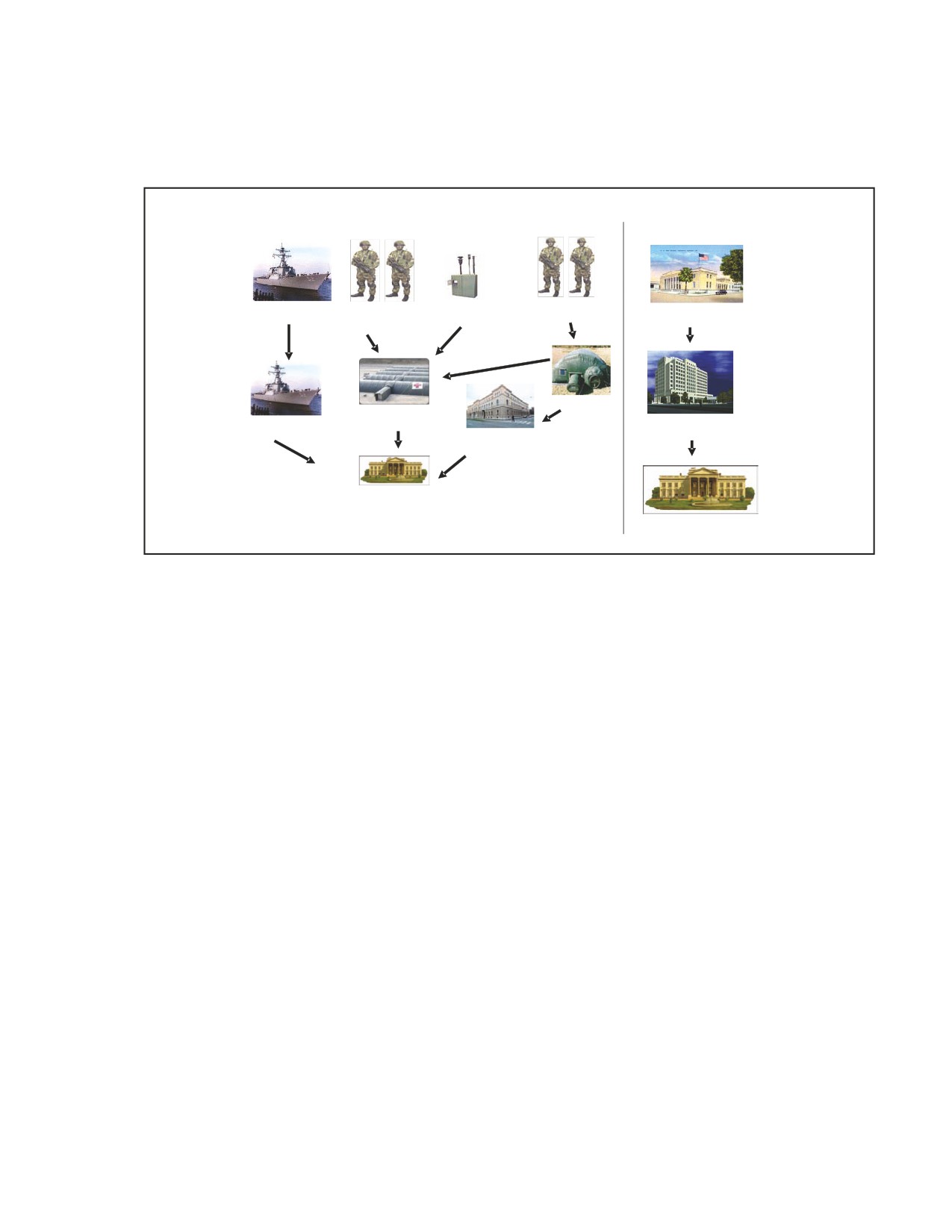
a. Field presumptive identification for BTA is achieved by the detection of a biological
marker through the use of a single test methodology (such as handheld immunological
assay, JBAIDS, or Biodetection System alarm). When a CBRN/medical/environmental team
sample
(soil, water), specimen
(body fluids such as blood) collector arrives at the
contamination site without a biomarker detection device, the sample/specimen taken from
the site must be sent by courier to a laboratory (for example, sample/specimen to the AML
or clinical specimen to combat support hospital (CSH) with JBAIDS for FDA-cleared assays
only) that has the testing capability. See Figure VII-1.
b. Field confirmatory identification for BTA is achieved through the use of devices,
materials, or technologies that detect two independent and specific markers with two
specific technologies, such as two different nucleic acid and one different protein marker.
After the CSH or other field hospital identifies the clinical specimen as a BTA, the specimen
then is sent by courier to a specialized laboratory/team with advanced microbiological
capabilities and highly skilled medical personnel such as the USA’s AML and veterinary
units (foodborne pathogens), the USAF’s BAT, or the USN’s FDPMU when available in the
AO. If these specialized laboratories/teams are unavailable, clinical specimens that are
presumptive positive for BTA may be forwarded to the nearest reference laboratory
including the OCONUS locations at Landstuhl Regional Medical Center, Tripler Medical
Center, and 121st General Hospital. Medical departments on CVs; CVNs; LHAs; T-AHs;
and command ships are also equipped to provide confirmatory testing capability for
environmental samples from other ships assigned to a carrier strike group and
expeditionary strike group.
c. The definitive identification for BTA is achieved by thorough testing and
identification by nationally recognized reference laboratories such as the USAMRIID, the
NMRC, or the CDC. These laboratories have highly skilled testing personnel who employ a
broad variety of methodologies that are capable of detecting and characterizing numerous
biological markers, thus providing the highest levels of accuracy. This highest level of
identification is necessary to ensure definitive and unequivocal identification due to the
potential international impact, as well as for forensic purposes. The sample/specimen is
VII-6
FM 4-02.7/MCRP 4-11.1F/NTTP 4-02.7/AFTTP 3-42.3
15 July 2009
transported from the confirmatory facility to the nationally recognized reference laboratory
by the TEU or courier.
OCONUS/Theater of Operations
CONUS
PRESUMPTIVE
“Field”
PRESUMPTIVE
Naval Ships
NBC/Medical/VET
Biodetection
Medical/VET
Medical Activities
(Crudes/Amphibs)
Environmental Team
System Alarm
Specimen Collection
(LRN Sentinel Labs)
Sample Collection
CONFIRMATORY
“Field”
OR
CONFIRMATORY
Field Hospitals
Field Confirmatory Lab
Naval Ships
AML/ FD-PMU/ BAT/VET
Medical Centers/NEPMU
(CV, CVN, LHA,
T-AH)
(LRN Reference Labs)
OCONUS Hospitals
Landstuhl, Tripler, 121st Hosp
DEFINITIVE
DEFINITIVE
CONUS Testing Facility
USAMRIID, NMRC, CDC
CONUS Testing Facility
USAMRIID, NMRC, CDC
(National LRN Labs)
Figure VII-1. Levels of Identification Confidence
d. The terms presumptive, confirmatory, and definitive levels of identification are only
reserved for biological sample/specimen. Current policy does not dictate that chemical
samples be transported to a definitive level Laboratory Response Network
(LRN)
recognized laboratory. If a medical laboratory in the theater has the means (such as gas
chromatography-mass spectrometry [GC/MS]) to confirm the type of chemical agent used
in the attack, the sample need not be transported elsewhere for further testing.
5. Joint Biological Agent Identification and Diagnostic System
a. The JBAIDS is a laboratory instrument system that provides medical leaders and
commanders with rapid and specific identification of BTA. Through the use of advanced
scientific technology PCR, infectious diseases, whether naturally occurring or intentional,
can be identified quickly and with high sensitivity and specificity. This rapid identification
enables commanders and health care providers to make data-based decisions that govern
early warning, intervention, and prevention, including clinical diagnosis of patient disease
upon FDA clearance of the assays.
b. The JBAIDS is a reusable, portable, modifiable identification and diagnostic system
for biological agents and is capable of simultaneous reliable identification of multiple BTA of
operational significance. The JBAIDS will enhance force protection by providing medical
personnel and commanders the capability to determine appropriate treatment, effective
preventive measures, and prophylaxis in response to the presence of biological agents.
The JBAIDS is configured to support reliable, fast, and specific identification of biological
agents from a variety of clinical specimens and environmental samples. The intent is to
provide timely, accurate identification of specific biological agents to support clinical
observations, operational decisionmaking, and data archiving.
15 July 2009
FM 4-02.7/MCRP 4-11.1F/NTTP 4-02.7/AFTTP 3-42.3
VII-7
c. The JBAIDS is being developed utilizing a block up-grade strategy (3 blocks/
increments) to leverage rapidly developing technologies in the identification and diagnostic
capabilities arena. The reporting function is compatible with existing C2 using paper
reports and manual inputs. In future versions of JBAIDS, reports will be compatible with
theater information management systems and data output will be packaged for optimal use
by medical staff and by commanders. The system will interface with existing and future C2
systems.
d. Block I (Increment I) uses are adjunct to—
• Clinical diagnosis.
• Medical surveillance.
• Environmental sampling activities (for example, air, water, food, entomology,
and veterinary).
• Forensic activities.
e. In clinical settings, JBAIDS will be used according to FDA guidelines. Prior to FDA
approval for diagnostic testing, results must be confirmed using established diagnostic
methods. The FDA approval process will be ongoing throughout the development and
fielding period.
f.
The initial JBAIDS is comprised of an analytical instrument with computer and
printer, assay reagents for extracting and identifying nucleic acid from various biological
agents, and protocols for identification of ten BTA from multiple sample types.
g. The JBAIDS employs a single methodology (nucleic acid amplification) when a
sample is positive only by a JBAIDS assays for a single BTA gene target (that is, one
biomarker using a single methodology), the result should be as being presumptive. Further
operational testing will be required for the JBAIDS to verify that BTA can be detected in the
full range of matrices for which the system was designed. However, a JBAIDS positive
result may be interpreted as being a confirmatory identification when JBAIDS is the second
methodology employed to test a sample that is already a positive result by another
methodology. The LRN policy requires testing according to LRN-approved protocols and
LRN-presumptive results must be confirmed by a LRN reference laboratory performing
additional LRN-approved tests.
(1) Example #1: If a Joint Biological Point Detection System (JBPDS) sample tests
positive at the detector site, that result is regarded as a field presumptive positive. If the
JBAIDS result at the field confirmatory laboratory is also positive, the result may be referred
to as being a confirmed positive result because of the employment of two methodologies.
This sample is then sent to a national reference laboratory for definitive testing. If the
JBAIDS result had been negative, then the sample would be called negative and no further
testing required unless there were significant reason to doubt the results (for example, other
test results, intelligence, or laboratory OIC’s belief that system error occurred).
(2) Example #2: If a sample being tested initially at a laboratory employing JBAIDS
produces a JBAIDS positive result for a single-gene target only, it would be considered to be
a field presumptive positive until confirmed by another biomarker or methodology.
(3) Example #3: If a clinical sample being tested using JBAIDS in a CONUS
hospital laboratory is positive, the sample must then be handled according to LRN protocols
where it may be retested and submitted to a LRN reference laboratory for confirmation.
VII-8
FM 4-02.7/MCRP 4-11.1F/NTTP 4-02.7/AFTTP 3-42.3
15 July 2009
6. Operational Employment
a. Various types of CONUS and OCONUS laboratories in all Services will use JBAIDS
for identification of BTA, although in somewhat different ways, depending on the role and
other capabilities of the individual laboratory. Precisely which organizations will process
which specimen will be determined at the MTF commander, JFC, or at Service-specific
major medical commands/levels.
b. The JBAIDS is a laboratory capability employed by certain field-deployed
laboratories and fixed-site CONUS and OCONUS sites that provides a force protection tool
to enhance the decisionmaking of physicians and commanders of MTFs, installations, and
combatant units. Laboratories employing JBAIDS include—
• Field hospitals.
• Fixed site hospitals.
• Theater confirmatory testing facilities.
• Naval ships.
• Definitive testing facilities.
c. The US Army will employ JBAIDS to support the analysis of environmental and
clinical samples within the deployed and homeland security settings. Examples of how and
where the Army will field the JBAIDS include—
(1) Area medical laboratory provides theater-level confirmatory testing, as well as
initial testing.
(2) Medical team, infectious disease augments various types of medical
laboratories with presumptive and confirmatory testing.
(3) Preventive medicine detachments screen environmental sample types.
(4) Medical detachment veterinary service screens for foodborne pathogens.
(5) Veterinary Food Analysis and Diagnostic Laboratory tests of subsistence items.
(6) Combat support hospital laboratories are used for the clinical diagnosis of
diseases.
(7) Fixed-facility medical treatment facilities provide clinical diagnosis and
confirmatory testing.
(8) United States Army Medical Research Institute for Infectious Diseases conduct
research and comparison testing.
d. The USN will employ JBAIDS to support the analysis of environmental and clinical
samples within the deployed and homeland security settings, depending on the role of the
laboratory. These will include both afloat and ashore units such as—
(1) Medical departments on aircraft carriers (CV and CVNs), amphibious ships
(multipurpose, LHDs), LHA, and command ships. The role is to provide confirmatory testing
capability for environmental samples from these and other ships assigned to either a carrier
strike group or an expeditionary strike group.
(2) Hospital ship laboratories are used for clinical diagnosis.
(3) Fleet hospitals/expeditionary medical facilities provide clinical diagnosis and
confirmatory testing.
15 July 2009
FM 4-02.7/MCRP 4-11.1F/NTTP 4-02.7/AFTTP 3-42.3
VII-9
(4) Navy environmental and preventive medical units
(NEPMUs) provide
confirmatory testing and technical reachback.
(5) Forward deployed preventive medical units provide both initial and confirmatory
testing.
(6) United States Navy medical research laboratories conduct technical reachback
support to operational users and conduct medical surveillance.
e. The USAF will employ JBAIDS to support the analysis of environmental and clinical
specimens within the deployed and homeland defense, depending on the role of the
laboratory. The USAF will field the JBAIDS to the Biological Augmentation Team (UTC:
FFGL1) and the homeland defense laboratory response team (HLDLRT).
(1) The USAF biological augmentation team (UTC: FFBAT) is a deployable two-
person team that utilizes the JBAIDS to test samples to identify biological agents in support
of theater joint and Service commander installation protection programs. The FFBAT is
deployed as part of the Medical Chemical, Biological, Radiological, Nuclear and High-Yield
Explosives Team and supports other deployed medical CBRN or epidemiological teams.
(2) The HLDLRT is a nondeployable two-person team that utilizes the JBAIDS to
test samples for biological agent identification at home station and fixed installation
locations. This team supports force protection programs and local homeland security
responses as required by the installation commander. The HLDLRT works hand-in-hand
with the threat agent surveillance team (BEE team).
f.
The USMC will employ JBAIDS to support the analysis of environmental and clinical
samples within the deployed and homeland security settings, depending on the role of the
laboratory. The USMC will field the JBAIDS to surgical companies and the chemical-
biological incident response force (CBIRF).
(1) Surgical companies provide clinical diagnosis and confirmatory testing for
medical surveillance and force protection.
(2) Chemical Biological Incident Response Force provides confirmatory
identification of environmental samples for force protection measures and homeland security
responses.
7. Nationally Recognized Reference Laboratories (Definitive)
a. The definitive level of identification is by means of devices, materials, or technologies
that detect two or more independent biomarker results using different methodologies. The
definitive identification process can be accomplished in several hours to a couple of days,
depending on the number of tests required. This level of identification is performed in a
reference laboratory with a broader variety of methodologies available and highly skilled
testing personnel, thus providing the highest levels of accuracy. Final sample or specimen
identification is accomplished at one of the nationally recognized CONUS reference
laboratories such as USAMRIID, the NMRC, or the CDC. The preliminary findings by the
supporting laboratories provide leadership with valid information that can be used to initiate
protective, preventive, and initial casualty care procedures; however, definitive identification
is required for legal/retaliatory actions.
b. The US Army Medical Research Institute of Infectious Diseases has played a key
role as the DOD’s lead laboratory for the medical aspects of biological defense. It is an
organization of the US Army Medical Research and Materiel Command (USAMRMC) and
is the lead medical research laboratory for the US Biological Defense Research Program.
VII-10
FM 4-02.7/MCRP 4-11.1F/NTTP 4-02.7/AFTTP 3-42.3
15 July 2009
It is the only laboratory within DOD with the capability to study highly hazardous viruses
and highly hazardous infectious agents requiring maximum containment at BSL-4.
c. The CDC is one of the 13 major operating components of the Department of Health
and Human Services, which is the principal agency in the US government for protecting the
health and safety of all Americans. It is a nationally-recognized reference laboratory
providing definitive identification of suspect biological agents. The CDC is available to
support installation leadership with a broad-spectrum of laboratory support.
d. The Naval Medical Research Center is a premier research organization that is one
of DOD’s nationally recognized reference laboratories that can provide definitive
identification of biological agents. The Biological Defense Research Directorate (BDRD) of
the NMRC serves as a national resource providing testing and analysis for the presence of
anthrax and other potential biological hazards. The NMRC conducts basic and applied
biomedical research, development, testing, and evaluations in the areas of biological
defense, bone marrow, combat casualty care, and infectious diseases. The NMRC invites
the contributions of scholars and research specialists into its scientific regimen so as to
develop and provide state-of-the art research methodologies to enhance HSS and
deployment readiness.
(1) The BDRD has the capability in the rapid and confirmatory detection and
identification of BTA in clinical and environmental samples, the directorate explores basic
and applied scientific research methodologies for the development of diagnostic assays for
the detection of biological and chemical agents during peacetime and wartime. Research
personnel have designed, developed, and tested a new prototype immunochromatographic
assay device which enables multiple assays to be performed simultaneously. In addition,
researchers have been instrumental in the advancement and refinement of confirmatory
identification of threat agents utilizing PCR methodologies in tandem with innovative, state-
of-the-art biosensor technologies.
(2) The BDRD has become a leader in the field in detection including handheld
assays, molecular diagnostics, and confirmatory analysis.
8. Other Department of Defense Laboratories
a. The United States Army Medical Research Institute of Chemical Defense. The
USAMRICD can provide laboratory support for the identification of CW agents from human
specimens and technical guidance on prevention, protection, and medical management of
CW agent injuries.
b. The Armed Forces Radiobiology Research Institute. The AFRRI can provide
technical and laboratory support for nuclear and radiological incidents or events. They can
provide identification on the type of radiological hazard that exists and provide
recommendations on shielding, hazard levels, and preventive measures. However, their
laboratory support capabilities are very limited.
c. The US Army Center for Health Promotion and Preventive Medicine. The
USACHPPM can provide technical and laboratory support for TIM incidents.
d. The Army Materiel Command
(AMC) Treaty Laboratory. The AMC Treaty
Laboratory was established to verify compliance with the Chemical Weapons Convention.
It is an ISO 9001 registered quality system that was predeployed to support the FBI during
the Olympic Games held in Atlanta.
15 July 2009
FM 4-02.7/MCRP 4-11.1F/NTTP 4-02.7/AFTTP 3-42.3
VII-11
e. Edgewood Research, Development and Engineering Center
(ERDEC). The
ERDEC maintains a rapidly deployable mobile environmental monitoring and technical
assessment system. This mobile analytical response system provides a state-of-the-art
analytical assessment of chemical or biological hazards at incident sites.
f.
The Navy Environmental and Preventive Medicine Unit. The NEPMU and the Navy
Disease Vector Ecology Control Center are strategically located at installations around the
world to meet HSS requirements and to perform confirmation identification of
samples/specimens. Forward deployable preventive medicine units have deployable
teams with the capability of performing field confirmatory identification of
samples/specimens.
g. The Navy and Marine Corps Public Health Center (NMCPHC). The NMCPHC
provides functional oversight of the laboratory services associated with field activities.
h. The USAF Institute for Occupational Health (radiochemistry laboratory) can provide
definitive identification of radiological samples.
i.
The USAF BEE units can provide field confirmatory identification of chemical,
biological, and radiological agents.
j.
The USAF Biological Augmentation Team. The BAT can provide commanders with
field confirmatory identification with rapid, specific pathogen identification.
9. Laboratory Response Network
a. The LRN was established in 1999 by the CDC. The mission of the LRN is to
“maintain an integrated national and international network of laboratories that are fully
equipped to respond quickly to acts of chemical or biological terrorism, emerging infectious
diseases, and other public health threats and emergencies.” There are 149 laboratories in
the LRN. The LRN includes state and local public health, veterinary, military, and
international laboratories.
b. The LRN is an early warning network to detect the covert use of pathogenic agents.
It uses procedures established by the CDC and is based on grouping laboratories into one
of four different levels, A through D, according to their ability to support the diagnostic
needs presented by a bioterrorism event.
c. Level A laboratories have minimal agent identification capabilities. Their primary
role is to rule out and refer to their nearest Level B laboratory. Level B laboratories perform
identification, confirmation, and susceptibility testing. Levels A and B are designated as
sentinel laboratories under the new LRN (see Figure VII-2). Level C laboratories include
state and other large-facility laboratories with advanced capacity for testing to include dome
molecular techniques and are designated as a reference laboratory. The Armed Forces
Institute of Pathology has a level C laboratory. Level D laboratories include the CDC and
USAMRIID and are designated as national laboratories. These sites have Biological Safety
Level 4 laboratories and special surge capacity, as well as advanced molecular typing
techniques. Recognizing that most DOD clinical laboratories currently have microbiological
capability participate in LRN, all operate at least at the sentinel level while medical centers
participate at the reference level.
VII-12
FM 4-02.7/MCRP 4-11.1F/NTTP 4-02.7/AFTTP 3-42.3
15 July 2009
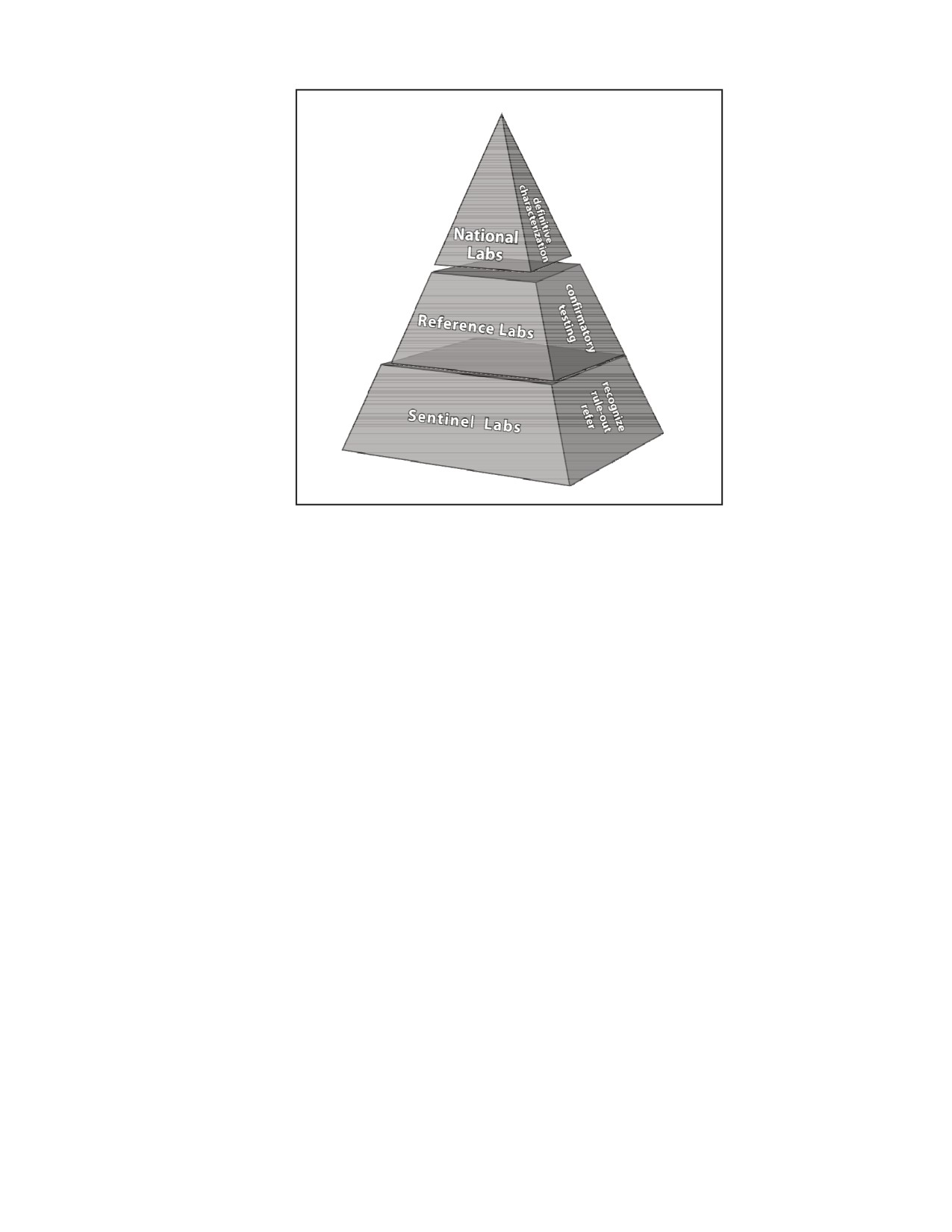
Figure VII-2. The “New” Laboratory Reference Network Designation
15 July 2009
FM 4-02.7/MCRP 4-11.1F/NTTP 4-02.7/AFTTP 3-42.3
VII-13
This page intentionally left blank.
Chapter VIII
COMBAT AND OPERATIONAL STRESS CONTROL
1. General
a. The invisible, pervasive nature of CBRN weapons creates a high degree of
uncertainty and ambiguity with fertile opportunity for false alarms, rumors, and maladaptive
stress reactions. The terrible nature of some of these weapons will create fear for the future,
the homeland, and perhaps even for the survival of civilization. The CBRN threats,
regardless of origin, present significant combat and operational stress (COS) to US forces.
b. The CBRN environment presents multiple challenges to military operations when
considering COS. The perception of a CBRN threat, whether real or not, in a high COS
environment placing Service members at high risk of suffering COSR. Therefore,
commanders and leaders must take actions to prevent and reduce the potential numbers of
COSR casualty cases. Working in an actual CBRN environment poses both a real and
perceived danger to Service members conducting military operations. Pseudo symptoms
may be experienced by those believing they have been exposed or simply overwhelmed by
the operational stressors resulting from CBRN use. Whether the threat is real or perceived
or working in an actual CBRN environment, the protective measures alone can be a
significant stressor to Service members required to utilize these protective measures.
c. The symptoms and physical signs caused by excessive stress are similar to some
signs of true CBRN agent injury. Therefore, far forward COS triage is essential to prevent
over evacuation and loss of the individual to the unit. For details on provision of COSC see
FM 6-22.5/MCRP 6-11C/NTTP 1-15M; FM 4-02.51; and FM 6-22.5.
d. The key to addressing COSR resulting from CBRN operations is resiliency training in
preparation for actual engagements. Leaderships must develop a CBRN training program
prior to deployment that will build confidence in equipment and unit capabilities. This leads
to cohesion and esprit de corps, which is a primary ingredient in COSC.
e. The devastation of high-yield explosive devices along with the resultant casualties
can be overwhelming for Service members who are called upon to respond to such events.
The sheer magnitude of a high yield explosive can cause significant COSR in affected units
and organizations, whether it is used in a terrorist strike or as part of ongoing combat
operations.
f.
For troops with adequate protective equipment, the CBRN environment serves
primarily as an operational challenge which makes combat missions much more difficult and
time consuming. They also produce high rates of COSRs (most of whom RTD if properly
treated).
2. Combat and Operational Stress Reaction
a. Using protective clothing and other defensive measures against CBRN warfare adds
to physical fatigue, primarily because of heat, visual and auditory restriction, and impeded
movement. The necessity for precautions will further reduce the time available for rest and
sleep, increasing exhaustion. The threat of CBRN warfare is a major source of COS
whether or not CBRN agents are actually used. The following adds significant COS to the
physical and psychological stress of MOPP—
• Associated fear of the unknown.
• High degree of ambiguity in detecting the threat.
15 July 2009
FM 4-02.7/MCRP 4-11.1F/NTTP 4-02.7/AFTTP 3-42.3
VIII-1
• Uncertain short- and long-term effects of CBRN weapons.
b. Stress itself contributes greatly to fatigue. The CBRN COSR may include—
(1) Hypochondriasis. Service members may hyperalert to physical sensations,
looking for warning signs. They will find things that worry them and will bring them to the
doctor or medical personnel for reassurance or in hope of being sent to safety. This trend is
generally observed by increased rates of sick call.
(2) Depression or simple exhaustion. Uncertainty, lack of confidence in equipment
and leaders, assuming a passive defensive posture, and new or surprise weapons all tend
to increase COSR symptoms.
(3) Hysteria. This is a COSR with physical symptoms that mimic real CBRN injury.
The early US Army World War I ratio (in supposedly well-trained but inexperienced troops)
was two gas mania cases for every one true exposure case (a 2:1 ratio). Epidemic hysteria
can occur as the first anxious person hyperventilates (breathes too fast, gets light-headed,
and has pins and needles sensations and muscle tenseness in face, fingers, and toes).
Others, seeing this and believing him to be a true gas casualty, become anxious and
hyperventilate, too.
(4) Panic flight. This may also be epidemic. It occurs when a group feels
threatened, unprepared, and believes that the only defense is immediate flight. Some event
causes one Service member to run, after which the others in the group panic and run wildly.
(5) Anxiety and phobic avoidance. Service members may refuse to go into places
or to use equipment which is wrongly believed to be contaminated. Even when they go,
they may be too anxious and cautious to perform well. They may shun people who are
believed to be contagious or contaminated.
(6) Obsessive compulsive decontamination (obsessive-compulsive cleaning). This
wastes time and scarce supplies. This can even cause dermatologic problems if Service
members use caustic decontamination chemicals on their skin.
(7) Congregating in safe areas. Service members will naturally find excuses to stay
in collective protection or safe areas. Headquarters personnel in such protection areas may
get out of touch with the troops in the field. Medical teams which must work in collective
protection areas may find many nonpatients giving reasons to join those who are working
inside and being difficult to move out. The misconduct stress behavior version of this is
desertion to hide in safe areas.
(8) Stealing protective equipment. If there is not enough protective equipment or
collective protection to go around, another potential misconduct stress behavior is stealing
from or killing others to take over their protection.
(9) Paranoia and suspiciousness. Vision and hearing are impaired in MOPP and
everyone looks alike. Even friends may not be readily identified. People tend to develop a
paranoid suspicion of the strange, monster-like figures; they may become jumpy and shoot
at shapes or sounds without checking first. This requires emphasis on vehicle and other
target identification training, challenge procedures, and passwords. Identifying labels may
have to be added to personalize the MOPP gear.
(10) Malingering. Service members who deliberately fake CBRN injury, or who self-
inflict minor chemical injuries to gain evacuation are malingering, a misconduct stress
behavior. Exposing one’s radiation dosimeter to radiation artificially in order to raise the
dose and be relieved of duty also is malingering.
VIII-2
FM 4-02.7/MCRP 4-11.1F/NTTP 4-02.7/AFTTP 3-42.3
15 July 2009
3. Combat and Operational Stress Control Under Reactions
Under reactions may be more likely than overreaction in some situations and may
include—
• Denial. Things are too horrible for a Service member to think about, so he just thinks
about something else, to assist him in coping with the threatening environment.
• Rationalization. Service members may believe that no one would be so crazy as to
use such terrible weapons, so why should they waste their time preparing and
training for them? This type of COSR may result in lack of preparation or
preparedness in the event of actual CBRN use.
• Fatalism. Service members may believe that if anyone is so crazy as to use these
weapons, they are so terrible that they cannot protect themselves anyway.
Therefore, they see no value in preparing and training to protect themselves in the
event of their use.
• False alarm. If there is a threat situation with frequent false alarms, troops may
neglect alerts and fail to react, believing it is just another false alarm when, in fact, it
is the real thing.
• Overconfidence. Service members may feel overly confident about the capability of
their equipment and/or procedures to provide an early warning of the impending
threat. This over confidence may result in Service members not taking all necessary
and prescribed precautions.
• Utopia. Service members may feel that future research, medications, and/or
treatments will reduce and eliminate the threat in the near future, so they do not feel
it is necessary to train to protect themselves from exposure to CBRN agents.
4. Combat and Operational Stress Reaction Leader Risks
a. Mission oriented protective posture requires much more active leadership. It hides
the usual nonverbal cues of alertness, understanding, and readiness to act which leaders
normally rely on. Leaders must move around, touch to get attention, and insist on
information and confirmation. This movement increases the leader’s risk of heat exhaustion,
carelessness, and being accidentally shot by a nervous Service member. Accidental
fratricide (killing of leaders and other friendly personnel) has been alarmingly high in MOPP
field exercises which use the multiple integrated laser engagement simulation devices. The
same problem occurs in jungle and night fighting where vision and hearing are also reduced.
Fratricide must be prevented by careful adherence to the TSOP, coordination between units,
target identification, and the use of challenge procedures. For more information, refer to
FM 6-22.5.
b. Mission-oriented protective posture interferes with normal friendly support, such as
conversation, sharing food, or facial expressions such as smiling. As a result of the sensory
and social isolation and encapsulation, Service members tend to feel alone. They may feel
surrounded by a totally hostile world in which even the air they breathe is against them.
This isolation tends to make people become passive, insecure, and at high risk for COSRs
unless it is actively counteracted. It requires a more active, verbal, and deliberate effort to
maintain a sense of comradeship, unit cohesion, and esprit de corps.
5. Combat and Operational Stress Reaction Leadership Actions
a. The former Soviet Union, through their military literature, recognized and valued the
threat of CBRN warfare to demoralize through rumor. These rumors were concerned with
family and home, as well as with self and unit, in any perceived CBRN war. Current threats,
15 July 2009
FM 4-02.7/MCRP 4-11.1F/NTTP 4-02.7/AFTTP 3-42.3
VIII-3
whether organized military organizations or insurgent opposition, have not forgotten this
lesson.
b. Commanders must counsel those who originate and/or spread rumors and ensure
that the best available information is provided through the chain of command and is
disseminated to every Service member. Covering up or withholding information can
permanently destroy the leadership’s credibility. Utilization of unit or attached public affairs
personnel and a solid command information program (CIP) can prevent rumors or stop them
from spreading. A wide range of CIP products are available through public affairs channels.
c. Service members who have an understanding or situational awareness of mission
requirements tend to exhibit less anxiety while executing assigned tasks. Keep information
flowing, dispel myths, and control rumors by—
(1) Discussing the mission and its possible long-term implications upfront. Within
OPSEC requirements, include such information as—
• Mission objectives.
• Expected duration.
• Known CBRN threats and countermeasures.
(2) Focusing on unit cohesion. Emphasize that the unit will face CBRN threats
together. Cohesion is the single best predictor of an organization’s ability to engage and
sustain operations in high stress environments.
(3) Conducting resiliency training. Successful COSC in a CBRN environment is
directly related to the amount of preparation and training conducted in the development of
equipment confidence and its ability to sustain prolonged usage. Training should be routine
and conducted before deployment orders are issued. Use training procedures that—
•
Review history on CBRN weapons employment used by the known threat.
•
Emphasize the buddy system as a means of keeping watch for each other.
Peer support is a key element in reducing COSR at the unit level. Unit
peers are essential in monitoring the health and reactions of fellow Service
members and are key in recognizing COSR quickly so that preventive or
mitigating measures can be employed.
•
Develop CBRN SOPs. Having known standards published to and practiced
by unit personnel can have a significant impact in the overall stress or
anxiety of Service members facing operations in a CBRN environment. The
SOPs and training develop cohesion and confidence in unit personnel. The
SOPs should include the following:
Train in the protective mask often. It takes repeated wear and time to
acclimate and get over the claustrophobic feeling of wearing the mask.
The training can be conducted during a variety of activities.
Have personnel wear the mask often in garrison or during lulls in other
activities, even at desk jobs. If on average, one person in five wears the
mask, on a rotational basis, at any given time, everyone will quickly
become accustomed to wearing it.
Periodic prolonged wear (8 hours or more) helps Service members gain
confidence and realize that they can tolerate the discomfort.
Have personnel wear the mask while performing combat-related (mission
essential) tasks.
Training in MOPP Level 4 will increase personnel confidence in their
ability to wear the ensemble.
VIII-4
FM 4-02.7/MCRP 4-11.1F/NTTP 4-02.7/AFTTP 3-42.3
15 July 2009
Ensure Sleep Plans are Safely Practiced. Have everyone practice
wearing the mask while sleeping. Ensure personnel only sleep in safe
places; do not allow personnel to sleep under or near vehicles or other
motorized machinery. Require ground guides for all vehicles in the unit
bivouac area. According to the new US Army sleep guidance plan, each
Soldier must (when possible) get at least 7 to 8 hours of uninterrupted
sleep during every 24-hour period.
6. Individual Responsibilities
a. Follow Orders. By following orders, individuals can increase their ability to cope with
and prevent combat and operational stress-related conditions. Coping with the stresses of a
CBRN environment requires extra individual action. Concentrate on the positive aspects of
survival, not the negatives of illness or death.
b. Train. Use every opportunity to wear the protective mask or the entire MOPP
ensemble during training, when permitted. You build self-confidence and endurance by
frequently training with your protective mask, or at MOPP Level 4. Perform refresher
training in basic CBRN survival skills.
c. Use Buddy System. Use the buddy system to increase your ability to survive.
Service members looking out for each other give a sense of security that relieves stress.
Looking out for each other improves every individual’s ability to perform duties.
7. Behavioral Health Personnel Responsibilities
a. Staffing for BH/COSC. The following US Army activities or units provide COSC
support within an AO—
• Brigade BH section assigned to the brigade support battalion, medical company
for the brigade combat team (BCT).
• Area support medical company BH section for personnel assigned to units at
echelons above brigade (EAB).
• Limited BH/neuropsychiatry services at each CSH provided by a BH nurse and
BH specialist for inpatients and hospital staff
(supported by the medical
detachment, as necessary).
• Medical detachment, combat stress control provides BH/COSC direct support to
BCTs and for personnel at EAB on an area support basis.
b. Conduct Preventive Activities. In a CBRN environment, prevention is the most
economical means of controlling COSR. Behavioral health personnel must begin
consultation services before CBRN weapons/agents have been employed.
c. Control Combat and Operational Stress Reactions. Individuals with COSRs
reactions require prompt intervention. The evaluation of overstressed personnel is difficult
but not impossible when the Service members and the evaluator are in MOPP. The primary
method of BH evaluation is the interview and mental status examination.
8. Conducting Combat and Operational Stress Control in a CBRN
Environment
a. Conducting COSC activities in a CBRN environment (like COSC in all military
operations) is the commander’s responsibility. Combat and operational stress control
support is achieved through the aid of many resources available to command, to include
15 July 2009
FM 4-02.7/MCRP 4-11.1F/NTTP 4-02.7/AFTTP 3-42.3
VIII-5
military BH assets. The key to successful COSC operations in a CBRN environment is the
prevention activities conducted prior to actual CBRN events.
b. Combat and operational stress control operations, like any activity engaged in a
CBRN environment, will take additional time and tax available resources in its
implementation. Leadership identifies all available COSC providers and assets and seeks
consultation in addressing and controlling COSRs reactions resulting from CBRN
operations. As with any military operation, preferably, COSC assets should integrate and
consolidate their resources to provide in depth full spectrum COSC/BH care. This is
especially true in CBRN environments.
c. The CBRN COSC activities blends existing COSC functional areas to create a
flexible set of interventions specifically focused on stress management for units and Service
members following CBRN use and working in a CBRN environment. Successful CBRN
COSC activities will require a thorough understanding of all the COSC functional areas (FM
4-02.51), but will be based on the following guidelines—
d. The COSC functional areas of reconstitution and reconditioning will require a secure,
uncontaminated area to be executed. These functional areas will not likely be done in a
CBRN environment due to mission requirements and the length of time to conduct.
Leaders, however, should review these functional areas to obtain familiarity with their
concept.
e. The CBRN COSC unit needs assessment (UNA) is a systematic process for
identifying the COSC needs of units. The same tools utilized in non-CBRN environments
can be used successfully in a CBRN UNA. Leaders should coordinate UNAs with available
BH assets who have specialized training in providing these services. When conducting a
CBRN COSC UNA, consider the following:
• They should not interrupt or intrude on current or planned CBRN operations.
• The UNAs should be conducted in a decontaminated or a clean location that is
secure and provides protection from ongoing threats, toxins, and harm.
• Remember that the UNA is a unit-level assessment and does not substitute for
individual-level screenings or COSC triage.
f.
Consultation and education activities prior to CBRN events prepare leaders to
seamlessly institute COSC interventions while continuing to conduct military operations.
The 6 R’s (remind, reassure, rest, replenish, restore, and return) are a good model to build
on. Leaders should consider interventions that target—
• Battlefield ethics.
• Safety, security, and survival.
• Food, hydration, clothing, and shelter.
• Sleep.
• Medication (replace medications destroyed or lost).
• Orientation of unit/Service members to developing situation.
• Restoration of communication with unit, dependents, friends, and community.
g. The CBRN COSC consultation and education to Service members should
emphasize normalizing the common reactions of CBRN events, improving their coping skills,
enhancing self-care, facilitating recognition of significant problems, and increasing
knowledge of and access to COSC services. Post-CBRN UNAs guide further consultation
and education efforts.
VIII-6
FM 4-02.7/MCRP 4-11.1F/NTTP 4-02.7/AFTTP 3-42.3
15 July 2009
h. The CBRN traumatic event management (TEM) will require specialized COSC
services for potentially traumatizing events (PTEs) that occur while operating in a CBRN
environment. The PTEs are events that cause individuals or groups to experience intense
feelings of terror, horror, helplessness, and/or hopelessness. The TEM will require
assessment of the PTE that occurred and a tailored intervention at the group or individual
level to stabilize, mitigate and support the resulting emotional and psychological reactions.
Leaders should contact available COSC assets to request a TEM assessment and
intervention when PTEs occur. The CBRN PTEs that may require TEM include—
• First exposure to a CBRN event.
• Witness mass injury or death resulting from CBRN attack.
• Unexpected casualties resulting from accidental CBRN exposure or equipment
failure.
i.
The COSC triage process is the sorting of Service members based on an
assessment of their needs and capabilities, and the location where they can best be
managed in keeping with the COSC management principles of brevity, immediacy, contact,
expectancy, proximity, and simplicity (BICEPS).
j.
Service members may require COSC triage in CBRN environments. The CBRN
COSC triage follows the same categories and process as traditional triage in non-CBRN
environments. There are four COSC triage categories in the US Army—help in place, rest,
hold or refer.
k. The assessment includes an evaluation of the Service member’s physical and BH
needs, potential medical emergencies, and other safety risks. Assessment should be
performed by providers according to their professional training, expertise, and standards.
The CBRN COSC triage, like COSC triage, will—
• Determine what intervention techniques best address the Service member’s
needs and functional capabilities.
• Consider the needs, abilities, and the safety of the Service member. It should
also consider the unit’s capacity to provide COSC interventions based on its
OPTEMPO, mission, resources, response to prior consultations, and willingness
to participate in COSC interventions.
l.
The CBRN COSC triage considerations may include—
• Persistent or worsening traumatic stress reactions (such as dissociation, panic,
autonomic arousal, and cognitive impairment).
• Significant functional impairments (such as role/work relationships).
• Dangerousness (suicidal or violent ideation, plan, and/or intent).
• Severe psychiatric comorbidity (such as psychotic spectrum disorder, substance
use disorder, or abuse).
• Maladaptive coping strategies (such as pattern of impulsivity or social withdrawal
under stress).
• New or evolving psychosocial stressors.
• Poor social support.
• Failure to respond to acute supportive interventions.
• Exacerbation of preexisting psychiatric conditions.
• Service members request for assessment.
m. The CBRN COSC stabilization is the acute management of disruptive behavior
resulting from COSR and/or a behavioral disorder resulting from the stressors of working in
15 July 2009
FM 4-02.7/MCRP 4-11.1F/NTTP 4-02.7/AFTTP 3-42.3
VIII-7
or exposure to a CBRN environment. Such behaviors can severely impact unit functioning
by posing a danger to the Service member and/or others. Leadership should be prepared to
provide or coordinate stabilization services if required. Precoordination with medical unit
personnel promotes safe management.
n. Service members operating in a CBRN environment may require COSC restoration
services as a result of COSR. Service member restoration is normally a 24- to 72-hour (1-
to
3-day) program in which Service members with COSR receive treatment. Service
member restoration is accomplished using the principles of BICEPS and the 6 R’s. Service
member restoration is typically provided by COSC assets, but can be managed by organic
medical personnel or religious support personnel.
o. The measures below are applicable to Service members with COSR in a CBRN
environment. The provider should be familiar with the 6 R’s and with BICEPS. In keeping
with restorative efforts, the provider focuses on the following measures through leadership
consultation, Service member education, and/or direct management:
• Minimizing exposure of Service members with COSR to further PTE.
• Reducing physiological arousal.
• Mobilizing support for those who are most distressed.
• Providing information and fostering communication and education.
• Using effective risk communication techniques.
• Proving assurance/reassurance.
• Mitigating fear and anxiety.
• Encouraging sleep hygiene.
• Reestablishing routines.
• Promoting exercise and nutrition.
• Encouraging self-paced emotional ventilation.
• Discouraging use of alcohol/substances.
p. The CBRN BH treatment exists when there is an explicit therapist-patient or
therapist-client relationship. Behavioral health treatment is provided for Service members
with behavioral disorders to sustain them on duty or to stabilize them for referral/transfer.
This is usually brief, time-limited treatment as dictated by the operational situation. The BH
treatment includes counseling, psychotherapy, behavior therapy, occupational therapy, and
medication therapy. Treatment assumes an ongoing process of evaluation and may include
assessment modalities such as psychometric testing, neuropsychological testing, laboratory
and radiological examination, and COSC providers’ discipline-specific evaluations.
q. In the event a Service member requires BH treatment in a CBRN environment,
regardless if the BH diagnosis is chronic or acute in origin, services should be managed by
COSC/BH providers operating in support of the Service members unit or organization.
VIII-8
FM 4-02.7/MCRP 4-11.1F/NTTP 4-02.7/AFTTP 3-42.3
15 July 2009
Chapter IX
HEALTH SERVICE LOGISTICS SUPPORT
1. General
a. United States military doctrine specifies that each Service will provide its own
logistical support except when logistics is otherwise provided for by agreements with
national agencies or allies or assignments of common, joint, or cross-servicing logistics.
b. The CCDR has the authority to issue and implement directives to transfer logistics
functions between or among Service components within the AOR under wartime or crisis
conditions. This authority is designed to ensure effective execution of approved operations
plans, provide effectiveness and economy in OPLANs, and prevent unnecessary duplication
of facilities and functions among the Service components. The CCDRs cannot enter into
multinational relationships that are contrary to US policy without the President and SecDef
direction.
c. The DOD has designated the US Army as the executive agent for the DOD Chemical
and Biological Defense Research, Development, and Acquisition Program. The US Army
implements this responsibility through a joint Service agreement and chairmanship of a joint
Service review group and a joint panel on chemical biological defense, reporting to the joint
logistics commanders. The US Army also chairs a joint Service coordination committee to
assist in chemical defense equipment logistics prioritization and allocation of resources
worldwide.
d. The Assistant Secretary of Defense for Health Affairs establishes health policy and
provides oversight of health policies being implemented by the Services’ Surgeons General
or the Medical Officer of the USMC. Within the DOD, two organizations play a prominent
role in management of Class VIII materiel: the Defense Logistics Agency and the Defense
Medical Standardization Board (DMSB). Upon the recommendation of the CCDRs, the
Chairman of the Joint Chiefs of Staff (CJCS) advises the SecDef on establishing a theater
evacuation policy. The Services’ Surgeons General or the Medical Officer of the USMC
provide guidance on HSLS policies to be implemented within their Services. The CCDR has
authority within his AOR for the execution of the HSLS mission.
e. The command surgeon is the CCDR’s principal FHP and HSS advisor in theater and
will normally serve as the JFS during CBRN operations. The command surgeon supervises
the planning and execution of the HSS mission. The Geneva Conventions provide specific
safeguards which apply to HSL materiel and personnel. Refer to STANAG 2827 for more
information.
2. Logistics Support in a Chemical, Biological, Radiological, and Nuclear
Environment
a. Logistics organizations provide support and assistance to sustain forces during a
CBRN incident. This support is primarily in the functions of supply, maintenance,
transportation, CE, health services, and services associated with nonmateriel support
actions. Combatant commanders exercise directive authority over logistics through Service
component commanders so that they can shift support effort to the critical place and time.
Combatant commanders will oversee Class VIII operations of their designated theater lead
agent for medical materiel. Logistics commanders must initiate CBRN procedures to limit
exposure of their units and facilities to CBRN attacks and to protect personnel and supplies
from CBRN contamination. Where protection is not assured, CBRN defense calls for
15 July 2009
FM 4-02.7/MCRP 4-11.1F/NTTP 4-02.7/AFTTP 3-42.3
IX-1
decontamination of critical support materiel. Most logistics functions become more difficult
under CBRN conditions. Medical units must implement systems to treat and evacuate larger
numbers of casualties, who may also require special handling before, during, and after
treatment. The supply system must provide needed protective clothing, shelters, and water
to support the operations. The CCDR identifies functions and services available from host
nation assets. United States forces may train and equip personnel from US, coalition, and
host nation forces to ensure their survival.
b. Health service logistics support provides the required Class VIII materiel and
equipment when and where it is needed on the battlefield. In a joint operation or during a
CBRN incident, the CCDR may exercise directive authority over the joint Class VIII system
by designating a single integrated medical logistics manager to oversee Class VIII efforts.
c. The HSLS is one of the functional areas of HSS. As such, it requires comprehensive
planning for inclusion in the HSS estimate and plan which supports the CCDR’s OPLAN.
One of HSLS mission is to provide Class VIII supplies and equipment to include medical
support peculiar to CBRN operations.
3. Health Service Logistics Support Considerations in a Chemical, Biological,
Radiological, and Nuclear Environment
a. The ability to sustain CBRN operations with an appropriate level of logistics support
is vital to operational success. Operations in a CBRN environment can place significant
burdens on the logistics system. Plans supporting deployment, reception, staging, onward
movement and integration, sustainment and redeployment must continually be reviewed.
Health service logistics personnel must train and prepare to operate in all battlefield
situations.
Logistics planning and training includes considerations for reducing
vulnerabilities to a CBRN attack and ensuring logistics support operations. For detailed
information on providing HSL see JP 4-02, and FM 4-02.1.
b. Regardless of the operational theater, medical supplies and equipment must have
environmentally controlled warehouses or covered shelters to reduce the vulnerability to
contamination. Host nation support agreements will play a large part in securing needed
protection for these supply items.
c. When assessing the likely nature and frequency of possible attacks on logistics
facilities, the CCDRs should consider the number of available delivery means, chemical and
biological warheads, and the ability of the adversary to deliver an agent to significantly
disrupt operations. In planning logistics sites, the attack range of adversary air and surface
weapons delivery systems armed with chemical, biological, or possibly nuclear warheads
should be assessed. In a CBRN environment, CCDRs are responsible for sustainability,
survivability, flexibility, and responsiveness of logistics supplies while the command surgeon
is responsible for the protection of medical supplies and equipment. Disruptions of the MSR
and communications systems are to be expected.
d. Blood and blood components are valuable commodities of medical supply and
require special procedures for handling and protection. Storage, potency periods,
protection, inventory management, and innovative technology all play an important part in
managing the blood supply in a CBRN environment. Blood support must be a highly
organized and coordinated effort on the part of HSL, operations and plans, blood bank,
laboratory, transportation, and medical care personnel. The joint blood program office
(JBPO) is responsible for the joint blood program management in a theater. The JBPO
functions as part of the CCDR’s command surgeon’s office but may establish an area joint
blood program office for regional blood management.
IX-2
FM 4-02.7/MCRP 4-11.1F/NTTP 4-02.7/AFTTP 3-42.3
15 July 2009
e. The medical platoon
(Role
1 MTF) is authorized two chemical agent patient
treatment MESs and one chemical agent patient decontamination MES. Operating in a
CBRN environment requires the issue of the chemical patient treatment MES and the
chemical patient decontamination MES. Each chemical agent patient treatment MES has
enough supplies to treat 30 patients. Each chemical agent patient decontamination MES
has enough consumable supplies to decontaminate 60 patients.
Note: Although the chlorine granules in the chemical agent patient decontamination
MES are used to prepare the hypochlorite solutions for use to decontaminate
patients, the preferred method/means is soap and water. Refer to Chapter V
for more information on patient decontamination.
f.
Roles 2 and 3 MTFs are authorized five chemical agent patient treatment MESs and
three chemical agent patient decontamination MESs. The MESs are for use at the Role 2
MTF PDS.
4. Protecting Supplies in Storage
Protecting supplies can be accomplished by placing them under tents, using plastic
wraps, or providing storage warehouses with CB filtered-conditioned (heated or cooled) air
systems. Wrapping supplies in two layers of plastic material provides protection from most
agents for a short period of time; the thicker the plastic material, the longer the protection.
Effectiveness of protective procedures can be checked by placing M9 detector paper on
supplies and between layers of the covering. Protection from the thermal and blast effects
of nuclear detonations require much more elaborate measures. Placing the supplies in
trenches, inside earthen berms, behind stonewalls, or in other field expedient facilities will
enhance the protective posture of supplies from the nuclear effects. Even when taking
these protective measures, a quantity of supplies will become contaminated and must be
replaced. Plans should be in place for replacement of damaged items.
5. Protecting Supplies During Shipment
During shipment, supplies are protected by placement inside MILVANs, in covered
enclosed vehicles or by wrapping them in several layers of plastic, in tarpaulins or in other
protective material. To monitor exposure of supplies to CW agents during shipment, place
M9 detector paper between the wrappings. If exposure is limited to the outer layer, simple
removal of this layer may be all that is required to eliminate the contamination.
Decontamination is much easier when the supplies and equipment have been protected by
multilayers of overwraps.
6. Movement Control
a. Movement control must coordinate the employment of all means of transportation,
including that provided by allies or host nations to support the CCDRs’ concept of
operations. The USTRANSCOM is the DOD single manager for transportation that provides
air, land, and sea transportation to meet national security objectives through the range of
military operations. It orchestrates all transportation aspects of planning and execution with
the joint staff and the appropriate combatant and Service component commands. The
USTRANSCOM is composed of three component commands: The USAF’s Air Mobility
Command, the Navy’s Military Sealift Command, and the Army’s Surface Deployment and
Distribution Command
(SDDC). The Commander, USTRANSCOM, as the single
transportation manager, will provide for proper liaison with the CCDRs for movement of
15 July 2009
FM 4-02.7/MCRP 4-11.1F/NTTP 4-02.7/AFTTP 3-42.3
IX-3
decontaminated personnel and materiel in theater. The CCDRs will exercise control over
intratheater movement. Whatever unique circumstances prevail in a theater, logistics plans
should provide CCDRs with the highest practicable degree of influence or control over
movement. Refer to JP 4-0 for more information.
b. Planning airlift operations is a complicated process involving numerous
interdependent functions. These range from such things as assuring airlift facilities are
capable of supporting a CBRN operation to selecting the most appropriate airlift for that
operation. Airlift planners must be thoroughly familiar with each Service component’s
unique airlift capabilities, as well as those of common-user airlift. They must comprehend
the nature of the CBRN threat to airlift and coordinate effective threat countermeasures.
Finally, the entire airlift operation requires detailed planning, to include coordination of
appropriate airspace control measures and communication procedures. The following are
general considerations for airlift planners:
(1) Planners must know the capabilities of each airlift facility in the theater.
(2) The supported Service component is responsible for the movement of
personnel and cargo to the onload site and forward after off-loading.
(3) The effectiveness of airlift is dependent on the number and type of aerial ports
available within the theater. The USTRANSCOM designates peacetime aerial ports.
(4) The CCDR designates wartime and contingency aerial ports in coordination with
Commander, USTRANSCOM and appropriate host nation authorities.
(5) All echelons must plan for air base defense to protect airlift aircraft, aircrews,
support personnel, and base facilities. This may include protection against conventional air-
to-surface munitions, as well as CBRN weapons and unconventional warfare forces.
(6) Airlift plans must integrate international, host nation, and military airspace
control procedures and regulations.
(7) Timely intelligence is essential to airlift mission planning. Airlift operations
require considerable intelligence support to reduce their vulnerability.
(8) Airlift aircraft are very vulnerable to contamination.
IX-4
FM 4-02.7/MCRP 4-11.1F/NTTP 4-02.7/AFTTP 3-42.3
15 July 2009
Chapter X
HOMELAND DEFENSE
1. General
Although homeland security is not a specific military mission, medical commanders must
plan for and be prepared to support a primary agency such as the FBI or Federal
Emergency Management Agency (FEMA) in response to a CBRN event. Various federal
statutory authorities and policies provide the basis for federal actions and activities in the
context of domestic incident management. The National Response Framework (NRF) uses
the foundation provided by the Homeland Security Act, Homeland Security Presidential
Directive (HSPD) -5, and the Robert T. Stafford Disaster Relief and Emergency Assistance
Act (Stafford Act) to provide a comprehensive, all-hazards approach to domestic incident
management. For more information on CBRN response guidelines, see the NRF and DODI
2000.18.
Note: This chapter does not replace AFTTP 3-42.32.
2. Homeland Defense Chemical, Biological, Radiological, Nuclear Response
a. In accordance with references DODD 2000.12; DODI 2000.16; and the Quadrennial
Defense Review Report, it is DOD policy that—
(1) The DOD components under the command and control of US Northern
Command (USNORTHCOM) in CONUS has the responsibility to support and assist civil
authorities as directed and in coordination with the NRF in defense support of civil
authorities (DSCA) and CM missions. These missions may include response, mitigation,
and recovery assistance for natural and man-made disasters, which may involve CBRN-
related incidents.
(2) Commanders implement multilayered approaches of active and passive
deterrence, including dedicating resources to CM.
(3) Installation commanders are prepared to respond to and protect DOD personnel
and installations from the effects of a CBRN incident.
(4) Commanders at all levels have the authority and responsibility to protect
persons and property subject to their control.
b. The DOD primarily maintains readiness to defend our country. The DOD also
maintains readiness to provide DSCA when directed to do so by the President. The role of
DOD in homeland security continues to gain definition. Currently, homeland security is a
concerted national effort to prevent terrorist attacks within the US, reduce US vulnerability to
terrorism, minimize damage, and assist in the recovery from attacks.
c. In recognition of the unique nature and challenges of responding to a domestic
CBRN event, the DOD established the Joint Task Force-Civil Support (JTF-CS), a standing
headquarters element subordinate to USNORTHCOM to plan for and integrate DOD’s
support to the primary agency for domestic CBRN CM. On a day-to-day basis, JTF-CS is
involved in CBRN CM doctrine development, training and exercise management, plans
development and review, and requirements identification. It is comprised of active, reserve,
and National Guard personnel and is designed to be a C2 headquarters without assigned
forces or dedicated transportation. During a CBRN event, JTF-CS would report to
USNORTHCOM and would provide military assistance to civil authorities.
15 July 2009
FM 4-02.7/MCRP 4-11.1F/NTTP 4-02.7/AFTTP 3-42.3
X-1
d. The United States Pacific Command and the United States Southern Command
have parallel responsibilities for providing DSCA for states, territories, and possessions
outside the CONUS and United States Joint Forces Command (USJFCOM) may be a
principal force provider. The USJFCOM, in turn, provides technical advice and assistance to
CCDRs in chief conducting CM operations in response to CBRN incidents OCONUS.
e. Department of Defense support of a federal response to a domestic terrorism
incident will be personally managed by the SecDef, with the assistance of the CJCS. The
DOD crisis management response will be provided through the national interagency
terrorism response system. The DOD response forces will be employed either under the
operational control of the joint special operations task force or a response task force
assigned to the appropriate CCDR.
f.
Principles of Civil Support have the following considerations—
(1) The President and the SecDef establish priorities and determine what DOD
resources will be made available for civil support. The CCDRs ensure that DOD resources
are used judiciously by adhering to the civil support principles. Civil resources are applied
first in meeting requirements of civil authorities.
(2) Department of Defense resources are provided only when response or recovery
requirements are beyond the capabilities of civil authorities
(as determined by the
DHS/FEMA or another primary agency for emergency response).
(3) Specialized capabilities of the DOD (for example, airlift) are used efficiently.
(4) Military forces shall remain under military C2 under the authority of the DOD
executive agent at all times.
(5) Department of Defense components shall not perform any function of the civil
government unless absolutely necessary and then only on a temporary basis under
conditions of immediate response.
g. When a CBRN event occurs on a military installation, the installation medical
authority (IMA) provides the HSS initial response to the event site. Request for assistance
from deployable HSS organizations and staffs are initiated by the IMA through military
channels. Refer to AR 40-13 for more information.
h. The President will direct any DOD response in support of a primary agency to a
CBRN event. The Presidential directive to assist will be passed down through military
channels to the appropriate HSS organization for response. The HSS response may be in
the form of special medical augmentation response team
(SMART) support or other
specialized response teams from US Army Medical Command (USAMEDCOM) resources or
US Army Forces Command (FORSCOM) HSS TOE units. Responding resources will
provide HSS to support the primary agency or civilian public health agencies and/or
organizations, emergency medical services (ambulance crews), or MTFs when directed.
Health service support may be in coordination with DOD C2 established by USNORTHCOM.
i.
The HSS response may include, but not be limited to—
(1) Providing medical care to casualties at the incident casualty decontamination
site and supervising the casualty decontamination process to ensure that no further injury is
caused to the casualty.
(2) Providing en route care for patients from the incident site to an MTF or
designated location for further care. Normally, TOE medical evacuation assets are not used
but HSS personnel provide the en route care on locally provided transport vehicles.
X-2
FM 4-02.7/MCRP 4-11.1F/NTTP 4-02.7/AFTTP 3-42.3
15 July 2009
(3) Providing guidance to local responders in the management of CBRN casualties.
This guidance may be on the correct use of antidotes, chemoprophylaxis, prevention of
contamination spread in the MTF, casualty decontamination at the MTF, and other related
medical management procedures.
(4) Identifying suspect chemical, biological, or radiological materials used in the
event.
(5) Providing guidance on the application of standard precautions for CBRN,
especially preventive measures to prevent spread of contagious agents.
(6) Managing, triaging, and treating mass casualties.
j.
For more information on specific Services tasks list see Appendix C.
k. Installation or base protection is a homeland defense mission. Detailed doctrine on
medical support requirements are outlined in FM 3-11.4 (FM 3-4)/MCWP 3-37.2/NTTP 3-
11.27/AFTTP (I) 3-2.46. Medical treatment facilities have unique capability to support the
installation and installation responders through the issue of Medical Chemical, Biological,
Radiological, and Nuclear Defense Materiel, planning, and guidance provided by the public
health emergency officers (PHEOs), and the application of the full range of available
medical capability.
3. United States Army Role in Homeland Defense
a. The DOD created the CBRN consequence management response force (CCMRF),
which includes response, medical, and support units that could respond within one to three
days to a catastrophic event. The CCMRF is a ready reaction force organized into three
task forces comprised largely of active units that total approximately 3,600 troops. This
force would report to JTF-CS during an actual event. The units that comprise the CCMRF
are not focused exclusively on civil support and can be deployed overseas in support of
other requirements. As a result, the units that comprise the CCMRFs are constantly
changing.
b. The 20th Support Command (chemical, biological, radiological, nuclear, and high-
yield explosives
[CBRNE]) is a subordinate command assigned to the FORSCOM. It
integrates, coordinates, deploys, and provides trained and ready forces and is prepared to
exercise C2 of specialized CBRN operations to joint and Army force commanders. It
provides Army commanders, Joint commanders and lead federal agency a full spectrum,
expeditionary CBRNE capability, with the capacity to execute simultaneous missions within
and outside CONUS. Once final operational capability is reached, this command will be
rapidly deployable, equipped with rugged and specialized equipment, and ready to support
the DOD worldwide.
c. The US Army North
(USARNORTH), the ASCC to USNORTHCOM, conducts
homeland defense, civil support operations, and theater security cooperation activities in
order to protect the American people and their way of life. On order, USARNORTH
commands and controls deployed forces as a JTF or joint force land component command.
4. United States Army National Guard Role
a. In
1998, the DOD commissioned a tiger team to develop a strategic plan for
integrating National Guard and RC support for response to attacks using WMD. The plan
defined a future operational capability based on enhancing RC support to the civil authority
in the US in managing the consequences of WMD terrorism. The subsequent approval of
15 July 2009
FM 4-02.7/MCRP 4-11.1F/NTTP 4-02.7/AFTTP 3-42.3
X-3
the plan by the Deputy SecDef as Defense Reform Initiative Directive Number 25, together
with the Unified Command Plan for Fiscal Year 2000, the Defense Planning Guidance
(2002-2007), and the CJCS Contingency Plan 0500-98 charges DOD with the support of
domestic CM.
b. The purpose of weapons of mass destruction-civil support team (WMD-CST) is to
assess current and projected consequences and identify CBRN agents and substances.
The WMD-CST advises on response missions and assists with such measures as requests
for additional support. Each team consists of six smaller sections—
• Command.
• Operations.
• Communications.
• Administration and logistics.
• Medical.
• Survey.
(1) These teams have been trained and equipped to provide a technical capability
to reach back to other experts who can assist the incident commander (IC). These teams
provide a unique military capability. They can deploy rapidly to a suspected or actual
terrorist attack, conduct reconnaissance to determine the effects of the attack, provide
situational understanding, provide technical consultation to local authorities on the effects of
the attack to minimize the impact, and facilitate follow-on military support through validated
civilian requests for assistance. Under Title 32, the WMD-CST is assigned to the Governor
for state response to support the local IC in CBRN responses. Under Title 10, the WMD-
CST may be federalized to support a JTF-CS as part of the overall national response of
local, state, and federal assets. For additional information on the WMD-CST, refer to FM 3-
11.22.
(2) There are currently 55 WMD-CSTs (one per state/territory; two in California). To
date, all of them are on schedule in a phased implementation with 47 of them already
certified. As the WMD-CST is on standby 24 hours a day, seven days a week (24/7), the
advanced echelon will deploy within 90 minutes of notification and the rest of the team within
three hours. This quick response gives the WMD-CST the ability to support the IC with
critical information rapidly. The WMD-CST commander can advise the IC as to the type and
level of hazard present, possible course of action, and additional National Guard assets that
are available.
(3) The WMD-CST is composed of 22 people; 7 officers and 15 enlisted personnel,
from both the Army and Air National Guard, with a variety of specialties. Assigned vehicles
include a command vehicle, operations van, a communications vehicle called the unified
command suite (UCS) (provides a broad range of communications capabilities including
satellite communications), and an analytical laboratory system van (contains a full suite of
analysis equipment to support the medical team and other general purpose vehicles). The
WMD-CST normally deploys using its assigned vehicles, but can be airlifted if required. A
deployment distance of up to 250 miles can usually be covered faster by surface travel,
given the time required to recall an aircrew and stage an aircraft.
(4) The WMD-CSTs have a unique ability to assess CBRN events. This is
accomplished through the expertise of personnel and the use of several computer-based
modeling programs. In addition, the survey and medical team’s high state of training and
advanced technology equipment allow for accurate and timely sample collection and
identification of CBRN agents and substances. The WMD-CST also provides the ability to
act as a CBRN reconnaissance force that can provide a unique view at the incident site.
X-4
FM 4-02.7/MCRP 4-11.1F/NTTP 4-02.7/AFTTP 3-42.3
15 July 2009
(5) The WMD-CST provides assessments and field presumptive identification to
analyze most CBRN agents and substances. The WMD-CST’s sophisticated detection,
analytical, and protective equipment allows for operations to take place in environments that
contain many different TIM and CBRN materials. The PPEs (such as OSHA Levels A and
B) used by WMD-CSTs provide more extensive protection from HAZMAT than does the
equipment used by most military units.
(6) The communications capability of the UCS allows any member of the WMD-
CST to contact a wide range of technical experts. It also allows the commander to pass
information and situation reports up channel to keep the joint force headquarters (JFHQ),
National Guard Bureau (NGB), and USNORTHCOM apprised of the current status.
(7) The WMD-CSTs have provided support to civil authorities in every major event
since
1999 including Hurricane Katrina, Super Bowls, Columbia shuttle recovery, and
Olympic events.
c. Chemical, biological, radiological, nuclear, and high-yield explosives enhanced
response force package (CERFP) C2 team.
(1) The CERFP’s mission is to provide immediate response capability to the
Governor, searching an incident site, including damaged buildings; rescuing any casualties,
decontaminating them, and performing medical triage and initial treatment to stabilize them
for transport to a medical facility (this includes extracting anyone trapped in the rubble).
(2) The CERFP is composed of four elements staffed by personnel from already
established National Guard units.
The elements are search and extraction,
decontamination, medical, and C2. The CERFP C2 team directs the overall activities of the
CERFP and coordinates with the JTF State and the IC. The CERFP search and extraction
element mission is assigned to an Army National Guard Engineering Battalion, the
decontamination element mission is assigned to an Army National Guard Chemical
Battalion, and the medical element mission is assigned to an Air National Guard Medical
Group. The security duties are performed by the state National Guard Quick Response
Force.
(3) The initial establishment of CERFPs placed at least one in each FEMA region.
There are currently 12 validated CERFPs. An additional five CERFPs have been authorized
and funded by Congress, to include full-time manning and equipment. When an incident
occurs within a team's response area, they are alerted through their state headquarters and
mobilized on state active duty. If the incident is located within their state, they would
proceed to the incident when directed by their JFHQ. If the incident is located outside of
their state, their state headquarters would coordinate with the receiving state under the
terms agreed to in the Emergency Management Assistance Compact.
(4) After arriving at the incident site, the C2 team and element commanders
coordinate with the IC and JTF Commander to determine how to most effectively employ the
CERFP.
(5) Elements of these newly formed CERFP have already responded to incidents of
national significance to provide assistance to civil authorities and to mitigate human
suffering.
5. United States Army Reserve Role
a. Selected units, such as US Army RC CBRN units, are equipped with additional
resources to support casualty decontamination requirements. The mission of these units is
15 July 2009
FM 4-02.7/MCRP 4-11.1F/NTTP 4-02.7/AFTTP 3-42.3
X-5
to provide a domestic response capability for casualty decontamination in support of CM
operations.
b. These units are equipped with a platoon set of domestic response style equipment to
decontaminate both ambulatory and nonambulatory casualties. The set includes a quickly
erectable tent with runoff containment included for the actual decontamination, two other
tents for sun protection for the workers and victims, showers for washing and rinsing, and
roller systems for decontaminating nonambulatory victims.
c. United States Army reserve units, while designed for overseas deployment, have the
capability to provide domestic-response casualty decontamination in support of CM. These
units are not designed or intended to replace functions carried out under the Incident
Command System or functions normally performed by the emergency first-responder
community. Instead, these units provide additional capability as needed to support CM.
They are not designed for a rapid response, but can be mobilized and deployed within days.
The basic functions performed by these units include the following:
• Receive the mission, activate the mobilization plan, and initiate unit movement.
• Conduct decontamination site selection, perimeter, and setup.
• Receive and process casualties from a WMD event.
• Establish a triage site and triage casualties from a WMD event.
• Provide critical medical intervention for casualties suffering from the effects of a
CBRN event.
• Provide force protection for individuals working within the decontamination line.
• Establish the domestic decontamination site.
• Conduct casualty gross decontamination.
• Determine the level of decontamination effectiveness on a casualty.
• Conduct nonambulatory casualty gross decontamination.
• Establish a personal property and equipment line and perform decontamination
procedures.
• Establish and maintain a hazardous waste site in support of casualty
decontamination.
• Establish and maintain a contaminated water collection site in support of casualty
decontamination.
• Conduct hazardous wastewater sampling to determine neutralization
effectiveness.
• Control runoff of contaminated water in support of casualty decontamination.
• Conduct rehabilitation procedures.
d. The US Army reserve chemical company can decontaminate 40 ambulatory and 20
nonambulatory in one hour and is composed of—
• One hundred and fifteen personnel.
• Three decontamination platoons.
• One reconnaissance platoon.
• Three sets of mass casualty decontamination equipment.
6. United States Coast Guard National Strike Force Role
a. The USCG’s National Strike Force’s capabilities and responsibilities are available for
responding beyond port areas. The strike teams are regularly deployed throughout the US
on behalf of both USCG and EPA on-scene coordinators
(OSCs). The OSCs can
coordinate all federal containment, removal, and disposal efforts and resources during an
X-6
FM 4-02.7/MCRP 4-11.1F/NTTP 4-02.7/AFTTP 3-42.3
15 July 2009
incident in a coastal zone. Further, the strike teams are key tactical response units for the
EPA to call upon when responding under the NRF Emergency Support Function #10,
HAZMAT which provides federal support to state and local governments in response to an
actual or potential discharge and/or release of HAZMAT following a major disaster or
emergency.
b. The potential exists that the USCG OSCs could very well be the first federal
presence in a WMD scenario. Coast Guard OSCs have a preestablished response
organization in coastal areas
(including rivers and great lakes) with state and local
responders, as well as fire and police. The USCG OSCs have experience coordinating
support services
(National Oceanic and Atmospheric Administration scientific support
coordinators, CDC, and the like) and other government agencies with response capabilities
into a cohesive command.
7. United States Navy Medicine Role
a. The Navy medicine’s tactical medical capabilities, medical and scientific expertise,
and federal coordinating centers contribute significantly to homeland security. This includes
tactical medical capabilities that can be provided by the FDPMU.
b. The FDPMU mission is to enhance HSS by anticipating and rapidly assessing,
preventing, and reducing or controlling health threats in a theater by characterizing those
health threats and focusing the efforts of other organic PVNTMED assets to reduce or
mitigate the hazards.
c. The FDPMU is a joint service asset. It is specialized PVNTMED support provided to
forward deployed US forces and JTF commanders. It is mobile, agile, and rapidly
deployable with state-of-the-art detection and diagnostic equipment that yields real-time
analytical capabilities.
The FDPMU has very small footprint, has self-sustaining
consumables for up to 60-days, and has the flexibility to task organize to meet any
contingency from small-scale humanitarian support to major combat operations. It is
adaptable to operate from fixed or mobile land bases to maritime platforms and requires
joint functions and command, control, communications, and computer systems
(C4S)
integration within the theater.
d. For more information on FDPMU, refer to Appendix D.
8. United States Marine Corps Role
a. In response to Presidential Decision Directive 39, the Commandant of the Marine
Corps created CBIRF to counter CBRN terrorist threat. The force is completely self-
contained and self-sufficient, capable of deploying anywhere in the world on short notice.
The force is a complete unit and contains approximately 450 Marines and Sailors.
b. The CBIRF is capable of rapid response to CBRN threats. Should an incident occur,
CBIRF would immediately deploy to the affected site and provide a number of significant
capabilities to include coordinating initial relief efforts, security, detection, identification,
expert medical advice, mass casualty triage, treatment, decontamination, and stabilization
from point of injury until evacuation occurs. The CBIRF has robust reconnaissance, as well
as technical rescue capabilities. The CBIRF provides decontamination only for equipment
organic to the unit.
c. When directed, the CBIRF forward deploys and/or responds to a credible threat of a
CBRN incident in order to assist local, state, or federal agencies and designated CCDRs in
the conduct of CM operations. The CBIRF consists of specially trained personnel and
15 July 2009
FM 4-02.7/MCRP 4-11.1F/NTTP 4-02.7/AFTTP 3-42.3
X-7
specialized equipment suited for operations in a wide range of contingencies. Through
detection, decontamination and emergency medical services, the CBIRF capabilities are
intended to minimize the effects of a CBRN incident.
d. For more detailed information about the CBIRF, see Appendix D.
9. United States Air Force Role
a. Operation Noble Eagle is part of the overall plan to protect North America from
airborne attack. Under the auspices of North American Aerospace Defense (NORAD)
Command, USAF supports the defense plan by organizing, equipping, and operating the air
defense forces. The NORAD, a binational command of US and Canadian forces keeps an
eye out for missiles and other nonaircraft related issues. The combined air operations
center acts as a “battlefield” headquarters for the entire CONUS airspace.
b. The USAF is part of the WMD-CST. The WMD-CST is composed of personnel from
both the Army and Air National Guard with a variety of specialties. For more information on
WMD-CST, see paragraph 3b above.
c. Air Force home station medical response to CBRN incidents includes the following
capabilities—
•
886A, In-Place Patient Decontamination. Capable of being operational in 20
minutes of activation. System is a four lane tent with supplies to decontaminate
up to 100 causalities without resupply.
•
886C, Immediate Medical Response Capability. Provides medical supplies to
support 300 causalities for the first 48 hours after an event.
•
886D, In-Patient Capability. Capable of augmenting the individual medical
readiness for bedded facilities.
•
886E, Pharmacy Response Team. Provides medication and first responder
antidotes for CBRN threats.
•
886I, Lab Response Team. Provides a capability through PCR (JBAIDs) for
presumptive identification of biological agents. Most of the 52 laboratories also
have the M1M Toxin identifier.
•
886H, BEE Detection Team. Capable of using equipment to perform health risk
assessments for CBRN threats and TIC/TIMs. Team also has sampling
capability.
10. Other Department of Defense Response Assets Role (Not Inclusive)
a. Armed Forces Radiobiology Research Institute. The AFRRI is a Tri-Service
laboratory chartered by the US Congress and is charged with executing the DOD Medical
Radiological Defense Research Program.
(1) The AFRRI maintains a medical radiobiology advisory team (MRAT) to provide
state-of-the-art medical radiobiology advice supporting a nuclear accident response. This
team consists of physicians and scientists working in radiobiology research. Their mission is
to provide the medical units/teams responding to radiobiological emergencies with the most
current medical guidance regarding the treatment of radiation casualties. This advice is
derived from validated, military-relevant radiobiology research and is within reasonably
accepted standards of care.
(2) Subject areas of expertise include, for example, hematology, biological
response modifiers, infectious disease, dosimetry, and behavioral analyses. If needed,
liaison with other medical centers and laboratories specializing in radiobiology can be
X-8
FM 4-02.7/MCRP 4-11.1F/NTTP 4-02.7/AFTTP 3-42.3
15 July 2009
facilitated. Through means of telephone communications (available 24-hours a day), the
MRAT provides radiobiology advice to medical staffs and OSCs within a response time of 4
hours. In addition, within 24 hours, the team is prepared to deploy and provide advice at an
incident site or MTF. Upon request of the OSC or responsible medical officials, the
physician members of the MRAT supplement the designated primary medical treatment
teams in the treatment of radiation injuries.
b. Chemical Stockpile Emergency Preparedness Program (CSEPP). The CSEPP is a
joint FEMA and Army program in which local assets are supplemented to respond to
incidents/accidents at each of the eight chemical-agent stockpile locations. Through this
program, the Army provides technical assistance and required resources in developing and
implementing emergency-response plans and related preparedness capabilities, integrating
the on- and off-post planning process.
c. Special Medical Augmentation Response Team. For detailed information on
capabilities of the USAMEDCOM SMARTs, see Appendix D.
d. United States Army Radiological Advisory Medical Team. The US Army maintains a
national-level asset called the US Army Radiological Advisory Medical Team (RAMT) for
response to nuclear and radiological events. The RAMT can provide military support to civil
authorities The RAMT mission includes 1) expert real-time evaluation of the radiation
hazard;
2) advising the OSC, or other responsible official, on contamination control,
radiation exposure risks, and protective action guidelines; 3) providing radiological medical
support to other response teams entering the hazard zone; and 4) assisting local hospitals
with contamination control, patient decontamination, and the medical management of
radiation injuries. The RAMT is capable of providing guidance, evaluation, and monitoring
of potential health hazards to personnel from radiological contamination or exposure to
ionizing radiation.
e. United States Air Force Collectively Protected Expeditionary Medical Support
(CPEMEDS). For more information on the capabilities of CPEMEDS, refer to Chapter XI.
f.
Medical Chemical, Biological, Radiological, and Nuclear (MCBRN) Defense Team.
For more information on MCBRN, refer to Chapter XI.
g. Infectious Disease (ID) Team (UTC FFHA2). For more information, see Appendix D.
h. United States Air Force Prevention and Aerospace Medicine. For more information,
see Appendix D.
i.
Theater Epidemiology Team. For more information, see Appendix D.
j.
Air Force Radiation Assessment Team
(AFRAT). For more information, see
Appendix D.
k. For more information on federal response assets, see FM
3-11.21/MCRP
3-
37.2C/NTTP 3-11.24/AFTTP [I] 3-2.37.
15 July 2009
FM 4-02.7/MCRP 4-11.1F/NTTP 4-02.7/AFTTP 3-42.3
X-9
This page intentionally left blank.
Chapter XI
INDIVIDUAL AND COLLECTIVE PROTECTION SYSTEMS
1. General
a. Most hospital sections operate in sheltered areas (tentage or hard-walled shelter)
some protection is provided against vapor, liquid, and particulate (fallout) hazards. Sealing
all openings can increase the temporary protection from such hazards; all entries and exits
must be curtailed while operating in this mode. Liquid agents will eventually seep through
the tent fabric and create a vapor hazard inside the shelter. Locating equipment, such as
trucks, under trees or other cover provides similar effects.
b. Setting up MTFs in existing structures (concrete or steel buildings) provides greater
protection from hazards and eliminates many decontamination problems. However, without
means to seal openings, CW agent vapors can enter the structure. The addition of CB
filtration systems with airlocks, that provide overpressure, can provide maximum protection
for occupants. Entry and exit procedures must be established to prevent contamination
being introduced by personnel and patients entering. Without CPS systems, hospitals may
operate for a limited time in a nonpersistent agent environment, but are incapable of
operating in a persistent agent environment.
(1) Chemical/biological filters for fixed-site hospital ventilation systems will be a
critical item of supply. Controlled entry and exit points with sufficient space to permit
placement of litter patients and/or numbers of personnel that permit purge of vapors will
have to be established. All windows, doors, and other points that may have air leaks will
have to be sealed (use tape and plastic sheeting) to enable the facility to have a positive
overpressure to keep CB agents out.
(2) Liquid CW agents can penetrate the TEMPER in about 6 hours or GP tentage in
a shorter period of time. These agents will penetrate the wrappings on medical supplies and
equipment; especially, sterilized equipment and supplies, paper-wrapped cotton sponges,
and open or lightly closed medications/solutions. They can also contaminate water/food
supplies. Therefore, equipment and supplies must be stored in protected areas or under
protective coverings.
(3) Without a CPS system, treatment procedures involving open wounds or the
respiratory tract in the presence of a CB agent hazard is limited. Exposing open wounds
and the respiratory tract to the agent increases the effects of these agents on the patient.
(4) Without hardened protection, the MTF, staff, and patients are susceptible to the
effects (blast, thermal, radiation, and missiling) of nuclear weapons.
(5) Medical treatment facility electrical and electronic medical equipment is
vulnerable to the effects of the EMP produced by nuclear weapons. The EMP is not harmful
to humans, animals, or plants, but is very damaging to electronic equipment.
(6) Medical treatment facility equipment is very difficult to decontaminate. Aging
(allowing the agent to off-gas) may be the only means of decontamination.
(7) Concealment and good OPSEC will help prevent identification of a unit.
c. Dispersion is a defensive measure employed by tactical commanders; however,
hospital operations limit the value of this technique. One technique that may be used is
locating sections of the hospital, such as the motor pool, personnel billets, laundry, and
logistical storage a greater distance from the MTF complex than normal. This will increase
dispersion without severely compromising the hospital mission.
15 July 2009
FM 4-02.7/MCRP 4-11.1F/NTTP 4-02.7/AFTTP 3-42.3
XI-1
d. The MOPP ensemble will not protect personnel from external gamma and neutron
radiation exposure. It will, however, protect personnel from external alpha particles and all
but the most energetic beta particles. Standard MOPP Level 4 affords excellent radiological
contamination protection. Standard issue military protective masks (M-40 or equivalent)
provide excellent protection from inhalation and ingestion of radioactive material.
2. Types of Collective Protection Systems
a. The CPS is a survivable, mobile shelter system, which includes both soft-wall and
rigid-wall shelters. These systems are survivable against chemical, biological, radiological
particles, and other threats. To continue the HSS mission under CBRN conditions, MTFs
must search out contamination free areas or employ CPS systems. Roles 1 and 2 MTFs
may be able to locate contamination free areas; however, due to the mobility limitations of
hospitals, they must always be prepared to operate under CB conditions if the area is under
attack.
b. The CBPS is a highly mobile vehicle-mounted rigid-wall shelter with an attached
chemical and biologically protected airbeam supported tent.
This provides an
environmentally controlled work area that filters out nuclear, biological, and chemical agents.
It will not protect personnel or patients from the thermal, blast, and initial radiation effects of
nuclear weapons; however, it will provide some protection against fallout effects. The CBPS
system is employed at the BAS, brigade support medical company (BSMC) Role 2 MTF,
and FST. The CBPS is designed to be used at deployed Roles 1 and 2 MTFs. The CBPS
(M1 System) is permanently integrated with a mobile dedicated platform and is attached to
the hardwalled box on the rear of a high mobility multipurpose wheeled vehicle (HMMWV)
(Figure XI-1).
(1) The BAS has one CBPS system per treatment team; the BSMC Role 2 MTF
has four CBPS systems; while the FST has three CBPS systems. Systems can also be
issued to other selected medical treatment teams. When employed at the BSMC, the
patient holding team will require GP tents to hold their required number of patients.
(2) Patients held inside the CBPS are those that have been decontaminated and
admitted into the system for treatment or are recovering from the treatment procedures and
are awaiting evacuation.
(3) Any patients held in the GP tent must remain in MOPP Level 4 (the GP tent
does not have collective protection); these patients are those that are expected to RTD
within 72 hours.
Notes:
1. Normally, patients will not be held at the BSMC Role 2 MTF under CBRN
conditions unless evacuation cannot be accomplished. They should be
RTD or evacuated to a clean MTF as soon as the mission permits.
2. The CBPS can also be employed as the BSMC Role 2 MTF in the
conventional mode. Employment in either mode still requires GP tentage
for patient holding to meet total patient holding requirements.
c. The M20/M20A1 simplified collective protection equipment (SCPE) is another system
that is available to provide collective protection to existing structures. It consists of a
chemically protected room liner, a CB filter blower, and an ambulatory airlock. However, it
does not have a litter airlock making it unsuitable for litter patient care. The M20/M20A1
may be used to protect medical staffs at the BSMC Role 2 MTF, FST, and hospitals,
patients held in the GP tents at the BSMC Role 2 MTF and in the minimum care wards and
XI-2
FM 4-02.7/MCRP 4-11.1F/NTTP 4-02.7/AFTTP 3-42.3
15 July 2009
staff quarters of the hospitals. Thus, providing additional CB protection for staffs and
patients.
d. The M28 collective protection equipment (CPE) is a highly transportable CPS used in
conjunction with the TEMPER and the AMEDD Shelter System (A2S). The modular system
consists of agent resistant liner sections, protective entrance (PE), tunnel airlock litter patient
(TALP), hermetically sealed CBRN filter canister, recirculation filter, and a support kit
containing a motorized blower and ancillary equipment. These components are available
separately as spare parts or packaged together into six basic M28 CPE configurations. A
"Type II” M28 CPE liner configuration, developed exclusively for the USAF, uses a slightly
different liner interface design. The Type II liner components are currently available as
spare parts only.
(1) In addition to the basic M28 CPE components are vestibule liners, which allow
interconnection of liner systems to create a larger protective area. Used in combination with
ISO adapters, vestibule liners allow the addition of ISO shelters to the protective area. Also
available is the CPE supply airlock, which provides a capability to bring palletized supplies
or large equipment into the protective area.
(2) Basic M28 CPE components, in combination with vestibule liners, ISO liner
adapters, and the CPE supply airlock provide a variety of options for configuring shelter
complexes. Two examples of such shelter complexes are the Army’s CPDEPMEDS, CSH
and the Air Force’s CPEMEDS.
e. The Collectively Protected Small Shelter System (CPSSS) provides chemical and
biological agent protection inside the shelter to create a shirt-sleeve environment
unencumbered by the stresses of IPE. Its major components are—
• Field Deployable Environmental Control Units (FDECU).
• Four hundred cubic feet per minute (cfm) fan filter assemblies (FFA).
• Modified M28 CPE liner sections.
• Bump through door airlocks.
• Five hundred and eighty cfm FFA for the bump through door airlock.
• Two hundred cfm M98 gas particulate filter sets.
(1) The system is packaged into kits that are lighter in weight compared to other
transportable CPS.
(2) The CPSSS when properly employed provides a toxic-free area in which
personnel can conduct operations, maintain critical equipment, rest, eat, and sleep. The
CPSSS can be complexed together to increase the capacity to suit operations. It is
equipped with airlocks; decontaminated personnel move into the system without introducing
contaminants. These systems are transportable and are compatible with 463L pallets.
They are used near mission critical facilities to protect and provide rest and recuperation
(R&R) for sortie generators and C2 for key leadership. The main user of this system is the
USAF.
f.
The CPS integrates into the medium Modular General Purpose Tent System
(MGPTS) and provides a clean-air shelter for use against CW and BW agents and
radioactive fallout.
(1) Its major components are—
• Modified M28 CPE protective liner and floor.
• Two hundred cfm hermetically sealed filter canister.
15 July 2009
FM 4-02.7/MCRP 4-11.1F/NTTP 4-02.7/AFTTP 3-42.3
XI-3
• M28 support kit (includes blower).
• Recirculation filter assembly.
• Accessory kit.
• Tunnel airlock litter patient.
• Integrated airlock.
(2) The main user for this system is the USMC and it provides chemical, biological
and radioactive particle collective protection to operating forces in threat areas while
deployed. The liner system—
• Can be fully operational in an uncontaminated environment in 30 minutes
with four personnel.
• Provides (approximately) 240 square feet (sq ft) of floor space, occupying
one-half of the MGPTS. Depending on mission requirements, one or two
liner systems may be used.
• Is used as environment protection for rest and relief, C2, support or
maintenance, and medical.
• Has a flexible configuration.
• Can accommodate external ECUs.
g. The shipboard CPS Backfit Program was created to provide additional collective
protection capabilities to existing amphibious class ships allowing personnel to perform
mission critical operations in a CBRN environment.
(1) Its major components are—
• M98 Gas-particulate filter sets.
• Pre-filter bags and filter housings.
• Van-axial fans.
• Fan rooms.
• Airlocks.
• Pressure gauges.
• Zone pressure relief valves.
• Zone alarms and control panels.
• Contamination station.
(2) The program installs additional CPS toxic free zones in critical areas including
medical, C2, R&R, and casualty collecting areas. Personnel working in these protected
areas do not have to wear IPE during or after a CBRN attack. The CPS allows additional
toxic free zones that allow the ship’s personnel to operate in a chemical, biological, and
radiological environment. The CPS has a 3 plus year filter life. The LHA/LHD class ships
are now capable of receiving and treating contaminated casualties in a collectively protected
environment. The main user of this system is the USN.
3. Collectively Protected Field Hospital
a. Chemically Protected-Deployable Medical System.
(1) Deployable Medical Systems
(DEPMEDS) was developed in the 1980s to
standardize a hospitalization system. The DEPMEDS hospitals are assembled from
standard functional modules. These modules are housed in rigid aluminum ISO-standard
shelters, including radiology, laboratory, pharmacy, central materiel services rooms, and
operating rooms. Some of the auxiliary functions are housed in vans as well as TEMPER
and A2S units.
XI-4
FM 4-02.7/MCRP 4-11.1F/NTTP 4-02.7/AFTTP 3-42.3
15 July 2009
(2) The CPDEPMEDS is a containerized set and a complex of TEMPER tents,
passageways and expandable shelters that provides Army DEPMEDS-equipped CSH with
the capability to sustain operations in a CBRN environment. The result will be a functional
barrier against harmful warfare agents or fallout that allows the hospital to treat casualties
without the use of protective gear or causing further harm.
(3) The DEPMEDS-equipped patient care areas of the US Army Medical
Reengineering Initiative
(MRI) CSH will employ the CPDEPMEDS. It will not protect
personnel or patients from the thermal, blast, and initial radiation effects of nuclear
weapons; however, it will provide some protection against fallout effects. The system
includes—
• Chemically/biologically protected liners for TEMPER and passageways.
• CB-filtered and conditioned (heated or cooled) air via FDECU or H80 Army
standard heater).
• Chemically/biologically protected ambulatory, litter, and supply airlocks.
• Chemically/biologically protected latrines.
• Chemically/biologically protected seals for ISO shelters.
• Chemically/biologically protected water supply system.
(4) In the MRI configuration, CPDEPMEDS can be issued and deployed in an 44-
bed configuration early entry hospital element which consists of equipment in three 20-foot
(ft) MILVANs, one 100 kilowatt (kW) generator, and one
3-in-1 expandable ISO shelter
(containerized latrine).
(5) The 44-bed hospital can grow to an 84-bed hospital with a 40-bed augmentation
kit, which consists of equipment in one 20-ft MILVAN and one 100 kW generator. The 44-
bed and 40-bed augmentation use the A2S tentage.
(6) The CPDEPMEDS can also be issued and deployed in an independent 164-bed
configuration which consists of equipment in six 20-ft MILVANs, two 100 kW generators, and
one 3-in-1 expandable ISO shelter (containerized latrine). The 164-bed configuration uses
TEMPER tentage.
(7) The 44-bed hospital, 40-bed augmentation, and the 164-bed hospital can be
combined into one 248-bed hospital. There are a number of recommended layouts, but it is
up to the commander to determine the final hospital layout.
(8) For the Medical Force 2000 (MF2K) version of CPDEPMEDS, only 236 beds of
a 296-bed hospital are protected. In the MRI configuration, equipment is provided to protect
all beds in each hospital size. The CPDEPMEDS program is in the process of converting
MF2K CPDEPMEDS to the MRI configuration. When the conversion is complete, a total of
twelve 248-bed CPDEPMEDS will be available in the War Reserve.
b. The Collectively Protected Expeditionary Medical Support.
(1) The CPEMEDS provides an air-transportable medical facility that allows the
medical personnel and patients to work without individual chemical and biological protective
gear. The CPEMEDS uses the CPSSS with the associated CPE to chemically and
biologically “harden” the shelter. The components are kitted by increment ranging from a
single
32-foot collectively protected small portable expeditionary aeromedical rapid
response (CPSPEARR) to a ten 32-foot shelter 25-bed hospital complex (CPEMEDS +25).
See AFTTP 3-42.71 for details regarding EMEDS increments and capabilities.
(2) The CPEMEDS can be supplemented based on mission needs with collective
protection hospital surgical expansion package (CPHSEP) and collective protection hospital
15 July 2009
FM 4-02.7/MCRP 4-11.1F/NTTP 4-02.7/AFTTP 3-42.3
XI-5
medical expansion package (CPHMEP). The CPHSEP adds a 32-foot soft-sided shelter
and a hard sided ISO shelter, tactical, expandable, two sided. These additions increase the
toxic-free surgical capability. The CPHMEP adds four soft-sided shelters, which increases
the toxic-free inpatient ward space to three shelters with an additional shelter for
postoperative patients.
(3) The CPEMEDS uses the FDECU (1 per tent) or in some cases substitutes the
Lightweight Environmental Control Unit for the FDECU. One FFA (400 cfm) is used per tent
and one FFA (580 cfm) is used for the bump through door airlock. The 200 cfm M98 gas
particulate filter sets are used in all the applications.
(4) The CPEMEDS +25 has the capability to provide 24-hour sick call, 25 inpatient
beds, and emergency medical care to a population at risk of 5,000-6,500. The CPEMEDS
provides a contamination free environment where medical treatment can be rendered to
personnel without the encumbrance of IPE.
(5) When the threat of CBRN action is anticipated in the AO, the CPEMEDS
components must be set up as the EMEDS is being established. The system cannot be set
up in a hospital that has already been established. The collective protection liners must be
installed during the EMEDS erection process. To establish CPS in an EMEDS-equipped
hospital, follow the procedures as described in the Operation and Maintenance Manual for
CPEMEDS. Copies can be downloaded from the ACC/SG-Manpower and Equipment Force
Packaging (MEFPAK) Web site at https://afkm.wpafb.af.mil/DocTax/Entry.aspx?Filter=MD-
SG-00-15 under the category “Collective Protection.”
c. The Collective Protection Expeditionary Medical Facility (EMF).
The CPEMF will integrate environmentally controlled collective protection into the
Navy’s EMF fleet hospital configuration. Fleet hospitals are first and foremost land-based
hospitals, medically and surgically intensive. They are transportable and designed for
sustained operations of 60 days or greater and are deployable in a variety of operational
scenarios. The fleet hospital can be mobilized in two primary formations: a 500-bed hospital
or a 20- to 116-bed EMF. The EMF maybe utilizing a new style of deployable medical unit,
the BASE-X Expedition Shelter and will require the integration of the M28 CPE.
4. The Joint Expeditionary Collective Protection Program
a. The JECP program is an ACAT III, Joint Service program with participation by the
Army, Air Force, Navy, and Marines. The JECP provides the warfighter with percutaneous,
respiratory, and ocular protection from CB warfare agents, radiological particles, and
selected TIMs. The JECP will be the next generation lightweight, modular, easily
transportable, self-supporting CPS that will provide relief from psychological and
physiological stresses during sustained operations in a contaminated environment. The
Joint expeditionary forces are required to be prepared to operate on the sea, littoral, land,
and in the air, often for extended periods in austere, expeditionary, and possibly chemical,
biological, and radiological/TIM contaminated environments.
b. The JECP is intended to collectively protect expeditionary forces by providing a
versatile, transportable, capability to convert common structures and tentage into a
collectively protected space or establish a stand-alone collective protection shelter. This
capability will be adapted in remote locations and harsh environments where
sustainment/support is challenging and fixed-site collective protection is limited or
nonexistent.
XI-6
FM 4-02.7/MCRP 4-11.1F/NTTP 4-02.7/AFTTP 3-42.3
15 July 2009
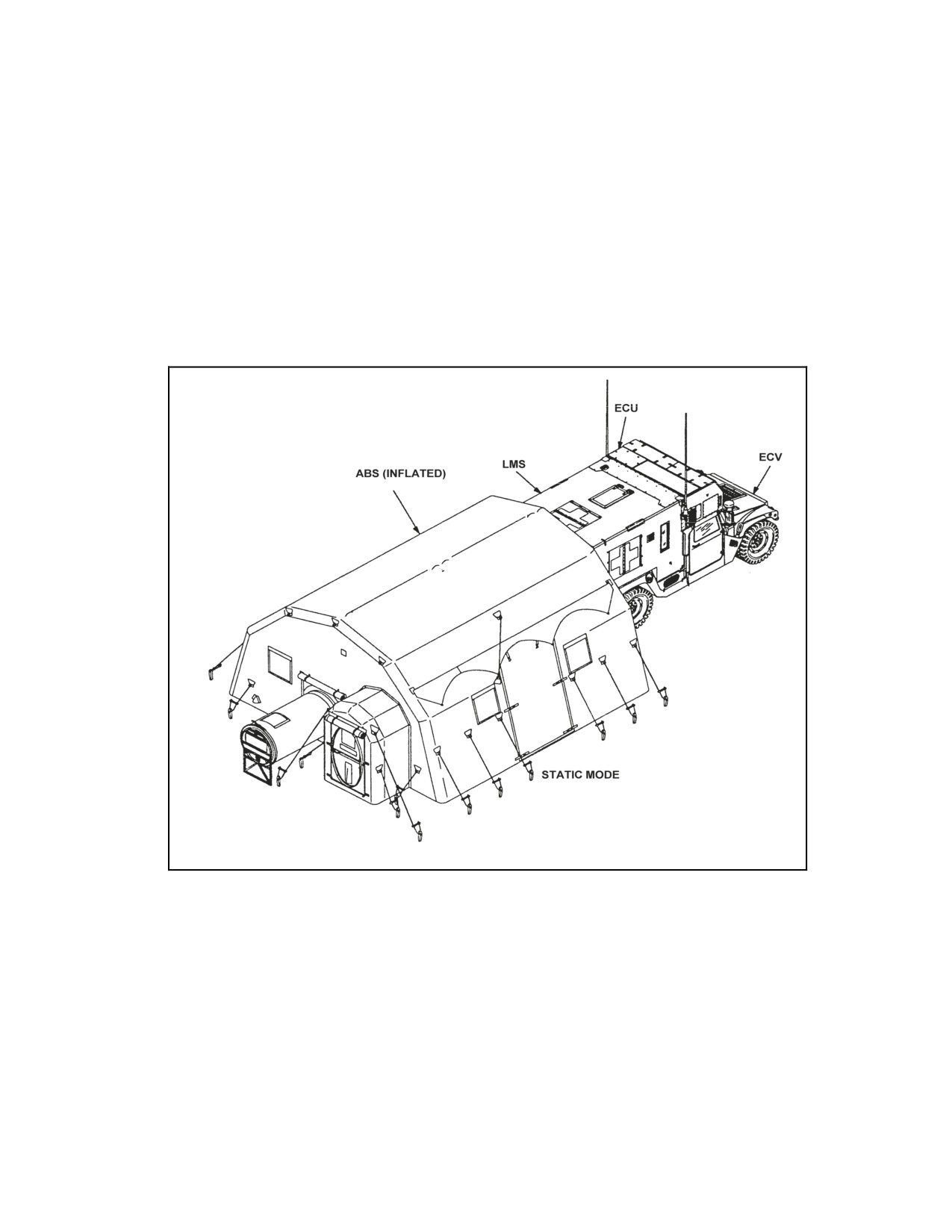
c. The JECP will support common, overlapping functions associated with operational
activities, such as electrical power, sanitation, eating-drinking, cooling-heating, floor space,
entry/exit, and contamination control. The JECP will provide flexibility by reducing the need
to deploy, move, and maintain large, heavy, and complex collective protection systems.
When employed in a C2 scenario, JECP will allow C2 to continue without degradation.
When employed in an R&R scenario, JECP will provide R&R for both personnel required to
wear IPE and MWDs. It will allow personnel to remain unencumbered while eating, drinking,
sleeping, and attending to bodily functions. When employed in the medical scenario, JECP
will provide a toxic-free environment for receiving, treating, and holding human and MWD
casualties. For protection of critical equipment scenarios, JECP will provide a toxic free
environment allowing personnel performing sensitive operations to work unencumbered by
IPE.
Figure XI-1. Chemical Biological Protective Shelter System
5. Employment of the Chemical Biological Protective Shelter System
a. Establish a Role 1 MTF/BAS in a CBPS. One CBPS per treatment team in a Role 1
MTF/BAS is used for conventional operations in a split-team mode. When operating in a
squad configuration and in the conventional mode, two CBPS systems may be complexed
to provide more workspace. However, the treatment squad is not staffed to operate the two
systems in the CB mode.
b. When the two systems are not complexed, the treatment squad must operate in the
CB mode and must use only one system. Although each treatment team of the BAS has a
15 July 2009
FM 4-02.7/MCRP 4-11.1F/NTTP 4-02.7/AFTTP 3-42.3
XI-7
CBPS; only one system is set up when operating in the CB mode. This is due to the lack of
authorized personnel to operate all systems at one time in the CB mode. Eight medical
personnel are required to operate the BAS (employing one CBPS) in the CB mode. At least
eight nonmedical personnel are required to perform patient decontamination under medical
supervision.
c. By setting up one system in the CB mode, it provides the BAS the ability to retain its
flexibility in order to maintain its support mission of being where it is needed and when it is
needed. The CBPS can be used as the treatment shelter in the conventional mode as well.
When the treatment squad is operating in the split-team mode, each team will have a CBPS
for use as its treatment shelter. When operating one system in the CB mode, the other
system provides a replacement in the event it is damaged beyond repair. This ensures
continued HSS to the command.
d. When setting up the PDS, the contaminated ambulance point, contaminated triage
point, patient decontamination area, and contaminated treatment area is established on the
downwind (prevailing wind) side of the CBPS. An overhead cover of plastic sheeting
(approximately 20-ft wide by 50-ft long) is set up over the PDS, the hot line, and the clean
treatment/waiting area. The cover must overlap the airlocks. The clean treatment/waiting
area should have an area at least 20-ft wide by 15-ft long to allow space for placing patients
into the litter airlock without crossing the hot line.
e. A second area covered with 20-ft by 25-ft of plastic sheeting (the evacuation holding
area) is set up beside the shelter on the opposite side from the generator. The clean
treatment area is separated from the decontamination area by a hot line with a shuffle pit.
Only clean (decontaminated) patients or personnel are allowed to cross the hot line into the
clean treatment area or are admitted into the CBPS. Each CBPS provides a minimum of
300 sq ft of work area. Figure XI-2 presents one layout of a BAS using the CBPS. See TM
10-5410-228-10 for complete details on setting up, operating, and maintaining the CBPS.
Note: The overhead cover is not needed when the wind speed exceeds 10 knots per
hour. The plastic will not stay in place.
XI-8
FM 4-02.7/MCRP 4-11.1F/NTTP 4-02.7/AFTTP 3-42.3
15 July 2009