C2, ARMY FM 10-500-71 RIGGING THE FAMILY OF MEDIUM TACTICAL VEHICLES (FMTV) (DECEMBER 2003) - page 6
C2, FM 10-500-71/TO 13C7-6-141
Note: This drawing is not drawn to scale.
6
REAR
RIGHT
5
LEFT
7
FRONT
5
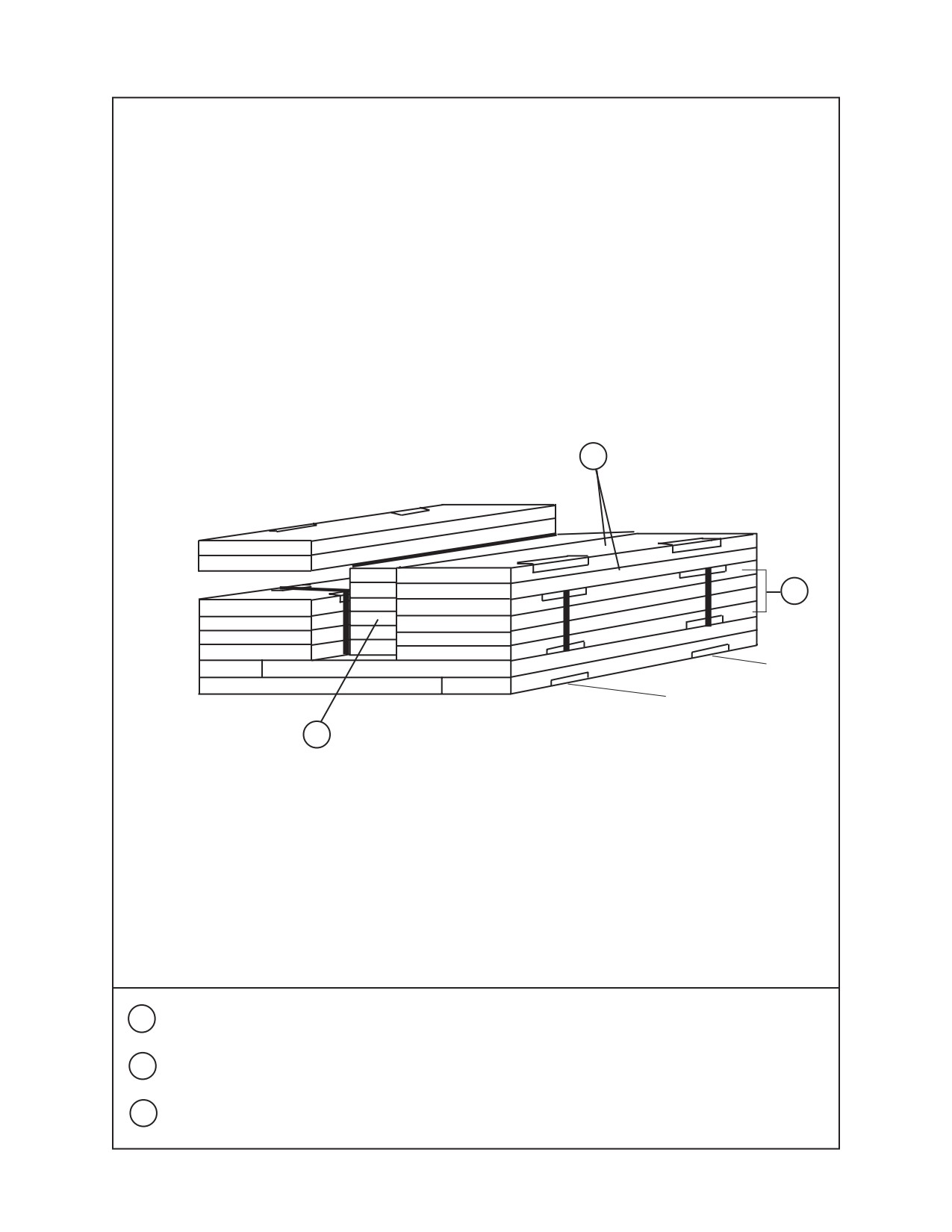
Position the other stack of four pieces of 18- by 44-inch honeycomb flush on top of the base right
side.
6
Position the other stack of two pieces of 18- by 44-inch honeycomb in step 5, flush on top of the four
pieces of 18- by 44-inch honeycomb.
7
Glue six 12- by 36-inch pieces of honeycomb together. Position the stack between the two stacks in step 4
and 5, flush with the rear edge of the base. (Do not glue to base.)
Figure 4-6. Stack 4 prepared (Continued)
4-11
C2, FM 10-500-71/TO 13C7-6-141
Note: This drawing is not drawn to scale.
REAR
RIGHT
LEFT
FRONT
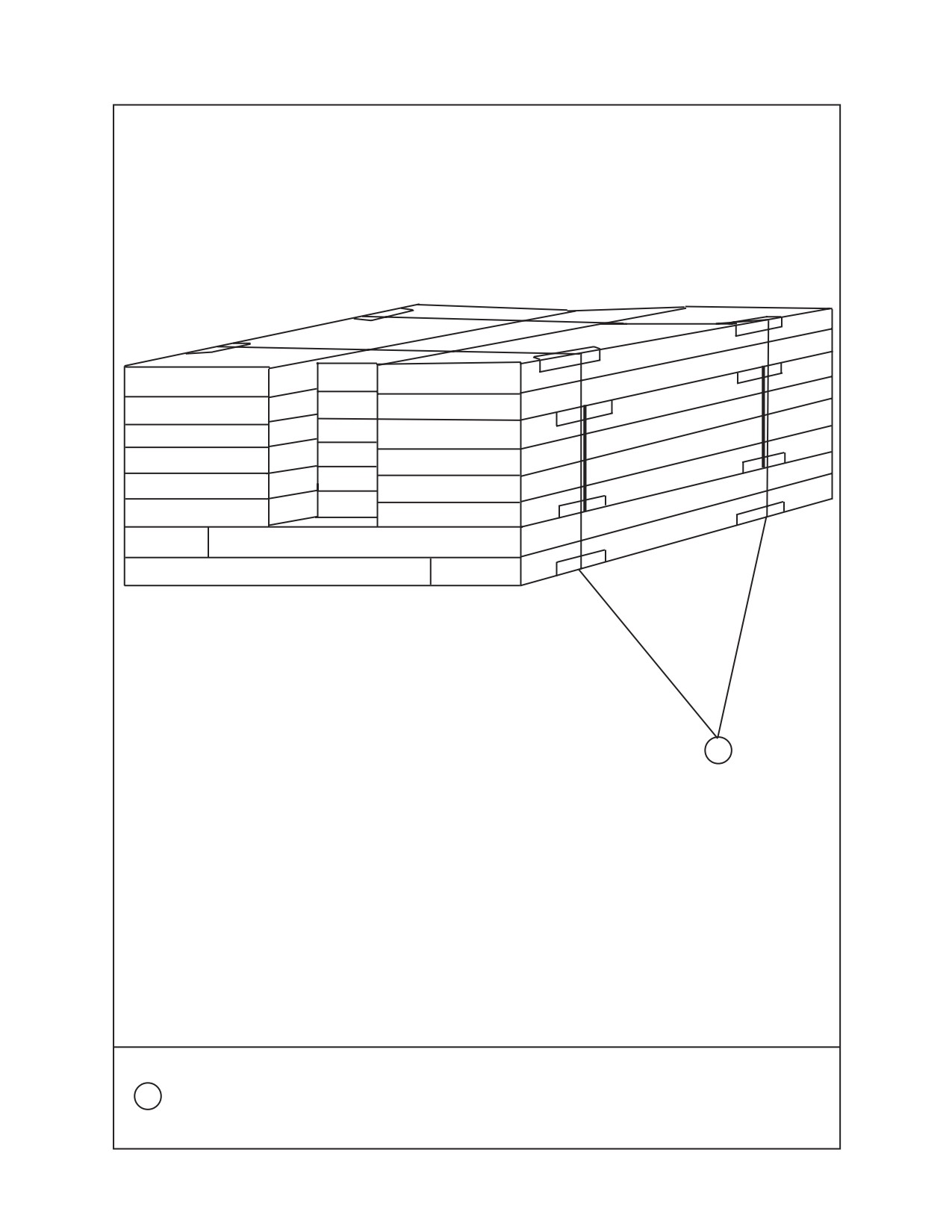
8
8
Secure and tie the type III nylon cord around the completed honeycomb stack.
Figure 4-6. Stack 4 prepared (Continued)
4-12
C2, FM 10-500-71/TO 13C7-6-141
Notes: This drawing is not drawn to scale.
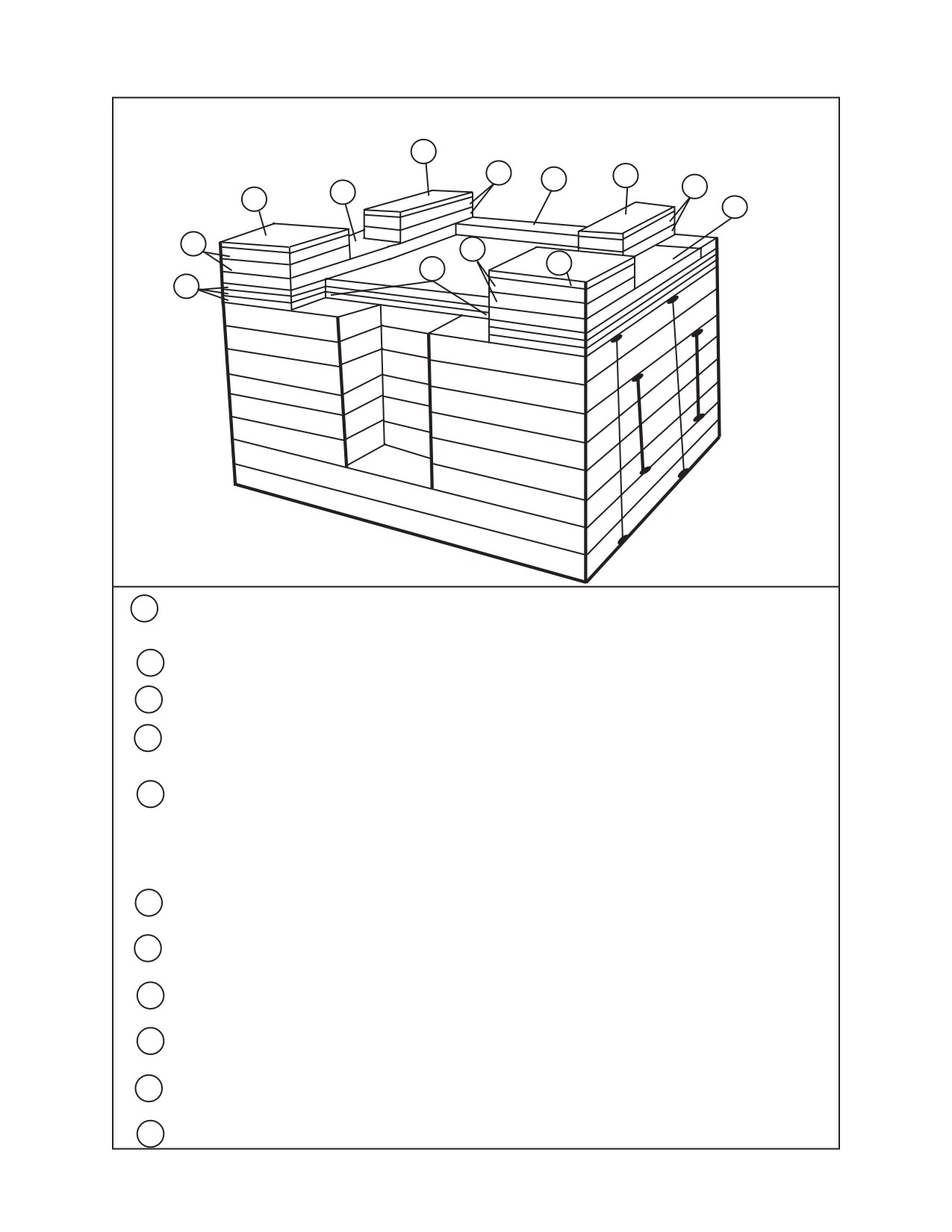
Glue and nail each piece of lumber.
REAR
14
13
14
11
13
12
18
12
17
15
16
10
9
LEFT
RIGHT
FRONT
9
Glue and nail three 48- by 44-inch pieces of 3/4-inch plywood together. (Do not build lumber stack on
honeycomb stack. The lumber will be placed on the stack later.)
10
Cut a 26-inch long, 7-inch deep cutout in the center of the 48-inch side of the plywood.
11
Glue and nail one 2- by 6- by 48-inch piece of lumber flush along the rear edge of the plywood.
12
Glue and nail one 2- by 12- by 38 1/2-inch piece of lumber flush with left side and another on the right side
of the plywood and the end flush against the 2- by 6- by 48-inch piece of lumber in step 11.
13
Glue and nail two 2- by 6- by 21-inch pieces of lumber flush with the right inside edge of the 2- by 12- by
38 1/2-inch lumber and flush with the rear of the 2- by 6- by 48-inch piece of lumber. Glue and nail two
pieces flush with the left inside edge of the 2- by 12- by 38 1/2-inch lumber and flush with the rear of the
2- by 6- by 48-inch piece of lumber. Stack shown is for truck without winch. When truck has a winch, use
three 2- by 6-by 21-inch pieces of lumber glued to the outside on the left side instead of two pieces of lumber.
14
Center, glue and nail one 5 1/2- by 21-inch piece of 3/4-inch plywood on top of each of the two pieces of
lumber in step 13.
15
Glue and nail two 2- by 12- by 12-inch pieces of lumber flush with the left front corner on top of the
2- by 12- by 38 1/2-inch piece of lumber in step 12.
16
Center, glue and nail one piece of 11 1/2- by 12-inch piece of 3/4-inch plywood on top of the two pieces
of lumber in step 15.
17
Glue and nail two 2- by 12- by 12-inch pieces of lumber flush with the right front corner on top of the
2- by 12- by 38 1/2-inch piece of lumber in step 12.
18
Center, glue and nail one piece of 11 1/2- by 12-inch piece of 3/4-inch plywood on top of the two pieces
of lumber in step 17.
19
Glue the completed lumber to the honeycomb base.
Figure 4-6. Stack 4 prepared (Continued)
4-13
C2, FM 10-500-71/TO 13C7-6-141
Note: This drawing is not drawn to scale.
FRONT
4
LEFT
3
2
RIGHT
1
REAR
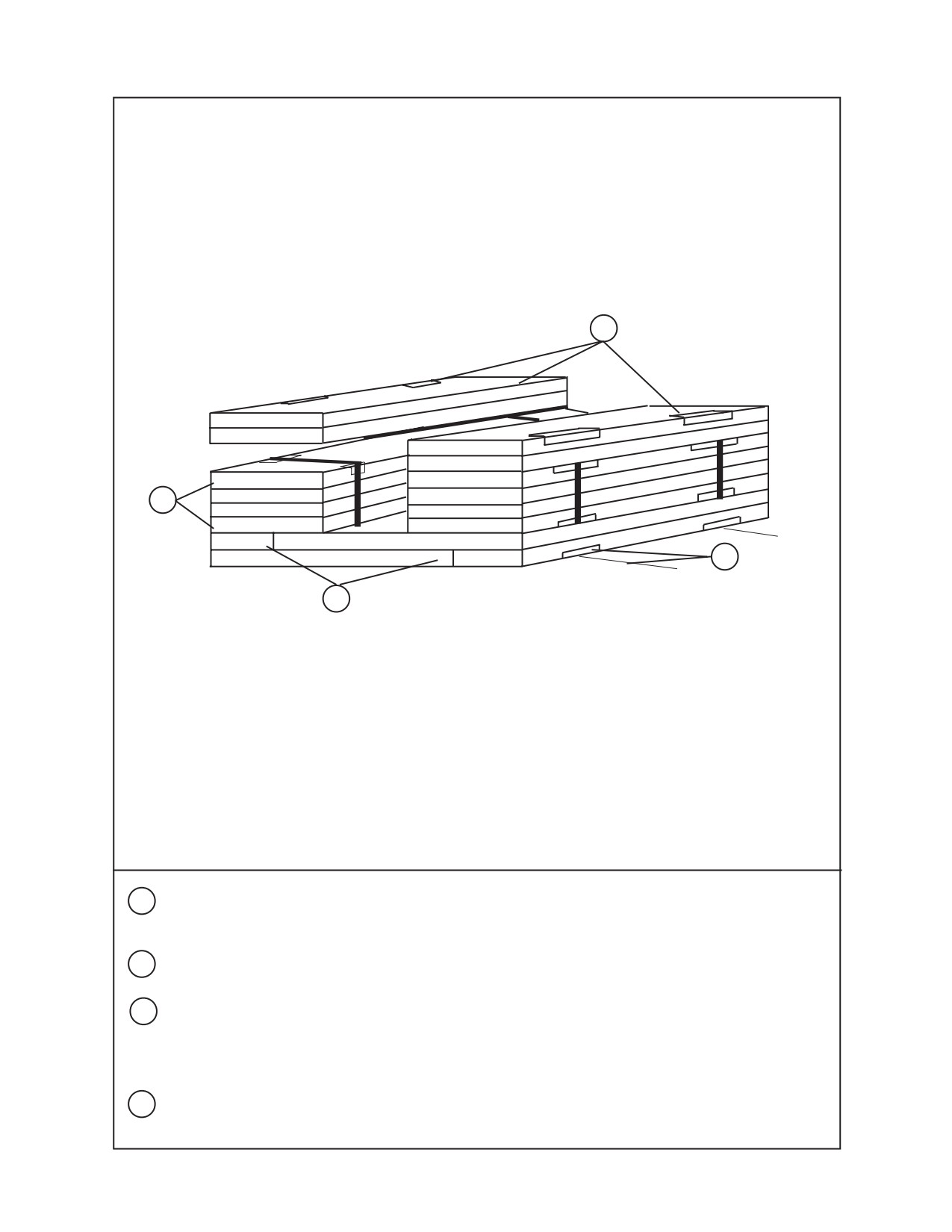
1
Position a 36- by 46-inch piece of honeycomb beside a 12- by 46-inch piece of honeycomb. Glue a 36- by
46-inch piece of honeycomb and a 12- by 46-inch piece of honeycomb on top of the first layer. Alternate
them to form the base.
2
Place a length of cloth backed tape on the bottom outer edges of the base. Position two 13-foot lengths of
type III nylon cord under the base. Align with the strips of tape.
3
Form two stacks by gluing four pieces of 18- by 46-inch honeycomb together. Place a sufficient length of
cloth backed tape on all edges as shown above. Run a length of 1/2-inch tubular nylon over the strips of
tape and around the 18- by by 46-inch stacks. Secure and tie with a square knot on the outside of the stack.
Place the stack flush with the base. (Do not glue to base.) (The 1/2-inch tubular nylon ties, PULL-OUT
AIDS, are to assist in pulling the stacks out from under the vehicle during derigging.)
4
Form two stacks by gluing two pieces of 18- by 46-inch honeycomb together. Place a length of cloth
backed tape on each end. Position each stack on top of the existing stacks. (Do not glue.)
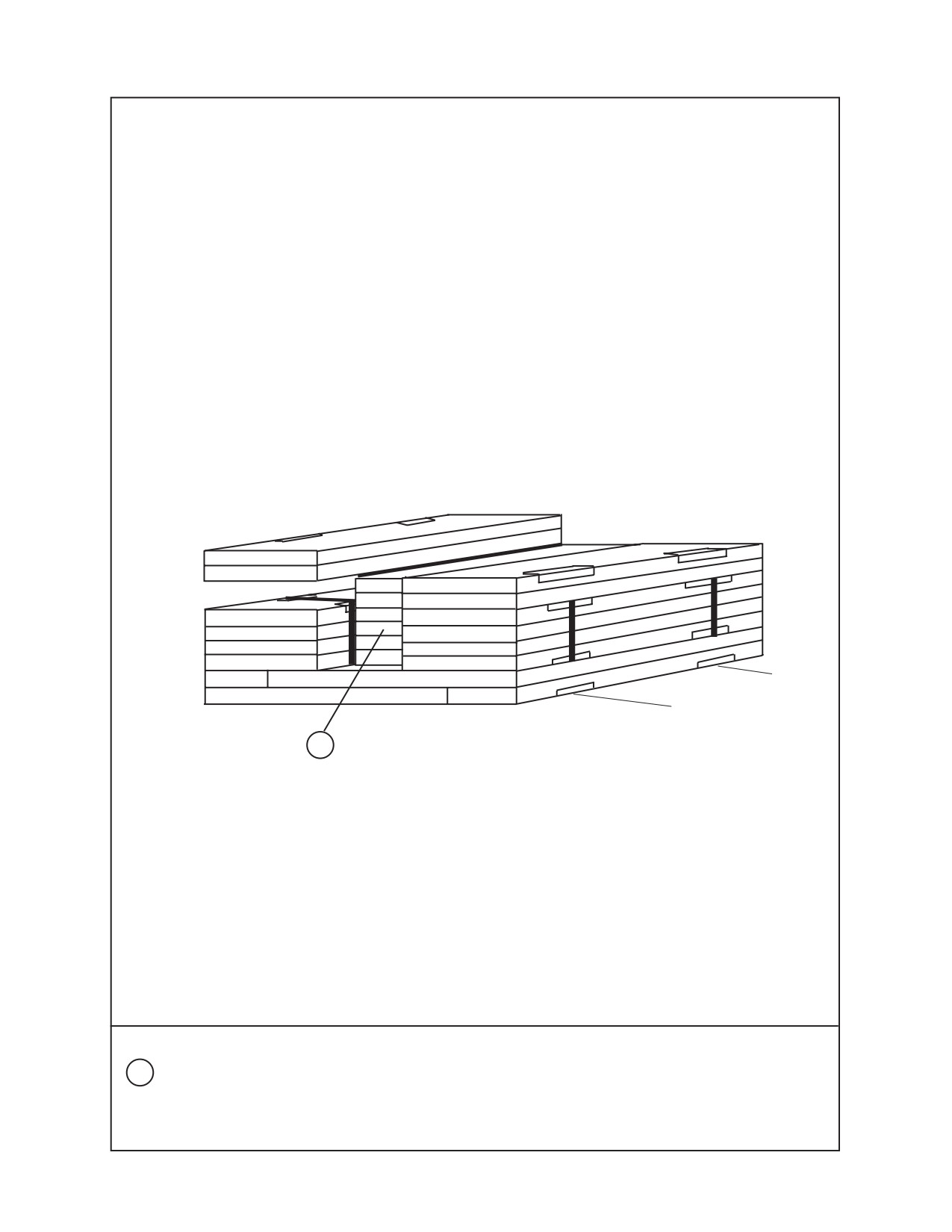
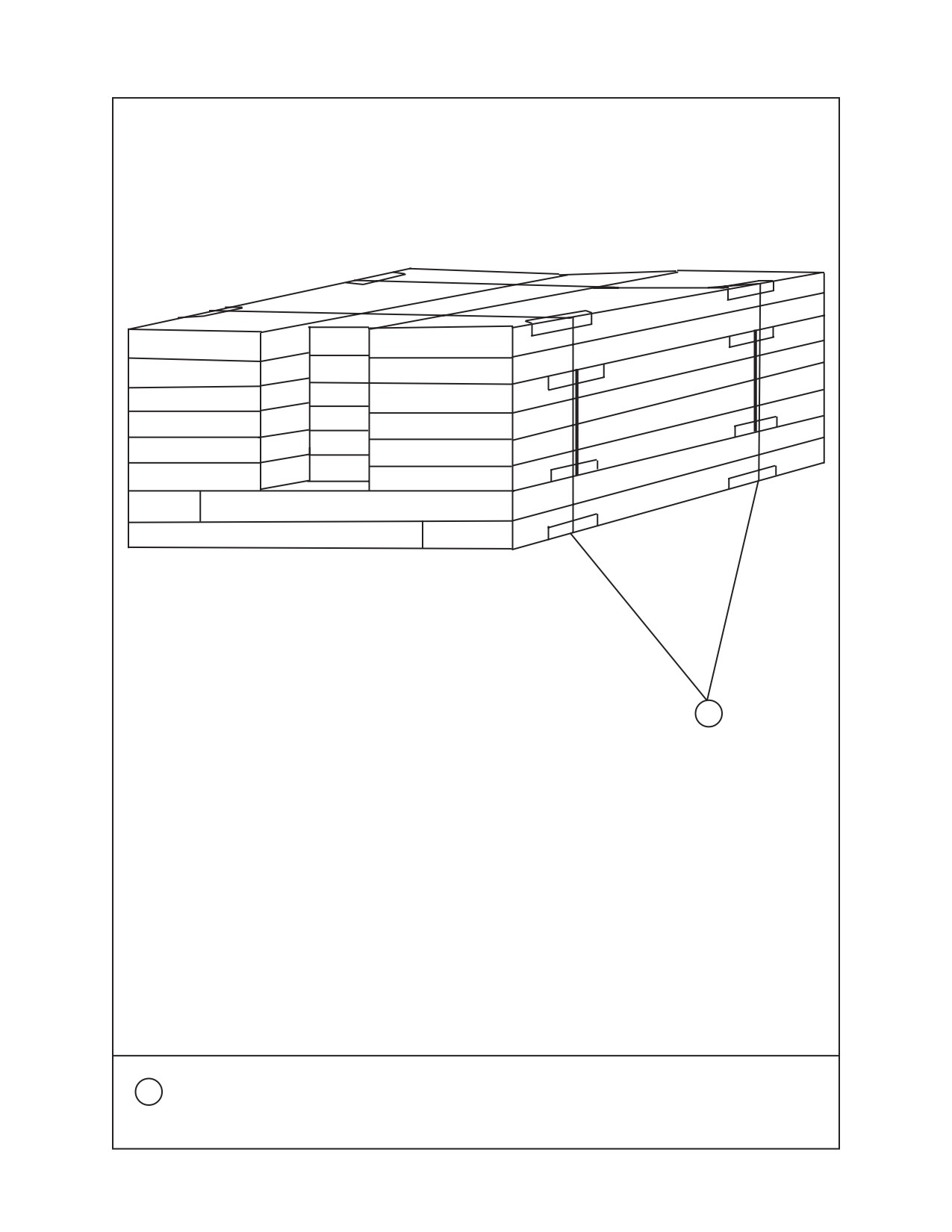
Figure 4-7. Stack 5 prepared
4-14
C2, FM 10-500-71/TO 13C7-6-141
Note: This drawing is not drawn to scale.
FRONT
LEFT
RIGHT
5
REAR
5
Form a stack by gluing six 12- by 36-inch pieces of honeycomb together. Position the stack between the
two stacks in step 4, flush with the front edge of the base. (Do not glue to base.)
Figure 4-7. Stack 5 prepared (Continued)
4-15
C2, FM 10-500-71/TO 13C7-6-141
Note: This drawing is not drawn to scale.
FRONT
LEFT
RIGHT
REAR
6
6
Secure and tie the type III nylon cord around the completed honeycomb stack.
Figure 4-7. Stack 5 prepared (Continued)
4-16
C2, FM 10-500-71/TO 13C7-6-141
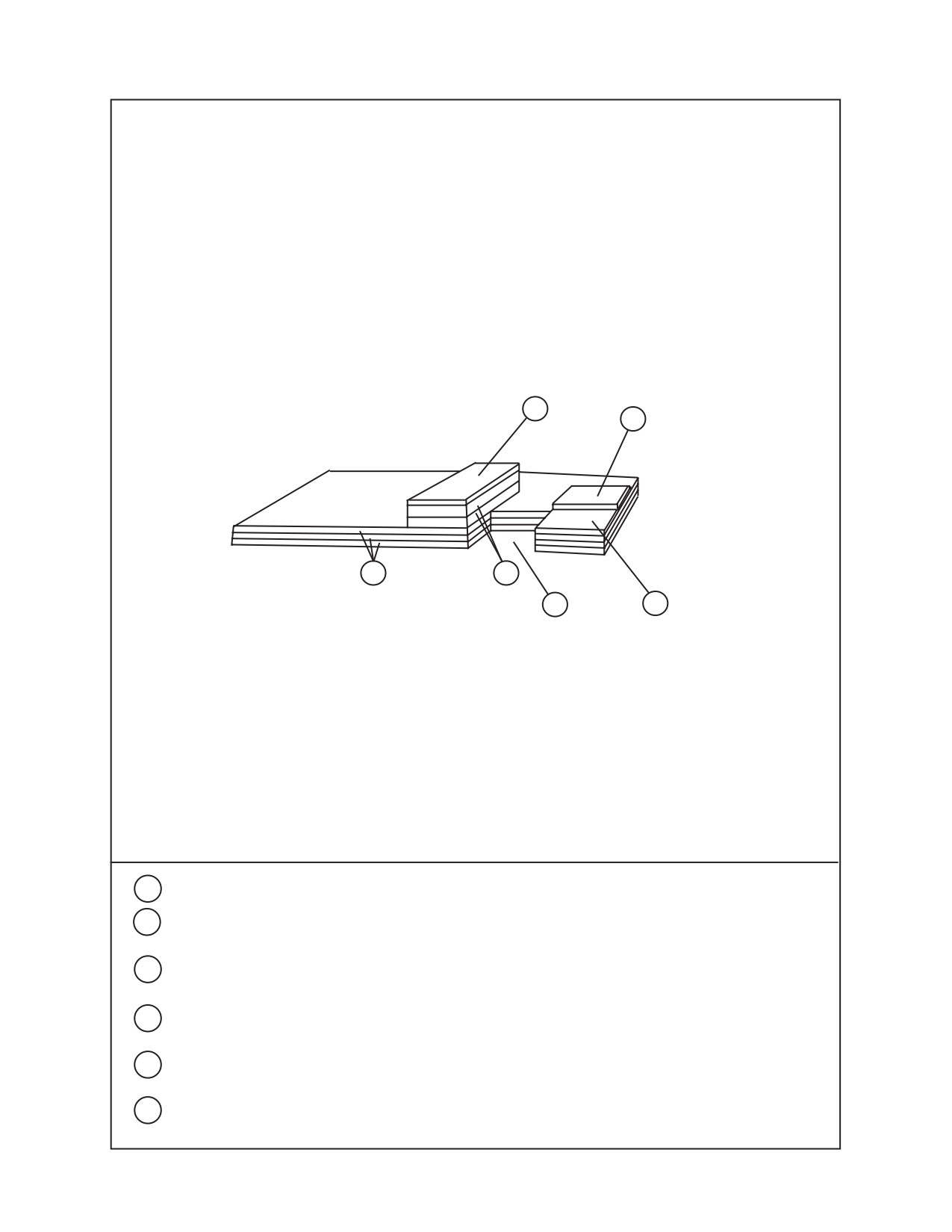
Notes: 1. Place the plywood on the honeycomb stack after positioning stack on the platform.
2. This drawing is not drawn to scale.
FRONT
12
10
LEFT
RIGHT
7
11
8
9
REAR
7
Glue and nail together three 48- by 46-inch pieces of 3/4-inch plywood.
8
Cut an 8-inch long and 12-inch deep cutout in the rear 48-inch edge of the plywood 8 inches from the
right side.
9
Glue and nail one 8- by 16- by 3/4-inch piece of plywood on top of the plywood flush with the rear and
right edges.
10
Glue and nail one 8- by 6- by 3/4-inch piece of plywood on top of the plywood in step 9 flush with the
front and right edges.
11
Glue and nail two 2- by 8- by 26 1/2-inch pieces of lumber flush with the rear edge of the plywood and
even with the left side of the cutout.
12
Glue and nail one 7 1/2- by 26 1/2-inch piece of 3/4-inch plywood on top of the lumber in step 11 flush
with the front edge of the lumber.
Figure 4-7. Stack 5 prepared (Continued)
4-17
C2, FM 10-500-71/TO 13C7-6-141
Note: This drawing is not drawn to scale.
FRONT
16
13
15
14
17
LEFT
RIGHT
REAR
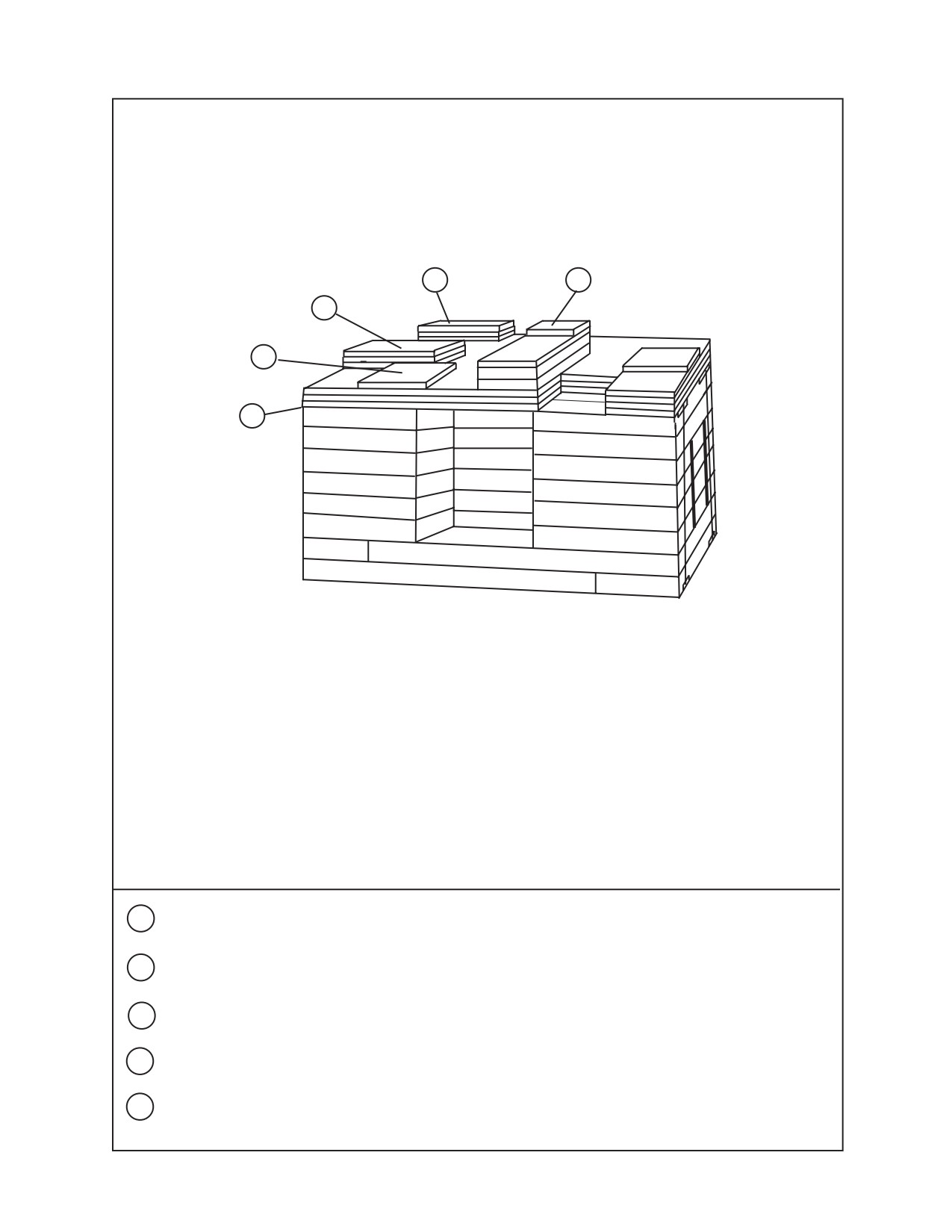
13
Glue and nail one 7 1/2- by 8-inch piece of 3/4-inch plywood on top of the plywood in step 12 flush with
the front edge of the lumber.
14
Glue and nail one 10- by 10-inch piece of 3/4-inch plywood on top of the plywood flush with the rear edge
and 8 inches from the left edge.
15
Glue and nail three 14- by 12-inch pieces of 3/4-inch plywood on top of the plywood 12-inch side flush
against the left edge and flush against the front edge of the plywood in step 14.
16
Glue and nail three 14- by 12-inch pieces of 3/4-inch plywood on top of the plywood 12-inch side flush
with the left front corner.
17
Glue the completed lumber to the honeycomb base.
Figure 4-7. Stack 5 prepared (Continued)
4-18
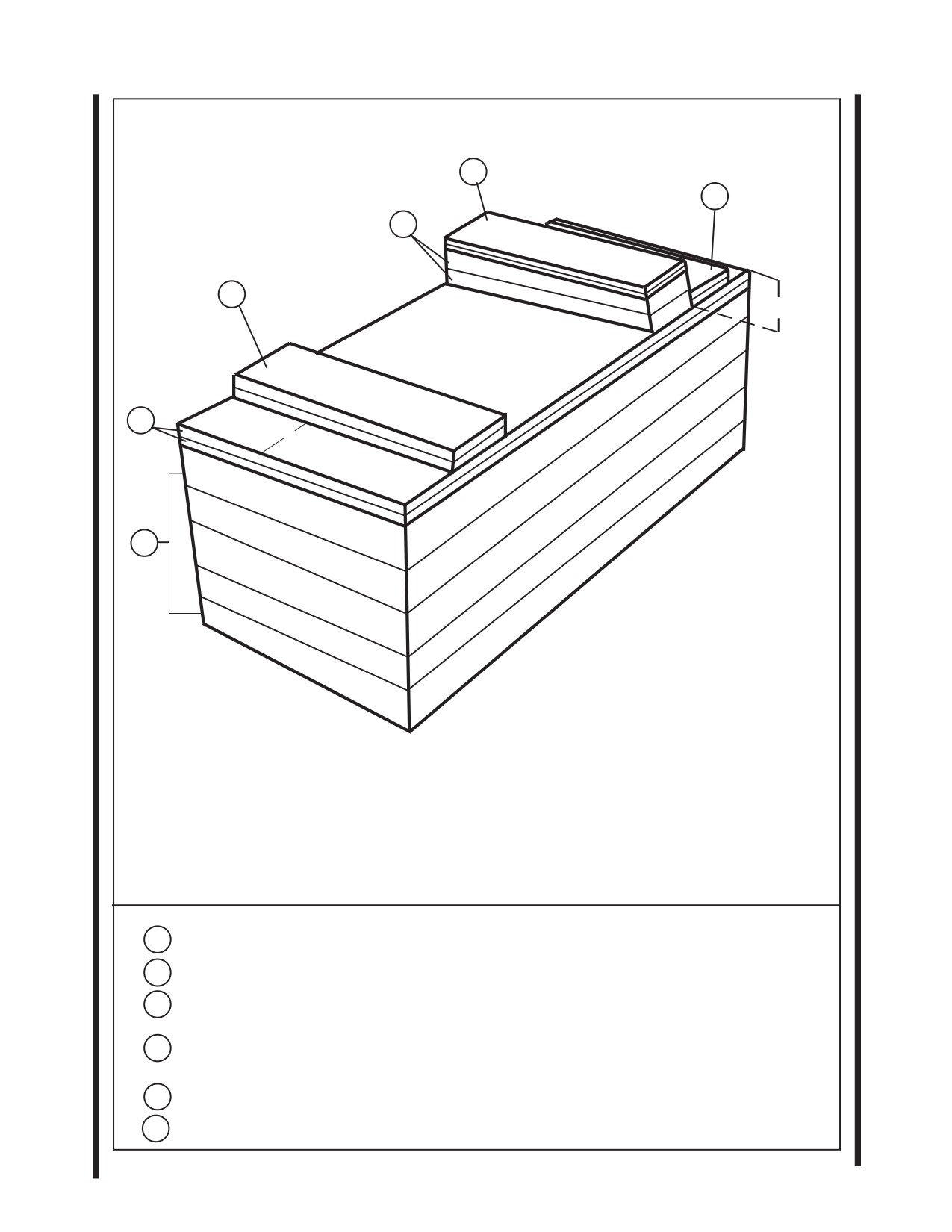
C2, FM 10-500-71/TO 13C7-6-141
Note: This drawing is not drawn to scale.
4
LEFT
5
3
REAR
6
13"
2
5"
1
FRONT
RIGHT
1
Glue five 48- by 18-inch pieces of honeycomb together to form a base.
2
Glue, center and nail two 48- by 18-inch pieces of 3/4-inch plywood on top of base.
3
Glue and nail one stack of two 2- by 6- by 18-inch pieces of lumber 13 inches from the left edge of the
stack base.
4
Form three stacks of two 18- by 5 1/2-inch pieces of plywood. Glue and nail one stack on top of lumber
installed in step 3.
5
Glue and nail another stack 5 inches from the left side.
6
Glue and nail the remaining stack 5 inches from the right side.
Figure 4-8. Stack 6 prepared
4-19
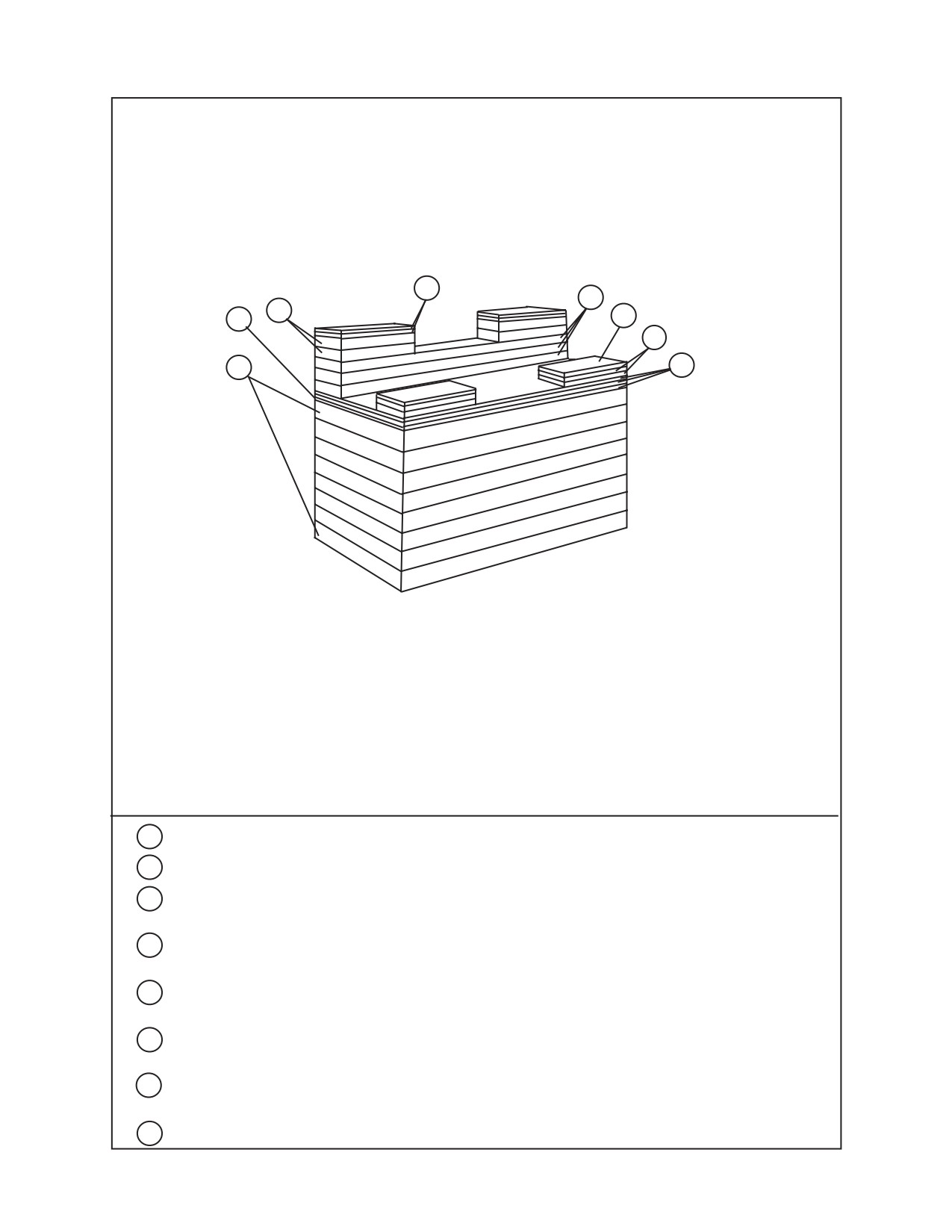
C2, FM 10-500-71/TO 13C7-6-141
Note: This drawing is not drawn to scale.
REAR
5
3
4
8
7
6
2
1
LEFT
RIGHT
FRONT
1
Glue eight 43- by 24-inch pieces of honeycomb together to form a base.
2
Glue and nail three 43- by 24-inch pieces of 3/4-inch plywood together.
3
Glue and nail three 2- by 8- by 43-inch pieces of lumber. Center, glue and nail each piece of lumber
flush with the rear edge of the plywood.
4
Glue and nail two 2 piece stacks of 2- by 8- by 12-inch lumber. Glue and nail one stack flush with the
right edge and one stack flush with left edge of the lumber in step 3.
5
Glue two 2 piece stacks of 7 1/2- by 12-inch pieces of 3/4-inch plywood. Glue and nail one stack on top
of the right and left stacks of lumber in step 4.
6
Glue two 2 piece stacks of 14- by 7-inch pieces of 3/4-inch plywood. Glue and nail each 14-inch sided
stack flush, with the right and left front corners.
7
Glue and nail one 14- by 7-inch piece of 1/2-inch plywood on top of the 14- by 7-inch pieces of 3/4-inch
plywood
8
Glue the completed lumber to the honeycomb base.
Figure 4-9. Stack 7 prepared
4-20
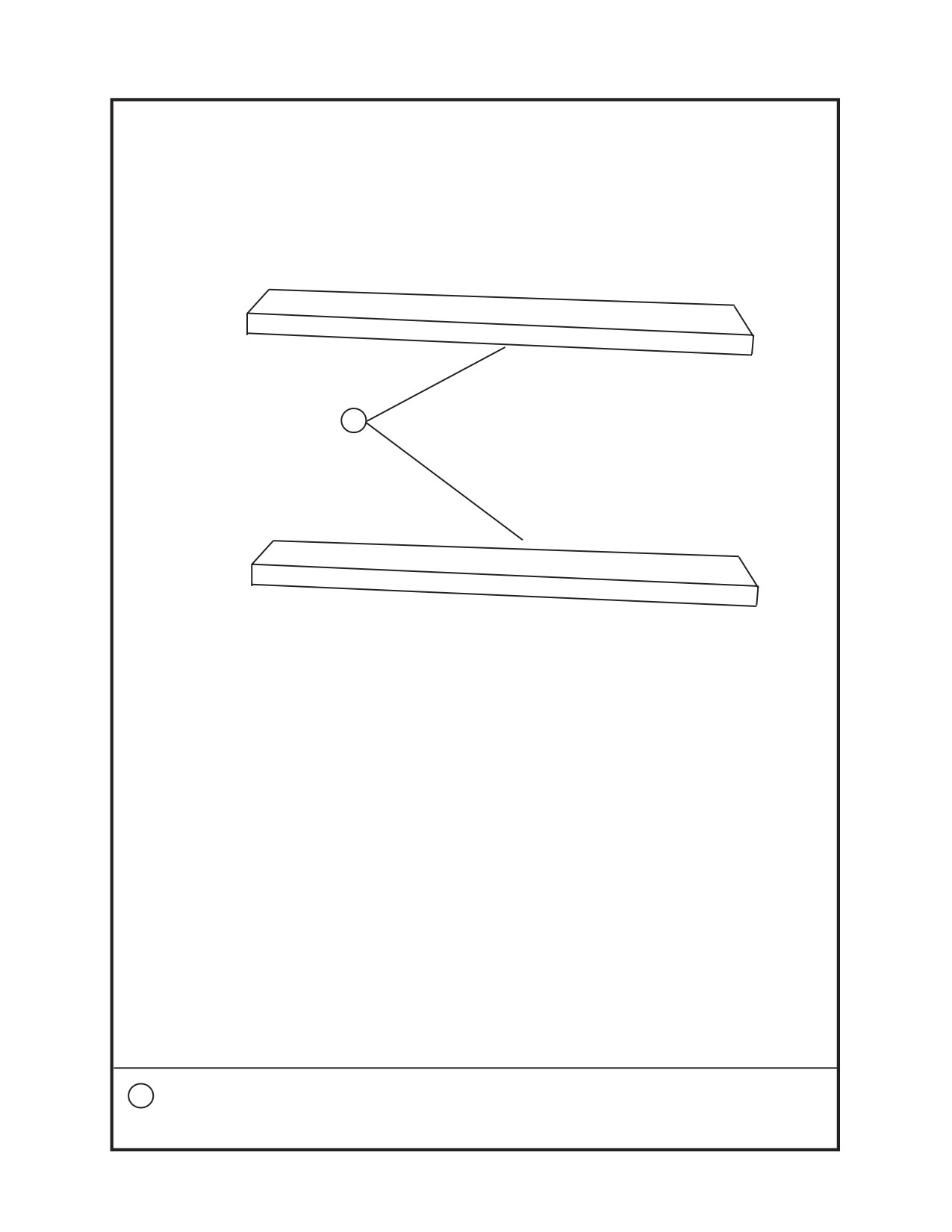
C2, FM 10-500-71/TO 13C7-6-141
Note: This drawing is not drawn to scale.
STACK 8
1
STACK 9
1
Cut two 18- by 96-inch pieces of honeycomb.
Figure 4-10. Stacks 8 and 9 prepared
4-21
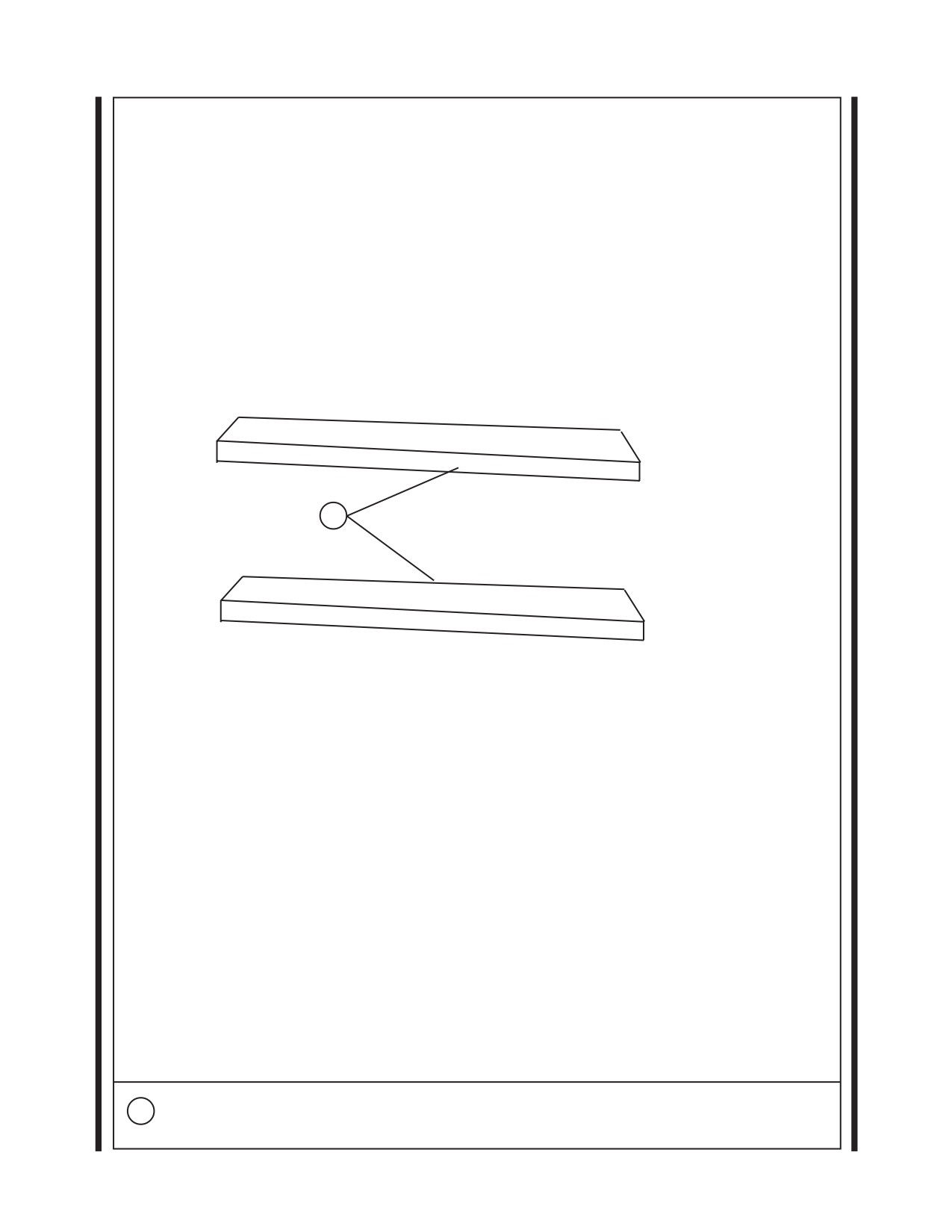
C2, FM 10-500-71/TO 13C7-6-141
Note: This drawing is not drawn to scale.
STACK 10
1
STACK 11
1
Cut two 18- by 74-inch pieces of honeycomb.
Figure 4-11. Stacks 10 and 11 prepared
4-22
C2, FM 10-500-71/TO 13C7-6-141
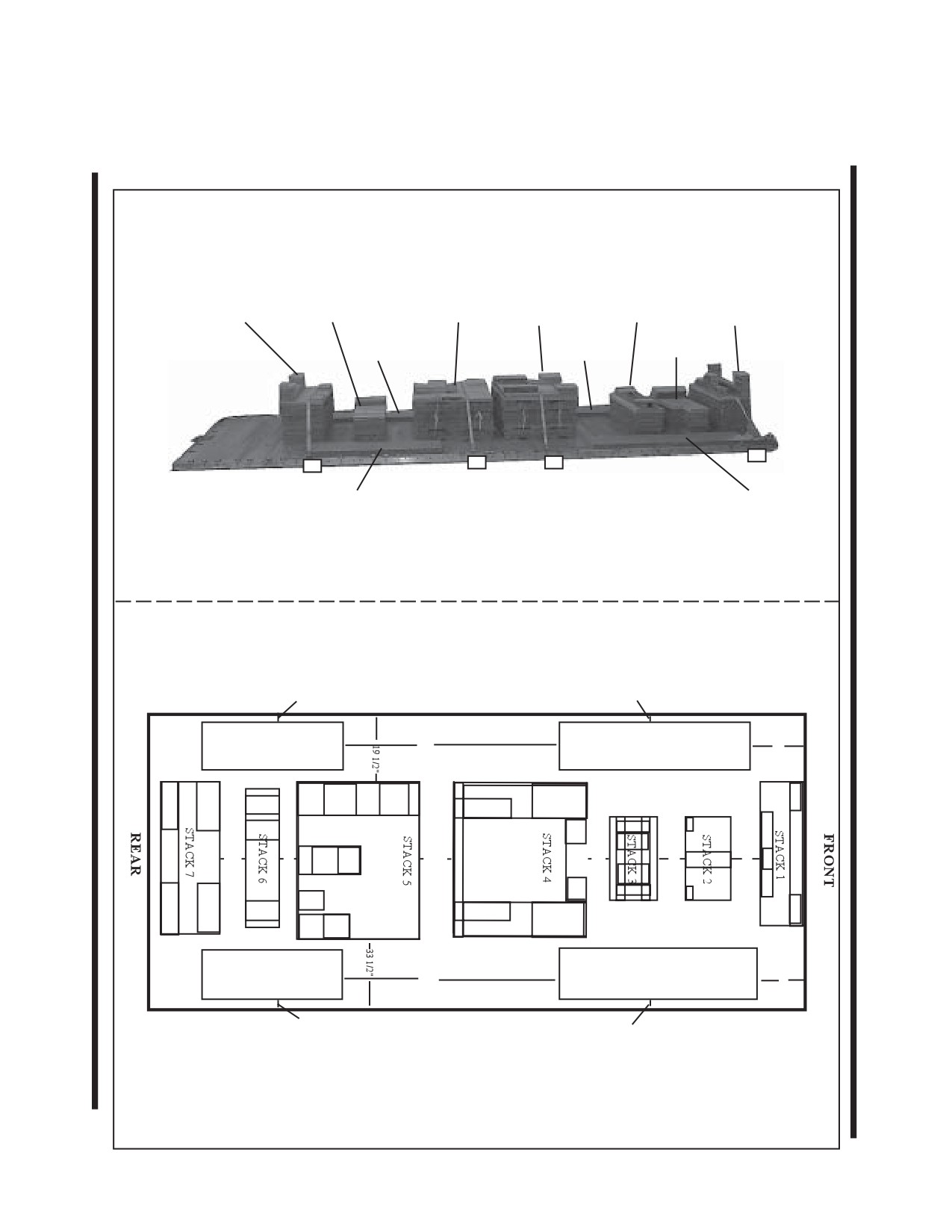
4-4. Positioning Honeycomb Stacks
Position the honeycomb stacks as shown in
Figure 4-12.
LEFT
STACK 7
STACK 6
STACK 5
STACK 4
STACK 3
STACK 1
STACK 11
STACK 9
STACK 2
FRONT
REAR
3
22
16
10
STACK 10
STACK 8
RIGHT
SIDE VIEW
Note: This drawing is not drawn to scale.
LEFT
4 1/2"
4 1/2"
STACK 11
73"
STACK 9
9"
22"
13"
7 1/2"
36"
10"
10"
STACK 10
73"
STACK 8
9"
4 1/2"
4 1/2"
RIGHT
TOP VIEW
Figure 4-12. Honeycomb stacks positioned on platform
4-23
C2, FM 10-500-71/TO 13C7-6-141
Stack
Number
Instructions
1
Position stack 1, centered and flush with the front edge of the platform. Secure the stack by passing a 15-
foot tiedown lashing through clevis 3 and through its own D-ring. Route the lashing over the stack and
attach it to clevis 3A with a D-ring and loadbinder.
2
Position stack 2, centered and 10 inches from stack 1.
3
Position stack 3, centered and 10 inches from stack 2.
4
Position stack 4, centered and 36 inches from stack 3. Secure the stack by passing a 15-foot tiedown
lashing through clevis 10 and through its own D-ring. Route the lashing over the stack and attach it to
clevis 10A with a D-ring and a loadbinder.
5
Position stack 5, 33 1/2 inches from the right side rail and 7 1/2 inches from stack 4. Secure the stack by
passing a 15-foot tiedown lashing through clevis 16 and through its own D-ring. Route it over the stack
and attach it to clevis 16A with a D-ring and a loadbinder.
6
Position stack 6, centered and 13 inches from stack 5.
7
Position stack 7, centered 22 inches from stack 6. Secure the stack by passing a 15-foot tiedown lashing
through clevis 22 and through its own D-ring. Route it over the stack and attach it to clevis 22A with a
D-ring and a loadbinder.
8
Position stack 8, 9 inches from the front edge of the platform and 4 1/2 inches from the right platform side
rail.
9
Position stack 9, 9 inches from the front edge of the platform and 4 1/2 inches from the left platform side
rail.
10
Position stack 10, 73 inches from stack 8 and 4 1/2 inches from the right platform side rail.
11
Position stack 11, 73 inches from stack 9 and 4 1/2 inches from the left platform side rail.
Figure 4-12. Honeycomb stacks positioned on platform (Continued)
4-24
C2, FM 10-500-71/TO 13C7-6-141
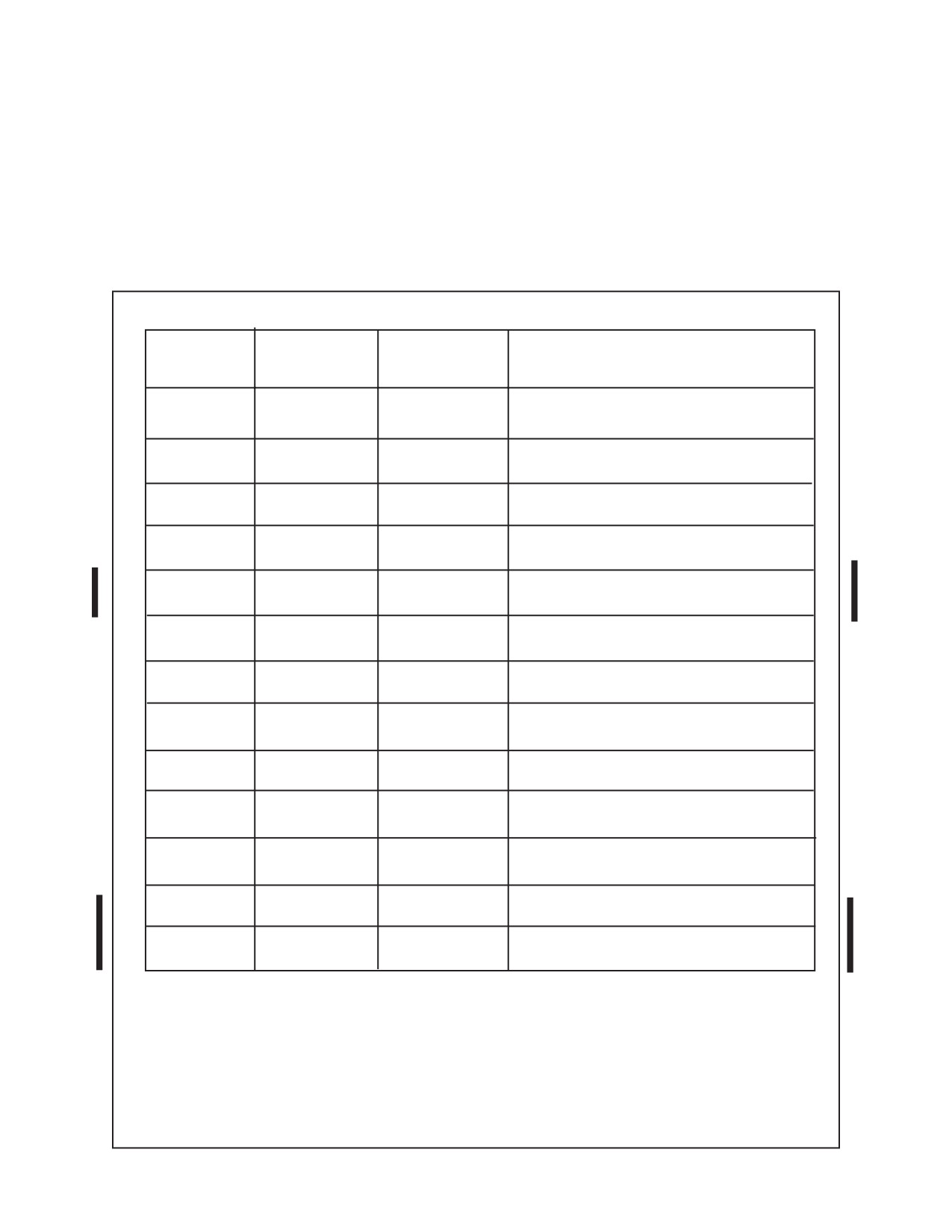
4-5. Preparing Truck
NOTE: If the dump truck has wooden sideboards
Prepare the M1094 dump truck as shown in Figure 4-13
installed on the truck bed sidewalls, they must be
and as described below.
removed for Low-Velocity Airdrop.
a. Make sure the fuel tank is not more than 3/4 full.
c. Remove radio mount if equipped and secure in cab
storage box, padded with cellulose wadding and the
b. Make sure the batteries and compartment comply
remaining space filled with honeycomb to prevent
with AFMAN(I) 24-204/TM 38-250.
movement.
The following is a list of materials used for truck preparation.
PIECES
WIDTH
LENGTH
MATERIAL
(inches)
(inches)
1
36
80
Honeycomb
2
18
60
Honeycomb
10
2- by 6
13 1/2
Lumber
2
4- by 4
6
Lumber
4
2- by 4
15
Lumber
4
2- by 4
6
Lumber
1
10
10
3/4-inch Plywood
2
2- by 6
6
Lumber
1
36
96
Honeycomb
1
4
6
Honeycomb
4
1/2
10
Bolts (washers and nuts)
1
13
82
3/4-inch Plywood
1
13
82
Honeycomb
4-25
C2, FM 10-500-71/TO 13C7-6-141
1
2
3
4
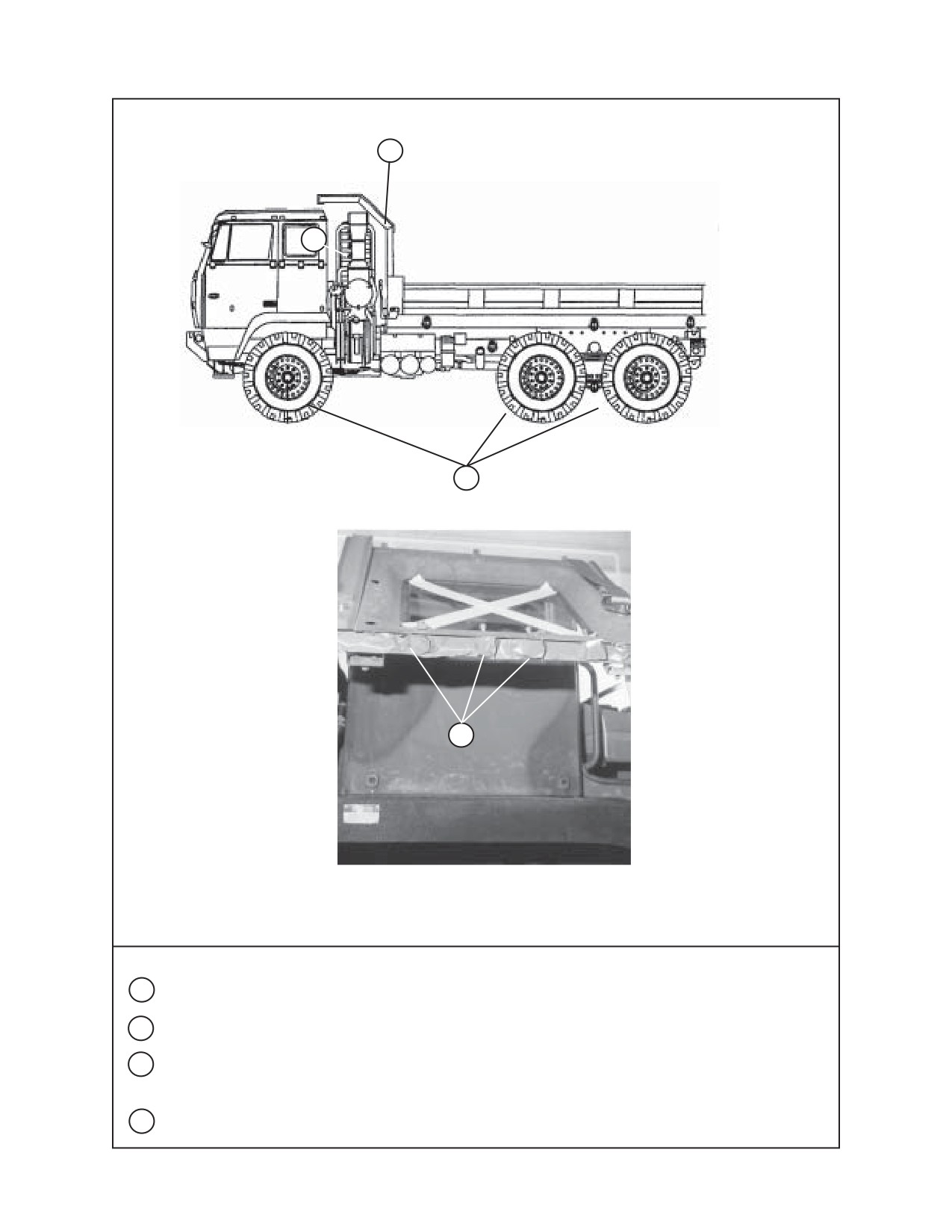
1
Unpin the cab protector, rotate it into the truck bed and reinsert the pin.
2
Remove the air intake and any external radio mounts on the cab.
3
Deflate all tires to sand mode (22 PSI), allowing the vehicle to sit on the honeycomb stacks correctly.
Note: Verify each individual tire pressure for accuracy.
4
Remove the roof and secure the roof bolts with tape.
Figure 4-13. Truck prepared
4-26
C2, FM 10-500-71/TO 13C7-6-141
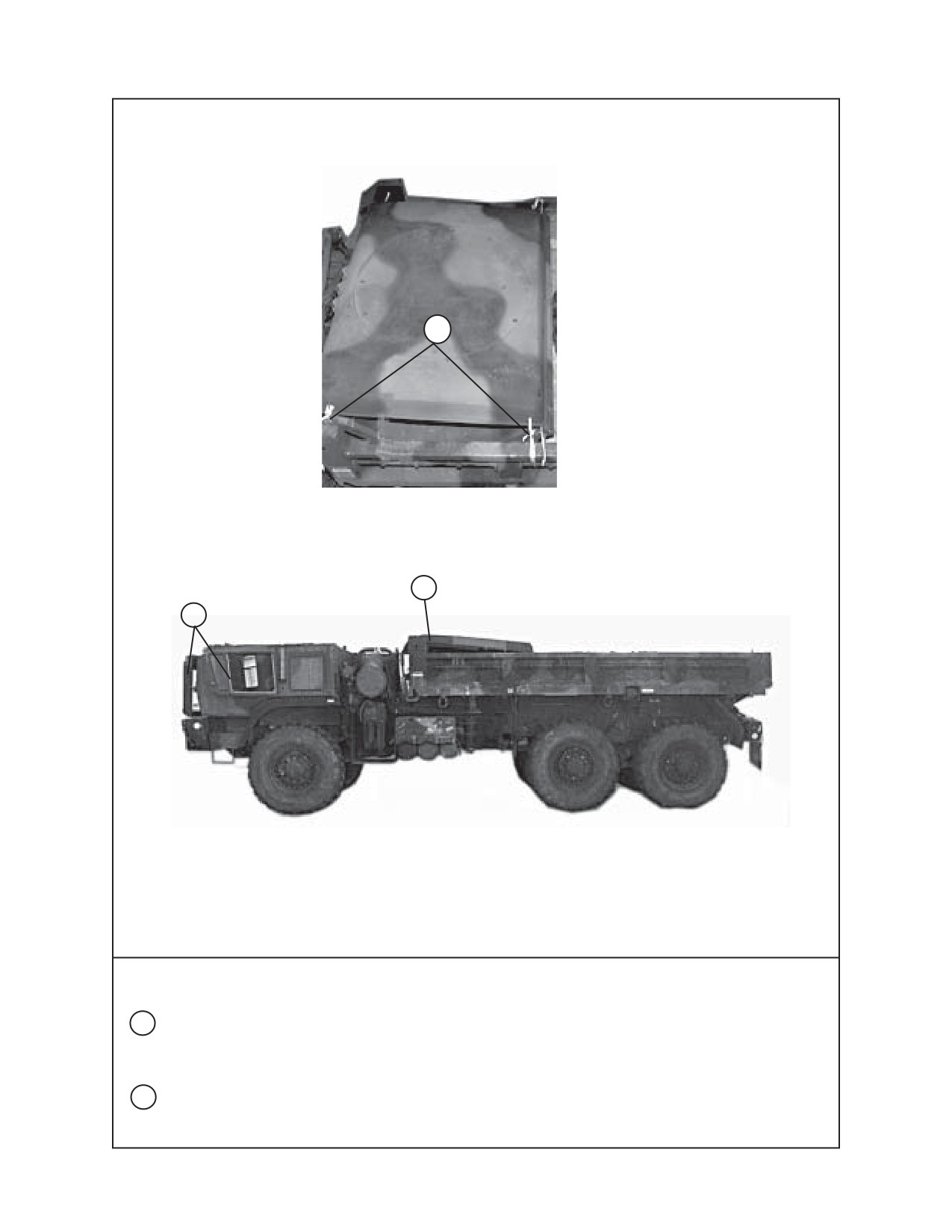
5
5
6
5
Place the roof on the cab protector in the truck bed with lights facing forward. Secure corners with
1/2-inch tubular nylon.
Note: The cab protector, roof and spare tire will be stowed with the accompanying load.
6
Remove windshield wipers, fold windshield down. Roll windows down and fold down side window frames.
Figure 4-13. Truck prepared (Continued)
4-27
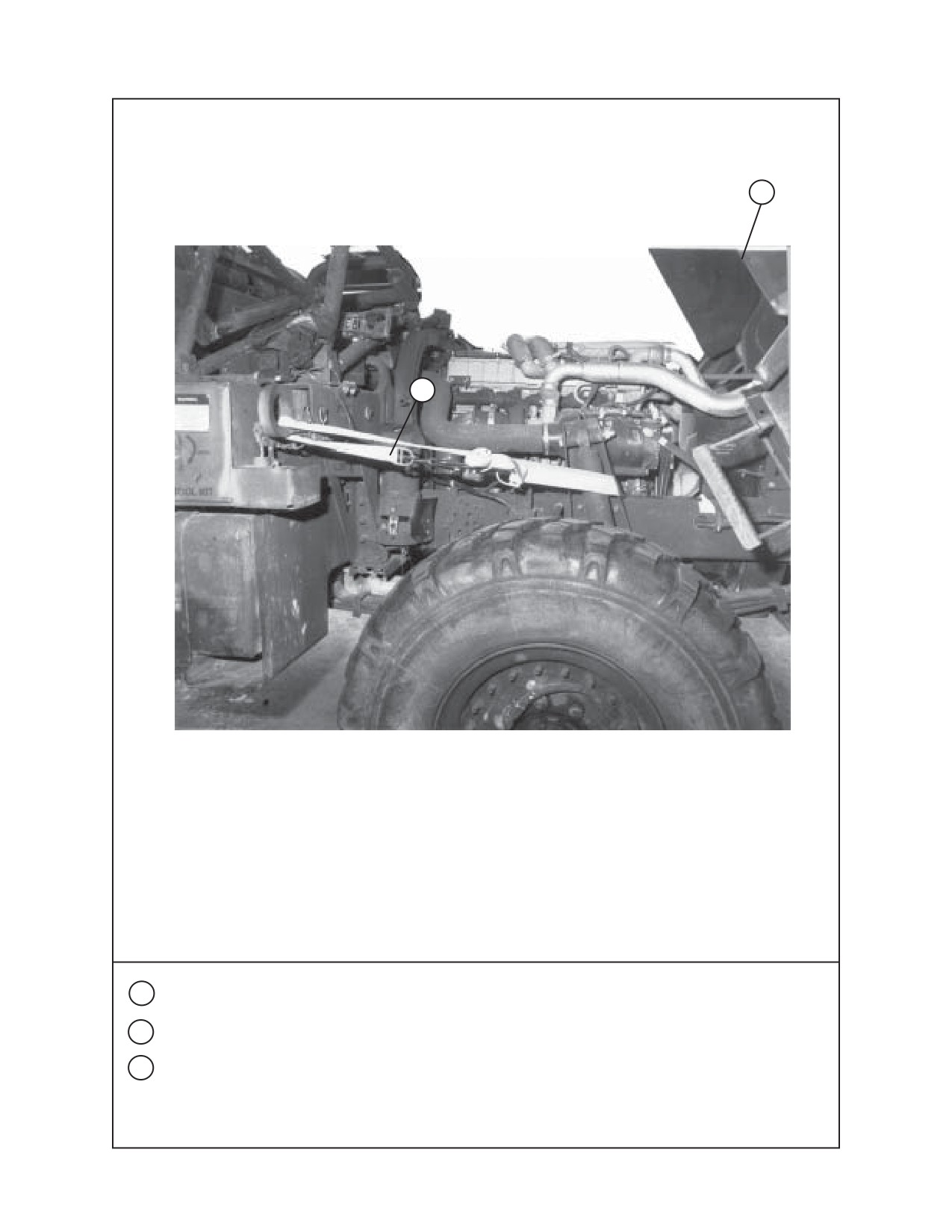
C2, FM 10-500-71/TO 13C7-6-141
7
9
7
Place the cab compartment in the raised position.
8
Tape the spare tire strap to the spare tire carrier. (Not shown).
9
Install motor mount support by routing a 15-foot tiedown lashing through the right side lifting point, in front
of the shock absorber, over the frame, behind/under the motor mount, back over the frame, back in front of
the shock absorber, and back to the lifting point. Secure the lashing with a D-ring and loadbinder. (Ensure
lashing runs underneath all hoses and wiring). Repeat for the left side.
Figure 4-13. Truck prepared (Continued)
4-28
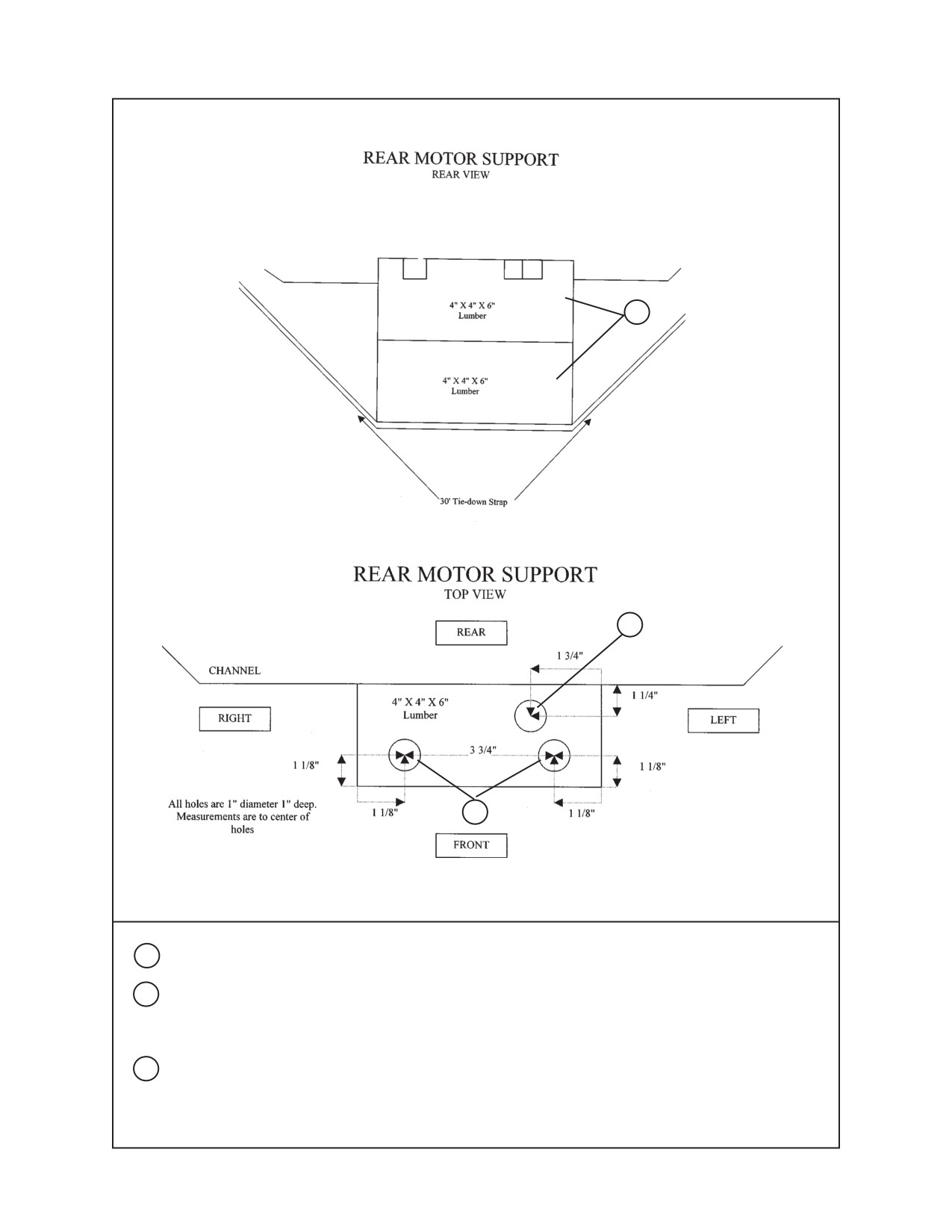
C2, FM 10-500-71/TO 13C7-6-141
Note: This drawing is not drawn to scale.
10
12
11
10
Install rear motor support by cutting two 4- by 4- by 6-inch pieces of lumber.
11
Countersink three holes 1-inch in diameter, 1-inch deep. Drill one hole 1 1/8 inch from the left and front
edge. Drill another hole 1 1/8 inch from the right and front edge. Ensure there are 3 3/4 inches between the
first two holes.
12
Drill the last hole 1 1/4 inch from the rear edge and 1 3/4 inch from the left edge in one piece of 4-by 4- by
6-inch lumber. Place the other 4 - by 4- by 6-inch piece of lumber under the first piece of lumber and tape
them together with cloth-backed tape leaving the holes exposed. Place the countersunk holes of the 4- by
4- by 6-inch piece of lumber over the bolts in the bell housing.
Figure 4-13. Truck prepared (Continued)
4-29
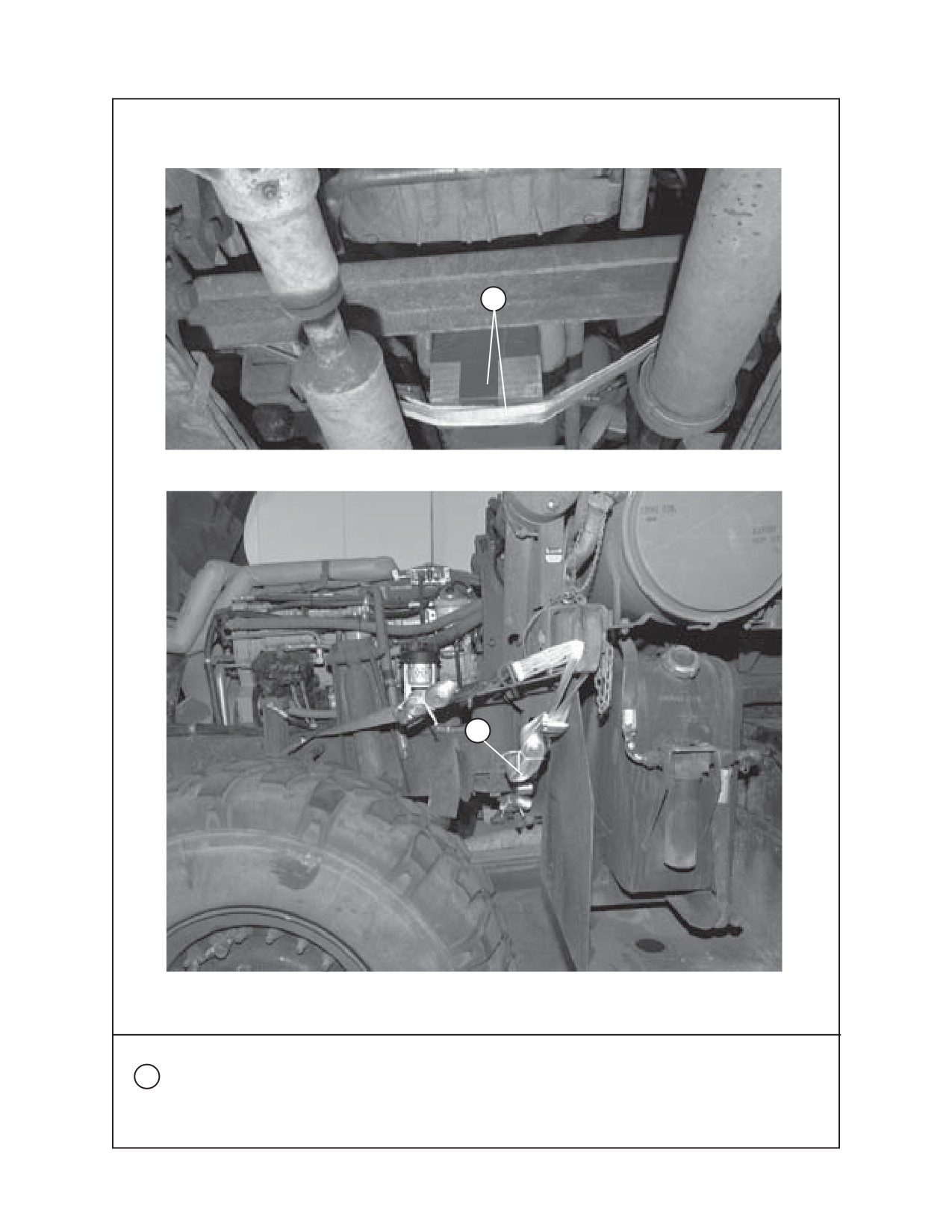
C2, FM 10-500-71/TO 13C7-6-141
13
13
13
Install front motor support by routing a 30-foot lashing through the right side lifting point under the
4- by 4- by 6-inch piece of lumber and through the left side lifting point, and back under the 4- by 4-
by 6-inch piece of lumber. Secure with a D-ring and loadbinder.
Figure 4-13. Truck prepared (Continued)
4-30
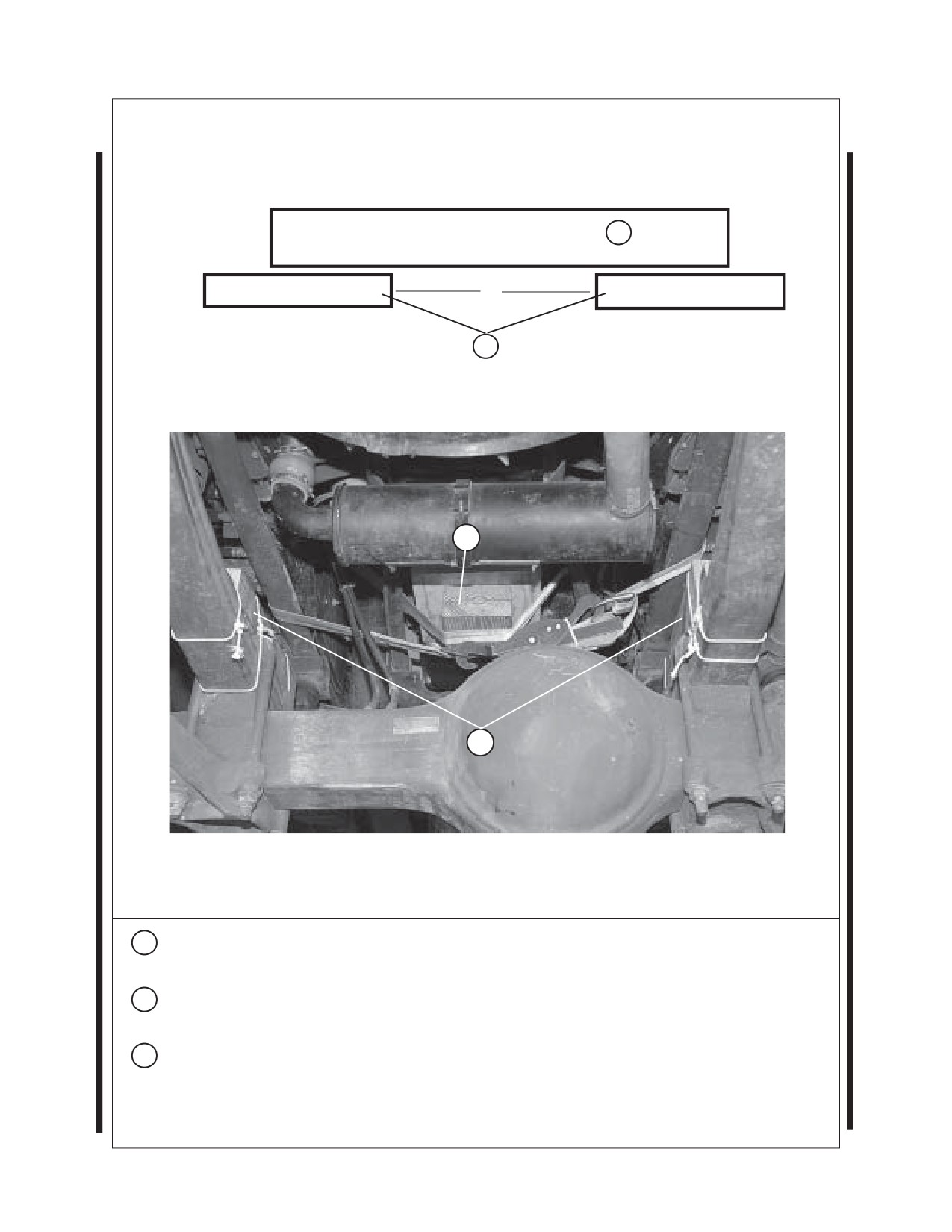
C2, FM 10-500-71/TO 13C7-6-141
Note: This drawing is not drawn to scale.
TOP
2” x 4” x 15”
14
2” x 4” x 6”
8”
2” x 4” x 6”
14
BOTTOM
16
15
14
Glue and nail two 2- by 4- by 15-inch pieces of lumber on the 2 inch side of the two 2- by 4- by 6-inch
pieces of lumber on the 4 inch side and 8 inches apart from each other.
15
Position lumber from step 14 on top of the right and left leaf springs above the intermediate (middle)
driving axle and secure with type III nylon cord.
16
Nail together two 2- by 6- by 6-inch pieces of lumber. Center and glue a 10- by 10- by 3/4-inch piece of
plywood to the two 2- by 6- by 6-inch pieces of lumber. Position against the oil pan and front of the
engine.
Note: Ensure the placement is as far forward as possible.
Figure 4-13. Truck prepared (Continued)
4-31
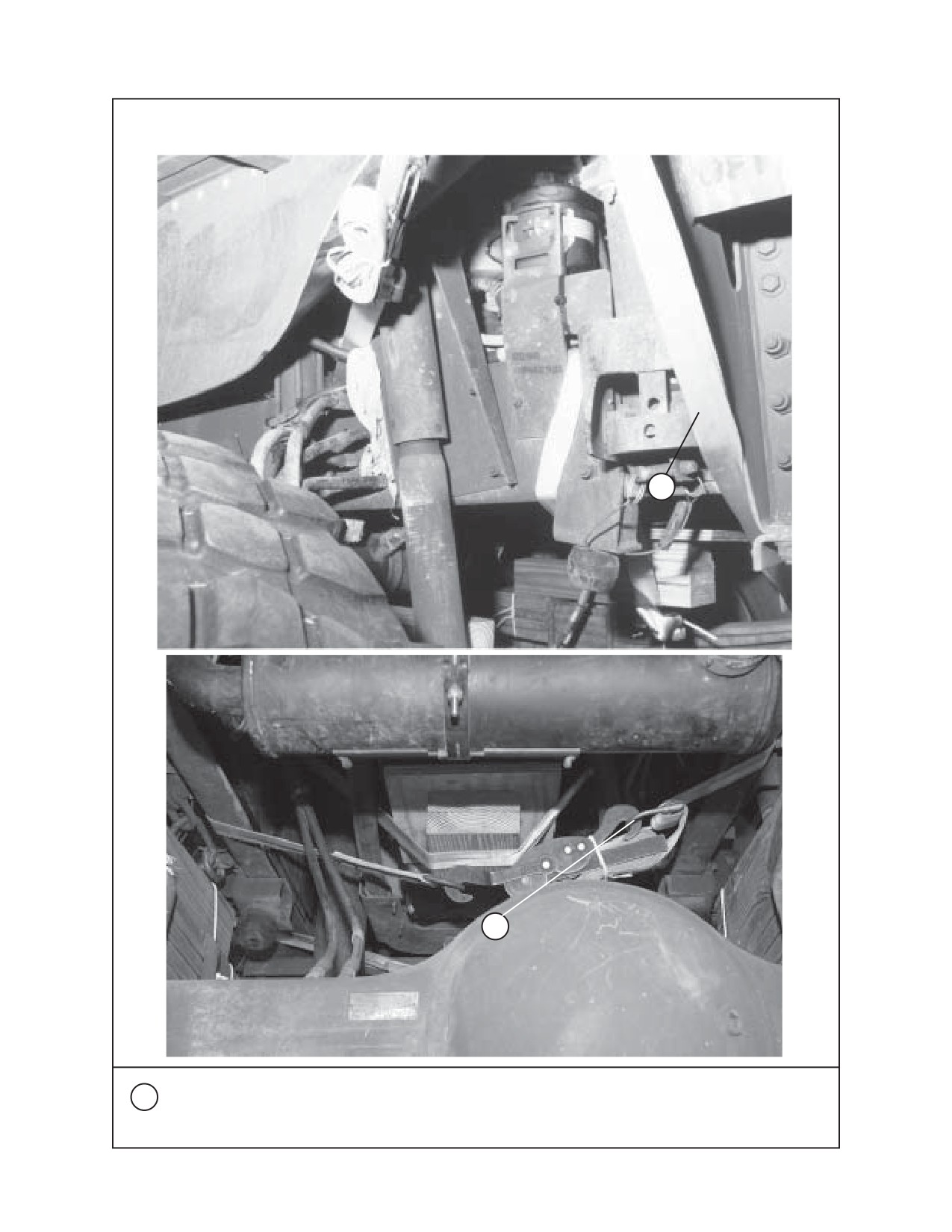
C2, FM 10-500-71/TO 13C7-6-141
17
17
17
Install a front engine support by routing a 15-foot lashing in rear of motor mounts around the left and right
main frames (under all hoses). Secure the lumber and plywood with D-ring and loadbinder.
Figure 4-13. Truck prepared (Continued)
4-32
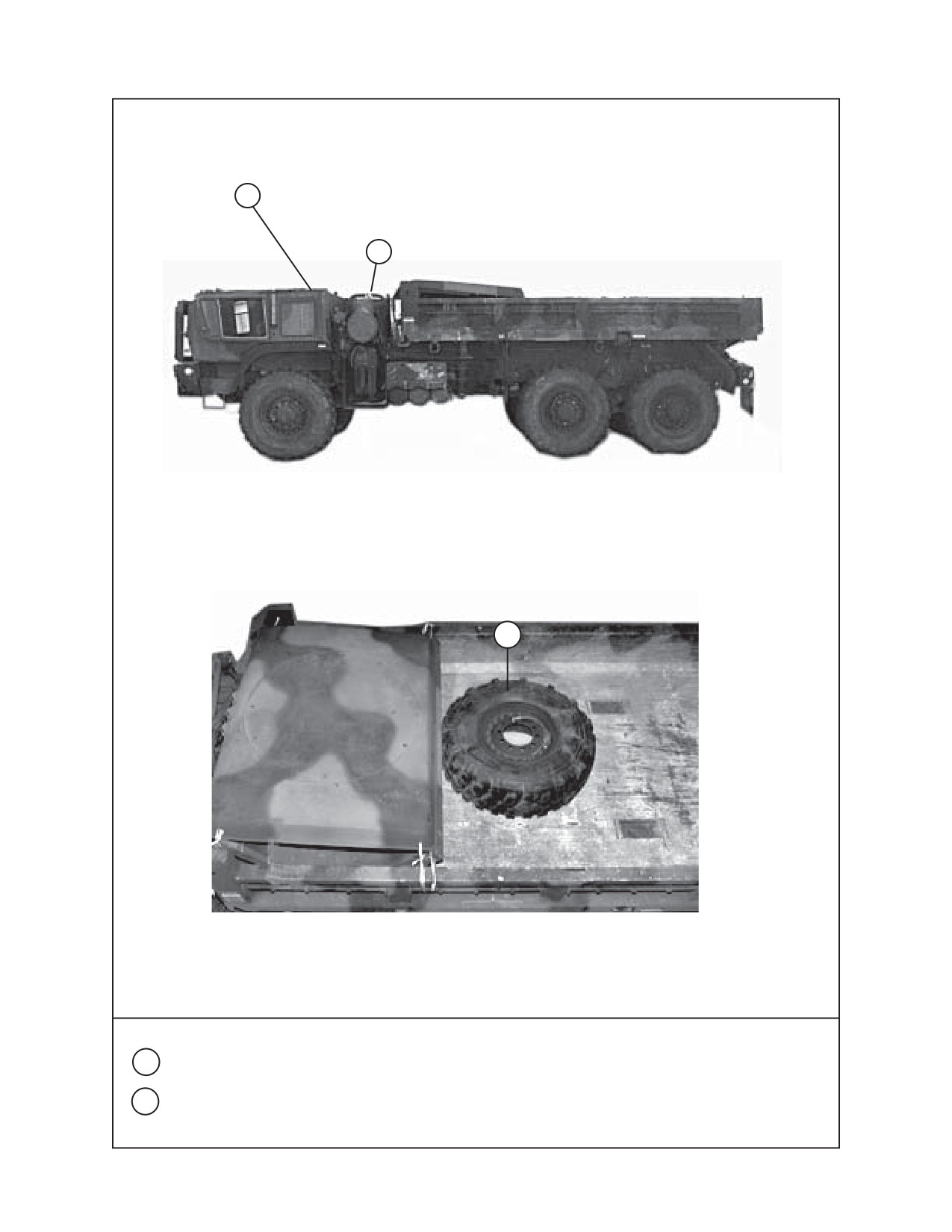
C2, FM 10-500-71/TO 13C7-6-141
18
19
19
18
Place the cab compartment in the lowered position.
19
Remove the spare tire from the rack and place it in the bed behind the cab protector and roof. Leave the
spare tire carrier down.
Figure 4-13. Truck prepared (Continued)
4-33
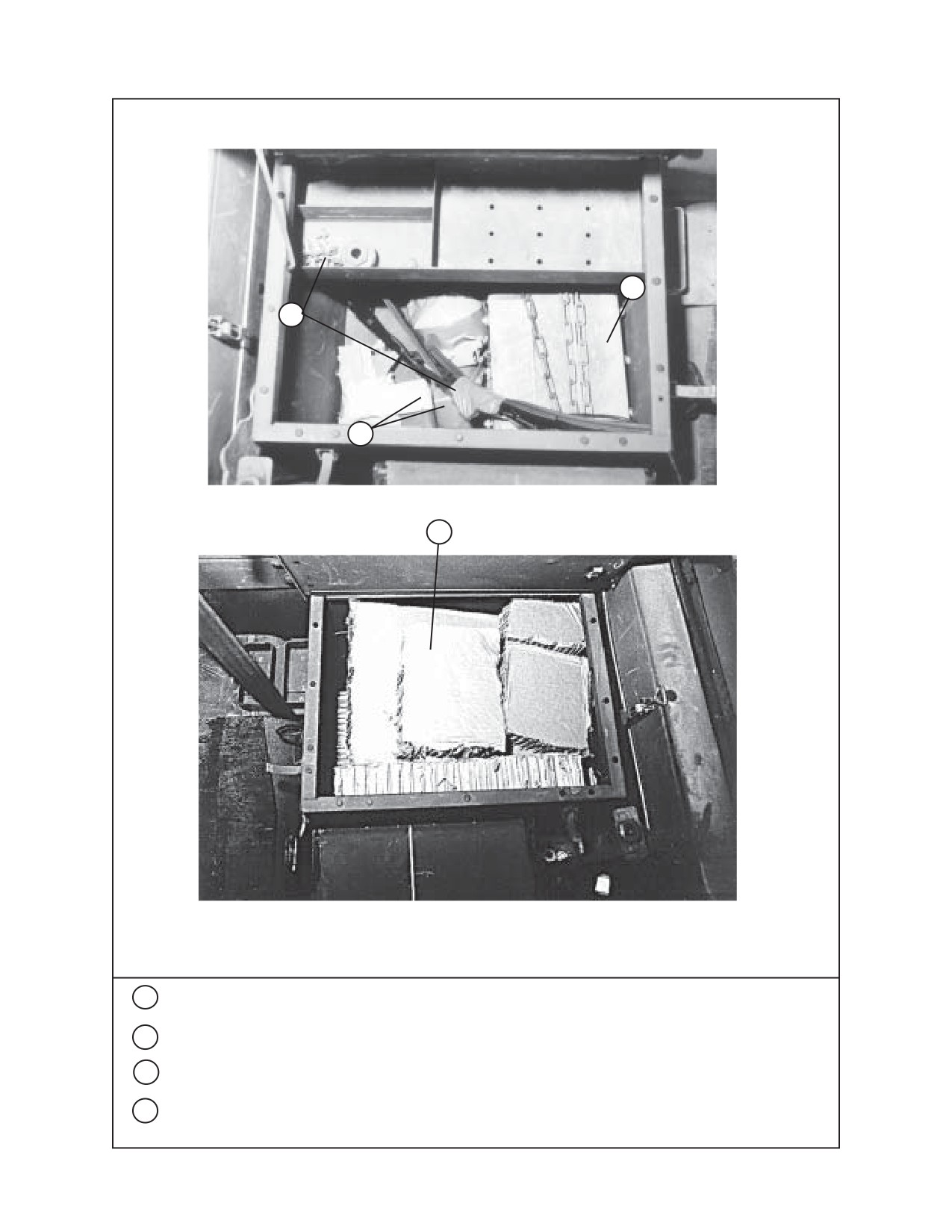
C2, FM 10-500-71/TO 13C7-6-141
22
20
21
23
20
Stow the windshield wipers blades and bolts in the passenger storage box.
21
Remove the sun-visors and stow in the passenger storage box.
22
Secure the chock blocks in the storage box in the cab.
23 Fill the driver and passenger storage boxes with honeycomb. Secure the lid with type III nylon cord.
Figure 4-13. Truck prepared (Continued)
4-34
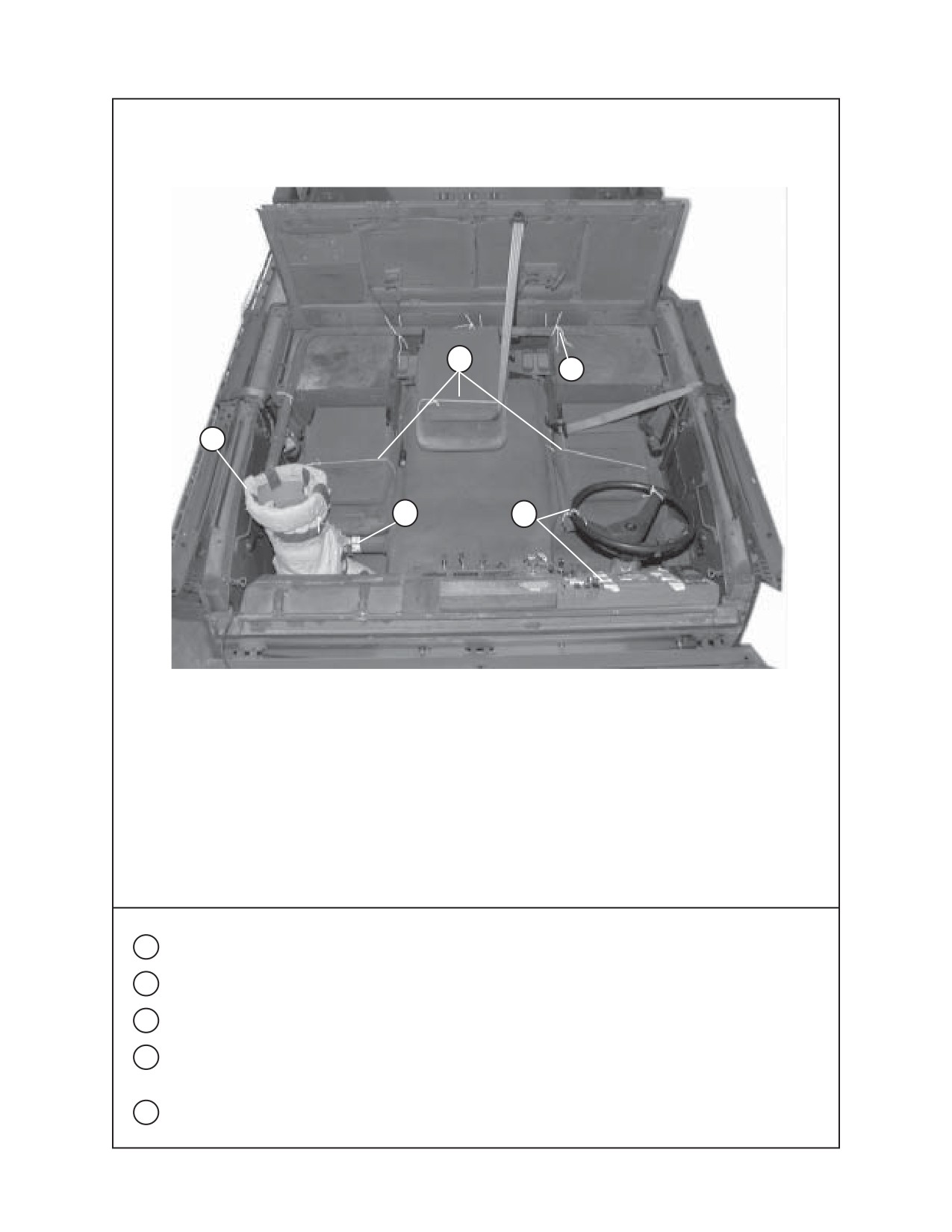
C2, FM 10-500-71/TO 13C7-6-141
28
27
26
24
25
24
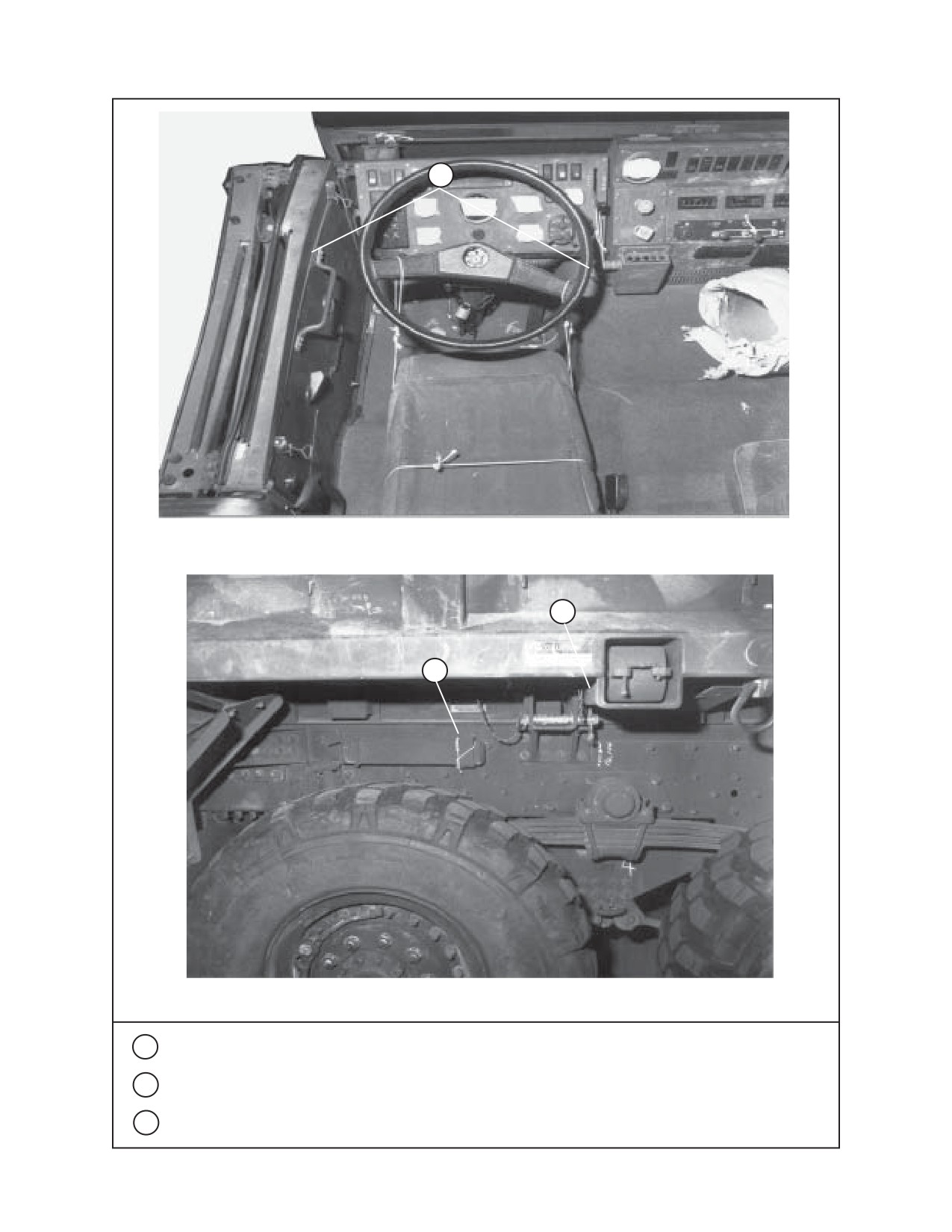
Secure the fire extinguisher with type III nylon cord.
25
Secure the steering wheel and hand throttle with type III nylon cord and tape all gauges.
26
Wrap the air intake stack with cellulose wadding, stow and secure with type III nylon cord in the cab.
27
Remove the davit. Secure in four places with type III nylon cord in the cab. (It is attached to the back of
cab.)
28
Lower the seats and secure with type III nylon cord.
Figure 4-13. Truck prepared (Continued)
4-35
C2, FM 10-500-71/TO 13C7-6-141
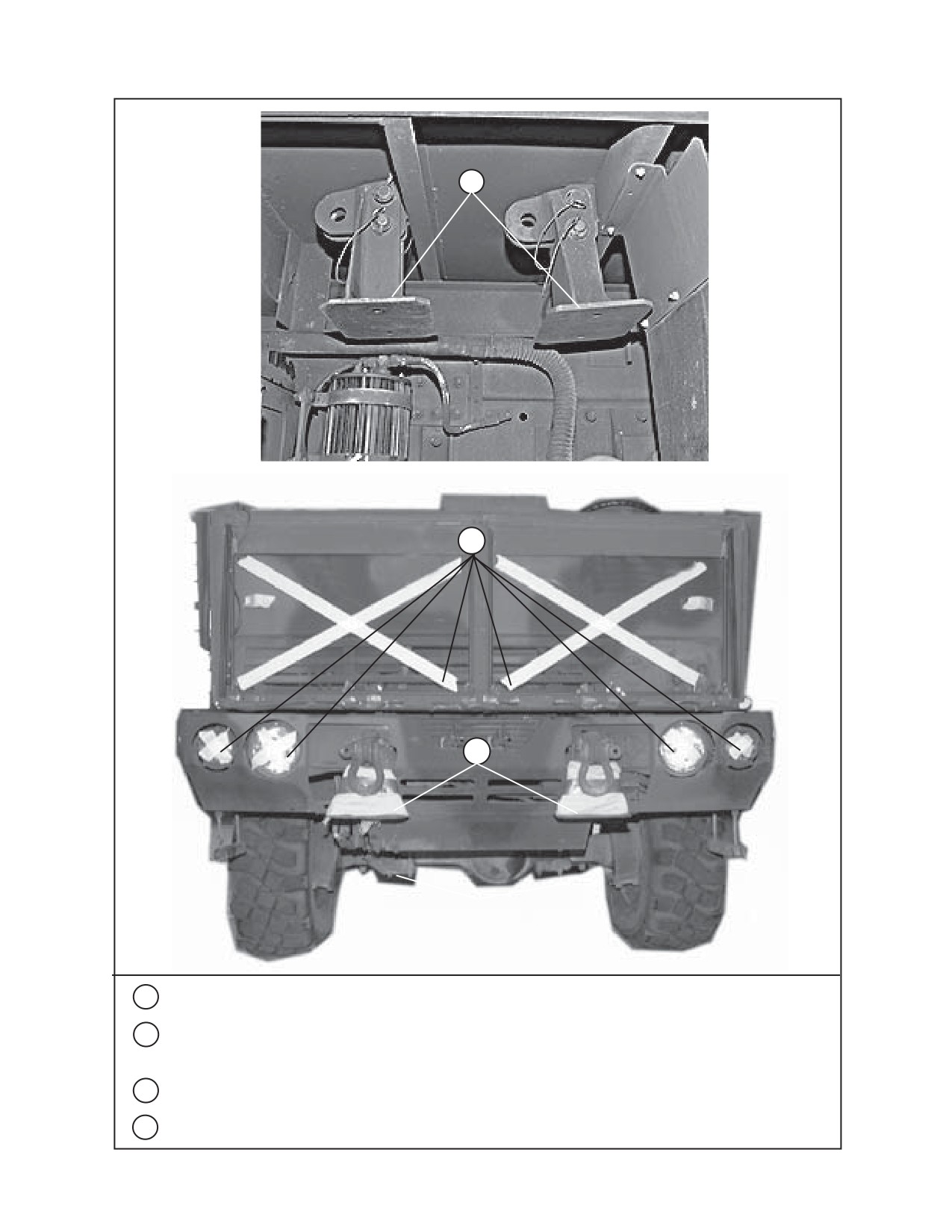
29
31
30
29
Secure the ladder in place with a length of 1/2 -inch tubular nylon webbing.
30
Safety tie the dump body braces on the right and left sides to their brackets with type III nylon cord.
31
Ensure the dump body pins on both sides are installed in the locked position.
Figure 4-13. Truck prepared (Continued)
4-36
C2, FM 10-500-71/TO 13C7-6-141
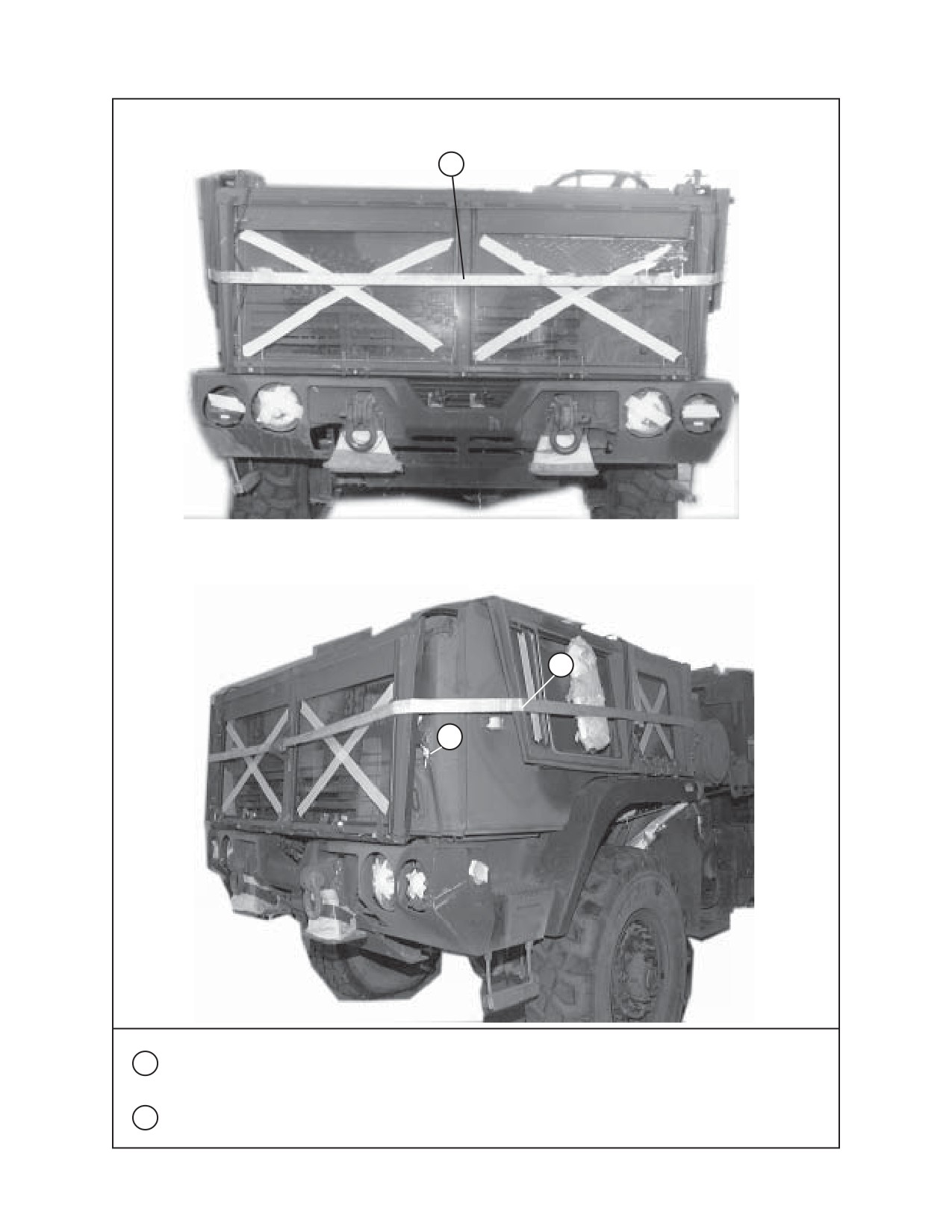
32
35
33
32
Remove the front support brackets from under the bed (left side) of the truck.
33
Position the front support brackets using lower holes on the front of the vehicle; secure with two support
bracket pins ensuring brackets are fully seated onto mounts.
34
Safety tie the winch cable (if equipped) to the front bumper with type III nylon cord. (Not shown)
35
Tape all lights, reflectors, and windows and pad mirrors with cellulose wadding and tape.
Figure 4-13. Truck prepared (Continued)
4-37
C2, FM 10-500-71/TO 13C7-6-141
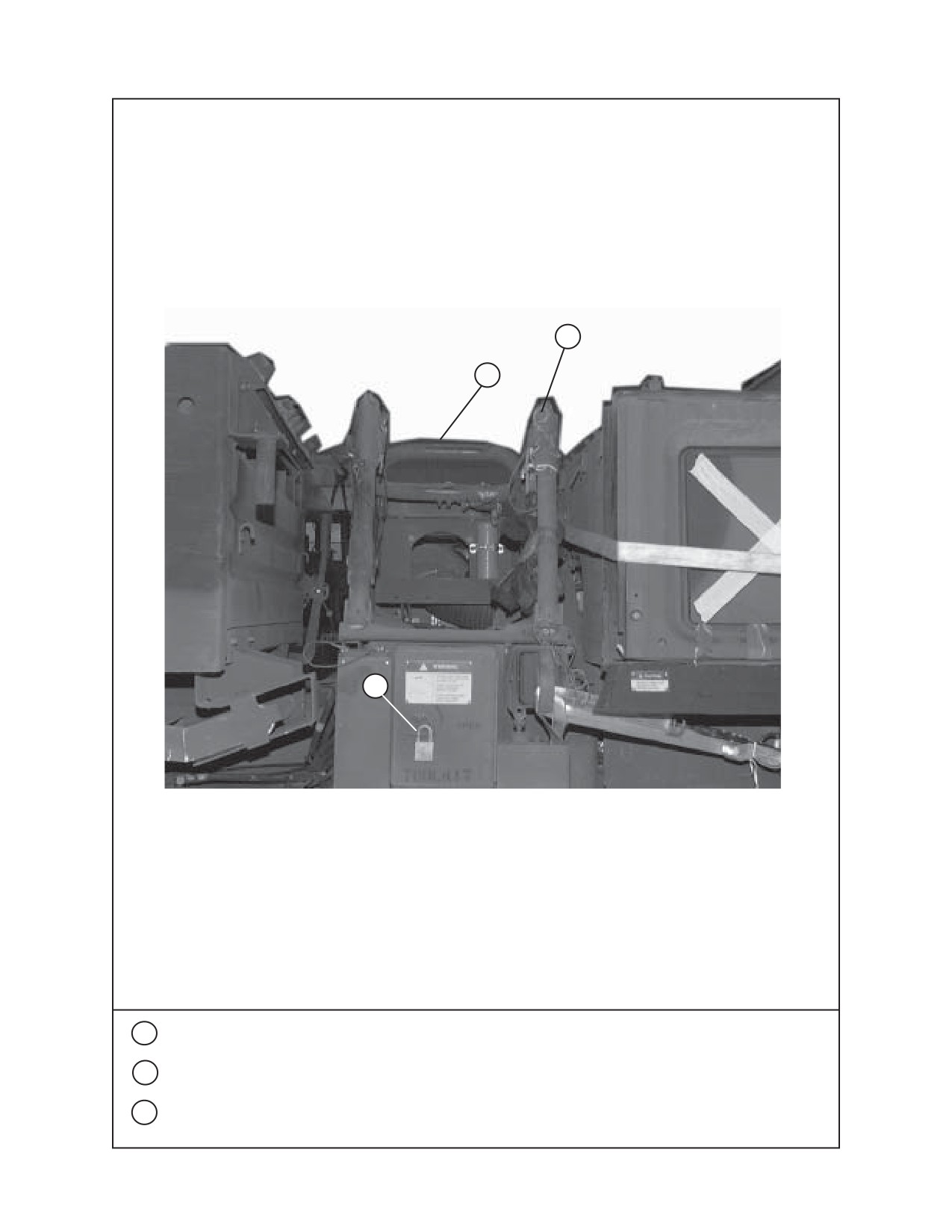
36
36
37
36
Route a 30-foot lashing around the cab and secure with a loadbinder and D-rings in the rear of the cab.
Pad and tape D-rings ensuring D-rings do not come in contact with the glass.
37
Secure the windshield to the left and right windshield stops with 1/2 -inch tubular nylon webbing.
Figure 4-13. Truck prepared (Continued)
4-38
C2, FM 10-500-71/TO 13C7-6-141
39
38
40
38
Retract the spare tire carrier and secure with 1/2-inch tubular nylon webbing.
39
Tape the chains and pins in place on the spare tire carrier.
40
Secure the tool kit access panel with a length of type III nylon cord (if not secured).
Figure 4-13. Truck prepared (Continued)
4-39
C2, FM 10-500-71/TO 13C7-6-141
41
42
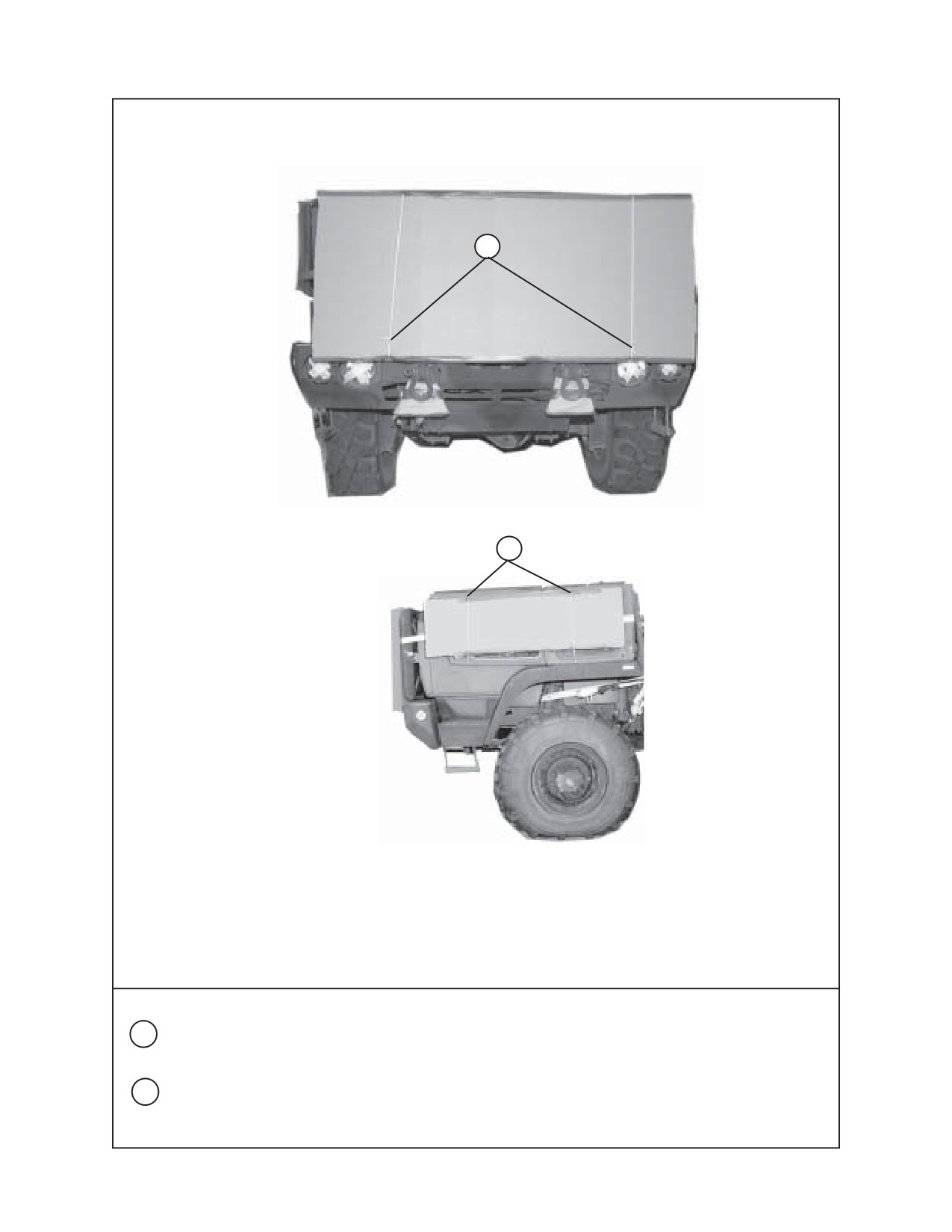
41
Place a 36- by 80-inch piece of honeycomb on the windshield. Tape edges and secure it with two lengths of
type III nylon cord.
42
Place one 18- by 60-inch piece of honeycomb on the left side window and one piece on the right side
window. Tape edges and secure each with two lengths of type III nylon cord.
Figure 4-13. Truck prepared (Continued)
4-40
C2, FM 10-500-71/TO 13C7-6-141
44
43
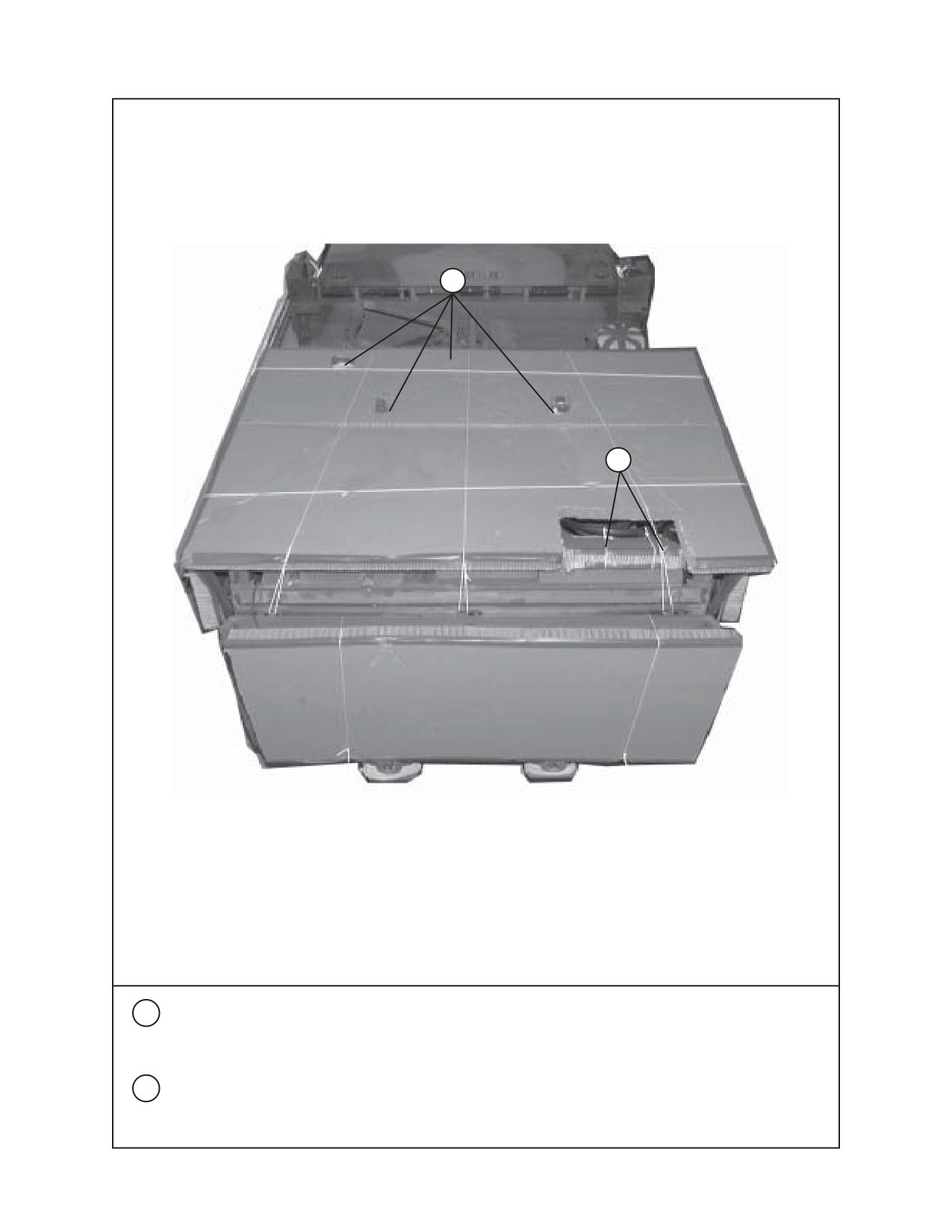
43
Place a 36- by 96-inch piece of honeycomb over the driver’s compartment. Cut out a section for the
steering wheel 21- by 12-inches deep and place it over the instrument panel in the cab. Tape all edges with
cloth-backed tape.
44
Place a 28- by 96-inch piece of honeycomb with cutouts for the three davit holders behind the 36- by 96-
inch piece of honeycomb. Tape all edges with cloth-backed tape. Secure all pieces with type III nylon cord.
Figure 4-13. Truck prepared (Continued)
4-41
C2, FM 10-500-71/TO 13C7-6-141
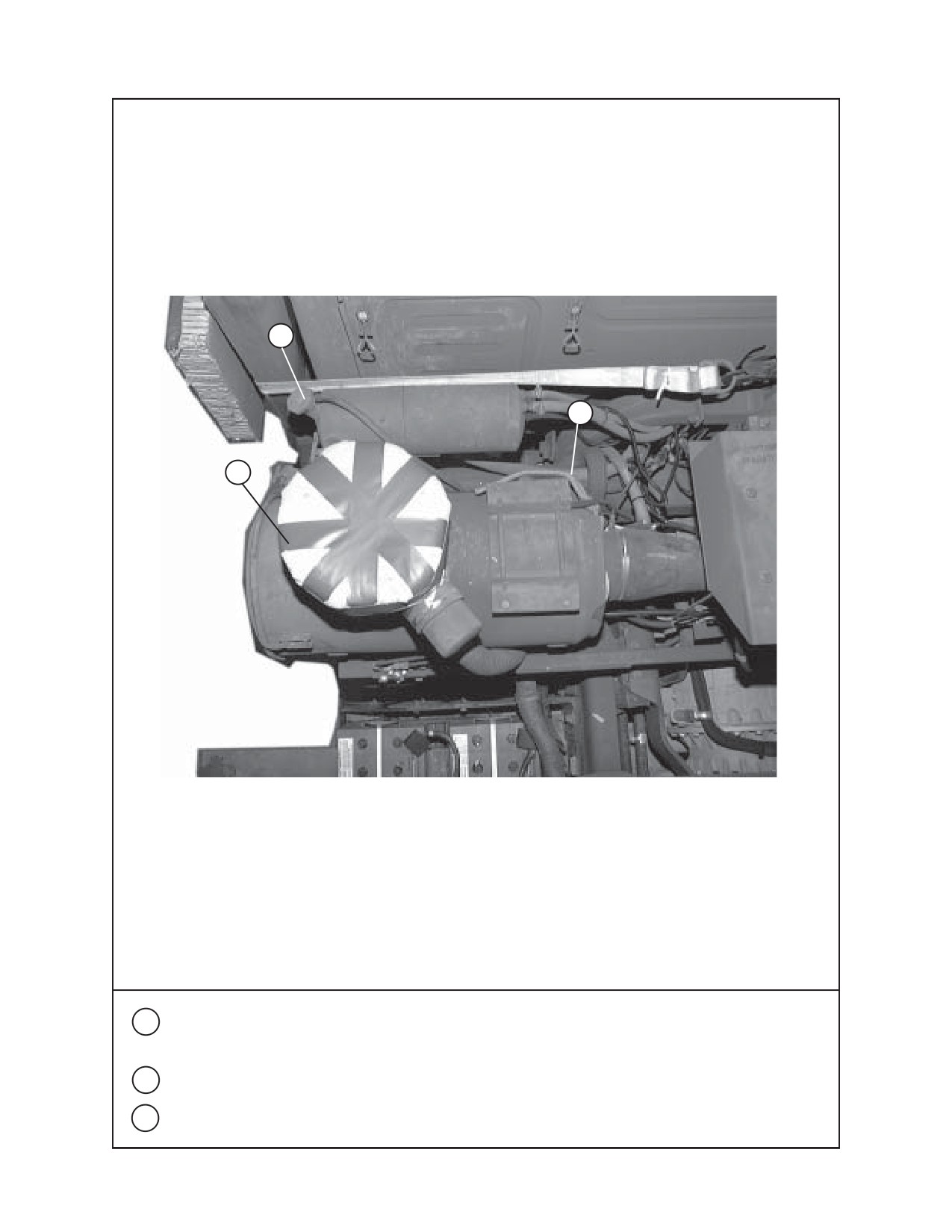
Note: Hoses that will interfere with the attachment of the suspension slings should be tied back.
47
46
45
45
Wrap the air intake fitting with cellulose wadding and secure with cloth-backed tape. Secure the end hose
out of the way with type III nylon cord.
46
Pad the lower air intake fitting with felt and secure with cloth-backed tape.
47
Ensure the radiator pressure cap is secure.
Figure 4-13. Truck prepared (Continued)
4-42
C2, FM 10-500-71/TO 13C7-6-141
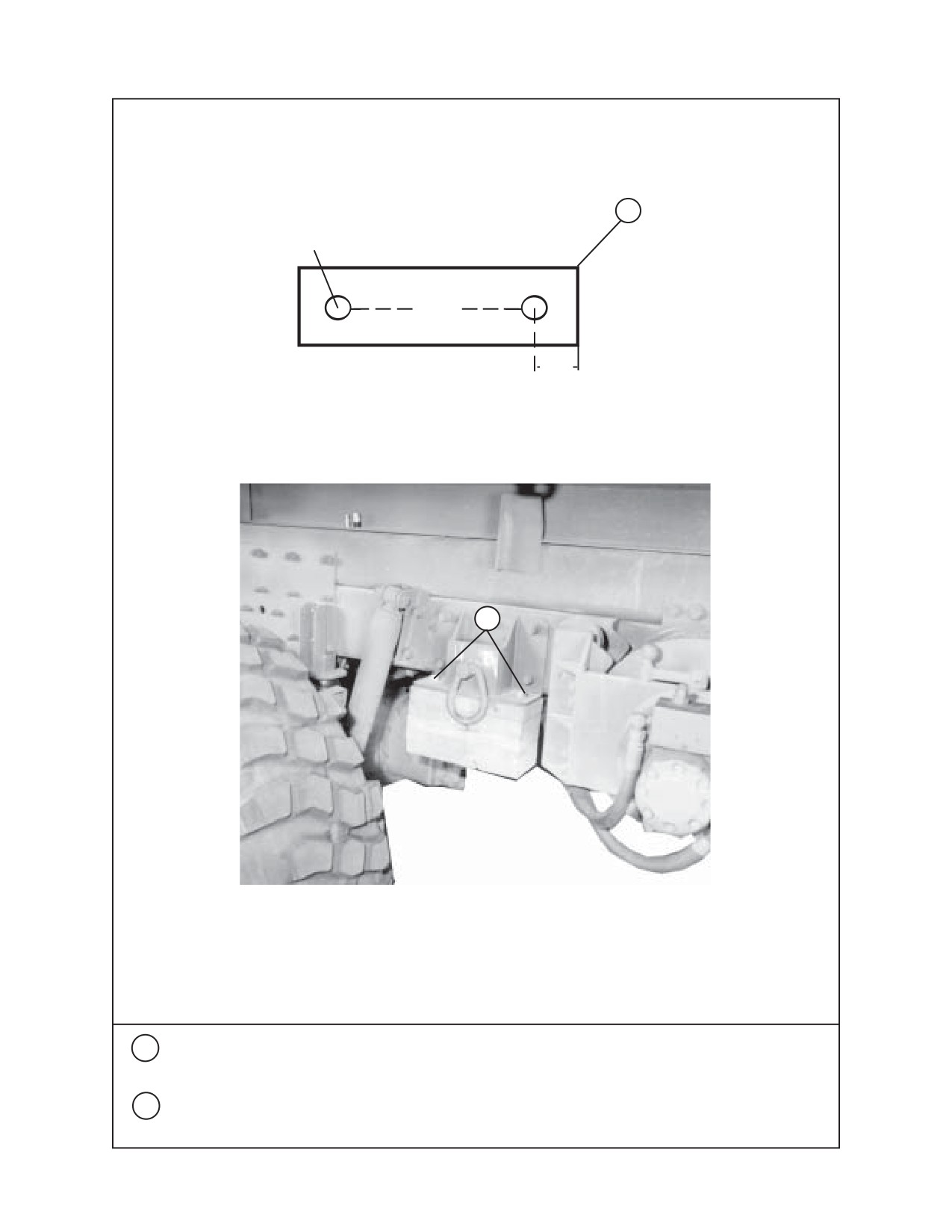
48
2” x 6” x 13 ” LUMBER
5/8” DIA.
10 1/4”
1 3/8”
49
48
Cut ten 2- by 6- by 13-inch pieces of lumber. Drill two 5/8-inch diameter holes 1 3/8-inches from the
edge, with a 10 1/4-inch center to center hole measurement in each piece of lumber.
49
Bolt five 2- by 6- by 13-inch pieces of lumber to the left and right side frame pads using two 1/2- by
10-inch bolt sand washers on each side.
Figure 4-13. Truck prepared (Continued)
4-43
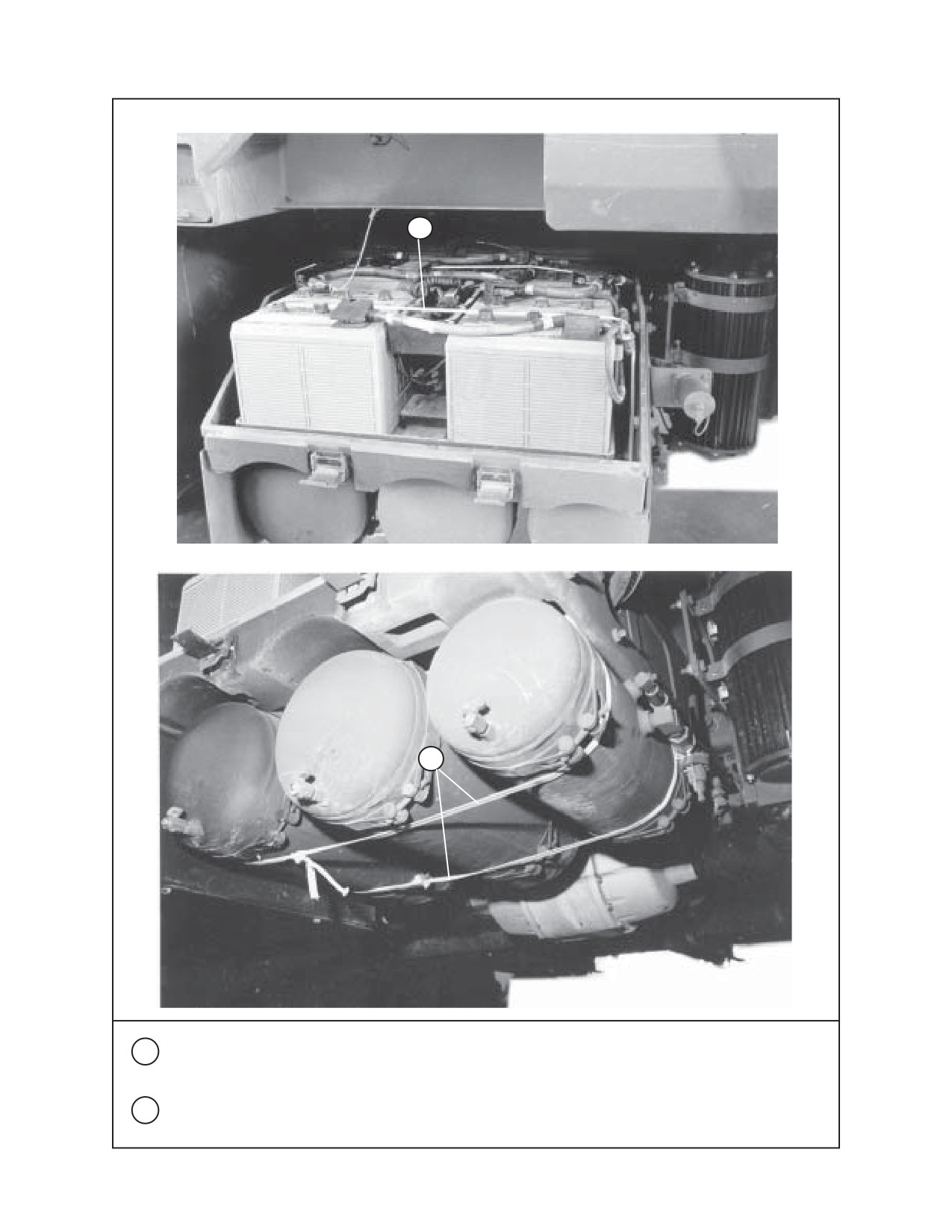
C2, FM 10-500-71/TO 13C7-6-141
50
51
50
Remove the battery box cover and secure the batteries in place with two lengths of 1/2-inch tubular nylon
webbing. Prepare the batteries according to FM 4-20.102/NAVSEA SS400-AB-MMO-010/TO 13C7-1-5.
51
Run the nylon webbing over the batteries down through the battery box and under the air tanks. Secure with
trucker’s hitch knot.
Figure 4-13. Truck prepared (Continued)
4-44
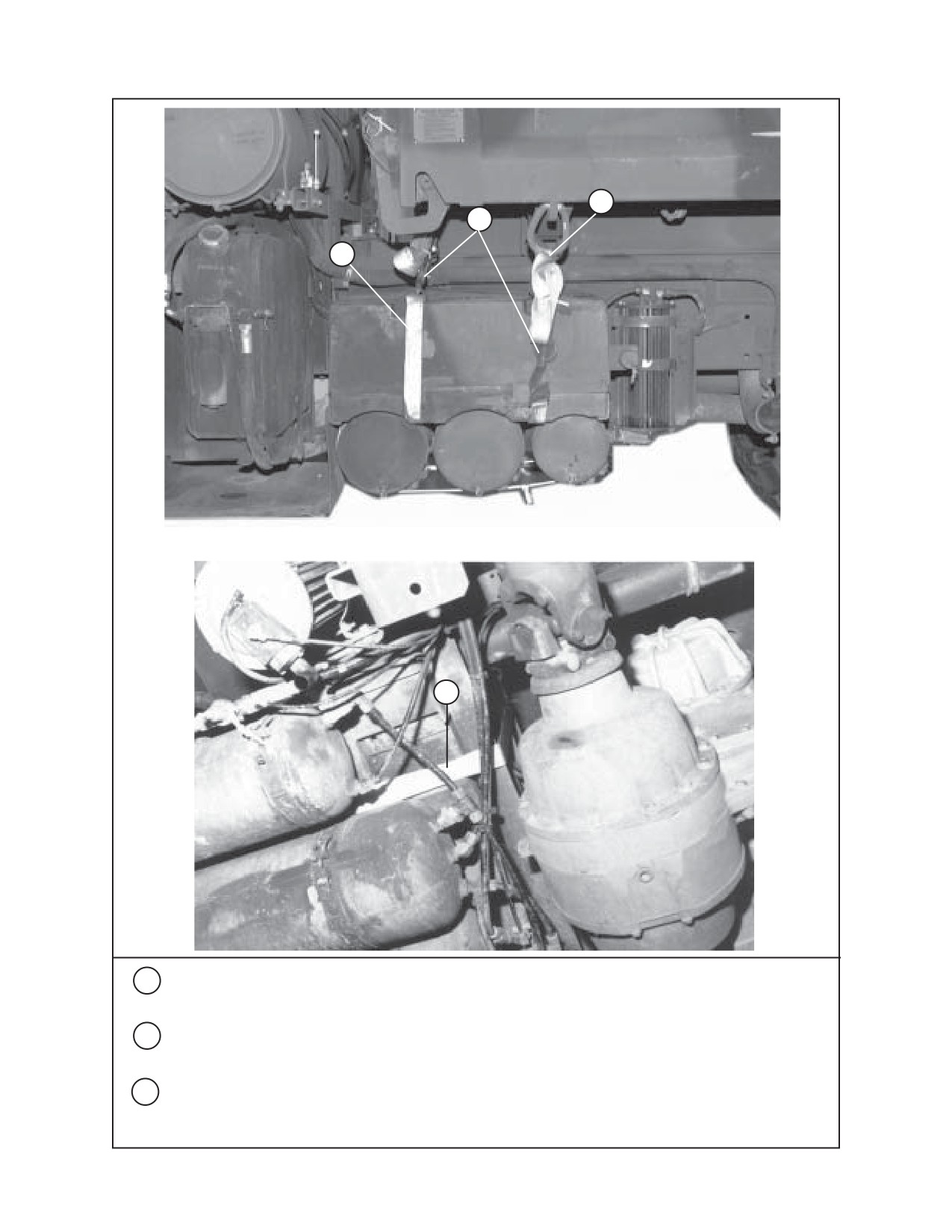
C2, FM 10-500-71/TO 13C7-6-141
53
54
52
52
52
Replace the cover. Route a 15-foot lashing around the main frame, under the battery box, between the
air tanks.
53
Route a 15-foot lashing through tiedown point #1 and around the main frame, under the battery box,
between the air tanks.
54
Secure with D-ring and loadbinder on the front of battery box cover. Pad with felt or cellulose wadding.
Note: Ensure the lashings are underneath all hoses and not crimped.
Figure 4-13. Truck prepared (Continued)
4-45
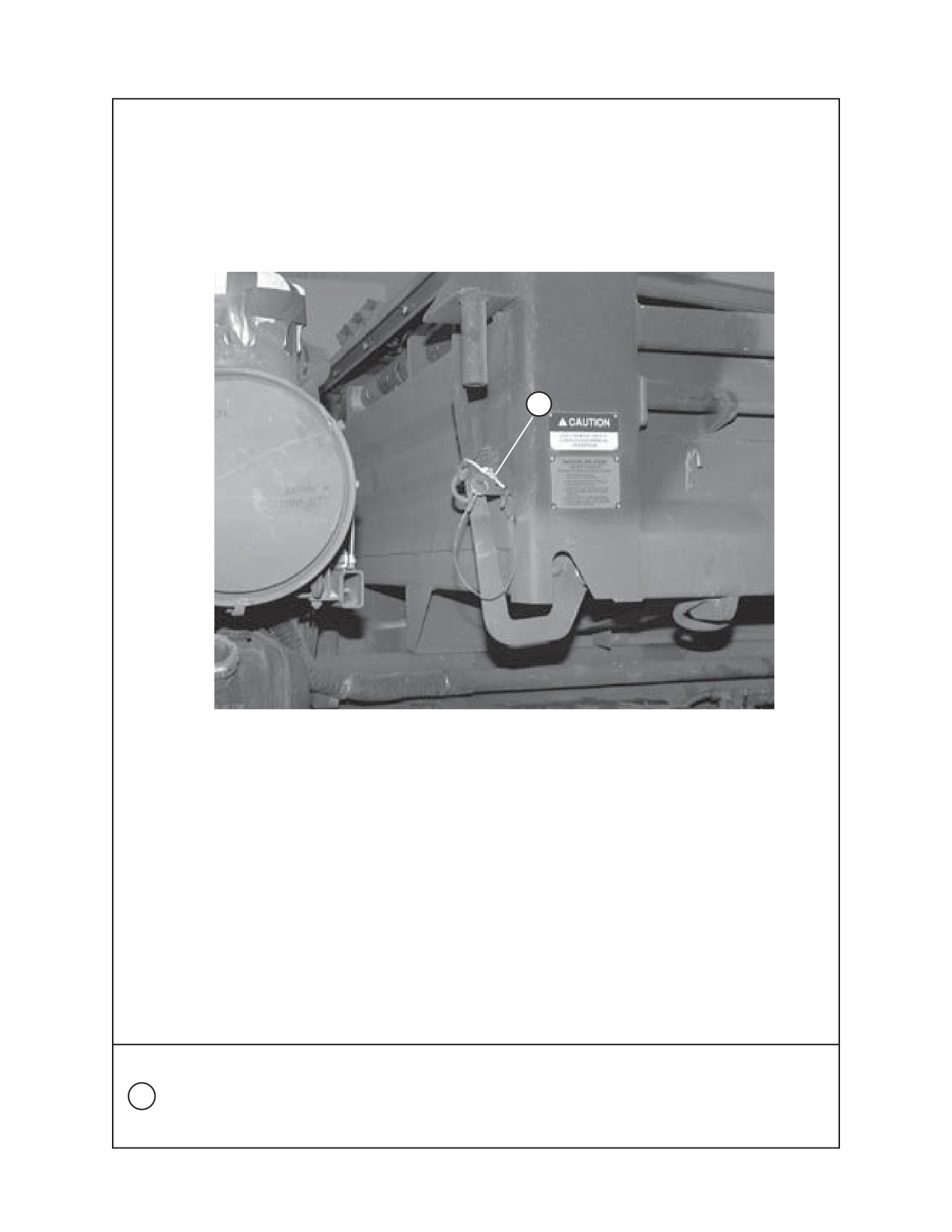
C2, FM 10-500-71/TO 13C7-6-141
55
55
Safety tie the dump manual release lever with type III nylon cord.
Figure 4-13. Truck prepared (Continued)
4-46
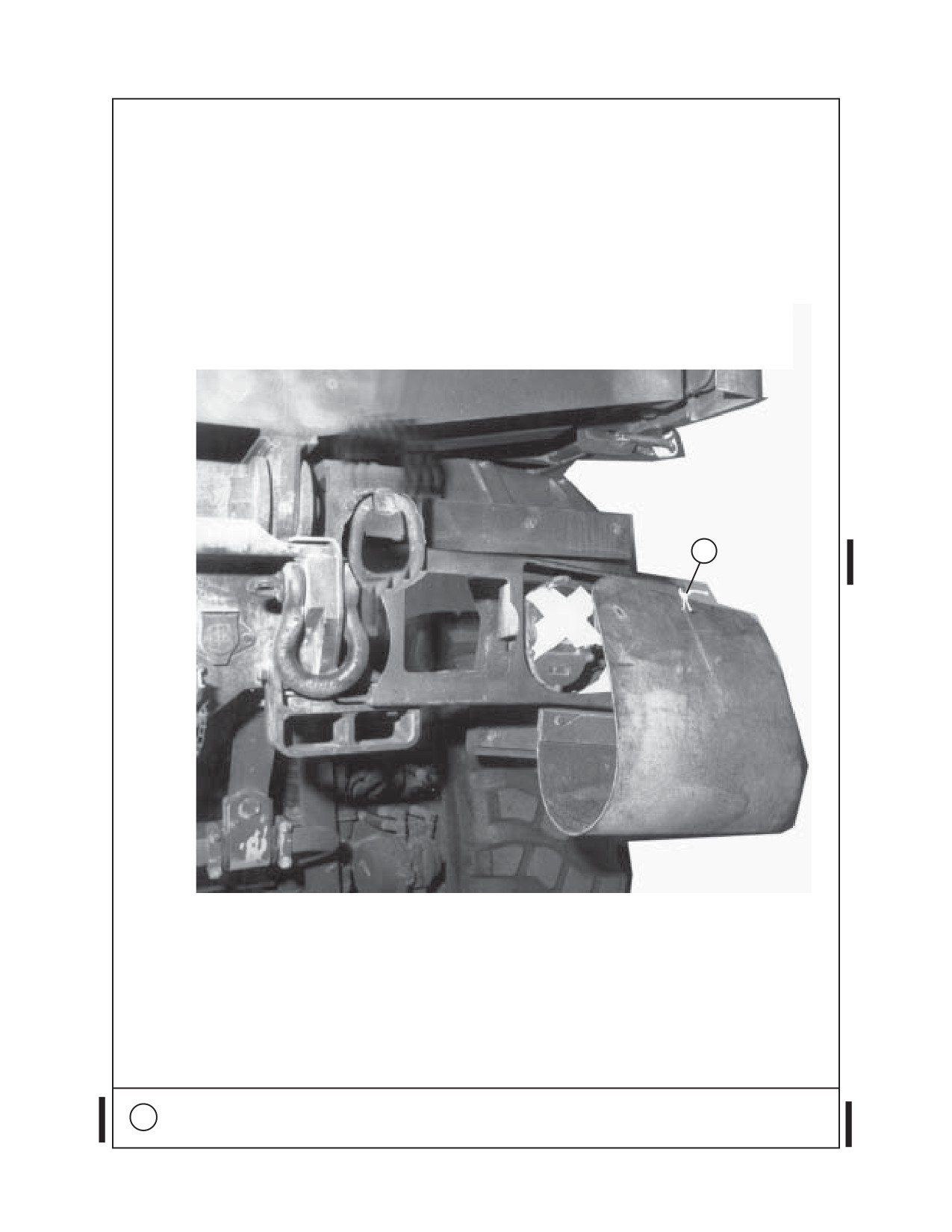
C2, FM 10-500-71/TO 13C7-6-141
56
56
Tie the mud flaps up with type III nylon cord.
Figure 4-13. Truck prepared (Continued)
4-47
C2, FM 10-500-71/TO 13C7-6-141
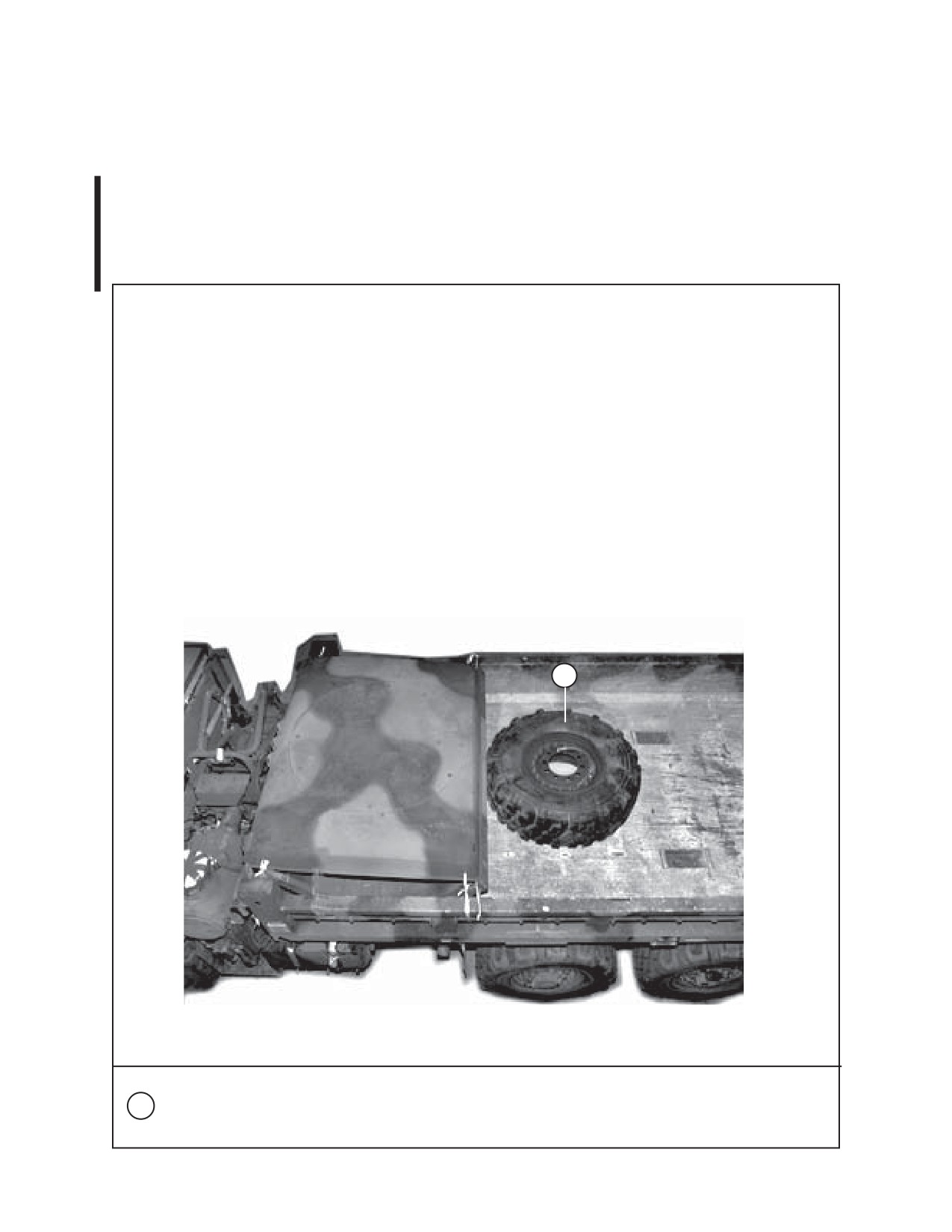
4-6. Stowing Accompanying Load
Stow the vehicle’s roof, spare tire, and dump body cab
protector (overhead protector) in the truck bed as shown
in Figure 4-14. The ballast box is constructed as shown in
Figure 4-15. Ballast materials must be packaged to prevent
spillage or leakage during use. The configuration consists of
a box constructed to contain a minimum of 2,000 pounds
and a maximum of 2,200 pounds for ballast.
1
1
Place the spare tire in the center of the dump truck bed behind the roof and cab protector.
Figure 4-14. Accompanying load stowed
4-48
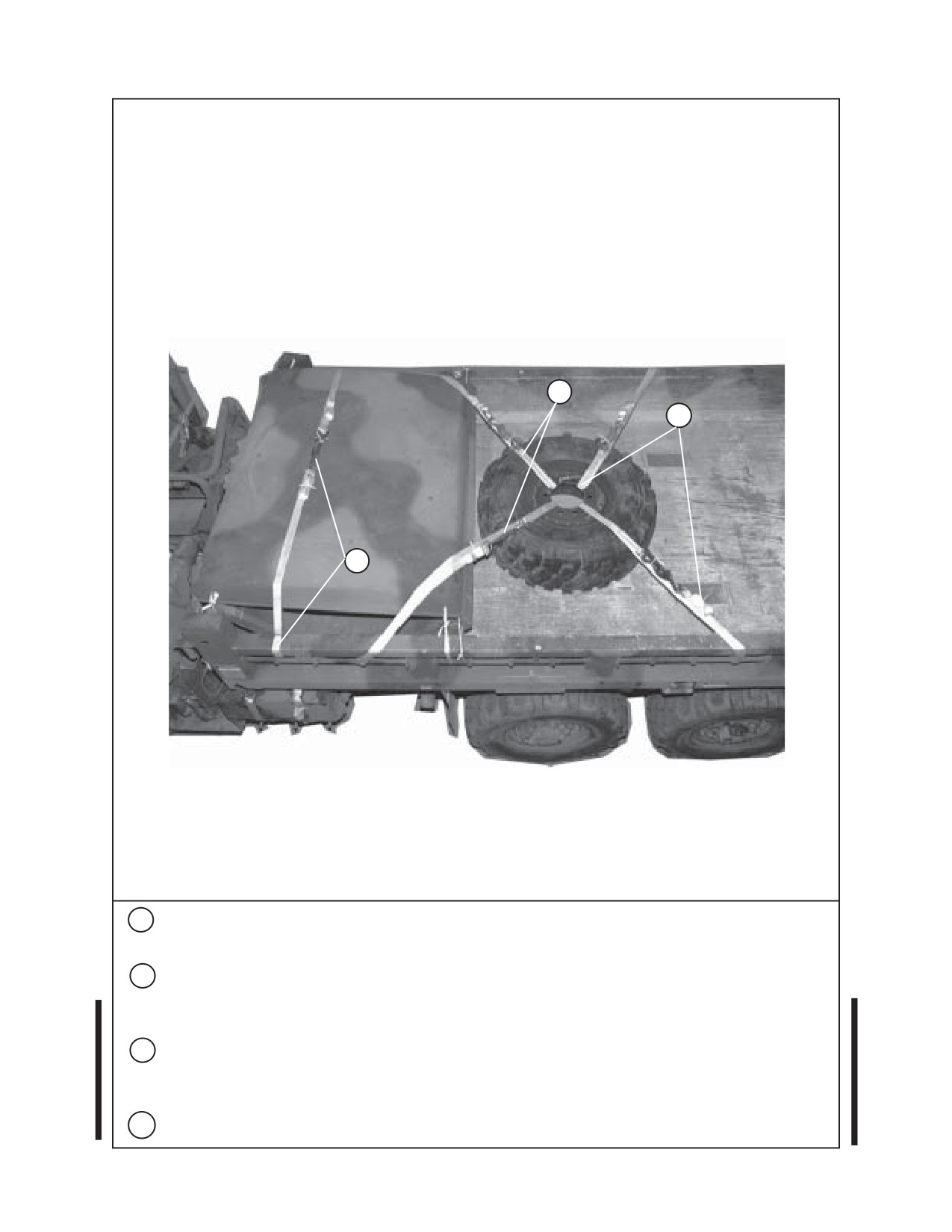
C2, FM 10-500-71/TO 13C7-6-141
3
4
2
2
Route a 15-foot lashing through the front hole on the left side of the dump truck bed and back through it’s
own D-ring. Repeat for the right side. Secure with D-rings and a loadbinder on top of the roof.
3
Route a 15-foot lashing around the fourth set of tie bars from the rear on the left side of the dump bed
and over the roof and through the spare tire center hole. Secure with a D-ring and loadbinder. Repeat for
the right side.
4
Route a 15-foot lashing around the second set of tie bars from the rear on the left side of the dump bed.
Repeat for the right side. Route each lashing through the lug nut holes on the spare tire. Secure with D-
rings and loadbinder.
5
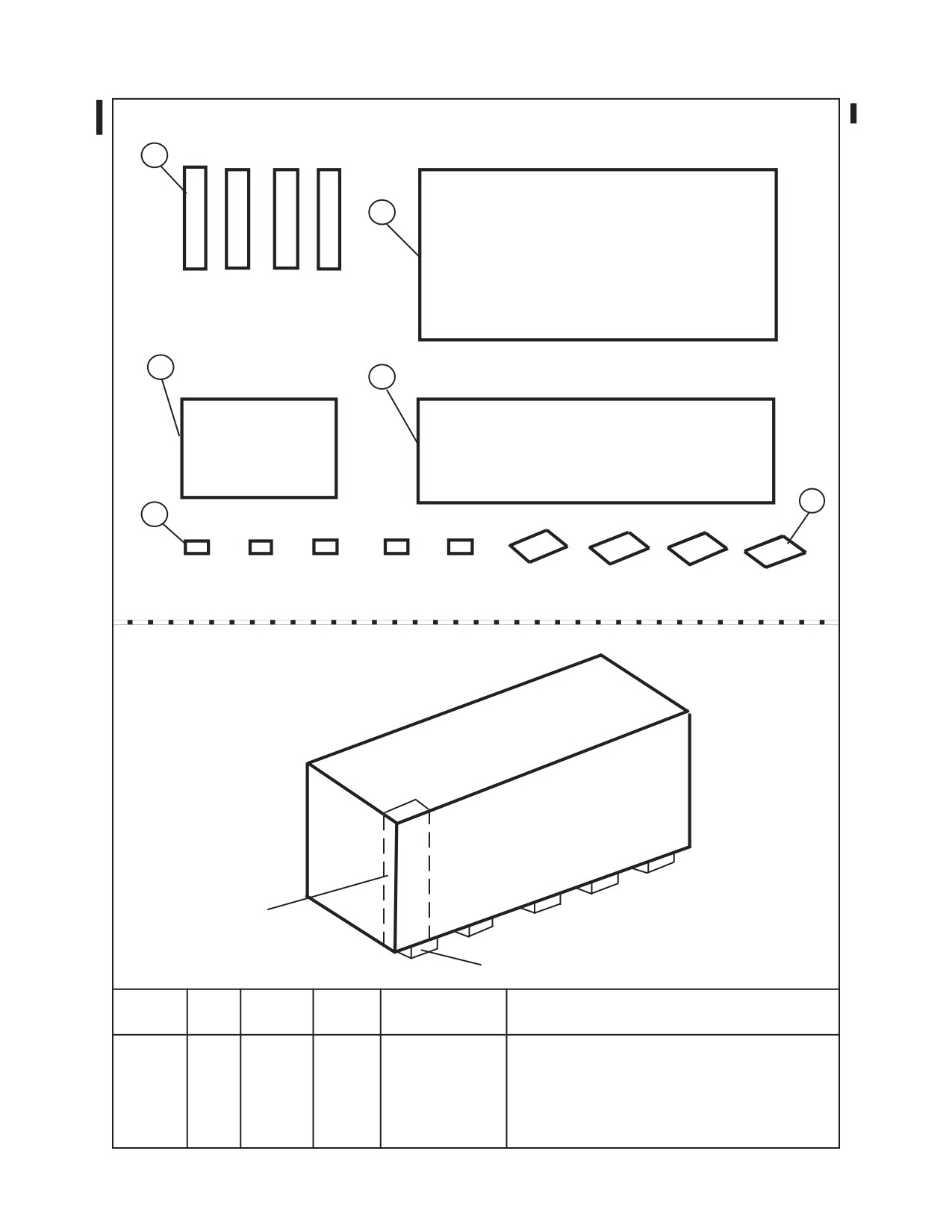
Construct an ballast box as shown in the diagram in Figure 4-15.
Figure 4-14. Accompanying load stowed (Continued)
4-49
C2, FM 10-500-71/TO 13C7-6-141
BALLAST BOX DIAGRAM
(NOTE: This drawing is not drawn to scale.)
1
2
Top & Bottom
3/4” x 35 1/2” x 82”
Corner Supports
2” x 4” x 12”
3
4
Sides
3/4” x 12” x 34”
Front & Rear
3/4” x 12” x 82”
6
5
Bottom Supports
Spacers
2” x 4” x 35 1/2”
3/4” x 8” x 8”
Secure the plywood and
Ballast Box Assembled
lumber in place, as shown
with 8d and 16d nails.
Top
Side
Front
Corner Support Inside
3” From Edge
Equal Spacing
Item
Width
Length
Number
Pieces
(Inches)
(Inches)
Material
Instructions
1
4
4
12
2- by 4-inch lumber
Place to the inside of back, front, and both sides.
2
2
35 1/2
82
3/4-inch plywood
Nail to top and bottom of the corner supports, the sides, the front and rear.
3
2
12
34
3/4-inch plywood
Nail to 2-inch side of corner supports.
4
2
12
82
3/4-inch plywood
Nail to 4-inch side of corner supports.
5
5
4
35 1/2
2- by 4-inch lumber
Nail to box bottom, 3 inches from edges and 14 inches equally spaced.
6
4
8
8
3/4-inch plywood
See figure 4-16.
Figure 4-15. Ballast box construction
4-50