FM 101-5 STAFF ORGANIZATION AND OPERATIONS (May 1997) - page 1
*FM 101-5
Field Manual
Headquarters
No. 101-5
Department of the Army
Washington, DC, 31 May 1997
STAFF ORGANIZATION AND OPERATIONS
CONTENTS
Page
Preface
vii
Chapter 1 COMMAND AND STAFF RELATIONSHIPS
1-1
Command and Control
1-1
Command
1-1
Control
1-2
Command and Control (C2) System
1-2
The Staff’s Role
1-3
Battlefield Visualization
1-3
Chapter 2 STAFF ORGANIZATION
2-1
Basis for Staff Organizations
2-1
Factors Affecting Staff Organizations
2-1
Authorization for Staff Organizations
2-2
Basic Staff Structure Model
2-2
Chief of Staff (Executive Officer)
2-2
Coordinating Staff Group
2-2
Special Staff Group
2-3
Personal Staff Group
2-3
Staff Models
2-3
Major Commands (G Staffs) (Corps and Division)
2-4
Staffs of Smaller Units (S Staffs) (Regiments, Brigades, and Battalions) .
2-4
Chapter 3 CHARACTERISTICS OF A STAFF OFFICER
3-1
Characteristics
3-1
Competence
3-1
Initiative and Judgment
3-1
Creativity
3-2
Flexibility
3-2
Confidence
3-2
Loyalty
3-2
Team Player
3-2
Effective Manager
3-3
Effective Communicator
3-3
Chapter 4
STAFF RESPONSIBILITIES AND DUTIES
4-1
The Commander-Staff Relationship
4-1
Deputy or Assistant Commander-Staff Relationship
4-1
Chief of Staff (Executive Officer)-Staff Relationship
4-2
Staff Activities
4-3
Common Responsibilities and Duties
4-3
Advising and Providing Information to the Commander
4-3
DISTRIBUTION RESTRICTION: Approved for public release; distribution is unlimited.
*This publication supersedes FM 101-5, 25 May 1984.
i
FM 101-5
Preparing, Updating, and Maintaining Estimates
4-4
Making Recommendations
4-4
Preparing Plans and Orders
4-5
Monitoring Execution of Decisions
4-5
Processing, Analyzing, and Disseminating Information
4-5
Identifying and Analyzing Problems
4-6
Conducting Staff Coordination
4-6
Conducting Training
4-7
Performing Staff Assistance Visits
4-7
Performing Risk Management
4-7
Conducting Staff Inspections
4-7
Conducting Staff Writing
4-8
Conducting Staff Research
4-8
Performing Staff Administrative Procedures
4-8
Supervising Staff Section and Staff Personnel
4-8
Specific Staff Responsibilities and Duties
4-8
Coordinating Staff Officers
4-8
Assistant Chief of Staff, G1 (S1), Personnel
4-9
Assistant Chief of Staff, G2 (S2), Intelligence
4-10
Assistant Chief of Staff, G3 (S3), Operations
4-12
Assistant Chief of Staff, G4 (S4), Logistics
4-14
Assistant Chief of Staff, G5 (S5), Civil-Military Operations
4-15
Assistant Chief of Staff, G6 (S6), Signal
4-16
Support Operations Officer/Materiel Officer
4-17
Special Staff Officer
4-17
Chief of Staff (CofS)
4-17
Headquarters Commandant
4-18
Secretary of the General Staff (SGS)
4-18
Resource Manager/Comptroller
4-18
G1 (S1)
4-19
Adjutant General (AG)
4-19
Civilian Personnel Officer (CPO)
4-19
Dental Surgeon
4-20
Equal Opportunity Advisor (EOA)
4-20
Finance Officer
4-20
Surgeon
4-21
Veterinary Officer
4-21
G2 (S2)
4-22
Staff Weather Officer
4-22
G3 (S3)
4-22
Air Defense Coordinator (ADCOORD)
4-22
Air Liaison Officer (ALO)
4-22
Air/Naval Gunfire Liaison Company (ANGLICO) Commander
4-23
Aviation Coordinator (AVCOORD)
4-23
Chemical Officer (CHEMO)
4-23
Deception Officer
4-24
Electronic Warfare Officer (EWO)
4-25
Engineer Coordinator (ENCOORD)
4-25
Explosive Ordnance Disposal (EOD) Officer
4-25
Fire Support Coordinator (FSCOORD)
4-26
Historian
4-26
Liaison Officer (LNO)
4-27
ii
FM 101-5
Provost Marshal (PM)
4-27
Psychological Operations (PSYOP) Officer
4-27
Safety Officer
4-28
Special Operations Coordinator (SOCOORD)
4-28
Theater Airlift Liaison Officer (TALO)
4-29
G4 (S4)
4-29
Transportation Officer
4-29
Personal Staff
4-29
Command Sergeant Major (CSM) (No Coordinating Staff Responsibility) . . 4-30
Aide-De-Camp (No Coordinating Staff Responsibility)
4-30
Chaplain (Coordinating Staff Responsibility, ACofS, G1/S1,
when required)
4-30
Inspector General (IG) (Coordinating Staff Responsibility,
ACofS, G1/S1, when required)
4-31
Public Affairs Officer (PAO) (Coordinating Staff Responsibility, ACofS,
G1/S1, when required)
4-31
Staff Judge Advocate (SJA) (Coordinating Staff Responsibility, ACofS,
G1/S1, when required
4-32
Chapter 5
THE MILITARY DECISION-MAKING PROCESS
5-1
Roles of the Commander and Staff
5-1
The Role of Reconnaissance During the Planning Process
5-2
The Military Decision-Making Process Model
5-3
Receipt of Mission
5-3
Mission Analysis
5-5
Course of Action Development
5-11
Qualities of COAs
5-11
Guidelines and Steps to Develop COAs
5-11
COA Briefing (Optional)
5-16
Course of Action Analysis (War Game)
5-16
The War-Gaming Process
5-16
The General Rules of War Gaming
5-16
War-Gaming Responsibilities
5-17
War-Gaming Steps
5-17
War-Game Briefing (Optional)
5-24
Course of Action Comparison
5-24
Commander’s Decision Briefing
5-24
Course of Action Approval
5-26
Orders Production
5-26
Decision Making in a Time-Constrained Environment.
5-27
General Considerations
5-27
The Commander’s Role
5-28
The Staff’s Role
5-29
Mission Receipt
5-29
Mission Analysis
5-29
Commander’s Guidance
5-29
Course of Action Development
5-30
Course of Action Analysis
5-30
Course of Action Comparison
5-31
Course of Action Approval
5-31
Orders Production
5-31
iii
FM 101-5
Chapter 6
STAFF OFFICER DUTIES DURING PREPARATION
FOR AND EXECUTION OF OPERATIONS
6-1
Chief of Staff (XO) Duties
6-1
Staff Officer Duties
6-2
Identifying and Anticipating Requirements
6-3
Monitoring Operations
6-3
Directing Actions
6-4
Managing Information
6-4
Making Recommendations
6-5
Conducting Coordination
6-5
Synchronizing Operations
6-5
Maintaining Continuity
6-5
Appendix A MISSION ANALYSIS GUIDELINES
A-1
Appendix B COMMANDER’S GUIDANCE GUIDELINES
B-1
Appendix C STAFF ESTIMATES
C-1
Essential Qualities of Estimates
C-1
Types of Estimates
C-1
Commander’s Estimate
C-2
Operations Estimate
C-2
Personnel Estimate
C-2
Intelligence Estimate
C-2
Logistics Estimate
C-2
Civil-Military Operations Estimate
C-2
Signal Estimate
C-2
Special Staff Estimates
C-3
Staff Estimate Format
C-3
Appendix D STAFF STUDIES AND DECISION PAPERS
D-1
Staff Studies
D-1
Preparing the Staff Study
D-1
Coordinating the Staff Study
D-2
Common Problems of Staff Studies
D-2
Decision Papers
D-6
Appendix E MILITARY BRIEFINGS
E-1
Types of Briefings
E-1
Information
E-1
Decision
E-1
Mission
E-1
Staff
E-1
Briefing Steps
E-2
Briefing Outline
E-3
Format for an Information Briefing
E-5
Format for a Decision Briefing
E-6
The Mission Briefing
E-6
The Staff Briefing
E-7
Appendix F TASK ORGANIZATION
F-1
Fundamental Considerations
F-1
Command and Support Relationships
F-2
Formatting Task Organization
F-3
iv
FM 101-5
The Outline Method
F-3
The Matrix Method
F-5
Appendix G REHEARSALS
G-1
Rehearsal Types
G-1
Confirmation Brief
G-1
Backbrief
G-1
Combined Arms Rehearsal. .
G-1
Support Rehearsal
G-1
Battle Drill or SOP Rehearsals .
G-2
Rehearsal Techniques
G-2
Full Dress Rehearsal
G-2
Reduced Force Rehearsal . .
G-2
Terrain Model Rehearsal
G-3
Sketch Map Rehearsal
G-4
Map Rehearsal
G-4
Radio Rehearsal
G-4
Rehearsal Responsibilities
G-5
Planning
G-5
Preparation
G-5
Execution
G-6
Rehearsal Script
G-6
The Agenda
G-7
Response Sequence
G-7
Actions Checklist
G-7
Sequence of Events
G-7
Other Considerations
G-8
Conducting a Rehearsal
G-9
Before the Rehearsal
G-9
During the Rehearsal
G-9
After the Rehearsal
G-11
Appendix H PLANS AND ORDERS
H-1
Plans
H-2
Orders
H-2
Characteristics of OPLANs and OPORDs
H-3
Techniques for Issuing Orders
H-4
Administrative Instructions for Preparing Plans and Orders
H-5
General Information
H-5
Abbreviations
H-5
Place and Direction Designations
H-5
Naming Conventions
H-6
Classification Markings and Procedures
H-6
Annotating Unnamed Dates and Times
H-6
Annotating Time
H-7
Identification of Succeeding Pages of the Plan or Order
H-7
Page Numbering
H-7
Annexes, Appendixes, Tabs, Enclosures
H-7
Standing Operating Procedures
H-8
Matrixes and Templates
H-8
Examples and Procedures for Completing Plans, Orders, and Annexes
H-11
Operation Order Vignette
H-73
Appendix I INFORMATION MANAGEMENT
I-1
v
FM 101-5
Information Available to the Commander
I-1
The Military Information System
I-1
Categories of Information
I-1
Critical Information
I-1
Exceptional Information
I-2
Routine Information
I-2
Channels
I-2
Information Presentation
I-3
Information Impediments and Solution
I-3
Information Management Resources
I-4
Reports by Exception
I-4
Charts and Maps
I-4
Impact on Decision Making
I-5
Appendix J RISK MANAGEMENT
J-1
Definitions
J-1
Risk Management Steps
J-2
Appendix K COMMANDER AND STAFF TRAINING
K-1
Fundamentals
K-1
Techniques
K-3
Appendix L LIAISON
L-1
Liaison Elements
L-1
The Liaison Officer
L-1
Liaison Principles
L-2
Liaison Responsibilities
L-2
The Sending Unit
L-2
The Receiving Unit
L-3
Liaison Duties During the Tour
L-3
Liaison Duties After the Tour
L-4
Liaison in Specific Operations
L-4
Deployment Operations
L-4
Joint Operations
L-4
Multinational Operations
L-5
Interagency Operations
L-5
Liaison Checklist
L-6
Example Outline of a Liaision Officer’s Handbook
L-7
Glossary
Glossary-1
References
References-1
Index
Index-1
vi
FM 101-5
PREFACE
This publication is the Army's capstone manual for staff organization and operations of major
tactical and major tactical support commands at corps level and below. Field Manual (FM) 101-5
describes basic doctrine of the roles, relationships, organization, and responsibilities of staffs in
the United States (US) Army. It does not cover staffs of units at echelons above corps and joint
level. FM 101-5 is intended for use by staff officers in carrying out their duties and responsibili-
ties as they assist the commander in accomplishing the mission. A commander may establish pro-
cedures and may organize the staff as necessary to conform with the mission, resources available,
and level of command. However, the staff should continue to function along the direction de-
scribed to maintain a common understanding among units.
FM 101-5 is the Army's doctrinal source for the military decision-making process, the doc-
trinal approach to decision making that helps the commander and his staff examine a situation and
reach logical decisions.
FM 101-5 does not detail tactical missions or the use of forces during operations. The exam-
ples provided are guides only, showing general application procedures. This manual is the
authoritative foundation for doctrine; procedures and techniques; force design; materiel acquisi-
tion; professional education; individual, unit, and service school training; and research and devel-
opment for staffs and their functions.
Every attempt has been made to ensure that this manual is consistent with current joint doctrine
and publications.
Headquarters, TRADOC, is the proponent for this publication. Send comments and recom-
mended changes on DA Form 2028 to Commander, US Army Combined Arms Center and Fort
Leavenworth, ATTN: ATZL-SWW-D, Fort Leavenworth, KS 66027-6900.
Unless otherwise stated, whenever the masculine or feminine gender is used, both men and
women are included.
vii
Chapter 1
COMMAND AND STAFF RELATIONSHIPS
Staffs exist to help the commander make and imple-
command and control when the commander cannot ex-
ment decisions. No command decision is more important,
ercise command and control by himself.
or more difficult to make, than that which risks the lives of
soldiers to impose the nation’s will over a resisting enemy.
Command
Staff organizations and procedures are structured to meet
the commander’s critical information requirements.
Command is the authority a commander in military
Therefore, to understand the staff and its organization, re-
service lawfully exercises over subordinates by virtue of
sponsibilities, and procedures, it is first necessary to un-
rank and assignment. Command includes the authority
derstand how commanders command. Since the Army
and responsibility for effectively using available resources
exists to successfully fight and win the nation’s wars, un-
and for planning the employment of, organizing, direct-
derstanding command begins with understanding how the
ing, coordinating, and controlling military forces for the
Army fights. The skills, procedures, and techniques asso-
accomplishment of assigned missions.
ciated with command in war also may apply to managing
However, command is more than the constitutional,
Army organizations in peacetime, however our doctrine
legal authority vested in an individual. It goes beyond
must focus on warfighting.
the practiced application of managerial skills to effi-
ciently use available resources to accomplish assigned
missions.
COMMAND AND CONTROL
Command is the art of decision making and of lead-
Command and control is an essential element of the
ing and motivating soldiers and their organizations into
art and science of warfare. Command and control is the
action to impose the nation’s will over the enemy and ac-
exercise of authority and direction by a properly desig-
complish missions at the least expense in manpower and
nated commander over assigned and attached forces in
material. Command is vested in an individual who has
the accomplishment of the mission. Command and con-
total responsibility. The essence of command is defined
trol functions are performed through an arrangement of
by the commander’s competence, intuition, judgment,
personnel, equipment, communications, facilities, and
initiative, and character, and his ability to inspire and
procedures employed by a commander in planning, di-
gain the trust of his unit. Commanders possess authority
recting, coordinating, and controlling forces and opera-
and responsibility and are accountable while in
tions in the accomplishment of the mission.
command.
The focus of command and control is the com-
Authority involves the right and freedom to use the
mander. Command is the authoritative act of making
power of command and, ultimately, to enforce obedi-
decisions and ordering action; control is the act of moni-
ence. The commander’s authority to enforce his deci-
toring and influencing this action. While command and
sions is one of the key elements of his position.
control may be discussed separately for understanding,
However, with the right to enforce decisions comes the
in practice, command and control is a unified entity. The
responsibility for their consequences. To command is to
commander cannot command effectively without con-
direct with authority.
trol, and he, with or without the staff, cannot exercise
control without command.
Responsibility is the legal and ethical obligation a
commander assumes for the actions, accomplish-
The commander uses command and control, which
ments, or failures of a unit. He is responsible for the
includes the staff, to make effective decisions, to man-
health, welfare, morale, and discipline of personnel
age the uncertainty of combat, to employ military forces
as well as the equipment of his command. In war-
efficiently, and to direct the successful execution of
time, the commander assumes responsibility for tak-
military operations. In short, the goal of command and
ing and saving human lives.
control is mission accomplishment, while the object of
command and control is forces. The staff is the most im-
Accountability is the requirement for the commander
portant resource that the commander uses to exercise
to answer to a superior (and, ultimately, the American
1-1
FM 101-5
people) for the effective and efficient use of delegated
COMMAND AND CONTROL (C2)
responsibility, authority, and resources. These dele-
SYSTEM
gated duties ultimately affect the life of every soldier un-
der his command.
The command and control system is defined as the fa-
cilities, equipment, communications, procedures, and
Although ultimate authority, responsibility, and ac-
personnel essential to a commander for planning, direct-
countability rest wholly with the commander, he can
ing, and controlling operations of assigned forces pursu-
delegate specific authority to staff officers to decide and
ant to the missions assigned. The term system is
to act within their own areas of responsibility. Each sub-
deceptive. It does not solely mean an arrangement of
ordinate staff officer must understand authority, respon-
equipment such as a communications system. The C2
sibility, and accountability as they relate to his
system is an organization of resources the commander
relationship with the commander, other staff officers,
uses to help plan, direct, coordinate, and control military
and subordinate commanders. Most important, the staff
operations to ensure mission accomplishment. The re-
member must always remember that he is there to sup-
sult is combat effectiveness.
port and assist his commander.
The resources the commander and his unit need to
perform critical C2 functions include—
Control
• Personnel (staff and liaison personnel), who help
Control is the promulgation of the commander’s de-
the commander exercise control.
cisions, guidance, and intent with subsequent supervi-
• Communications, which include communications
sion and adjustment of subordinate forces’ execution to
equipment, spaced-based systems, and networks.
ensure compliance with the commander’s intent. Con-
• Equipment, such as automation equipment to carry
trol may take place before, during, and after operations.
out command and control activities, and materials to
Control may be exercised directly or indirectly by direc-
sustain resources committed to command and control
tive, plan, or procedure. Information and time are criti-
support.
cal to control.
• Facilities, which include a secure working environ-
The commander, with the help of his staff, uses con-
ment or base for the commander and his staff (a head-
trol to regulate forces and functions of subordinate and
quarters), and an administrative and security
supporting units in military operations to ensure mission
organization to protect, sustain, and move the com-
accomplishment. Control is based on situational infor-
mander and staff.
mation, such as mission, enemy, terrain, troops, and
• Procedures (including those for decision making),
time available (METT-T), from all sources. The com-
using multiple sources such as doctrine, tactics, tech-
mander uses this information to adjust the resources,
niques, regulations, and standing operating procedures
concept, or objective of the plan or to exploit success in
(SOPs), to focus the command and staff effort.
operations. Staffs help commanders exercise control
by—
The command and control system must be flexible,
robust, survivable, and capable of providing the com-
• Acquiring and applying means to accomplish the
mander with information that allows him to perform C2
commander’s intent.
functions concurrently. The commander is the center
• Defining limits.
around which the C2 system revolves. Any area where
functions overlap normally indicates where he must fo-
• Determining requirements.
cus his personal attention. The staff, using the C2 sys-
• Allocating means.
tem, provides the commander with the freedom to focus
on the area he has deemed the most important.
• Monitoring status and performance and reporting
significant changes to the commander.
Neither the commander nor his staff should consider
the C2 system an end unto itself. It only exists to support
• Developing specific guidance from general
the commander and help him make the decisions neces-
guidance.
sary for accomplishing his mission. For example, while
• Forecasting change.
exercising command, a commander issues orders that
1-2
FM 101-5
serve as input to subordinate units. As each subordinate
information needs in isolation. The staff officer who
unit plans and executes its mission, it produces feedback
performs his mechanical staff functions, no matter how
to its higher commander and his staff. These are the essen-
flawlessly, without understanding how commanders
tial measures that support effective C2. Command and
make decisions, is useless to his commander.
control is continuous, and its activities are interrelated.
Every commander must make decisions concerning
the allocation, commitment, and engagement of troops
THE STAFF’S ROLE
and resources. In turn, the commander must give his
staff the authority to make routine decisions, within the
The commander and his staff focus on recognizing
constraints of the commander’s intent, while conducting
and anticipating battlefield activities in order to decide
operations. The C2 system is the tool by which the com-
and act faster than the enemy. All staff organizations
mander quickly distributes his decisions to his subordi-
and procedures exist to make the organization, analysis,
nate commanders.
and presentation of vast amounts of information man-
The commander rigorously trains his staff, shaping
ageable for the commander. The commander relies on
them into a cohesive group that can work together to un-
his staff to get from battlefield “information” to battle-
derstand what information he deems important. Staff
field “understanding,”or situational awareness, quicker
officers must be able to anticipate the outcome of current
than his adversary. Once a decision is made, the com-
operations to develop concepts for follow-on missions.
mander depends on his staff to communicate the deci-
They must also understand and be able to apply com-
sion to subordinates in a manner that quickly focuses the
monly understood doctrine in executing their missions.
necessary capabilities within the command to achieve
the commander’s vision or will over the enemy at the
right place and time.
BATTLEFIELD
VISUALIZATION
The primary product the staff produces for the com-
mander, and for subordinate commanders, is understand-
Battlefield visualization is the process whereby the
ing, or situational awareness. True understanding should
commander develops a clear understanding of his cur-
be the basis for information provided to commanders to
rent state with relation to the enemy and environment,
make decisions. Formal staff processes provide two types
envisions a desired end state, and then visualizes the se-
of information associated with understanding and decision
quence of activities that will move his force from its cur-
making. All other staff activities are secondary. The first
rent state to the end state. In short, it provides the key to
is situational awareness information, which creates an un-
where and how the commander can best lead and moti-
derstanding of the situation as the basis for making a deci-
vate soldiers, and see the battlefield, his own forces, the
sion. Simply, it is understanding oneself, the enemy, and
enemy, and the end state.
the terrain or environment.
It is critical to mission accomplishment that com-
The second type of information, execution informa-
manders have the ability to visualize the battlefield.
tion, communicates a clearly understood vision of the
Therefore, in his intent statement, the commander must
operation and desired outcome after a decision is made.
clearly articulate his battlefield visualization to his sub-
Examples of execution information are conclusions, rec-
ordinates and staff to ensure the optimum development
ommendations, guidance, intent, concept statements,
and execution of his concept of operations.
and orders.
The staff assists the commander with his battlefield
While a particular commander may focus and reor-
visualization by collecting, processing, analyzing, and
ganize the staff as necessary to conform to his personal
transforming data into knowledge, allowing the com-
decision-making techniques or to the unique demands of
mander to apply his judgment to achieve understanding
a specific mission, his requirements of the staff remain
of the situation in the form of his vision. The staff then
the same. All staff organizations and procedures are in-
helps him communicate his battlefield visualization to
tended to develop understanding of the commander’s
his subordinates by preparing orders and informational
problem—how to use the capabilities available to deci-
products to achieve a relevant common picture and
sively impose his will over a resisting enemy. The scope
situational awareness. An information network must be
and complexity of military operations are too great for
in place and operating to support battlefield
any one staff officer or section to meet the commander’s
visualization.
1-3
Chapter 2
STAFF ORGANIZATION
This chapter provides the basic foundation of staff or-
resource manager. The commander, however, adds the
ganizations from battalion through corps. Staff struc-
field of interest to other echelons when resource man-
tures and organizations, within the limitations of
agement is a major consideration.
regulations and laws, often reflect the commander’s op-
Army regulations and laws establish special rela-
erational requirements, experience, and span of control.
tionships between certain staff officers and the com-
The Army uses standardized staff organizations to bene-
mander. For example, AR 20-1, AR 27-1, and AR 165-1
fit from consistency in performance, responsibilities (re-
require the inspector general (IG), the staff judge advo-
gardless of unit type or echelon), training, and resources.
cate (SJA), and the chaplain to be members of the com-
mander’s personal staff.
BASIS FOR STAFF
ORGANIZATIONS
FACTORS AFFECTING STAFF
Military staffs are organized according to the follow-
ORGANIZATIONS
ing interrelated considerations:
Each commander must use his professional knowl-
• Mission.
edge, experience, and leadership style to develop and ef-
• Broad fields of interest.
ficiently and effectively organize his staff. Several
factors influence staff organization, including the—
• Regulations and laws.
• Size and diversity of responsibilities.
The mission determines activities units are to accom-
plish. These activities, in turn, determine how the com-
• Political requirements.
mander organizes, tailors, or adapts the staff to
• Local (unique) requirements.
accomplish the mission.
• Changes in the amount of work the section must
Regardless of the command mission, every Army
routinely perform.
staff has common broad fields of interest that determine
• The amount of information dissemination the sec-
how the commander divides duties and responsibilities.
tion routinely conducts.
Grouping related activities allows an effective span of
control and unified effort. Broad fields of interest
• The availability, knowledge, qualifications, and
include—
performance of personnel.
• Personnel (G1) (S1).
• Requirements imposed by the organization and lo-
cation of command posts and headquarters.
• Intelligence (G2) (S2).
• A section’s mobility requirements.
• Operations and training (G3) (S3).
• Requirements for 24-hour operations.
• Logistics (G4) (S4).
• Requirements for 24-hour local security.
• Civil-military operations (G5) (S5).
• Ability to group related activities.
• Signal operations (G6) (S6).
• Desired span of control.
• Resource management (RM).
• Demand for prompt dissemination of essential
The broad fields of interest may vary, depending on
information.
the echelon of command, the mission, and the environ-
ment. For example, at the battalion level there is not a
• Commander’s and chief of staff’s preferences.
2-1

FM 101-5
PERSONAL STAFF GROUP
AUTHORIZATION FOR STAFF
Commander
ORGANIZATIONS
CofS/XO
Every organization and activity must have an authori-
COORDINATING STAFF GROUP
zation document to reflect an organizational structure
supportable by manning and equipping systems. An
authorization document states a unit’s approved struc-
SPECIAL STAFF GROUP
ture and resources and is the basis and authority for req-
uisitioning.
Every staff has a modified table of
organization and equipment (MTOE) or a table of distri-
bution and allowances (TDA), or a combination of both
Figure 2-1. Staff structure model
that authorizes the staff.
An MTOE is a unit’s wartime authorization docu-
within each staff group varies at different levels of com-
ment. The commander develops the MTOE from the ta-
mand. The commander may integrate TDA staffs with
ble of organization and equipment (TOE). The TOE
MTOE staffs to promote unity of effort and to save re-
prescribes the organizational structure, personnel, and
sources. Figure 2-1 depicts the basic staff model.
equipment authorizations and requirements of a military
unit. Because of a unit’s specific mission, the environ-
Chief of Staff (Executive Officer)
ment, or other reasons, the TOE is modified into an
MTOE. An MTOE prescribes, in more detail, the unit’s
The CofS (XO) is the commander’s principal staff of-
organization, personnel, and equipment authorized to
ficer. He directs staff tasks, conducts staff coordination,
accomplish the doctrinal mission in a specific geo-
and ensures efficient and prompt staff response. The
graphical or operational environment or at a specific
CofS oversees coordinating and special staff officers.
point on its modernization path. An MTOE lists
He does not necessarily oversee the commander’s per-
autho-rized staff sections, personnel, and equipment.
sonal staff officers, although he normally interacts with
The commander can change the MTOE with Depart-
them every day. The commander normally delegates
ment of the Army (DA) approval.
authority to the CofS for the executive management of
A TDA is an authorization document. The TDA pre-
coordinating and special staff officers.
scribes the organizational structure for a unit having a
support mission or function for which a TOE does not
Coordinating Staff Group
exist and which may include civilian positions. TDAs
Coordinating staff officers are the commander’s prin-
are unique authorization documents. They help the staff
cipal staff assistants and are directly accountable to the
attain the most efficient operational capability possible,
CofS. Coordinating staff officers are responsible for
using manpower spaces the command force structure
one or a combination of broad fields of interest.
(See
prescribes, to accomplish specific missions and func-
Chapter 4 for specific responsibilities and duties.) They
tions. Types of TDA documents include mobilization,
help the commander coordinate and supervise the exe-
augmentation, and full-time support TDAs.
cution of plans, operations, and activities. Collectively,
NOTE: See FM 100-11 for a discussion of authorization
through the CofS, they are accountable for the com-
documents.
mander’s entire field of responsibilities. The staff is not
accountable for functional areas the commander decides
to personally control.
BASIC STAFF STRUCTURE
Commanders may designate coordinating staff offi-
MODEL
cers as assistant chiefs of staff (ACofSs), deputy chiefs
Staffs at every echelon of command are structured
of staff (DCofSs), directors, or regular staff officers.
differently, but every staff has some commonalities.
These positions generally reflect the degree of authority
The basic model for all staff structures includes a chief
the commander delegates to coordinating staff officers
of staff (CofS) or executive officer (XO) and three staff
and the scope and complexity of operations within a
groups: coordinating, special, and personal. The number
command. However, the commander establishes a staff
of coordinating, special, and personal staff officers
officer’s actual authority if it is not inherent in his title.
2-2
FM 101-5
A coordinating staff officer’s authority is limited to
artillery commander or an engineer brigade commander
advising, planning, and coordinating actions within his
at division or corps.
field of interest. He also coordinates and integrates ap-
The commander assigns responsibilities to specific co-
propriate special staff officer activities into operations.
ordinating staff officers for each of the special staff func-
The commander might also give a coordinating staff of-
tions. Although special staff sections may not be integral
ficer added authority to act on specific matters within his
to a coordinating staff section, there are usually areas of
field of interest.
common interest and habitual association. Therefore, a
Directors have staff and line authority. For example,
coordinating staff officer might be responsible for coordi-
the director of logistics operations might be responsible
nating a special staff’s actions. For example, at division
for operating support activities in addition to his normal
level the G3
coordinates all matters relating to fires and
responsibilities. Typically, a commander might dele-
engineers with the FSCOORD, the engineer coordinator
gate significant responsibility and authority to a director
(ENCOORD), the air/naval gunfire liaison company
to enable him to accomplish specific functions.
(ANGLICO) commander, the aviation coordinator
(AVCOORD), and the air liaison officer (ALO).
Normally, coordinating staff officers have a direct in-
terest in other staff officers’ fields of interest. Therefore,
Other special staff officers may deal routinely with
a clear definition of staff responsibilities is necessary to
more than one coordinating staff officer. For example,
ensure coordination and to eliminate conflict. Unit
provost marshal
(PM) functions are operationally
SOPs or organization and functions manuals give proce-
aligned under the G3, but he coordinates with the G1,
dures that specify primary responsibilities and require-
G2, G4, and G5.
ments for coordination.
Personal Staff Group
Coordinating staff officers are responsible for acquir-
ing information and analyzing its implications for and
Personal staff members work under the commander’s
impact on the command. More important, coordinating
immediate control. They also may serve as special staff
staff officers must provide timely and accurate recom-
officers as they coordinate actions and issues with other
mendations to the commander to help him make the best
staff members. When performing their duties as special
possible decisions. While doing so, coordinating staff
staff officers, these personal staff officers may work
officers must often request and receive information and
through the CofS and under a specific coordinating staff
recommendations from special staff officers. However,
officer for coordination and control purposes. Members
they must be sure to inform all other coordinating staff
of the personal staff include—
officers, as required.
• Personnel the TOE or TDA specifically authorizes
NOTE: A coordinating staff officer working for a gen-
as personal assistants, such as aides-de-camp.
eral officer is normally designated as a “G”staff officer.
• Personnel the commander desires to supervise directly.
For example, the ACofS for operations, G3, normally is
at corps, corps support command (COSCOM), and divi-
• Personnel who by law or regulation have a special
sion levels. At division support command (DISCOM),
relationship to the commander.
regiment, brigade, and battalion levels, the operations
Typical personal staff members include the com-
officer is designated as the S3.
mand sergeant major (CSM), chaplain, inspector gen-
eral (IG), public affairs officer (PAO), surgeon, dentist,
Special Staff Group
and staff judge advocate (SJA). Members may perform
some duties as personal staff officers and some as spe-
Special staff officers help the commander and other
cial staff officers or members of a coordinating staff sec-
members of the staff in their professional or technical
tion. For example, the SJA is also responsible for his
functional areas. The specific number of special staff
staff section’s operations.
officers and their duties vary at each level of command.
Special staff sections are organized according to func-
tional areas. For example, the fire support coordinator
STAFF MODELS
(FSCOORD) is the staff officer whose functional area is
fire support and artillery. In some cases, a special staff
All Army staff organizations at corps through battal-
officer is a unit commander, for example, a division
ion levels use a basic model to begin the organization of
2-3
FM 101-5
their staffs (Figure 2-1). Each commander then tailors
vary from corps to corps and division to division, but
his staff according to his specific needs. Whether the
typically include rear operations or a special opera-
staff is called a G staff or an S staff depends on who is in
tion in conjunction with close operations.
command. A unit commanded by a general officer has a
A division normally has two assistant division com-
G staff. A unit commanded by a colonel or below has an
manders (ADCs) to extend the division commander’s
S staff.
control in designated areas and functions. The ADC’s
specific duties also vary from division to division. Typi-
cal duties might include being the ADC for maneuver or
Major Commands (G Staffs)
operations or the ADC for support.
(Corps and Division)
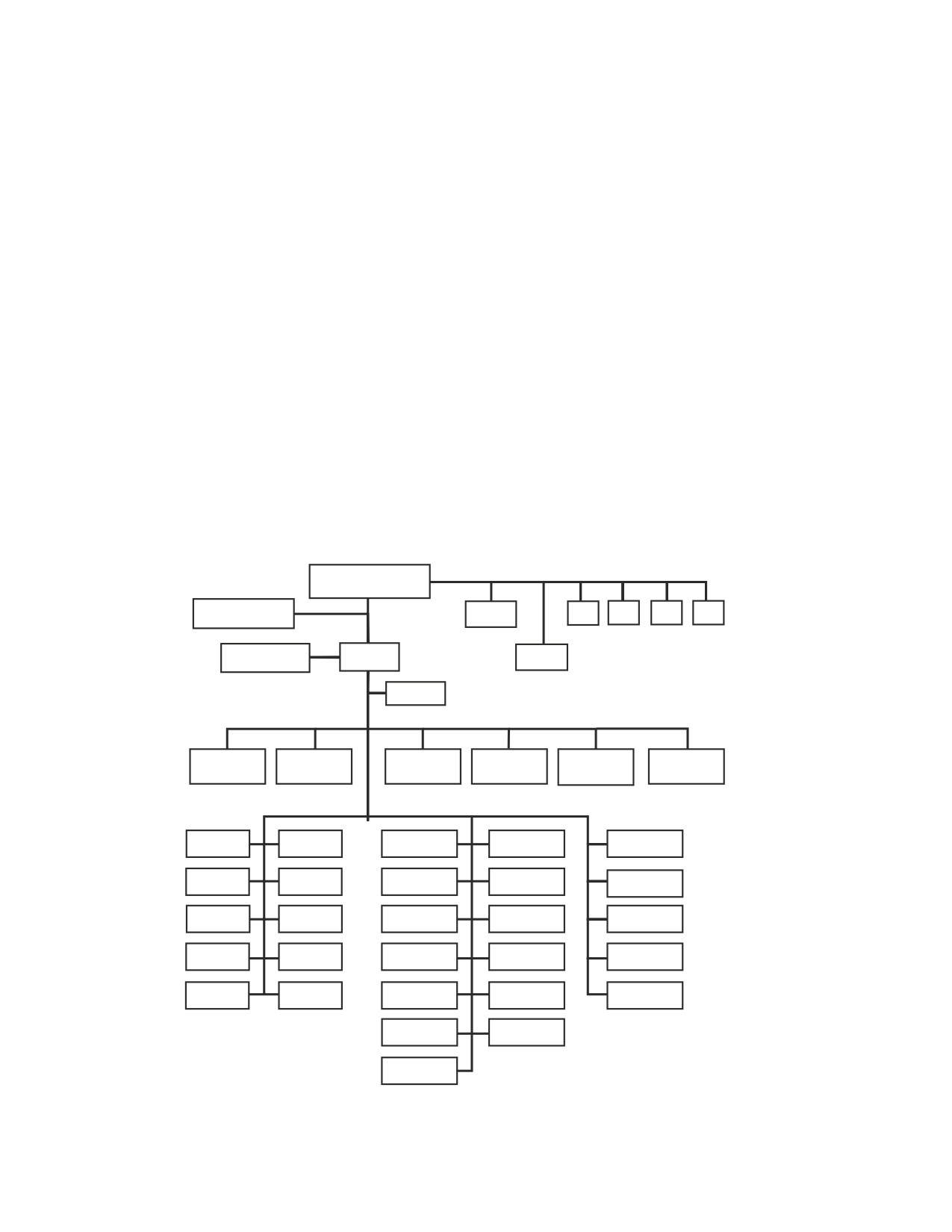
Figure 2-2 shows the typical staff organization for a
Staffs of Smaller Units (S Staffs)
corps or division. The staff of a major command has
(Regiments, Brigades, and Battalions)
each of the major staff groups: coordinating, special,
The staffs of smaller units are organized according to
and personal staff officers. (See Chapter 4 for the duties
the basic staff model. Their coordinating staff officers
and responsibilities of each of these officers.)
control functional areas of interest more suited to their
In a corps or division, the deputy or assistant com-
unit’s mission. The staffs of units smaller than division
mander extends the commander’s span of control in
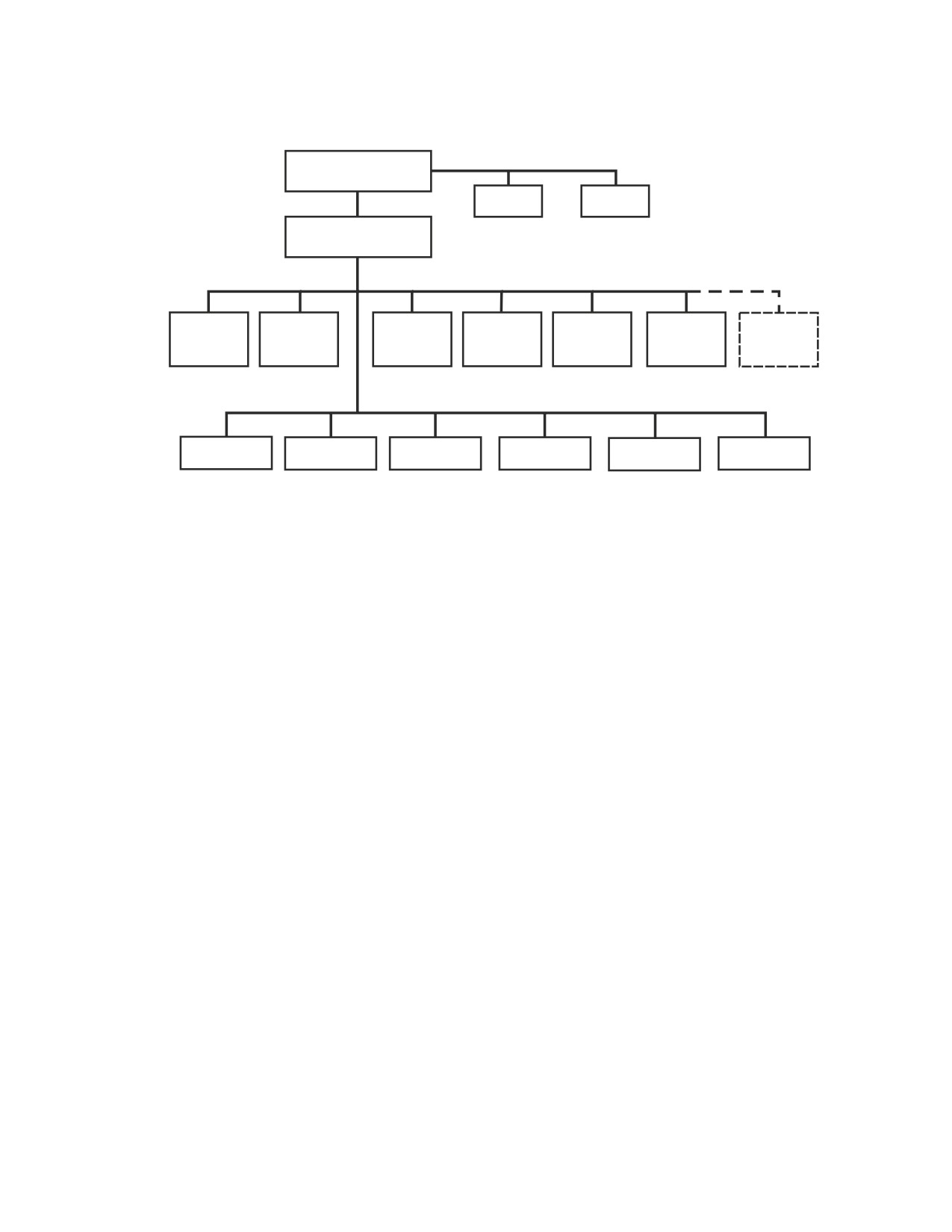
must meet unit requirements. Figure 2-3 depicts a typi-
areas and functions as the commander designates.
cal smaller-unit staff structure.
(See Chapter 4 for the
The deputy or assistant commander’s specific duties
duties and responsibilities of each staff officer.)
PERSONAL STAFF GROUP
Commander
Deputy
CSM
IG
SJA
CH
PAO
Commander
Liaison
CofS
Aides
Officer
SGS
COORDINATING STAFF GROUP
G1
G2
G3
G4
G5
G6
ACofS
ACofS
ACofS
ACofS
ACofS
ACofS
SPECIAL STAFF GROUP
HQ CMDT
AG
ADCOORD
ENCOORD
TRANS
Surgeon
Finance
ALO
CHEMO
Deception
Officer
RM
CPO
PM
FSCOORD
EOD
Dental
Veterinarian
AVCOORD
Historian
PSYOP
Surgeon
SWO
Protocol
SOCOORD
EOA
Safety
ANGLICO
EWO
TALO
Figure 2-2.
Typical corps or division staff structure
2-4
FM 101-5
PERSONAL STAFF GROUP
Commander
CSM
CH
Executive
Officer
COORDINATING STAFF GROUP
Intelligence
Operations
Logistics
Civil-Military
Support
Personnel
Signal
Officer
and Training
Officer
Operations
Operations
Officer
Officer
(S2)
Officer (S3)
(S4)
Officer (S5)
Officer
(S1)
(S6)
(NOTE 1)
(NOTE 1)
(NOTE 2)
(NOTE 3)
SPECIAL STAFF GROUP
CHEMO
Surgeon
NOTES: For brigades and battalions not authorized a specific special staff officer, the commander appoints an
officer to perform the function as an additional duty, if required. The command may form other staff groups when
DA or the theater commander authorizes.
1.
In CSS units, the functions of the S2 and S3 are usually consolidated.
2.
In units where the TOE or TDA does not authorize an S5, the commander gives an officer
(usually the S3) the responsibility for civil-military operations (CMO) functions.
3.
In support battalions, a support operations officer is added to the coordinating staff.
Figure 2-3. Typical smaller-unit staff structure (brigade and battalion)
Smaller-unit staff functions are generally the same as
coordinating, and supervising, are more informal at
those for larger staffs. However, the operational nature
small units than at higher levels. The functional area of
of smaller units might require some modification. For
interest should remain, however, even when the function
example, staff activities, such as advising, planning,
is absent.
2-5
Chapter 3
CHARACTERISTICS OF A STAFF OFFICER
This manual addresses staff officers at every echelon
the staff officer to properly analyze each problem and
of command, from battalion through corps. Every offi-
know, not guess at, the correct answer to make a recom-
cer will be assigned to staff duty several times through-
mendation. The staff officer must have the moral cour-
out his career, serving under many different
age to admit when he does not know the correct answer
commanders in a variety of staff positions.
to any question.
The staff officer’s duty is to assist the commander in
Initiative and Judgment
accomplishing the mission. He relieves the commander
of routine and detailed work and raises to the com-
A staff officer must have the initiative to anticipate
mander those things that only the commander can act on.
requirements. He must also use good judgment to size
The staff officer’s character
(values, attributes, and
up a situation quickly, determine what is important, and
skills) and competence are crucial in all that the com-
do what needs to be done. He cannot wait for the com-
mand accomplishes.
mander to give specific guidance on when and where to
act. He must anticipate what the commander needs to
A commander always retains the ultimate responsi-
accomplish the mission and the questions the com-
bility to make the final decision. The staff officer’s job
mander will ask in order to make an informed decision.
is to accomplish the commander’s intent by operating
He must know the commanders’ intent two levels up and
within his assigned authority to perform the duties in his
always operate within the commanders’ intent. He
area of expertise. He must ensure the commander has
should not hesitate to take advantage of a window of op-
been provided the necessary, timely, and correct infor-
portunity to accomplish the mission in the commander’s
mation to make the right decisions.
absence, but he must always ask himself the question,
Each staff officer accomplishes his mission for the
“Is this what the commander would tell me to do if he
commander differently, but the characteristics discussed
were here?” He then must report his actions to his com-
in this chapter are common among successful staff offi-
mander at the earliest opportunity.
cers. The list provided in Figure 3-1 is not complete but
addresses some of the more important characteristics.
This chapter can provide the commander and staff offi-
cers the basis for discussion in counseling sessions for
A good staff officer should possess and
professional development and growth and serves to
demonstrate—
identify what the commander expects of his staff
· Competence
officers.
· Initiative and judgment
CHARACTERISTICS
· Creativity
· Flexibility
The professional qualities found in FM 100-1 and
FM 22-100 serve as the necessary foundation for all offi-
· Confidence
cers. The following paragraphs discuss qualities that are
· Loyalty
specifically important to staff officers.
In addition, a good staff officer should be—
· A team player
Competence
· An effective manager
Every staff officer has to be competent in all aspects
· An effective communicator
of his position and know his specific duties and respon-
sibilities better than anyone else. He also must be famil-
iar with the duties of other staff members to accomplish
vertical and lateral coordination to reach the best recom-
mendation for the commander. The commander expects
Figure 3-1. Characteristics of a staff officer
3-1
FM 101-5
Creativity
The staff officer must concurrently develop multiple
sides of an issue, even though they may work counter to
A commander is always looking for new and innova-
one another. The development of courses of action must
tive solutions to problems. The staff officer must be
not bias the evaluation criteria that will be used later to
creative in researching solutions to difficult and unique
distinguish the courses of actions. The staff officer must
situations. Creative thinking and critical reasoning are
give the commander an unbiased look at a problem and
skills that aid the staff officer in developing and analyz-
the best possible solution to remedy it.
ing, respectively, courses of action. If he cannot recom-
A staff officer must understand that often a 5-minute
mend a course of action in one direction or area, he must
answer for the commander may require 10 hours of staff
find an alternative. He must be a team player and use the
work. Some staff officers may conclude the investment
creativity of all the members of the staff and command.
of time is not worth the return. On the contrary, the staff
A staff officer must always give the commander a rec-
officer has done what is required and expected of him
ommended course of action. He must seek ways to sup-
and he has relieved the commander of the tedious task of
port subordinate units and should not say “no” to a
detailed research. Further, the research he has done to
subordinate unit commander unless he has cleared that
collect data for the commander is a form of professional
with his commander.
development, giving him confidence and experience in
making future decisions as a staff officer, or as a com-
Flexibility
mander himself. During a crisis, he can rely on his
knowledge of what works and what doesn’t.
A staff officer must have the maturity and pres-
ence of mind to keep from becoming overwhelmed or
frustrated by changing requirements and priorities. A
Loyalty
commander will frequently change his mind or direc-
FM 22-100 discusses the different loyalty demands
tion after receiving additional information or a new
each officer encounters during his military career. The
requirement from his commander. More frequently
loyalty a staff officer has with his commander is a spe-
than not, the commander will not share with the staff
cial one. Additionally, the staff officer has loyalty to the
officer why he suddenly changed his mind. The staff
individual soldier.
officer must remain flexible and adjust to the needs
and desires of the commander. A staff officer must
The staff officer must be loyal to the commander.
also remain flexible as he is drawn in different direc-
Adherence to loyalty will help the staff officer tell the
tions, by different superiors. He must be a master at
commander the right information rather than what he
prioritization when there are more tasks to accom-
thinks the commander wants to hear. The staff officer
must have the moral courage to tell the commander the
plish than time available. In addition, he must learn
“good” and “bad” news. The old adage “bad news never
to juggle multiple commitments simultaneously. It is
gets better with age” is appropriate for every staff
essential that the staff officer meet suspenses on time
officer.
because both the commander and other members of
the staff are depending on his input to the problem-
The staff officer must also be loyal to the soldier.
solving process. He must meet the suspenses or in-
Any staff work, whether it is an operation plan
form the commander, in advance of the suspense
(OPLAN) or a training event, will eventually affect the
time, and ask for a time or priority adjustment.
soldier. The soldier will have to execute the recommen-
dation of the staff officer if the commander approves the
recommendation. The staff officer must never forget
Confidence
how his recommendation will affect the soldier.
A staff officer must have the mental discipline and
confidence to understand that all staff work serves the
Team Player
commander, even though the commander may reject the
resulting recommendation. The staff officer must not
The staff officer must be a team player. He cannot
put in a “half effort” because he thinks the commander
complete staff actions and staff work in a vacuum; he
will disagree with the recommendation. The work of the
must advise, consult, and cooperate with others. He
staff officer has assisted the commander in making the
must be prepared to represent another’s decisions as if
best possible decision.
they were his own. A wise staff officer should also
3-2
FM 101-5
maintain a pleasant disposition because it will help
writing, and visually
(with charts and graphs) the
achieve results which he could not otherwise obtain.
commander’s intent and decisions. The staff officer
must be skilled in orally briefing individuals and groups.
He must know and understand proper briefing tech-
Effective Manager
niques and be able to convey complex information so
The staff officer must have the ability to effectively
that it is easily understood.
manage time and resources. Time will always be criti-
The staff officer must be able to write effectively. He
cal. He must think not only about his time, but the time
must articulate, in writing, the commander’s intent and
needed by other staff members, subordinate units, or
guidance through operation orders
(OPORDS),
anyone else who participates in the staff officer’s collec-
OPLANS, staff studies, staff summaries, and reports.
tion, processing, or dissemination of information, or the
making of recommendations. The staff officer must rec-
The staff officer must be able to use productively cur-
ognize all projects cannot be an “A” or a “B” priority.
rent computer technology. This includes producing
He should be capable of setting reasonable suspenses
vi-sual briefing products such as charts, graphs, and
which allow completion of a “C” product.
slides, or other multimedia briefing products, to assist in
communicating the commander’s intent or desires. He
The staff officer must be a good steward of the re-
should also be proficient in using computer technology
sources
(people, environment, and money) that the
such as word processing, electronic mail, and other
country entrusts to his care. He must be diligent in his ef-
available resources to more efficiently manage his time
forts to efficiently manage these resources and preserve
and to solve problems.
the environment. This means avoiding waste, destruc-
tion, and duplication of effort.
The staff officer frequently prepares briefings or
written products for the commander or another superior
staff officer. The staff officer must prepare the product
Effective Communicator
as if he were going to sign it or brief it himself. He must
The staff officer must be an effective communicator.
be able to transform the commander’s intent and
Effective communication is crucial for the staff officer.
guidance into policy or to develop meaningful criteria to
The staff officer must clearly articulate orally, in
evaluate viable courses of action that meet this intent.
3-3
Chapter 4
STAFF RESPONSIBILITIES AND DUTIES
The commander’s staff must function as a single, co-
The commander is responsible for all that his staff
hesive unit—a professional team. Each staff member
does or fails to do.He cannot delegate this responsibility.
must know his own duties and responsibilities in detail
The final decision, as well as the final responsibility, re-
and be familiar with the duties and responsibilities of
mains with the commander. The commander must foster
other staff members.
an organizational climate of mutual trust, cooperation, and
teamwork.
The staff must establish and maintain a high degree
When the commander assigns a staff member a mis-
of coordination and cooperation, both internally and
sion, he also delegates the necessary authority for the
with staffs of higher, lower, and adjacent units. The
staff member to accomplish the mission. Having dele-
staff’s efforts must always focus on supporting the com-
gated the authority to the staff member, the commander
mander and on helping him support his subordinate
must provide the staff member with the guidance,
units. Commanders can minimize risks by increasing
resources, and support necessary to accomplish the
certainty. The staff supports the commander by provid-
mission.
ing better, more relevant, timely, and accurate informa-
tion; making estimates and recommendations; preparing
The commander is responsible for training the staff.
He may delegate routine staff training to the chief of
plans and orders; and monitoring execution.
staff, but the commander must train the staff to relay in-
This chapter describes the responsibilities and duties
formation and perform the mission to conform to his
commonly performed by staff officers assigned to the
leadership style. The staff is an extension of the com-
headquarters of Army units in the field from battalion
mander. The staff must know his leadership style and
through corps. Information about the responsibilities
understand his intent to best support him, and subordi-
and duties of the DA staff is contained in AR 10-5. In-
nate, adjacent, and higher headquarters.
formation about the responsibilities of installation staffs
is contained in AR 5-3.
DEPUTY OR ASSISTANT
This chapter first discusses the relationship and the
COMMANDER-STAFF
responsibility the commander, deputy commander, and
RELATIONSHIP
chief of staff have with and to the staff. Next, it dis-
cusses the common duties and responsibilities of staff
(Corps, Division, Regiment,
officers. Finally, it describes the specific responsibili-
and Separate Brigades)
ties and duties commonly performed by coordinating
The relationship between the deputy or assistant
staff officers, special staff officers, and personal staff
commander and the staff is unique. Staff members do
officers.
not work for the deputy or the assistant commanders un-
less the commander directs this relationship. Each com-
THE COMMANDER-STAFF
mander must describe his deputy or assistant
commander’s roles, duties, and relationships with the
RELATIONSHIP
CofS, the staff, and the commanders of subordinate
The commander makes and communicates decisions
units. Normally, he assigns specific fields of interest
to several people, but this manual describes his commu-
and responsibility to his assistants to decentralize deci-
nication of decisions and intentions to his staff. He also
sion making while maintaining overall command.
provides his staff leadership, direction, and guidance.
Because deputy or assistant commanders must be
The commander may personally communicate his intent
able to assume command at any time, the commander
or decisions, either verbally or in writing, or he may re-
must inform them of his battlefield vision and intent.
lay information to his staff through orders, commander’s
The CofS must continually provide them with informa-
guidance, and other means.
tion concerning staff actions.
4-1
FM 101-5
Deputy or assistant commanders normally do not
commander or of instructions they receive directly from
have coordinating or special staffs. When they have
the commander.
specific responsibilities, the headquarters staff assists
The CofS helps the commander control subordinate
them as the commander prescribes. Deputy or assistant
units in their preparing for future employment. He
commanders give orders to the CofS (or the staff) within
monitors their combat readiness status and directs ac-
limits the commander prescribes. They may go to the
tions that posture subordinate units for use by the com-
CofS at any time for staff assistance. If a deputy or as-
mander. Under special conditions or missions, the
sistant commander needs a staff, the commander may
commander may give the CofS temporary command of a
detail officers from the headquarters or subordinate
portion of the force (such as in deployments, retrograde
units to help him or make a subordinate unit’s headquar-
operations, and obstacle crossings, or when the com-
ters available to him.
mander and deputy or assistant commanders are unable
At corps and major support command levels, there is
to command).
normally only one deputy or assistant commander. At
A CofS is located at corps, division, and major
division level, there are normally two assistant com-
manders—the assistant division commander for maneu-
support command echelons and other units com-
ver (ADCM) or operations (ADCO), and the assistant
manded by a general officer. The XO, performing the
division commander for support (ADCS). At regiment,
duties of the CofS, is located in units not commanded
brigade, and battalion levels, the executive officer is
by a general officer (regiment, brigade, and battal-
normally the commander’s deputy or assistant com-
ion). Listed below are the areas and activities that are
mander. At this echelon of command, the executive of-
the responsibility of the chief of staff or executive of-
ficer also leads the staff. Along with the duties as the
ficer in the role as supervisor of the staff. The CofS
second in charge, he has the duties and responsibilities
(XO) is responsible for—
of the chief of staff, discussed next.
• Integrating and synchronizing the warfighting
plans.
CHIEF OF STAFF
• Managing the commander’s critical information
(EXECUTIVE OFFICER)-STAFF
requirements (CCIR).
RELATIONSHIP
• Establishing, managing, and enforcing the staff
planning time line in accordance with the commander’s
The CofS (XO) is the commander’s principal assis-
guidance.
tant for directing, coordinating, supervising, and train-
ing the staff, except in areas the commander reserves.
• Supervising the targeting, deep operations, and
The commander normally delegates executive manage-
other cross-forward line of troops (FLOT) planning
ment authority (equivalent to command of the staff) to
cells.
the CofS. The CofS frees the commander from routine
• Integrating deception planning and fratricide coun-
details and passes pertinent data, information, and in-
termeasures into the plan.
sight from the staff to the commander and from the com-
• Determining liaison requirements, establishing li-
mander to the staff.
aison information exchange requirements, and receiving
The value of a close and special relationship between
liaison teams.
the commander and the CofS cannot be overstated. The
• Directly supervising the main command post (CP)
CofS must be able to anticipate battlefield events and
and headquarters cell, including displacement, protec-
share with the commander a near-identical battlefield vi-
tion, security, and communications.
sion of operations, events, and requirements. He must
understand the commander’s intent better than, or at
• Monitoring staff’s discipline, morale, and combat
least as well as, subordinate commanders. The CofS
and mobilization readiness.
must understand the commander’s personality, style,
• Organizing, planning, and conducting staff
and instincts as they affect the commander’s intentions.
training.
Staff members must inform the CofS of any recommen-
dations or information they pass directly to the
• Supervising all tasks assigned to the staff.
4-2
FM 101-5
• Directing the efforts of coordinating and special
staff members.
•
Advising and providing information to the
commander.
• Ensuring staff work conforms to the mission and
•
Preparing, updating, and maintaining staff
the commander’s guidance and occurs within the time
estimates.
frame provided by the commander.
•
Making recommendations.
• Ensuring the staff integrates and coordinates its
•
Preparing plans and orders.
activities internally, vertically (with higher headquarters
•
Monitoring execution of decisions.
and subordinate units), and horizontally (with adjacent
•
Processing, analyzing, and disseminating infor-
units).
mation.
• Informing the commander, deputy or assistant
•
Identifying and analyzing problems.
commanders, other primary staff members, and the
•
Conducting staff coordination.
CofSs of subordinate units about new missions, instruc-
•
Conducting training.
tions, and developments.
•
Performing staff assistance visits.
• Directing and supervising the staff’s planning pro-
•
Performing risk management.
cess.
(See Chapter 5 for a complete discussion of the
•
Conducting staff inspections.
staff-planning process.)
•
Conducting staff writing.
• Ensuring all staff members provide intelligence
•
Conducting staff research.
preparation of the battlefield (IPB) input to the G2.
•
Performing staff administrative procedures.
• Maintaining knowledge of all directives, orders,
•
Supervising staff section and staff personnel.
and instructions the commander issues to the staff, sub-
ordinate commanders, and subordinate units, and verify-
ing their execution.
Figure 4-1. Common staff duties
• Ensuring the staff is rendering assistance to subor-
dinate commanders and staffs, as necessary.
COMMON RESPONSIBILITIES
• Supervising the integration of risk management
AND DUTIES
across the entire staff for all planning and execution of
operations.
The following paragraphs discuss the responsibilities
• Coordinating staff responsibility for the following
and duties that all staff members have in common. (See
special staff officers:
also Figure 4-1.)
— Headquarters commandant.
Advising and Providing Information
— Secretary of the general staff (SGS).
to the Commander
— Liaison officers (LNOs).
The staff continuously provides information to the
commander, sometimes before and sometimes after
STAFF ACTIVITIES
the information has been analyzed. This information
is not necessarily provided to make an immediate de-
Staff activities focus on the purpose of the
cision, but to keep the commander abreast of the
staff—to assist the commander. This is accom-
situation or “big picture.” This is critical during the
plished mainly by staff contributions to the timely
battle. The staff must continuously feed the com-
making and executing of decisions. The commander
mander information on the progress of the battle.
and staff should be continually alert to opportunities
One piece of information alone may not be signifi-
to streamline cumbersome or time-consuming proce-
cant, but added to others, it may be the information
dures. Staff activities must contribute to mission
that allows the commander to formulate the big pic-
accomplishment and the procedures employed must
ture and to make a decision. Commanders and staff
be the means to accomplish the mission in an effec-
must always remember that they are often required to
tive manner—not ends in themselves.
work multiple issues at the same time. Information
4-3
FM 101-5
must be set into the proper frame of reference and be
officers must carefully analyze and compare all feasi-
relevant to prevent wasting staff officers’ and com-
ble alternatives using the best information available.
manders’ time. Examples of information staff mem-
They must candidly and objectively present the alter-
bers provide include—
native to the commander clearly showing the advan-
tages and the disadvantages.
They must be
• Advising the commander and staff on capabilities,
limitations, requirements, resource availability and em-
thoroughly prepared to recommend a best alternative
ployment, and all matters that deal with their areas of
to the commander. Their preparation includes coor-
interest.
dinating with the staff officers whose areas of interest
will be affected by the recommendation. The recom-
• Advising the commander on the readiness status of
mendations are stated in a form that requires only the
their areas of interest.
commander’s approval or disapproval. Examples of
• Helping the commander see the battlefield.
staff officers’ recommendations include—
• Advising the commander and staff on the capabili-
• Recommending command policy and guidance
ties, limitations, and employment of supporting forces
concerning their areas of interest, to include capabilities,
within their areas of interest.
limitations, and employment.
• Informing and advising the commander of direc-
• Recommending to the commander policies and
tives and policy guidance from higher headquarters
procedures to enhance capabilities in their areas of
dealing with their areas of interest.
interest.
• Recommending to the commander (or tasking
Preparing, Updating, and Maintaining
when they have been delegated such authority by the
Estimates
commander) the allocation of scarce assets or
The staff prepares estimates to assist the com-
resources to support operations in their areas of
mander in decision making. A staff estimate consists
interest.
of significant facts, events, and conclusions (based on
• In coordination with the G3 (S3), recommending to
current or anticipated situations) and recommenda-
the commander the priorities for the employment, distri-
tions on how available resources can be best used and
bution, and support in their areas of interest.
what additional resources are required. The com-
mander uses recommendations to select feasible
• Recommending priorities, risk, and command and
courses of action for further analysis. Adequate plans
support relationships between units to the commander.
hinge on early and continuing estimates by staff offi-
• Recommending organization for combat for their
cers. Their failure to make or update these estimates
areas of interest.
may lead to errors or omissions in the development of
a course of action. An example is staff officers main-
• Recommending the organization for combat, allo-
taining a current estimate of the situation in their ar-
cations to subordinate units, and command and support
eas of interest, in coordination with other staffs.
relationships between subordinate units and organic
units in their areas of interest.
NOTE: A complete discussion of staff estimates is in
Appendix C.
• Recommending the allocation of resources and
synchronizing the employment of all organic and sup-
porting units to support the scheme of maneuver in their
Making Recommendations
areas of interest.
Staff officers make recommendations to assist the
• Recommending use of assets of other services for
commander in reaching decisions and establishing
their areas of interest and advising liaison representa-
policies. Staff officers also offer recommendations to
tives from supporting services.
one another and to their subordinate commanders.
These recommendations are for information and
• Planning and recommending missions dealing with
assistance only.
their areas of interest.
Recommendations may be presented as written es-
• Recommending to the G3 (S3) the general loca-
timates or studies, or they may be presented orally.
tion and movements of units under their areas of
Whether the procedures are formal or informal, staff
interest.
4-4
FM 101-5
Preparing Plans and Orders
• Ensuring that organic, assigned, and supporting
units accomplish tactical-level missions in support of
The staff prepares and issues plans and orders to
the ground commander’s scheme of maneuver in their
carry out the commander’s decisions, coordinating all
areas of interest.
necessary details. The commander may delegate author-
ity to staff officers to issue plans and orders without his
• Formulating and supervising policies concerning
personal approval. A single staff officer is assigned the
operations in their areas of interest.
responsibility for preparing and publishing a plan or or-
der. Other staff officers prepare elements of the plan or
Processing, Analyzing, and Disseminating
order in their areas of interest. (Plans and orders are dis-
Information
cussed in Appendix H.) Examples include—
Staff officers cannot be just data collectors and trans-
• Formulating the concept of operations and concept
mitters. They must have the ability to analyze and
of support in line with the commander’s intent in their
clearly articulate information. The staff collects, col-
areas of interest.
lates, analyzes, processes, and disseminates information
• Identifying specified and implied tasks to support
that flows continuously into the headquarters. The staff
the plan.
rapidly processes and provides critical elements of this
information to the commander and other members of the
• Developing the scheme of maneuver to support the
staff, particularly CCIR.
course of action (COA).
Staff officers routinely analyze matters that affect op-
• Adjusting plans according to feedback.
erations. Essential in an analysis is identifying problems
• Preparing that area of interest portion of the com-
that may affect the staff officer’s area of interest or the
mand training plan and exercising staff supervision over
command as a whole. Judgment and experience are ma-
the execution of training in their areas of interest.
jor factors in the staff officer’s ability to recognize prob-
lems. He should develop a systematic approach,
• Identifying constraints.
weighing each new item of information in relation to
• Preparing, authenticating, and distributing their
other information at his disposal. A good approach will
portion of the command SOP, operation plans
help him determine the significance of the information
(OPLANs), operation orders (OPORDs), annexes, esti-
and what action, if any, is necessary.
mates, appendixes, support plans, command training
Staff officers use many means to disseminate infor-
plan, reports, studies, and summaries.
mation. Examples are briefings, electronic mail, staff
• Using the results of war gaming.
papers, reports, and summaries.
Reports and summaries are used extensively to pro-
Monitoring Execution of Decisions
vide information to higher, lower, and adjacent com-
mands. Nearly every staff section prepares and
The staff assists the commander by ensuring that sub-
distributes them. The minimum number of reports and
ordinates carry out the commander’s decisions. Staff
summaries consistent with the commander’s need for in-
supervision relieves the commander of much detail,
formation should be required of the subordinate com-
keeps the staff informed of the situation, and provides
mand. Actions by staff officers include—
the staff with the information needed to revise estimates
and to provide progress reports to the commander as
• Submitting information and intelligence reports to
plans and orders are implemented. Staff officers ensure
the G2 (S2) concerning their areas of interest.
that decisions reach the intended recipients, that deci-
• Maintaining current friendly and enemy situation
sions are understood, and that decisions are executed
information, maps, and overlays.
within the commander’s intent. They also initiate rec-
ommendations for modifications and elaborations when
• Providing technical assistance to the G2 (S2) in
circumstances demand. Supervision is accomplished
their areas of interest while studying and evaluating the
through analyzing reports, messages, and staff visits.
enemy capabilities in their areas of interest and support-
Actions by staff members include—
ing the battlefield surveillance plan.
• Monitoring the execution of instructions, plans,
• Providing risk assessment input to the G3 (S3) in
and orders in their areas of interest.
their areas of interest.
4-5
FM 101-5
• Reporting information dealing with their broad
staff coordination requires personal initiative, a spirit
areas of interest to the historian.
of cooperation, and the genuine interest of each staff
member in achieving a unified effort. Most staff ac-
• Monitoring operations security (OPSEC) measures
tions require coordination that extends beyond the
within areas of interest to comply with directives and
procedures.
immediate command and includes higher, adjacent,
lower, and supporting commands, as appropriate.
• Identifying host nation (HN) requirements and co-
Coordination is essential for four reasons: to ensure a
ordinating with the G5 (S5) on integrating HN assets in
thorough understanding of the commander’s intent,
their areas of interest.
to ensure complete and coherent staff actions, to
• Assessing shortfalls of occupational specialties and
avoid conflict and duplication by adjusting as needed
personnel readiness issues.
plans or policies before their implementation, and to
• Determining workload requirements and assessing
ensure all factors are considered.
status of their organizations in their areas of interest.
The coordinating staff officer, under whose area of
• Evaluating the effectiveness of support provided
interest the action falls, has specific responsibility for
by their areas of interest.
coordinating that action. He frequently designates a
member of his section to be the action officer for the ac-
• Identifying requirements for additional units, per-
tion under consideration. The action officer and all
sonnel, equipment, or support in their areas of interest.
other interested staff officers examine and correlate all
• Determining and planning training requirements
subactions and resolve any conflicts. Each staff officer
for the force as a whole in their areas of interest.
examines the action from his own and the commander’s
• Determining requirements for forces and equip-
points of view and determines the proper action within
ment in their areas of interest, based on the comman-
his area of interest. The action is then presented to the
der’s priorities and in coordination with other staff
appropriate approving authority for a final decision. Co-
elements and subordinate commands.
ordination by staff officers includes—
• Determining the adequacy of priorities for employ-
• Providing IPB information in their areas of interest
ing units under their broad areas of interest.
to the G2.
• Performing review and analysis in their areas of in-
• Providing direction to all other staff elements about
terest to determine and enhance their effectiveness in
issues and information dealing in their areas of interest.
supporting operations and achieving objectives.
• Maintaining close contact and exchanging infor-
• Analyzing operational effects on the environment
mation with the command and with corresponding com-
and assessing environmental status.
manders, staff officers, and sections at the higher, lower,
adjacent, and supporting echelons of command.
Identifying and Analyzing Problems
• Coordinating with higher and adjacent commands,
The staff must continually identify current and future
other services, and agencies (as appropriate), to request,
problems or issues that will affect mission accomplish-
receive, or provide information pertinent to their areas
ment. Once a problem is identified, the staff officer
of interest.
must analyze what actions or coordination must take
• Coordinating with other staff sections.
place to resolve the issue. Sometimes the staff officer
will have the capability and authority to correct the prob-
• Coordinating with their corresponding joint staff
lem without direction from the commander. If not, once
element. (The G3 (S3) has special coordinating respon-
the problem is thoroughly analyzed, the staff officer
sibility not only with the J3 (operations), but also the J5
must inform the commander so that he can make the ap-
(plans and policy) and the J6 (command, control, com-
propriate decision to resolve the issue.
munications, and computer (C4) systems. The G5 (S5)
has special coordinating responsibility not only with the
Conducting Staff Coordination
J3, but also with the J5.)
Staff coordination results in making certain that
• Providing advice and assistance to support unit com-
“pieces” fit together in an integrated whole. Good
manders on matters dealing with their areas of interest.
4-6
FM 101-5
• Coordinating with the G5 (S5) for host nation sup-
avoid interfering with the unit commander’s respon-
port or local civilian support in their areas of interest.
sibilities. If the higher commander’s orders seem to
have been misunderstood, the staff officer should
• Coordinating with the G3 (S3), higher and adjacent
give additional information and guidance to the sub-
commands, and war campaign planners to support the
ordinate commander or his staff. When the staff offi-
battle in their areas of interest.
cer returns to his headquarters, he makes a brief oral
• Coordinating (horizontally, vertically, and with ad-
or written report of his observations to his staff prin-
jacent units) and integrating all activities within their
cipal, chief of staff, or commander, if appropriate.
areas of interest.
The chief of staff then provides this report to other
staff officers, if necessary.
Conducting Training
Every staff officer must assess training require-
Performing Risk Management
ments across the command within his respective area
Every staff officer must integrate risk manage-
of interest. These requirements are then added into
ment into the planning and execution of training and
the overall command training plan through the opera-
operational missions. The staff officer assists the
tions officer. The staff officer must determine the
commander in minimizing unnecessary risk by in-
amount and type of training and requirements for
creasing certainty in all operations. He uses the risk
evaluating the training. This may include any techni-
management process to assess his functional area and
cal training necessary in the command in the staff of-
make control measure recommendations to reduce or
ficer’s area of interest. The staff officer is then
eliminate risk to support the combat power dynamics
responsible for planning and supervising this training
of protection. Examples include—
within the command. Examples include—
• Applying risk management during the decision-
• The G2 submits specific intelligence training re-
making process to identify force protection shortcom-
quirements for individual soldiers to the G3.
ings in operating system functions.
• The G5 submits to the G3 specific training require-
• Developing and implementing controls for the
ments on treatment and disposition of enemy defectors
commander that support the mission by avoiding unnec-
and enemy prisoners of war.
essary risk and loss of combat power.
• The safety officer submits to the G3 risk manage-
• Providing support to operational requirements and
ment training required within the command.
establishing procedures and standards that are clear and
In addition to above, every staff member is respon-
practical for each specified and implied task.
sible for supporting the overall training program of
NOTE: A complete discussion of risk management is in
the unit with expertise and resources from his area of
Appendix J.
interest. Training is discussed in Appendix K. For
more information on training, see FM 25-100 and
FM 25-101.
Conducting Staff Inspections
Individual officers or teams conduct staff inspec-
Performing Staff Assistance Visits
tions as directed by the commander. Inspections nor-
Staff officers visit subordinate units to get infor-
mally are conducted to determine certain conditions
mation for the commander, to observe the execution
within a subordinate unit, such as compliance or con-
of orders or instructions, and to provide advice and
formity with policies and regulations. Both the posi-
assistance in their areas of responsibility. Certain
tive and negative observations are noted. Before the
designated representatives make these visits in the
inspection, the unit commander is informed of the na-
commander’s name. The staff officer should call on
ture and the purpose of the inspection. Afterward, an
the subordinate unit commander to explain the pur-
informal report of the inspection results is provided
pose of his visit. Before leaving, he should report his
to the subordinate commander before the inspecting
findings to the subordinate commander and any infor-
officer or team leaves. Later, a formal written report
mation he plans to take back to his staff section, chief
to the commander normally is prepared and a copy of
of staff, or commander. The staff officer should
the report, furnished to the inspected unit.
An
4-7
FM 101-5
example of staff officers’ inspections is evaluating
Supervising Staff Section and Staff
training within their areas of interest.
Personnel
Every staff officer must be capable of supervising his
Conducting Staff Writing
staff section personnel, including—
Staff officers prepare a variety of written commu-
• Performing staff supervision of activities and units
nications, particularly at division and above, where
assigned, attached, or under the operational control
operations rely primarily on written directives, re-
(OPCON) of the command that come under his area of
interest to ensure adequate support of the command.
ports, orders, and studies. Writing is a means of com-
municating ideas to the commander, subordinate unit
• Recommending and coordinating assignments and
commanders, and other staff officers. Effective staff
personnel issues affecting his area of interest.
writing should convey the writer’s exact meaning and
• Coordinating procurement, storage, issue, and dis-
should not be subject to misinterpretation.
tribution of equipment in his area of interest.
• Supporting assigned, attached, or OPCON units or
Conducting Staff Research
individuals under the supervision of a particular staff
Staff research is the collection and evaluation of
section (such as with administration, shelter, food, and
supplies).
facts necessary to solve problems or to provide infor-
mation. Some facts are available in office records
• Acting as a staff advisor for assigned, attached,
while others can be found only by examining many
supporting, or OPCON units or personnel in his area of
sources. The problem determines the research
interest.
needed. Only after analyzing the problem and listing
• Determining, planning, evaluating, and supervis-
the main issues to be considered can the staff officer
ing specific training requirements for his staff section.
determine how much and what kind of information he
must collect. The extent of research is the staff offi-
• Monitoring the maintenance, personnel, and equip-
ment status within his area of interest and advising the
cer’s decision. The staff officer must decide when he
commander and responsible staff.
has the information he needs to draw valid conclu-
sions. To be valid, conclusions must be relevant to
• Organizing and supervising subelements in his area
the topic, objective, and supported by the data, and
of interest.
they must be arrived at through a logical thought
process.
SPECIFIC STAFF
RESPONSIBILITIES AND DUTIES
Performing Staff Administrative
Procedures
This section describes the specific and unique re-
sponsibilities and duties of the coordinating, special, and
Every staff officer performs administrative proce-
personal staff groups discussed in the basic staff model
dures to provide continuity for completed staff actions
in Chapter 2. The common responsibilities and duties
and to allow the staff member or staff section to effi-
inherent to every staff officer were discussed in the last
ciently and effectively accomplish its tasks. Each staff
section.
member must manage his administrative activities
within his own staff section. Examples include—
Coordinating staff officers have primary staff respon-
sibility for several special staff officers. This section de-
• Maintaining policy files of the commander and
scribes the relationship between these two staff groups.
higher headquarters.
The coordinating staff officer establishes procedures for
• Maintaining current command SOP and, specifically,
coordinating and integrating special staff activities
the internal SOP for the staff member’s area of interest.
within his field of interest and responsibility. This sec-
tion also discusses the uniqueness of the personal staff
• Maintaining staff section records to provide the
officer who wears two hats. He is both a personal staff
commander with essential information.
officer and a special staff officer, according to
• Maintaining reference files for his area of interest.
regulations.
4-8
FM 101-5
Coordinating Staff Officers
— Preparing estimates for personnel replacement
requirements based on estimated casualties, nonbattle
Every staff has coordinating staff officers who coor-
losses, and foreseeable administrative losses.
dinate actions for the commander and of special staff of-
— Preparing plans and policies to govern assign-
ficers. Coordinating staff responsibility includes—
ment of replacement personnel.
• Ensuring that the special staff officer or section has
— Requesting and allocating individual replace-
personnel, logistics, facilities, and proper support.
ments according to G3 priorities.
• Coordinating actions and taskings of special staff
— Integrating the personnel replacement plan
officers across the entire staff, as necessary.
from the G1 with the equipment replacement plan from
• Informing the chief of staff of the special staff
the G4 and with the training plan from the G3.
officer’s actions.
— Coordinating and monitoring readiness pro-
The discussion that follows lists under each coordinating
cessing, movement support, and the positioning of
staff officer that officer’s specific coordination responsi-
replacement-processing units.
bilities. Figure 4-2, page 4-18, shows the relationships be-
— Planning and coordinating policies for person-
tween the coordinating staff and the special staff.
nel determined unfit for combat duty (for example,
medical reasons).
Assistant Chief of Staff, G1 (S1), Personnel
Casualty operations management, which involves
The G1 (S1) is the principal staff officer for all mat-
casualty reporting, notification, and assistance; line-of-
ters concerning human resources (military and civilian),
duty determination; reporting of status of remains; and
which include personnel readiness, personnel services,
casualty mail coordination.
and headquarters management. A personnel officer is
• Retention (reenlistment).
located at every echelon from battalion through corps.
The common staff duties and responsibilities were listed
• Assessing and documenting of enemy prisoner of
in the previous section. Following are the areas and ac-
war (EPW) injury, sick, and wound rates.
tivities that are the specific responsibility of the G1 (S1).
• Deployment of civilian personnel.
Manning, which involves—
• Use of civilian labor in coordination with the civil-
• Personnel readiness management, which includes—
ian personnel officer (CPO).
— Analyzing personnel strength data to determine
• Monitoring of the deployability of military
current combat capabilities.
personnel.
— Projecting future requirements.
Health and personnel service support, which
involves—
• Unit strength maintenance, including monitoring,
collecting, and analyzing data affecting soldier readi-
• Staff planning and supervising, which includes—
ness (such as morale, organizational climate, commit-
— Morale support activities, including recrea-
ment, and cohesion).
tional and fitness activities.
• Monitoring of unit strength status.
— Community and family support activities and
• Development of plans to maintain strength.
programs.
• Personnel replacement management, which
— Quality-of-life programs.
includes—
— Postal operations (operational and technical
— Receiving, accounting, processing, and deliver-
control), including EPW mail services.
ing personnel.
— Band operations.
— Advising the commander and staff on matters
— Awards programs.
concerning individual replacements and the operation of
the replacement system.
— Administration of discipline.
4-9
FM 101-5
• Personnel service support, including finance, rec-
• Surgeon.
ord keeping, Servicemen’s Group Life Insurance
• Veterinary officer.
(SGLI), religious support, legal services, and command
information.
NOTE: The duties and responsibilities of these special
staff officers can be found under the special staff officer
• Assessment of the status of morale and recommen-
section, page 4-17.
dation of programs to enhance low morale.
Coordination of staff responsibility for the follow-
• Coordination of interaction with—
ing special and personal staff officers (when coordina-
— Army and Air Force Exchange Service
tion is necessary):
(AAFES), for example, for movies.
• Chaplain.
— Nonmilitary agencies servicing the command,
• Inspector general.
such as the American Red Cross.
• Public affairs officer.
Headquarters management, which includes—
• Staff judge advocate.
• Managing the organization and administration of
NOTE: When these personal staff officers are perform-
the headquarters.
ing duties as special staff officers, the G1 is responsible
• Recommending manpower allocation.
for staff coordination. See the personal staff officer sec-
tion, page 4-29, for the duties and responsibilities of the
• Coordinating and supervising—
chaplain, IG, PAO, and SJA.
— Movement.
— Internal arrangement.
Assistant Chief of Staff, G2 (S2), Intelligence
— Space allocation.
The G2 (S2) is the principal staff officer for all mat-
ters concerning military intelligence (MI), counterintel-
— Administrative support.
ligence, security operations, and military intelligence
Staff planning and supervision over—
training. An intelligence officer is located at every eche-
lon from battalion through corps. The common staff du-
• Administrative support for military and civilian
ties and responsibilities were listed in the previous
personnel, to include leaves, passes, counseling, and
section. Following are the areas and activities that are
personal affairs.
the specific responsibility of the G2 (S2).
• Administrative support for augmentees (non-US
Military intelligence (MI), which involves—
forces, foreign nationals, civilian internees).
• Disseminating intelligence to commanders and
• Administration of discipline, and law and order (in
other users in a timely manner.
coordination with the G3 (PM)), including absence
• Collecting, processing, producing, and disseminat-
without leave (AWOL), desertion, court martial of-
ing intelligence.
fenses, requests for transfers, rewards and punishments,
and disposition of stragglers.
• Conducting and coordinating intelligence prepara-
• Recommending of intelligence requirements (IR)
tion of the battlefield (IPB).
to the G2.
• Recommending unit area of interest and assisting
the staff in defining unit battlespace.
Coordination of staff responsibility for the follow-
ing special staff officers:
• Describing the effects of the battlefield environ-
• Adjutant general (AG).
ment on friendly and enemy capabilities.
• Civilian personnel officer (CPO).
• Evaluating the threat (their doctrine, order of battle
factors, high-value targets
(HVTs), capabilities, and
• Dental surgeon.
weaknesses).
• Equal opportunity advisor (EOA).
• Determining enemy most probable and most dan-
• Finance officer.
gerous courses of action and key events.
4-10
FM 101-5
• Coordinating with the entire staff and recommend-
• Maintaining the current situation regarding the en-
ing PIR for the commander’s critical information
emy and environmental factors and updating IPB and
requirements.
the intelligence estimate.
• Integrating staff input to IPB products for staff
• Determining map requirements and managing
planning, decision making, and targeting.
the acquisition and distribution of map and terrain
products in coordination with the G3 (ENCOORD),
• Coordinating with the G3 (PM) for processing (for
who is responsible for map and terrain product
intelligence purposes) materials taken from EPWs and
production.
civilian internees.
Counterintelligence (CI), which involves—
• Coordinating ground and aerial reconnaissance and
surveillance operations with other collection assets.
• Identifying enemy intelligence collection capabili-
ties, such as human intelligence (HUMINT), signals in-
• Participating in targeting meeting.
telligence (SIGINT), imagery intelligence (IMINT), and
• Debriefing personnel returning from enemy control.
efforts targeted against the unit.
• Analyzing, in coordination with the G3 (engineer
• Evaluating enemy intelligence capabilities as they
coordinator (ENCOORD)), enemy capability to use en-
affect the areas of OPSEC, countersurveillance, signals
vironmental manipulation as a means to impede friendly
security
(SIGSEC), security operations, deceptions
forces or jeopardize long-term objectives.
planning, psychological operations (PSYOP), rear area
• Coordinating technical intelligence activities and
operations, and force protection.
disseminating information.
• Conducting counterintelligence liaison for security
• Assisting the G3 in planning target acquisition ac-
and force protection.
tivities for collection of target information.
• Conducting counterintelligence force protection
• Coordination with the chemical officer to analyze
source operations.
the enemy’s capability and predictability of using nu-
Security operations, which involve—
clear, biological, and chemical (NBC) weapons.
• Supervising the command and personnel security
• Coordinating with the G1 the enemy situation that
program.
may affect evacuation or hospitalization plans.
• Evaluating physical security vulnerabilities to sup-
• Coordinating with the G4 the enemy situation that
port the G3.
may affect logistics operations.
• Coordinating security checks for indigenous
• Coordinating with the G5 the enemy situation that
personnel.
may affect civil-military operations.
Staff planning and supervision over the special
• Assisting the G3 (deception officer) in preparing
security office.
deception plans by recommending the target and objec-
tive based on assessed enemy collection capability and
Intelligence training, which involves—
susceptibility to deception.
• Preparing the command intelligence training plan
• Assisting the G3 in information operations, to in-
and integrating intelligence, counterintelligence, opera-
clude command and control warfare (C2W).
tional security, enemy (organization, equipment, and
operations), and intelligence preparation of the
• Planning and managing intelligence collection op-
battlefield considerations into other training plans.
erations in coordination with the G3 and fire support
planners.
• Exercising staff supervision of MI support to the
command’s intelligence training program.
• Recording, evaluating, and analyzing collected in-
formation to produce all-source intelligence that an-
Coordination of staff responsibility for the special
swers the commander’s priority intelligence
staff officer, the staff weather officer (SWO). (The du-
requirements and information requirements (IR), in-
ties and responsibilities of the SWO can be found under
cluding battle damage assessments (BDAs).
the special staff officer section.)
4-11
FM 101-5
Assistant Chief of Staff, G3 (S3), Operations
• Reviewing entire OPLANs and OPORDs for syn-
chronization and completeness.
The G3 (S3) is the principal staff officer for all mat-
ters concerning training, operations and plans, and force
• Monitoring the battle.
development and modernization. An operations officer
• Ensuring necessary combat support (CS) require-
is located at every echelon from battalion through corps.
ments are provided when and where required.
The common staff duties and responsibilities were listed
in the previous section. The areas and activities that are
• Coordinating with the G5 on using tactical forces to
establish civil government.
the specific responsibility of the G3 (S3) follow.
• Coordinating with the G2 to write the reconnais-
Training, which involves—
sance and surveillance annex, which includes tasking
• Supervising the command training program.
units with available assets, to collect the commander’s
• Preparing and supervising the execution of training
priority intelligence requirements.
within the command.
• Recommending IR to the G2.
• Preparing the training guidance for the comman-
• Integrating fire support into all operations.
der’s approval and signature.
• Planning troop movement, including route selec-
• Assisting the commander in developing and train-
tion, priority of movement, timing, providing of secu-
ing the unit’s mission-essential task list (METL).
rity, bivouacking, quartering, staging, and preparing of
• Identifying training requirements, based on the
movement order.
unit’s METL and training status.
• Recommending priorities for allocating critical
• Ensuring that training requirements orient on con-
command resources, such as, but not limited to—
ditions and standards of combat.
— Time (available planning time).
• Determining requirements for and allocation of
— Ammunition basic loads and the controlled sup-
training resources.
ply rate (CSR) of ammunition.
• Organizing and conducting internal schools and
— Personnel and equipment replacements.
obtaining and allocating quotas for external schools.
— Electronic frequencies and secure key lists.
• Planning and conducting training inspections,
• Developing ammunition required supply rate
tests, and evaluations.
(RSR) in coordination with the G2 and G4.
• Maintaining the unit-readiness status of each unit
• Requisitioning replacement units through opera-
in the command.
tional channels.
• Compiling training records and reports as
• Establishing criteria for reconstitution operations.
appropriate.
• Recommending use of resources to accomplish
Operations and plans, which involve—
both maneuver and support, including resources re-
• Preparing, coordinating, authenticating, publish-
quired for deception purposes.
ing, and distributing the command SOP, OPLANs,
• Coordinating and directing terrain management
OPORDs, fragmentary orders (FRAGOs), and warning
(overall ground manager).
orders
(WARNOs) to which other staff sections
contribute.
• Determining combat service support (CSS) resource
requirements in coordination with the G1 and G4.
• Planning, coordinating, and supervising exercises.
• Participating in course of action and decision sup-
• Participating in targeting meetings.
port template
(DST) development with G2
and
• Reviewing plans and orders of subordinate units.
FSCOORD.
• Synchronizing tactical operations with all staff
• Coordinating with ENCOORD, G2, G5, and surgeon
sections.
to establish environmental vulnerability protection levels.
4-12
FM 101-5
• Furnishing priorities for allocation of personnel
• Ensuring MTDA and MTOE documents reflect
and critical weapon systems replacement to combat
the minimum-essential and most-economical
units.
equipment needed to accomplish the assigned mis-
sion. The G3 determines qualitative and quantita-
• Recommending the general locations of command
posts.
tive personnel requirements for new equipment and
systems.
• Recommending task organization and assigning
missions to subordinate elements, which includes—
Staff planning and supervision over—
— Developing, maintaining, and revising the
• OPSEC, including analyzing the OPSEC posture
troop list.
of the command, determining essential elements of
friendly information (EEFI) and OPSEC vulnerabili-
— Organizing and equipping units, including esti-
ties, evaluating and planning countersurveillance op-
mating the numbers and types of units to be organized
erations and countermeasures, coordinating SIGSEC
and the priority for phasing in or replacing personnel and
equipment.
measures with the G6 (S6), conducting OPSEC sur-
veys, and evaluating effectiveness of force-
— Assigning, attaching, and detaching units, de-
protection measures.
tachments, or teams.
• Force protection.
— Receiving units, detachments, or teams, includ-
ing orienting, training, and reorganizing them as
• Airspace command and control (AC2).
necessary.
• Information operations, to include C2W.
• Coordinating with the G1 (CPO) civilian personnel
• Area damage control.
involvement in tactical operations.
• Rear operations (G3 prepares the rear operations
Force development and modernization, which
annex).
involve—
• Discipline, and law and order (coordinates with the
• Reviewing, analyzing, and recommending a
G1 on administrative procedures dealing with disci-
planned or programmed force structure.
pline, law and order).
• Processing procedures for unit activation, inactiva-
• Activation and deactivation of units.
tion, establishment, discontinuance, and reorganization
(force accounting).
• Mobilization and demobilization.
• Fielding new weapons and equipment systems
• Operations concerning EPWs and civilian intern-
(force modernization).
ees, in coordination with the provost marshal.
• Evaluating the organizational structure, functions,
Coordination of staff responsibility for the follow-
and workload of military and civilian personnel to en-
ing special staff officers:
sure their proper use and requirements (manpower utili-
zation and requirements).
• Air defense coordinator (ADCOORD).
• Allocating manpower resources to subordinate
• Air liaison officer (ALO).
commands within established ceilings and guidance
• Air/naval gunfire liaison company (ANGLICO)
(manpower allocation).
commander.
• Developing and revising unit force data for docu-
• Aviation coordinator (AVCOORD).
menting any changes to the MTOE and modification ta-
ble of distribution and allowances (MTDA).
• Chemical officer (CHEMO).
• Planning and conducting formal, on-site manpower
• Deception officer.
and equipment surveys.
• Electronic warfare officer (EWO).
• Recording and reporting data for information, plan-
• Engineer coordinator (ENCOORD).
ning and programming, allocation, and justification
(manpower reports).
• Explosive ordnance disposal (EOD) officer.
4-13
FM 101-5
• Fire support coordinator (FSCOORD).
• Performing logistics preparation of the battlefield
in coordination with support command.
• Historian.
• Recommending IR to the G2.
• Liaison officer (LNO).
• Recommending command policy for collection
• Provost marshal (PM).
and disposal of excess property and salvage.
• Psychological operations (PSYOP) officer.
• Participating in targeting meetings.
• Safety officer.
Supply, which involves—
• Special operations coordinator (SOCOORD).
• Determining supply requirements
(except for
• Theater airlift liaison officer (TALO).
medical requirements). This function is shared with the
support unit commander and the G3.
NOTE: The duties and responsibilities of these special
staff officers can be found under the special staff officer
• Recommending support and supply priorities and
section.
controlled supply rates for publication in OPLANs and
OPORDs.
Assistant Chief of Staff, G4 (S4), Logistics
• Coordinating all classes of supply, except Class VIII
The G4 (S4) is the principal staff officer for coordi-
(medical), according to commander’s priorities. Class
nating the logistics integration of supply, maintenance,
VIII is coordinated through medical supply channels.
transportation, and services for the command. The G4
• Coordinating the requisition, acquisition, and stor-
(S4) is the link between the support unit and his com-
age of supplies and equipment, and the maintenance of
mander plus the rest of the staff. The G4 (S4) assists the
materiel records.
support unit commander in maintaining logistics visibil-
• Ensuring, in coordination with the provost mar-
ity with the commander and the rest of the staff. The G4
shall, that accountability and security of supplies and
(S4) must also maintain close and continuous coordina-
equipment are adequate.
tion with the G3 (S3). A logistics officer is located at
every echelon of command from battalion through
• Calculating and recommending to the G3 basic and
corps. At brigade and battalion levels, the S4 not only
prescribed loads and assisting the G3 in determining the
coordinates activities but also executes requirements for
required supply rates.
the commander and unit. The common staff duties and
• Coordinating and monitoring the collection and
responsibilities were listed in the previous section. The
distribution of excess, surplus, and salvage supplies and
areas and activities that are the specific responsibility of
equipment.
the G4 (S4) follow.
• Directing the disposal of captured enemy supplies
Logistics operations and plans (general), which
and equipment after coordination with the G2.
involve—
• Coordinating the allocation of petroleum products
• Providing information on enemy logistics opera-
to subordinate units.
tions to the G2 (S2) for inclusion to IPB.
• Coordinating with the G5 (S5) to support foreign
• Developing with the G3 the logistics plan to sup-
nation and host nation support requirements.
port operations.
Maintenance, which involves—
• Coordinating with the G3 and G1 on equipping re-
• Monitoring and analyzing the equipment-readiness
placement personnel and units.
status.
• Coordinating with supporting unit commander
• Determining, with the support command, mainte-
on the current and future support capability of that
nance workload requirements (less medical).
unit.
• Coordinating, with the support command, equip-
• Coordinating the selection and recommending of
ment recovery and evacuation operations.
main supply routes (MSRs) and logistics support areas, in
coordination with the ENCOORD, to the G3.
• Determining maintenance time lines.
4-14
FM 101-5
Transportation, which involves—
• Bath and laundry services, and clothing exchange.
• Conducting operational and tactical planning to
• Mortuary affairs.
support movement control and mode and terminal
Coordination of staff responsibility for the special
operations.
staff officer:
• Coordinating transportation assets for other
• Transportation officer.
(The duties and responsi-
services.
bilities of the transportation officer can be found under
• Coordinating with G5 (S5) for host nation support.
the special staff officer section, page 4-29.)
• Coordinating with the G1 and the G3 (PM) on
Assistant Chief of Staff, G5
(S5), Civil-Military
transporting replacement personnel and EPWs.
Operations
• Coordinating special transport requirements to
The G5 (S5) is the principal staff officer for all mat-
move the command post.
ters concerning civil-military operations (the civilian
impact on military operations and the impact of military
• Coordinating with the G3 for logistics planning of
operations on the civilian populace). The G5 (S5) has
tactical troop movement.
responsibility to enhance the relationship between mili-
Services, which involve—
tary forces and civilian authorities and personnel in the
area of operations to ensure the success of the mission.
• Coordinating the construction of facilities and in-
The G5 (S5) is required at all echelons from battalion
stallations, except for fortifications and signal systems.
through corps level but authorized only at division and
• Coordinating field sanitation.
corps levels. Once deployed, units and task forces be-
low division level may be authorized an S5. The com-
• Coordinating actions for establishing an organiza-
mon staff duties and responsibilities were listed in the
tional clothing and individual equipment operation for
previous section. The areas and activities that are the
exchange and for replacing personal field
(TA-50)
specific responsibility of the G5 (S5) follow.
equipment.
Civil-military operations (CMO), which involve—
• Coordinating or providing food preparation, water
• Advising the commander of the civilian impact on
purification, mortuary affairs, aerial delivery, laundry,
military operations.
shower, and clothing and light textile repair.
• Advising the commander on his legal and moral
• Coordinating the transportation, storage, han-
obligations concerning the impact of military operations
dling, and disposal of hazardous material or hazard-
on the local populace (economic, environmental, and
ous waste.
health) for both the short and long term.
• Coordinating unit spill prevention plans.
• Minimizing civilian interference with combat op-
Staff planning and supervision over—
erations, to include dislocated civilian operations, cur-
fews, and movement restrictions.
• Identification of requirements and restrictions for
using local civilians, EPWs, and civilian internees and
• Advising the commander on the employment of
detainees in logistics support operations.
other military units that can perform CMO missions.
• Battlefield procurement and contracting.
• Establishing and operating a civil-military opera-
tions center (CMOC) to maintain liaison with and coor-
• Coordination with SJA on legal aspects of
dinate the operations of other US government agencies;
contracting.
host nation civil and military authorities; and nongov-
• Coordination with the RM officer and the finance
ernmental, private voluntary, and international organi-
officer on the financial aspects of contracting.
zations in the area of operations.
• Real property control.
• Planning positive and continuous community re-
lations programs to gain and maintain public under-
• Food service.
standing and good will, and to support military
• Fire protection.
operations.
4-15
FM 101-5
• Coordinating with the SJA concerning advice to
Staff planning and supervision over—
the commander on rules of engagement for dealing with
• Attached civil affairs (CA) units.
civilians in the area of operations.
• Military support to civil defense and civic action
• Providing recommended CMO-related IR and
projects.
EEFI to the G2.
• Protection of culturally significant sites.
• Coordinating with the G3 (FSCOORD) on pro-
tected targets.
• Humanitarian civil assistance and disaster relief.
• Providing the G2 operational information gained
• Noncombatant evacuation operations (NEO).
from civilians in the area of operations.
• Emergency food, shelter, clothing, and fuel for
• Coordinating with the G3 (PSYOP) on trends in
local civilians.
public opinion.
• Public order and safety as it applies to military
• Coordinating with the G1 (surgeon) on the mili-
operations.
tary use of civilian medical facilities, materials, and
supplies.
Assistant Chief of Staff, G6 (S6), Signal
• Assisting the G1 with coordination for local labor
The G6 (S6) is the principal staff officer for all matters
resources.
concerning signal operations, automation management,
network management, and information security. A G6
• Coordinating with the PAO and the G3 (PSYOP) to
(S6) is located at all echelons of command from battalion
ensure disseminated information is not contradictory.
through corps. The common staff duties and responsibili-
• Coordinating with the PAO on supervising public
ties were listed in the previous section. The areas and ac-
information media under civil control.
tivities that are the specific responsibility of the G6 (S6)
follow.
• Providing instruction to units or officials
(friendly, or host nation civil or military) and the
Signal operations, which involve—
population in identifying, planning, and implement-
• Managing and controlling the use of information
ing programs to support the civilian populations and
network capabilities and network services from the
strengthen the host nation internal defense and
power projection sustaining base to the forward most
development.
fighting platforms.
• Identifying and assisting the G6 with coordination
• Managing radio frequency allocations and assign-
for military use of local communications systems.
ments and providing spectrum management.
• Providing technical advice and assistance in the re-
• Managing the production of user directories and
orientation of enemy defectors, EPWs, and civilian in-
listings.
ternees or detainees.
• Recommending signal support priorities for force
• Participating in targeting meetings.
information operations.
• Coordinating with the G3 (PM) the planning of the
• Recommending locations for command posts
control of civilian traffic in the area of operations.
within information battlespace.
• Assisting the G3 with information operations.
• Coordinating with the G5 the availability of com-
mercial information systems and services for military use.
• Identifying and assisting the G4 with coordination
for facilities, supplies, and other material resources
• Managing all signal support interfaces with joint
available from the local civil sector to support military
and multinational forces, including host nation support
operations.
interfaces.
• Coordinating with the G1 and SJA in establishing
• Coordinating, updating, and disseminating the
off-limits areas and establishments.
command frequencies lists.
• Coordinating with the SJA on civilian claims
• Managing communications protocols, and coordi-
against the US government.
nating user interfaces of defense information system
4-16
FM 101-5
networks (DISNs) and command and control systems
staff duties and responsibilities were listed in the pre-
down to battalion tactical internets.
vious section. The areas and activities that are the spe-
cific responsibility of the support operations officer or
• Recommending IR to the G2.
materiel officer follow:
• Internal distribution, message services, and docu-
• Advises the commander on support requirements
ment reproduction.
versus support assets available.
• Ensuring redundant signal means are available to
• Coordinates external support requirements for sup-
pass time-sensitive battle command information from
ported units.
collectors to processors and between medical units and
supporting medical laboratories.
• Synchronizes support requirements to ensure they
remain consistent with current and future operations.
• Participating in targeting meetings.
• Plans and monitors support operations and makes
Automation management, which involves—
necessary adjustments to ensure support requirements
• Managing the employment automation (hard-
are met.
ware, software) supporting the force, including the
• Coordinates with the S4 to track available combat
operations of the automation management office
service support assets.
(AMO).
• Coordinates support locations and time schedules
• Establishing automation systems administration
with the S2/S3 and supported units.
procedures for all automation software and hardware
employed by the force.
• Prepares and distributes the external service sup-
port SOP that provides guidance and procedures to sup-
• Coordinating the configuration of local area net-
ported units.
works that support the force.
• Provides input to the supported units on the logis-
Information security, which involves—
tics estimate and service support annex. Prepares exter-
• Managing communications security (COMSEC)
nal service support annex.
measures, including the operation of the Information
• Provides technical assistance to supported units.
System Security Office (ISSO) of the signal support
elements.
Special Staff Officer
• Establishing automation systems security for all
automation software and hardware employed by the
Every staff has special staff officers. This section ad-
force.
dresses the specific duties of each special staff officer.
• Recommending C2-protect priority information
Common staff duties and responsibilities were dis-
requirements.
cussed earlier in this chapter. The number of special
staff officers and their duties and responsibilities vary
Staff planning and supervision over—
with the level of command, the authorizations, the de-
• The command’s signal support network.
sires of the commander, and the size of the command. If,
at a given echelon, a special staff officer is not assigned,
• Activities of the signal office.
the corresponding coordinating staff officer assumes
Support Operations Officer/Materiel Officer (Only
those responsibilities as necessary.
in Support Commands/Battalions)
This section first lists the coordinating staff officer;
The support operations officer or materiel officer is
the special staff officer or officers he has coordinating
the principal staff officer for coordinating logistics and
responsibility for are listed beneath. Figure 4-2, page
combat health support to supported units. He provides
4-18, also shows this responsibility relationship.
the technical supervision for the CSS mission of the sup-
port command. He is the key interface between the sup-
Chief of Staff (CofS)
ported unit and support command providing the support.
A support operations officer or materiel officer is lo-
The following special staff officers are the coordinat-
cated in support commands and battalions. The common
ing staff responsibility of the CofS.
4-17
///////////////////////////////////////