MULTISERVICE TACTICS, TECHNIQUES, AND PROCEDURES FOR CHEMICAL, BIOLOGICAL, RADIOLOGICAL, AND NUCLEAR CONSEQUENCE MANAGEMENT OPERATIONS (APRIL 2008) - page 1
*FM 3-11.21
MCRP 3-37.2C
NTTP 3-11.24
AFTTP(I) 3-2.37
FM 3-11.21
United States Army Training and Doctrine Command
Fort Monroe, Virginia
MCRP 3-37.2C
Marine Corps Combat Development Command
Quantico, Virginia
NTTP 3-11.24
Navy Warfare Development Command
Newport, Rhode Island
AFTTP(I) 3-2.37
Headquarters Air Force Doctrine Center
Maxwell Air Force Base, Alabama
1 April 2008
Multiservice Tactics, Techniques, and Procedures
for
Chemical, Biological, Radiological, and Nuclear
Consequence Management Operations
TABLE OF CONTENTS
Page
EXECUTIVE SUMMARY
viii
CHAPTER I
CHEMICAL, BIOLOGICAL, RADIOLOGICAL, AND NUCLEAR
ASPECTS OF CONSEQUENCE MANAGEMENT
I-1
Background
I-1
Terms of Reference
I-2
Goals
I-5
Operational Environments
I-6
Tasks
I-7
Chemical, Biological, Radiological, and Nuclear
Consequence Management Process
I-8
Joint Operational Phases for Consequence Management
I-9
DISTRIBUTION RESTRICTION: Approved for public release; distribution is unlimited.
*Supersedes FM 3-11.21, 12 December 2001, MCRP 3-37.2C, 12 December 2001; NTTP 3-11.24,
12 December 2001; AFTTP(I) 3-2.37, 12 December 2001.
v
CHAPTER II
PLANNING
II-1
Planning Overview
II-1
Operational Environment Assessment
II-2
Capabilities Assessment
II-4
Vulnerability Assessment
II-7
Risk Assessment
II-8
Deliberate Site Assessments
II-8
Health Service Support Assessment
II-10
CHAPTER III
PREPARATION
III-1
Background
III-1
Vulnerability Reduction Measures
III-2
Chemical, Biological, Radiological, and Nuclear
Consequence Management Education and Training
III-3
Coordinating, Monitoring, and Reporting Requirements
III-6
Health Service Support
III-7
Conducting Response Exercises
III-8
Evaluate Capabilities and Identify Remaining Vulnerabilities.. III-9
National Special Security Events
III-10
CHAPTER IV
RESPONSE
IV-1
Background
IV-1
Incident Response Overview
IV-2
Chemical, Biological, Radiological, and Nuclear Responder
IV-3
Response Environment
IV-4
Joint Operational Phases for Consequence Management
IV-6
Chemical, Biological, Radiological, and Nuclear Response
Operations
IV-7
Health Service Support Response Activities
IV-14
Transition to Recovery Operations
IV-16
CHAPTER V
RECOVERY
V-1
Background
V-1
Chemical, Biological, Radiological, and Nuclear
Consequence Management Decontamination
V-3
Health Service Support Recovery Operations
V-12
Logistic Recovery Operations
V-13
Transition Operations
V-14
Redeployment Operations
V-14
APPENDIX A
PLANNING TACTICS, TECHNIQUES, AND PROCEDURES
A-1
Background
A-1
Plan Development
A-1
Unit Chemical, Biological, Radiological, and Nuclear
Consequence Management Plan Format
A-3
vi
FM 3-11.21/MCRP 3-37.2C/NTTP 3-11.24/AFTTP(I) 3-2.37
1 April 2008
Operation Order Format
A-10
Department of Defense Consequence Management Assets
A-14
Other Federal Agency Consequence Management Assets
A-25
Technical Reachback
A-27
Health Service Support
A-28
APPENDIX B
PREPARATION TACTICS, TECHNIQUES, AND
PROCEDURES
B-1
Vulnerability Reduction Measures
B-1
Organization
B-5
Equipment
B-5
Training and Certification
B-6
Universal Tasks
B-9
Exercises
B-10
Rehearsals
B-15
APPENDIX C
RESPONSE TACTICS, TECHNIQUES, AND PROCEDURES
C-1
Command and Control
C-1
Incident Site Assessment
C-6
Incident Site Framework
C-11
Health Service Support
C-14
Logistics
C-18
APPENDIX D
RECOVERY TACTICS, TECHNIQUES, AND PROCEDURES
D-1
Decontamination Operations
D-1
Emergency Decontamination
D-1
Technical Decontamination
D-3
Mass Casualty Decontamination
D-6
Health Service Support
D-10
Logistics
D-10
Transition Operations
D-12
REFERENCES
......................................................................................References-1
GLOSSARY
.............................................................................................Glossary-1
INDEX
...................................................................................................Index-1
FIGURES
I-1
Consequence Management Hazards
I-3
I-2
CBRN Hazards
I-4
I-3
CBRN Consequence Management Goals
I-5
I-4
CBRN Consequence Management Tasks Pillar
I-8
I-5
CBRN Consequence Management Process
I-9
I-6
Operational Phases
I-10
II-1
CBRN Consequence Management Process (Plan). II-1
1 April 2008
FM 3-11.21/MCRP 3-37.2C/NTTP 3-11.24/AFTTP(I) 3-2.37
vii
II-2
Vulnerability Assessment Cycle
II-8
III-1
CBRN Consequence Management Process
(Prepare)
III-1
III-2
Vulnerability Assessment During the Preparation
Phase
III-10
IV-1
CBRN Consequence Management Process
(Respond)
IV-1
IV-2
Incident Command System Command Structure IV-9
IV-3
Initial Isolation and Protective Action Zones
IV-11
IV-4
Hazard Control Zones (Example)
IV-12
IV-5
Hazard Control Zone Functions
IV-13
V-1
CBRN Consequence Management Process
(Recover)
V-1
V-2
Decontamination Corridor Layout (Example)
V-7
V-3
Emergency Decontamination Layout (Example) ..V-8
V-4
Technical Decontamination Layout (Example)
V-9
V-5
Casualty Decontamination Layout (Example)
V-11
A-1
Sample Plan Development Checklist
A-1
A-2
Unit CBRN Consequence Management Operation
Plan (Example)
A-3
A-3
Unit CBRN Consequence Management Operation
Order (Example)
A-10
A-4
Sample Health Service Support Plan Checklist . A-26
B-1
CBRN Consequence Management (HAZMAT)
Unit Checklist (Example)
B-2
B-2
CBRN Consequence Management (Responder
Decontamination) Unit Checklist (Example)
B-4
B-3
Sample Domestic Consequence Management
Scenario
B-11
B-4
Sample Foreign Consequence Management
Scenario
B-12
B-5
Sample National Special Security Event
Scenario
B-13
B-6
Scenario 1 Data
B-14
B-7
Scenario 2 Data
B-14
B-8
Scenario 3 Data
B-15
C-1
Incident Command System Structure
C-5
D-1
Emergency Decontamination
D-2
D-2
Technical Decontamination
D-4
D-3
Mass Casualty Decontamination
D-7
viii
FM 3-11.21/MCRP 3-37.2C/NTTP 3-11.24/AFTTP(I) 3-2.37
1 April 2008
TABLES
II-1
Sample Potential Threat Folder
II-9
II-2
Sample CBRN Consequence Management Tasks—
Incident Site
II-10
II-3
Sample Essential Elements of Information
II-10
IV-1
Flow of Events for a CBRN Incident Response
(Notional)
IV-2
A-1
Technical Reachback Contact Information
A-24
B-1
Levels of Response Capabilities Guidelines
B-6
B-2
Performance Objectives
B-7
C-1
Representative Advanced Echelon Functions
C-2
C-2
Reporting Timelines
C-3
C-3
Incident Command System Structure:
Coordination Focal Points
C-6
C-4
Site Characterization Checklist (Example)
C-7
C-5
Health Service Support Checklist for Response
Operations
C-15
C-6
Laboratory Response Network Sample
Identification Levels
C-16
C-7
Logistic Support Checklist
C-19
D-1
Health Service Support Checklist for Recovery
Operations
D-10
D-2
Personal Protective Equipment Checklist
D-11
1 April 2008
FM 3-11.21/MCRP 3-37.2C/NTTP 3-11.24/AFTTP(I) 3-2.37
ix
EXECUTIVE SUMMARY
Multiservice Tactics, Techniques, and Procedures
for
Chemical, Biological, Radiological, and Nuclear
Consequence Management Operations
Chapter I
Chemical, Biological, Radiological, and Nuclear
Aspects of Consequence Management
Chapter I provides background information on CBRN CM, including terms of
reference, operational environments, goals, components, the operations process, and
operational phases. Chapter I is a general overview of the information contained in the
remaining chapters and appendixes.
Chapter II
Planning
Chapter II discusses the various assessments used during the planning process. The
assessments reviewed include operational environment, capabilities, vulnerability, risk,
deliberate site, and health service support (HSS).
Chapter III
Preparation
Chapter III provides information on actions taken to prepare units for CBRN CM
operations. The activities discussed include vulnerability reduction measures, coordination
and reporting, HSS preparation activities, exercises, reassessment of capabilities and
identification of remaining vulnerabilities, and national special security events (NSSEs).
Chapter IV
Response
Chapter IV describes response activities, including tiered response, immediate
response authority, first response, emergency response, command and control (C2), CBRN
response, and HSS response activities. The transition to recovery operations is briefly
discussed.
Chapter V
Recovery
Chapter V provides information on activities conducted during the recovery phase of
the operation. Activities discussed include decontamination operations, logistic recovery,
HSS recovery, transition, and redeployment.
x
FM 3-11.21/MCRP 3-37.2C/NTTP 3-11.24/AFTTP(I) 3-2.37
1 April 2008
PROGRAM PARTICIPANTS
The following commands and agencies participated in the development of this publication:
Joint
Joint Requirements Office, 401 MANSCEN Loop, Suite 1309, Fort Leonard Wood,
Missouri 65473
Army
United States Army Chemical School, 401 MANSCEN Loop, Suite 1029, Fort Leonard
Wood, Missouri 65473
United States Army Medical Department Center and School, 1400 East Grayson Street,
Fort Sam Houston, Texas 78234
Marine Corps
United States Marine Corps Combat Development Command, 3300 Russell Road, Suite
204, Quantico, Virginia 22134-5021
Navy
United States Navy Warfare Development Command, 686 Cushing Road, Sims Hall,
Newport, Rhode Island 02841
Air Force
Headquarters Air Force Doctrine Center, ATTN: DJ, 155 North Twining Street,
Maxwell Air Force Base, Alabama 36112-6112
United States Air Force Civil Engineer Support Agency, 139 Barnes Drive, Suite 1,
Tyndall Air Force Base, Florida 32403
1 April 2008
FM 3-11.21/MCRP 3-37.2C/NTTP 3-11.24/AFTTP(I) 3-2.37
xi
This page intentionally left blank.
Chapter I
CHEMICAL, BIOLOGICAL, RADIOLOGICAL, AND NUCLEAR
ASPECTS OF CONSEQUENCE MANAGEMENT
1.
Background
The focus of this manual is the tactical operational CBRN CM activities for all
deliberate and inadvertent releases of CBRN material.
a.
Incidents involving CBRN material produce a chaotic and hazardous
environment requiring immediate response to minimize pain and suffering, reduce
casualties, and restore essential infrastructure. Responders at the local, state, and federal
levels may be overwhelmed by the magnitude of the incident, and United States (U.S.) DOD
forces may be requested to provide additional support through the NRP. The following is a
historical example of the type of support that DOD may provide during an incident.
(1)
Situation. In the fall of 2001, letters containing anthrax spores were mailed
to U.S. news media personnel and congressional officials. These letters precipitated the first
cases of infection related to an intentional release of anthrax in the United States.
Outbreaks of the disease were concentrated in six epicenters where individuals came into
contact with spores from contaminated letters. The epicenters were Florida; New York;
New Jersey; Connecticut; Capitol Hill in Washington, District of Columbia (D.C.); and the
Washington, D.C., regional area, which includes Maryland and Virginia.
(2) Impact. The anthrax incidents caused illness in 22 people—11 with the
cutaneous (skin) form and 11 with the inhalational (respiratory) form. Five people died
from anthrax inhalation. Beyond the epicenters, there was also a psychological impact on
the rest of the country, which caused people to be wary of suspicious mail. This wariness
triggered additional reports of possible anthrax incidents, which later turned out to be false
alarms.
(3) Support. Upon request, DOD provided military response assets to support
CM operations on Capitol Hill. Military assets collected suspect samples while operating in
Level A protection and conducted technical decontamination of their team and other
response workers. Military CBRN responders also received the mission to remove
contaminated mail from the P Street postal facility in Washington, D.C. Refer to Multiservice
Tactics, Techniques, and Procedures for Nuclear, Biological, and Chemical (NBC) Protection for a
description of the civilian levels of protection.
b.
In order to synchronize DOD support to CM operations, units must understand
the NRP emergency support functions (ESFs). ESFs detail the missions, policies,
structures, and responsibilities of federal agencies for coordinating resources and support
during incidents of national significance. The ESFs are defined as—
•
ESF #1 - Transportation.
•
ESF #2 - Communications.
•
ESF #3 - Public Works and Engineering.
•
ESF #4 - Firefighting.
•
ESF #5 - Emergency Management.
1 April 2008
FM 3-11.21/MCRP 3-37.2C/NTTP 3-11.24/AFTTP(I) 3-2.37
I-1
•
ESF #6 - Mass Care, Housing, and Human Services.
•
ESF #7 - Resource Support.
•
ESF #8 - Public Health and Medical Services.
•
ESF #9 - Urban Search and Rescue.
•
ESF #10 - Oil and Hazardous Materials Response.
•
ESF #11 - Agriculture and Natural Resources.
•
ESF #12 - Energy.
•
ESF #13 - Public Safety and Security.
•
ESF #14 - Long-Term Community Recovery and Mitigation.
•
ESF #15 - External Affairs.
c.
This publication provides tactical CM doctrine that incorporates appropriate
national and military strategies, policy, joint doctrine (such as JP 3-41), and the NRP (when
applicable).
d.
This chapter provides terms of reference used throughout the manual, a
description of the operational environments in which CBRN CM is conducted, and an
overview of the factors that govern response support. Chapters I through V provide the
principle-based doctrine, while Appendixes A through D provide the supporting TTP that
evolve based on capability enhancements and/or lessons learned.
2.
Terms of Reference
This section provides definitions for key terms used throughout this manual. Other
less common term definitions may be found in the Glossary.
a.
Consequence Management. Actions taken to maintain or restore essential
services and manage and mitigate problems resulting from disasters and catastrophes,
including natural, manmade, or terrorist incidents. Also called CM. (JP 1-02) Figure I-1
depicts the common hazard groups that may require CM operations.
b.
Chemical, Biological, Radiological, Nuclear, and High-Yield Explosives [CBRNE]
Hazards. Those chemical, biological, radiological, nuclear, and high-yield explosive
elements that pose or could pose a hazard to individuals. Chemical, biological, radiological,
nuclear, and high-yield explosive hazards include those created from accidental releases,
toxic industrial materials (TIM) (especially air and water poisons), biological pathogens,
radioactive matter, and high-yield explosives. Also included are any hazards resulting from
the deliberate employment of weapons of mass destruction [WMD] during military
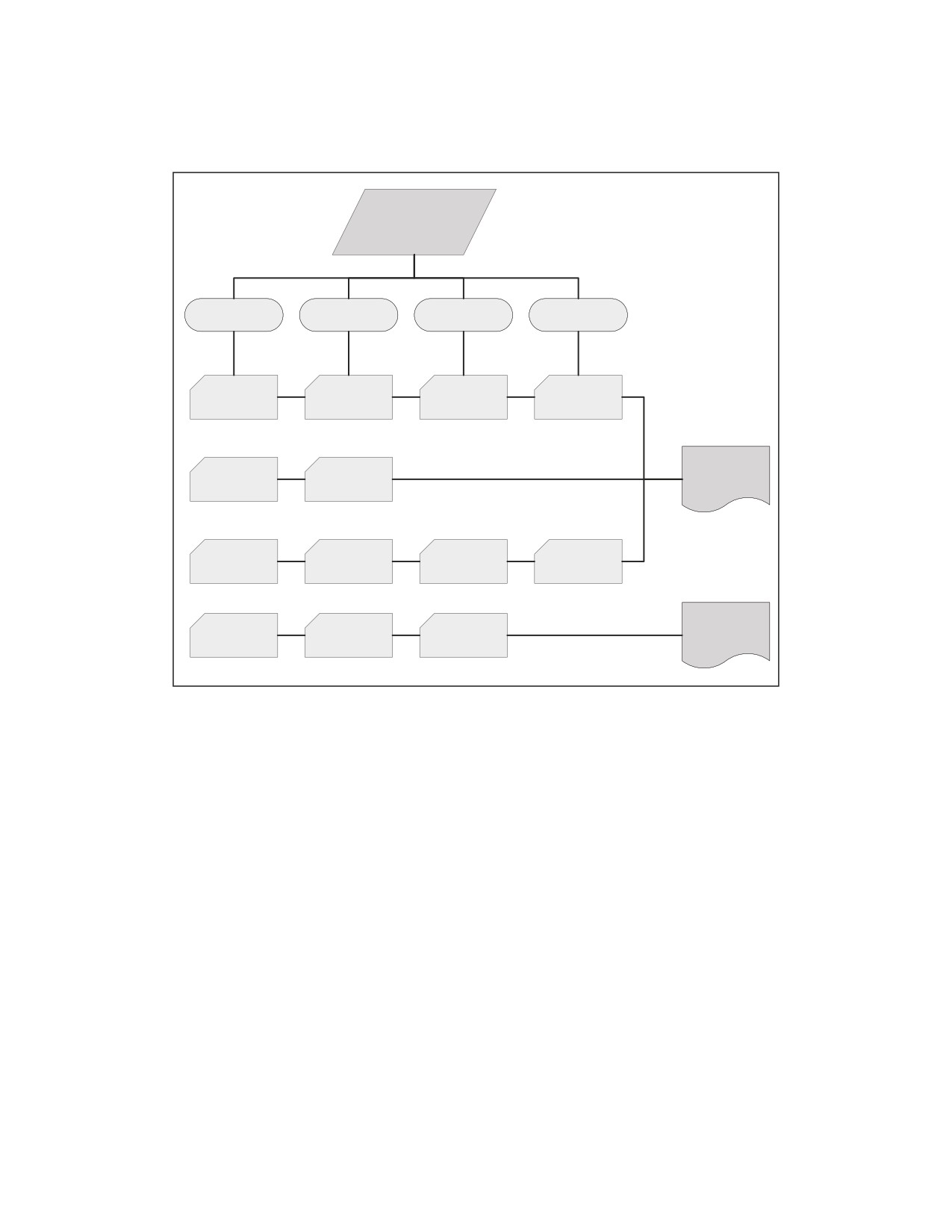
operations. Also called CBRNE hazards. (JP 1-02) Figure I-2, page I-4, depicts the CBRN
hazards that may require CM operations and provide the focus for this manual.
NOTE: This manual does not address high-yield explosives which are covered in
JP 3-41 and Service-specific doctrine.
c.
Chemical, Biological, Radiological, Nuclear, or High-Yield Explosives Incidents.
An emergency resulting from the deliberate or unintentional release of nuclear, biological,
radiological, or toxic or poisonous chemical materials, or the detonation of a high-yield
explosive. Also called CBRNE incidents. (JP 1-02)
I-2
FM 3-11.21/MCRP 3-37.2C/NTTP 3-11.24/AFTTP(I) 3-2.37
1 April 2008
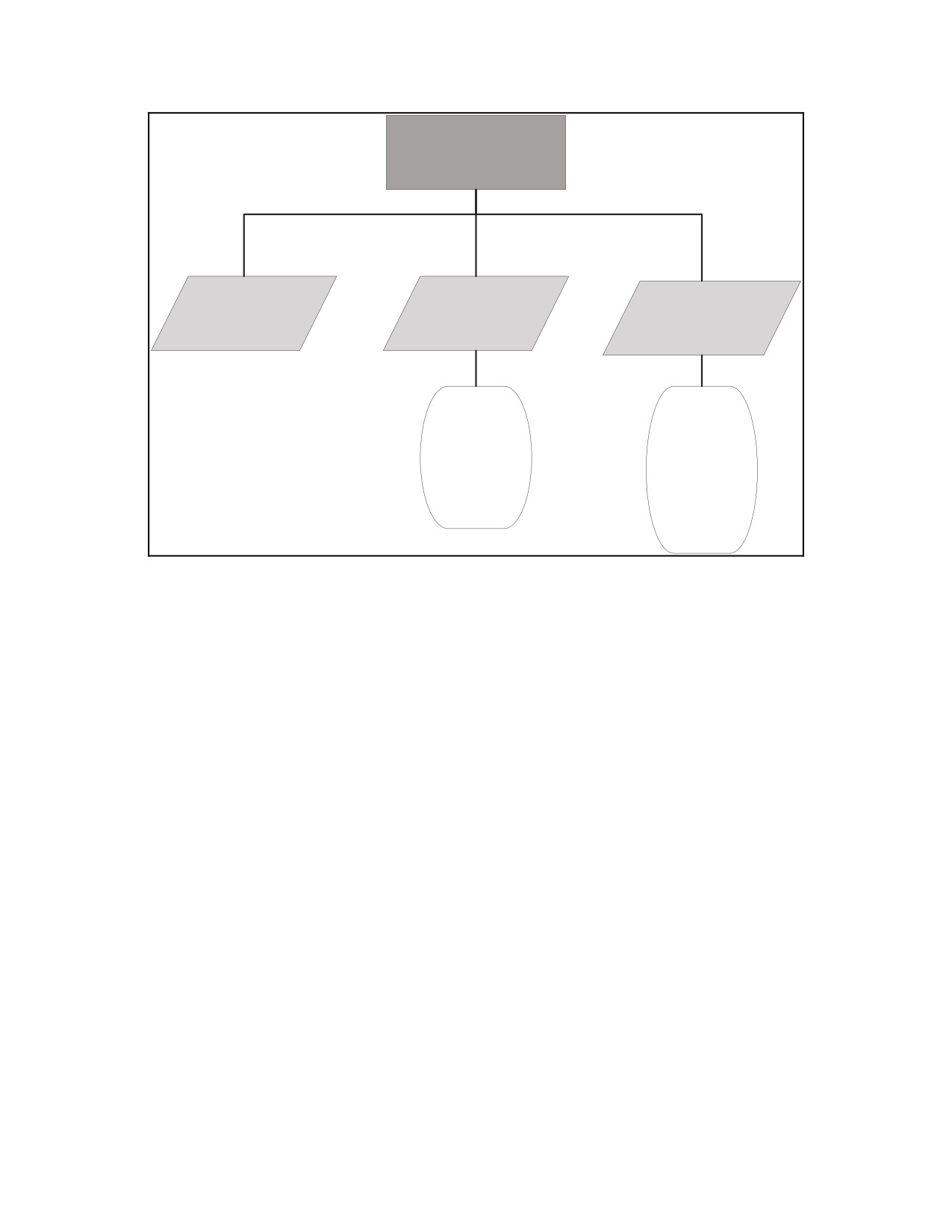
CM Hazards
High-yield
CBRN
Natural
explosives
hazards
hazards
Chemical
Hurricane
Biological
Earthquake
Tornado
Radiological
Wildfire
Nuclear
Flood
Figure I-1. Consequence Management Hazards
d.
Chemical, Biological, Radiological, Nuclear, and High-Yield Explosives
Consequence Management. The consequence management activities for all deliberate and
inadvertent releases of chemical, biological, radiological, nuclear, and high-yield explosives
that are undertaken when directed or authorized by the President of the United States.
Also called CBRNE CM. (JP 1-02)
e.
Weapons of Mass Destruction. Weapons that are capable of a high order of
destruction and/or of being used in such a manner as to destroy large numbers of people.
WMD can be high-yield explosives or nuclear, biological, chemical, and radiological
weapons, but exclude the means of transporting or propelling the weapon where such
means is a separable and divisible part of the weapon. Also called WMD.
(JP 1-02) Other definitions of WMD can be found in Title 18 United States Code (USC)
2332a, 50 USC 2302, and the NRP.
f.
Immediate Response Authority. Any form of action taken by the DOD component
or military commander to assist civil authorities or the public to save lives, prevent human
suffering, or mitigate great property damage under imminently serious conditions when
there is insufficient time to obtain approval from the chain of command. (DOD Instruction
[DODI] 2000.18)
g.
First Responder. Local and nongovernmental police, fire, and emergency
personnel who, in the early stages of an incident, are responsible for the protection and
preservation of life, property, evidence, and the environment, including emergency response
providers as defined in Section 2 of the Homeland Security Act of 2002, as well as
emergency management, public health, clinical care, public works, and other skilled
support personnel (such as equipment operators) who provide immediate support services
1 April 2008
FM 3-11.21/MCRP 3-37.2C/NTTP 3-11.24/AFTTP(I) 3-2.37
I-3
during prevention, response, and recovery operations. First responders may include
personnel from federal, state, local, tribal, or nongovernmental organizations (NGOs).
CBRN
Hazards
Chemical
Biological
Radiological
Nuclear
Chemical
Biological
Ionizing
Nuclear
weapons
weapons
radiation
weapons
WMD
Chemical
Biological
weapons and
agents
agents
programs
Improvised
Improvised
Radiological
Improvised
chemical
biological
dispersal
nuclear
device
device
device
device
Toxic
Toxic
Toxic
Toxic
industrial
industrial
industrial
industrial
material
chemical
biological
radiological
Figure I-2. CBRN Hazards
h. Emergency Responder. Firefighters, law enforcement, security personnel,
emergency medical technicians, emergency management and operations personnel,
explosive ordnance disposal (EOD) personnel, physicians, nurses, medical treatment
providers at medical treatment facilities, disaster preparedness officers, public health
officers, bioenvironmental engineers, and mortuary affairs personnel. (DODI 2000.18)
i.
CBRN Responder. DOD military and civilian personnel who are trained to
respond to CBRN incidents and certified to operate safely at appropriate levels according to
29 Code of Federal Regulations (CFR) 1910.120, Hazardous Waste Operations and
Emergency Response, and National Fire Protection Association (NFPA) Standard 472,
Standard for Professional Competence of Responder’s to Hazardous Materials Incidents. The
levels of CBRN responder certification are—
•
Awareness.
•
Operations.
•
Technician.
I-4
FM 3-11.21/MCRP 3-37.2C/NTTP 3-11.24/AFTTP(I) 3-2.37
1 April 2008

3.
Goals
Goals help focus how DOD conducts CBRN CM. They provide a common
understanding of the purpose of CBRN CM.
a.
JP 3-41 states, “the primary goals of CBRNE CM are to save lives; prevent
injury; provide temporary critical life support; protect critical infrastructure, property, and
the environment; restore essential operations; contain the event; and preserve national
security.” Figure I-3 illustrates the CBRN CM goals.
Save lives
Protect critical
property,
Contain the event
infrastructure, and
the environment
CBRN CM
Goals
Preserve
Prevent injury
national
security
Provide
temporary
critical life
support
Figure I-3. CBRN Consequence Management Goals
b. The CBRN defense principles of contamination avoidance, protection, and
decontamination support these same goals. For example—
(1)
Saving Lives. Saving lives is the greatest priority during CM operations.
This includes immediate life-saving measures given by first responders; life-sustaining
techniques, such as emergency decontamination and MCD; and prophylaxis to ensure long-
term casualty care, treatment, and safety.
(2)
Preventing Injury. Protection-related measures help prevent or mitigate
exposure to hazards that cause injury or illness. These measures include setting up a
security perimeter and establishing hazard control zones.
(3)
Providing Temporary Critical Life Support. Response-related measures are
conducted to assist civil authorities in the provision of medical services to injured
personnel.
1 April 2008
FM 3-11.21/MCRP 3-37.2C/NTTP 3-11.24/AFTTP(I) 3-2.37
I-5
(4)
Protecting Critical Infrastructure, Property, and the Environment. The
protection of critical infrastructure, property, and the environment occurs through the
rapid application of decontamination efforts, early warning and reporting of incidents, and
protection of key personnel. Command decisions to shelter in place (SIP) or evacuate also
support the protection of resources.
(5)
Restoring Essential Operations. Following a CBRN event, a likely
consequence is the loss of one or more essential services or operations. Rapid restoration of
power, water, communication nodes, and transportation routes accompanied by
decontamination efforts are vital to continuing critical command missions.
(6)
Containing the Event. Controlling access to an incident site and conducting
proper decontamination procedures limits the spread of contamination. Establishing hazard
control zones (cold, warm, and hot zones) helps to ensure safe work areas for emergency
responders and supporting resources.
(7)
Preserving National Security. CBRN defense principles contribute to the
preservation of national security by protecting critical infrastructure within the United
States or other locations. When U.S. forces are prepared to respond to an incident, it
supports the larger strategic goal of preserving national security. For installation-specific
CBRN defense principles, refer to Multiservice Tactics, Techniques and Procedures for
Installation Chemical, Biological, Radiological and Nuclear Defense.
4.
Operational Environments
CBRN CM operations occur in foreign and domestic settings. DOD must be prepared
to conduct CBRN CM operations whenever called upon.
a.
An operational environment is a composite of the conditions, circumstances, and
influences that affect the employment of capabilities and bear on the decisions of the
commander. DOD conducts CM operations in three types of operational environments.
(1)
Defense Support of Civil Authorities During a Domestic Response. This
response includes assisting federal agencies within the United States, territories, and
possessions according to guidance in the NRP. DOD supports operations within its
capabilities through liaison with the incident commander (IC).
(2)
Defense Support to a Foreign Request. DOD supports the Department of
State (DOS) with operations originating from a foreign request. Tasks originate from the
host nation (HN) through the DOS. However, DOD commanders may take appropriate
action in life-threatening situations while awaiting DOD or DOS tasking.
(3)
DOD-Led Operations. DOD leads the operational response for an incident
involving U.S. forces and allies across the range of military operations. This also includes
responding on a DOD installation. See JP 3-41 for more information on DOD-led
operations.
b.
DOD forces tasked to support civil authorities during domestic consequence
management (DCM) and FCM operations will use the level of protection as determined by
the IC. However, in a DOD-led CM response, the senior DOD official will make risk-based
decisions, to include decisions on the level of protection.
c.
A DCM response will normally be led by the DHS, and the DOS will normally
lead a foreign response. In the first two environments, DOD will normally operate in
I-6
FM 3-11.21/MCRP 3-37.2C/NTTP 3-11.24/AFTTP(I) 3-2.37
1 April 2008
support of the DHS or the DOS. However, DOD will likely have full control in the third
operational environment. In each of the three response elements, DOD retains C2 of all
DOD assets.
5.
Tasks
CBRN CM tasks are conducted during the operations process. A graphical
representation of the CBRN CM tasks is in Figure I-4, page I-8. The components are listed
below.
a.
Assess the Situation. Response units continually collect and analyze information
before, during, and after each mission to enable the confirmation, correction, or refutation
of existing analyses. Assessment activities provide the ability to predict future
requirements in order to make necessary planning and operational adjustments.
Assessment activities include threat, readiness, plans and TTP, detection and analysis, and
surveillance. At the tactical level, the response element (a decontamination or survey team)
assesses information on the hazard (agent flammability, reactivity, explosiveness, and
physical properties; protective clothing requirements; weather information; and site
drawings).
b.
Coordinate Operations. Response units coordinate the full range of activities
across the spectrum of the mission. Coordination activities include exercise; warning and
reporting; C2 and synchronization; security and control; forensics; sample collection and
packaging; and public and civil affairs activities. At the tactical level, the response element
(the CBRN survey team) conducts coordination within the military task force (or with other
supporting activities) to coordinate link-up times and locations for staging area operations
or operational updates. Responding units report to the incident command post (ICP) and
are assigned tasks according to its level of training and incident requirements.
c.
Conduct Logistics. Response units plan and conduct the movement and
sustainment of forces for CBRN CM operations. Logistic activities that may be conducted
by response elements include prepositioning materials; transporting casualties, remains,
and samples; deploying personnel and material; and maintaining facilities and material.
d.
Provide Health Service Support. Response units provide HSS during CBRN CM
operations. HSS addresses services performed, provided, or arranged to promote, improve,
conserve, or restore the mental or physical well-being of personnel. These services include,
but are not limited to, the management of health services resources, such as manpower,
monies, and facilities; preventive and curative health measures; evacuation of the wounded,
injured, or sick; selection of the medically fit and disposition of the medically unfit; blood
management; medical supplies and equipment and maintenance thereof; combat stress
control; and medical, dental, veterinary, laboratory, optometric, nutrition therapy, and
medical intelligence services. The term force health protection (FHP) will be used,
according to JP 1-02, whenever the following definition applies: measures to promote,
improve, or conserve the mental and physical well-being of military members. These
measures enable a healthy and fit force, prevent injury and illness, and protect the force
from health hazards.
e.
Decontaminate. Response units remove contamination from personnel,
equipment, and facilities. Decontamination activities include emergency, responder, mass
casualty, and patient decontamination.
1 April 2008
FM 3-11.21/MCRP 3-37.2C/NTTP 3-11.24/AFTTP(I) 3-2.37
I-7
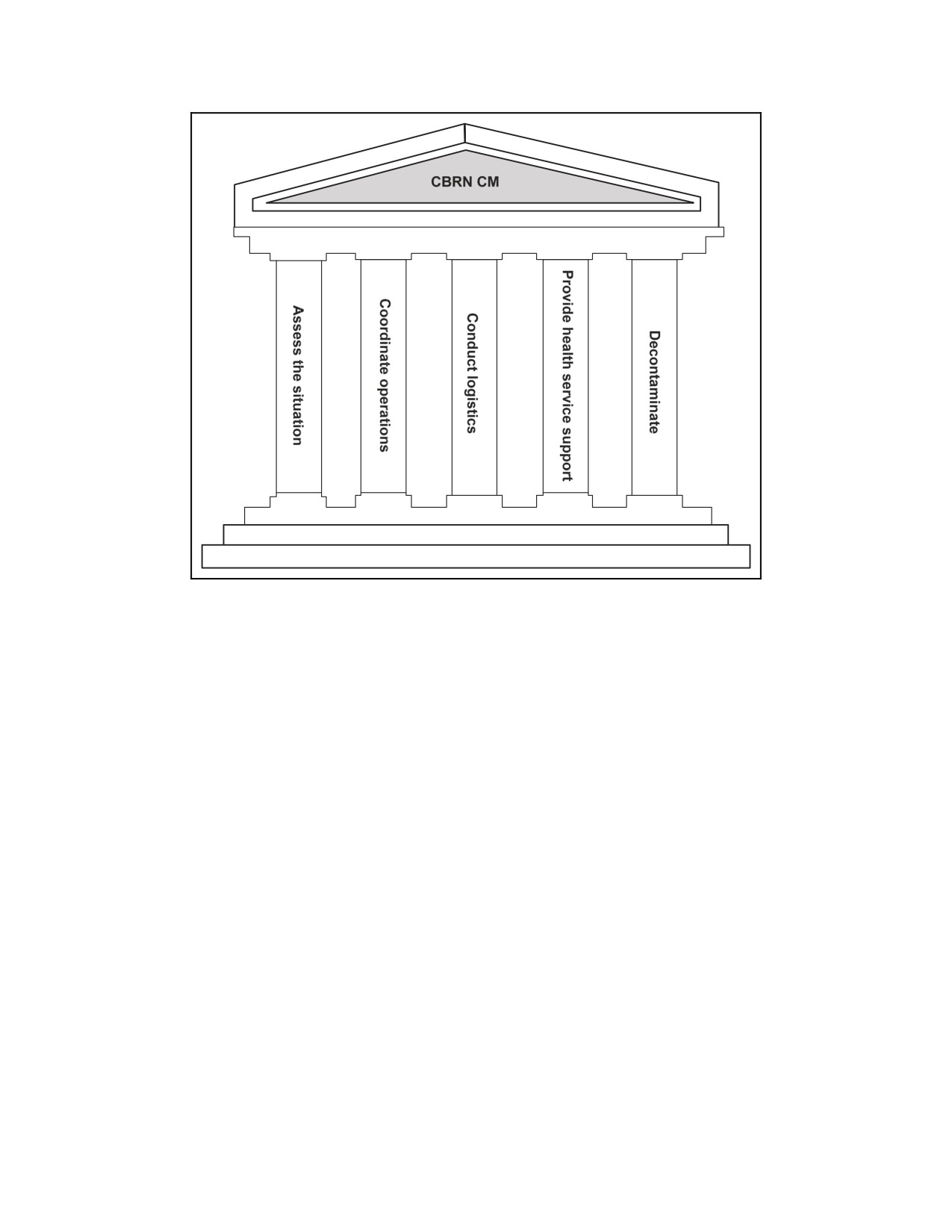
Figure I-4. CBRN Consequence Management Tasks Pillar
6.
Chemical, Biological, Radiological, and Nuclear Consequence Management
Process
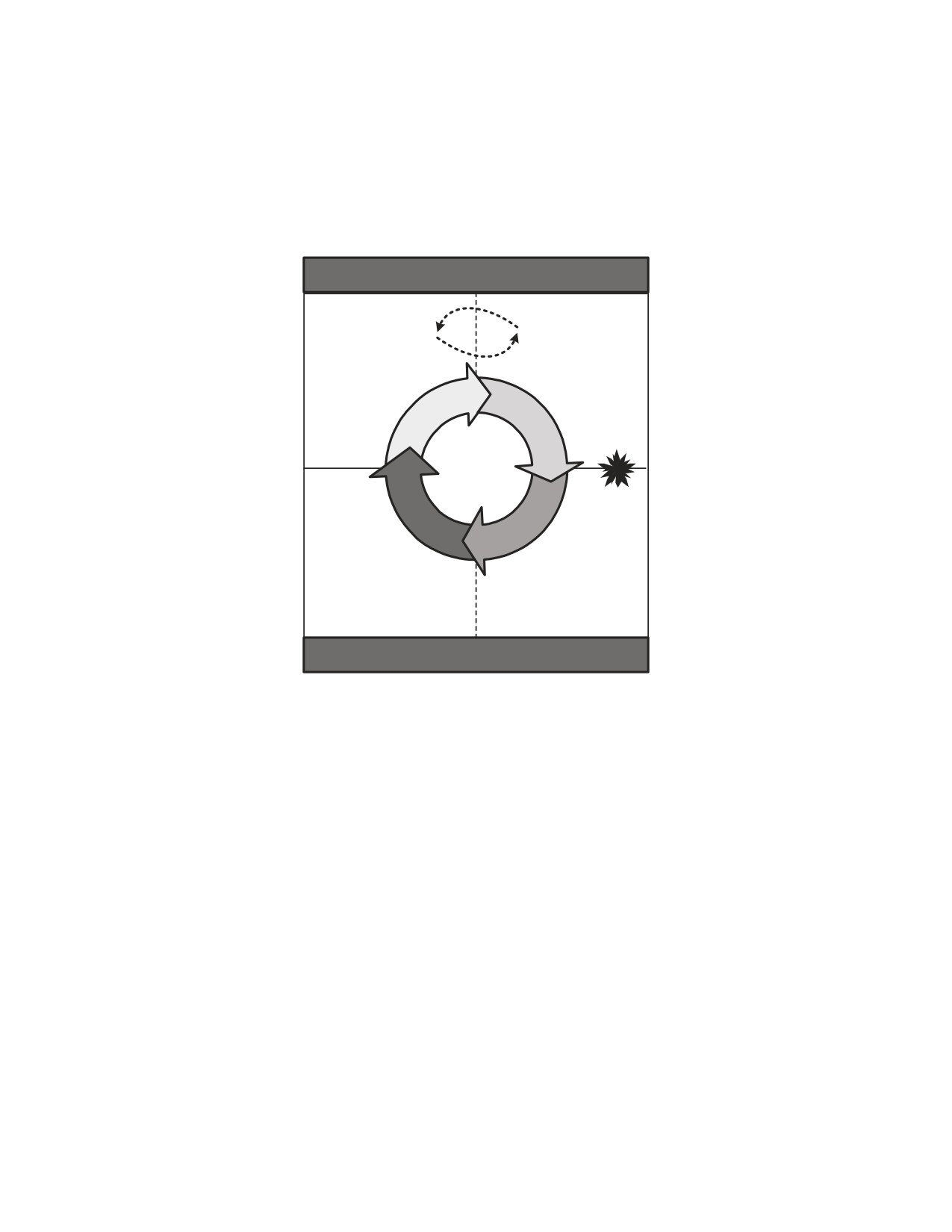
The operations process consists of four primary activities—plan, prepare, execute, and
continually assess. CBRN CM follows this model. Within the CBRN CM process, the
execution activity is further expanded into two subordinate activities—response and
recovery. This expansion is necessary to address the graduated level of effort from
immediate actions to full restoration (see Figure I-5). Assessments are continuous
throughout preincident and postincident activities. The planning and preparation activities
support the NRP prevention efforts, while the response and recovery actions support the
NRP mitigation efforts. The chapters and appendixes that follow provide doctrine and
supporting TTP for these CBRN CM activities.
a.
Plan. Planning involves the assessment of the operational environment and
enables commanders to identify minimum standards for training, organizing, equipping,
and protecting resources. The response unit’s planning process determines preparation and
facilitates response and recovery operations. Chapter II and Appendix A discuss the
planning process in more detail.
b.
Prepare. Preparation implements the approved plan and relevant agreements to
increase readiness through training, exercises, and certification. Vulnerability reduction
measures are initiated by the response unit to support prevention and mitigation functions.
Chapter III and Appendix B discuss the preparation process in more detail.
c.
Respond. The response process addresses the short-term, direct effects of an
incident. Response measures initiated by the response unit include those actions taken to
I-8
FM 3-11.21/MCRP 3-37.2C/NTTP 3-11.24/AFTTP(I) 3-2.37
1 April 2008
save lives, protect property, and establish control. Chapter IV and Appendix C discuss the
response process in more detail.
d.
Recover. The response unit initiates the recovery process, focusing on restoring
mission capability and essential public and government services interrupted by the
incident. The recovery phase also includes completing the mitigation of the immediate
hazard. Chapter V and Appendix D discuss the recovery process in more detail.
Prevent
Plan
Prepare
CBRN
Incident
Recover
Respond
Execute
Figure I-5. CBRN Consequence Management Process
7.
Joint Operational Phases for Consequence Management
During domestic or foreign response operations, response elements follow a
multiphase operational approach that is similar to the approach taken for other military
deployment operations. The operational phases parallel the operations process as the
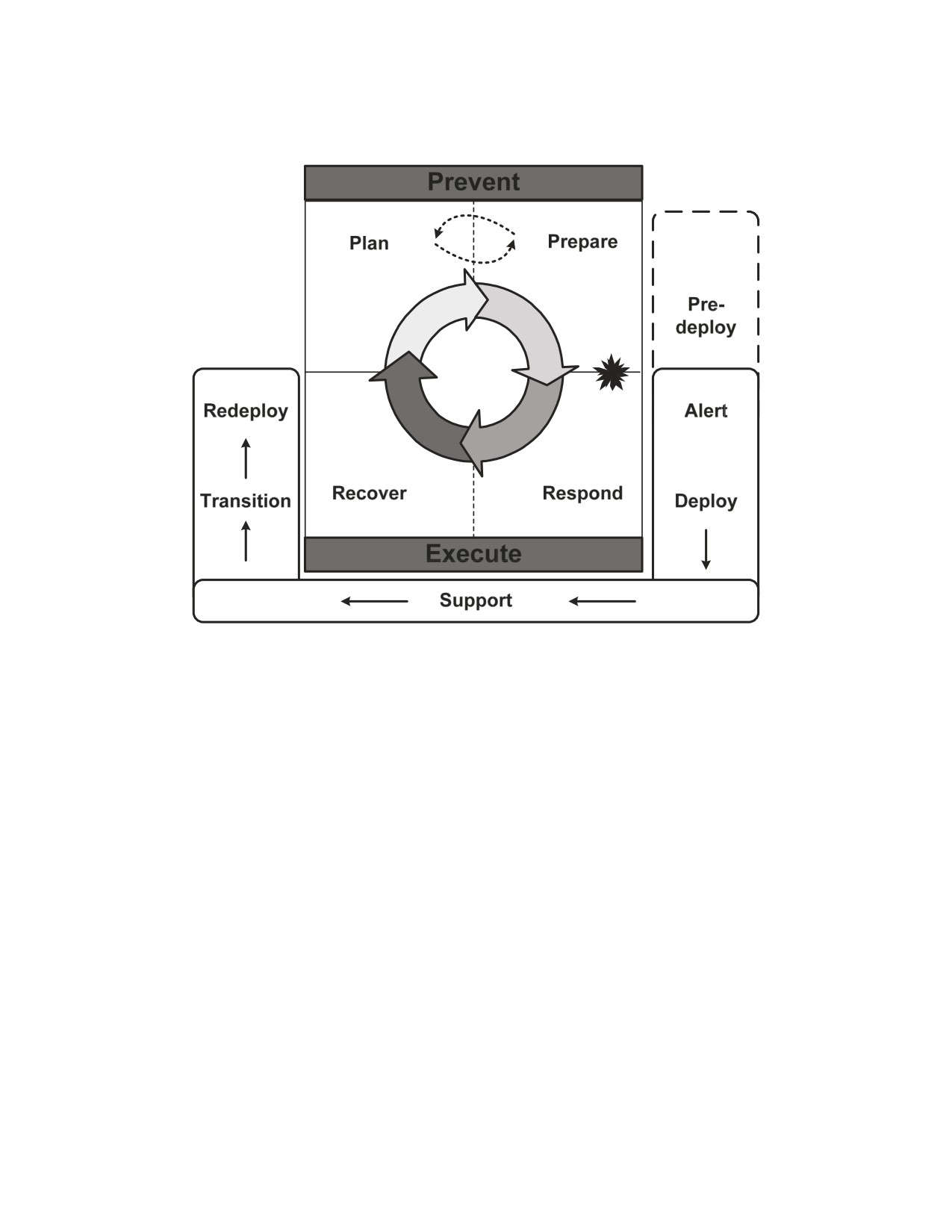
CBRN CM objectives unfold. This parallel relationship is depicted in Figure I-6, page I-10.
The operational phases are listed below.
a.
Alert, Preparation, and Situation Assessment. Response elements take actions
such as alerting unit personnel, assessing the incident, preparing for deployment, and the
advanced echelon (ADVON) traveling to the incident site.
b.
Deployment. Upon receipt of the appropriate directive, the unit moves to the
designated location within the time frame specified.
c.
Support to U.S., Civil, or HN Authorities. Response elements (remaining under
DOD C2) support coordinated actions to accomplish the CM goals.
d.
Transition. This phase outlines the remaining tasks for the response element to
complete prior to redeployment, following coordination between the DOD C2 element and
the applicable HN or domestic authority.
1 April 2008
FM 3-11.21/MCRP 3-37.2C/NTTP 3-11.24/AFTTP(I) 3-2.37
I-9
e.
Redeployment. The response unit begins redeployment when directed. This
phase is complete when the unit has reached its designated home station.
Figure I-6. Operational Phases
I-10
FM 3-11.21/MCRP 3-37.2C/NTTP 3-11.24/AFTTP(I) 3-2.37
1 April 2008
Chapter II
PLANNING
1.
Planning Overview
Planning is an integral part of CBRN CM. A CBRN CM plan is a living document
which must be maintained and updated as changes occur.
a.
CBRN CM Mission. Response units begin planning for CBRN CM operations
when they receive a mission from its headquarters to conduct or support CM operations.
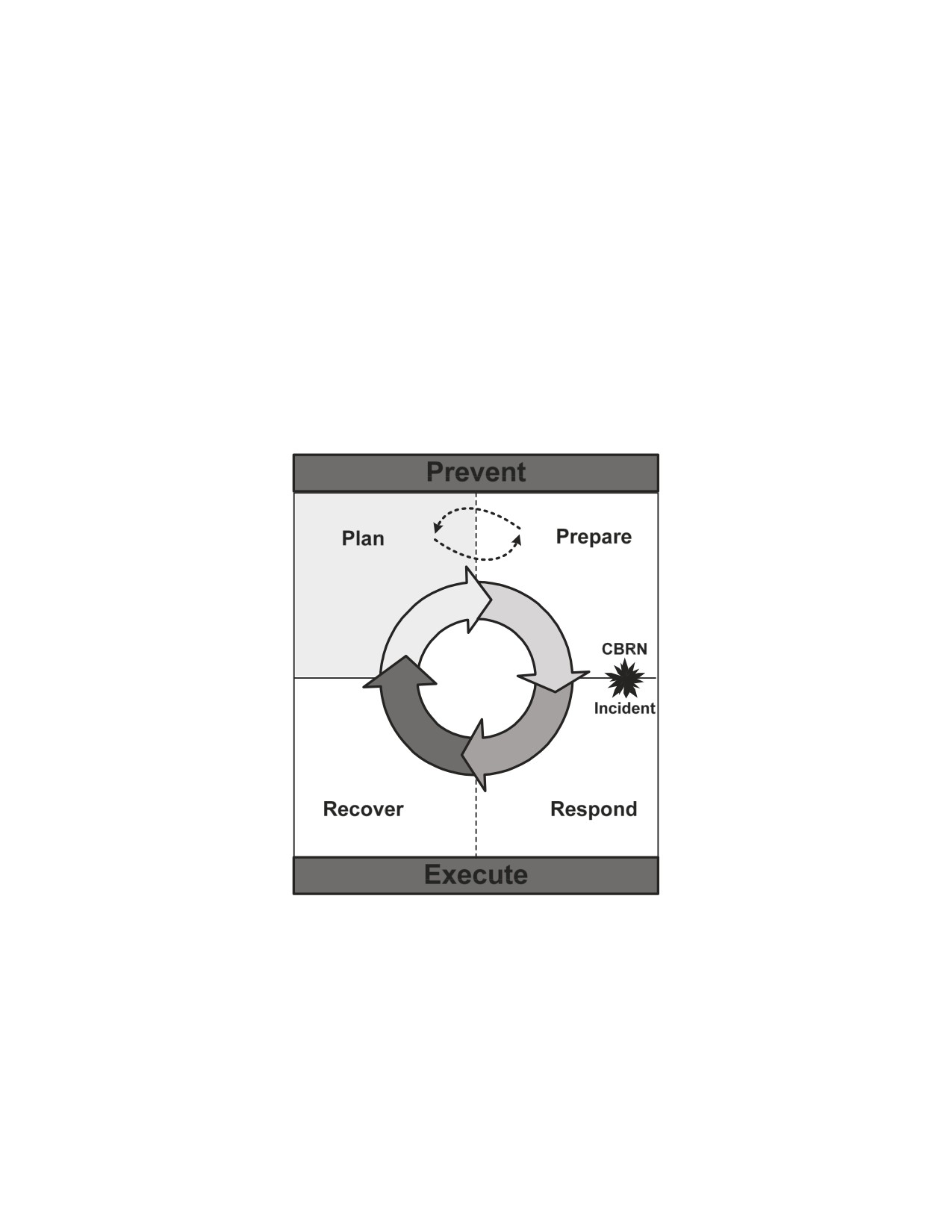
See Figure II-1 for the planning phase relative to the other phases of the CBRN CM
process. A unit may determine if it must be prepared to support or conduct CM operations
by analyzing its given mission and conducting a mission-to-task analysis. The mission-to
task analysis may identify one of the unit’s tasks as “Conduct CBRN Consequence
Management Operations” or “Support CBRN Consequence Management Operations.”
Figure II-1. CBRN Consequence Management Process (Plan)
b. The CBRN CM Plan. The supporting response unit’s plan can be an operation
plan (OPLAN) or a contingency plan which can be converted to an operation order (OPORD)
to execute or support operations. Appendix A provides further details on plan development
and an example of a plan.
c.
CBRN CM Planning. Planning involves conducting assessments of the
operational environment (including the threat), vulnerabilities, capabilities, and risk.
Additionally, war gaming is conducted for scenarios that address deliberate site
assessments for known locations. Response unit planning is conducted like other military
1 April 2008
FM 3-11.21/MCRP 3-37.2C/NTTP 3-11.24/AFTTP(I) 3-2.37
II-1
mission planning. The unit uses whatever method it normally uses to plan its missions.
One such method is called the military decision-making process. This process consists of—
•
Mission receipt.
•
Mission analysis.
•
Course of action (COA) development.
•
COA analysis.
•
COA comparison.
•
COA approval.
•
Order production.
d. There are two levels of planning that occur—contingency and crisis action.
(1)
Contingency planning includes those Joint Operation Planning and
Execution System (JOPES) planning activities that occur in noncrisis situations. The joint
planning and execution community uses contingency planning to develop OPLANs for a
broad range of contingencies. OPLANs are based on requirements identified in the
Contingency Planning Guidance, Joint Strategic Capabilities Plan, or other planning
directives. Contingency planning underpins and facilitates the transition to crisis action
planning (CAP).
(2)
CAP is a JOPES process involving the time-sensitive development of joint
OPLANs and OPORDs for the deployment, employment, and sustainment of assigned and
allocated forces and resources in response to an imminent crisis. CAP is based on the actual
circumstances that exist at the time planning occurs.
2.
Operational Environment Assessment
An operational environment assessment provides the response unit commander
information on the threat, the physical environment, and the political environment.
Decision support tools may be used in conjunction with this information to assist predictive
modeling. Decision support tools may be in the hands of the response unit or obtained by
the unit using reachback capabilities or a capability available at the incident site.
a.
Threat.
(1)
The threat assessment identifies what the response unit will face during a
CM operation. At the tactical level, the threat assessment is provided by the applicable
military C2 element. The threat assessment addresses the types of agents and hazards at
an incident site and includes occupational and environmental health (OEH) assessments.
Additionally, the response unit receives information on potential CBRN storage or
production facilities in the vicinity and the methods used to deliver or release CBRN agents
or materials. Estimates may be furnished regarding when, where, and how agents or
materials may be used. Higher headquarters guidance provides information on previous
incidents (past use) and the current threat level as established at the incident site.
(2)
The CBRN response unit (or element) receives situation reports (SITREPs),
intelligence summary reports, and spot reports, which provide information to update the
commander’s situational awareness (SA) and common operational picture (COP).
Information sharing between civil and military law enforcement agencies provides a means
to track local civil threats.
II-2
FM 3-11.21/MCRP 3-37.2C/NTTP 3-11.24/AFTTP(I) 3-2.37
1 April 2008
NOTE: Multiservice Tactics, Techniques, and Procedures for Installation
Chemical, Biological, Radiological, and Nuclear Defense provides procedures for
conducting a CBRN threat analysis or assessment.
b.
Physical Environment. The physical environment includes terrain, weather, and
characteristics of the geographical area that impact the CM response. Characteristics
include critical infrastructure, hazard sites, and zone analysis considerations.
(1)
Critical Infrastructure. The response unit reviews the critical infrastructure
in the vicinity of the incident site. The presence (or absence) of the following critical
infrastructure impacts the operations at an incident site:
(a) Telecommunications. The availability of networks and systems that
support the transmission and exchange of electronic communications among and between
end-users (such as networked computers) directly impacts operations such as technical
reachback.
(b) Electrical Power. The availability of generation stations and
transmission and distribution networks that create and supply electricity to response teams
impacts the logistic support required.
(c)
Chemical, Nuclear Power, Gas, and Oil Production, Storage, and
Delivery. The holding, refining, and processing facilities for these fuels and the pipelines,
ships, trucks, and rail systems that transport them could be potential targets.
(d) Transportation. The aviation, rail, highway and aquatic vehicles,
conduits, and support systems by which hazardous material (HAZMAT) is moved from a
point-of-origin to a destination point could be targets; its availability directly impacts
logistic support.
(e)
Water Supply Systems. The sources of water, reservoirs and holding
facilities, aqueducts and other transport systems, filtration and cleaning systems, pipelines,
cooling systems, sewage treatment plants, and other delivery mechanisms that provide for
domestic and industrial applications—including systems dealing with decontamination—
could be targets. Availability of an adequate water supply system impacts logistic support
and decontamination operations.
(f)
Emergency Services. Local, state, or federal medical, police, fire, and
rescue system capabilities provide resources that military response assets will augment.
(2)
Hazard Sites. Known or suspected WMD and TIM production, storage,
research, or related facilities must be considered potential sources for CBRN hazard
release. This is an especially critical aspect to the targeting process. These facilities must be
identified and prioritized on WMD or TIM master site lists and maintained with other
target folders.
(3)
Zone Analysis. The response unit receives a zone analysis of the vicinity of
the CBRN CM incident site. The zoning procedure essentially divides an urban area into
zones according to the major categories of building occupancy or function. The zoning
information can be presented in the form of an annotated map or color-coded overlay.
Typical zones include—
•
Residential.
•
Commercial.
1 April 2008
FM 3-11.21/MCRP 3-37.2C/NTTP 3-11.24/AFTTP(I) 3-2.37
II-3
•
Industrial.
•
Transportation.
•
Storage.
•
Military.
c.
Political Environment.
(1)
For support of domestic operations, the response unit receives information
on agreements (memorandums of understanding [MOUs] and memorandums of agreement
[MOAs]) that are in place to support operations. For example, contracted logistic support
(CLS) may be available at the incident site (via an MOA) to provide logistic support, or
other agreements may be in place to provide other needed capabilities (such as water
resupply).
(2)
For support of foreign CBRN CM operations, the response unit is advised of
applicable HN agreements, status-of-forces agreements, and other sovereignty issues that
may apply.
(3)
Installation 10 USC assets receive tasks to provide support to validated
requests for assistance (RFAs). Installation resources capable of providing the necessary
response are then sent to a CM incident area to perform the tasks, with operational control
(OPCON) normally assigned to the defense coordinating officer (DCO) or joint task force
(JTF) during a CBRN incident. The DCO is the DOD on-scene representative who
coordinates DSCA requirements for the supporting response units with the IC or
designated representative.
(4)
The 32 USC support resources, such as installation-based Army National
Guard (ARNG) units, remain under the control of the governor through The Adjutant
General. However, ARNG units assigned to an installation could operate (on or off the
installation) within its state of assignment or within another state to support a CBRN CM
incident under one of four potential authorities (see Multiservice Tactics, Techniques, and
Procedures for Installation Chemical, Biological, Radiological, and Nuclear Defense for
further information). Potential authorities are—
•
Immediate response.
•
Interstate compacts.
•
State-to-state MOAs.
•
Mobilization under 10 USC.
3.
Capabilities Assessment
A capabilities assessment is conducted during CBRN CM planning. It provides a
candid picture of DOD’s ability to conduct CBRN CM.
a.
The capabilities assessment is a tool used by the commander to gauge the unit’s
ability to conduct or support CBRN CM operations. It involves the continuous assessment
of a unit’s plans, organization, manpower, equipment, logistics, training, leadership, and
readiness. See Chairman of the Joint Chiefs of Staff Instruction (CJCSI) 3110.16A, Military
Capabilities, Assets, and Units for Chemical, Biological, Radiological, Nuclear, and High
Yield Explosive Consequence Management Operations, for information on response unit
CBRN CM capabilities and Appendix A for further information.
II-4
FM 3-11.21/MCRP 3-37.2C/NTTP 3-11.24/AFTTP(I) 3-2.37
1 April 2008
b.
Prior to a CBRN CM incident, military organizations and activities identified to
conduct, augment, or manage CM operations assess its readiness posture to determine its
ability to perform the full range of CM tasks. The commander considers the capabilities
required to execute the missions and their ability to integrate CBRN CM tasks.
Representative CM tasks include the following:
(1)
Provide Logistical and Engineering Support of Operations. This task
involves identifying, allocating, and providing resources necessary for the protection of
responders, personnel, victims, critical infrastructure, and equipment.
(2)
Handle, Process, Store, and Transport Contaminated Equipment, Material,
Samples, Residues, and Animal Remains. This task includes gathering samples, adhering
to chain of evidence procedures, and recovering animal remains. It encompasses the
preparation for transport of contaminated materials, samples, residues, equipment, animal
remains, and waste.
(3)
Handle, Process, Store, and Transport Contaminated Human Remains.
This task addresses marking, handling, decontaminating, processing, and temporarily
storing contaminated human remains and preparing them for transport.
(4)
Protect Against Exposure and Effects of Chemical Agents. This task
includes the application of guidelines for operations within contaminated environments;
implementation and maintenance of safety requirements; application and wearing of
personal protective equipment (PPE); provision/administration of prophylaxes; marking of
contaminated material and hazard locations; enforcement of protective posture protocols;
establishment and operation of collective protective systems; implementation of SIP
procedures; issuance of CBRNE protective material to affected civilian populations,
nonmilitary responders, or non-DOD forces; and the implementation of movement controls.
(5)
Protect Against Exposure and Effects of Biological Agents. This task
includes the application of guidelines for operations within contaminated or infectious
environments; implementation and maintenance of safety requirements; application and
wearing of PPE; provision and administration of prophylaxes; marking of contaminated or
infectious material and hazard locations; enforcement of protective posture protocols;
establishment and operation of collective protective systems; implementation of SIP
procedures; issuance of CBRNE protective material to affected civilian populations,
nonmilitary responders, or non-DOD forces; and the implementation of movement controls.
It encompasses the performance and enforcement of prescribed measures for isolation and
quarantine.
(6)
Protect Against Exposure and Effects of Nuclear and Radiological Agents.
This task includes the application of guidelines for operations within contaminated
environments; implementation and maintenance of safety requirements; application and
wearing of PPE; marking of contaminated material and hazard locations; enforcement of
protective posture protocols; establishment and operation of collective protective systems;
implementation of SIP procedures; issuance of CBRNE protective material to affected
civilian populations, nonmilitary responders, or non-DOD forces; and the implementation of
movement controls.
(7)
Provide Large-Scale Medical Services. This task includes collecting and
processing laboratory specimens, administering medical prophylaxes and treatment,
triaging and resuscitating patients, tracking casualties, and providing in-transit medical
1 April 2008
FM 3-11.21/MCRP 3-37.2C/NTTP 3-11.24/AFTTP(I) 3-2.37
II-5
care to casualties. It also includes communicating and coordinating medical response with
relevant non-DOD agencies, decontaminating casualties, providing medical oversight of
responder health and well-being, and ensuring food and water safety.
(8)
Conduct Tactical CM CAP. This task involves forecasting future resource
and operational requirements to support anticipated taskings. It integrates attached forces,
DOD and non-DOD, and defines responsibilities and roles; identifies areas of
interoperability and provides instruction for areas of noninteroperability; and specifies
subordinate unit tasks and activities to accomplish the mission. It also includes contingency
planning for potential circumstances.
(9)
Assess the Operational Environment. This task addresses the conduct of
assessment and characterization of the operational environment, including the integration
of information and data to determine the location and source of the primary and secondary
hazards associated with the task.
(10) Conduct Tactical CM C2. This task encompasses the establishment and
operation of a CBRN CM response C2 structure that facilitates CBRN CM operations and
activities and is interoperable with participating forces.
(11) Perform Incident/Hazard Risk Assessment. This task includes establishing
a mutually supporting warning and reporting system for the collection and dissemination of
prompt, accurate information to the public, joint forces, HNs, intergovernmental
organizations (IGOs), NGOs, and private voluntary organizations (PVOs) and
disseminating appropriate intelligence information regarding continuing or potential
primary and secondary hazards.
(12) Establish and Maintain Access/Egress Controls and Hazard Zone
Perimeter. This task addresses implementing measures to contain and control
contamination, including marking and identifying hazard areas, maintaining clear access to
the incident site, and controlling access to and from hazard areas.
(13) Conduct Victim and Casualty Search, Rescue, and Extraction. This task
includes establishing and operating search and rescue processing centers, applying
applicable quarantine and isolation measures, providing support for people with special
needs (physical or mental disabilities) who require medical attention or personal care
beyond basic first aid, managing and conducting immediate lifesaving measures,
evacuating casualties to hot-zone egress points and into a decontamination site, and
evacuating noncontaminated victims to appropriate medical and/or mass care facilities.
(14) Conduct Temporary Housing, Processing Operations, and Evacuation of
Affected Population. This task addresses the establishment and operation of processing
centers to receive and process the affected population, including screening for medical
needs, collecting relevant information, and facilitating evacuation.
(15) Conduct Decontamination Operations. This task includes the performance
of decontamination operations of civilian and military personnel, equipment, and assets. It
encompasses ambulatory and nonambulatory personnel, including casualties.
Decontamination may include a range of activities such as removal, sealing, weathering,
neutralization, and other means of mitigating or eliminating contamination.
(16) Isolate, Quarantine, and Manage Potentially Contaminated or Infectious
Human and Animal Population. This task includes screening individuals and animals for
II-6
FM 3-11.21/MCRP 3-37.2C/NTTP 3-11.24/AFTTP(I) 3-2.37
1 April 2008
exposure patterns and symptoms, establishing isolation and quarantine enforcement
requirements, and implementing movement controls from isolation and quarantine areas.
(17) Perform Medical Surveillance (MEDSURV). This task includes screening
individuals for symptoms and conducting medical evaluations before and after the incident.
It also includes establishing, maintaining, and populating a central medical database to
assist health care providers and decision makers; integrating surveillance data; and
ensuring that information contained in the database is interoperable with relevant
interagency and HN entities.
4.
Vulnerability Assessment
A vulnerability assessment (VA) is a key part of CBRN CM planning. It allows
commanders to take a holistic look at the organization’s strengths and weaknesses
compared to the operational environment and CBRN threat.
a.
Multiservice Tactics, Techniques, and Procedures for Installation Chemical,
Biological, Radiological, and Nuclear Defense can be used to conduct the assessment of a
unit’s capabilities and readiness. The process examines—
•
Unit terrorism CM plans and terrorist incident response measures.
•
Capabilities of the military unit or activity to support its core competencies such
as emergency operations and response. These include fire or medical capabilities; mass
casualty, technical, or emergency decontamination; EOD; HAZMAT; mass notification;
emergency operations center (EOC) operations; and incident response operations. This
includes an assessment of its training and resources.
•
Unit advisory or assistance support.
•
The adequacy of deployment procedures to support operations.
b.
The VA includes the other types of assessments discussed into an overall
snapshot of a unit’s ability to support or conduct an operation given the operational
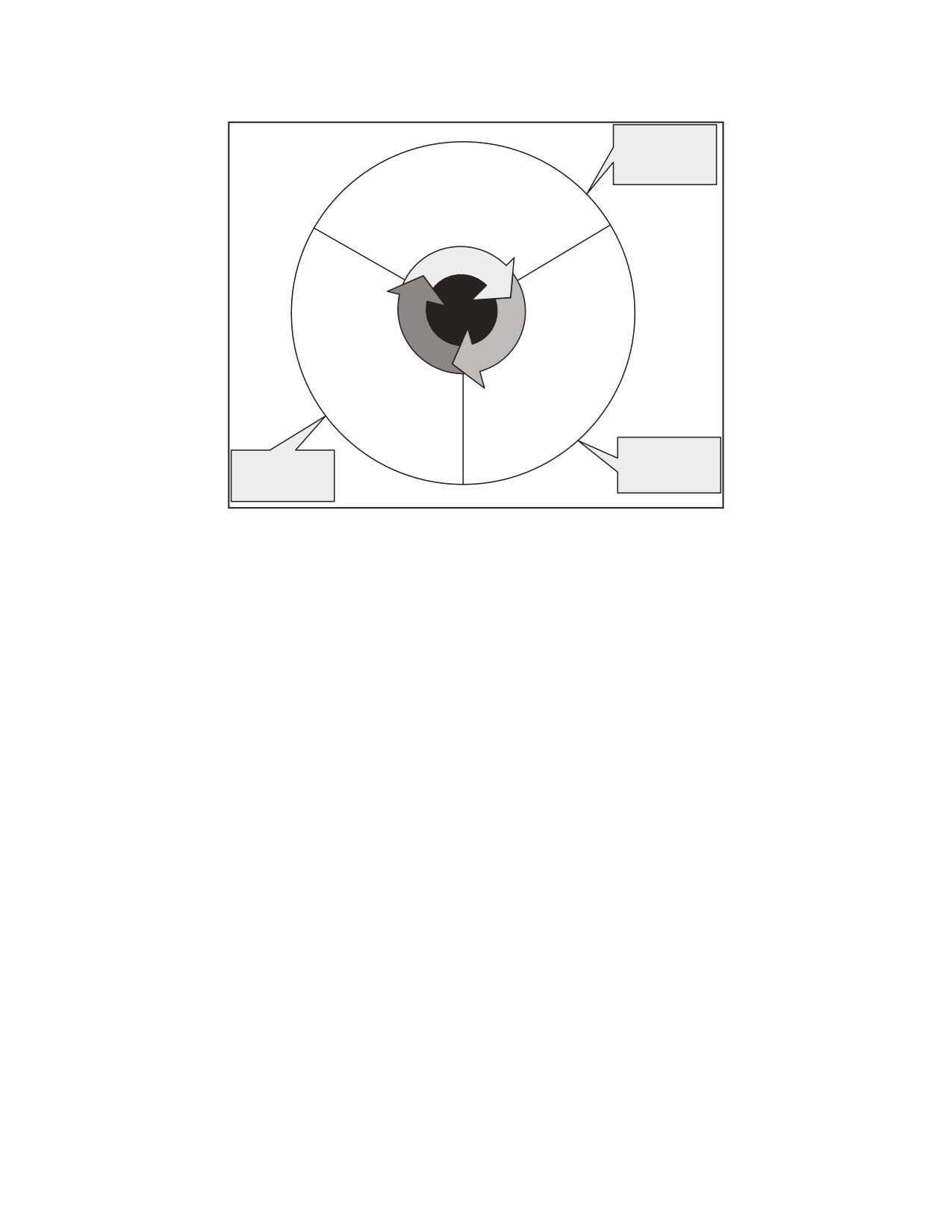
environment and the unit’s capabilities (see Figure II-2, page II-8).
c.
The VA identifies weaknesses in the unit and its plan(s) and develops (or
recommends) vulnerability reduction measures to counter these identified weaknesses.
Vulnerability reduction measures will be discussed in Chapter III.
d.
Developing a VA plan requires comparison of the threat with a unit’s
vulnerabilities to determine the efforts necessary to safely meet incident requirements. The
VA also includes the integration of the commander’s guidance through a composite risk
management (CRM) process in order to prioritize vulnerability reduction measure
implementation. During the planning phase, the VA begins with the identification of the
hazards and an analysis of each. VA during the planning phase continues by integrating
the specific threat assessment with analysis of specific vulnerabilities and identification of
potential vulnerability reduction measures. The end-state during the planning phase is
typically an estimate and recommendation to the commander on the priorities for
vulnerability reduction.
1 April 2008
FM 3-11.21/MCRP 3-37.2C/NTTP 3-11.24/AFTTP(I) 3-2.37
II-7
Operational
Environment
Hazard assessment
(planning)
VA
Vulnerability
Vulnerability
analysis
reduction
(planning)
(preparation)
Threat
Command
Integration
Guidance
Figure II-2. Vulnerability Assessment Cycle
5.
Risk Assessment
Commanders conduct risk assessments during CBRN CM planning to quantify the
level of risk that may exist in the conduct of CBRN.
a.
The response unit identifies and assesses the risks associated with its assigned
missions and makes decisions that balance the costs of those risks with mission benefits. In
certain incidents (such as high radiation hazards) the risk may not be acceptable.
b.
Commanders must be cognizant of their operational environment. Acceptable
risks associated with wartime may not be acceptable when conducting a CM operation. An
example can be found in the differences in guidance for radiation exposure for military
personnel during war and civilian first responders in a domestic environment. Generally, a
higher level of risk is accepted during a wartime situation than would be acceptable under
Occupational Safety and Health Administration (OSHA) standards for radiation exposures
in a domestic environment. It is expected that DOD forces operating in a DCM environment
will be held to the same standards as their civilian counterparts.
6.
Deliberate Site Assessments
Deliberate site assessment allows commanders to better recognize and identify
potential CBRN hazards within their area of operation (AO). This allows units to be
prepared to execute CBRN CM operations against potential existing sites, if needed.
a.
Prior to an incident, a response unit conducts deliberate assessments of sites
within its AO that may pose a potential hazard in the future. The following examples are
provided for clarification—
(1)
U.S. forces supporting implementation force operations in Tuzla, Bosnia,
supported an HN effort to conduct a deliberate site assessment of CBRN hazards at the
Sudaso Chemical Factory. This factory, within the United States AO, was reported to
II-8
FM 3-11.21/MCRP 3-37.2C/NTTP 3-11.24/AFTTP(I) 3-2.37
1 April 2008
possess large rail containers filled with chlorine and other hazardous chemicals. The
deliberate site assessment hazard analysis indicated that large amounts of chlorine or other
hazardous chemicals released into the environment (air and water supply) could seriously
affect the local population. Using information gathered by CBRN reconnaissance personnel
during these site assessments, the unit was better able to plan for a potential CM response.
(2)
U.S. CBRN military units supporting a DHS national CM exercise in 2004
conducted deliberate site assessments of TIM locations. Using information collected during
these site assessments, the units were better able to plan for a potential CM response.
b.
Units conduct deliberate site assessments as part of the intelligence preparation
of the operational environment (IPOE) and prepare “potential threat folders” for each site
assessed. They use these folders to strategize how they would respond if an incident
occurred at these sites and to prepare tentative response plans for each. Pertinent
information collected by the units for each potential threat is maintained in the folder for
use in a future response. Information could include floor plans, site maps, routes in and out,
potential staging areas, and a determination of prevailing winds to produce downwind
hazard predictions. While there is no standard format for these potential threat folders,
suggested content is provided in Table II-1.
Table II-1. Sample Potential Threat Folder
Potential Threat Folder
• Identification number
• Site description
• Identification title
• Site significance
• Location
• Environmental hazards as a result of accidental
release
• Known contents
• Suspected contents
• Terrain
• Threat overview
• Collection strategies
• Site overview
• Additional site exploitation
• Site history
• Command guidance
• CBRN agent presence
• Transportation
• Agent data
• Roads
• Graphics
• Analyst comments
Drawings
• Projects and agents
Maps
• Background information
Photos
• Simulation analysis
Building plans
(1)
It is critical to gather as much information and intelligence as possible on
the site. It is probable that extensive information will be available on most sites.
(2)
Background information on the site will be critical for detailed planning.
Imagery, maps, and site sketches will assist in the planning.
(3)
The site assessment identifies sample information such as the types of
CBRN agents or material that may be present, the organization of the facility, and the
number of people who typically work at the site.
c.
Mission Planning Considerations.
(1)
CBRN response units identify specified and implied mission tasks. Specified
tasks are those directly stated in the mission order that specifically outline what is to be
1 April 2008
FM 3-11.21/MCRP 3-37.2C/NTTP 3-11.24/AFTTP(I) 3-2.37
II-9
accomplished by the mission. Implied tasks are the necessary tasks that will be executed by
the team to accomplish the specified tasks (see Table II-2).
(2)
Using the information collected, the response unit determines what primary
missions can be accomplished from within its capabilities. Primary and secondary mission
objectives should be clearly outlined.
(3)
Using the essential elements of information (EEI) list, the unit generates
requests for information (RFIs). Sample EEIs are identified in Table II-3.
Table II-2. Sample CBRN Consequence Management Tasks—Incident Site
Options for CBRN Tasks at the Incident Site
•
Technical interviews
• Witness interview
•
Visual inspections
• Meteorological assessment
•
Downwind plume assessment
• Site diagrams, maps, and sketches
•
Area chemical, biological and radiological (CBR)
• Determination of exact global positioning system
search
(GPS) location
•
Soil sampling
• Area CBRN surveys
•
Water sampling
• Other solid sampling
•
Air sampling
• Vegetation sampling
•
Surface sampling
• Biological agent detection
•
Coordination with civil or HN authorities
• Sample packaging
•
Chemical agent detection
• Emergency, technical, or MCD
•
Sample preservation
• Medical treatment
•
Sample chain-of-custody measures
• Patient evacuation
Table II-3. Sample Essential Elements of Information
Potential Threat Information Requirements
• Friendly force dispositions and activity
• Chemical and biological warfare activity
Agent type
Agent quantity
• Known chemical industry/storage
• Known environmental pollution
• History of the facility
• Meteorological data
• Possible landing zones
• Road network around the facility
• Airfield in the vicinity
• Civil jurisdiction requirements
• Logistical support requirements
7.
Health Service Support Assessment
The HSS assessment is comprised of the following tasks:
•
Determining operational exposure limits.
•
Determining the medical threats, and identifying medical countermeasures.
•
Determining the health risks/threats in the incident area.
II-10
FM 3-11.21/MCRP 3-37.2C/NTTP 3-11.24/AFTTP(I) 3-2.37
1 April 2008
•
Identifying the populace at risk in the incident area.
•
Identifying local health care facility capabilities.
•
Determining DOD augmentation needs.
•
Determining the types and numbers of medical units or personnel required to
provide support at the incident location.
1 April 2008
FM 3-11.21/MCRP 3-37.2C/NTTP 3-11.24/AFTTP(I) 3-2.37
II-11
Chapter III
PREPARATION
1.
Background
a.
During the preparation phase, response units conduct systematic vulnerability
reduction measures. The accomplishment of these measures supports unit readiness to
undertake assigned missions. This chapter focuses on means of determining the
requirements and developing the capabilities to implement the planning for conducting
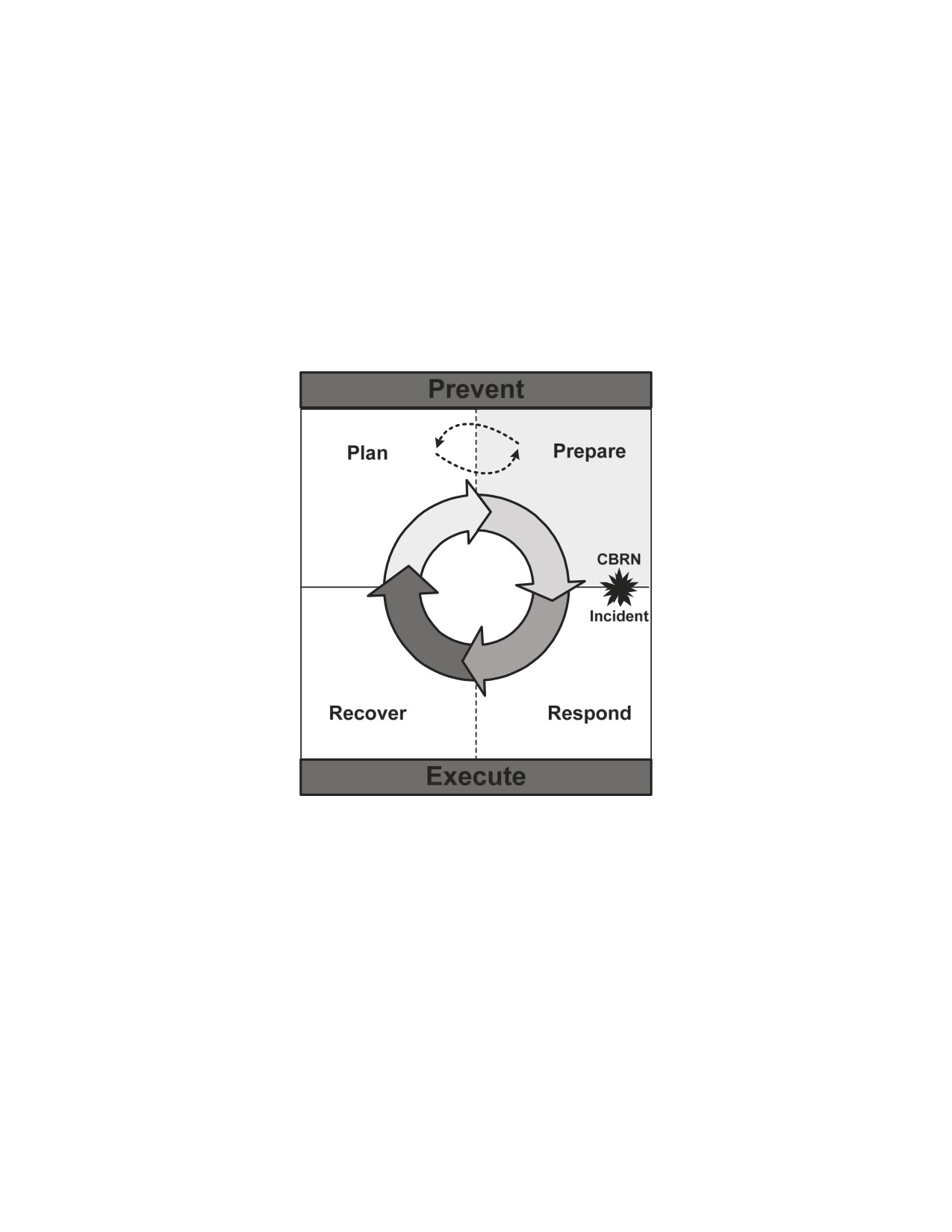
high-priority vulnerability reduction measures. See Figure III-1 for the preparation phase
in relation to the other phases of the CBRN CM process.
Figure III-1. CBRN Consequence Management Process (Prepare)
b.
Response units undertake concurrent actions to maintain its readiness as part of
a continuous cyclic process. The concurrent unit vulnerability reduction measures include
assessment, planning, training and education, and exercises. Appendix B provides further
detail on vulnerability reduction measures that can assist a unit in preparing for an
operation.
c.
The response unit also undertakes measures to integrate its preparation
activities with other supporting and supported assets. Representative action areas include
coordination, logistics, and HSS.
d.
Exercises serve as a gauge for the commander to reassess capabilities and
identify remaining vulnerabilities that impact mission execution. Exercises provide an
opportunity to test plans and make refinements as necessary.
1 April 2008
FM 3-11.21/MCRP 3-37.2C/NTTP 3-11.24/AFTTP(I) 3-2.37
III-1
e.
The material in this chapter addresses procedures for preparing and sustaining a
unit’s CM capabilities
NOTE: Multiservice Tactics, Techniques, and Procedures for Nuclear, Biological,
and Chemical Vulnerability Assessment provides generic CBRN vulnerability
reduction measures that can be adapted when planning and preparing
operations.
2.
Vulnerability Reduction Measures
a.
CBRN CM Unit Logistics.
(1)
The response unit possesses an organic logistic capability to support the
following basic functions:
•
Sustain the unit’s ability to conduct operations.
•
Maintain logistic status reports.
•
Coordinate with supporting logistic providers.
•
Procure and store unit equipment according to command guidance.
(2)
A response unit deploys with adequate stocks to sustain operations for a
limited duration. To sustain extended operations, a deployed unit receives additional
logistical and personnel augmentation.
(3)
The logistic posture for a response unit includes military standard
equipment (mission-oriented protective posture [MOPP] gear) or DOD-approved
commercial off-the-shelf (COTS) equipment (civilian protective ensembles). During the
preparation phase, the response unit identifies the supporting logistic requirements to
sustain operations.
NOTE: Throughout the rest of this manual, military standard gear or MOPP gear
will be referred to as individual protective equipment (IPE) and civilian COTS
protective ensembles, or “nonstandard equipment sets,” will be referred to as
PPE.
(4)
The military standard issue of CBRN detection, protection, and
decontamination equipment provides units with the ability to detect and protect against a
number of CBRN agents. However, standard issue items such as the M40A1 mask are
technically noncompliant with OSHA and National Institute for Occupational Safety and
Health (NIOSH) standards and may not be used during nonmilitary operations such as
DCM. It is important to note that not every unit or installation will possess all equipment
items. Standard issue equipment can be referenced in the following:
•
CBRN detection and protection equipment—Multiservice Tactics,
Techniques, and Procedures for Nuclear, Biological, and Chemical (NBC) Protection.
•
CBRN decontamination equipment—Multiservice Tactics, Techniques, and
Procedures for Chemical, Biological, Radiological, and Nuclear Decontamination.
•
CBRN monitoring and surveillance equipment—Multiservice Tactics,
Techniques, and Procedures for Nuclear Biological and Chemical Reconnaissance.
•
Biological detection and surveillance equipment—Multiservice Tactics,
Techniques, and Procedures for Biological Surveillance.
III-2
FM 3-11.21/MCRP 3-37.2C/NTTP 3-11.24/AFTTP(I) 3-2.37
1 April 2008
(5)
Nonstandard equipment sets provide units with additional capabilities,
such as the ability to detect many substances and chemicals that are immediately
dangerous to life or health. CBRN CM response forces may be required to maintain PPE
sets that provide greater protection than those commonly provided for military protection
against chemical warfare (CW) and biological warfare (BW). In a DCM environment, DOD
forces tasked to support civil authorities in downrange operations shall meet the training,
equipment, and proficiency standards for such operations as determined by federal law and
policy. Standards may be found in 29 CFR 1910.120 and applicable guidance for the
interagency board and other federally recognized policy boards or documents. Additionally,
equipment that is capable of detecting a greater range of substances is required to identify
TIM and organic substances in addition to CW and BW agents.
(6)
Other logistic considerations include personnel support measures that are
needed while deployed to an incident site. These considerations include the following:
•
Billeting.
•
Rations.
•
Transportation support.
•
Security.
b.
CBRN CM Response Unit Personnel.
(1)
Response unit leaders identify the duties and responsibilities for each
position in their unit. Checklists should be prepared to identify the individual and collective
tasks that require completion.
(2)
During this preparation phase, leaders are aware of the requirements that
each unit member must fulfill (such as periodic medical examinations and scheduled
certification training).
(3)
Personnel shortages are also identified periodically through readiness
reporting.
3.
Chemical, Biological, Radiological, and Nuclear Consequence Management
Education and Training
a.
Education. Response unit organizations and personnel at all levels must be
appropriately educated to provide an effective all-hazards CM capability. CBRN CM
operations need to be adequately emphasized in applicable programs of instruction. For
those units without experience in civilian exercises on a local, state, regional, or national
basis, limited opportunities exist to incorporate lessons learned from these events into
institutional education, simulations, and exercises. All personnel should be educated in
basic CBRN awareness. Personnel assigned special responsibilities should receive more
specific operational instruction. Numerous courses and training opportunities are available
from various government and private sources. A compendium of these resources is available
from the Federal Emergency Management Agency (FEMA) and can be found at
following areas:
1 April 2008
FM 3-11.21/MCRP 3-37.2C/NTTP 3-11.24/AFTTP(I) 3-2.37
III-3
(1)
General Awareness.
(a) Protection/Antiterrorism. One component of combating terrorism
includes defensive measures against terrorist attacks. All personnel train on the
fundamentals necessary to defend against terrorist attacks.
(b) Overview of CBRN Counterterrorism Operations. Based on the roles
and responsibilities of the audience, this may include the fundamentals of the NRP, the
ICS, and Service-specific issues.
(2)
Specific Operational Education. Command and Staff—
•
The role of the senior action agency, such as DHS or DOS.
•
Legal authorities, constraints, and limitations.
•
Logistic and support requirements, including fiscal reimbursement
issues.
•
C2 structures.
NOTE: The DOD Emergency Preparedness Course is an example of this type of
training. This course prepares emergency preparedness liaison officers (EPLOs)
and staffs to plan and execute joint military operations that support civil
authorities responding to domestic emergencies and disasters. The United States
Army Forces Command (FORSCOM) offers the course eight times a year at the
FEMA Mount Weather Emergency Assistance Center, Berryville, Virginia, and
conducts training within the United States Pacific Command and United States
Southern Command areas of responsibility (AORs) each year. This training is
authorized by DOD Directive (DODD) 3025.1, Military Support to Civil Authorities
(MSCA).
b.
Training. Response units train to perform individual and collective CBRN CM
tasks as units and joint forces. Licensing and certification standards vary, based on the
geographical location and the equipment available to each unit. Unit leaders ensure that all
operators are fully trained to complete their assigned missions.
(1)
Training Tasks. Response units conduct training on key Universal Joint
Task List (UJTL) and applicable Service-specific training tasks that support preparedness
and response and recovery measures. Using the UJTL as a baseline helps to support a
common framework for training.
(2)
Training Conditions. Response units use a simulated hazardous
environment as a condition for selected training events. The degradation experienced by
operating in the appropriate protective posture provides a level of realism that improves
unit preparedness. This type of training provides unit leadership with an assessment of the
effectiveness of vulnerability reduction measures.
(3)
General Training Considerations. CBRN awareness training is available for
every military member, DOD civilian, contractor, appropriate Family member, and local
national hired by DOD—regardless of rank. These personnel should be aware of CBRN
actions and effects, the need to maintain vigilance for possible CBRN actions, and methods
for employment of CBRN TTP. To ensure an effective CM response, a cross-functional
training program should be implemented. Thorough training is required to prepare
III-4
FM 3-11.21/MCRP 3-37.2C/NTTP 3-11.24/AFTTP(I) 3-2.37
1 April 2008
individuals and response teams to safely and efficiently respond to a terrorist CBRN attack
at their required level of proficiency.
(4)
Incident Management System Training.
(a) General Considerations. Response units must have personnel trained
to respond to a CBRN attack. Personnel participating in the incident response should be
trained to competently perform within the ICS/unified command (UC) structure. Incident
management system training focuses on DCM operations.
NOTE: Numbered courses with the prefixes IS and ICS are available from FEMA’s
Emergency Management Institute.
(b) Minimum Requirements. The following are minimum requirements
for personnel who will fulfill an incident management role:
•
Response unit entry-level responders (including firefighters, security
personnel, emergency medical services [EMS] providers, and other emergency personnel)
will require an introduction to the basic components of the ICS. Entry-level courses include
IS-700, National Incident Management System (Introduction); IS-800.A, National Response
Plan (NRP) (An Introduction); IS-100, Introduction to Incident Command System; and the
Tri-Service Emergency Management Program Response Course.
•
Response unit first-line supervisors, single-resource leaders, field
supervisors, company officers, entry-level personnel (trainees) on incident management
teams, and other emergency personnel will require a higher level of ICS training (IS-700;
ICS-100; and ICS-200, ICS [Incident Command System] for Single Resources and Initial
Action Incidents).
•
Strike team leaders, task force leaders, unit leaders, and EOC staff
also require higher-level ICS training (IS-700; IS-800; ICS-100; ICS-200; and ICS-300,
Intermediate ICS for Expanding Incidents for Operational First Responders).
•
Command and general staff, agency administrators, department
heads, emergency managers, area commanders, and multiagency coordination system/EOC
managers also require higher-level ICS training (IS-700; IS-800; ICS-100; ICS-200; ICS
300; and ICS-400, Advance ICS for Command and General Staff, Complex Incident, MACS
for Operational First Responders).
•
All personnel providing support to civil authorities must complete
IS-800 prior to providing support.
(5)
CBRN Responder Training. CBRN responders are DOD military and
civilians trained and certified to operate safely from the awareness through technician
response levels.
(a) General Considerations.
•
All local responding personnel must be trained at least to the
responder operations level.
•
Persons functioning in more complex roles, such as the IC, HAZMAT
team leader, or technician, must have completed additional training appropriate for the
functions to be performed.
1 April 2008
FM 3-11.21/MCRP 3-37.2C/NTTP 3-11.24/AFTTP(I) 3-2.37
III-5
///////////////////////////////////////