FM 3-11.22 Weapons of Mass Destruction–Civil Support Team Operations (December 2007) - page 1
*FM 3-11.22
Field Manual
Headquarters
Department of the Army
No. 3-11.22
Washington, DC 10 December 2007
Weapons of Mass Destruction-
Civil Support Team Operations
Contents
Page
PREFACE
v
Chapter 1
FUNDAMENTALS
1-1
Overview
1-1
Background
1-1
Operational Framework
1-2
Weapons of Mass Destruction-Civil Support Teams
1-3
Chapter 2
COMMAND AND CONTROL
2-1
Response Management Plan and Concept of Operation
2-1
Command and Control Relationships
2-2
Transition to Title 10 United States Code or Title 32 United States Code
Status
2-2
State-to-State Agreements
2-3
Other Command Relationships
2-3
Requests for Support and Assistance
2-4
State Management of Weapons of Mass Destruction-Civil Support Teams
2-4
Chapter 3
THE THREAT
3-1
General
3-1
Specific Types of Threats
3-2
Delivery Systems
3-9
Recognizing a Terrorist Attack
3-10
Chapter 4
MISSION, CAPABILITIES, LIMITATIONS, PHASES OF OPERATION,
AND NONRESPONSE SUPPORT
4-1
Mission
4-1
Capabilities
4-1
Limitations
4-3
Phases of Operation
4-4
Nonresponse Support
4-10
Distribution Restriction: Approved for public release; distribution is unlimited.
*This publication supersedes FM 3-11.22, 6 June 2003.
i
Contents
Chapter 5
INTEROPERABILITY
5-1
Overview
5-1
Interagency Operations
5-1
Joint Operations
5-2
Multiple Team Response Operations
5-4
Split-Unit Operations
5-5
Relief-in-Place Operations
5-7
Retrograde Operations
5-9
Chapter 6
ASSESSMENT
6-1
Overview
6-1
Process
6-1
High-Value Targets and Target Areas of Interest
6-3
End-State Products
6-4
Unit Assessment Program
6-4
Chapter 7
LIAISON
7-1
Overview
7-1
Programs
7-1
Federal Agencies
7-1
State Level Emergency Management Agencies
7-2
Joint Force Headquarters-State
7-2
Next Higher Military Headquarters
7-2
Other Military Units
7-3
Emergency Responders
7-3
Medical and Scientific Communities
7-3
Chapter 8
ALERT MANAGEMENT
8-1
Mission Request Validation
8-1
Unit Recall and Predeployment Planning
8-1
Movement Planning Guidance
8-1
Plans and Orders
8-1
Transit Timelines and Considerations for Movement
8-2
Rapid-Reaction Airlift for an Unplanned Event
8-2
Chapter 9
TRAINING MANAGEMENT
9-1
Overview
9-1
Commanders and Training
9-1
Mission-Essential Task List Development
9-1
Training Plans
9-1
Individual Training
9-2
Collective Training
9-3
Sustainment Training
9-3
Leader Training and Development
9-3
ii
FM 3-11.22
10 December 2007
Contents
Appendix A LEGAL ISSUES
A-1
Appendix B DECONTAMINATION
B-1
Appendix C
MODELING
C-1
Appendix D COMMUNICATIONS SECTION
D-1
Appendix E TROOP-LEADING PROCEDURES
E-1
Appendix F
ASSESSMENT
F-1
Appendix G REPORTS
G-1
Appendix H
UNIQUE SITUATIONS
H-1
Appendix I
SYMBOLOGY
I-1
Appendix J MEDICAL AND ANALYTICAL SECTION
J-1
GLOSSARY
Glossary-1
REFERENCES
References-1
INDEX
Index-1
Figures
Figure
1-1. Organizational Structure of the WMD-CST
1-5
Figure
3-1. A Common Approach to Incident Management
3-1
Figure D-1. Communications Section
D-2
Figure D-2. UCS
D-2
Figure D-3. UCS Nodal Connectivity
D-3
Figure D-4. ADVON Vehicle
D-4
Figure D-5. ADVON Nodal Connectivity
D-5
Figure F-1. Assessment Checklist
F-1
Figure G-1. Sample SITREP Format
G-6
Figure G-2. Sample RFI Format
G-8
Figure G-3. Sample RRI Format
G-9
Figure G-4. Sample GENADMIN Format
G-10
Figure G-5. Sample CLOSEREP Format
G-11
Figure G-6. Sample Accident Report/SIR Format
G-12
Figure G-7. Sample OPREP Format
G-15
Figure G-8. Sample NGB Form 500
G-16
Figure I-1. Building Blocks for WMD-CST Symbols
I-1
Figure J-1. Medical and Analytical Section
J-2
Figure J-2. ALS
J-2
Figure J-3. ALS Interior
J-3
29 March 2009
FM 3-11.22 C1
iii
Contents
Tables
Table 2-1. WMD-CST Functional Areas
2-3
Table 3-1. Properties of Selected Chemical Agents
3-3
Table 3-2. High- and Moderate-Risk TICs
3-4
Table 3-3. Biological Agent Effects
3-5
Table 3-4. Categories of Biological Agents
3-7
Table 3-5. Characteristics of Selected Biological Agents
3-7
Table 3-6. Types and Characteristics of Ionizing Radiation
3-8
Table G-1. Uses of Reports and Forms
G-2
iv
FM 3-11.22, C1
29 March 2009
Preface
The potential for terrorist activities directed against United States (U.S.) citizens and interests worldwide has
become an increasingly serious threat. In an effort to counter this threat, the U.S. Government has implemented
a number of measures to enhance the Nation’s ability to deter, prevent, respond to, and recover from terrorist
activities within the United States, its territories, and possessions. The establishment of the Weapons of Mass
Destruction (WMD)-Civil Support Team (CST) program is one of the measures that has been implemented to
support the defense of the Homeland.
The WMD-CST program mission is to support civil authorities at domestic chemical, biological, radiological,
nuclear, and high-yield explosives (CBRNE) incident sites by identifying CBRNE agents and substances,
assessing current and projected consequences, advising on response measures, and assisting with appropriate
requests for additional support. This includes the intentional or unintentional release of CBRNE and natural or
man-made disasters in the United States that result, or could result, in the catastrophic loss of life or property.
As the “state governors’ 911 forces for WMD,” WMD-CSTs provide direct support to the front lines of local,
state, and federal emergency response organizations. WMD-CST operations are conducted primarily in civil
environments—urban, rural, industrial, or suburban areas—and in hot or cold weather. WMD-CSTs currently
operate within the United States, its territories, and possessions while in Title 10 U.S. Code (USC) or Title 32
USC status.
This manual serves as the foundation for WMD-CST doctrine and focuses on the organization, mission,
command and control (C2), and operations of the WMD-CST. It discusses employment concepts, planning
considerations, capabilities, and the type of support that WMD-CSTs can provide during a response. This
information should be shared with key decision makers at local, state, and federal levels.
Unless stated otherwise, masculine nouns or pronouns do not refer exclusively to men. The term state does not
refer exclusively to the 50 United States but also includes the District of Columbia and the territories of Guam,
Puerto Rico, and the U.S. Virgin Islands. The term adjutant general does not refer exclusively to the adjutants
general of the 50 states and territories, but also includes the commanding general (CG) of the District of
Columbia.
This publication applies to the Active Army, the Army National Guard/Army National Guard of the United
States, and the United States Army Reserve, unless otherwise stated.
The proponent for this publication is the U.S. Army Training and Doctrine Command (TRADOC). Send
comments and recommendations on Department of the Army (DA) Form 2028 (Recommended Changes to
Publications and Blank Forms) directly to Commandant, U.S. Army Chemical School, ATTN: ATZT-TDD-C,
320 MANSCEN Loop, Suite 220, Fort Leonard Wood, MO 65473-8929. Submit an electronic DA Form 2028
or comments and recommendations in the DA Form
2028
format by e-mail to
<leon.mdottddcbrndoc@conus.army.mil>.
10 December 2007
FM 3-11.22
v
This page is intentionally left blank.
Chapter 1
Fundamentals
Since September 11th, National Guard Weapons of Mass Destruction Civil Support Teams
operate daily in communities throughout the nation. They are in a unique position to provide
emergency community response with full communications capability to the local, state and
federal levels. Moreover, they are actively involved in planning and integration of Guard
assets in local and state emergency plans.
—Lieutenant General H. Steven Blum
Testimony to Congress, 2005
This chapter contains information regarding the history and background of how the
WMD-CST program came into being, the current operational framework in which WMD-
CSTs operate, and WMD-CST structure and manning.
OVERVIEW
1-1. In recent decades, the United States has dealt with a series of asymmetric threats whose potential for
lethality and political, economic, and psychological impact has increased over time. The most recent of these
threats include terrorist bombings in New York City and Oklahoma City during the 1990s and the catastrophic
destruction of the World Trade Center and significant damage to the Pentagon on September 11, 2001. The use
of the biological agent anthrax caused civilian casualties and contamination of U.S. infrastructures, to include
U.S. mail distribution centers in 2001. Adversaries may not hesitate to use CBRNE or toxic industrial material
(TIM) on a covert or overt basis to accomplish their objectives. Information technology has proliferated and
made CBRNE materials and information more accessible to potential enemies. In response, the U.S.
Government has made provisions to improve the Nation’s ability to respond to domestic and international
terrorism. In June 1995, Presidential Decision Directive (PDD) 39 delineated the responsibilities for federal
agencies in combating terrorism, including domestic incidents. PDD 62, issued in May 1998, further defined
responsibilities for specific agencies. Both directives called for the establishment of robust, tailored, rapidly
deployable interagency teams that conduct well-coordinated, highly integrated operations in response to the
crisis generated by a terrorist attack
(crisis management) and cope with the consequences that follow
(consequence management [CM]). The evolving threat requires leaders and planners to conduct assessments
(during deliberate and crisis action planning) that analyze the impact of CBRNE on the security of the United
States.
BACKGROUND
1-2. In 1998, the Department of Defense (DOD) commissioned a “Tiger Team” to develop a strategic plan
for response to attacks using WMD. The plan defined a future operational capability based on enhancing
reserve component support to civil authority in the United States in managing the consequences of WMD
terrorism. The subsequent approval of the strategic plan by the Deputy Secretary of Defense, together with the
Unified Command Plan (as revised on 29 September 1999), the Defense Planning Guidance (DPG) (updated
for Fiscal Years [FYs] 2002-2007), the Chairman of the Joint Chiefs of Staff (CJCS) Contingency Plan
(CONPLAN) 0500-98, and The National Security Strategy of the United States of America (published in
September 2002), charged DOD with the support of domestic CM. Congress also directed the federal
government to enhance its capability to deter, prevent, respond, and recover from terrorist attacks involving
WMD and to provide direct support to the front line of local and state emergency response organizations.
Beginning in FY 1999, Congress and the DOD provided funding to train, organize, and equip WMD-CSTs to
develop a national military capability to meet the pressing demands of this emerging threat. A total of 55
10 December 2007
FM 3-11.22
1-1
Chapter 1
WMD-CSTs were fielded, to include one in each state (California has two), three territories (Guam, Puerto
Rico, and the Virgin Islands), and the District of Columbia. Since their inception, the WMD-CSTs have seen
active involvement in a number of high-profile missions, to include operational responses to the 11 September
and subsequent anthrax attacks in 2001; support for Hurricanes Katrina, Rita, and Wilma in 2005; assessments
of the debris field resulting from the crash of the Space Shuttle Columbia in 2003; preevent assessments and
standby for the 2000 and 2004 Republican and Democratic National Conventions; the 2002 Salt Lake City
Winter Olympics; National Football League Pro Bowls and Super Bowls; Major League Baseball World Series;
presidential inaugurations; and selected National Association for Stock Car Auto Racing events. In addition,
WMD-CSTs actively train, plan, coordinate, and respond daily across the country to events of a much smaller
scale.
OPERATIONAL FRAMEWORK
1-3. The WMD-CSTs operate within a domestic operational framework that uses a tiered response system and
the National Incident Management System (NIMS).
TIERED EMERGENCY RESPONSE SYSTEM
1-4. In the United States, response to an emergency is primarily a local responsibility. When faced with
emergencies or threats of emergencies, local governments employ emergency first responders, including fire,
police, and emergency medical services (EMS) personnel. They are supported by emergency dispatch systems,
emergency managers, or emergency management agencies (EMAs). When local resources are overwhelmed by
an event or if specific required technical capabilities are not available, local leaders may implement existing
mutual-aid agreements to request additional support from neighboring communities and seek supplemental
assistance through county and state emergency management systems. WMD-CSTs are part of the state
emergency response. If the state, including its National Guard (NG), lacks sufficient assets in quantity or
technical response capability to mitigate a disaster, the governor may request outside
(state or federal)
assistance. Support from another state may be arranged on a bilateral basis or under existing agreements. If
federal support is required and the President directs a federal response to the disaster, WMD-CSTs may become
federalized and be part of the federal response. The National Response Plan (NRP) guides the cooperative
process that orchestrates the actions of the federal agencies. For an incident involving CBRNE, assets from all
tiers of government may be needed in a nearly simultaneous response to maximize recovery.
NATIONAL INCIDENT MANAGEMENT SYSTEM
1-5. The NIMS was developed as a standardized unified framework for incident management. Its purpose is
to provide a system that helps emergency managers and responders from different jurisdictions and disciplines
work together more effectively to handle emergencies and disasters. Most incidents are handled on a daily basis
by a single local jurisdiction—often by fire, EMS, and law enforcement personnel. Even for incidents that are
relatively limited in scope, coordination and cooperation among the responding organizations make for a more
effective response. The NIMS provides standardized organizational structures, to include the Incident
Command System (ICS), and standardized processes, procedures, and systems that are designed to improve
interoperability among jurisdictions and disciplines in various areas
(command, management, resource
management, training, and communications).
1-6. The ICS is used by local, state, and federal emergency responders to manage operations at an incident
site. The ICS is designed to facilitate C2 during a response by providing a common organizational architecture.
As more and more responders arrive at a scene, the C2 may change hands many times between local, state, and
federal responders; but, the organizational structure remains the same. Federal law requires the use of an ICS
for response to hazardous material (HAZMAT) incidents (29 Code of Federal Regulations [CFR] 1910.120).
1-7. Though state emergency management systems vary in name and structure, their function is to coordinate
responses among state, county, and city governments; community businesses; and private organizations. State
emergency management agencies also coordinate with the Federal Emergency Management Agency (FEMA)
when available state assets are insufficient to meet incident mitigation requirements.
1-2
FM 3-11.22
10 December 2007
Fundamentals
1-8. Although some CBRNE incidents may not overwhelm local response capabilities, they may require
technical advice and assistance that is not readily available from local agencies. Normally, this assistance comes
from state agencies, including the WMD-CST. The state EMA coordinates the movement of state response
assets to an incident scene to fill requirements not supported by the local responders. Local and state
governments routinely respond to a wide array of domestic emergencies without any federal assistance, but a
large-scale incident may overwhelm local and state responders, requiring considerable federal support.
1-9. The adjutant general employs the WMD-CST to support the state’s (or another state’s) response under
the supported governor. States should develop state-to-state compacts to facilitate WMD-CST deployments
between states. The adjutant general may also request additional WMD-CSTs from the National Guard Bureau
(NGB) according to National Guard Regulation (NGR) 500-3/Air National Guard Instruction (ANGI) 10-2503.
1-10. If an event is of the magnitude that the DOD becomes involved, the defense coordinating officer (DCO)
may call upon a WMD-CST for its CM capabilities.
WEAPONS OF MASS DESTRUCTION-CIVIL SUPPORT TEAMS
1-11. The WMD-CSTs are NG units designed to provide a specialized capability to respond to a CBRNE
incident primarily in a Title 32 USC operational status within the United States and its territories as established
by Title 10 USC. Responding under the authority of the governor, they provide significant capabilities to assist
local and state agencies that may be overwhelmed by an intentional or unintentional release of CBRNE or
natural or man-made disasters. The WMD-CSTs also have the capability to provide support for smaller-scale
incidents where specific technical capabilities are required. The WMD-CST may also be federalized and
deployed as a part of a federal response to an incident in or outside the WMD-CST assigned state.
FUNCTIONS
1-12. The mission of the WMD-CST is to support civil authorities at domestic CBRNE incident sites by
identifying CBRNE agents and substances, assessing current and projected consequences, advising on response
measures, and assisting with appropriate requests for additional support. This includes incidents involving the
intentional or unintentional release of CBRNE and natural or man-made disasters that result or could result in
the catastrophic loss of life or property in the United States. Once at an incident site, the WMD-CST performs
the following functions:
Identify. The WMD-CST uses its organic assets to detect, characterize, identify, and monitor
unknown CBRNE agents and substances. By leveraging multiple detection technologies, the WMD-
CSTs generate the best possible analysis and identification in a field environment. Technical reach-
back to state and federal experts is used to support the identification process. The sophisticated
detection, analytical, and protective equipment allows for operations in environments that may
contain many different TIM and CBRNE materials. The personal protective equipment (PPE) used
by WMD-CSTs, such as Occupational Safety and Health Administration (OSHA) Levels A and B,
provides more extensive protection than does the equipment used by most military units. The
identification process directly links to the other WMD-CST functions (assess, advise, and assist).
Assess. Assessments occur prior to, during, and after an incident. They are conducted with local,
state, and federal response organizations to ensure that the WMD-CST is properly integrated into
local and state emergency plans. The assessment capability supports deliberate and crisis action
planning. The WMD-CST operations center
(OPCEN) collects information from appropriate
sources, identifies all pertinent data, and evaluates information to determine the mission threat,
including hazards, risks, possible adversary courses of actions
(COAs), potential targets, the
probability of an attack, the severity or level of the threat, and target vulnerability. The OPCEN
ensures an awareness of threats or potential threats in each area of interest (AI) and area of operation
(AO). In addition to the threat, other areas that are assessed include response capabilities; personnel
and equipment readiness and capabilities; physical response constraints; needs; and mission, enemy,
terrain and weather, troops and support available, time available, and civil considerations (METT-
TC). Standing operating procedures (SOPs) and response plans are based on these assessments.
These plans, which must include integrated force protection and risk reduction measures, are
validated by WMD-CST personnel during site surveys and liaison activities. Upon arrival at an
10 December 2007
FM 3-11.22
1-3
Chapter 1
incident site, the WMD-CST conducts linkup operations with the incident command post (ICP) and
continues to assess the situation based on information provided by first responders and response
organizations. WMD-CSTs have the unique ability to assess CBRNE events using the expertise of
their personnel and advanced technology equipment to provide accurate and timely sample
collection and identification of CBRNE agents and substances. The OPCEN conducts an incident
analysis using the military decision-making process (MDMP). Based on these assessments, the
OPCEN recommends control measures—to include emergency response planning, isolation of the
threat or hazard, public and responder protection, and areas of safe refuge—and implements those
control measures according to guidance from the unit commander or unit SOPs. Control measures
are compared to the threats and hazards to determine the residual threat/risk. The final phase of the
assessment involves the evaluation of the impact on the local population, infrastructure, and
environment. Refer to Chapter 6 for further information about the assessment process.
Advise. Based on identification and assessment results, the WMD-CST advises the incident
commander (IC) and emergency responders on the hazards and countermeasures associated with an
intentional or unintentional release of CBRNE or natural or man-made disasters that result or could
result in catastrophic loss of life or property. Advice may cover methods used to protect and mitigate
potential loss of life, damage to critical infrastructure, or extensive damage to private property. This
advice assists emergency management authorities in tailoring their actions to minimize the impact of
the event. The WMD-CST recommends follow-on capabilities needed to support response measures
at an incident site (types of units, equipment, and supplies), mitigation measures, and a transition
plan to support the disengagement of military units for redeployment to their home stations.
Assist. The WMD-CST assists the IC by providing input on the capabilities and utilization of assets
already present at the incident and recommendations on requests for additional support and the
integration of potential follow-on response assets. By virtue of their background, specialized
training, and scope of liaison across local, state, and federal agencies, the WMD-CSTs often have a
much broader view of the specific assets and capabilities available than do the local emergency
responders. Because of their specialized training, the WMD-CSTs can also provide multifaceted
assistance, including augmentation of the ICS, operational and planning support, liaison,
decontamination support, medical triage, communications support, mitigation measures, and
transition planning.
1-13. To facilitate mission accomplishment, prior planning and coordination must be accomplished to ensure
the effective and efficient execution of identification, assessment, advisement, and assistance support functions.
1-14. In response to an intentional or unintentional release of CBRNE or natural or man-made disasters, the
WMD-CST provides a well-trained team to support the state response as a lead element for the NG. In addition
to the response capabilities, the WMD-CST brings a number of ancillary capabilities to the state in which it is
assigned or the state to which it is deployed. In particular, the WMD-CST has a robust operations center,
interoperable communications, and liaison officers that can be used as subject matter experts (SMEs).
ORGANIZATION
1-15. The WMD-CST is commanded by a lieutenant colonel and is staffed with 22 Title 32 USC, full-time NG,
Active Guard Reserve, Army, and Air NG personnel encompassing multiple military occupational specialties
(MOSs) and Air Force specialty codes
(AFSCs). The WMD-CST is a federally funded organization
administered by the state. WMD-CSTs are organized into six sections: command, operations, administration
and logistics, communications, medical and analytical, and survey (Figure 1-1). WMD-CST members receive
specialized training and state-of-the-art equipment appropriate for their assigned functional areas. The level of
specialization resident within the team and the level of coordination and interaction required at the local, state,
and federal levels result in a structure that contains a greater number of senior personnel than normally found in
a traditional military unit. A description of each of these sections is provided in Chapter 4.
1-4
FM 3-11.22
10 December 2007

Fundamentals
Command
Section
Operations
Administration and
Communications
Medical and
Survey
Section
Logistics Section
Section
Analytical Section
Section
Figure 1-1. Organizational Structure of the WMD-CST
10 December 2007
FM 3-11.22
1-5
Chapter 2
Command and Control
A Commander must accustom his staff to a high tempo from the outset, and continuously keep
them up to it. If he once allows himself to be satisfied with norms, or anything less than an
all-out effort, he gives up the race from the starting post, and will sooner or later be taught a
bitter lesson.
—General Erwin Rommel
This chapter provides information on the WMD-CST response management plan (RMP),
the manner in which the commander is most likely to employ the team, alert postures
within the RMP, and the C2 relationships inherent in WMD-CST responses.
RESPONSE MANAGEMENT PLAN AND CONCEPT OF OPERATION
2-1. The RMP prescribes NGB-assigned national response categories for each WMD-CST. The assigned
response category directs how rapidly a WMD-CST must be prepared to deploy to an incident scene after
official notification. The three response categories and their deployment standards are as follows:
Priority (gold). Priority response (gold) requires the deployment of an advanced party of the
WMD-CST no later than 90 minutes after the official time of notification (N) and deployment of the
remaining WMD-CST no later than N + 3 hours to support a response anywhere within the Nation.
Ready (silver). Ready response (silver) requires units to focus on preparing for possible priority
response missions outside their home state. WMD-CSTs in this phase, once directed, must deploy to
the event no later than N + 24 hours.
Standby (bronze). Standby response (bronze) requires units to focus on areas such as training
requirements and leave. WMD-CSTs in this category, once directed, must prepare for and deploy no
later than N + 72 hours.
WMD-CSTs that are not mission-capable (black) are unavailable for deployment.
2-2. The WMD-CSTs can respond from their respective home stations by air, maritime, or ground
transportation. Limited-capability WMD-CST equipment sets can be transported by helicopters, while full-
capability sets can be airlifted by fixed-wing assets. The actual mode and speed of the deployment are
determined by METT-TC.
2-3. The advanced echelon (ADVON) normally consists of a small C2 element with a survey and analysis
capability, communications, and organic transportation. The ADVON conducts linkup operations with
appropriate individuals at the ICP and conducts an initial assessment. The assessment and initial actions are
driven by METT-TC and vary depending on the size, type, scope, and location of the incident. The ADVON
also conducts reconnaissance and determines the footprint for the main body.
2-4. The main body normally consists of the remaining WMD-CST organic equipment and personnel. The
main body normally occupies a staging area and links up with the ADVON. Once coordination with the
ADVON is complete, the main body moves into the designated footprint, commences occupation, and achieves
initial operability. The WMD-CST continues to develop the operation according to internal SOPs.
2-5. The adjutant general ensures that a mission validation process is established within the state to validate
requests for WMD-CSTs. A timely and careful review of the situation must be conducted to ensure that the
request is understood and that the mission is adequately defined. The adjutant general or designated authority
must review the mission to ensure that the assistance is properly requested from or verified with an official
source, feasible, legal, supportable, worth the risk, and appropriate for the current force protection
10 December 2007
FM 3-11.22
2-1
Chapter 2
condition (FPCON). Organizations responsible for employing a WMD-CST must understand the potential risks
to which they commit a unit.
2-6. Upon arrival at an incident site, the WMD-CST commander receives the IC objectives and obtains
updated situational information. The command team advises the IC or a representative on the WMD-CST
assets, capabilities, and limitations. Based on this exchange, the WMD-CST commander determines how to
best support the IC. After assuming the mission, the commander employs the unit to conduct WMD-CST
operations. The command section establishes and maintains liaison with the ICP.
2-7. The establishment of termination criteria is an effort coordinated with the military chain of command and
the IC. The WMD-CST is expected to assume the lead in the development and coordination process of this
strategy, but does not make the final decision on mission termination. The decision to terminate mission support
resides with the military chain of command. The WMD-CST OPCEN plans for transition or hand-off of
operations and procedures. The completion of the assigned mission, the arrival of adequate civilian and
commercial assets to assume the mission, and the WMD-CST commander’s determination of mission capability
are the primary factors in the decision to terminate the WMD-CST mission. The team coordinates with the ICP
for the disposition of hazardous items, including equipment and waste. Termination packets are developed; they
include the following products: incident logs, the site safety plan, the incident action plan (IAP), models
showing plume data and downwind predictions, reach-back points of contact
(POCs), site sketches,
photographs, videos, and analytical results. The ICP is thoroughly out-briefed, and all documentation is
submitted to the ICP before departure from the incident site and before the mission is terminated. The OPCEN
conducts redeployment coordination to develop a redeployment plan according to the unit SOP.
COMMAND AND CONTROL RELATIONSHIPS
2-8. The WMD-CST is assigned to the state and operationally committed to an incident by the military chain
of command. At the incident site, the WMD-CST operates in direct support of civil authorities. In this role, the
WMD-CST supports the goals and objectives developed by the IC in the IAP. As the incident expands, the size
and functions of the ICS change. The manner in which a WMD-CST is organized and the nature of a CBRNE
incident or natural or man-made disaster may determine a progressive series of C2 relationships during the
course of the incident response.
2-9. The chain of command for the WMD-CST depends on the duty status of the team. The WMD-CST is
organized and normally operates according to Title 32 USC, under which the governor and adjutant general
provide C2 for the unit. If federalized under Title 10 USC, the WMD-CST is subject to employment according
to applicable command relationships established by the governing C2 headquarters (HQ).
TRANSITION TO TITLE 10 UNITED STATES CODE OR TITLE 32
UNITED STATES CODE STATUS
2-10. WMD-CST employment varies from mission to mission. Normally, the initial WMD-CST on the scene is
used in Title 32 USC status. During the course of a response, WMD-CSTs may be deployed under Title 10 USC
by the President of the United States.
2-11. During the transition from Title 32 USC to Title 10 USC status, the WMD-CST must be cognizant of
multiple factors to effectively continue operations. These factors include—
Uniform Code of Military Justice (UCMJ) authority. WMD-CST personnel are subject to the
UCMJ.
Logistic support. WMD-CSTs receive logistic support from DOD resources.
Support relationships. WMD-CSTs are DOD assets, and they receive C2 guidance from a military
HQ identified in an applicable operations order (OPORD).
Other support. While operating in Title 10 USC status, other functional areas may also be
impacted. These could include administrative support, priorities of work, rules for the use of force
(RUF) (see Appendix A), medical support, and force protection. The Posse Comitatus Act may
apply to WMD-CSTs in Title 10 USC status depending on the authority under which Title 10 USC
was invoked.
2-2
FM 3-11.22
10 December 2007

Command and Control
2-12. The transition from Title 10 USC to Title 32 USC status involves—
Release from duty. Command reverts to the state upon release from duty under Title 10 USC.
Mission completion. Upon mission completion and release of control by the military on-scene
commander (OSC), the WMD-CST immediately contacts the higher command for further guidance
and instructions. In most cases, the WMD-CST is ordered to redeploy.
Redeploy. When ordered to redeploy, the WMD-CST returns to its home station and conducts
postoperation activities. Postoperation activities are governed by unit SOPs.
2-13. Table
2-1 illustrates specifics regarding WMD-CST functional areas under Title
32 USC and
Title 10 USC status.
Table 2-1. WMD-CST Functional Areas
Functional area
Under Title 32 USC status
Under Title 10 USC status
C2
Governor
President
Location of duty
United States and its territories
United States and its territories
Funding
Federal
Federal
Mission types
Training and other federally
Training and other federally
authorized missions
authorized missions
Military discipline
State military code
UCMJ
Support to law
Yes, within authority extended
According to Title 18 USC (The
enforcement
by state law
Posse Comitatus Act)
Liability
Federal
Federal
STATE-TO-STATE AGREEMENTS
2-14. The Emergency Management Assistance Compact (EMAC) is a congressionally ratified organization that
provides form and structure to interstate mutual aid. EMAC legislation was approved by Congress in 1996 as
Public Law (PL) 104-321. EMAC applies to NG personnel in state active-duty status—not in Title 10 USC
status. EMAC does not apply to the interstate deployment of a WMD-CST.
2-15. Legislation creating the WMD-CST program permits WMD-CSTs to be deployed across state boundaries
in Title 32 USC status without a formal written agreement, but based simply on a verbal agreement between the
affected governors.
2-16. States are encouraged to develop state-to-state compacts outside the EMAC to facilitate regional WMD-
CST support and response. Establishing habitual supporting relationships permits advanced planning and
preparation, facilitating a more effective response. WMD-CST C2 is conducted according to the provisions of
the compact and the applicable operations plan (OPLAN) or OPORD. Other key issues addressed in the
OPLAN or OPORD include WMD-CST sustainment requirements and the reimbursement of expenses.
2-17. States may also establish a state-to-state memorandum of agreement (MOA) to obtain WMD-CST
support. An MOA may be established through long-range planning and negotiation. Where no interstate
compact exists, a simple MOA addressing support by a WMD-CST may be rapidly established. Under an
MOA, the governor directs the adjutant general to deploy the WMD-CST. Key operational issues such as
WMD-CST command, control, and sustainment must be addressed in the applicable OPORD.
2-18. In the absence of formal or informal agreements, the governor of an affected state may request assistance
through the NGB for the deployment of WMD-CSTs under the national RMP.
OTHER COMMAND RELATIONSHIPS
2-19. The WMD-CST commander is in a position to provide valuable civil military coordination information to
other military response elements. WMD-CSTs task-organize according to their capabilities and the adjutant
10 December 2007
FM 3-11.22
2-3
Chapter 2
general’s mission and intent. Requests for information (RFIs) from military agencies outside the WMD-CST
chain of command are directed to the joint force headquarters-state (JFHQ-S) joint operations center (JOC).
2-20. The JFHQ-S JOC tracks the movement and activities of the WMD-CST. During a response mission, the
WMD-CST updates the JOC, as required, to ensure situational awareness (SA). In some cases, the JOC may
receive general information about WMD-CST activities on the scene, but may not be informed of all the details.
Some information obtained by the WMD-CST may be law enforcement-sensitive. This information must be
cleared for release by civil authorities.
2-21. A WMD-CST is normally requested by civil authorities, and it receives tactical assignments from the
ICP. However, a WMD-CST may fall under the direct C2 of the joint task force-state (JTF-S).
REQUESTS FOR SUPPORT AND ASSISTANCE
2-22. WMD-CSTs are designed to be initial-response assets of the state. Local, county, and state officials may
request support by submitting a request for assistance (RFA) using NGB Form 500 (Request for National
Guard Assistance) to the adjutant general or designated state authority according to the applicable state plan.
The form must be prepared and all questions answered to ensure the validity of the request. Normally, these
requests flow through the same process as other emergency requests for state assistance.
2-23. State requests for WMD-CST support generally originate from officials in an affected community. The
state EMA, working in close coordination with the JFHQ-S JOC, processes the RFA. The adjutant general or
designated representative can approve the request and have the WMD-CST deploy to the incident site.
2-24. When a WMD-CST operates under Title 10 USC status, federal requests may originate from any federal
agency, but they must be validated by the DCO. When a WMD-CST operates under Title 32 USC status,
federal agency requests are normally routed through the JFHQ-S.
2-25. The NGB implements the RMP when requested by the affected state or territory.
STATE MANAGEMENT OF WEAPONS OF MASS DESTRUCTION-
CIVIL SUPPORT TEAMS
2-26. Unlike traditional NG units, WMD-CSTs are federally funded state assets that act as full-time response
forces.
2-27. The RMP is designed to allow each WMD-CST the opportunity to train, maintain, and sustain as a unit to
ensure that technical training requirements, mission-essential task lists (METLs), and basic certifications are
completed. When states assign response requirements beyond the RMP, they must carefully consider team
degradation.
2-28. If a state assigns an alert posture beyond the RMP to the WMD-CST, the alert posture should be based
on an assessment that defines the WMD-CST assets and resources required for various scenarios during
specific time periods to adequately address the threat.
2-29. The WMD-CST commander must be able to implement a viable, alert training and stand-down plan
based on the RMP and state requirements to assure the state leadership that the team is postured for mission
response during identified peak periods. Collective training, liaison efforts, and coordination with other WMD-
CSTs for incidents that require multiple teams are important considerations.
2-30. State leadership must plan for the reception of other WMD-CSTs into the state and for the departure of
their own assigned WMD-CST to other states. This planning must include routine collective training events
outside the state to ensure interoperability between teams, in addition to mission or operational responses. To
support this concept, states should establish state-to-state agreements for WMD-CST coverage. The NGB
implements the RMP to support a state when required.
2-4
FM 3-11.22
10 December 2007
Chapter 3
The Threat
The enemy never sleeps.
—French Proverb
Chapter 3 provides information on the general threat and the types of threats for which a
WMD-CST response is appropriate.
GENERAL
3-1. Recognizing the threat is the first step in being able to defend against it. The National Strategy for
Homeland Security, through Homeland Security Presidential Directive (HSPD)-5, HSPD-7, and HSPD-8, has
shaped a nationwide “common” approach to incident management that begins well before the first 9-1-1 phone
call is received. The HSPDs direct increased emphasis on prevention, protection, response, and preparedness—
which is only possible when a thorough understanding of the adversary and potential threats is developed and
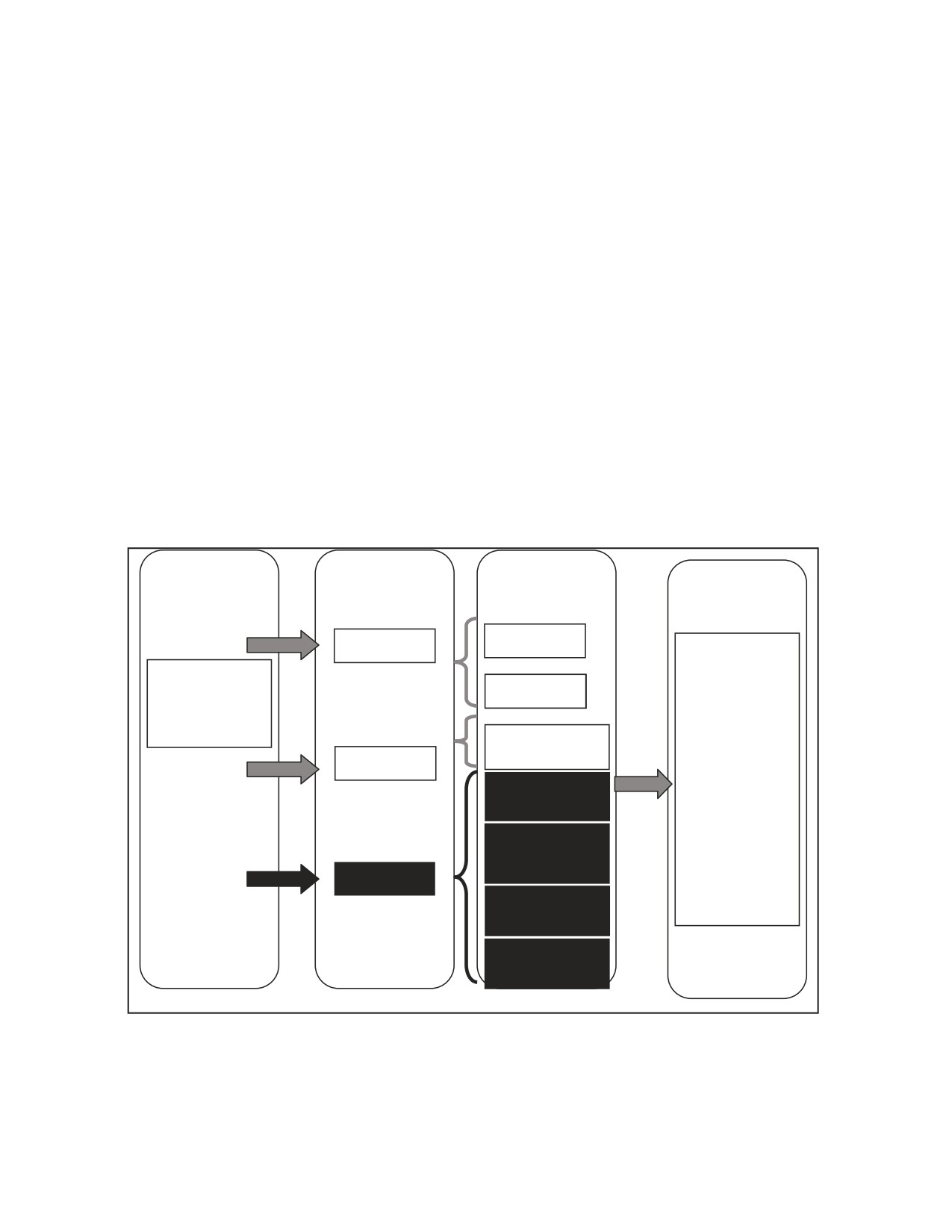
planning and training is conducted based on those threats. (See Figure 3-1.)
Strategy
Presidential
National
Results
directives
initiatives
NIMS
HSPD-5
Common
approaches to
National
national
Strategy for
NRP
incident
Homeland
management
Security
National
Infrastructure
Protection Plan
•
Prevention
HSPD-7
National
•Protection
preparedness
•Response
goal
•Recovery
Capabilities-
•Preparedness
based planning
tools (scenarios,
HSPD-8
UTL, TCL)
Homeland
security grant
program
National
preparedness
guidance
Figure 3-1. A Common Approach to Incident Management
3-2. Today, we face varied threats from new enemies that seek to use unconventional weapons and tactics that
may include CBRNE or any weapon that will cause widespread panic, destruction, or death. Some terrorist
10 December 2007
FM 3-11.22
3-1
Chapter 3
organizations and rogue states have used significant financial resources and global support networks to pursue
the acquisition of CBRNE weapons.
3-3. WMD-CSTs play a major role in prevention, protection, response, and preparedness efforts through their
ability to plan for and respond to incidents involving the intentional or unintentional release of CBRNE and
natural or man-made disasters. WMD-CSTs play a key role in the development of contingency and emergency
plans, then assist in the identification of weaknesses and subsequent corrective actions. Defense against an
adversary can only be as comprehensive as the understanding of its potential threat.
SPECIFIC TYPES OF THREATS
3-4. Specific types of threats encountered today include conventional threats, such as chemical, biological,
radiological, and nuclear (CBRN) weapons, and unconventional threats such as TIM.
CHEMICAL WEAPONS
3-5. Chemical weapons contain chemical agents or materials intended to kill or incapacitate personnel or to
deny the use of areas, materiel, or facilities. Terrorists have already exhibited the capability to use chemical
weapons. In 1978, a group of Palestinians injected oranges with cyanide to damage Israeli citrus exports. In
1995, the Japanese cult Aum Shinri Kyo released sarin nerve agent in the Tokyo subway network, killing 12
people and injuring 5,500. The Aum Shinri Kyo attack illustrates the unpredictable nature of chemical weapons
and problematic issues of dissemination.
3-6. The attacks of 11 September 2001 raised the chemical industry’s awareness of possible terrorist sabotage
of facilities that store toxic industrial chemicals (TICs). An attack on a chemical storage facility could provide
the mass casualty effects of a chemical weapons attack without the need for the terrorist group to develop or
acquire chemical agents.
3-7. Chemical agents are categorized as lethal or nonlethal based on the effect they have on the target
population (Table 3-1) or as persistent or nonpersistent based on the length of time they remain effective after
dissemination.
Lethal and Nonlethal
3-8. The following types of chemical agents are lethal:
Nerve agents. Practically odorless and colorless, nerve agents interact with the nervous system by
interfering with the transmission of nerve impulses. They can produce a range of effects from miosis
and a runny nose to severe respiratory difficulty, vomiting and diarrhea and, finally, seizures,
unconsciousness, and death—all of which are dose-dependent. Nerve agents are fast-acting chemical
agents.
Blood agents. Blood agents are inhalation hazards which block the oxygen transferal mechanisms in
the body, leading to death by suffocation. Hydrogen cyanide is a common blood agent. It kills
quickly and dissipates rapidly.
Blister agents. Blister agents, such as mustard gas (H), lewisite (L), or a combination of the two,
can disable or kill. These types of agents burn the skin and produce large blisters. They also cause
damage to the eyes, blood cells, and lungs. These agents are especially harmful when inhaled.
Choking agents. Choking agents, such as phosgene and diphosgene, are inhalation hazards that
attack the respiratory system, making the membranes swell so that the lungs fill with fluid. This can
be fatal. Signs and symptoms of toxicity may be delayed for up to 24 hours.
3-9. The following types of chemical agents are nonlethal:
Incapacitants. Incapacitants include psychochemical agents and paralyzing agents. These agents do
not seriously endanger life or produce permanent injury. Rather, the prominent effects are
psychological or behavioral, interfering with brain functions such as attention, orientation,
perception, memory, motivation, conceptual thinking, planning, and judgment. Incapacitants can be
classified as deliriants, stimulants, depressants, or psychedelics.
3-2
FM 3-11.22
10 December 2007

The Threat
Irritants. Irritants, including riot control agents, cause a strong burning sensation in the eyes,
mouth, skin, and respiratory tract. The effects of these agents, the most commonly known being
“tear gas” (CS), are also temporary. Victims recover without any serious aftereffects.
Table 3-1. Properties of Selected Chemical Agents
Type of
Lethal
Agent
Symptoms in man
Effects on man
Rate of action
agent
Nerve
Yes
G series
Difficult breathing,
At low
Very rapid by
sweating, drooling,
concentrations,
inhalation;
GA
nausea, vomiting,
incapacitates;
slower through
GB
convulsions, and dim
kills if inhaled or
skin (5-10
GD (VR55)
or blurred vision.
absorbed through
minutes).
the skin.
Yes
V agents
Difficult breathing,
Incapacitates;
Delayed
sweating, drooling,
kills if skin is not
through skin;
nausea, vomiting,
rapidly
more rapid
convulsions, and dim
decontaminated.
through eyes.
or blurred vision.
Blood
Yes
AC
Rapid breathing,
Incapacitates;
Rapid.
convulsions, coma,
kills if high
and death.
concentration is
inhaled.
Blister
Yes
HD
HD/HN: no early
Blisters skin and
Blister delayed
symptoms.
respiratory tract;
hours to days;
HN
can cause
eye effects
HL: searing eyes and
L
temporary
more rapid.
stinging skin.
HL
blindness. Some
CX: powerful irritation
CX
agents sting and
of eyes, nose, and
form wheals on
skin.
skin.
Choking
Yes
CG
Eye/throat irritation,
Damages the
Delayed,
fatigue, tears, cough,
lungs.
variable.
DP
chest tightness,
nausea, and vomiting.
Incapacitan
No
BZ
Slowing of mental and
Temporarily
30-60 minutes.
t
physical activity,
incapacitates.
disorientation,
sleepiness.
Irritant
No
DA
Tears, skin and
Incapacitates.
Very rapid.
respiratory tract
DM
irritation.
CN
CS
PS
Persistent and Nonpersistent
3-10. Persistent agents can produce immediate or delayed casualties depending on the agent, mechanism of
exposure, and concentration. For example, the inhalation of a persistent agent may result in immediate
symptoms, whereas symptoms resulting from slow absorption through the skin may be somewhat delayed.
Depending on environmental conditions, persistent agents can retain their disabling or lethal characteristics for
days or weeks.
10 December 2007
FM 3-11.22
3-3

Chapter 3
3-11. Nonpersistent agents generally remain effective for shorter periods of time, depending on weather
conditions. Blood agents, which are highly volatile, are nonpersistent. Because of their physical properties,
blood agents do not remain in a liquid state for long. They lose the ability to cause casualties 10-15 minutes
after dissemination.
TOXIC INDUSTRIAL MATERIAL HAZARDS
3-12. The exposure to some industrial material can have a lethal or debilitating effect on humans. There is a
nearly universal availability of large quantities of stored, highly toxic, industrial materials. The lethality and
widespread availability of TIM, in conjunction with their general proximity to urban areas, their low cost, and
the low security associated with storage facilities, make them an attractive option for terrorist use as weapons of
opportunity.
3-13. The most important factors to consider when assessing the potential for adverse human health impacts
from a TIM release are acute toxicity, physical properties
(volatility, reactivity, flammability), and the
likelihood that large quantities are available for exploitation.
3-14. A subgroup of TIM known as TICs consists of commercial chemical substances with acute toxicity
produced in large quantities for industrial purposes. The knowledge of where TICs are stored and how they are
transported are two of many factors that must be taken into account in assessing possible terrorist use.
3-15. Table 3-2 lists high- and moderate-risk TICs based on acute toxicity by inhalation, worldwide availability
(taking into consideration the number of producers and the number of continents where the substance is
available), and physical state (gas, liquid, solid) at normal temperature and pressure.
Table 3-2. High- and Moderate-Risk TICs
High risk
Moderate risk
Ammonia
Acetone cyanohydrin
Methyl chloroformate
Arsine
Acrolein
Methyl chlorosilane
Boron trichloride
Acrylonitarile
Methyl hydrazine
Boron trifluoride
Allyl alcohol
Methyl isocyanate
Carbon disulfide
Allyl amine
Methyl mercaptan
Chlorine
Allyl chlorocarbonate
n-Butyl isocyanate
Diborane
Boron tribromide
Nitrogen dioxide
Ethylene oxide
Carbon monoxide
Phosphine
Fluorine
Carbonyl sulfide
Phosphorus oxychloride
Formaldehyde
Chloroacetone
Phosphorus pentafluoride
Hydrogen bromide
Chloroacetonitrile
Selenium hexafluoride
Hydrogen chloride
Chlorosulfonic acid
Silicon tetrafluoride
Hydrogen cyanide
Crotonaldehyde
Stibine
Hydrogen fluoride
Diketene
Sulfur trioxide
Hydrogen sulfide
1,2-Dimethyl hydrazine
Sulfuryl chloride
Nitric acid, fuming
Dimethyl sulfate
Tellurium hexafluoride
Phosgene
Ethylene dibromide
Tert-octyl mercaptan
Phosphorus trichloride
Hydrogen selenide
Titanium tetrachloride
Sulfur dioxide
Iron pentacarbonyl
Trichloroacetyl chloride
Sulfuric acid
Methanesulfonyl chloride
Trifluoroacetyl chloride
Tungsten hexafluoride
Methyl bromide
3-4
FM 3-11.22
10 December 2007

The Threat
3-16. Some industrial chemicals in solid form need only to be exposed to air or water in order to produce toxic
gas. For more information concerning TICs, refer to the Emergency Response Guidebook (ERG).
BIOLOGICAL WEAPONS
3-17. Biological weapons project, disperse, or disseminate biological agents. They are easier and cheaper to
produce than chemical or nuclear weapons, and instructions are readily available on the Internet. Any nation
with a modestly sophisticated pharmaceutical industry is capable of producing biological weapons in large
quantities. The choice of agent and means of dissemination vary depending on the intended target. Biological
warfare agents can be virtually undetectable, and evidence of a biological attack may not show up for days after
the actual release has occurred. Depending on the specific type, these weapons can incapacitate or kill people
and animals and destroy plants, food supplies, and materiel. Table 3-3 describes some of the effects of various
types of biological agents.
Table 3-3. Biological-Agent Effects
Agent type
Description
Antipersonnel
Disease- or death-causing microorganisms and toxins.
Antiplant
Living microorganisms that cause disease or death.
Antianimal
Agents that can be used to incapacitate or destroy domestic animals
through disease. Used to limit wool, hide, or fur production.
Antimateriel
Agents used to deteriorate critical materiel (leather, canvas, fuels,
electronics) needed for the war effort.
3-18. Biological agents are very effective. While about 1,800 pounds (816 kilograms) of the chemical agent
sarin (GB) are required to inflict a large number of casualties over a square-mile (2.6 square kilometer) area,
just a quarter of an ounce (7 grams) of anthrax spores is required to achieve the same effect. The 2001 anthrax
attacks in the United States demonstrated the potential of biological weapons. Although these attacks actually
resulted in few casualties, they caused psychological and economic disruption as the entire Nation dealt with
the panic generated from these attacks. And biological attacks in the United States are not new. Biological
terrorism occurred in Oregon in 1984 when followers of the Bhagwan Shree Rajneesh cult placed salmonella
on salad bar food in several restaurants, causing more than 700 people to become ill.
3-19. In cases of agroterrorism, terrorist groups or rogue states inflict significant economic and social
disruption without immediately producing large numbers of human casualties. Recent outbreaks of foot-and-
mouth and mad cow diseases in livestock in Europe are examples of the economic impact such inflictions can
cause.
3-20. There are four basic categories of biological warfare agents (Table 3-4, page 3-6). They are—
Pathogens. Pathogens are disease-causing bacteria, viruses, and rickettsiae. These agents could be
used to target food supplies, port facilities, or population centers. Of particular concern is the threat
of contagious diseases such as smallpox. Agents that have a long incubation period can infect a large
number of people in a short period of time without immediate symptoms or warning signs.
Toxins. Toxins are poisons formed as specific secreting products by vegetable or animal organisms
such as plants, snakes, spiders, and sea creatures. Toxins act faster and are more stable than live
pathogens. Many toxins can be easily produced.
Bioregulators. Bioregulators are chemical compounds that are essential for normal psychological
and physiological functions. A wide variety of bioregulators is normally present in the human body
in extremely minute concentrations. However, these compounds can produce a wide range of
harmful effects if they are introduced into the body at higher than normal concentrations or if they
are altered. Psychological effects could include exaggerated fear and pain; physiological effects
could include rapid unconsciousness and—depending on factors such as dose and route of
exposure—could even be lethal. Unlike pathogens that take hours or days to act, bioregulators can
produce reactions in minutes.
10 December 2007
FM 3-11.22
3-5

Chapter 3
Prions. Prions are composed entirely of microscopic proteins similar to viruses, but without nucleic
acid. They are believed to be the infectious agents responsible for degenerative diseases of the
nervous system. They infect and propagate by abnormally refolding into a structure which is able to
convert normal molecular proteins into abnormally structured forms. Mad cow disease is an example
of the effect of prions.
Table 3-4. Categories of Biological Agents
Pathogens
Toxins
Bioregulators
Prions
Anthrax
Mycotoxins
Neurotransmitters
Mad cow disease
Cholera
Venoms
Hormones
Plague
Shell fish
Enzymes
Smallpox
Botulinum
Tularemia
Ricin
Influenza
3-21. Some of the characteristics of selected biological agents are presented in Table 3-5.
Table 3-5. Characteristics of Selected Biological Agents
Agent
Contagious
Mortality if
Incubation
Illness duration
untreated
period
(percent)
Anthrax
No
90-100
1-7 days
3-5 days
Plague
Yes
100
1-6 days
Fatal within 6 days
Tularemia
No
30-40
1-14 days
14 or more days
Smallpox
Yes
30
7-17 days
10-28 days
Botulinum
No
60-100
1-5 days
Days to weeks
Ricin
No
Variable
18-24 hours
Days
RADIOLOGICAL WEAPONS
3-22. Radiological terrorism usually refers to the use of a radiological dispersal device (RDD) or other means
to spread radiation throughout a designated area. Radioactivity is the release of energy in the form of radiation.
When an isotope is unstable, it emits radiation and is called a radioisotope. Radiation from radioisotopes can
damage human cells and cause problematic health issues through the emission of ionizing radiation. The
physical effects of ionizing radiation on the human body usually appear first as nausea, diarrhea, and vomiting.
This may be followed by hair loss, hemorrhage, inflammation of the mouth and throat, and a general loss of
energy. Symptoms increase proportionately with the level of exposure and, in some cases, can ultimately result
in death. In addition to the physical destruction caused by a radiological device, radiological contamination—or
the fear of it—can have immediate and significant psychological impacts on a populace. Furthermore, the
trauma caused by the use of a radiological weapon can also have a significant economic and financial impact on
a region or nation for an extended period of time. Radiological material can easily be found in medical,
agricultural, and research equipment.
3-23. Although the 1986 accident at the Chernobyl Nuclear Power Plant in the Ukraine was not related to
terrorism, the resulting political, financial, and social impacts were profound. The incident can be used to
illustrate the damage that radiological contamination can cause. It was necessary to isolate the area within an
18-mile (29-kilometer) radius around the plant. The large city near the site was completely evacuated and
abandoned; between 130,000 and 400,000 people were resettled to safe areas. Reports indicate that more than
20 towns and 3,000 settlements were affected by significant radiation doses. More than 400 of those settlements
were evacuated. More than 30 people died as a result of the accident, while long-term effects on the regional
population remain an ongoing issue. Health, economic, and agricultural impacts are still being assessed as
3-6
FM 3-11.22
10 December 2007

The Threat
various international programs deal with safety, decontamination, and the stabilization of equipment, facilities,
and the region.
3-24. The types of ionizing radiation (Table 3-6) most likely to be present in an attack include—
Alpha. Alpha radiation consists of positively charged particles made up of two neutrons and two
protons emitted by certain radioactive nuclei. Alpha radiation can be stopped by lightweight
material, such as a sheet of paper, and poses no direct external radiation threat; however, alpha
radiation can pose a serious health threat if the radioactive material is ingested.
Beta. Beta radiation consists of an electron or positron emitted by an atomic nucleus during
radioactive decay. Beta radiation can be lethal, depending on the dose and time of exposure; it is
easily shielded by aluminum.
Gamma. Gamma radiation is high-energy, short-wavelength, electromagnetic radiation emitted by a
nucleus during nuclear reactions or radioactive decay. Gamma rays are potentially lethal to humans,
depending on the intensity of the flux.
Neutron. Neutron radiation consists of free neutrons which may be emitted during spontaneous or
triggered nuclear fission, during nuclear fusion, or from certain other reactions—most famously the
α,n reaction, where a beryllium nucleus absorbs an alpha particle and emits a neutron. Neutron
radiation is highly ionizing and more penetrating than alpha or beta radiation and, in some cases,
gamma radiation. A more severe hazard of neutron radiation is neutron activation—the ability of
neutron radiation to induce radioactivity in many of the substances it encounters. Radiation shielding
is required for protection against neutron radiation.
Table 3-6. Types and Characteristics of Ionizing Radiation
Type
Composition
Charge
Origin
Hazard
Shielding
Alpha
Two neutrons
+2
Nucleus
Not a hazard external to the
Paper
and two protons
body, but becomes a hazard
(Į)
(particulate)
if material enters the body
through inhalation or
ingestion.
Beta
Electron or
-1
Electron
External hazard to the skin
Aluminum
positron
and eyes. Internal hazard if
(ȕ)
(particulate)
material enters the body.
Gamma
High-energy,
None
Nucleus
Very penetrating to the entire
Concrete
(Ȗ)
short-wavelength,
body, whether the material is
electromagnetic
inside or outside the body.
radiation
Neutron
Neutrons
0
Nucleus
Less penetrating than gamma
Hydrogen-
(n)
(particulate)
radiation. Has the unique
rich
ability to induce radioactivity
material
in nonradioactive material.
(water,
Primarily an external hazard,
wax,
but can be an internal hazard
paraffin)
if a source emitting neutrons
enters the body.
NUCLEAR WEAPONS
3-25. The use of a fully developed nuclear weapon by a terrorist organization is possible, but is less likely than
a scenario involving terrorist use of a chemical, TIM, biological, or radiological weapon. The use of a fully
developed nuclear weapon requires access to nuclear fissile material which, in turn, requires substantial
financial and technical resources. A more likely scenario involves the use of nuclear material or sabotage at a
nuclear facility similar to an RDD incident. However, if a terrorist group or rogue state obtains nuclear fissile
materials or an assembled weapon, an incident involving a nuclear device is a distinct possibility.
10 December 2007
FM 3-11.22
3-7
Chapter 3
HIGH-YIELD EXPLOSIVES
3-26. The most likely threat by terrorist organizations is the use of high-yield explosives. Numerous acts of
terrorism using high-yield explosives have been committed against the United States by foreign and domestic
terrorists. The terrorist bombing of the U.S. Embassy and Marine Barracks in Lebanon in 1983 and the
domestic terrorist bombing of the Alfred P. Murrah Federal Building in Oklahoma City, Oklahoma, in 1995 are
well-known examples of such acts. The ongoing use of improvised explosive devices (IEDs) by terrorist
organizations in the War on Terrorism (WOT) indicates a propensity for the use of explosives.
NATURAL AND MAN-MADE (NON-WMD) HAZARDS
3-27. Although the WMD-CSTs were initially created with the intent of addressing CBRNE incidents, they can
also respond to natural and man-made (non-WMD) hazards. Natural hazards are the consequences of natural
phenomena such as major floods, hurricanes, tornadoes, tsunamis, typhoons, earthquakes, wildfires, or major
conflagrations. They are likely to have a significant impact on the local infrastructure, and they are not
preventable. Man-made hazards can be the result of deliberate or accidental means. A train that is derailed on
purpose by terrorists is an example of a deliberate man-made hazard; the crash of the Space Shuttle Columbia is
an example of an accidental man-made hazard.
DELIVERY SYSTEMS
3-28. The method of delivering a hazardous substance is only limited by the imagination of the terrorist. The
means of delivery varies with the type of substance, with the most likely means including food contamination,
fumes, aerosolized particles, sprayers, and explosives. Contamination routes of entry include skin contact,
ingestion, injection, and inhalation.
CHEMICAL SUBSTANCES
3-29. It is difficult to achieve a mass casualty event through the dissemination of chemical weapons. Vapors
are affected by the temperature and direction of the wind, and biological activities diminish the toxicity of the
agent. Therefore, the amount of chemical needed to achieve a mass casualty event in water or the open air is
much larger than laboratory results might indicate.
3-30. Numerous physical means can be used to deliver chemical agents. Terrorists could modify them and
emplace them by hand. Vehicles, backpacks, canisters, and ground or aerial sprayers can also be used as means
of delivery.
BIOLOGICAL SUBSTANCES
3-31. The most efficient method of biological dissemination is through aerosols—as droplets from liquids or as
particles from powders. The objective of this form of biological weapon delivery is to expose humans to an
agent in the form of a suspended cloud. Once inhaled, airborne particles tend to lodge deep in the lungs, close
to the bloodstream and vulnerable body tissues. Aerosol disseminators must be properly designed for the
particular agent used, and proper meteorological conditions must exist to maximize the impact. Commercially
available or specially designed sprayers or other forms of aerosol generators can be mounted on automobiles,
aircraft, or ships. Smaller, more portable devices can also be used to effectively disseminate biological agent
aerosols. In addition, agents can be introduced into heating, ventilating, and air conditioning (HVAC) systems;
and drinking water can be contaminated by means of high-pressure agent injectors attached to plumbing system
components. Insects, rodents, or other arthropod vectors can also disseminate biological agents.
RADIOLOGICAL SUBSTANCES
3-32. Radiation can be spread into the atmosphere throughout an area or in many ways, though an RDD, or
“dirty bomb,” is the most likely means of dissemination. A radiological exposure device can be used as a
passive method of delivery. The device can be positioned to expose a population to intense radiation for a short
period of time or a selected population to a low dose of radiation over an extended period of time. Once
3-8
FM 3-11.22
10 December 2007
The Threat
discovered, the fear of contamination can be expected to cause significant psychological—if not physical—
harm.
NUCLEAR SUBSTANCES
3-33. Because of their generally large size, nuclear weapons are most likely to be delivered by trucks or larger
vehicles.
RECOGNIZING A TERRORIST ATTACK
3-34. The nature of asymmetrical warfare makes the immediate recognition of hostile intent extremely difficult.
The following factors should be considered when determining whether terrorist activity has occurred:
Occupancy or location, including—
Symbolic and historical facilities.
Government-related facilities.
Public buildings or assembly areas (shopping malls, convention centers, entertainment venues,
tourist destinations).
Businesses that conduct operations regarded as controversial (abortion clinics, nuclear facilities,
furriers).
Infrastructure necessary for the continued functioning of society (power plants, communication
hubs, water treatment plants, mass transit, hospitals).
Centers of economic investment.
Type of event, such as—
A low-order detonation with limited blast effects.
An incendiary device employed in a HAZMAT storage area.
Any bombing—especially when combined with location or occupancy factors.
Sudden, unexplained onset of illness affecting groups of persons.
Unexplained death of wildlife or vegetation.
Assassination (or attempt) carried out on a public official or key leader.
Any significant release of HAZMAT—especially when located near a highly populated area or
event.
Timing of the event, such as events occurring—
Simultaneously, indicating synchronization of events in time.
On dates corresponding to anniversaries of previous terrorist activities.
On dates that have a special meaning to the targeted group (holidays, religious observances).
Indicators and on-scene warning signs. Indicators of a credible terrorist CBRNE threat may include
an expression of intent to do harm, knowledge of techniques to accomplish the stated objective, and
access to materials. Warning signs may include—
Anonymous tips, phone calls, or notes of a threatening nature that may identify groups or carry
extremist messages.
Chemical containers, spray devices, or lab equipment in unusual locations.
Plans, blueprints, photographs, or engineering specifications for federal or commercially owned
buildings when there is no official reason or need to have them.
Packages or heavy envelopes that arrive in the mail from unknown senders or that have a
peculiar odor or appearance.
Stolen or hijacked spray devices (crop dusters, agricultural sprayers, insect foggers or sprayers).
The theft or attempted purchase of chemical precursors, bomb components, or growth media and
lab equipment.
Industrial or medical radioactive source material or equipment that has been recently stolen or is
unaccounted for.
10 December 2007
FM 3-11.22
3-9
Chapter 3
Unusual activity around chemical production or storage sites.
Stolen TIM containers and transporters.
Unauthorized access or attempted breaches into HVAC units of high-occupancy facilities.
Unexplained signs or medical symptoms observed in a group of people.
3-10
FM 3-11.22
10 December 2007
Chapter 4
Mission, Capabilities, Limitations, Phases of Operation, and
Nonresponse Support
Operation orders do not win battles without the valor and endurance of the soldiers who
carry them out.
—Sir A. P. Wavell
(source unknown)
This chapter contains basic information on the WMD-CST mission, capabilities, and
limitations. It also contains specific information on the capabilities and functions of the
operations section.
MISSION
4-1. The WMD-CST mission is to support civil authorities at domestic CBRNE incident sites by
identifying CBRNE agents and substances, assessing current and projected consequences, advising on
response measures, and assisting with appropriate requests for additional support. WMD-CSTs provide
support for intentional or unintentional releases of CBRNE and natural or man-made disasters in the
United States that result or could result in the catastrophic loss of life or property.
4-2. The nature and scope of WMD-CST support varies widely based on the type of response, desires
and capabilities of the civil authorities, and numerous METT-TC factors. In support of the goals and
objectives of the IC, the WMD-CST is normally integrated into the ICS structure such that the entire
WMD-CST operates under the ICS operations section or its branches. The desires and capabilities of the
IC may dictate that the WMD-CST provide specific support to enhance or augment particular operations
or functions of the ICS. This may require that the WMD-CST perform decentralized support operations
in one or more areas, potentially becoming entirely integrated by function into the ICS structure. This
employment technique is most likely to be used when support is best performed by augmenting an
existing ICS structure with uniquely skilled, highly trained WMD-CST members. WMD-CST
commanders must plan for the flexible employment of the unit to fully utilize the capabilities of the
WMD-CST and provide the maximum benefit to the IC.
CAPABILITIES
4-3. The WMD-CST is capable of executing the assigned functions (identify, assess, advise, and assist)
for domestic CBRNE incidents and natural or man-made disasters. While the WMD-CST has a standard
structure and each section has specific capabilities, the commander can task-organize the WMD-CST
based on METT-TC factors.
ORGANIZATIONAL SECTIONS
4-4. As discussed in Chapter 1, WMD-CSTs are organized into six sections. Each of these sections has
its own unique capabilities.
Command Section
4-5. The command section provides internal C2 capabilities for the WMD-CST and can also provide C2
for additional personnel, sections, or units attached to or placed under its operational control, with the
10 December 2007
FM 3-11.22
4-1
Chapter 4
limitation that the WMD-CST does not have a functional staff. The command section can also provide
liaison between itself and other agencies or military units at any echelon of command—including local,
state, and federal. In addition, it can conduct planning for internal WMD-CST operations at the incident
command level or for overall military and civil response. It can also provide on-scene integration of
follow-on forces—both state and federal. Finally, the command section can advise the IC regarding
requests for subsequent state and federal support.
Operations Section
4-6. This section maintains the unit OPCEN and provides a common operational picture (COP) for the
commander by tracking the status of missions and mission elements and assigning missions to specific
personnel or sections. The COP provides a single display of relevant information, facilitating
collaborative planning and assisting all echelons in achieving SA. The OPCEN also serves as the hub for
the accomplishment of the assessment function. The hazard modeling capability provides initial and
subsequent plume data to determine the extent of contamination and the hazard to populated areas. The
operations section can serve as an alternate or forward OPCEN for the JTF-S.
Administration and Logistics Section
4-7. This section provides administrative and logistic support to the WMD-CST, including supplies and
provisions consumed during the course of an operation. Property accountability, maintenance, and
requisition of resupply are some of the section responsibilities. The section also provides direct liaison
with the appropriate support contractor, which is currently the Consequence Management Support
Center (CoMSUPCEN). CoMSUPCEN provides for the requisition of push packages of critical resupply
items and specific end items. The administration and logistics section is also often utilized to perform or
augment personnel decontamination.
Communications Section
4-8. This section provides the entire range of secure and nonsecure communications across a wide
spectrum of emergency responder frequencies for WMD-CST incident response. The Unified Command
Suite (UCS) is the primary platform delivering these capabilities. The UCS facilitates reach-back for
both the WMD-CST and organizations that it supports, providing a critical link to follow-on forces,
supplies, and expertise for CBRNE incidents and natural and man-made disasters. In the absence or
disruption of governmental civil communications systems, the UCS can be used as the backbone for
emergency communications until the civil systems can be activated or restored. The communications
section can provide T-carrier 1 (T1) digital connectivity for the IC on the scene. The ADVON vehicle
possesses capabilities similar to the UCS, but is less robust and has limited secure capabilities.
Medical and Analytical Section
4-9. The medical and analytical section conducts field laboratory analysis to identify unknown CBRNE
substances. The Analytical Laboratory System (ALS) is the primary platform for field laboratory
analysis, and it is the single most significant difference between the WMD-CST and other response
agencies and organizations. The ALS consists of commercial, off-the-shelf (COTS) equipment used to
conduct analyses of TICs, TIM, and chemical and biological warfare agents at an incident site.
Leveraging multiple detection technologies, the ALS provides the best possible analysis and
identification in a field environment. The ALS is capable of establishing communications through the
UCS to local, state, and federal laboratories and other agencies for confirmatory analysis of suspected
agents. This section also provides for the overall health care and medical treatment of the unit and an
occupational health and safety program. The medical and analytical section provides Class VIII medical
supplies for contingency situations, but with distribution limited to the members of the WMD-CST. The
medical section coordinates with state and federal agencies to integrate and standardize laboratory
analysis and sample packaging procedures, update the medical resource database, coordinate for local
medical support from available treatment facilities and hospitals, initiate reach-back to CBRNE SMEs to
obtain technical advice, coordinate medical air evacuation, and prepare initial medical assessments.
4-2
FM 3-11.22
10 December 2007
Mission, Capabilities, Limitations, Phases of Operation, and Nonresponse Support
Survey Section
4-10.
The survey section conducts reconnaissance to determine the presence and extent of
contamination. The section collects and preserves incident-related samples for delivery to the ALS
according to chain-of-custody requirements. They also provide continual monitoring through the use of
detection equipment. An entry team may operate separately or as part of a joint effort with other first
responders or response organizations. Initial agent identification information is provided to the WMD-
CST OPCEN. Under certain conditions, the survey section may be used to augment decontamination
operations.
DECONTAMINATION
4-11.
The WMD-CST does not have a dedicated decontamination section; however, it does have
organic/internal personnel and equipment decontamination capabilities. WMD-CSTs can provide limited
decontamination to emergency responders. The amount and extent of decontamination that can be
provided is contingent upon the supplies available and the required duration of support. The WMD-CST
can also provide emergency responders with decontamination advice and limited decontamination line
augmentation. The WMD-CST can not perform mass decontamination.
OTHER
4-12.
The WMD-CST can provide augmentation for the ICS, operational and planning support,
liaison, decontamination support, medical triage, communications support, casualty extraction,
mitigation measures, and transition planning. The WMD-CST has a robust preoperational capability to
assist with emergency planning by conducting assessments of potential incident sites and projecting
consequences for various scenarios. The WMD-CST can also provide a wide variety of unique training
(individual and collective) that is not otherwise available in the private sector to the emergency response
community; civil and military personnel; and state and federal planning, oversight, and response
agencies.
LIMITATIONS
4-13.
Although WMD-CSTs are capable of a wide array of tremendous support, the same factors that
allow them to respond rapidly and execute missions on very short notice adversely impact their ability to
sustain operations without additional resourcing. Specific limitations that must be considered in mission
planning include—
Personnel. WMD-CSTs are one deep in most specialty functions. Factors such as ongoing
training
(including required schools), mission preparation requirements, leave, illness, and
personal emergencies reduce the number of personnel available for missions for which there is
no advanced notice. State and nationally required response postures must be carefully managed
to ensure continued mission readiness.
Equipment. WMD-CST equipment is very specialized and limited in quantity. WMD-CST
vehicles are designed for use on improved roads in a modern industrialized nation. They are also
suitable for a threshold of unimproved roads or off-road use. Equipment consumed or otherwise
rendered mission-inoperable requires external resupply.
Logistics. WMD-CST equipment requires resupply in the form of push packages from the
appropriate support contractor (CoMSUPCEN). Although these packages can be requested and
moved rapidly, the distance of the team from the support center and nearby airfields determines
resupply timelines.
Transportation. WMD-CSTs are organically equipped for ground transportation. Travel and
arrival times at an incident scene are calculated accordingly. Air, rail, and maritime deployments
are within WMD-CST capability; however, such deployments are subject to the availability of
necessary assets.
Decontamination. WMD-CSTs are capable mainly of self-decontamination. Extremely limited
capabilities and supplies exist for decontamination of first responders.
10 December 2007
FM 3-11.22
4-3
Chapter 4
Medical. The organic medical capability of WMD-CSTs, including formulary, is tailored and
supplied strictly to support team personnel.
Detection and analytical capabilities. WMD-CST detection and analytical capabilities are
robust, but limited by the number and type of equipment sets carried with the team.
Boundaries. WMD-CSTs cannot be deployed outside the United States or its territories or
possessions.
Casualty extraction. WMD-CSTs have very limited capabilities to extract personnel from
collapsed structures or confined spaces.
Security. WMD-CSTs are equipped with sidearms, but they do not have ballistic vests. They do
not have the organic capability to provide their own security. In a nonpermissive environment,
additional assets are required to provide force protection.
Split-team operations. A single WMD-CST can operate as two smaller, task-organized
elements for small-scale or limited-scope operations. However, without augmentation, the
overall effectiveness and ability to perform fully sustained operations as a split team is
dramatically reduced.
PHASES OF OPERATION
4-14.
WMD-CSTs conduct operations in three distinct phases—preoperational, operational, and
postoperational. All certified WMD-CSTs operate in one of the three phases 365 days per year.
PREOPERATIONAL PHASE
4-15.
The preoperational phase begins upon certification and continues until the WMD-CST receives
a validated deployment or mission order. In the preoperational phase, the WMD-CST prepares for the
receipt and execution of mission orders. Key preparation activities consist of—
Performing an exhaustive assessment of the AO.
Developing and validating a METL and preparing the long-range, short-range, and near-term
training plans to achieve and sustain individual and collective task proficiency.
Executing the training plans to standard with rigorous after-action reviews (AARs) and retraining
as necessary.
Conducting the liaison activities necessary to ensure adequate information flow and familiarity
with local, state, and federal officials who may potentially be involved in incidents that have,
through the assessment process, been determined as likely to occur.
Developing, rehearsing, and exercising the OPLANs to support anticipated contingencies.
Developing tactics, techniques, and procedures (TTP) based on lessons learned from training,
exercises, assessments, and liaison activities.
Conducting maintenance as an integral part of training on all equipment.
Ensuring the health and fitness of the team members.
Managing personnel and equipment to ensure that the unit is properly postured and configured for
rapid response.
OPERATIONAL PHASE
4-16.
The operational phase begins with the notification hour (N-hour) and ends when the team is
formally relieved in place, has met the requirements outlined in the unit exit strategy, or has been
released from the incident. In this phase, the WMD-CST becomes operational. There are many activities
that occur during this phase.
Deploying the Weapons of Mass Destruction-Civil Support Team
4-17.
The command element directs and supervises deployment activities and coordination. After
validating a mission, the command element conducts alert and recall procedures according to the unit
4-4
FM 3-11.22
10 December 2007
Mission, Capabilities, Limitations, Phases of Operation, and Nonresponse Support
SOP. Contact should be made as soon as possible with the appropriate personnel within the ICS or the
state JOC. The command element initiates mission analysis and issues deployment planning guidance.
Gathering timely and accurate information from the incident site is critical to ongoing mission planning
and analysis.
4-18.
Among the initial considerations for deployment is the public profile desired by the IC. For
some events or incidents, the IC may wish to de-emphasize the military presence. This may dictate that
Soldiers wear something other than military uniforms. For example, operations in support of the Secret
Service may require that civilian clothing be worn. NGR 500-3/ANGI 10-2503 provides additional
guidance on alternate uniforms.
4-19.
The command element or OPCEN directs the deployment of personnel and equipment to a
designated staging area according to the unit SOP and as previously coordinated with ICP
representatives. The command element or OPCEN ensures that—
Coordination is performed with air operations for the final load times and instructions.
A final inspection of each element is conducted at the designated time.
The unit moves according to the deployment plan.
Deployment data is reported to higher HQ as required.
SA is maintained.
Fragmentary orders (FRAGOs) are issued as required.
4-20.
The movement leaders assume control of their respective elements and ensure that the unit
deploys to the incident site staging area according to the deployment plan. They must also maintain SA
and understanding through continued contact with the command element or OPCEN and ICP
representatives while en route to the unit-designated staging area.
4-21.
Deployment of the WMD-CST normally occurs within an extremely compressed time frame.
Numerous deployment activities are performed concurrently in each section according to the unit SOP.
In addition to deployment tasks, sections with internal support roles must also perform the necessary
support functions. For example, the communications section should notify the Trojan Network Control
Center (TNCC) of unit deployment and coordinate for satellite access. An internal frequency modulation
(FM) net should also be established to aid in deployment activities. The medical section should conduct
initial personnel screenings and report the medical status to the OPCEN.
4-22.
The OPCEN must track all pertinent unit actions (predeployment checks, inspections) and the
status of all personnel and logistics during a response mission. In addition, the OPCEN plans the ground,
air, or maritime movement of personnel and equipment. A risk assessment addressing force protection,
en route security concerns, arming of individuals, and the level of security present at the incident site
must also be conducted; and safety briefs must be provided. Appropriate orders—including operational
security guidance, initial hazard analysis using predictive modeling
(if available), and RUF—are
published.
Conducting Interagency Coordination
4-23.
The WMD-CST is integrated into the ICS structure as the situation dictates. Normally, the
WMD-CST falls under the ICS operations section or its branches, but it may be integrated by function
into the ICS structure.
4-24.
The unit should conduct interagency coordination by communicating with the ICS or lead
agency representatives. Performing this liaison enables the WMD-CST to coordinate the establishment
of the unit base of operations, obtain mission-essential information and data from the ICS
representatives, and identify the ICS support assets that may be available to the WMD-CST. This
process also enables the WMD-CST to assess civil and military communications interoperability
requirements and to develop a plan to integrate WMD-CST communications assets into the ICS
communications network, providing voice and data connectivity as required. Establishing a liaison
facilitates the exchange of information, including recommendations that may influence the IC strategic
and operational objectives.
10 December 2007
FM 3-11.22
4-5
Chapter 4
4-25.
The WMD-CST must identify a liaison to the ICP to provide assistance with the IC strategic
plan and CM recommendations. This liaison passes critical information, such as the capabilities and
limitations of the response assets present, back to the OPCEN. The unit must also designate personnel to
support the development of the WMD-CST portion of the ICS IAP and unit OPLAN.
4-26.
The WMD-CST should deploy an ADVON to conduct initial linkup with ICP representatives.
The ADVON can provide initial recommendations and continue coordination activities. The ADVON
may also provide an incident assessment and, as the situation develops, updated predictive analyses and
information and recommendations on appropriate protective measures and requirements.
4-27.
Medical personnel should conduct medical interagency operations with the ICS medical staff
and local or regional hospitals, poison control centers, state health departments, and epidemiology to
inform the commander, OPCEN, and team members of the symptoms, health risks, and treatment
protocol of the initially suspected threat or agents. This liaison should also address priority intelligence
requirements (PIRs) and RFIs to assist in the planning and continued development of the situation,
including the identification of elements of the coordinated response (casualty extraction, evacuation, on-
scene trauma capabilities). The medical section can also develop or assist in the development of medical
treatment recommendations for the management of contaminated victims and provide advice on
decontamination measures.
Establishing a Base of Operations
4-28.
The unit must coordinate with the ICP to identify and occupy an AO. The WMD-CST must
develop an occupation plan, which includes priorities of work based on analyses and civil authority
considerations, according to the unit SOP. Prior to occupation, the AO must be monitored and verified as
safe for occupation and appropriate for WMD-CST response operations.
4-29.
The unit normally occupies the AO and prepares to conduct operations according to the
occupation plan and the unit SOP. Communications and decontamination operations are established, and
preoperation checks are performed.
4-30.
The unit OPCEN is established and manned according to the unit SOP. Hazard-modeling
operations continue, and initial site graphics are posted. Sections within the unit establish their
operational
areas
(medical/analytical,
communications,
survey,
administration/logistics,
decontamination) based on the commander’s guidance, the unit SOP, and METT-TC and report
equipment status to the OPCEN.
4-31.
The medical section establishes medical surveillance activities for unit personnel before, during,
and after team members enter suspected areas of contamination. The medical status of unit personnel
should be updated and provided to the OPCEN throughout the response operation, ensuring that the
WMD-CST commander is aware of any change. Medical section representatives should also conduct
briefings that address the signs and symptoms of exposure to the suspected hazard.
4-32.
Section leaders should promptly report non-mission-capable equipment to the OPCEN.
Logistics or other designated personnel must coordinate the movement of unserviceable equipment to a
maintenance facility and request appropriate support or replenishment from the support contractor
(CoMSUPCEN), through the OPCEN, according to CoMSUPCEN and unit SOPs.
4-33.
The unit must select appropriate decontamination locations to minimize the spread of
contamination. Decontamination line personnel should coordinate with the OPCEN to determine the
level of PPE necessary and the decontamination protocols required based on the hazard. The unit must
establish a decontamination site, ensuring that the proper equipment and procedures are in place to
comply with regulations on the safety of unit members, entry team personnel, and other responders.
Decontamination operations are conducted on personnel and equipment exiting a contaminated area
according to the IAP developed by the ICP. Decontamination line personnel must continuously monitor
the decontamination line. They should also coordinate with the OPCEN for the disposal of hazardous
waste according to ICP directives and local, state, and federal law.
4-6
FM 3-11.22
10 December 2007
Mission, Capabilities, Limitations, Phases of Operation, and Nonresponse Support
4-34.
The role of the OPCEN as a coordination center and information clearinghouse is critical. As
the unit prepares to conduct WMD-CST operations, the OPCEN must analyze information and maintain
SA by tracking mission progress and maintaining operational graphics. In addition, the OPCEN must
distribute information to appropriate parties; manage chain-of-custody procedures according to the
direction of law enforcement authorities, the IAP, and unit SOP; issue appropriate orders; post changes
to the CCIR as directed by the command element; and submit sustainment and situational reports
(SITREPs) to higher HQ and to the appropriate agencies within the ICS. The OPCEN must also
determine requirements and decision points necessary for requesting follow-on response forces and
resources.
4-35.
The OPCEN develops the tactical situation and provides recommendations to the unit
commander and the ICP. The OPCEN may provide information or recommendations regarding
operational COAs, force protection measures, risk management revisions, or exit strategy. Common
recommendations are included in the site safety plan or the IAP. The OPCEN also synchronizes the
employment of resources such as available equipment, attached personnel
(based on METT-TC),
operational timelines, and work/rest cycles. The OPCEN should assist in the integration of follow-on
response forces and mission-essential civilian personnel into the OPCEN.
Maintaining the Operations Center
4-36.
The OPCEN must receive initial planning guidance, including CCIRs, from the WMD-CST
commander. Throughout a response, the OPCEN collects information from various sources, maintains
SA, performs mission planning, and tracks the response. With each additional element of information
gathered, the tactical situation is further developed within the OPCEN. Updated information such as site-
or threat-specific information, mission results from tactical elements, safety and risk information, or
answers to RFIs are necessary for the development of sound plans.
4-37.
The OPCEN tracks the response by maintaining and monitoring mission status and the
operational capability of the unit, including essential or designated equipment, personnel/attachments,
and logistics. The OPCEN must maintain SA by maintaining operational graphics/matrices and visibility
on adjacent response efforts. The OPCEN maintains the official record of the response in the form of an
incident log and should be prepared to provide the ICP representatives with periodic briefings and a
mission summary at the conclusion of WMD-CST response operations.
4-38.
All pertinent information available to the OPCEN should be captured, analyzed, placed in the
proper disposition, and acted on appropriately. Information gathered should be used to develop and
update analysis materials and intelligence products, perform mission analysis, determine the
requirements and decision points for follow-on response forces and resources, identify the appropriate
level of PPE for WMD-CST operations, and organize assets according to METT-TC.
4-39.
All plans and orders (OPLANs, warning orders [WARNOs], OPORDs, and FRAGOs) are
issued by or through the OPCEN. The OPCEN should conduct the appropriate back-briefs to ensure
adequate understanding of all plans and orders. The OPCEN also distributes information to the WMD-
CST, adjacent units, the ICS, higher HQ, and the command element; posts changes to CCIRs as directed
by the command element; provides public information materials to the ICS as approved by the JFHQ-S
or JTF-S public affairs officer; and ensures that chain-of-custody procedures are executed according to
law enforcement authorities, the IAP, or the unit SOP. The OPCEN is the primary conduit for all
requests and reports, to include sustainment requests and SITREPs. Requests and reports are submitted
to higher HQ according to applicable communications security requirements.
4-40.
The OPCEN synchronizes and prioritizes available resources, including equipment and attached
personnel, based on METT-TC. The OPCEN also synchronizes work/rest cycles and the operational
timeline and is responsible for verifying the training and qualifications of attached personnel, briefing
attached personnel on the mission, and tracking augmentation of civilian and military resources.
4-41.
The task of conducting specific assessments for a response mission begins when the mission is
received and prior to deployment. The unit commander receives initial response guidance, including IC
goals or an IAP, from ICP representatives. The commander provides guidance to the OPCEN, and
10 December 2007
FM 3-11.22
4-7
Chapter 4
mission analysis is initiated. This analysis should include information from past assessments and relevant
information from supported agencies.
4-42.
The OPCEN continues to gather information and develop a COP containing current site data, an
initial site characterization, and an initial analysis. As the incident progresses, the OPCEN continues the
mission analysis. The OPCEN develops a plan that includes the integration of ICS resources. The plan
contains an analysis of known and suspected hazards, a selection of appropriate PPE for the entry team,
and a determination of requirements for reach-back agencies. In developing the plan, the OPCEN must
produce predicted immediate and downwind hazard area models if applicable, analyze information about
the health and safety impact of the incident, and estimate the number of casualties in the hazard area. The
plan should also contain a clearly defined exit strategy.
4-43.
The OPCEN recommends COAs (follow-on forces, force protection measures, strategic or
tactical plans). The OPCEN updates and revises the plans as the situation dictates.
Conducting a Survey
4-44.
The OPCEN performs C2 of the entry team during the survey. Tasks and functions performed
by the OPCEN include, but are not limited to, monitoring entry communications and actions, updating
graphics to develop a COP, conducting the analysis of information gathered, monitoring personnel
status, and monitoring the status of CCIR and work priorities. The OPCEN provides situational updates
to the commander, the ICP, and other sections as required by the unit SOP.
4-45.
The survey section utilizes entry teams to perform reconnaissance and survey operations within
or around the suspected area of contamination. Prior to site entry, preoperational equipment checks are
performed according to the appropriate military or commercial manual. The survey team leader or
reconnaissance noncommissioned officer (NCO) briefs the entry team on the entry plan, including such
items as entry abort criteria, objectives, safe areas of refuge, the decontamination process used, hand and
arm signals, work priorities, operational exposure guidance/turn-back criteria, evidence or crime scene
criteria, and sample collection procedures.
4-46.
Once the survey team leader or reconnaissance NCO completes the troop-leading procedures
(TLPs), permission is requested from the ICP, through the OPCEN, to allow the entry team to enter the
suspected area of contamination. The entry team dons the appropriate level of PPE and is inspected to
ensure proper fit and function.
4-47.
The entry team is then prepared to move into the suspected area of contamination and perform
survey operations. Entry personnel must maintain contact with their chain of command. The OPCEN
battle-tracks the entry, recording the names of personnel, the status of breathing apparatus, sample
information, and special or identified equipment.
4-48.
Upon completion of the entry operation, the entry team requests permission from the ICP,
through the OPCEN, to exit the contaminated area and report to the decontamination area. The entry
team leader transfers the samples to the appropriate individual at the decontamination station according
to the unit SOP or as directed by the OPCEN. Positive control of the samples must be maintained, and a
chain of custody is established and documented. The entry team must receive a postentry medical
screening, complete rehabilitation, and execute recovery and reconstitution operations according to the
unit SOP.
4-49.
Entry team members must be debriefed upon return from entry operations. They must also
update graphics and information in the COP, including information about equipment locations and
expenditures, locations of CBRNE hazards and sample collection points, damaged or nonfunctional
equipment, nonrecoverable or discarded equipment, and photographs or videos from the entry operation.
Conducting Analytical Functions
4-50.
Analytical functions begin as a component of the initial analysis performed upon receipt of the
WMD-CST mission and continue through termination of the operation. Input from analytical personnel
is important during mission planning to ensure that the following critical areas are addressed: potential
4-8
FM 3-11.22
10 December 2007
Mission, Capabilities, Limitations, Phases of Operation, and Nonresponse Support
health effects of the threat; potential chemical, biological, and radiological (CBR) risk assessments;
updates to the commander on technical and scientific information about the threat; guidance to minimize
threats; and assistance in the coordination of sample transfer with the ICP. Sample analysis is performed
according to the unit SOP, ALS special text, and appropriate technical references. Collaboration with
state and federal CBRNE SMEs is a key component of a thorough CBRNE analysis.
POSTOPERATIONAL PHASE
4-51.
The postoperational phase begins when the commander issues the order to cease operations at
the incident site and begin redeployment activities. This phase consists of the redeployment, resupply,
reconstitution, rehabilitation, and resumption of the mission cycle. The postoperational phase ends when
the unit has completed full reconstitution and resumes the operational readiness cycle (ORC). The ability
to rapidly return to the mission cycle is critical when facing an enemy capable of large-scale,
synchronized attacks across the Nation.
Conducting Termination Planning
4-52.
The command element provides guidance to the OPCEN to develop unit termination
procedures. The OPCEN subsequently develops the unit termination plan for approval by the unit
commander. The OPCEN coordinates with ICP representatives for any additional resources needed for
the disposal of HAZMAT and for the transfer of responsibility of the decontamination site to the ICS for
waste disposal.
4-53.
At the conclusion of the operation but prior to departing the incident site, each section turns
appropriate records, data, and information (information sheets and treatment protocols for identified
hazards, hazard briefings provided for unit or response personnel at risk of short- or long-term
exposures, logs, copies of reports submitted) in to the OPCEN according to the unit SOP.
4-54.
The OPCEN consolidates the data collected during the operation into a historical record of
events, logs, message traffic, hazard models, pertinent photographs/images, and records of test results
according to the unit SOP. The unit should, at a minimum, maintain a copy of all materials provided to
the ICP representatives.
4-55.
The unit should conduct a termination briefing with ICS representatives to address the final
assessment, which includes a review of assigned strategic objectives, a final analysis, a list of identified
hazards, a site characterization, a list of entry operations performed, the medical status report of victims,
identified safety issues, lessons learned, and any outstanding strategic recommendations. Once the ICS
representatives indicate concurrence with or approval of the briefing, the unit should coordinate an
immediate release from the response tasking and continue with appropriate preparations for
redeployment to the home station. Communications personnel must coordinate with the OPCEN for
termination of the TNCC satellite uplink.
4-56.
The preparation for redeployment is performed according to the unit SOP, but it must be
coordinated with the ICP representatives to ensure a safe withdrawal from the response. Care must be
taken to recover all equipment, including Class II (clothing and individual equipment) and Class VII
(major end items) equipment, to reconstitute the unit. Input from each section allows the unit logistics
NCO and the OPCEN to determine the unit costs associated with the incident and initiate appropriate
financial liability investigations for lost, damaged, or destroyed property.
Redeploying the Team
4-57.
The command element coordinates with the ICP, military chain of command, and applicable
response and support agencies for authorization to redeploy. The OPCEN then receives the
redeployment directive from the unit command element and begins appropriate TLPs, including
sensitive-item and communications security (COMSEC) accountability.
4-58.
OPCEN redeployment coordination includes obtaining adequate transportation to redeploy the
unit if organic capabilities are not adequate. When using transportation other than solely organic
10 December 2007
FM 3-11.22
4-9
///////////////////////////////////////