ICAC2 MULTISERVICE PROCEDURES FOR INTEGRATED COMBAT AIRSPACE COMMAND AND CONTROL (June 2000) - page 1
*FM 3-100.2 (FM 100-103-1)
*MCRP 3-25D
*NTTP 3-52.1(A)
*AFTTP(I) 3-2.16
FM 3-100.2 (FM 100-103-1)
US Army Training and Doctrine Command
Fort Monroe, Virginia
MCRP 3-25D
Marine Corps Combat Development Command
Quantico, Virginia
NTTP 3-52.1(A)
Navy Warfare Development Command
Newport, Rhode Island
AFTTP(I) 3-2.16
Air Force Doctrine Center
Maxwell Air Force Base, Alabama
30 June 2000
ICAC2
Multiservice Procedures for Integrated Combat
Airspace Command and Control
Page
EXECUTIVE SUMMARY
vii
CHAPTER I CONCEPT AND ORGANIZATION
Background
I-1
Concept
I-1
Environment
I-1
Objectives
I-1
Basic Considerations
I-2
Fundamental Principles
I-3
Organization
I-4
CHAPTER II PLANNING, IMPLEMENTATION, AND EXECUTION
Background
II-1
Planning
II-1
Implementation
II-3
Execution
II-5
*This publication supersedes FM 100-103-1, FMFRP 5-61/MCWP 3-25.1, NDC TACNOTE 3-52.1,
AFTTP(I) 3-2.16, 3 Oct 94
iv
CHAPTER III MISSIONS REQUIRING SPECIAL COORDINATION
Military Operations Other Than War
III-1
Unmanned Aerial Vehicle Operations
III-2
Conventional Air Launched Cruise Missiles
III-4
Army Tactical Missile System
III-4
Amphibious Operations
III-10
Tomahawk Land Attack Missile Operations
III-21
APPENDIX A Army Operations
A-1
APPENDIX B Navy Operations
B-1
APPENDIX C Air Force Operations
C-1
APPENDIX D United States Marine Corps Operations
D-1
APPENDIX E Special Operations Forces Operations
E-1
APPENDIX F Procedural Airspace Control Measures
F-1
APPENDIX G Fire Support Coordinating Measures
G-1
APPENDIX H The Bullseye Reference System
H-1
REFERENCES
References-1
GLOSSARY
Glossary-1
INDEX
Index-1
FIGURES II-1
Sample Airspace Control Plan Format
II-1
II-2
Procedural Airspace Control Measures
II-4
II-3
Critical Nodes
II-7
III-1
Sample Tactical UAV Mission Profile
III-2
III-2
Sample Unmanned Aerial Vehicle Protocols
III-3
III-3
Position Area Hazard Airspace Coordination Area
III-6
III-4
Target Area Hazard Airspace Coordination Area
III-6
III-5
Navy Tactical Air Control Center (Afloat)
III-11
III-6
Air Operations Tactical Air Control Ashore
III-20
III-7
Tomahawk Campaign Command and Control
III-22
A-1
Army Air Ground System
A-6
A-2
Battlefield Coordination Detachment Organization
A-8
A-3
A2C2 Tasks
A-9
B-1
Navy Composite Warfare Structure
B-4
B-2
Navy Integrated Airspace C2
B-9
C-1
Theater Air Control System
C-3
D-1
Organization of Marine Air-Ground Task Force
D-1
v
D-2
MACCS and MACG Relationship
D-4
D-3
MACCS Communications Network
D-13
F-1
High-Density Airspace Control Zone
F-6
F-2
Minimum Risk Routes/Low-Level Transit Routes
F-8
F-3
Standard Use Army Aircraft Flight Routes
F-10
G-1
Fire Control and Support Measures
G-2
G-2
Fire Support Coordination Line
G-3
G-3
Restrictive Fire Line, Fire Support Area, and Zone of Fire G-6
H-1
Bullseye Reference System
H-1
H-2
Bullseye Example One
H-3
H-3
Bullseye Example Two
H-3
TABLES
III-1
ARG Planning and Operations
III-15
III-2
MEU(SOC) Air Planning and Operations
III-17
III-3
Tomahawk Command and Control Responsibilities
III-25
vi
EXECUTIVE SUMMARY
Multiservice Procedures
for
Integrated Combat Airspace
Command and Control (ICAC2)
Overview
This publication−
• Describes the organizational concept for integrating the airspace control
function.
• Outlines the required organizational elements with duties and responsibili-
ties.
• Details the joint force commander’s staff actions and options to be considered
in the formulation of airspace control policy.
• Describes the airspace control process.
• Describes the decisions of the airspace control authority (ACA).
• Lists the considerations for development of the airspace control plan (ACP).
• Describes the components of an airspace control order (ACO).
• Describes the communications and information flow required to support
airspace command and control (C2).
• Describes the airspace control procedures for amphibious operations, the
Army Tactical Missile System (ATACMS), unmanned aerial vehicles (UAV),
military operations other than war (MOOTW), the Tomahawk land attack
missile (TLAM), and the conventional air launched cruise missile (CALCM).
Introduction
The modern battlespace, including the airspace above it, is becoming increasingly
saturated. Effectively coordinating, integrating, and deconflicting airspace used by friendly
forces will be a challenge in future operations. Executing the airspace control function will
require a joint effort, using Service airspace C2 systems as a framework for integration.
This publication provides the methodology for planning, implementing, and executing a
threat-integrated airspace control function in combat.
Concept and Organization
Successful airspace integration encompasses the spectrum of multiservice doctrine,
architectures, systems, and processes to accomplish the overall objectives of ICAC2. The
concept emphasizes supporting short-notice requirements in a wide variety of environments
to accomplish the main objectives of ICAC2. Basic considerations highlight the
authoritative nature of this MTTP, without restricting the commander’s options.
Fundamental principles of top-down guidance, interoperability and connectivity, and
vii
delegation of authority should enhance the commander’s organization of airspace control
boundaries and command relationships.
Planning, Implementation, and Execution
Successfully planning, implementing, and executing airspace control requires the JFC,
joint force air component commander (JFACC), ACA, area air defense commander (AADC),
and component commanders to accomplish specific actions. Emphasis in the planning
phase is on the formulation of airspace control policy by the JFC and his/her staff.
The ACA (based on JFC policy and guidance, assessment of the battle situation, and in
coordination with component commanders) develops the organization, defines the airspace
control process, and implements these decisions through the ACP.
Execution is accomplished via the ACO. The ACO provides specific airspace control
procedures applicable for a defined period of time. While coordination and integration of
airspace requirements should be accomplished at the lowest possible level, much is actually
accomplished at the senior C2 elements due to required ACA approval for most airspace
control measures (ACMs). Regulation of the airspace control function is decentralized to
the maximum extent possible.
Missions Requiring Special Coordination
Each Service brings specialized capabilities and weapons systems to the fight, all of
which require consideration when building an integrated combat airspace system.
Personnel from all Services working within the airspace system should have some degree of
familiarity with the structures in the other Services. ACMs are used to segregate or
separate missions from each other to ensure safety and effectiveness.
MOOTW span a range of missions including peacekeeping, deterrence, and transition
to armed conflict, and each can generate complex ICAC2 requirements. Effective airspace
control in the MOOTW environment should be based upon utility, flexibility, and scalability.
Airspace management for UAVs requires a number of airspace management elements
to facilitate operational missions, including launch and recovery sites, flight routes and
altitudes, and specific mission areas. Some form of C2 also is necessary to ensure that UAV
deconfliction procedures are published, disseminated, integrated, and followed by the
participating Services. The UAV concepts and protocols described in this chapter provide
procedures that enhance the joint task force (JTF) commander’s freedom of action with a
minimum of coordination.
If CALCMs are used, it is extremely important to incorporate them into the airspace
planning process because it is difficult to accurately track the missile with the normal radar
elements used for theater airspace control. This chapter describes the procedural ACMs
used to support CALCM operations.
While modern technologies have greatly improved weapon systems, integrating their
employment with existing or other new technologies often is difficult. The ATACMS is a
viii
good example. Coordination for ATACMS employment can be time consuming and
complicated. The procedures described in this chapter allow each Service to employ its
weapons systems within certain allowable risks.
Naval expeditionary operations integrate ships, aircraft, weapons, and landing forces in
operations against a hostile or potentially hostile shore. In amphibious operations, airspace
control is a multifunctional effort, consisting of surveillance, warning, launch and
engagement authority, air movement control, close air support (CAS), and communications.
Close cooperation and detailed coordination among all participants is essential to the
success of the operations. Procedures to effect this cooperation are detailed in this chapter.
A joint force operation may require TLAM integration into the JFC’s C2 architecture
and airspace deconfliction process. This chapter details TLAM C2 relationships,
communications, and missile and mission management.
ix
PROGRAM PARTICIPANTS
The following commands and agencies participated in the development of this publication:
Joint
US Joint Forces Command Joint Warfighting Center, Suffolk, VA
Joint Firepower Control Course, Nellis AFB, NV
Army
US Army Training and Doctrine Command, (DCSDOC/DSCT), Fort Monroe, VA
US Army Aeronautical Services Agency, Fort Belvoir, VA
US Army Air Defense Artillery School, Ft Bliss, TX
US Army Air Traffic Control Activity, Ft Rucker, AL
US Army Aviation Center, Ft Rucker, AL
US Army Field Artillery School, Ft Sill, OK
US Army Intelligence Center, Ft Huachucha, AZ
1-58 Aviation Regiment, Ft Bragg, NC
Combined Arms Doctrine Division, Ft Leavenworth, KS
Marine Corps
Marine Corps Combat Development Command, Joint Doctrine Branch, Quantico, VA
Marine Air Warfare and Training Squadron-1, Yuma, AZ
Marine Corps Communications Electronics School, Twenty Nine Palms, CA
Navy
Naval Warfare Development Command, Norfolk, VA
Commander, Tactical Air Group One, San Diego, CA
Commander, Second Fleet, Norfolk, VA
Commander, Tactical Training Group Atlantic, Virginia Beach, VA
Commander, Surface Warfare Development Group, Norfolk, VA
AEGIS Training Center, Dalghren, VA
Commander, Carrier Group Four, FPO AE
Air Force
Headquarters Air Force Doctrine Center, Maxwell AFB, AL
Headquarters Air Force Doctrine Center, Det 1, Langley Air Force Base, VA
Headquarters Air Combat Command (DISA/IGIO), Langley AFB, VA
Headquarters Air Force Special Operations Command (XPP/DOF), Hurlburt Filed, FL
Headquarters United States Air Force (XOCE/XOOS), Washington DC
608th Combat Plans Squadron, Barksdale AFB, LA
609th Combat Plans Squadron, Shaw AFB, SC
612th Combat Plans Squadron, Davis-Monthan AFB, AZ
x
613th Air Operations Squadron, Andersen AFB, Guam
Air Force Flight Standards Agency, Andrews AFB, MD
Aerospace Command and Control Agency, Langley AFB, VA
Air Ground Operations School, Nellis AFB, NV
Command and Control Training and Innovation Center, Hurlburt Field, FL
xi
Chapter I
CONCEPT AND ORGANIZATION
1.
Background
Integrated combat airspace command and control (ICAC2) is a subsystem of the
theater air-ground systems (TAGS). This chapter explains the operational concept for
integrating the airspace control function between components. It develops the architecture
for an ICAC2 system by describing the objectives the system should achieve, basic
considerations and fundamental principles on which the system needs to be founded, and
various scenarios in which the system must operate.
This chapter describes the airspace control organization at the component command
level and above. The organization melds component capabilities into an ICAC2 system for
joint operations.
2.
Concept
The operational concept focuses on an ICAC2 system capable of supporting short-notice
contingency operations in any type of environment. A variety of possible operating locations
that might constitute the theater of operations and combined forces and host nation (HN)
interface may or may not be available. This may include the need for a preplanned airspace
control plan (ACP) to support contingency operations.
3.
Environment
The National Military Strategy calls for flexible and selective engagement, involving a
broad range of activities and capabilities to address and help shape the evolving
international environment. United States (US) military forces must perform three sets of
tasks to achieve the military objectives of promoting stability and thwarting aggression.
These three tasks are peacetime engagement, deterrence and conflict prevention, and
fighting and winning our nation’s wars. Accomplishing the specific tasks of the strategy is
facilitated by the two complementary strategic concepts of overseas presence and power
projection. (The National Military Strategy of United States of America, 1997)
4.
Objectives
To provide the required versatility and flexibility, ICAC2 must accomplish the
following:
a. Maximize the combat capability of friendly forces.
b. Minimize restrictions on friendly combat operations, both surface and air.
c. Maximize commonality while retaining individual component protocol.
d. Emphasize Interservice airspace command and control (C2) linkage—the means to
incorporate all component requirements—then coordinate, integrate, and regulate the
airspace.
I-1
e. Support air defense operations.
f. Reduce the risk of fratricide.
g. Integrate US airspace C2 and air defense control structures with HN airspace and air
defense control structures.
h. Accommodate mission requirements, including amphibious, maritime, special
operations forces (SOF), and airlift operations.
i. Support component and/or joint doctrine while providing the basis for tactics,
techniques, and procedures (TTP).
j. Maximize the effectiveness of combat operations.
5.
Basic Considerations
The organization, responsibilities, and procedures supporting the ICAC2 system
must—
a. Recognize the need for each component within the joint force to operate a variety of
air vehicles and weapon systems, both high and low speed, rotary- and fixed-wing (manned
and unmanned), within the assigned airspace control area.
b. Recognize the need for each component to use the assigned airspace with maximum
freedom, consistent with the level of operational risk acceptable to the joint force
commander (JFC).
c. Perform airspace control activities in congruence with air defense operations to
integrate and synchronize surface-to-air defense weapons and air defense aircraft for
maximum effectiveness.
d. Discriminate quickly and effectively between friendly , neutral, and enemy air
operations and vehicles.
e. Respond to the requirements of the joint force. The airspace control system needs to
be capable of supporting high-density traffic and surge operations as may be required by
the JFC.
f. Coordinate and integrate surface force operations, supporting fires, air operations, air
defense operations, special operations, and airspace control activities.
g. Accommodate US, HN, and multinational airspace control activities within the
theater.
h. Recognize the saturation levels and limitations of airspace control networks.
I-2
i. Allow for temporary restrictive airspace control measures (ACMs) on certain areas of
airspace to allow subordinate commanders total freedom of operations.
j. Coordinate offensive operations using electronic warfare elements, strike aircraft,
and cruise missiles to ensure that defensive elements or procedures of the force do not
unacceptably inhibit or degrade offensive capabilities.
k. Ensure that the airspace control network remains survivable and effective.
l. Provide maximum opportunities to employ deception measures.
m. Standardize communications data, format, and language requirements in
multinational operations to reduce the possibility for differences in interpretation,
translation, and application of airspace control procedures during multinational operations.
n. Support day or night and all-weather operations.
o. Coordinate with incoming out-of-theater assets.
6.
Fundamental Principles
The most effective integration of the airspace C2 function is based on implementing
three important tenets: top-down guidance, interoperability and connectivity, and delegation
of authority.
a. Top-Down Guidance. The key ingredients of an effective, integrated airspace control
function are the development of broad policies and procedures for airspace control by the
airspace control authority (ACA) and approved by the JFC and the ACA developing the ACP
based on those policies and procedures.
(1) The JFC establishes the geographic boundaries for airspace control and
establishes priorities and restrictions for airspace use. The JFC designates the ACA and
defines the relationship between the ACA and component commanders. The ACA does not
have the authority to approve, disapprove, or deny combat operations. That authority is
vested only in the operational commander. Matters on which the ACA is unable to obtain
agreement will be referred to the JFC for resolution.
(2) Based on the JFC’s guidelines, the ACA, in coordination with the component
commanders, then develops the ACP for implementing and executing the airspace control
function. Each operation’s specific ACP will depend on the military objectives, friendly
capabilities, enemy forces, and other considerations such as combined forces and HN
requirements.
b. Interoperability and Connectivity. The airspace control system normally includes
each Service’s airspace control assets brought to the area of responsibility (AOR)/joint
operations area (JOA). Employment of these assets is most efficient when the integrity of
each component’s airspace control capability is maintained within the integrated system.
Benefits include the following:
I-3
(1) Exploiting the component’s organic capabilities.
(2) Minimizing the additional requirements for command, control, and
communications (C3) linkage.
(3) Reducing the impact on component missions since airspace control facilities
normally perform other functions, including air defense and overall C2.
(4) Facilitating the delegation of authority to a subordinate commander, either to
execute a special mission or to provide airspace control on a continuing basis in a defined
sub-element of the assigned airspace control area/sector.
c. Delegation of Authority. The JFC may delegate control authority for a specified
airspace area to a subordinate commander. In deciding to delegate, the JFC considers a
subordinate command’s airspace control capabilities and requirements, geography, threat,
and other pertinent factors. Normally, authority is delegated either to a subordinate
commander on a short-term basis to execute a special mission or to a component
commander to provide airspace control on a continuing basis in an airspace control sector,
which is usually coincident with a designated air defense region.
7.
Organization
Based on the operational situation, component capabilities, and mission complexity, the
JFC establishes the airspace control boundaries and command relationships and assigns
authority to subordinates. The mission, objective, and capabilities of the component
elements are the three most fundamental considerations in establishing the airspace C2
arrangement. The JFC may establish his/her organization on an area, functional, or Service
basis. Regardless of the chosen option, integrity of the airspace control systems at the
component command level (functional or Service) and below should be maintained. The
following definitions are provided as the basis of airspace management/development.
a. Airspace Control.
(1) Airspace Control in the Combat Zone. Airspace control in the combat zone is a
process used to increase combat effectiveness by promoting the safe, efficient, and flexible
use of airspace. Airspace control is provided in order to prevent fratricide, enhance air
defense operations, and permit greater flexibility of operations. Airspace control does not
infringe on the authority vested in commanders to approve, disapprove, or deny combat
operations. (Joint Publication 1-02)
(2) Airspace Control Area. The airspace control area is airspace that is laterally
defined by the boundaries of the area of operations. The airspace control area may be
subdivided into airspace control subareas. (Joint Publication 1-02)
(3) Airspace Control Sector. The airspace control sector is a subelement of the
airspace control area, established to facilitate the control of the overall area. Airspace
control sector boundaries normally coincide with air defense organization subdivision
boundaries. Airspace control sectors are designated in accordance with procedures and
I-4
guidance contained in the ACP in consideration of the Service component, host nation,
and allied airspace control capabilities and requirements.
(Joint Publication 1-02)
(4) Airspace Control Boundary. Airspace control boundaries are the lateral limits of
an airspace control area, airspace control sub-area, high-density airspace control zone, or
airspace-restricted area. (Joint Publication 1-02)
b. Command Relationships. The JFC may designate a joint force air component
commander (JFACC), an ACA, and an area air defense commander (AADC). The
responsibilities of the JFACC, ACA, and AADC are interrelated and are normally assigned
to one individual to unite joint air operations with joint airspace control and joint air
defense in support of the JFC’s campaign. They may be assigned to two or more individuals
when the situation dictates. If the JFC decides not to assign the JFACC, ACA, and AADC
as one individual, then close coordination between all three positions is absolutely essential.
Designating one component commander as JFACC, AADC, and ACA may simplify the
coordination required to develop and execute fully integrated joint air operations. (See
Joint Publication 3-56.1, Command and Control for Joint Air Operations, and Joint
Publication 3-52, Doctrine for Joint Airspace Control in a Combat Zone, for details.)
(1) JFACC. The JFACC derives authority from the JFC who has the authority to
exercise operational control, assign missions, direct coordination among subordinate
commanders, redirect and organize forces to ensure unity of effort in the accomplishment of
the overall mission. The JFC will normally designate a JFACC. The JFACC’s
responsibilities will be assigned by the JFC (normally these would include, but not be
limited to, planning, coordination, allocation, and tasking based on the JFC’s
apportionment decision). Using the JFC’s guidance and authority, and in coordination with
other Service component commanders and other assigned or supporting commanders, the
JFACC will recommend to the JFC apportionment of air sorties to various missions or
geographic areas. (Joint Publication 1-02)
(2) ACA. The ACA is the commander designated to assume overall responsibility for
the operation of the airspace control system in the airspace control area (Joint Publication
1-02). The ACA establishes and coordinates an airspace control system that responds to the
needs of the JFC, provides for integration into the airspace control system of the host
nation, and coordinates and deconflicts user requirements. The ACA develops and
coordinates the ACP and after JFC approval, disseminates it throughout the JOA/AOR.
Implementation of the ACP is through the airspace control order (ACO). (See Joint
Publication 3-52, Doctrine for Joint Airspace Control in the Combat Zone for details.)
(3) AADC. Within a unified command, subordinate unified command, or joint task
force, the commander will assign overall responsibility for air defense to a single
commander. Normally, this will be the component commander with the preponderance of air
defense capability and the command, control, and communications capability to plan and
execute integrated air defense operations. Representation from the other components
involved will be provided, as appropriate, to the AADC’s headquarters (Joint Publication 1-
02). The successful conduct of air defense operations requires the integrated operation of
all available air defense systems. Air defense operations must be coordinated with other
operations, both on and over land and sea. The AADC develops the area air defense plan
and, after JFC approval, disseminates it throughout the AOR/JOA.
(See Joint
I-5
Publication 3-52, Doctrine for Joint Airspace Control in the Combat Zone for details.)
(4) Service Component Commands. A service component command consists of the
Service component commander and all those Service forces, such as individuals, units,
detachments, organizations, and installations under the command, including the support
forces that have been assigned to a combatant command, or further assigned to a
subordinate unified command or joint task force. (Joint Publication 1-02)
(5) Liaison Officers. Component commanders and their subordinate commands and
organizations provide liaison officers/representatives throughout the ICAC2 system. These
liaison officers are personal representatives of their organization’s commander, and perform
the basic functions of monitoring, coordinating, advising, and assisting. The number of
liaison officers required, their experience levels, and their location are determined early in
the implementation phase as the ACA organizes to support the airspace control function.
I-6
Chapter II
PLANNING, IMPLEMENTATION, AND EXECUTION
1.
Background
This chapter describes the process for combining key assets and players into a viable
airspace control system. Specifically, required actions are covered in sufficient detail for the
JFC, ACA, component commanders, and their staffs to plan, implement, and execute the
airspace control function in joint and multinational operations.
2.
Planning
a. Considerations. During the planning process, planners should consider time
constraints, preliminary preparation, available Service or functional component resources,
and the situation assessment when they develop the ACP. Other concerns include
familiarity with the basic operation plan, knowledge of host and multinational political
constraints, the capabilities and procedures of military and civil air traffic control systems,
and the general locations of friendly and enemy forces. The ACP is the centerpiece of the
ICAC2 system. The ACA generates the ACP, in coordination with the component
commanders. The ACP provides specific planning guidance and procedures for the airspace
control system. It summarizes the JFC’s guidance on airspace control, defines the joint
force airspace control organization, outlines the airspace control process, and, if authority is
delegated, explicitly defines the responsibilities delegated to each of the components.
Following approval by the JFC, the ACA issues the plan to appropriate agencies, to include
component commanders.
b. ACP Development. Normally, the ACP is issued either as a part of the air tasking
order (ATO) or as a separate document. Figure II-1 provides a sample outline to aid in
developing the ACP. Chronological tasks that the JFC, ACA, component commanders, and
their respective staffs must accomplish are detailed therein.
SAMPLE AIRSPACE CONTROL PLAN FORMAT
I.
Promulgation Instruction
A. Effective Times
B. Plan Synopsis
C. Implementation
II.
Table of Contents
III.
Changes
IV.
Basic Document
Annex A - Airspace Control Measures
Annex C - Special Procedures
Annex D - Functional Responsibilities
Annex E - Airspace Control Measure Request Airspace Control Order Promulgation Procedures
Annex H - Transit Routing Procedures
Annex I - Coordination Procedures for Air Operations Outside Activated Airspace Control Measures
Annex J - Diagrams of Airspace Control Measures
Annex K - Communications Requirements
Annex L - Abbreviations and Definitions
Annex M - Distribution
Figure II-1. Sample Airspace Control Plan Format
II-1
(1) Time Constraints. The joint force’s success in meeting all of its objectives and
completing the assigned mission is directly proportional to the level of preparation. While
every contingency cannot be anticipated, early preparation can make the difference between
success and failure. Planning the airspace control function in sufficient detail before the
outbreak of hostilities is especially important, as the plan provides airspace coordinators
and users clear, simple instructions for an orderly transition throughout all phases of the
operation.
(2) Preliminary Preparation. The formulation of airspace control guidance by the
JFC, development of broad policies and procedures by the ACA and coordination with
component commanders is essential. (See Joint Publication 3-52, Doctrine for Joint
Airspace Control in the Combat Zone, for details.) Although not formal in nature, airspace
guidance takes form when the JFC and his staff accomplish the following:
(a) Prioritize missions, outline restrictions, and develop risk acceptability
parameters. The JFC’s plans provide subordinate component commanders with broad
guidance on how to integrate their capabilities. The subordinate component commanders,
in turn, use this guidance to meet the JFC’s overall objective. This guidance clearly defines
how much coordination, integration, and regulation of the airspace over the AOR/JOA is
required to support the campaign plan.
(b) Define the airspace control area. The airspace control area is the basic
geographical element of the airspace control system. Its lateral limits define the area in
which airspace control procedures apply. The size of the area is based on factors such as the
anticipated AOR/JOA, degree of integration with HN, multinational participation, and
location and degree of protection required for logistical routes.
(c) Designate the ACA. The JFC may assign overall responsibility for airspace
control in the theater to a component commander. Since the responsibilities of the JFACC,
AADC, and ACA are interrelated, the JFC should carefully consider the operational impact
of separating these functions. (Note: Joint Publication 3-56.1, Command and Control for
Joint Air Operations, states that “normally these functions are assigned to one individual”
and Joint Publication 3-52, Doctrine for Joint Airspace Control in the Combat Zone, states
“…ACA and AADC duties should normally be performed by the same person, who may also
be the JFACC.”)
(3) Situation Assessment. Based on the JFC’s guidance, the ACA and his/her staff,
with the support of the component commanders, assess other factors that affect the airspace
control architecture.
(a) Enemy Air and Air Defense Threat. Whether or not the ACA is also the AADC,
enemy air and air defense capabilities must be appraised, and its impact on friendly use of
the airspace in the theater of operations considered.
(b) Friendly Airspace Control Capabilities. Prior to assigning airspace control
sectors, the ACA must evaluate each component commander’s ability to plan, coordinate,
integrate, and regulate airspace.
II-2
(c) Interface Requirements. The ACA must usually work within the confines of
HN agreements, consider the integration needs of multinational forces, and consider
possible unique missions of other agencies.
• HN. Based on HN agreements generated at the joint force level or above, the
ACA must determine what impact the agreement will have on the operation. The ACA
must also consider the system capabilities and limitations of the multinational forces (i.e.,
aircraft self-identification capabilities) and HN surveillance and defense radar systems.
• Multinational Forces. The ACA must integrate multinational forces, to
include their airspace user needs and organic resources that can be integrated into the
ICAC2 system. In multinational operations, the same considerations of assigning a JFACC,
ACA, and AADC should apply. These considerations can be addressed in the special
instructions (SPINS) and rules of engagement (ROE) approved by the JFC.
• Unique Missions. Although most missions requiring airspace are generated
and directed by subordinate component commanders within the joint force, a requirement
may exist for an outside agency to execute unique missions in the AOR/JOA. Examples of
unique missions include flights by a civilian airline, a nation not involved in operations, or
the United Nations for humanitarian reasons. The ACA needs to establish an airspace
control system that can accommodate and integrate such requirements.
3.
Implementation
a. Considerations. Following the situation assessment, the ACA, in concert with the
component commanders, builds the airspace planning and control organization and
develops the process for coordinating, integrating, and regulating the airspace control
functions. This phase is complete when the JFC approves the ACP.
b. ACA Organization. The ACA’s staff is derived from the senior C2 element (Air Force
air operations center [AOC], Navy tactical air control center [TACC], or Marine Corps
tactical air command center [TACC]) and liaisons from the individual components and
multinational forces.
c. Airspace Control Sectors. Based on each component’s capability and the scope of the
operation, the ACA may elect to divide the airspace control area into several airspace
control sectors. The boundaries of the proposed airspace control sectors should normally
coincide with those of the air defense regions. The ACA should clearly define the amount of
control each sector airspace control authority has over its assigned area. The degree of
control held at higher echelons of command is situation-dependent, and is reliant on their
ability to maintain situational awareness and communicate orders.
d. Airspace Control Process. Once the ACA integrates the joint/multinational airspace
C2 systems, the next step is to define the airspace control process. This process begins with
the JFC’s determination of the degree of acceptable risk in controlling airspace users, which
the airspace control methodology (degree of positive and/or procedural control) to use, and
the means required to institute planned control measures, when required. (Note: Some
II-3
existing operation plans [OPLANs] contain standing ACPs for their respective area of
operations [AO] and they may be used as a reference for developing the required ACP.)
(1) Breadth of Control. The airspace control area defines the geographical
boundaries for airspace control procedures. Airspace control methods in the theater of
operations may be positive, procedural, or a combination of both, depending on the overall
situation. Positive control (electronic means) is the preferred option, providing the
maximum safety and efficiency for airspace users. When positive control is not possible,
procedural methods (non-electronic, i.e., time, vertical or lateral separation) are used to
allow identification of friendly aircraft, minimize delays in offensive operations, and prevent
fratricide. The ACA should develop a list of procedural ACMs. The list should be based on
those ACMs jointly agreed upon by Service components as standards in the United States
message text format (USMTF) ACO. Figure II-2 is a partial list of ACMs for use in military
operations and should be familiar to most airspace users. See Appendix F and Joint
Publications 3-52 and 3-56.1 for details.
Procedural Airspace Control Measures
• Air Defense Identification Zones (ADIZ)
• Coordinating Altitude (CA)
• High-Density Airspace Control Zone (HIDACZ)
• Low Level Transit Routes (LLTR)
• Minimum Risk Routes (MRR)
• Restricted Operations Area and Restricted Operations Zones (ROA/ROZ)
• Return-to-Force (RTF) Profile*
• Special Operations Forces Operating Areas
• Special Use Airspace
• Standard Use Army Aircraft Flight Routes (SAAFR)
• Weapons Engagement Zones (WEZ)
• Base Defense Zone (BDZ)
• Fighter Engagement Zone (FEZ)
• Joint Engagement Zone (JEZ)
• Missile Engagement Zone (MEZ)
* NOTE: The RTF profile may create errors in the Contingency Theater Automated
Planning System (CTAPS)/Theater Battle Management Core System (TBMCS).
Figure II-2. Procedural Airspace Control Measures
(2) Means of Control. When procedural ACMs are established, they reserve airspace for
and control the actions of airspace users. Establishing most procedural ACMs requires
approval of the ACA. Some component-specific ACMs do not require ACA approval (e.g.,
standard use Army aircraft flight routes [SAAFR]). Therefore, the ACA must institute a
system to process these requests, deconflict requests with other users, provide timely
notification of approval or disapproval, and disseminate the measures to all airspace users.
Airspace control requests are submitted through each component’s senior airspace control
element to the ACA for processing. USMTF is used to facilitate and standardize the process
II-4
of requesting the establishment of the ACMs. Each component uses the airspace control
means request (ACMREQ) format to request ACMs.
e. Airspace Deconfliction Procedures. Component commanders should consolidate and
deconflict their organic airspace user requests before they submit them to the ACA. All
component ACMREQs are consolidated and, if a conflict occurs, the ACA follows established
procedures to resolve the conflict. After coordinating with the appropriate component
commands, the ACA normally resolves the conflict by one of several methods: time
separation, altitude separation, relocation of one of the airspace users, or acceptance of the
risk. Conflicts that the ACA cannot resolve are forwarded to the JFC and adjudicated in
accordance with JFC guidelines.
(1) Centralized Control. Centralized control is the vesting of authority in one
commander for planning and directing operations of all air forces throughout the AO. This
centralized planning and direction enables timely allocation and tasking of assets to exploit
the speed, range, and flexibility of air capabilities across the entire area. In air defense,
centralized control is the control mode whereby a higher echelon makes direct target
assignments to fire units. Centralized tasking and allocation of resources is accompanied
by progressive decentralization of task control (as opposed to command by negation, which
progressively pulls authority back from subordinate echelons, as required). The AADC may
delegate identification and engagement authority to the regional air defense commander
(RADC) or sector air defense commander (SADC) during centralized control operations.
(2) Decentralized Control. Decentralized control is the mode whereby a higher
echelon monitors unit actions, making direct target assignments to units only when
necessary to ensure proper fire distribution or to prevent engagement of friendly aircraft.
(3) Autonomous Operations. A unit assumes autonomous operations after it has lost
all communications with higher echelons. The unit commander assumes full responsibility
for control of weapons and engagement of hostile targets. Autonomous operations are
conducted in accordance with the weapons control status (WCS) established by the AADC
in the joint air defense plan.
4.
Execution
a. Background. While the ACP provides general guidance on the airspace control
function, the ACO implements airspace control procedures for specified time periods.
Normally, the ACO is published and distributed daily and contains modifications to
guidance and/or procedures in the ACP. The ACP activates and deactivates procedural
control measures, and updates positive control procedures, including management of all
transponder modes/codes.
b. ACO Development. Procedures for developing the ACO are included in the ACP.
Normally, component commanders consolidate, deconflict, and forward their airspace
requests to the ACA by a specified time for further consolidation with other theater-wide
inputs. The ACA then integrates all input, resolves any conflicts among the components,
and prepares the ACO for distribution.
II-5
(1) JFC. The JFC may elect to delegate specific airspace control authority to the
component commanders through the ACA in the ACP. The JFC also may elect to task the
component commanders to generate individual ACOs for their assigned sectors. Regardless,
the ACA is tasked with providing continuity along sector boundaries and ensuring
integration of each sector authority’s ACO within the guidelines established in the ACP.
(2) ACA. The ACA remains responsible for airspace control for the entire JOA/AOR.
The decision on whether to develop a single ACO or multiple ACOs will be situation-
dependent. The ACA’s recommendation, coordinated with the component commanders,
should give careful consideration to payoffs derived versus the complexities of execution if
multiple ACOs are used. Using multiple ACOs is not the normal way to handle airspace
control, and a single ACO is the preferred option.
c. ACO Distribution. The ACO is distributed as part of the ATO or as a separate
document. When distributing the ACO, two important considerations are timing and means
of dissemination. If tied to the ATO, the same timing that is required for input to the ATO
is required for preplanned airspace control requests. If the ACO is published separately, the
ACA establishes suspenses to allow sufficient time for adequate planning, processing, and
deconfliction. The ACP or ATO SPINS should include ACO publishing and suspense times.
Whatever means are used, the airspace users must receive pertinent airspace information
as soon as possible to include it in their mission planning efforts. Updates to the ACO are
normally posted as changes to the original (initial) ACO. Although the ACO is intended to
deconflict all air operations for a specific period of time, situations can arise that require
immediate airspace deconfliction. To accommodate this requirement, the ACA establishes
immediate airspace request procedures in the ACP. These procedures generally will require
the requestor to notify the ACA of the intended operation as soon as possible to facilitate
coordination and deconfliction. Clear, simple instructions in the ACO provide the basis for
decentralized execution. At the same time, they minimize impact on operations and
maximize the safe, efficient, and flexible use of airspace in the theater of operations.
d. Execution Procedures. Upon dissemination of the ACO, execution begins at the ACO
effective time. Individual C2 nodes develop organic means to direct assigned forces in
compliance with the ACO. C2 nodes also establish procedures to effectively implement any
changes (immediate or otherwise) that the ACA directs or other components coordinate.
Communications Linkage. Communications interoperability is the key to timely, reliable
distribution of critical airspace information. Each component appendix (Appendixes A
through E) identifies component interoperability and connectivity capabilities. Airspace
planners must understand the capabilities and connectivity between critical airspace
control nodes to ensure effective and efficient airspace usage. Figure II-3 lists the critical
C2 nodes that execute the ACO.
II-6
CRITICAL NODES
•
Air Force Air Operations Center (AOC)
•
Air Force Air Support Operations Center (ASOC)
•
Air Force Air Traffic Control Assets
•
Air Force Airborne Elements of the Theater Air Control System (AETACS)
•
Air Force Control and Reporting Center/Element (CRC/CRE)
•
Air Force Special Tactics Teams
•
Air Force Tactical Air Control Party (TACP)
•
Airspace Information Center (Corps AIC and/or Division AIC)
•
Army Air and Missile Defense Command (AAMDC)
•
Army Air Traffic Services Assets
•
Army Airspace Command and Control (A2C2) Element
•
Army Battlefield Coordination Detachment (BCD)
•
Army Deep Operations Coordination Cell (DOCC)
•
Army Fire Support Element (FSE)
•
Joint Air Operations Center (JAOC)
•
Marine Corps Direct Air Support Center (DASC)
•
Marine Corps Fire Support Coordination Center (FSCC)
•
Marine Corps Tactical Air Command Center (TACC)
•
Marine Corps Tactical Air Operations Center (TAOC)
•
Navy Air Resource Element Coordinator (AREC)
•
Navy Airborne Command and Control Elements (NACCE)
•
Navy Supporting Arms Coordination Center (SACC)
•
Navy Tactical Air Control Center (TACC)
•
Air Defense Commander (ADC)
•
Tactical Aviation Control Team (TACT)
Figure II-3. Critical Nodes
II-7
Chapter III
MISSIONS REQUIRING SPECIAL COORDINATION
1.
Military Operations Other Than War (MOOTW)
a. Background. MOOTW encompasses a broad range of potential planning and
operational factors affecting ICAC2. MOOTW can encompass the spectrum of national
objectives supporting peacekeeping, deterrence, and transition to armed conflict. The
complexity of requirements increases due to political sensitivity and restraints and the
highly fluid nature of the MOOTW environment. The keys to providing effective ICAC2 in
the MOOTW environment involve planning, implementing, and executing operations based
on utility, flexibility, and scalability.
b. Utility. Based on the wide range of MOOTW missions, TTP must prepare forces to
initiate and conduct operations in environments ranging from undeveloped theaters with
limited infrastructures to highly developed theaters with complex infrastructures equal to
or comparable to military capabilities.
(1) Environment. This environment may include US military assets pre-positioned as
part of the MOOTW mission or participating in routinely scheduled training or exercises.
The keys for effective ICAC2 development in the early stages are to—
(a) Identify the appropriate function required.
(b) Identify the appropriate resource to fill the requirement.
(c) Use all the resources made available by the JFC/JTF commander, including
HN resources, coalition support forces, and other supporting allies. For example, the JFC’s
concept of operations often requires close liaison and coordination with the HN’s air traffic
and airspace control authority. This task is normally facilitated through the US Embassy,
Office of Defense Cooperation.
(2) Air Traffic Control (ATC) Elements. ATC elements or their liaisons must be
involved from the outset in planning and executing airspace management. They ensure
airspace requirements are coordinated with and approved by the proper agencies. These
units may participate in the development and integration of a HN airspace infrastructure.
This could involve training HN ATC personnel or aviators on JTF ATC operations and
procedures. ATC personnel may provide planning, terminal, airspace information, and
forward-area support services to aviation assets conducting nation assistance.
c. Flexibility. Here, the term flexibility refers to the need to develop a plan appropriate
for the current situation that must be capable of supporting all phases of the operation. The
physical scope and complexity of MOOTW operations can radically expand and contract in
response to political considerations, evolving threats, weather, and world opinion, as well as
other factors. What began as a humanitarian mission can escalate into conflict, and revert
to nation-building or peacekeeping within a short period of time. Therefore, ICAC2
planning should encompass the ability to withdraw and return the environment to a pre-
crisis setting, especially where HN airspace control is involved.
III-1
d. Scalability. Rather than redesign TTPs specifically for MOOTW, ICAC2 TTPs must
be scalable. For example, although the joint air operations center (JAOC) function may be
needed, a scaled down version may be more appropriate to support a small-scale operation.
The modular design, interoperability, and connectivity of each component’s capabilities
should be used to develop an efficient system, sized for the operation at hand. Participating
units that require airspace to conduct operations in a deployed location must first validate
their airspace requirements and coordinate with the proper agencies. This publication
identifies component ICAC2 structures in Appendixes A through E. Units need to
determine how to integrate into this system and actively deconflict their mission
requirements.
2.
Unmanned Aerial Vehicle (UAV) Operations
a. Background. UAVs are remotely-operated or autonomous aircraft that provide
commanders the capability to conduct reconnaissance, intelligence, surveillance, and target
acquisition (RISTA); battle damage assessment (BDA); and special operations missions.
UAV systems include vehicles, ground control stations, and support elements. UAVs may be
theater assets or assigned to tactical echelons. UAVs may be launched from and recovered
on improved airfields, ships, or a forward launch and recovery site (LRS). Some UAVs may
use more than one LRS. UAV mission profiles vary, depending on the type of air vehicle;
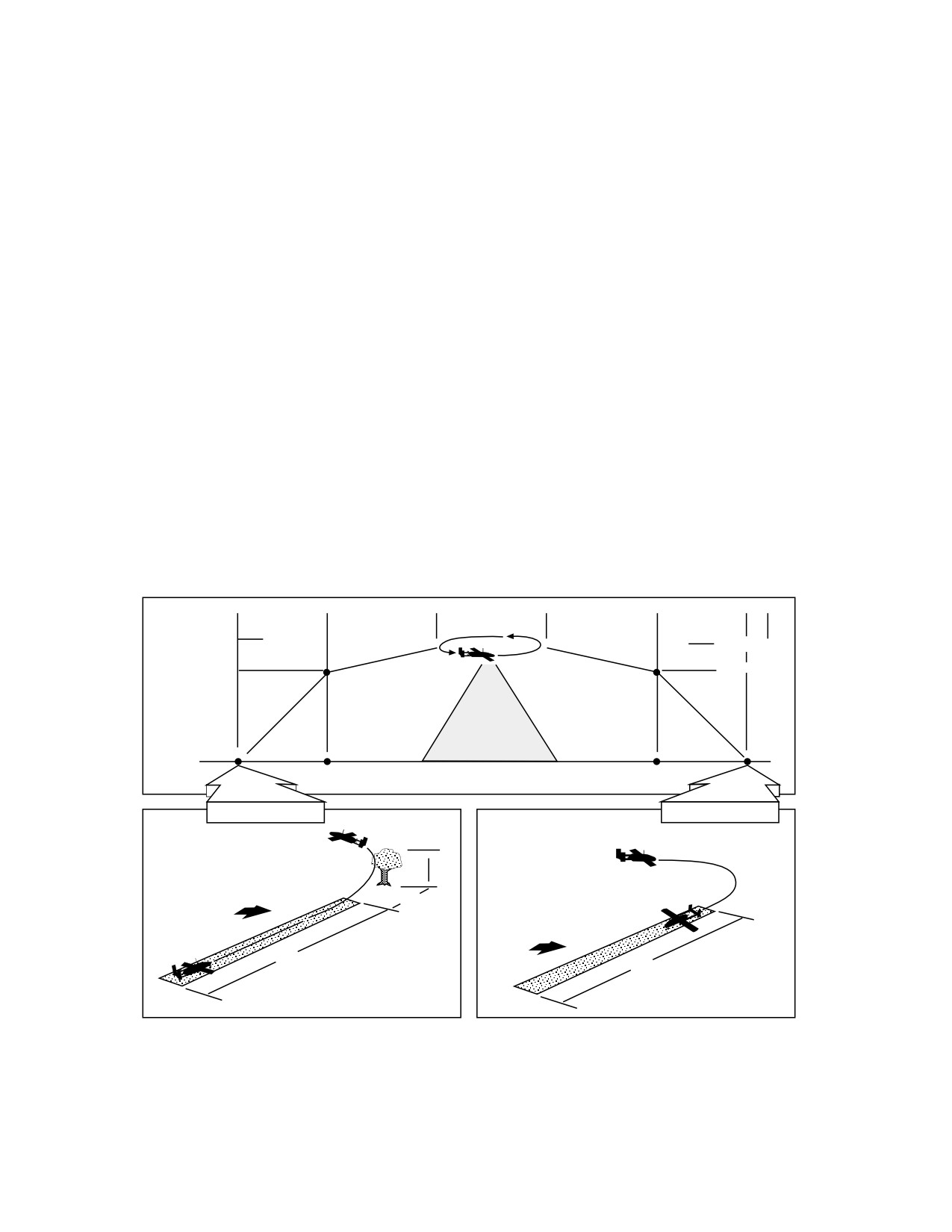
however, like other aircraft, UAVs require airspace deconfliction. See Figure III-1 for a
sample tactical UAV mission profile.
! ""
!"
!"
Figure III-1. Sample Tactical UAV Mission Profile
III-2
b. Deconfliction. Some UAVs are equipped with UHF/VHF radio communications and
can be deconflicted like other airspace users. For UAV systems not equipped with direct
communication between the UAV mission crew and other airspace users, procedural ACMs
are a necessary part of operations. The following are reflected in the daily ATO, ACO, or
SPINS and are disseminated to appropriate aviation and ground units or agencies: UAV
missions; changes in LRS locations; UAV altitudes; operating areas; identification, friend or
foe (IFF) squawks and check-in frequencies.
(1) Restricted Operations Zone (ROZ). To deconflict the UAVs and manned aircraft in
the operations area, a UAV ROZ may be established. A UAV ROZ (“blanket” or “blanket
altitude”) is a block of airspace with defined lateral boundaries. These boundaries are
designed to cover the operating area as required to allow flexibility in mission changes by
not restricting the UAV and other aircraft that also must operate in the area, i.e., close air
support (CAS) and reconnaissance. To reduce potential conflicts with rotary-wing aircraft,
the UAV blanket altitude should be above the coordinating altitude. Aircraft penetrating
the UAV ROZ to accomplish their missions will fly under see-and-avoid principles and
accept the risk.
(2) Flight Routes. UAV flight routes and transit altitudes may be established and
approved by the ACA based on the UAV’s mission and in accordance with the ACP. Airspace
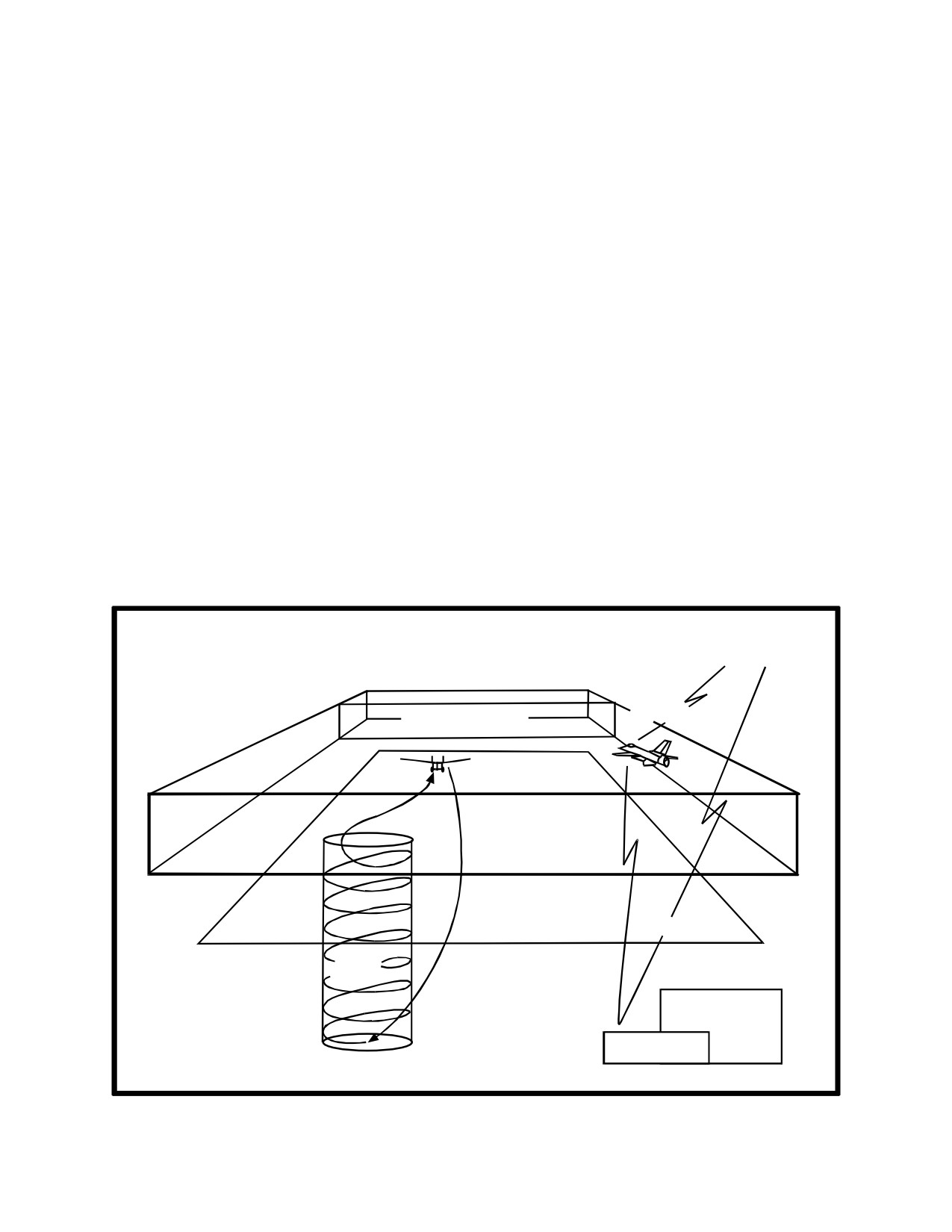
control agencies advise all affected aircraft of UAV status. Figure III-2 shows the real-time
concept of operations for deconflicting UAVs and other airspace users.
2
Airborne C
Platform
UAV Mission Area
“Blanket is Hot”
ACA/ROZ
UAV Blanket
“Blanket is Hot”
Coordinating Altitude
ROZ
ATA/TCA
Supported
Commander
Launch and
Recovery Site
ASOC/DASC
Note: Enroute width varies with missi
Figure III-2. Sample Unmanned Aerial Vehicle Protocols
III-3
3.
Conventional Air Launched Cruise Missile (CALCM)
a. Background. The CALCM is designed to be a standoff weapon fired from a launch
point on a pre-programmed flight profile to a designated target. The flight profile is based
on the enroute threat to the weapon from launch point to target. CALCMs are capable of
having both their flight profile and targets reprogrammed after launch.
b. Deconfliction. The CALCM has a small radar cross-section and is very difficult to
accurately track with the normal radar units conducting theater airspace control. For this
reason, positive control is not an effective means to deconflict CALCM operations from
other air operations, and it is imperative that procedural ACMs be used for this
deconfliction. Whatever procedural ACM is used, it must be identified in the ATO, ACO, or
SPINS during the planning phase, or be deconflicted on a real-time basis. Procedural ACMs
for CALCM might include:
(1) Establishing a ROZ from the launch point to the target.
(2) Establishing an extra wide air corridor that matches the CALCM’s general flight
profile from the launch area to the target.
(3) Using time deconfliction by employing the weapon at a time when the area from
launch point to target is free of friendly aircraft.
4.
Army Tactical Missile System (ATACMS)
a. Background. While modern technologies have greatly improved weapon systems,
integrating their employment with existing or new technologies can be difficult, even
impossible. The ATACMS is a good example. This weapon provides the JFC with a
capability to strike deep targets.
b. Fire Support. Fire support is fires that directly support land, maritime, amphibious,
and special operation forces to engage enemy forces, combat formations, and facilities in
pursuit of tactical and operational objectives. (Joint Publication 3-09) Fire support includes
mortars, field artillery (FA), cannons, rockets and guided missiles, and external means,
including air support aircraft and naval surface fire support. Fire support operations may
include the use of UAVs and early warning systems. Indirect fires pose a potential hazard
to other friendly airspace users with the highest probability of conflict occurring at
relatively low altitudes in the immediate vicinity of the firing unit and target location.
Commanders incorporate fire support coordinating measures (FSCMs) to facilitate the
rapid engagement of targets while simultaneously providing safeguards for friendly forces.
Fire support coordination associated with Army airspace command and control (A2C2)
occurs at all levels, from the fire support officer in the maneuver battalion command post to
the operations staff elements at each tactical level. The G3/S3 ensures integration of the
fire support mission through A2C2.
c. Deconfliction Planning Considerations.
III-4
(1) Launch Sites. When ATACMS firing positions are identified and their locations
planned or determined, the artillery unit passes this information along with posture and
status to the fire support element (FSE). The FSE then passes the information to the A2C2
element. The A2C2 element at the main command post (division/corps) coordinates, via the
battlefield coordination detachment (BCD), for a ROZ for each ATACMS firing position. The
ROZ may be rectangular with a length of 10 kilometers (km), width of 5-7 km, and a ceiling
approximately 50,000 feet above ground level (AGL). These dimensions are only an
example. The actual dimensions of the ROZ are situation-dependent based upon range to
target and desired target area effects.
ROZs can be used to restrict air operations over ATACMS unit launch areas, also
referred to as a position area hazard (PAH) airspace coordination area. Similarly, they can
be used over predicted ATACMS munitions impact points, also referred to as a target area
hazard (TAH) airspace coordination area. The JAOC, as agent for the ACA and in
coordination with the BCD, similarly establishes a ROZ over the ATACMS firing position
(PAH) and a ROZ over the surface target (TAH).
(2) Firing Positions. To decrease response time, PAHs may be computed and pre-
coordinated using anticipated target locations and engagement areas. The employment
tactic for ATACMS is “shoot and scoot,” that is, fire from a planned position and move to
another planned position to increase firing unit survivability. PAHs for all planned
ATACMS missions should be published in the ACO. However, unplanned PAHs may be
required to support the timely flow of the battle. Airspace planners must provide
procedures for the immediate implementation of dynamic PAH on an as-needed basis.
(Note: The joint definition of the fire support coordination line (FSCL) states that in
exceptional circumstances failure to inform will not preclude the attack of targets beyond
the FSCL. See Joint Publication 3-09.)
The ATACMS fire direction system computes the PAH (ROZ) based on the size and
deployment of the ATACMS unit, desired exit altitude, and missile trajectory. This
information is transmitted to appropriate agencies, such as the FSE and BCD, via the fire
support system; e.g., Advanced Field Artillery Tactical Data System (AFATDS).
(3) PAH (Airspace Coordination Area) Shape. The shape does not have to be circular
and varies from 3 km (1.5 nautical miles [NM]) to 10 km (5.5 NM) from unit center. The
altitude of the PAH (airspace coordination area) generated, depicted, and distributed by the
AFATDS is 10,000 meters. Coordination for these PAH and TAH occurs through fire
support channels to the BCD, in coordination with A2C2 elements as necessary. See Figure
III-3.
(4) En route Altitudes. There should be no requirement to clear the flight path of the
missile between the PAH and TAH unless those altitudes are used. The high-altitude flight
path characteristics of an ATACMS missile place it in a different category than classic
indirect fire projectiles. By comparison, the missile’s flight path is similar to that of a high-
altitude, fixed-wing aircraft, with a maximum altitude of greater than 30 km
(approximately 98,000 feet AGL). Total ATACMS missile time of flight between the PAH
(ROZ) and TAH (ROZ) is 3 to 6 minutes.
III-5
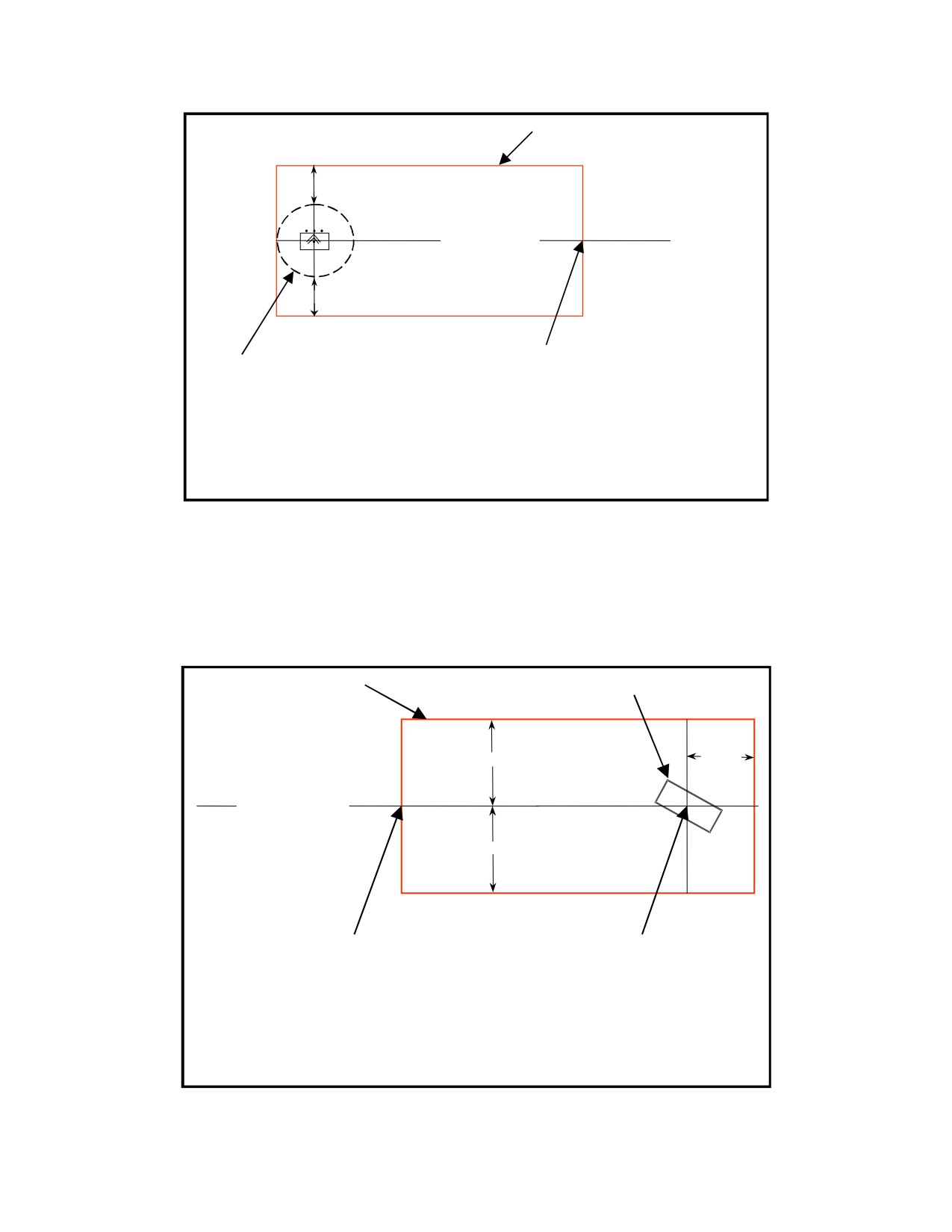
PAH Geometry
4000m
Gun-Target Line
4000m
Point on gun-target line that
Platoon operating area
munition intersects zone altitude
( 3000m radius )
( 10,000m )
The ends of the area are drawn perpendicular to the gun-target line from side-to-side. The length of the area is the
sum of the two values. The first value is the distance from the center of the platoon operating area to the point where
the gun-target line (extended) intersects the rear of the platoon operating area. The second value is the lateral distance
from the center of the platoon operating area to the point on the gun-target line where it intersects the zone altitude
(10,000m). The sides of the area are given a platoon operating area of 3,000 meters and extending the sides an
additional 4,000 meters. The height of the area is 10,000 meters. The geometry name will be the target number with a
prefix of PAH.
Figure III-3. Position Area Hazard Airspace Coordination Area
(a) Target Area Deconfliction. TAHs follow the same principles and procedures as
PAHs. See Figure III-4. The A2C2 element tailors the ROZ requests based on the posture
and status of the launchers.
TAH Geometry
Target
1000m
1000m
Gun-Target Line
1000m
Point on gun-target line that
Center of target
munition intersects zone altitude
( 10,000m )
The TAH geometry is drawn with respect to the gun-target line. The sides of the area are drawn
parallel to the gun-target line at a distance of 1,000 meters from the gun-target line. The length of
the TAH will be the distance along the gun-target line from the point the munition intersects the zone
altitude to a point 1,000 meters beyond the center of the target. The height of the area will be 10,000
meters. The geometry will be the target number with a prefix of TAH.
Figure III-4. Target Area Hazard Airspace Coordination Area
III-6
(b) Launch. ATACMS targets and employment are determined through the
“decide-detect-deliver-assess” targeting process (FM 6-20-10). In the JOA, where artillery
and aircraft share the same airspace, deconfliction is an integral part of that methodology.
Airspace deconfliction should be addressed as part of the “decide” phase of the methodology.
A trigger event (an enemy action that requires friendly reaction/fire) alerts the FSE to an
impending ATACMS launch. The FSE immediately notifies the A2C2 element and air
support operations center (ASOC) within the corps headquarters. The FSE, A2C2 element,
and ASOC are integral to effective airspace C2. Collocation of these elements is imperative
to facilitate rapid information exchange.
(5) FSE. The FSE focuses on the fire support/fire control system to attack the target.
The fire support coordinator (FSCOORD), as a member of the A2C2 element, remains in the
airspace deconfliction loop, providing critical feedback to the FSE.
(6) FSCL. The establishment of the FSCL is central to any discussion of airspace
deconfliction when the decision is made to launch ATACMS. The FSCL is a FSCM used to
expedite fires of air, ground, or sea weapons systems using any type of ammunition against
surface targets. See Appendix F, Section 2 for information on integrating FSCMs and
ACMs. By establishing the FSCL close in yet at sufficient depth so as to not limit high-
tempo maneuver, land or amphibious force commanders ease the coordination requirements
for attack operations within their AOs by forces not under their control, such as naval
surface fire support (NSFS) or air interdiction. For more details, see Joint Publication 3-01,
Joint Doctrine for Countering Air and Missile Threats.
(a) Beyond the FSCL. Coordination of attacks beyond the FSCL is especially
critical to commanders of air, land, and special operations forces. Their forces may be
operating beyond the FSCL or may plan to maneuver on that territory in the future. Such
coordination also is important when attacking forces are employing wide-area munitions or
munitions with delayed effects. Finally, this coordination assists in avoiding conflicting or
redundant attack operations. In exceptional circumstances, the inability to conduct this
coordination will not preclude the attack of targets beyond the FSCL. However, failure to do
so may increase the risk of fratricide and could waste limited resources.
(b) High-Tempo Operations. In high-tempo maneuver operations, the FSCL may
change frequently, such as every several hours. The establishing commander quickly
transmits the change to higher, lower, adjacent, and supporting headquarters to ensure
controlling agencies appropriately coordinate attack operations.
d. Immediate ATACMS Deconfliction.
(1) Inside the Land Component Commander’s (LCC’s) AO and Beyond the FSCL. The
employment of ATACMS warrants airspace deconfliction both inside and outside corps
boundaries, inside and outside the LCC’s AO and short of and forward of the FSCL.
ATACMS operations are usually planned or requested by a corps, echelon above corps,
Service/component, or JFC.
III-7
(a) Deconfliction. Working in concert with the A2C2 element, the ASOC is able to
deconflict CAS aircraft while the A2C2 element and its supporting airspace information
center (AIC) rapidly deconflicts Army airspace users. Before notifying the BCD, the FSE
must inform the A2C2 element that actions to launch an ATACMS have been initiated. The
A2C2 element determines the Army airspace status and informs the ASOC. Because the
ASOC knows the current status of CAS aircraft, the A2C2 input provides the ASOC a
composite picture of the corps’ airspace. The JAOC completes the coordination process with
information on all remaining air missions in or transiting the area. Responsibility for
deconfliction and clearance of transiting aircraft is passed from the ASOC to the JAOC. The
control and reporting centers (CRCs)/control and reporting elements (CREs), ASOCs,
forward air controllers (FACs), air liaison officers (ALOs), and AICs all have a continuing
requirement, until the end of the ATACMS firing, to deconflict the airspace under the ACA/
JFACC’s ACP guidance. The JAOC uses all appropriate C2 agencies to determine if aircraft
are clear of the launch area, missile trajectory or flight path, and target area. The JAOC
directs deconfliction if required, while informing the BCD and ASOC. When the airspace is
clear, the JAOC notifies the ASOC, who in turn notifies the FSE.
(b) Responsibilities.
• The Corps FSE. The corps FSE notifies A2C2 and the ASOC of an imminent
ATACMS launch.
• The Corps A2C2. The corps A2C2 notifies the BCD, using a G3 dedicated
line. It determines if Army airspace users are clear, with the assistance of the supporting
AIC. If clear, they notify the corps FSE. If not clear, they deconflict Army-use airspace and
then notify the corps FSE.
• The BCD. The BCD ensures the launch and impact points are provided in
latitude/longitude coordinates. The BCD requests and coordinates the timely approval of
the airspace to accommodate these fires with the AOC airspace management element. If
other airspace users are affected, they immediately advise the senior air defense officer and
chief of combat operations and inform the A2C2 or ASOC of all results.
• The ASOC. The ASOC determines if CAS aircraft are clear. If not, it clears
CAS aircraft using any available means—that is, direct communication, tactical air control
parties (TACPs), and so forth, and notifies the JAOC to clear all other aircraft affected by
the ATACMS launch.
• The JAOC. The JAOC determines if all other aircraft are clear. If clear, it
notifies the ASOC. If not, it notifies all appropriate C2 agencies of an imminent ATACMS
launch.
• The JAOC Airspace Cell. The JAOC airspace cell, upon notification of an
imminent ATACMS launch, establishes a ROZ around the impact location and, if necessary,
the launch location. It advises the BCD of airspace users impacted by the ROZ and, if
required, assists the BCD with coordination within the JAOC. The JAOC airspace cell also
sends out an immediate change to theater C2 agencies, if time permits.
III-8
• Theater C2 Agencies. Theater C2 agencies, when requested, clear all affected
aircraft. If unable to contact all affected aircraft, broadcast a BULLSEYE call. (Note:
Launch warning indicates ATACMS firing is imminent. Impact point is provided using map
coordinates, latitude and longitude, or reference from navigational aids, etc. Appendix H
provides information on the Bullseye Reference System.) They will notify the JAOC when
all affected aircraft are clear or have been alerted.
• The JAOC. The JAOC, with confirmation from C2 agencies that all affected
aircraft are clear or have been alerted, notifies the ASOC.
• The ASOC. The ASOC, when all affected aircraft are clear or have been
alerted, notifies the corps FSE.
• The FSE. Both the A2C2 and ASOC notify the FSE that airspace users are
clear or have been alerted.
(2) Outside the LCC’s AO. Coordination of fires across boundaries should include
airspace deconfliction. A commander may exercise freedom of fire and maneuver within his/
her area. Indirect fire support may not deliver fires across a boundary unless those fires
are coordinated with the responsible element within the boundary. For example, when a
commander has identified a target that he/she desires to strike with ATACMS, and the
target is located outside his/her area, the higher or adjacent commander (responsible agent)
responsible for that area determines whether to attack the target. If the commander
decides not to attack or is incapable of attacking the target, he/she approves the request and
facilitates the attack of the target by deconflicting his/her airspace for the firing unit.
(a) Deconfliction. Deconfliction of airspace outside the LCC’s AO is more
complicated and requires additional time. The same protocol used for transiting aircraft
within the ASOC’s area can be applied to deconfliction outside the ASOC’s area. Once
airspace is cleared, the requesting authority is allowed to fire. Where airspace
deconfliction is not possible, an assessment on target value, payoff, timing, and allowable
risk must be made. If the risk is such that an ATACMS launch is necessary, the JAOC
directs C2 agencies to broadcast the ATACMS launch/impact. The JAOC notifies the BCD
and ASOC to relay ATACMS launch approval to the corps.
(b) Responsibilities.
• Corps. Corps requests permission from the responsible agent (i.e., joint force
maritime component commander (JFMCC), JFACC, HN) to attack the target.
• The Responsible Agent. The responsible agent determines whether it has
the capability to attack the target in time. If not capable, the agent determines whether the
airspace is clear. If the airspace is clear, the agent will clear the corps to attack. If the
airspace is not clear, the agent determines whether it can be cleared in time. If the airspace
can be cleared in time, the agent clears the corps to attack. If the airspace cannot be
cleared in time and target destruction is not a high priority, the agent notifies the corps that
its request is deferred. If the airspace cannot be cleared in time and target destruction is a
III-9
high priority, the agent notifies the JAOC and clears the corps to attack when the broadcast
call is confirmed.
• The JAOC. The JAOC notifies subordinate theater C2 agencies of an
imminent ATACMS launch.
• Subordinate Theater C2 Agencies. Subordinate theater C2 agencies send a
broadcast call.
• The Corps. The corps launches ATACMS into the responsible agent’s AO
when cleared.
e. ATACMS Requests From Other Components. When the BCD or FSE receives a
request from another component to attack a target with ATACMS, the requesting
component is responsible for airspace deconfliction in the target area.
5.
Amphibious Operations
a. Background. Naval expeditionary operations integrate ships, aircraft, weapons, and
a landing force (LF) in an attack against a hostile or potentially hostile shore. These
operations exploit the elements of surprise and capitalize on enemy weaknesses by applying
force at advantageous locations and opportune times. Amphibious operations consist of five
phases: planning, embarkation, rehearsal, movement, and assault. The assault builds up
combat power ashore from an initial zero capability to a fully coordinated combat capability.
The operation always will include naval forces and a LF, each of which may have attached
aviation. Although Air Force and Army units may participate, typically, an amphibious
operation is executed predominantly by Navy and Marine combat units, each with its own
C2 to support airspace control in the amphibious objective area (AOA). In amphibious
operations, airspace control is a multifunctional effort, consisting of surveillance, warning,
launch and engagement authority, air movement control, CAS, and communications.
b. Organization. Close cooperation and detailed coordination among all participants is
essential to the success of the operation. The amphibious task force (ATF), normally a
subordinate command within the unified command structure, is the organization formed to
conduct the amphibious operation and provide this cohesion.
(1) Commander, Amphibious Task Force (CATF). The CATF, a Navy officer, controls
all operations until the commander, landing force (CLF), the senior officer in the landing
force (may be Marine Corps or Army), is established ashore. The CATF, in an amphibious
operation, exercises control of all air operations in the AOA, including airspace control, until
such functions are transferred to CLF ashore. The CATF, assigns specific tasks for
functional activities to subordinate elements within the ATF. The CATF also establishes
the amphibious tactical air control system (ATACS) to control air assets in the AOA and
effect coordination of aviation assets with supporting forces.
(2) ATACS. The ATACS consists of two almost identical elements— the Navy tactical
air control system (TACS) and the Marine Air Command and Control System (MACCS)
discussed in Appendixes B and D. Each system accomplishes the same functions at
different times.
III-10
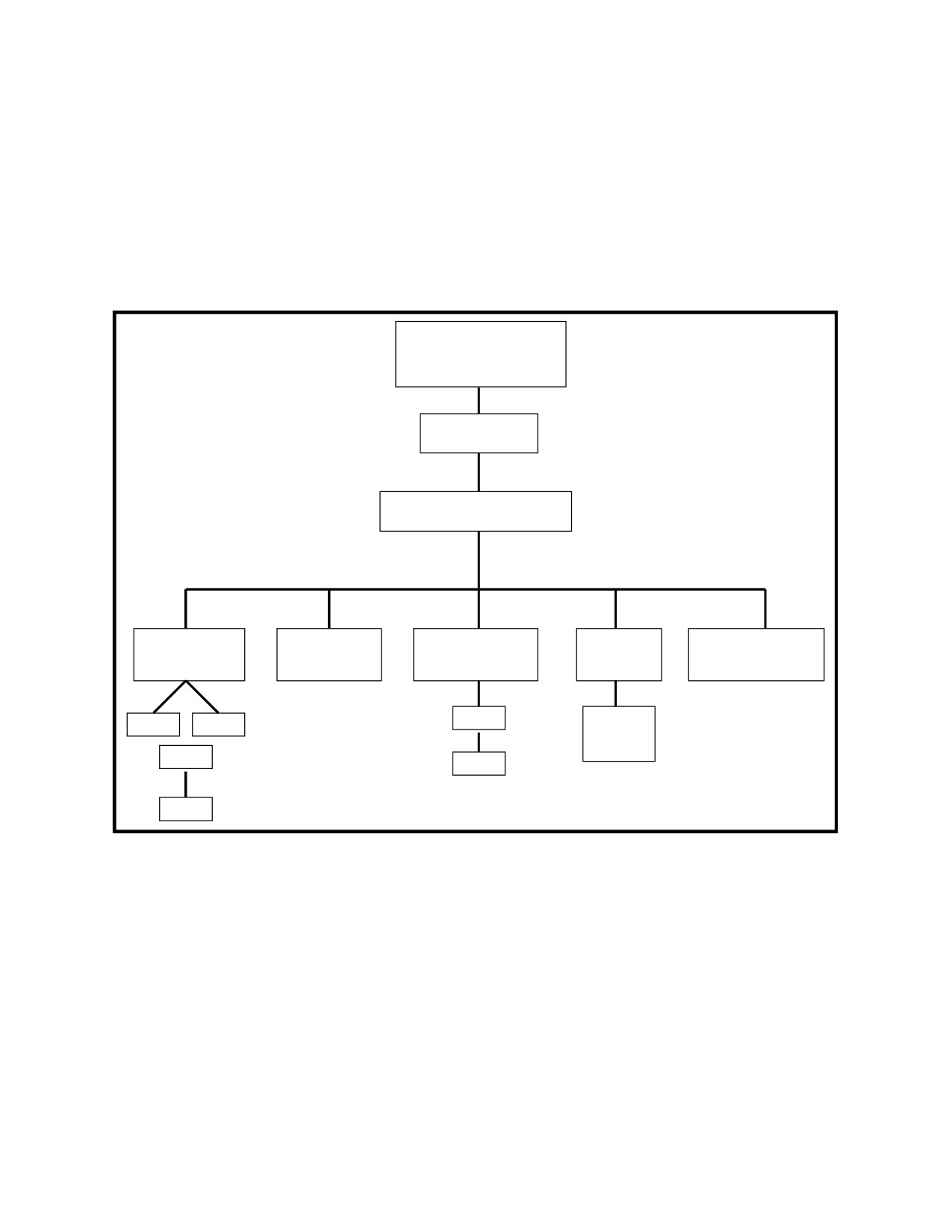
(3) TACS. The primary air control agency within the AOA is the Navy tactical air
control center (TACC afloat). An amphibious squadron (PHIBRON) air officer, usually a
Navy aviation officer, is directly responsible to the CATF for overall operation of the Navy
TACC. Whenever two or more Navy TACCs function within the AOA, one is designated the
TACC and the others are designated as tactical air direction centers (TADCs) operating in
specific AORs. Within the TACS, the following tactical agencies provide coordination and
terminal control at the user level: TACPs, tactical air coordinators (airborne) (TACs[A]), and
naval aviation observers. See Figure III-5.
Commander
Amphibious Task Force
Amphibious
Squadron
Tactical Air Control Center
Air Support
Air Traffic
Helicopter
Antiair
Plans and Support
Control
Control
Coordination
Warfare
Section
Section
Section
Section
Section
HDC
FAAWC
TAC(A)
TACP
SAAWC
LAAWC
AFAC
ASC(A)
TAC(A)
Figure III-5. Navy Tactical Air Control Center (Afloat)
(4) TADC. TADCs are established to control air operations during advance force
operations when a fully operational TACC cannot be justified. Personnel from Navy tactical
air control groups (TACGRUs) or tactical air control squadrons (TACRONs), embarked
aboard the ATF flagship, operate the TACC. The TACC consists of five principal sections:
plans and support, air warfare, air traffic control, helicopter coordination, and air support
control.
(5) Helicopter Coordination Section (HCS). The HCS of the Navy TACC supports and
coordinates helicopter operations through its subordinate helicopter direction centers
(HDCs) and the assault support coordinator (airborne) (ASC [A]).
III-11
(6) Supporting Arms Coordination Center (SACC). Although not a part of the TACS,
the SACC works closely with the Navy TACC to integrate both helicopter and fixed-wing air
operations with supporting arms. The SACC is the naval equivalent of the Marine Corps
fire support coordination center (FSCC). It is collocated with the air support control section
aboard the ATF flagship.
(7) Helicopter Coordination Section (HCS). The HCS of the Navy TACC supports and
coordinates helicopter operations through its subordinate helicopter direction centers
(HDCs) and the assault support coordinator (airborne) (ASC [A]).
(8) Supporting Arms Coordination Center (SACC). Although not a part of the TACS,
the SACC works closely with the Navy TACC to integrate both helicopter and fixed-wing air
operations with supporting arms. The SACC is the naval equivalent of the Marine Corps
fire support coordination center (FSCC). It is collocated with the air support control section
aboard the ATF flagship.
(9) MACCS. The MACCS provides the CLF with the capability to command, control,
coordinate, and manage the air assets supporting the ground elements of the landing force.
The organization, responsibilities, and procedures are consistent with the description given
in Appendix D.
(10) Marine TADC. The Marine TADC is established while the control of aviation
assets ashore is phased to the CLF. During this time, while overall control of aviation
assets is still afloat, the TADC is subordinate to the Navy TACC. Once the CATF passes
control of aviation assets ashore to the CLF, the Marine Corps TADC becomes the Marine
Corps TACC, and the Navy TACC reverts to a Navy TADC.
c. Responsibilities. For the amphibious assault operation, the JFC assigns an airspace
of defined proportions to the CATF, which may include an AOA. If established, the CATF
controls all operations in the AOA until transferred to the CLF. During the planning phase,
the CATF, in conjunction with the CLF, establishes general airspace control procedures
within the assigned airspace with the commander responsible for airspace control in the
surrounding area. The CATF, after determining the extent of air control required,
establishes the ATACS.
(1) Amphibious Ready Group (ARG) Key Planners and Coordinators. An ARG
typically consists of a general purpose amphibious assault ship (LHA) or a general purpose
amphibious assault ship (with internal docks) (LHD), an amphibious transport dock (LPD),
and a landing ship dock (LSD). The PHIBRON commander and staff embark on the
flagship. The PHIBRON staff is augmented by a TACRON detachment, which operates the
TACC.
(2) CATF. The CATF is the ARG commander and may carry the title of Commodore.
CATF exercises control of all phases of the operation with the exception of the planning
stage, during which time responsibilities are shared with CLF.
III-12
(3) PHIBRON Operations and Plans Officer. This staff officer supervises and
coordinates all operational tasking of the ARG, and is specifically responsible for the
development of the ARG operation orders (OPORDs), OPLANs, schedule of events, and
letters of instruction. These documents are used to issue the ARG commander’s operational
requirements for a specific operation or period of time.
(4) PHIBRON Air Officer. The TACRON detachment officer in charge (OIC) serves as
the PHIBRON air officer and is directly responsible to the ARG commander for air
operations in support of the amphibious operations. Duties include the coordination of
planning and control over all phases of air operations, air support, air defense (AD),
helicopter operations, air intelligence, and air control. The PHIBRON air officer is
responsible for the overall operation of the TACC and fulfills the duties and responsibilities
of ACA for the ARG.
(5) TACC. The TACC is the amphibious airspace control agency. It is responsible for
all air operations in support of the ARG and is functionally organized into five sections:
(a) Air Traffic Control Section (ATCS). The ATCS coordinates and controls all air
traffic entering, leaving, operating within, or traversing the assigned airspace.
(b) Air Support Control Section (ASCS). The ASCS coordinates and controls
offensive air support (OAS), to include CAS, deep air support (DAS), and other air
operations.
(c) Air Defense Section (ADS). The ADS coordinates and monitors the force,
sector, or local AD commander (force air defense commander [FADC], SADC, and local area
defense commander [LADC]) activities for the TACC. The ADS can also function as ARG air
defense commander.
(d) HCS. The HCS coordinates all helicopter operations conducted by the HDCs.
(e) Plans and Support Section (PSS). The PSS provides all communications
support and conducts all current and future planning for aviation support.
(6) Helicopter Coordinator (HC). The HC is a naval aviator who heads the air plans
and support section of the TACC. The HC organizes and publishes the ARG air plan, and
submits ATO inputs and air support requests (AIRSUPREQ) to the JFACC or the aircraft
carrier battle group (CVBG) strike operations. The HC also publishes the ARG ATO when
operating independently of JFACC or carrier battle group (CVBG).
(7) Air Support Coordinator (ASC). The ASC is a naval aviator with air-to-ground
strike experience responsible for advising the SACC on the employment of airpower. The
ASC receives and consolidates daily planned air support requirements; i.e., CAS, and acts as
the interface between the SACC and TACC for planning and execution. The ASC also
coordinates requirements with the SACC and presents them to the TACC for assignment
and entry in the daily ATO. During operations on land, the ASC receives air support
requests from forces ashore and incorporates those requests into the daily ATO.
III-13
///////////////////////////////////////