FM 3-5 NBC Decontamination Operations (January 2002) - page 2
C1, FM 3-5/MCWP 3-37.3
To linkup point
Predecon
actions
328 to 547 yards
Noncontaminated
vehicle route
65
Station 1 -
65
primary
M12A1
wash
PDDA
M12A1
Individual-
PDDA
gear decon
1
SL
328 to
Overboot
547 yards
and hood
between
decon
stations
Station 2 -
2
DS2
application
Overgarment
Return route
removal
3
Liquid-
100 feet
contamination
4
Station 3 -
between
control line
Overboot and
NCO
contact time/
5
routes
glove removal
interior
Monitor
decon
Vapor-
6
Mask
Mask
contamination
7
removal
decon
control line
point
SL
65
8
Station 4 -
Reissue
rinse
point
M12A1
PDDA
Hot line
Legend
Soldiers:
SL = Squad leader chemical
Station 5 -
PL PSG
platoon
NCO
NCO
check
NCO = Decon NCO chemical
CAM
CAM
platoon
PL = Platoon leader
PSG = Platoon sergeant
D = Decon platoon member
Clean personnel
A = Augmenter
65
= 65-GPM pump
= 3,000-gallon tank
To tactical
= Trash can
AA
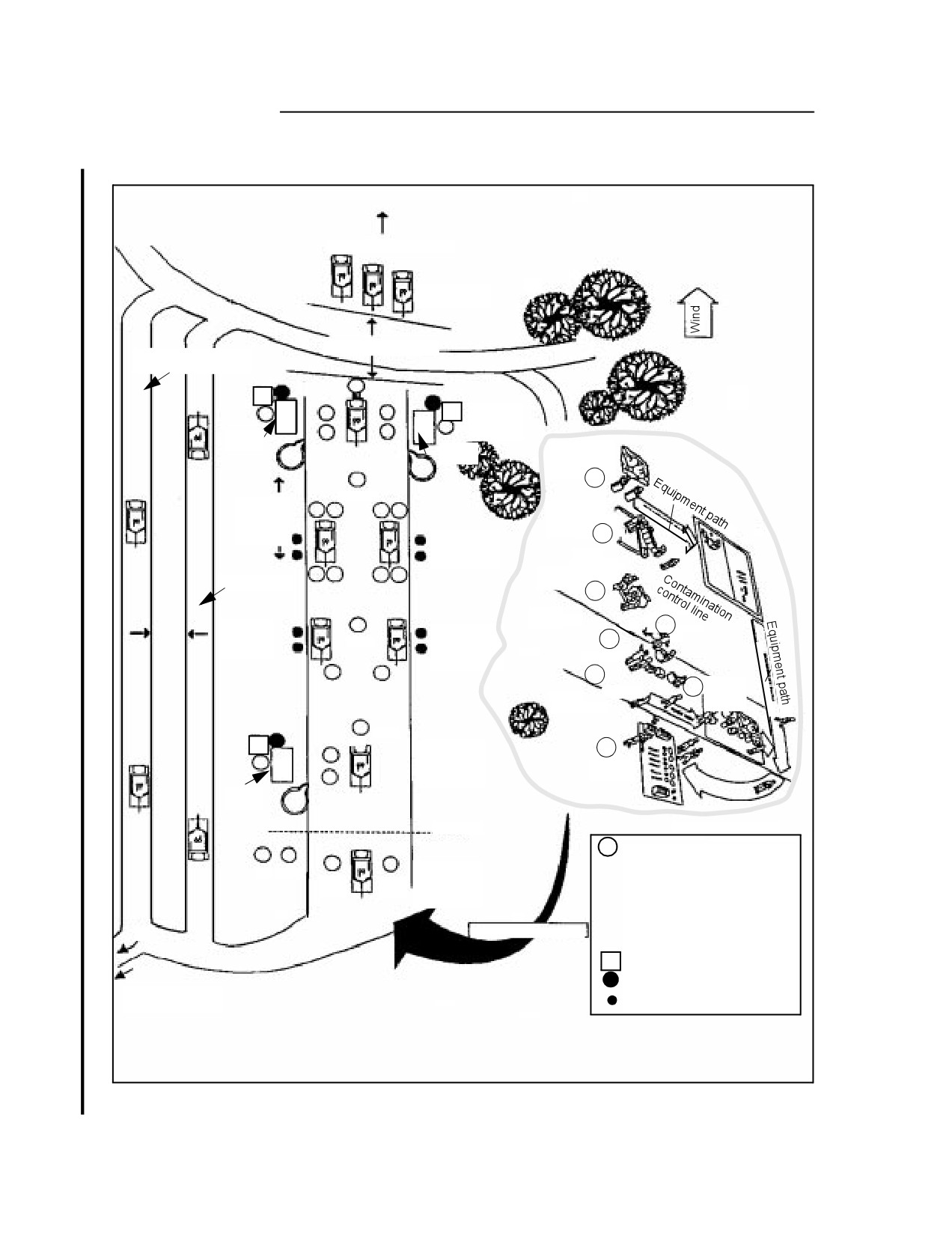
Figure 4-6. Alternate DED Layout for the M12A1 PDDA-Equipped Unit
Thorough Decon 4-26
C1, FM 3-5/MCWP 3-37.3
To link-up point
Predecon
actions
328 to 547 yards
Noncontaminated
vehicle route
Station 1 -
65
primary
65
wash
M17
M17
LDS
Individual-
LDS
A A
65
A A
gear
decon
1
328 to
547 yards
Overboot
between
D A D A D A
and hood
stations
decon
Station 2 -
2
DS2
application
Return route
Overgarment
removal
A A A A A A
3
100 feet
Liquid-
between
contamination
4
routes
Station 3 -
control line
Overboot
NCO
contact time/
5
and glove
interior
Monitor
removal
decon
TPU
Vapor-
6 Mask
D
7
Mask
A
A
contamination
removal
TPU
decon
control line
point
Water
D
Station 4 -
resupply
rinse
SL
8
65
65
Reissue
point
M17
M17
65
LDS
LDS
Hot line
Legend
Soldiers:
SL = Squad leader chemical
Station 5 -
PL
PSG
NCO
NCO
platoon
check
NCO = Decon NCO chemical
CAM
CAM
platoon
PL = Platoon leader
PSG = Platoon sergeant
D = Decon platoon member
Clean personnel
A = Augmenter
TPU = Tank and pump unit
65
= 65-GPM pump
= 3,000-gallon tank
To tactical
= Trash can
AA
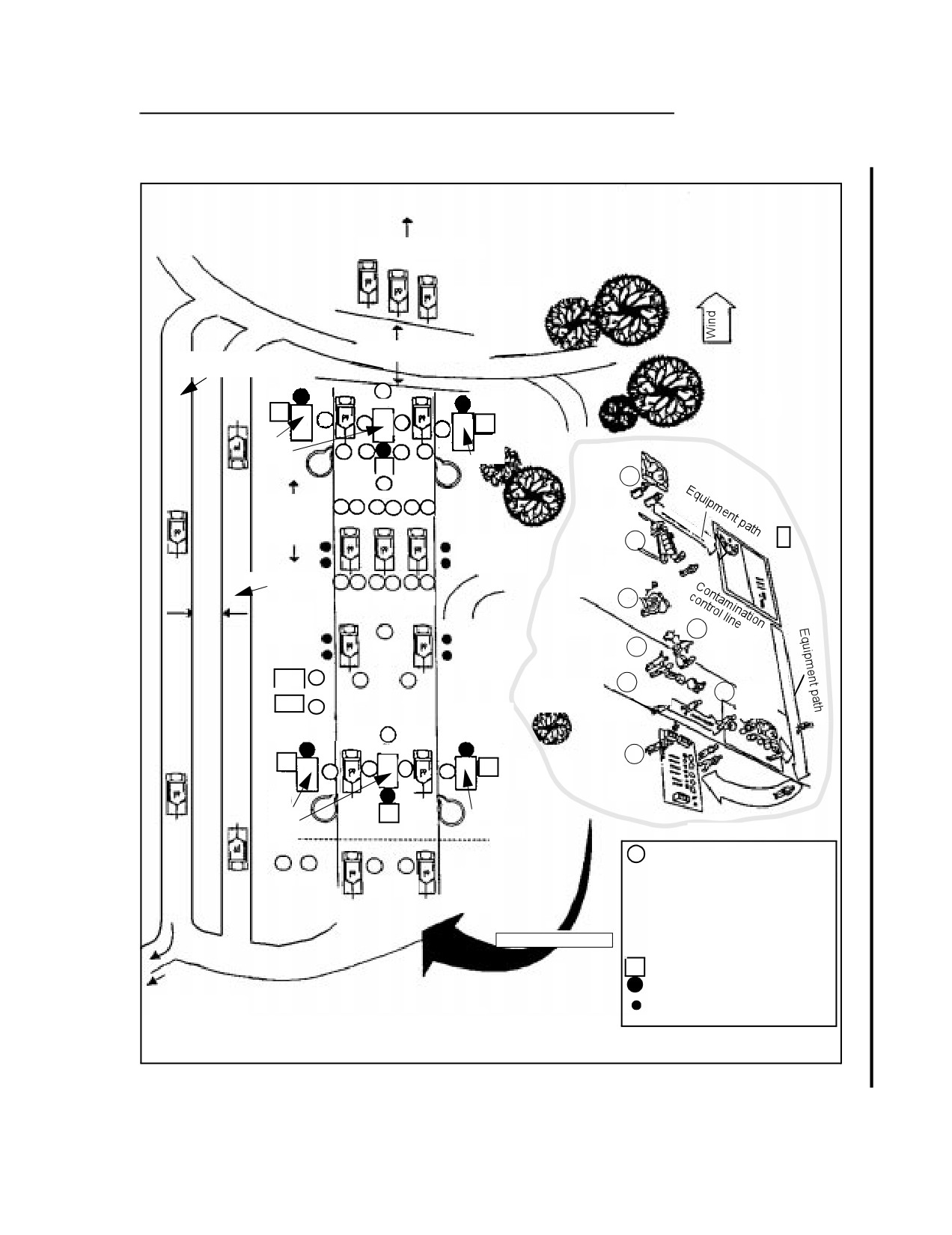
Figure 4-7. Optimum DED Layout for the M17 LDS-Equipped Unit
Thorough Decon 4-27
C1, FM 3-5/MCWP 3-37.3
To linkup point
Predecon
actions
328 to 547
yards
Noncontaminated
vehicle route
65
65
Station 1 -
primary
M17
wash
LDS
Individual-
gear decon
M17
LDS
1
SL
328 to
Overboot
547 yards
and hood
between
decon
stations
Station 2 -
2
DS2
application
Overgarment
Return route
removal
3
Liquid-
contamination
100 feet
Station 3 -
4
control line
5
Overboot and
between
NCO
contact time/
glove removal
routes
interior
Monitor
decon
Vapor-
contamination
6
Mask
Mask
TPU
7
D
control line
removal
decon
TPU
point
D
SL
65
8
65
Station 4 -
Reissue
rinse
point
M17
M17
LDS
LDS
Hot line
Legend
Soldiers:
SL = Squad leader chemical
Station 5 -
PL
PSG
platoon
NCO
NCO
check
NCO = Decon NCO chemical
CAM
CAM
platoon
PL = Platoon leader
PSG = Platoon sergeant
D = Decon platoon member
Clean personnel
A = Augmenter
TPU = Tank and pump unit
65
= 65-GPM pump
= 3,000-gallon tank
To tactical
AA
= Trash can
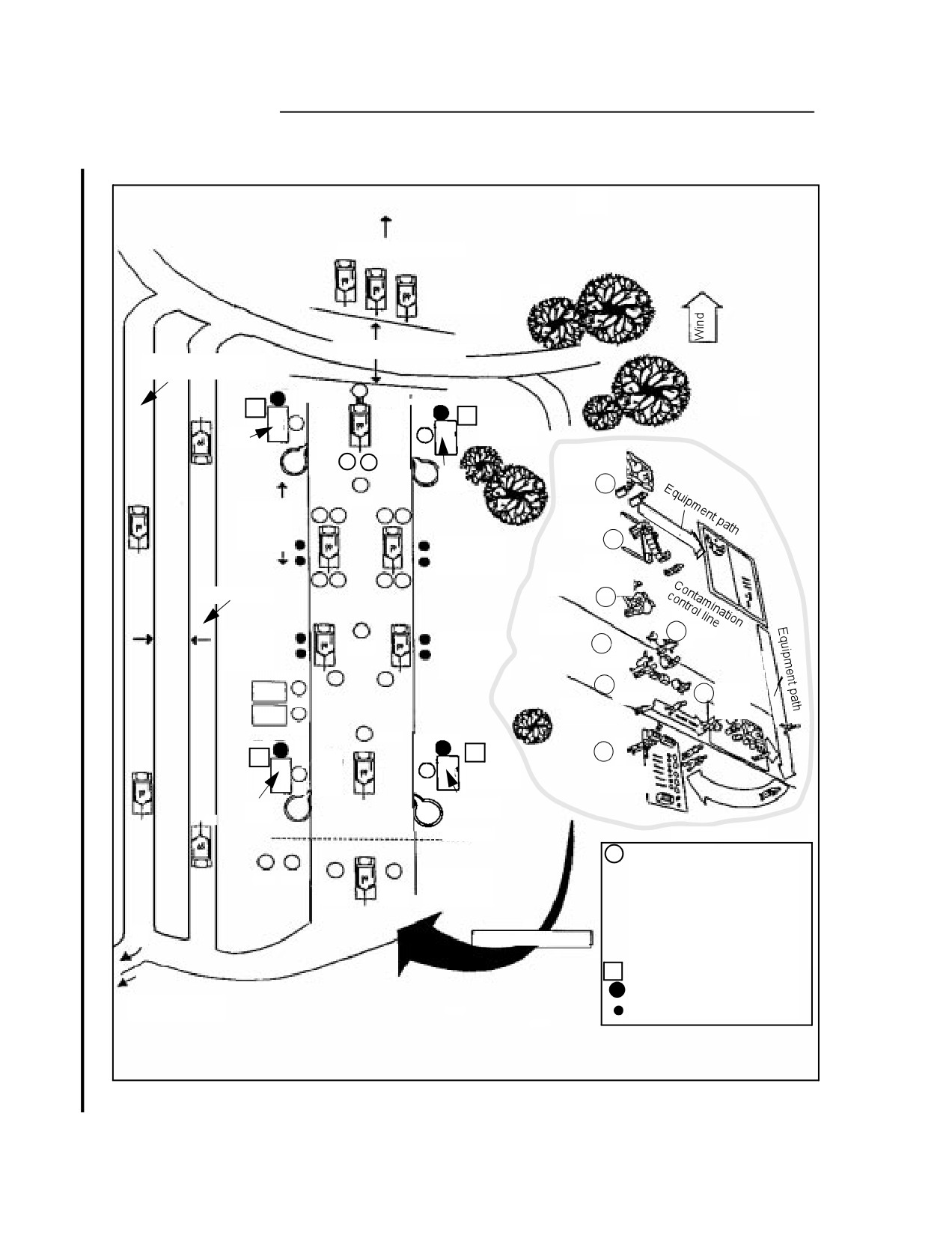
Figure 4-8. Alternate DED Layout for the M17 LDS-Equipped Unit
Thorough Decon 4-28

C1, FM 3-5/MCWP 3-37.3
Table 4-7. Personnel and Equipment Requirements for the Optimum DED Layout of the M12A1
PDDA-Equipped Unit
Personnel
Equipment/Supplies
Stations
Decon Platoon
Augmenter
Station 1 -
1
squad leader
4 scrubbers
2 M12A1 PDDAs
primary wash
2
PDDE operators
2 3,000-gallon tanks
4
sprayers
2 65-GPM pumps
6 long-handled brushes
8 TAP aprons
Liquid detergent
Station 2 -
1
squad leader
9 appliers
18 long-handled brushes
DS2 application
3
appliers
9 mops with extra mop heads
3 30-gallon containers
9 M13 DAPs
Sufficient DS2
Station 3 -
1
NCO
2 interior decon assis-
2 AN/VDR-2
contact time/
tants
3 TAP aprons
interior decon
6 30-gallon containers
10 books of M8 detector paper
30 sponges
8 M256A1 detector kits
50 trash bags
1 clipboard with a pen
1 stopwatch
Station 4 -
1
squad leader
2 sprayers
1 M12A1 PDDA
rinse
1
PDDE operator
1 3,000-gallon tank
2
pump operators
3 65-GPM pumps
2 TPUs
2 TAP aprons
Station 5 -
2
NCO/CAM opera-
2 CAMs
check
tors
10 M256A1 detector kits
20 books of M8 detector paper
2 AN/VDR-2
2 M8A1 or M22 ACAAs
1 PL
1 HMMWV with a radio
C2
1 PSG
3 NBC marking kits
Total personnel
20
17
WARNING
Chemical-unit leaders must consider the impact of the work/rest cycle on their unit’s
ability to process vehicles through the DED. Failure to initiate a work/rest cycle could
result in heat casualties and mission failure.
4-114. It may not be possible, for a variety of reasons, for an M17 LDS-
equipped decon platoon to use the optimum DED layout. Figure 4-7, page
4-27, shows an example of an optimum DED layout. Limited personnel or
equipment will affect the DED layout. Figure 4-8 shows an example of an
alternate DED layout.
Thorough Decon 4-29

C1, FM 3-5/MCWP 3-37.3
Table 4-8. Personnel and Equipment Requirements for the Alternate DED Layout
of the M12A1 PDDA-Equipped Unit
Stations
Personnel
Equipment/Supplies
Station 1 -
1
NCOIC*
2 M12A1 PDDAs
primary wash
2
PDDE operators*
2 3,000-gallon tanks
4
sprayers
2 65-GPM pumps
2
scrubbers
4 long-handled brushes
6 TAP aprons
Liquid detergent
Station 2 -
1
NCOIC*
14 long-handled brushes
DS2 application
8
appliers
8 mops with extra mop heads
3 30-gallon containers
8 M13 DAPs
Sufficient DS2
Station 3 -
1
NCO*
2 AN/VDR-2
contact time/
2
interior decon assistants
3 TAP aprons
interior decon
6 30-gallon containers
10 books of M8 detector paper
30 sponges
8 M256A1 detector kits
50 trash bags
1 clipboard with a pen
1 stopwatch
Station 4 -
1
NCOIC*
1 M12A1 PDDA
rinse
1
PDDE operator*
1 3,000-gallon tank
2
sprayers
1 65-GPM pumps
2 TPUs
2 TAP aprons
Station 5 -
2
NCO/CAM operators*
2 CAMs
check
10 M256A1 detector kits
20 books of M8 detector paper
2 AN/VDR-2
2 M8A1 or M22 ACAAs
1
PL*
1 HMMWV with a radio
C2
1
PSG*
3 NBC marking kits
Total personnel
29
(Minimum of 11 soldiers from
the decon platoon)
* These individuals should be from the decon platoon.
4-115. It also may not be possible, for a variety of reasons, for an M12A1
PDDA- equipped decon platoon to use the optimum DED layout. Limited
personnel or equipment will affect the DED layout. Figure 4-6, page 4-26,
shows an example of an alternate DED layout.
THOROUGH-DECON-SITE CLOSURE
4-116. Once all vehicles and soldiers from the contaminated unit have
processed through the thorough-decon site, the site can be closed.
Coordination with the supported unit is necessary before actually closing the
site to ensure that all contaminated elements have been processed.
Thorough Decon 4-30

C1, FM 3-5/MCWP 3-37.3
Table 4-9. Personnel and Equipment Requirements for the Optimum DED Layout of the M17
LDS-Equipped Unit
Personnel
Stations
Equipment/Supplies
Decon Platoon
Augmenter
Station 1 -
1 squad leader
2
scrubbers
2 M17 LDSs
primary wash
4 sprayers
2 3,000-gallon tanks
2 scrubbers
2 65-GPM pumps
6 long-handled brushes
8 TAP aprons
Liquid detergent
Station 2 -
1 squad leader
9
appliers
18 long-handled brushes
DS2 application
3 appliers
9 mops with extra mop heads
3 30-gallon containers
9 M13 DAPs
Sufficient DS2
Station 3 -
1 NCO
2 AN/VDR-2
contact time/
2 interior decon assis-
3 TAP aprons
interior decon
tants
6 30-gallon containers
10 books of M8 detector paper
30 sponges
8 M256A1 detector kits
50 trash bags
1 clipboard with a pen
1 stopwatch
Station 4 -
1 squad leader
2 M17 LDSs
rinse
4 sprayers
2 3,000-gallon tanks
2 65-GPM pumps
2 TPUs
4 TAP aprons
Station 5 -
2 NCO/CAM opera-
2 CAMs
check
tors
10 M256A1 detector kits
20 books of M8 detector paper
2 AN/VDR-2
2 M8A1 or M22 ACAAs
1 PL
1 HMMWV with a radio
C2
1 PSG
3 NBC marking kits
Total personnel
23
11
4-117. The chemical unit (decon or smoke/decon platoons) closes the DED
first. Once the DED is closed, the chemical unit processes through the DTD.
After the chemical unit has processed through the DTD, the DTD is closed. At
that point, the chemical unit marks the area as a contaminated area and
reports its exact location to the supported unit, using an NBC-5 report. The
exact procedures for closing the DED and DTD are described as follows:
CLOSING THE DED AREA
4-118. The DED is closed in sequence, starting at station 1. All vehicles,
equipment, and nonexpendable supplies are inspected for contamination. If
contamination is found on an item, it is decontaminated. The actions at each
station are described as follows:
Thorough Decon 4-31

C1, FM 3-5/MCWP 3-37.3
Table 4-10. Personnel and Equipment Requirements for the Alternate DED Layout
of the M17 LDS-Equipped Unit
Stations
Personnel
Equipment/Supplies
Station 1 -
1
NCOIC*
2 M17 LDSs
primary wash
4
sprayers
2 3,000-gallon tanks
4
scrubbers
2 65-GPM pumps
4 long-handled brushes
8 TAP aprons
Liquid detergent
Station 2 -
1
NCOIC*
14 long-handled brushes
DS2 application
8
appliers
8 mops with extra mop heads
3 30-gallon containers
8 M13 DAPs
Sufficient DS2
Station 3 -
1
NCO*
2 AN/VDR-2
contact time/
2
interior decon assistants
3 TAP aprons
interior decon
6 30-gallon containers
10 books of M8 detector paper
30 sponges
8 M256A1 detector kits
50 trash bags
1 clipboard with a pen
1 stopwatch
Station 4 -
1
NCOIC*
2 M17 LDS
rinse
4
sprayers
2 3,000-gallon tanks
2 65-GPM pumps
4 TAP aprons
Station 5 -
2
NCO/CAM operators*
2 CAMs
check
10 M256A1 detector kits
20 books of M8 detector paper
2 AN/VDR-2
2 M8A1 or M22 ACAAs
1
PL*
1 HMMWV with a radio
C2
1
PSG*
3 NBC marking kits
Water resupply
2
drivers*
2 TPUs
Total personnel
32
(Minimum of 10 soldiers from
the smoke/decon platoon)
* These individuals should be from the smoke/decon platoon.
Station 1 - Primary Wash
4-119. Spray all vehicles and equipment with hot, soapy water to remove any
contamination that could have been transferred during the primary wash
operations. Drain the water billets or fabric tanks of water. Inspect all
equipment and vehicles for contamination using the appropriate detection
equipment.
Station 2 - DS2 Application
4-120. Throw the mops and brushes that were used in applying the DS2 into a
sump or bury them. Load the unused cans of the DS2 and the M13 DAPs on a
vehicle.
Thorough Decon 4-32

C1, FM 3-5/MCWP 3-37.3
Station 3 - Contact Time/Interior Decon
4-121. Inspect any unused supplies and equipment for contamination. If no
contamination is detected, load the equipment and supplies on a vehicle.
Throw all contaminated supplies into the nearest sump. In calculating sump
requirements, 35 cubic feet of space is required for 250 gallons of liquid drain
off. Once a sump is 2/3 full, prepare a new sump.
Table 4-11. Work/Rest Table
Stations and Workload
Station 3 -
Station 1 -
Station 2-
Station 4 -
Station 5 -
Contact
Temperatures
Primary
DS2 Appli-
Rinse
Check
Time/Inte-
Wash
cation
rior Decon
Physical Exertion
Moderate
Heavy
Moderate
Moderate
Light
Cool
60 work
30 work
60 work
60 work
60 work
(<68oF)
15 rest
30 rest
15 rest
15 rest
15 rest
Warm
45 work
20 work
45 work
45 work
50 work
(68o - 74oF)
45 rest
20 rest
45 rest
45 rest
50 rest
Hot
30 work
15 work
30 work
30 work
40 work
60 rest
30 rest
60 rest
60 rest
80 rest
(74o - 84oF)
Very Hot
20 work
10 work
20 work
20 work
25 work
(>84oF)
60 rest
30 rest
60 rest
60 rest
75 rest
NOTE: When operating in temperatures above 75oF, consider the ability of the soldiers
to accomplish the mission. Once the soldiers have reached their maximum workload
for heat stress, they cannot recover quickly enough to accomplish the decon mission.
A viable option is to postpone the decon operation until a cooler part of the day or
evening. This will reduce the heat-stress load on the soldiers and increase the proba-
bility of mission success. For further information, see FM 3-4.
Station 4 - Rinse
4-122. Spray all vehicles and equipment with hot, soapy water to remove any
contamination that could have been transferred during the rinse operations.
Drain the water billets or fabric tanks of water. Inspect all equipment and
vehicles for contamination using the appropriate detection equipment. If no
contamination is detected, load the equipment on the vehicles. Spread one can
of STB dry mix into each of the sumps and then cover them. Ensure that DS2
is not present in the sumps. Post NBC hazard markers near the covered
sumps. (NOTE: DS2 destroys chemical agents; however, some of the
by-products created from it are toxic.)
Station 5 - Check
4-123. Ensure that all equipment has been checked for contamination. If it is
not contaminated, load it on a vehicle. If it is contaminated, decon it according
to the appropriate technical manual (TM). Throw any contaminated supplies
into the nearest sump. Move all vehicles upwind of station 5 and inspect them
again for contamination. If any contamination is detected, the crew will use
Thorough Decon 4-33
C1, FM 3-5/MCWP 3-37.3
either the M11 or M13 DAP to decon the identified areas. Once the vehicles
are staged, all the soldiers will proceed to the DTD.
CLOSING THE DTD AREA
4-124. Once all the soldiers from the DED have processed through the DTD, it
may be closed. After the last person has exited the DTD
• Pick up all the used supplies from station 7 and put them in station 7’s
sump. Take up the contamination control line. If engineer tape was
used, dispose of it in station 7’s sump.
• Move all usable supplies and equipment from all the stations to station
1. Discard all unusable supplies from stations 3, 4, and 5 in station 1’s
sump.
• Decon all supplies and equipment collected at station 1 using the decon
and rinse water at station 1. Empty the decon and rinse water from the
station into the sump and decontaminant the containers.
• Mark the entire decon area. Remove your overgarment using the
MOPP-gear-exchange technique and dispose of it in the sump at
station 1.
• Move any equipment used to fill the sump upwind of the decon area.
Decon your rubber gloves and move all equipment and supplies in
station 1 upwind of the decon area. Keep this equipment and supplies
separate from that used to fill the sump.
THOROUGH DECON UNDER UNUSUAL CONDITIONS
4-125. Decon operations are not restricted to daylight hours. The enemy may
employ chemical and biological weapons at night, since weather conditions are
usually more favorable for their employment at that time. Consequently, NBC
contamination encountered at night may require decon before daylight.
4-126. Conducting decon operations at night is a challenge. “White light”
cannot be used without possibly revealing your location. However, decon
personnel must have illumination to perform such essential decon tasks as
spraying water, applying decontaminants, using detection equipment, and
taking off the MOPP gear.
4-127. Use M8/M9 detector paper to check for chemical contamination and to
see how well the chemical decon was performed. If contamination is present,
the paper color changes to red and cannot be seen if red-filtered light is used.
The CAM and M256A1 detector kit can be used to identify and detect chemical
agents but will require a light source in order to obtain a reading.
4-128. Several vehicles awaiting or undergoing decon present a significant
infrared “signature” due to the hot engines. To enter, exit, and move within
the decon site is difficult under blackout conditions.
4-129. Night-decon operations are difficult but can be accomplished.
Whenever possible, conduct thorough-decon operations in built-up areas. Use
a building for DTD operations and a warehouse for DED operations. This
allows for the use of white light. Soldiers can see what they are
decontaminating, see where they are going, and read the color changes of the
M8/M9 detector paper.
Thorough Decon 4-34
C1, FM 3-5/MCWP 3-37.3
4-130. There will be a need for additional soldiers to act as ground guides in
the DED area. The NCOICs of stations 1, 2, and 4 will inspect each vehicle
with a flashlight or chemical light before the vehicle proceeds to the next
station. There should be at least two flashlights at each station in both the
DED and DTD areas.
Thorough Decon 4-35
Chapter 6
Effects of Environmental Conditions
US forces may find themselves anywhere in the world and subjected to the
conditions in that region. Weather and terrain conditions will dictate how
to fight and what equipment is most effective to support the fighting force
under NBC conditions. The conditions in cold- and arctic-weather areas,
warmed areas, urban areas, mountains, jungles, and deserts impact how
decon operations are performed.
COLD- AND ARCTIC-WEATHER AREAS
6-1. These regions comprise about 45 percent of the North American continent
and about 65 percent of the Eurasian land mass. They are characterized by
extreme cold weather and deep snow during winter months. Spring breakup
and mud restrict mobility. Whiteout and grayout cause loss of depth
perception, making vehicle movement hazardous. Ice fog (clouds of ice crystals)
covers troops, vehicles, bivouac areas, and permanent facilities, marking their
location. Chemical agents become more persistent in low temperatures (see
Table 6-1, page 6-2). As a result, some normally nonpersistent chemicals, such
as sarin (GB), become persistent; this nerve agent could remain a transfer
hazard for up to 30 days in arctic climates. Normally, persistent agents become
more persistent. Although frozen agents do not present a significant problem
in solid state, they become hazards when they warm up. Decon is a problem
because low temperatures also reduce the effect of decontaminants.
6-2. The freezing points of decontaminants are as follows:
• Water, 32oF.
• STB slurry with antiset, 0oF.
• DS2, -25oF.
• SKD, -50oF.
• IEDK, -50oF.
• SDS, -50oF.
DECONTAMINANTS
6-3. When temperatures reach 32oF, water can no longer be used as a decon.
In such situations, use DS2. DS2 is effective down to -25oF. For temperatures
below -25oF, use STB or HTH as a dry mix (two parts of STB to three parts of
earth or snow) for decon. Apply the dry mix by shoveling it on contaminated
surfaces or by filling sandbags with the mix and dusting it on the surfaces.
Remove the dry mix by brushing, scraping, or using uncontaminated earth or
snow to "wash" it off. Other decontaminating methods using nonstandard
solvents and fuels may be used, but observe fire safety, protect personnel from
corrosives, and take precautions against super-cooling effects. Because of
Effects of Environmental Conditions 6-1

FM 3-5/MCWP 3-37.3
their low freezing points, solvents such as aviation fuel (JP8), diesel fuel, and
kerosene may be used to physically remove contamination. These solvents
only flush the agent from the surfaces. They generally do not neutralize
agents nor do they eliminate agents that soak into surfaces. Nonstandard
solvents generally are very flammable and must be handled with care. See
Appendix B for specific nonstandard solvents.
Table 6-1. Freezing Points of Selected Chemical Agents
Agents
Symbols
Contact
Vapor Hazard
Freezing Point
Hazard
Nerve
Tabun
GA
Extreme
Low-moderate
+23oF
Sarin
GB
Extreme
Extreme
-69oF
Soman
GD
Extreme
Probable
-44oF
GF
Extreme
Probable
-22oF
VX
Extreme
Negligible
-60oF
VR-55
Extreme
Probable
Unknown
TGD
Extreme
Probable
Depends on the percent
of thickener
Blister
Distilled mustard
HD
Extreme
Negligible
+57oF
Mustand-lewisite
HL
Extreme
Low
-14oF (Pure)
-44oF (Plant purity)
Nitrogen mustard
HN-1
Extreme
Low
-29oF
Nitrogen mustard
HN-2
Extreme
Low
-76oF
Lewisite
L
Extreme
Negligible
0oF
Nitrogen mustard
HN-3
Extreme
Low
+25oF
Phosgene oxime
CX
Extreme
Low
+95oF
Blood
Hydrogen cyanide
AC
Low
Extreme
+8oF
Cyanogen chloride
CK
Low
Extreme
+20oF
Arsine
SA
Low
Extreme
-177oF
Choking
Phosgene
CG
Slight
Extreme
-198oF
Diphosgene
DP
Slight
Extreme
-71oF
6-2 Effects of Environmental Conditions
Chapter 9
Logistics
The materials that are needed to conduct decon operations are identified
in this chapter.
SKIN DECON AND PERSONAL WIPE DOWN
9-1. Each soldier carries his own skin-decon supplies. The SDK is stored in
the right cargo pocket of the overgarment trousers or BDU trousers. The
basis of issue per soldier is two SDKs (12 packets). Each kit contains six
individual decon packets. The unit maintains at least one SDK per assigned
person for resupply. Personal wipe down is also done with these kits.
INDIVIDUAL-GEAR DECON
9-2. The standard decon kit for individual gear is the IEDK. Each soldier
carries an IEDK in the right cargo pocket of his overgarment trousers or BDU
trousers. The basis of issue per soldier is one IEDK. Each kit contains four
individual decon packets, enough to decon two complete sets of individual
gear. The unit maintains at least one IEDK per assigned soldier for resupply.
OPERATOR’S SPRAY DOWN/WIPE DOWN
9-3. The M100 SDS is the preferred decon system to be used for the operator’s
wipe down portion of an immediate decon. If the M100 SDS is not available,
the M11 or M13 decon apparatus can be used. Fill the M11 with a 11/3-quart
can of DS2 before use. If the M100 SDS is not available, use the IEDK to
decon the equipment that the DS2 may cause damage to by corrosive action.
9-4. Four nitrogen cylinders and two 11/3-quart cans of DS2 should be carried
in the vehicle with each M11 (two nitrogen cylinders are authorized per can of
DS2). Use the nitrogen cylinders to pressurize the M11 during use. Operating
the M11 in below-freezing weather
(below
32oF) requires two nitrogen
cylinders to expend its contents.
9-5. Units maintain limited spare parts and accessories. They are not required
to maintain additional stocks of 11/3-quart cans of DS2. The 5-gallon pails
that are authorized to each unit can be used to refill empty M11s until a
resupply of 11/3-quart cans of DS2 is received from the battalion.
9-6. The M13 comes with a 3.7 gallon DS2 container.
MOPP-GEAR EXCHANGE
9-7. Each soldier wears or carries one complete set of MOPP gear. The unit
stocks a second complete set, which is sized and identified for each soldier.
When a squad or platoon undergoes a MOPP-gear exchange, the unit sends a
supply vehicle with replacement MOPP gear and any decontaminants (STB)
to rendezvous with the contaminated element at the operational-decon site.
(The procedure on how to prepare the STB dry mix is discussed in Appendix
Logistics 9-1
FM 3-5/MCWP 3-37.3
B.) Use about 40 pounds of the STB dry mix per squad-sized element. In
wartime, 5-pound quantities of the STB dry mix can be put in 1-gallon airtight
containers and stored in the company’s supply section.
NOTE: Do not leave a 50-pound drum of STB dry mix open because it
loses its effectiveness if left open to the air for extended periods. The
unit is resupplied with MOPP gear and decontaminants from its
battalion.
9-8. Units maintain a
5 percent overage of MOPP gear based on their
personnel strength or authorization
(whichever is greater) to ensure a
complete range of sizes and replacement gear. All MOPP gear, serviceable
and unserviceable, is handled as organizational clothing and equipment
(Class II supplies). The higher HQ is responsible for resupply of these items.
VEHICLE WASHDOWN
9-9. Like the MOPP-gear exchange, a vehicle washdown is done in the unit’s
AO. The battalion’s PDDE crew, stationed in the battalion trains, conducts the
washdown. The crew moves to the operational-decon site, rendezvous with the
contaminated element, and conducts the washdown. The crew uses its PDDE to
spray about 100 to 150 gallons of hot, soapy water on each vehicle to wash off
the gross contamination. For vehicles such as the M1-series armored fighting
vehicles, about 200 gallons of water may be required per vehicle. One hundred
gallons of water per vehicle provides a 2- to 3-minute wash. To speed up the
operation, the crew should heat the water before arriving at the operational-
decon site. See Chapters
2 and 3 and Table 9-1 for the planning and
coordination of and the requirements for a vehicle washdown.
9-10. The M12A1 PDDA injects detergent into the water as it operates. It uses
2.5 quarts of detergent for every 1,200 gallons of water (about 1 quart of soap
per 450 gallons of water). The battalion decon crew should maintain a basic
load of liquid all-purpose detergent, which is sufficient to decon 30 percent of
the battalion’s organic vehicles.
DETAILED TROOP DECON
9-11. Generally, units conduct DTD in the brigade support area. Battalions
conduct it in the division/corps support area. Materials for this technique
usually are stocked in the battalion or brigade trains. Reconstitution
operations should be closely associated with decon operations. The battalion’s
assessment and recovery team (ART) ensures that the material and equipment
are available for the decon operation as part of the reconstitution effort.
DETAILED EQUIPMENT DECON
9-12. A chemical platoon must have access to large water sourcesrivers,
ponds, and public water systemsto conduct the DED. The chemical unit
leader estimates the amounts of decontaminants that are needed. The platoon
sets up the DED site, supplies the decontaminants, and conducts the DED. The
platoon should carry enough decontaminants to service one company/team/
battery. A decon platoon that is assigned to support a maneuver company
(about 16 vehicles per tank company) should carry a minimum of 4 gallons of
liquid detergent, 48 5-gallon cans of DS2, and 10 50-pound drums of STB. The
chemical platoon is usually resupplied through its parent unit. Command-
assignment relationships can change the resupply channels.
9-2 Logistics
FM 3-5/MCWP 3-37.3
Table 9-1. Estimated Water Consumption for Decon
Required
Time
Water Consumption
Equipment
Operational Decon1
M12A1
1-3 minutes
100 to 150 gallons per regular vehicle
PDDA or
150 to 200 gallons per armored or larger vehicle
M17 LDS
Example:
15
(contaminated vehicles) x 150 (gallons of water) = 2,250 gallons2
Detailed Equipment Decon3
M12A1
See Chapter 4 for the
Vehicles:
PDDA4
time allowed during a
Station 1 - primary wash, 250 gallons
or M17
primary wash and
Station 4 - rinse, 200 gallons
rinse. Use the proper
Armored or larger vehicle:
LDS4
decon method.
Station 1 - primary wash, 300 gallons
Station 4 - rinse, 200 gallons
Example:
6 vehicles x 450 gallons of water = 2,700 gallons
4 tanks x 500 gallons of water = 2,000 gallons
Total: 4,700 gallons2
Detailed Troop Decon
30-gallon
The initial setup requires 258 gallons of water. The water must be
container
exchanged after 10 troops have been decontaminated through the
DTD to avoid the transfer of contamination.
Station 1 (120 gallons, 4 30-gallon containers).
3-gallon
Station 2 (6 gallons, 2 3-gallon containers).
container
30-gallon
Station 4 (180 gallons, 6 30-gallon containers).
container
3-gallon
Station 7 (12 gallons, 4 3-gallon containers).
container
Example:
About 150 troops are to be decontaminated through the DTD. You
will need 258 gallons of water per every 10 troops.
Example:
150
(number of troops) ÷ 10 (required water exchange) = 15 (the
amount of times the water will need to be exchanged)
15 x 258 (gallons of water per every 10 troops) = 3,870 gallons of
water for 150 troops2
1To reduce contamination, conduct the operator’s spray down before the operational decon. This process
requires less water consumption during a thorough decon.
2Always include a 10 percent planning factor to the total estimate of the water consumption for the DED and
the DTD. Example: 2,250 (gallons of water for the DTD) x 10 percent = 225 (additional gallons of water). A
total of 2,250 + 225 = 2,475 (gallons of water required for the DTD).
3The planner should consider vehicle predecon action to estimate water consumption. He should consider
vehicles that were processed through operational decon because they will normally increase the weatheriza-
tion process and may reduce water usage.
4The M17 LDS with two wands uses 14 gallons of water per minute. The M17 LDS with only one wand, which
is fitted with an injector, uses 25 gallons per minute. The M12A1 PDDA pumps 25 gallons of water per minute.
Logistics 9-3

FM 3-5/MCWP 3-37.3
9-13. Chemical platoons attached to division engineers may be resupplied
through the division engineer battalion instead of their parent company. See
Table 9-2 for the decon resources that are available at each organizational
level. For the equipment and supplies that are needed for decon operations,
see Table 9-3, pages 9-5 through 9-7.
Table 9-2. Decon Resources Available at Each Organizational Level
Organizational Level
Decon Resources
Individual soldiers
2 SDKs
1 canteen of water
2 IEDKs
Operators and crews
2 SDKs
2 IEDKs
1 on-board decon apparatus (M11 or M13)
Soap and water
2 50-pound drums STB
Companies
2 5-gallon pails of DS2
2 immersion heaters
2 to 3 30-gallon containers
6 3-gallon containers
6 long-handled brushes
6 sponges
300 plastic trash bags
Battalion PDDE crews
PDDE (M17 LDS)
Basic load, liquid detergent
Chemical company decon squad
PDDE (M12A1 PDDA/M17 LDS)
Basic load, liquid detergent
Chemical company decon platoon
PDDE (M12A1 PDDA/M17 LDS)
Interior decon equipment
Sufficient materials to set up a DTD
9-4 Logistics

Table 9-3. Equipment and Supplies Needed for Decon Operations
Minimum Amounts of Equipment and Supplies Needed for
Basis of Issue
Decon Techniques
Class of
Unit of
(See TOE for
Nomenclature
NSN
Supply
Issue
Actual Authoriza-
SD*
PW*
OS*
OW*
MGX**
VW**
DTD**
DED**
tion)***
1
***
Decon apparatus,
4230-00-720-1618
II
Each
1 per every major
9
DS2, ABC-M11 or
4230-01-113-4124
II
Each
equipment
M13 DAP
2
Cylinder, nitrogen
4230-00-775-7541
II
Box
2 per can, DS2
filled
5 per box
Decon kit,
M291 SDK
6850-01-276-1905
II
Box
1 per mask
2
1
1
35
M295 IEDK
6850-01-357-8456
II
Each
2 per soldier
1
M100 SDS
4230-01-466-9095
ll
Case
1 per every major
equipment
1
Fluid-filled container,
4230-01-136-8888
II
Each
1 per M13 DAP
DS2
1
Filter canister, C2, or
4240-01-119-2315
II
Each
1 per M40-series
filter canister, C2A1
4240-01-361-1319
mask
1
Hood, M40 mask
4240-01-376-3152
II
Each
1 per mask
1
2
Shears
5111-00-223-6371
II
Each
As needed
Knife
5110-00-240-5943
II
Each
As needed
***
***
Axe, single bit
5110-00-293-2336
II
Each
1 per most vehi-
cles
***
***
***
Shovel, hand, RD, PT,
5120-00-293-3336
VII
Each
1 each for most
D handle
vehicles
***
NAAK, MK1
6505-01-140-6455
VII
Each
3 per individual
***
CANA
6505-01-274-0951
VII
Each
1 per individual
5 per combat life
saver
10 per combat
medic
1
Paper, chemical
6665-00-049-8982
II
Roll
1 per squad
agent, detector, M9
3 per platoon
Table 9-3. Equipment and Supplies Needed for Decon Operations (Continued)
Minimum Amounts of Equipment and Supplies Needed for
Basis of Issue
Decon Techniques
Nomenclature
NSN
Class of
Unit of
(See TOE for
Supply
Issue
Actual Authoriza-
SD*
PW*
OS*
OW*
MGX**
VW**
DTD**
DED**
tion)***
***
***
Paper, chemical
6665-00-050-8529
II
Book
6 books per com-
agent, detector, M8
pany
***
***
Radiac meter,
6665-01-222-1425
VII
Each
Per MTOE
AN/PDR-2
2
***
Radiac meter,
6665-00-752-7759
VII
Each
Per MTOE
IM-93/UD
1
2
Alarm, chemical
6665-00-935-6955
VII
Each
Per MTOE
agent, M8A1 or M22
6665-01-438-6963
VII
Each
4
2
CAM
6665-01-199-4153
VII
Each
Per MTOE
4
Detector kit, chemical
6665-01-016-8399
II
Kit
1 per squad
agent, M256A1
1
Mask sanitizing solu-
6810-00-266-6979
III
Tube
4 per 10 masks
tion
**
1
Decontaminating
6850-00-297-6653
III
Drum
2 50-pound drums
agent, STB
per company
***
Decontaminating
6850-00-753-4870
II
Can
5 gallons, 25 cans
agent, DS2
per decon
1
2
24
Brush, scrub, long-
7920-00-141-5452
II
Each
As required
handled
7
Pail, metal, 14-quart
7240-00-160-0455
II
Each
As required
1
9
4
Garbage can, galva-
7240-00-160-0440
II
Each
2 per company
nized, 30-gallon
6
Mop
7920-00-224-8756
Each
As required
5
Sponge, cellulose
7920-00-240-2559
II
Each
As required
2
4
6
Brush, scrub
7920-00-240-7171
II
Each
As required
2
2
Towels, paper
7920-00-823-6931
II
Box
As required
1
1
1
1
Detergent, GP, liquid
7930-00-282-9699
II
Gallon
As required
Table 9-3. Equipment and Supplies Needed for Decon Operations (Continued)
Minimum Amounts of Equipment and Supplies Needed for
Basis of Issue
the Decon Techniques
Class of
Unit of
(See TOE for
NSN
Nomenclature
Supply
Issue
Actual
SD*
PW*
OS*
OW*
MGX**
VW**
DTD**
DED**
Authorization)***
1
1
1
Bag, plastic
8105-00-655-8286
II
Box
125 count
**
10
TAP apron
8415-00-281-7813
II
Each
10 per platoon
through
8415-00-281-7816
1
1
Suit, clothing, protec-
8415-01-137-1700
II
Each
2 per soldier
tive, See CTA 50-909
through
for clothing tariff
8415-01-137-1707
1
1
Glove set, CP, See
8415-01-033-3517
II
Pair
1 per soldier
SB 10-523 for cloth-
through
ing tariff
8415-01-033-3520
Cover, helmet, chemi-
8415-01-111-9028
II
Each
1 per soldier
cal protective
1
1
Overboots
8430-01-048-6305
II
Pair
1 per soldier
through
8430-01-049-0887
2
2
2
2
NBC marking kit
9905-12-124-5955
II
Kit
1 per squad
2
Immersion heater
II
Each
2 per company
*Techniques executed by individual soldiers
SD - Skin decon
Amount is consumption rate for 1 soldier
PW - Personal wipe down
OS - Operator’s spray down
OW - Operator’s wipe down
**Techniques executed by units
MGX - MOPP-gear exchange
Amount is consumption rate for 1 platoon
VW - Vehicle washdown
(4 vehicles, 40 personnel)
DTD - Detailed troop decon
Amount is consumption rate for 1 com-
DED - Detailed equipment decon
pany (20 vehicles, 150 personnel)
***Amounts vary, depending on situation

Appendix D
Decon Kits, Apparatuses, and Equipment
Various materials and equipment are used in decon operations. Some are
simple to use and are readily available to individual soldiers. Others are
very complex to use and are available only to specially trained teams.
Table D-1, pages D-1 and D-2, lists the decon equipment and materials for
the different use levels; Table D-2, pages D-3 through D-5, lists the
detection equipment and materials for the different use levels.
Table D-1. Decon Equipment and Materials
Item and Description
Use
Limitations
Reference
Individual
Decontaminating kit,
To decon your skin, com-
Is for external use only.
TM 3-4230-229-10
skin, M291 SDK,
pletely, through physical
(NSN 4230-01-276-
removal, absorption, and
WARNING
1905)
(20 kits per box)
neutralization of toxic agent
Keep decon powder
with no long-term effects
out of eyes, cuts, or
wounds. It could
NOTE: Use this kit for both
slightly irritate the
actual combat and training
skin or eyes.
purposes.
Decon kit, individual
To decon your chemical pro-
TM 3-4230-235-10
equipment, M295,
tective gloves, mask, hood,
IEDK, (NSN 6850-01-
overboots, LCE, and
WARNING
357-8456)
weapon.
Do not use for skin
decon. Keep off the
skin and out of
wounds, eyes, and
mouth.
Decontaminating appa-
To spray DS2 on surfaces of
Cannot refill DS2 con-
TM 3-4230-214-
ratus, portable, M13
vehicles and equipment.
tainer. See Table A-2,
12&P
DAP, (3.7 gal), (NSN
page A-2, for a list of
TM 43-0001-26-1
4230-01-133-4124). It
replacement contain-
has a 3.7-gallon dis-
ers.
posable DS2container.
The apparatus can be
mounted to a standard
5-gallon fuel can
mount on vehicles and
equipment.
Decon Kits, Apparatuses, and Equipment D-1

C1, FM 3-5/MCWP 3-37.3
Table D-1. Decon Equipment and Materials (Continued)
Item and Description
Use
Limitations
Reference
Battalion Decon Crew and Chemical Company
Decontaminating appara-
To spray decon agent,
Do not use with defoli-
LO 3-4230-209-12
tus, power driven, skid
STB slurries, and
ants, herbicides, or
LO 5-2805-259-12
mounted, multipurpose, inte-
solutions as well as
insecticides.
TM 3-4230-209-
gral, 500 gallon, M12A1
hot, soapy water
20&P
PDDA, (NSN 4230-00-926-
rinses during field
TM
43-0001-26-1
9488), LIN F81880. Appara-
decon operations.
tus includes pump unit, tank
To pump water or foam
unit, and M2 water heater
to fight fires, de-ice
(all mounted on skids).
items, wash vehi-
cles, and pump vari-
ous fluids.
Decontaminating system,
To perform opera-
TM
3-4230-228-10
lightweight, M17 LDS, (NSN
tional and thorough
4230-01-251-8702). The
decon of vehicles and
M17 is a portable pump and
equipment. Can also
water-heating unit for pro-
be used for troop
ducing hot water and steam.
showers, as neces-
The system incorporates a
sary.
1,580- to 3,000-gallon col-
lapsible water tank, two
wand assemblies, and con-
necting hoses.
Decontaminating system,
To perform immediate
Do not use on sensitive
TM
3-4230-236-10
sorbent, M100 (NSN 4230-
decon of equipment,
items.
01-466-9095)
vehicles, and crew-
Operating temperature is
served weapons.
-25°F to 120°F.
NOTE: Use this kit for
training purposes and
WARNING
actual combat.
Do not use for skin
decon. Keep off the
skin and out of
wounds, eyes, and
mouth.
D-2 Decon Kits, Apparatuses, and Equipment
Appendix E
DTD Station Charts for Chemical Unit
Leaders and NBC NCOs
This appendix provides station charts for the DTD. They can be laminated
and posted at each station. They provide the station number and instructions
for the station supervisor/attendant. They are not meant to be all-inclusive
and do not include setup procedures or equipment requirements. They are an
easy guide for soldiers going through a decon and for station supervisors/
attendants.
DTD Station Charts for Chemical Unit Leaders and NBC NCOs E-1
FM 3-5/MCWP 3-37.3
STATION 1
INDIVIDUAL-
GEAR
DECON
E-2 DTD Station Charts for Chemical Unit Leaders and NBC NCOs
FM 3-5/MCWP 3-37.3
TASK: Remove contamination to
a negligible risk from individual gear
(LCE, mask carrier, helmet, and weapon)
•
The soldier—
Decontaminates his own gloves with hot, soapy water or an
STB slurry.
Decontaminates his hose and canister (if wearing the M42
mask) with either hot, soapy water and a sponge or an STB
slurry mix.
Decontaminates his own gear by washing and scrubbing it
for 4 minutes in a decontaminant container with hot, soapy
water or an STB slurry mix.
•
The attendant—
Takes the gear to the equipment checkpoint and places it on
the "dirty" side of the contamination control line (engineer
tape).
Waits as the monitor holds the detection device 1 inch from
the gear and checks it for residual contamination.
Recycles any gear that is above one bar.
Places the gear on the clean side of the contamination
control line if it passes the check.
Carries the gear to the reissue point.
NOTE: CHANGE THE SLURRY MIX AFTER 20 SOLDIERS HAVE
DECONTAMINATED THEIR GEAR AND THE RINSE WATER
AFTER 10 SOLDIERS OR WHEN IT APPEARS DIRTY (PLACE THE
WASTE IN THE SUMP).
DTD Station Charts for Chemical Unit Leaders and NBC NCOs E-3
FM 3-5/MCWP 3-37.3
STATION 2
OVERBOOT
AND
HOOD DECON
E-4 DTD Station Charts for Chemical Unit Leaders and NBC NCOs
C1, FM 3-5/MCWP 3-37.3
TASK: Neutralize gross contamination on
overboots, lower trouser legs,
protective mask, and hood
NOTE: IF THE JSLIST CHEMICAL PROTECTIVE OVERGAR-
MENT IS WORN, GO TO THE JSLIST PROCEDURES.
• The soldier walks into the shuffle pit and spreads his legs apart
(double-shoulder width), bends at the waist, and uses his hands
to thoroughly rub the STB dry mix or the STB slurry on his
overboots and lower trouser legs.
• Buddy #1 cuts the shoulder straps and drawcord on Buddy #2’s
hood. He pulls Buddy #2’s hood inside out over the front of the
mask, being careful not to touch the exposed neck or head.
Buddy #1 gathers Buddy #2’s hood in one hand and using a
cutting tool, cuts away the hood as close as possible to the eye-
lens outsert, voicemitter, and inlet-valve cover. Make sure
nothing is left dangling below the bottom of the mask. If a
replacement hood is not available, decon Buddy #2’s hood in
the same manner as for a MOPP-gear exchange.
• The attendant—
Instructs Buddy #1 on how to roll Buddy #2’s hood to ensure
that it is accomplished to standard.
Monitors the shuffle pit and adds more STB after 10 soldiers
have processed through it.
JSLIST Chemical Protective Overgarment Procedures
• Buddy #1—
Loosens Buddy #2’s overgarment hood by unfastening the
barrel lock.
(NOTE: IF THERE IS DIFFICULTY
UNFASTENING THE BARREL LOCK, LOOSEN THE
DRAWCORD.)
Loosens the drawcord around the edge of the hood and
unfastens the hook-and-pile fastener tape at the chin. Buddy
#1 must take care to avoid touching Buddy #2’s skin and
throat area.
DTD Station Charts for Chemical Unit Leaders and NBC NCOs E-5
C1, FM 3-5/MCWP 3-37.3
Removes Buddy #2’s overgarment hood by opening the front-
closure flap and pulling the slide fastener from the chin
down to the chest.
Instructs Buddy #2 to turn around. Buddy #1 grasps the back
of Buddy #2’s hood, rolls the hood inside out (being careful
not to contaminate the inner garment), and pulls the hood
off. When the task is completed, Buddy #1 and Buddy #2
reverse roles.
• The attendant—
Instructs Buddy #1 on how to roll Buddy #2’s hood to ensure
that it is accomplished to standard.
Monitors the shuffle pit and adds more STB after 10 soldiers
have processed through it.
E-6 DTD Station Charts for Chemical Unit Leaders and NBC NCOs
C1, FM 3-5/MCWP 3-37.3
STATION 3
OVERGARMENT
REMOVAL
DTD Station Charts for Chemical Unit Leaders and NBC NCOs E-7
C1, FM 3-5/MCWP 3-37.3
TASK: Remove contaminated overgarment
before the agent penetrates material and
touches the undergarments or the skin
NOTE: IF THE JSLIST CHEMICAL PROTECTIVE
OVERGARMENT IS WORN, GO TO THE JSLIST PROCEDURES.
The attendant
•
Assists the soldier in removing his overgarment.
•
Cuts or removes the M9 detector paper from around the
soldier’s wrist.
•
Unfastens the Velcro closure over the jacket zipper.
•
Unties the waist cord and unfastens the Velcro straps on the
soldier’s jacket.
•
Unfastens the back snaps.
•
Cuts or removes the M9 detector paper from the soldier’s
trousers, if binding.
•
Unfastens the Velcro straps and zipper on the cuffs of the
soldier’s trousers.
•
Unfastens the front waist snaps and unzips the front zipper.
He has the soldier lift one leg and point that foot down and
bend slightly at the knees for stability.
•
Grasps the cuff of the elevated boot with a hand on each side
and pulls the cuff in an alternating, jerking motion until the
soldier can step out of the trouser leg. The process is
repeated on the other leg.
JSLIST Chemical Protective Overgarment Procedures
The attendant
• Assists the soldier in removing his overgarment jacket.
• Cuts and removes the M9 detector paper from around the
soldier's wrists and arms.
• Releases the hook-and-pile fastener tapes at the wrists and at
the bottom of the trousers.
• Unties the bow in the coat retention cord, if tied. He unfastens
the webbing-strip snaps at the bottom of the jacket and releases
E-8 DTD Station Charts for Chemical Unit Leaders and NBC NCOs
C1, FM 3-5/MCWP 3-37.3
the coat retention cord. Touching only the outside surfaces of
the jacket, the attendant loosens the bottom of the jacket by
pulling the material at the bottom away from the soldier's body.
The soldier will locate his trouser suspender snap couplers by
feeling for them on the outside of his jacket and release them.
• Unfastens the front-closure flap on the front of the jacket and
pulls the slide fastener from the top of the chest down to the
bottom of the jacket. The attendant instructs the soldier to turn
around, extend his arms in front of him, and make a fist to
prevent the removal of his chemical protective gloves. The
attendant grasps the jacket near the shoulders and removes it
by pulling it down and away from the soldier's body.
NOTE: IF THERE IS DIFFICULTY REMOVING THE JACKET IN
THIS MANNER, PULL ONE ARM OUT AT A TIME.
• Instructs the soldier to turn back around. The attendant cuts
and removes the M9 paper from the soldier's trousers.
• Unfastens the hook-and-pile fastener tapes at the waistband of
the trousers, unfastens the front-closure snaps, and opens the
fly slide fastener.
• Grasps the soldier’s trousers at the hips and pulls the trousers
down to soldier's knees. The attendant has the soldier lift one
leg, point that foot down, and bend slightly at the knee for
stability. He grasps the trouser leg of the elevated foot and with
a hand on each side of the trouser leg, pulls the trouser leg in an
alternating motion until the soldier can step out of it. Repeat
the process on the other leg.
NOTE: THE ATTENDANT ENSURES THAT THE SOLDIER STEPS
WIDE ENOUGH SO AS NOT TO RUB HIS CLEAN LEG AGAINST
THE CONTAMINATED BOOT AND OVERGARMENT.
DTD Station Charts for Chemical Unit Leaders and NBC NCOs E-9
C1, FM 3-5/MCWP 3-37.3
STATION 4
OVERBOOT
AND GLOVE
REMOVAL
E-10 DTD Station Charts for Chemical Unit Leaders and NBC NCOs
C1, FM 3-5/MCWP 3-37.3
TASK: Remove contaminated overboots and
gloves to limit the spread of contamination
(the overboots and gloves may also be decon-
taminated for reissue, if serviceable)
•
Engineer tape is used to mark the liquid-contamination control
line.
•
The attendant unfastens or cuts the elastic closures on the
soldier’s overboots.
•
The soldier stands next to and faces the liquid-contamination
control line.
•
The soldier steps back about 12 inches from the liquid-
contamination control line.
•
The attendant steps on the back of the soldier’s overboot and
instructs him to lift his heel and work his foot out of the
overboot and step across the liquid-contamination control line.
Repeat the process on the other foot.
•
The attendant discards the overboots.
•
The soldier holds the fingertips of his gloves and partially slides
his hands out.
•
The attendant removes the soldier’s gloves.
•
The attendants—
Put the gloves and overboots into the containers on the
"dirty" side of the control line.
Submerge the gloves and overboots in the container of hot,
soapy water, ensuring that no water remains inside when
removed from the container.
Submerge the gloves and overboots in the STB/HTH solution
and thoroughly scrub them.
Rinse the scrubbed items and check for holes, tears, or
punctures. If found, discard the items.
Place the usable items on a poncho or a plastic tarp to air dry.
Place the air-dried usable items into plastic trash bags along
with an M256A1 detector kit. If the kit shows contamination
remaining, the attendants can recycle the items or discard
them. However, if the kit shows no contaminated, they can
be reused.
DTD Station Charts for Chemical Unit Leaders and NBC NCOs E-11
C1, FM 3-5/MCWP 3-37.3
STATION 5
MONITOR
E-12 DTD Station Charts for Chemical Unit Leaders and NBC NCOs
C1, FM 3-5/MCWP 3-37.3
TASK: Identify contamination on
personnel (spot-decon capability
and medical aid are provided, as required)
• The monitor checks the soldiers for contamination.
• The aidman checks the soldiers for any chemical-agent
symptoms and treats as necessary.
• The monitor asks the soldiers about any damage to their MOPP
gear that was identified at stations 2, 3, or 4.
NOTE: IF ALL THE LIQUID CONTAMINATION IS ABSORBED
INTO THE CLOTHING, THE M8 DETECTOR PAPER WILL BE
NEGATIVE EVEN THOUGH THERE IS A HAZARD.
DTD Station Charts for Chemical Unit Leaders and NBC NCOs E-13
C1, FM 3-5/MCWP 3-37.3
STATION 6
MASK
REMOVAL
E-14 DTD Station Charts for Chemical Unit Leaders and NBC NCOs
C1, FM 3-5/MCWP 3-37.3
TASK: Remove the mask
without contaminating the soldier
• The attendant pulls the hood over the front of the mask, grabs
the mask by the voicemitter cover, and pulls the mask off the
soldier while he holds his breath.
• The attendant holds the mask open so that the soldier can
remove the inserts without touching the outside of the mask if
the mask has optical inserts.
• The soldier walks upwind 16 feet, crosses the vapor-
contamination control line, and then resumes breathing.
• The attendant brings the mask to station 7.
NOTE: NO VAPOR HAZARD IS EXPECTED BEYOND THE VAPOR-
HAZARD CONTAMINATION CONTROL LINE.
• The chemical unit positions the M8A1 or M22 ACAA upwind of
the site.
• The soldier moves straight ahead while his mask, which may
still be emitting vapors, is held on the "dirty" side of the vapor-
contamination control line and taken to the next station.
DTD Station Charts for Chemical Unit Leaders and NBC NCOs E-15
C1, FM 3-5/MCWP 3-37.3
STATION 7
MASK
DECON
POINT
E-16 DTD Station Charts for Chemical Unit Leaders and NBC NCOs
C1, FM 3-5/MCWP 3-37.3
TASK: Remove all contamination
from the protective masks
The attendants
•
Discard the winterization kits, if used.
•
Remove the eye-lens outserts and the hoods if the hoods were
not cut off at station 2.
•
Remove or discard the filters or canisters and dispose of
them in the properly marked containers.
•
Wash the masks, hoods, eye-lens outserts, and hoses on the
M42 and M43 masks in hot, soapy water.
•
Rinse these items in clean water.
•
Dip them in the sanitizing solution and agitate for 5 minutes.
•
Rinse them in clean water again.
•
Add one tube of mask sanitizing solution (calcium
hypochlorite) to each quart of water.
•
Wipe the masks with rags until they are almost dry.
•
Discard each gallon of mask sanitizing solution into a sump
after every 10 masks.
•
Check for contamination with a CAM.
•
Recycle the masks if they are still contaminated and then
decon their gloves.
•
Take the unassembled masks to the reissue point if they are
not contaminated.
DTD Station Charts for Chemical Unit Leaders and NBC NCOs E-17
C1, FM 3-5/MCWP 3-37.3
STATION #8
REISSUE
POINT
E-18 DTD Station Charts for Chemical Unit Leaders and NBC NCOs
C1, FM 3-5/MCWP 3-37.3
TASK: Reissue the masks
with their components to the soldiers
• The unit NBC NCO reissues the masks with their components to
the soldiers.
• The soldiers will reassemble the masks in the postdecon AA.
• The unit NBC NCO provides the soldiers with replacement parts
for all types of protective masks.
• The soldiers pick up individual gear and move to the postdecon
AA.
DTD Station Charts for Chemical Unit Leaders and NBC NCOs E-19
C1, FM 3-5/MCWP 3-37.3
FRAGO
fragmentary order
FSB
forward-support battalion
G4
Assistant Chief of Staff, G4 (Logistics)
G5
Assistant Chief of Staff, G5 (Civil Affairs)
GA
tabun
GB
sarin
GD
soman
GF
soman
GI
Government issue
GP
general purpose
GPM
gallons per minute
Gy
gray
HD
distilled mustard
HE
high explosive
HEMTT
heavy expanded-mobility tactical truck
HEPA
high-efficiency particulate air filter
HL
mustard-lewisite
HMMWV
high-mobility multipurpose wheeled vehicle
HN-1
nitrogen mustard
HN-2
nitrogen mustard
HN-3
nitrogen mustard
HP
horsepower
HQ
headquarters
HTB
high-test bleach
HTH
high-test hypochlorite
IEDK
individual equipment decon kit
JMAO
Joint Mortuary Affairs Office
JP8
aviation fuel
JSLIST
joint-services lightweight integrated-suit technology
L
lewisite
LAW
light antitank weapon
LCE
load-carrying equipment
LDS
Lightweight Decontaminating System
LIN
line-item number
Glossary-3
C1, FM 3-5/MCWP 3-37.3
LO
lubrication order
LTA
launcher-tube assembly
MADCP
mortuary affairs decontamination collection point
METT-TC
mission, enemy, terrain, troops, time available,
MGX
MOPP-gear exchange
MOPP
mission-oriented protective posture
MP
military police
MRE
meals, ready-to-eat
MTF
medical-treatment facility
MTOE
modification table of organization and equipment
NATO
North Atlantic Treaty Organization
NAVMC
Navy/Marine Corp
NBC
nuclear, biological, and chemical
NBC5 report
once the NBC reports are posted on the situation map, an NBC5
report showing the contaminated area is prepared by the division
NCO
noncommissioned officer
NCOIC
noncommissioned officer in charge
NSN
national stock number
OEG
operational exposure guidance
OPORD
operation order
OS
operator’s spray down
PAA
peracetic acid
PALADIN
artillery howitzer
PASGT
personnel armor system ground troops
PDDA
power-driven decon apparatus
PDDE
power-driven decon equipment
PL
platoon leader
PLL
prescribed load list
PNVS
Pilot Night-Vision System
POL
petroleum, oils, and lubricants
POMCUS
prepositioning of material configured to unit sets
PPW
patient protective wrap
PSG
platoon sergeant
psi
pounds per square inch
Glossary-4
C1, FM 3-5/MCWP 3-37.3
PT
pointed
PW
personal wipe down
rad
radiological
RD
rounded
RPO
radiological protection officer
S4
Supply Officer (US Army)
SA
arsine
SAW
squad automatic weapon
SB
supply bulletin
SD
skin decon
SDK
skin decontaminating kit
SDS
Sorbent Decontamination System
SMCT
soldiers’ manual of common tasks
SOI
signal operating instructions
SOP
standing operating procedure
STANAG
Standardized North Atlantic Treaty Organization Agreement
STB
supertropical bleach
STP
soldier training publication
T20
tritium oxide
TADS
Tactical Air-Defense System
TAP
toxicological apron, protective
TB
technical bulletin
TC
training circular
TGD
thickened soman
THD
thickened distilled mustard
TM
technical manual
TO
technical order
TOE
table of organization and equipment
TOW
tube launched, optically tracked, wire guided
TPU
tank and pump unit
TRADOC
United States Army Training and Doctrine Command
uGy
microgray
US
United States
USMC
United States Marine Corp
Glossary-5
C1, FM 3-5/MCWP 3-37.3
UV ultraviolet
VDR-2
radiac meter
VR-55
soman
VW vehicle washdown
VX soman
WBGT wet-bulb gradient temperature
WO warning order
Glossary-6
C1, FM 3-5/MCWP 3-37.3
TB 43-0116. Identification of Radioactive Items in the Army. 1 April 1998.
TC 3-4-1. Chemical Agent Monitor Employment. 17 December 1991.
TC 3-11-55. Joint Services Lightweight Integrated-Suit Technology (JSLIST).
1 July 2001.
TM
3-4230-209-20&P. Unit Maintenance Manual Including Repair Parts and
Special Tools List Decontaminating Apparatus: Power-Driven, Skid-
Mounted, 500 Gallon, M12A1 (NSN 4230-00-926-9488). 28 June 1986.
TM
3-4230-214-12&P. Operator’s and Unit Maintenance Manual Including Repair
Parts and Special Tools List for Decontaminating Apparatus: Decontami-
nating Apparatus: Portable, 14 Liter, M13 (Practice) (NSN 4230-01-345-
5172). 15 August 1992.
TM
3-4230-228-10. Operator’s Manual for Decontaminating Apparatus: Power
Driven, Lightweight, M17 (NSN 4230-01-251-8702). 15 May 1989.
TM
3-4230-229-10. Operator’s Manual for Decontaminating Kit, Skin: M291, (NSN
4320-01-251-8702) (SS010-AA-MMO-1-0; TO 11D1-1-131; TM 4230-10/1).
2 October 1989.
TM 3-4230-235-10. Operator’s Manual for Decontamination Kit, Individual
Equipment: M295 (NSN 6850-01-357-8456) (EIC: Y67). 20 February 1994.
TM
3-4230-236-10. Operator’s Manual for Decontamination System, Sorbent: M100
(NSN 4230-01-466-9095). 29 June 2001.
TM
3-6665-254-12. Operator’s and Organizational Maintenance Manual: Detector
Kit, Chemical Agent, ABC-M18A2 (NSN 6665-00-903-4767).
16 February
1976.
TM 3-6665-268-10. Operator’s Manual for Sampling Kit, CBR Agent
34.
6 September 1968.
TM
3-6665-307-10. Operator’s Manual for Chemical Agent Detector Kit, M256 (NSN
6665-01-016-8399) and M256A1 (NSN 6665-01-133-4964).
1 September
1985.
TM
3-6665-311-10. Operator’s Manual for Paper, Chemical Agent Detector: M9
(NSN 6665-01-226-5589 (TO 11H2-2-21). 31 August 1998.
TM 3-6665-312-12&P. Operator’s and Organizational Maintenance Manual
Including Repair Parts and Special Tools List for M8A1
Automatic
Chemical Agent Alarm (NSN 6665-01-105-5623) and Auxiliary Equipment
M10 Power Supply (NSN 6665-00-859-2225); M10A1 Power Supply (NSN
6665-00-093-2739); M228 High Profile Mounting Kit (NSN 6665-00-859-
2212) and M182 Low Profile Mounting Kit (NSN 6665-00-110-9492) (TO
11H2-17-1). 17 March 1985.
TM
3-6665-321-12&P. Operator’s and Unit Maintenance Manual (including Repair
Parts and Special Tools List ) for Alarm, Chemical Agent, Automatic: M22
(NSN 6665-01-438-6963) (EIC: Y14) and Auxiliary Equipment Power
Supply, Chemical Agent Automatic Alarm: M28 (6130-01-438-6960) (EIC:
Y40) Mounting Kit, Chemical Agent Automatic Alarm: M281 (NSN 6665-01-
438-6959) (EIC: Y38) Alarm Unit, Chemical Agent Automatic Alarm:
Bibliography-3
C1, FM 3-5/MCWP 3-37.3
ABCA-M42 (NSN 6665-00-859-2215)
(EIC:
399)
(TO
11H2-23-1; MC
10434A-12&P; EE168-DB-OMP-010). March 98.
TM 3-6665-331-10. Operator’s Manual for Chemical Agent Monitor (CAM) (TO
11H2-20-1). 12 June 1992.
TM 10-277. Chemical, Toxicological, and Missile Fuel Handlers Protective Clothing.
1 November 1980.
TM 10-8415-220-10. Operator Manual for Joint Service Lightweight Integrated Suit
Technology (JSLIST) Chemical Protective Ensemble. 1 September 1998.
TM 11-6665-251-10. Operator’s Manual for Radiac Set AN/VDR-2 (NSN 6665-01-
222-1425). 1 March 1988.
TM 43-0001-26-1. Army Equipment Data Sheets: Chemical Defense Equipment.
12 May 1982.
NAVMC 10245. Equipment Maintenance Request. February 1994.
Bibliography-4