Volkswagen Corrado (1993 year). Manual - part 135
 

  Index      Volkswagen     Volkswagen Corrado - service repair manual 1993 year


Search            


Content   ..  133  134  135  136   ..


Volkswagen Corrado (1993 year). Manual - part 135


ENGINE OVERHAUL PROCEDURES - GENERAL INFORMATION 

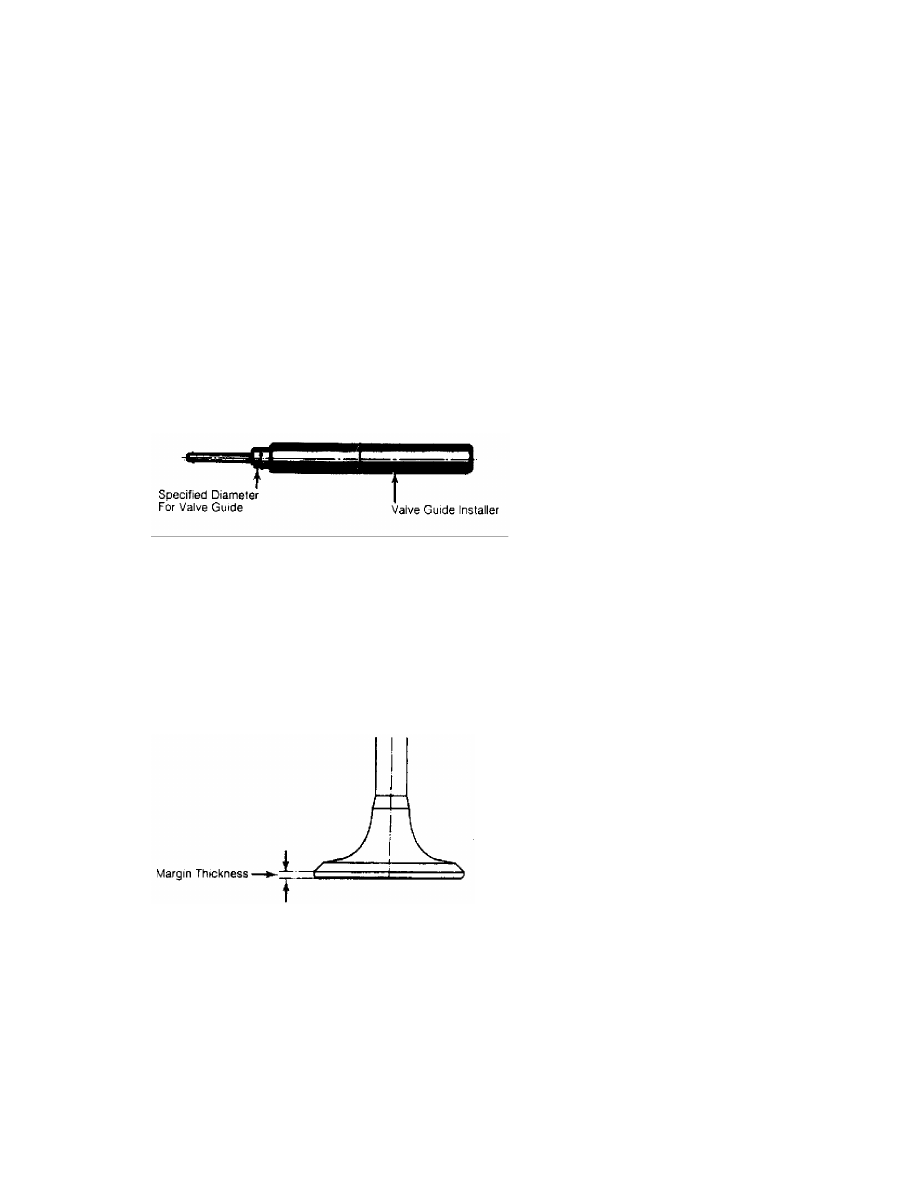
Fig. 8:  Typical Valve Guide Remover & Installer
This Graphic For General Information Only

         VALVES & VALVE SEATS

         Valve Grinding
         Valve stem O.D. should be measured in several areas to
indicate amount of wear. Replace valve if not within specification.
Valve margin area should be measured to ensure that valve can be
grounded. See Fig. 9.

Fig. 9:  Measuring Valve Head Margin - Typical
This Graphic For General Information Only

         If valve margin is less than specification, this will burn
the valves. Valve must be replaced. Due to minimum margin dimensions
during manufacture, some new type valves cannot be reground.
         Resurface valve on proper angle specification using valve
grinding machine. Follow manufacturer's instructions for valve
grinding machine. Specifications may indicate a different valve face
angle than seat angle.
         Measure valve margin after grinding. Replace valve if not
within specification. Valve stem tip can be refinished using valve

ENGINE OVERHAUL PROCEDURES - GENERAL INFORMATION 

         Valve Lapping
         During valve lapping of recent designed valves, be sure to
follow manufacturers recommendations. Surface hardening and materials
used with some valves do not permit lapping. Lapping process will
remove excessive amounts of the hardened surface.
         Valve lapping is done to ensure adequate sealing between
valve face and seat. Use either a hand drill or lapping stick with
suction cup attached.
         Moisten and attach suction cup to valve. Lubricate valve stem
and guide. Apply a thin coat of fine valve grinding compound between
valve and seat. Rotate lapping tool between the palms or with hand
drill.
         Lift valve upward off the seat and change position often.
This is done to prevent grooving of valve seat. Lap valve until a
smooth polished seat is obtained. Thoroughly clean grinding compound
from components. Valve to valve seat concentricity should be checked.
See VALVE SEAT CONCENTRICITY.

CAUTION: Valve guides must be in good condition and free of carbon
         deposits prior to valve seat grinding. Some engines contain
         an induction hardened valve seat. Excessive material removal
         will damage valve seats.

         Valve Seat Grinding
         Select coarse stone of correct size and angle for seat to be
ground. Ensure stone is true and has a smooth surface. Select correct
size pilot for valve guide dimension. Install pilot in valve guide.
Lightly lubricate pilot shaft. Install stone on pilot. Move stone off
and on the seat approximately 2 times per second during grinding
operation.
         Select a fine stone to finish grinding operation. Grinding
stones with 30 and 60 degree angles are used to center and narrow the
valve seat as required. See Fig. 10.

Fig. 10:  Adjusting Valve Seat Width - Typical
This Graphic For General Information Only

ENGINE OVERHAUL PROCEDURES - GENERAL INFORMATION 

         Valve Seat Concentricity
         Using dial gauge, install gauge pilot in valve guide.
Position gauge arm on the valve seat. Adjust dial indicator to zero.
Rotate arm 360 degrees and note reading. Runout should not exceed
specification.
         To check valve-to-valve seat concentricity, coat valve face
lightly with Prussian Blue dye. Install valve and rotate it on valve
seat. If pattern is even and entire seat is coated at valve contact
point, valve is concentric with the seat.

         REASSEMBLY

         Valve Stem Installed Height
         Valve stem installed height must be checked when new valves
are installed or when valves or valve seats have been ground. Install
valve in valve guide. Measure distance from tip of valve stem to
spring seat. See Fig. 11. Distance must be within specifications.

Fig. 11:  Measuring Valve Stem Installed Height - Typical
This Graphic For General Information Only

         Remove valve and grind valve stem tip if height exceeds
specification. Valve tips are surface hardened. DO NOT remove more
than .010" (.25 mm) from tip. Chamfer sharp edge of reground valve
tip. Recheck valve stem installed height.

         VALVE STEM OIL SEALS

         Valve stem oil seals must be installed on valve stem. See
Fig. 2. Seals are needed due to pressure differential at the ends of
valve guides. Atmospheric pressure above intake guide, combined with
manifold vacuum below guide, causes oil to be drawn into the cylinder.
         Exhaust guides also have pressure differential created by

ENGINE OVERHAUL PROCEDURES - GENERAL INFORMATION 

         Replacement (On Vehicle)
         Mark rocker arm or overhead cam components for location.
Remove rocker arm components or overhead cam components. Components
must be installed in original location. Remove spark plugs. Valve stem
oil seals may be replaced by holding valves against seats using air
pressure.
         Air pressure must be installed in cylinder using an adapter
for spark plug hole. An adapter can be constructed by welding air hose
connection to spark plug body with porcelain removed.
         Install adapter in spark plug hole. Apply a minimum of 140
psi (9.8 kg/cm

ý

) to adapter. Air pressure should hold valve closed. If

air pressure does not hold valve closed, check for damaged or bent
valve. Cylinder head must be removed for service.
         Using valve spring compressor, compress valve springs. Remove
valve locks. Carefully release spring compressor. Remove retainer or
rotator and valve spring. Remove valve stem oil seal.
         If oversized valves have been installed, oversized oil seals
must be used. Coat valve stem with engine oil. Install protective
sleeve over end of valve stem. Install new oil seal over valve stem
and seat on valve guide. Remove protective sleeve. Install spring
seat, valve spring and retainer or rotator. Compress spring and
install valve locks. Remove spring compressor. Ensure valve locks
are fully seated.
         Install rocker arms or overhead cam components. Tighten all
bolts to specification. Adjust valves if required. Remove adapter.
Install spark plugs, valve cover and gasket.

         VALVE SPRING INSTALLED HEIGHT

         Valve spring installed height should be checked during
reassembly. Measure height from lower edge of valve spring to the
upper edge. DO NOT include valve spring seat or retainer. Distance
must be within specifications. If valves and/or seats have been
ground, a valve spring shim may be required to correct spring height.
See Fig. 12.

Fig. 12:  Measuring Valve Spring Installed Height - Typical
This Graphic For General Information Only


Content   ..  133  134  135  136   ..