FM 3-11.3 PROCEDURES FOR CHEMICAL, BIOLOGICAL, RADIOLOGICAL, AND NUCLEAR CONTAMINATION AVOIDANCE (FEBRUARY 2006) - page 5
(i)
Prepare and transmit an NBC3 CHEM report and/or map
overlays to those units and installations within the hazard area according to the
SOP.
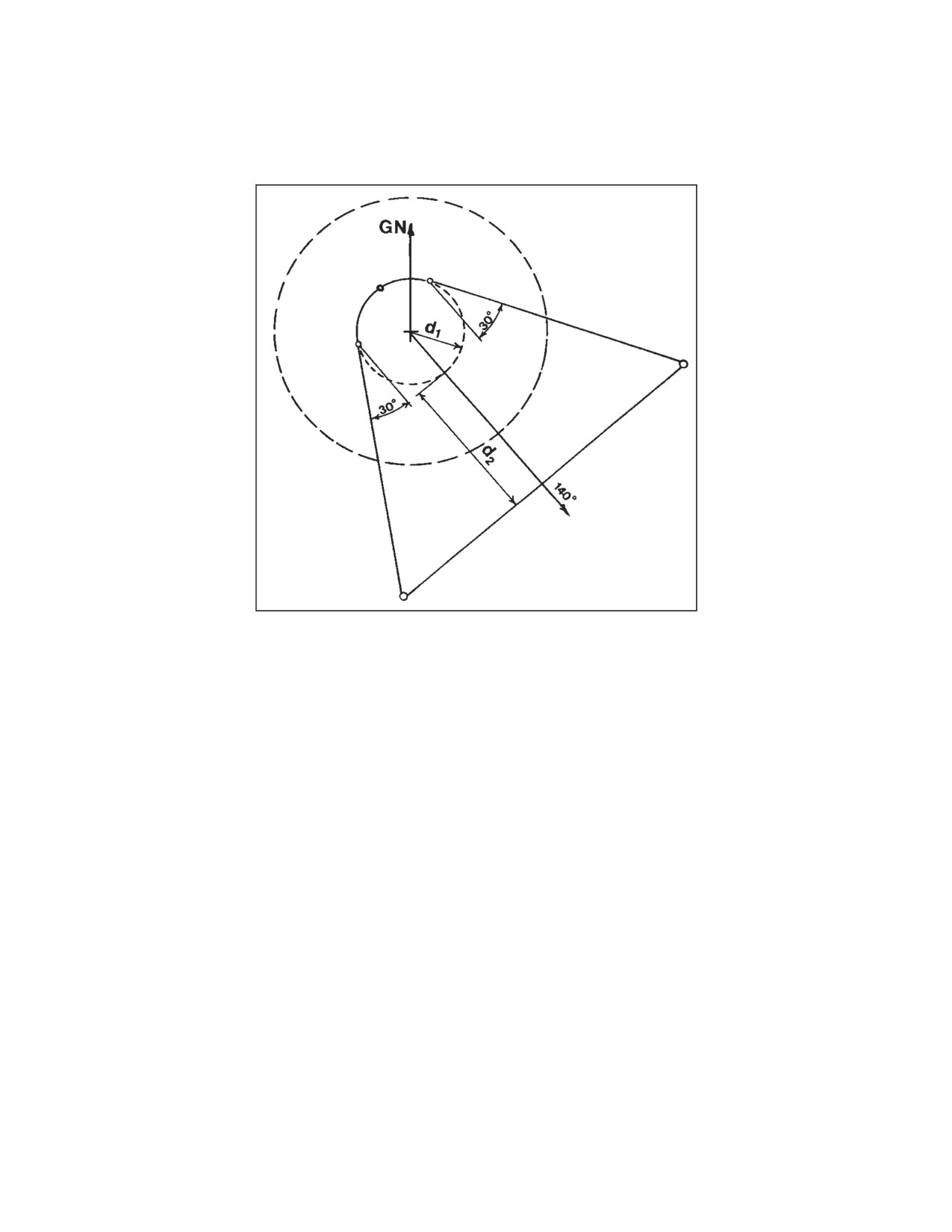
Figure E-14. Recalculation of Downwind Hazard Area Type A Attack (Change in Wind Speed From
≤10 kph to >10 kph)
30 April 2009 FM 3-11.3/MCWP 3-37.2A/NTTP 3-11.25/AFTTP(I) 3-2.56, C1
E-29
(3)
Type A, Case 2 Changing to a Type A, Case 1 (Figures E-15, E-16,
and E-17, pages E-31, E-32, and E-33 show a decrease in wind speed from >10 kph
to ≤10 kph)
Sample NBC CDM
Example NBC2 CHEM
AREAM/NFEB43//
ALFA/US/A234/005/C//
ZULUM/281200ZAPR1999/281500ZAPR1999/
DELTA/281615ZAPR1999//
282100ZAPR1999//
FOXTROT/32UPG387764/AA//
UNITM/KM/DGT/KPH/C//
GOLF/OBS/MLR/-/RKT/12//
WHISKEYM/090/018/4/14/8/-/2//
INDIA/SURF/NERV/NP//
XRAYM/090/008/4/10/8/4/2//
TANGO/FLAT/SCRUB//
YANKEEM/090/006/2/06/8/4/2//
YANKEE/090DGT/018KPH//
ZULUA/4/14C/8/-/2//
GENTEXT/CBRNINFO/
SYMPTOMS OF NERVE
AGENT POISONING.
RECALCULATION
BASED ON CHANGE IN WIND
SPEED AS OF 281700Z//
E-30
FM 3-11.3/MCWP 3-37.2A/NTTP 3-11.25/AFTTP(I) 3-2.56, C1
30 April 2009
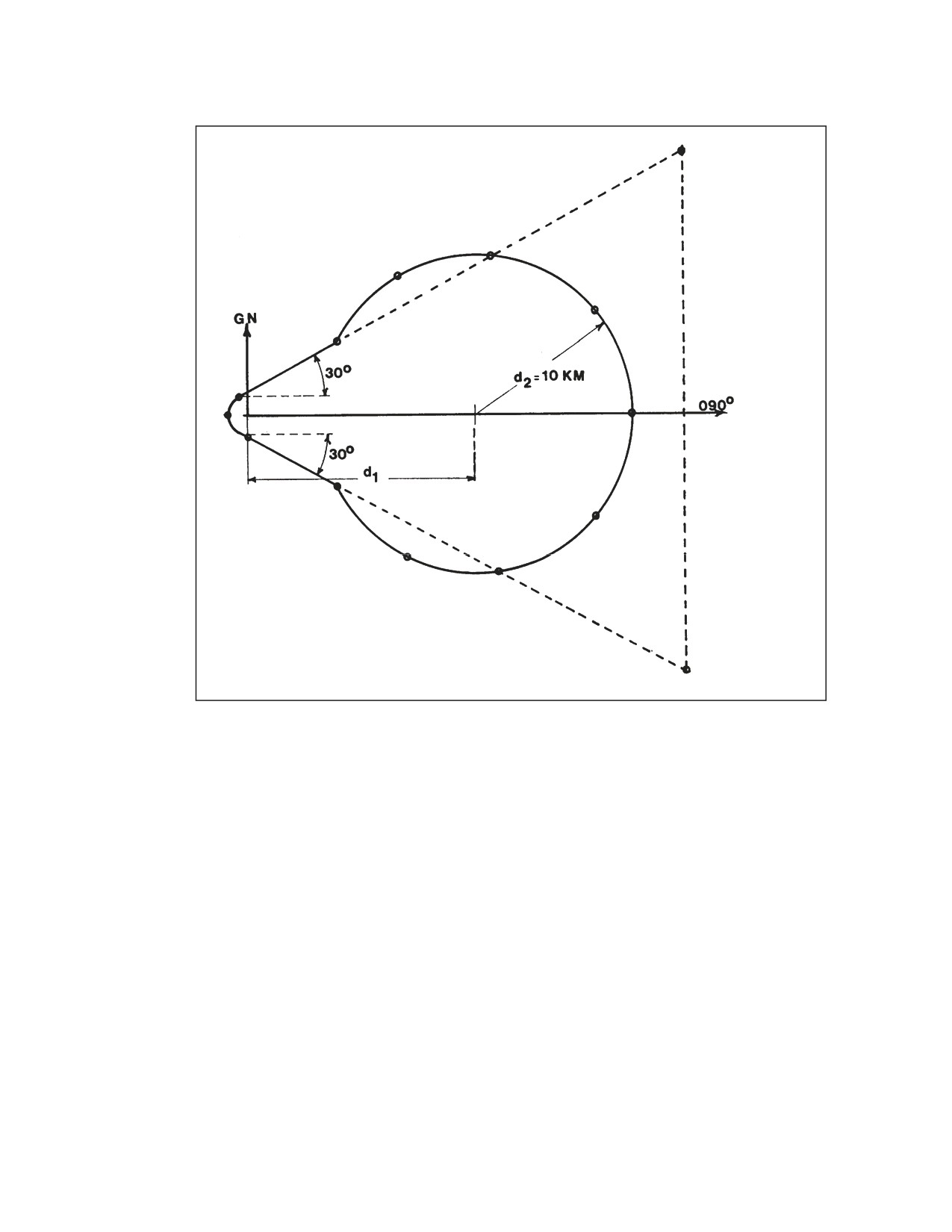
Figure E-15. Recalculation of Downwind Hazard Area Type A Attack (Change in
Wind Speed From >10 kph to ≤10 kph) (Example 1)
Sample NBC CDM
Example NBC2 CHEM
AREAM/NFEA12//
ALFA/US/A234/009/C//
ZULUM/280600ZAPR1999/280900ZAPR
DELTA/281030ZAPR1999//
1999/281500ZAPR1999//
FOXTROT/32UMG892764/AA//
UNITM/KM/DGT/KPH/C//
GOLF/OBS/MLR/-/RKT/6//
WHISKEYM/120/014/4/06/8/-/2//
INDIA/SURF/NERV/NP//
XRAYM/120/009/4/10/8/-/2//
TANGO/FLAT/SCRUB//
YANKEEM/130/007/4/14/8/-/2//
YANKEE/120DGT/14KPH//
ZULU/4/06C/8/-/2//
GENTEXT/CBRNINFO/
RECALCULATION BASED ON
CHANGE IN WIND SPEED AS OF
281100Z//
2 February 2006 FM 3-11.3/MCRP 3-37.2A/NTTP 3-11.25/AFTTP(I) 3-2.56
E-31
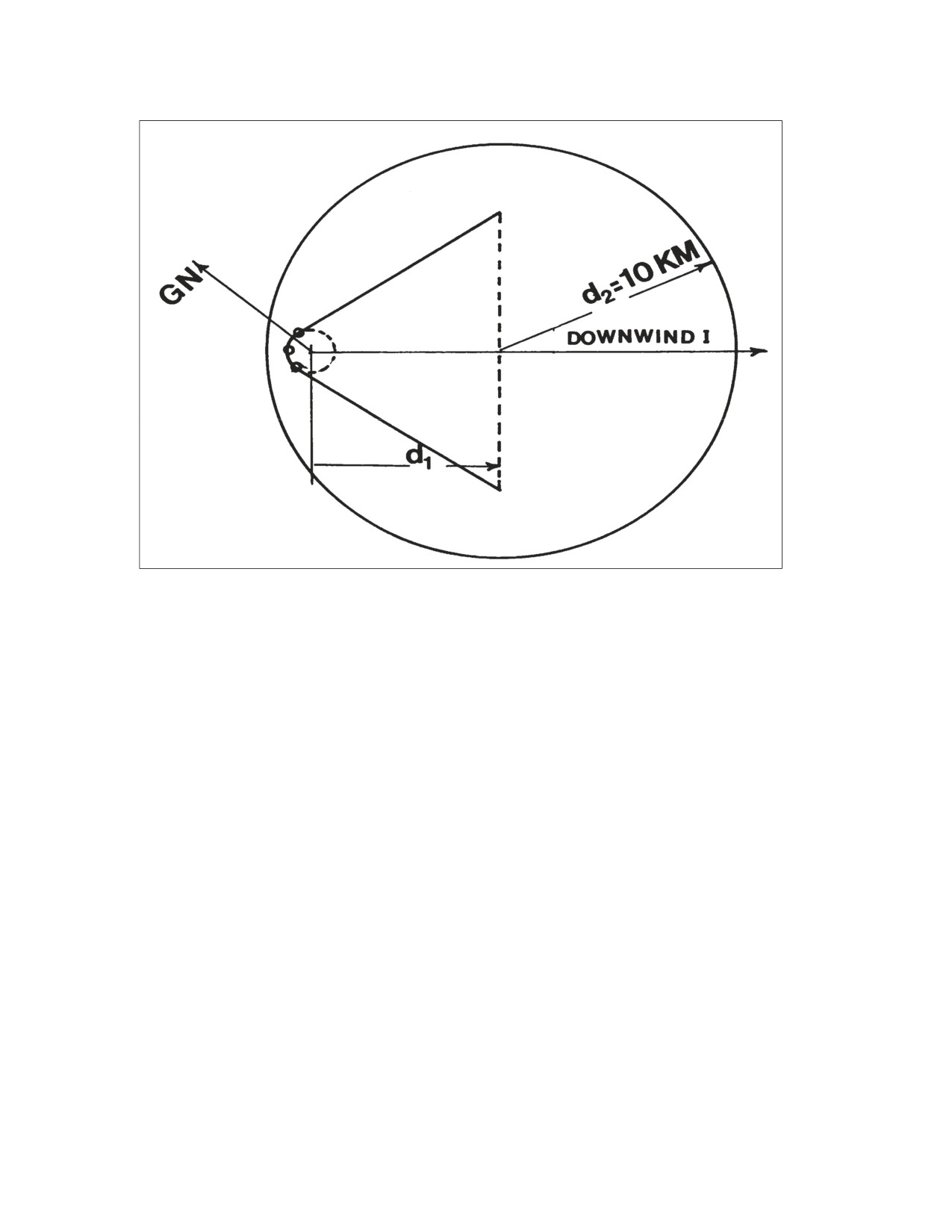
Figure E-16. Recalculation of Downwind Hazard Area Type A Attack (Change in
Wind Speed From >10 kph to ≤10 kph) (Example 2)
Sample NBC CDM
Sample NBC2 CHEM
AREAM/NFEA12//
ALFA/BE/1BDE/013/C//
ZULUM/280600ZAPR1999/280900ZAPR199
DELTA/280930ZAPR1999//
9/281500ZAPR1999//
FOXTROT/32UMG892764/AA//
UNITM/KM/DGT/KPH/C//
GOLF/OBS/MLR/-/RKT/6//
WHISKEYM/120/014/4/06/8/-/2//
INDIA/SURF/NERV/NP//
XRAYM/120/009/4/10/8/-/2//
TANGO/FLAT/SCRUB//
YANKEEM/130/007/4/14/8/-/2//
YANKEE/120DGT/014KPH//
ZULU/4/06C/8/-/2//
GENTEXT/CBRNINFO/
RECALCULATION BASED ON
CHANGE IN WIND SPEED AS OF
281100Z//
E-32
FM 3-11.3/MCRP 3-37.2A/NTTP 3-11.25/AFTTP(I) 3-2.56
2 February 2006
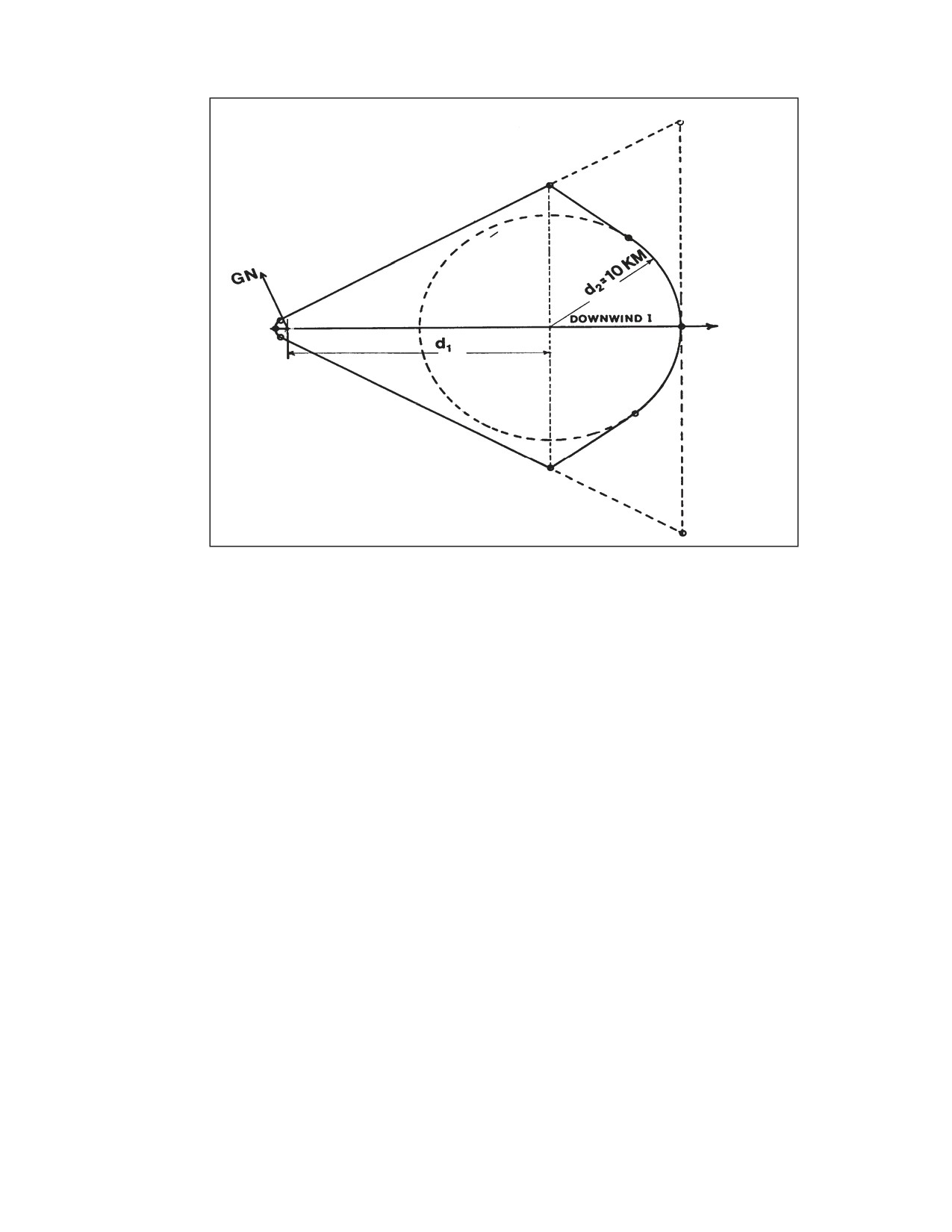
Figure E-17. Recalculation of Downwind Hazard Area Type A Attack (Change In
Wind Speed From >10 kph to ≤10 kph) (Example 3)
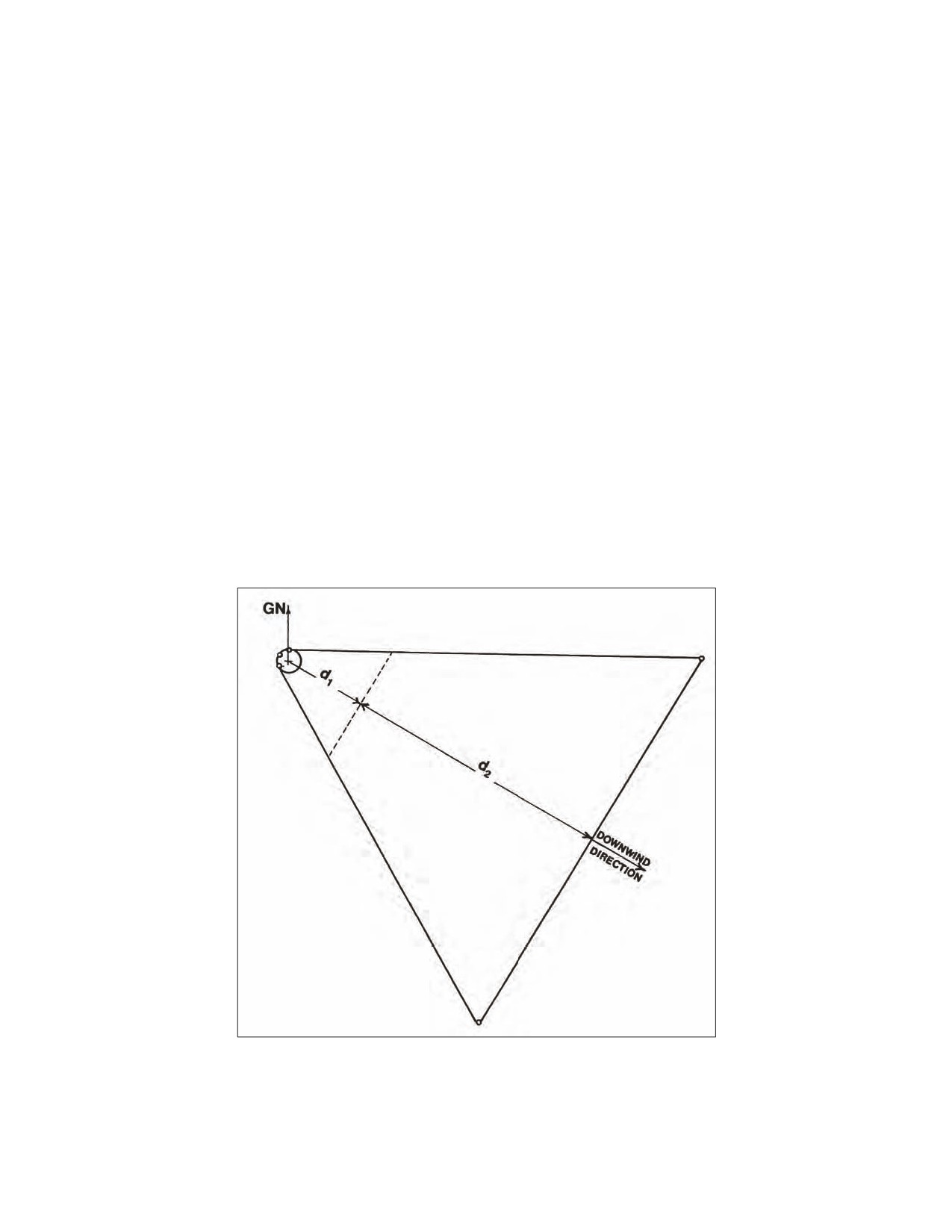
(a) Calculate d1.
(b) Measure the distance d1 along the downwind line from the
center of the original attack area, and mark it.
(c)
Draw a circle with a 10-km radius using that point as the
center until it intersects the two 30° tangents from the original plot (see Figure
E-15, page E-32).
(d) Draw a line at right angles to the downwind direction line at
the d1 distance if the circle does not intersect the tangent lines, and mark the
intersections with the tangent lines. From these points, draw two new tangents to
the 10-km-radius circle.
(4)
Type A, Case 2 Attack With a Change in the Downwind Direction
(Figure E-18).
2 February 2006 FM 3-11.3/MCRP 3-37.2A/NTTP 3-11.25/AFTTP(I) 3-2.56
E-33
Sample NBC CDM
Sample NBC2 CHEM
AREAM/NFEB43//
ALFA/US/A234/010/C//
ZULUM/280600ZAPR1999/280900ZAPR
DELTA/281245ZAPR1999//
1999/281500Z APR1999//
FOXTROT/32UNG885419/EE//
UNITM/KM/DGT/KPH/C//
GOLF/OBS/MLR/-/RKT/6//
WHISKEYM/090/012/2/06/-/-/2//
INDIA/SURF/NERV/NP//
XRAYM/090/014/2/08/-/-/2//
TANGO/FLAT/SCRUB//
YANKEEM/140/015/2/08/-/-/2//
YANKEE/090DGT/014KPH//
ZULU/2/08C/-/-/2//
GENTEXT/CBRNINFO/
CONFIRMED BY
DETECTOR KIT.
RECALCULATION
BASED ON CHANGE
IN WIND DIRECTION
AS OF 281300Z//
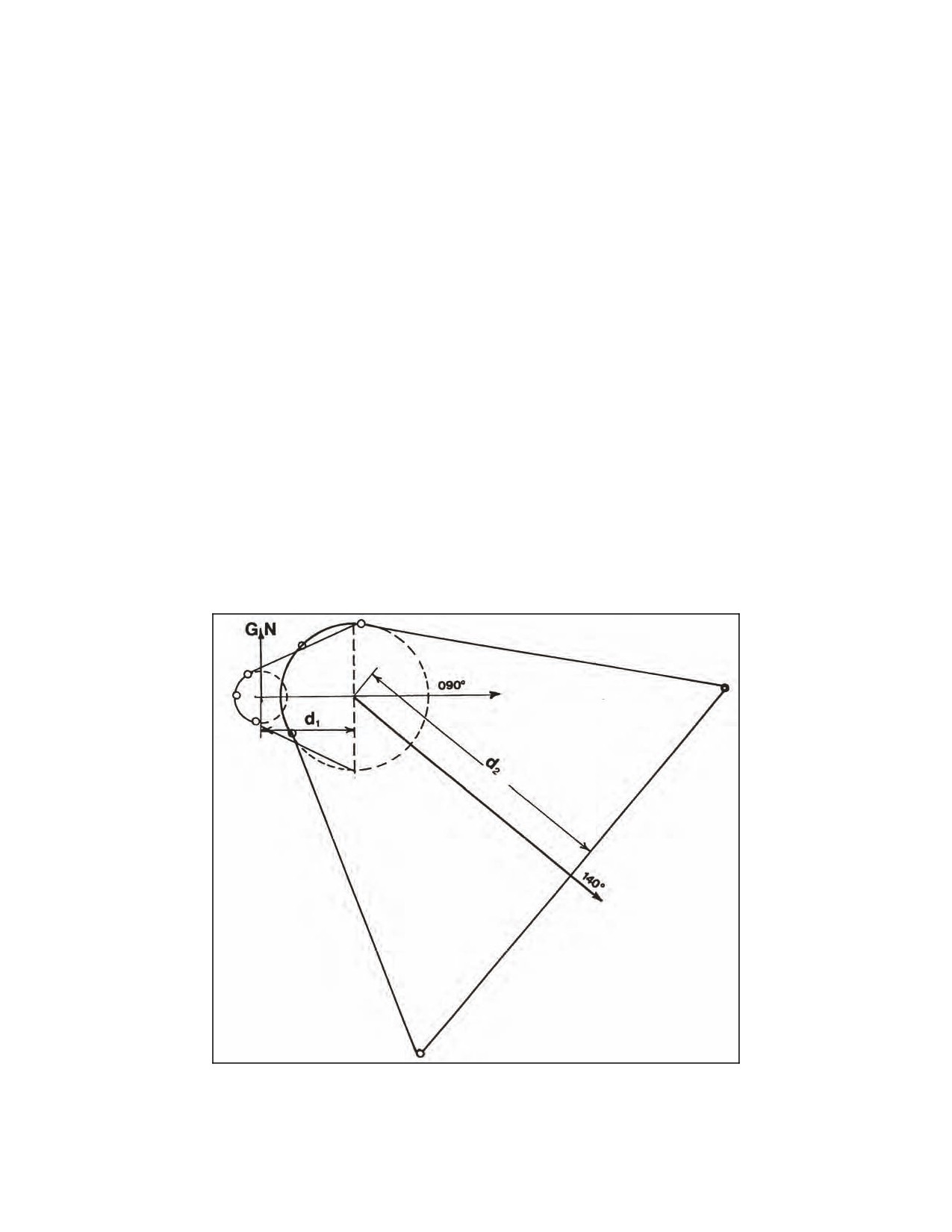
Figure E-18. Recalculation of Downwind Hazard Area Type A, Case 2 Attack
(Change in Downwind Direction by ≥30°)
E-34
FM 3-11.3/MCRP 3-37.2A/NTTP 3-11.25/AFTTP(I) 3-2.56
2 February 2006
(a) Calculate d1.
(b) Measure the distance d1 on the downwind line from the center
of the original attack before the change in direction, and mark it.
(c)
Draw a line at right angles to the downwind line through the
point d1 until it meets the 30° lines from the original plot.
(d) Draw a new circle using the d1 point as the center the radius
being the distance from the d1 point to one of the 30° tangents. The area within this
circle is considered to be the new attack area.
(e) Draw a line from the center of this circle representing the new
downwind direction.
(f)
Measure and mark the d2 distance on the new downwind
direction line from the center of this circle. If this distance falls within the circle,
move it to the perimeter of the circle on the new downwind direction line. This will
take into account the fact that some of the chemical cloud may travel at 1.5 times
the mean wind speed and will, therefore, have traveled further.
(g) Complete the plot by following the procedures outlined above.
(5)
Type A, Case 2 Attack With a Change in Stability Category or
Downwind Speed (Figure E-19). From the center of the original attack location, plot
the hazard area as described above, using H2 as the maximum downwind distance.
Figure E-19. Recalculation of Downwind Hazard Area Type A, Case 2 Attack
(Change in Stability Category and/or Downwind Speed)
2 February 2006 FM 3-11.3/MCRP 3-37.2A/NTTP 3-11.25/AFTTP(I) 3-2.56
E-35
Sample NBC CDM
Sample NBC2 CHEM
AREAM/NFEB34//
ALFA/US/A234/012/C//
ZULUM/280600ZAPR1999/280900ZAPR DELTA/281230ZAPR1999//
1999/28/1500ZAPR1999//
FOXTROT/32UPF730750/EE//
UNITM/KM/DGT/KPH/C//
GOLF/OBS/AIR/6/BOM/18//
WHISKEYM/110/015/6/10/-/4/2//
INDIA/SURF/NERV/NP//
XRAYM/110/015/6/10/-/4/2//
TANGO/FLAT/SCRUB//
YANKEEM/110/025/4/10/-/4/2//
YANKEE/110DGT/015KPH//
ZULU/6/10C/-/4/2//
GENTEXT/CBRNINFO/
RECALCULATION BASED ON
CHANGE IN STABILITY
CATEGORY AS OF 281300Z//
(6)
Type B, Cases 2 and 4 Attacks With a Change in Downwind
Direction.
(a) Draw the new downwind direction line from the center of the
original attack location.
(b) Plot the new hazard area as described in paragraphs 5l(4)(b)
and (d) on page E-35, or reposition the template along the new downwind direction
line and replot.
NOTE: The total area covered by the old and new hazard areas must be
considered dangerous until confirmation of the absence of a chemical
hazard in the old area is received.
(7)
Type B, Case 6 Attack With a Change in Downwind Direction
(Figure E-20, page E-38).
E-36
FM 3-11.3/MCRP 3-37.2A/NTTP 3-11.25/AFTTP(I) 3-2.56
2 February 2006
Sample NBC2 CHEM
Sample NBC3 CHEM
ALFA/US/A234/004/C//
ALFA/US/A234/004/C//
DELTA/281000ZAPR1999//
DELTA/281000ZAPR1999//
FOXTROT/32VMH747388/EE//
FOXTROT/32VMH747388/EE/32VMH
897388/EE//
GOLF/OBS/AIR/-/SPR/-//
INDIA/AIR/NERV/P//
INDIA/AIR/NERV/P//
PAPAA/01KM/96HR/10KM/48HR//
TANGO/FLAT/SCRUB//
PAPAX/281100ZAPR1999/
YANKEE/090DGT/020KPH//
32VMH846318/32VMH846329/
ZULU/4/18C/8/-/0//
32VMH856335/32VMH846341/
GENTEXT/CBRNINFO/SYMPTOMS OF
NERVE-AGENT POISONING//
32VMH847456/32VMH742396/
32VMH740395/32VMH739394/
Sample NBC CDM
32VMH738393/32VMH738392/
AREAM/NFEA12//
32VMH737391/32VMH737389/
ZULUM/280600ZAPR1999/280900ZAPR199
9/281500ZAPR1999//
32VMH737388/32VMH736266/
UNITM/KM/DGT/KPH/C//
32VMH836324/32VMH846318//
WHISKEYM/090/020/4/18/8/-/0//
YANKEE/090DGT/020KPH//
XRAYM/150/020/4/18/8/-/0//
ZULU/4/18C/8/-/0//
YANKEEM/150/020/4/18/8/-/0//
GENTEXT/CBRNINFO/
RECALCULATION BASED ON NBC
CDM WEATHER CHANGE AS OF
281100Z//
30 April 2009 FM 3-11.3/MCWP 3-37.2A/NTTP 3-11.25/AFTTP(I) 3-2.56, C1
E-37
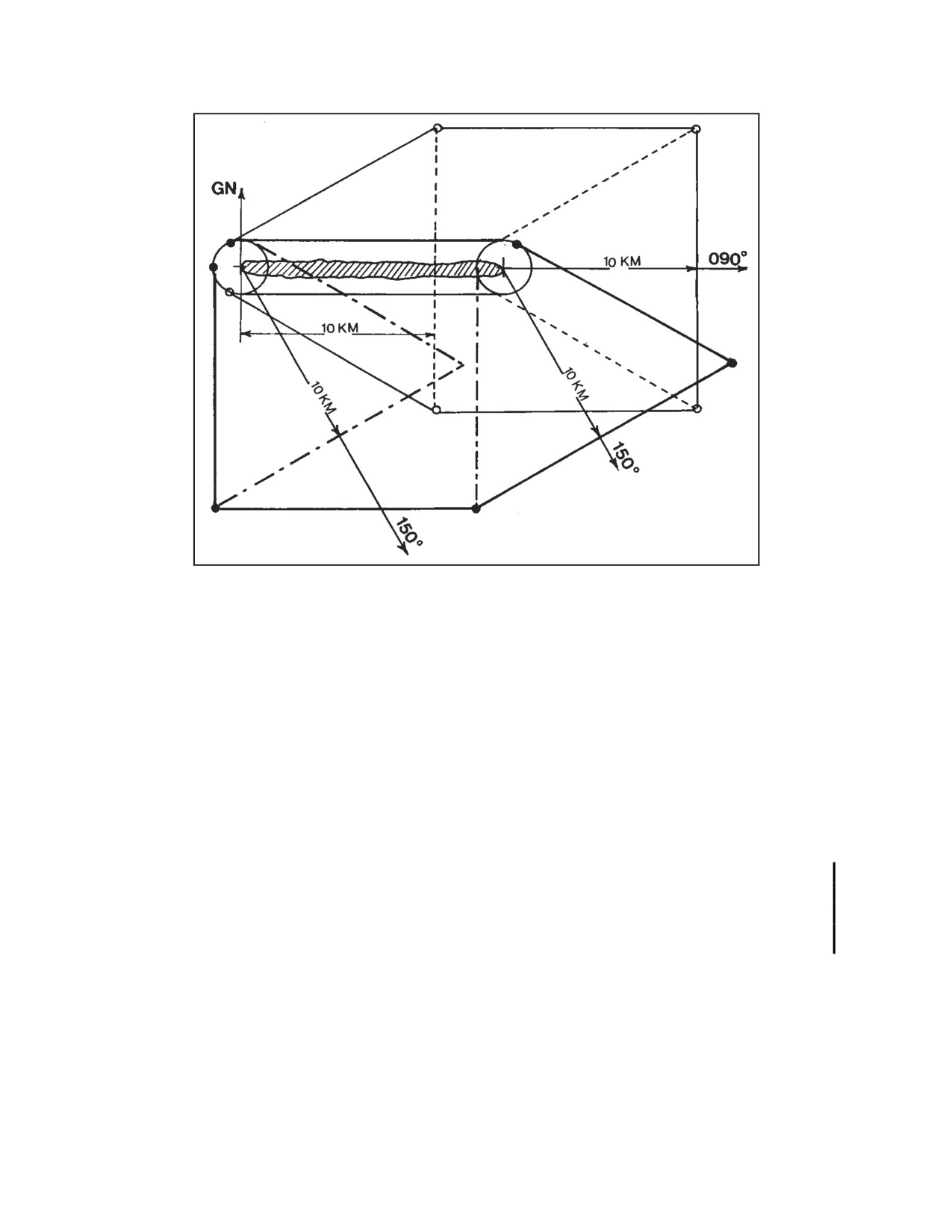
Figure E-20. Recalculation of Downwind Hazard Area Type B, Case 6 Attack (Change in Downwind
Direction)
(a) Plot the hazard area as calculated before and after the change
in wind direction, using the procedure described above.
(b) Indicate on the GENTEXT/CBRNINFO line the reason for
recalculation and the effective time for the new hazard area.
(8)
Type B, Case 2, 4, and 6 Attacks With a Change in Wind Speed from
>10 kph to ≤10 kph.
(a) Plot the hazard area as calculated for the wind speed >10 kph,
using the appropriate procedure described above for the correct case.
(b) Plot the hazard area as calculated for the wind speed ≤10 kph,
using the appropriate procedure described above for the correct case.
(9)
Hazard Area. The examples of the hazard area are valid after a
change in wind direction; they also include the area before the change. This takes
into account transient hazards caused by the shift in wind direction in the areas
between the two hazards.
(10) After Recalculation. When recalculation is complete, calculate the
arrival time of the hazard and issue an NBC3 CHEM report/map overlays to the
units or installations that will be affected. Issue the new NBC3 CHEM report to
those units initially warned to inform them that there may be a residual vapor
hazard in their area. The same strike serial number should be used as in the
E-38
FM 3-11.3/MCWP 3-37.2A/NTTP 3-11.25/AFTTP(I) 3-2.56, C1
30 April 2009
previous message, and the previous message should be referred to in the
GENTEXT/CBRNINFO line of the new message.
m. MERWARN. A simplified contamination warning system has been
established throughout NATO for broadcasting warnings of contamination
dangerous to merchant shipping via the Merchant Ship Communications System
(MERCOMMS) and coastal radio stations. This system calls for the origination, by
NATO naval authorities, of three types of messages relating to chemical avoidance.
(1)
MERWARN NBC3.
(a) This message is issued to pass immediate warning of a
predicted chemical contamination and hazard area. MERWARN NBC3 CHEM
reports are issued as soon as possible after each attack. They contain sufficient
information to enable the master of a ship to plot the downwind hazard area. The
following standard format will be used for MERWARN NBC3:
MERWARN NBC3 CHEM
(Message identifier)
ALFA:
Strike serial number (as defined by naval authority).
DELTA:
DTG (Z) of start and end of attack.
FOXTROT:
Location of event.
GOLF:
Delivery means.
INDIA:
Release information.
PAPAA:
Predicted attack and hazard area.
NOTE: If the downwind speed is ≤5 knots or variable, line PAPAA will
consist of three digits instead of coordinates, representing the radius of a
circle in nautical miles, centered on the location of the attack contained in
line FOXTROT.
YANKEE:
Downwind direction and speed.
ZULU:
Information on actual weather conditions.
GENTEXT:
Remarks.
NOTE: Some of the letter items above may not be completed in the report
that is received, but there will be sufficient information for a downwind
hazard plot to be developed.
(b) The MERWARN NBC3 standard format may not be suitable
after a multiple chemical attack, which produces a hazard from several attacks or
depositions in a large or complex target area. In such cases, warnings will be plain
language statements of a more general nature, indicating areas affected and
expected movement of the hazard.
•
Sample 1:
MERWARN NBC3 CHEM
ALFA/DA/CBRNCC-4/003/C//
2 February 2006 FM 3-11.3/MCRP 3-37.2A/NTTP 3-11.25/AFTTP(I) 3-2.56
E-39
DELTA/020300ZSEP1999//
GENTEXT/PERSISTENT NERVE-AGENT VAPOR HAZARD
EXISTS FROM NORFOLK TO HATTERAS AT
020300ZSEP1999 AND IS SPREADING SOUTH
EASTWARDS AT 017 KNOTS. SEA AREA OUT TO 40
NAUTICAL MILES FROM COAST LIKELY TO BE
AFFECTED BY 020600ZSEP1999//
•
Sample 2:
MERWARN NBC3 CHEM
ALFA/DA/CBRNC-3/003/C//
DELTA/020300ZSEP1999//
GENTEXT/PERSISTENT NERVE-AGENT VAPOUR HAZARD
AT 020600SEP1999 IS ESTIMATED TO BE OCCURRING
OVER MOST OF THE SEA AREAS OUT TO 40 MILES EAST
OF THE COAST LINE FROM NORFOLK TO HATTERAS.
HAZARD IS EXPECTED TO HAVE DISPERSED BY
021000ZSEP1999//
(2)
MERWARN Diversion Order. This is a general diversion order,
based on the threat, whereby merchant ships proceeding independently are passed
evasive routing instructions of a general nature. In addition to the origination of a
MERWARN NBC3 message, naval authorities may, if circumstances dictate,
broadcast general diversion orders, based on the hazard areas, whereby merchant
ships proceeding independently will be passed evasive routing instructions of a more
general nature, using the standard naval control of shipping identifier MERWARN
DIVERSION ORDER.
Example: MERWARN DIVERSION ORDER: English Channel closed. All
shipping in the North Sea is to remain north of 052 degrees N until
031500ZSEP1999.
n.
MERWARN Plotting. When a chemical attack is reported in a
MERWARN NBC3 message, the following procedures should be followed:
•
Plot the location of the attack from the details in line FOXTROT.
•
Plot the coordinates or radius of the circle contained in line PAPAA.
If a MERWARN NBC3 is not received but observations of an attack or a local report
of an attack is received, then the following procedures should be carried out:
(1)
Mark the actual or suspected location of the attack on the chart.
(2)
Draw a circle, radius 0.5 nautical miles (NM), centered on the attack
location. From the center of the attack area, draw the downwind direction, which is
contained in line CHARLIE of the MERWARN NBC CDM.
(3)
Place the center of the ship chemical template (Figure E-21, page E
41) on the center of the attack area. Position the center line of the template on the
downwind direction line.
E-40
FM 3-11.3/MCRP 3-37.2A/NTTP 3-11.25/AFTTP(I) 3-2.56
2 February 2006
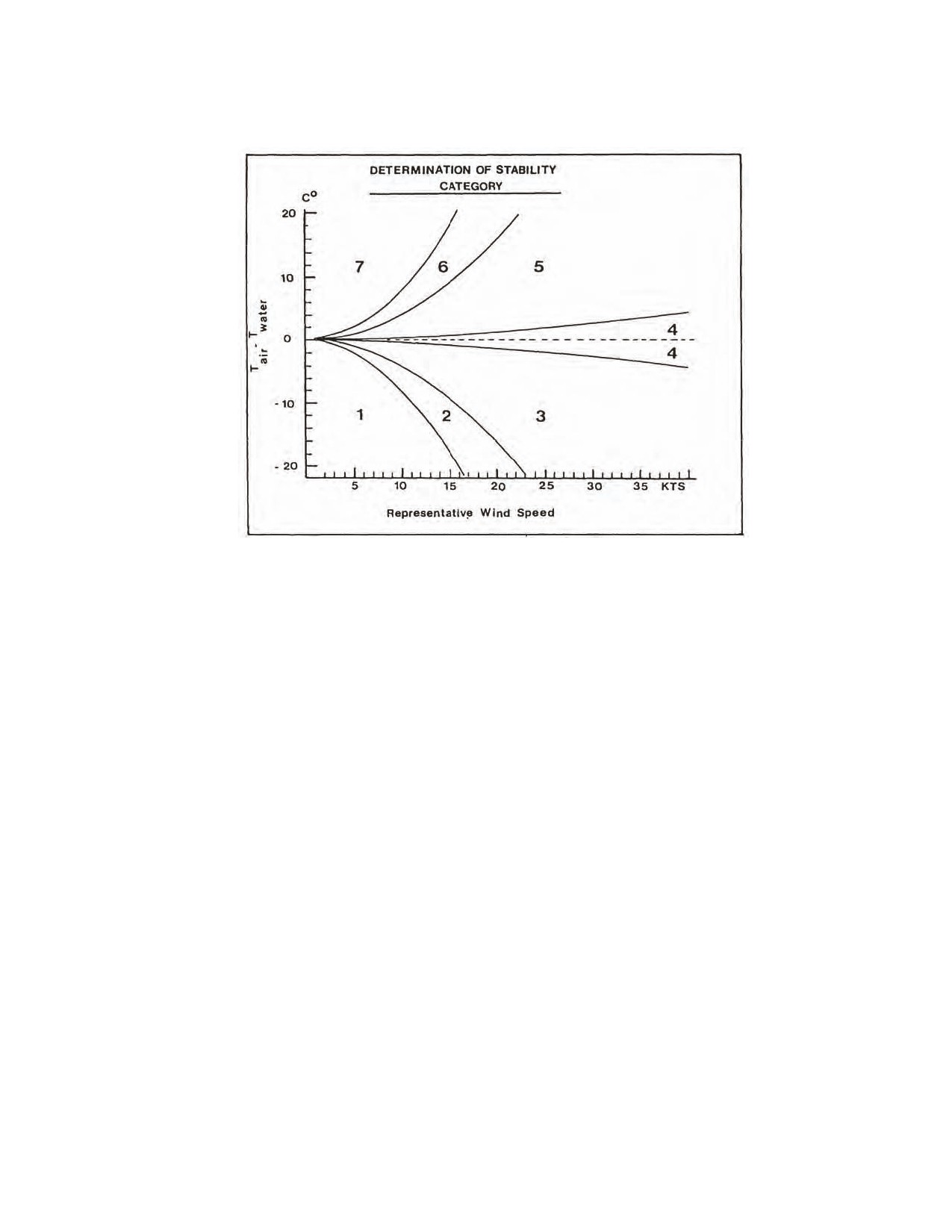
Figure E-21. Air Stability Category (Sea)
(4)
Keep the center line of the template on the downwind direction, and
move the template upwind until the 20° lines of the template make tangents with
the circle around the attack area.
(5)
Mark the tangent lines using the holes in the template. Join these
marks with the attack area circle.
(6)
If the chemical agent is identified as nerve agent, determine the
DHD for the miosis level (Table E-6) for the agent. Measure this distance from the
center of the attack area on the downwind direction line, and mark it. Through this
point, draw a line perpendicular to the downwind direction line until it meets the
two tangents.
(7)
If the agent is unknown, use the DHD of 44 NM, as this will be the
worst-case scenario.
(8)
The hazard area is now defined as the area bounded by the—
•
Upwind radius of the attack area.
•
20° tangents.
•
DHD line.
(9)
Adjustments to the DHD can be made when the agent is identified.
o.
Simplified Procedure Requirements (Sea). The simplified procedure
requires the following:
•
Sea chart of the AO.
•
Ship chemical template.
2 February 2006 FM 3-11.3/MCRP 3-37.2A/NTTP 3-11.25/AFTTP(I) 3-2.56
E-41
•
NBC1 or NBC2 CHEM report.
•
NBC CDM.
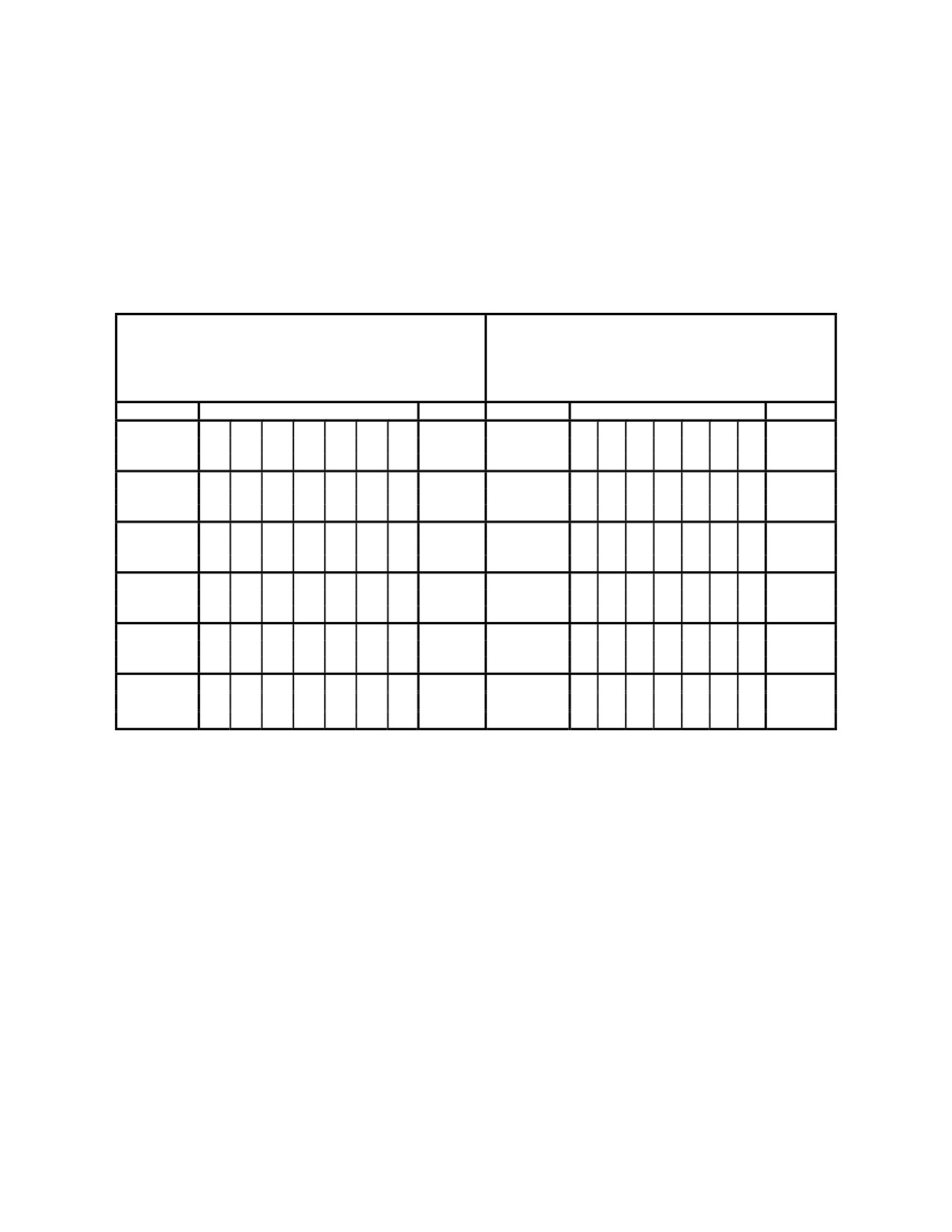
If a valid NBC CDM is not available, Figure E-21 may be used to determine the air
stability category, which is the basis for the determination of the maximum DHD.
This distance is determined from Table E-6. When using the simplified procedure,
use the DHDs related to miosis. The representative downwind direction and
downwind speed must be determined onboard.
Table E-6. DHD Versus Wind Speed (Knots) and Air Stability (Sea)
Agent: Sarin
Agent: Soman
Weapon: Artillery (Cannon/Mortar)
Weapon: Rocket/Missile
Effective Payload: 650 kg
Effective Payload: 250 kg
Stability
1
2
3
4
5
6
7
Dose
Stability
1
2
3
4
5
6
7
Dose
Wind
<1
<1
<1
<1
<1
2
2
LCt50
Wind
<1
<1
<1
<1
<1
<1
<1
LCt50
5-9 kt
4
4
6
8
8
10
8
ICt5
5 -9 kt
2
2
2
4
4
4
4
IC t5
4
6
8
10
12
12
12
Miosis
2
4
4
4
6
6
6
Miosis
Wind
<1
<1
<1
<1
<1
2
LCt50
Wind
<1
<1
<1
<1
<1
<1
LCt50
10-14 kt
2
4
6
6
8
10
ICt5
1 0-14 kt
2
2
2
2
4
4
ICt5
4
6
8
10
12
14
Miosis
2
2
4
4
6
8
Miosis
Wind
<1
<1
<1
<1
LCt50
Wind
<1
<1
<1
<1
LCt50
15-19 kt
2
4
6
6
ICt5
15-19 kt
2
2
2
2
ICt5
4
6
8
10
Miosis
2
2
4
4
Miosis
Wind
<1
<1
<1
LCt50
Wind
<1
<1
<1
LCt50
20-24 kt
4
4
6
ICt5
20-24 kt
2
2
2
ICt5
4
6
8
Miosis
2
2
4
Miosis
Wind
<1
<1
<1
LCt50
Wind
<1
<1
<1
LCt50
25-29 kt
2
4
4
ICt5
25-29 kt
2
2
2
ICt5
4
6
8
Miosis
2
2
4
Miosis
Wind
<1
<1
<1
LCt50
Wind
<1
<1
<1
LCt50
30-34 kt
2
4
4
ICt5
30-34 kt
2
2
2
ICt5
4
4
6
Miosis
2
2
2
Miosis
E-42
FM 3-11.3/MCRP 3-37.2A/NTTP 3-11.25/AFTTP(I) 3-2.56
2 February 2006
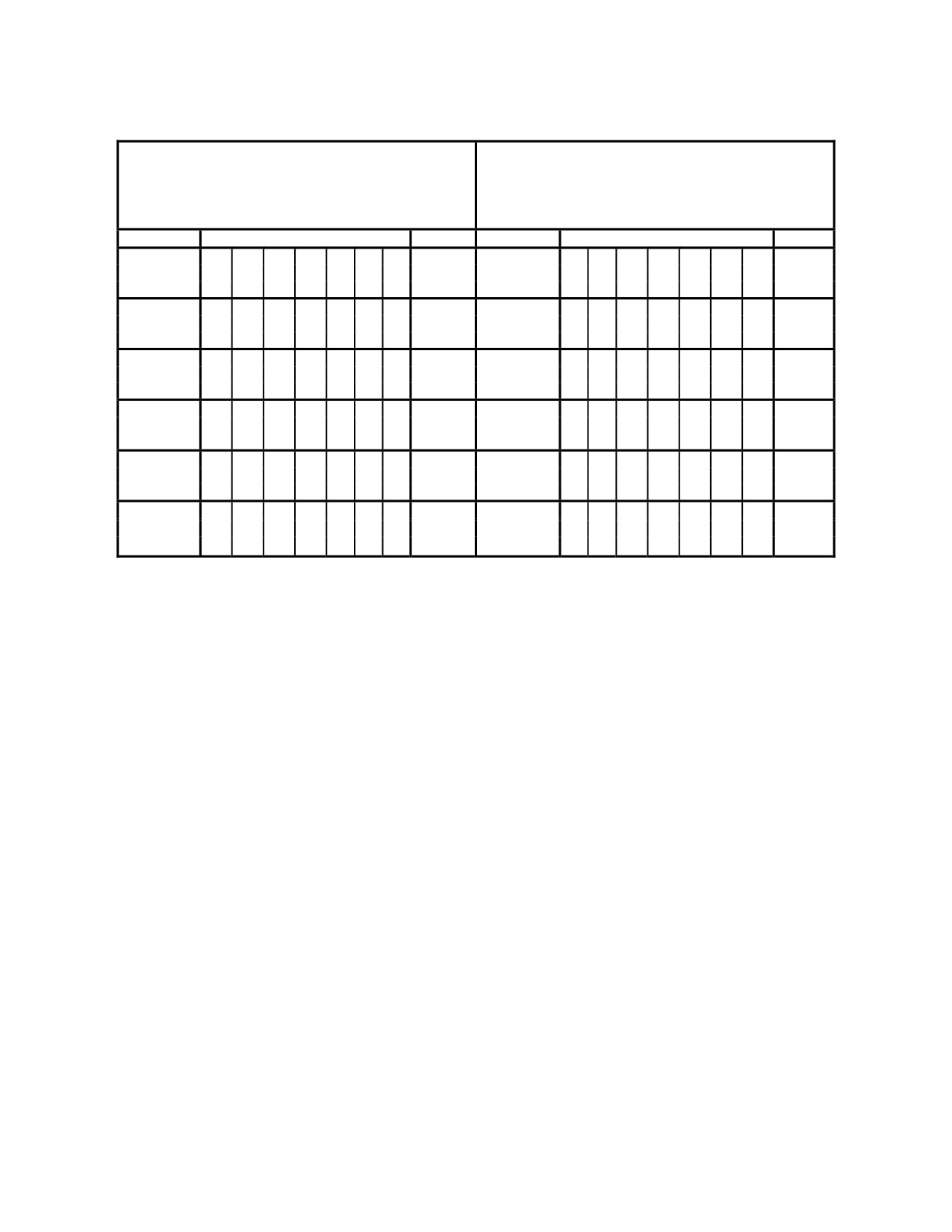
Table E-6. DHD Versus Wind Speed (Knots) and Air Stability (Sea) (Continued)
Agent: Sarin
Agent: Sarin
Weapon: Bombs (6)
Weapon: Multiple-Launched Rocket System
Effective Payload: 600 kg
Effective Payload: 3,500 kg
Stability
1
2
3
4
5
6
7
Dose
Stability
1
2
3
4
5
6
7
Dose
Wind
<1
<1
<1
<1
<1
2
2
LCt50
Wind
2
2
2
4
4
4
4
LCt50
5-9 kt
4
4
6
6
8
8
8
LCt5
5-9 kt
12
16
20
26
28
26
20
LCt5
4
6
8
10
12
12
10
Miosis
16
22
30
36
38
34
26
Miosis
Wind
<1
<1
<1
<1
<1
2
LCt50
Wind
2
2
2
2
4
4
LCt50
10-14 kt
2
4
4
6
8
10
LCt5
10-14 kt
10
14
20
26
30
32
LCt5
4
6
8
10
12
14
Miosis
16
20
28
38
44
42
Miosis
Wind
<1
<1
<1
<1
LCt50
Wind
2
2
2
2
LCt50
15-19 kt
2
4
4
6
LCt5
15-19 kt
10
16
20
26
LCt5
4
6
8
10
Miosis
16
22
30
38
Miosis
Wind
<1
<1
<1
LCt50
Wind
2
2
2
LCt50
20-24 kt
2
4
6
LCt5
20-24 kt
12
18
22
LCt5
4
6
8
Miosis
18
26
34
Miosis
Wind
<1
<1
<1
LCt50
Wind
2
2
2
LCt50
25-29 kt
2
4
4
LCt5
25-29 kt
10
14
20
LCt5
4
6
6
Miosis
16
22
30
Miosis
Wind
<1
<1
<1
LCt50
Wind
2
2
2
LCt50
30-34 kt
2
2
4
LCt5
30-34 kt
10
12
18
LCt5
4
4
6
Miosis
14
20
28
Miosis
(1)
Determination of the Hazard Area. The hazard area is determined
as follows:
(a) Plot the center of the attack area (line FOXTROT) on the chart.
Draw a circle (0.5NM radius) around the center to represent the attack area.
(b) Place the template for a simplified chemical hazard area
prediction on the chart in such a way that the center point of the template circle
coincides with the center of the attack area. The value on the protractor
corresponding to the downwind direction given in the NBC CDM must be oriented
towards north on the chart. Mark this position of the template on the chart by using
the holes punched in the template along the downwind axis.
(c)
Move the template back along the downwind axis until the
radial lines become tangents to the circle (30° standard). Use the holes punched out
along the radial lines to mark the position and connect to the circle, forming
tangents.
(d) Mark the maximum DHD on the downwind axis. Through this
point, draw a line perpendicular to the downwind axis to intersect the tangents
(Figure E-22, page E-44).
NOTE: When light winds are reported (wind speeds of 5 knots or less) in
the NBC CDM, the hazard area is represented by a circle concentric to the
attack area, with a radius equal to 15 NM.
2 February 2006 FM 3-11.3/MCRP 3-37.2A/NTTP 3-11.25/AFTTP(I) 3-2.56
E-43
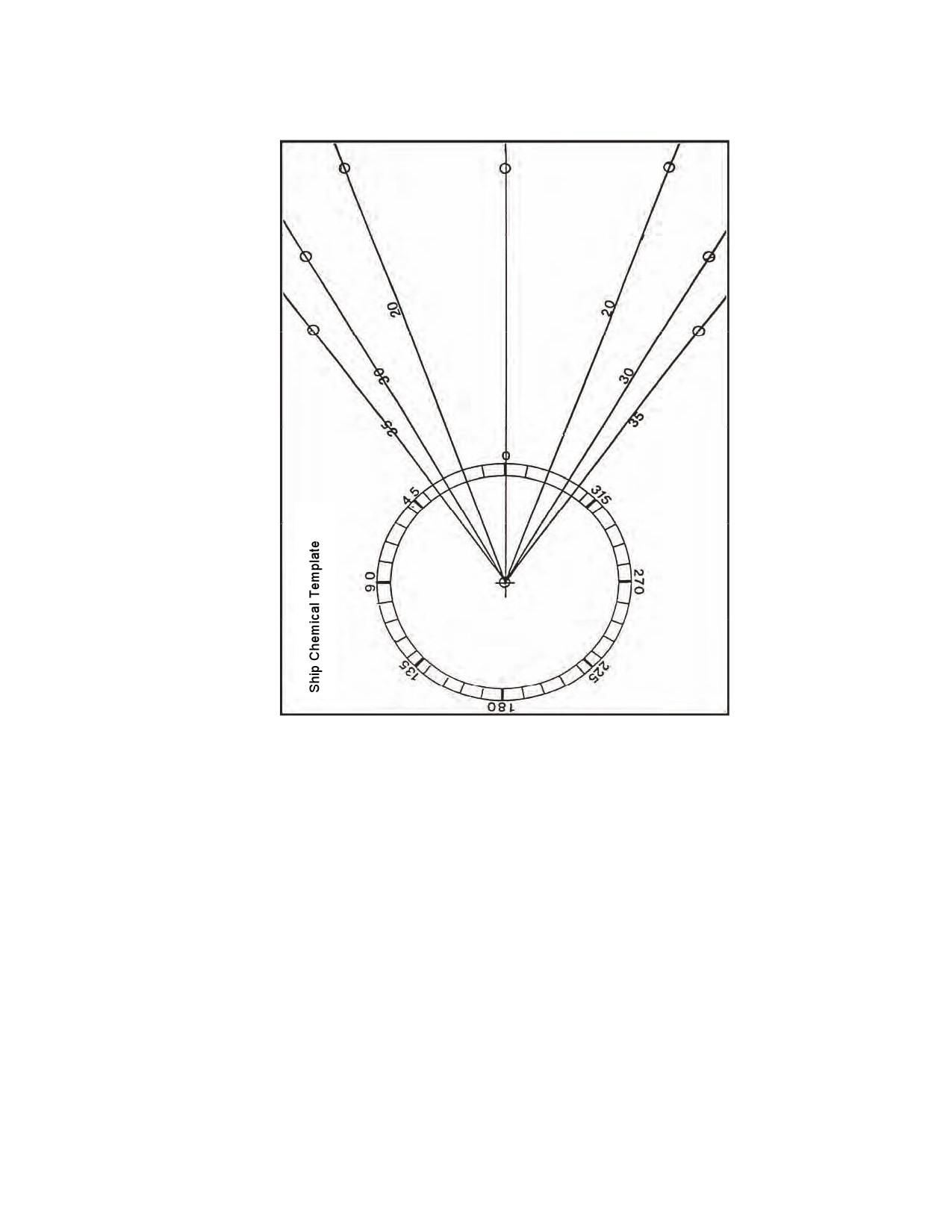
Not to scale
Figure E-22. Ship Chemical Template (Example)
p.
Detailed Procedure Requirements (Sea).
(1)
Chemical Prediction Data Sheet (CPDS). The detailed procedure for
predicting chemical downwind hazard areas is designed for use at naval HQ and
leads to a more accurate prediction than does the simplified procedure. The detailed
procedure is based on the information compiled in the CPDS and NBC1 or NBC2
CHEM reports. The CPDS (Figure E-23) must be filled in immediately on receipt of
a new and updated NBC CDM, and checked on the receipt of an NBC1 or NBC2
CHEM report, containing MET information in lines YANKEE and ZULU.
E-44
FM 3-11.3/MCRP 3-37.2A/NTTP 3-11.25/AFTTP(I) 3-2.56
2 February 2006

Chemical Prediction Data Sheet
Agent: Sarin
Delivery Means: Artillery
Hazard Level: ICt5
1
CBRN Cell: AMZ BSN
2
Area of Validity: NFEA
3
Originator of CDM: F1Kdo/GEOPHYS B1St N
4
DATE: 11 JUN 2005
PERIOD
5
Time of Validity: 0600Z-1200Z
W
X
Y
6
Downwind Direction (Degrees)
30.0
40.0
70.0
7
Representative Downwind Speed 10 m (kts)
5.0
10.0
12.0
8
1.5 Times the Wind Speed (kts)
7.5
15.0
18.0
9
0.5 Times the Wind Speed (kts)
2.5
5.0
6.0
10
Stability Category
1.0
3.0
4.0
11
Temperature (Centigrade)
14.0
15.0
16.0
12
Relative Humidity (Percent)
70.0
60.0
60.0
13
Significant Weather Phenomena
-
Rain
Rain
14
Cloud Coverage
-
-
-
15
Maximum DHD (NM)
4.0
6.0
6.0
16
Maximum Duration of Hazard (Hours)
2.0
1.2
1.2
17
Half Sector Angle (degrees)
Circular
20.0
20.0
18
Remarks
-
-
-
Figure E-23. Sample CDM and CPDS
(2)
Delineation of the Hazard Area. The delineation of the hazard area
resulting from an attack with chemical agents requires information on the following:
(a) Means of delivery.
(b) Location of the attack area as reported in the NBC1 or NBC2
CHEM report.
2 February 2006 FM 3-11.3/MCRP 3-37.2A/NTTP 3-11.25/AFTTP(I) 3-2.56
E-45
(c)
Representative downwind direction of the agent cloud (taken
from the CPDS).
(d) Maximum DHDs related to the appropriate hazard levels
(LCt50, ICt5, and/or miosis) (taken from the CPDS).
(e) Half-sector angle of the hazard area.
•
35 degrees for a wind speed higher than 5 knots, but less than
10 knots.
•
20 degrees for a wind speed of 10 knots or more.
(3)
Low Wind Speeds. For wind speeds of 5 knots or less, the hazard area
will be circular, with a radius equal to the DHD for 5-knot wind speed. However,
the radius should not exceed 15 NM.
q.
Determination of the Downwind Hazard Area.
(1)
Plotting the Downwind Hazard Area. To plot the chemical
downwind hazard area on a sea chart or on general operations plot, the above
information is used in the following way (see Figures E-24 and E-25, pages E-47 and
E-48).
(a) Plot the location of the attack area. If the exact location (center
of the attack) is known, draw a circle with a radius of 0.5 NM around this point. If
only a dissemination area is reported, determine the center point of this area and
draw a circle with a radius of 0.5 NM around this point. If the size of the attack
area is known to be larger, adjust the radius accordingly.
(b) Plot the downwind direction. From the center of the attack
area circle, draw a line representing the downwind direction.
(c)
Draw the tangents to the attack area. Draw two lines which,
being tangents to the circle, form an angle equal to the half-sector angle on either
side of the representative downwind direction (downwind axis).
(d) Plot the hazard levels. Label the point on the downwind
direction line (downwind axis), marking the extent of the DHD for the relevant level
of hazard (LCt50, ICt5, and/or miosis). Draw a line through this (these) point(s),
perpendicular to the downwind axis and intersecting the two tangents. The
downwind hazard area is contained within this line, the tangents, and the upwind
arc of the attack area circle.
(2)
Low Wind Speeds. When low wind speeds (5 knots or less) are
reported in the NBC CDM, draw a circle concentric to the attack area circle, using
the relevant DHD as the radius. However, the radius should not exceed 15 NM (see
Figure E-26, page E-49).
E-46
FM 3-11.3/MCRP 3-37.2A/NTTP 3-11.25/AFTTP(I) 3-2.56
2 February 2006
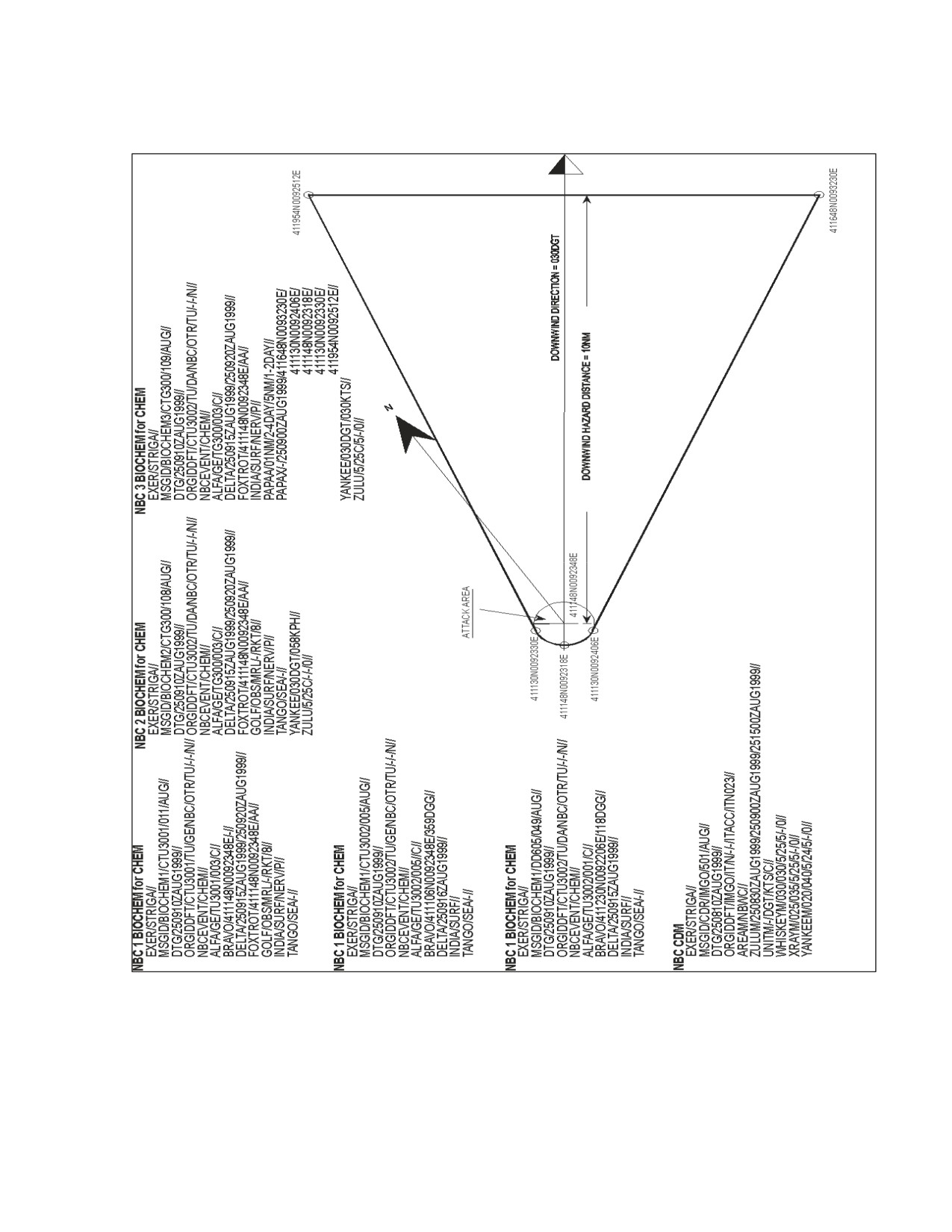
Figure E-24. Chemical Downwind Hazard Area Plot
2 February 2006 FM 3-11.3/MCRP 3-37.2A/NTTP 3-11.25/AFTTP(I) 3-2.56
E-47
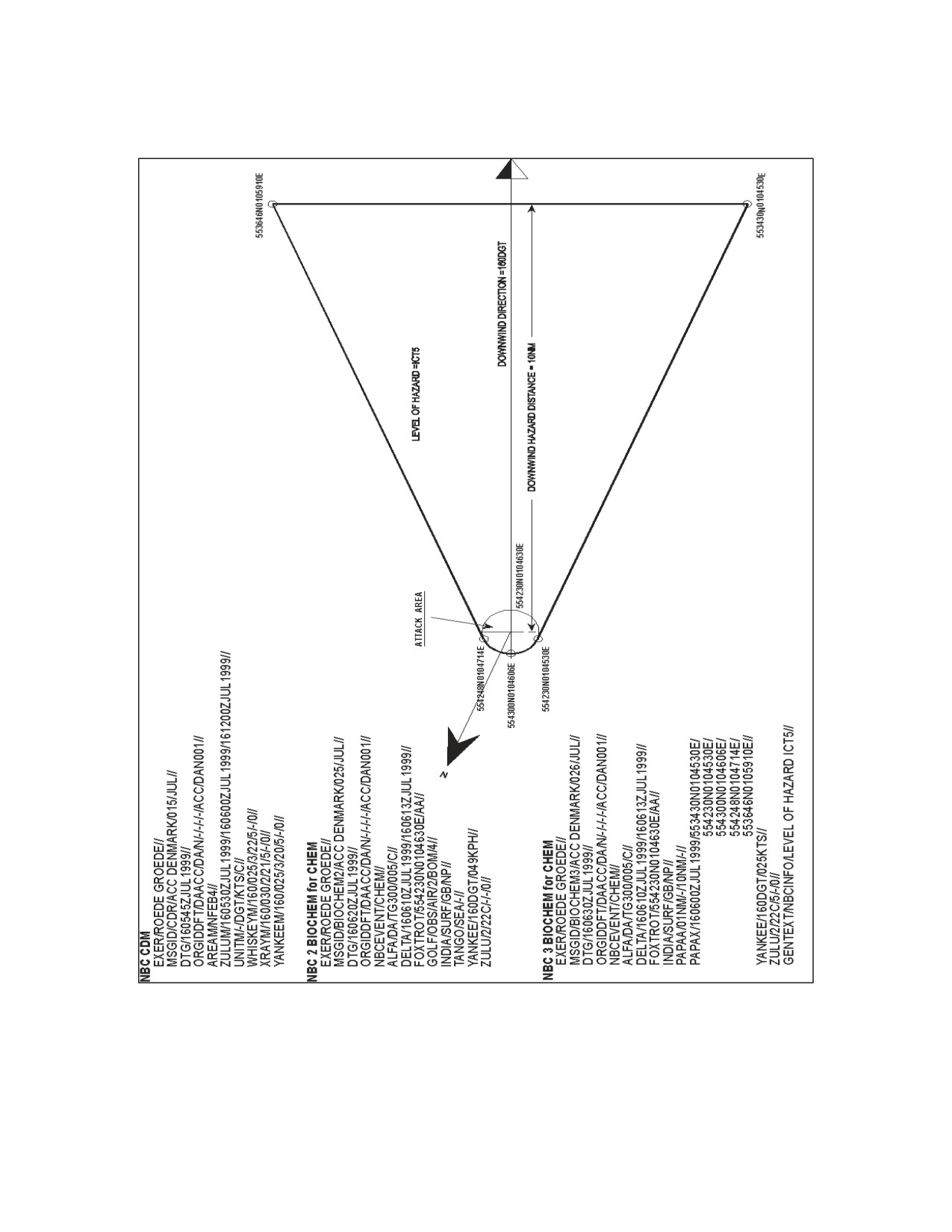
Figure E-25. Downwind Hazard Area, Type A Attack, Wind Speed ≥10 Knots
E-48
FM 3-11.3/MCRP 3-37.2A/NTTP 3-11.25/AFTTP(I) 3-2.56
2 February 2006
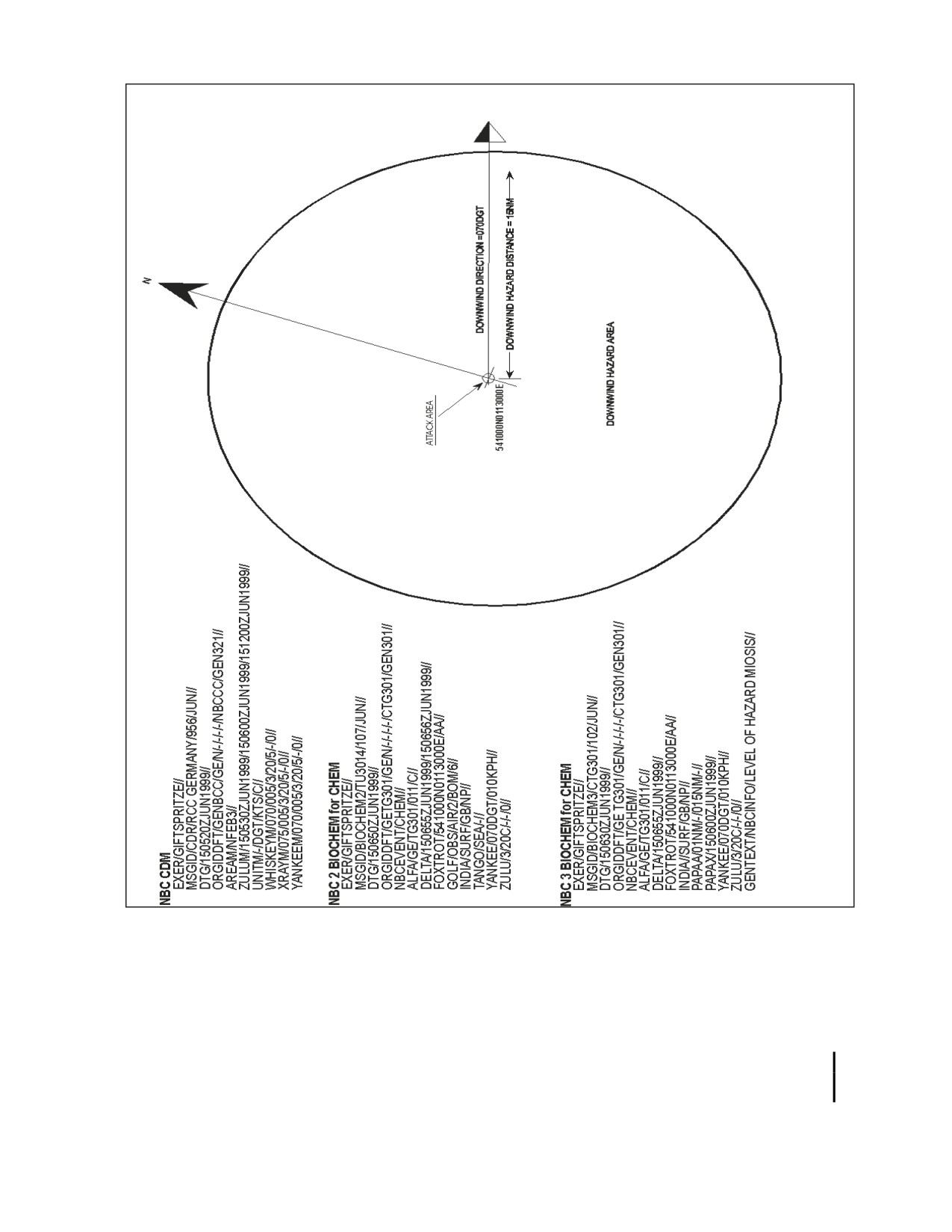
Figure E-26. Downwind Hazard Area, Type A Attack, Wind Speed ≤5 Knots or Variable
r.
Change in MET Conditions.
(1)
Adjustment Requirements. If the MET conditions change during the
hazard, the predicted hazard area must be adjusted for the following:
(a) Stability category changes from one category to another.
(b) Wind speed changes of more than 5 knots or from 5 knots or
less, to more than 5 knots, and vice versa.
30 April 2009 FM 3-11.3/MCWP 3-37.2A/NTTP 3-11.25/AFTTP(I) 3-2.56, C1
E-49
(c)
Wind direction changes of more than 20°.
(2)
Recalculation of Hazard. The new hazard area is determined by
calculating the downwind distance that the agent cloud may have traveled at the
time of the change in the MET conditions using the representative downwind speed.
Consider this point to be the center point of a new attack area, and draw a circle
around it with a radius equal to half the width of the hazard area at that point.
From there on, repeat the steps using the procedure described previously. The
distance which the agent cloud may already have traveled must be subtracted from
the maximum DHD under the new weather conditions (see Figure E-27, page E-52).
(3)
Agent Clouds Crossing the Coast Line. When a cloud from a
chemical agent crosses the coast line from sea to land or vice versa, consider the
point where the downwind direction line (downwind axis) intersects the coast line to
be the center point of a new attack area. Follow the procedure described above using
the appropriate tables for sea and land to determine the DHDs. When frequent
changes occur, use the land procedure when working manually.
(4)
Beginning and End of Hazard. In the case of air-contaminating
attacks (nonpersistent agent), the beginning and end of the hazard at a given point
may be determined using the following:
(a) Representative downwind speed.
(b) Distance of the location from the edge of the attack area.
(c)
Beginning and end of the attack.
The following two formulas are used:
tB = (dA x 60) / (1.5 x VZ) or tB = (dA x 40) / VZ
and
tE = (dB x 60) / (0.5 x VZ) or tE = (dB x 120) / VZ = 3 x tB
Where—
tB = time in minutes from the beginning of the attack to the
beginning of the hazard.
dA = distance between the location and the downwind leading edge of
the dissemination area (in NM).
dB = distance between the location and the downwind trailing edge
of the dissemination area (in NM).
VZ = wind speed in knots. If necessary, the wind speed must be
determined as the mean wind speed over several periods of validity
of the NBC CDM.
tE = time in minutes from the end of the attack to the end of the
hazard.
E-50
FM 3-11.3/MCWP 3-37.2A/NTTP 3-11.25/AFTTP(I) 3-2.56, C1
30 April 2009
Example:
Given: dA = 5 NM, VZ = 10 knots.
Using the formulas, tB and tE are calculated as follows:
tB = (5 NM x 40) / 10 knots = 20 minutes, and
tE = (5 NM x 120) / 10 knots = 60 minutes
(5)
Hazard Arrival Time. The beginning of the hazard is expected at
this location 20 minutes after the beginning of the attack and is expected to end 60
minutes after the end of the attack.
(6)
Maximum Duration. The expected maximum duration of the
air-contaminating hazard (i.e., when the calculated hazard is expected to be
completely clear) may be obtained by using the maximum DHD as dA, and
calculating tE from the formulas in paragraph (4) above.
(7)
The CBRN cells must continuously check the NBC3 CHEM
messages issued in order to ensure that any new information (MET or CBRN) is
considered. If necessary, a corrected NBC3 CHEM message must be transmitted.
2 February 2006 FM 3-11.3/MCRP 3-37.2A/NTTP 3-11.25/AFTTP(I) 3-2.56
E-51
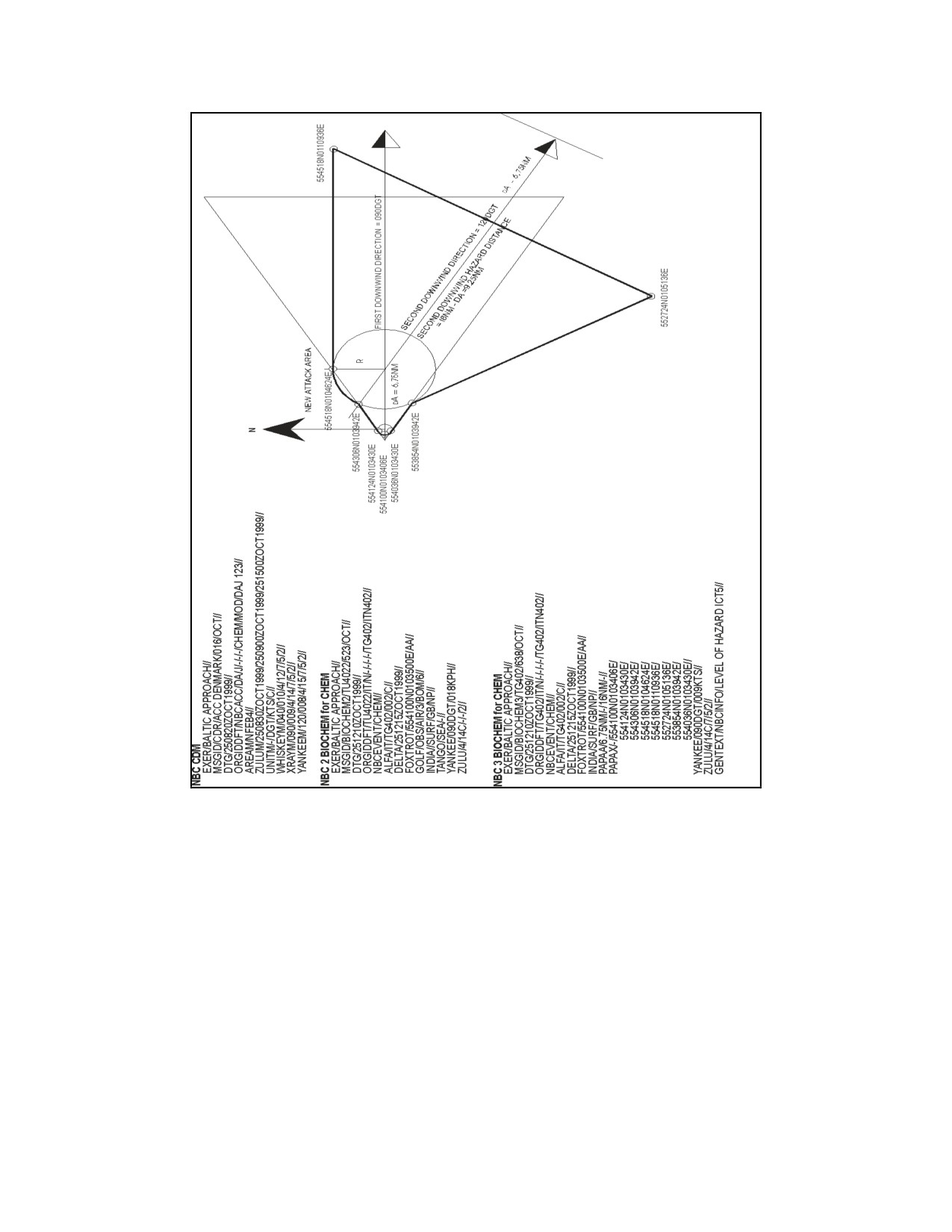
Figure E-27. Recalculation of Downwind Hazard Area, Type A Attack After Change
in Downwind Direction at Point B
E-52
FM 3-11.3/MCRP 3-37.2A/NTTP 3-11.25/AFTTP(I) 3-2.56
2 February 2006

6.
NBC4 CHEM Report
a.
When any unit detects CBRN hazards through monitoring, survey, or
reconnaissance, this information is reported using an NBC4 CHEM report (see
Figure E-28). Separate NBC4 CHEM reports are consolidated and then plotted on
the tactical map to show where the hazard exists. If monitoring information is
incomplete, a survey may be directed. Monitoring reports contain the type of agent
detected (line INDIA) indicating the type of chemical agent and persistency, the
location of the sampling (geographical position), the type of sample (air sample or
liquid sample) (line QUEBEC), the date-time of the detection (line SIERRA), and
topography information (line TANGO).
NBC4 CHEM Report
Line Item
Description
Cond
Example
ALFA
Strike serial number
O
ALFA/US/A234/001/C//
INDIA
Release information on CB agent
M
INDIA/UNK/NERV//
attacks or ROTA events
QUEBEC
Location of reading/sample/detection
M
QUEBEC/32VNJ481203/-/MSVY//
and type of sample/detection
ROMEO
Level of contamination, dose rate trend
O
ROMEO/20PPM//
and decay rate trend
SIERRA
DTG of reading or initial detection of
M
SIERRA/202300ZSEP1997//
contamination
TANGO
Terrain/topography and vegetation
M
TANGO/FLAT/URBAN//
description
WHISKEY
Sensor information
O
WHISKEY/POS/POS/NO/MED//
YANKEE
Downwind direction and downwind
M
YANKEE/270DGT/015KPH//
speed
ZULU
Actual weather conditions
O
ZULU/4/10C/7/5/1//
GENTEXT
General text
O
-
Figure E-28. Sample NBC4 CHEM Report
b.
Lines QUEBEC, ROMEO, SIERRA, and TANGO are a segment. With the
exclusion of line ROMEO, this segment is mandatory. Lines/segments are repeatable
up to 20 times in order to describe multiple detection, monitoring, or survey points.
c.
If no chemical agent is detected, this should be reported by entering NIL
in line INDIA. When all hazards from one attack are gone, the responsible CBRN
cell should annotate this in an NBC4 CHEM report by entering NIL in line INDIA
and by entering "CHEMICAL FREE ATTACK" in line GENTEXT/NBC INFO. To be
able to identify the attack, the strike serial number (line ALFA from the NBC2
CHEM report) must be included in the report.
30 April 2009 FM 3-11.3/MCWP 3-37.2A/NTTP 3-11.25/AFTTP(I) 3-2.56, C1
E-53

d.
For detailed information regarding chemical reconnaissance, refer to
Multiservice Tactics, Techniques, and Procedures for Nuclear, Biological, and
Chemical Reconnaissance.
7.
NBC5 CHEM Report
a.
The NBC5 CHEM report is prepared from the contamination plot. This
report is last in order because it consists of a series of grid coordinates. Often, this
message must be sent via radio nets. This requires lengthy transmission. The
recipient is required to plot each coordinate and redraw the plot. This report may
also be sent as a map overlay.
b.
For NBC5 CHEM reports, line items INDIA (release information),
OSCAR (reference time), and XRAYA (actual contour information) are mandatory
(see Figure E-29).
NBC5 CHEM Report
Line Item
Description
Cond
Example
ALFA
Strike serial number
O
ALFA/US/A234/001/C//
DELTA
DTG of attack or detonation and
O
DELTA/201405ZSEP1997//
attack end
INDIA
Release information on CB agent
M
INDIA/AIR/NERV/P/-//
attacks or ROTA events
OSCAR
Reference DTG for estimated
M
OSCAR/201505ZSEP1997//
contour lines
TANGO
Terrain/vegetation information
O
XRAYA*
Actual contour information
M
XRAYA/LCT50/32VNJ575203/
32VNJ572211/32VNJ560219/
32VNJ534218/32VNJ575203//
XRAYB*
Predicted contour information
O
YANKEE
Downwind direction and downwind
O
YANKEE/270DGT/015KPH//
speed
ZULU
Actual weather conditions
O
ZULU/4/10C/7/5/1//
GENTEXT
General text
O
*Line items are repeatable up to 50 times to represent multiple contours.
Figure E-29. Sample NBC5 CHEM Report
8.
NBC6 CHEM Report
The NBC6 CHEM report is a summary of the information concerning the
CBRN and ROTA events. NBC6 CHEM reports consist mainly of general text, which
gives information on the event (see Figure E-30).
E-54
FM 3-11.3/MCWP 3-37.2A/NTTP 3-11.25/AFTTP(I) 3-2.56, C1
30 April 2009

NBC6 CHEM Report
Line Item
Description
Cond
Example
ALFA
Strike serial number
O
ALFA/US/A234/001/C//
DELTA
DTG of attack or detonation and
O
DELTA/201405ZSEP1997/
attack end
201420ZSEP1997//
FOXTROT
Location of attack and qualifier
O
FOXTROT/32UNB058640/EE//
INDIA
Release information on CB agent
O
INDIA/AIR/NERV/P/MSDS//
attacks or ROTA events
QUEBEC
Location and type reading/sample/
O
QUEBEC/32VNJ481203/-/MSDS//
detection
ROMEO
Level of contamination, dose rate
O
trend, and decay rate trend
SIERRA
DTG of reading
O
SIERRA/202300ZSEP1997//
GENTEXT
General text
M
GENTEXT/CBRNINFO/SICA LAB
REPORT HAS IDENTIFIED THE AGENT
AS VX//
Figure E-30. Sample NBC6 CHEM Report
30 April 2009 FM 3-11.3/MCWP 3-37.2A/NTTP 3-11.25/AFTTP(I) 3-2.56, C1
E-55
THIS PAGE IS INTENTIONALLY LEFT BLANK
E-56
FM 3-11.3/MCWP 3-37.2A/NTTP 3-11.25/AFTTP(I) 3-2.56, C1
30 April 2009
Appendix F
BIOLOGICAL-CONTAMINATION AVOIDANCE TACTICS,
TECHNIQUES, AND PROCEDURES
1.
Background
As with all forms of CBRN attacks or ROTA, an effective means of communication
must be trained and rehearsed for the avoidance of biological contamination to be
successful. Once a unit is aware that it may have been in a biological attack or is within a
possible hazard area, the avoidance procedures throughout this manual should be initiated.
The CBRNWRS should be used to relay information about the biological agents and
hazards in an efficient and timely manner. Biological avoidance requires an understanding
of what biological agents are, how they may be employed, and what happens to the agents
after they are released. Biological agents are broken down into two broad categories—
pathogens and toxins.
•
Pathogens are infectious agents that cause disease in man, animals, or plants.
Agents that constitute antipersonnel BW threats include bacteria, viruses, and rickettsias.
•
Toxins are poisonous substances produced as by-products of the microorganisms
(pathogens), plants, and animals.
2.
Biological-Agent Dissemination Methods
There are three general methods of disseminating biological agents—aerosol, vector,
and covert. Each method is designed to get the agent into the body, and each method
targets a specific portal of entry in order to infect the individual.
a.
Aerosol Dissemination.
(1)
Biological Agents. Biological agents may be disseminated by ground- or air-
bursting munitions, aircraft spray tanks, or boat- or truck-mounted aerosol generators. An
aerosol attack will most likely occur in a covert (hidden) manner. Dissemination is likely to
occur at altitudes of 1,000 feet or less (100 feet optimum). The estimation of the hazard
areas resulting from dissemination at altitudes greater than 1,000 feet aboveground
requires extensive MET analysis.
(2)
Toxins. Toxins can be disseminated as a liquid (such as “yellow rain”). This
makes the toxin highly visible and an immediate hazard. It will generally be limited to the
immediate area of the attack.
(3)
Aerosol Cloud Travel. In a tactical aerosol attack, the aerosol cloud (after
initial formation) will travel downwind at a rate determined by the wind speed. The cloud
will lengthen and widen as it travels downwind. The length of the agent cloud will equal
about one-third of the distance traveled. Units near the release point will encounter a more
concentrated cloud. However, units located farther downwind (even though exposed to a
less concentrated agent cloud) will be exposed for a longer period of time, so unprotected
personnel may inhale a higher total dose. The peak danger area will be located in the area
where the cloud stays intact, while at the same time, it is at its maximum width and
length. This distance is approximately the maximum downwind hazard prediction for a
30 April 2009 FM 3-11.3/MCWP 3-37.2A/NTTP 3-11.25/AFTTP(I) 3-2.56, C1
F-1
chemical agent; therefore, it is vital to determine whether or not the attack is biological or
chemical.
(4)
Casualty Production. The biological-agent cloud can cause immediate and
delayed casualties. This is due to the fact that each individual will receive a different dose,
and the time until the onset of symptoms will depend on the amount of agent received and
each individual’s physiological makeup. The onset of illness will also be affected by the
person’s reaction time and any other forms of protection (i.e., inoculation, masking time)
that were available against the agent. Biological-agent casualties can occur in an area as
much as two times the maximum DHD for a chemical agent.
(5)
Dispersal and Settling Out. Traveling farther downwind, the cloud is
exposed to the environmental elements. It is subjected to dispersal, settling, and impaction
on the terrain features. The agent cloud will lose much of its concentration, and the losses
will be such that the majority of unprotected personnel will not receive an infective
(pathogen) or effective (toxin) dose. Dispersal will not be uniform, and casualties may occur
as far as four to five times the maximum DHD of chemical agents.
(a) Bursting-Type Munitions. When a biological projectile or bomb bursts,
the filling (liquid slurry or dry powder) is initially dispersed in all directions. An effective
ground-bursting munition will project the majority of the filling into the air to form an
aerosol cloud. Air-bursting munitions may also form an aerosol cloud that will behave in a
similar manner to a spray attack. The agent may be designed to fall to the ground as a
surface contaminant, much like persistent chemical agents. The dimensions of the aerosol
cloud will be influenced by the means of delivery, weather conditions, and terrain.
(b) Spray Tanks and Generators. Aircraft and vehicle spray tanks or
aerosol generators may be employed to form an aerosol cloud. This form of attack is likely to
take place covertly.
b.
Vector Dissemination. Some pathogens may be delivered by the use of vectors,
such as fleas, ticks, lice, or mosquitoes. Many of these same vectors have carried diseases
since recorded history, and avoidance procedures should be practiced at all times to limit
the potential for infection.
(1)
Controlling Vectors. One of the major difficulties with vectors is control.
Once they are released, they are basically out of control and can attack anyone. Vectors are
quite mobile and can easily leave the area where they were released.
(2)
Logistical and Production Problems. Getting a live, infective pathogen
inside a vector is a difficult proposition. Getting the vector inside a delivery vehicle that will
not damage or kill the vector is another difficult issue. Doing these things and then
delivering sufficient quantities of the vectors to be effective in producing a disease outbreak
will be difficult.
c.
Covert Dissemination. Sabotage and terrorist personnel may possess a variety of
aerosol and contamination (poisoning) techniques for various targets. Aerosol techniques
can be fairly large operations, using aerosol generators (or foggers) that produce large,
open-air hazard areas. These techniques also can be more limited and selective, targeting
the enclosed air space of key C2 facilities, aircraft, ships, troop billets, and similar areas.
Biological agents in liquid, powders, or spray can be placed directly into foodstuffs at
harvest, processing, distribution, and preparation points. They can also be placed into the
water reservoir or distribution chain.
F-2
FM 3-11.3/MCWP 3-37.2A/NTTP 3-11.25/AFTTP(I) 3-2.56, C1
30 April 2009
3.
Avoidance Procedures
Avoidance procedures are broken down into actions—before, during, and after the
attack. For a biological attack, these procedures will also be broken down by the different
dissemination methods. The lists given, while not all-encompassing, will assist in
developing the unit SOP and directives.
a.
Aerosol Avoidance Procedures.
(1)
Preattack.
(a) Alert subordinate units.
(b) Establish and enforce preventive medicine (PVNTMED) programs to
include immunizations, area sanitation, personal-hygiene standards, and rest and
nutritional needs of the troops.
(c)
Gain intelligence on the threat capabilities and intentions.
(d) Seek out, intercept, and destroy enemy weapon systems, production
facilities, and storage sites.
(e) Instruct troops on the threat, how to recognize the attack, and
protective measures to be taken.
(f)
Train and drill on the fitting and donning of protective masks and
clothing.
(g) Set up collective protection systems for personnel, equipment, and
supplies.
NOTE: Field-expedient collective protection must be airtight.
(h) Identify backup (alternate) food, water, and supply sources.
(i)
Establish detection and sampling procedures.
(j)
Conduct a vulnerability analysis.
(k) Increase MEDSURV.
(l)
Increase food and water surveillance.
(m) Distribute prophylaxis if the threat agents are known and prophylaxis
for the agent exists.
(2)
During Attack.
(a) Recognize the attack.
(b) Initiate personnel protective measures. In the event of a potential
biological attack involving a munitions release, masking is the first priority; but since the
attack may be chemical or toxin, MOPP4 is initially required. For the maximum protection
and the lowest risk of incurring casualties, soldiers should wear protective clothing and
masks for at least 4 hours after the unit has been attacked or the agent cloud is predicted
or known to have passed through the unit area. Every effort must be made to identify the
exact agent, including its characteristics. If the skin is contaminated, remove the
contamination immediately using the procedures provided in the Multiservice Tactics,
30 April 2009 FM 3-11.3/MCWP 3-37.2A/NTTP 3-11.25/AFTTP(I) 3-2.56, C1
F-3
Techniques, and Procedures for Chemical, Biological, Radiological, and Nuclear
Decontamination.
(c)
Repulse or eliminate the delivery vehicle or weapons.
(d) Observe for distinguishing signs between a biological- and chemical-
agent attack or a mixture of a conventional and biological attack.
(e) Report the attack utilizing the CBRNWRS. A biological attack that
cannot be immediately identified will be reported as an NBC1 UNK.
(3)
Postattack.
(a) Estimate the downwind hazard. Significant casualties in unprotected
personnel can occur at two times the maximum DHD for a chemical agent.
(b) Determine the BW agent.
(c)
Initiate prophylaxis and vaccination against a biological attack. This
should be the first priority once the agent is known.
(d) Begin sampling and collection procedures according to the unit SOP.
(e) Consume only sealed rations and properly contained water. Outer-
container surfaces, if exposed, must be properly decontaminated. Call PVNTMED personnel
when the safety of the unit level water supplies is questionable. Inspect food storage depots
and supply points. Replenish water supplies from the water purification units.
(f)
Separate the biological casualties. Separate the ill from the well
individuals if the BW agent is contagious (isolation of ill). If possible, only properly
protected individuals (vaccinated, on prophylaxis, or in proper personal protective
equipment) should provide treatment to sick individuals. If unprotected individuals must
provide treatment, use a minimum number of personnel until protective prophylaxis or
equipment can be obtained. Keep in mind that when dealing with contagious individuals,
evacuation options may be limited.
(g) Implement movement restriction if the BW agent is contagious.
b.
Vector Avoidance Procedures.
(1)
Preattack.
(a) Apply insect repellant on the exposed skin.
(b) Gain intelligence on the threat capabilities and intentions.
(c)
Seek out, intercept, and destroy enemy weapon systems and
production and storage sites.
(d) Instruct troops on the threat, recognition of the attack, and protective
measures.
(e) Establish and enforce PVNTMED programs, to include
immunizations, area sanitation, personal-hygiene standards, and rest and nutritional
needs of the troops.
F-4
FM 3-11.3/MCWP 3-37.2A/NTTP 3-11.25/AFTTP(I) 3-2.56, C1
30 April 2009
(2)
During Attack.
(a) Recognize and report suspicious indications of the vector attack (the
sudden appearance of large numbers or strange kinds of insects not previously
encountered in an operational area or the finding of vector bomblet cages).
(b) Cover the exposed skin. Balance between protection and performance
degradation. Protective overgarments will not totally exclude a determined tick.
Bloused trousers and rolled-down, buttoned sleeves with insect repellant (properly
applied) will probably afford as much protection with less degradation.
(c)
Apply insect repellant liberally, especially to neck, face, ankle, and
wrist areas.
(d) Report the attack.
(3)
Postattack.
(a) Coordinate with the supporting medical authority for PVNTMED
assistance.
(b) Begin insecticide and other pest control measures as outlined by
PVNTMED personnel. Logistical support for unit size pest control procedures should be a
coordinated effort between the CBRN staff and the supporting medical authority.
Physically remove lice, ticks, and fleas from body by self-aid and buddy aid, as necessary.
(c)
Make hazard estimates. Reconnaissance and medical reports may
help the CBRN staff assess the hazard areas.
c.
Covert Avoidance Procedures.
(1)
Preattack.
(a) Maintain OPSEC.
(b) Identify covert and sabotage threat force capabilities and intentions.
(c)
Arrange for security measures to be taken based upon threat
assessment.
(d) Identify alternate supply sources for high-risk items.
(e) Instruct troops to be alert to the dissemination devices or signs of
covert tampering, as intelligence dictates.
(f)
Establish and enforce PVNTMED programs, to include
immunizations, area sanitation, personal-hygiene standards, and rest and nutrition
needs of the troops. The protection of food and water may prevent the successful
employment of a specific biological agent.
(2)
During Attack.
(a) Report the observation of an attack, the apprehension of enemy agents
engaged in such activity, or the finding of signs and indications of covert attacks.
(b) Initiate personnel and collective protection. For maximum protection
and the lowest risk of incurring casualties, soldiers should maintain protective posture
for at least 4 hours.
2 February 2006 FM 3-11.3/MCRP 3-37.2A/NTTP 3-11.25/AFTTP(I) 3-2.56
F-5
(3)
Postattack.
(a) Warn personnel downstream, downwind, and down the supply lines.
The CBRN cell will warn personnel based on at-hand medical and intelligence
information and the analysis of NBC1 BIO reports.
(b) In conjunction with veterinary personnel and the Surgeon General,
initiate the disposal and replacement of food, water, and other supplies. The CBRN cell
can coordinate inspections and medically approved replenishment sources. Actions
involving the disposal of major quantities of food must be coordinated with the
supporting veterinary personnel. Actions involving the disposal of major quantities of
other nonmedical supplies should be coordinated with the CBRN cell.
(c)
Initiate sampling based on the knowledge, consent, and special
sampling requirements. If a BW attack is suspected, wash surfaces with at least a 5
percent solution of bleach. Bleach is a very effective form of decontamination for most
BW agents.
4.
Biological-Contamination Reporting, Predicting, and Plotting
In order for a unit to implement passive avoidance measures, it will need advanced
warning of a potential contamination. The rest of this chapter deals with the various NBC
BIO reports and the prediction of hazard areas.
5.
NBC1 BIO Report
The NBC1 BIO report is the most widely used report. The observing unit uses this
report to provide CBRN attack data. All units must be completely familiar with the NBC1
BIO report format and the information needed to complete the report. This report is
prepared quickly and accurately at the unit level and sent to the next higher HQ or NBC
cell as directed by OPORDs/directives. NBC1 BIO reports are not routinely passed to corps
or higher CBRN cells, except for the initial-use report. Lines BRAVO (location of observer),
DELTA (DTG), GOLF (means of delivery), INDIA (release information), and TANGO
(terrain, topography, and vegetation description) are mandatory entries in the NBC1
report.
a.
Precedence. The precedence of the NBC1 BIO report depends on whether or not
it is an initial report. The initial use of a CBRN weapons report is FLASH precedence; all
others are IMMEDIATE precedence.
b.
Preparation. Individuals identified by the unit SOP submit raw data to the unit
CBRN defense team. The NBC1 BIO format should be used; however, a SALUTE, or spot
report may also be used and should be submitted to the unit CBRN defense team. The unit
CBRN defense team normally consists of the individuals who have been trained in CBRN
defense. This ensures that the report is in the proper format and is correct.
c.
Sample. A sample NBC1 report is shown in Figure F-1. The column “Cond”
shows O (operationally determined) or M (mandatory) for each message type.
Operationally determined sets listed may be added or deleted at the user’s discretion.
F-6
FM 3-11.3/MCRP 3-37.2A/NTTP 3-11.25/AFTTP(I) 3-2.56
2 February 2006

NBC1 BIO Report
Line Item
Description
Cond
Example
ALFA
Strike serial number
Will be assigned be the servicing CBRN cell
BRAVO
Location of observer and direction of
M
BRAVO/32UNB062634/2500MLG//
attack or event
DELTA
DTG of attack or detonation and
M
DELTA/201405ZSEP1997/
attack end
201420ZSEP1997//
FOXTROT
Location of attack or event
O
FOXTROT/32UNB058640/EE//
GOLF
Delivery and quantity information
M
GOLF/OBS/AIR/1/BML/-//
INDIA
Release information on CB agent
M
INDIA/AIR/BIO/NP/UMPDS//
attacks or ROTA events
TANGO
Terrain/topography and vegetation
M
TANGO/FLAT/URBAN//
description
YANKEE
Downwind direction and downwind
O
YANKEE/270DGT/015KPH//
speed
ZULU
Actual weather conditions
O
ZULU/4/10C/7/5/1//
GENTEXT
General text
O
-
Figure F-1. Sample NBC1 BIO Report
6.
NBC2 BIO Report
The NBC2 BIO report is based on one or more NBC1 BIO reports. It is used to pass
evaluated data to higher, subordinate, and adjacent units. The CBRN cell is usually the
lowest level that prepares NBC2 BIO reports. However, CBRN personnel at an
intermediate HQ may prepare NBC2 BIO reports if they have sufficient data. These
intermediate HQ, however, will not assign a strike serial number. The CBRN cell prepares
the NBC2 BIO report, assigns it a strike serial number, and disseminates it to the
appropriate units. Each subordinate unit then decides whether to disseminate the report
further. Lines ALFA (strike serial number), DELTA (DTG), FOXTROT (location of attack),
GOLF (means of delivery), INDIA (release information), and TANGO (terrain, topography,
and vegetation description) are mandatory entries in the NBC2 BIO report. A sample
NBC2 BIO report is shown in Figure F-2, page F-8.
30 April 2009 FM 3-11.3/MCWP 3-37.2A/NTTP 3-11.25/AFTTP(I) 3-2.56, C1
F-7

NBC2 BIO Report
Line Item
Description
Cond
Example
ALFA
Strike serial number
M
ALFA/US/A234/001/B//
DELTA
DTG of attack or detonation and
M
DELTA/201405ZSEP1997/
attack end
201420ZSEP1997//
FOXTROT
Location of attack or event
M
FOXTROT/32UNB058640/EE//
GOLF
Delivery and quantity information
M
GOLF/OBS/AIR/1/BML/-//
INDIA
Release information on CB agent
M
INDIA/AIR/BIO/NP/UMPDS//
attacks or ROTA events
TANGO
Terrain/topography and vegetation
M
TANGO/FLAT/URBAN//
description
YANKEE
Downwind direction and downwind
O
YANKEE/270DGT/015KPH//
speed
ZULU
Actual weather conditions
O
ZULU/4/10C/7/5/1//
GENTEXT
General text
O
Figure F-2. Sample NBC2 BIO Report
7.
NBC3 BIO Report
Area CBRN centers use NBC2 BIO reports and current wind information to predict
the area of hazard. This prediction is disseminated as an NBC3 BIO report. It is sent to all
units or activities that could be affected by the hazard. Each unit or activity prepares a plot
of the NBC3 BIO report, determines which of its subordinate units or activities are affected,
and warns them accordingly. Commanders should use this report as battlefield intelligence
when planning missions. The NBC3 BIO report is a prediction of the hazard area. This
prediction is safe-sided to ensure that a significant hazard will not exist outside the
predicted hazard area. As the JWARN is developed and fielded, its built-in models will give
a more realistic depiction of the predicted hazard area. Units within the hazard area must
adjust their MOPP level if necessary. A sample NBC3 BIO report is shown in Figure F-3.
F-8
FM 3-11.3/MCWP 3-37.2A/NTTP 3-11.25/AFTTP(I) 3-2.56, C1
30 April 2009

NBC3 BIO Report
Line Item
Description
Cond
Example
ALFA
Strike serial number
M
ALFA/US/A234/001/B//
DELTA
DTG of attack or detonation and
M
DELTA/201405ZSEP1997/
attack end
201420ZSEP1997//
FOXTROT
Location of attack or event
M
FOXTROT/32UNB058640/EE//
GOLF
Delivery and quantity information
O
GOLF/OBS/AIR/1/BML/-//
INDIA
Release information on CB agent
M
INDIA/AIR/BIO/NP/MPDS//
attacks or ROTA events
OSCAR
Reference DTG for contour lines
O
PAPAA
Predicted attack/release and
M
PAPAA/1KM/3-10DAY/10KM/2-6DAY//
hazard area
PAPAX
Hazard area location for weather
M
PAPAX/201600ZSEP1997/
period
32VNJ456280/32VNJ456119/
32VNJ576200/32VNJ566217/
32VNJ456280//
TANGO
Terrain/vegetation information
O
XRAYB
Predicted contour information
C
YANKEE
Downwind direction and downwind
O
YANKEE/270DGT/015KPH//
speed
ZULU
Actual weather conditions
O
ZULU/4/10C/7/5/1//
GENTEXT
General text
O
Note: XRAYB is prohibited if OSCAR is not used.
Figure F-3. Sample NBC3 BIO Report
a.
Definitions. In order to avoid contamination, the commander needs to know
where the contamination is located. The biological prediction procedure provides
information on the location, extent of the hazard area, and duration of the hazard resulting
from attacks with biological weapons. It provides the necessary information for
commanders to warn units within the predicted hazard area. The following definitions are
used in predicting biological hazards.
(1)
Attack Area. This is the predicted area immediately affected by the
delivered biological agent.
(2)
Hazard Area. This is the predicted area in which unprotected personnel
may be affected by an agent spreading downwind from the attack area. The downwind
distance depends on the type of attack and on the weather and terrain in the attack and
downwind areas.
(3)
Contaminated Area. This is the area in which a biological hazard may
remain at hazardous levels for some time after the attack. The contamination may be in
solid or liquid form. The actual shape and duration can only be determined by surveys and
sampling.
30 April 2009 FM 3-11.3/MCWP 3-37.2A/NTTP 3-11.25/AFTTP(I) 3-2.56, C1
F-9
b.
Types of Biological Attacks. Biological attacks can be categorized into the
following four groups, based on the means of delivery and wind speed (see Table F-1,
page F-11).
(1) Type P. Type P consists of attacks with localized exploding munitions (such as
bomb [BOM], shell [SHL], rocket [RKT], mine [MNE], surface burst missile [MSL]), surface
release spray (SPR), or surface release aerosol generator (GEN).
(2) Type Q. Type Q consists of attacks with munitions that cover a large area
(such as bomblets [BML] or air burst MSL).
(3) Type R. Type R consists of attacks where the location of the attack is known,
but the type of container is unknown (UNK), or the attack was from an air release SPR or
GEN.
(4) Type S. Type S consists of detection after an unobserved attack.
NOTE: A surface release SPR or GEN should be treated as Type R if it is mobile
and releases material over a distance exceeding 1 km.
F-10
FM 3-11.3/MCWP 3-37.2A/NTTP 3-11.25/AFTTP(I) 3-2.56, C1
30 April 2009
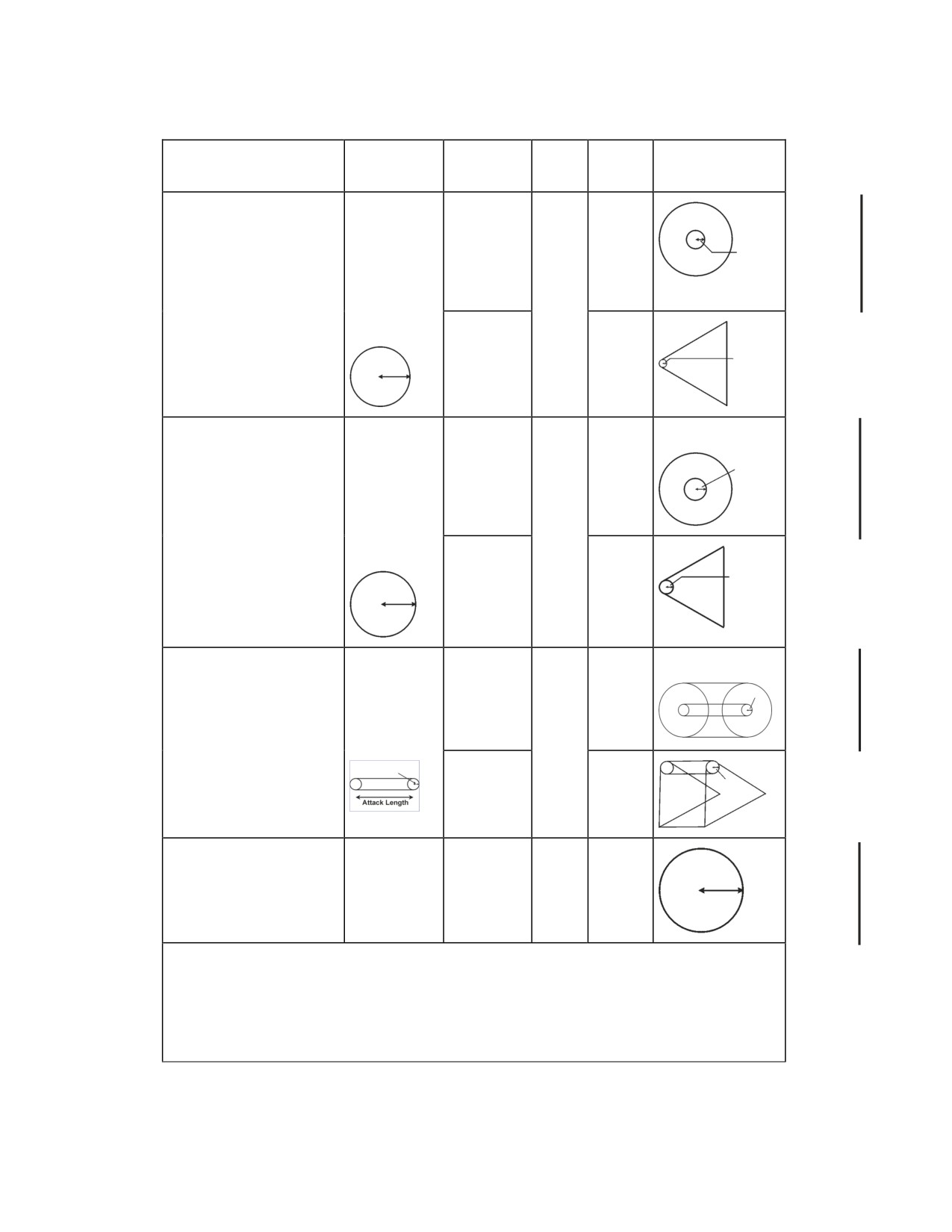
Table F-1. Types and Cases of Attacks
Type Of Agent Container
Radius Of
Wind
Type**
Case
Figure
Attack Area*
Speed
= 2KM
BOM, RKT, SHL, MNE,
Surface-burst MSL,
≤10 kph
1
Surface release SPR, or
GEN
P
>10 kph
2
= 10KM
BML or
Air-burst MSL
≤10 kph
1
Q
>10 kph
2
= 2KM
Air release SPR and GEN
or UNK
100 KM
≤10 kph
1
default
R
>10 kph
2
Detection after unobserved
= 50KM
attack
S
(NBC4 BIO message)
1/2
NOTE: An NBC1 BIO report may be received after an unobserved attack and should be
treated as an NBC4 BIO report.
*A different observed radius may be specified in GENTEXT.
**If two types of attack are found, use the following order to determine which type of attack
to use: Type R, Type Q, or Type P.
30 April 2009 FM 3-11.3/MCWP 3-37.2A/NTTP 3-11.25/AFTTP(I) 3-2.56, C1
F-11
c.
Hazard Prediction. Before a detailed prediction can be made, the CBRN staff will
determine the type of biological attack and the case. This information is crucial for the
hazard prediction.
(1)
Attack Location. Determine or estimate the location of the attack from the
NBC1 BIO reports, and mark it on a map overlay.
(2)
Attack Areas. Determine or estimate the type of attack from the NBC1 BIO
reports. The attack area is plotted as outlined below.
(a) Type P. The attack area for Type P is drawn as a 2 km radius circle,
centered at the release location.
(b) Type Q. The attack area for Type Q is drawn as a 10 km radius circle,
centered at the release location.
(c)
Type R. The attack area for Type R is defined by the line end points
entered as two positions in set FOXTROT. A 2 km radius circle is drawn at the center
position or at the two end positions, with tangents connecting the two circles together. If
the flight direction cannot be established, assume it to be perpendicular to the wind
direction. If only one position is reported in set FOXTROT, the line is 100 km, long-centered
on this point, oriented in the direction of the aircraft trajectory, and centered at the middle
of the observed flight path.
(d) Type S. The attack area for Type S is drawn as a 50 km radius circle,
centered at the detection location. The attack area is unknown; this is only an initial area.
NOTE: The attack area for Types P, Q, or R may be reduced or enlarged based on
the available information specified in GENTEXT. In computer-generated
messages, this information will be formatted as RDS: XXX km, always using three
digits for the radius (e.g., RDS: 045 km).
d.
Downwind Travel Distances.
(1)
Downwind Travel. The downwind travel distance is defined as the distance
traveled by the center of the cloud. The downwind travel distance is broken into three
segments corresponding to the three time periods of the NBC CDR as follows:
d1 = u1t1
d2 = 2u2
d3 = u3 * (4 - t1)
Where—
d1 = distance (in km) travelled within the first NBC CDR 2-hour period of the
attack.
d2 = distance (in km) travelled within the next NBC CDR 2-hour period.
d3 = distance (in km) travelled within the third NBC CDR 2-hour period.
u1 = wind speed (in kph) for the first NBC CDR 2-hour period following the
attack.
u2 = wind speed (in kph) for the next NBC CDR 2-hour period.
u3 = wind speed (in kph) for the third NBC CDR 2-hour period.
F-12
FM 3-11.3/MCWP 3-37.2A/NTTP 3-11.25/AFTTP(I) 3-2.56, C1
30 April 2009