FM 100-60 OPFOR ARMOR- AND MECHANIZED-BASED OPPOSING FORCE ORGANIZATION GUIDE (July 1997) - page 1
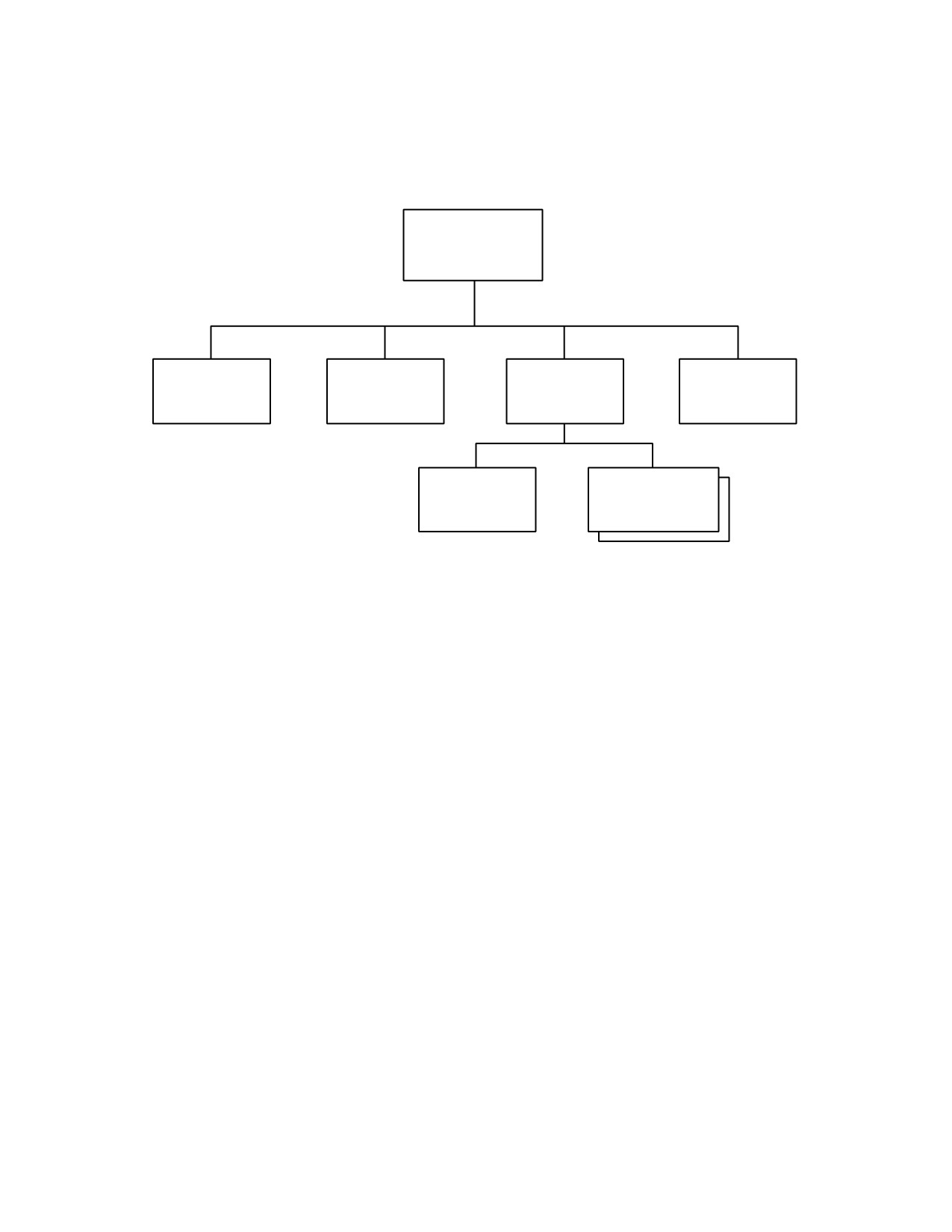
FM 100-60
Field Manual
Headquarters
No. 100-60
Department of the Army
Washington, DC, 16 July 1997
ARMOR- AND MECHANIZED-BASED OPPOSING FORCE:
ORGANIZATION GUIDE
CONTENTS
Page
Preface
iii
Introduction
iv
Chapter 1
Maneuver Divisions
1-1
Mechanized Infantry Division (IFV-Heavy)
1-4
Mechanized Infantry Division (APC-Heavy)
1-5
Tank Division
1-85
Motorized Infantry Division
1-86
Chapter 2
Maneuver Brigades
2-1
Mechanized Infantry Brigade (IFV) (Div), MID
2-3
Mechanized Infantry Brigade (IFV) (Div), TD
2-6
Mechanized Infantry Brigade (IFV) (Sep)
2-9
Mechanized Infantry Brigade (APC) (Div), MID
2-13
Mechanized Infantry Brigade (APC) (Sep)
2-16
Tank Brigade (Div), MID
2-53
Tank Brigade (Div), TD
2-56
Tank Brigade (Sep)
2-59
Chapter 3
Maneuver Battalions
3-1
Mechanized Infantry Battalion (IFV)
3-3
Mechanized Infantry Battalion (APC)
3-19
Tank Battalion (31-Tank Standard), MIBR and TBR
3-31
Tank Battalion (40-Tank Variant), MIBR (Div)
3-35
Tank Battalion, MIBR (Sep) and TBR (Sep)
3-39
Tank Battalion (44-Tank Variant), MIBR and TBR or Motorized Inf Div
3-40
DISTRIBUTION RESTRICTION: Approved for public release; distribution unlimited.
i
FM 100-60
Chapter 4
Armies and Corps
4-1
Mechanized Army
4-4
Tank Army
4-106
Mechanized Corps
4-108
Tank Corps
4-119
Chapter 5
Army Groups and National Asset Pool
5-1
Army Group
5-5
Airborne Forces
5-71
Special-Purpose Forces
5-108
Naval Infantry Forces
5-112
Appendix A
Maneuver and Fire Support Equipment Substitution Matrices
A-1
Tank Substitution Matrix
A-2
Light Armored Vehicle Substitution Matrix
A-4
Mortar Substitution Matrix
A-5
Towed Artillery Substitution Matrix
A-6
Self-Propelled Artillery Substitution Matrix
A-7
Multiple Rocket Launcher Substitution Matrix
A-8
Surface-to-Surface Missile Substitution Matrix
A-8
Antitank Weapon Substitution Matrix
A-9
Antiaircraft Gun Substitution Matrix
A-11
Surface-to-Air Missile Substitution Matrix
A-12
Attack Helicopter Substitution Matrix
A-13
Appendix B
Engineer Equipment Substitution Matrices
B-1
Ferry and Amphibious Transporter Substitution Matrix
B-2
Bridging Substitution Matrix
B-3
Ditching and Trenching Machine Substitution Matrix
B-5
Minelaying Equipment Substitution Matrix
B-6
Mineclearing Equipment Substitution Matrix
B-7
Armored Engineer Vehicle Substitution Matrix
B-9
Appendix C
Cargo Truck, Trailer, and Radio Substitution
C-1
Trucks
C-1
Trailers
C-2
Radios
C-3
Glossary
Glossary-1
References
References-0
Index
Index-1
ii
FM 100-60
Preface
This manual is one of a series that describes a capabilities-based Opposing Force (OPFOR) for
training U.S. Army commanders, staffs, and units. The manuals in this series areæ
· FM 100-60. Armor- and Mechanized-Based Opposing Force: Organization Guide.
· FM 100-61. Armor- and Mechanized-Based Opposing Force: Operational Art.
· FM 100-62. Armor- and Mechanized-Based Opposing Force: Tactics.
· FM 100-63. Infantry-Based Opposing Force: Organization Guide.
· FM 100-64. Infantry-Based Opposing Force: Operations and Tactics.
· FM 100-65. Capabilities-Based Opposing Force: Worldwide Equipment Guide.
· FM 100-66. Opposing Forces in Stability and Support Operations.
Together, these manuals outline an OPFOR that can cover the entire spectrum of military
capabilities against which the Army must train to ensure success in any future conflict.
Applications of this series of manuals include field training, training simulations, and
classroom instruction throughout the Army. All Army training venues should use an OPFOR
based on these manuals, except when mission rehearsal or contingency training requires maximum
fidelity to a specific country-based threat. Even in the latter case, trainers should use appropriate
parts of this capabilities-based OPFOR to fill information gaps in a manner consistent with what
they do know about a specific threat.
This manual provides a menu of possible organizational building blocks for an armor- and
mechanized-based OPFOR. From this menu, users can build an order of battle appropriate to
their training requirements. For each type of unit, the manual outlines basic unit structure and
possibly a number of variations. For most units, the manual also lists principal items of
equipment. Appendixes provide guidance and examples for users who wish to substitute other
items of equipment for the baseline systems listed for a unit.
The proponent for this publication is HQ TRADOC. Send comments and recommendations
on DA Form 2028 directly to the Threat Support Directorate of the TRADOC Office of Deputy
Chief of Staff for Intelligence at the following address: Director, Threat Support Directorate,
ATTN: ATIN-L-T (Bldg 53), 700 Scott Avenue, Fort Leavenworth, KS 66027-1323
Nomenclatures of weapons and equipment in this publication are in compliance with
international standardization agreements (STANAGs) 2097 and 3236. Unless this publication
states otherwise, masculine nouns and pronouns do not refer exclusively to men.
iv
FM 100-60
Introduction
This organization guide is part of the field manual (FM) series 100-60 that documents the
capabilities-based Opposing Force (OPFOR). This series provides a flexible OPFOR package
that users can tailor to represent a wide range of potential threat capabilities and organizations.
The overall package features an armor- and mechanized-based OPFOR module and an i nfantry-
based OPFOR module. Each module contains field manuals that describe organizations, oper a-
tions, and tactics. A separate field manual provides characteristics of worldwide military equi p-
ment available to the capabilities-based OPFOR in either of those two modules. A field manual
describing other OPFORs in peace and conflict completes the package.
This introduction provides de finitions of some basic terms used throughout the manual.
For definitions of other key terms, the reader should refer to the index, where page numbers in
bold type indicate the main entry for a particular topic. The referenced page often includes a def i-
nition of the indexed term.
OPFOR VERSUS THREAT
The OPFOR is a training tool for preparing the Army to respond to a variety of threats.
The following paragraphs explain the difference between an OPFOR and a threat and the relatio n-
ships between the two.
Threat and Country-Based OPFOR
In simplest terms, a threat is a potential adversary. It can be any specific foreign nation or
organization with intentions and military capabilities that suggest it could become an adversary or
challenge the national security interests of the United States or its allies. As the Army moves into
the twenty-first century, it is no longer possible to identify one or two nations or forces as the
potential adversaries against which it needs to train on a regular basis.
When conflict is imminent, or when U.S. forces need to train for a particular contingency,
training may focus on a specified threat force. This rehearsal for an actual mission or operation
can involve a country-based OPFOR. Such an OPFOR should portray the specified, real-world
threat force with the greatest possible fidelity based on the best available classified and unclass i-
fied information. Cases may exist in which constraints on the use of classified information pr e-
clude the use of actual threat data. Sometimes certain threat information may not be available at
any level of classification. In such cases, trainers could fill in gaps by using those parts of the c a-
pabilities-based OPFOR that are most consistent with what they do know about a specific threat.
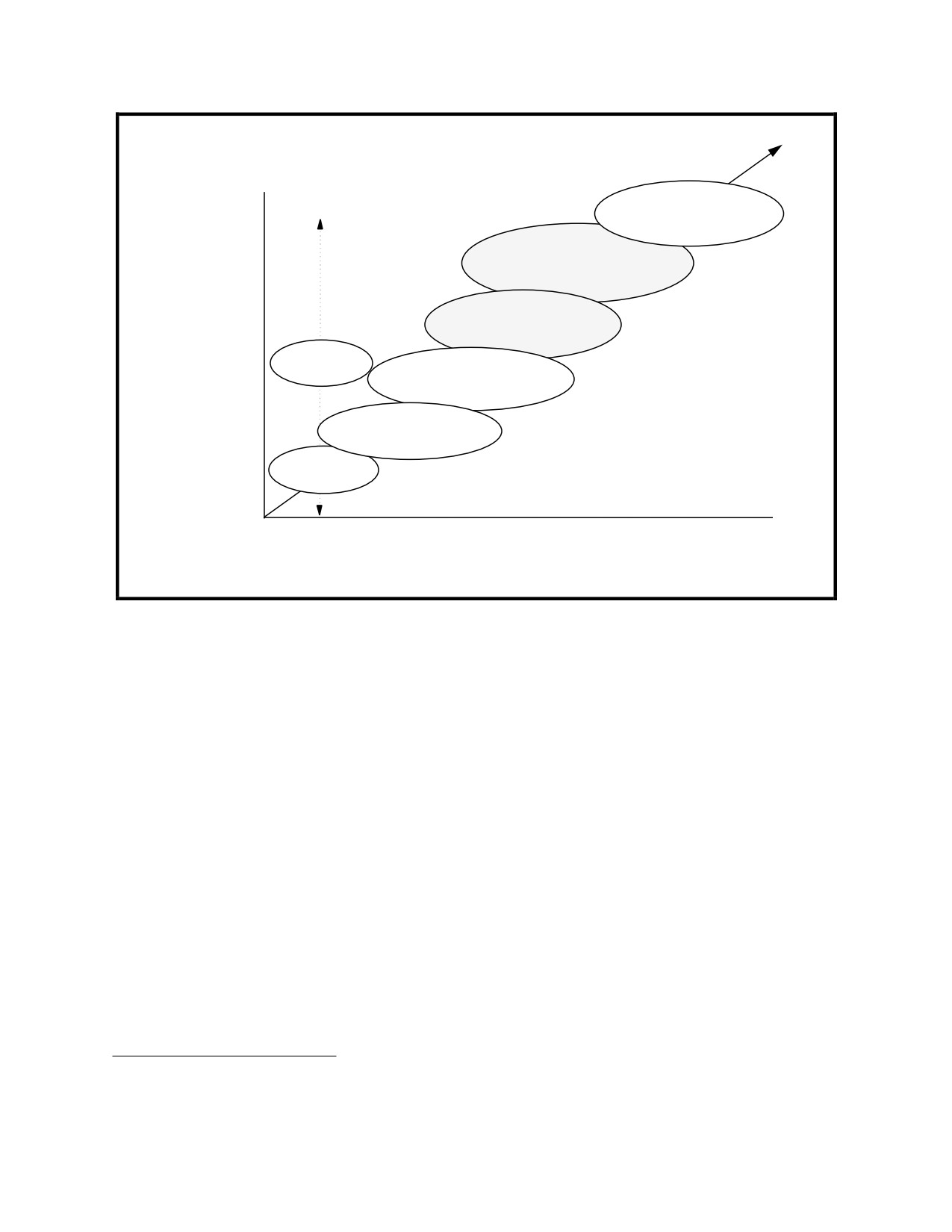
i
FM 100-60
TECHNOLOGY
LEVEL
NATION-STATE
(Complexity)
Complex, Adaptive
Small/Medium:
High
Dynamic Technology
Armor/Mech-Based
Large:
Marginal
Basic-High
Armor/Mech-Based
Small/Medium:
Marginal Basic-High
Nonnation
Infantry-Based
Medium
Forces
Large:
Marginal Basic
Infantry-Based
Small/Medium:
Marginal
Basic
Internal
Security
Low
Tactical
Operational
Strategic
INTEGRATION CAPABILITY
Spectrum of worldwide military capabilities.
Capabilities-Based OPFOR
In more typical cases, however, the U.S. Army simply needs to train against an
OPFOR that represents a particular level of capability rather than a particular country.
1 The
capabilities-based OPFOR is a realistic and flexible armed force representing a composite of
varying capabilities of actual worldwide forces. It constitutes a baseline for training or developing
U.S. forces in lieu of a specific threat force. This baseline includes doctrine, tactics, organization,
and equipment. It provides a challenging, uncooperative sparring partner representative, but not
predictive, of actual threats.
The capabilities-based OPFOR represents a break from past practices in two principal respects.
First, the armor- and mechanized-based and infantry-based OPFOR modules are not simply unclassified
handbooks on the armed forces of a particular nation. Rather, each module has its basis in the doctrine
and organization of various foreign armies. These OPFOR modules are composites deliberately con-
structed to provide a wide range of capabilities. Secondly, the modules do not provide a fixed order of
battle. Rather, they provide the building blocks from which users can derive an infinite number of p o-
tential orders of battle, depending on their training r equirements.
1 Another definition of threat is in terms of a capability rather than a country. This could be any advanced tec h-
nology or system possessed by a militarily significant country, including western or developing countries. The
proliferation of such foreign systems or technologies could pose a threat to the U.S. Army or its systems.
ii
FM 100-60
The primary purpose of the field manuals in the 100-60 series is to provide the basis for a
realistic and versatile OPFOR to meet U.S. military training requirements. They can support
training in the field, in classrooms, or in automated simulations. However, users other than trai n-
ers also may apply the information in these manuals when they need an unclassified threat force
that is not country-specific.
ARMOR- AND MECHANIZED-BASED OPFOR MODULE
Field Manual 100-60 depicts the forces of a developed country that devotes extensive r e-
sources to maintaining a military capability that rivals that of the United States. The name of that
country is the State. It can have a strategic capability, with strategic air and air defense forces
and strategic missile forces. It probably has a nuclear capability. Unless the State is landlocked, it
can have a blue-water navy and naval infantry (marines).
In the armor- and mechanized-based OPFOR, ground forces are the largest component.
The formal name of this branch of the armed forces, which corresponds to the U.S. Army, is the
Ground Forces. These Ground Forces comprise several standing divisions and separate brigades,
most of which are subordinate to standing armies or corps. Most of these forces are, in turn, subor-
dinate to army groups. Army groups, armies, and corps can vary widely in strengths and cap a-
bilities. Even multiple army groups may come under a series of theater headquarters that orche s-
trate complex, large-scale operations.
The armor- and mechanized-based OPFOR can conduct a strategic operation involving the
combined forces in a theater. These forces may co mpriseæ
· Several army groups.
· Strategic nuclear forces (strategic missile forces and strategic aviation).
· Strategic air armies.
· National air defense forces.
· A naval fleet.
· Naval infantry forces.
· Airborne forces.
· Special-purpose forces.
· National space forces.
Trainers may use any or all of these elements in an OPFOR order of battle as required.
Armor- and mechanized-based forces are the norm throughout the industrialized world.
Such armies normally mount at least 40 percent of their ground forces in armored vehicles. They
tend to modernize selected systems to match the best systems deployed by their neighbors. In
terms of equipment and size, they range from small forces fielding outmoded equipment to large,
capable forces fielding state-of-the-art weapons. For the most part, they still base their tactics and
doctrine on either their own experience or that of their arms/doctrine suppliers. Many of these
nations produce and export weapons and technology up through state-of-the-art-systems. If not,
they have the financial resources to purchase such systems. Significant technologies that mark
this class are in fire support and target acquis ition.
iii
FM 100-60
Size and Capability
The armor- and mechanized-based OPFOR module includes a range of potential forces that
can vary in size and capability. Small-to-medium armor- and mechanized-based forces cover a wide
range of technology and capability, from developing states through small, professional armies.
Large armor- and mechanized-based forces often have more sophisticated weaponry. They
field self-propelled artillery and multiple rocket launchers; artillery-delivered precision munitions;
medium-to-heavy tanks; and limited thermal capability. These forces may or may not have n u-
clear weapons but at least have the capability to produce or acquire them. The more advanced
states have the logistics and command structures necessary to conduct continuous operations, and
joint operations are the norm. Armor- and mechanized-based forces can conduct large-scale,
combined arms operations. Some such forces are capable of sustained power-projection oper a-
tions.
The high-technology end of the armor- and mechanized-based OPFOR approaches the
level termed complex, adaptive forces. From developed nations, these most technically and tact i-
cally advanced forces can choose quality over quantity. As they modernize, they can reduce in
size and still maintain a high level of military capability. These forces normally have a complex
structure, with more specialized units operating highly sophisticated equipment. They are also
capable of adapting to dynamic situations and seizing opportunities on the battlefield. However,
such a force is exceedingly expensive to equip, train, and maintain.
Thus, the differences between the infantry-based and armor- and mechanized-based
OPFOR modules are largely scenario-dependent. A particular training scenario may not require
a large array of standing forces or justify the extensive use of mechanized infantry or tank forces.
If not, the infantry-based forces of FM 100-63 may better fit training needs. Sometimes trainers
may find it necessary to draw some elements from both organization guides in order to constitute
the appropriate OPFOR order of battle.
Compared to Infantry-Based OPFOR
The infantry-based OPFOR differs from the armor- and mechanized-based OPFOR pr i-
marily in terms of size, technological level, and the ability to integrate arms into operations.
The
infantry-based OPFOR represents the armed forces of a developing country with limited resources.
The name of that country would also be the State. In this case, the State’s military structure still co n-
sists primarily of the Ground Forces. However, these Ground Forces are primarily infantry (di s-
mounted or motorized), with relatively few mechanized infantry and tank units and perhaps some ai r-
borne infantry units. Compared to the armor- and mechanized-based OPFOR, these forces have
fewer standing divisions and brigades. Rather than constituting several standing armies or corps,
these divisions and separate brigades are subordinate to military regions and districts. At most,
the State could mobilize and deploy one army-size force capable of conducting large-scale oper a-
tions against a neighbo ring country whose armed forces are also infantry-based.
iv
FM 100-60
Aside from the Ground Forces, the State’s armed forces may include any or all of the following
components:
· The Air Force, including the Air D efense Command.
· The Special Operations Command, with commando and special-purpose forces.
· The Navy, consisting of a small, brown-water force.
This OPFOR can also include less capable forces, such as internal security forces, the militia, and r e-
serves. This menu of possible forces allows U.S. military trainers to tailor the OPFOR order of battle
to meet virtually any training r equirement involving an infantry-based force.
Infantry-based forces are common throughout the developing world. They have some armor
but rely on dismounted or motorized infantry for the bulk of their combat power. At the most, they
conduct set-piece operations, integrating arms at the tactical level. None of these forces is capable of
meeting the most advanced armies on an even footing in conventional battle.
Infantry-based forces, too, can vary in size and capability. Small-to-medium infantry forces
have marginal integration capability (ability to conduct tactical-level combat actions with limited fire
support) or basic integration capability (ability to conduct battalion-level tactical combined arms a c-
tions). In terms of technology, both groups import most of their systems. Large infantry forces can
conduct extensive set-piece operations over broad frontages. However, they are capable of projecting
military power only within their region. The key technologies that can allow this are self-propelled a r-
tillery and offensive chemical and biological warfare. The State may or may not have chemical and
biological weapons, but has the capability to produce or acquire them. A country with large infantry
forces can have extensive, basic weapons industries, or it may still import most systems. Although this
larger force may have improved communications, the OPFOR must rely on outside states for use of
communications sate llites.
When opposed by an adversary of similar capabilities, an infantry-based OPFOR can conduct
conventional, force-oriented combat. However, when faced with a large, technologically advanced
army, it is likely to attempt to redefine the terms of conflict and pursue its aims through terrorism, i n-
surgency, or partisan warfare. In the case of intervention by an external power or coalition, this stra t-
egy aims to undermine the enemy's will to continue the conflict without the necessity of defeating his
main forces on the battl efield.2
Field Manual 100-63 depicts infantry-based forces of a country that is divided geograph i-
cally into an unspecified number of military regions, each with a number of subordinate military
districts. This OPFOR stations most combat forces within military districts that can vary widely
in their strengths and capabilities. The guide allows for standing divisions, but districts with sep a-
rate brigades would be much more common and in keeping with the spirit of the infantry-based
OPFOR concept. If the trainer finds himself building multiple standing divisions and armies, FM
100-60 may better suit his training needs.
Compared to Other OPFORs in Peace and Conflict
2 Throughout the FM 100-60 series, the term enemy refers not to the OPFOR but rather to the enemy of the
OPFOR.
v
FM 100-60
Compared to either OPFOR module described above, other OPFORs in peace and conflict are
less well defined. By their very nature, they are unpredictable. They differ from an armor- and
mechanized-based or infantry-based OPFOR primarily in size, technological level, and the ability
to integrate arms into operations. In this case, most military forces have lower capability than an
infantry-based OPFOR.
Field Manual 100 -66 depicts a variety of such forces that U.S. forces may encounter.
These may be the forces of a preindustrial nation or a nonnation group with limited assets.
Such groups cannot, or will not, invest in the weapons and technology necessary to keep pace
with the best militaries in their regions. Rather than standing organizations with predictable
structures, most of their military organizations are ad hoc. These forces range in size from i r-
regular forces, constabularies, and internal security forces to light infantry units. There is no such
thing as a standard light infantry force; they come in all shapes and sizes. The common thread is
that they have little or no organic heavy equi pment.
Like the lower end of the infantry-based OPFOR, these forces are likely to attempt to deal
with a larger, more technologically advanced army through terrorism, insurgency, or partisan
warfare. They do not try to meet such an enemy head-on in conventional combat. They prefer
hit-and-run raids, ambushes, ruses, sabotage, and assassinations. They try to be unpredictable and
invisible, employing methods not anticipated by their enemies. They do not fight by the rules of
conventional warfare.
These OPFORs may also include forces that are better equipped and better trained. They
may be part of or sponsored by a wealthy criminal element or have the backing of a wealthy ou t-
side power. They may still be small and lightly armed but could have sophisticated, state-of-the-
art light weapons. They are light not out of austerity but for practical reasons, because the ligh t-
ness of the equipment enhances mobility. They may also have high-technology communications
and reconnai ssance means.
There may be occasions where OPFORs in peace or conflict include a sophisticated mil i-
tary organization with heavier weapons. If the U.S. force is participating in a peacekeeping o p-
eration, for example, the OPFOR may be the recognized military of a belligerent nation. As such,
it could include armor- and mechanized-based or infantry-based forces of the types found in FMs
100-60 and 100-63, respectively. Likewise, some types of OPFOR described in FM 100-66 can
also appear during war.
ORGANIZATION CHARTS
Organization charts depict all possible subordinate units. If training objectives do not r e-
quire the use of all elements shown in a particular organization, users can omit the elements they
do not need. Aside from the basic organization, a chart may indicate possible variations and a l-
ternatives. Users must ensure that the size and composition of the OPFOR is sufficient to meet
training objectives and requirements. However, total assets organic to an organization or all o-
cated to it from higher levels should not exceed that which is realistic and appropriate to the
training scenario. Skewing the force ratio in either direction n egates the value of training.
vi
FM 100-60
Flexibility Within Realistic Limits
Some organization charts have blocks showing two or more alternatives for a particular
type of subordinate unit. For example, a separate brigade might have either a signal battalion or a
signal company. Therefore, one block in the brigade's organization chart reads " SIGNAL
BATTALION/COMPANY." In most cases, the unit listed first is the norm, but the other alternative
is an option. Many organization charts have footnotes that identify possible variations in organ-
izational structure or equipment. These alternatives allow users to select the basic organization or
the variation that best suits their training requir ements.
Stacked blocks in the organization charts indicate multiple, identical units subordinate to a
particular organization. Dashed blocks indicate units that may or may not be present in the type
of organization shown. In some cases, the stacked blocks may involve a combination of solid and
dashed blocks. This means that the parent unit normally has at least the number of subordinates
indicated in solid blocks but may have as many as indicated by the dashed blocks. In some cases a
footnote explains the conditions under which the different numbers of blocks are appropriate.
Focus on Maneuver Units
The organization charts in this guide focus on maneuver units. They begin with the largest
maneuver units and work down to the smallest. When feasible, the guide breaks down subord i-
nate maneuver units, as well as combat support and combat service support units, in greater d e-
tail.
The basic maneuver unit is the brigade. Some armor- and mechanized-based forces, ho w-
ever, may call the same organization a regiment. In this case, the difference in terminology is
merely semantic and does not signify a different structure or cap ability.
Maneuver brigades exist in two basic types: the divisional brigade and the separate br i-
gade. In OPFOR terminology, a divisional brigade is one that is always part of a division. A d i-
visional brigade consists of three or— more likely— four maneuver battalions and a wide array of
combat support and combat service support elements. In contrast, a separate unit is one that is
not subordinate to a parent unit of the same arm. For example, a separate mechanized infantry
brigade is not part of a mechanized infantry division (or any division, for that matter). It is d i-
rectly subordinate to a corps or an army or perhaps even an army group. A separate brigade
normally has five maneuver battalions. Aside from that, separate brigades have some of the co m-
bat support and combat service support assets normally found at division level. They need these
in order to fight more ind ependently, without relying on support from a parent division.
The first three chapters deal with maneuver divisions, brigades, and battalions, in that o r-
der. Since IFV-equipped mechanized infantry units are the most common in this armor- and
mechanized-based OPFOR, these units come first within each of these chapters. Following these,
in descending order of likelihood, come APC-equipped mechanized infantry and tank units.
Even an armor- and mechanized-based OPFOR may have some (truck-mounted) motorized i n-
vii
FM 100-60
fantry forces. However, except for showing the overall organization of a motorized infantry div i-
sion, this FM refers the user to FM 100-63 for details on such motorized forces and their subord i-
nates. This avoids duplication.
The final two chapters deal with larger force groupings at the operational level. This i n-
cludes various options for army and corps structures, as well as army groups and other assets
available from the national level. These chapters also describe possible subordinates other than
the maneuver units co vered in the first three chapters.
Avoiding Repetition
It is also important to eliminate duplication within FM 100-60. Regardless of how many
different places a given unit may appear as a subordinate of other, larger units, its own separate
organization chart appears only once within this manual. Any subordinate unit common to both
IFV- and APC-equipped mechanized infantry or tank units is not repeated. It appears following
the organization chart for its most common parent unit, which is normally the first occurrence in
the manual. Likewise, a unit that could be subordinate either to a division or to a separate brigade
appears only once, normally in the division chapter. Obviously, divisional brigades are subord i-
nate to divisions, and maneuver battalions are subordinate to brigades. Nevertheless, maneuver
brigade organization charts appear only in the brigade chapter and battalions only in the battalion
chapter.
Page References for Detail
In the main organization chart for any parent unit, subordinate units defined elsewhere in
greater detail have page references beneath their respective block in the organization chart. This
reference leads the user to the subordinate unit, even if its organization chart appears in another
chapter or another part of the same chapter. To avoid excessive duplication, subordinate units
common to several types of parent units receive detailed treatment only once, with subsequent
cross-references back to that basic entry. Units without such page references do not have sepa-
rate entries with further detail.
Occasionally, there may be a small subordinate unit that does not have its own organiz a-
tion chart showing further subordinates. However, the user may find a page reference leading to
the parent unit's spreadsheet table of principal items of equipment, which breaks down equipment
totals by subordinate units.
In some cases there may be multiple page references under a particular block. This
means that there is more than one option for the makeup of that organizational element. It may
be that there is more than one possible type of the subordinate unit, with the page reference to the
most likely type listed first. Multiple page references also appear when a block contains more
than one possible subordinate. In this case, the page references beneath that block indicate the
locations of the various options, for example "( pp 1-61/2-46)," listed in the same order in which
the options appear in the block.
viii
FM 100-60
Headings
Headings within each chapter indicate the name of the specific unit depi cted and of all or-
ganizations to which this type of unit may be subordinate. The heading always spells out the full
name of the unit depicted, but normally uses an abbreviation for the parent unit(s).
(See Glo s-
sary.) When a heading indicates that a particular unit is subordinate to an MIBR— without ide n-
tifying it as (Div) or (Sep) or as (IFV) or (APC)— , that means it occurs in both divisional and
separate mechanized infantry brigades regardless of whether they are IFV- or APC-equipped.
Likewise, when an antitank gun battery shows subordination to an AT Bn— without specifying
whether this is the AT Bn, MID, or the AT Bn, MIBR— , that means it can occur in either type of
antitank batta lion.
PRINCIPAL ITEMS OF EQUIPMENT
For organizations of brigade size or smaller, this book provides a table of principal items
of equipment. Units above brigade/regiment level either have no fixed structure or have so many
variations in possible structure that equipment totals are difficult to quantify. Therefore, the o r-
ganization guide leaves such totals to users who build actual orders of battle for a specific
OPFOR in a specific scenario. The OPFOR order of battle must meet the user's training requir e-
ments, based on the menu of possible organizational parts provided in this manual.
For brigades and regiments, as well as selected battalions, this table takes the form of a
spreadsheet that provides a quick overview of the holdings for subordinate units and equipment
totals for the unit as a whole. When the organization chart indicates multiple, identical units su b-
ordinate to a particular organization (using stacked blocks), the spreadsheet column for that pa r-
ticular subordinate indicates equipment totals already multiplied by the number of such units pre s-
ent. The heading at the top of such a column indicates that multiplication by adding an annot a-
tion, for example "(x2)" or "(x3)," after the name of the subordinate unit type.
Footnotes in equipment lists may serve one of two purposes. A footnote linked to the
equipment nomenclature in the "Equipment" column indicates additional information about that
piece of equipment or a possible substitute for it. On the other hand, a footnote linked to a nu m-
ber in the "Total" column indicates possible variations in the quantity of that particular item of
equipment.
Equipment totals include individual weapons only at maneuver battalion level and below.
The same is true of night-vision devices (goggles and sights). These figures vary widely from unit
to unit, although separate brigades tend to field more goggles in combat support and combat
service support units than do divisional brigades. With the exception of maneuver units (battalion
and below), accounting for the varying numbers of night-vision devices, especially the goggles
worn by vehicle drivers, is difficult.
This guide provides example equipment types and the numbers of each type typically
found in specific organizations. The purpose is to give users a good idea of what an OPFOR
structure should look like. However, training requirements may dictate some modifications to
ix
FM 100-60
this baseline. Users should exercise caution in modifying equipment holdings, since this impacts
an OPFOR unit's organizational integrity and combat capabilities.
Baseline Equipment
A developed country may equip its armor- and mechanized-based OPFOR either with
indigenous systems or with systems imported from other, weapons-producing countries. For
illustrative purposes, the equipment lists in this manual normally show systems produced by
the former Soviet Union (FSU). There are two reasons for using FSU-produced equipment
as the baseline. First, many potential threat countries have equipped their armed forces with
systems the FSU and its successor states have built in large numbers and proliferated
throughout the world. Second, this equipment is representative of a unit’s or force’s tech-
nological capability. Listing these familiar, well-documented systems paints an immediate,
concrete picture of that capability. Listing generic equipment descriptors, such as medium
tank or antitank guided missile, would not create as clear an impression of capabilities.
Moreover, generic descriptors would not lead to the development of consistent equipment
sets. This organization guide, therefore, normally uses generic descriptors only when the
choice of systems would not materially affect basic unit or force cap abilities.
Equipment Substitution
To achieve specific training objectives, or merely to provide variety in the training e n-
vironment, users can substitute other equipment for those listed as the baseline. Substitution
matrices list a sampling of comparable and alternative systems that militarily significant
countries, including the United States and its allies, produce or possess. The country of or i-
gin or an actual country possessing such systems does not necessarily pose a threat to the
United States, but an OPFOR with this capability could present a challenge in U.S. Army
training.
The matrices contained in Appendix A suggested examples of appropr iate substitu-
tions for major maneuver and fire support systems. Appendix B contains the matrices for e n-
gineer equipment. Appendix C lists examples of cargo trucks, trailers, and radios corr e-
sponding to the generic descriptors used in equipment lists. Each appendix also provides
general guidelines for the substitution pro cess.
Appendixes A, B, and C are guides; they cannot be all-inclusive, listing every co n-
ceivable system available. In constructing an OPFOR order of battle, therefore, trainers may
substitute systems not in the appendixes. For a wider selection of major systems from which
to choose in the substitution process, users should see FM 100-65. However, they should
follow the same general philosophy and the guidelines prescribed in the appendixes.
x
FM 100-60
Chapter 1
Maneuver Divisions
Even an armor- and mechanized-based OPFOR may also have some motorized infantry
divisions in its Ground Forces.
(See p 1-86 and FM 100-63.) Aside from that, the Ground
Forces have two basic types of maneuver divisions: the mechanized infantry division and the tank
division. Both types are combined arms organizations. A mechanized infantry division has one
tank brigade along with its three mechanized infantry brigades. The latter may comprise two IFV-
equipped brigades and one APC-equipped brigade or vice versa. A tank division has one IFV-
equipped mechanized infantry brigade along with its three tank brigades. Combat support and
combat service support units are basically the same for all mechanized infantry and tank divisions.
The only differences are variations in the composition of the self-propelled artillery regiment and
the maintenance battalion, and the fact that the tank division has no antitank battalion.
CONTENTS
Mechanized Infantry Division (IFV-Heavy)
1-4
Mechanized Infantry Division (APC-Heavy)
1-5
Division Headquarters, MID and TD
1-6
Self-Propelled Artillery Regiment, MID
1-7
Self-Propelled Artillery Regiment, TD
1-9
Headquarters and Control Battery, SP Arty Regt
1-11
152-mm Self-Propelled Howitzer Battalion, SP Arty Regt
or MIBR (Sep) and TBR (Sep)
1-12
152-mm Self-Propelled Howitzer Battery, 152-mm SP How Bn
1-13
122-mm Multiple Rocket Launcher Battalion, SP Arty Regt
or 122-mm MRL Regt or Corps
1-14
Headquarters and Control Platoon, 122-mm MRL Bn
1-15
Firing Battery, 122-mm MRL Bn
1-16
Supply and Service Platoon, 122-mm MRL Bn
1-17
Target Acquisition Battery, SP Arty Regt
1-18
Materiel Support Company, SP Arty Regt
1-19
Maintenance Company, SP Arty Regt
1-20
SAM Regiment (SA-15), MID and TD
1-21
Regimental Headquarters, SAM Regt or 57-mm AA Gun Regt
1-23
Target Acquisition/Early Warning Battery, SAM Regt
1-24
Missile Technical Battery, SAM Regt (SA-15)
1-25
Missile Firing Battery, SAM Regt (SA-15)
or Air Defense Bn, MIBR (Sep) and TBR (Sep)
1-26
Materiel Support Company, SAM Regt
1-27
Maintenance Company, SAM Regt
1-28
1-1
FM 100-60
SAM Regiment (SA-8), MID and TD
1-29
Missile Technical Battery, SAM Regt (SA-8)
1-31
Missile Firing Battery, SAM Regt (SA-8)
1-32
SAM Regiment (SA-6), MID and TD
1-33
Missile Technical Battery, SAM Regt (SA-6)
1-35
Missile Firing Battery, SAM Regt (SA-6)
1-36
57-mm Antiaircraft Gun Regiment, MID and TD
1-37
Fire Control Battery, 57-mm AA Gun Regt
1-39
57-mm Antiaircraft Gun Battery, 57-mm AA Gun Regt
1-40
Supply and Service Battery, 57-mm AA Gun Regt
1-41
Antitank Battalion, MID
1-42
Battalion Headquarters, AT Bn, MID or MIBR
1-43
Antitank Gun Battery, AT Bn
1-44
Supply and Service Platoon, AT Bn, MID or MIBR (Sep), or AT Bn,
AT Regt or AT Bde
1-45
Reconnaissance and Electronic Combat Battalion, MID and TD
1-46
Reconnaissance Company, Recon and EC Bn
1-48
Long-Range Reconnaissance Company, Recon and EC Bn
1-49
Signals Reconnaissance Company, Recon and EC Bn
1-50
Jamming Company, Recon and EC Bn
1-51
RPV Squadron, Recon and EC Bn or Tgt Acq Regt
1-52
Supply and Service Platoon, Recon and EC Bn
1-53
Engineer Battalion, MID and TD or Engr Bde or Corps
1-54
Mine Warfare Company, Engr Bn
1-56
Assault Crossing Company, Engr Bn
1-57
Construction Company, Engr Bn
1-58
Road/Bridge Construction Company, Engr Bn
1-59
Pontoon Bridge Company, Engr Bn or Pontoon Bridge Bn
1-60
Signal Battalion, MID and TD or MIBR (Sep) and TBR (Sep)
1-61
Battalion Headquarters, Signal Bn
1-62
Radio Company, Signal Bn, MID and TD or MIBR (Sep) and TBR (Sep)
1-62
Radio Telephone and Telegraph Company, Signal Bn, MID and TD
or MIBR (Sep) and TBR (Sep)
1-63
Supply and Service Platoon, Signal Bn, MID and TD or MIBR (Sep)
and TBR (Sep)
1-64
Chemical Defense Battalion, MID and TD
1-65
Battalion Headquarters, Chem Def Bn
1-66
Decontamination Company, Chem Def Bn or Decon Bn
1-66
Chemical Reconnaissance Company, Chem Def Bn
1-67
Supply and Service Platoon, Chem Def Bn
1-68
1-2
FM 100-60
Materiel Support Battalion, MID and TD or MIBR (Sep) and TBR (Sep)
1-69
Battalion Headquarters, Mat Spt Bn
1-70
Ammunition Transport Company, Mat Spt Bn
1-70
POL Transport Company, Mat Spt Bn
1-71
Cargo Transport Company, Mat Spt Bn
1-71
Supply and Service Platoon, Mat Spt Bn
1-72
Mobile Field Bakery, Mat Spt Bn
1-72
Maintenance Battalion, MID and TD or MIBR (Sep) and TBR (Sep)
or Corps or Army
1-73
Battalion Headquarters, Maint Bn
1-74
Tracked Vehicle Maintenance Company, Maint Bn
1-75
Wheeled Vehicle Maintenance Company, Maint Bn
1-76
Ordnance Maintenance Company, Maint Bn
1-77
Recovery Platoon, Maint Bn
1-77
Special Maintenance Platoon, Maint Bn
1-78
Supply and Service Platoon, Maint Bn
1-78
Medical Battalion, MID and TD or MIBR (Sep) and TBR (Sep) or Army or Corps
1-79
Battalion Headquarters, Med Bn
1-80
Medical Company, Med Bn
1-81
Collection and Evacuation Company, Med Bn
1-82
Disinfection and Decontamination Platoon, Med Bn
1-83
Supply and Service Platoon, Med Bn
1-83
Artillery Command Battery, MID and TD or Arty Command Bn
1-84
Tank Division
1-85
Motorized Infantry Division
1-86
1-3
FM 100-60
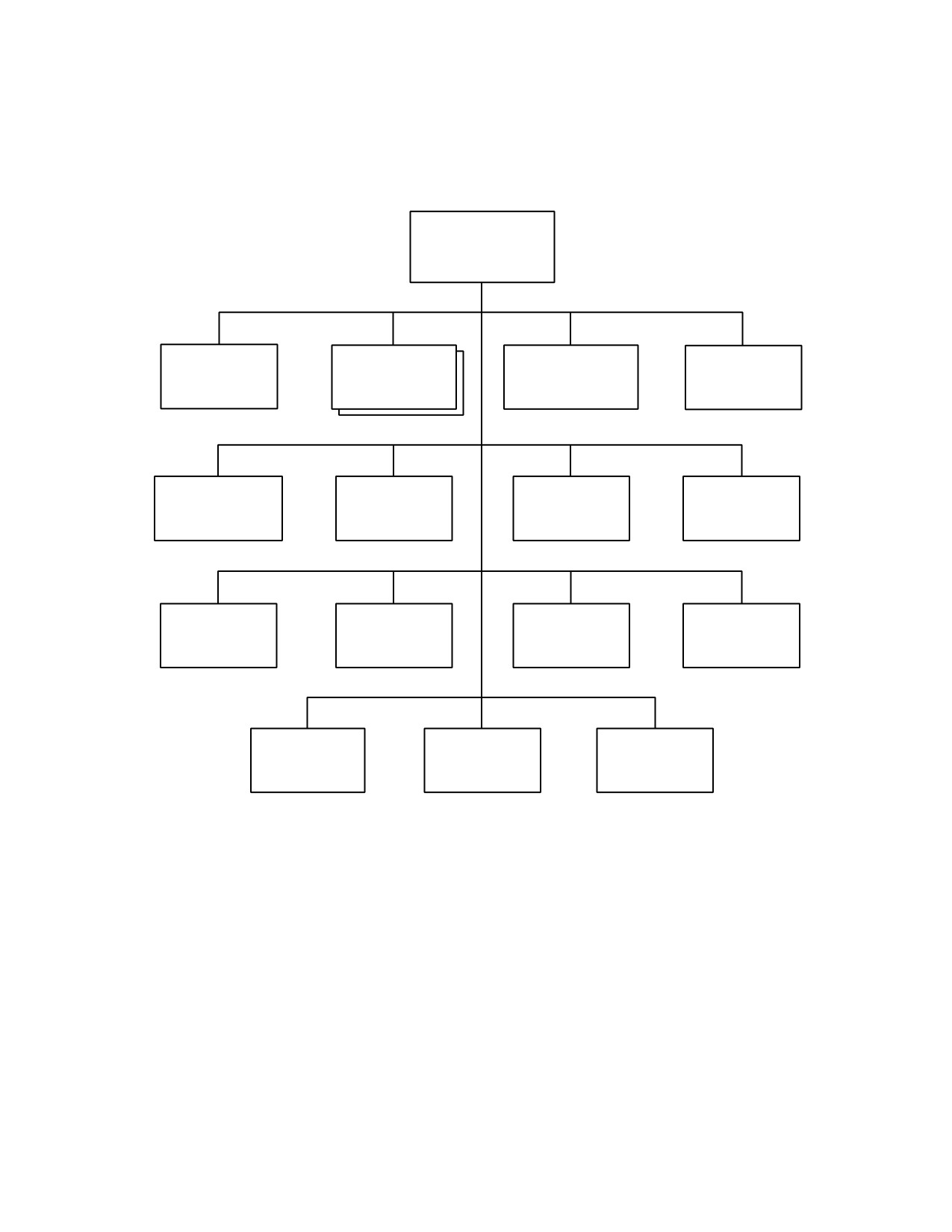
Mechanized Infantry Division (IFV-Heavy)________________________________ __
MECHANIZED
INFANTRY
DIVISION
MECHANIZED
MECHANIZED
TANK
DIVISION
INFANTRY
INFANTRY
BRIGADE
HQ
BDE (IFV) (DIV)
BDE (APC) (DIV)
(DIV)
(p 1-6)
(p 2-13)
(p 2-53)
(p 2-3)
SAM
SP ARTILLERY
ANTITANK
RECON & EC
REGIMENT
REGIMENT
BATTALION
BATTALION
(SA-15)*
(p 1-7)
(p 1-21)
(p 1-42)
(p 1-46)
CHEMICAL
MATERIEL
ENGINEER
SIGNAL
DEFENSE
SUPPORT
BATTALION
BATTALION
BATTALION
BATTALION
(p 1-54)
(p 1-61)
(p 1-65)
(p 1-69)
ARTILLERY
MAINT
MEDICAL
COMMAND
BATTALION
BATTALION
BATTERY
(p 1-73)
(p 1-79)
(p 1-84)
____________________________________
* Instead of the SA-15 SAM regiment, the tank division may have a SAM regiment equipped
with the SA-6 (p 1-33) or SA-8 (p 1-29) or a 57-mm AA gun regiment (p 1-37).
1-4
FM 100-60
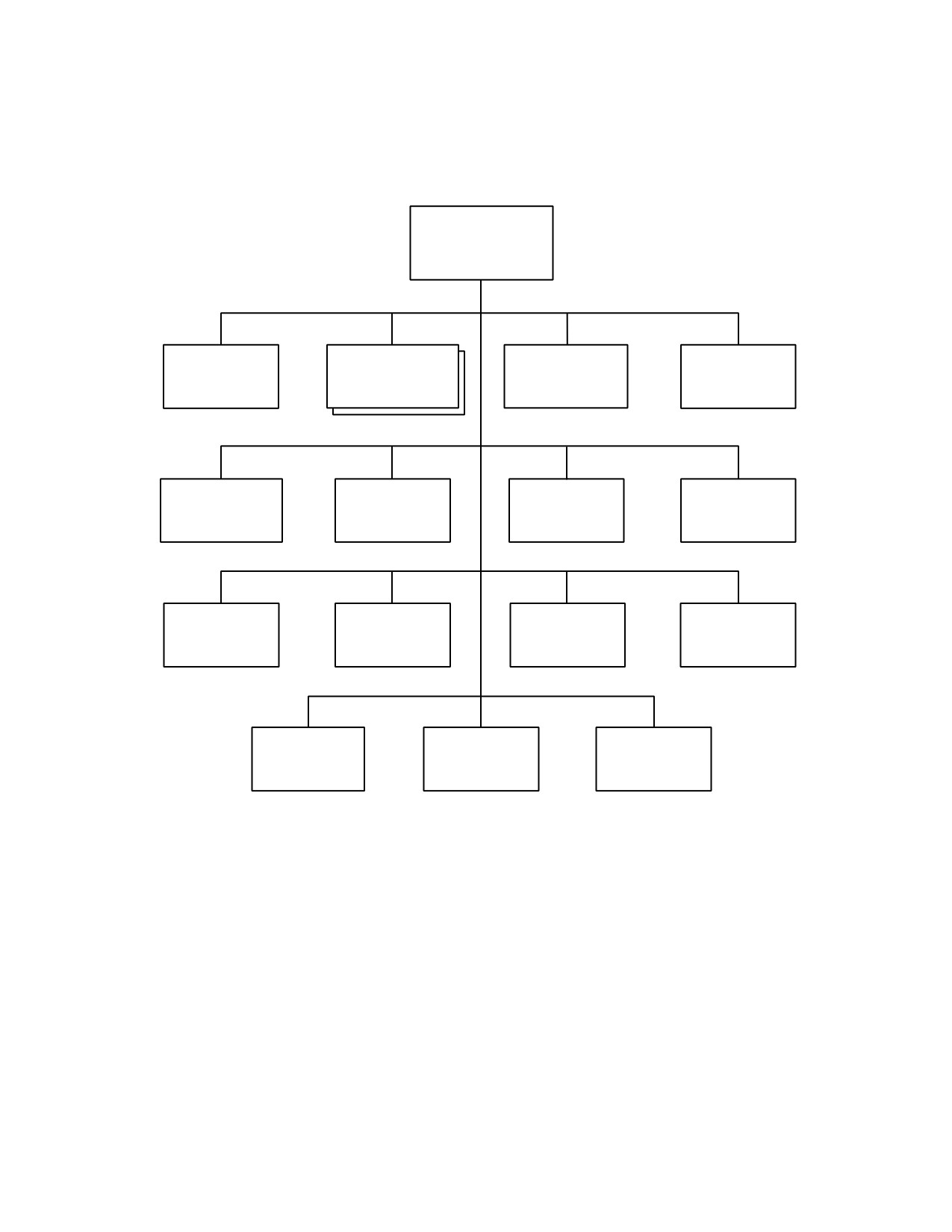
Mechanized Infantry Division (APC-Heavy) ________________________________ _
MECHANIZED
INFANTRY
DIVISION
MECHANIZED
MECHANIZED
TANK
DIVISION
INFANTRY
INFANTRY
BRIGADE
HQ
BDE (APC) (DIV)
BDE (IFV) (DIV)
(DIV)
(p 1-6)
(p 2-3)
(p
2-53)
(p 2-13)
SAM
SP ARTILLERY
ANTITANK
RECON & EC
REGIMENT
REGIMENT
BATTALION
BATTALION
(SA-15)*
(p 1-7)
(p 1-21)
(p 1-42)
(p 1-46)
CHEMICAL
MATERIEL
ENGINEER
SIGNAL
DEFENSE
SUPPORT
BATTALION
BATTALION
BATTALION
BATTALION
(p 1-54)
(p 1-61)
(p 1-65)
(p 1-69)
ARTILLERY
MAINT
MEDICAL
COMMAND
BATTALION
BATTALION
BATTERY
(p 1-73)
(p 1-79)
(p 1-84)
____________________________________
* Instead of the SA-15 SAM regiment, the tank division may have a SAM regiment equipped
with the SA-6 (p 1-33) or SA-8 (p 1-29) or a 57-mm AA gun regiment (p 1-37).
1-5
FM 100-60
Division Headquarters,
MID and TD________________________________ ___________________________
DIVISION
HEADQUARTERS
PRINCIPAL ITEMS OF EQUIPMENT
Equipment
Total
Equipment
Total
SAM, Shoulder-Fired
6
Trailer, Cargo, 1-Axle
4
ATGL, RPG-7V
3
Trailer, Generator
3
5.45-mm LMG, RPK-74
3
Trailer, Kitchen
3
APC, BTR-60/70/80
3
Trailer, POL (4,200-Liter)
1
Truck, Utility
12
Trailer, Water (900-Liter)
1
Truck, Light
9
Radios:
Truck, Medium
4
VHF, Manpack, Low-Power
5
Truck, POL (5,000-Liter)
1
VHF, Vehicle Mount,
Van, Command
12
Medium-Power
3
Van, Maintenance
1
HF/VHF, Vehicle Mount,
Van, Signal
2
High-Power
2
Ambulance
1
Warning Receiver
1
1-6
FM 100-60
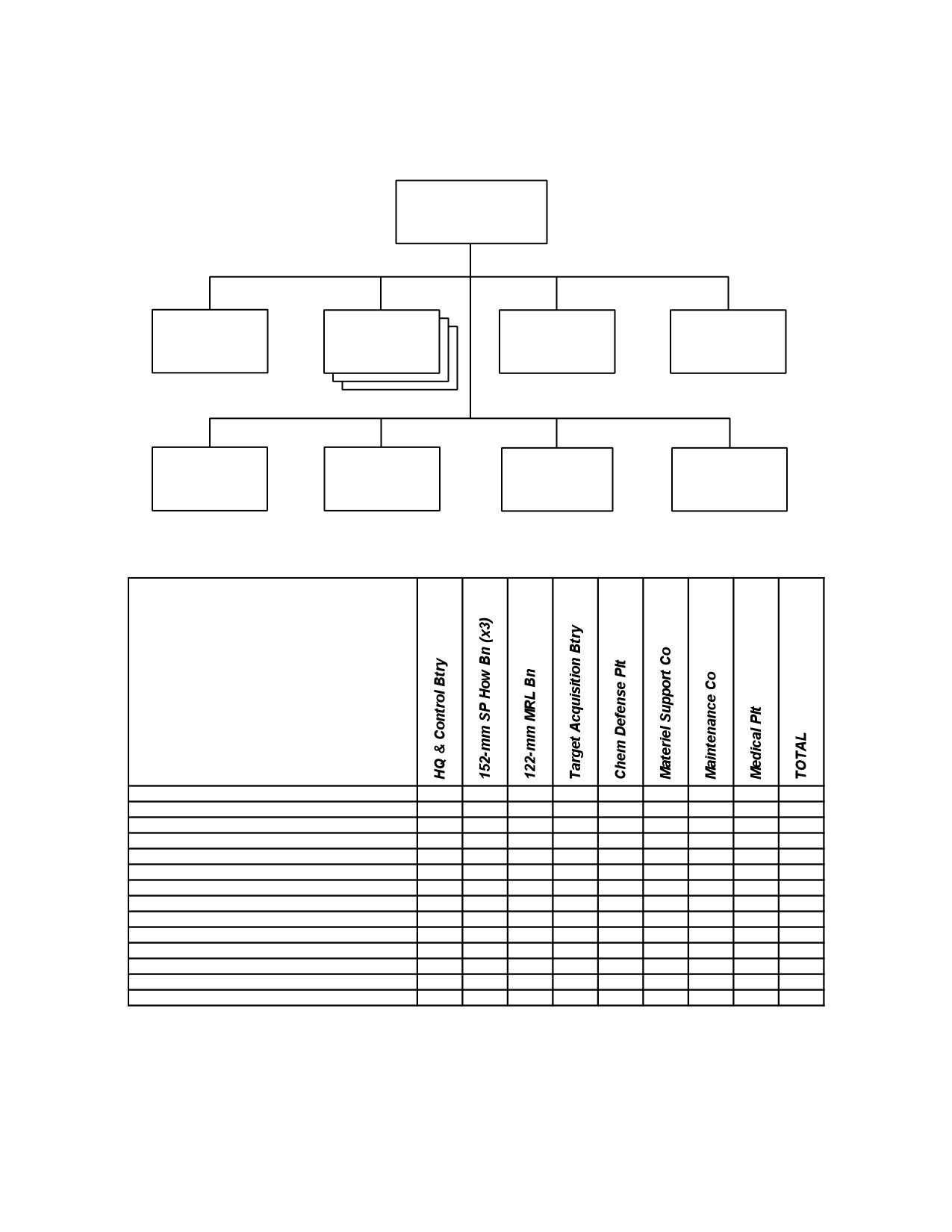
Self-Propelled Artillery Regiment, MID ________________________________ ____
SP ARTILLERY
REGIMENT
HQ &
SP HOWITZER
MRL
TARGET
CONTROL
BATTALION
BATTALION
ACQUISITION
BATTERY
(152-mm)
(122-mm)
BATTERY
(p 1-11)
(p 1-14)
(p 1-18)
(p 1-12)
CHEMICAL
MATERIEL
MAINT
MEDICAL
DEFENSE
SUPPORT
COMPANY
PLATOON
PLATOON
COMPANY
(p 2-47)
(p 1-19)
(p 1-20)
(p 2-51)
Principal Items of Equipment
ARMORED VEHICLES
APC, BTR-60/70/80
1
1
ACV, BTR (R-145BM)
2
1
3
Chem Recon Vehicle, BRDM-2RKh/RKhM
1
3
4
Mobile Recon Post , PRP-3/4*
1
3
1
5
APC, Radar, MT-LB (SNAR-10)**
1
1
APC, Radar, MT-LB (ARK-1)***
1
1
ACRV, 1V13/1V13M/1V22 (Btry FDC)
9
9
ACRV, 1V14/1V14M/1V23 (Btry COP)
9
9
ACRV, 1V15/1V15M/1V24 (Bn COP)
3
3
ACRV, 1V16/1V16M/1V25 (Bn FDC)
3
3
ACRV, 1V18/1V152 (Btry COP)****
3
3
ACRV, 1V19/1V152 (Bn COP)****
1
1
Armored Recovery Vehicle
1
1
* This system includes the SMALL FRED or TALL MIKE battlefield surveillance radar.
** This system includes the BIG FRED battlefield surveillance radar.
*** This system includes the RICE BAG countermortar/counterbattery radar.
**** The 1V152 ACRVs are part of the Kapustnik-B automated fire control system.
(continued)
1-7
FM 100-60
Self-Propelled Artillery Regiment, MID (continued) __________________________
Principal Items of Equipment
WEAPONS
152-mm SP Howitzer, 2S3 or 2S19
54
54
152-mm Laser-Guided Projectile Set
12
12
122-mm MRL, BM-21
18
18
ATGL, RPG-7V
4
18
6
4
32
SAM, Shoulder-Fired
3
54
18
75
TRUCKS
ACRV, 1V110/1V153 (Btry FDC)*
3
3
ACRV, 1V111/1V153 (Bn FDC)*
1
1
Truck, Utility
6
1
1
1
9
Truck, Light
2
2
1
1
6
Truck, Medium
1
60
37
3
45
3
2
151
Truck, Decon, ARS-12U/14
3
3
Truck, Decon, DDA-53/66
1
1
2
Truck, POL (5,000-L)
12
3
6
21
Truck, Water (2,000-L)
2
2
Van, Hospital
1
1
Van, Maintenance
1
6
3
4
2
6
22
Van, Signal
2
12
4
18
Van, Survey
1
1
Ambulance
3
1
4
8
TRAILERS
Trailer, Cargo, 1-Axle
1
1
Trailer, Cargo, 2-Axle
1
51
27
30
3
112
Trailer, Generator
2
6
2
2
2
14
Trailer, Kitchen
1
9
3
1
1
15
Trailer, POL (4,200-L)
12
3
6
21
Trailer, Water (900/1,200-L)
1
3
1
1
2
2
1
11
RADIOS
VHF, Manpack, Low-Power
6
30
18
13
1
1
1
70
VHF, Portable, Low-Power
1
1
VHF, Vehicle Mount, Medium-Power
5
81
6
4
3
99
HF, Manpack, Low-Power
1
1
2
HF, Vehicle Mount, Medium-Power
5
5
HF/VHF, Vehicle Mount, Medium-Power
3
12
4
19
HF/VHF, Vehicle Mount, High-Power
1
1
Radio Relay, VHF/UHF
1
1
Warning Receiver
1
6
1
1
9
MISCELLANEOUS
Sound Ranging Set
1
1
Rangefinder, Laser
1
21
7
2
31
Rangefinder, Laser, Binocular
27
9
36
Periscopic Aiming Circle
1
18
6
2
27
Night-Vision Sight (Aiming Circle)
1
18
6
2
27
GPS Receiver
1
96
32
4
133
* The 1V153 ACRVs are part of the Kapustnik-B automated fire control system.
1-8
FM 100-60
Self-Propelled Artillery Regiment, TD ________________________________ _____
SP ARTILLERY
REGIMENT
HQ &
SP HOWITZER
MRL
TARGET
CONTROL
BATTALION
BATTALION
ACQUISITION
BATTERY
(152-mm)
(122-mm)
BATTERY
(p 1-11)
(p 1-14)
(p 1-18)
(p 1-12)
CHEMICAL
MATERIEL
MAINT
MEDICAL
DEFENSE
SUPPORT
COMPANY
PLATOON
PLATOON
COMPANY
(p 2-47)
(p 1-19)
(p 1-20)
(p 2-51)
Principal Items of Equipment
ARMORED VEHICLES
APC, BTR-60/70/80
1
1
ACV, BTR (R-145BM)
2
1
3
Chemical Recon Vehicle, BRDM-2RKh/RKhM
1
3
4
Mobile Recon Post , PRP-3/4*
1
2
1
4
APC, Radar, MT-LB (SNAR-10)**
1
1
APC, Radar, MT-LB (ARK-1)***
1
1
ACRV, 1V13/1V13M/1V22 (Btry FDC)
6
6
ACRV, 1V14/1V14M/1V23 (Btry COP)
6
6
ACRV, 1V15/1V15M/1V24 (Bn COP)
2
2
ACRV, 1V16/1V16M/1V25 (Bn FDC)
2
2
ACRV, 1V18/1V152 (Btry COP)****
3
3
ACRV, 1V19/1V152 (Bn /COP)****
1
1
Armored Recovery Vehicle
1
1
* This system includes the SMALL FRED or TALL MIKE battlefield surveillance radar.
** This system includes the BIG FRED battlefield surveillance radar.
*** This system includes the RICE BAG countermortar/counterbattery radar.
**** The 1V152 ACRVs are part of the Kapustnik-B automated fire control system.
(continued)
1-9
FM 100-60
Self-Propelled Artillery Regiment, TD (continued) ___________________________
Principal Items of Equipment
WEAPONS
152-mm SP Howitzer, 2S3 or 2S19
36
36
152-mm Laser-Guided Projectile Set
8
8
122-mm MRL, BM-21
18
18
ATGL, RPG-7V
4
12
6
4
26
SAM, Shoulder-Fired
3
36
18
57
TRUCKS
ACRV, 1V110/1V153 (Btry FDC)*
3
3
ACRV, 1V111/1V153 (Bn FDC)*
1
1
Truck, Utility
6
1
1
1
9
Truck, Light
2
2
1
1
6
Truck, Medium
1
40
37
3
30
3
2
116
Truck, Decon, ARS-12U/14
3
3
Truck, Decon, DDA-53/66
1
1
2
Truck, POL (5,000-L)
8
3
6
17
Truck, Water (2,000-L)
2
2
Van, Hospital
1
1
Van, Maintenance
1
4
3
4
2
6
20
Van, Signal
2
8
4
14
Van, Survey
1
1
Ambulance
2
1
4
7
TRAILERS
Trailer, Cargo, 1-Axle
1
1
Trailer, Cargo, 2-Axle
1
34
27
20
3
85
Trailer, Generator
2
4
2
2
2
12
Trailer, Kitchen
1
6
3
1
1
12
Trailer, POL (4,200-L)
8
3
6
17
Trailer, Water (900/1,200-L)
1
2
1
1
2
2
1
10
RADIOS
VHF, Manpack, Low-Power
6
20
18
13
1
1
1
60
VHF, Portable, Low-Power
1
1
VHF, Vehicle Mount, Medium-Power
5
54
6
4
3
72
HF, Manpack, Low-Power
1
1
2
HF, Vehicle Mount, Medium-Power
5
5
HF/VHF, Vehicle Mount, Medium-Power
3
8
4
15
HF/VHF, Vehicle Mount, High-Power
1
1
Radio Relay, VHF/UHF
1
1
Warning Receiver
1
4
1
1
7
MISCELLANEOUS
Sound Ranging Set
1
1
Rangefinder, Laser
1
14
7
2
24
Rangefinder, Laser, Binocular
18
9
27
Periscopic Aiming Circle
1
12
6
2
21
Night-Vision Sight (Aiming Circle)
1
12
6
2
21
GPS Receiver
1
64
32
4
101
* The 1V153 ACRVs are part of the Kapustnik-B automated fire control system.
1-10

FM 100-60
Headquarters and Control Battery,
SP Arty Regt________________________________ __________________________
HEADQUARTERS
& CONTROL
BATTERY
REGIMENTAL
CONTROL
HQ
BATTERY
PRINCIPAL ITEMS OF EQUIPMENT
Equipment
Total
Equipment
Total
SAM, Shoulder-fired
3
Periscopic Aiming Circle, PAB2A
1
ATGL, RPG-7V
4
Night-Vision Sight (Aiming Circle)
1
Mobile Recon Post, PRP-3/4*
1
GPS Receiver
1
APC, BTR-60/70/80
1
Radios:
ACV, BTR (R-145BM)
2
VHF, Manpack, Low-Power
6
Truck, Utility
6
VHF, Portable, Very-Low-Power
1
Truck, Light
2
VHF, Vehicle Mount,
Truck, Medium
1
Medium-Power
5
Chemical Recon Vehicle,
HF, Manpack, Low-Power
1
BRDM-2RKh/RKhM
1
HF, Vehicle Mount,
Van, Maintenance
1
Medium-Power
5
Van, Signal
2
HF/VHF, Vehicle Mount,
Trailer, Cargo, 2-Axle
1
Medium-Power
3
Trailer, Generator
2
HF/VHF, Vehicle Mount,
Trailer, Kitchen
1
High-Power
1
Trailer, Water (900-Liter)
1
Radio Relay, VHF/UHF
1
Rangefinder, Laser, 1D8/1D12
1
Warning Receiver
1
____________________________________
* This system includes the SMALL FRED or TALL MIKE battlefield surveillance radar.
1-11
FM 100-60
152-mm Self-Propelled Howitzer Battalion,
SP Arty Regt or MIBR (Sep) and TBR (Sep) ________________________________
SP HOWITZER
BATTALION
(152-mm)
SP
SUPPLY &
BATTALION
CONTROL
HOWITZER
SERVICE
HQ
PLATOON
BATTERY
PLATOON
(p 1-13)
PRINCIPAL ITEMS OF EQUIPMENT
Equipment
Total
Equipment
Total
152-mm SP Howitzer, 2S3 or 2S19
18
Trailer, Generator
2
152-mm Laser-Guided Projectile
Trailer, Kitchen
3
Set, Krasnopol-M*
4
Trailer, POL (4,200-Liter)
4
ACRV, 1V13/1V13M/1V22 (Btry FDC)
3
Trailer, Water (1,200-Liter)
1
ACRV, 1V14/1V14M/1V23 (Btry COP)
3
Rangefinder, Laser, 1D8/1D12
7
ACRV, 1V15/1V15M/1V24 (Bn COP)
1
Rangefinder, Laser, Binocular, LPR-1
9
ACRV, 1V16/1V16M/1V25 (Bn FDC)
1
Night-Vision Sight (Aiming Circle)
6
Mobile Recon Post, PRP-3/4**
1
Periscopic Aiming Circle, PAB2A
6
5.45-mm LGM, RPK-74
18
GPS Receiver
32
SAM, Shoulder-Fired
18
Radios:
ATGL, RPG-7V
6
VHF, Manpack, Low-Power
10
Truck, Medium
20
VHF, Vehicle Mount,
Truck, POL (5,000-Liter)
4
Medium-Power
27
Van, Maintenance
2
HF/VHF, Vehicle Mount,
Van, Signal
4
Medium-Power
4
Ambulance
1
Warning Receiver
2
Trailer, Cargo, 2-Axle
17
____________________________________
* Not all SP howitzer battalions have laser-guided projectiles (LGPs) allocated to them. A battalion
receiving LGPs normally designates one firing platoon in one of its batteries as a special weapons
platoon to fire these, as well as smoke and illuminating rounds. In addition to the firing weapon
(2S3/2S19), each LGP set typically includes a dismountable laser target designator (1D15M/
1D20/1D22), a 1A35 synchronizer, and 50 LGPs. Although most of the 200 LGPs are in the
special weapons platoon, each firing platoon in the battalion would have some. Each battery COP
and the battalion's mobile reconnaissance post get a laser target designator. Each battery FDC
gets a synchronizer, and the fourth is in the special weapons platoon.
** This system includes the SMALL FRED or TALL MIKE battlefield surveillance radar.
1-12
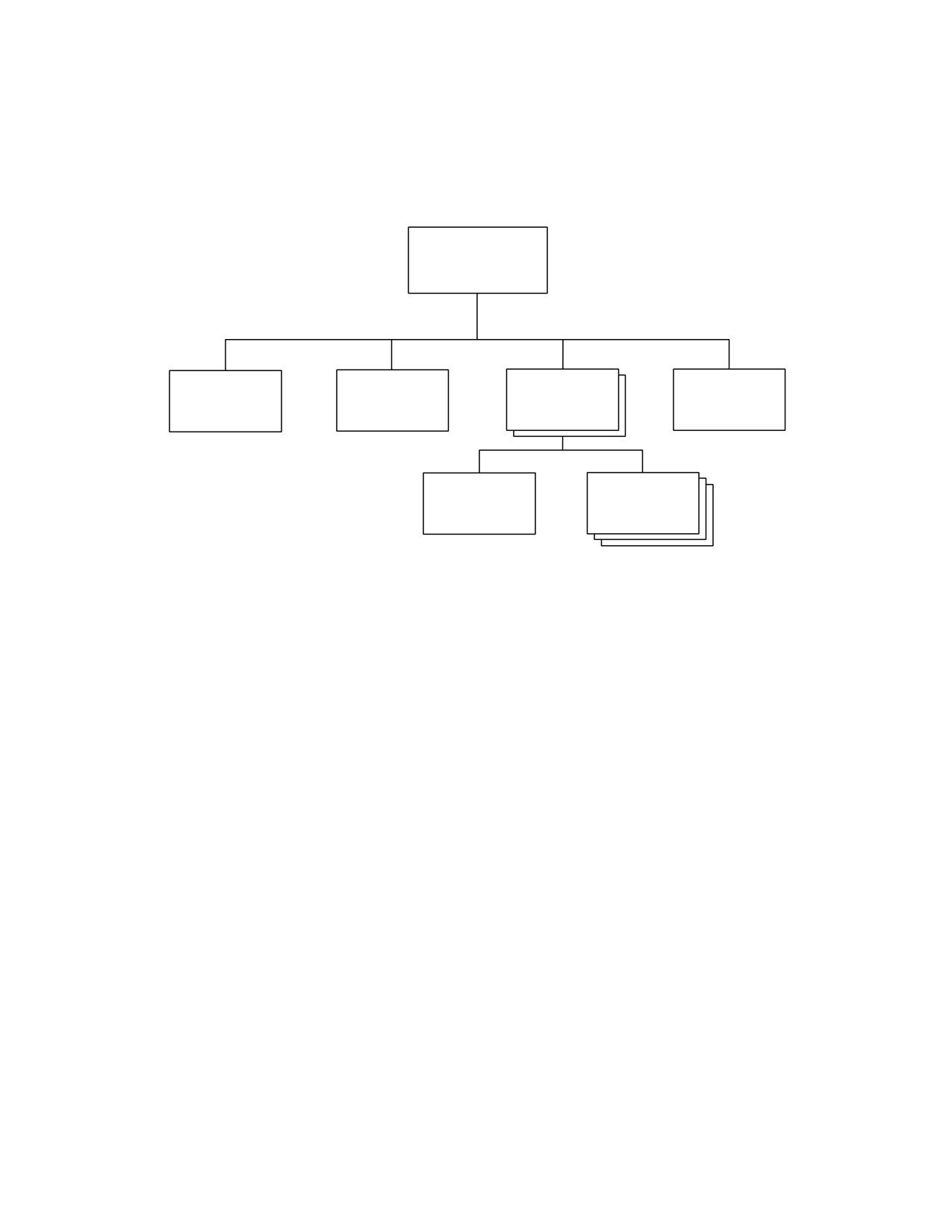
FM 100-60
152-mm Self-Propelled Howitzer Battery,
152-mm SP How Bn________________________________ ____________________
SP HOWITZER
BATTERY
(152-mm)
MOTOR
BATTERY
CONTROL
FIRING
TRANSPORT
HQ
PLATOON
PLATOON
SECTION
PLATOON
GUN
HQ
SECTION
PRINCIPAL ITEMS OF EQUIPMENT
Equipment
Total
Equipment
Total
152-mm SP Howitzer, 2S3 or 2S19
6
Rangefinder, Laser, Binocular, LPR-1
3
ACRV, 1V13/1V13M/1V22 (Btry FDC)
1
Night-Vision Sight (Aiming Circle)
2
ACRV, 1V14/1V14M/1V23 (Btry COP)
1
Periscopic Aiming Circle, PAB2A
2
5.45-mm LGM, RPK-74
6
GPS Receiver
10
SAM, Shoulder-Fired
6
Radios:
ATGL, RPG-7V
2
VHF, Manpack, Low-Power
2
Truck, Medium
3
VHF, Vehicle Mount,
Van, Signal
1
Medium-Power
8
Trailer, Cargo, 2-Axle
3
HF/VHF, Vehicle Mount,
Rangefinder, Laser, 1D8/1D12
2
Medium-Power
1
1-13
FM 100-60
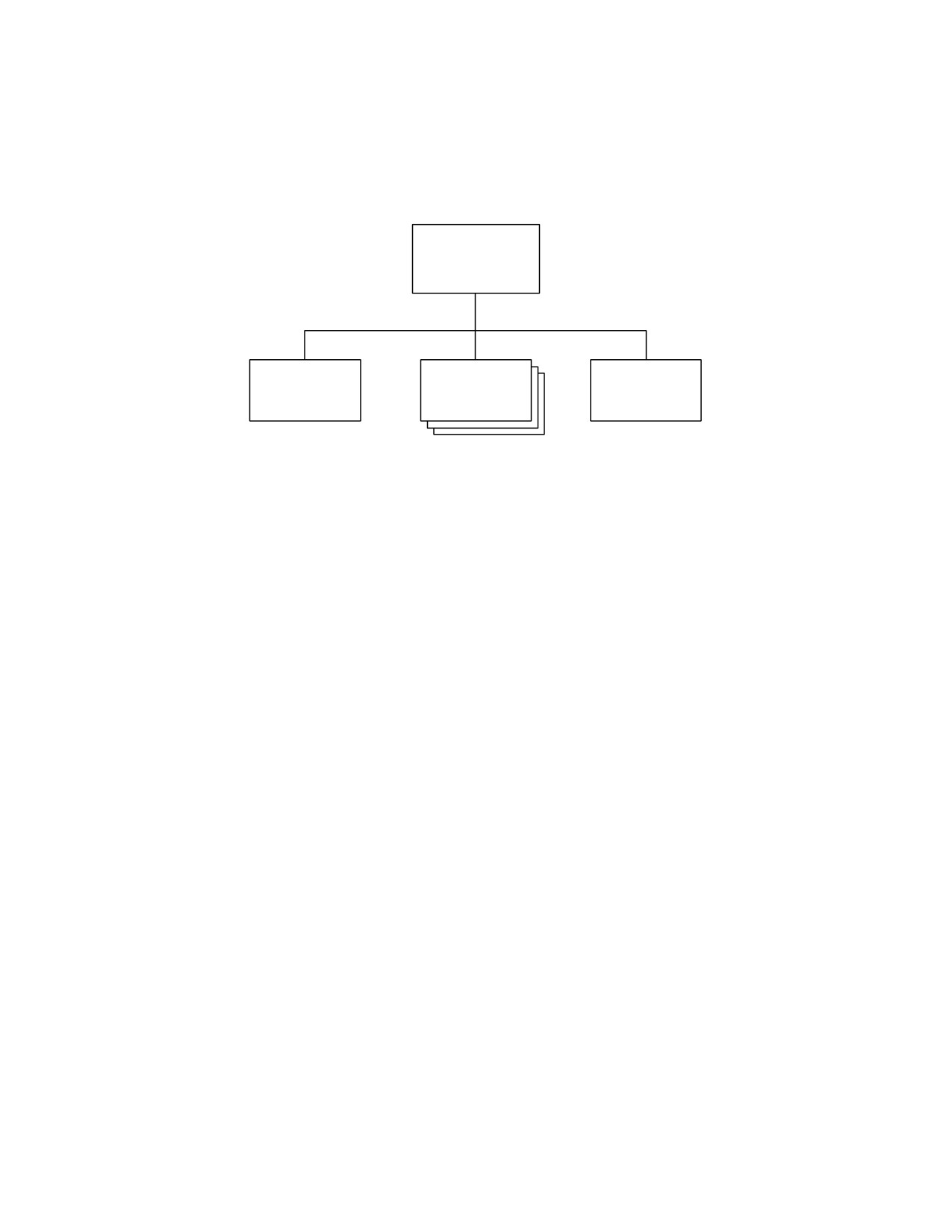
122-mm Multiple Rocket Launcher Battalion,
SP Arty Regt or 122-mm MRL Regt or Corps _______________________________
MRL
BATTALION
(122-mm)
HQ &
SUPPLY &
FIRING
CONTROL
SERVICE
BATTERY
PLATOON
PLATOON
(p 1-15)
(p 1-17)
(p 1-16)
PRINCIPAL ITEMS OF EQUIPMENT
Equipment
Total
Equipment
Total
122-mm MRL, BM-21
18
Trailer, Kitchen
3
ACRV, 1V18/1V152 (Btry COP)*
3
Trailer, POL (4,200-Liter)
3
ACRV, 1V19/1V152 (Bn COP)*
1
Trailer, Water (1,200-Liter)
1
ACRV, 1V110/1V153 (Btry FDC)*
3
Rangefinder, Laser, 1D8/1D12
7
ACRV, 1V111/1V153 (Bn FDC)*
1
Rangefinder, Laser, Binocular, LPR-1
9
SAM, Shoulder-Fired
18
Night-Vision Sight (Aiming Circle)
6
ATGL, RPG-7V
6
Periscopic Aiming Circle, PAB2A
6
Truck, Utility
1
GPS Receiver
32
Truck, Medium
37
Radios:
Truck, POL (5,000-Liter)
3
VHF, Manpack, Low-Power
18
Van, Maintenance
3
VHF, Vehicle Mount,
Van, Signal
4
Medium-Power
6
Ambulance
1
HF/VHF, Vehicle Mount,
Trailer, Cargo, 2-Axle
27
Medium-Power
4
Trailer, Generator
2
Warning Receiver
1
____________________________________
* The 1V152 and 1V153 ACRVs are part of the Kapustnik-B automated fire control system.
1-14

FM 100-60
Headquarters and Control Platoon,
122-mm MRL Bn ________________________________ ______________________
HQ &
CONTROL
PLATOON
BATTALION
CONTROL
HQ
PLATOON
PRINCIPAL ITEMS OF EQUIPMENT
Equipment
Total
Equipment
Total
ACRV, 1V19/1V152 (Bn COP)*
1
Rangefinder, laser, 1D8/1D12
1
ACRV, 1V111/1V153 (Bn FDC)*
1
GPS Receiver
2
Truck, Utility
1
Radios:
Truck, Medium
1
VHF, Manpack, Low-Power
5
Van, Signal
1
HF/VHF, Vehicle Mount,
Ambulance
1
Medium-Power
1
Trailer, Generator
1
Warning Receiver
1
____________________________________
* The 1V152 and 1V153 ACRVs are part of the Kapustnik-B automated fire control system.
1-15
FM 100-60
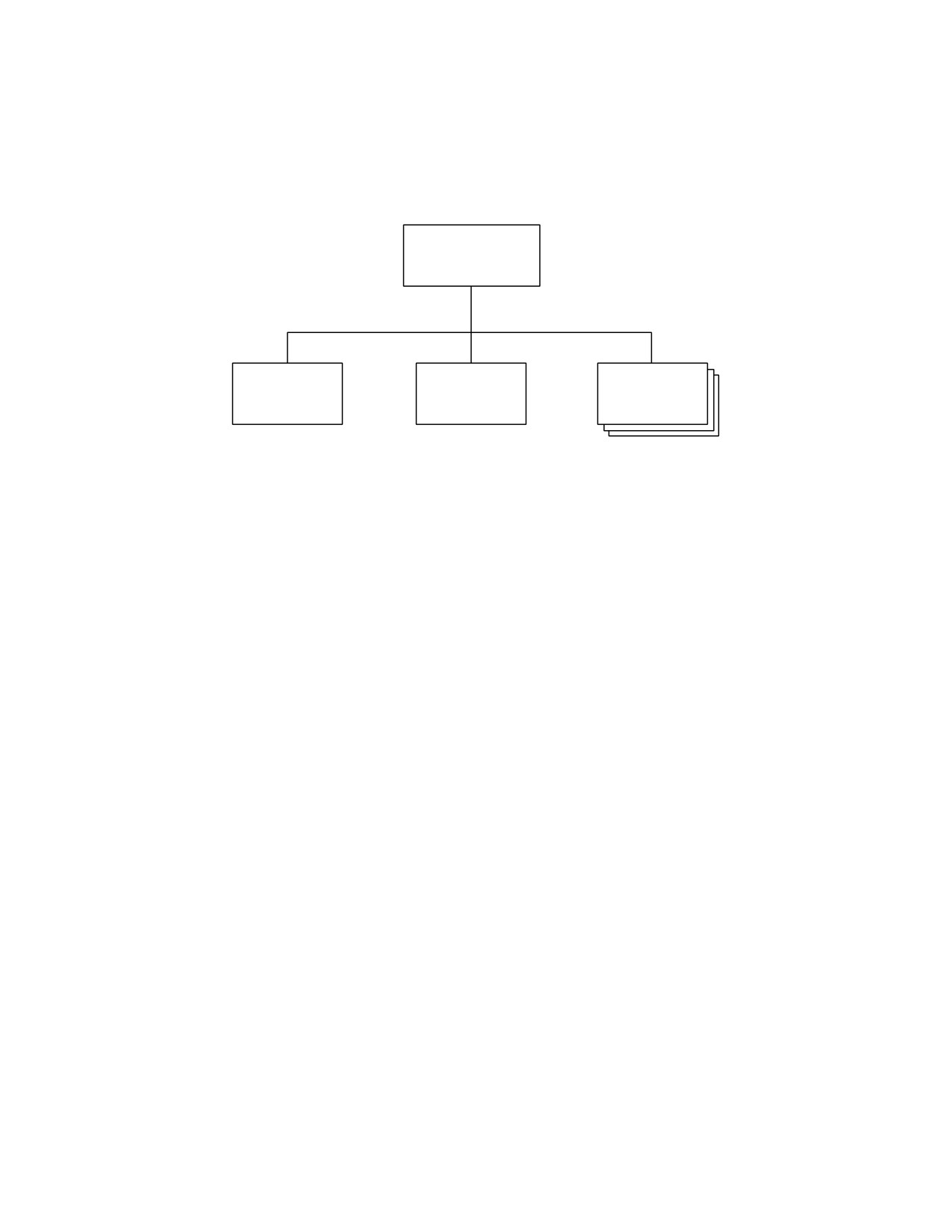
Firing Battery,
122-mm MRL Bn ________________________________ ______________________
FIRING
BATTERY
BATTERY
CONTROL
FIRING
HQ
PLATOON
PLATOON
PRINCIPAL ITEMS OF EQUIPMENT
Equipment
Total
Equipment
Total
122-mm MRL, BM-21
6
Night-Vision Sight (Aiming Circle)
2
ACRV, 1V18/1V152 (Btry COP)*
1
Periscopic Aiming Circle, PAB2A
2
ACRV, 1V110/1V153 (Btry FDC)*
1
GPS Receiver
10
SAM, Shoulder-Fired
6
Radios:
ATGL, RPG-7V
2
VHF, Manpack, Low-Power
4
Truck, Medium
6
VHF, Vehicle Mount,
Van, Signal
1
Medium-Power
1
Trailer, Cargo, 2-Axle
3
HF/VHF, Vehicle Mount,
Rangefinder, Laser, 1D8/1D12
2
Medium-Power
1
Rangefinder, Laser, Binocular, LPR-1
3
____________________________________
* The 1V152 and 1V153 ACRVs are part of the Kapustnik-B automated fire control system.
1-16
FM 100-60
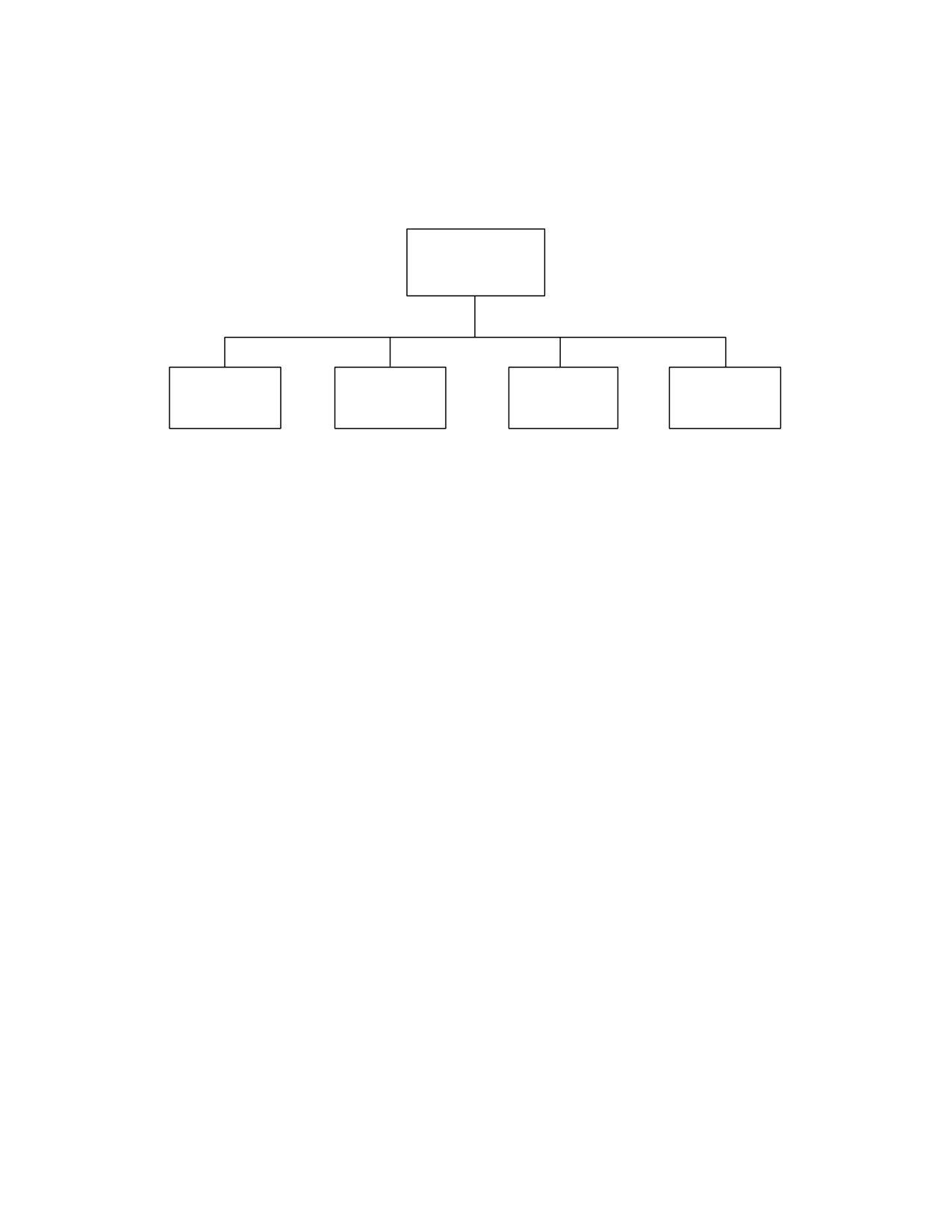
Supply and Service Platoon,
122-mm MRL Bn ________________________________ ______________________
SUPPLY &
SERVICE
PLATOON
MOTOR
SUPPLY &
PLATOON
MAINT
TRANSPORT
SERVICE
HQ
SECTION
SECTION
SECTION
PRINCIPAL ITEMS OF EQUIPMENT
Equipment
Total
Equipment
Total
Truck, Medium
18
Trailer, Kitchen
3
Truck, POL (5,000-Liter)
3
Trailer, POL (4,200-Liter)
3
Van, Maintenance
3
Trailer, Water (1,200-Liter)
1
Trailer, Cargo, 2-Axle
18
Radio, VHF, Manpack, Low-Power
1
Trailer, Generator
1
1-17
FM 100-60
Target Acquisition Battery,
SP Arty Regt________________________________ __________________________
TARGET
ACQUISITION
BATTERY
HQ &
SOUND-
TOPO
RADAR
CONTROL
RANGING
SURVEY
PLATOON
PLATOON
PLATOON
PLATOON
CM/CB
SURVEILLANCE
RADAR
RADAR
SECTION
SECTION
PRINCIPAL ITEMS OF EQUIPMENT
Equipment
Total
Equipment
Total
ACV, BTR (R-145BM)
1
Trailer, Kitchen
1
Mobile Recon Post, PRP-3/4*
1
Trailer, Water (900-Liter)
1
APC, Radar, MT-LB (SNAR-10)**
1
Rangefinder, Laser, 1D8/1D12
2
APC, Radar, MT-LB (ARK-1)***
1
Night-Vision Sight (Aiming Circle)
2
Sound-Ranging Set
1
Periscopic Aiming Circle, PAB2A
2
Truck, Light
2
GPS Receiver
4
Truck, Medium
3
Radios:
Van, Maintenance
4
VHF, Manpack, Low-Power
13
Van, Survey
1
VHF, Vehicle Mount,
Trailer, Cargo, 1-Axle
1
Medium-Power
4
Trailer, Generator
2
Warning Receiver
1
____________________________________
* This system includes the SMALL FRED or TALL MIKE battlefield surveillance radar.
** This system includes the BIG FRED battlefield surveillance radar.
*** This system includes the RICE BAG countermortar/counterbattery radar.
1-18
FM 100-60
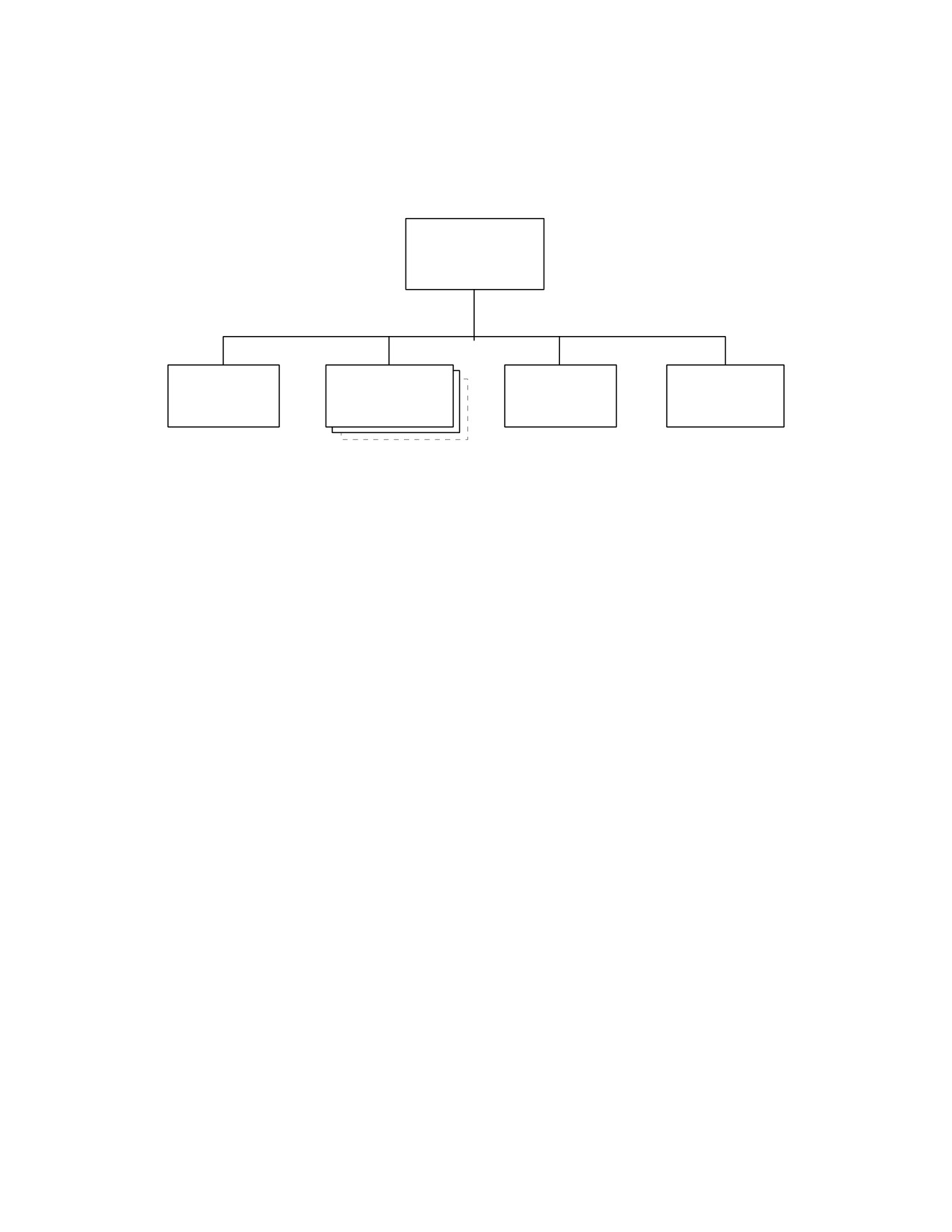
Materiel Support Company,
SP Arty Regt________________________________ __________________________
MATERIEL
SUPPORT
COMPANY
AMMO & CARGO
POL
SUPPLY &
COMPANY
TRANSPORT
TRANSPORT
SERVICE
HQ
PLATOON*
PLATOON
SECTION
PRINCIPAL ITEMS OF EQUIPMENT
Equipment
Total *
Equipment
Total *
Truck, Utility
1
Trailer, Cargo, 2-Axle
30/20
Truck, Light
1
Trailer, POL (4,200-Liter)
6
Truck, Medium
45/30
Trailer, Water (1,200-Liter)
2
Truck, POL (5,000-Liter)
6
Radio, VHF, Manpack, Low-Power
1
Van, Maintenance
2
____________________________________
* The SP artillery regiment in the tank division has one less SP howitzer battalion than in the
mechanized infantry division and thus requires less materiel support. Therefore, the materiel
support company has only two ammunition and cargo transport platoons in the tank division; in
the mechanized infantry division, it has three. Totals listed with multiple numbers (such as
30/20) reflect the numbers of that particular piece of equipment in this company in a
mechanized infantry division or tank division, respectively.
1-19
FM 100-60
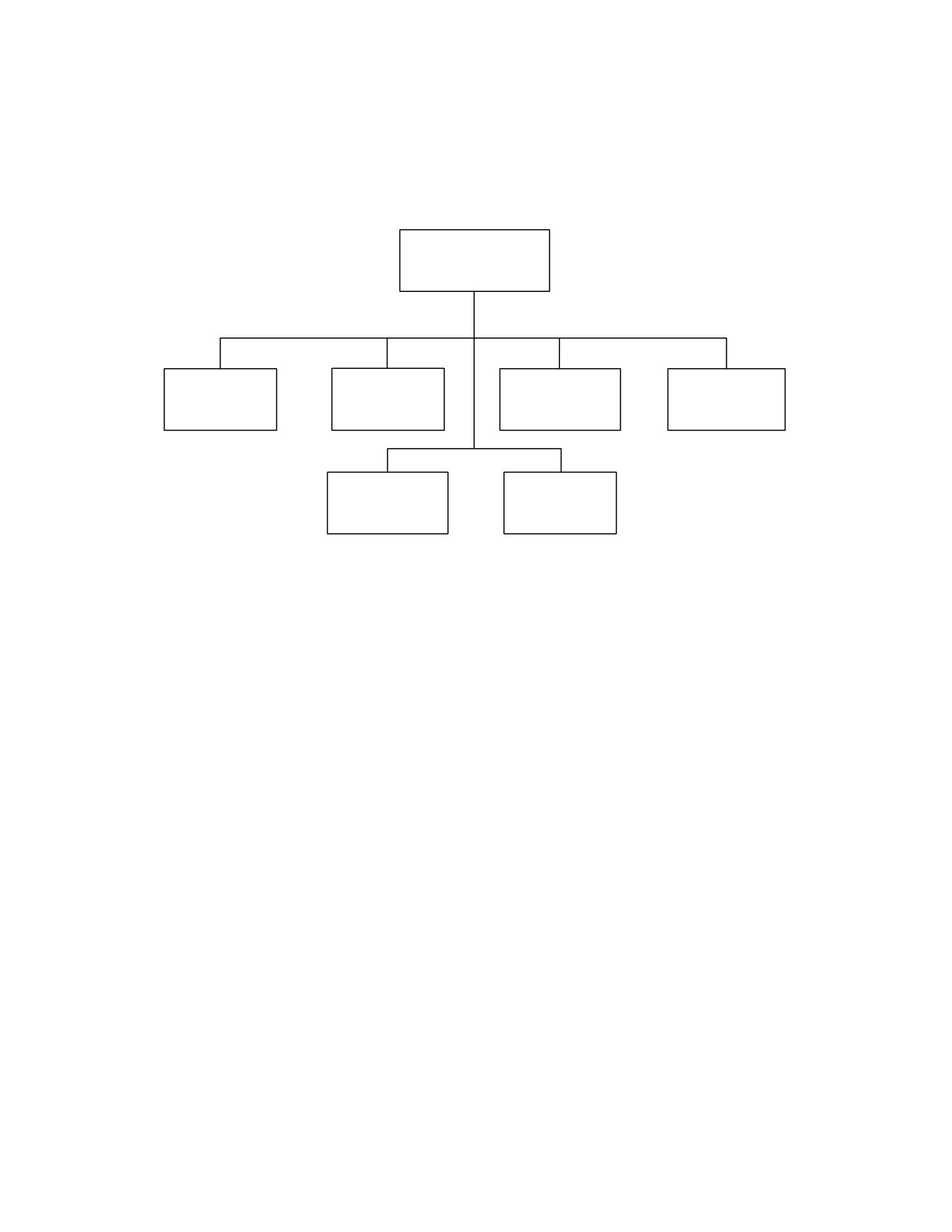
Maintenance Company,
SP Arty Regt________________________________ __________________________
MAINTENANCE
COMPANY
TRACKED
WHEELED
ORDNANCE
COMPANY
VEH MAINT
VEH MAINT
MAINT
HQ
PLATOON
PLATOON
PLATOON
SPECIAL
RECOVERY
MAINT
SECTION
PLATOON
PRINCIPAL ITEMS OF EQUIPMENT
Equipment
Total *
Equipment
Total *
ATGL, RPG-7V
4
Armored Recovery Vehicle
1
5.45-mm LMG, RPK-74
2
Trailer, Cargo, 2-Axle
3
Truck, Utility
1
Trailer, Generator
2
Truck, Medium
3
Radio, VHF, Manpack, Low-Power
1
Van, Maintenance
8/6
____________________________________
* Totals listed with multiple numbers (such as 8/6) represent the numbers of that particular piece
of equipment in this company in a mechanized infantry division or tank division, respectively.
The SP artillery regiment in the tank division has one less SP howitzer battalion and thus
requires less maintenance support.
1-20
FM 100-60
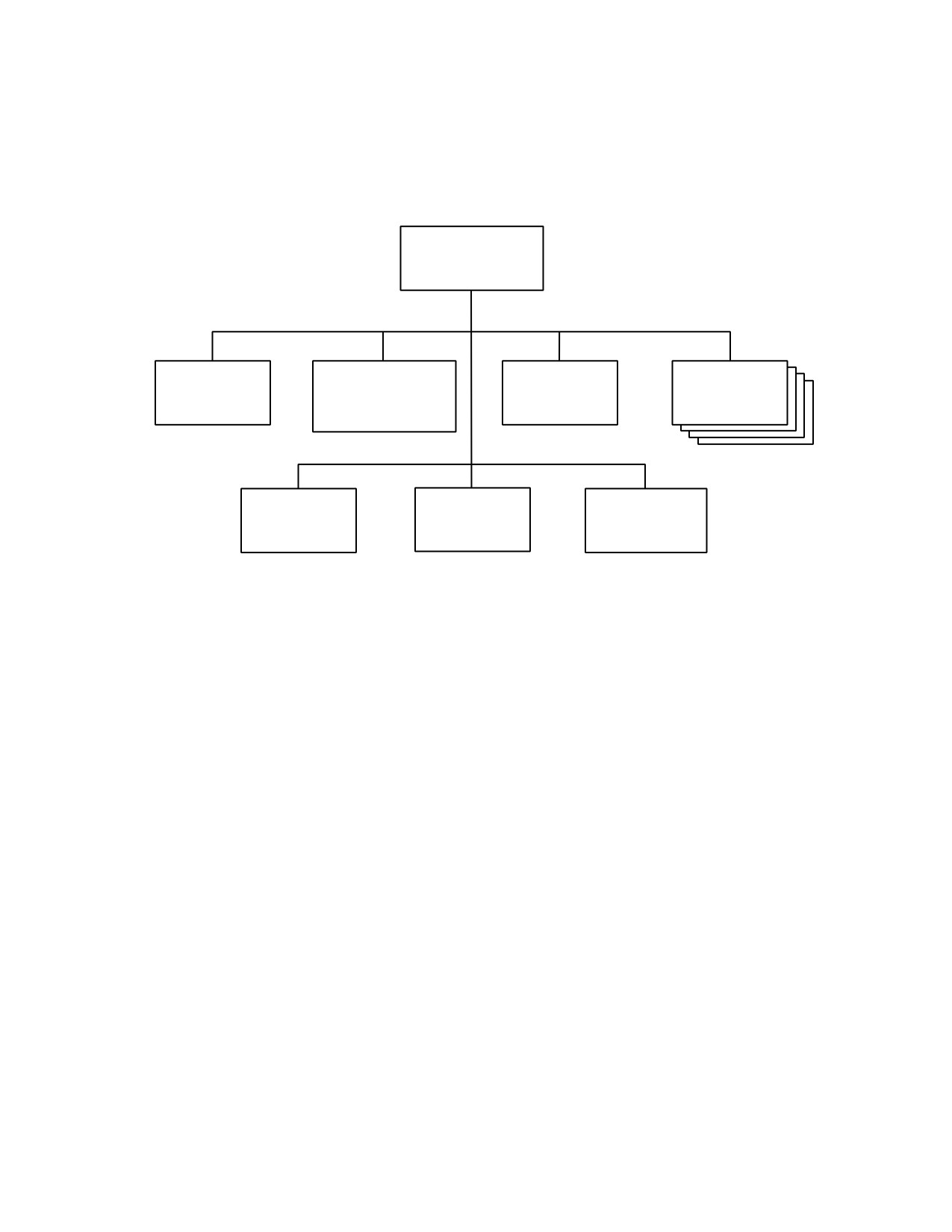
SAM Regiment (SA-15),
MID and TD________________________________ ___________________________
SAM
REGIMENT
(SA-15)
TARGET
MISSILE
MISSILE
REGIMENTAL
ACQUISITION/
TECHNICAL
FIRING
HQ
EARLY WARNING
BATTERY
BATTERY
BATTERY
(p 1-23)
(p 1-25)
(p 1-24)
(p 1-26)
CHEMICAL
MATERIEL
MAINT
DEFENSE
SUPPORT
COMPANY
PLATOON
COMPANY
(p 2-47)
(p 1-27)
(p 1-28)
(continued)
1-21
FM 100-60
SAM Regiment (SA-15), MID and TD (continued) ____________________________
Principal Items of Equipment
ARMORED VEHICLES
ACV, BTR-60 (PU-12)
1
4
5
Tgt Acq Radar Vehicle
2
2
Chemical Recon Vehicle, BRDM-2RKh/RKhM
3
3
WEAPONS
SAM, SA-15/GAUNTLET TELAR*
16
16
SAM, Shoulder-fired
3
3
12
18
TRUCKS
Truck, Utility
1
3
1
1
1
7
Truck, Light
4
1
6
8
1
3
23
Truck, Medium
4
22
3
29
Truck, Crane
2
2
Truck, Decon, ARS-12U/14
3
3
Truck, Decon, DDA-53/66
1
1
Truck, POL (5,000-L)
6
6
Truck, Water (2,000-L)
2
2
Van, Computer
1
1
Van, Maintenance
1
3
8
12
Van, Medium
2
4
4
10
Van, Missile Testing
5
5
Van, Radar
1
1
Van, Signal
4
4
Ambulance
2
2
TRAILERS
Trailer, Cargo, 2-Axle
1
1
4
5
3
14
Trailer, Generator
2
1
3
7
13
Trailer, Kitchen
1
1
2
4
1
1
10
Trailer, POL (4,200-L)
6
6
Trailer, Van
4
1
1
4
2
12
Trailer, Water (1,200-L)
2
3
1
6
RADARS
Radar, Aerial Surv/Tgt Acq, LONG TRACK
2
2
Radar, Height Finding, THIN SKIN
1
1
RADIOS
VHF, Manpack, Low-Power
1
2
1
4
1
1
10
VHF, Portable, Low-Power
3
3
VHF, Portable, Very-Low-Power
1
1
4
6
VHF, Vehicle Mount, Medium-Power
1
3
24
3
31
HF, Manpack, Low-Power
2
1
3
HF/VHF, Vehicle Mount, Medium-Power
4
4
HF/VHF, Vehicle Mount, High-Power
2
2
Radio Relay, VHF/UHF
1
1
Warning Receiver
2
4
6
MISCELLANEOUS
SA-15 Transloader (TELAR Chassis)
8
8
* The TELAR includes the SCRUM HALF fire control/target acquisition radar.
1-22
FM 100-60
Regimental Headquarters,
SAM Regt or 57-mm AA Gun Regt ________________________________ ________
REGIMENTAL
HEADQUARTERS
SUPPLY &
COMMAND
HQ
SIGNAL
SERVICE
CENTER
PLATOON
PLATOON
SECTION
SAM
SQUAD
(Shoulder-Fired)
PRINCIPAL ITEMS OF EQUIPMENT
Equipment
Total
Equipment
Total
SAM, Shoulder-fired
3
Radios:
ACV, BTR-60 (PU-12)
1
VHF, Manpack, Low-Power
1
Truck, Utility
1
VHF, Portable, Very-Low-Power
1
Truck, Light
4
VHF, Vehicle Mount,
Van, Medium
2
Medium-Power
1
Van, Signal
4
HF/VHF, Vehicle Mount,
Ambulance
2
Medium-Power
4
Trailer, Generator
2
HF/VHF, Vehicle Mount,
Trailer, Kitchen
1
High-Power
2
Trailer, Van
4
Radio Relay, VHF/UHF
1
Warning Receiver
2
1-23
FM 100-60
Target Acquisition/Early Warning Battery,
SAM Regt ________________________________ ____________________________
TARGET
ACQUISITION/
EARLY WARNING
BATTERY
TARGET
SUPPLY &
BATTERY
RECON
ACQUISITION
SERVICE
HQ
PLATOON
PLATOON
SECTION
PRINCIPAL ITEMS OF EQUIPMENT
Equipment
Total
Equipment
Total
Van, Radar
1
Radars:
Target Acquisition Radar Vehicle
2
Aerial Surveillance/Target
Truck, Utility
3
Acquisition, LONG TRACK
2
Truck, Light
1
Height Finding, THIN SKIN
1
Van, Computer
1
Radios:
Van, Maintenance
1
VHF, Manpack, Low-Power
2
Trailer, Cargo, 2-Axle
1
VHF, Vehicle Mount,
Trailer, Kitchen
1
Medium-Power
3
Trailer, Van
1
HF, Manpack, Low-Power
2
1-24
FM 100-60
Missile Technical Battery,
SAM Regt (SA-15) ________________________________ _____________________
MISSILE
TECHNICAL
BATTERY
MISSILE
MISSILE
TRANSPORT/
BATTERY
PREPARATION
TESTING
RESUPPLY
HQ
PLATOON
PLATOON
PLATOON
SAM
SUPPLY &
SQUAD
SERVICE
(Shoulder-Fired)
PLATOON
PRINCIPAL ITEMS OF EQUIPMENT
Equipment
Total
Equipment
Total
SAM, Shoulder-Fired
3
Trailer, Generator
1
Truck, Utility
1
Trailer, Kitchen
2
Truck, Light
6
Trailer, Van
1
Truck, Medium
4
Radios:
Truck, Crane
2
VHF, Manpack, Low-Power
1
Van, Missile Testing
5
VHF, Portable, Low-Power
3
Trailer, Cargo, 2-Axle
1
VHF, Portable, Very-Low-Power
1
1-25
FM 100-60
Missile Firing Battery, SAM Regt (SA-15)
or Air Defense Bn, MIBR (Sep) and TBR (Sep) ______________________________
MISSILE
FIRING
BATTERY
MISSILE
FIRE
SAM
BATTERY
FIRING
CONTROL
SQUAD
HQ
PLATOON
SECTION
(Shoulder-Fired)
SERVICE
SECTION
PRINCIPAL ITEMS OF EQUIPMENT
Equipment
Total
Equipment
Total
SAM, SA-15/GAUNTLET TELAR*
4
Trailer, Kitchen
1
SAM, Shoulder-Fired
3
Trailer, Van
1
ACV, BTR-60 (PU-12)
1
Radios:
Truck, Light
2
VHF, Manpack, Low-Power
1
Van, Medium
1
VHF, Portable, Very-Low-Power
1
SA-15 Missile Transloader
VHF, Vehicle Mount,
(TELAR Chassis)
2
Medium-Power
6
Trailer, Cargo, 2-Axle
1
Warning Receiver
1
____________________________________
* The TELAR includes the SCRUM HALF fire control/target acquisition radar.
1-26
///////////////////////////////////////