TAGS MULTISERVICE PROCEDURES FOR THE THEATER AIR-GROUND SYSTEM (JULY 1998) - page 1
*FM 100-103-2
MCWP 3-25.2
NWP 3-56.2
AFTTP(I) 3-2.17
FM 100-103-2
US Army Training and Doctrine Command
Fort Monroe, Virginia
MCWP 3.25.2
Marine Corps Combat Development Command
Quantico, Virginia
NWP 3-56.2
Naval Doctrine Command
Norfolk, Virginia
AFTTP(I) 3-2.17
Headquarters Air Force Doctrine Center
Maxwell Air Force Base, Alabama
29 July 1998
TAGS
Multiservice Procedures
for the
Theater Air-Ground System
TABLE OF CONTENTS
Page
EXECUTIVE SUMMARY
vi
CHAPTER I
THE JOINT FORCE
Background
I-1
Establishing the JTF
I-1
JFC
I-1
Components of the Joint Force
I-1
JFACC
I-2
Joint Air Operations Center (JAOC)
I-3
Joint Liaison Requirements
I-4
Targeting
I-5
AADC and ACA
I-5
Conclusion
I-5
CHAPTER II
ARMY COMPONENT
Background
II-1
Mission
II-1
Component Operations
II-1
Distribution Restriction: Approved for public release. Distribution is unlimited
*This publication supersedes FM 100-103-2, 31 October 1994
iii
Planning
II-5
Command and Control
II-8
Conclusion
II-15
CHAPTER III
AIR FORCE COMPONENT
Background
III-1
Mission
III-1
Component Operations
III-4
Planning
III-6
Command and Control
III-6
Conclusion
III-17
CHAPTER IV
NAVAL COMPONENT
Background
IV-1
Mission
IV-1
Component Operations
IV-1
Planning
IV-2
Command and Control
IV-3
Conclusion
IV-9
CHAPTER V
MARINE CORPS COMPONENT
Background
V-1
Mission
V-1
Component Operations
V-1
Planning
V-6
Command and Control
V-6
Conclusion
V-16
CHAPTER VI
SPECIAL OPERATIONS COMPONENT
Background
VI-1
Mission
VI-1
Component Operations
VI-2
Planning
VI-5
Command and Control
VI-6
Conclusion
VI-7
CHAPTER VII
THEATER AIR-GROUND SYSTEM OPERATIONS
Background
VII-1
JFC Influence
VII-1
Planning
VII-1
Component Considerations
VII-4
ATO Cycle
VII-5
Interdiction
VII-9
Defensive Counterair
VII-10
Conclusion
VII-13
APPENDIX A
PROCEDURAL CONTROL MEASURES
A-1
APPENDIX B
ATO, SPINS, AND ACO BREAKOUT
B-1
iv
APPENDIX C CARRIER BATTLE GROUP PLANNING AND EXECUTION
FOR AIR OPERATIONS
C-1
APPENDIX D AMPHIBIOUS OPERATIONS AND PASSAGE OF CONTROL
ASHORE
D-1
APPENDIX E TRANSITION SEA- AND LAND-BASED JFACC
E-1
APPENDIX F TAGS ADDITIONAL INFORMATION
F-1
REFERENCES
References-1
GLOSSARY
Glossary-1
INDEX
Index-1
FIGURES
I-1
Theater Organization Overview
I-2
I-2
Notional Joint Force Liaison Structure
I-4
II-1
AAGS Coordination Links
II-8
II-2
Immediate CAS Request Channels
II-9
III-1
TACS Coordination Links
III-7
III-2
Air and Space Planning Process
III-8
III-3
AOC Organization
III-9
IV-1
Naval Coordination Links
IV-4
IV-2
Sea-Based JFACC Capabilities
IV-8
V-1
MACCS Coordination Links
V-7
VI-1
TGO Planning Loop
VI-4
VI-2
TGO Execution Loop
VI-4
VII-1
TAGS Coordination Links
VII-2
VII-2
ATO Cycle Overlaid on Targeting Cycles
VII-4
VII-3
Notional ATO Timeline
VII-6
VII-4
Notional AAD Organization
VII-11
A-1
Coordinating Altitude, ROA, and ROZ
A-1
A-2
SAAFR and HIDACZ
A-2
A-3
Minimum Risk Routes
A-2
B-1
ATO
B-2
B-2
ATO Narrative - Combined and General Remarks
B-4
B-3
ATO SPINS
B-5
D-1
Naval Littoral Operations
D-2
TABLES
II-1
Command Post Functions
II-4
II-2
Fire Support Coordination Facilities
II-14
V-1
Types of MAGTFs
V-3
VII-1
Functional Equivalents
VII-3
B-1
Message Headers and Initial Sets
B-3
C-1
Navy's Targeting Cycle
C-5
C-2
NAVFOR ATO 72-Hour Timeline Process
C-5
E-1
Sample JFACC Transfer Plan
E-3
E-2
Sample JFACC Data Transfer Schedule
E-3
v
EXECUTIVE SUMMARY
TAGS
Multiservice Procedures
for the
Theater Air-Ground System
Overview
The Theater Air-Ground System (TAGS) is not a formal system in itself but rather the
sum of the component air-ground systems operating in the theater. It is applicable to all
theater operations to include air, ground, maritime, and amphibious operations. This TAGS
publication applies to a joint task force (JTF) established on a geographic area basis since
functional JTFs are typically associated with unified commands for transportation, space,
special operations, and strategic operations.
This publication serves as a primer for all practitioners in the air-ground community
by providing a single source of information regarding component operations within the
TAGS to include organization, capabilities, planning, and command and control. It is an
extension of Joint Publication 3.56.1, Command and Control of Joint Air Operations, in
that it provides detailed information on interoperability of systems, coordination
procedures, and transitions.
The first chapter provides an overview of the joint force and TAGS relationships within
the force. Chapters II through VI provide information about component air-ground systems,
which together form the TAGS. Chapter VII focuses on the TAGS itself, providing
information on the joint air tasking order (ATO) cycle and joint air defense operations.
This revision of TAGS includes a standardization of component chapters and an update
of all information to reflect current doctrine and joint terminology. Information that
pertained to multiple services, such as transfer of air control ashore for amphibious
operations and coordination procedures/measures, were moved to separate appendices.
An appendix explaining how to break out ATO, special instructions, and an air control
order was added as a reference aid. Two new appendices added are carrier battle group
planning and execution of air operations and transition between sea- and land-based joint
force air component commanders.
Summary
The key to an effective TAGS is a clear understanding of component air-ground systems
relationships to one another, and how they can be synchronized to achieve maximum
effectiveness. This publication is intended to aid in this understanding.
vi
PROGRAM PARTICIPANTS
The following commands and agencies participated in the development and review of
this publication:
Joint
US Atlantic Command, JTASC, Suffolk, VA 23435
US CINCPAC, Camp H.M. Smith, HI 96816
US Special Operations Command/JSOFI, Fort Bragg, NC 28307-1929
Army
HQ 3rd Army (ARCENT), Ft McPherson, Atlanta GA 30236
US Army Training and Doctrine Command, ATDO-A, Fort Monroe, VA 23651-5000
XVIII Airborne Corps, FT Bragg, NC
28307
CDD/CGSC, Ft Leavenworth, KS 66027
Marine Corps
CG MCCDC, Quantico, VA 22134-5020
Navy
CAEWWS, NAS Fallon, NV 89496
COMSECONDFLT, APO AE 09506-6000
COMSIXTHFLT, FPO AE 09501
NDC/N3, Norfolk, VA 23511-2785
NSAWC/N6, NAS Fallon, NV 89496
SWATSLANT, NAS Oceana, VA 23460-5206
TACTRAGRULANT, Dam Neck, VA 23461
TACGRU TWO, NAV Little Creek, VA 23521
Air Force
HQ ACC, Langley AFB, VA 23665
HQ USAFE, APO AE 09094-5015
HQ USAFSOS, Hurlburt Field, FL 32544-5225
HQ 8th AF, Barksdale AFB, LA 71110
Det 6, 57 Wing, Ft Irwin, CA 92310-5007
AFDC/DJ, Langley AFB, VA 23665
USAFAGOS, Nellis AFB, NV 89191
vii
Chapter I
THE JOINT FORCE
1. Background
3. JFC
It is important that personnel assigned
If the CINCs decide to delegate
to or working with the Theater Air-Ground
authority for an assigned mission, they will
System (TAGS) understand the decision-
designate a JFC to command a subordinate
making processes and problems associated
JTF. In this publication, JFC means either
with the operational level of command.
a theater combatant commander or a
Armed with this knowledge, commanders
subordinate who is designated a JFC. The
and staffs will better understand TAGS
JFC has the authority to organize forces to
functions and how to work within the
best accomplish the assigned mission based
system to receive or give support. Actions
on the concept of operations by establishing
at the joint force level establish the “ground
subordinate commands, assigning respon-
rules” for the TAGS, including the theater
sibilities, establishing or delegating
commander in chief’s (CINC’s) guidance,
appropriate command and support
perspective, and strategy; the CINC or joint
relationships, and establishing coordi-
force commander’s (JFC’s) theater/joint
nating instructions for the component
operations area (JOA) strategy, command
commanders. The JFC has full authority
organization and relationships; the
to assign missions, redirect efforts, and
campaign plan; assignment of objectives;
direct coordination among subordinate
and apportionment of forces. This chapter
commanders and will exercise operational
summarizes the joint task force (JTF) level
control
(OPCON) over assigned and
considerations and organizational options
(normally) attached forces. The JFC will
that influence theater air-ground
assemble a joint staff with appropriate
operations. It describes the role of the JFC,
members in key positions of responsibility
command relationships, the role and
from each service or functional component
responsibilities of the joint force air
having significant forces assigned to the
component commander (JFACC), and
command. The manner in which JFCs
TAGS joint liaison requirements.
organize their forces directly affects the
responsiveness and versatility of joint force
2. Establishing the JTF
operations. According to Joint Publication
3-0, Doctrine for Joint Operations, the JFC’s
The Secretary of Defense, a CINC (also
vision and concept of operations are the
referred to as a commander of a combatant
basis for organizing forces to accomplish
command), subordinate unified com-
the mission.
mander, or an existing JFC establishes
JTFs. Joint forces are established on either
4. Components of the Joint Force
a geographic or functional basis.
Establishing a joint force based on a
All joint forces include service
geographic area is the most common
component commands, which provide
method of assigning responsibility for
administrative and logistic support.
continuing operations. This publication
Normally, the JFC will establish functional
applies to a JTF established on a geographic
component commands to provide
area basis since functional JTFs are
centralized direction and control of certain
typically associated with unified commands
functions and types of operations when it
for transportation, space, special
is feasible and necessary to fix
operations (SO), and strategic operations.
responsibility. The need for a functional
I-1
component command applies when the
5. JFACC
scope of operations require that similar
Although the concept of a functional
capabilities or functions of forces from more
component can apply to any joint force
than one service be directed toward closely
capability, when considering theater air
related objectives and where unity of
operations as a whole and the TAGS
command and effort are primary
specifically, the role of a JFACC requires
considerations. Joint force land, air,
specific attention. The JFC will normally
maritime, and SO components are
designate a JFACC to exploit the
examples of functional components.
capabilities of joint air operations. The
Normally, functional component com-
JFACC directs this exploitation through a
manders also serve as service component
cohesive joint air operations plan
commanders but with staff augmentation
(centralized control) and a responsive and
(expertise) to make them joint. Most often,
integrated control system (decentralized
joint forces are organized with a
execution). The JFC will normally assign
combination of service and functional
JFACC responsibilities to the component
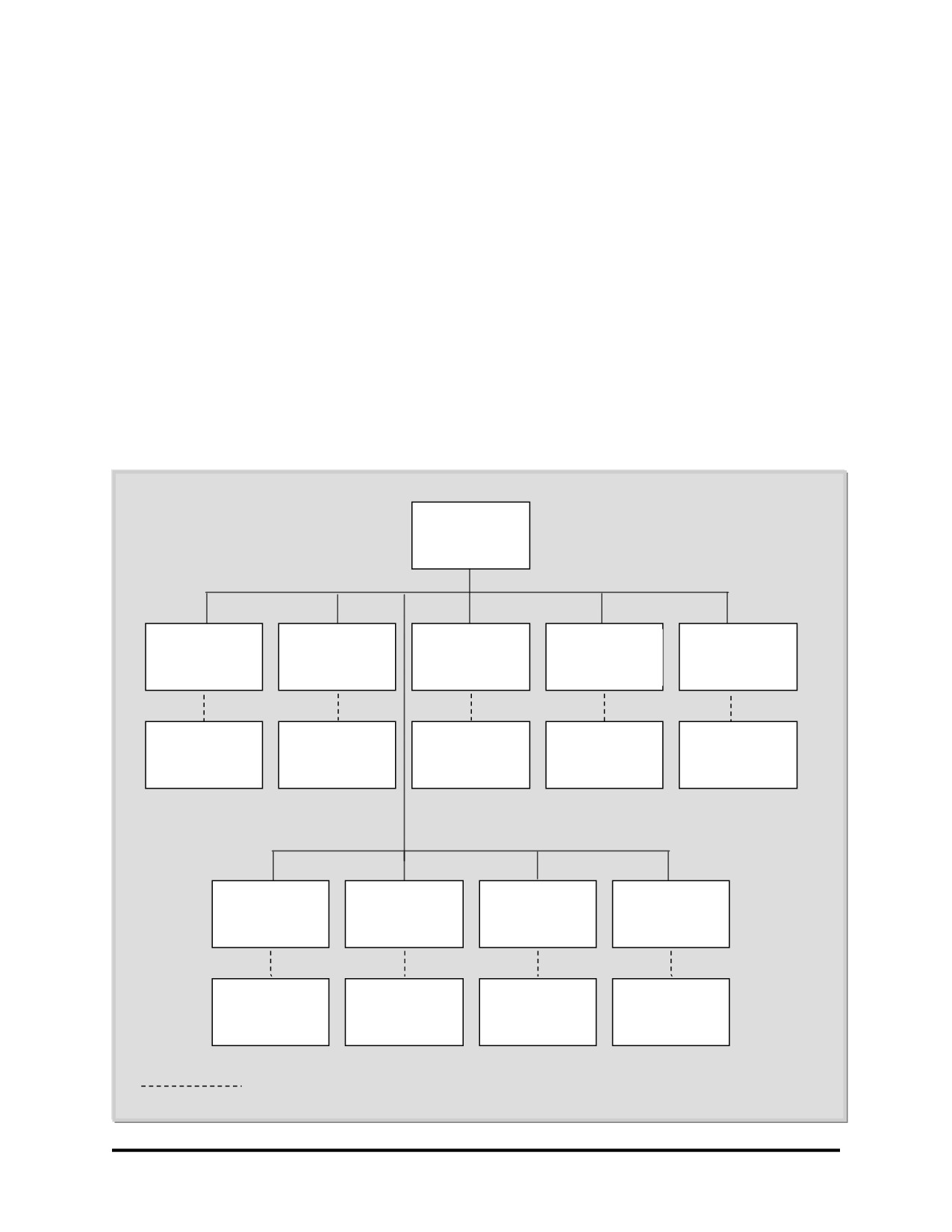
component commands (see Figure I-1).
commander having the preponderance of
JOINT FORCE
COMMANDER
(JFC)
MARINE
SPECIAL
A RMY
A IR FO RC E
N AVY
CORPS
OEPRATIONS
COMPONENT
COMPONENT
COMPONENT
COMPONENT
COMPONENT
SPECIAL
A RMY
A IR FO RC E
N AVY
MARINE CORPS
OPERATIONS
FORCES
FORCES
FORCES
FORCES
FORCES
(ARFOR)
(AFFOR)
(NAVFOR)
(MARFOR)
(SOF)
JOINT FORCE
JOINT FORCE
JOINT FORCE
JOINT FORCE
LAND
A IR
MARITIME
SPECIAL OPS
COMPONENT
COMPONENT
COMPONENT
COMPONENT
FORCES /
FORCES /
FORCES /
FORCES /
CAPABILITY
CAPABILITY
CAPABILITY
CAPABILITY
MADE AVAILABLE
MADE AVAILABLE
MADE AVAILABLE
MADE AVAILABLE
Command relations(s) as determined by JFC
Figure I-1. Theater Organization Overview
I-2
air assets and the capability to plan, task,
f. Evaluating the results of joint air
and control joint air operations. In some
operations and forwarding combat
cases, it may be necessary for a naval officer
assessments (CAs) to the JFC to support
to function as the JFACC at sea, especially
the overall combat assessment effort.
in quick-breaking operations before land-
based air contingents are in place or when
g. Performing the duties of the airspace
significant land-based air assets are not
control authority (ACA), when assigned
required. (See Chapter IV and Appendix E).
that responsibility by the JFC.
h. Performing the duties of the area air
The authority, command relationships,
defense commander
(AADC), when
and responsibilities of the JFACC are
assigned that responsibility by the JFC.
established by the JFC. These typically
include exercising OPCON over assigned
6. Joint Air Operations Center (JAOC)
and attached forces, tactical control
(TACON) over forces made available for
The JFACC’s staff should be organized
tasking, or receiving direct support (DS)
and manned so that component
from other military capabilities/forces. The
representation reflects the composition of
JFACC is also normally responsible for, but
the joint force. This representation will
is not limited to, planning, coordinating,
provide the JFACC with the expertise
allocating, and tasking of joint air
needed to effectively employ the
operations based on the JFC’s guidance and
capabilities/forces made available. The
objectives that include the air
heart of the JFACC’s organization is the
apportionment decision. Specific JFACC
JAOC, which is structured to operate as a
responsibilities normally include—
fully integrated facility and staffed to fulfill
all of the JFACC’s responsibilities. JFACC
a. Developing a joint air operations plan
organizations may differ based on the
to best support joint force objectives as
specific area of responsibility (AOR) or JOA
assigned by the JFC or higher authority.
requirements and operations. However,
b. Recommending to the JFC
the four organizations or functions that are
apportionment of the joint air effort, after
common to all JAOCs are—strategy, combat
consulting with other component
plans, combat operations, and air mobility.
commanders, by percentage and/or by
Planning “future joint air operations” is the
priority that should be devoted to the
responsibility of combat plans, which
various air operations and/or geographic
includes the responsibility of drafting the
areas for a given period of time.
joint air operations' plan to support the
JFC’s campaign objectives and building the
c. Providing centralized direction for
daily joint air tasking order
(ATO).
the allocation and tasking of capabilities/
Execution of the daily joint ATO is carried
forces made available based on the JFC’s
out by combat operations. The role of
guidance and objectives, which include an
intelligence is also extremely important
apportionment decision.
and is an integral part of the daily function
of combat plans and combat operations.
d. Controlling execution of joint air
operations as specified by the JFC, to
a. Component Liaisons. The component
include making timely adjustments to
commanders have ready access to the
targeting and tasking of available joint
JFACC and the JAOC staff through their
capabilities/forces.
component liaisons. These liaison officers
(LNOs) work for their respective
e. Coordinating joint air operations
component commanders and work with the
with operations of other component
JFACC and JAOC staff. Senior component
commanders and forces assigned to or
liaisons serve as conduits for direct
supporting the JFC.
coordination between the JFACC and their
I-3
respective component commanders. Senior
7. Joint Liaison Requirements
liaisons possess the credibility and
authority to represent their component
Effective liaison between forces is
commander on time sensitive and critical
essential for coordinated TAGS operations
issues.
and is a key factor in the success of joint
b. Coordination Elements. Each com-
operations. A notional joint force liaison
ponent normally provides liaison elements
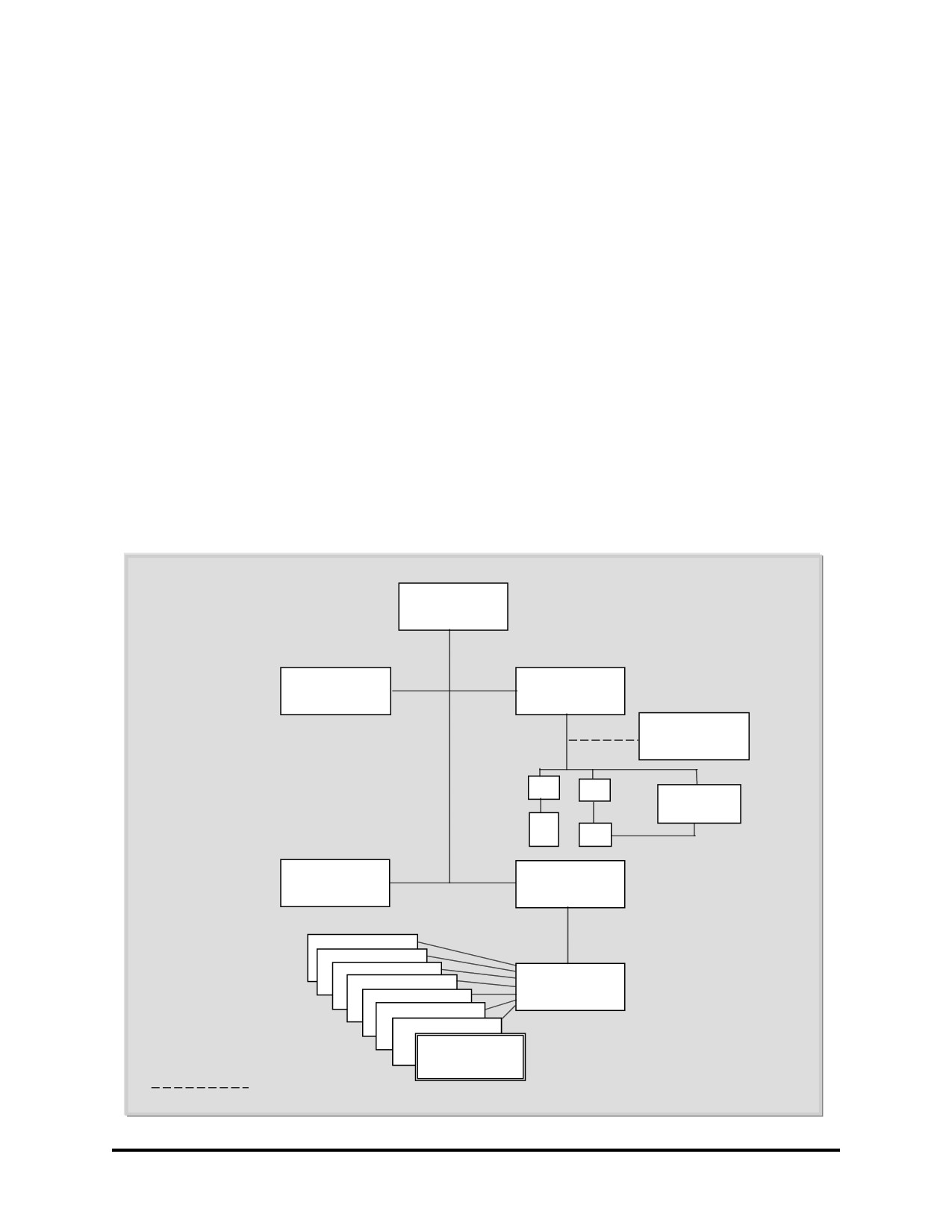
structure is depicted in Figure I-2. LNOs
(for example, battlefield coordination
serve as their parent commanders’ eyes and
detachment [BCD], naval and amphibious
ears as well as their representative to the
liaison element [NALE], special operations
JFACC on matters of service capabilities
liaison element [SOLE], Marine liaison
and limitations. LNOs need to have clearly
officer [MARLO], etc.) that work within the
defined parameters to take action and
JAOC. These liaison elements consist of
make decisions on operational matters.
experienced warfare specialists who
Functional component commanders, who
provide component planning and tasking
are also service component commanders,
expertise and coordination capabilities.
will use parent service liaison elements.
These experts help integrate and coordi-
If the JFACC is at sea, space and
nate their component’s participation in
communications limitations may restrict
joint air operations. They also coordinate
liaison element size and capability.
and deconflict component direct support air
Service component liaison elements are
operations with joint air operations.
discussed in detail in succeeding chapters.
JFC
CHIEF
JTCB
OF STAFF
COMPONENT
LIAISON
ELEMENTS
J-2
J-3
OTHER
STAFF
ELEMENTS
JIC/
JISE
JOC
OTHER SERVICE
AND/OR
FUNCTIONAL
JFACC
COMPONENTS
B CD
MARLO
N AL E
SOLE
JAOC
SLO
AME
A FL E
LIAISON
ELEMENTS
B ila te ra l co ordin ation
Figure I-2. Notional Joint Force Liaison Structure
I-4
8. Targeting
a. AADC. Within a unified command;
subordinate unified command; or JFC, the
Targeting is the process of selecting
commander will assign overall responsi-
targets and matching them with the
bility for air defense to a single commander,
appropriate response, lethal or nonlethal,
commonly referred to as the AADC.
destructive or disruptive. From a TAGS
Normally, this will be the component
perspective, the targeting process directly
commander with the preponderance of air
affects the preparation of the ATO. For
defense capability and the command,
the TAGS to work effectively, the joint
control, and communications
(C3)
targeting process and the joint ATO cycle
capability to plan and execute integrated
must be synchronized. Targeting is done
air defense operations. Representation
in accordance with the JFC’s campaign
from the other components involved will be
plan, taking into account operational
provided, as appropriate, to the air defense
requirements and capabilities and
commander’s headquarters.
assessing the effects of attacks against
specified targets. It is performed at all
b. ACA. The JFC will additionally
levels within the joint force. Personnel
designate an ACA to assume overall
working ATO development must
responsibility for the operation of the
understand the targeting process to fully
airspace control system. The ACA develops
realize its impact on the TAGS. The CINC/
broad policies and procedures for airspace
JFC may establish organizations to
control and coordinates as required among
accomplish broad targeting oversight
units within the AOR/JOA, subject to the
functions such as the Joint Targeting
authority and approval of the JFC.
Coordination Board (JTCB). The JFCs
may task an organization and its staff to
Because of the integrated relationship
accomplish broad targeting oversight
between airspace control measures and air
functions or may delegate the
defense operations, AADC and ACA duties
responsibility to a subordinate com-
normally should be performed by the same
mander. If the JFC so designates, a JTCB
person, who may also be performing the
may be established as an integrating center
duties of the JFACC. Regardless of who
for this effort or a JFC-level review
fulfills these functions and responsibilities,
mechanism. In either case, it needs to be
the three must be integrated in order to
a joint activity composed of repre-
unite overall air operations in support of
sentatives from the staff, all components,
the JFC’s campaign.
and, if required, their subordinate units.
The JTCB typically reviews targeting
information, develops targeting guidance
10. Conclusion
and priorities, and may prepare and refine
joint target lists. The JTCB should also
In the first stages of crisis management
maintain a complete list of restricted
or in the establishment of the JTF, it is
targets and areas where special
critical to assign duties and responsibilities
operations forces (SOF) are operating to
to the component commanders and the
avoid endangering current or future
joint staff. The early assignment of
operations.
responsibilities such as the JFACC, ACA,
and AADC allows maximum time to
9. AADC and ACA
coordinate and plan operations.
Because the TAGS integrates
Additionally, the early establishment of a
activities and communications among all
JTCB and the JAOC facilitates immediate
air-ground systems, it is important to
implementation of the TAGS and ensures
define two additional functions that affect
adequate information will flow up and down
the structure and execution of the TAGS—
the chain of command as well as laterally
the AADC and ACA.
between components.
I-5
Chapter II
ARMY COMPONENT
1. Background
and supporting forces to enhance the effects
of maneuver. FM 100-5, Operations, is the
Army’s keystone warfighting doctrinal
This chapter provides an understanding
manual. Successful joint air-ground
of the process of synchronizing and
operations require a fundamental
integrating United States Army capabilities
understanding of force capabilities and
within the TAGS. It outlines component
some key aspects of the Army.
capabilities and provides an overview of
planning considerations and the command
a. Essential Characteristics of Army
and control (C2) architecture in support of
Operations. Five operational charac-
ground operations and the Army Air-
teristics
(agility, depth, initiative,
Ground System (AAGS). This chapter is
orchestration, and versatility) provide the
designed for sailors, airmen, and marines
foundation for current Army doctrine,
who work in joint, multinational, and
tactics, and techniques. The TAGS assists
interagency air-ground operations with the
Army commanders in the application of all
Army.
five characteristics, especially depth and
orchestration.
2. Mission
(1) Depth. Depth is the extension
The Army’s mission is to protect and
of operations in time, space, resources, and
defend the Constitution of the United
purpose. Through the use of depth, the
States of America and does so by deterring
Army component commander obtains the
war and, when deterrence fails, by achieving
necessary space to maneuver effectively;
quick and decisive victory—on and off the
the time necessary to plan, arrange, and
battlefield—anywhere in the world and
execute operations; and the resources
under virtually any conditions as part of a
required to win engagements, battles, and
joint team. The Army is the major ground
major operations and exploit success. The
force provider for decisive combat
TAGS helps Army commanders attack the
operations. Whether fighting a large
enemy simultaneously, throughout the
conventional force, elusive insurgency,
battlespace, by facilitating rapid decon-
effects of a natural disaster, or preempting
fliction and coordination to effectively
open conflict, the Army's constant aim is to
employ available fires. Operations in depth
seize the initiative, maintain momentum,
degrade enemy freedom of action, reduce
and exploit success.
their flexibility and endurance, and disrupt
their plans and coordination.
3. Component Operations
(2) Orchestration. Orchestration
Army component operations are
means to arrange, develop, organize, or
inherently joint and often multinational.
combine to achieve a desired or maximum
Army forces (ARFOR) must be prepared to
effect. Orchestration describes the means
conduct operations with various
by which commanders apply the
governmental and nongovernmental
complementary and reinforcing effects of
agencies, other services, and the forces of
all military assets to overwhelm opponents
other nations. Army doctrine and systems,
at one or more decisive points.
especially C2 and targeting, are designed
Orchestration requires controlling the
to expedite the employment of organic fires
tempo of operations as well as weighting
II-1
and shifting efforts in a dynamic
(1) Time. Commanders visualize the
environment.
time dimension of battlespace with respect
to current and future operations. Current
Orchestration often implies different
operations address ongoing operations and
activities for different levels of command.
their immediate impact on mission
In tactical operations, it is routinely seen
accomplishment. Current operations
in the synchronized application of combat
generate the conditions for the success of
power. Operationally it means applying
future operations that the Army envisions
the right mix of forces, using the right
as necessary but not yet feasible. To
degree of control, and operating at the right
accomplish the mission, ARFOR adjust
tempo at the right level of intensity to
timing and tempo to best exploit friendly
accomplish assigned missions. Operation-
capabilities. What is important is the
ally and strategically, it routinely requires
timing of the effects achieved rather than
the coordination and direction of a great
the chronological application of force or
number of disparate, seemingly unrelated,
capabilities. Commanders devise a timing
yet complementary activities. Effective
that orchestrates those effects in time,
orchestration requires anticipation, agility,
space, and purpose. Tempo is more than
mastery of time-space relationships, and a
speed. Tempo is the rate of operations
complete understanding of how friendly
relative to operational circumstances or an
and enemy capabilities interact.
adversary’s ability to sense and react.
Orchestration includes synchronization
ARFOR seek a tempo superior to that of
and is the arrangement of activity in time,
their opponent; however, they generally
space, and purpose to produce maximum
pay a price through greater fatigue and
relative military power at a decisive point.
resource expenditure.
It usually requires explicit coordination
(2) Space. The commander’s con-
among the various units participating in an
ceptual view of space encompasses the
operation. In the TAGS, continuous and
entire physical volume where friendly and
aggressive involvement by LNOs, strong
enemy systems can influence the success
command, disciplined operations, and
of a military operation. The potential for
detailed situational awareness are
land forces to conduct noncontiguous
essential to synchronizing operations and
operations has increased. In noncontiguous
limiting fratricide.
operations, land forces may operate in
b. Battlespace. Commanders do not
isolated pockets, connected only through
pursue operations in a vacuum but must
the reinforcing and complementary effects
take into account the total operational
of an integrated concept of operations.
environment. Battlespace is a comprehen-
Noncontiguous operations place a premium
sive, conceptual view of the operational
on initiative, effective information
environment and all factors that influence
operations, mobility, and innovative
the success of a military operation.
logistics measures.
Battlespace extends beyond the traditional
notions of width, depth, and height. It
(3) Activity. Commanders organize
includes portions of the electromagnetic
military activities in battlespace through
spectrum as well as the dimension of time.
campaigns, major operations, battles and
It also incorporates human considerations,
engagements, and operational frameworks.
not only soldiers but also civilian
JFCs synchronize the actions of air, land,
populations—indigenous peoples in the
sea, space, and SOF to achieve strategic and
area of operations and citizens and families
operational objectives through integrated
in the United States (US). Commanders
campaigns, joint campaigns, and major
shape the dimensions of battlespace in
operations. Military activities are further
terms of time, space, activity, and
organized in an operational framework—
simultaneity:
grouped activities organized for
II-2
simultaneous, complementary, and
to ensure freedom of action and continuity
reinforcing effect. These groupings are
of operations, logistics, and command. Rear
based on purpose rather than location. Most
operations are not only key to sustaining
operational frameworks include elements
close operations, they are critical for
of close, deep, and rear operations.
recovering from reverses or exploiting
Reconnaissance is a component of close,
success in future operations. At the
deep, and rear operations. It is an all-
operational level, rear operations focus on
encompassing component that sees the
preparing for the next phase of the
enemy commander's organization,
campaign or major operation. At the
disposition, capabilities, and intents.
tactical level, rear activities underwrite the
These elements appear to the enemy as an
tempo of operations, ensuring the agility
overwhelming, seamless operation
to take advantage of any opportunity
throughout the depth of their battlespace.
without hesitation or delay.
(a) Close operations at any
(4) Simultaneity. Across the battle-
echelon comprise the current activities of
space dimensions of time, space, and
the forces and capabilities in contact to
activity, the Army seeks to achieve
defeat an adversary or control a situation.
simultaneity—the ideal in the American
Close operations will normally include
way of war. Simultaneity in time
security, main and supporting efforts, and
overwhelms opposing commanders with a
reserve operations. Security and reserve
wide range of immediate decision
operations are components of close
requirements. Simultaneity in space
operations. Security operations blind
presents opposing forces with devastating
enemy attempts to see ARFOR, shielding
consequences throughout the depth of the
the other elements of the framework—
battlespace. Simultaneity in purpose
close, deep, rear, and reserve—from
orchestrates the linkage between all
unwanted observation and enemy strikes.
activities in the operational framework,
Reserve operations are conducted by units
ensuring that close, deep, rear, reserve, and
withheld from action or uncommitted to a
reconnaissance and security operations are
specific course of action so that they are
all directed to the ultimate end state.
available for commitment at a decisive
point. Their primary task is to retain
c. Command Posts (CPs). To C2 their
flexibility through offensive action. They
designated area of operations, brigade
are the commander’s insurance against the
through corps commanders normally
uncertainty and friction of military
establish three CPs: tactical (TAC), main
operations. Therefore, reserves are key to
tactical operations center (TOC), and rear.
offensive action to seize the initiative,
The function of each varies; however, Table
maintain momentum, or exploit success.
II-1 reflects the generic functions usually
accomplished at each.
(b) Deep operations at any
echelon comprise the activities of forces
d. Capabilities. Land forces can pro-
and capabilities to control a future situation
vide lethal and nonlethal fires in support
or defeat adversaries before they can bring
of air operations through suppression of
forces into contact. Deep operations may
enemy air defenses (SEAD), ground base
reinforce close operations through actions
defense, and attack and interdiction of
taken in time and space to complement and
enemy aviation and missile forces. The
make possible the near-term close
Army provides the following capabilities to
operation.
the TAGS:
(c) Rear operations at any
(1) Ground Maneuver. Ground
echelon comprise those activities designed
maneuver forces provide C2, targeting
II-3

Table II-1. Command Post Functions
TAC
MAIN TOC
REAR
PRIMARY
PRIMARY
PRIMARY
• Conducts the close fight
• Orchestrates the battle
• Supports the battle
• Conducts the deep fight
• Conducts rear area operations
• Plans future fights
SECONDARY
SECONDARY
SECONDARY
• Monitors the deep & rear fights
• Coordinates combat service
• Serves as the backup to the
• Plans
support
main CP
• Monitors the battle
• Plans
• Conducts close fight when
TAC CP displaces
support, and serve as approval authority
In the area of fire or ground support, Army
for the AAGS from task force through corps
aviation functions in the following roles:
level. Maneuver is the movement of combat
forces to gain positional advantages,
(a) Attack Helicopter Opera-
usually in order to deliver or to threaten
tions. Normally attack helicopters are
delivery of direct and indirect fires. It is
employed as maneuver forces in combined
the means of concentrating forces at
arms operations to accomplish the
decisive points to achieve surprise,
commander’s mission. They are ideally
psychological shock, and physical
suited for rapidly developing situations in
momentum. Advantages gained by ground
which available reaction time is minimal or
forces are unique to maneuver warfare and
where terrain restricts ground forces. They
are the essence of seizing, physically
can operate effectively in the close, deep,
occupying, and holding key terrain. These
and rear battles. Attack helicopters may
advantages cannot be replicated by other
also contribute to joint counterair and
means.
theater missile defense (TMD) through
offensive and defensive counterair
(2) Fire Support System. Fire
operations and attack operations against
support is the collective and coordinated
theater missile launchers. In addition,
use of indirect-fire weapons and other
attack helicopters are capable of providing
lethal and nonlethal means in support of a
close support, if tasked.
commander’s battle plan. The commander
employs the fire support system to support
the scheme of maneuver; mass fires; and
(b) Aerial Forward Observation.
delay, disrupt, or destroy enemy forces in
Army aviation provides aerial observation
depth.
and transports field artillery forward
observers (FOs), aviation LNOs, or Air
(3) Army Aviation. Army aviation
Force enlisted terminal air controllers
performs the full spectrum of combat,
(ETACs) to vantage points where FOs can
combat support, and combat service
call for/adjust fires and where air liaison
support missions. Aviation units destroy
officers (ALOs) and ETACs can provide
enemy forces by fire and maneuver;
terminal control for attacking aircraft.
perform target acquisition and recon-
Army aviation can also provide terminal
naissance; enhance C2; and move combat
control for close air support (CAS) as well
personnel, supplies, and equipment in
as target designation (to include lasing) for
compliance with the scheme of maneuver.
the attack of targets.
II-4
(c) Air Reconnaissance. Air
under the AADC’s weapons control and air
reconnaissance units obtain and report
defense procedures and the horizontal and
near-real-time and real-time intelligence to
vertical coordinations among the air
support effective targeting and battle
defense elements ensure synchronization
damage assessment.
between the counterair operations of the
Army and the other services. Defensive
(d) Electronic Warfare
(EW).
counterair (DCA) operations conducted by
Fixed- and rotary-wing aircraft provide a
ARFOR respond to immediate enemy air
variety of EW support, including direction
threats. The Army’s primary DCA force is
finding, electronic combat, communications
air defense artillery (ADA), which provides
intercept, and electronic target acquisition.
dedicated low-to-high altitude air defense
systems to protect the force and selected
(e) Airborne and Air Assault
geopolitical assets from air and missile
Operations. Army aviation, as part of a
threats. ADA and other combined arms
joint or single-service operation, can
forces integrate fires to ensure freedom of
provide airlift support to airborne or air
maneuver for our forces from the enemy’s
assault forces to operations in close, deep,
air threat.
and rear areas during day and night.
4. Planning
(f) Air Movement of Weapons
Systems and/or Ammunition. Cargo and
a. Operation Plans/Orders (OPLANs/
utility aircraft offer speed of movement
OPORDs). Army combat plans and orders
and flexibility for the employment of fire
are important to the TAGS because they
support units. They provide the com-
provide the task organization, mission
mander another alternative to rapidly
statement, commander’s intent, and
displace field artillery assets in support of
concept of the operation of Army units
deep operations or as a rapid reaction
conducting the operation. Key components
response to threats in the rear area.
are—
(g) C2 for Joint Air Attack Team
(JAAT) Operations. JAAT missions en-
(1) Task Organization. Information
hance the effectiveness of rotary-wing
regarding how the command is task
aircraft conducting combined air-to-ground
organized to accomplish the mission can be
attack operations in close coordination
found immediately preceding paragraph 1,
with fixed-wing aircraft from other
Situation, or as an annex to an order or plan
services. JAAT operations capitalize on the
(normally, Annex A).
strengths of each platform and minimize
friendly
aircraft
exposure
and
(2) Mission Statement. The mission
vulnerability. These operations require
statement is the commander’s expression
detailed coordination among components.
of the task the unit must accomplish and
Upon receipt of a JAAT mission, the
for what purpose. A precise, clear mission
mission commander assumes responsibility
statement that subordinates understand
for the coordination and execution of JAAT
before and during the operation is vital to
operations.
(For more detailed information
mission success. The mission statement
on JAAT operations see Multiservice
explains the essence of the operation: who,
Procedures for Joint Air Attack Team
what, when, where, and why. At
Operations.)
operational levels of command, com-
manders anticipate change by continually
(4) Army Air Defense. The Army
reassessing the stated mission in light of
plays a substantial role in overall
changing strategic and operational
counterair operations. The unity of effort
conditions.
II-5
command hierarchy and assigns appro-
(3) Commander’s Intent. The com-
priate frequencies, call signs, and code-
mander’s intent is the commander’s clear,
words for units and attachments in support
concise statement of what the force must
of planned operations.
do to succeed with respect to the enemy and
the terrain and the desired end state. It
b. Targeting Process. Targeting is a
provides the link between the mission and
significant part of the Army’s participation
the concept of operations by stating key
in the TAGS planning process. The Army
tasks that, along with the mission, are the
commander uses the targeting process to
basis for subordinates to exercise initiative
shape the battlespace and to synchronize
when unanticipated opportunities arise or
fire support and maneuver. It enables the
when the original concept of operation no
attack of the right target with the best
longer applies.
weapon at the right time. It is the process
(4) The Concept of the Operation.
of selecting targets and matching the
In the chaos of conflict, order is conceptual
appropriate response to them on the basis
rather than physical. The operational or
of operational requirements and capa-
tactical concept of operations describes how
bilities. Emphasis is on identifying
Army commanders visualize the major
resources that the enemy can least afford
operation, battle, or engagement unfolding.
to lose, degrading the enemy’s ability to
It is a creative act—a design that
take the initiative, and forcing the enemy
coordinates all activities in pursuit of the
to conform to friendly battle plans. A tar-
end state. The concept is based on the
get may be an enemy function, formation,
commander’s selected course of action and
facility, equipment, or piece of terrain. The
expresses how each element of the force will
selection of targets must support the
cooperate to accomplish the mission.
ground commander’s battle plan. The tar-
Whereas the focus of the commander’s
geting process requires coordination
intent is on the end state for the force as a
among multidisciplined groups, which
whole, the focus of the commander’s concept
include fire support, intelligence, opera-
of operations is on the method by which all
tions, planning cell, and liaison personnel.
elements of the force will cooperate to
The process begins with the receipt of a
generate complementary and reinforcing
mission and continues through develop-
effects.
The operational-level Army
ment and execution of an OPLAN. It
commander ensures that the concept is
focuses on developing a high-payoff target
consistent with the stated intent (see
list (HPTL) that specifies which targets are
paragraph 4a[3] above), as well as the JFC’s
to be acquired, attacked, and when; what
intent and strategic direction. Throughout
the desired effects on the targets are; and
the echelons of command, the concept of
which ones should be selected for
operations are vertically and horizontally
deliberate follow-up attack and/or CA.
integrated to ensure unity of effort and
From this list, the commander decides
purpose. More detailed information on how
which attack option or combination of
the Army commander plans to coordinate
options to use and whether to request
the use of air power to support the scheme
support from other components of the joint
of maneuver can be found in the air support
force. Therefore, the process not only
appendix of the fire support annex
supports the commander’s operational
(normally, Annex C).
intent but also helps select the method of
attack and identifies what asset will
(5) Logistics. Paragraph 4, Service
conduct the attack. The Army and Marine
Support, outlines key logistical con-
Corps use a proactive methodology to
siderations for employment and sustain-
conduct targeting called decide-detect-
ment of assets.
deliver-assess (D3A), which is applicable to
all targeting situations and any echelon of
(6) Communications. Paragraph 5,
Command and Signal, outlines the
command.
II-6
(1) Decide. The decide function
sensors are in position at prescribed times
provides the focus and priorities for
to search for specific HPTs. When detected,
intelligence collection management and
the target location is communicated to
attack planning. Decisions include which
command elements for confirmation of the
targets should be acquired and attacked,
attack decision or directly to an attack
where and when they will most likely be
system, if the target detection is designated
found, who can locate them, how they
as an attack trigger event. The intelligence
should be attacked, and whether CA is
section (G-2/S2) is the main staff element
required. To assist the commander in
responsible for the detection efforts against
deciding what should be attacked, the staff
HPTs.
uses a process called intelligence
(3) Deliver. The attack of targets
preparation of the battlespace (IPB). IPB
must satisfy the guidance developed in the
is a continuous systematic analysis of the
decide function, requiring a number of
enemy, weather, and terrain in a specific
tactical and technical decisions/actions.
geographic area to evaluate threat
The tactical decisions include the time of
capabilities and predict likely enemy
attack, the desired effects, and the specific
courses of action. The IPB process
attack system to be used. The technical
facilitates target value analysis (TVA). TVA
decisions include the precise delivery
links the effects of attacking a target
means, number and type of munitions, unit
directly to the targeting function and
to conduct the attack, and attacking unit’s
involves detailed analysis of enemy
response time.
doctrine, tactics, equipment, organization,
and expected behavior. TVA listings
(4) Assess. CA is a timely and
indicate which targets are important,
accurate estimate of damage resulting from
which are vulnerable, and when and where
the use of military force, either lethal or
they are likely to be most vulnerable.
nonlethal, against a target. As a part of the
Through TVA, the staff identifies those
targeting process, CA specifically pertains
assets that the enemy commander requires
to the results of attacks on targets
for the successful completion of the mission.
designated by the commander. Although
These are identified as high-value targets
primarily an intelligence function, it
(HVTs). Because these targets are key to
requires extensive coordination with
the enemy commander’s success, they are
operational elements to be effective.
normally given a higher priority for attack.
If a HVT can be successfully acquired, is
c. Air Operations. Control of the air by
vulnerable to attack, and if such an attack
friendly forces enables land forces to
supports the commander’s scheme of
execute operations without interference
maneuver, the target may be nominated
from enemy air forces and maintain tactical
as a high-payoff target (HPT). Once HPTs
flexibility. Enemy strengths in terms of
have been identified and nominated, they
forces, supplies, and combat reserves are
are grouped into a list that identifies them
most vulnerable to air attack when
for a specific point in the battle in order of
concentrated before dispersing to their
priority. The completed HPTL is submitted
battle areas. While the urgency of enemy
to the commander and, when approved,
actions may require direct attack against
becomes a formal part of the fire support
forces in contact, air power is more
plan. It is then passed to the units and
efficiently used to interdict in-depth those
targeting elements. HPTs, when success-
targets whose destruction, disruption, or
fully attacked, contribute substantially to
delay will deny the enemy the time and
the success of the friendly commander’s
space to employ forces effectively. A
plans.
synchronized, systematic, and persistent
(2) Detect. Detect maximizes all
plan of attack between air and land
available assets, ensuring that appropriate
commanders is essential. Air component
II-7
functions that contribute directly to land
aerial assets. Although some elements
operations are strategic attack, counterair,
within AAGS belong to different services
counterland (CAS and air interdiction [AI]),
(for example, air/naval gunfire liaison
SO, airlift, and surveillance and
company [ANGLICO], tactical air control
reconnaissance (see Chapter III for more
party [TACP], etc.) and sometimes to
detailed information). Land forces also
different nations, they function as a single
contribute to air operations by providing
entity in planning, coordinating,
fires, including long-range rocket, missile,
deconflicting, and integrating air support
and cannon interdiction; attack helicopter
operations with ground operations. The
missions; and EW. Long-range fires
Army elements of the AAGS consist of
support SEAD, ground base defense, and
operations, fire support, air defense, Army
attacks and interdiction of enemy aviation
airspace command and control (A2C2), and
and theater missile forces.
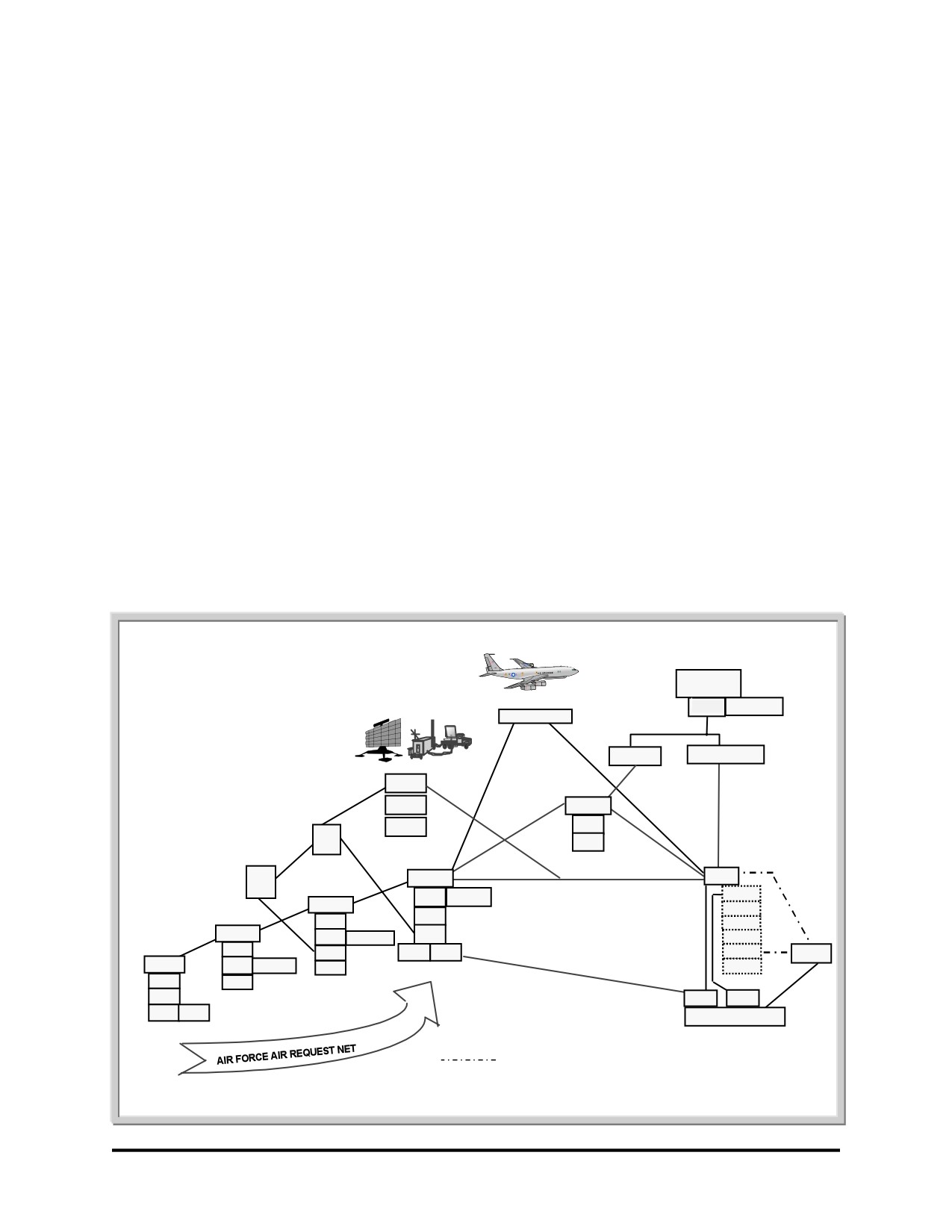
coordination/liaison elements (see Figure
II-1). Note: The term Army airspace
5. Command and Control
command and control does not denote that
any airspace contiguous to the battlefield
a. AAGS. The Army’s control system
or any other geographical dimension of
for synchronizing, coordinating, and
airspace is designated “Army” airspace but
integrating air operations with the
refers to management, integration, and
commander’s scheme of maneuver is the
utilization of the airspace by airspace
AAGS. The AAGS provides the means to
users over the Army’s area of operations.
initiate, receive, process, and execute
Neither does it imply command of any
requests for air support and to disseminate
asset that is not assigned or OPCON to an
information and intelligence produced by
Army commander.
JFC
JOC
STRATLAT
Joint STARS
ARFOR
AFFOR/JFACC
CRC
XXXX
AMLS
ARMY
X
ADA
CP
ADA
BDE
DOCC
II
XXX
ADA
CORPS
JAOC
BN
XX
BCD
CP
SOCCE
DIV
MARLO
X
FSE
CP
NALE
BDE
FSE
ANGLICO
A2C2
SOLE
II
CP
A2C2
TACP
ASOC
AME
TALCE
BN
FSE
ANGPLT
TACP
SLO
CP
TACP
FSE
WOC
GLO
TACP
SALT
AIRCRAFT
Coordination links for strategic and theater airlift
................. Normal liaison if AFFOR is desginated JFACC
Figure II-1. AAGS Coordination Links
II-8
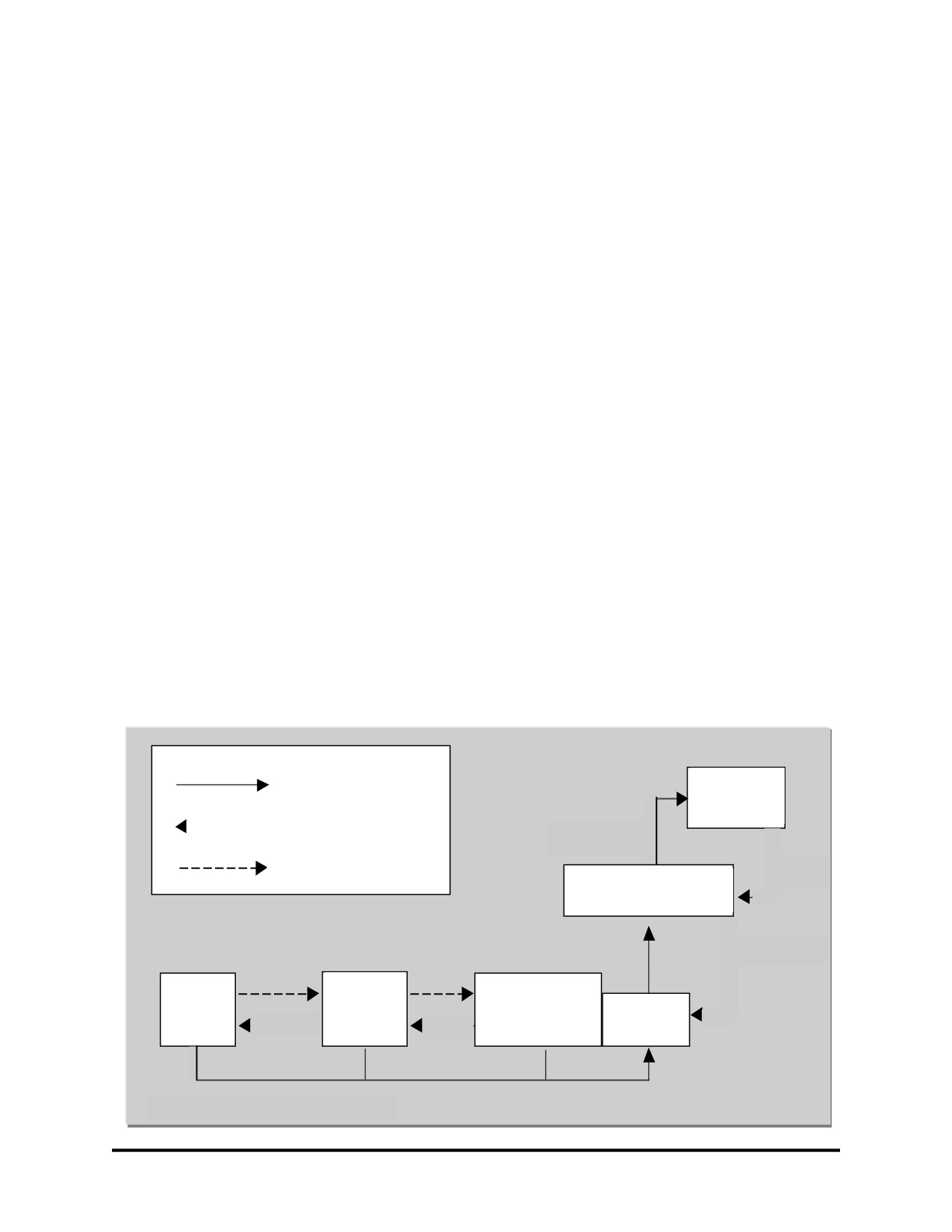
echelon of command (see Figure II-2). A
(1) Operations. In joint operations,
fire support cell may include liaison
adjustments are made for service-specific
elements from the Air Force and Navy. The
operating procedures. At each echelon
FSCOORD plans and coordinates
down to division level, the commander is
engagement of surface targets, target
responsible for integrating fire support,
acquisition, radar emplacement, counter-
deconflicting
the
airspace,
and
fire operations, and deception operations
coordinating air support as required. The
by fire support means. The four basic tasks
AAGS is the Army’s operational approach
of fire support are—support the force in
to accomplish the functional activity of
contact, support the force commander’s
airspace C2. The operations officer (G-3)
battle plan, synchronize fire support, and
is responsible for staff supervision of all
sustain the fire support system.
Army component air-ground operations
except combat service support airlift, which
(3) Army Air Defense. Overall
is the responsibility of the logistics officer
counterair operations support the strategic
(G-4), and air reconnaissance and
objectives of the JFC’s campaign plan.
surveillance, which is the responsibility of
These operations support the JFC’s intent
the G-2.
and concept of the operation by achieving
two primary operational objectives: gaining
(2) Fire Support. From brigade to
corps-level, the force field artillery
control of the air environment and
protecting the force. The JFC’s designated
commander is the commander’s designated
AADC executes control of DCA units
fire support coordinator (FSCOORD). As
through positive and procedural controls.
such, the FSCOORD is responsible for
The AADC establishes rules of engagement
overall direction of the fire support system
and for ensuring that all available fire
(ROE) and, in conjunction with the ACA
(which the AADC may also be), implements
support means are fully synchronized with
procedural airspace controls. Such
the battle plan. The FSCOORD normally
procedural controls include airspace
operates through a fire support element
control measures that facilitate the
(FSE) as part of a fire support cell at each
REQUEST CHANNELS
JAOC
Unfilled Request
FEEDBACK CHANNELS
INTERMEDIATE MONITORING
Approval/
(Fill if able/silence = consent)
Disapproval
*TACC/JSOACC
Approval/
I
II
XX/XXX
Disapproval
FAC
ALO/NGFO
ALO/NGFO
NGFO
FSO/FSC
FSCOORD/FSC
ASOC/DASC
FIST
S3
G-3
*Applicable to Marine or SOF request
Figure II-2. Immediate CAS Request Channels
II-9
integration and synchronization of air
plan and incorporating corps air defense
defense assets into air operations to
requirements into the counterair plan. To
optimize airspace use, protect friendly
plan and execute close, deep, and rear air
units, and prevent fratricide. These
defense operations, the BCD’s air defense
airspace
control
measures are
officer provides liaison between the
disseminated and updated via the airspace
AAMDC and the AADC. The AAMDC may
control order
(ACO), which may be
augment the BCD ADA section as needed.
published in conjunction with the ATO.
Positive control is accomplished by utilizing
(b) EAC ADA Brigade(s). The
the electromagnetic spectrum to track and
EAC ADA brigade(s), under command of the
identify friendly, hostile, and unknown air
AAMDC, normally provides air and missile
assets. Once the JFC provides guidance
defense coverage for priority theater assets
and sorties are allocated, the AADC makes
(that is, ports, airfields, logistic bases,
combat air patrol
(CAP) placement
cities, etc.). The corps ADA brigade
recommendations and works closely with
commander ensures that corps air defense
the JFACC staff to coordinate ATO
requirements are integrated into the
development, integration, and dis-
theater defense counterair plan by
semination. Based on the AADC's air
coordinating air defensive planning with
defense plan, the land component
the AAMDC, adjacent corps, and
commander (LCC) finalizes the air defense
subordinate divisions. The EAC and corps-
portions of the land component operations
level ADA brigade(s) and their respective
order. The LCC also designates Army
high-medium altitude air defense (HIMAD)
assets for offensive counterair (OCA), DCA,
units are all data linked and under OPCON
TMD attack operations, and joint sup-
for fires to the CRC. If this data link to the
pression of enemy air defenses (J-SEAD)
CRC is inoperable, units revert to
tasks. Army air defense operations are
procedural control. Short range air defense
planned and coordinated at all echelons
(SHORAD) units normally operate under
within the land component and integrated
procedural controls for air defense
into the AADC’s theater air defense plan.
engagements and provide air defense
The AADC, through the supporting air
coverage for the division commander’s air
operations center (AOC), may delegate
defense priorities.
execution of DCA operations to a service’s
(4) A2C2. Under the JFC’s ACA, the
principal air defense C2 agency, such as the
A2C2 element is the Army’s principal
Air Force’s control and reporting center
organization responsible for airspace
(CRC), which may direct the execution of
control in the Army’s area of operations and
air defense for the theater. Further, the
is normally located in the TOC. Only corps
AADC may decentralize execution of the air
and divisions have dedicated A2C2
defense plan to regional air defense
elements, although a limited A2C2
commanders (RADCs). (See Chapter VII for
capability exists at brigade and battalion
more details on joint air defense
levels, primarily through ADA and aviation
operations.)
liaison to the operations/S3 sections. Corps
(a) Army Air and Missile
and divisional A2C2 elements coordinate
Defense Command (AAMDC). The com-
and disseminate airspace control
mander of the AAMDC is the echelon above
information and requirements under the
corps (EAC) ADA commander and serves
staff responsibility of the G-3 and are
as the LCC’s special staff officer
supervised by the G-3 Air. Armor and light
responsible for integrating Army assets
units of the Army, from corps through
into joint counterair operations. The
battalion, differ in the structure of their
AAMDC commander, as part of the land
A2C2 elements. Normally, the principal
commander’s G-3 planning cell, assists in
staff sections and liaison elements
developing Army OCA and DCA operations
collocated with or included within an A2C2
II-10
element consist of representatives from—
element and six subsections: plans,
ADA, Army aviation, ALO, FSE, EW, airlift
operations, intelligence, ADA, airspace
staff representative of the G-4 section, and,
management, and airlift.
when required, ANGLICO. A2C2 element
•The BCD plans section
tasks include—
collocates with the JAOC’s combat plans
(a) Identifying and forwarding
division. Its primary functions are--
Army airspace needs and requests to the
••Relaying and coordinating
ACA to be included in the airspace control
Army requests for air support and JFACC
plan
(ACP) and ACO and to resolve
requests for support from ground units.
conflicts.
••Providing the JAOC with the
(b) Maintaining A2C2 overlays
Army commander’s intent, guidance,
and developing A2C2 procedures, plans,
objectives, priorities for air support, fire
standing operating procedures, and
support coordinating measures, and
annexes to orders/plans.
planned concept of operations.
(c) Coordinating and integrating
airspace user requirements within the area
••Assisting in planning, coordi-
of operations for deconfliction and approval
nating, and synchronizing J-SEAD and EW
by the ACP and ACO.
operations.
(d) Coordinating Army airspace
••Monitoring publication and
use with other components of a joint force
distributing of the ATO.
and with adjacent units.
•The BCD operations section is
(e) Advising subordinate and
collocated with the JAOC’s combat
higher headquarters of significant
operations division. Its primary functions
activities affecting airspace use.
are—
(f) Advising subordinate and
••Monitoring execution of the
higher headquarters of the impact of
current ATO as it pertains to missions
airspace control measures or restrictions
planned against Army component-
on the ground battle.
nominated targets as well as the overall air
(g) Staffing and obtaining
operations.
approval for special use airspace.
••Coordinating all changes that
(5) Coordination/Liaison.
affect the current ATO and changes in the
(a) BCD. The primary ARFOR
land forces’ current operations, objectives,
liaison to the JFACC is the BCD. The Army
priorities, nominated targets, and fire
component commander establishes a BCD
support coordination measures (FSCMs).
to perform liaison between the ARFOR and
the JFACC. The BCD is collocated with
••Keeping abreast of current
the JFACC’s senior air operations control
theater policy regarding the integration of
agency, normally the JAOC. The BCD is
ground and air forces and coordinating
responsible to the Army component
target attacks beyond a given fire support
commander and coordinates with and
coordination line (FSCL).
receives objectives, guidance, and priorities
from the G-3. Guidance and priorities must
•The BCD intelligence section
be sufficiently clear to permit the BCD to
provides intelligence personnel support to
adjudicate ARFOR needs for air support.
the BCD plans and operations sections and
The BCD is organized into a headquarters
establishes liaison with the JAOC combat
II-11
plans and operations divisions' intelligence
plans divisions of the JAOC. Its primary
staff. Its primary functions are—
functions are—
••Coordinating special elec-
••Providing information on
tronics mission aircraft and deconflicts
enemy ground order of battle (OB) and
airspace for Army Tactical Missile System
assists in interpreting this information.
(ATACMS) fire missions.
••Processing, justifying, and
••Informing and advising the
coordinating Army requests for recon-
ARFOR airspace control element of the
naissance and EW support.
impact of any additions or conflicts on
••Obtaining Army intelligence
airspace activities and control measures.
reports and facilitating the exchange of
••Integrating planned Army
intelligence data. Coordinating intelli-
fixed-wing aircraft into the ATO and
gence data for unique targeting require-
coordinating special electronic mission
ments.
aircraft and the ATACMS firings.
••Forwarding validation of
Coordinating rotary-wing airspace
ARFOR-nominated targets before attack.
requirements with ACA.
•• Ensuring timely processing of
•The BCD airlift section is
CA to the ARFOR headquarters and
collocated with the Air Force component
identifying new targets for attack.
airlift control team (ALCT). Its primary
functions are—
•• Processing ARFOR requests
for immediate air reconnaissance and EW
••Coordinating and monitoring
support.
airlift missions in support of Army
component operations.
••Providing the current ARFOR
intelligence picture to the JAOC
••Advising the director of
operations division.
mobility forces (DIRMOBFOR), and staff on
all matters pertaining to ARFOR
•The BCD ADA section works
operations and intelligence.
with the operations and plans divisions of
the JAOC. Its primary functions are—
••Monitoring publication, distri-
bution, and execution of the theater airlift
••Coordinating air defense,
portion of the ATO.
TMD, and airspace requirements with the
(b) Deep Operations Coordina-
JAOC Army liaison at the CRC and at the
tion Cell (DOCC). The DOCC provides the
land force air defense headquarters. Repre-
commander at the Army and corps level a
senting the Army component during
cell dedicated to shaping the battlefield.
development of the ACO, the air defense
The DOCC's primary functions, with the
plan, and ROE.
assistance of the component staff and
liaison elements, are—
••Coordinating with the JAOC,
Army component headquarters, and Army
•Integrating operational fires
air defense headquarters on changes in
with the scheme of maneuver.
ROE, identification procedures, air defense
warning, ADA employment and deploy-
•Planning targeting objectives
ment, and reporting requirements.
and priorities.
•The BCD airspace manage-
•Integrating target lists and
ment section works with the operations and
FSCMs.
II-12
•Coordinating special targets.
responsibilities. Operations at the
component level involve the deployment,
•Tracking target execution by
maneuver, and fires of land forces over
other components and subordinate
extended terrain and the integration of all
echelons.
Army and other component support into
•Synchronizing corps, EAC, and
the overall campaign. The Army com-
joint deep operations.
ponent headquarters staff is oriented
toward planning and directing combat
•Coordinating and synchro-
nizing employment of joint EW assets.
operations, with emphasis on planning
future operations. The details of using
•Monitoring execution of the
maneuver, fires, and allocated support are
deep battle, ATO, land force participation
left to the judgment of subordinate
in J-SEAD operations, SO missions, and
commanders. At EAC, the fire support
unique targets of special interest to the
function is performed by the DOCC (see
commander.
Table II-2). Given the JFC’s guidance and
(c) Liaisons. In addition to the
campaign plan, the Army-level commander
liaison staffing cited above, other liaison
provides guidance to the DOCC on shaping
activities that support the TAGS include—
the future fight. Each subordinate corps
provides target nominations and
•Ground Liaison Officer (GLO).
reconnaissance requests to the Army-level
The Army provides GLOs at each air wing
DOCC, as well as recommendations for
operations center
(WOC) supporting
overall targeting objectives for the future
ground operations.
GLOs provide Army
battle.
The Army-level commander
expertise, brief pilots on the ground
approves resource allocation and
situation, and participate in the debriefing
distributes CAS sorties and the
of pilots upon return from missions. GLOs
corresponding requirements to provide
receive and report operational and
SEAD. At this level, the commander takes
intelligence data to the BCD.
an active role in the targeting process,
•Air Defense LNO. The Army
primarily in target and reconnaissance
provides air defense LNOs to the CRC to
nomination and prioritization. Based on
assist in the rapid engagement of airborne
the commander’s intent, guidance, ground
targets. Air defense LNOs may also be
maneuver plan, and the G-2’s evaluations
provided to the Airborne Warning and
and estimates, the DOCC conducts target
Control System (AWACS) to further assist
planning and battle management to shape
in the ground-to-air battle. At the division
the battlefield, resulting in AI and
and corps level, ADA liaison to the G-3 Air
reconnaissance nominations to the JFACC.
is vital to the integration SHORAD and
The DOCC uses the Advanced Field
HIMAD fires into joint air operations to
Artillery Tactical Data System (AFATDS)
protect the force and prevent fratricide.
to interface with all other fire support
organizations. A description of the
•Airspace Management Liaison.
AFATDS is found under the corps and
The Army provides airspace management
division FSE paragraph below.
liaison to the CRC airspace management
liaison section (AMLS). This liaison handles
(2) Corps and Division Level. At the
real-time Army airspace management
corps and division levels, the FSE, A2C2
issues that may arise during execution of
section, Army aviation LNO, and the Air
air operations.
Force TACP synchronize the TAGS. Close
integration and continuous coordination
b. Levels of Command.
among the FSCOORD, G-3 Air, and ALO
(1) Army Component Level. The
are critical to success. The FSEs and TACPs
Army component commander plans
at corps and division are similar in
operations to fulfill JFC assigned
structure.
II-13

Table II-2. Fire Support Coordination Facilities
FORCE
FIRE SUPPORT
ECHELON
ORGANIZ ATION
FSCOORD
ASSISTED BY
ARMY DEEP
DEPUTY ARMY DEEP
DOCC
ARMY
OPERATIONS CHIEF
OPERATIONS CHIEF
CORPS DEPUTY
CORPS ARTILLERY
FSCOORD AND
CORPS
FSE
COMMANDER
AFSCOORD
D IV ISION
FSE
D IV AR TY C OM M A N D E R
D IV AR TY A F SCO OR D
FA BATTALION
FSE
BRIGADE FSO
BRIGADE
COMMANDER
BATTALION/
FSE
FSO
FIRE SUPPORT NCO
SQUADRON
COMPANY/
FIST
FSO
FIRE SUPPORT NCO
TROOP
(a) FSE. Corps and division
the developmental contingency theater auto-
tactical and main CPs have FSEs under
mated planning system (CTAPS) interface
the FSCOORD’s supervision. The FSE
module, AFATDS is the Army’s link to CTAPS
is the central clearinghouse for planning,
and Theater Battle Management Core
coordinating, and synchronizing all
System (TBMCS) in the future.
categories of fire support on surface
targets. The exact organization varies
(b) G-3 Air and A2C2 Element. The
among units and depends on the mission,
G-3 Air performs a pivotal role in the
availability of fire support assets, and
implementation of the AAGS and integration
command preferences. Generally, it will
of the TAGS at corps and division level. The
include planning, targeting, and current
G-3 Air supervises the A2C2 element and
operations elements. Field artillery has
receives, coordinates, plans, prioritizes,
the dual mission of integrating all
approves, and integrates preplanned requests
available fire support and providing field
for CAS with the FSE and other staff
artillery fires. AFATDS is the multi-
planners. The G-3 Air also coordinates
service (US Army/US Marine Corps)
redistribution of CAS resources, has
integrated battlefield management and
responsibility for the coordination and
approval of requests for immediate CAS, and
decision support system used by the FSE.
initiates air support operations center
It receives, processes, and disseminates
(ASOC) execution. The G-3 Air advises the
the ATO/ACO, air support requests,
commander on the employment of Army
FSCMs, and friendly situation reports.
aviation and has staff responsibility to
AFATDS receives air battle information
manage airspace use within the command’s
from the air picture it receives from the
AOR.
Air and Missile Defense Warning System
(AMDWS) via tactical digital infor-
(c) Army Aviation. When Army
mation link-J
(TADIL-J). AFATDS can
aviation is employed as a maneuver element,
provide for preplanned fires for inclusion
the aviation brigade commander is responsi-
in the ATO and can automatically
ble to coordinate air-ground synchronization
generate immediate air requests if
“air”
with the G-3 Air and the FSE. The aviation
is selected as the desired attack means
brigade normally provides full-time liaison
available. An AFATDS terminal is also
support to the division G-3 Air section to
located at the BCD in the JAOC. With
better facilitate AAGS and TAGS functions.
II-14
(4) Company Level. The fire sup-
(d) EW Section. The G-3 con-
port team (FIST) and the battalion ALO
trols the use of EW; however, the EW
(BALO)/ETAC synchronize fire support at
section is normally a staff element of the
the maneuver company level. The battalion
G-2 and usually collocates with the FSE and
fire support officer (FSO) supervises the
G-3 Air to facilitate target acquisition and
company FISTs and usually coordinates
fire support planning and execution.
CAS through the BALO/ETAC. Often, the
BALO/ETAC will be collocated with a
(e) G-2 Collection Management
committed company or the main effort to
and Dissemination. This G-2 agency
put them in a position as far forward as
coordinates the airspace requirements for
possible to provide the best terminal control
special electronic mission aircraft (SEMA)
to CAS aircraft. In some situations, the
and unmanned aerial vehicles (UAVs) and
aviation attack company commander may
provides liaison to support the A2C2 effort.
talk directly to a ground maneuver company
Reconnaissance and surveillance requests
commander to coordinate engagement
that cannot be supported by organic or DS
areas, responsibility, threat location, and
assets are forwarded to higher head-
other force synchronization requirements.
quarters.
6. Conclusion
(3) Brigade and Battalion Levels.
The DS artillery battalion commander is the
The TAGS is critical to Army operations
FSCOORD for the supported maneuver
because it provides the commander a
brigade. The brigade FSCOORD organizes
system that integrates the different
fire support elements in each maneuver
services’ air-ground systems. TAGS
battalion and company. When Army
functions across the full range of military
aviation supports another maneuver
operations and provides ground
brigade, the aviation unit commander,
commanders an enhanced capability to fight
normally through an LNO, provides direct
the close, deep, and rear battles. The TAGS
coordination with the supported unit. The
facilitates success in current operations
brigade and battalion ALOs and ETACs
while allowing ground commanders to
coordinate Air Force air support directly
shape the battlefield to influence future
with higher level TACPs in conjunction
operations. Army commanders expect the
with the S3 Air. Preplanned air and fire
TAGS to provide the framework to
support requests are compiled at each level
synchronize supporting air operations with
and forwarded via the fire support net.
the ground effort. The ability of the
Approved requests that cannot be attacked
commander’s FSCOORD, G-3 Air, and ALO
using organic or DS assets are passed to
to work closely together in all aspects of
the next higher echelon for engagement.
planning, synchronizing, and executing
Immediate air requests can be made
operations are critical to the ground battle’s
directly to the ASOC from any echelon for
success. The tactics, techniques, and
targets of opportunity. (See Figure II-2,
procedures discussed in this publication
page II-9, for immediate CAS request
can be modified to meet the needs of the
channels.)
JFC.
II-15
Chapter III
AIR FORCE COMPONENT
1. Background
land, counterspace, countersea, strategic
attack, counterinformation, C2, airlift, air
This chapter provides a basic under-
refueling, spacelift, SO employment,
standing of how the Air Force views the
intelligence, surveillance, reconnaissance,
employment of air and space power and the
combat search and rescue
(CSAR),
Air Force contribution to the TAGS. It
navigation and positioning, and weather
discusses the TAGS related missions and
service. Those functions most commonly
responsibilities in a joint force operation,
associated with the TAGS are counterair,
operational factors that influence the way
counterland, countersea, and counter-
missions are accomplished, and the Air
information. A brief discussion of these
Force component C2 system. This chapter
appears below. A more detailed discussion
presents the tenets of airpower and Air
of all Air Force functions can be found in
Force core competencies from an air and
Air Force Doctrine Document 1 (AFDD1).
space perspective.
(1) Counterair. Counterair consists
of operations to attain and maintain a
2. Mission
desired degree of air superiority by the
destruction or neutralization of enemy
The mission of the United States Air
forces. Counterair’s two elements, OCA and
Force (USAF) is to defend the United States
DCA, enable friendly use of otherwise
through control and exploitation of air and
contested airspace and disable the enemy’s
space. Airmen accomplish this mission by
offensive air and missile capabilities, thus
applying the principles of war, tenets of
reducing the threat posed against friendly
airpower, and Air Force core competencies
forces. Air and space superiority is
through the functions of airpower.
normally the first priority of air and space
forces.
a. Air and Space Power Functions. The
Air Force’s basic functions are the broad,
(2) Counterland. Counterland
fundamental, and continuing activities of
involves those operations conducted to
air and space power. Air Force forces
attain and maintain a desired degree of
(AFFOR) employ air and space power
superiority over surface operations by the
globally through these basic functions to
destruction or neutralization of enemy
achieve strategic, operational, and tactical
forces. Although normally associated with
level objectives in war and military
support to friendly surface forces,
operations other than war (MOOTW). Most
counterland is a flexible term that can
air and space forces can perform multiple
encompass the identical function without
functions to achieve various strategic,
friendly surface force presence. This
operational, or tactical effects. It is this
independent attack of adversary surface
inherent versatility when combined with
operations by air and space forces is the
the speed, flexibility, and global nature of
essence of asymmetric application and can
our reach and perspective that generates
be key during initial phases of a conflict.
the Air Force contribution to joint force
Specific traditional functions associated
capabilities. These functions can be
with air and space counterland operations
conducted at any level of war and enable
are AI and CAS.
the Air Force to shape and control
the battlespace. Air and space power
(a) AI. Interdiction consists of
functions include—counterair, counter-
operations to divert, disrupt, delay, or
III-1
destroy the enemy’s surface military
reinforce successful attacks of surface
potential before it can be used effectively
forces. It can disrupt attacks, help create
against friendly forces. Interdiction attacks
breakthroughs, provide cover for
enemy C2 systems, personnel, materiel,
withdrawals, or help guard flanks. To be
logistics, and their supporting systems to
most effective, CAS should normally be
weaken and disrupt the enemy’s efforts and
used at decisive points in a battle or
may achieve tactical, operational, or
operation and massed to apply concentrated
strategic objectives. The JFACC is the
combat power and saturate defenses.
supported commander for AI and uses the
JFC’s priorities to plan and execute the
(3) Countersea. Countersea func-
theater-wide interdiction effort. Inter-
tions are an extension of Air Force
diction and surface force maneuver can be
functions into a maritime environment. The
mutually supporting. Surface force
identified specialized collateral functions
operations can support interdiction
are sea surveillance, antiship warfare,
operations by forcing the enemy to consume
protection of sea lines of communications
supplies at an accelerated rate and to move
through antisubmarine and antiair warfare,
forces to meet emerging threats. These
aerial mine laying, and air refueling in
movements and supply efforts then become
support of naval campaigns.
targets or objectives for air and space
forces. Interdiction can also support
(4) Counterinformation. Counter-
surface operations by forcing the enemy to
information seeks to establish information
react to friendly attack, and in doing so,
superiority through control of the
expose vulnerabilities to surface maneuver
information realm. Counterinformation
forces. Additionally, attacks on enemy C2
creates an environment where friendly
systems contribute to operations that
forces can conduct operations without
interfere with an adversary’s ability to
suffering substantial losses, while
mass, maneuver, withdraw, supply, and
simultaneously denying the enemy the
reinforce surface forces. For additional
ability to conduct their operations. The
discussion of interdiction operations, see
focus of the effort is on countering the
Chapter VII of this publication or Joint
enemy’s ability to attain informational
Publication
3-03, Doctrine for Joint
advantage. Counterinformation, like
Interdiction Operations.
counterair and counterspace, consists of
(b) CAS consists of air
offensive and defensive aspects.
operations against hostile targets in close
proximity to friendly forces that require
(a) Offensive counterinforma-
detailed integration of each air mission with
tion (OCI). OCI operations are actions
the fire and movement of those forces. CAS
taken to control the information
provides direct support to help friendly
environment. The purpose is to disable
surface forces carry out their assigned
selected enemy information operations.
tasks. Commanders can build on the
OCI operations are designed to destroy,
tactical effects of CAS by orchestrating it
degrade, or limit enemy information
with other surface and air operations to
capabilities and depend on having an
produce operational level effects. In fluid,
understanding of an adversary’s infor-
high intensity warfare, the need for tight
mation capabilities. Examples of OCI
control, unpredictability of the tactical
include jamming radars and corrupting
situation, proliferation of lethal ground-
data acquisition, transformation, storage,
based air defenses make CAS especially
or transmissions of an adversary’s
challenging.
information.
CAS should be planned to
(b) Defensive counterinforma-
prepare the conditions for success or
tion (DCI). DCI are those actions taken to
III-2
protect our information, information
control, and employ forces to cause
systems, and information operations from
discriminate strategic, operational, or
the adversary. DCI programs, such as
tactical effects. Integral to precision
operations security (OPSEC), information
engagement in combat operations is the
security (INFOSEC), and counterintel-
ability to mass force anywhere and attack
ligence assess the threat and reduce
any facet of the enemy’s power. Mass no
friendly vulnerabilities to an acceptable
longer implies massing many hundreds of
level. Improving security procedures
aircraft to attack a single target; rather, it
designed to safeguard equipment and
is the effects of forces that are the defining
information can prohibit unintentional and
factor. In addition to the traditional
unwanted release of information.
application of force, precision engagement
includes nonlethal as well as lethal force.
b. Core Competencies. The core com-
petencies are at the heart of the Air Force’s
(3) Information Superiority. Infor-
strategic perspective, thereby at the heart
mation superiority is the ability to collect,
of the service’s contribution to the nation’s
control, exploit, and defend information
military capability. These competencies
while denying an adversary the ability to
stem from two sources: functions that can
do the same. Like air and space
only be accomplished by air and space
superiority, information superiority
forces and functions that confer advantages
includes gaining control over the
when performed by air and space forces.
information realm and fully exploiting
These competencies are the basic areas of
military information functions. Informa-
expertise that the Air Force brings to any
tion superiority efforts focus on giving the
activity across the spectrum of military
friendly force commanders the ability to
operations whether as a single service or
consistently react to a situation and make
in conjunction with other services in joint
accurate decisions more rapidly than the
operations.
enemy. In doing so, it increases the strain
and “frictions of war” on enemy leaders and
(1) Air and Space Superiority. Air
forces, eventually causing shock at
and space superiority rarely is an end in
unexpected events. Dominating the
itself but a means to the end of attaining
information spectrum may also offer
military objectives. Control of air and space
opportunities to significantly degrade and
enhances, and may even secure, freedom of
influence the adversary’s decision cycle
action for friendly forces in all geographical
time and the quality of the information
environments—land and sea as well as air
within that cycle, thereby, ultimately
and space. Success in air, land, sea, and
shaping the enemy’s perception of the
space operations depends upon a required
degree of air and space superiority;
situation and available courses of action.
therefore, the JFC must, when necessary,
be willing to subordinate all other air and
(4) Global Attack. The ability to
space operations to the goal of achieving air
continuously observe an adversary’s actions
and space superiority. During combat
and then, when ordered, to swiftly deliver
operations, the weight of an enemy attack
a wide variety of credible capabilities is the
may tempt the JFC to throw everything into
true essence of deterrence. Although all
supporting friendly surface forces without
military services provide strike cap-
first gaining control of air and space. It is
abilities, the Air Force can attack rapidly
the task of the air component commander
and persistently with a wide range of
to ensure the JFC understands the
munitions anywhere around the globe.
implications of this approach.
(5) Rapid Global Mobility. Rapid
(2) Precision Engagement. Preci-
sion engagement is the ability to command,
global mobility refers to the timely
III-3
positioning and sustainment of military
conducting operations, often in phases,
forces and capabilities across the range of
that continue until the JFC’s desired
military operations. In the post-cold war
campaign end state is achieved.
continental United States (CONUS)-based
force structure, global mobility is a
a. Approach. The aerospace environ-
strategic necessity. With only minimal
ment consists of the entire expanse above
forces forward deployed, global mobility is
the earth’s surface and can be exploited best
essential to successful contingency
when considered as an indivisible whole.
operations. Air assets provide the National
Air and space power grows from the ability
Command Authorities (NCA) the ability to
to use a platform operating in or passing
respond quickly to any crisis.
through the aerospace medium for military
purposes. Air and space power can be
(6) Agile Combat Support. Once a
concentrated quickly on or above any point
force is deployed, sustaining it becomes
of the earth’s surface providing a relative
paramount. This includes all elements of a
advantage over surface-based forces.
forward base structure—maintenance,
b. Tenets of Air and Space Power. Air
supply, transportation, communications,
services, engineering, security, and
and space power is intrinsically different
medical. Commanders in each of these
from either land or sea power, and its
areas not only assist the JFC in generating
employment must be guided by axioms
different than those of surface forces. The
air and space power but also ensure their
fundamental guiding truths of air and space
respective systems form a seamless, agile,
power employment are known as tenets.
and responsive combat support system.
Air Force tenets of airpower:
In conclusion, it is important to under-
(1) Centralized
control
and
stand that any particular function may be
decentralized execution of air and space
employed to provide more than one
forces is critical to force effectiveness.
competency. For example, the airlift
Centralized control allows commanders to
function may apply to global mobility or
give coherence, guidance, and organization
precision employment, and reconnaissance
to the air and space effort and maintain the
may apply to both information superiority
ability to focus the air and space power.
and precision employment. Additionally,
Decentralized execution allows delegation
what distinguishes the Air Force’s core
of execution authority to responsible and
competencies is the speed and the global
capable lower level commanders to achieve
nature of their reach.
an effective span of control and to foster
initiative, situational responsiveness, and
3. Component Operations
tactical flexibility.
Component commanders are respon-
(2) Air and space power is flexible
sible for planning long-range operations to
and versatile. Although often used
accomplish their assigned missions. While
interchangeably, flexibility and versatility
the ARFOR commander may envision
are distinctly different in meaning.
operations conducted in deep, close, and
Flexibility means air and space forces can
rear areas in terms of fires and maneuver,
exploit mass and maneuver simultane-
the commander Air Force forces
ously. At the operational level, flexibility
(COMAFFOR) envisions assigned missions
allows air operations to shift from one
in terms of functions (for example, strategic
campaign objective to another quickly and
attack, counterland, counterair, etc.). The
decisively. Versatility means air and space
COMAFFOR accomplishes the JFC-
power can be employed equally effectively
assigned missions by developing and
at the strategic, operational, and tactical
III-4
levels of warfare. Air and space forces have
simultaneous strategic, operational, and
the versatility to deploy globally and
tactical effects—to conduct parallel
responsively in support of strategic,
operations—and attain overwhelming
operational, or tactical objectives and can
effect (concentration of purpose) through
simultaneously achieve objectives at all
carefully dispersed applications.
three levels of war (in parallel operations).
(6) Air and space operations must
(3) Air, space, and information
be prioritized. Given their flexibility and
forces produce synergistic effects. The
versatility, demands for air and space
proper application of coordinated air, space,
forces will likely exceed availability,
and information forces can produce effects
therefore, establishing priorities is
greater than the individual contributions
essential. Theater-level land and naval
of the same forces employed separately.
component commanders must effectively
Through the precise, coordinated
prioritize their individual air component
application of the various elements of air,
support requirements to the JFC, so that
space, and surface force power,
overall priorities for the use of air and
disproportionate pressure can be brought
space forces can flow from an informed
to bear on enemy leaders forcing them to
dialogue between the JFC and the air
comply with our national will.
component commander. The air component
commander assesses the possible uses of
(4) Air, space, and information
air forces and their strengths and
systems are uniquely suited to persistent
capabilities to support the overall joint
operations. Operations in the third (air),
campaign, air operations, and the battle at
fourth (space), and fifth (information)
hand. Limited resources require that air
dimensions allow air and space forces to
and space forces be applied where they can
visit and revisit targets continually, nearly
make the greatest contribution to the JFC’s
at will. Because of their exceptional speed
most critical current requirements. The
and range, air and space forces can operate
principles of mass, offensive, and economy
from outside the JOA and still bring forces
of force and the tenet of concentration,
to bear against the enemy. Space forces in
along with the airman’s strategic
particular hold the ultimate high ground,
perspective, all apply to prioritizing air and
and as space systems advance and
space force operations.
proliferate, they offer the potential for
“permanent presence” over the entire
(7) Air and space operations must
globe.
be balanced. The inherent strategic
application of air and space forces must be
(5) Air and space operations must
balanced against their ability to conduct
achieve concentration of purpose. The
operations at all levels of war, often
versatility of air and space power makes it
simultaneously. Much of the skill of an air
attractive for almost every combat task.
commander is reflected in the dynamic and
The principles of mass and economy of force
correct balancing of the principles of war
deal directly with concentrating
and the tenets of airpower to bring air and
overwhelming power at the decisive time
space power together to produce a
and place (or places). The demand for air
synergistic effect. The air component
and space forces will often exceed the
commander must balance combat
available forces and may result in attempts
opportunity, necessity, effectiveness,
to fragment the integrated air and space
efficiency, and the impact on accomplishing
effort to fulfill the many demands of the
JFC assigned missions against the
operation. A vital concept of air and space
associated risk to friendly air and space
forces is its inherent ability to accomplish
forces.
III-5
4. Planning
power, identifies targets to be attacked,
and describes levels of effort.
a. The JFACC, when one is designated,
will normally establish the structure to
b. In developing the employment plan,
employ air and space forces and is
the JFACC must be fully cognizant of the
responsible for developing a joint air
JFC’s intent and objectives. In under-
operations plan to best support joint force
standing how joint forces are being
objectives as assigned by the JFC or higher
employed within the conflict, the JFACC
authority. Planning for the air portion of
can develop strategies for employing air
the campaign consists of five phases:
and space power and recommend specific
operational approaches for achieving
(1) Combat Environment Research.
theater objectives. The JFACC’s respon-
This phase consists of
gathering
sibilities include ensuring air forces are
information about enemy and friendly
available to meet JFC requirements;
capabilities and the environment in which
establishing ROE for air operations;
the conflict will take place. This is a
providing for airspace management;
continuous process throughout the life of
developing plans for search and rescue
the operation.
operations; providing for warning of hostile
aerial assaults; coordinating the air power
(2) Objective Determination. Air
employment of joint forces; and preparing
objectives are derived from and support
the Master Air Attack Plan (MAAP) and
higher-level objectives. Conditions for the
ATO. The ATO is a detailed, integrated
successful resolution of the conflict define
document specifying details for individual
the desired end state. Restraints and
sorties to include targets, mission timing,
constraints shape the resultant objectives
weapons loads, air refueling data, call signs
and strategies.
and special instructions (SPINS). Planning
and executing the joint ATO is a continuous
(3) Center(s) of Gravity
(COG)
six-phase process (see Chapter VII for
Determination. This phase focuses on
detailed explanation).
identifying a point or points where the
enemy may be most vulnerable and where,
5. Command and Control
if successfully attacked, there exists a high
chance for decisive results. COG(s) describe
The COMAFFOR exercises command
strengths as well as vulnerabilities. This
authority as defined by the JFC.
analysis helps identify the point or points
COMAFFOR may be assigned respon-
against which a certain level of effort may
sibilities as a JFACC, ACA, and/or AADC
accomplish more than an equivalent level
(see discussion in Chapter VII). The
of effort applied elsewhere.
COMAFFOR will plan, coordinate, and
execute AFFOR air operations and other
(4) Strategy Determination. Strat-
assigned responsibilities through the
egy is how the available military force is
component Theater Air Control System
used to accomplish theater objectives. The
(TACS), which allows the required
air strategy is how the JFACC plans to use
centralized planning and control and
air and space power to achieve the JFC’s
decentralized execution previously
objectives.
discussed. The JFACC staff (if JFACC is
COMAFFOR) or AFFOR staff will normally
(5) Joint Air Operations Plan
function within the Air Force component
Development. The product of this phase is
TACS (see Figure III-1). If another
a completed air portion of the campaign
component has JFACC responsibility, the
plan. The plan describes key elements of the
COMAFFOR would retain service
employment of air and space forces,
component responsibilities, which would
integrates and harmonizes air and space
also be accomplished through the TACS.
III-6
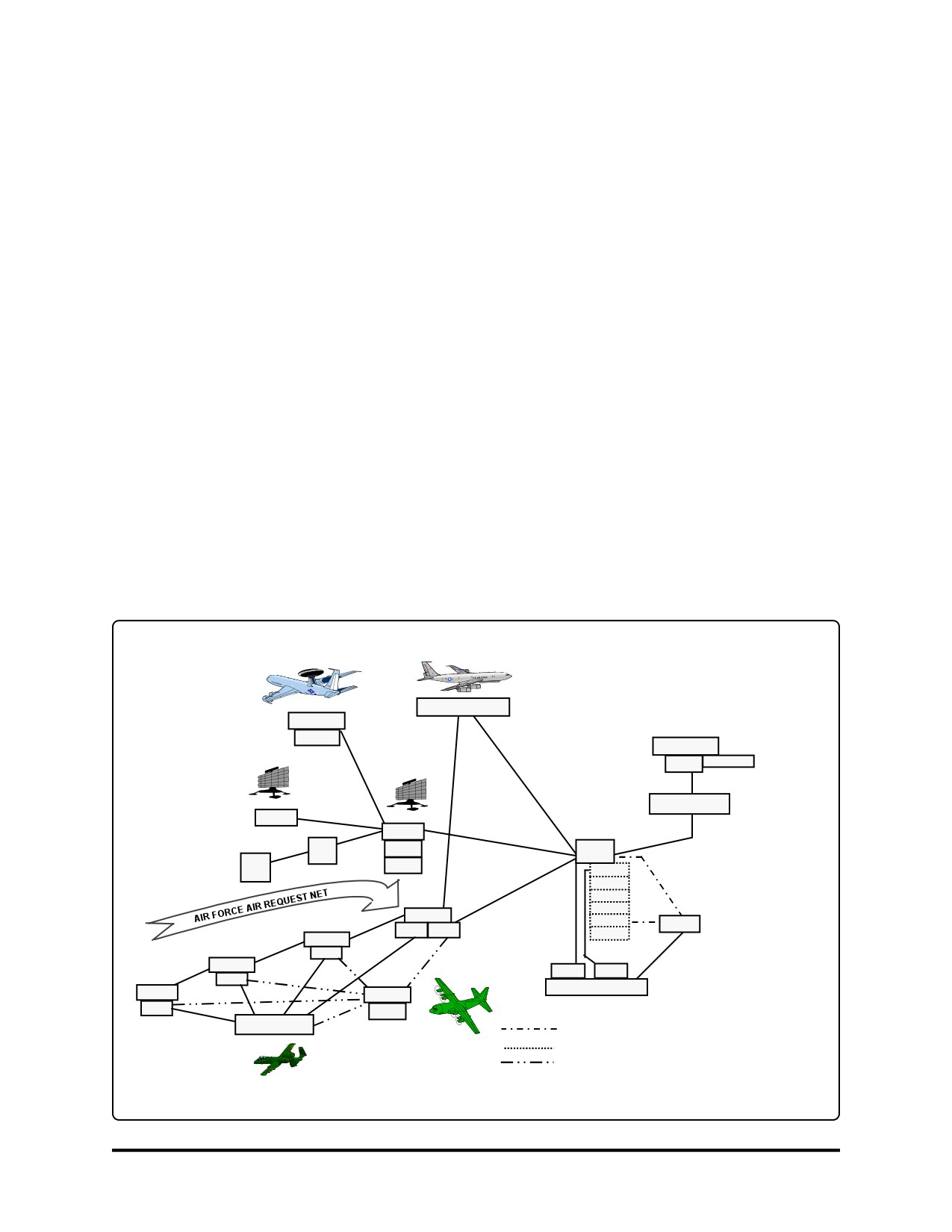
The TACS depicted in Figure III-1 is
be tailored and scaled to a specific or
the backbone of the AFFOR’s contribution
changing mission and to the associated task
to the TAGS and consists of units
force that the USAF presents to the JFC.
specifically trained and equipped to
Thus, the USAF would not necessarily
support the C2 process. The TACS is
provide all of the elements described in the
designed to perform centralized planning
following sections if the situation does not
and control and to facilitate decentralized
warrant them.
execution. The elements that form the
(1) Primary AOC Functions.
TACS are the AOC, separate agencies,
liaisons, and communications and
(a) Develop air operations
computers:
strategy and planning documents that
integrate air, space, and information
a. AOC. The AOC is the air and space
operations to meet JFACC objectives and
operations planning and execution focal
guidance.
point for the AFFOR and is where
centralized planning, direction, control,
(b) Task and execute day-to-day
and coordination of air and space
air operations, provide rapid reaction,
operations occur. When the COMAFFOR
positive control, and coordinated and
is designated the JFACC and has OPCON
deconflicted weapons employment, as well
or TACON of additional forces, the AOC
as integrate the total air effort.
becomes the JAOC and is manned accord-
ingly. AOC personnel are responsible for
(c) Receive, assemble, analyze,
planning, executing, and assessing air and
filter,
and disseminate all-source
space operations and directing changes as
intelligence and weather information to
the situation dictates. This section
support air operations planning, execution,
describes a fully functional AOC that can
and assessment.
JOINT STARS
AWACS
LNO
JFC
JOC
STRATLAT
AFFOR/JFACC
CRE
CRC
ADA
AMLS
BDE
JAOC
ADA
ADA
BN
BCD
MARLO
NALE
XXX
SOLE
CORPS
AME
TALCE
XX
TACP
ASOC
SLO
DIV
X
TACP
BDE
WOC
GLO
II
TACP
AIRBASES
BN
ABCCC
TACP
LNO
TAC(A) / FAC(A)
Coordination links for strategic and theater airlift.
Normal liaison if AFFOR is designated JFACC.
Comm links serves as backup request channel
Figure III-1. TACS Coordination Links
III-7
(d) Issue ACO and coordinate
(i) Provide for the integration
airspace control activities for the ACA
and support of all air mobility missions.
when the JFACC is designated the ACA.
(2) Air and Space Planning and
(e) Provide overall direction of
Execution Process. Fundamental to the
air defense, including TMD, for the AADC
AOC is the integrated team concept.
when the JFACC is designated the AADC.
Individuals from various areas of expertise
form these integrated teams. This concept
(f) Plan, task, and execute
places various experts in integrated teams
theater intelligence, surveillance and
to accomplish strategy development,
reconnaissance (ISR) missions.
operational level assessment, detailed
planning, ATO production, and execution
(g) Conduct operational level
functions (see Figure III-2).
assessment to determine mission and
overall air operations effectiveness as
(3) AOC Organization. Normally an
required by the JFC to support the theater
AOC is led by an AOC director and has 4
CA effort.
divisions with 10 core teams and numerous
(h) Produce and disseminate
specialty and support teams. Normally the
an ATO and changes.
COMAFFOR/JFACC staff directors, the
JFC GUIDANCE
AND OBJECTIVES
COMPONENT COMMANDER
GUIDANCE AND
OBJECTIVES
JFACC GUIDANCE
COMPONENT PLANNING
AND OBJECTIVES
AND EXECUTION
PROCESS
AIR OPERATIONS
CENTER
STRATEGY
STRATEGY
DIVISION
DEVELOPMENT
ASSESSMENT
DETAILED
AND ANALYSIS
PLANNING
COMBAT PLANS
DIVISION
ATO EXECUTION
ATO PRODUCTION
COMBAT OPERATIONS
DIVISION
Figure III-2. Air and Space Planning Process
III-8
A-1 through A-6, support the AOC director
(4) AOC Director. The AOC director
(in planning and execution of the
is charged with the effectiveness of joint air
COMAFFOR/JFACC’s operational tasks),
and space operations and focuses on
and fulfill their responsibilities by
planning, coordinating, allocating, tasking,
supervising their personnel on the AOC
executing, and assessing air power
teams. The AOC team concept represents
operations in the AOR/JOA based on
a wide range of systems and capabilities.
JFACC guidance and DIRMOBFOR
These teams are organized and integrated
coordination. It is the director’s respon-
within the AOC to support the
sibility to ensure AOC functions necessary
COMAFFOR/JFACC. The teams should be
to complete the air and space planning and
flexible, with an emphasis on integration
execution process are executed in a timely,
of capabilities and the avoidance of
efficient manner.
stovepipes. The basic structure of an AOC
is illustrated in Figure III-3. Specialty and
(5) Core Teams. Core teams from
support team members will move into the
the four divisions (strategy, combat plans,
core teams as required.
combat operations, and air mobility), form
OTHER
COMAFFOR/JFACC
COMPONENT
COMMANDERS
DIRMOBFOR
AOC DIRECTOR
STRATEGY DIVISION
COMBAT PLANS DIVISION
COMBAT OPERATIONS DIVISION
AIR MOBILITY CONTROL DIVISION
STRATEGY PLANS TEAM
MASTER AIR ATTACK
OFFENSIVE OPERATIONS
AIRLIFT CONTROL TEAM
CORE
PLAN TEAM
TEAM
AERIAL REFUELING CONTROL TEAM
AIR MOBILITY CONTROL TEAM
TEAMS
OPERATIONAL ASSESSMENT
ATO/ ACO PRODUCTION
DEFENSIVE OPERATIONS
AIR MOBILITY ELEMENT
TEAM
TEAM
TEAM
LIAISONS (BCD, NALE, SOLE, etc.)
INTELLIGENCE
INTELLIGENCE, SURVEILLANCE, RECONNAISSANCE (ISR)
AREA AIR DEFENSE
INFORMATION WARFARE, SPECIAL TECHNICAL OPERATIONS
SPECIALTY
TEAMS
SPACE
AIRCRAFT SPECIALTIES AND UNIT REPRESENTATIVES
AIRSPACE MANAGEMENT AND CONTROL
LEGAL
WEATHER
LOGISTICS AND SUSTAINMENT
COMBAT REPORTS
INFORMATION MANAGEMENT
INTELLIGENCE UNIT SUPPORT
SUPPORT
TEAMS
SYSTEM ADMINISTRATION
COMMUNICATIONS CENTER
SUPPLY
REQUEST FOR INFORMATION (RFI)
COORD
DIRECTION
Figure III-3. AOC Organization
III-9
///////////////////////////////////////