FM 6-22.5 COMBAT AND OPERATIONAL STRESS CONTROL MANUAL FOR LEADERS AND SOLDIERS (March 2009) - page 1
*FM 6-22.5
Field Manual
Headquarters
Department of the Army
No. 6-22.5
Washington, DC, 18 March 2009
Combat and Operational Stress Control Manual
for Leaders and Soldiers
Contents
Page
PREFACE
v
INTRODUCTION
vi
Chapter 1
Combat and Operational Stress Reaction Identification
1-1
Section I — Introduction and Historical Perspective
1-1
Introduction
1-1
Historical Perspective
1-1
Section II — Reactions to Combat and Operational Stress
1-2
Stress Behaviors in Full Spectrum Operations
1-2
Section III — Forms of Combat and Operational Stress
1-3
Potentially Traumatic Event
1-3
Section IV — Observing and Recognizing Common Reactions to
Combat and Operational Stress
1-6
Combat and Operational Stress Reactions May Affect Soldiers in all Types of
Military Operations
1-6
Section V — Role of the Unit Ministry Team
1-11
Unit Ministry Team Support
1-11
Section VI ― Role of Unit Behavioral Health Assets
1-12
Mental Health Sections
1-12
Section VII — Referrals of Soldiers Experiencing Combat and
Operational Stress Reaction and/or Other Stress-Related Disorders
1-14
Recognize Severe Stress Reactions
1-14
Chapter 2
Combat and Operational Stress Prevention, Management, and Control ... 2-1
Section I — Introduction and Factors Which Influence Combat and
Operational Stress and Leader Actions
2-1
Introduction
2-1
Distribution Restriction: Approved for public release; distribution is unlimited.
*This publication supersedes FM 6-22.5 dated 23 June 2000 and FM 22-51 dated 29 September 1994.
18 March 2009
FM 6-22.5
i
Contents
Combat and Operational Stress Control Risk Factors or Stressors and
Preventive Measures or Leader Actions
2-1
Section II — Preventing and Managing Combat and Operational Stress ... 2-6
Cohesion and Morale
2-6
Section III — Stress-Reduction Techniques for Leaders
2-7
Preventive Actions
2-7
Section IV — Performance Degradation Prevention Measures
2-9
Effectively Sustain Performance
2-9
Section V — Effective Leadership
2-11
Leaders are Competent and Reliable
2-11
Section VI — Managing Soldiers In Distress
2-12
Guidance and Tools for Leaders
2-12
Leader Actions to Manage and Prevent Deployment Distress
2-15
Family Readiness Group
2-16
Section VII — Traumatic Event Management, Cool-Down Meetings, and
Leader-Led After-Action Debriefing
2-21
Traumatic Event Management
2-21
Cool-Down Meetings
2-23
Leader-Led After-Action Debriefing
2-23
Chapter 3
Command Leadership Actions and Combat and Operational Stress Control
Programs
3-1
Section I — Unit Behavioral Health Needs Assessment Survey
3-1
Introduction
3-1
Using an Assessment Tool
3-1
Section II — Effective Combat and Operational Stress Control Program .. 3-2
Minimize Stress
3-2
Mobilization
3-2
Deployment
3-5
Section III — Combat and Operational Stress Control Resiliency
Training
3-8
Battlemind Training—Building Soldier Resiliency
3-8
Section IV — Battlemind Warrior Resiliency and Combat and
Operational Stress Control
3-9
Peer-Support Program
3-9
Section V — Leadership Actions and Interventions for Combat and
Operational Stress Reactions
3-10
Leader Intervention
3-10
Section VI — Combat and Operational Stress Reaction
3-11
Guidelines for the Management of Combat and Operational Stress Reaction 3-11
Section VII — Safety Considerations
3-13
Soldier and Unit Safety Comes First
3-13
Chapter 4
Sleep Deprivation
4-1
Section I — Introduction and Sleeping in the Operational Environment
4-1
Introduction
4-1
Sleeping Environment Information and Related Factors
4-1
ii
FM 6-22.5
18 March 2009
Contents
Section II — Maintaining Performance During Sustained
Operations/Continuous Operations
4-3
Countermeasures to Maintain Performance
4-3
Section III — Understanding the Effects and Misconceptions of Sleep
Loss and Sleep Loss Alternatives
4-5
Specific Sleep Loss Effects
4-5
Chapter 5
Potentially Life-Threatening Thoughts and Behaviors
5-1
Section I — Introduction and Threat of Suicide
5-1
Introduction
5-1
Threat of Suicide and Potential Suicide Risk
5-1
Section II — Threat of Violence to Others and the Risk of Unlawful
Behaviors
5-2
Dangerousness to Others
5-2
Appendix A
Mild Traumatic Brain Injury and Posttraumatic Stress Disorder
A-1
Appendix B
Behavioral and Personality Disorders
B-1
GLOSSARY
Glossary-1
REFERENCES
References-1
INDEX
Index-1
Figure
Figure 1-1. Combat and operational stress effect model
1-3
Tables
Table 1-1. Combat stressors and operational stressors
1-2
Table 1-2. Adaptive stress reactions
1-4
Table 1-3. Mild stress reactions
1-7
Table 1-4. Severe stress reactions
1-7
Table 2-1. Combat and operational stress control risk factors or stressors and
preventive measures or leader actions
2-1
Table 2-2. Environmental and physical risk factors or stressors and preventive
measures or leader actions
2-2
Table 2-3. Unit casualties and other potentially traumatic event risk factors or
stressors and preventive measures or leader actions
2-2
Table 2-4. Adjustment and transitional issues (predeployment) risk factors or
stressors and preventive measures or leader actions
2-3
Table 2-5. New Soldier integration risk factors or stressors and preventive
measures or leader actions
2-3
18 March 2009
FM 6-22.5
iii
Contents
Table 2-6. Perceived threat or actual use of chemical, biological, radiological, and
nuclear weapons risk factors or stressors and preventive measures or
leader actions
2-4
Table 2-7. Home front issues risk factors or stressors and preventive measures or
leader actions
2-4
Table 2-8. Loss of confidence, lack of cohesion, and decreased morale risk factors
or stressors and preventive measures or leader actions
2-5
Table 2-9. Adjustment and transitional issues (postdeployment) risk factors or
stressors and preventive measures or leader actions
2-6
Table 4-1. Basic sleep scheduling factors
4-2
Table 4-2. Basic sleep environment and related factors
4-3
Table 4-3. Using caffeine under various conditions of sleep deprivation
4-4
Table A-1. Healing and management of symptoms
A-2
Table A-2. Symptoms that may be experienced from posttraumatic stress disorders
A-3
iv
FM 6-22.5
18 March 2009
Preface
The focus of this publication is to inform leaders and Soldiers of the stressors of combat (offense and defense),
stability, and civil support operations and to provide information on combat and operational stress control
(COSC). It provides guidance on how to prevent, reduce, identify, and manage combat and operational stress
reactions (COSRs) in the Soldier’s own unit to the maximum extent possible. This publication identifies risk
factors/stressors associated with military operations and leader actions/preventive measures required to reduce
or eliminate them. It is the intent of this publication to provide COSC management tools that will maximize the
combat effectiveness of an organization or element. Leaders must focus their efforts on the management of
COSR and mitigating factors to control COSR and shape the long-term reaction of their organization and
individual Soldiers. These COSC management tools will facilitate healthy and adaptive resolutions of stress
issues resulting from combat and operational engagements while conducting military operations. Using these
tools, leaders should assist junior personnel in managing their stress. This publication discusses the application
of unit needs assessment (UNA), COSC management techniques, and traumatic event management (TEM) that
help prevent, identify, and treat stress casualties in forward areas and minimize the long-term effects of a
COSR.
The COSC doctrine presented in this publication is based on and supported by the Department of Defense
(DOD) policy, DOD Directives (DODDs) 6490.1, 6490.02E, and 6490.5, and DOD Instruction (DODI)
6490.03; and Title 10, Subtitle A, Part II, Chapter 47 of the United States (US) Code as well as Field Manual
(FM) 4-02.51 and doctrine and lessons learned from recent contingency operations.
This publication applies to the Active Army, the Army National Guard/Army National Guard of the US, and
the US Army Reserve (USAR) unless otherwise stated.
Users of this publication are encouraged to submit comments and recommendations to improve the publication.
Comments should include the page, paragraph, and line(s) of the text where the change is recommended. The
proponent for this publication is the US Army Medical Department
(AMEDD) Center and School
(USAMEDDC&S). Comments and recommendations should be forwarded, in letter format, directly to
Commander, USAMEDDC&S, ATTN: MCCS-FCD-L, 1400 East Grayson Street, Fort Sam Houston,
Texas 78234-5052 or by using the e-mail address: Medicaldoctrine@amedd.army.mil.
Unless this publication states otherwise, masculine nouns and pronouns do not refer exclusively to men.
Use of trade or brand names in this publication is for illustrative purposes only and does not imply endorsement
by the DOD.
18 March 2009
FM 6-22.5
v
Introduction
Current combat operations in support of the war on terrorism (WOT) and US Army transformation have
resulted in an institutional shift in how leaders view, approach, and manage the effects of combat and
operational stress. Combat and operational stress control has always been a commander’s program. To be
successful, commanders must fully understand and appreciate the magnitude of a potentially traumatic
event (PTE) as it affects exposed organizations and individuals. It is a harsh reality that combat and
operational stress affects everyone engaged in full spectrum operations. No Soldier or Family member will
remain unchanged. It should be viewed as a continuum of possible outcomes that each person will
experience with a range from positive growth behaviors to negative and sometimes disruptive reactions.
Effective leadership shapes the experience that they and their Soldiers go through in an effort to
successfully transition units and individuals, build resilience and promote posttraumatic growth (PTG), or
increased functioning and positive change after enduring trauma. Combat and operational stress control
does not take away the experiences faced while engaged in military operations, it attempts to mitigate those
experiences so that Soldiers and units remain combat-effective and ultimately provide the support and
meaning that will allow Soldiers to maintain the quality of life to which they are entitled.
Postcombat and operational stress (PCOS) describes the range of possible outcomes along a continuum of
stress reactions that are experienced weeks or even years after combat and operational stress exposure.
Postcombat and operational stress includes adaptive resolution to the stressors of combat operations (PTG),
mild adjustment reactions, and the more severe negative symptoms that are often associated with
posttraumatic stress disorder (PTSD). Leaders must understand this continuum and know the difference
between adaptation, adjustment, and PTSD. Most Soldiers adapt, but some will struggle with COSRs and,
if unresolved, result in a diagnosis of PTSD.
This publication outlines the effects of combat and operational stress as a manageable leader function. It
describes various types of combat and operational stress behaviors (COSBs) and resulting PCOS as a
function of engaging in and returning from military operations. There are many new tools and resources at
the leader’s disposal to address this issue and provide successful transition and appropriate roles of care to
the Soldiers and organizations entrusted in their care. This manual is designed to provide the unit leader
with information and techniques to recognize and mitigate the effects of combat and operational stress.
However, effective programs and solid leadership are sometimes not enough. The leadership should know
the extended resources available to them and the appropriate mechanisms to utilize them.
The application of COSC management techniques helps conserve the fighting strength, maintain combat
effectiveness in sustained military operations, and promotes resilience and facilitates growth and
management for individuals exposed to PTEs. Combat and operational stress control literally can be the
deciding factor in successfully executing full spectrum operations and winning combat engagements.
vi
FM 6-22.5
18 March 2009
Chapter 1
Combat and Operational Stress Reaction Identification
SECTION I — INTRODUCTION AND HISTORICAL PERSPECTIVE
INTRODUCTION
1-1. Combat and operational stress reactions refer to the adverse reactions personnel may experience
when exposed to combat or combat-like situations. Other names that have been used in the past to describe
this reaction include shell shock, Soldier’s heart, battle fatigue, and battle exhaustion
1-2. Combat and operational stress control falls under the force health protection mission and must not be
overlooked or minimized when planning and conducting tactical operations. It is important for Soldiers
and leaders to understand that the effects of combat and operational stress are experienced by all Soldiers
in full spectrum operations. Recognizing and managing the effects of combat and operational stress is
equally important during routine training missions as it is during combat. It is the leaders that have the
greatest impact in successfully implementing a COSC program. Leaders must create conditions where
their Soldiers can talk about and make sense of their experiences. They prepare Soldiers before combat by
training them, talking to them, sharing experiences, and making sure they understand the rules of
engagement and the factors that lead to combat and operational stress. The COSC teams and behavioral
health (BH) and medical personnel should be integrated into training and predeployment exercises with
units preparing to deploy.
1-3. Once in theater, leaders should reinforce the mission’s purpose, importance of communicating stress,
and involve chaplains by encouraging them to be available to the troops. Leaders should remember that
the more the troops know about normal reactions to extremely abnormal experiences, the more resilient
they will be at dealing with the stress of combat and other military operations. Leaders should not under
estimate their influence on the morale and well-being of Soldiers in their command.
HISTORICAL PERSPECTIVE
1-4. There have been high rates of COSR casualties in all wars over the past 100 years. When the recent
Southwest Asia military operations, (Operation Desert Storm, 1991 and Operation Iraqi Freedom, 2003);
the Afghanistan (Operation Enduring Freedom) and Balkans operations in 2001; or the stability operations
in the Western Hemisphere are compared to World War I or World War II, we notice different types of
conflicts. The levels of intensity in which those conflicts were waged are essentially the same; however,
the lethality of the modern conflicts is potentially greater and the way that conflicts are waged is more
asymmetrical.
1-5. Historically, within US military operations, COSRs have accounted for up to half of all battlefield
casualties, depending upon the difficulty of the conditions. As a result of COSC being recognized as one
of the ten AMEDD functions that is required for support of full spectrum operations, losses due to COSR
have significantly decreased. In today’s operational environment, leaders can expect to retain and have
returned to duty over 95 percent of the Soldiers who have COSR. Combat and operational stress control is
a tactical consideration that must not be overlooked or minimized.
18 March 2009
FM 6-22.5
1-1
Chapter 1
SECTION II — REACTIONS TO COMBAT AND OPERATIONAL STRESS
STRESS BEHAVIORS IN FULL SPECTRUM OPERATIONS
1-6. Combat and operational stress behavior is the term that is used to describe the full spectrum of
combat and operational stress that Soldiers are exposed to throughout their military experience.
1-7. Soldiers—especially leaders—must learn to recognize the symptoms and take steps to prevent or
reduce the disruptive effects of combat and operational stress.
1-8. Combat and operational stress is a reality of all military missions. It is important to understand that
combat and operational experiences affect all Soldiers and reflect all activities that Soldiers are exposed to
throughout the length of their military service whether it is a complete career or a single enlistment.
Combat and operational stress can occur during missions in both garrison and deployed assignments.
1-9. Combat stressors include singular incidents that have the potential to significantly impact the unit or
Soldiers experiencing them. They may come from a range of possible sources while performing military
missions. Operational stressors may include multiple combat stressors or prolonged exposures due to
continued operations in hostile environments. Combat and operational stressors have a combined effect
that results in COSRs. See Table 1-1 for examples of both combat stressors and operational stressors.
Table 1-1. Combat stressors and operational stressors
Combat stressors
Operational stressors
Personal injury.
Prolonged exposure to extreme geographical
environments such as desert heat or arctic cold.
Killing of combatants.
Reduced quality of life and communication
Witnessing the death of an individual.
resources over extended period of time.
Death of another unit member.
Prolonged separation from significant support
Injury resulting in the loss of a limb.
systems such as Family separation.
Exposure to significant injuries over multiple
missions such as witnessing the death of several
unit members over the course of many combat
missions.
1-10. Most Soldiers are resilient and work through their COSB experiences. The resiliency displayed by
these Soldiers is what we refer to as mental toughness or Battlemind.
1-11. Battlemind skills, developed in military training, provide Soldiers and leaders the inner strength to
face fear, adversity, and hardship during combat with confidence and resolution and the will to persevere
and win.
1-12. No amount of training can totally prepare a Soldier for the realities of combat. Sometimes even the
strongest Soldiers are affected so severely that they will need additional help. Combat and operational
stress behavior experiences will impact every Soldier in some way. Just because a Soldier may not be
affected by a specific event, it does not mean that every Soldier in the unit is handling the stress in the
same way.
1-13. Soldiers surveyed in Iraq indicated that those who experienced the most combat were the most likely
to screen positive for a BH problem, including PTSD. Nearly one-third of Soldiers operating outside the
wire may be experiencing severe negative symptoms related to combat and operational stress exposure.
This can potentially affect the unit’s mission capability.
1-14. In fact, current research shows Soldiers continue to struggle with negative PCOS symptoms long
after redeployment. Soldiers do not reset quickly after coming home and up to 17 percent of returned
veterans may continue to struggle with negative PCOS effects even 12 months after coming home.
1-15. Leaders and Soldiers must recognize the continued effects of combat and operational exposure.
Understanding these effects will help Soldiers to plan accordingly to support each other and those entrusted
1-2
FM 6-22.5
18 March 2009
Combat and Operational Stress Reaction Identification
to them. This is especially important while sustaining prolonged or multiple deployment rotations as well
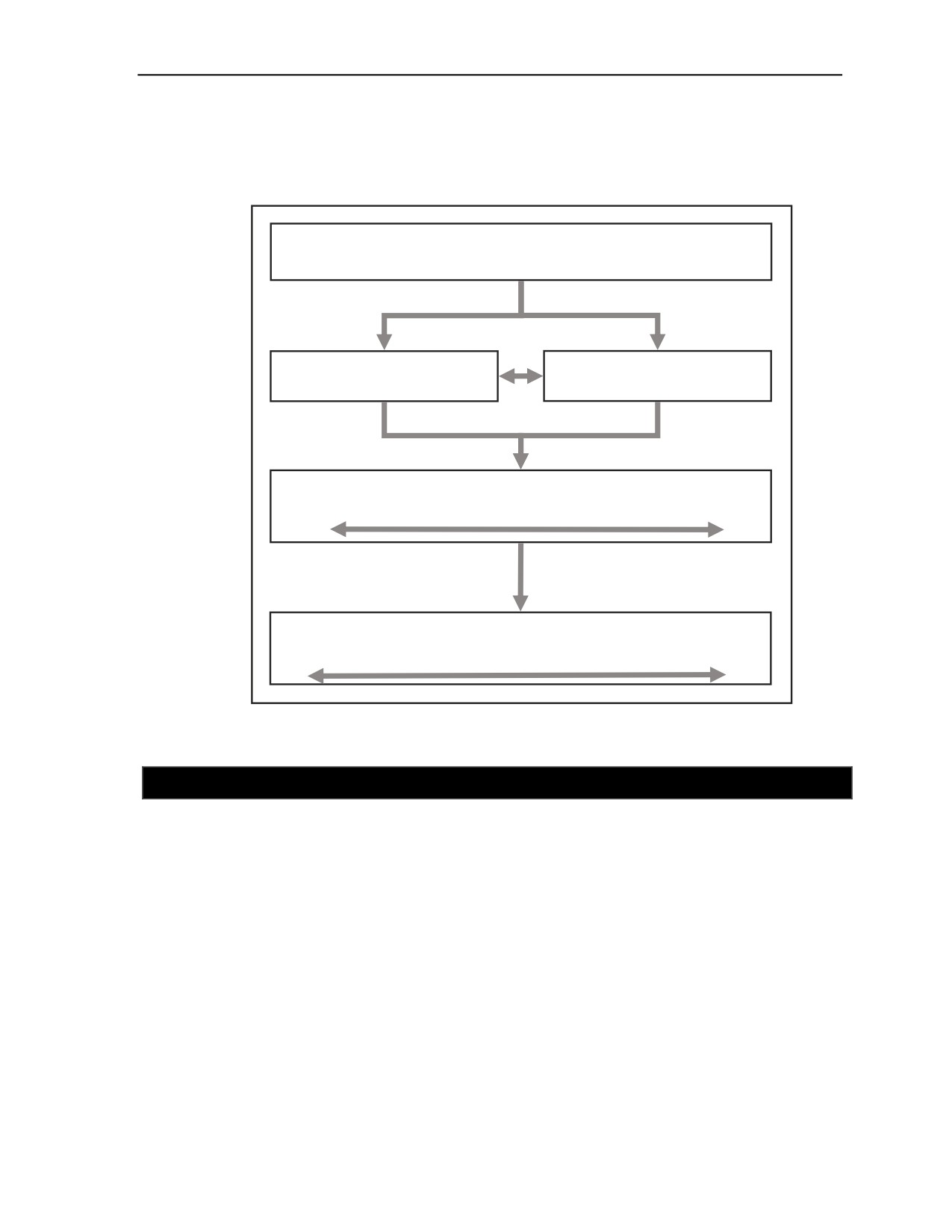
as combat operations (see Figure 1-1). This model identifies PTEs related to combat and operational
stressors. It looks at COSBs—both adaptive reactions and COSRs—and then looks at PCOS that includes
either PTG or PTSD.
Combat and Operational Stress
Significant PTE
Multiple PTEs
(Combat Stressors)
(Operational Stressors)
Combat and Operational Stress Behaviors
Adaptive
COSR
Reaction
Postcombat and Operational Stress
PTG
PTSD
Figure 1-1. Combat and operational stress effect model
SECTION III — FORMS OF COMBAT AND OPERATIONAL STRESS
POTENTIALLY TRAUMATIC EVENT
1-16. Units and Soldiers deploy and execute military missions which continuously expose them to
military-specific stressors. The effects of these stressors are experienced prior to, during, and after
conducting military operations and missions. Sometimes these stressors are related to a significant or
multiple PTEs. A PTE is an event which causes an individual or group to experience intense feelings of
terror, horror, helplessness, and/or hopelessness. It is an event that is perceived and experienced as a threat
to one’s safety or to the stability of one’s world. Units and Soldiers are exposed to or experience PTEs
during both combat and operational military missions.
COMBAT AND OPERATIONAL STRESS BEHAVIORS
1-17. Combat and operational stress behaviors cover the range of reactions found in full spectrum
operations. It covers the range of reactions from adaptive to maladaptive behaviors.
18 March 2009
FM 6-22.5
1-3
Chapter 1
Adaptive Stress Reactions
1-18. Stressors, when combined with effective leadership and strong peer relationships, often lead to
adaptive stress reactions which enhance individual and unit performance. Examples of adaptive stress
reactions are provided in Table 1-2.
Table 1-2. Adaptive stress reactions
Horizontal bonding
The strong personal trust, loyalty, and cohesiveness which develops among peers
in a small military unit.
Vertical bonding
Personal trust, loyalty, and cohesiveness that develops between leaders and their
subordinates.
Esprit de corps
Defined as a feeling of identification and membership in the larger, enduring unit
with its history and intent. This may include the unit (such as battalion, brigade
combat team [BCT], regiment, or other Army organization), the branch (such as
infantry, artillery, or military police), and beyond the branch to the US Army level.
Unit cohesion
The binding force that keeps Soldiers together and performing the mission in spite
of danger and adversity.
z
Cohesion is a result of Soldiers knowing and trusting their peers and
leaders and understanding their dependency on one another.
z
It is achieved through personal bonding and a strong sense of
responsibility toward the unit and its members.
z
The ultimate adaptive stress reactions are acts of extreme courage and
almost unbelievable strength. They may even involve deliberate heroism
resulting in the ultimate self-sacrifice.
Combat and Operational Stress Reaction
1-19. The Army uses the DOD-approved term/acronym COSR in official medical reports. This term can
be applied to any stress reaction in the military unit environment. Many reactions look like symptoms of
mental illness (such as panic, extreme anxiety, depression, and hallucinations), but they are only transient
reactions to the traumatic stress of combat and the cumulative stresses of military operations. Some
individuals may have behavioral disorders that existed prior to deployment or disorders that were first
present during deployment and may need BH intervention beyond the interventions for COSR.
1-20. The COSR casualties are Soldiers who become combat ineffective due to unresolved negative
COSRs.
1-21. Misconduct stress behavior is a form of COSR and most likely to occur in poorly trained,
undisciplined units. Even so, highly trained, highly cohesive units, and individuals under extreme combat
and operational stress may also engage in misconduct. Generally, misconduct stress behaviors―
z
Range from minor breaches of unit orders or regulations to serious violations of the Uniform
Code of Military Justice (UCMJ) and of the Law of Land Warfare.
z
May also become a major problem for highly cohesive and proud units. Such units may come to
consider themselves entitled to special privileges and, as a result, some members may relieve
tension unlawfully when they stand-down from their military operations. For example, they
may lapse into illegal revenge when a unit member is lost in combat.
z
Can be prevented by stress control measures and sound leadership, but once serious misconduct
has occurred, Soldiers must be punished to prevent further erosion of discipline. Combat stress,
even with heroic combat performance, cannot justify criminal misconduct and does not remove
responsibility from anyone who commits such an act.
Postcombat and Operational Stress
1-22. Postcombat and operational stress describes a range of possible outcomes along the continuum of
stress reactions which may be experienced weeks or even years after combat and operational stress
exposure. Postcombat and operational stress includes the adaptive resolution (PTG) to the stressors of
1-4
FM 6-22.5
18 March 2009
Combat and Operational Stress Reaction Identification
combat operations, mild COSR, and the more severe symptoms that are often associated with PTSD.
Leaders, Soldiers, and health care providers must understand this continuum and know the difference
between adaptation, COSR, and PTSD.
Posttraumatic Growth
1-23. Posttraumatic growth refers to positive outcomes that result from stress exposure and traumatic
experiences that include improved relationships, renewed hope for life, an improved appreciation of life, an
enhanced sense of personal strength, and spiritual development.
Posttraumatic Stress Disorder
1-24. Posttraumatic stress disorder is a psychiatric illness that can occur following a traumatic event (such
as combat exposure) in which there was a threat of injury or death to you or someone else.
COMBAT AND OPERATIONAL STRESS REACTION AND POSTTRAUMATIC STRESS DISORDER
1-25. Leaders must understand the difference between COSR and PTSD. Combat and operational stress
reaction is not the same as PTSD. Combat and operational stress reaction represents the broad group of
physical, mental, and emotional signs that result from combat and operational stress exposure which
includes—
z
Combat and operational stress reaction which is considered a subclinical diagnosis with a high
recovery rate if provided appropriate attention and time.
z
Posttraumatic stress disorder which is an anxiety disorder associated with serious traumatic events
and characterized by such symptoms as survivor guilt, reliving the trauma in dreams, numbness
and lack of involvement with reality, or recurrent thoughts and images. Posttraumatic stress
disorder is a clinical diagnosis as defined by the Diagnostic and Statistical Manual of Mental
Disorders and the International Statistical Classification of Diseases and Related Health
Problems (ICD-10) in Occupational Health.
1-26. Combat and operational stress reaction and PTSD may share some common symptoms, however,
COSR is recognizable immediately or shortly after exposure to traumatic events and captures any
recognizable reaction resulting from exposure to that event or series of events. Posttraumatic stress
disorder is different from COSR because of its specific chronological requirements and symptom markers
that must be satisfied in order to diagnose. Posttraumatic stress disorder is only diagnosable by a trained
and credentialed health care provider. See Appendix A for additional information on PTSD and mild
traumatic brain injuries (MTBIs).
CONTINUUM OF COMBAT AND OPERATIONAL STRESS REACTIONS
1-27. The distinctions among adaptive stress reactions, misconduct stress behaviors, COSR casualties,
PTG, and PTSD are not always clear. Indeed, the categories of COSBs may overlap. Soldiers with COSR
may show misconduct stress behaviors and vice versa. Soldiers with adaptive stress reactions may also
suffer from COSR. Soldiers exposed to danger may experience physical and emotional reactions that are
not present in their daily activities. Some reactions sharpen abilities to survive and win; other reactions
may produce disruptive behaviors and threaten individual and unit safety. Excellent combat Soldiers that
have exhibited bravery and acts of heroism may also commit misconduct stress behaviors.
1-28. Postcombat and operational stress may develop after someone has experienced or witnessed an
actual or threatened traumatic event. If PCOS interferes with the ability to do jobs and enjoy life, and it
seems to continually get worse, it could lead to an actual BH diagnosis known as PTSD. Most Soldiers
will do well but for some, persistent symptoms of PCOS may need support or medical care.
1-29. Soldiers in combat experience a range of emotions, but their behavior influences immediate safety
and mission success. Combat and combat-related military missions can also impose combinations of heavy
physical work; sleep loss; dehydration; poor nutrition; severe noise, vibration, and blast exposure; exposure
18 March 2009
FM 6-22.5
1-5
Chapter 1
to heat, cold, or wetness; poor hygiene facilities; and perhaps exposure to infectious diseases and toxic
fumes or substances.
1-30. This range of emotions and mission-related conditions in combination with other influences—such
as concerns about problems back home—affect the ability to manage the perceived or real danger and
diminish the skills needed to accomplish the mission. Additional factors that may influence stress levels
and leader considerations include—
z
Environmental stressors often play an important part in experiencing adverse or disruptive
COSR. The leader must work to keep each Soldier’s perception of danger balanced by the sense
that the unit has the means to prevail over it.
z
When troops begin to lose confidence in themselves and their leaders, adverse stress reactions
are most likely to occur. The leader must keep himself and his unit working at the level of stress
that enhances performance and confidence.
z
The importance of leaders to recognize COSRs in order to intervene promptly for the safety of
the Soldier and organization.
z
Combat and operational stress behaviors may take many forms and can range from subtle to
dramatic. Trying to memorize every possible sign and symptom is less useful than being alert
for sudden, persistent, or progressive changes in a Soldier’s behavior, especially if the Soldier is
a threat to himself or the functioning and safety of the unit.
SECTION IV — OBSERVING AND RECOGNIZING COMMON REACTIONS TO
COMBAT AND OPERATIONAL STRESS
COMBAT AND OPERATIONAL STRESS REACTIONS MAY AFFECT
SOLDIERS IN ALL TYPES OF MILITARY OPERATIONS
1-31. Mild stress reaction may be signaled by changes in behavior and discernible only by the individual
Soldier or by close comrades. Without self-report, it can be difficult to observe stress-related changes.
The unit leader and medical personnel depend on information from the Soldier or his comrades for early
recognition of COSR to provide prompt and appropriate help. Some mild stress reactions (physical and
emotional) that the small-unit leader should look for are listed in Table 1-3.
1-32. Severe stress reactions may prevent the individual from performing his duties or create a concern for
personal safety or the safety of others. More serious reactions or warning signs are listed in Table 1-4.
1-33. The reactions that are listed in Table 1-4 do not necessarily mean that the person must be relieved
from duty, but warrant immediate evaluation and help by leadership. If not provided support, Soldiers may
become COSR casualties.
1-6
FM 6-22.5
18 March 2009
Combat and Operational Stress Reaction Identification
Table 1-3. Mild stress reactions
Physical
Emotional
Trembling
Anxiety, indecisiveness
Jumpiness
Irritability, complaining
Cold sweats, dry mouth
Forgetfulness, inability to concentrate
Insomnia
Nightmares
Pounding heart
Easily startled by noise, movement, and light
Dizziness
Nausea, vomiting, or diarrhea
Tears, crying
Fatigue
Anger, loss of confidence in self and unit
Thousand-yard stare
Difficulty thinking, speaking, and communicating
Table 1-4. Severe stress reactions
Physical
Emotional
Constantly moves around
Talks rapidly and/or inappropriately
Flinches or ducks at sudden sound or movement
Argumentative; acts recklessly
Shakes, trembles
Indifferent to danger
Cannot use part of body (hand, arm, or leg) for no
Memory loss
apparent physical reason
Stutters severely, mumbles, or cannot speak at all
Inability to see, hear, or feel
Insomnia; severe nightmares
Is physically exhausted, cries easily
Sees or hears things that do not exist
Freezes under fire or is totally immobile
Apathetic, hysterical outbursts, frantic, or strange
Panics, runs under fire, socially withdrawn
behavior
1-34. The most common stress reactions include—
z
Fatigue:
Slow reaction time.
Difficulty sorting out priorities.
Difficulty starting routine tasks.
Excessive concern with seemingly minor issues.
Indecision and difficulty focusing attention as evidenced by a tendency to do familiar tasks
and preoccupation with familiar details. These reactions may reach a point where the
person becomes very passive or wanders aimlessly.
Loss of initiative with fatigue and exhaustion.
z
Muscular tension:
Often increases strain on the scalp and spine (backache) and often leads to headaches, pain,
and cramps.
The inability to relax because of prolonged muscular tension wastes energy and leads to
fatigue and exhaustion. Muscles must relax periodically to enable free blood flow, waste
product flushing, and nutrient replenishment.
z
Shaking and tremors:
During incoming rounds, the individual may experience mild shaking. This symptom
appears and disappears rapidly and is considered a normal physiological reaction to
conditions of great danger.
18 March 2009
FM 6-22.5
1-7
Chapter 1
A common postbattle reaction, marked or violent shaking can be incapacitating if it occurs
during the action. If shaking persists long after the precipitating stimulus ceases or if there
was no stimulus, the individual should be checked by medical personnel.
It is normal to experience either mild or heavy sweating (perspiration) or sensations of
chilliness under combat stress.
z
Digestive and urinary systems:
Nausea (butterflies in the stomach) is a common stress feeling. Vomiting may occur as a
result of an extreme experience like that of a firefight, shelling, or in anticipation of danger.
Appetite loss may result as a reaction to stress. It becomes a significant problem if rapid
weight loss occurs or the person does not eat a sufficiently balanced diet to keep his
muscles and brain supplied for sustained operations.
Acute abdominal pain (knotted stomach, heartburn) may occur during combat. Persistent
and severe abdominal pain is a disruptive reaction and may indicate a medical condition.
Frequent urination may occur, especially at night.
During extremely dangerous moments, the inability to control bowel and/or bladder
functions (incontinence) may occur. Incontinence is embarrassing, but it is not abnormal
under these circumstances.
z
Circulatory and respiratory systems:
Rapid heartbeat (heart palpitations), a sense of pressure in the chest, occasional skipped
beats, and sometimes chest pains are common with anxiety or fear. Very irregular
heartbeats need to be checked by medical personnel.
Hyperventilation is identified by rapid respiration, shortness of breath, dizziness, and a
sense of choking. It is often accompanied with tingling and cramping of fingers and toes.
Simple solutions are increased exercise and breathing with a paper bag over the nose and
mouth or breathing slowly using abdominal muscles (called abdominal breathing).
Faintness and giddiness reactions occur in tandem with generalized muscular weakness,
lack of energy, physical fatigue, and extreme stress. Brief rest should be arranged, if
possible.
z
Sleep disturbance:
Sometimes a Soldier who has experienced intense battle conditions cannot fall asleep even
when the situation permits or when he does fall asleep, he frequently wakes up and has
difficulty getting back to sleep (refer to Chapter 4 for a complete discussion on sleep
deprivation).
Terror dreams, battle dreams, and nightmares of other kinds cause difficulty in staying
asleep. Sleep disturbances in the form of dreams are part of the coping process. This
process of working through combat experiences is a means of increasing the level of
tolerance of combat stress. The individual may have battle-related nightmares or dreams
that a close relative (such as a spouse or parent) or another person important in his life has
been killed in the battle. As time passes, the nightmares tend to occur with less intensity
and less frequency. In some cases, a Soldier, even when awake, may experience the
memory of the stressful incident as if it were recurring (called a flashback). This is usually
triggered by a smell, sound, or sight, and is not harmful as long as the Soldier realizes it is
only a memory and does not react inappropriately or feel overwhelmed. However, if it
happens frequently or is very distressing, help should be sought from the chaplain or
medical personnel.
When a person is asleep, the sleep is not restful sleep if the person is constantly being half-
wakened by noise, movement, or other stimuli. Heavy snoring often indicates poor quality
sleep. The individual wakes up as tired as when he went to sleep. Finding a more
comfortable position, away from distractions, can help.
Individuals exhibiting a need for excessive sleep may be exhibiting symptoms of combat
stress; however, excessive sleep is also a sign of substance abuse or depression. (Persistent
insomnia is a more common indicator of possible depression.)
1-8
FM 6-22.5
18 March 2009
Combat and Operational Stress Reaction Identification
z
Visual and hearing problems and partial paralysis:
Stress-related blindness, deafness, loss of other sensations, and partial paralysis are not true
physical injuries, but physical symptoms that unconsciously enable the individual to escape
or avoid a seemingly intolerably stressful situation. These symptoms can quickly improve
with reassurance and encouragement from comrades, unit medical personnel, or physician.
If they persist, the physician must examine the Soldier to be sure there is not a physical
cause; for example, laser hazards (such as laser range finders) can cause temporary or
partial blindness and nearby explosions can cause ear damage. Individuals with these
physical conditions are unaware of the causative relationship with their inability to cope
with stress. These cases are genuinely concerned with their physical symptoms and want
to get better. They are willing to discuss them and do not mind being examined. This is
contrary to malingerers faking a physical illness, who are often reluctant to talk, or who
over-dramatize their disability and refuse an examination.
Visual problems include blurred vision, double vision, difficulty in focusing, or total
blindness.
Hearing problems include the inability to hear orders and/or nearby conversations or
complete deafness occurs.
Paralysis or loss of sensation is usually confined to one arm or leg. Prickling sensations or
rigidity of the larger joints occur. However, temporary complete immobility (with normal
breathing and reflexes) can occur. If these reactions do not recover quickly with
immediate reassurance, care must be taken in moving the casualty to medical treatment
facility (MTF) for an evaluation to avoid making a possible nerve or spinal cord injury
worse.
z
Bodily arousal: Not all emotional reactions to stress are necessarily negative. For example, the
body may become aroused to a higher degree of awareness and sensitivity.
z
Threat:
In response to threat, the brain sends out chemicals arousing the various body systems. The
body is ready to fight or take flight.
The alerting systems of the experienced combat veteran become finely tuned, so that he
may ignore loud stimuli that pose no danger (such as the firing of nearby friendly artillery).
However, he may awaken from sleep at the sound of an enemy mortar being fired and take
cover before the round hits.
The senses of vision and smell can also become very sensitive to warning stimuli. The
Soldier may instantly focus and be ready to react.
z
Hyperalert:
This refers to being distracted by any external stimuli that might signal danger and
overreacting to things that are, in fact, safe. The hyperalert Soldier is not truly in tune with
his environment, but is on a hair trigger.
The hyperalert Soldier is likely to overreact and consequences can range from firing at an
innocent noise to designating an innocent target as hostile, or misinterpreting reassuring
information as threats, and reacting without adequate critical thinking.
z
Startle reactions:
This is part of an increased sensitivity to minor external stimuli (on-guard reactions).
Leaping, jumping, cringing, jerking, or other forms of involuntary self-protective motor
responses to sudden noises are noted. The noises are not necessarily very loud.
Sudden noise, movement, and light cause startle reactions; for example, unexpected
movement of an animal (or person) precipitates weapon firing.
z
Anxiety:
Fear of death, pain, and injury causes anxiety reactions. After witnessing the loss of a
comrade in combat, a Soldier may lose self-confidence and feel overly vulnerable or
incapable.
18 March 2009
FM 6-22.5
1-9
Chapter 1
The death of a buddy leads to serious loss of emotional support. Feelings of survivor guilt
are common.
The survivors each brood silently, second-guessing what they think they might have done
differently to prevent the loss. While the Soldier feels glad he survived, he also feels guilty
about having such feelings. Understanding support and open grieving shared within the
unit can help alleviate this.
z
Irritability:
Mild irritable reactions range from angry looks to a few sharp words, but can progress to
more serious acts of violence. Mild irritability is exhibited by sharp, verbal overreaction to
normal, everyday comments or incidents; flare-ups involving profanity; and crying in
response to relatively slight frustrations.
Severe irritability includes sporadic and unpredictable explosions of aggressive behavior
(violence) which can occur with little or no provocation. For example, a Soldier tries to
pick a fight with another Soldier. The provocation may be a noise (such as the closing of a
window, an accidental bumping, or just normal verbal interaction).
z
Short attention span:
Persons under pressure have short attention spans.
Soldier finds it is difficult to concentrate.
Soldier has difficulty following orders.
Soldier does not easily understand what others are saying.
Soldier has difficulty following directions, aiding others, or performing unfamiliar tasks.
z
Depression:
Soldier responds to stress with protective defensive reactions against painful perceptions.
Emotional dulling or numbing of normal responsiveness is a result.
The reactions are easily observed changes from the individual’s usual self.
z
Low energy level:
Decreased effectiveness on the job, decreased ability to think clearly, excessive sleeping or
difficulty falling asleep, and chronic tiredness can occur.
Emotions such as pride, shame, hope, grief, and gratitude no longer matter to the person.
z
Social withdrawal:
The Soldier is less talkative than usual and shows limited response to jokes or cries.
He is unable to enjoy relaxation and companionship, even when the tactical situation permits.
z
Change in outward appearance:
If the Soldier is in a depressed mood, he may be observed to exhibit very little body
movement and to have an almost expressionless mask-like face.
The Soldier may present disheveled in appearance, with reduced personal hygiene, and
with little military bearing.
z
Substance abuse:
Some Soldiers may attempt to use substances such as alcohol or drugs as a means of
escaping combat and operational stress.
The use of substances in a combat area makes some Soldiers less capable of functioning on
the job. These Soldiers are less able to adapt to the tremendous demands placed on them in
combat.
z
Loss of adaptability:
Less common reactions include uncontrolled emotional outbursts such as crying, yelling, or
laughing.
Some Soldiers may become withdrawn, silent, and try to isolate themselves.
Uncontrolled reactions can appear singly or in combination with a number of other
symptoms. In this state, the individual may become restless, unable to keep still, and move
aimlessly about.
1-10
FM 6-22.5
18 March 2009
Combat and Operational Stress Reaction Identification
The Soldier may feel rage or fear (which he demonstrates by aggressive acts [angry
outbursts or irritability]).
z
Disruptive reactions:
Soldiers with disruptive COSR cannot function on the job.
In some cases, stress produces signs and symptoms often associated with head injuries. For
example, the person may appear dazed and may wander around aimlessly. He may appear
confused and disoriented and exhibit either a complete or partial memory loss.
Soldiers exhibiting this behavior should be removed from duties until the cause for this
behavior can be determined.
These Soldiers may compromise their own safety—in a desperate attempt to escape the
danger that has overwhelmed them.
An individual Soldier may panic and become confused. The term panic run refers to a
person rushing about without self-control. In combat, such a Soldier can easily
compromise his safety and could possibly get killed. His mental ability becomes impaired
to the degree that he cannot think clearly or follow simple commands. He stands up in a
firefight because his judgment is clouded and he cannot understand the likely consequences
of his behavior. He loses his ability to move and seems paralyzed. A person in panic is
virtually out of control and needs to be protected from himself. More than one person may
be needed to exert control over the individual experiencing panic. However, it is also
important to avoid threatening actions, such as striking him.
They may compromise the safety of others—if panic is not quelled early, it can easily
spread to others.
1-35. Although the more serious or warning behaviors described in the preceding paragraphs usually
diminish with help from comrades and small-unit leaders and time, some do not. Soldiers can improve
when their basic needs are met and they are given the opportunity to express their thoughts.
1-36. If a Soldier’s signs and symptoms do not improve within 1 to 2 days or when symptoms endanger
the Soldier or organization, leadership should immediately consult with the unit chaplain or medical
personnel. Consultation with BH/COSC personnel is recommended when available.
SECTION V — ROLE OF THE UNIT MINISTRY TEAM
UNIT MINISTRY TEAM SUPPORT
1-37. This section addresses the general role of the unit ministry team (UMT) in the commander’s program
of COSC and in COSR ministry. The UMT is assigned to a command or designated by higher
headquarters to be responsible for the direct UMT support to the command. The UMT provides
professional ministry support to leaders in fulfilling their combat and operational stress identification and
intervention responsibilities. The UMT can also assist in training leaders to recognize combat stress
symptoms.
1-38. The unit is organic to Army units at all echelons from battalion and above. The UMT’s primary
mission is to provide for the personal delivery of religious support to Soldiers and other authorized
personnel. Because the UMT is an integral part of the unit, it is a resource immediately available to the
commander to assist with COSC.
1-39. The UMT consists of at least one chaplain and one chaplain’s assistant. The UMT also provides area
religious support in their unit’s area of operations for assigned or attached units without organic religious
support assets.
1-40. During combat operations, the UMT often collocates with the battalion aid station in order to provide
religious support to casualties and to be with Soldiers who are most likely to experience COSR. Using their
professional training, skills, knowledge, and relationship with the Soldiers, chaplains provide religious and
spiritual support focusing on the prevention of mild and severe COSR. Chaplains also provide religious
support to COSR casualties as an important part of the replenishment process.
18 March 2009
FM 6-22.5
1-11
Chapter 1
1-41. In addition to being a spiritual/religious mentor for Soldiers, chaplains are trained in the TEM
process and are able to assist the TEM facilitator. Chaplains are effective TEM team members as well as
trainers of small-unit leaders (such as platoon leaders, noncommissioned officers [NCOs], senior combat
medics, and health care specialists) in TEM team member skills and stress management techniques.
(See
FM 1-05, for further information on the role and functions of the UMT.)
1-42. The UMT can assist commanders in the identification of Soldiers experiencing COSR. Chaplains
work closely with the unit medical personnel and are trained to recognize the signs of combat and
operational stress and provide religious support to Soldiers experiencing COSR. Chaplains assess the
Soldier’s religious needs and then provide the appropriate religious support. Chaplains are also trained to
evaluate Soldiers experiencing COSR for possible referral to medical, BH, or COSC unit personnel. When
advising commanders on COSR among Soldiers, chaplains must ensure that they do not violate Soldier’s
rights to privileged communications.
1-43. The UMT can help Soldiers regain their emotional, psychological, and spiritual strength. The
chaplain’s ability to relate religious and spiritual aspects of life to the Soldier’s situation is an essential
element of the replenishment process. Chaplains contribute to replenishment by ensuring the following
types of religious support:
z
Providing worship services, sacraments, rites, and ordinances.
z
Providing memorial services and/or ceremonies honoring the dead.
z
Assisting with the integration of personnel replacements.
z
Providing personal counseling to assist Soldiers dealing with the grief process.
z
Requesting religious resources as required for reinforcing the Soldier’s sense of hope.
z
Supporting TEM by providing opportunities for Soldiers to talk about their combat experiences
and to facilitate integration of the combat experience into their lives.
z
Providing leadership training and supervision of TEM.
z
Reconnecting the Soldier to the foundational principles of his personal faith.
z
Assisting in resolving spiritual, moral, and ethical dilemmas presented by the circumstances of
war.
SECTION VI ― ROLE OF UNIT BEHAVIORAL HEALTH ASSETS
MENTAL HEALTH SECTIONS
1-44. Mental health (MH) sections are located in medical companies assigned to brigade and echelons
above brigade medical units. The primary warfighting units for the Army are the modular brigades that
include infantry, heavy brigade, and the Stryker BCTs (see FM 3-90.6 for definitive information on the
modular BCTs).
1-45. Each BCT medical company has a two-person MH section consisting of one area of concentration
67D (either a psychologist or a social work officer) and one enlisted MH specialist (military occupational
specialty 68X10).
1-46. The MH section coordinates, supervises, and provides the primary COSC functions for the BCT
through vigorous prevention, consultation, training, education, and Soldier restoration programs. These
programs are designed to provide COSC expertise to unit leaders and Soldiers where they serve to sustain
their mission focus and effectiveness under heavy and prolonged stress.
1-12
FM 6-22.5
18 March 2009
Combat and Operational Stress Reaction Identification
1-47. The MH section has a primary responsibility for assisting leaders with COSC by implementing the
brigade COSC program. The MH section—
z
Is the consultant to the commander, staff, and others involved with providing prevention and
intervention services to unit Soldiers and their Families.
z
Is responsible for assisting the brigade surgeon with establishing brigade policy and guidance
for the prevention, diagnosis, treatment, management, and return to duty (RTD) of stress-related
casualties. This is accomplished under the guidance and in close coordination with all of the
maneuver battalions and the brigade support medical company (BSMC) physicians.
z
Is qualified to conduct command consultations per DODD 6490.1 (refer to Section VII below).
Consultation should not be confused with evaluation. Only physicians and doctoral-level
providers are qualified to conduct command directed evaluation.
1-48. The BH officer (either a clinical psychologist or social work officer) and MH specialist are
especially concerned with assisting and training of—
z
Small-unit leaders.
z
Unit ministry teams and staff chaplains.
z
Battalion medical platoons.
z
Patient-holding squad and treatment squad personnel of the medical company.
1-49. They work closely with unit leaders and chaplains to control organizational stress and rapidly
identify and intervene with those Soldiers that may need assistance. Unit leaders should seek the expertise
of the BSMC BH personnel and include them in their planning processes prior to deployment.
1-50. All MH sections regardless of their organizational assignment are tasked with providing COSC for
their supported units. In all of these units, COSC is accomplished through vigorous prevention,
consultation, training, education, and Soldier restoration programs. These programs are designed to
provide BH expertise to unit leaders and Soldiers where they serve and sustain their mission focus and
effectiveness under heavy and prolonged stress.
1-51. The MH sections identify Soldiers with COSRs who need to be provided rest/restoration within or
near their unit area for rapid RTD. These programs are designed to maximize the RTD rate of Soldiers
who are either temporarily impaired, have a diagnosed behavioral disorder, or have stress-related
conditions.
1-52. The MH section has a primary responsibility for assisting commanders with COSC by implementing
the brigade COSC program and serves as a consultant to the commander, staff, and others involved with
providing prevention and intervention services to unit Soldiers and their Families.
1-53. In garrison, BH personnel assigned to the BSMC and to echelons above brigade medical units
continue to perform the same staff and outreach functions with supported units as they do in a field
environment. An increase in the BH treatment functions may be possible as a result of consolidating BH
care providers. The BH providers make available their consultation skills and clinical expertise to Soldiers
of supported units and their Family readiness groups (FRG). Clinical care of Family members and Soldiers
that require longer-term care beyond crisis intervention, brief treatment, and medication follow up is the
responsibility of the medical department activity/medical center. The MH section personnel should focus
their clinical work primarily on Soldiers with problems amenable to brief treatment.
1-54. Clinical services may be provided as part of a consolidated BH activity that is normally coordinated
and established by a senior medical headquarters by using brigade BH support personnel and personnel
from the medical detachment, combat stress control, or by augmenting an existing medical department
activity/medical center BH staff.
1-55. Mental health sections should work closely with unit leaders and chaplains to control organizational
stress and rapidly identify and intervene with those Soldiers having BH disorders. This close relationship
through command consultation will reduce the stigma and lead to a better outcome for both the leadership
and Soldiers. See Appendix B for additional information on behavioral and personality disorders.
18 March 2009
FM 6-22.5
1-13
Chapter 1
1-56. When the medical company or its battalion deploys on training exercises, assigned BH personnel
deploy with them to provide COSC training and support. In addition, they train to improve their own
technical and tactical skills.
SECTION VII — REFERRALS OF SOLDIERS EXPERIENCING COMBAT AND
OPERATIONAL STRESS REACTION AND/OR OTHER STRESS-RELATED
DISORDERS
RECOGNIZE SEVERE STRESS REACTIONS
1-57. Although the more serious or warning behaviors described in the preceding paragraphs usually
diminish with help from peers, unit leaders, and time; some do not. An individual usually improves when
basic need and comforts are met. Examples of these are warm food, rest, and an opportunity to share his
feelings with comrades or a small-unit leader. If the symptoms endanger the individual, others, or the
mission or if they do not improve within a day or two, or seem to worsen, get the individual to talk with the
unit chaplain, health care providers, or BH/COSC asset. Access to MH specialists may be sought, if
available. Do not wait too long to see if the Soldier’s behavior is better with time. Specialized training is
not required to recognize severe stress reactions. The unit leader can usually determine if the individual is
not performing his duties normally, not taking care of himself, behaving in an unusual fashion, or acting
out of character.
1-58. Unit leaders have multiple levels of COSC support services available to them, some organic to their
organizations, some attached, and some area or garrison support. It is up to the small-unit leader to identify
what resources are available in their local and extended area. The following assets are generally available
to leadership, in tactical environments—
z
Organic medical assets to include physicians, physician assistants, health care specialists, and
combat medics.
z
Chaplains.
z
Behavioral health assets organic and/or attached to the organization.
z
Combat and operational stress control team that is working in the unit’s area of operation.
VOLUNTARY REFERRALS
1-59. When there are signs of distress that may be negatively impacting a Soldier’s functioning, commands
can encourage the individual to voluntarily seek help. Active duty Soldiers who voluntarily seek help will
be evaluated and offered appropriate treatment. With some exceptions, information provided will be kept
private. These exceptions include—
z
Removal from weapon-bearing duties or access to classified information is recommended.
z
Significant risk of danger to self or others is present.
z
The Soldier represents a significant security risk.
z
Hospitalization is necessary.
z
Domestic violence or child abuse is suspected or reported or a diagnosis of substance abuse or
dependence is made (Family Advocacy Program restricted reporting policy may apply).
z
The Soldier’s BH has deteriorated to the point that it may significantly affect work or Family
function.
COMMAND-DIRECTED EVALUATION
1-60. The commander may direct Soldiers to undergo a command-directed evaluation (CDE) according to
DODD 6490.1 and DODI 6490.4 for a BH evaluation. A CDE is appropriate whenever the commander
believes that the Soldier’s mental state renders him a risk to himself or others or may be affecting his
ability to carry out the mission. A CDE can provide the commander with information needed to initiate the
appropriate administrative action. Examples of questions commanders may pose include—
1-14
FM 6-22.5
18 March 2009
Combat and Operational Stress Reaction Identification
z
Does the Soldier have a BH or neuropsychiatric condition that is contributing to his current
difficulty?
z
What is the potential for the Soldier to return to full functioning given successful treatment?
z
Is the Soldier suitable for carrying a weapon at the current time?
z
Is it appropriate for the Soldier to have access to classified information?
z
Is the Soldier qualified for deployment?
z
Is this an emergency or can the CDE be accomplished on a routine basis?
Routine Command-Directed Evaluation
1-61. Once a decision has been made to request a routine/nonemergency CDE, commanders are required
to—
z
Consult with a privileged BH provider. Commanders should communicate the behaviors that
they believe warrant the evaluation and what information they would like from an evaluation.
The BH provider will make recommendations about whether a CDE is appropriate and if the
situation warrants an emergency CDE. The BH provider will also discuss other options that
may be appropriate. If a CDE is necessary, the commander should inform the provider as to
when the Soldier will be notified about the referral so that a time and date for the evaluation can
be determined.
z
Provide a written letter or counseling statement to the Soldier. This should be provided to the
Soldier at least two working days prior to the evaluation. The letter will include—
The date, time, and location of the evaluation.
The name and grade or rank of the BH professional who will be conducting the evaluation.
The name and grade or rank of the BH professional with whom the command has consulted.
A brief factual description of the behavior that gave rise to the need for a referral.
A listing of the Soldier’s rights.
The names and telephone numbers of the resources on-post that can assist the Soldier.
The name and signature of the commander.
Soldier’s acknowledgement of receipt of letter by signing or commander’s annotation of
Soldier’s refusal.
1-62. Most BH assets will have copies of templated sample CDE request forms. Leaders should contact
their supporting BH asset to request a copy of this form.
1-63. Forward a request for a CDE to the provider. It is vital for the Soldier’s command to provide all
available documentation concerning the problem behaviors. This may include, as available, Article 15s,
letters of reprimand, letters of counseling, and enlisted performance reports/officer performance reports.
The documentation is necessary for a comprehensive evaluation.
1-64. Provide a copy of the letter to the BH provider conducting the CDE. If the provider believes that the
evaluation has been requested improperly, he will contact the command to clarify issues about the process
or procedures used. The provider conducting the evaluation will provide both written and verbal feedback
on the results of the evaluation. Be aware the evaluation may require more than one appointment to
complete.
Emergency Command-Directed Evaluations
1-65. Emergency CDEs are conducted upon recommendation of the BH provider or when in the judgment
of the command an emergent situation exists. In general the following constitute grounds for an
emergency referral:
z
A severe mental or substance use disorder.
z
Intent to inflict harm to self or others.
z
Actual, attempted, or threatened violence.
18 March 2009
FM 6-22.5
1-15
Chapter 1
1-66. When an emergency CDE is determined to be necessary, adhere to the following steps:
z
Ensure safety of the Soldier and others by—
Observing the Soldier and never leaving him alone.
Taking away all weapons, knives, medication, or other objects that could harm him or
others.
Taking all reasonable precautions to notify and protect others who have been identified as
intended targets of violence or harm.
Consulting with BH or other privileged health care provider prior to sending a Soldier for
an emergency CDE, if at all possible. If the circumstances do not permit such a
consultation, contact other supporting medical personnel as soon as possible.
z
Take action to safely transport the Soldier to the nearest BH care provider, or if unavailable,
another privileged health care provider as soon as is practical. Provide—
The Soldier with a letter stating the reasons for emergency referral as soon as practical. If
the Soldier is seen before the letter can be provided, the letter and statement of rights must
be provided as soon as is practical. If a BH provider was not consulted prior to ordering
the CDE, the reason why should be explained in the letter to the Soldier.
A letter to the evaluating provider. A letter requesting a CDE must be sent to the treating
BH provider documenting command concerns, the Soldier’s circumstances, and the
observations that led to refer emergency referral. This should be done as soon as possible.
Rights of Soldiers Pertaining to a Command-Directed Evaluation
1-67. Legal protections for the rights of Soldiers prohibit a command from improperly referring for a CDE.
It is improper to refer a Soldier for a CDE to buy time, as a disciplinary tool, or as a reprisal for the
individual’s attempt or intent to make a lawful communication (see DODD 6490.1). When referred for a
nonemergency CDE when deployed in theater, the following rights prior to the evaluation apply. The
Soldier may—
z
Have two working days waiting period between the CDE notification and evaluation.
z
Consult with and get advice from an attorney (judge advocate).
z
Consult with the inspector general if he believes the CDE violates policy.
z
Request a second BH evaluation by another BH provider of the Soldier's choice and expense, if
reasonably available.
z
Not have his rights restricted from communicating with the inspector general, members of
Congress, or any others concerning the BH referral.
Coordination Between the Commander and Behavioral Health Provider for a Command-
Directed Evaluation
1-68. A commander can expect the BH provider to keep him informed and to request additional
information following a CDE request which may include—
z
Requesting documents supportive of the request for a CDE
(documentation of problem
behaviors, letters of reprimand or counseling, Article 15s, and past performance reports).
z
Requesting interviews with unit leaders, immediate supervisors, or other appropriate personnel
to obtain collateral information on the individual.
z
Performing psychological testing or conducting clinical interviews with the Soldier.
1-69. The commander will be notified by the BH provider when the Soldier—
z
Requires hospitalization.
z
Requires evacuation out of theater.
z
Has any limitations placed on his duty status.
1-16
FM 6-22.5
18 March 2009
Combat and Operational Stress Reaction Identification
1-70. Verbal and written reports summarizing findings and recommendations will be discussed with both
commander and the Soldier. Recommendations may include suggestions for support, changes in special
duty status, and/or separation from the Army.
18 March 2009
FM 6-22.5
1-17
Chapter 2
Combat and Operational Stress Prevention, Management,
and Control
SECTION I — INTRODUCTION AND FACTORS WHICH INFLUENCE COMBAT
AND OPERATIONAL STRESS AND LEADER ACTIONS
INTRODUCTION
2-1. The previous chapter defined combat and operational stress and how to utilize additional resources
to aid in the management of Soldiers with significant COSR. The rest of this manual will provide
information, recommendations, and tools for the leader in preventing and managing combat and
operational stress. There are key risk factors that have the potential to create significant distress for the
Soldier that small-unit leaders must be aware of. Each factor is presented below with recommendations on
how to mitigate the potential COSR resulting from the specific stressor
COMBAT AND OPERATIONAL STRESS CONTROL RISK FACTORS
OR STRESSORS AND PREVENTIVE MEASURES OR LEADER
ACTIONS
2-2. The following tables (Tables 2-1 through 2-9 on pages 2-1 through 2-7) identify risk factors or stressors
and preventive measures or leader actions that are required to reduce or eliminate the risk factors or
stressors. Subsequent sections of this chapter provide additional guidance and tools for Soldiers and
leaders in the prevention and management of combat and operational stress.
Table 2-1. Combat and operational stress control risk factors or stressors and
preventive measures or leader actions
Risk factor or stressor
Preventive measure or leader action
Intense or heavy combat.
Consider coordinating a unit BH needs assessment survey (UBHNAS) to assess BH of unit at
a scheduled point in the deployment cycle (midpoint, quarterly, or so forth). This will allow
visibility of BH of unit as a whole, especially if compared to UBHNAS results prior to
deployment. Allows the refinement of the unit COSC program to address relevant issues.
Under attack and unable to
Ensure that unit understands the rules of engagement (ROEs) and behavior expectations.
strike back.
Remind Soldiers of the intent to return with honor.
Troops may feel like helpless
Conduct activities that allow continued bonding and development of unit cohesion and esprit
victims of pure chance.
de corps.
Immobility—during static, heavy
Conduct rugged and realistic training.
fighting.
Pinned down in bunkers,
Train troops in active defense against these threats.
trenches, or ruins. Armored
Institute protective measures for trench, bunker, or urban operations.
troops on restrictive terrain.
Understand that stress in response to threatening or uncertain situations is a normal reaction.
Close quarters during urban
combat.
Recognize that battle duration and intensity increases the potential for COSR. Convey this
message to Soldiers.
Impart unit pride and identity.
18 March 2009
FM 6-22.5
2-1
Chapter 2
Table 2-2. Environmental and physical risk factors or stressors and
preventive measures or leader actions
Risk factor or stressor
Preventive measure or leader action
Lengthy, ongoing
Conduct rugged and realistic training.
deployments creating
Ensure every effort is made to provide for Soldiers’ health and welfare.
cumulative stress.
Promote regular and proper hygiene.
Extreme temperatures.
Provide Soldier’s with appropriate equipment for weather-related conditions.
Precipitation.
Institute sleep management program.
Austere conditions.
Ensure proper nutrition and hydration.
Sand and windstorms.
Initiate and support stress management program.
Poor air quality.
Develop and supervise safety policies and procedures.
Dietary changes.
Promote individual and unit physical training.
Exposure to disease.
Consult with preventive medicine and other force health protection personnel.
Crowded living conditions
and lack of privacy.
Consult with BH and COSC teams.
Jet lag upon arrival.
Encourage Soldiers to self-refer.
Physical demands.
Foster a command climate that encourages seeking help for problems.
Fatigue-producing events
Encourage use of sick call when physical symptoms are present.
and activities.
Prohibit the use of self-medication; only use medication if prescribed and
monitored by health care providers.
Table 2-3. Unit casualties and other potentially traumatic event risk factors or
stressors and preventive measures or leader actions
Risk factor or stressor
Preventive measure or leader action
Soldiers in the unit being
Provide unit updates on status of injured or deceased Soldiers. Provide as many
killed and wounded are
details as known about Family support issues and expected recovery of injured
the strongest indicator of
Soldiers. It is critical to inform the unit of both the known and unknown, with
combat intensity and are
updates as appropriate so rumors and disinformation do not materialize.
usually accompanied by
Utilize unit peer support system to provide internal decompression of PTE and to
increased COSR.
help prevent or assist with any COSR casualties.
Heavy casualties
naturally shake Soldiers'
Recognize that grief is a normal response that is expected.
confidence in their own
Encourage Soldiers to talk about their grief and loss.
chance of survival.
Conduct TEM assessment utilizing UMTs, COSC teams, and BH assets to
Loss of a leader or buddy
provide the appropriate level of supportive services.
is an emotional shock
Consider event-driven Battlemind psychological debrief if TEM assessment
and threat.
warrants.
Consider conducting routine time-driven Battlemind psychological debriefings
preplanned and scheduled throughout the deployed phase of an operation as a
way of capturing all PTEs throughout the rotation as part of the planning process.
Conduct memorial services.
Promote confidence in the Army Health System and its medical treatment
capabilities.
2-2
FM 6-22.5
18 March 2009
Combat and Operational Stress Prevention, Management, and Control
Table 2-4. Adjustment and transitional issues (predeployment) risk factors or
stressors and preventive measures or leader actions
Risk factor or stressor
Preventive measure or leader action
Lack of information.
Consider coordinating a UBHNAS to assess the BH of unit prior to entering
the operational environment. Will also aid in the development and execution
Limited time for addressing
of the unit COSC program.
personal issues.
Ensure that unit understands the ROEs and behavior expectations. Remind
Anxiety and concern regarding
Soldiers of the intent to return with honor.
upcoming Family separation.
Ensure Family readiness is a priority function of unit readiness.
Anxiety and concern regarding
Family functioning after the
Ensure command involvement and support for Families before deployment.
Soldier has deployed.
Articulate readiness goals and the vision for Family readiness.
Interpersonal relationship
Establish a functioning, command endorsed and funded FRG Program.
difficulty.
Provide information about the mission, as permitted by operations security
Children may act out and or
(OPSEC).
misbehave.
Effective communication; provide upward, downward, and lateral information.
Single Soldiers without children are often underrecognized as an at-risk
population. However, all Soldiers are at risk for developing adjustment and
transitional problems. Utilize the Military OneSource which is able to
coordinate counseling services for Soldiers and Families who need
assistance with deployment-related issues at their Web site
Foster a command climate that encourages seeking help for problems.
Utilize Battlemind training system modules.
Conduct additional briefings with small groups of Soldiers.
Allow as much time as possible for Soldiers to address personal and Family
readiness issues during their predeployment preparation and utilize garrison
UMTs and BH assets to assist the individual, Family, and unit with
predeployment concerns.
Discuss the plan for linking Soldiers and Family members to available
resources.
Table 2-5. New Soldier integration risk factors or stressors and
preventive measures or leader actions
Risk factor or stressor
Preventive measure or leader action
Unestablished trust and
Foster unit cohesion and integration of all Soldiers equally to enhance esprit
cohesion.
de corps and bonding of peer groups.
Replacements might have
Impart unit pride and identity.
limited experience.
Ensure that new arrivals are welcomed into the unit, helping them to become
New Soldier feeling like an
known and trusted.
outsider.
Assign sponsor to new Soldier.
Difficult transition (for
Encourage experienced unit members to teach, coach, and mentor.
personal reasons or as the
result of a group dynamic).
Ensure new unit members understand their jobs and are properly trained.
Conduct team-building activities, such as unit physical training or small
group activity.
18 March 2009
FM 6-22.5
2-3
Chapter 2
Table 2-6. Perceived threat or actual use of chemical, biological, radiological, and nuclear
weapons risk factors or stressors and preventive measures or leader actions
Risk factor or stressor
Preventive measure or leader action
Invisible, pervasive nature
Conduct rugged and realistic training.
of many of these weapons
creates a high degree of
Prepare Soldiers for chemical, biological, radiological, and nuclear threat
uncertainty and ambiguity
contingencies.
with fertile opportunity for
false alarms, rumors, and
maladaptive stress
reactions.
Table 2-7. Home front issues risk factors or stressors and preventive measures
or leader actions
Risk factor or stressor
Preventive measure or leader action
Worrying about what is
Family readiness is a critical component of unit readiness.
happening back home distracts
Help Soldiers to prepare themselves and their Families for the disruption and
Soldiers from focusing their
stress associated with deployment.
psychological defenses on
combat and operational
Encourage Families to maximize their resources and support during all
stressors. It creates internal
phases of the deployment cycle and utilize the resources that include―
conflict over performing their
Family readiness groups.
combat duty and resolving the
uncertainties and issues at
Army Family team building.
home.
Army community services (ACS) and Family support group.
The home-front problem may
American Red Cross.
be a negative one—marital or
financial problems, illness,
Army Emergency Relief.
uncertainty, job security (if a
Military OneSource.
reserve component or Army
National Guard Soldier), or it
Chaplains and BH assets.
may be something positive—
Ensure involvement of rear detachment.
newly married or a new baby.
Provide regular updates to the home front from the deployed unit. Adopt a
All Soldiers face greater
comprehensive communication plan that may include a unit newsletter or a
potential problems and
unit Web site.
uncertainties with personal
matters if the military conflict is
Coordinate with postal support unit for incoming and outgoing mail and
not popular at home.
packages.
Provide access to the telephone and computers, when available.
Consult with UMTs, BH teams, and COSC teams.
Encourage Soldiers to self-refer.
2-4
FM 6-22.5
18 March 2009
Combat and Operational Stress Prevention, Management, and Control
Table 2-8. Loss of confidence, lack of cohesion, and decreased morale risk factors or
stressors and preventive measures or leader actions
Risk factor or stressor
Preventive measure or leader action
Insufficient information
Conduct rugged and realistic training.
and failure of expected
Effective communications; provide upward, downward, and lateral information.
support.
Plan operations carefully and thoroughly.
Lack of confidence in—
Commit unit to missions commensurate with training, experience, and capabilities.
Leaders.
Demonstrate effective leadership to earn the confidence, loyalty, and trust of
Training.
subordinates.
Unit.
Be decisive and assertive.
Equipment.
Ensure leaders make expectations clear.
Impart unit pride.
Encourage Soldiers to identify meaning and purpose in relation to their service and
mission.
Let every Soldier know that he is valued and appreciated and his contributions are
invaluable.
Demonstrate and promote the Army Values and the Warrior Ethos.
Keep Soldiers productive
(when not resting) through recreational activities,
equipment maintenance, and training to preserve perishable skills.
Initiate and support stress management and unit COSC programs.
Understand that stress in response to threatening or uncertain situations is a
normal response. Convey the message to each Soldier that having additional
stress is a normal reaction.
Consult with UMTs, BH teams, and COSC teams.
Encourage Soldiers to self-refer for any stress problems.
Consider conducting time-driven Battlemind psychological debrief near midpoint of
deployment cycle.
Utilize a unit peer support system to allow decompression of significant events and
internal monitoring of individuals and sections.
Foster a command climate that encourages seeking help for problems.
Ensure all leaders know their jobs and work together to promote esprit de corps
through building unit confidence, integrity, and unit cohesion.
18 March 2009
FM 6-22.5
2-5
Chapter 2
Table 2-9. Adjustment and transitional issues (postdeployment) risk factors or
stressors and preventive measures or leader actions
Risk factor or stressor
Preventive measure or leader action
Reintegration problems.
Consider coordinating a UBHNAS to assess unit needs and refine support
services provided.
Reunion problems and inter-
personal relationship difficulty.
Reintegration and reunion briefings for Soldiers and Families prior to arrival
home.
Children may act out and or
misbehave.
Reintegration and reunion activities for Soldiers and Families upon return
home.
Recommend to the maximum extent possible that commanders allow time
(through half-day workdays) for returning Soldiers to decompress from their
battlefield experience.
Utilize all deployment cycle support programs available at the home station.
Utilize the Battlemind training system modules.
Utilize garrison UMTs and BH assets to assist the individual, Family, and unit
with postdeployment concerns.
Promote use of Military OneSource Web site. The Military OneSource Web
site is able to coordinate counseling services for Soldiers and Families who
need assistance with deployment-related issues at the Web site
Encourage the use of block leave.
Conduct Battlemind postdeployment psychological debrief.
SECTION II — PREVENTING AND MANAGING COMBAT AND OPERATIONAL
STRESS
COHESION AND MORALE
2-3. Unit cohesion and morale is the best predictor of combat resiliency within a unit or organization.
Units with high cohesion tend to experience a lower rate of COSR casualties than units with low cohesion
and morale. High cohesion and morale enhance adaptive stress reactions in Soldiers and organizations.
The foundation for any stress-reduction program includes trust and confidence in—
z
Leaders.
z
Training.
z
Unit.
z
Equipment.
CONFIDENCE IN LEADERS
2-4. Leaders must demonstrate effective leadership to earn their subordinates’ confidence, loyalty, and
trust. Leaders are responsible for—
z
Committing the unit to missions commensurate with their abilities and training.
z
Planning operations carefully and thoroughly.
z
Preparing the unit to accomplish the mission.
z
Leading and guiding the unit to mission accomplishment.
z
Showing consistent good leadership that convinces subordinates their leaders know best what
should be done, how it should be done, who should do it, and how long the task should take.
Authority accompanies leadership beyond the automatic authority given by military rank and
2-6
FM 6-22.5
18 March 2009
Combat and Operational Stress Prevention, Management, and Control
position. Authority and respect are earned based on confidence in a leader’s ability to guide the
unit to success.
CONFIDENCE IN TRAINING
2-5. Training helps Soldiers develop the skills required to do their jobs. Confidence is the result of
knowing they have received the best possible training for combat and are fully prepared. This confidence
results from—
z
Realistic training that ends with successful mastery.
z
Relevance of training to survival and success on the modern battlefield.
z
Refresher training and cross-training.
z
Systematic training development process for individual and collective training.
Note. An occupational therapist, a member of the COSC team, can assist in selecting realistic
training to match abilities and result in success.
CONFIDENCE IN UNIT
2-6. Each Soldier in a unit needs to become confident of the other unit members’ competence.
Individuals must stay and train together to gain that personal trust. Unless absolutely necessary, teams
should not be disbanded or scrambled. Subunits in the same larger unit should have the same standing
operating procedures (SOPs) and training standards, so members can fit in quickly if teams have to be
cross-leveled or reorganized after casualties occur.
2-7. History has shown that most Soldiers stay and fight primarily as a direct correlation to the bonding
and identity they have established with unit personnel. Soldiers fight for the battle buddy next to them. It
is imperative that leadership make every effort to develop this relationship in a healthy, cohesive way to
ensure unit integrity in high-stress environments.
2-8. Mission accomplishment is the unit’s highest priority.
CONFIDENCE IN EQUIPMENT
2-9. Soldiers who learn to operate and maintain assigned equipment develop confidence in their ability to
employ it. This, in combination with an individual’s belief in his personal capabilities, raises overall
confidence in his fighting ability.
SECTION III — STRESS-REDUCTION TECHNIQUES FOR LEADERS
PREVENTIVE ACTIONS
2-10. The same leadership skills that apply to troop welfare and warfighting can effectively reduce or
prevent COSR. Leaders should take preventive actions and address stress symptoms. Ignoring the early
warning signs can increase the severity of COSRs.
2-11. Positive action to reduce combat and operational stress also helps Soldiers cope with normal,
everyday situations and enhance adaptive stress reactions. The following are stress management
techniques:
z
Assure every effort is made to provide for the Soldiers’ welfare.
z
Be decisive and assertive; demonstrate competence and fair leadership.
z
Whenever possible provide sleep and/or rest, especially during continuous operations, and
ensure sleep for decisionmaking personnel.
z
Set realistic goals for progressive development of the individual and team.
z
Systematically test the achievement of these goals.
18 March 2009
FM 6-22.5
2-7
Chapter 2
z
Recognize that battle duration and intensity increase stress.
z
Be aware of environmental stressors such as light level, noise level, temperature, and
precipitation.
z
Recognize that individuals and units react differently to the same stressors.
z
Learn the signs of stress in yourself and others.
z
Recognize that fear is a normal part of combat and operational stress.
z
Rest minor stress casualties briefly, keeping them with their unit.
z
Be aware of background stress sources prior to combat; for example, Family concerns and/or
separation or economic problems.
z
Allow open communication with Soldiers and provide an upward, downward, and lateral
information flow of communication.
z
Understand that stress in response to threatening or uncertain situations is normal.
z
Create a spirit to win under stress.
z
Realistic training is a primary stress-reduction technique which assures Soldiers’ maximum
confidence in their skills and their belief that their leaders are doing their best for them.
z
Ensure training includes understanding of combat and operational stress and how to deal with it.
z
Practice stress control through cross-training, task allocation, tasks matching, and task sharing.
z
Look for stress signs and a decreased ability to tolerate stress.
z
Practice and master stress-coping techniques.
z
Train Soldiers to recognize the stressors of full spectrum operations and how to manage them,
since it is unhealthy to deny the stresses.
z
Ensure the best possible shelters are available.
z
Keep Soldiers well-supplied with food, water, and other essentials.
z
Provide mail, news, and information avenues.
z
Provide the best medical, logistical, human resource, and other available support.
z
Maintain high morale, unit identity, and esprit de corps.
z
Keep unit members together and build cohesion.
z
Encourage experienced unit members to mentor and teach new members.
COPING WITH INDIVIDUAL STRESS
2-12. Stress pushes the body to its limits and causes tension; relaxation reverses this process. Coping with
personal stress is essential.
2-13. Stress-coping skills should be incorporated into unit training activities and given command support
in practicing them. Once Soldiers receive a block of instruction on stress-coping techniques, they should
then be incorporated into daily unit operations.
2-14. Once routine unit operational tempo is established Soldiers relax easier and more quickly, even
under highly stressful conditions. The Soldiers should be able to naturally control stomach fluttering, heart
rate, blood pressure, and stress.
2-15. Stress-coping exercises include deep breathing, muscle relaxation, and cognitive exercises. Deep
breathing is the simplest to learn and practice; the others require longer instruction and more practice time.
2-16. On request, the COSC team or BH assets can provide instructional materials and assistance.
Deep-Breathing Exercise
2-17. Breathing exercises consist of slow, deep inhaling (which expands the chest and abdomen) holding it
for 2 to 5 seconds and then exhaling slowly and completely through the mouth (which pushes out the used
air). This can be done for five breaths as a quick, mind-clearing exercise, or continuously to promote
sleep.
2-8
FM 6-22.5
18 March 2009
Combat and Operational Stress Prevention, Management, and Control
2-18. Abdominal or diaphragmatic breathing (making the stomach move the air, rather than the upper
chest) is especially effective for stress control and, with practice, can be done simultaneously with tasks
that require full attention.
Muscle-Relaxation Exercises
2-19. Relaxation exercises are more complex. They generally consist of concentrating on various muscle
groups and the tensing and relaxing of limbs to relax the entire body. Quick versions for use in action
consist of tensing all muscles simultaneously, holding for 15 seconds or more, and then letting them relax
and shaking out the tension. Deep relaxation versions start in the feet and work up (or start in the head and
work down), body part by body part (muscle group by muscle group), tensing and then relaxing each in
turn, while noticing how each part feels warm after it relaxes.
Cognitive Exercises
2-20. Cognitive exercises consist of self-suggestion (positive self-talk); imagery (imagine being fully
immersed in a deeply relaxing setting); rehearsal (imagine performing the stressful or critical task under
pressure and doing it perfectly); and meditation (clearing the mind of all other thoughts by focusing on
every breath and silently repeating a single word or phrase).
2-21. These techniques involve creating positive mental images that reduce the effects of stressful
surroundings, redirecting mental focus, and learning to detach from stress. Soldiers are encouraged to
practice stress management techniques and discuss their use in combat and other stressful situations.
CAUTION
It is important not to use deep relaxation techniques at times when you
need to be alert to dangers in your surroundings. Practice the quick
relaxation techniques so you can use them automatically without
distraction from the mission.
2-22. To reduce stress, the small-unit leader should—
z
Lead by inspiration, not fear or intimidation.
z
Initiate and support stress management programs.
z
Provide information to focus stress positively.
z
Ensure each Soldier has mastered at least two stress-coping (relaxation) techniques, a slow one
for deep relaxation and a quick one for on the job.
SECTION IV — PERFORMANCE DEGRADATION PREVENTION MEASURES
EFFECTIVELY SUSTAIN PERFORMANCE
2-23. Every Soldier, team, and unit must learn to effectively sustain performance in continuous operations.
This requirement applies especially to leaders.
2-24. While it is an important ingredient, the determination to endure does not ensure effectiveness.
Gaining the required capability goes beyond a high level of proficiency in combat skills and technical
specialties. It means learning to identify the adverse conditions of continuous operations, cope with them,
and overcome their effects. It also means learning how to slow the rate of performance degradation.
2-25. Units (leaders and personnel) must prepare and execute plans and train to sustain performance.
Adverse conditions progressively degrade Soldier effectiveness. Fortunately, long-term remedies exist for
slowing the rate of performance decline. These remedies, which must be introduced prior to combat,
include safety, food intake, combat load, and physical fitness.
18 March 2009
FM 6-22.5
2-9
Chapter 2
SAFETY
2-26. Safety, which encompasses such factors as using proper lifting techniques and staying alert and
careful, is influenced by fatigue. Overly tired Soldiers are more vulnerable to injury than those who are
rested. After 72 hours of continuous combat, the tendency to seek shortcuts is very strong and accident
rates increase 50 percent. Fatigued Soldiers operating equipment and other military systems is hazardous
but it is especially hazardous when weapon systems are involved. Catastrophic accidents can occur when
fatigued
(and underexperienced) crews man weapon systems. Ways to safeguard Soldiers include
developing and following unit safety SOPs and increasing supervision during extended operations.
FOOD INTAKE
2-27. If Soldiers are too busy, stressed, and/or tired to eat adequate rations during continuous operations,
their caloric intake will be reduced. This may lead to both physical and mental fatigue and degraded
performance. For example, in accidents judged to involve aviator fatigue, there is some indication that
before the accidents occurred, the pilots had irregular eating schedules or missed one or more meals.
Note. Leaders need to emphasize the importance of eating, especially the easily digestible items
such as the special supplements (for example, power bars) in the meal, ready-to-eat (MRE),
because nutritional demands may exceed caloric intake of the meal.
2-28. Nutrition is an essential element in the management of COSC. Decreased nutrition can lead to a
higher susceptibility to stress-related problems and overall reduction in performance and efficiency. The
ability to sustain nutritional intake not only increases stress-coping capability and performance output, it
can be a morale enhancer and source of positive reinforcement. An example of this might be the ability to
offer hot meals versus MREs or special meals during significant achievements or holiday activities. Good
nutrition is very important. Eating all meals in the field will usually provide the body’s requirements for
salts. The MREs meet the daily requirements for minerals and electrolytes. Do not take extra salt in meals
unless medically indicated.
2-29. An inadequate diet degrades performance, reduces resistance to disease, and prolongs recuperation
from illness and injury. When unitized group rations-A and unitized group rations-heat and serve become
available, leaders must ensure that Soldiers eat food that has the nutritional value commensurate with the
physical activity and stress of battle. The MREs may be consumed as the sole source of subsistence for 21
days (see Army Regulation [AR] 30-22). After 21 days, they must be enhanced with authorized
enhancements, as identified in Department of the Army (DA) Pamphlet (Pam) 30-22, or alternate rations
will be served. Leaders must remind and encourage Soldiers to eat and drink properly.
2-30. The excitement, stress, and rapid pace of events associated with field preparations can cause Soldiers
to forget to drink liquids. Soldiers may enter the early part of the field scenario inadequately hydrated.
Dehydration may result, especially if the early scenario calls for assault of a position or rapid air/land
deployment.
2-31. Contributing to developing dehydration is the relative lack of moisture in MREs. In addition,
Soldiers experiencing dehydration lose their appetite and reduce their food intake. This, in combination
with dehydration, leads to degraded performance. Leaders must reemphasize drinking regimens to ensure
that Soldiers are properly hydrated going into battle. Leaders must remind Soldiers to drink liquids in both
hot and cold climates and must monitor fluid intake. If personnel drink only when thirsty, they will
become dehydrated. See FM 21-10 for additional information on hydration.
COMBAT LOAD
2-32. In combat, the load carried by a Soldier may often exceed optimum recommended weights. In the
case of an infantry Soldier, the combat load may be double the recommended load. Physical conditioning
cannot compensate for this degree of excess. Soldiers tire faster and, in continuous combat, recovery from
fatigue becomes more time-consuming. The effects of increased physical demands and fatigue can amplify
2-10
FM 6-22.5
18 March 2009
Combat and Operational Stress Prevention, Management, and Control
stress-related responses and increase the rate of COSR experienced by the individual and the unit.
Employing a load echelonment concept should be considered to ease the strain on Soldiers. In this concept,
the unit separates an individual’s equipment into two loads—fighting and existence (see FM 90-5). As the
unit closes on the objective, the heavier existence load is dropped and the Soldier continues with the lighter
fighting load.
PHYSICAL CONDITIONING
2-33. Physical fitness can affect the ability to resist combat and operational stress. Good physical
conditioning has physical and psychological benefits. Good physical conditioning delays fatigue, builds
confidence, and shortens recovery times from illness and injury. Improved physical conditioning enhances
self-esteem and builds individual capabilities to accomplish demanding tasks. Being in good physical
condition prepares individuals to better cope with the physiological demands of stress. Rigorous physical
conditioning helps protect against the stress of continuous operations. A regular program of physical
fitness to increase aerobic endurance, muscular strength, and flexibility is essential to combat readiness.
Aerobic fitness increases work capacity and the ability to withstand stress.
PHYSICAL TRAINING
2-34. The ability to quickly recover from physically strenuous workloads is maintained by physical
training that is performed consistently and routinely. However, there is no evidence that good physical
conditioning significantly reduces normal sleep requirements or compensates for the deleterious impact of
sleep deprivation on cognitive functioning.
(Sleep deprivation is discussed in greater detail in Chapter 4.)
Unit training must include regular physical conditioning. This increases the Soldiers’ tolerance to all types
of stressors. The program should be geared to the unit’s combat mission and the exercises tailored to meet
the environment where the unit operates. The pace, length, and types of runs, road marches, and other
activities should be commensurate with the unit’s need. Infantry units need more demanding, longer road
marches than maintenance units. Activities should include team athletics, which capitalize on the
cohesion-building aspects, as well as physical benefits. The benefits of such a program include developing
endurance through aerobic exercises and enhancing strength through weight training and
deprivation/physical stress training. As physical conditioning improves, Soldiers feel better about
themselves and have greater confidence in each other.
SECTION V — EFFECTIVE LEADERSHIP
LEADERS ARE COMPETENT AND RELIABLE
2-35. The effective leader in combat is competent and reliable. He knows his job without question and he
can be counted on to do it regardless of the situation or circumstances. Effective small-unit leadership
reduces the impact of stress in several ways. The fact that a leader is recognized by his subordinate
Soldiers as effective will inspire confidence in them, giving them one less thing to worry about in a
potentially stressful situation. Leaders must understand the effects of COSR and must—
z
Focus on the immediate mission.
z
Expect Soldiers to perform assigned duties.
z
Remain calm, in command, and in control at all times.
z
Normalize Soldiers’ stress reactions.
z
Keep Soldiers productive
(when not resting) through recreational activities, equipment
maintenance, and training to preserve perishable skills.
z
Ensure Soldiers maintain good personal hygiene.
z
Ensure Soldiers eat, drink, and sleep.
z
Let the Soldiers express their thoughts. Do not ignore or make light of expressions of grief or
worry. Give practical advice and put emotions into perspective.
2-36. A unit builds confidence, esprit de corps, integrity, and cohesion when the leaders know their jobs.
18 March 2009
FM 6-22.5
2-11
Chapter 2
SECTION VI — MANAGING SOLDIERS IN DISTRESS
GUIDANCE AND TOOLS FOR LEADERS
2-37. This section is designed to provide guidance and tools to leaders on what to look for, what to do, and
specific resources for helping Soldiers who are in distress.
2-38. Although there are many reasons that a Soldier may be in distress, this section only provides
guidance on more common areas likely to be experienced within units and organizations. Specifically,
deployment, Family, personal, harassment, substance abuse, and emotional distress are discussed. Leaders
should attempt to identify the local resources available to manage these types of distress.
2-39. Problems that Soldiers face whether deployment-related, financial, or personal can all be detrimental
not only to the readiness of the individual, but to the entire unit as well. These issues can occupy a great
amount of the leader’s time and personnel and can have significant consequences for the command and
Soldier if the issues are not quickly addressed and handled effectively.
2-40. Even the most motivated and well-trained Soldiers can find themselves in difficult situations. These
situations, while infrequent, can weigh heavily on each Soldier’s mind. Some Soldiers handle these
problems well on their own, but others may not. These Soldiers will look to their leaders for guidance.
FORCE PROJECTION PROCESSES
2-41. Leaders should be aware of the common risk factors in deployment distress resulting from the force
projection process.
Force projection encompasses a range of processes including mobilization,
deployment, employment, sustainment, and redeployment.
2-42. These processes have overlapping timelines, are continuous and can repeat throughout an operation.
Force projection operations are inherently joint and require detailed planning and synchronization.
Decisions made early in the process directly impact the success of an operation.
z
Mobilization is the process of assembling and organizing resources to support national
objectives in time of war and other emergencies. Mobilization includes bringing all or part of
the industrial base and the US Armed Forces to the necessary state of readiness to meet the
requirements of the contingency.
z
Deployment is the movement of forces to an operational area in response to an order.
z
Employment prescribes how to apply force and/or forces to attain specified national strategic
objectives. Employment concepts are developed by the combatant commands and their
component commands during the planning process. Employment encompasses a wide array of
operations—including but not limited to—entry operations, decisive operations, and postconflict
operations.
z
Sustainment is the provision of human resources, logistics, and Army Health System and other
support necessary to maintain and prolong operations or combat until successful
accomplishment or revision of the mission or national objective.
z
Redeployment involves the return of forces to home station or demobilization station.
2-43. Each force projection activity influences the other. Deployment and employment cannot be planned
successfully without the others. The operational speed and tempo reflect the ability of the deployment
pipeline to deliver combat power where and when the joint force commander requires it. A disruption in
the deployment will inevitably affect employment. Poor planning for any part of the force projection
process can negatively impact Family stability, individual readiness, unit readiness, cohesion, and,
ultimately, the ability to meet the mission. If Soldiers are not confident that their spouses and Family are
cared for and personal affairs are in order, then Soldiers will not be fully ready to contribute to the unit and
cannot be considered mission ready or reliable. Proper planning will cover basic issues that affect Family
life such as home, finances, automobile, communications, and other similar issues. If Soldiers do not
accept the responsibility of adequately preparing their Family prior to departure or are not provided the
time to do so, then they may negatively impact overall unit readiness and mission capability.
2-12
FM 6-22.5
18 March 2009
Combat and Operational Stress Prevention, Management, and Control
DEPLOYMENT
2-44. Deployment encompasses all activities from origin or home station through destination, including
predeployment events, as well as intracontinental US, intertheater, and intratheater movement legs. This
combination of dynamic actions supports the combatant commander’s concept of operations for
employment of the force. Deployments and separation are expected functions of military life and can be
divided into four distinct but interrelated deployment phases. The four phases, predeployment, fort-to-port,
port-to-port, and reception, staging, onward movement, and integration, are always sequential and could
overlap or occur simultaneously. All four phases within the deployment cycle are distinct and pose their
challenges and needs for preparation.
2-45. See the Army G-1 Deployment Cycle Support Process Homepage for additional information and
current support documentation and presentations on the Army G-1 deployment cycle support process at
Web site
deployment cycle support for mobilization, deployment and employment, and redeployment and
postdeployment.
Mobilization
2-46. Proper mobilization preparation is not something that can be accomplished in a short time and the
extra time a Soldier may have to put towards the necessary activities is often redirected to accomplish the
additional duties associated with the upcoming deployment.
Inadequate Mobilization Education
2-47. Unit mobilization education can vary depending on the unit and the amount of time allotted prior to
deployment. Mobilization briefs are regularly provided to outbound units but are often given only a short
time prior to departure, possibly too late. The extra duties on the job associated with deployment do not
leave a Soldier time to adequately follow up on mobilization responsibilities.
Lack of Individualized Attention by Command
2-48. There is no mechanism to ensure a Soldier has taken the time and actions necessary to properly
prepare for deployment. Units are able to track unit requirements prior to deployment but unless personal
attention is provided (one-on-one conversations or smaller reinforcement briefs by NCOs and officers)
there is no guarantee all things are in order.
Lack of Prioritizing Family Readiness as a Form of Unit Readiness
2-49. Inadequate mobilization education of the spouses may occur as the spouses may be unable or
unwilling to participate in the mobilization brief or process. Obstacles such as child care, transportation,
conflict with work schedule, feeling unconnected to the unit, or denial of departure may prohibit a spouse
from becoming educated or involved. The Soldier may not feel confident or comfortable in turning over
all Family matters to his spouse so he refrains from educating his spouse about responsibilities. The
spouse may not want to take on those additional chores or responsibilities (for example, bill paying).
2-50. Family mobilization education can vary depending on the unit and the amount of time allotted prior
to deployment. Families need to have time to prepare prior to a unit deployment. More than one
mobilization briefing is suggested at least six or more weeks ahead of time, but this is not always practical
from a unit perspective. The Soldier does not always inform his spouse of upcoming mobilization
briefings, readiness education, or benefits of the unit FRG. Unit commanders must ensure maximum
participation by unit spouses. The fact is that the Soldier is not prepared if the spouse is not prepared.
Command leadership should intervene and inquire when spouses do not attend mobilization briefings.
Families who do not reside in the same area as the unit may not feel as connected or informed about the
mobilization process and, therefore, take a less active role. Depending on the distance, they may not travel
to attend any mobilization briefings or unit functions. One possible benefit, should a Family live
elsewhere, is they may have already planned for and resolved separation-related issues that are very similar
to deployment issues.
18 March 2009
FM 6-22.5
2-13
Chapter 2
2-51. Newly married spouses (or very young spouses) are still acclimating the military lifestyle and may
feel additionally challenged if asked to adapt to a new environment without their spouses to help them. For
obvious reasons, spouses with English as a second language will have problems translating the volume of
information they will receive in connection to a deployment (both written and oral). Comprehension may
be a challenge that could then become a readiness challenge as well. This category of spouse can have
similar challenges as those who are inexperienced or new to the Service.
2-52. Depending on time and availability, individual mobilization augmentee personnel (in the Reserve
Component [RC]) may not receive valuable mobilization information and readiness education. Ideally, the
Family of the individual mobilization augmentee personnel will be absorbed by the gaining unit’s FRG
who can provide timely official information and support, but this is not always the case. Efforts must be
made to contact and assist these individual mobilization augmentee Families and incorporate them into
existing unit readiness planning. The unit contact roster plays a major role in Family readiness. It is the
primary source of Family information for unit FRG members and must be accurate and updated in a timely
manner. Many Soldiers may not (purposely or otherwise) list their correct home address and telephone
numbers (landline and cellular telephones) for use in the command recall roster. This may also apply to
those Families who are in transitional housing (sharing a house or an apartment with another Family or
living in a hotel until the Soldier deploys). Without proper personal information, command and FRG
communication are significantly delayed. The unit FRG may not be notified when a married Soldier
checks into the unit. Procedures for ensuring the FRG is notified should be established in the unit SOP.
2-53. Alerting the FRG would mean the new Family receives a welcome to the unit. Unit point of contact
(POC) information is also then provided to the Family for future use. Soldiers who get married may not
have their new contact or Family information updated on the unit recall roster. The newly married (or
about to be married) Soldiers must be educated about the proper administrative requirement once married.
The unit must be made aware of the Soldiers’ new situation/status. The same can be said of a Soldier
getting divorced.
Deployment and Employment
2-54. During the deployment and employment process of force projection, a breakdown in
communications between the Soldier and his Family and between unit and the Family may result from—
z
Changes of Family telephone numbers and addresses.
z
Out-of-date rosters.
z
Blackout periods at unit level when deployed.
z
Inadequate contact by the Soldier due to deployment circumstances.
z
Family moving back home.
z
Emotional barriers.
z
Timeliness of communications.
z
Losing touch with FRG.
z
Information on unit Family support programs not being passed from the older, more experienced
officer and NCO spouses to the more junior or younger/newer spouses.
2-55. Families may decide to move out of the area while a Soldier is deployed or simply break contact with
the unit. Either of these actions results in Families being less informed. The FRG is the first POC with
these Families and is responsible for updating Families through telephone calls, personal contact, and
electronic/regular mail. If the FRG is not able to link with the Families they lose personal touch and
connection, as well as the opportunity to bond the Family to the unit and the other Families. The
opportunity to have a shared experience is the greatest factor in bonding—if that goes, so does the
opportunity for affiliation. Isolation can also result from spouses who are very active in their careers or at
work, with Family obligations, attending school, or are otherwise so busy that they do not have time for
unit functions, FRG, or any other command-sponsored functions.
2-56. Excessive media coverage can challenge all concerned. Families dealing with real-time coverage
will sometimes be drawing on false conclusions from the media reports heightening their already elevated
stress level. Official information being passed through the FRG, on unit answering machines, and posted
2-14
FM 6-22.5
18 March 2009
Combat and Operational Stress Prevention, Management, and Control
on unit Web sites is generally considered more accurate and verified information, but may not reach the
unit Families as quickly as the command would like. Families will need guidance on putting media reports
in perspective and handling the excessive and dramatic nature of some reporting.
2-57. Unit personnel who are remaining behind to support Families must be thoroughly educated and
capable of handling a wide variety of technical, emotional, and supportive issues.
REDEPLOYMENT
2-58. The return and reunion at the end of deployments is a significant challenge for Soldiers and their
Family members, regardless of experience, length of service or deployment, and environment (battlefield
or otherwise). A standardized structured program has been developed by DOD for Soldiers and their
Families to help ease the stress, emotional flux, and reunion challenges which the transition to the home
environment can produce.
2-59. Policy that encompasses return and reunion requires commands to ensure Soldiers receive
adjustment time, education, and counseling. Families are also offered the opportunity to attend return and
reunion education and may access counseling (individual or Family) as needed.
2-60. Poor communication between a Soldier and his spouse and the potential of combat and operational
stress impacting Family relationships are additional stressors that the command should be aware of in
postdeployment support operations. Commands must be knowledgeable of available resources existing
both in garrison and through extended care avenues (internet-based Military OneSource, for example) so
that they can refer Soldiers and their Family members for care.
LEADER ACTIONS TO MANAGE AND PREVENT DEPLOYMENT
DISTRESS
2-61. Deployments may include combat, stability, and civil support operations. Distress is seen during all
phases of deployments and with proper training and deployment preparation it may be decreased.
Unmanaged stressors have been linked with poor work performance, depression, predisposition to injury,
spousal abuse, and other coping difficulties.
2-62. The unit leaders and commanders can manage deployment-related distress utilizing the following
recommendations and resources, organized by deployment cycle phase, that include—
z
Setting the example and prioritizing Family readiness. This is a crucial part of unit readiness for
any command.
z
Becoming familiar with overriding military policies, programs, and services concerning Family
readiness. Command involvement and readiness support for Families before, during, and after a
deployment can have a direct impact on the success of the unit’s Family readiness efforts and
overall unit readiness. It is vital that the commander articulate readiness goals, the vision for
Family readiness, information about the mission, and the plan to link Soldiers in the unit, Family
members, and available resources. The common goal is to enable Families to be self-sufficient
and prepared. There are many resources, including individual counseling and guidance
available. Some of these include—
Establishing a functioning, command endorsed and funded FRG program. The unit FRG
serves as the official communication link between a deployed command and its Families.
The FRG is primarily a spouse-to-spouse connection that commanders use to pass
important, factual, and timely information on the status and welfare of the operational unit.
Standardized training for individual volunteers and unit FRG leaders, as well as guidance
on establishing and maintaining a FRG, is available at each military installation.
Encouraging participation in FRG from all ranks.
Providing spouses with the skills needed to meet the challenges of the military lifestyle,
including instruction on coping with deployment.
Educating unit leaders on all available support resources.
18 March 2009
FM 6-22.5
2-15
Chapter 2
FAMILY READINESS GROUP
2-63. Unit leaders must continually ensure that lines of communications with unit, Soldiers, and Family
members remain open and are routinely used while the unit is in a deployed status. Leaders must—
z
Assign, educate, and empower rear party personnel to assist FRG members.
z
Adopt a comprehensive communications plan that may include unit newsletter, unit answering
machine, a unit Web site, a current FRG telephone tree, e-mail/message traffic, and coordination
with rear detachment personnel.
z
Educate senior leaders, Family readiness personnel, and rear detachment about comprehensive
resource information (Military OneSource).
z
Address specific unit concerns by providing or coordinating just in time counseling. For those
times of heightened stress, the command is able to request stress management support from the
installation counseling staff. They may also be able to tailor briefings relative to the needs of
the unit and Families who may require help coping with a suicide in the unit, training accident,
or combat loss. Contact your local Soldier and Family Assistance Center and local COSC team
(if available) to coordinate.
2-64. Care for the caregivers is a facilitated discussion for those who actively support the unit and their
Families. Over time, the stress and demands of caring for others and responding to their needs becomes a
drain on those key volunteers supporting the unit. Chaplains are a good resource to facilitate the
discussions and provide the volunteers the opportunity for focusing on themselves and rejuvenate their
energy and spirit.
2-65. Family team building or other post-support services may be actively involved with support groups
from Families and children for those dealing with issues surrounding deployment.
POSTDEPLOYMENT ACTIVITIES
2-66. The command should provide comprehensive return and reunion programs and services to both the
Soldiers and Families. Should one or the other not receive timely adequate reintegration education, it
could negatively affect the reunion process, the relationship, and the Soldier’s future readiness. Though
the focus of this section is on Families, it is important to remind commanders of the specific reintegration
requirements for Soldiers returning from combat experiences and the need to provide proper adjustment
time in addition to stated services. The command should—
z
Provide return and reunion briefs for spouses.
z
Plan postdeployment education/briefings for Soldiers and Families to include topics such as
domestic violence, alcohol abuse, stressors of combat, and anger management. Spouses can
receive a version of the above-targeted briefings for them. They may also benefit from
information concerning changes to leave and earnings statements, budgeting issues, and child-
related issues. Together, the Soldiers and their spouses may attend these sessions and receive
couples counseling as needed through Soldiers and Family services and Military OneSource.
2-67. Military OneSource is able to coordinate counseling services for Soldiers and Families in need of
counseling support to help cope with deployment-related issues, reunion concerns, parenting, child care,
and other everyday issues. Soldiers and Family members are authorized six face-to-face counseling
sessions per incident with a civilian BH practitioner for free. A Soldier or Family member will call a
Military OneSource consultant who will determine if there are on-post resources readily available to assist
the caller. If post resources are not available, the Military OneSource consultant will provide the caller an
immediate referral to counseling assistance and, using their nationwide network of providers, will find a
licensed BH practitioner near the caller. Utilizing Military OneSource is ideal for active duty Soldiers and
RC Soldiers (and their Families) who need counseling services. Those who are not located near an
2-68. The DOD has funded a program directing the MH network, one of the nation’s leading mental and
substance abuse health care organizations, to provide counseling specialists to individual units that are
remotely located and unable to access local services or to utilize mental health network to augment local
2-16
FM 6-22.5
18 March 2009
Combat and Operational Stress Prevention, Management, and Control
counseling providers. The mental health network is available to assist with mobilization briefings,
deployment issues and especially, redeployment, and reunion/reintegration issues.
2-69. Upon arrival at the home location, unit commanders should ensure that Soldiers are aware of the
supportive services available through the chaplains, ACS, and MTF.
FAMILY RELATIONSHIPS
2-70. Many life stressors stem from relationships. Whether in a dating relationship or married,
relationship problems leading to distress may result from difficulties in communication, parenting, sexual
intimacy, finances, or immaturity. There is a tendency among some leaders not to interfere in a Soldier’s
personal life. However, relationship problems can quickly interfere with duty performance. Relationship
problems have been identified as a significant risk factor associated with suicide in the military. The
military takes a proactive stance in supporting healthy marital relationships. Most leaders are keenly aware
of how relationships can impact mission readiness. When Soldiers are confident that their relationships are
in good standing and their spouses are supportive, they are able to focus on the mission at hand.
Counseling services for relationships can come in two forms in the military; premarital and marital
counseling—
z
Statistics show that marriage is much more successful and enjoyable when couples go through
counseling prior to saying I do. Many chaplains have organized premarriage seminars that teach
skills to help couples prepare for a lifetime together. To find out about premarriage seminars
available in your area, including Prevention and Relationship Enhancement Program courses,
check with your chaplain or installation Family Life Chaplain.
z
Counseling or talking therapy involves a trained professional assisting a member in resolving
problems or making changes. Counseling can be done one-on-one or as couples or groups. It
can be helpful for a number of concerns such as stress symptoms, poor sleep, nervousness,
tension headaches, relationship difficulties, work problems, depression, and anxiety disorders.
2-71. Leader actions to manage Family-related distress include being aware of and monitoring the
following common marital conflict risk factors:
z
Isolation or geographic separation from friends and extended Family.
z
Peer group is either unmarried or unhappily married.
z
Financial problems.
z
New baby in the home.
z
Differences in the level of commitment.
z
Sexual problems.
z
Child discipline problems or disagreements.
z
Young age at the time of marriage.
z
Different or unrealistic expectations of marriage.
z
Short engagement or no premarital counseling.
z
Cultural or religious and spiritual differences.
z
Poor communication and problem-solving skills.
z
Chronic unresolved life stressors.
z
Dual career demands.
2-72. Leaders can support Soldiers and their spouses by becoming familiar with the many programs on the
installation and in the community that support marriages.
2-73. Services on installations may include—
z
Premarital workshops.
z
Relationship enhancement classes.
z
Family advocacy programs for prevention and intervention related to emotional/physical abuse.
z
Chaplain for counseling and support related to relationship difficulties.
z
Medical treatment facility for individual or couples therapy.
18 March 2009
FM 6-22.5
2-17
Chapter 2
z
Behavioral health for individual therapy.
2-74. Other sources of support include—
z
Community-based support groups where personal difficulties can be shared with others
experiencing similar problems.
z
Rebuilding one’s faith. Many churches, synagogues, and other religious organizations are
actively concerned for the needs of people in the divorce process. Learning to adjust to a crisis
can be enhanced through a spiritual process.
z
Social activities, sports, and academic endeavors. These provide opportunities for building new
friendships.
PERSONAL CHALLENGES
2-75. Financial challenges can arise from unanticipated emergencies or financial mismanagement.
Financial hardships (difficulty paying bills), usually a result of poor financial literacy, are commonly found
in demographic groups such as: junior enlisted Soldiers; single parents; newly divorced or separated
individuals; Soldiers with dependents having physical problems; newlyweds; and individuals who have
recently relocated. Financial strain may cause behavioral changes in an individual and has been linked to
depression, which can impact duty performance, mission readiness, and interpersonal relationships. If a
Soldier is at risk for personal problems, marital problems, or suicide, that risk is exacerbated in times of
financial stress.
2-76. Legal problems may be civil or criminal in nature. Civil legal problems take many forms (from
being served with a notice of a lawsuit to a letter from home) and can involve a wide range of issues, such
as lawsuits, divorce, separation, debt collection, taxes, citizenship issues, landlord-tenant problems, estate
planning, and literally hundreds of other issues. A common element is that such problems can have a
devastating effect on a Soldier’s state of mind and readiness if these problems are not adequately
addressed. Judge advocates are trained to help Soldiers solve these problems and are familiar with
military-specific laws that are designed to address many problems unique to the military community.
2-77. Leaders must monitor assigned personnel routinely and become familiar enough with unit members
to assess the personal risk factors of—
z
Financial problems.
z
Alcohol misuse.
z
Immaturity.
z
Relationship problems.
2-78. Although factors such as financial problems, alcohol abuse, and lack of life experience can invite
legal problems, even the most experienced officer or enlisted Soldier is likely to face the business end of a
legal problem during his career. In many cases, the difference between relative success and failure in a
matter rests in how well and quickly the individual reacts to the problem.
2-79. A majority of the crimes that Soldiers commit involve the use or abuse of alcohol. Alcohol clouds
one’s judgment. Additionally, financial problems and relationship problems can also lead Soldiers to
commit criminal acts.
2-80. Leaders can assist Soldiers assigned to their organization by offering the following resources:
z
Most civil legal problems can be prevented through education and counseling. Soldiers need to
be educated about their rights and the resources available to them. Legal assistance attorneys
are available to teach Soldiers in these areas.
z
Soldiers need to be informed that defense counsel, medical staffs, and chaplains are outlets for
help and are provided for the specific purpose of helping in these situations. These personnel
are obligated to pursue the interests of their client and are insulated from command influence.
Soldiers need to be educated about their rights and the resources available to them.
2-18
FM 6-22.5
18 March 2009
Combat and Operational Stress Prevention, Management, and Control
2-81. For many Soldiers, separation or retirement may be welcome or agreeable to them. However, for
others, there may be ambivalence or outright resistance. Most Soldiers will get through this process
without any problems, but some will not.
2-82. Separation from the military is a general term which includes dismissal, dropping from the rolls,
revocation of an appointment or commission, termination of an appointment, release from active duty,
release from custody and control of the military, or transfer from active duty to the individual ready
reserve, the RC, the retired list, the temporary or permanent disability list, or the retired Reserve and the
similar changes in an active or reserve status.
2-83. Retirement is the process of separating from the US military after at least 20 years of satisfactory
service and, as a result, drawing appropriate retirement pay, allowances, and benefits.
2-84. The uncertainty involved in transition from military to civilian life can be stressful to almost anyone,
but some Soldiers may have issues that increase the stress of that transition and their mixed feelings toward
separation or retirement, including—
z
Military service has been more of their identity than they realized.
z
Difficulty finding a job as separation/retirement approaches.
z
Marital problems.
z
Financial problems.
z
Exceptional Family member.
2-85. Outright resistance will be more likely for Soldiers facing involuntary separation. Risk factors
making this process worse may include those listed in the paragraph above plus—
z
Adverse characterization of discharge.
z
Physical or mental disability that may impair the Soldier’s ability to support himself.
z
Personality disorder.
2-86. Some type of command involvement can minimize most of the problems listed. For Soldiers who
are voluntarily separating, proper adherence to the separation process will greatly ease the transition. In
addition, the outprocessing checklists will ensure that all milestones are hit in a timely manner. For
Soldiers who are attempting to stay in the service against involuntary separation, it becomes more
imperative that the leaders are ensuring that all legislated actions are taking place and, if they are not, that
the individual Soldier is held accountable.
HARASSMENT
2-87. The organizational climate of a unit is the responsibility of the commander. Sound leadership is the
key to eliminating all forms of discrimination and those in supervisory positions must foster an
environment free of inappropriate behavior. All individuals in the unit must be treated fairly and with
mutual respect. Sexual harassment is a form of discrimination that erodes morale and negatively impacts
unit cohesion. Commanders, supervisors, managers, and all others in leadership positions will neither
tolerate nor fail to correct sexual harassment by their subordinates, nor will they allow the existence of
hostile work environments. The impact of sexual harassment affects the individual through stress in the
workplace, physical fitness, and reenlistment intentions. Sexual harassment affects the unit’s productivity,
readiness and cohesion, and mission accomplishment.
2-88. Sexual assault is a criminal act. It is incompatible with the core values of military service. Sexual
assault impedes units’ or Soldiers’ morale, effectiveness, efficiency, and negatively impairs the ability of
the military to function smoothly. Victims can be male or female. Perpetrators can also be male or female.
In recognition of the seriousness of sexual assault, the military has initiated policy and guidance for
commanders for handling these cases. For definitive information, see AR 600-20.
SUBSTANCE ABUSE
2-89. Combating the debilitating threat posed by alcohol abuse and alcohol dependency on both Soldiers
and mission readiness requires a total commitment from all levels of leadership. Leaders must be alert to
18 March 2009
FM 6-22.5
2-19
Chapter 2
characteristics of alcohol abuse and with the symptoms of the disease of alcohol dependency. All leaders
must not, in any way, promote or condone alcohol misuse.
2-90. The use of illegal drugs undermines the effective performance of Soldiers and is contrary to the
military’s mission. Use, possession, trafficking, or distribution of illegal drugs or drug paraphernalia will
not be tolerated. These offenses must be dealt with swiftly and effectively to the fullest extent provided for
by law and regulations. Civilians engaging in such acts will be detained and turned over to a local law
enforcement agency for prosecution under the applicable criminal statutes.
2-91. There are established policies and guidelines available to leaders in the identification, management,
and treatment of substance abuse. Leaders must be aware of these policies and adhere to them accordingly.
EMOTIONAL
2-92. Behavioral health is a critical component of personal and unit readiness. Behavioral health is more
than just the absence of mental illness; it is mental resilience, flexibility, and the capacity to deal with
problems as they occur (to adapt, to innovate, and to overcome). Some Soldiers are able to do this better
than others. A large component of this is personality or character traits, which are fairly fixed in an
individual from early adulthood onward. These traits are affected by a Soldier’s mental state, which can
vary according to circumstances or illness. When BH is in jeopardy, a Soldier may have ongoing problems
getting along in the unit, may seem to be functioning below usual capacity, or may seem weird or crazy.
Any of these problems can affect a Soldier’s personal readiness, as well as the overall readiness of the unit.
Early identification, evaluation, and treatment are essential to all concerned.
2-93. People who are mourning the death of a loved one experience a myriad of emotions and responses.
Different kinds of losses dictate different responses, so not all of the suggestions for dealing with those in a
grief situation will suit everyone. Likewise, no two people grieve alike, what works for one may not work
for another. So whatever the response you see and what the mourner feels may be normal for that specific
situation and the Soldier. There are many moods and expressions of grieving. There is even acute grief
that causes a person to feel like he is going crazy. Helping a Soldier understand that acute grief reactions
are normal reactions to significant losses can be very helpful. This is not something that the Soldier can
snap out of in a hurry. It will usually take some time and the amount of time is different for everyone and
every situation.
2-94. Loss includes not just the death of a Family member, but the loss of any treasured person (for
example, a friend or even a pet). It might be the loss of a spouse through divorce or separation or even the
end of a relationship due to a geographical move. Loss may also include separation from a job, retirement
from the Service, losing an object such as a home or car to fire, a repossessed car, filing for bankruptcy, or
having a pet euthanized (putting a pet to sleep) because of unrecoverable illness or injury.
2-95. Grief is the inner experience of someone who has experienced a loss. It may include emotions,
thoughts, and even behavioral symptoms, such as crying or arguing. Severe symptoms of grief are
considered normal following a loss, but can also be considered abnormal grief when the symptoms persist
for long periods of time.
2-96. Mourning is the coping process, sometimes stages, one goes through after a difficult loss. It overlaps
with grief, but can be defined more as the recovery process of which grief symptoms are a part. It is often
defined as the public display of grief through one’s behaviors.
2-97. Risk factors for complicated or severe grief reactions include—
z
Sudden or unexpected death or loss.
z
Traumatic or violent death or loss.
z
Death or loss was perceived as preventable.
z
Soldier is usually a loner.
z
Tendency to generalize or catastrophize losses or changes.
z
Disconnection from normal support network.
z
Tendency toward self-destructive or suicidal behaviors.
2-20
FM 6-22.5
18 March 2009
Combat and Operational Stress Prevention, Management, and Control
z
Use of drugs or alcohol.
z
Unresolved past losses.
z
History of mental illness.
z
Deterioration in ability to care for self or others.
2-98. Leaders have a significant role in emotional distress and the grief process and can assist in the
following ways:
z
Present a command environment that values life, service, and respect for those who have gone
before and remembering what they accomplished.
z
Seek help from the chaplain or BH professional to train Soldiers in how to handle loss and grief.
z
Foster a command climate that encourages seeking help for problems before they start to affect
job performance and BH.
z
Make sure Soldiers feel free to avail themselves of the opportunities to attend and discuss
combat and operational stress prevention programs such as the Warrior transition and
Battlemind training.
z
Ensure they have access to worship materials, services of worship, and the opportunity to learn
more about their faith.
z
Discuss with the chaplain the process to handle deaths both in the unit and in the Families of
Soldiers.
2-99. Participation in the ritual and history of the military services is crucial to understand the process of
moving on after loss or death but at the same time valuing and remembering. These lessons will help
Soldiers know what is expected and what is valued in life and in death and will correspond to any loss
experience they have in life. Encourage discussion and exchange of stories, memories, and thoughts of
those who have died. Soldiers no longer spend weeks together on ships returning from deployments, so
commands may need to find other ways to get them to accomplish this.
SECTION VII — TRAUMATIC EVENT MANAGEMENT, COOL-DOWN
MEETINGS, AND LEADER-LED AFTER-ACTION DEBRIEFING
TRAUMATIC EVENT MANAGEMENT
2-100. Combat and operational stress control is a commanders program mandated by DOD (DODD
6490.5) and established in the US Army through FM 4-02.51. Traumatic event management is a
commander’s responsibility and he is assisted by COSC personnel. Traumatic event management is a
blend of all the mission tasks belonging to the COSC functions that are used to create a flexible set of
interventions specifically focused on stress management for units and Soldiers following a PTE.
Commanders are not alone in delivering TEM. Commanders are supported by all Army COSC assets and
specified TEM facilitators to address PTE exposure and provide appropriate support activities. Like
COSC, TEM is focused on the BH of the organization and the ability of the exposed individuals to
continue to function in the roles they have been tasked to perform.
2-101. Traumatic event management is the approved US Army term used to define any support activities
taken to assist in the transition of military units and Soldiers who are exposed to PTE. The goal of TEM is
to successfully transition units and individuals, build resilience and promote PTG, or increased functioning
and positive change after enduring a trauma (refer to FM 4-02.51).
2-102. An event is considered potentially traumatic when it causes individuals or groups to experience
intense feelings of terror, horror, helplessness, and/or hopelessness. Guilt, anger, sadness, and dislocation
of world view or faith are potential emotional/cognitive responses to PTEs. Studies of Soldiers in
Operation Iraqi Freedom and Operation Enduring Freedom have shown a correlation between exposure to
combat experiences and BH disorders, most particularly acute stress disorder and PTSD. Examples
include:
z
Heavy or continuous combat operations.
18 March 2009
FM 6-22.5
2-21
///////////////////////////////////////