Military reference books and manuals (2009-2023, Volume 8) - page 47
90
reporting civil data. A SOP for reporting civil information should take into consideration the forms in Annex B. The
91
following are important reporting considerations:
92
1. Classification Errors: Reporting is the step where most information classification and caveat errors occur.
93
Unclassified civil data is often reported using the SIPRNET.
94
2. Standardization: Standard formats increase efficiency and provide greater visibility and accessibility
95
regardless of the means used to report. Enforced reporting discipline enables data aggregation. The
96
collection forms in Annex B facilitate collection and reporting.
97
3. System Limitations: Periodic maintenance, system capacity, and unanticipated requirements combined
98
with different systems in use may require the pushing organization to use various reporting procedure as
99
outlined in section 8.2.2.
100
8.2.2 Push Civil Information Procedures
101
102
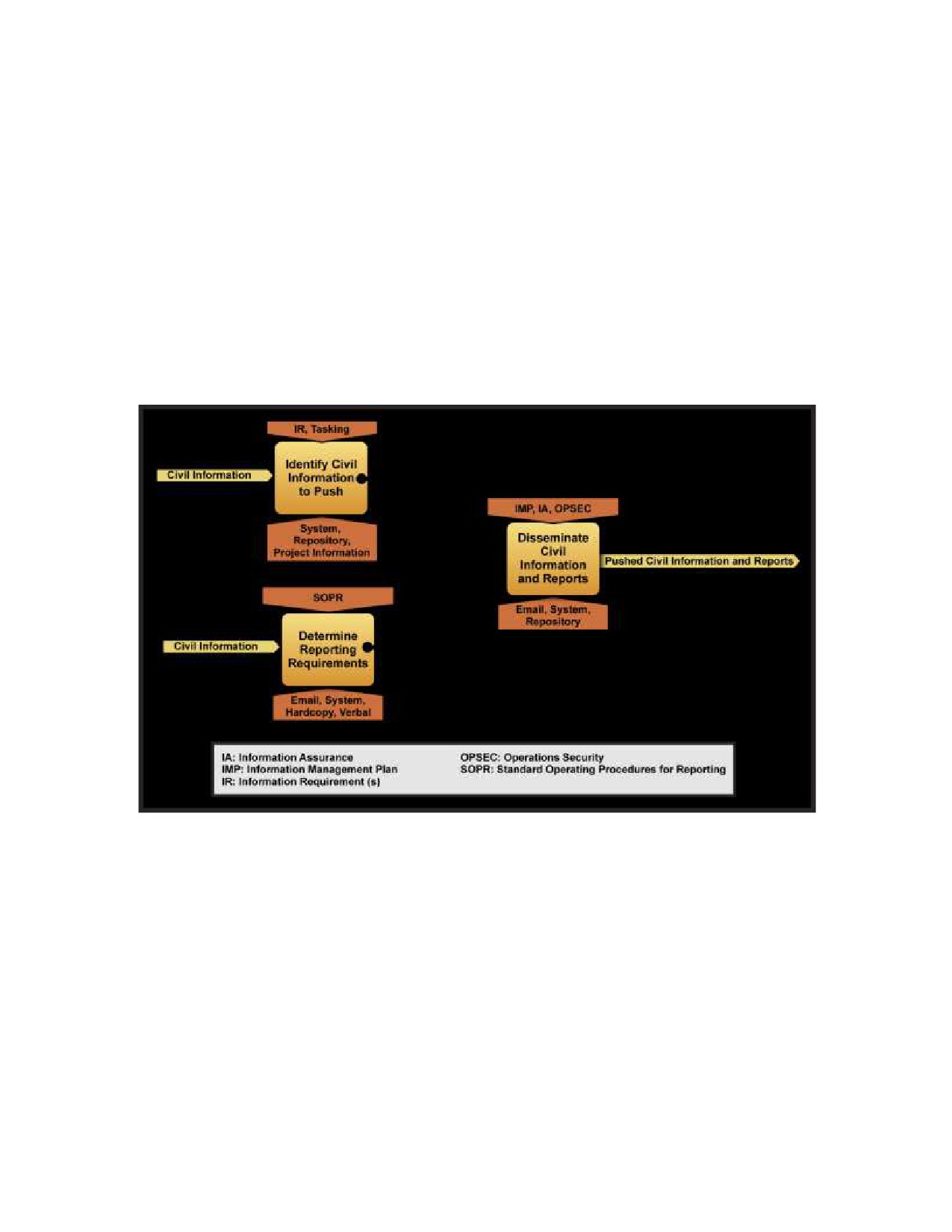
Figure 8-2. Push Civil Information and Reports
103
Identification and selection of what should be pushed begins with IRs. Figure 8-2, Push Civil Information and
104
Reports, depicts pushing, or “active” dissemination of civil information. It depicts identification of civil information
105
and determines what to push and to whom. It also depicts the tasking and information requirements of pushing
106
while systems, repositories and project information represent the methods used for pushing.
107
Step 1 - Identify civil information to Push:
108
a. Identify information managed by the supported unit.
109
b. Identify data known to be managed by other organizations, military and non-military. Coordinate
110
sharing between requesting and possessing organizations.
111
c. Identify components using ID meta-tags, as explained in Chapter 5, that complete an IR or tasking:
112
(1) Originator
113
(2) Classification and caveat specifications
8-4
114
(3) Mechanism for transmission of the civil information
115
(4) LTOV for the civil information.
116
(5) Type of information:
(a) Geospatial
(b) Briefing
(c) Text
(d) Database Output and Excel
(e) Pictures and Video
(f) Analytical Product
117
(6) Required media:
(a) Hardcopy
(b) CD/DVD
(c) Digital
(d) Verbal/in person
118
(7) Suspense or DTG specified for delivery. Suspense is when the requester wants the information.
119
(8) Required or acceptable date range or age of information
120
(9) Granularity required. Different stakeholders require different levels of detail. A corps staff or an
121
embassy country team may require less detail but a broader range of understanding while a
122
battalion staff or a single USG agency may need more specifics and less backg5round.
123
NOTE: If you don’t already have the information you want to share, refer to Chapter 4, Collection, for
124
guidance.
125
WARNING: Ensure pushed information does not exceed the classification and caveat level of the
126
recipient.4
127
Step 2 - Disseminate civil information:
128
a. Comply with all command-specific information assurance requirements.
129
b. Share civil information IAW mechanisms established with the stakeholder.
130
c. Maintain a log documenting all actions taken to coordinate the release of civil information, including:
131
(1) Actions taken
132
(2) Name, rank, and position of authority authorizing the actions
133
(3) Name, rank, and position of the person executing the actions
134
(4) DTG the actions executed
135
d. Maintain a log of all pushed civil information. The log should include:
(1) Information pushed
(2) Means used to push Information
(3) DTG pushed
(4) Sending person
(5) Person pushed to
(6) DTG receipt delivery confirmation received
136
CAUTION: Every sharing transaction should have a clear purpose, authorized recipient and mechanisms for
137
verifying validity, non-repudiation and integrity of the data moved.
138
CAUTION: Maintaining logs safeguards individuals from disciplinary or legal repercussions in cases where
139
information is conveyed to unauthorized recipients.
140
WARNING: When disseminating products, ensure that the controls for release have been observed and the
141
products are clearly designated with proper classification and caveat markings.
142
8.2.3 Push Reports Procedures
143
The most effective means to determine reporting requirements is to fully understand reporting SOPs and the
144
information being reported. Figure 8-2, Push Civil Information and Reports, depicts reporting and dissemination of
145
reports. It illustrates how a stakeholder identifies and disseminates collected civil data.
8-5
146
Reporting civil data is a two-step procedure that involves transmission of civil data to the reporting authority,
147
usually the supported unit or next higher command. Civil data reporting is not operational reporting such as a
148
SITREP or OPSUM, although they are complementary. Standardized data collection promotes accurate and
149
complete conveyance of relevant, usable civil data that supports key decision makers.
150
Step 1 - Determine reporting requirements:
151
a. Determine Tasking Authority: Identify the person(s) and organization(s) requiring reports.
152
b. Determine Reporting Method: This step is usually pre-determined by theater or operational
153
requirements, command guidance, or mission requirements, but can be executed when forming a
154
primary, alternate, contingency, and emergency (PACE) plan.
155
c. Determine Reporting Frequency: Define suspense times at which the tasking authority expects to
156
receive reports.
157
CAUTION: If timeliness considerations permit, delay reporting the civil data to enable use of a
158
higher priority method.
159
Step 2 Push Report. Disseminate reports using appropriate method(s) listed below in order of priority.
160
Step 2a - Report using civil information system:
161
a. Conduct data entry IAW unit SOP, TTP, or the system manual.
162
b. Attach all supporting documents to the report.
163
WARNING: Follow the unit SOP for file naming.
164
Step 2b - Report using email:
a. Create an email to report civil data. Include:
b. Attach all supporting documents to the
o Priority marker if time sensitive
email
o Summary of report and attachments
o Issues and comments
c.
Request a message receipt notification
d. Log and file the receipt notification
165
Step 2c - Report using hard copy:
166
This method greatly reduces the visibility and accessibility of data, and increases the possibility of data
167
errors if later transcribed into a system. Procedures for hard copy reporting are dependent on mission
168
variables and operational requirements.
a. Produce copies of all hard copy reports
b. Maintain a log of hard copy reports
c. Determine from the tasking authority which
d. Transfer civil data to a CD and other digital
media to use:
media:
CD/DVD or other digital media
Label the media IAW unit naming SOP,
Paper copies
or use the ID meta-tags from Chapter 5
e. Create photocopy of all completed collection
f.
Deliver report to tasking authority
forms and supporting documents
Print all digital supporting documents
169
Step 2d -Verbal reporting:
a. Contact the receiving station
b. Provide report using line numbers from the
joint form in Appendix B
c. Ensure receiving station reads back report
d. Maintain a log of verbal reports
8-6
e. Follow-up immediately with a report using
the procedures in Step 2a, 2b, and/or 2c
170
WARNING: Verbal reporting is not used for reporting all types of civil data. Use it only for time sensitive
171
data or as a method of last resort.
172
8.2.4 Push Civil Information Best Practices
173
Pushing civil information is generally straightforward, but there are practices that can help staff sections execute
174
tasks more efficiently and achieve the desired results. Some of these practices are:
175
1. Forward civil information to the requestor even if the LTOV has passed; there may have been a change in
176
circumstances that allows the civil information to still be of use.
177
2. Establish a schedule for regular review of available civil information and attend boards and working
178
groups in the supported staff to stay current on what information is available and where it is located.
179
3. Balance push and pull to meet priority requirements. The more information that is pulled, the less time
180
staff have to produce answers for RFI and IRs.
181
4. Synchronize the push of civil information with the supported unit’s decision-making process.
182
5. Follow-up with stakeholders after the product has been pushed to determine if the product was useful
183
and further refine how the stakeholders communicate their civil IR.
184
6. Manage classification and caveat issues. If information needs to be de-classified in order to be released,
185
the data owner and staff officer must coordinate their efforts with the FDO to release the information.
186
8.2.5 Best Practices to Report Civil Data
187
Institutional deficiencies for reporting civil data require training collectors to report civil data in a consistent format
188
that incorporates their observations and interpretations of the civil conditions. This format can be a component of
189
a SOP for reporting civil information. Effective communication of observations is the only way for higher echelons
190
to understand the situation in the operating environment. Communicating the tactical collector’s interpretation of
191
their observations provides higher echelons a ‘feel’ for civil conditions. Civil reporters:
192
1.
Implement the following format as a model within directed reporting structures:
193
a. Report ID:
194
(1) ID meta-tags as explained in Chapter 5, Consolidation.
195
b. Observations: Describe of the observed facts in the civil components of the operating environment:
196
(1) Description of the civil components of the operating environment.
197
(2) Statement of conditions and actions observed during the mission such as atmospherics.
198
c. Interpretation: Presentation of the reporter/team/squad’s analysis of the facts in terms of their
199
supported commander’s mission and guidance:
200
(1) Description of the reporter’s conclusions about the operating environment.
201
(2) Relation of actions to conditions or military operations.
202
(3) Intuition, suspicions, or things that “don’t feel right”.
203
d. Recommendations: Reporting team/squad recommended COA exploits their ground-level interaction
204
with the populace and the operating environment to develop coordinated follow-on missions that
205
support one or more LOO. Reporters recommend COAs to address civil vulnerabilities.
8-7
206
2.
Ensure that reporter observations are not mixed with analysis. Knowing the facts is just as important as
207
knowing what the observer thought about them. Not being able to clearly identify observations and
208
analysis degrades the value of both.
209
3.
Submit reports on time. The information available at the time due is of more value than waiting for more
210
information that may or may not come in.
211
The single most important practice in reporting civil data is to avoid over-classification of reported material. This
212
facilitates the widest sharing of information to the broadest audience of stakeholders. The following techniques
213
will help ensure that the civil data is marked appropriately for efficient handling in other stages of the joint civil
214
information management process:
215
1.
Apply appropriate classification and caveats to the overall report and all paragraphs of the report.5
216
a. Mark front and back cover pages with the highest classification level contained in the report.
217
b. Mark internal pages with the highest level of classification of that page, not the entire document.
218
2.
Maintain unclassified information on information systems that facilitate pushing to all stakeholders.
219
3.
Reporting conveys observations that impact the supported commander’s operational objectives and
220
highlights any CCIR.
221
4.
“ tmospherics,” or observations about the environment, are important, and are consistently reported.
222
CAUTION: Classification and caveat is assigned IAW Executive Order (EO) 13526, Classified National Security
223
Information; EO 13556, Controlled Unclassified Information; DoD Instruction (DoDI) 5200.01, DoD Information
224
Security (INFOSEC) Program and Protection of Sensitive Compartmented Information (SCI); DoD 5200.1-PH,
225
Guide to Marking Classified Documents; DoD 5200.1-R, INFOSEC Program; DoDD 5205.02, DoD OPSEC Program;
226
DoD Manual 5205.02-M, DoD OPSEC Program Manual; and Directive-Type Memorandum, Security Classification
227
Marking Instructions.
228
8.3 Pulling
229
Pulling has two aspects: 1) the retrieval of civil information from existing sources; and 2) enabling other
230
stakeholders, both internal and external, to access and obtain civil information from the supported unit. Aspect
231
(1), the actual pulling of civil information, is addressed in Chapter 4, Collection. Aspect (2), enabling stakeholders to
232
pull civil information, is the focus of the remainder of this section. They are described in more detail as follows:
233
1. Retrieval from existing sources is collecting civil information to satisfy requirements and increase SA.
234
When pulling to support requirements, units and staffs are acquiring information in response to taskers,
235
RFI, standing IRs, or to satisfy internal organizational requirements. Pulling enables the supported unit to
236
synchronize and coordinate efforts with non-military stakeholders. Pulling from stakeholders is executed
237
IAW the procedures described in Chapter 4, Section 4.2, Information Search.
238
2. Enabling stakeholders to pull from the supported unit is providing stakeholders access to supported unit
239
information systems so they can independently conduct information searches to satisfy their civil IRs.
240
Enabling stakeholders to pull from the supported unit provides a common understanding of the operating
241
environment. When enabling stakeholders to pull from the supported unit, there are additional procedures
242
that must be executed.
243
8.3.1 Pulling Considerations
244
Enabling stakeholders to pull from the supported unit requires extensive collaboration with stakeholders to
245
provide them access to the supported unit’s civil information. Stakeholders are enabled to pull information so that
8-8
246
the commander can coordinate with them to achieve unity of effort. Extensive coordination with data ‘owners’, J6,
247
FDO, and stakeholders as members of a community of interest (COI) is necessary. It determines their
248
requirements, data authorized for release, and the methods stakeholders are authorized to use for pulling and
249
enabling others to pull. Additional considerations to facilitate stakeholder visibility and accessibility to supported
250
unit civil information include:
251
1. Identifying collection plan refinements:
252
a. What information does the unit collect that satisfy stakeholder requirements?
253
b. What information can the unit collect to assist in satisfying stakeholder requirements?
254
c. What information do stakeholders collect that satisfies CCIRs?
255
d. What information do stakeholders collect that could be useful to the commander?
256
2. Identifying stakeholder objectives
257
3. Consider role, organization, and capabilities of supporting or adjacent CMOCs.
258
8.3.2 Procedures to Enable Stakeholders to Pull From the Supported Unit
259
The means to enable stakeholders to pull will vary considerably based on the operational relationship with the
260
stakeholder, the stakeholder’s objectives and mission statement, and the technical capabilities the stakeholder has
261
fielded in the operating environment. The procedures provided below offer a framework for enabling
262
stakeholders, irrespective of the means employed, to pull civil information from the supported unit by
263
implementing a COI for sharing civil data6:
264
Step 1 - Obtain authority to operate. A memorandum from the supported unit commander authorizing:
265
a. Formation of a data sharing working group.
266
b. Coordination with non-DoD/USG agencies and organizations.
267
c.
Release of information from classified information systems.
268
d. Release of information to non-DoD/USG agencies and organizations.
269
Step 2 - Establish data sharing working group:
270
a. Invite data owners, requesting stakeholders, supported unit representatives, joint civil information
271
management coordinators, and stakeholders that interact with the civil environment
272
b. Define information owned by each working group member:
273
(1) Identify the data each working group member owns.
274
(2) Identify storage media, such as database, spreadsheet, hardcopy, etc.
275
(3) Define content subject, breadth, depth, location, key words, etc.
276
c. Define IRs, information of interest, and requested formats for each participating organization:
277
(1) Very clearly define data each working group member wants to acquire.
278
(2) Identify format for the data exchange, such as text files, database, spreadsheets, etc.
279
d. Identify gaps between requirements and information owned by stakeholders
280
e. Identify information authorized for sharing. Request approval to release information satisfying
281
stakeholder IRs from FDO and data owner:
282
(1) Identify the clearance level of the stakeholders
283
(2) Release information IAW DoD, service, and command policies.
284
f.
Identify procedures and methods for sharing between members of the working group.
8-9
285
g. Develop agreements with stakeholders to authorize sharing and ensure INFOSEC of sensitive
286
information is maintained.
287
Step 3 - Coordinate with J6, joint civil information management coordinators, data owners, and FDO to
288
ensure designated stakeholders can access information systems as authorized.
289
NOTE: Procedures and guidance for establishing communities of interests, including data sharing working
290
groups, is provided in Chapters 2-4 of DoD 8320.02-G, Guidance for Implementing Net-Centric Data Sharing.
291
NOTE: Example desk instructions, charter, information request matrix, and data sharing working group
292
information flow matrix are provided in Annex G.
293
8.3.3 Pulling Best Practices
294
Data sharing working groups are a COI that fulfill the Key COI Attributes and Primary Responsibilities of COIs in
295
Table C2.T1 and C2.T2 from DoD 8320.02-G, reproduced in Table 8-1, Community of Interest Key Attributes and
296
Primary Responsibilities.
297
Table 8-1. Community of Interest Key Attributes and Primary Responsibilities
Key COI Attributes
Primary Responsibilities of COIs
Formed to meet a specific data sharing mission or
Identify data assets and information sharing capabilities, both operational and
fulfill a task
developmental, which should conform to the data strategy goals of DoD Chief
Composed of stakeholders cooperating on behalf
Information Officer Memorandum, DoD Net-Centric Data Strategy.
of various organizations, with emphasis on cross-
Identify approaches to enable those data assets and information sharing
Component activities
capabilities to satisfy data strategy goals and to measure the value to
Members committed to actively sharing
consumers of shared data.
information in relation to their mission and/or task
Develop and maintain semantic and structural agreements to ensure that data
objectives
assets can be understood and used effectively by COI members and
Recognize potential for authorized but
unanticipated users.
unanticipated users and therefore, strive to make
Register appropriate metadata artifacts for use by the COI members and
their data visible, accessible, and understandable
others.
to those inside and outside their community.
Extend the DoD Discovery Metadata Specification (DDMS) as required to
ensure that COI-specific discovery metadata is understandable for enterprise
searches.
Partner with a governing authority, as appropriate, to ensure that COI
recommendations are adopted and implemented through programs,
processes, systems and organizations.
298
Enabling stakeholders to pull benefits from establishing a “COI as ‘a collaborative group of users who must
299
exchange information in pursuit of their shared goals, interests, missions, or business processes and who therefore
300
must have shared vocabulary for the information they exchange.’ COIs are organizing constructs created to assist
301
in implementing net-centric information sharing. Their members are responsible for making information visible,
302
accessible, understandable, and promoting trust - all of which contribute to the data interoperability necessary for
303
effective information sharing.”7
304
These additional practices promote maintaining SA between stakeholders participating in COIs:
305
1. Maintain a running estimate of stakeholder information that satisfies requirements in the collection plan,
306
or that could justify modification of the collection plan.
307
2. Identify civil information of interest to stakeholders and focus efforts on ensuring it is accessible to them.
308
3. Maintain awareness of new or updated content with respect to stakeholder needs.
309
4. Establish a schedule for the regular review of stakeholder civil information by attending boards and
310
working groups.
8-10
311
8.4 Populate the Civil Common Operational Picture
312
A COP presents information in a form that enables maintaining SA and making effective, consistent, and timely
313
decisions. There are two methods for presenting a civil COP:
314
Civil layer of the COP. This product may be classified and presents key civil information tied to capabilities
315
of the HN, bi- and multi-lateral agencies, and military forces. The civil layer to the COP is populated with
316
the most current civil information analyzed for how it affects the JFC’s battlespace, mission, and current
317
or future operations. It is a tool designed to support accurate and timely military decision making.
318
CMO COP. This product is unclassified and developed to support non-military organizations or peacetime
319
missions that are not sensitive or are occurring in permissive environments. It provides the status of key
320
events and tasks relevant to current civil operations or objectives tied to capabilities of the HN, bi-and
321
multi-lateral agencies, and military forces. The CMO COP provides the most current civil information to
322
stakeholders in an expedient, easily understandable format.
323
Both ways are based on the same civil data, but the civil layer of the COP must present the data in a manner that
324
supports the needs of the commander. For example, a JFC requires substantially different information compared
325
with a subordinate component commander. A TF or component command COP is a subordinate operational
326
picture with different information but based on similar data and facts. Individual operational pictures are linked to
327
the higher command’s operational picture. Properly aggregated information connected to the missions and
328
objectives of the JFC results in a COP that is tailored to requirements. The JFC’s COP grows out of aggregated
329
information from subordinate unit operational pictures.
330
8.4.1 Populate the Civil Common Operational Picture Considerations
331
The primary consideration for populating the civil COP is the intended audience. The civil layer to the COP presents
332
the supported commander with key information tied to capabilities of the HN, PVO, IPI, USG agencies, military
333
forces, other relevant participating partners, and civil conditions in the operating environment. The civil layer to
334
the COP is populated with the most current civil information that is analyzed for how it affects the commander’s
335
operations, and is a tool designed to support accurate and timely military decision-making.8
336
The CMO COP is an unclassified product derived from the civil layer to the COP, and is developed to support non-
337
military partner missions, and increase synchronization and collaboration between stakeholders in generally
338
permissive environments. It provides the status of key SSTRO, HA/DR, or HN events and activities related to
339
current civil conditions. This product is populated by the J9 in concert with the J2 and J3, considering missions and
340
capabilities of stakeholders operating in the AO. The CMO COP provides current civil information to stakeholders in
341
an expedient, easily understood format.
342
Regardless of audience or type of COP populated, the J3 manages the commander’s COP, and is the tasking and
343
authorizing authority for COP development and input, especially for a civil-military operation COP being
344
disseminated outside of the military. The COP supports decision making by conveying information that contributes
345
to understanding the situation. The J3 is the authority for all COP-related decisions, and provides the direction for
346
populating the COP. Considerations for developing inputs to the civil COP are:
347
1. Audience:
348
a. The civil COP is presented to non-military audiences through a CMO COP, IAW policies for release of
349
information to foreign governments and international organizations.
8-11
350
b. The civil COP is presented to military audiences through a civil layer to the COP.
351
c. Appropriate classification and caveat levels for audience.
352
2. Current requirements:
353
a. Specific mission, information, or operational requirement depicted in the COP.
354
b.
statement of area of interest and commander’s intent.
355
3. Format for the supported unit COP.
356
4. Information technology capabilities and requirements.
357
8.4.2 Populate the Civil Common Operational Picture Procedures
358
Maintaining the supported unit COP is the responsibility of the operations directorate or stakeholder equivalent,
359
so all inputs to the COP must be coordinated through the appropriate joint operations directorate COP manager or
360
equivalent. The procedures for populating a civil COP are:
361
Step 1 - Identify NAI and adjacent stakeholder AOs.
362
a. Clarify unclear or poorly communicated requirements.
363
b. Identify special and coordinating instructions.
364
c. Identify subordinate AOs intersecting or within the NAI.
365
d. Identify location of partnering stakeholders in the NAI.
366
Step 2 - Identify components of the civil information architecture relevant to:
367
a. Mission, IRs or operational requirements.
368
b. NAI and desired effects.
369
Step 3 - Populate the relevant information such as, but not limited to:
a. Information that satisfies CCIRs in the OE
b. Significant civil actions
c. Civil threat assessment
d. Cultural events and sites, as protected locations
e. Relevant friendly force activities include,
but are not limited too:
(1) Project management
(2) Presence Patrol
(3) Civil reconnaissance and
(4) Medical Civil Action Programs
civil engagement
(MEDCAP)/VETCAPs
(5) HA/DR
370
STEP 4 - Submit updated civil COP to the COP manager for integration into the COP.
371
a. Configure display to present most effective and easy to read visualization.
372
b. Push civil information that is relevant, but was not specified.
373
8.4.3 Populate the Civil Common Operational Picture Best Practices
374
The underlying foundation of a COP is the published standards including data architecture, field descriptions,
375
meta-tags, and clearly defined input and output requirements. The key concept is that data is entered once,
376
properly formatted and tagged, and made available to all entities that need the information and have the
377
appropriate access permissions. Data recorded using these foundations becomes the civil information that
378
populates the COP.
379
1. The following best practices will assist in population of a civil COP regardless of audience:
380
a. Obtain specific purpose and requirement for each request for a civil COP.
8-12
381
b. Integrate relevant stakeholder input to a civil COP.
382
c. Coordinate with subordinate, adjacent and higher units to automate incorporation of their CMO
383
reporting in the civil COP as appropriate.
384
d. Coordinate among internal staff using a working group.
385
e. Maintain updated definitions for all symbols, terms, and acronyms used to depict the civil
386
components of the operating environment in the COP IAW MIL-STD 25259:
387
(1) Include the POC for stakeholder information and symbols.
388
(2) Include geo-reference markers
389
f.
Ensure the COP is tailored to link desired effects to the subjects being depicted.
390
2. The civil COP should depict items that enhance understanding of the operating environment such as:
391
a. Relation to LOO, CCIR, and current commander guidance.
392
b. Selected relevant components of the civil information architecture, such as:
393
(1) Typical PMESII systems and subsystems identified in JP 2-01.3, JIPOE, Appendix C, Section B.
394
(2) Civil SME functional and analytical frameworks
395
(3) Analytical and categorical systems, such as PMESII and SWEAT-MSO.
396
c. Stakeholder capabilities to address civil requirements
397
d. Critical civil vulnerabilities
398
e. Civil sentiment to on-going operations
399
f.
Activities significant in the civil components of the operating environment.
400
8.5 Sharing Project Information
401
Project details are highly sought after by multiple stakeholders and are a required component for RIP/TOA
402
between military units or in transitioning with host nation and NGO partners at end of mission. Sharing project
403
data with stakeholders greatly enhances relationships and effectiveness. Non-military stakeholders generally do
404
not have a mandate to share or coordinate with the military. Some stakeholders have sensitive and proprietary
405
interests and often have procedures that mirror military classification and caveat requirements. Understanding
406
this and being able to articulate it can mitigate some causes of poor project data sharing. The following are
407
considerations for sharing project data:
408
1. Project data represents direct efforts to influence and address problems in the operating environment:
409
a. Project data, such as objectives and goals, planned timeframe, location, project lead (USG, HN, NGO,
410
other), and cost and funding (amount and source) enable generating a complete civil COP.
411
b. Not all stakeholders maintain detailed records of project data:
412
(1) Sometimes civil reconnaissance must be executed to acquire more specific information about
413
stakeholder projects.
414
(2) Stakeholder OPSEC is a consideration.
415
2. Historical project data provides a longer term view of civilian involvement.
416
a. Sometimes project data is the only method for coordinating activities due to OPSEC considerations.
417
b. Project data allows stakeholders to leverage other efforts to accomplish their objectives.
418
The primary best practice to expedite sharing project data is consolidating unit and subordinate unit project data
419
IAW procedures defined in Chapter 5. Additionally, the following can further expedite sharing project data:
8-13
420
1.
Ensure that projects are grouped and meta-tagged as specified by the DDMS or organizational unit SOP.
421
2.
Reduce project data by removing data fields not authorized for release.
422
a. Personnel names, costs and funding information, military boundary identifiers, etc. are not generally
423
authorized for dissemination to non-USG stakeholders.
424
b. Refer to data sharing agreements, FDO, data owner requirements or command guidance to identify
425
data fields authorized for release.
426
3.
Convert file type to a tab delimited text file, or a spreadsheet, such as MS Excel, IAW the procedures in
427
Chapter 5, Consolidation.
428
4.
Include relevant supporting information in predetermined fields and formats:
a. Project nomination packet:
b. Monitoring and controlling reports:
(1) Scope of work.
(1) Payment history.
(2) Contractor bids.
(2) Inspection reports.
429
8.6 Conclusion
430
Sharing is a vital part of the civil information management process. The collected civil data and derived information
431
is useless unless it gets to the people that need it in a timely, accurate, and complete manner. The capability to
432
share information also permits a more efficient use of resources (personnel, time, funding), prevents duplication of
433
effort, and improves overall situation awareness of the AO. However, sharing is also one of the most difficult civil
434
information management steps because it requires considerable direct interaction and communication with
435
people, both internal and external to the organization.
1 Joint Publication 2-0, Joint Intelligence, 22 June 2007, page I-19; & Joint Publication 2-01, Joint and National
Intelligence Support to Military Operations, 7 October 2004, page III-51.
2 CJCSI 3151.01B, GCCS COP Reporting Requirements, page 2.
3 EO 13526, Classified National Security Information; EO 13556, Controlled Unclassified Information; DoDI 5200.01,
DoD INFOSEC Program and Protection of SCI; and DoDD 5230.11, Disclosure of Classified information to Foreign
Governments and International Organizations.
4 ibid
5 ibid
6 DoD Information Sharing Strategy; DoD Net-Centric Data Strategy; DoDI 8220.02, Information Communications
Technology Capabilities for Support of Stabilization and Reconstruction, Disaster Relief, and Humanitarian and Civic
Assistance Operations; DoD Information Sharing Implementation Plan; DoD Directive 3000.5, Stability Operations;
DoDD 8320.02, Data Sharing in a Net-Centric Department of Defense; and DoD 8320.02-G, Guidance for
Implementing Net-Centric Data Sharing.
7 DoD 8320.02-G, Guidance for Implementing Net-Centric Data Sharing, pages 11.
8 CJCSI 3151.01B, GCCS COP Reporting Requirements, page A-1.
8-14
1
APPENDIX 1 JOINT DATA SHARING WORKING GROUP
2
1.0 Introduction
3
The procedures for enabling stakeholders to pull established in Chapter 8 of the User’s Manual identify
4
establishing a joint data sharing working group as COI (COI), in accordance with (IAW) Department of Defense
5
8320.02-G, Guidance for Implementing Net-Centric Data Sharing. Implementing a COI provides an environment
6
where stakeholders can collaborate to identify and resolve issues with sharing. Some potential issues that can
7
prevent effectively sharing between collaborating stakeholders are:
Unidentified data owner(s) or data owner refusal
Restrictions on sharing sensitive information or
to release information
incompatible classification systems
Incompatible information systems
Poor/no network interconnectivity
Unidentified IR
Unknown data storage locations
Unknown points of contact (POC)
8
The Joint Data Sharing Working Group (JDSWG): Data Sharing With the United Nations Assistance Mission In Iraq
9
(UNAMI) desk instructions included below is a redacted copy of the documents that resulted from COI
10
collaboration during Operation Iraqi Freedom to share civil information between the United States military, the
11
Iraq Transition Assistance Office, the Gulf Region Division of the United States Army Corps of Engineers, the United
12
States Embassy, the United States Agency for International Development, and the Coordinator for Economic
13
Transition in Iraq. The JDSWG collaborated for nearly a year before data began being shared IAW the policies
14
outlined in the JDSWG desk instructions.
15
The Civil Affairs Brigade Civil Information Management (CIM) Cell Officer in Charge chaired the JDWSG, was the
16
primary POC for coordinating working group meetings, and was responsible for consolidating and pushing
17
information requested from the military to UNAMI. The JDSWG desk instructions provide an example of successful
18
COI collaboration facilitating sharing between stakeholders, and can be used as a framework to structure COI
19
collaboration in future data sharing working groups.
20
APPENDIX-1-1
21
1.1 Joint Data Sharing Working Group Data Sharing With The UNAMI
22
Issue: Draft D for release
23
Dated:
24
References:
25
A. Stakeholder letter dated .
26
B. DCG/1/8/1/Ops dated .
27
C. Command FRAGO ##.
28
Background
29
1.
As part of the responsible drawdown of military operations, the Deputy Special Representative of the
30
Secretary General (D-SRSG) of the United Nations Organization (UN) and the Deputy Commanding General (DCG)
31
of the Multi-National Force in Iraq (MNF-I) have exchanged letters undertaking to share information on
32
Humanitarian, Development and Reconstruction (HDR) activities (References A and B). A joint Data Sharing
33
Working Group (JDSWG) has convened under the authority of Reference C to manage the process of preparing
34
data for transfer, achieving appropriate authorizations and actually conducting handover of information. This
35
paper forms the desk instructions on the processes to be adopted in MNF-I and subordinate commands to carry
36
out transfer of information to and from the UN.
37
2.
The process and arrangements described in this document should not restrict United States government
38
(USG) / UN contact and information sharing at other levels and in other forms. Direct contact at a working level
39
where local information is available and can be shared is to be encouraged. For example, United States Agency for
40
International Development (USAID) and United Nations Assistance Mission for Iraq (UNAMI) will continue to share
41
data in accordance with their existing bilateral agreement. This Instruction provides a framework for the
42
institutional sharing of data at a corporate level.
43
Management Oversight and Governance
44
3.
The JDSWG Charter is at Annex A. The JDSWG coordinates activity and has sought to maximize data
45
transfer while minimizing bureaucracy and technical overhead. It will provide oversight of the data transfer and
46
provide the forum for resolution of difficulties.
47
Types of Data
48
4.
UNAMI has identified the types of information of interest and these are at Annex B.
49
5.
In the main, MNF-I HDR information is held in one of two databases Combined Information Data Network
50
Exchange (CIDNE) and Iraq Reconstruction Management System (IRMS). In addition, IRMS contains information on
51
reconstruction projects from other sources such as the Iraq Transition Assistance Office (ITAO) and USAID.
52
Information developed by the Office of Provincial Affairs (OPA) is covered by a separate protocol and process. The
53
following processes have been optimized for these two databases but the principals can be applied to all HDR data
54
generated by MNF-I and the United States Embassy (USEMB) and related organizations.
55
Requests for Transfer
56
6.
Requests for transfer of data can be initiated from either UNAMI or USG. Requests are processed using
57
the request form at Annex C and the process at Annex D.
APPENDIX-1-2
58
Approval for Transfer
59
7.
In order to facilitate transfer the following criteria must be met:
60
a. Information is Unclassified. Information classified as “For Official Use Only” may be transferred to the UN
61
with the permission of the data owner (normally the originator). The data owner is responsible for determining the
62
classification of the data requested in accordance with their agency’s applicable classification guidelines (e.g. the
63
MNF-I Classification Guide).
64
b. Commercially sensitive information is not to be transferred (normally pricing and contractual information
65
comes into this category although proprietary technical data may also be included) without the express permission
66
of the owner. Pricing and contractual information will not normally be sought.
67
c. Foreign Disclosure Authorization must be in place from the appropriate Foreign Disclosure Officer.
68
Process of Transfer
69
8.
Information will be transferred through the United Nations Inter-Agency Information and Analysis Unit
70
(IAU) portal.
71
Access to Portal
72
9.
Each organization requesting or transferring data will be required to nominate an individual who will
73
access the portal on their behalf. More than one individual may be nominated to cover for absence but numbers
74
should be limited to those requiring routine access using internal management processes. Password applications
75
can be filled in on line and passed electronically to the UN IAU. Prior to access being granted the JDSWG will be
76
consulted to ensure that the request is appropriate. Passwords will require to be renewed every 6 months and will
77
automatically expire after 90 days inactivity.
78
Data Format
79
10.
Data for upload should be in a standard format that can be read by the recipient. Specialist information
80
may be transferred in other formats providing that the receiving organization is prepared to accept it. Files posted
81
on the portal should be named in the following convention to ensure that all parties can readily identify it:
82
YYYYMMDD-descriptor of file contents-version-originator
83
Where:
84
“YYYYMMDD” is the date of upload (e.g. 20090601 for 1 June 2009)
85
“descriptor of file contents” gives enough information for the reader to understand what is in the
86
document or file
87
“version” gives a version number if appropriate to ensure common configuration control
88
“originator” states the organization or post uploading the data.
89
Duration on Portal
90
11.
Once uploaded to the IAU portal, information will be retained for 30 days to allow receiving organizations
91
to download it. After 30 days the information will be removed from the portal by IAU.
APPENDIX-1-3
92
Large Data Files
93
12.
Data files > 100MB will need to be transferred to compact disk (CD) or other portable data device in
94
accordance with the appropriate security operating procedures for transfer. Transfer should be noted by the
95
JDSWG.
96
Records of Data Transferred
97
13.
Each organization uploading or transferring data shall retain a record of the data transferred consisting of
98
the organization requesting the information, the approval granted (reference of letter / email), the file name of the
99
transfer, the name of the operator and the date transferred. The UNAMI IAU on, behalf of the JDSWG will collate a
100
register of all transactions. A register will be held on the portal listing all requests and their status. This will be
101
permanently available so that all requests are visible, including those previously actioned, to all organizations.
102
Response Times
103
14.
In normal course, organizations will seek to answer requests for data within 30 days. Where this timescale
104
cannot be met, an interim response should be given within 30 days stating the anticipated completion date. The
105
register on the UNAMI portal should be kept updated with the anticipated completion date.
106
Configuration Control
107
15. This Instruction will be updated and maintained using configuration control (revision letter and date). It will be
108
posted in portable document format (PDF) format on the UNAMI portal and on the MNF-I shared area (in
109
liaison with MNF-I CJ6 Knowledge Manager). The edition on the UNAMI portal will be considered the master
110
copy.
111
Point of Contact
112
16.
The points of contact for the JDSWG are:
113
a.
CJ9. Name of authority
114
b.
MNC-I. Name of authority
115
c.
UNAMI. Name of authority
116
117
118
119
Annexes:
120
A.
Joint Data Sharing Working Group Charter
121
B.
Information Identified for Sharing
122
C.
Data Request Form
123
D.
Data Transfer Process
124
APPENDIX-1-4
125
ANNEX A TO:
126
DATA SHARING INSTRUCTIONS
127
DATED XX JUN 09
128
129
1.2 Joint Data Sharing Working Group Charter
130
Objectives
131
1.
To develop the management processes and protocols necessary for sharing information on Humanitarian,
132
Development and Relief (HDR) between the Multi-National Force Iraq (MNF-I), other US Government (USG)
133
agencies and the United Nations Organization Assistance Missions in Iraq (UNAMI).
134
2.
To develop the data handling techniques and formats necessary to achieve paragraph 1.
135
3.
To ensure that the processes and techniques developed are consistent and compliant with appropriate
136
statute and regulation, including but not limited to foreign disclosure rules.
137
4.
To put in place written instructions and processes to allow management of data flows through personnel
138
circulation and transformation of the MNF-I and USG structures as the footprint in Iraq reduces.
139
Membership
1. CETI (chair)
2. CJ9 (co Chair)
3. UNAMI Information and Analysis Unit
4. Representatives of:
5. MNF-I - CJ5
6. MNF-I - SJA
7. MNC-I - C9
8. MNC-I - KMO
9. MNC-I - CA Brigade
10. MNSTC-I - C3/5
11. MNSTC-I - C7
12. USAID
13. ITAO
14. GRD
140
Authority
141
The JDSWG is an enabling and coordinating body. It does not have the authority to task in its own right. Tasking of
142
military force elements will be conducted through the chain of command and USEMB organizations through
143
USEMB structures. Members of the JDSWG are expected to be able to speak on behalf of their organizations and
144
take actions in support of the objectives listed above.
145
Structure
146
The JSDWG meets as required. It is anticipated that once data transfer becomes routine the JDSWG will meet less
147
frequently to monitor progress and tackle issues.
148
APPENDIX-1-5

149
ANNEX B TO:
150
DATA SHARING INSTRUCTIONS
151
DATED XX JUN 09
152
1.3 Information Identified for Sharing
153
Table 1-1. Identified Sources, Types and Details of Information to be Shared by UN
INFORMATION
Source / Type
Details
IAU
/ UN Project
Individual Project detail:
Database (3W)
Project Location (district / governorate)
Project Number, Title, Description, Sector and Type
Beneficiary Type and Number
Start and End dates
Aggregated Project Information:
Project list summary (without funding) by governorate / district and/or
UN organization
Funding by district / governorate (active/closed)
Number of projects by district / governorate (active/closed)
Summary reports by sector
Additional Project detail upon request and agency authorization:
Name and Contact information of UN Agency
Project Location details
Budget and Funding details
Name and Contact information of implementer
IAU / Assessments and
Vulnerability and Employment assessments and analyses. Associated
Analysis
raw data available upon request and agency authorization.
Essential Services: Health, Education, Water, Sanitation, Electricity,
Fuel, Food.
IAU / Geographic Data
Baseline geo-referenced data on essential services
Geo-referenced data on vulnerability
IAU
/ Surveys and
All UN sponsored reports and, upon request and agency authorization,
Reports
the associated raw data available
154
Note 1: Information shared through this exchange by either party will be tagged as “public distribution” and
155
“clearance required”. ll information tagged as public can be shared with third parties at their request. ll other
156
information will require the party in question to clear its dissemination with the party of origin.
APPENDIX-1-6
157
Table 1-2. Identified Sources, Types and Details of Information to be Shared by MNF-I
A)
MNC-I / Combined
Geo-referenced Locations / Networks:
Information Data
Health, Education, Water, Sanitation, Electricity, Fuel, Food.
Network Exchange
Roads, Bridges, Ports and Airports
(CIDNE)
Geo-referenced demographics, facilities, organizations
Individual Project detail:
Project Location (lat-long where available, district / governorate)
B)
ITAO
/
Iraq
Project Number, Title, Description, Sector and Type
Reconstruction
Beneficiary Type and Number (if available)
Management
Start and End dates
System (IRMS)
Aggregated Project Information:
Project list summary (without funding) by governorate / district and/or
funding agency
Funding by district / governorate
Number of projects by district / governorate
Summary reports by sector
Additional Project detail upon request and agency authorization:
Name and Contact information of agency
Project Location details
Budget and Funding details
Name and Contact information of implementer
GRD, BCT, MNC-I / Key
Geographic Area / Contact Information
Actors
in
Reconstruction
and
Development
MNF-I, MNC-I, MND,
Geo-referenced Locations / Networks:
BCT
/
Essential
Health, Education, Water, Sanitation, Electricity, Fuel, Food.
Services
and
Roads, Bridges, Ports and Airports
Infrastructure
Monitoring and Assessments
MNF-I, MNC-I, MND,
Displacement and Returns
BCT
/
Security,
Ethnic / Sect distribution
Freedom
of
Security Situation and Alert levels
Movement
and
Demographics
MNF-I, MNC-I, MND,
All survey and assessment data available with accompanying reports
BCT
/ Survey data,
Assessments
158
APPENDIX-1-7

159
Table 1-3. Identified Actors, Locations and Focal Points for Data Sharing
ACTORS
Office / Organizational
Location
Focal Point
Section
Information Analysis Unit (IAU),
United Nations in Iraq
Baghdad,
UN MI’s Hub Coordinators and Heads
(UNAMI/ UNCT)
Various locations
of Sub Offices.
Mutli-National Force -
Baghdad
CJ9 civil-military affairs
Iraq (MNF-I)
Multi-National Corps Iraq
C9, Civil Affairs Brigade IDP officer, C-35-
Baghdad
(MNC-I)
NK, HTRAC
Multi-National Divisions
DCG-S, Non-lethal planner, G9, CA
Various Locations
(MND)
Battalions, HTAT
Brigade Combat Teams
S9, Civil Affairs (CA), Embedded PRT
Various Locations
(BCT)
(ePRT), and Human Terrain Teams (HTT)
US Army Corps of
Baghdad, various
Gulf Region Division (GRD)
Engineers (USACE)
locations
Information Units
Iraq Transition Assistance
Baghdad
Information Management Unit
Office (ITAO)
160
Note
2:
This information exchange is be consistent with UN Civil-Military guidelines, which recognize
the
161
importance of sharing relevant information with military as well as non-military actors on the ground while also
162
ensuring that exchanges are cognizant of the need for appropriate confidentiality.
163
164
APPENDIX-1-8

165
ANNEX C TO:
166
DATA SHARING INSTRUCTIONS
167
DATED XX JUN 09
168
1.4 Data Request Form
169
Table 1-4. Data Request Form
CLASSIFICATION:
RECEIVED: Date RFI was Received
UNCLASSIFED / CONFIDENTIAL
SECRET//REL TO USA, MCFI
RFI TRACKING #:
SUSPENSE: Date needed by
ACTION OFFICE: Provide the offices that should answer the RFI
SUBJECT: Succinct name of the RFI using as few key words
BACKGROUND: s much pertinent information as possible. nswer the five “W”s if required. Provide the origin of
the RFI
QUESTIONS: Please specific as to what information about the subject you wish to gather.
Q1: (or field 1)
Q2: (or field 2)
Q3: (or field 3)
ATTACHMENTS: Provide example spreadsheet of fields data fields requesting.
ATT A:
REQUESTER: POC Originating the RFI (Name, Rank, Organization, Phone Number, Email Address)
ADDITIONAL INSTRUCTIONS: Add any additional comments or information to assist with this RFI, if extension is
needed list explanation in this box and send back to the requester.
170
APPENDIX-1-9

171
ANNEX D TO:
172
DATA SHARING INSTRUCTIONS
173
DATED XX JUN 09
174
1.5 Data Transfer Process
Data Need
Identified
Review
Yes
Tracking
No
IAU Release Data
Complete Data
Spreadsheet to
from archive
Request Form
see if data
already Held?
Data Request
form reviewed by
IAU / JDSWG
Tracking
spreadsheet
updated
JDSWG identify
Data owner and
This may be conducted out
of committee
pass on Request
Form
Data Owner preps
data for handover
and seeks release
clearance (if req’d)
Data Owner
uploads to portal
or passes to
JDSWG POC for
upload
IAU and Data
requestor
informed that data
is available
Data Requester
Tracking
spreadsheet
updated
Data Owner
Data Requester
downloads data
from portal
Information and
Analysis Unit
After 30 days data
(IAU)
cleansed to
archive
Joint Data Sharing
Working Group
Tracking
(JDSWG)
spreadsheet
updated for
reference
175
176
Figure 1-1. Data Transfer Process
APPENDIX-1-10
1
APPENDIX 2 REFERENCES
2
The Joint-CIM User’s Manual is based upon the following references:
3
General
4
Auburn University. (2005). Supervisor’s Performance Management Toolkit.
5
6
Alberts, David S. & Hayes, Richard E. (2006). Understanding Command and Control. Command and Control
7
Research Program Publication Series, Assistant Secretary of Defense, Networks and Information
8
Integration/Chief Information Officer, 2006. http://www.dodccrp.org/html4/books_main.html
9
Alberts, David S. & Hayes, Richard E. (2007). Planning: Complex Endeavors. Command and Control Research
10
Program Publication Series, Assistant Secretary of Defense, Networks and Information Integration/Chief
11
Information Officer, April 2007. http://www.dodccrp.org/html4/books_main.html
12
Elias, Arun A. & Cavana, Robert Y. (Undated). Stakeholder Analysis for Systems Thinking and Modelling. School of
13
Business and Public Management, Victoria University of Wellington, New Zealand.
14
15
Endsley, M.R. (1995). Toward a Theory of Situation Awareness in Dynamic Systems. Human Factors, 37(1)
16
Gallagher, Sean. (2009). Soldier Notebook Serves as Intelligence Tool. Defense Systems: Knowledge Networks and
17
18
notebook.aspx?Page=2
19
Klein, G., Moon, B, & Hoffman, R.R. (2006). Making Sense of Sensemaking 1: Alternative Perspectives. IEEE
20
Intelligent Systems Journal, Volume 21 (Issue 4), 70-73.
21
Lawson, Brooke Stearns, Kelly, Terrence K., Parker, Michelle, Colloton, Kimberly & Watkins, Jessica. (2010).
22
Reconstruction under Fire: Case Studies and Further Analysis of Civil Requirements. Rand Corporation, National
23
Defense Research Institute. http://www.rand.org/pubs/monographs/2010/RAND_MG870.1.pdf
24
Major Dostal, Brad C., USA. (2001). Enhancing Situational Understanding through the Employment of Unmanned
25
Aerial Vehicles. Center for Army Lessons Learned Newsletter, July 2001, 71.
26
Major General Flynn, Michael T., USA; Captain Pottinger, Matt, USMC; & Batchelor, Paul D., DIA. (2010). Voices
27
from the Field: Fixing Intel: A Blueprint for Making Intelligence Relevant in Afghanistan. Center for a New
28
American Security, January 2010.
29
30
Major Ptak, Steven, USA; Major Webster, Charles R. Jr., USA; & Commander Wilson, Tony W., USN. (2003).
31
Effective Decision-Making Processes for the Joint Force Commander. Air Land Sea Bulletin, March 2003.
32
33
Schmeer, Kammi. 1999. Guidelines for Conducting a Stakeholder Analysis. November 1999. Bethesda, MD:
34
Partnerships for Health Reform, Abt Associates Inc.
35
APPENDIX-APPENDIX-2-1
36
World Health Organization. Undated. Stakeholder Analysis. Health Action in Crisis.
37
38
Federal Statutory Laws
39
The National Security Act of 1947, as amended
40
The Goldwater-Nichols Department of Defense Reorganization Act of 1986
41
Title 10, United States Code, Armed Forces, as amended
42
Title 18, United States Code, Section 1385, Posse Comitatus Act, as amended
43
Title 22, United States Code, Foreign Relations and Intercourse
44
Strategic Guidance and Policy
45
Executive Order 13526, Classified National Security Information
46
Executive Order 13556, Controlled Unclassified Information
47
National Security Presidential Directive 44, Management of Interagency Efforts Concerning Reconstruction and
48
Stabilization
49
Presidential Memorandum, Designation and Sharing of Controlled Unclassified Information
50
Department of Defense Office of the Chief Information Officer, Department of Defense Information Sharing
51
Strategy
52
Department of Defense Publications
53
Department of Defense Directive 3000.5, Military Support for Stability, Security, Transition, and Reconstruction
54
(SSTR) Operations
55
Department of Defense Directive 4630.05, Interoperability and Supportability of Information Technology and
56
National Security Systems
57
Department of Defense 5000.3-M-4, Joint Test and Evaluation Procedures Manual
58
Department of Defense Directive 5200.27, Acquisition of Information Concerning Persons and Organizations not
59
Affiliated with the Department of Defense
60
Department of Defense Instruction 8220.02, Information and Communications Technology Capabilities for Support
61
of Stabilization and Reconstruction, Disaster Relief, and Humanitarian and Civic Assistance Operations
62
Department of Defense Directive 8320.02, Data Sharing in a Net-Centric Department of Defense
63
Department of Defense 8320.02-G, Guidance for Implementing Net-Centric Data Sharing
64
Department of Defense Discovery Metadata Specification, version 3.0
65
Chairman of the Joint Chiefs of Staff Publications
66
Chairman of the Joint Chiefs of Staff Instruction 3100.01A, Joint Strategic Planning System
APPENDIX-APPENDIX-2-2
67
Chairman of the Joint Chiefs of Staff Instruction 3122.01, Joint Operation Planning and Execution System, Volume I:
68
(Planning Policies and Procedures)
69
Chairman of the Joint Chiefs of Staff Instruction 3122.02, Joint Operation Planning and Execution System, Volume
70
III: Crisis Action Time-Phased Force and Deployment Data, Development and Deployment Execution
71
Chairman of the Joint Chiefs of Staff Instruction 3122.03B, Joint Operation Planning and Execution System, Volume
72
II: (Planning Formats)
73
Chairman of the Joint Chiefs of Staff Instruction 3150.01A, Joint Reporting Structure General Instructions
74
Chairman of the Joint Chiefs of Staff Instruction 3151.01B, Global Command and Control System Common
75
Operational Picture Reporting Requirements
76
Joint Publications
77
Joint Publication 1, Doctrine for the Armed Forces of the United States
78
Joint Publication 1-02, Department of Defense Dictionary of Military and Associated Terms
79
Joint Publication 2-0, Joint Intelligence
80
Joint Publication 2-01.3, Joint Intelligence Preparation of the Operational Environment
81
Joint Publication 2-01, Joint and National Intelligence Support to Military Operations
82
Joint Publication 2-03, Geospatial Intelligence Support to Joint Operations
83
Joint Publication 3-0, Joint Operations
84
Joint Publication 3-07.2, Antiterrorism
85
Joint Publication 3-08, Interagency, Intergovernmental Organization, and Nongovernmental Organization
86
Coordination During Joint Operations, Volumes I and II
87
Joint Publication 3-31, Command and Control for Joint Land Operations
88
Joint Publication 3-33, Joint Task Force Headquarters
89
Joint Publication 3-34, Joint Engineer Operations
90
Joint Publication 3-57, Civil-Military Operations
91
Joint Publication 4-10, Operational Contract Support
92
Joint Publication 5-0, Joint Operation Planning
93
Joint Publication 6-0, Joint Communications System
94
Joint Warfighting Center & Joint Concept Development and Experimentation, Integrated Financial Operations
95
Commander’s Handbook: Joint Force Guide to Financial Operations
96
Joint Program Office, Joint Test and Evaluation Program Handbook, Revision 3
97
Joint Program Office, Joint Test and Evaluation Program Style Guide, Revision 3, Change 1
APPENDIX-APPENDIX-2-3
98
Multi-Service Publications
99
Field Manual 3-07.31/Marine Corps Warfighting Publication 3-33.8/Air Force Tactics, Techniques, and Procedures
100
3-2.40 Multi-Service Tactics, Techniques, and Procedures for Conducting Peace Operations
101
Field Manual 6-02.85/Marine Corps Reference Publication 3-40.2A/Navy Warfare Publication 3-13.1.16/Air Force
102
Tactics, Techniques, and Procedures (Interim) 3-2.22, Multi-Service Tactics, Techniques, and Procedures for
103
Joint Task Force Information Management
104
Effective Decision-Making Processes for the Joint Force Commander, Air Land Sea Bulletin, Air Land Sea
105
Applications (ALSA), Issue 2003-1, March 2003
106
Allied Joint Publication
107
Counterinsurgency Advisory and Assistance Team, RC-West, Herat, Afghanistan. The Stability Operations
108
Information Center (SOIC): Comprehensive Understanding for Comprehensive Operations.
109
United Nations High Commissioner for Refugees, The UNHCR Tool for Participatory Assessment in Operations,
110
111
United States Navy Publications
112
Navy Maritime Civil Affairs Group Concept of Operations
113
Navy Maritime Civil Affairs Group CIM User Guide v1.5
114
United States Marine Corps Publications
115
Marine Corps Warfighting Publication 3-33.1, Marine Air-Ground Task Force Civil-Military Operations Planning
116
Navy Marine Corps 3500.22, Civil Affairs Training and Readiness Manual
117
United States Army Publications
118
Army Regulation 5-1, Total Army Quality Management
119
Army Regulation 25-1, Army Knowledge Management and Information Technology
120
Field Manual 2-22.3, Human Intelligence Collector Operations
121
Field Manual 3-0, Operations: Full Spectrum Operations
122
Field Manual 3-05.40, Civil Affairs Operations
123
Field Manual 3-05.401, Civil Affairs Tactics, Techniques, and Procedures
124
Field Manual 6-0, Mission Command: Command and Control of Army Forces
125
Field Manual 6-01.1, Knowledge Management Section
126
Training Circular 2-50.5, Intelligence Officer’s Handbook
127
Training Circular 2-33.4, Intelligence Analysis
128
Army Doctrine Update, 24 February 2007
APPENDIX-APPENDIX-2-4
ANNEX A QUICK REFERENCE CIM RESOURCE GUIDE AND WEBSITES
The following websites and links are helpful resources when conducting online research in support of virtual civil
reconnaissance. This is not an all inclusive list of websites and the user will most likely identify additional websites
that will provide specific information regarding their respective AOR. Inclusion of these websites in this publication
does not constitute an endorsement; the sites are listed as potential reference tools only. The user is highly
encouraged to bookmark these and other websites to provide a ready reference for information.
NOTE: If a copyright is indicated on a photo, graphic, or other material, permission to copy the material must be
obtained from the original source.
129
A.1 Country Information:
Central Intelligence Agency World Factbook provides information on the history, people, government, economy,
geography, communications, transportation, military, and transnational issues for 266 world entities.
Department of the Army Intelligence Information Services (DA IIS) has road mapped the Internet by country. These
Country Research Pages are provided as a courtesy to the community. Each page contains hyperlinks to Internet
websites that are grouped by categories. AKO Password Needed:
International Center for Not-for-Profit Law is the leading source of information on the legal environment for civil
society and public participation.
United States Department of State website serves as a portal of information on U.S. foreign policy and information
about the State Department.
World Bank, established in 1944, is headquartered in Washington, D.C. and has more than 10,000 employees in
more than 100 offices worldwide. To ensure countries continue to have access to the best global expertise and
cutting-edge knowledge, the World Bank Group is revising its programs to assist the poor, as well as its range of
financing options, to meet pressing development priorities.
APPENDIX-A-1
A.2 Foreign Language Tools:
Ethnologue Language Name Index lists individual country pages and contains descriptions of all the languages
spoken in that country. Many languages are spoken in more than one country and thus have entries listed on more
than one country page. To look up all the entries for a particular language, click on the “More Information link”; if
it is spoken in multiple countries you will be presented with a country list of those countries.
Google Language Tools allows you to type a phrase in your own language; Google will find results in other
languages and translate them for you to read.
Yahoo Babel Fish allows you enter up to 150 words and then search the web for translations.
Your Dictionary.com indicates that there are 6,800 known languages spoken in the world. 2,261 have writing
systems (the others are only spoken) and about 300 are represented by on-line dictionaries.
A.3 General Reference:
UNICEF is mandated by the United Nations General Assembly to advocate for the protection of children's rights.
U.S. Agency for International Development is the government agency providing U.S. economic and humanitarian
assistance worldwide.
World Association of Non-Governmental Organizations (WANGO) is an international organization uniting NGOs
worldwide in the cause of advancing peace and global well being.
A.4 Imagery and Maps:
Google Earth lets you fly anywhere on Earth to view satellite imagery, maps, terrain, and 3D buildings.
National Geospatial Intelligence Agency (NGA) NGA develops imagery and map-based intelligence solutions for US
national defense, homeland security and safety of navigation.
University of Texas Libraries website has a collection of online maps and links to other websites that display online
maps.
APPENDIX-A-2
A.5 Training:
Civil-Military Operations Training
Key doctrine and principles related to the planning and execution of civil-military operations (CMO), includes an
overview of role and purpose of CMO; key CMO planning and coordination considerations; and the organizational
roles and responsibilities related to the execution of CMO JP 3-57.
Defense Security Service Academy
DSS courses are intended for use by Department of Defense and other U.S. Government personnel and contractors
within the National Industrial Security Program.
University of Military Intelligence (UMI) is your online training resource for Military Intelligence. At UMI, we
provide web-based training and reference material for Military Intelligence professionals around the globe.
Air University Research Information Management System
Select Research Links - This is an all-inclusive list of links based on user feedback, affiliations with research
organizations and popular request.
130
131
APPENDIX-A-3
1
2
3
4
5
6
7
8
9
10
11
12
13
14
15
16
17
18
19
20
INTENTIONALLY BLANK
21
22
23
24
25

ANNEX B CIVIL DATA COLLECTION FORMS
The forms in this annex provide a means to capture civil data in a standardized format to limit the risk of multiple
exposures in a hostile environment. Review of these forms prior to conducting an assessment will enhance the
efficiency and effectiveness of each of the team members while the assessment is conducted. The forms were
created by J-CIM JT from a compilation of questions from CAOS, CIDNE, MAP-HT and the United Nations. Each
question was carefully analyzed and chosen for this set of 29 forms. As in the Tactical Handbook, the 29 Forms are
categorized by 4 major categories: Building, Transportation, Engagement and Facilities.
B.1 Table of Contents
A
Mandatory
Building
B
Building
H
Police Station
C
School / Orphanage
I
Fire Station
D
Warehouse
J
Trash Removal
E
Store / Market
K
Sewage
F
Arts/ Historical/ Cultural/ Religious Site
L
Hospital
G
Fuel Point
Transportation
M
Road / Route Recon
O
Railway
N
Bridge
Engagements
P
TCAPF
T
Civilian Engagement
Q
NGO
U
Contractor
R
Subject Matter Expert Exchange
V
Mass Engagement
S
Key Leader Engagement
Facilities
W
Fishery / Hatchery
AA
Veterinary
X
Ports & Harbors
BB
Dislocated Camp/ Humanitarian Assistance
Y
Airfield
CC
Village
Z
Farm
Each form has its own set of directions at the top of the page that indicate which forms are required for each
assessment. The Mandatory Form (Form A) must be completed for each assessment, along with the appropriate
form for the type of assessment being conducted. For example, if a CAT is tasked to assess a Fuel Point, they would
complete Form A (Mandatory), Form B (Building) and Form G (Fuel Point). Within each block, data requirements
are prioritized with the following highlighted backg5rounds:
White Blocks - Always Collect
Light Grey Blocks - Collect if time
Dark Grey - Collect if specifically
permits
requested
These forms can be printed out, and used in the field or used as a manual reporting tool. Additionally, they contain
the same questions as depicted in the J-CIM Tactical Handbook V 2.0, dated 30 Apr 2010. This enables clear
communication between the CAT and CIM Cell, as both can specifically identify requirements for each tasking.
The following page contains a list of MILSTD 2525 Version C Symbology that corresponds to some of the
assessments. These symbols should be utilized in a Commander’s Operating Picture to give the Commander an
accurate AO analysis.
26
B-1

B.2 Symbology
E. Store /
C. School
C. Orphanage
D. Warehouse
F. Religious Site
G. Fuel Point
Market
H. Police
I. Fire Station
J. Trash Removal
K. Sewage
L. Hospital
N. Bridge
Station
O. Railway
P: TCAPF
Q. NGO
R. SMEE
S. KLE
Leader
Government
V. Mass
X. Ports &
T. Civilian
U. Contractor
W. Fisheries
Leadership
Engagement
Harbors
Air Traffic
Y. Airport
Z. Farm
Control Facility
BB. Displaced
AA. Veterinary
Persons
M. Route Recon
27
B-2

Block 1: Team Information
Assessment Form A:
Team Name
MM/DD/YYYY
1.1 Assessment Team
1.2 Date of Assessment
Mandatory
Text
Assigned by unit
1.3 Report Title
1.4 Report #
(Complete this form prior to all other forms)
IAW security classification guide
IAW security classification guide
1.5 Classification
1.6 Releasibility
Circle one
MM/DD/YYYY
1.7 Is this a revisit?
1.7.1 If yes, when was last visit?
Yes | No
White Blocks - Always Collect
Light Grey Blocks - Collect if time permits
Dark Grey - Collect if specifically requested
Block 2: Location / Source Information
Text
Text
2.1 Type of Assessment
2.2 Location / Facility Name
2.2.1 Street Address
2.2.2 Village / City
2.2.3 District / County
Text
Text
Text
2.2.4 Facility Telephone
2.2.5 Facility Website Address (If applicable)
Numeric
Text
2.2.6 Latitude
2.2.7 Longitude
2.2.8 MGRS (If not using Lat/Long)
dd°mmss" N/S
dd°mmss" E/W
MGRS, 10-digit
Last Name
First Name
Title
2.3 Facility Manager / POC
2.3.1 Home Street Address
2.3.2 Home Village / City
2.3.3 Home District / County
Text
Text
Text
2.3.4 Home Telephone
Cell Telephone
2.3.5 E-mail
Numeric
Numeric
Text
Last Name
First Name
Text
2.4 Source
2.4.1 Title
Circle one
MM/DD/YYYY
2.4.2 Gender
2.4.3 DOB
Male | Female
2.4.4 Home Street Address
2.4.5 Home Village / City
2.4.6 Home District / County
Text
Text
Text
2.4.7 Home Telephone
Cell Telephone
2.4.8 Home E-mail
Numeric
Numeric
Text
Text
2.4.9 Reliability (Circle One)
2.4.10 Accuracy (Circle One)
2.4.11 Cultural Leader Title
(A)
Reliable
(1)
Confirmed
Circle one
(B)
Usually Reliable
(2)
Probably True
2.4.12 Is Source a Cultural Influence
Yes | No | Unknown
(C)
Fairly Reliable
(3)
Possibly True
(D)
Not Usually Reliable
(4)
Doubtfully True
Text
(E)
Unreliable
(5)
Improbable
2.4.12.1 If yes, how
(F)
Cannot be Judged
(6)
Cannot be Judged
Text
2.4.13 Employer
Text
2.4.14 Employment Job Position
2͘4͘15 re there any NGO’s working
Contact Information
in the area?
Comments or Additional Information
ENCLOSURES
DISTRIBUTION
Submitted by:
Name, Rank and Title
Signature
MANDATORY ASSESSMENT FORM A
Page 1 of ___
28
B-3

Team Name
MM/DD/YYYY
1.1 Assessment Team
1.2 Date of Assessment
Assessment Form B:
Text
Assigned by unit
1.3 Report Title
1.4 Report #
Building
Directions: Complete form A before completing this form. Complete this form before completing any other building form (Forms C-L). This form contains generic
building questions.
White Blocks - Always Collect
Light Grey Blocks - Collect if time permits
Dark Grey - Collect if specifically requested
Block 3: Building Information
Circle one
Other - enter information
3.1 Primary purpose
Hospital | School | Government | Housing
Circle one
Other - enter information
3.2 Agency responsible for building
Public | Private | Other
3.3 Building dimension estimates
Meters
Meters
Meters
3.3.1 Length
3.3.2 Width
3.3.3 Height
Circle all that apply
YYYY
3.4 Building construction material
3.5 Year bldg built
Brick | Masonry | Clay | Concrete | Block | Earth | Metal | Wood
3͘6 nnotate Yes/No for the building’s utilities
Circle one
Circle one
Circle one
3.6.1 Heating
3.6.2 A/C
3.6.3 Electricity
Yes | No
Yes | No
Yes | No
Numeric
Circle one
Circle one
3.6.4 Electric hrs / day
3.6.5 B/U Generator
3.6.6 Potable water
Yes | No
Yes | No
Circle one
Numeric
Numeric
3.6.7 Nonpotable water
3.6.8 Male Latrines
3.6.9 Female latrines
Yes | No
Circle one
Circle one
Circle one
3.6.10 Sewage
3.6.11 Trapped water or feces on ground?
3.6.12 Alarm system
Yes | No
Yes | No
Yes | No
Circle one
3.7 Type of security presence?
Good | Fair | Poor | None
3.8 List communication capabilities
Circle one
Circle one
Circle one
3.8.1 Phone
3.8.2 Internet
3.8.3 Radio - HF
Yes | No
Yes | No
Yes | No
Circle one
Circle one
Circle one
3.8.4 Radio - VHF
3.8.5 Radio - UHF
3.8.6 Radio Satellite
Yes | No
Yes | No
Yes | No
Circle one
Text
3.8.7 PA System / Overhead speakers
3.8.8 PA System - Other
Yes | No
(explain)
Circle one
3.10 Is it suitable for shelter protection from
Circle one
3.9 Is bldg suitable for shelter protection?
Yes | No
indirect fire?
Yes | No
Numeric
Circle one
3.11 How many people can the building effectively shelter?
3.12 Is there handicap equipment
Ramp | Elevator | Other
Circle one
3.13 What key personnel are required to be present when bldg is in use?
Owner | Director | Manager | Other | None
Numeric
Square meters
Cubic meter
3.14 Number of rooms
3.14.1 Usable square meter (est.)
3.14.2 Storage cubic meter (est.)
Numeric
Numeric
Numeric
3.15 Number of doors
3.15.1 Number of Exterior doors
3.15.2 Number of Interior doors
Circle one
Square meters
3.16 Is there parking?
3.16.1 Parking dimensions
Yes | No
Circle one
Circle one
3.17 Perimeter fence?
3.18 Front gate?
Yes | No
Yes | No
Comments or Additional Information
Name, Rank, Title
Signature
Date
Submitted by:
BUILDING ASSESSMENT FORM B
CLASSIFICATION: ____________________
Page 2 of ____
29
B-4

Team Name
MM/DD/YYYY
1.1 Assessment Team
1.2 Date of Assessment
Assessment Form C:
Text
Assigned by unit
1.3 Report Title
1.4 Report #
School / Orphanage
Directions: Complete forms A and B before completing this form.
White Blocks - Always Collect
Light Grey Blocks - Collect if time permits
Dark Grey - Collect if specifically requested
Block 3: Infrastructure
Circle all that apply
Other - Explain
3.1 Type of school
Public | Private | Religious | Day Care | Primary | Secondary | University | Boarding | Orphanage
Circle all that apply
Other
Circle one
3.2 Schools curriculum
3.3 Is it recognized by the central government?
Trade | Course
Yes | No
Numeric
Circle one
3.4 How many Administration Offices
3.5 Is there a Cafeteria?
Yes | No
Circle one
Circle one
3.6 Is there a Kitchen?
3.6.1 If yes, is the kitchen functional?
Yes | No
Yes | No
Circle one
Circle one
Circle one
3.7 Is there a Nurses Office?
3.8 Playground?
3.8.1 Is it safe?
Yes | No
Yes | No
Yes | No
Block 4: Student / Staff Demographics
Numeric
4.1 What is the total number of students?
4.2 For the following age ranges, please list the number of students per gender.
Numeric
Numeric
4.2.1 Males
4.2.2 Females
Numeric
Numeric
4.2.1.1 0 to 2 years old
4.2.2.1 0 to 2 years old
Numeric
Numeric
4.2.1.2 3 to 5 years old
4.2.2.2 3 to 5 years old
Numeric
Numeric
4.2.1.3 6 to 10 years old
4.2.2.3 6 to 10 years old
Numeric
Numeric
4.2.1.4 11 to 18 years old
4.2.2.4 11 to 18 years old
Numeric
Numeric
4.2.1.5 18 + years old
4.2.2.5 18 + years old
Numeric
Circle one
4.3 What is the maximum capacity of children?
4.4 Are there any special needs children?
Yes | No
Numeric
Numeric
4.4.1 Number of males with mental handicaps
4.4.2 Number of females with mental handicaps
Numeric
Numeric
4.4.3 Number of males with physical handicaps
4.4.4 Number of females with physical handicaps
Numeric
Circle all that apply
4.5 Number of teachers / caregivers
4.6 Types of other staff members
Admin | Janitor | Cook | Nurse | Other
Circle one
In local currency
4.7 What type of training has the staff had?
4.8 Teachers daily pay?
Formal | Informal
Circle all that apply
4.9 Where does the staff pay come from?
GO | NGO | IO | Private
4.10 What are the Teacher / Staff member names? (Use Comments/Additional Block below for additional space)
Last Name
First Name
Title
Last Name
First Name
Title
Percentage
Percentage
Percentage
4.11 What are the religious demographics?
Christian
Jewish
Muslim
Hind
Percentage
Percentage
Percentage
Percentage
Percentage
Buddhist
Shinto
Confusicism
Other
u
Circle all that apply
Other
4.12 What are the specific religious denominations?
Protestant | Catholic | Orthodox | Sunni | Shia | Shaivism
Circle one
4.13 Are religious beliefs being practiced?
Yes | No
Block 5: Funding / Supplies
Circle one
5.2 What type of aid does the
Text
5.1 Does the school receive aid?
Yes | No
school receive?
Text
5.2.1 Source of Aid
5.3.1 Item
Quantity
Item
Quantity
5.3 What is on the schools
requirements list?
SCHOOL / ORPHANAGE ASSESSMENT FORM C
CLASSIFICATION: __________________
Page ____ of ____
30
B-5
School / Orphanage Assessment Form C
Block 5: Continued
5.4 What needs to be repaired / What is needed? (List items below)
5.4.1 Item
Quantity
Condition
Text
Numeric
Text
Text
Numeric
Text
Text
Numeric
Text
Circle one
5.5.1 From
Text
5.5 Are you receiving aid for these projects?
Yes | No
whom?
Numeric in local currency
5.6 What is the estimated repair costs?
5.7 General school supplies needed (List items below)
5.7.1 Supply
Quantity Required
Priority
Text
Numeric
Numeric
Text
Numeric
Numeric
Text
Numeric
Numeric
Text
Numeric
Numeric
5.8 How many textbooks does the school have? (List items below)
5.8.1 Book
Quantity
Condition
Text
Numeric
Text
Text
Numeric
Text
Text
Numeric
Text
Text
Numeric
Text
Text
Numeric
Text
List grades
Circle all that apply
5.9 What grades are taught at this school?
5.10 What days of week is school in session?
M | T | W | H | F | S | S
Circle all that apply
5.11 What months of the year is school closed?
JAN | FEB | MAR | APR | MAY | JUN | JUL | AUG | SEP | OCT | NOV | DEC
Block 6: Orphanage / Boarding School Questions
Numeric
Circle one
Circle one
6.1 How many beds?
6.2 Are there sleeping quarters?
6.2.1 Separated by gender?
Yes | No
Yes | No
Circle one
Circle one
6.2.2 Separated by age?
6.3 Are there infant milk products?
Yes | No
Yes | No
Circle one
Circle one
6.3.1 Is there sufficient quantity?
6.3.2 Reliable supply source?
Yes | No
Yes | No
Comments or Additional Information
Name, Rank, Title
Signature
Date
Submitted by:
SCHOOL / ORPHANAGE ASSESSMENT FORM C
CLASSIFICATION: __________________
Page ____ of ____
31
B-6

Team Name
MM/DD/YYYY
1.1 Assessment Team
1.2 Date of Assessment
Assessment Form D:
Text
Assigned by unit
1.3 Report Title
1.4 Report #
Warehouse
Directions: Complete forms A and B before completing this form.
White Blocks - Always Collect
Light Grey Blocks - Collect if time permits
Dark Grey - Collect if specifically requested
Block 3: General Information
Text
3.1 What organizations use the warehouse?
Circle one
Numeric, cubic meters
3.2 Is the building leased?
3.3 How much capacity is available?
Yes | No
Text
Numeric, local currency
3.4 Who is the leasing authority?
3.5 How much is the monthly lease?
Circle one
Text
3.6 Customs bonded?
3.7 List mechanical handling equipment:
Yes | No
Text
Numeric
3.8 What types of pallets are available?
3.8.1 Number of pallets
Circle all that apply
3͘8͘2 Pallet’s condition
Good | Fair | Poor | Unusable
Numeric
Circle one
3.9 Number of stores/warehouses in the complex:
3.10 Is there a Fuel Depot?
If yes, complete Form G
Yes | No
3.11 Warehouse Details: For each warehouse in the complex, complete 3.11.1-3.11.15
(Use Comments/Additional Block below for additional space)
Meters
Meters
Meters
3.11.1 Length
3.11.2 Width
3.11.3 Height
Circle all that apply
Other, explain
3.11.4 Warehouse type
Concrete | Container | Tent (portable) | Silo | Open Storage | Other
Circle all that apply
Other, explain
3.11.5 Floor composition:
Concrete | Unimproved Surface | Gravel | Paved | Reinforced | Other
Circle one
Meters
Meters
3.11.6 Can the doors be secured?
3.11.7 Door Height
3.11.8 Door Width
Yes | No
Circle one
3.11.9 Condition of Doors
Excellent | Good | Poor | Unusable
Text
3.11.10 What is being stored?
Circle one
Circle one
3.11.13 Humidity
Circle one
3.11.11 Temperature control
3.11.12 Cold storage
Yes | No
Yes | No
control
Yes | No
Circle one
Circle one
3.11.14 Describe Cleanliness
3.11.15 Overall Condition
Good |Fair | Poor
Excellent | Good |Fair | Unusable
Comments or Additional Information
Name, Rank, Title
Signature
Date
Submitted by:
WAREHOUSE ASSESSMENT FORM D
CLASSIFICATION: ____________________
Page ____ of ____
32
B-7

Team Name
MM/DD/YYYY
1.1 Assessment Team
1.2 Date of Assessment
Assessment Form E:
Text
Assigned by unit
1.3 Report Title
1.4 Report #
Store / Market
Directions: Complete forms A and B before completing this form.
White Blocks - Always Collect
Light Grey Blocks - Collect if time permits
Dark Grey - Collect if specifically requested
Block 3: General Information
Circle all that apply
HH:mm to HH:mm
3.1 Operating Days
3.2 Operating Hours
Mon | Tues | Wed | Thur | Fri | Sat | Sun
Circle all that apply
Other
3.3 What departments are available?
Produce | Meats | Dairy | Clothing | Health and Beauty
Circle one
Text
3.4 Do owners/workers feel safe?
3.4.1 If no, explain
Yes | No
Circle one
Text
3.5 Owner/manager appear trustworthy?
3.5.1 If no, explain
Yes | No
Circle one
3.6 Would this store have a greater impact on the community if it were given a micro grant?
Yes | No
Block 4: Infrastructure
Circle one
Text
4.1 Is the store/market operational?
4.1.1 If no, explain what is needed
Yes | No
Text
Numeric
Numeric
Numeric
4.2 Total male employees?
4.3 Total female employees?
4.4 Total people can it provide for?
Circle all that apply
Other
4.5 Who is the primary consumer?
Local village | City | District | Retailer | Wholesale distributor
Circle one
Text
4.6 Is the store/market seasonal?
4.7 Currency accepted
Yes | No
Circle one
Text
4.8 Are the prices stable?
4.8.1 If not, how do they vary?
Yes | No
Circle all that apply
4.9 How is the produce/supplies provided to the store/market?
Private vendors | Government subsidies | Wholesale | Farms | Other
Circle one
Circle one
Circle one
4.10 Is there an attached warehouse?
4.11 Is there cold storage?
4.12 Are delivery records kept?
Yes | No
Yes | No
Yes | No
Block 5: Safety
Circle all that apply
5.1 What employee personal safety measures are practiced?
Lifting | Stacking | Cleaning | Cutting equipment | Packaging | Transport | Other
Explain other
Circle all that apply
5.2 Which safe food-handling practices are practiced?
Personal health and hygiene | Cleanliness | Washing |
Use of clothing and equipment | Use of utensils | Monitoring “use-by” date | Other
Explain other
Comments or Additional Information
Name, Rank, Title
Signature
Date
Submitted by:
STORE/MARKET ASSESSMENT FORM E
CLASSIFICATION: ____________________
Page ____ of ____
33
B-8

Team Name
MM/DD/YYYY
1.1 Assessment Team
1.2 Date of Assessment
Assessment Form F:
Text
Assigned by unit
1.3 Report Title
1.4 Report #
Arts / Historical /
Directions: Complete forms A and B before completing this form.
Cultural / Religious
White Blocks - Always Collect
Light Grey Blocks - Collect if time permits
Dark Grey - Collect if specifically requested
Block 3: General / Storage Information
Circle one
Other - enter
3.1 What is the purpose of this site?
information
Monument | Preservation | Recreation | Arts | Music | Theater | Entertainment | Sports
3.2 List significant organizations
Text
or individuals associated with this site
Text
3.2.1 Government association
Text
3.2.2 Non-governmental group association
Last name, First name
3.2.3 Important individual association
Circle one
Circle one
3.3 Is it well defined or well marked?
3.4 Does the site serve as a repository for valuable items?
Yes | No
Yes | No
Circle one
Circle one
3.4.1 Does POC have itemized inventory list?
3.5 Are there light control options?
Yes | No
Yes | No
Circle one
Cubic Meters
3.6 Are there humidity control measures?
3.7 Capacity of vault storage
Yes | No
Circle one
Text
3.8 Are there known threats?
3.8.1 If yes, explain
Yes | No
3.9 Does the populace, leader or decision maker have
Circle one
3.9.1 What are those
Text
an agenda or plans for the site?
Yes | No
plans?
Circle one
Numeric
3.10 Who is responsible for the long term safeguard of objects?
3.11 How many visitors weekly?
Public | Private | No one
Block 4: Historical Sites / Arts & Monument Information
Circle one
Circle one
4.1 Is this building an archive?
4.1.1 Is there an inventory available?
Yes | No
Yes | No
Circle one
Circle one
4.2 Is it a historical artifacts repository?
4.2.1 Is there an inventory available?
Yes | No
Yes | No
Circle one
4.3 Is a visitors guide/map/flyer available?
If yes, obtain a copy
Yes | No
Block 5: Cultural Sites
5.1 Is this site a source or point of special or extreme
Circle one
5.1.1 List source of tension /
Text
tension or conflict?
Yes | No
conflict
Circle one
5.2.1 What was the cause of
Text
5.2 Has there been a history of violence?
Yes | No
violence
Block 6: Religious Sites
Circle one
Other - enter information
6.1 What religion is serviced by the site?
Christian | Jewish | Muslim | Hindu | Buddhist | Shinto | Confusicism
Text
6.1.1 What denominations?
Text
6.2 Does this site hold the same meaning / symbolism to all persons?
Circle one
Circle one
6.3 Is it charged for care of the dying?
6.4 Is it charged for postmortem traditions?
Yes | No
Yes | No
Circle one
Circle one
6.5 Is it charged w/family support services?
6.6 Does it promote fasting?
Yes | No
Yes | No
Circle one
Explain other
6.7 How is the message conveyed?
TV | Radio | PA Systems | Lecture | Internet | Other
Circle one
6.9 Weekly site
Numeric
6.9.1 What percentage come to
Numeric
6.8 Is this site a tourist attraction?
Yes | No
attendance
attend the service?
Comments or Additional Information
Name, Rank, Title
Signature
Date
Submitted by:
ARTS/HISTORICAL/CULTURAL/RELIGIOUS ASSESSMENT FORM F
CLASSIFICATION: ____________________
Page ____ of ____
34
B-9

Team Name
MM/DD/YYYY
1.1 Assessment Team
1.2 Date of Assessment
Assessment Form G:
Text
Assigned by unit
1.3 Report Title
1.4 Report #
Fuel Point
Directions: Complete forms A and B before completing this form.
White Blocks - Always Collect
Light Grey Blocks - Collect if time permits
Dark Grey - Collect if specifically requested
Block 3: Product and Supply
3.1 Resupply Operations
Circle all that apply
Explain other
3.2 How is the fuel resupplied?
On order | By Delivery Schedule | Weekly | Monthly | Other
Text
3.3 When is the fuel point resupplied?
Text
3.4 Where does the fuel come from?
Text
3.5 What company does the resupply?
Numeric
3.6 Number of fuel trucks
3.7 Directions (to get to fuel point from closest
Text
main road)
Block 4: Operations
Last Name
First Name
Title
4.1 List skilled labor
Last Name
First Name
Title
technicians
Last Name
First Name
Title
Last Name
First Name
Title
4.2 List unskilled labor
technicians
Last Name
First Name
Title
Circle one
Text
4.3 Are there emergency shut off procedures?
4.4 What are the procedures?
Yes | No
Circle one
4.5 Are there emergency fire procedures?
Yes | No
Circle one
Circle one
4.6 Are there emergency security procedures?
4.7 Are there emergency medical procedures?
Yes | No
Yes | No
Block 5: Fuel
5.1 Complete the table for all fuel types available
Location
Pump:
# of
%
(1)
Total Capacity
Tank Condition
Above Ground (A)
Discharge Capacity
Automatic (A)
Tanks
Filled
Below ground (B)
or Manual (M)
Numeric
Numeric
Numeric
Circle One
Circle One
Circle One
________ L/Min
Good | Fair | Poor
A | B
A | M
Numeric
Numeric
Numeric
Circle One
Circle One
Circle One
________ L/Min
Good | Fair | Poor
A | B
A | M
Numeric
Numeric
Numeric
Circle One
Circle One
Circle One
________ L/Min
Good | Fair | Poor
A | B
A | M
Numeric
Numeric
Numeric
Circle One
Circle One
Circle One
________ L/Min
Good | Fair | Poor
A | B
A | M
Numeric
Numeric
Numeric
Circle One
Circle One
Circle One
________ L/Min
Good | Fair | Poor
A | B
A | M
Numeric
Numeric
Numeric
Circle One
Circle One
Circle One
________ L/Min
Good | Fair | Poor
A | B
A | M
(1)
A - Unleaded B - Leaded C - Mogas D - Kerosene E - Diesel F - JP4 G - AVGAS H - Propane I - Crude Oil J - Other
Circle one
Numeric, in square
5.2 Are there any pools of fuel on the ground?
5.2.1 If yes, how many sq meters of spilled fuel is on the ground?
meters
Yes | No
Comments or Additional Information
Name, Rank, Title
Signature
Date
Submitted by:
FUEL POINT ASSESSMENT FORM G
CLASSIFICATION: ____________________
Page ____ of ____
35
B-10

Team Name
MM/DD/YYYY
1.1 Assessment Team
1.2 Date of Assessment
Assessment Form H:
Text
Assigned by unit
1.3 Report Title
1.4 Report #
Police / Security
Directions: Complete forms A and B before completing this form.
White Blocks - Always Collect
Light Grey Blocks - Collect if time permits
Dark Grey - Collect if specifically requested
Block 3: Infrastructure
Text
3.1 Describe security measures that limit access to the facility
Circle one
Meters
3.2 Does the station have video monitoring of access points?
3.3 What is the standoff distance
Yes | No
Text
Circle one
3.4 What is the standoff construction material?
3.5 Is facility defendable?
Yes | No
Text - Attach a map overlay
3.6 Identify exterior vantage points to target interior with indirect fire
Circle one
Numeric
3.7 Does the station have a secure parking area?
3.7.1 Parking capacity (secure)
Yes | No
Circle one
3.8 Does the station have a secure arms room?
Yes | No
3.8.1 Type of weapons stored
Amount of weapons stored
3.8.2 Type of ammunition stored
Amount of ammunition stored
Text
Numeric
Text
Numeric
Text
Numeric
Text
Numeric
Text
Numeric
Text
Numeric
Circle one
Numeric
3.9 Is there a jail?
3.9.1 Prisoner capacity
Yes | No
Circle one
3.10 Does the station have a sally port?
Yes | No
Block 4: Unit Capabilities
Circle all that apply
Numeric
4.1 Primary responsibilities
4͘2 Population of unit’s jurisdiction /
O
Law Enforcement | Area Security | Border Control | Other
4.3 Boundaries of
Text and attach map overlay
Text and attach copies
4.4 Crisis management plans
jurisdiction
Text and attach map overlay
Circle one
4.5 Citizen evacuation routes
4.6 Mutual aid agreements
Yes | No
4.6.1 Mutual aid agreement title
Mutual aid with other agency
Text
Text
Text
Text
Text
Text
Text
Text
Text
Text
Text
4.7 Role of police in national defense
Text
4.8 Role of police in support of U.S. forces
Text
4.9 Role of police in natural disaster / relief
Circle one
4.10 Does department maintain criminal records
Yes | No
Text
4.11 Type of Information Technology
Text
4.12 Crime concerns in local area
Text
4.13 What are the crime fighting strategies?
Circle one
4.14 What level is department operating at?
Good | Fair | Poor | Corrupt
Text
4.14.1 Actions needed to bring to 100%
Circle one
Circle one
4.15 Does department appear to be adequate in size
4.16 Is the police force effective?
Yes | No
Yes | No
POLICE / SECURITY ASSESSMENT FORM H
CLASSIFICATION: ____________________
Page ____ of ____
36
B-11

Police / Security Assessment Form H Continued
Block 5: Personnel
5.1 Chief of Police / Security Force
Title / Last Name
First Name
Text
5.2 Who does he report to
Commander
Title / Last Name
First Name
Circle one
Yes | No
Title / Last Name
First Name
Circle one
5.3 Senior Staff (Command Personnel)
5.4 Vetted by U.S. forces?
Yes | No
Title / Last Name
First Name
Circle one
Yes | No
Attach organization
Numeric
Describe and attach photo
5.5 Total personnel
5.6 Standard uniform
5.7 Chain of command
chart
5.8 Manning
Authorized
On-hand
Trained
ID
Salary / Wages
Numeric
Numeric
Numeric
Circle one
Numeric
5.8.1 Investigative Personnel
Yes | No
Numeric
Numeric
Numeric
Circle one
Numeric
5.8.2 Administrative Support Personnel
Yes | No
Numeric
Numeric
Numeric
Circle one
Numeric
5.8.3 Reserve / Volunteer Personnel
Yes | No
Numeric
Numeric
Numeric
Circle one
Numeric
5.8.4 Border Guards
Yes | No
Numeric
Numeric
Numeric
Circle one
Numeric
5.8.5 Other Specialty Personnel
Yes | No
Numeric
Numeric
Numeric
Circle one
Numeric
5.8.6 Uniformed Personnel
Yes | No
Percentage
Text
5.9 Percentage of police that have formal training
5.10 Where is training provided?
Block 6: Equipment
6.1 Police Vehicles
Quantity
2-Way Radio
Pictures
Numeric
Circle one
Description and attach photos
6.2 Marked
Yes | No
Numeric
Circle one
Description and attach photos
6.2 Unmarked
Yes | No
Numeric
Circle one
Description and attach photos
6.2 Special Purpose
Yes | No
6.3 Individual Weapons
Text
Numeric
Circle one
Quantity
Condition
Unusable | Poor | Good | Excellent
6.3.1 Weapon
Text
Numeric
Circle one
Quantity
Condition
Unusable | Poor | Good | Excellent
6.4 Ammunition
Text
6.4.1 Type
Quantity
Numeric
Text
Type
Quantity
Numeric
Circle one
Text
Numeric
6.5 Do police have personal equipment?
6.5.1 Type
Quantity
Yes | No
6.6 Where does department acquire supplies and equipment
Text
Text
Text
Text
6.6.1 Supply / Equipment
Source
Text
Text
Comments or Additional Information
Name, Rank, Title
Signature
Date
Submitted by:
POLICE / SECURITY ASSESSMENT FORM H
CLASSIFICATION: ____________________
Page ____ of ____
37
B-12

Team Name
MM/DD/YYYY
1.1 Assessment Team
1.2 Date of Assessment
Assessment Form I:
Text
Assigned by unit
1.3 Report Title
1.4 Report #
Fire Station
Directions: Complete forms A and B before completing this form.
White Blocks - Always Collect
Light Grey Blocks - Collect if time permits
Dark Grey - Collect if specifically requested
Block 3: General Information
Circle all that apply
Explain other
3.1 How is fire alarm initiated?
Word of Mouth | Telephone | Electronic (Siren) | Mechanical (Bell) | 911 | Other
Numeric
Numeric
Numeric
3.2 # of Full-time Firefighters
3.3 # of Volunteer Firefighters
3.4 # of Firefighters available at one time
Circle one
Circle one
3.5 Are there sleeping quarters?
3.6 Is there an enforced fire code?
Yes | No
Yes | No
Circle one
3.7 Are there established policies?
3.7.1 If yes, collect policies
Yes | No
Block 4: Capabilities
Circle one
4.1 Emergency Medical Capabilities
If Yes, Complete Questions 4.1.1 - 4.1.4
Yes | No
Numeric
Text
4.1.1 # of EMTs
4.1.2 List EMT Equipment
Numeric
Text
4.1.3 # of Paramedics
4.1.4 List Paramedic Equipment
Explain other
4.2 CASEVAC Capabilities
None | Civilian | Ambulance | Air | Other
Circle one
Numeric
4.3 Rescue Capabilities
4.3.1 Ladder capability: # of stories (rescue up)
Yes | No
4.3.2 Mining capability: # of meters deep
Numeric, in meters
4.3.3 Collapse capability: # of metric tons of material
Numeric
(rescue down)
can be moved per day
4.4 HAZMAT Capabilities
Complete Questions 4.4.1 - 4.4.3
Circle one
Circle one
4.4.1 Fuel
4.4.2 Chemical
Yes | No
Yes | No
Circle one
Circle one
4.4.3 Radiological
4.5 Civil Defense System
Yes | No
Yes | No
4.6 Fire Fighting Capabilities
Complete Questions 4.6.1 - 4.6.11
Circle all that apply
4.6.1 Highest degree of fire fighting personnel training
Untrained | Volunteer | Full-time
Numeric
Text
4.6.2 How many personnel can do multiple jobs?
4.6.3 List Fire Fighting Equipment
Circle all that apply
Circle one
4.6.3.1 Where is equipment from
4.6.4 Personnel Protective Equipment
Public | Private | Community
Yes | No
Circle all that apply
Circle one
4.6.5 Personnel Communication systems
4.6.6 Hand tools
AM | FM | Cell | Other | None
Yes | No
Circle one
HH:MM
4.6.7 Able to extinguish routine (single structure) fires
4.6.7.1 Average time to extinguish routine fire
Yes | No
Circle all that apply
Explain other
4.6.8 What types of fire can the station put out?
Routine | High-Rise | Chemical |Forest | Other
Circle one
Circle one
4.6.9 Able to contain a fire
4.6.10 Able to create a safe scene for overhaul
Yes | No
Yes | No
4.6.11 Able to ventilate any gasses or smoke from
Circle one
Circle one
4.7 Provides fire safety training to community
area/building
Yes | No
Yes | No
4.8 Do adjacent neighboring fire systems compliment
Circle one
Numeric, in
4.9 Firefighter water sources/Sq Km
Sq Km
each other?
Yes | No
Comments or Additional Information
Name, Rank, Title
Signature
Date
Submitted by:
FIRE STATION ASSESSMENT FORM I
CLASSIFICATION: ____________________
Page ____ of ____
38
B-13

Team Name
MM/DD/YYYY
1.1 Assessment Team
1.2 Date of Assessment
Assessment Form J:
Text
Assigned by unit
1.3 Report Title
1.4 Report #
Trash Removal
Directions: Complete forms A and B before completing this form.
White Blocks - Always Collect
Light Grey Blocks - Collect if time permits
Dark Grey - Collect if specifically requested
Block 4: General Information
Circle one
Circle one
Lat/Long
4.1 Is trash collected?
4.1.1 Public or Private service?
4.1.2 Where is the landfill?
Yes | No
Public | Private
Circle all that apply
Circle one
4.1.3 What is the trash removal schedule:
4.1.4 Do residents burn their own trash?
M | T | W | H | F | S | S
Yes | No
Circle one
Circle one
4.1.5 Do residents haul their trash to the landfill?
4.2 Are there trash piles in the streets?
Yes | No
Yes | No
Cubic Meters
Cubic Meters
4.2.1 How much trash is in the streets?
4.3 Height and width of trash:
Circle one
Circle one
4.4 Is there a recycling program in effect?
4.5 Are permits required for trash company?
Yes | No
Yes | No
Circle one
4.6 Are there established routes?
4.6.1 If possible get a map of the routes
Yes | No
Circle one
Circle one
4.7 Does trash contain medical waste?
4.8 Are dead animals collected?
Yes | No
Yes | No
Circle one
Circle one
4.9 Does trash contain valuable items?
4.10 Is HAZMAT present in trash?
Yes | No
Yes | No
Circle one
Circle one
4.11 Is human waste present in trash?
4.12 Are containers larger than 5 gallons?
Yes | No
Yes | No
Block 5: Personnel
Last Name, First Name, Title
Text
5.1 Superintendant / Coordinator
5.2 Who does he report to?
Numeric
5.3 Total number of employees:
Position
Authorized
On-Hand
ID
Salary / Wages
5.3.1
Numeric
Numeric
Circle one
Numeric
Administrative
Yes | No
Numeric
Numeric
Circle one
Numeric
Support
Yes | No
Numeric
Numeric
Circle one
Numeric
Drivers
Yes | No
Numeric
Numeric
Circle one
Numeric
Collectors
Yes | No
Block 6: Equipment
6.1 List Vehicles:
6.1.1
Type of Vehicle
Authorized
On-Hand
Condition
Text
Numeric
Numeric
Circle one
Unusable | Poor | Good | Excellent
Text
Numeric
Numeric
Circle one
Unusable | Poor | Good | Excellent
Text
Numeric
Numeric
Circle one
Unusable | Poor | Good | Excellent
6.2 List Other Equipment:
6.2.1
Type of Other Equipment
Authorized
On-Hand
Condition
Text
Numeric
Numeric
Circle one
Unusable | Poor | Good | Excellent
Text
Numeric
Numeric
Circle one
Unusable | Poor | Good | Excellent
Comments or Additional Information
Name, Rank, Title
Signature
Date
Submitted by:
TRASH REMOVAL ASSESSMENT FORM J
CLASSIFICATION: ____________________
Page ____ of ____
39
B-14

Team Name
MM/DD/YYYY
1.1 Assessment Team
1.2 Date of Assessment
Assessment Form K:
Text
Assigned by unit
1.3 Report Title
1.4 Report #
Sewage System
Directions: Complete forms A and B before completing this form.
White Blocks - Always Collect
Light Grey Blocks - Collect if time permits
Dark Grey - Collect if specifically requested
Block 4: Capacity
Circle applicable choice
Explain other
Circle one
4.1 Is there a treatment facility?
4.2 What type of system?
Open Sewer | Closed Sewer | Treatment
Yes | No
Facility | Point Source | Other
Cubic Meters
Numeric, Cubic Meters
4.3 What is the design capacity of the system?
4.4 What is the present capacity?
4.5 Can the system accommodate additional load
Circle one
Circle one
If Yes, then attach map
4.6 Is a diagram of the pipelines available?
generated by displaced refugees?
Yes | No
Yes | No
overlay
4.7 Are the pipes large enough for a person to use as
Circle one
4.7.1 If Yes, are access points
Circle one
If Yes, then attach map overlay
an access way?
Yes | No
secure?
Yes | No
Circle one
Text
4.8. Is the sewage burned?
4.8.1 If Yes, when is the sewage burned?
Yes | No
Text
4.9a What are the sources of local
Text
4.8.2 Where is the sewage burned?
drinking water?
4.9b Is the sewage system able to contaminate local
Circle one
Text
4.9.1 If Yes, explain
drinking water?
Yes | No
Block 5: Personnel
5.1 Superintendant / Site
Last Name, First Name
Text
5.2 Who does he report to?
Coordinator:
5.3 Total Number of
Personnel Type
Number Authorized
Number On-Hand
ID
Salary/Wage
Personnel
Numeric
Numeric
Circle one
Numeric
Technicians
Yes | No
Complete a line for each type
Numeric
Numeric
Circle one
Numeric
Administrative
Yes | No
Obtain organization chart, if available
Agency
5.4 Chain of Command:
5.5 Funding Origination:
Block 6: Supplies and Equipment
Circle one
6.2 Is there an inventory of equipment?
If Yes, then complete Question 6.1.1
Yes | No
6.1.1 Equipment List
Equipment Type
Quantity On-hand
Condition
Quantity Required
Source
Text
Numeric
Circle One
Numeric
Numeric
Complete a line for
Unusable / Poor / Good / Excellent
each Equipment Type
Text
Numeric
Circle One
Numeric
Numeric
Unusable / Poor / Good / Excellent
Text
Numeric
Circle One
Numeric
Numeric
Unusable / Poor / Good / Excellent
Circle one
6.2 Is there an inventory of chemical supplies?
If Yes, then complete Question 6.2.1
Yes | No
6.2.1 Chemicals List
Chemical
Quantity On-hand
Quantity Required
Source
Text
Numeric
Numeric
Text
Complete a line for
each Chemical
Text
Numeric
Numeric
Text
Text
Numeric
Numeric
Text
Circle one
6.3 Is there an inventory of parts?
If Yes, then complete Question 6.3.1
Yes | No
6.3.1 Parts List
Part Type
Quantity On-hand
Quantity Required
Source
Text
Numeric
Numeric
Text
Complete a line for
each Part
Text
Numeric
Numeric
Text
Text
Numeric
Numeric
Text
Comments or Additional Information
Name, Rank, Title
Signature
Date
Submitted by:
SEWAGE SYSTEM ASSESSMENT FORM K
CLASSIFICATION: ______________________
Page ____ of ____
40
B-15

Team Name
MM/DD/YYYY
1.1 Assessment Team
1.2 Date of Assessment
Assessment Form L:
Text
Assigned by unit
1.3 Report Title
1.4 Report #
Hospital
Directions: Complete Forms A and B before completing this form. For the Yes/No questions, please answer whether the hospital provides each specific
capability/service.
White Blocks - Always Collect
Light Grey Blocks - Collect if time permits
Dark Grey - Collect if specifically requested
Block 3: Type of Hospital/Clinic
Circle all that apply
Other
3.1 List Hospital level
Primary | Secondary | Tertiary
Circle all that apply
Other
3.2 List Area (Sq Km) Hospital services
Rural | District | Provincial
Block 4: Administration
Circle one
Circle one
Circle one
4.1 Medical Administrative Office
4.2 Accounting Office
4.3 Civil Services Ethics Office
Yes | No
Yes | No
Yes | No
Circle one
Circle one
Circle one
4.4 Nutrition and Food Office
4.5 Secretariat
4.6 Personnel Office
Yes | No
Yes | No
Yes | No
Circle one
Circle one
4.7 Social Worker Office
4.8 Information Management Office
Yes | No
Yes | No
Circle all that apply
Other
4.9 How are patient records maintained?
Paper Files | Computer Files On Site | Computer Files Off-Site
Circle one
4.10 Are religious services offered?
If Yes, then complete Question 4.11
Yes | No
Circle all that apply
Other
4.11 If Yes, what type of services?
Christian | Jewish | Muslim | Buddhist | Hindu | Confucianism | Shinto
Circle one
Circle one
4.12 Family Planner Provider
4.13 HIV/AIDS/STD Counselor
Yes | No
Yes | No
Block 5: Logistics
Circle one
Circle one
5.1 Medical Supply Warehouse
5.2 If Yes, do they have an inventory?
5.2.1 If Yes, get a copy of the inventory.
Yes | No
Yes | No
Circle one
Circle one
5.3 Sterilization Equipment
5.4 Back-up Generator
Yes | No
Yes | No
Circle one
Circle one
5.5 Oxygen Supply
5.6 Is the blood storage capability operational?
Yes | No
Yes | No
Blood Types
Quantity On-Hand
Rate of Use
Resupply Schedule
Source
Liters
Liters/Day
Liters/Day
Text
5.6.1
A
Complete
B
information for
AB
each Blood Type
O
Circle one
5.7 Is there available life saving equipment?
If Yes, the complete Question 5.7.1
Yes | No
Types of Life Saving Equipment
Quantity On-Hand
Quantity Required
Text
Numeric
Numeric
5.7.1
Text
Numeric
Numeric
Text
Numeric
Numeric
Cubic Meters
5.8 Capacity of Refrigeration capabilities
Block 6: Medical Services
In this section, circle whether or not the Hospital provides each specific service/department.
Circle one
Circle one
Circle one
6.1 Internal Medicine (Physicians)
6.2 Surgery
6.3 Pediatrics (Children)
Yes | No
Yes | No
Yes | No
6.4 Obstetrics (Women during
Circle one
Circle one
Circle one
6.5 Nursing Department
6.6 Radiology (X-Ray)
pregnancy)
Yes | No
Yes | No
Yes | No
Circle one
Circle one
Circle one
6.7 Laboratory Medicine
6.8 Pharmacy
6.9 Infection Control
Yes | No
Yes | No
Yes | No
Circle one
Circle one
Circle one
6.10 Family Medicine (General care)
6.11 Emergency Treatment
6.12 MEDEVAC
Yes | No
Yes | No
Yes | No
Circle one
Circle one
Circle one
6.13 CASEVAC
6.14 Triage Protocols
6.15 Operation Room
Yes | No
Yes | No
Yes | No
HOSPITAL ASSESSMENT FORM L
CLASSIFICATION: ______________________
Page ____ of ____
41
B-16

Hospital Assessment Form L
Block 6: Continued
Circle one
Circle one
Circle one
6.16 Dentistry
6.17 HAZMAT
6.18 Bio-security
Yes | No
Yes | No
Yes | No
Circle one
Circle one
Circle one
6.19 Vaccination
6.20 Burn Unit
6.21 Blood Bank
Yes | No
Yes | No
Yes | No
Circle one
6.23 Gynecology (Female reproductive
Circle one
6.24 Ophthalmology (Eye
Circle one
6.22 Dermatology (Skin diseases)
Yes | No
system)
Yes | No
doctor)
Yes | No
Circle one
Circle one
6.27 Neurosurgery (Spinal
Circle one
6.25 Rehabilitation
6.26 Pathology (Autopsies)
Yes | No
Yes | No
column)
Yes | No
Circle one
Circle one
Circle one
6.28 Plastic Surgery
6.29 Cardiac Surgery
6.30 Oncology Dept
Yes | No
Yes | No
Yes | No
6.31 Colorectal Surgery (Rectal
Circle one
Circle one
Circle one
6.32 Physical Therapy
6.33 Intensive Care Unit
surgeons)
Yes | No
Yes | No
Yes | No
Circle one
Circle one
6.36 Gastroenterology (Digestive
Circle one
6.34 Cardiology (Heart & Blood vessels)
6.35 Neurology (Nervous system)
Yes | No
Yes | No
system)
Yes | No
Circle one
6.40 Orthopedics (Musculoskeletal
Circle one
6.41 Anesthesiology (pre, post,
Circle one
6.37 Chest Medicine
Yes | No
system)
Yes | No
during surgery)
Yes | No
Circle one
Circle one
6.43 Isolation Ward
6.44 Hyperbaric Chamber
Yes | No
Yes | No
Block 7: Capabilities of Each Medical Service Provided
Text
7.1 What training do the technicians have?
Circle one
7.2 Is there a recertification process?
Yes | No
7.3 What is the in-patient capability?
7.3.1
Age Groups
Capacity
Daily Volume
Age Groups
Capacity
Daily Volume
Numeric, M
Numeric, F
Numeric, M
Numeric, F
Numeric, M
Numeric, F
Numeric, M
Numeric, F
0 - 2
31 - 40
Complete
information for
3 - 8
41 - 50
each Age Group,
broken down by
9 - 18
51 - 60
Gender (Male,
Female)
19 - 30
61 and up
7.4 What is the out-patient capability?
7.4.1
Age Groups
Capacity
Daily Volume
Age Groups
Capacity
Daily Volume
Numeric, M
Numeric, F
Numeric, M
Numeric, F
Numeric, M
Numeric, F
Numeric, M
Numeric, F
0 - 2
31 - 40
Complete
information for
3 - 8
41 - 50
each Age Group,
broken down by
9 - 18
51 - 60
Gender (Male,
Female)
19 - 30
61 and up
Circle One
7.5 How does the staff feel about hospital security?
Good | Neutral | Bad
7.6 What are the ten most
1)
common reasons for treating a
patient here?
2)
3)
4)
5)
6)
7)
8)
9)
10)
HOSPITAL ASSESSMENT FORM L
CLASSIFICATION: ______________________
Page ____ of ____
B-17

Hospital Assessment Form L
Block 7: Continued
7.7 What are the main drugs carried?
7.7.1
Drug Type
Quantity On-hand
Quantity Required
Source
Text
Numeric
Numeric
Text
Complete one
line for each Drug
Text
Numeric
Numeric
Text
Type
Text
Numeric
Numeric
Text
Text
Numeric
Numeric
Text
7.8 Equipment List
Equipment Type
Quantity On-hand
Quantity Required
Conditions
7.8.1
Text
Numeric
Numeric
Excellent | Good | Poor |
Complete one
Unserviceable
line for each
Text
Numeric
Numeric
Excellent | Good | Poor |
Equipment Type
Unserviceable
Text
Numeric
Numeric
Excellent | Good | Poor |
Unserviceable
Text
Numeric
Numeric
Excellent | Good | Poor |
Unserviceable
Comments or Additional Information
Name, Rank, Title
Signature
Date
Submitted by:
HOSPITAL ASSESSMENT FORM L
CLASSIFICATION: ______________________
Page ____ of ____
42
B-18

Team Name
MM/DD/YYYY
1.1 Assessment Team
1.2 Date of Assessment
Assessment Form M:
Text
Assigned by unit
1.3 Report Title
1.4 Report #
Road / Route Recon
Directions: Complete form A before completing this form. Reference: Engineer Field Data FM 5-34 Chapter 8 - Roads.
White Blocks - Always Collect
Light Grey Blocks - Collect if time permits
Dark Grey - Collect if specifically requested
Block 3: Road
Meters
Meters
(circle one)
Other
3.1 Road Width:
3.2 Road Length:
3.3 Road Condition:
Excellent | Good | Fair | Poor
Numeric
HH:MM
HH:MM
3.4 Route Details: Vehicle Count
3.4.1 Start Time
3.4.1 Stop Time
3.5 What is the road classification
3.5.1 Class A Road
Surface of asphalt, concrete or similar continuous material
(Select the applicable type of road)
3.5.2 Class B Road
Construction of aggregated surfaces with beams, ditches or culverts
3.5.3 Class C Road
Dirt, sand or rock that could have been natural or constructed
3.5.4 Class D Road
Not constructed, established over time be vehicle passage
3.5.5 Class 1 Trail
Exclusive to non-motorized / non-mechanical travel, horseback or foot travel
3.5.6 Class 2 Trail
Exclusive to all-terrain vehicles and 4-wheelers
3.6 Location
3.6.1 Height of Clearance
3.6 Location
3.6.1 Height of Clearance
3.6 Complete
a line for
Lat/Long
Meters
Lat/Long
Meters
each
overpass
Lat/Long
Meters
Lat/Long
Meters
Circle One
3.7 Are there any grades over 8%?
If Yes, complete the table below
Yes / No
3.7.4 Length of Graded portion of
Complete a
3.7.1 Georeference Start
3.7.2 Georeference End
3.7.3 Estimated Grade
road
line for each
Lat/Long
Lat/Long
Numeric, in %
Meters
grade over
8%
Lat/Long
Lat/Long
Numeric, in %
Meters
Circle One
Circle One
3.8 Are there any bridges?
If yes, Complete a bridge assessment (N)
3.9 Are there any choke points?
Yes / No
Yes/No
If yes, complete the table below for all
Complete
Location
Width
Location
Width
Location
Width
“Location/
Lat/Long
Meters
Lat/Long
Meters
Lat/Long
Meters
Width” for
each choke
Lat/Long
Meters
Lat/Long
Meters
Lat/Long
Meters
point
Circle One
3.10 Is there any construction along route?
If Yes, complete the table below for all projects along route
Yes / No
Georeference Start
Geo End
Type
Geo Start
Geo End
Type
Complete
“Start/End/
Lat/Long
Lat/Long
Text
Lat/Long
Lat/Long
Text
Type” for
each project
Circle One
3.11 Are there any high density areas along route?
If Yes, complete the table below for all areas
Yes / No
Georeference Start
Geo End
Geo Start
Geo End
Geo Start
Geo End
Complete
Lat/Long
Lat/Long
Lat/Long
Lat/Long
Lat/Long
Lat/Long
“Start/End”
for each area
Lat/Long
Lat/Long
Lat/Long
Lat/Long
Lat/Long
Lat/Long
Circle One
3.12 Restrictions or detours along route?
If Yes, complete the table below for all areas; obtain map of detour route
Yes / No
Georeference Start
Geo End
Geo Start
Geo End
Geo Start
Geo End
Complete
“Start/End”
Lat/Long
Lat/Long
Lat/Long
Lat/Long
Lat/Long
Lat/Long
for each
detour
Lat/Long
Lat/Long
Lat/Long
Lat/Long
Lat/Long
Lat/Long
ROAD / ROUTE ASSESSMENT FORM M
CLASSIFICATION: ____________________
Page ____ of ____
43
B-19
Road / Route Recon Assessment Form M
Block 3: Road Continued
3.13 Are there any emergency stations along the
Circle One
If yes, complete the table below; Option to complete Form L.
route?
Yes / No
Name
Location
Name
Location
Name
Location
Complete
“Name/Location”
Text
Lat/Long
Text
Lat/Long
Text
Lat/Long
for each emergency
station
Text
Lat/Long
Text
Lat/Long
Text
Lat/Long
Circle One
3.14 Are there any historical religious sites, along the route?
If yes, complete the table below; Option to complete Form F.
Yes / No
Name
Location
Name
Location
Name
Location
Complete
Text
Lat/Long
Text
Lat/Long
Text
Lat/Long
“Name/Location”
for each site
Text
Lat/Long
Text
Lat/Long
Text
Lat/Long
Circle One
3.15 Are there any signs of governance along the route?
If yes, complete the table below.
Yes / No
Name
Location
Name
Location
Name
Location
Complete
“Name/Location”
Text
Lat/Long
Text
Lat/Long
Text
Lat/Long
for each sign of
governance
Text
Lat/Long
Text
Lat/Long
Text
Lat/Long
Circle One
3.16 Are there any factories along the route?
If yes, complete the table below.
Yes / No
Name
Location
Name
Location
Name
Location
Complete
Text
Lat/Long
Text
Lat/Long
Text
Lat/Long
“Name/Location”
for each factory
Text
Lat/Long
Text
Lat/Long
Text
Lat/Long
Circle One
3.17 Are there any gas stations along the route?
If yes, complete the table below.
Yes / No
Name
Location
Name
Location
Name
Location
Complete
Text
Lat/Long
Text
Lat/Long
Text
Lat/Long
“Name/Location”
for each gas station
Text
Lat/Long
Text
Lat/Long
Text
Lat/Long
Circle all that apply
Explain other
3.18 Is road near bodies of water?
Ocean | River | Pond | Lake | Stream | Other
Text
3.19 List natural hazards
Text
3.20 List man-made hazards
Text
3.21 List freezing / icing hazards
Text
3.22 List rainfall / snowfall hazards
Text
3.23 List dry or flooding pattern hazards
Comments or Additional Information
Name, Rank, Title
Signature
Date
Submitted by:
ROAD / ROUTE ASSESSMENT FORM M
CLASSIFICATION: ____________________
Page ____ of ____
44
B-20

Team Name
MM/DD/YYYY
1.1 Assessment Team
1.2 Date of Assessment
Assessment Form N:
Text
Assigned by unit
1.3 Report Title
1.4 Report #
Bridge
Directions: Form A is page 1 of this report. Complete appropriate blocks for all assessments conducted. Reference: Engineer Field Data FM 5-34 Chapter 7
(Bridging) and Engineer Reconnaissance FM 5-170 Appendix B.
White Blocks - Always Collect
Light Grey Blocks - Collect if time permits
Dark Grey - Collect if specifically requested
Block 3: Bridge
Meters
Meters
Circle one
3.1 Bridge Width:
3.2 Bridge Length:
3.3 Bridge Condition:
Excellent | Good | Fair | Poor | Other
Circle one
Explain other
3.4 What is Bridged:
Canyon | Lake | Ravine | Overpass | Other
Circle one
Explain other
3.5 Bridge Materials:
Wood | Metal | Bamboo | Masonry | Other
Circle one
Explain other
3.6 Obvious Deformities on Bridge:
Cracks | Shearing | Missing Structure Items
Unstable | Not Square | Sloping in Middle | Other
Circle one
Explain other
3.7 Obvious Deformities on Bridge - Road Connection:
Cracks | Shearing | Missing Structure Items
Unstable | Not Square | Gaps | Other
Kilos
Circle one
3.8 Capacity of Bridge:
3.9 Is the bridge vital to local Quality of Living?
Yes | No
Text
3.9.1 If yes, explain impact
Circle one
Explain other
3.10 What was the bridge created/used for:
Vehicle | Pedestrian | Both | Other
3.11 SURVEY: How many vehicles / pedestrians crossed bridge during assessment?
HH:mm local
HH:mm local
3.11.1 Start Time
3.11.2 Stop Time
Numeric
Numeric
3.11.3 Number of Vehicles:
3.11.4 Number of Pedestrians:
Comments or Additional Information
Name, Rank, Title
Signature
Date
Submitted by:
BRIDGE ASSESSMENT FORM N
CLASSIFICATION: ____________________
Page ____ of ____
45
B-21

Team Name
MM/DD/YYYY
1.1 Assessment Team
1.2 Date of Assessment
Assessment Form O:
Text
Assigned by unit
1.3 Report Title
1.4 Report #
Railway
Directions: Complete Form A before completing this form.
White Blocks - Always Collect
Light Grey Blocks - Collect if time permits
Dark Grey - Collect if specifically requested
Block 3: Railway Information
Circle applicable choice
Explain other
3.1 Type of railway
Light | Conventional | High-Speed | Other
MGRS 8-digit Grid
MGRS 8-digit Grid
3.2 Railway assessment start point
3.3 Railway assessment end point
Numeric
3.4 Track count along railway
Circle applicable choice
Explain other
3.5 Train tracking system
None | GPS | RFID | Other
Circle one
3.6 Bridges along railway?
If Yes, then complete Bridge Assessment (Form N)
Yes | No
Circle one
3.7 Tunnels along railway?
If Yes, then complete Question 3.7.1
Yes | No
3.7.1 Tunnel List
Location
Height
Width
Length
MGRS 8-digit Grid
Numeric, Meters
Numeric, Meters
Numeric, Meters
Complete a line for
each Tunnel
Circle one
3.8 Oncoming train signal system
3.9 Primary construction material:
Yes | No
Complete Question 3.9.1
3.9.1 Material List
Material
Purpose
Text
Text
Complete a line for
each Material
Text
Text
Text
Text
Text
Text
Numeric
Text
3.10 Track gauge:
3.11 Defects along the railway
Complete Question 3.11.1
3.11.1 Defect List
Defect
Location
Length
Condition
Text
MGRS 8-digit Grid
Numeric, Meters
Circle One
Complete a line for
Unusable / Average / Good
each Defect
Text
MGRS 8-digit Grid
Numeric, Meters
Circle One
Unusable / Average / Good
Text
MGRS 8-digit Grid
Numeric, Meters
Circle One
Unusable / Average / Good
Text
MGRS 8-digit Grid
Numeric, Meters
Circle One
Unusable / Average / Good
Circle one
Kilometer per Hour
3.12 Traction System:
3.13 Maximum Speed Rates:
Yes | No
Circle one
Numeric, Meters
3.14 Is there a switch stand?
3.14.1 If yes, height of switch stand
Yes | No
Circle one
Circle one
3.15 FROG responds to switch stand?
3.16 Are there signs of track use?
Yes | No
Yes | No
Circle One
Numeric, Meters
3.17 Gross Trailing Load Quality:
3.18 Block Distance:
Good | Fair | Poor
Block 4: Train Information
Circle all applicable choices
Explain other
4.1 Type of train that uses railway
Cargo | Passenger | Combination | High-Speed | Other
Numeric, Meters
4.2 Train height:
RAILWAY ASSESSMENT FORM O
CLASSIFICATION: ______________________
Page ____ of__ __
46
B-22
Railway Assessment Form O
Block 4: Continued
4.3 Train composition
Complete Question 4.3.1
4.3.1 Car List
Car Type
Quantity
Condition
Numeric
Circle one
Complete a line for
Engine
Poor | Average | Good
each Car Type
Numeric
Circle one
Passenger
Poor | Average | Good
Numeric
Circle one
Sleeper
Poor | Average | Good
Numeric
Circle one
Dining
Poor | Average | Good
Numeric
Circle one
Bulk
Poor | Average | Good
Numeric
Circle one
Refrigerator
Poor | Average | Good
Numeric
Circle one
Livestock
Poor | Average | Good
Numeric
Circle one
HAZMAT
Poor | Average | Good
Numeric
Circle one
Tanker
Poor | Average | Good
Numeric
Circle one
Flatbed
Poor | Average | Good
Numeric
Circle one
Weapon
Poor | Average | Good
Other
Numeric
Circle one
Poor | Average | Good
Other
Numeric
Circle one
Poor | Average | Good
Other
Numeric
Circle one
Poor | Average | Good
Comments or Additional Information
Name, Rank, Title
Signature
Date
Submitted by:
RAILWAY ASSESSMENT FORM O
CLASSIFICATION: ______________________
Page ____ of ____
47
B-23

Team Name
MM/DD/YYYY
1.1 Assessment Team
1.2 Date of Assessment
Assessment Form P:
Text
Assigned by unit
1.3 Report Title
1.4 Report #
TCAPF
Directions: Assessment Form A is page 1 of this report. This assessment can be utilized as a stand-alone engagement assessment or with other engagements.
Block 3: Information
Circle one
3.1 Has there been a population change the last year?
Yes | No
3.1.1 If yes, why?
3.2 What are the most important problems the civilian is facing?
Explain
Explain
Explain
3.2.1 Why is this a problem?
Explain
Explain
Explain
3.3 Who does the civilian think can solve this problem?
Explain
Explain
Explain
3.5 Why can this person or organization solve this problem?
Explain
Explain
Explain
3.6 What should be done first to help?
Explain
Explain
Explain
Comments or Additional Information
Name, Rank, Title
Signature
Date
Submitted by:
TCAPF ASSESSMENT FORM P
CLASSIFICATION: ____________________
Page ____ of____
48
B-24

Team Name
MM/DD/YYYY
1.1 Assessment Team
1.2 Date of Assessment
Assessment Form Q:
Text
Assigned by unit
1.3 Report Title
1.4 Report #
NGO
Directions: Complete Form A before completing this form. Additionally, consider completing form P (TCAPF) during the exchange.
Block 3: Information
Circle applicable Type
3.1 What type of organization is this NGO?
International / National
Circle applicable Type
3͘2 What is the NGO’s Impact rea?
Country-Wide / Regional-specific
3.3 What Category of Service is the NGO involved in?
3.4 Description of Services:
3͘5 What are the NGO’s ffiliations?
3͘6 List NGO’s Implementing Partners:
3͘7 List NGO’s Funding Sources:
Information about the NGO’s Current Projects
3.8 On-going Projects:
3.8.1 Project type:
3͘8͘2 Project’s location:
Text
Text
MGRS
Text
Text
MGRS
Text
Text
MGRS
Text
Text
MGRS
Text
Text
MGRS
Text
Text
MGRS
Text
Text
MGRS
Text
Text
MGRS
Comments or Additional Information
Name, Rank, Title
Signature
Date
Submitted by:
NGO ASSESSMENT FORM Q
CLASSIFICATION: ____________________
Page ____ of ____
49
B-25

Team Name
MM/DD/YYYY
Assessment Form R:
1.1 Assessment Team
1.2 Date of Assessment
Text
Assigned by unit
Subject Matter Expert
1.3 Report Title
1.4 Report #
Exchange (SMEE)
Directions: Mandatory Assessment Form is page 1 of this report.
Complete this forms for any SMEE cooperation, whether for training purposes or on projects. Consider completing Form P (TCAPF) during exchange.
Block 3: Information
Circle One
3.1 Is this SMEE Enduring or Short Term ?
Enduring / Short Term
Circle One
3.2 Is there any NGO/IGO coordination?
NGO / IGO* *Option to complete NGO Assessment Form Q
Text
3.3 Event Type:
Text
3.4 Groups Targeted:
Numeric
3.5.1 Type of HN
Text
3.5 HN Personnel Participating
Personnel
Text
3͘6 Describe the Media’s Interest
Numeric
Numeric
3.7 Total Population Impacted by SMEE
3.7.1 # Males Impacted by SMEE
Numeric
Numeric
3.7.2 # Females Impacted by SMEE
3.7.3 # Children Impacted by SMEE
Text
3͘8 What is the Population’s Receptiveness toward the SMEE?
Numeric, in Sq Km
3͘9 SMEE’s rea of Impact
3.10 What Topics are/have been trained?
3.11 List SMEE Organic Resources:
3.12 List other SMEE Resources:
3.13 What is the initial assessment?
3.14 What is the expected Post Assessment/Impact?
3.15 Are there any considerations for future training?
Comments or Additional Information
Name, Rank, Title
Signature
Date
Submitted by:
SMEE ASSESSMENT FORM R
CLASSIFICATION: ____________________
Page ____ of ____
50
B-26

Team Name
MM/DD/YYYY
1.1 Assessment Team
1.2 Date of Assessment
Assessment Form S:
Text
Assigned by unit
Key Leader Engagement
1.3 Report Title
1.4 Report #
Directions: Mandatory Assessment Form is page 1 of this report. Complete appropriate blocks for all assessments conducted. This page should be supplemented
with the TCAPF Assessment Form, Form P.
White Blocks - Always Collect
Light Grey Blocks - Collect if time permits
Dark Grey - Collect if specifically requested
Block 3 : Attendance Roster
3.1 List all Attendees Present at Meeting
(1)
Last Name
First Name
Title
Organization
`
(1)
A - US Civilians B - US Military C - Diplomat D - Key Leader E - HN Military F - Other Military G - NGO H - IGO I - Other
Circle one
Text
3.7 Personal Security Forces Present?
If Yes, list by organization
Yes | No
Circle one
3.8 Meeting Open to Public?
Yes | No
Block 4 : KLE Objectives
4.1 List the Desired Effects:
Explain
Explain
4.2 List Supporting Objectives:
Explain
Explain
4.3 List Commitments Desired by U.S.:
Explain
Explain
4.4 List RFI(s) to be Answered:
Explain
Explain
4.5 Identify Key Leader agenda / goals:
Explain
Explain
4.6 Identify Key Leader social network:
4.6.1 Names of Other Key Leaders:
4.6.2 Other Organizations:
KLE ASSESMENT ASSESSMENT FORM S
CLASSIFICATION: ____________________
Page ____ of ____
51
B-27

KLE Assessment Form S
Block 4: Continued
4.7 Identify local participation in projects:
4.8 Identify security improvements:
Block 5 : Engagement Nuances
Circle one
Explain
5.1 Did you identify a cooperation level?
5.1.1 If yes, explain
Yes | No
Explain
Circle one
Explain
5.2 Did you identify levels of interest?
5.1.1 If yes, what did they mention most?
Yes | No
Explain
e.g. drinking tea, small talk
5.3 What were the cultural nuances?
e.g. tea, dance, prayer, ceremony
5.4 What customary practices observed?
Circle one
Explain
5.5 Were there gift exchange expectations?
5.5.1 If yes, what was presented:
Yes | No
5.6 Additional Observations:
Explain
Block 6: Outcomes
6.1 What items were discussed?
Explain
Explain
Circle one
6.2 Did you achieve your desired effect?
If no, explain
Yes | No
Circle one
6.3 Did the KLE have a good outcome?
If no, explain
Yes | No
Circle one
6.4 Long term influence potential?
If yes, explain
Yes | No
6.5 List commitments made by U.S.:
Explain
6.6 List commitments made by local leader:
Explain
6.7 Recommendations for future KLE with this group:
Explain
6.8 List any intelligence considerations:
Explain
6.9 What RFI(s) were answered:
Explain
HH:MM
6.10 What was the timeline of events?
Comments or Additional Information
Name, Rank, Title
Signature
Date
Submitted by:
KLE ASSESMENT ASSESSMENT FORM S
CLASSIFICATION: ____________________
Page ____ of ____
52
B-28

Team Name
MM/DD/YYYY
1.1 Assessment Team
1.2 Date of Assessment
Assessment Form T:
Text
Assigned by unit
1.3 Report Title
1.4 Report #
Civilian Engagement
Directions: Complete form A before completing this form. Consider completing form P (TCAPF) during exchange. This form is intended to assess an informal
situation, an “individual field report”.
White Blocks - Always Collect
Light Grey Blocks - Collect if time permits
Dark Grey - Collect if specifically requested
Block 3: Biographical Referencing Data
Last name, First name, Nicknames
3.1 List all alias names
Meters
Kilos
Circle one
3.2 Height
3.3 Weight
3.4 Education level
None | Primary | Secondary | Associate | Baccalaureate | Master
|Doctorate
Text
Text
3.5 List spoken languages
3.6 List understood languages
Text
3.7 List handicaps
Circle one
Circle one
3.8 Race
3.9 Skin Tone
Very light | Light | Intermediate light | Intermediate dark |
Mongoloid | Caucasoid | Australoid | Negroid | Capoid
Dark | Very dark | Other
Circle one
Text
3.10 Religion
3͘11 What is the person’s sect
Christian | Jewish | Muslim | Confuscian | Hindu | Shinto | Buddhist
Circle one
Circle one
Circle one
3.12 Social class
3.13 ID
3.14 Passport
Upper | Upper middle | Lower middle | Working | Poor
Yes | No
Yes | No
Text
3.15 List diseases person may have
Circle one
MM/DD/YYYY
Text
3.16 Biometrics collected
3.17 When collected
3.18 Where collected
Yes | No
Circle one
Text
Text
3.19 Own a vehicle?
3.19.1 Vehicle Make
3.19.2 Vehicle Model
Yes | No
YYYY
Text
Text
3.19.3 Vehicle Year
3.19.4 Vehicle Color
3.19.5 Vehicle License Plate
Circle one
Text
3.20 Criminal record?
3.20.1 What was the crime(s)?
Yes | No
Circle one
Text
Text
3.21 Ever been arrested?
3.21.1 Why?
3.21.2 Who arrested person
Yes | No
Text
Text
Text
3.21.3 Where arrested?
3.21.4 Where jailed?
3.21.5 Cellmate name(s)
Circle one
Text
Text
3.22 Is person a soldier?
3.22.1 Unit
3.22.2 Rank
Yes | No
Text
Last name, First name
3.22.3 Occupational specialty
3.22.4 Names of family members who are military soldiers
Text
3.23 Persons favorite pastime
Circle one
Text
3.24 On Black, White or Grey list
3.24.1 If yes, what is the justification
Black | Grey | White | None
3.25 List the locations for the following questions:
Text
Text
Text
3.25.1 Birth place
3.25.2 School
3.25.3 Religious training
Text
Text
Text
3.25.4 Job/technical training
3.25.5 Friends
3.25.6 Vacation
Text
Circle one
3.25.7 Visited
3.25.8 Are locations visited reflected in passport with dates
Yes | No
Circle applicable choices
Explain other
3.25.9 Where does person regularly travel
Work | School | Church | Friends | Entertainment | Other
Text
Text
Text
3.25.10 Water source
3.25.11 Worship
3.25.12 Medical care
Text
3.25.14 Vehicle
Text
Text
3.25.13 Market
3.25.15 Bank
maintenance
Circle one
Explain other
3.26 Primary transportation source
Walk | Bike | Motorbike | POV | Taxi | Bus | Light rail | Other
Block 4: Relationship Information
Last name, First name
4.1 Name(s) of spouse(s)
Last name, First name
4.2 Name(s) of children
Last name, First name
4.3 Name of father
CIVILIAN ENGAGEMENT ASSESSMENT FORM T
CLASSIFICATION: ____________________
Page ____ of ____
53
B-29

Civilian Engagement Assessment Form T
Block 4: Continued
Last name, First name
4.4 Name of mother
Last name, First name
4.5 Name(s) of uncle(s)
Last name, First name
4.6 Name(s) of aunts(s)
Last name, First name
4.7 Name(s) of cousins(s)
Text
Text
4.8 Tribe name
4.9 Clan name
Text
4.10 List clubs/sports teams affiliated with
Text
4.11 List political organization memberships
Last name, First name
4.12 Name(s) of coworkers(s)
Last name, First name
Last name, First name
4.13 Name(s) of boss(es)
Last name, First name
Last name, First name
4.14 Name(s) of teachers(s) at last school
Last name, First name
Last name, First name
4.15 Who would person turn to if in trouble
Last name, First name
4.16 Who is the most trusted man in persons village
Last name, First name
4.17 List religious leader
Last name, First name
4.18 List elder
Last name, First name
4.19 List clan leader
Last name, First name
4.20 List tribe leader
Last name, First name
4.21 List local government rep
Last name, First name
4.22 List neighbors
Last name, First name
Comments or Additional Information
Name, Rank, Title
Signature
Date
Submitted by:
CIVILIAN ENGAGEMENT ASSESSMENT FORM T
CLASSIFICATION: ____________________
Page ____ of ____
54
B-30

Team Name
MM/DD/YYYY
1.1 Assessment Team
1.2 Date of Assessment
Assessment Form U:
Text
Assigned by unit
1.3 Report Title
1.4 Report #
Contractor
Directions: Complete Form A before completing this form.
White Blocks - Always Collect
Light Grey Blocks - Collect if time permits
Dark Grey - Collect if specifically requested
Block 3: Contractor Personal Information
Text
3.1 What is the type of contracting business?
Circle one
3.2 Has the contractor worked with US/Coalition forces in the past?
Yes | No
Last Name, First Name
3.3 Who recommends this contractor?
Text
3.4 Relationship between contractor and person recommending:
Text
3.4.1 What languages are understood/spoken?
Circle all applicable choices
Where is the contractor on record as a trusted vendor?
Embassy / PRT / Host Nation / Coalition / None / Other
Text
3.5 Currency the contractor accepts:
Circle One
3.6 Likelihood the contractor is working for or with the insurgency:
High | Unknown | Low
Circle one
3.7 Has the contractor tried to cheat the US/Coalition out of money:
If Yes, complete Question 3.7.1
Yes | No
3.7.1 Explain how?
Circle one
3.8 Can the contractor read?
Yes | No
3.9 Expectation for the US or Coalition to pay for fuel or for the use of
Text
business-owned transportation?
Text
3͘10 Contractor’s competitors:
Block 4: Contractor Past Project Referencing Data
Text
4.1 Who has the contractor provided services to in the past?
4.2 Past projects the contractor completed:
Complete Question 4.2.1 & 4.3
4.2.1 Project List
Project
Location
Year
4.3 Condition of Project
Text
Text
YYYY
Circle one
Complete a line for
Excellent | Good | Fair | Poor
each Project
Text
Text
YYYY
Circle one
Excellent | Good | Fair | Poor
Text
Text
YYYY
Circle one
Excellent | Good | Fair | Poor
Text
Text
YYYY
Circle one
Excellent | Good | Fair | Poor
Text (Supply)
Quantity (Cost)
4͘4 What are the contractor’s costs for supplies?
Text (Location)
Quantity (Cost)
4.5 Where does the contractor get his labor from?
Text (Material)
Tex (Location)
4.6 Where does the contractor get his material from?
Text (Category of work)
Numeric (Cost)
4͘7 What are the contractor’s going rates?
Last Name
First Name
Contact Information: Phone #
4.8 Contact information of
Text
Text
Numeric
past customers:
Text
Text
Numeric
Comments or Additional Information
Name, Rank, Title
Signature
Date
Submitted by:
CONTRACTOR ASSESSMENT FORM U
CLASSIFICATION: ______________________
Page ____ of____
55
56
B-31