Military reference books and manuals (2009-2023, Volume 8) - page 22
Contents
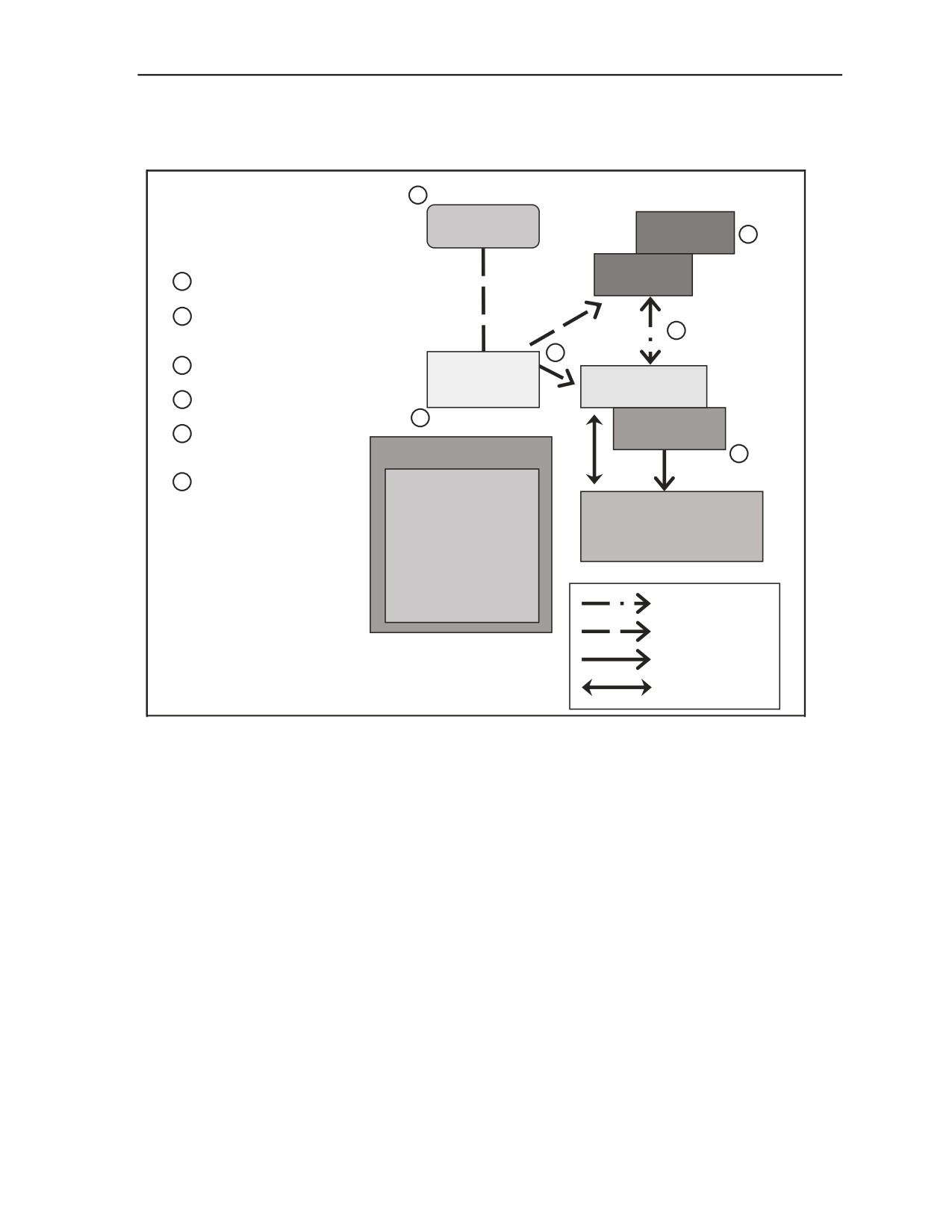
Figure A-1. Possible NIMS Framework
A-5
Figure A-2. Flow of Initial National-Level Incident Management Actions
A-7
Figure A-3. CBRN Incident Timeline
A-8
Figure A-4. CBRN Incident Response Model
A-9
Figure A-5. CBRN Incident Response Planning
A-10
Figure A-6. CBRN Incident Response Preparation
A-11
Figure A-7. CBRN Incident Response
A-12
Figure A-8. CBRN Incident Management
A-13
Figure A-9. Notification and Resource Activation Process for Domestic CBRN Events
A-21
Figure A-10. Site Management Operations
A-25
Figure B-1. MSA 4500 SCBA Rebreather
B-5
Figure B-2. 3M Power-Flow PAPR With FR 64 Cartridge
B-6
Figure B-3. JSLIST Ensemble
B-8
Figure B-4. DTAPS
B-8
Figure B-5. Level B TYCHEM Suit
B-9
Figure B-6. TYVEK F Suit
B-10
Figure B-7. Kleenguard Coveralls (Recycled Kleenguard Extra Suits)
B-10
Figure B-8. CPU
B-11
Figure B-9. JSB1GU Gloves
B-12
Figure B-10. Label for SERPACWA
B-13
Figure E-1. Sample TEO Memorandum
E-2
Figure E-2. Sample Trip Report for Air Escort
E-6
Figure E-3. Sample Trip Report for Ground Team Escort
E-10
Figure E-4. Sample Toxic Pickup Team Equipment Checklist
E-13
Figure E-5. Risk Assessment Matrix/Worksheet
E-18
Figure E-6. Aircraft Commander’s/Ship Captain’s Briefing
E-19
Figure E-7. Off-Post Mission Worksheet
E-20
Figure E-8. Mission Planning/Briefing Worksheet
E-24
Figure E-9. Sample Log
E-26
Figure E-10. Site Diagram
E-27
Figure E-11. Sample Label
E-28
Tables
Table 2-1. Sample FHP Checklist
2-13
Table 6-1. Surety Threshold Levels for Research, Development, Test, and Evaluation
Dilute Solutions
6-4
Table 6-2. Surety Threshold Levels for Neat Research Chemical Agents
6-4
Table 9-1. Initial Exclusion Areas
9-4
Table A-1. Suggested Frequency of Physiological Monitoring for Fit and Acclimatized
Workers
A-29
iv
FM 3-11.20
29 August 2007
Contents
Table B-1. PPE Recommendations
B-17
Table B-2. ANSI Requirements for Breathable Air
B-18
Table C-1. Occupational Exposure Limits
C-2
Table C-2. General Population Exposure Limits
C-3
Table C-3. AELs for Unprotected Personnel
C-4
Table C-4. AELs for Protected Workers
C-5
Table C-5. Exposure Limits for Industrial Chemicals Used as CWAs
C-6
Table C-6. MEG Limits
C-11
Table D-1. Preparation of Decontamination Solution Using HTH (6-Ounce Bottles)
D-3
Table D-2. Preparation of Decontamination Solution Using HTH (Granular)
D-3
Table D-3. Standard Military Decontaminants
D-7
Table D-4. Standard Expedient Decontaminants
D-11
Table D-5. Natural Decontaminants
D-19
29 August 2007
FM 3-11.20
v
Preface
Field Manual (FM) 3-11.20 provides doctrine for planning and conducting technical escort (TE) operations. It
describes—
• Mission analysis.
• Hazard and site characterization.
• Sampling.
• Monitoring.
• Mitigation.
• Decontamination.
• Disablement.
• Elimination.
• Munitions assessment.
• Emergency response.
• Sensitive-site exploitation (SSE).
This manual specifically targets TE battalion commanders and staffs and key agencies with the tools and
information necessary to plan and execute TE operations. It also provides reference information for chemical,
biological, radiological, and nuclear (CBRN) personnel.
FM 3-11.20 is to be used in conjunction with appropriate surety regulations and military and civilian
publications that govern the actions taken in dealing with CBRN hazards. Personnel who have not received
specialized training should not attempt to conduct the operations outlined in this manual, but should use this
manual as a reference for TE battalion capabilities.
This publication applies to the Active Army, the Army National Guard (ARNG), the Army National Guard of
the United States, and the United States (U.S.) Army Reserve unless otherwise stated.
The proponent for this publication is the U.S. Army Training and Doctrine Command (TRADOC). Send
comments and recommendations on Department of the Army (DA) Form 2028 (Recommended Changes to
Publications and Blank Forms) directly to Commandant, U.S. Army Chemical School, 464 MANSCEN Loop,
Suite 2617, ATTN: ATSN-TD, Fort Leonard Wood, Missouri 65473-8926.
Unless stated otherwise, masculine nouns or pronouns do not refer exclusively to men.
vi
FM 3-11.20
29 August 2007
Chapter 1
Employment Fundamentals
During deliberate and crisis action planning, leaders must conduct assessments that
analyze the impact of CBRN hazards during full-spectrum operations and various
courses of action
(COAs). TE battalions support military, civilian, and joint
operations across the full range of CBRN hazards—weapons of mass destruction
(WMD) and toxic industrial materials
(TIM). They integrate the Army’s six
warfighting functions with CBRN sense, CBRN shape, CBRN shield, and CBRN
sustain.
MISSION
1-1. TE battalions—
Deploy task-organized teams in the continental United States
(CONUS) and outside the
continental United States
(OCONUS) to conduct TE and CBRN hazard characterization,
monitoring, disablement, and elimination support operations.
Provide WMD and CBRN incident emergency response, homeland defense, and contingency
support operations to combatant commanders (CCDRs) and lead federal agencies (LFAs).
Provide site remediation and restoration support operations for the Department of Defense
(DOD).
1-2. The five TE battalion mission sets include—
Emergency response (see Chapter 4).
Remediation and restoration (see Chapter 5).
TE of CBRN material (see Chapter 6).
Technical CBRN support to COCOMs (see Chapter 7).
Homeland security (see Chapter 8).
ORGANIZATION
1-3. TE battalions are organized into CBRN teams and remediation and restoration teams (RRTs).
CBRN teams provide—
Support to joint task forces (JTFs) and CCDRs.
Forward employment in nonpermissive environments.
Complete unit core capabilities to supported elements.
Domestic crisis management support for chemical-biological (CB) devices
to the Federal Bureau of Investigation (FBI), DOD, and local responders.
CBRN advice, secure reach-back, CBRN assessment, and chemical
expertise to other emergency response teams worldwide.
RRTs are stewards of the environment. They provide—
Remediation and response for CBRN material to the Army Corps of
Engineers (COE), the product manager for nonstockpile chemical material,
the Environmental Protection Agency
(EPA), and state and local
governments.
Complete unit core capabilities to supported elements.
29 August 2007
FM 3-11.20
1-1
Chapter 1
CAPABILITIES
1-4. The core capabilities of TE battalions are—
Technical CBRN advice.
Sampling.
Detection.
Monitoring.
Limited decontamination.
Initial hazards mitigation.
Packaging.
TE.
Render-safe procedures (RSPs).
Elimination.
Disablement.
Presumptive analysis.
Munitions assessment.
Note. See Chapter 2 for detailed descriptions.
LIMITATIONS
1-5. TE battalions are limited in the following ways:
They cannot provide operational or thorough decontamination to other units; they can only
decontaminate their own equipment and the personnel used to support the assigned mission.
They cannot support obscuration operations.
They cannot provide complete explosive ordnance disposal (EOD) support to other units due to
the size of the EOD teams; they can only perform simple CBRN EOD render-safe missions.
There are special maintenance requirements for the commercial, off-the-shelf
(COTS)
equipment used by TE battalions. See Chapter 3 for external logistic support considerations.
Their limited transportation assets require coordination for operational support. See Chapter 2
for support requirements.
OPERATIONAL ENVIRONMENTS
1-6. CBRN teams function in the following types of operational environments (see Figure 1-1).
Permissive. Operations within permissive environments require little or no outside support.
Uncertain. Operations within uncertain environments require area security support.
Hostile. CBRN teams cannot perform missions in a hostile environment; they operate as a
support asset to a CCDR or force in such an environment.
CBRN hazard. CBRN teams conduct and support operations nationally and internationally
under certain operational environments.
CONUS. They provide emergency response and operational support
anywhere within CONUS.
OCONUS. They deploy overseas to support operations that require their
core capabilities.
Military-supporting. CBRN teams support DOD CCDRs and multinational forces under
certain operational environments.
1-2
FM 3-11.20
29 August 2007

Employment Fundamentals
Civilian-supporting. CBRN teams support federal, state, local, and host nation (HN) civil
authorities, as directed by the Joint Director of Military Support (JDOMS) or according to
standing response plans.
Hostile
Support asset to
CCDR
Security support
TE BN
required
CBRN Tm
Unilateral
operations
Permissive
Figure 1-1. Employment Within Operational Environments
ROLES AND RESPONSIBILITIES
1-7. The roles and responsibilities of TE battalions vary with the operation and the agency supported.
They are based on the core capabilities listed in paragraph 1-4.
1-8. Requests for support from TE battalions must be routed through appropriate approving authorities
prior to the support being provided. The approval route is determined by the origin of the request. Common
requests for TE battalion support are described below. For more information, see Joint Publication
(JP) 3-26.
DOD. TE battalions provide core capabilities in support of DOD agencies. Requests for support
are routed through JDOMS for validation and authorization. Emergency response situations may
require an initial vocal order
(VOCO) so that teams may respond while awaiting written
authorization.
Interagency. TE battalions provide support to various government agencies for special events,
emergency response, remediation and restoration projects, TE, and homeland defense. Requests
for support are routed through JDOMS for validation and authorization.
Multiservice. TE battalion teams follow CCDR orders when providing support that involves
more than one service. Requests for support are routed through operational channels.
Multinational. Requests for support from North Atlantic Treaty Organization (NATO) or other
allied forces are also processed through JDOMS for validation and authorization. Lines of
authority are coordinated and established through the validation process. CBRN teams follow
CCDR orders when providing support to a multinational operation.
29 August 2007
FM 3-11.20
1-3
This page is intentionally left blank.
Chapter 2
Planning and Operations
This chapter implements Standardization
Agreement (STANAG) 4359 and STANAG 4590.
This chapter outlines command and support relationships, core capabilities, planning
considerations, and operational phases of TE battalions. It also discusses requests for
support.
COMMAND RELATIONSHIP
2-1. Due to their mission, TE battalions use task-organized teams to support specific operations within
the range of their core capabilities. The teams—
Will not be assigned to other units for supported operations.
May be attached to other units for operational support, depending on the time frame that the
support is required.
May be placed under operational control (OPCON) in support of a mission for a specific amount
of time.
SUPPORT RELATIONSHIP
2-2. TE battalions may be required to support CONUS and OCONUS civil authorities following the use
of CBRN weapons or materials. Commanders must prepare an appropriate response to meet the full
spectrum of CBRN incidents (intentional or unintentional) to support civilian, HN, and military installation
recovery efforts. Support to civil authorities is to be provided according to applicable federal emergency
plans and is likely to require coordination and cooperation with agencies, organizations, and individuals
outside the military chain of command or direct control. Responding CBRN teams are normally under the
command and control (C2) of the senior DOD official on site.
2-3. TE battalions have unique support requirements for their missions and technical equipment. Much of
the equipment used consists of COTS items that have maintenance requirements which cannot usually be
provided by military maintenance personnel. Special equipment and maintenance requirements should be
identified and agreed upon with the supported agency prior to the support of an operation; failure to do so
could delay operational support. See Chapter 3 for the external logistic support requirements of a technical
CBRN unit.
DOMESTIC
2-4. The Department of Homeland Security (DHS) is the LFA for crisis and consequence management.
DOD support to DHS includes (1) identifying, assessing, dismantling, transferring, and disposing of a
contaminant and (2) conducting decontamination operations. Additionally, incidents involving CBRN
environments often require a response according to a specific federal emergency operations plan, such as
the National Response Plan (NRP), the National Oil and Hazardous Substances Pollution Contingency
Plan (commonly referred to as the National Contingency Plan
[NCP]; Title
40, Code of Federal
Regulations [CFR] 300), or the Federal Radiological Emergency Response Plan (FRERP). These plans
designate an LFA to coordinate the federal response, and the type of emergency determines the LFA. In
general, an LFA establishes operational structures and procedures to assemble and work with agencies
29 August 2007
FM 3-11.20
2-1
Chapter 2
providing direct support. (Appendix A lists the LFA for each of the emergency support functions [ESFs]
designated in the NRP.)
FOREIGN
2-5. The primary responsibility for managing and mitigating the effects of a foreign incident resides with
the HN government. When an HN government requests U.S. assistance, the Department of State (DOS)
serves as the LFA. DOD support could be a part of the U.S. response, and it is coordinated through the
appropriate chief of mission and country team. DOD assets are under the command of the applicable
geographic CCDR, and the resident chief of mission and country team coordinate all U.S. Government
(USG) support.
CORE CAPABILITIES
2-6. TE battalion core capabilities consist of—
Technical CBRN advice.
Sampling.
Detection.
Monitoring.
Limited decontamination.
Initial hazard mitigation.
Packaging.
Technical escort.
RSPs.
Elimination.
Disablement.
Presumptive analysis.
Munitions assessment.
TECHNICAL CHEMICAL, BIOLOGICAL, RADIOLOGICAL, AND NUCLEAR ADVICE
2-7. Team members can provide CBRN technical advice to support CCDRs, incident commanders (ICs),
and on-scene commanders by using real-time, reach-back capabilities. Information provided includes—
Physical characteristics of an agent and locations to which it may spread.
Packaging and transportation requirements.
Recommended level of PPE required to enter a contaminated area.
Appropriate decontaminants.
SAMPLING
2-8. Sampling is the process or technique of selecting, collecting, packaging, and documenting the
collection of CBRN material. Sampling team members take samples from munitions (which have been
rendered safe by EOD personnel), devices, materials, and the environment for laboratory analysis and
further identification. Correct techniques are critical for accuracy in the analysis of environmental samples
and medical specimens. The quality of an analytical evaluation is directly related to the quality of the
sample or specimen and the degree of postcollection degradation that occurs before testing. Sampling
procedures must comply with STANAG 4359 and STANAG 4590.
Sampling Terms of Reference
2-9. Sampling terminology is directly related to the source of the sample or specimen.
2-2
FM 3-11.20
29 August 2007
Planning and Operations
Environmental Sample
2-10. Environmental samples contain soil, plants, grass, water, or air. They may be collected by anyone
with the appropriate collection training and material.
Biomedical Sample
2-11. Biomedical specimens contain human or animal material (blood, urine, sputum, tissue). Only
medically trained individuals collect specimens. Each scenario, geographic region, population base, and
suspect agent affect the collection process and the type and amount of specimens required. During all
operations, express permission is required before collecting specimens from civilians because of religious
or sociological beliefs in many cultures. Some nations and religious groups do not permit the collection of
human components except by medical personnel and with the approval of the appropriate authority.
Obtaining such specimens without permission could result in unnecessary mission complications.
Toxic Industrial Material Sample
2-12. TIM samples contain hazardous material (HAZMAT) that is used in everyday activities; such as,
benzene, acids, chlorine, ammonia, medical waste, and radiological substances used in medical facilities
and industrial plants.
Presumptive Identification
2-13. Presumptive identification is the identification of a suspect biological warfare agent by means of
devices, materials, or technologies based on detecting biomarkers using a single methodology. The
accuracy of biomarkers and methodologies used at this level of testing are significantly limited. Agent
identification to species level or differentiation among a family of similar agents may not be possible (see
FM 1-02 and FM 4-02.7).
Field Confirmatory Identification
2-14. Field confirmatory identification is the identification of a suspect biological warfare agent by means
of devices, materials, or technologies that are based on detecting biomarkers using two or more
independent results (see FM 1-02 and FM 4-02.7).
Definitive Confirmatory Identification
2-15. Definitive confirmatory identification is the specific identification of a suspect biological agent as to
genus and species, serological type, or toxin. Identification at this level is by means of devices, materials,
and technologies that are based on two or more independent biomarker results and using different
methodologies. Highly skilled testing personnel with a broader variety of methodologies available perform
this level of identification in a reference laboratory, thus providing the highest level of accuracy (see
FM 1-02 and FM 4-02.7).
Medium
2-16. Laboratory analytical findings depend on sample material that can produce viable agent
presentations. Sample mediums include, but are not limited to—
Neat agent. A neat agent is the best medium for producing desired laboratory results.
Air and vapor. The collection of air and vapor requires specialized equipment.
Surface water. This includes samples of water, along with discolorations, oily films, and
floating debris. Samples may also be collected from a few inches below the water surface.
Soil. Most soil samples should be obtained from the top ½ inch, and the depth should be
identified on the documentation. The sample should include discolorations and liquids, if
present. Several small samples are better than one large sample.
Plants. Plant leaves coated with liquid agent provide the best medium.
29 August 2007
FM 3-11.20
2-3

Chapter 2
Grass. Grass clippings taken from open areas and at the drip line of overhead trees provide the
best source.
Weapon components. Weapon components can consist of container fragments or the entire
projectile. Authorized personnel must have rendered the projectile safe.
Paint scrapings. Paint scrapings near indentations in a painted surface produce the best
samples.
Swipes. Swipe samples are collected from smooth, nonporous surfaces. They should be taken by
using a cotton gauze pad to pick up traces of the contaminant.
Sediment. Sediment from containers and small impressions in the ground can produce viable
samples.
Waste. Waste such as used syringes, laboratory culture dishes, contaminated clothing, and
wastewater are viable sample sources.
Medical specimens. Blood, urine, sputum, nasal swabs, and tissue specimens are viable media.
Methodology
2-17. Sampling methodology is as varied as the type of samples and specimens to be collected. Procedures
are as simple as collecting soil or water samples using clean instruments and containers and as diverse as
collecting liver biopsies in a medical or forensic facility (see FM 3-11.19, FM 3-11.86, and FM 4-02.7).
Site Sketch
2-18. Sampling teams develop a site sketch (Figure 2-1) depicting the locations and types of specific
hazards. The sketch contains, at a minimum, the following information:
Hazard areas (cold zone, warm zone, hot zone, and minimum safe distances).
Site terrain.
Ingress and egress routes.
Site accessibility by vehicle and afoot.
Off-site populations or environments at risk.
Pertinent weather information (wind conditions, temperature, forecast).
D1
C1
C2
S1
Figure 2-1. Sample Site Sketch
2-4
FM 3-11.20
29 August 2007
Planning and Operations
Chain of Custody
2-19. The individual or unit collecting samples must begin the chain-of-custody documentation when the
samples are collected. The chain of custody is recorded on Department of Defense (DD) Form 1911
(Materiel Courier Receipt) or DA Form 4137 (Evidence/Property Custody Form) (see FM 3-11.86.)
Transfer Procedures
2-20. When the samples or specimens are transferred from one individual to another, the receiving
individual signs the chain-of-custody document. This process continues until the samples are delivered to
the final destination laboratory. The final destination laboratory forwards the document with definitive
identification of the suspect agent or material to the appropriate authorities for analysis and decision
making.
Coordination with Confirmatory Laboratory
2-21. To ensure that samples or specimens are delivered to an appropriate confirmatory
laboratory, coordination should occur as the field laboratory mission is being established. An
OCONUS confirmatory laboratory may be a U.S. Army area medical laboratory, a Navy environmental
and preventive medicine unit, an HN laboratory, or a coalition force laboratory. A CONUS laboratory may
be a local, state, or federal laboratory. In CONUS, confirmatory testing of biological threat agents
is usually done via the laboratory response network (LRN), including many DOD LRN reference and
national laboratories. The confirmatory laboratory should have, at a minimum, Biosafety Level 3 (BSL 3)
containment. The appropriate authority (theater commander, area of operation [AO] commander, country
team, or FBI) designates the confirmatory laboratory.
DETECTION
2-22. Detection team members can perform presumptive identification for various CBRN materials.
Technological advances in detection equipment occur at such a pace that it is not prudent to list the
detection equipment currently used by the teams. While CBRN teams use military detection equipment,
most of their detection equipment consists of COTS items that detect CBRN material at a lower level than
military standard detection equipment. Unit standing operating procedures (SOPs) and equipment user
manuals should be used to identify maintenance and operational procedures for the equipment on hand.
MONITORING
2-23. Unit monitoring equipment includes highly sensitive monitors that detect specific CBRN agents in
near real time at levels far below that deemed harmful by the Surgeon General. Monitoring technology—
like detection technology—changes frequently, so the unit must ensure that equipment is available to
provide the best results possible. Unit SOPs and equipment user manuals should be used to identify
maintenance and operational procedures for the equipment on hand.
LIMITED DECONTAMINATION
2-24. CBRN teams provide decontamination for their equipment and team members. They do not provide
decontamination for other unit equipment, personnel, or terrain.
INITIAL HAZARD MITIGATION
2-25. CBRN teams are trained to mitigate initial CBRN hazards for the purpose of limiting or containing
the spread of contamination from the source.
29 August 2007
FM 3-11.20
2-5
Chapter 2
PACKAGING
2-26. CBRN teams are trained to package and seal CBRN material for transportation within the guidelines
of 49 CFR .
TECHNICAL ESCORT
2-27. CBRN units have personnel trained and certified to accompany shipments of surety and nonsurety
CBRN material. They can safely transport and secure items while maintaining the chain of custody and
integrity of the items.
RENDER-SAFE PROCEDURES
2-28. EOD-trained personnel assigned to CBRN units perform RSPs on CBRN munitions to ensure safe
handling prior to mitigation.
ELIMINATION
2-29. CBRN team personnel safely dispose of munitions, devices, and agents with reliable techniques,
equipment, and decontaminants. These procedures render the material ineffective, hindering its use by
enemy forces.
DISABLEMENT
2-30. CBRN team personnel are trained to perform disablement operations on potential CBRN
manufacturing facilities, rendering them inoperable for enemy use. Higher headquarters (HQ) determines
the length of time that a facility or process is disabled.
PRESUMPTIVE ANALYSIS
2-31. CBRN teams perform presumptive CBRN analysis based on information gathered from an incident
and provide the supported command with information necessary to protect personnel.
MUNITIONS ASSESSMENT
2-32. Chemical and EOD personnel assigned to technical CBRN units assess suspect CBRN munitions and
provide information regarding disposition.
PERSONNEL TRAINING REQUIREMENTS
2-33. TE unit personnel receive unique civil and military training in order to perform their individual and
unit missions.
QUALIFICATIONS
2-34. Personnel assigned to a TE unit must be qualified in—
Technical escort.
Hazardous waste operations.
HAZMAT.
HAZMAT transportation.
Confined-space rescue.
Technical Escort
2-35. Since their duties require close contact with CBRN materials, personnel assigned to a technical
CBRN unit must obtain the additional skill identifier (ASI) L3.
2-6
FM 3-11.20
29 August 2007
Planning and Operations
Hazardous Waste Operations
2-36. An initial 40 hours of hazardous waste operations training and 8 hours of refresher training each year
are required to maintain the hazardous waste operations qualification, which is mandatory for personnel
working at remediation sites. The training must be done according to 29 CFR 1910.120(e).
Hazardous Material
2-37. HAZMAT training is required for all personnel on emergency response operations for releases of, or
substantial threats of releases of, hazardous substances without regard to the location of the hazard. The
training must be conducted according to 29 CFR 1910.120(q). At a minimum, HAZMAT technicians must
receive 24 hours of initial training and have competency in the following areas:
Emergency response procedures contained in the unit SOP.
The use of organic field survey instruments and equipment to classify, identify, and verify
known and unknown materials.
Ability to function within an assigned role in the Incident Command System (ICS).
The selection and use of proper specialized chemical personal protective equipment (PPE).
Hazard and risk assessment techniques.
Advance control, containment, and confinement operations, based on the resources and PPE
available to the unit.
Decontamination procedures.
Termination procedures.
Basic chemical and toxicological terminology and behavior.
They must also complete refresher training of sufficient content and duration to maintain their
competencies or demonstrate competency in these areas at least annually.
Hazardous Material Transportation
2-38. The 2-week Defense Packaging of HAZMAT for Transportation training course focuses on the
regulatory requirements for properly transporting HAZMAT using any mode of transportation. The course
also qualifies personnel to prepare HAZMAT for shipment. A biannual, 1-week refresher is required to
maintain this qualification (29 CFR 1910.120).
Confined-Space Rescue
2-39. Due to the likelihood of operations in confined spaces, as defined in 29 CFR 1910.146(b), personnel
must receive the training specified in 29 CFR 1910.146 and National Fire Protection Association (NFPA)
1006. Rescue teams must be trained according to 29 CFR 1910.146(k)(2).
CERTIFICATIONS
2-40. In addition to training requirements, TE personnel are required to complete regulatory certification.
Chemical Personnel Reliability Program
2-41. Army Regulation (AR) 50-6, Chapter 2, establishes the Chemical Personnel Reliability Program
(CPRP). The CPRP ensures that each person who performs duties involving surety chemical agents meets
the highest possible standards of reliability. Reliability is determined through initial and continuing
evaluations of individuals assigned to CPRP duties.
Equipment Certification
2-42. Any analytical or assessment equipment certification deemed necessary by the manufacturer of the
equipment or the unit requiring the training is to be conducted according to manufacturer specifications
and the unit SOP.
29 August 2007
FM 3-11.20
2-7
Chapter 2
REQUESTS FOR SUPPORT
2-43. TE support missions must be consistent with policy, regulatory guidance, and unit procedures.
TECHNICAL ESCORT
2-44. All movement of surety material must be conducted according to AR 50-6. The Edgewood Chemical
and Biological Center (ECBC) Surety Office is the primary contact for requests to move chemical surety
material. The Surety Office coordinates with the technical CBRN headquarters for TE team availability.
The TE battalion then coordinates the movement with all participating agencies.
2-45. The Chemical Materials Agency (CMA) coordinates with the TE battalion to move stockpile and
nonstockpile munitions or agents for analysis. Due to the frequency of movement requirements, the Army
Materiel Command (AMC) authorizes direct coordination of movements between the TE battalion and the
U.S. Army Research Development and Engineering Command. Requests should be submitted at least 14
days prior to the requested transport date for domestic escorts and 60 days in advance for overseas escorts.
HAZARDOUS MATERIAL ESCORT
2-46. HAZMAT transported by TE battalion personnel must be moved according to all appropriate
military and federal regulations, including 49 CFR.
CHEMICAL, BIOLOGICAL, RADIOLOGICAL, AND NUCLEAR RESPONSE
2-47. TE battalions are usually asked to respond anytime chemicals are found. When chemical warfare
materiel (CWM) is recovered during a response, TE battalions coordinate with the CMA. When the
response is for munitions, EOD personnel respond first. If the EOD team suspects that the munitions are
CB, it requests support from a TE battalion through the 20th Support Command (SUPCOM).
2-48. Requests for CBRN teams to respond to locations off an installation are directed through the Joint
Forces Command (JFCOM). JFCOM validates the need for response and then, if appropriate, authorizes
the TE battalion to respond.
REMEDIATION PROJECTS
2-49. Remediation projects result from recovered CWM (RCWM) and work required by the CMA. RRTs
work with the COE and CMA during remediation projects. All recovered CWM found at formerly used
defense sites (FUDS) must be transported by TE teams.
COMBATANT COMMANDER SUPPORT
2-50. JFCOM is the approving authority for TE battalion support to CCDRs. Requests should identify
which TE battalion core capabilities are required. Support provided to the U.S. Special Operations
Command is identified in the standing concept plan with the TE battalion.
MISSION TASKINGS
2-51. DOD organizations request support through JDOMS, who validates the request with the
20th SUPCOM (Chemical, Biological, Radiological, Nuclear, and High-Yield Explosives [CBRNE]) and
subordinate TE battalions. JDOMS then authorizes the deployment, if appropriate, with a fund cite and an
executive order.
2-52. Other organizations request support through DOD channels. DOD provides assistance upon a
validated request from the LFA. The commanders of the U.S. Northern Command (NORTHCOM) and the
U.S. Pacific Command (PACOM) serve as supported commanders within their areas of responsibility
(AORs) for CBRNE consequence management activities. For large CBRNE consequence management
events within CONUS, NORTHCOM may deploy JTF-Civil Support, which exercises OPCON over
designated DOD forces. The Defense Coordinating Office is the single point of contact in the Joint Field
2-8
FM 3-11.20
29 August 2007
Planning and Operations
Office for requests for DOD assistance, and the requests should be processed according to the NRP
(Figure 2-2).
1
LFA
SecDef
5
ASD (HD)
1
LFA initiates RFA
2
RFA sent to DOD executive
secretary for assessment
4
3
3
RFA sent to ASD (HD)/JDOMS
Executive
secretary
JDOMS
4
JDOMS processes order
2
SecDef, with ASD (HD),
Orders
5
approves order
Evaluation Criteria
6
6
JDOMS issues order
Legality
Lethality
CCDRs
Risk
Services/agencies
Cost
Readiness
Appropriateness
Coordination/
approval
RFA
Order
Information
Figure 2-2. Request for Assistance (DOD is not the LFA)
OPERATIONAL PHASES
2-53. There are five operational phases for TE unit missions (Figure 2-3, page 2-10). They are—
Preincident.
Alert.
Deploy.
Response.
Postincident.
29 August 2007
FM 3-11.20
2-9

Chapter 2
CBRN
incident
Figure 2-3. Operational Phases
PREINCIDENT
2-54. During the preincident phase, the TE battalion conducts planning, training, maintenance, and
exercises to prepare for operations. Commanders ensure that—
Actions are based on the mission and support the decision-making process.
Missions, taskings, priorities, and command or support relationships are established and
coordinated.
Personnel are trained, certified, and evaluated for all operations they perform.
Equipment checks and services are complete and equipment is ready to use.
All consumables required for missions are stocked to a level that renders equipment serviceable.
All personnel have a predeployment health threat briefing and a completed DD Form 2795
(Predeployment Health Assessment).
ALERT
2-55. The alert phase includes specific actions needed to notify commanders and the primary staff of a
potential deployment, such as—
Personnel are notified to report to the unit HQ for mission instructions and preparations.
The accountability of all required personnel and equipment is identified.
The CBRN or RRT team leader is assigned a mission.
Equipment and supplies are checked and verified.
DEPLOY
2-56. During the deploy phase, the CBRN or RRT team receives a deployment order and deploys to its
designated location. When deploying for an emergency response, the CBRN team reports to the incident
site and the team leader coordinates with the IC for support. When deploying for support, the CBRN team
2-10
FM 3-11.20
29 August 2007
Planning and Operations
leader reports to the supported commander. Follow-on directives are given by either the TE battalion or the
combatant commander to which the team is attached.
RESPONSE
2-57. During the response phase, tasks may range from technical CBRN advice to disablement and
elimination operations. The team provides advice, assistance, and assessment support; executes reach-back
capabilities; and receives updates on priorities and missions through the supported unit. Follow-on CBRN
or RRT team missions may be directed by higher HQ.
POSTINCIDENT
2-58. During the postincident phase—
Redeployment to the home station is conducted.
Personnel receive medical treatment as necessary.
Equipment is recovered and scheduled maintenance procedures are performed.
After-action reviews (AARs) are conducted to identify lessons learned and improve future
operations.
PLANNING CONSIDERATIONS
2-59. Key planning considerations for TE operations include—
Administrative.
Equipment acquisition and certification.
Intelligence.
Operational.
Logistics.
Health requirements and services.
Communications.
Supporting technologies.
Safety.
Security.
Public affairs.
ADMINISTRATIVE
2-60. Personnel training, qualification, and certification requirements for operations conducted by the TE
unit on a CBRN team or RRT need to be completed before the mission begins. Regulatory and internal
training and certifications must be monitored to ensure that unit personnel are qualified to participate in
certain missions. The battalion operations section ensures that all required individual training and
certifications are properly documented and up to date.
EQUIPMENT ACQUISITION AND CERTIFICATION
2-61. Advancing technology provides more effective equipment for operational use. It takes time to
acquire and validate new equipment before it can be used for missions. Once the new equipment is
approved for acquisition, training and certification for the user must be completed before implementation
in an operational environment.
INTELLIGENCE
2-62. Gathering pertinent and valuable information to conduct an operation is essential for a TE battalion.
Information obtained before arriving on the scene better prepares the CBRN or RRT team for its mission.
Basic information is required when deploying to a CBRN incident. Weather conditions affect the
29 August 2007
FM 3-11.20
2-11
Chapter 2
contaminated area and the avenues of approach (AAs), so knowing the location of the contamination and
the current weather conditions enables the team to safely approach the site and set up in a clean area.
Operations in a hostile environment require knowledge of the enemy, friendly forces, security forces, and
the surroundings.
OPERATIONAL
2-63. The established command and support relationships must be understood because they impact several
factors, such as reporting and logistics. Transportation for technical CBRN teams must be planned well in
advance so that operations are not hindered. Environmental considerations for the AO and the type of
mission need to be considered to ensure compliance. The cost of consumables must always be deliberately
planned.
LOGISTICS
2-64. CBRN and RRT teams must have backup sets of PPE when conducting operations in CBRN
environments because the limitations of air supply and filter saturation can prohibit mission
accomplishment with one entry. A dry decontamination mixture is not as effective as a wet one, so access
to a water source is beneficial.
HEALTH REQUIREMENTS AND SERVICES
2-65. Health requirements and the provisions of force health protection (FHP) for unit personnel must
always be included in operational planning. Table 2-1 provides a sample FHP checklist (see FM 4-02.7 and
FM 8-55).
2-66. Individuals responding to events such as CBRN incidents, leaking weapons, and radioactive material
must meet strict health requirements. The individual must be able to assume full mission-oriented
protective posture (MOPP) and Level A and B protection without causing a major health risk. Individuals
suffering respiratory problems, high blood pressure, previous heat stroke, elevated body temperatures, or
other physical or medical degrading conditions should not assume Level A or B protection (see FM 8-500).
2-67. Individuals responding to a radiological incident must also consider the hazards of the radioactivity.
Plans must be made to limit the time an individual is allowed in the radioactive area or is exposed to
radiation (see FM 3-11.4, FM 3-11.22, and FM 4-02.7).
2-68. Provisions for FHP must also be planned. Since TE battalions do not have organic FHP and CBRN
and RRT teams respond without full support in the response area, FHP must be obtained by area support
(see FM 4-02, FM 4-02.1, FM 4-02.4, FM 4-02.6, FM 4-02.7, FM 4-02.10, FM 4-02.18, and FM 4-02.24).
COMMUNICATIONS
2-69. Communication between the downrange team and the command post is an essential part of an
operation. The lack of communication can be a reason to abort the mission for the safety of the team
members in the hot zone. Proper maintenance and frequent communications checks ensure that
communications equipment is readily available for future missions. Backup communications should be
available in the event that one of the mission radios becomes inoperable. When supporting other agencies,
the compatibility of communications equipment should be ensured. If the equipment is incompatible,
interaction with the supported agency is not possible.
SUPPORTING TECHNOLOGIES
2-70. Technology and technological systems provide supporting capabilities essential to implementing and
continuously refining TE battalion operations. Such technologies include voice and data communications,
information management, and data display systems. Also included are specialized technologies that
facilitate ongoing operations and incident management activities in situations that call for unique
technology-based capabilities.
2-12
FM 3-11.20
29 August 2007
Planning and Operations
Table 2-1. Sample FHP Checklist
FHP asset
Required services
Available
Preventive medicine
Water supply monitoring/sampling
services
Medical surveillance
Occupational environmental health/food service facility
surveillance
Veterinary services
Food surveillance and sampling
Government-owned animal care and specimen
collection
Combat and operational
Monitoring of response personnel
stress control
Monitoring of casualties
Debriefing of response personnel
Medical treatment
Care for TE battalion personnel/victims
Supervision of patient decontamination
Collection of medical specimens
Preparation of patients for evacuation
Medical evacuation
Evacuation of patients from incident sites to supporting
MTFs
Medical logistics
General medical logistic support to FHP personnel
Provision of medical supplies for CBRN team sample
collection kits
Hospitalization
Hospitalization support for TE battalion personnel
Hospitalization for incident patients
Medical laboratory
Medical laboratory support for in-theater/response area
support
confirmatory identification of suspect CBRN
samples/specimens
SAFETY
2-71. The risk management process provides leaders and individuals with a method with which to identify
the optimum COA. Risk management must be fully integrated into planning, preparation, and execution.
2-72. The first priority during a CBRN incident is personnel safety. The minimum amount of personnel
necessary to accomplish the mission should always be used. A risk assessment provides enhanced
awareness and understanding of the situation; therefore, a risk assessment should be conducted for each
operation and updated as the situation changes (see FM 3-100.12).
2-73. A site safety and health plan must be kept on site. The plan addresses the safety and health hazards
of each phase of the operation and includes the requirements and procedures for personnel protection (see
29 CFR 1910.120).
SECURITY
2-74. Prevention and protection are the two primary concerns of physical security. Both apply to the
security of people, equipment, and property. These interests must be supported at all staff and command
levels; and this support must be unified in joint, multinational, and interagency operations
(see
FM 3-19.30).
2-75. All personnel (regardless of rank, grade, title, or position) have a personal, individual, and official
responsibility to safeguard information. This responsibility cannot be waived, delegated, or in any other
respect, excused (see AR 380-5).
29 August 2007
FM 3-11.20
2-13
Chapter 2
PUBLIC AFFAIRS
2-76. Public affairs fulfills the Army’s obligation to keep the American people and the Army informed and
helps establish the conditions that lead to confidence in the Army and its readiness to conduct operations.
The primary public affairs functional areas are command information, public information, and community
relations.
2-77. Although prompt action is essential in coping with any accident or incident, the importance is
magnified with CBRN accidents and incidents. The public is entitled to all unclassified information
concerning an accident when regulations, directives, or instructions allow such release. Furnishing
information to the public in a positive manner is in the national interest and is a command function (see
AR 360-1).
2-14
FM 3-11.20
29 August 2007
Chapter 3
External Logistic Support
This chapter addresses the unique support considerations for units requesting support
from a TE battalion.
MAINTENANCE
3-1. TE battalions require maintenance support for—
Respiratory protection equipment.
Detection and monitoring equipment.
Assessment equipment.
Decontamination equipment.
Consumables.
Respiratory protection equipment.
RESPIRATORY PROTECTION EQUIPMENT
3-2. There are specific maintenance requirements for the COTS respiratory protection equipment utilized
by technical CBRN teams. The self-contained breathing apparatus (SCBA) is an open-circuit breathing
system that uses Grade D or better compressed air as breathing air. SCBA air bottles last 20 to 60 minutes,
depending on the bottle capacity, user, weather conditions, and work intensity. The SCBA system requires
a means to refill the air bottles to remain operable. While TE battalions are able to refill air bottles on site,
this capability may not be available to all teams. In these cases, the supported units must make
arrangements for refilling SCBA bottles.
DETECTION AND MONITORING EQUIPMENT
3-3. There are specific maintenance requirements for COTS detection and monitoring equipment to
remain operable. Identifying those requirements through manufacturer operations and maintenance
manuals is imperative.
ASSESSMENT EQUIPMENT
3-4. There are specific maintenance requirements for COTS assessment equipment. Identifying those
requirements through manufacturer operations and maintenance manuals is imperative.
DECONTAMINATION EQUIPMENT
3-5. The resupply of decontaminants must be addressed in the planning stages of an operation. Special
transportation documentation and requirements may be necessary.
CONSUMABLES
3-6. Some items are designed for a single use and cannot be used for follow-on missions. Determining
the mission load and estimating the maximum consumable products required help increase efficiency.
29 August 2007
FM 3-11.20
3-1
Chapter 3
TRANSPORTATION
3-7. TE battalions may require transportation support as follows:
Air. Air transportation is coordinated through the Air Mobility Command.
Ground. While TE battalions have organic ground transportation, mission requirements may
overload their available assets. In addition, coordination with the HN for the movement of
International Organization for Standardization or container express containers may be required.
CONTRACTOR LOGISTIC SUPPORT
3-8. TE battalions require contractor logistic support (CLS) as an integrated element of their support and
deployment package.
PRINCIPLES
3-9. The use of CLS for military operations must be executable from operational and logistic
perspectives. The following principles provide a framework for the use of CLS:
Risk assessment. Commanders must assess risk, evaluate factors (such as the impact of the
threat on contractor safety), and determine where CLS can safely operate. The survival training
and equipment required during the mission must be identified.
Force structure augmentation. CLS is an integral support requirement for technical CBRN
units. It provides a force structure augmentation that may not be part of military core
capabilities; for example, a military unit may not be available to perform the required
maintenance on COTS equipment.
Mission, enemy, terrain and weather, troops and support available, time available, and
civil considerations (METT-TC). METT-TC factors help determine when and where to use
CLS. For example, a commander must consider the time required for CLS to repair a component
using a centrally located facility.
Integrated planning. CLS leaders must participate in the logistic planning process, and CLS
representatives must be present at planning sessions. CLS representatives can provide useful
input on the logistic feasibility of COAs and the preparation of administrative and logistic
annexes.
Customer support. Links between the technical CBRN team and CLS must not place additional
burdens or requirements on the supported unit. CLS can use whatever internal systems or
procedures they choose; however, they must use military systems and procedures when
interfacing with the military.
International agreements. International agreements and HN laws that apply to the AO directly
affect the use of CLS. The use of CLS may incur legal obligations to the HN (customs, taxes,
vehicle registration and licensing, communications, support, passports or restrictions, and inter-
or intracountry travel). These agreements must be considered when preparing contracts,
operation plans (OPLANs), and operation orders (OPORDs).
Habitual relationships. A habitual relationship is a long-term relationship between CLS and
the technical CBRN team. The nature of this relationship is established through the terms and
conditions of a contract and extends beyond that of the organization, to include the individual
contractor, employee, and supported unit.
PLANNING CONSIDERATIONS
3-10. Planning for CLS support is integral to any operation, and it involves several critical decisions
concerning the integration of CLS capabilities. Key CLS planning considerations are as follows:
Responsibilities. Unit planning responsibilities ensure that the right resources are deployed to
support a mission.
3-2
FM 3-11.20
29 August 2007
External Logistic Support
OPLAN. The combat service support (CSS) section of the OPLAN addresses the use and
employment of CLS. The level of detail in the OPLAN varies depending on the level of
command.
Risk assessment. Risk assessment evaluates the ability of CLS to support missions during the
transition from peace to conflict. As mission requirements increase, CLS must still respond with
the same required support.
Responsiveness of support. The nature of the operational environment (for example, operations
in multiple AOs and theaters of operation [TOs]) may require CLS to support deployed assets;
however, uninterrupted sustainment support is still required. CLS must be prepared to task-
organize its assets to meet unanticipated requirements.
Transition from peace to war. The risk of using CLS during peacetime is normally low,
increasing as operations transition from peace to war. The supported force must protect CLS
personnel in hostile areas, and the CLS contractor and his employees must be trained and ready
to operate and survive in a CBRN environment.
Communication. The CLS contract describes the scope of CLS support. The contractor is not
legally obligated to meet any requirement that is not in the contract. Without a requirement
specified in the contract, the government has no basis for directing or requiring any contractor
action. All requirements for CLS are communicated to the contractor through the contract.
Coordination. The supporting and gaining combatant commands, the technical CBRN unit, and
the CLS contractor plan in coordination. CLS planning and coordination must address the
responsibility of the chain of command to feed, house, and protect contractor employees
operating on the battlefield. It must also include predeployment training and integrated, time-
phased force deployment planning. Effective coordination and deployment planning ensures that
deploying CLS teams receive advance notification of deployment and time to prepare for
movement.
Task monitor. Within the scope of the existing contract, the major command contracting office
should appoint a CLS task monitor. The appointed task monitor must be familiar with CLS
operations and technical CBRN operations. An appointment letter outlines the task monitor’s
responsibilities.
Attachment. CLS must be attached to a military support element for life support and personnel
accountability. For example, a logistic support element coordinates life support services for CLS
personnel, but the element may not be within the AOR initially. In its absence, a designated unit
or HQ element coordinates the life support effort. An HN, another service, or another Army unit
could also furnish actual life support services.
EMPLOYMENT CONSIDERATIONS
3-11. The following are key employment considerations:
Obtaining information on the safety zone requirements. The safety zone is a force protection
control measure for CLS operations. The boundaries are determined by the CCDR based on
threat and mission considerations.
Locating CLS near the technical CBRN C2 element.
Informing the gaining command of CLS facility requirements and conducting coordination to
ensure that required assets are furnished.
Locating CLS near main supply routes, airfields, or ports of debarkation (air or sea) to facilitate
the movement of supplies and equipment.
Recognizing the requirement for permits or authorizations to move CLS teams across
international borders.
RESPONSIBILITIES
3-12. Managing and maintaining visibility over CLS requires the involvement of commanders and their
staffs at all levels. In planning and execution, responsibilities or the integration of CLS range from the
29 August 2007
FM 3-11.20
3-3
Chapter 3
strategic to the tactical level. It is necessary to ensure that CLS is integrated into the decision-making
process.
Combatant Commander
3-13. The supporting CCDR responsibilities include—
Providing contracting office support for the CLS effort.
Validating force requirements to support an OPLAN.
Ensuring that the OPLAN addresses CLS requirements.
Preparing forces for commitment in support of OPLAN execution.
Coordinating movement with and deploying forces as scheduled by the U.S. Transportation
Command.
Coordinating deployment changes with the supported CCDR and the U.S. Transportation
Command.
Coordinating and supporting deployment requirements for technical CBRN units and CLS
assets.
Notifying the CLS contracting office of deployment requirements.
Installation
3-14. Installation responsibilities include supporting personnel, medical, logistic, and deployment
operations.
Deployment. An installation may be designated as a mobilization station and aerial port of
embarkation. Its primary responsibilities are to receive, house, command, support, share assets
with, train, validate, and deploy units and CLS. The installation staff physically processes
military units and supporting CLS elements for deployment according to the installation
readiness SOP.
Other. Other support includes conducting military and civilian readiness processing
verification. This procedure can include medical and dental processing, chemical defense
equipment issue, individual equipment issue, and organizational clothing issue. The installation
transportation office may—
Provide guidance and help units prepare, maintain, and execute movement
plans.
Coordinate and monitor unit movement.
Provide assistance to units within or traversing the installation support area.
Coordinate commercial transportation support.
Prepare movement reports.
Process convoy clearances and special hauling permits.
Approve unit movement plans and associated data.
Continental United States Replacement Center
3-15. A CONUS replacement center—
Receives, processes, trains, equips, validates, and deploys reserve Soldiers and contractor
employees and provides theater-specific equipment.
Coordinates equipping, transporting, training, validating, and staging personnel for movement to
a TO.
Becomes a CONUS demobilization center upon redeployment.
Certifies Soldier and civilian contractor readiness processing qualifications.
Coordinates installation processing requirements, when needed.
Coordinates the equipping of military personnel, government civilians, and
contractor employees.
3-4
FM 3-11.20
29 August 2007
External Logistic Support
Coordinates theater-specific briefings and training requirements.
Coordinates movement around the installation and to the port of
embarkation.
Creates and provides manifests.
Coordinates outprocessing procedures.
Supported Geographic Combatant Commander
3-16. The supported geographic CCDR—
Prepares an OPLAN that addresses CLS requirements. It includes time-phased force and
deployment data (for technical CBRN and CLS assets), non-unit-related cargo and personnel
data, and movement data.
Provides facilities to support CLS requirements.
Requests CLS assets.
Approves time-phased force and deployment list requirements for the technical CBRN unit and
supporting CLS assets.
Ensures the reception, staging, onward movement, and integration of CLS assets.
Service Component Command
3-17. The service component command—
Develops the time-phased force and deployment data.
Develops supporting plans for OPLANs.
Ensures that supporting plans are consistent with the unified command OPLAN.
Trains and prepares assigned forces for deployment.
Maintains accurate unit movement data for assigned units.
Prescribes procedures, requirements, and responsibilities for deployment planning and
execution.
Coordinates deployment activities as scheduled by the U.S. Transportation Command.
Receives and supports forces deployed to the AO.
Senior Theater Logistics Command
3-18. The senior theater logistics command performs the following functions, which are not related to
contract compliance:
Synchronizes logistic and support operations.
Integrates CLS into the overall support structure.
Assumes responsibility for the visibility of CLS elements in the theater.
Maintains visibility over who is in the theater, what support functions they are performing, when
they are providing support, and where they are operating.
United States Transportation Command
3-19. The major transporter of CLS equipment and supplies is the U.S. Transportation Command and its
transportation component commands—Military Traffic Management Command, Military Sealift
Command, and AMC. The U.S. Transportation Command—
Provides strategic air, land, and sea transportation.
Provides centralized global transportation management to ensure in-transit asset visibility.
Transports CLS personnel and equipment.
Furnishes transportation assets for the resupply of consumables and replacement personnel.
Transports CLS assets between AORs.
29 August 2007
FM 3-11.20
3-5
Chapter 3
Contractor Logistic Support Program Manager and Team
3-20. The CLS program manager supervises CLS team activities and ensures that CLS elements are ready
to support technical CBRN unit requirements. The CLS team—
Provides CLS planning.
Provides CLS load planning data.
Establishes work priorities.
Reviews work and supply requests.
Ensures that CLS team personnel remain ready for deployment (for example, monitors training,
medical, and dental requirements).
Contracting Office Representative or Task Monitor
3-21. The contracting office representative (COR) or task monitor assists in the technical monitoring and
administration of a contract. He is the supported unit’s link to the contractor. The COR or task monitor is
designated, in writing, to perform the duties and responsibilities delegated by the contracting office.
3-22. The COR or task monitor and the administrative officer’s representative are given specific duties and
responsibilities that are delegated, in writing, by the contracting office. Typically, a COR—
Maintains liaison and direct communication with the contractor and the contracting office.
Monitors contractor performance and notifies the contracting office of deficiencies.
Recommends appropriate corrective action.
Verifies that the contractor has performed the technical and managerial requirements of the
contract.
Performs all necessary inspections.
Verifies that the contracting office has corrected all deficiencies.
Accepts supplies and services.
3-23. Although the COR provides a vital link between the military and the contractor, there are limits to
his authority. The COR, task monitor, and administrative officer’s representative are prohibited from—
Making an agreement with the contracting office that requires the obligation of public funds.
Making commitments or changes that affect price, quality, quantity, delivery, or other terms and
conditions of the contract.
Discouraging the contracting office from undertaking new work.
Extending existing work beyond the contract period by words, actions, or failure to act.
Authorizing a contractor to obtain property for use under a contract.
Interfering with the contractor’s management by supervising contractor employees or otherwise
directing their work efforts.
Modifying the tour of duty or hours.
3-24. The task monitor—
Monitors contractor performance.
Notifies the COR of deficiencies observed.
Makes recommendations for corrective action.
Receives feedback from technical CBRN and CLS leaders on sustainment operations.
Coordinates with the contractor on changes in contract requirements as directed by the
contracting office or the COR.
TEAM ASSESSMENT
3-25. CLS teams must be responsive to short-notice deployment requirements. The contracting office or
COR may assess the preparedness of CLS to respond.
3-6
FM 3-11.20
29 August 2007
External Logistic Support
3-26. Upon notification to deploy, negotiation between the CLS contractor and the contracting office
results in an agreement or certification that the contractor fulfill the requisite contractual requirements.
Additionally, the COR receives reports or assessments from task monitors on the CLS team’s preparation
for deployment. The task monitor coordinates with units such as the on-site CLS team, the technical CBRN
team, and applicable installation level points of contact (POCs). The following are examples of key
information that the task monitor may report during deployment processing:
Satisfactory completion of readiness processing by CLS personnel, to include required training.
Results of CLS vehicle technical inspections.
Receipt of required organizational clothing and equipment.
Packing of specified line replacement units, consumables, spare parts, and other necessary items.
Responsiveness of CLS.
CONTROL
3-27. Planning for CLS addresses the military responsibility to feed, house, equip, and protect contractor
employees operating on the battlefield. It also includes predeployment training and time-phased, force
deployment planning. Overall, the CLS planning effort must address the following:
C2. When coordinating CLS, the contract addresses the relationship between the CLS team and
the support of the CLS team as a system contractor to the military. This is a crucial point since
commanders cannot order contractors to provide services; they must use the COR to direct work
within the scope of the existing contract. Additionally, the government CLS contracting office
can appoint, in writing, a military unit commander or his designated representative as a task
monitor. The task monitor has the authority to monitor CLS operations. He provides general
guidance and furnishes missions and priorities to the supporting CLS team. The appointed task
monitor should be familiar with CBRN CLS operations.
Deployment. Deploying CLS teams require early notification of deployment to allow adequate
preparation time for movement to become an integral part of the deployment package.
Location. Determining the location of a CLS team on the battlefield requires the consideration
of several factors, including—
Geographical limits of the contractor safety zone and physical security
requirements. The safety zone is a force protection control measure for CLS
operations. The boundaries are determined by the CCDR, based on threat
and mission considerations.
The location of CLS teams near the technical CBRN asset for
responsiveness, access to communications and logistic information, and
daily coordination.
The location of CLS teams near main supply routes or points of debarkation
(air or sea) to expedite the receipt or transport of supplies, components, or
CLS teams to other locations within or outside the theater.
Requirements to move CLS teams across international borders and the
corresponding requirements for permits and authorizations.
29 August 2007
FM 3-11.20
3-7
This page is intentionally left blank.
Chapter 4
Emergency Response
One of the main missions conducted by a TE battalion is providing emergency response to
incidents involving the full spectrum of CBRN. This chapter outlines the unit response capability.
MISSION CHARACTERISTICS
4-1. Each response effort is different based on the type of CBRN incident and the scope of response. TE
battalions—
Isolate the hazard from the general populace.
Characterize the hazard.
Confine and contain the hazard.
Forward samples to the transfer site or laboratory for further analysis.
TYPES OF INCIDENTS
4-2. There are two general types of CBRN incidents that require emergency response from a CBRN team.
They are—
A nondeliberate act that requires emergency response to protect life or property. When
responding to this type of incident, safety is one of the primary concerns.
A deliberate act (terrorism or a crime) that requires emergency response to protect life or
property. When responding to this type of incident, security is one of the primary concerns.
COMMON TERMINOLOGY
4-3. The ICS establishes common organization and structure that allow diverse incident management and
support entities to work together across a wide variety of incident management functions and hazard
scenarios. ICS is an integral part of the National Incident Management System (NIMS) and the NRP. Some
common terminology is as follows:
Organizational functions. Major functions or functional units with domestic incident
management responsibilities are named and defined. Terminology for organizational elements
involved is standard and consistent.
Resource descriptions. Major resources (including personnel, facilities, and major equipment
and supply items) used to support incident management activities are given common names and
categorized with respect to their capabilities to help avoid confusion and to enhance
interoperability.
Incident facilities. These are facilities in the vicinity of the incident that are to be used in the
course of incident management activities.
Note. See Appendix A for a comprehensive look at common terminology as outlined in the NRP.
29 August 2007
FM 3-11.20
4-1

Chapter 4
HAZARD CHARACTERIZATION
4-4. Hazard characterization can be conducted as a stand-alone procedure or as a component of risk
assessment. It is the process of—
Detecting and identifying CBRN.
Obtaining information on the properties of CBRN material in order to predict a likely outcome
of an incident.
Using available information to formulate an initial defensive action plan.
4-5. Characterizing hazards at an emergency response site helps determine the—
Initial isolation zone. The initial isolation zone defines an area surrounding the incident where
persons may be exposed to dangerous or life-threatening concentrations of material. Personnel
in the initial isolation zone should be considered for evacuation.
Protective-action distance. The protective-action distance determines an area downwind from
the incident where personnel may become incapacitated and unable to take protective action or
may incur serious or irreversible health effects. The protective-action distance is based on the
material in question and the existing weather conditions.
Control zones. The designation of control zones (Figure 4-1) is based on safety and the degree
of hazard. Common control zones are—
Hot zone. This is the area immediately surrounding an incident where
personnel may experience adverse effects.
Warm zone. This is the area where personnel and equipment
decontamination and hot zone support takes place.
Cold zone. This area contains the command post and necessary support
functions.
Access control points. Access control points are used to deny entry to unauthorized personnel.
Incident site
Hot zone
Warm zone
Cold zone
Figure 4-1. Control Zones
4-2
FM 3-11.20
29 August 2007
Emergency Response
REPORTING REQUIREMENTS
4-6. CBRN accidents or incidents within the United States should be reported as soon as possible in order
to mitigate the situation.
Note. See AR 50-6 for further information on reporting procedures.
National Response Center
4-7. The National Response Center (NRC) is operated by the U.S. Coast Guard (USCG). It receives
reports when dangerous goods or hazardous substances are spilled. After receiving notification of an
incident, the NRC immediately notifies the appropriate federal on-scene coordinator and concerned federal
agencies. Federal law requires that anyone who releases into the environment a reportable quantity of a
hazardous substance (including oil when water is or may be affected) or a material identified as a marine
pollutant must immediately notify the NRC at (800) 424-8802 (toll-free in the United States, Canada, and
U.S. Virgin Islands) or (202) 267-2675 in the District of Columbia. When in doubt as to whether the
amount released equals the required reporting levels, NRC should be notified.
Military Shipments
4-8. For assistance at incidents involving materials being shipped by, for, or to the DOD, one of the
following agencies should be contacted:
U.S. Army Operations Center, (703) 697-0218 (call collect), for incidents involving explosives
or ammunition.
Defense Logistics Agency,
(800)
851-8061 (toll-free in the United States), for incidents
involving dangerous goods other than explosives or ammunition.
PREPAREDNESS
4-9. Preparedness involves an integrated combination of planning, training, exercises, personnel
qualification and certification standards, equipment acquisition and certification standards, and publication
management processes and activities.
PLANNING
4-10. Plans describe how personnel, equipment, and other resources are used to support CBRN incident
management and emergency response activities. Plans provide mechanisms and systems for setting
priorities, integrating multiple entities and functions, and ensuring that communications and other systems
are available and integrated in support of full-spectrum CBRN incident management requirements.
TRAINING
4-11. Training involving standard courses on the ICS, unified command, and operational coordination
processes, as well as courses focused on discipline- and agency-specific subject-matter expertise, helps
ensure that personnel at all jurisdictional levels and across disciplines can function together effectively
during an incident. CBRN awareness training is available for every Soldier, DOD civilian, contractor,
appropriate family member, and local national hired by the DOD—regardless of rank. These personnel
should be aware of CBRN actions and effects, the need to maintain vigilance for possible CBRN actions,
and the methods for employment of CBRN tactics, techniques, and procedures (TTP).
EXERCISES
4-12. Incident management organizations and personnel must participate in realistic exercises (involving
multidisciplinary, multijurisdictional, and multisector interaction) to improve integration and
interoperability and to optimize the use of resources during incident operations.
29 August 2007
FM 3-11.20
4-3
Chapter 4
PUBLICATIONS MANAGEMENT
4-13. Publications management refers to developing forms, ensuring form standardization, developing
publication materials, administering publications
(establishing naming and numbering conventions),
managing the publication and promulgation of documents, and exercising control over sensitive
documents.
RESOURCE MANAGEMENT
4-14. NIMS defines standardized mechanisms and establishes requirements for processes to describe,
inventory, mobilize, dispatch, track, and recover resources over the life cycle of an incident.
COMMUNICATIONS AND INFORMATION MANAGEMENT
4-15. NIMS identifies the requirement for a standardized framework of communications, information
management (collection, analysis, and dissemination), and information sharing at all levels of incident
management.
Incident management communications. CBRN teams must ensure that effective, interoperable
communications processes, procedures, and systems exist to support a wide variety of incident
management activities across agencies and jurisdictions.
Information management. Information management processes, procedures, and systems help
ensure that information
(including communications and data) flows efficiently through a
commonly accepted architecture supporting numerous agencies and jurisdictions responsible for
managing or directing domestic incidents, those impacted by the incident, and those contributing
resources to the incident management effort. Effective information management enhances
incident management and response and helps ensure better decision making during crises.
ONGOING MANAGEMENT AND MAINTENANCE OF THE NATIONAL INCIDENT MANAGEMENT
SYSTEM
4-16. The process for managing and maintaining NIMS ensures that all users and stakeholders (including
various levels of government, functional disciplines, and private entities) are given the opportunity to
participate in NIMS Integration Center activities. The NIMS management and maintenance process relies
heavily on lessons learned from actual incidents, domestic incident management training and exercises, and
recognized best practices across jurisdictions and functional disciplines.
4-17. The Secretary of Homeland Security is to establish and administer the NIMS Integration Center.
Proposed changes to the NIMS are to be submitted to the NIMS Integration Center for consideration,
approval, and publication.
INCIDENT PRIORITIES
4-18. Incident priorities include life safety, incident stabilization and mitigation, and environmental and
property conservation.
LIFE SAFETY
4-19. The first priority is always the life safety of emergency responders and the public. The lives of
emergency responders should not be jeopardized when there is little or no chance of saving a victim. FHP
response to a CBRN incident is directed at identifying the health hazards and effects of an incident,
including, but not limited to—
Preventive medicine.
Monitoring water supplies and collecting water samples in the affected area.
Conducting medical surveillance activities.
Conducting occupational and environmental health surveillance.
4-4
FM 3-11.20
29 August 2007
Emergency Response
Providing recommendations on preventive/corrective actions for site health
and safety concerns and injury prevention.
Monitoring food service facilities for possible contamination.
Monitoring waste disposal procedures to ensure minimal effects of
contamination on personnel and the environment.
Collecting water samples, preparing chain-of-custody documents,
packaging samples for shipment, and delivering samples to a courier for
transport to the supporting laboratory.
Note. See FM 4-02.7 and FM 4-02.17 for detailed information.
Veterinary.
Monitoring food supplies and government-owned animals for effects of the
CBRN incident.
Recommending decontamination procedures and/or disposal of
contaminated food.
Providing care for affected government-owned animals.
Collecting food samples, preparing chain-of-custody documents, packaging
samples for shipment, and delivering samples to a courier for transport to
the supporting laboratory.
Collecting medical specimens from affected animals, preparing chain-of
custody documents, packaging specimens for shipment, and delivering
specimens to a courier for transport to the supporting laboratory.
Providing guidance on the protection of food supplies and animals at the
incident site and downwind of the incident.
Note. See FM 4-02.7 and FM 4-02.18 for detailed information.
Medical treatment.
Providing medical support and monitoring the health of response personnel.
Ensuring that all medical personnel wear the appropriate level of PPE.
Note. Medical personnel operating in the warm zone and receiving casualties from the hot zone
must be at a comparable level of protection to ensure their own health and safety.
Providing medical treatment at the incident site.
Providing guidance to response personnel on the safe removal of injured
victims from the hot zone.
Receiving victims from the hot zone and providing emergency medical
treatment before and during patient decontamination procedures, as
required.
Supervising patient decontamination procedures, as required.
Preparing and evacuating patients to the supporting medical treatment
facility (MTF).
Collecting medical specimens from affected patients, preparing chain-of
custody documents, packaging specimens for shipment, and delivering
specimens to a courier for transport to the supporting laboratory.
Note. See FM 4-02, FM 4-02.4, FM 4-02.6, FM 4-02.7, FM 4-02.10, and FM 4-02.24 for
detailed information.
29 August 2007
FM 3-11.20
4-5
Chapter 4
Medical logistics.
Providing medical logistic support to responding medical units and
personnel.
Providing medical components of sample and specimen collection kits to
responding units and personnel.
Providing sample and specimen analysis and identification through
laboratory personnel support.
Note. See FM 4-02.1 and FM 4-02.7 for detailed information.
INCIDENT STABILIZATION AND MITIGATION
4-20. The second priority is two-fold: minimizing the effect on the surrounding area and maximizing the
response effort while using resources efficiently. The size and complexity of the command system that the
IC develops should be in keeping with the complexity of the incident (level of difficulty of the response),
not the size of the geographic area or the number of resources.
ENVIRONMENTAL AND PROPERTY CONSERVATION
4-21. The third priority is minimizing damage to property while achieving the incident objectives. As
incidents become more involved, the IC can activate additional general staff sections (planning, operations,
logistics, finance, and administration) as necessary.
SITE SAFETY AND SECURITY
4-22. Site safety and security are essential to response personnel and to those in need of assistance. The so-
called “worried well” after an incident can overwhelm care providers and decontamination lines and may
cause more harm to response personnel. Therefore, site security personnel at these locations should be
trained, certified, and tested routinely.
SAFETY
4-23. According to 29 CFR 1910.120, employers shall develop and implement a written safety and health
program for employees who are involved in hazardous waste operations and emergency response
(HAZWOPER). The program shall identify, evaluate, and control safety and health hazards and provide for
emergency response to hazardous waste operations. While not always operationally feasible, efforts should
be made to medically monitor personnel before, during, and after a HAZMAT incident.
HEALTH
4-24. Workers handling hazardous substances may be exposed to toxic chemicals, safety hazards,
biological hazards, or radiation. Therefore, a medical surveillance program is essential to—
Assess and monitor workers’ health and fitness for employment in HAZWOPER and during the
course of work.
Provide emergency medical treatment as needed.
Keep accurate records for future reference.
Note. See 29 CFR 1910.120 for further information.
4-25. The senior officer or IC must ensure that health and safety measures are established. Medical and
safety personnel must ensure that precautions are taken to reduce health risks and prevent injury to
response personnel. The on-scene medical staff must monitor the health of personnel for conditions that
could cause harm when wearing PPE and for CBRN agent or material effects. The number of personnel
4-6
FM 3-11.20
29 August 2007
Emergency Response
allowed in the hot and warm zones must be restricted to only those required to accomplish the incident
response actions.
4-26. Initial health and safety efforts should focus on actions to detect, prevent, or reduce the impact to
public health and safety. Such actions can include—
Environmental analysis.
Plume modeling.
Evacuations.
Emergency sheltering.
Air monitoring.
Decontamination.
Tracking of emerging infectious diseases.
Emergency broadcasts.
Public health education.
Site and public health surveillance and testing procedures.
Immunizations, prophylaxis, and quarantine.
Restriction of movement for biological threats.
Coordination with coalition forces; country teams; HNs; and federal, state, and local public
health officials to enhance the safety of victims, responders, and local populations.
Immediate alerts of downwind hazard areas.
Note. See AR 385-10, FM 4-02.7, FM 4-02.17, FM 4-02.33, FM 8-284, and the NRP for
additional information.
4-27. The safety and health of responders is also a priority. Actions essential to limit their risks include the
full integration of deployed health and safety assets and expertise, risk assessments based on timely and
accurate data, and situational awareness of the safety and health of responder and recovery personnel. A
comprehensive description of location and an operational response safety and health plan are key to
mitigating the hazards faced by responders. Efforts include—
Incident hazard identification and characterization.
Implementation and monitoring of PPE selection, use, and decontamination.
Exposure sampling and analysis.
Personnel health and safety risk analysis.
Health and safety monitoring.
Development/ongoing evolution of site-specific safety and health plans.
Note. See FM 3-100.4; FM 4-02.7; FM 100-14; and the Worker Safety and Health Support
Annex, NRP, for additional information.
SECURITY
4-28. The safety and security of response personnel and others in the area of an emergency response
incident site should be of primary concern to the IC. A site safety and control plan will help ensure the
safety and health of personnel on the site. A comprehensive plan should contain or discuss the following:
Summary analysis of hazards on the site and a risk analysis of those hazards.
Site map or sketch.
Site work zones (clean zone, transition or decontamination zone, work or hot zone).
Buddy system.
Site communications.
29 August 2007
FM 3-11.20
4-7
Chapter 4
Command post or center.
SOPs and safe work practices.
Medical assistance and triage area.
Hazard monitoring plan.
Decontamination procedures and area.
Other relevant areas.
4-29. Security personnel must establish a boundary around the incident site and ensure that only authorized
personnel are allowed entry into the warm and hot zones. Responders in the cold zone must stay upwind
and away from the warm zone boundary to protect their health and prevent injury.
Note. See FM 3-11.21 and FM 3-11.22 for additional information.
DECONTAMINATION
4-30. The decontamination of personnel and equipment requires established procedures to ensure proper
personnel training and the accomplishment of desired results. CBRN teams are trained to utilize different
decontamination setups depending on the mission scenario and type of contamination. The type of
equipment used and the procedures for processing personnel through decontamination stations can differ
with each group of contaminants, the operational environment, and the PPE. CBRN teams follow unit
SOPs for decontamination setup and operational procedures.
CONTAMINATION REDUCTION AREA
4-31. The contamination reduction area (CRA) is an uncontaminated area near the exclusion zone, upwind
from the hotline. It is usually 50 by 50 meters in size and used to set up a decontamination site to process
personnel returning from the hot zone. This area contains several stations and various items of equipment
and supplies used to neutralize, eliminate, or reduce personnel contamination to an acceptable level.
Although the CRA is established on a clean site, it does become contaminated during operations. For this
reason, the area is considered contaminated and personnel not wearing proper protective clothing are not
allowed in the CRA after decontamination procedures begin.
CONTAMINATION CONTROL LINE
4-32. The contamination control line is an arbitrary line separating the CRA from the clean redress area. It
is used to prevent personnel from entering the CRA without proper protective clothing.
EMERGENCY PERSONNEL DECONTAMINATION STATION
4-33. An emergency personnel decontamination station
(EPDS) allows the setup of minimal
decontamination equipment to provide immediate decontamination of personnel in the hot zone if an
emergency occurs. The EPDS is designed for limited decontamination of a few individuals. When setting
up an EPDS, items that provide an immediate capability to decontaminate and evacuate casualties
(stretchers, decontaminants, water, scissors) should be used.
PATIENT DECONTAMINATION STATION
4-34. A patient decontamination station (PDS) setup provides for a more thorough decontamination and is
essential when the decontamination team is required to decontaminate more than one team returning from
the hot zone. After down-range operations at the CBRN event site are complete and all personnel have
processed through the PDS, the decontamination team dismantles the PDS and contains all liquid and solid
contamination for disposal. Figure 4-2 shows a sample PDS layout.
4-8
FM 3-11.20
29 August 2007

Emergency Response
Entry Point
Gross
Emergency
Equipment
removal
decontamination
drop
Decon
application
Rinse
Suit
removal
Liquid control line
Clothing
Respirator
removal
drop
Vapor control line
Shower
Medical
Postmedical screening
and
support
redress
Figure 4-2. Layout of a PDS
CONTAMINATION CONTROL
4-35. Contamination control is a procedure to temporarily or permanently avoid, reduce, or remove CBRN
contamination or to render it harmless for the purpose of maintaining or enhancing the efficient conduct of
military operations. Controlling the spread of contamination during decontamination operations is
imperative to maintaining personnel safety and limiting the spread of contamination. Contamination
control also reduces the size of the area to be cleaned after decontamination is complete.
4-36. The runoff from decontaminant and water used during decontamination operations must be
controlled and contained for disposal. The use of liquid containment drums for runoff and solid
containment drums for PPE and decontamination equipment helps control the spread of contamination.
ENVIRONMENTAL CONSIDERATIONS
4-37. TE battalions must identify ways to protect the natural environment while executing the full range of
their missions. They must—
Consider the environment in planning and decision making.
29 August 2007
FM 3-11.20
4-9
Chapter 4
Protect the environment of home stations and training areas as a means of retaining resources for
mission purposes.
Use environmental risk assessments and environmental management principles to integrate
environmental considerations into mission performance.
Instill an environmental ethic in personnel.
Understand the links between environmental protection issues and their associated impact on
safety, force protection, and FHP.
Note. See FM 3-100.4 for more information.
CONFINED-SPACE OPERATIONS
4-38. Monitoring for CBRN hazards before and during operations in confined spaces is essential to the
health and safety of all entrants. Operations are conducted according to unit SOPs and 29 CFR 1910.146,
which contains requirements for practices and procedures to protect employees in general industry from the
hazards of entry into confined spaces. There are two different types of confined spaces:
A confined space is an area large enough and configured in such a way that one can bodily enter
and work in it, but has a restricted means of access or egress. It is not designed for continuous
occupancy. A confined space is not necessarily a subterranean space; it can be aboveground,
such as in a supported overhead tank or a railcar.
A permit-required confined space is also not designed for continuous occupancy, and it also has
a restricted means of egress or access. In addition, it has other dangerous characteristics that
require consideration, such as containing or having the potential to contain a hazardous
atmosphere, converging walls, sloping floors, engulfment possibility, or other recognized
serious safety or health hazards.
4-39. Since CBRN teams may be required to respond to an incident involving confined spaces, they must
have confined-space operations training according to 29 CFR 1910.146. Furthermore, CBRN teams must
be trained at the confined-space rescue operations level to rescue their team members in case an emergency
occurs during the mission.
HAZARD CONTROL
4-40. Hazards specific to a confined space are dictated by the—
Material stored or used in the confined space. (For example, damp, activated carbon in a
filtration tank absorb oxygen, thus creating an oxygen-deficient atmosphere.)
The activity carried out. (For example, the fermentation of molasses creates ethyl alcohol vapors
and decreases the oxygen content of the atmosphere.)
The external environment. (For example, sewer systems may be affected by high tides, gases
that are heavier than air, or flash floods.)
PROTECTIVE EQUIPMENT
4-41. Entry into confined spaces may require harnesses and lowering devices to access the space, and
proper training on the use of this equipment ensures the safety of entrants. The configuration of confined
spaces could also require the use of hardhats, protective footwear, and protective gloves to ensure the
health and safety of personnel entering the space. Confined spaces that contain a hazardous environment
also require the use of PPE.
EMERGENCY RETRIEVAL
4-42. Each authorized entrant uses a chest or full-body harness with a retrieval line attached at the center
of the entrant’s back, near shoulder level, above the entrant’s head, or at another point which presents a
profile small enough for the successful removal of the entrant. The other end of the retrieval line is
4-10
FM 3-11.20
29 August 2007
Emergency Response
attached to a mechanical device or fixed point outside the confined space in such a manner that rescue can
begin as soon as the rescuer becomes aware that rescue is necessary. A mechanical device shall be
available to retrieve personnel from vertical spaces more than 5 feet deep. If entry is required to perform
emergency retrieval, entry is conducted by a trained rescue team. All other operations cease until
emergency retrieval is complete and the space is evaluated for the cause of the emergency.
TERMINATING THE INCIDENT
4-43. An incident is considered terminated when the IC determines that a state of emergency no longer
exists and normal operations may resume, with the exception of structures that may remain closed for an
extended period for repair. Termination activities should concentrate on funneling accurate information to
the people who need it most. Initially, this group is a small number of emergency responders who may be
briefed on the signs and symptoms of a particular product or on special decontamination procedures. In
larger incidents, the number of people with a need to know expands and may even include contractors or
other agencies. The release of inaccurate information may have many long-reaching effects. Incorrect
hazard data could result in illnesses, improper cleanup techniques, and unsafe disposal procedures. Failure
to properly manage termination activities may also result in inaccurate assessments from the public and
news media.
DEBRIEFING
4-44. Debriefings should begin as soon as the emergency phase of an operation is complete, ideally, before
first responders leave the scene. They should include the sector officers and other key players, such as
public affairs officers and agency representatives, who the IC determines have a need to know. Debriefings
should cover the following subjects:
Health information. The substances that each emergency response person was exposed to
should be identified and the signs and symptoms of oncoming illness described. Some signs and
symptoms may be delayed, appearing hours to days after exposure. When appropriate,
responsibilities for follow-up evaluations should be covered and exposure levels logged for
future reference.
Equipment and apparatus exposure review. Equipment and apparatuses that are unfit for
service must be clearly marked and arranged for cleaning or disposal, as required. Responsibility
for contaminated garments should be delegated and a follow-up date established.
Follow-up contact person. Anyone involved after the release of emergency response personnel
from the scene, such as cleanup contractors and investigators, should have access to a single
information source who can provide needed data. This contact person is also responsible for
collecting and maintaining all incident documents until their delivery to the appropriate
investigator.
Problems requiring immediate action. Equipment failures, safety, personnel issues, or
potential legal ramifications should be quickly reviewed on scene. If an issue is not crucial,
discussion should be saved for the critique.
POSTINCIDENT ANALYSIS
4-45. There are many agencies and individuals who have a legitimate need for information about any
significant CBRN incident. They may include manufacturing and shipping company representatives,
insurance companies, government agencies, or citizens’ groups. Postincident analysis is the reconstruction
of the incident to establish a clear picture of the events that took place during the incident. It is conducted
to—
Determine the level of financial responsibility.
Establish a clear picture of the emergency response for further study.
4-46. The postincident analysis differs from an investigation, which is usually conducted to establish the
probable cause of the incident for administrative, civil, or criminal proceedings. It begins with the
designation of one person or agency to collect information about the response during the debriefing. They,
29 August 2007
FM 3-11.20
4-11
Chapter 4
in turn, provide all available data to those who need to know. This method guarantees that sensitive or
unverified information is not released to the wrong organization or in an untimely manner.
4-47. The IC and the person conducting the postincident analysis should meet as soon as practical to
review key events of the incident and to identify subjects for immediate follow-up. A brief chronological
review of who did what, when, and where during the incident should be constructed. A simple timeline
placing the key players at specific locations at different times is a good start. Cooperation between the
postincident analysis team and other official investigators saves time and combines resources to reconstruct
the incident completely.
AFTER-ACTION REVIEW
4-48. Many injuries and fatalities have been prevented as a result of AAR sessions. An effective AAR
program is supported by leaders as a positive way to outline lessons learned. The more severe the incident,
the more important it is to share what was learned. A commitment to AARs for all CBRN responses
improves emergency responder performance by improving efficiency and pinpointing weaknesses.
Although every organization has a tendency to develop its own AAR style, an AAR should never be used
to assign blame—it should be used as a valuable learning experience. When practical, each individual
should keep notes of important points and sum up their lessons learned. A good critique mentality
promotes the following:
Trust in a self-correcting response system.
Willingness to cooperate through teamwork.
Continued training of skills and techniques.
Preplanning for significant incidents.
Sharing of information between response agencies.
4-49. The crucial player in this scenario is the AAR leader, who acts as a director of the entire
performance. The AAR leader should—
Monitor the AAR by introducing the players and procedures, keep it moving, and end it on
schedule.
Ensure that direct questions receive direct answers.
Ensure that all participants utilize the AAR guidelines.
Ensure that each operational group presents observations.
4-12
FM 3-11.20
29 August 2007
Chapter 5
Remediation and Restoration
When CWM or biological warfare materiel (BWM) is discovered on active DOD
installations, on installations awaiting realignment or closure under the base
realignment and closure (BRAC) program, or at FUDS, remediation and restoration
operations must be conducted. As the DOD executive agent for CWM and BWM, the
Army is responsible for the safe, timely, and effective response to discoveries of this
type of materiel.
RECOVERED CHEMICAL WARFARE MATERIEL
5-1. RCWM refers to CWM that was previously discarded, fired, or buried and discovered either
unexpectedly or during planned environmental restoration operations. RCWM is classified based on the
requirements of 40 CFR 266, Subpart M (EPA Military Munitions Rule).
5-2. Upon discovery of munitions, the initial EOD or TE battalion responders conduct a preliminary
assessment. As soon as possible thereafter, the CBRN team conducts a detailed assessment by documenting
the circumstances of discovery, performing visual examinations, recording physical characteristics,
performing gross and low-level monitoring, and conducting other testing as appropriate. For example,
CBRN teams are capable of determining the explosive configuration and fill characteristics of unknown
recovered munitions through the use of such nonintrusive means as—
Portable X-rays. X-rays may be used to determine whether munitions contain liquid and,
consequently, whether they should be treated as conventional or chemical.
Portable isotopic neutron spectroscopy (PINS) systems. The PINS chemical assay system
(Figure 5-1, page 5-2) is a nonintrusive, nondestructive evaluation tool used to identify the
contents of munitions and chemical storage containers. Suspect items may be evaluated without
being opened, drilled, or even touched during the assessment process. The PINS system
employs neutron radiation as a probe, resulting in the production of gamma rays unique to each
chemical element encountered. A high-resolution, gamma-ray spectrometer is then used to
identify the chemical elements within the item undergoing testing. The actual fill of the item is
inferred from the list of chemical elements contained within. For example, the presence of
phosphorus indicates that the item contains organophosphorus nerve agents while the presence
of nitrogen is indicative of military high explosives.
The results of the detailed CBRN team assessment are presented in a written report which includes test
results and photographs.
5-3. An important goal of the detailed assessment is the identification of recovered munitions. Munitions
that are chemical in nature must not be prematurely dismissed as conventional munitions, but instead must
be handled with special care as required by public law. It is also important that conventional munitions not
be misidentified as chemical in nature, or they may be unnecessarily afforded the same special care.
Additionally, the proper identification of recovered munitions potentially reduces the likelihood of
incompatible storage. In the event that the contents of the unknown RCWM cannot be positively identified,
the items must be managed in accordance with procedures applicable to the most hazardous of potential
fills as determined by the circumstances associated with the discovery.
29 August 2007
FM 3-11.20
5-1

Chapter 5
Fuze
HPGe
Neutron generator
detector
or
252Cf isotopic source
Gamma
Neutron
ray
Burster
CWA fill
Figure 5-1. PINS
5-4. CWM found buried must be managed in compliance with the following environmental laws and
regulations, as applicable: the Comprehensive Environmental Response, Compensation, and Liability Act
(CERCLA) (Public Law [PL] 96-510), the Superfund Amendments and Reauthorization Act (SARA)
(PL 99-499), and the Resource Conservation and Recovery Act (RCRA) (PL 94-580). If the recovery
organization does not believe that the buried CWM is subject to management under the provisions of
CERLA, SARA, or RCRA, no off-site removal action is to be taken until the Office of the Assistant
Secretary of the Army (ASA) (Installations and Environment [I&E]) has reviewed the circumstances and
made a final determination. CWM discovered on firing ranges must be classified, transported, and disposed
of in accordance with 40 CFR 266, Subpart M.
5-5. The Materiel Assessment Review Board
(MARB) was established to assist with the safe
management of suspect RCWM. The board may be convened at the request of the 22d Chemical Battalion
(TE); the Product Manager for Nonstockpile Chemical Materiel (PMNSCM); the CMA; a Level II certified
radiographer; the Research, Development, and Engineering Command
(RDECOM); the Edgewood
Chemical and Biological Center
(ECBC); or the Idaho National Laboratory
(INL). The MARB is
composed of 10 voting members (appointed by the AMC, Director of the Chemical Materials Agency) and
several permanent nonvoting members who are chosen based on their expertise in the fields of chemical
history; nonintrusive assessment; radiography; handling, storage, transport, and treatment of chemical
munitions; EOD; and risk management. Ad hoc members and guests may also be appointed and invited to
specific MARB meetings as deemed necessary. Because MARB decisions are based on the detailed
assessments of the CBRN teams, proper assessment of the data is a critical step in the RCWM management
process.
5-6. Chemical munitions may be rendered safe by rendering the fuze safe without releasing the agent.
Alternatively, the agent and explosive components may be destroyed simultaneously, eliminating the need
for RSPs. The option chosen depends on factors such as munition type, fuzing, agent fill, and the specific
5-2
FM 3-11.20
29 August 2007

Remediation and Restoration
situation in which the munition is found. In no case are bursters to be removed from damaged or leaking
munitions.
5-7. In an accident or incident involving visible leakage of liquid chemical agents, items that have not
leaked should be moved away from those that have. Every attempt should then be made to stop or reduce
leakage from the remaining containers. Although sealing techniques vary depending on the type of
chemical agents present and the size of the holes in the containers, procedures should be carried out in
accordance with Technical Manual (TM) 60A-1-1-11. Additional information regarding leak-sealing
procedures may also be found in TM 3-250, Chapter 10.
5-8. The possibility of spreading contamination can be reduced by packing munitions at the incident site
in accordance with procedures outlined in TM 60A-1-1-11. Possible leak-sealing and packaging procedures
are illustrated in Figure 5-2.
Note. Final packaging should not involve filling containers with liquid (water or detergent), as
doing so could unnecessarily complicate handling and disposal.
Packing
material
1. Seal leak with
2. Confine entire munition
4. Place package in a
casting material.
inside a thick plastic
suitable container.
3. Seal bag with tape.
5. Stabilize munition, and
fill the container with
packing material.
6. Seal and decontaminate
container, and check for
leaks.
Figure 5-2. Sample Leak-Sealing and Packaging Procedures
5-9. If on-site treatment or disposal cannot be accomplished, TE teams must transport the RCWM to an
approved location in accordance with 50 U.S. Code (USC) 1512-1517; AR 75-15, paragraph 3-7; and
environmental and transportation laws and regulations, as applicable. The CMA is responsible for
coordinating the relocation of recovered munitions with federal and state regulatory agencies, as required.
RCWM, therefore, may not be removed from the site until the TE battalion receives verification from the
CMA that the storage destination has been approved and that the appropriate notifications have been made.
The TE battalion commander is responsible for deciding whether escort personnel should be armed during
transportation. RCWM that presents an emergency threat to public health or safety must be transported
under the emergency provisions of 50 USC 1517 and in accordance with applicable environmental and
transportation laws and regulations. RCWM that does not constitute an emergency threat to public health
29 August 2007
FM 3-11.20
5-3
Chapter 5
or safety is transported under the general provisions of 50 USC 1512 and in accordance with applicable
environmental and transportation laws and regulations.
5-10. Once the RCWM has been transported to an installation with an active surety mission, it is afforded
the same safety and security measures that are in place for chemical surety material. The intent, though, is
not to reclassify RCWM as surety material.
5-11. Recovered chemicals that do not meet the definition of RCWM are considered and treated as
industrial chemicals or hazardous waste—not as RCWM. Standards for the recovery and disposition of
such substances are specified in 29 CFR 1910.120, 40 CFR 260-279, 40 CFR 300, and where applicable,
equivalent state regulations.
RECOVERED BIOLOGICAL WARFARE MATERIEL
5-12. Recovered BWM refers to items configured as munitions but which contain etiological agents
intended to seriously injure, incapacitate, or kill through physiological effects. BWM also includes
etiological agents designed to damage or destroy crops intended for human consumption.
5-13. The Army does not maintain a BWM stockpile, and there are no plans for any BWM remediation.
Although the likelihood of accidental discovery is extremely remote, BWM could potentially be
encountered during Army remediation or restoration activities at active installations, BRAC sites, and
FUDS. The unplanned discovery of actual or suspected BWM must be reported by the site custodian in
accordance with chemical event reporting procedures as specified in AR 50-6.
5-14. Any BWM that is recovered is assessed by TE battalion personnel to determine the biological
composition of the material and ascertain whether it is explosively configured; whether it is fuzed; and
whether it can be safely moved, stored, treated, and disposed of. Assessments are based on the
circumstances of the discovery, visual examination, physical characteristics, gross and low-level
monitoring, X-ray imagery, and other tests as appropriate.
5-15. The primary objective of BWM response activities is the safe, effective, and timely mitigation of
public and environmental health and safety hazards posed by the materiel. Response activities are
conducted in compliance with statutory and regulatory requirements and in coordination with federal, state,
and local authorities. All recovered BWM is to be handled and managed at the appropriate biosafety level
as determined by a risk assessment (conducted in accordance with 32 CFR 626-627, AR 385-69, and DA
Pam 385-69) until it has been fully characterized or assigned to another risk group by the U.S. Army
Medical Research Institute of Infectious Diseases (USAMRIID). In the event that the contents of the
unknown recovered BWM cannot be positively identified, the items must be managed in accordance with
procedures applicable to the most hazardous of potential biological agent fills as determined by the
circumstances associated with the discovery.
5-16. Recovered BWM must be packaged, labeled, marked, prepared for transport, and transported in
accordance with applicable federal, state, and local laws and regulations, including 42 CFR 72, 49 CFR
172 and 173, 9 CFR 122, DA Pam 385-69, and the requirements of the International Air Transport
Association (IATA). All Risk Group 4 (RG-4) or U.S. Department of Agriculture (USDA)-restricted
animal pathogens are transported and accompanied by a designated courier who monitors aspects of the
shipment and ensures that required transfers are completed and documented and that final delivery is
accomplished and acknowledged. Audit trails and receipts of all BWM transport activities must be
established and maintained.
5-4
FM 3-11.20
29 August 2007
Chapter 6
Technical Escorts
Federal agencies regulate the transportation of hazardous chemicals and related items within the
limits of CONUS and in some areas overseas. There are procedures that must be followed before,
during, and after the shipment of materiel requiring TEs. Personnel performing these procedures
must meet certain criteria.
MISSION PLANNING
6-1. The TE battalion operations staff officer (S-3) is responsible for planning and coordinating all off-
post escort missions. A locally generated worksheet is used as a format guide for off-post escort mission
planning. At least seven days prior to the planned shipment date of the chemical agent, the TE battalion S-3
ensures that the shipper has sent out the proper report of shipment. Immediately prior to departure of the
shipment, the TE battalion S-3 briefs the technical escort officer (TEO) according to unit SOPs. The TEO
then checks all team members for proper equipment and government credit cards and thoroughly briefs
personnel on the duties they are required to perform.
6-2. In accordance with unit SOPs, the TE battalion S-3 notifies all concerned agencies prior to the
commencement of off-post escorts. The TEO notifies the TE battalion S-3 about any and all delays as soon
as possible. The S-3 immediately notifies the consignee and all other elements involved in the escort about
the delay by telephone or alternative means. Addressees involved with classified shipments are also
notified of any delays or changes during the escort as well as at the completion of the mission. Emergency
telephone numbers are listed on the shipping papers.
6-3. Prior to the execution of any off-post escort, the TEO conducts premission checks in accordance
with unit SOPs. Sample procedures, checklists, and other documents are available in Appendix E. The
number of vehicles used during an escort is dependent on the mission; however, a minimum of three
vehicles—one sweep vehicle, one cargo vehicle, and one guard vehicle—are used for off-post chemical
surety agent movements. Although rental vehicles may be used as the sweep and guard vehicles, the cargo
vehicle (which must have a cargo compartment separate from the passenger section of the vehicle) must be
a General Services Administration (GSA), military, or contractor-owned vehicle.
PROCEDURES
6-4. TE battalion commanders establish procedures for all chemical-agent operations. The requirements
and procedures to be followed are determined by factors such as the origination, destination, type, and
quantity of materiel to be transported.
GENERAL
6-5. The TEO is responsible for all escort operations conducted throughout the mission. Operations are
conducted in accordance with the guidelines established in unit SOPs. Specifically, the TEO—
Follows security requirements outlined in the unit SOP.
Briefs TE members on their special orders and ensures that they sign the orders prior to
performing the escort mission.
Maintains a daily log (DA Form 1594 [Daily Staff Journal or Duty Officer’s Log]) from the start
of each mission.
Notifies the TE battalion S-3 before departure and upon arrival at each location.
29 August 2007
FM 3-11.20
6-1
Chapter 6
Provides a verbal duress code to the TE battalion S-3 and the escort team. The TEO must not
provide the duress code to any other entity. Furthermore, the TEO must not write or otherwise
record the duress code.
6-6. TE teams follow and strictly enforce a “two-person rule,” the intent of which is to help ensure the
safety of the individuals directly involved in chemical-agent handling and security. One of these two
personnel is designated as the team leader.
Receipt of Cargo
6-7. When receiving cargo from the shipper, the escort team—
Establishes and continuously mans a temporary exclusion area around the cargo. The size and
shape of the exclusion area is determined by the TEO or team leader.
Strictly controls entry into the exclusion area. To enter the area, visitors must be authorized by
the TEO or team leader and they must also be accompanied by an appointed escort.
Positively identifies the authorized recipient of the cargo by comparing information provided by
the TE battalion S-3 with the recipient’s picture identification card or security badge.
Obtains shipping documents and a DD Form 1911 thoroughly describing each container and its
contents.
Accounts for each container listed on the DD Form 1149 (Requisition and Invoice/Shipping
Document).
Ensures that the shipper has certified the material to be properly described, classified, marked,
packaged, labeled, and in the proper condition for transportation.
Verifies that the shipper has properly packaged and labeled the cargo in accordance with
49 CFR and TM 38-250.
Visually inspects cargo for signs of damage that could cause leakage during transportation. If
damage is discovered, the escort team monitors the cargo with appropriate air monitoring
equipment and follows emergency actions outlined in unit SOPs.
Obtains a DD Form 2890 (DOD Multimodal Dangerous Goods Declaration) from the shipper.
(Cargo drivers must sign this form and carry it with them at all times.)
6-8. The TEO signs for the cargo on a DD Form 1911 and retains the original. He then directs the escort
team to insert magazines into their weapons, search all transport vehicles (verifying that there are no
unauthorized personnel onboard or any evidence of sabotage present), and load the cargo onto the transport
vehicle. The TEO inspects the loading operation, ensuring that the cargo is properly secured to prevent
movement during transport.
Transportation of Cargo
6-9. Whenever the vehicle is loaded with cargo, placards must be displayed in accordance with 49 CFR.
In addition, when the driver is in the vehicle, the shipping papers must be within arm’s reach. If the driver
leaves the vehicle, the shipping papers must be placed on the driver’s seat or stored in a pouch on the
driver’s side door.
6-10. If the visual inspection conducted during receipt of the cargo indicated possible damage, the cargo is
also to be inspected—
After loading and securing the cargo in each transport vehicle.
After loading the cargo from one mode of transportation to another (ground to air or air to
ground).
After the occurrence of an unplanned incident (a road accident or heavy turbulence during air
movement).
6-11. Except in an emergency or when otherwise specified, convoys must not travel farther than 400 miles
or longer than 8 hours per day—whichever occurs first. Rest and meal periods are not considered driving
time. Overnight stops are not normally made; however, they may be arranged by the TEO or the TE
battalion S-3 on a case-by-case basis.
6-2
FM 3-11.20
29 August 2007
Technical Escorts
Delivery of Cargo
6-12. Upon arrival at the destination, the escort team—
Establishes and continuously mans a temporary exclusion area around the cargo. The size and
shape of the exclusion area is determined by the TEO or team leader.
Strictly controls entry into the exclusion area. To enter the area, visitors must be authorized by
the TEO or team leader, and they must also be accompanied by an appointed escort.
Positively identifies the authorized recipient of the cargo by comparing information provided by
the TE battalion S-3 with the recipient’s picture identification card or security badge.
Provides one copy of the shipping documents to the receiver and retains the remaining copies.
Visually inspects cargo for signs of damage that may have occurred during transportation. If
damage is discovered, the escort team must follow guidelines contained in the receiver’s SOPs.
Assists the receiver in unpacking and taking inventory of the cargo, if required.
Signs the cargo over to the custodian on a DD Form 1911 and retains a copy of the receipt.
Removes the magazines from the weapons.
Conducts a safety inspection of each vehicle and then removes all placards.
Provides the time of mission completion to the TE battalion S-3.
Postmission
6-13. Following the completion of the mission and the return to home station, the TEO ensures that—
The equipment is cleaned and postmission preventive maintenance checks and services (PMCS)
are performed.
All sensitive items are accounted for.
All equipment and supplies are returned to the TE battalion logistics staff officer (S-4).
The TE battalion S-3 receives an operational back-brief.
GROUND ESCORT
6-14. In addition to the general TE procedures, the following procedures also apply specifically to ground
transport:
The ground team leader contacts the TE battalion S-3 the afternoon prior to departure.
The ground team notifies local activities.
The ground team prepares primary and alternate strip maps for each vehicle in the convoy.
Following completion of the mission, the TEO ensures that a trip report for air escort (see
Appendix E) is prepared and submitted to the TE battalion S-3.
AIR ESCORT
6-15. In addition to the general TE procedures, the following procedures also apply specifically to air
transport:
A rotation order is established for the TE team members to ensure consistent compliance with
the two-person rule.
The TEO briefs the aircraft commander in accordance with unit SOPs. See the sample aircraft
commander’s/ship captain’s briefing in Appendix E.
The cargo and the escort kit, which is used to clean up spills in the event of an emergency, must
be stored in such a way that they are easily accessible in flight without moving other cargo.
Furthermore, compatibility requirements for cargo must also be observed (49 CFR). The escort
team is to advise the loadmaster or crew chief of these requirements.
29 August 2007
FM 3-11.20
6-3
Chapter 6
SURETY MATERIEL
6-16. In addition to the general technical escort procedures, movement involving surety chemical agents
must comply with local, state, and federal laws, including 50 USC 1512; 49 CFR, Parts 171 through 180;
AR 50-6; AR 200-2; and DOD 4500.9-R and with the notification requirements of the Convention on the
Prohibition of the Development, Production, Stockpiling and Use of Chemical Weapons and on Their
Destruction (the “Chemical Weapons Convention”). Guidance and instruction for handling radiological,
nuclear, and improvised nuclear materiel is presented in DOD Directive DODD 3150.5, DODD 3150.8,
DOD 3150.8-M, and AR 50-5. Other surety-specific procedures include the following:
Movement of surety chemical agents exceeding the amounts specified in Table 6-1 and Table 6-
2 must be accompanied by at least two TE battalion CPRP personnel. Each of these personnel
must be capable of recognizing unsafe acts and performing self aid or buddy aid in the event of
exposure to a chemical agent. The TE teams must comply with DOD, AMC, RDECOM, and
DOT regulations.
In the event that the surety material is transported by ground, a minimum of three vehicles—one
sweep vehicle, one cargo vehicle, and one guard vehicle—are used for off-post movement.
Although rental vehicles may be used as the sweep and guard vehicles, the cargo vehicle (which
must have a cargo compartment separate from the passenger section of the vehicle) must be a
GSA, military, or contractor-owned vehicle.
In the event that the surety materiel is transported by air, the materiel must be accompanied by at
least four armed TE team personnel onboard the fixed/rotary wing aircraft. That number may be
increased at the discretion of the TE battalion commander. Additional personnel may also be
employed in a trainee capacity. While trainees do not serve as full-fledged team members, they
are armed and they are equipped with air-purifying protective masks for escape purposes.
Table 6-1. Surety Threshold Levels for Research, Development, Test, and Evaluation
Dilute Solutions
Agent
Maximum total quantity (mg)
Maximum concentration (mg/ml)
GA, GB, GD, GF
20
2.0
VX
10
1.0
H, HD, HQ, HT, Q, T
100
10.0
L, HL
50
5.0
Table 6-2. Surety Threshold Levels for Neat Research Chemical Agents
HD (ml)
L (ml)
VX (ml)
GA, GB, GD, GF (ml)
25
25
1
10.01
1Aggregate total for G series agents in 1-ml primary containers.
NONSURETY MATERIEL
6-17. In addition to the general TE procedures, the following procedures apply specifically to the
transportation of RCWM, viable biological agents, or other nonsurety materiel:
The TE battalion commander decides whether escort personnel should be armed during
transport of RCWM. If escort personnel are to be armed, the TE battalion S-3 ensures that escort
team members meet the appropriate security and weapons qualification requirements.
Only one escort vehicle is used if the nonsurety materiel is transported by ground, unless
additional vehicles are required due to the number of containers being shipped. If an item is
suspected of containing CWM, the cargo vehicle must be placarded for inhalation hazard.
Approval for movement of RCWM to a temporary storage facility, if necessary, is obtained by
the PMNSCM.
6-4
FM 3-11.20
29 August 2007
Technical Escorts
Note. Intermediate serial dilutions produced when converting nonsurety levels of neat research
chemical agent (Table 6-2) to nonsurety levels of research, development, test, and evaluation
(RDTE) dilute solution (Table 6-1) are considered nonsurety work, providing the intermediate
dilutions are not stored overnight.
SECURITY
6-18. The size and composition of the security force accompanying a shipment is determined by the type
of cargo, the mode of transportation, the area to be traversed, and security considerations. The number of
TE battalion guards to be used must be sufficient to ensure protection of the chemical agents during
movement.
6-19. The premission briefing presented to the TE team members by the TEO may include use-of-force
instructions and special instructions involving the use of weapons. A sample of this type of briefing is
included in Appendix E.
6-20. In the event that a TE team comes under attack, team members take appropriate response action,
continue to the next delivery location, and notify the TE battalion S-3 to provide information concerning
the location and situation. In doing this, the TE team follows the use-of-force guidelines established in unit
SOPs. The TE battalion S-3 then initiates security assistance.
6-21. The following actions can be conducted prior to departure to reduce the risk of an attack during the
mission:
Obtain intelligence information from the TE battalion intelligence staff officer (S-2) for all
locations in which the TE team is to travel.
Ensure that the chain of command for the TE operation has been designated.
Ensure that all escort equipment needed for the mission is available and operational.
Conduct a security survey of the shipping location and delivery point.
Conduct a reconnaissance of the primary and alternate travel routes.
Ensure that the TE team is briefed on the primary and alternate travel routes.
Ensure that the TE team is briefed on establishing a security perimeter, as necessary, throughout
the escort mission.
Ensure that the TE team is briefed on all emergency procedures.
Ensure that the TE battalion S-3 and the TE team are provided a duress code.
In addition, informing the TE battalion S-3 of any delays encountered during the mission and the reasons
for those delays can also reduce the risk of attack.
EMERGENCIES
6-22. In the event of an incident involving the agent container, it is assumed that an agent spill has
occurred until it is proven otherwise. Emergency procedures vary depending on the mode of transportation.
GROUND TRANSPORT
6-23. During an emergency involving ground transport, the following actions are to be performed:
Personnel within the emergency action zone are immediately evacuated by rescue personnel
wearing PPE. Victims are evacuated upwind, and first aid is rendered when necessary.
A control point is established.
Local authorities and the TE battalion S-3 are notified of the situation and location by telephone.
If there is a military installation nearby, installation assistance is requested.
The security of the cargo and affected area is maintained in accordance with unit SOPs.
Communication is established with the HAZMAT team upon their arrival at the scene.
29 August 2007
FM 3-11.20
6-5
Chapter 6
The accident site is surveyed to determine the status of the cargo and assess areas of possible
contamination.
The escort kit and other available material are used for decontamination, as necessary, in
accordance with unit SOPs.
6-24. During an emergency involving ground transport, the following actions are to be performed:
All personnel onboard the aircraft don the appropriate PPE as quickly as possible.
Smoke and fumes are eliminated from the aircraft, as determined by the pilot in charge (PIC).
Plastic bags are used in an attempt to contain liquid or vapor leaks. Attempts to open cargo
packages with only vapor leaks should not be made while in flight.
The PIC attempts to land at the nearest suitable “safe haven” airfield—preferably a military
airfield. The PIC notifies the airfield of the emergency and relays all necessary information.
Given a choice between communications security and flight safety, flight safety takes
precedence.
Because TE teams do not normally carry sufficient quantities of decontaminants to
decontaminate the entire aircraft, the TEO furnishes the PIC with the following information to
be relayed to the landing airfield command post (CP):
The type and quantity of equipment and decontaminant required.
The number of personnel required to support cargo off-loading and to provide assistance
with emergency decontamination.
The TEO contacts the TE battalion S-3 immediately after landing, reports the location, and
provides all pertinent information regarding the emergency—including whether or not security
was compromised.
TRAINING
6-25. TE personnel must receive annual training on the provisions of AR 50-6, AR 190-14, AR 190-56 , AR
190-59, DA Pam 385-61, and appropriate unit SOPs.
6-26. TE battalion personnel responsible for conducting TE operations must meet all the qualifications for
CPRP certification prior to conducting those operations.
6-27. Trainees receiving on-the-job training (OJT) must also meet all TE training requirements and be in
the CPRP program.
6-6
FM 3-11.20
29 August 2007
Chapter 7
Support to Combatant Commanders
This chapter implements STANAG 2195.
TE battalions generally support CCDRs at theater level and above. The CBRN teams
make use of several unique capabilities to provide full-spectrum CBRN technical
assistance to CCDRs and their AOs. This chapter focuses on the main types of
support missions conducted by CBRN teams.
TECHNICAL CHEMICAL, BIOLOGICAL, RADIOLOGICAL, AND
NUCLEAR ADVICE
7-1. Team members support combatant, incident, and on-scene commanders by providing technical
CBRN advice on issues such as—
Establishing isolation and safe zones. Based on the physical characteristics of the chemical agent
and the existing weather conditions, the team determines where the agent is likely to spread and,
therefore, which areas should be cordoned.
Selecting the necessary PPE. The team uses permissible exposure limit (PEL) information to
determine the level of PPE required for entry into the contaminated area.
Identifying appropriate decontaminants. The team determines the decontaminants appropriate
for the specific agent and situation.
Packaging and transporting agents. The team determines packaging and transportation
requirements based on the physical characteristics of the agent.
CHEMICAL, BIOLOGICAL, RADIOLOGICAL, AND NUCLEAR
MUNITIONS ASSESSMENT
7-2. CBRN teams use nonintrusive technologies to identify discovered CBRN munitions by the external
and internal characteristics of the munitions. This important capability allows for the safety of the assets in
the vicinity of the munition.
7-3. During an initial assessment, the team visually inspects the munitions for markings, fuze condition,
and any leaks. Chemical munitions may be identified through visual inspection and the use of gross- or
low-level monitoring equipment. If the munition cannot be identified by visual inspection or initial
monitoring, an X-ray may be used to determine the fuze condition and fill type (liquid or solid).
7-4. If the presence of a liquid in the CBRN munition is verified, the team uses a PINS system to analyze
its chemical makeup. Once the chemical composition of the liquid has been determined, the team can make
recommendations regarding disposition of the munition. In general, the EOD members of the team perform
RSPs in preparation for movement of the munition to a safe storage location. After mitigating any initial
hazards and performing any necessary leak-seal procedures, the team members properly package the
munition for transportation. These procedures ensure that the munition is moved safely and without the
spread of contamination.
7-5. Once the munition has been packaged for transportation, the team escorts the munition to a transfer
point or to an authorized storage location.
29 August 2007
FM 3-11.20
7-1
Chapter 7
ELIMINATION OPERATIONS
7-6. Elimination operations involve eliminating or degrading the hazardous properties of a hazardous
substance. Elimination is conducted to protect the force from the enemy who is using hazardous materials
and also to prevent the lingering effects of the hazardous material from resulting in illness or death to
follow-on forces. There are two general methods that may be used to conduct elimination operations:
Neutralization. The process of neutralization involves introducing a substance to the hazardous
substance so that the hazardous substance is degraded and rendered nonhazardous. Monitoring
and detection equipment is used to obtain information about the physical properties of the
hazardous substance. This type of information is essential for the assessment of proper
neutralization methods. An adverse chemical reaction may occur when a neutralization
substance is introduced to a substance with unknown properties.
Incineration. The incineration of hazardous substances is currently conducted at only a few
locations. If the quantity of the substance is too great for on-site neutralization, the team may
request that the material be transported to an incineration facility. In situations involving only a
few chemical munitions, EOD personnel may conduct emergency disposals by thermally
treating the munitions in place with an appropriate amount of high explosives to incinerate any
liquids that may be present.
Note. Specific elimination operation procedures are described in TE battalion SOPs and training
plans.
DISABLEMENT OPERATIONS
7-7. Disablement operations are intended to render the process or machinery used to produce hazardous
substances—from small, clandestine laboratories used to make crude CBRN material to state-of-the-art
facilities producing larger amounts of CBRN material—inoperable for a period of time. CBRN teams
conduct disablement operations to protect the force and deny the enemy; they use whatever means are
available and authorized to ensure that the facility is not usable for the length of time ordered by the
supported command. This results in maintenance and financial burdens for the enemy attempting to reuse
the disabled facility.
Note. Disablement operation procedures are identified in TE battalion SOPs and training plans.
SENSITIVE-SITE EXPLOITATION SUPPORT
7-8. SSE is defined as “a related series of activities inside a captured sensitive site to exploit personnel
documents, electronic data, and material captured at the site, while neutralizing any threat posed by the site
or it contents” (JP 1-02). Although the physical process of exploiting the sensitive site begins at the site
itself, full exploitation may involve teams of experts located around the world. SSE is a combined arms
operation requiring extensive planning, coordination, and execution oversight by commanders and their
staffs. CBRN teams support the CBRN aspects of SSE operations.
PREPARATION
7-9. Operations involving CBRN SSE support are simply variations of normal tactical operations; all
planning steps and considerations pertinent to full-spectrum operations apply. Knowledge of the following
aspects of planning may assist planners and commanders in anticipating the effects of CBRN operations on
normal TTP:
Size of the AO. Commanders are assigned an AO that includes the sensitive site and enough
terrain around the site to accomplish the designated mission. The size of the area necessary for
CBRN response operations impacts the resources required.
7-2
FM 3-11.20
29 August 2007
Support to Combatant Commanders
Intelligence. Information about known and suspected CBRN sites in the AO must be
incorporated into the intelligence preparation of the battlefield
(IPB). Because extensive
coordination may be required to obtain the necessary information, it should be requested and
developed well in advance of anticipated operations. Comprehensive intelligence and analysis of
potential sensitive sites should be collaboratively developed across the command and
disseminated as part of the IPB. Technical intelligence refers to intelligence derived from the
collection and analysis of the threat and foreign military equipment (and associated materiel) for
the purpose of preventing technological surprises, assessing foreign scientific and technical
capabilities, and developing countermeasures designed to neutralize an adversary’s
technological advantages. Weapons technical intelligence, a subcomponent of technical
intelligence, is focused on improvised explosive device
(IED) exploitation. Weapons
intelligence teams collect forensic evidence and device components that have been rendered safe
or acquired through postblast analysis from IED incident locations by EOD personnel. Units
involved in CBRN response must plan how to seize and dispose of intelligence material,
supplies, evidence, contraband, and other minor items collected during this mission; search
teams require detailed instructions for handling controlled items. All captured equipment and
documents must be processed in accordance with FM 34-54 and STANAG 2195.
Communications. TE battalion communications capabilities may need to be augmented to
provide linkages to subject matter experts (SMEs) or from SME teams to the supporting HQ.
For example, it may be necessary to establish a secure video linkup between unit teams on site
and SMEs located elsewhere in the AO.
Site preservation. CBRN response operations at sensitive sites are fragile and highly dynamic.
There is usually only one chance to properly search a sensitive site. Therefore, a good
preliminary survey should be conducted to use that chance to the best advantage. The evidence
value of CBRN items discovered at the site can easily be lost; however, a CBRN site survey
helps identify items and materiel that have potential evidence value. The CBRN survey team
performs a preliminary examination (preferably without entering the more critical areas of the
site), noting the conditions, items, and locations that seem to be of greatest importance. The
primary functions of the survey team are to observe and record. All material taken from the site
should be tagged with information indicating where it was found, the circumstances under
which it was found, and the names of the individual(s) handling it. Field-expedient tags may be
used in lieu of evidence tags.
7-10. There are many tools that may be taken into account during the planning process which can be used
to effectively conduct CBRN defense operations. Examples of these tools include OPORDs, warning
orders
(WARNORDs), fragmentary orders (FRAGORDs), and METT-TC analysis and vulnerability
assessments (including vulnerability analyses, threat analyses [IPB], and vulnerability reduction measures).
EXECUTION
7-11. The primary purpose of the CBRN SSE is to identify, characterize, secure, and render safe the
adversary’s CBRN materiel, equipment, weapons, infrastructure, and personnel. A secondary purpose is to
collect appropriate intelligence and forensic evidence.
7-12. After the sensitive site has been secured and safe access had been established, actual exploitation of
the site begins. Examples of units that support SSE operations are—
TE battalion CBRN teams. In a hostile environment, a CBRN team operates as a support asset
to a CCDR or force (see Figure 7-1, page 7-4). CBRN teams are capable of operating in
permissive environments with little or no outside support requirements. Because TE battalions
do not have organic security assets, operations in uncertain environments require area security
support.
EOD units. EOD units are trained to recognize and test for CBRN hazards. The units use
portable X-ray capabilities to determine ordnance type and function. For more information on
EOD, see Field Manual Interim (FMI) 4-30.50.
29 August 2007
FM 3-11.20
7-3

Chapter 7
Special Forces chemical reconnaissance detachments (CRDs). A CRD provides support for a
deployed Special Forces operational detachment
(SFOD) in all environments
(hostile,
permissive, and uncertain) in support of strategic, operational, and tactical objectives during
SSE operations. It is employed in one of two modes:
Unilaterally (in a permissive environment).
As augmentation or training support to an SFOD (in a nonpermissive or
semipermissive environment).
Hostile
Force support
asset
Area security
CBRN
required
team
Minimal support
required
Permissive
Figure 7-1. CBRN Team SSE Support
7-13. SSE operations may be conducted in either a hasty or deliberate manner. In both cases, operations
tend to follow a tactical sequence similar to that used for other combat missions. In general, the sequence
consists of—
Performing reconnaissance, assessing the site, and completing an initial report.
Performing tactical movement and isolating and securing the site.
Assessing and then accessing and exploiting the site. (Team members and subject matter experts
carefully enter and exploit every structure, facility, and vehicle on the site and determine their
value and hazard to the force.)
Neutralizing or destroying the site.
7-14. During each step of the sequence, all incoming and outgoing data (including any questions asked and
the responses provided) should be captured and archived in the most complete and accurate manner
possible. Throughout the duration of the SSE operation, the assault or support element provides support to
the exploitation team, and the security force maintains security of the site.
7-15. Although hasty and deliberate sensitive-site operations may follow similar tactical sequences, their
execution often varies drastically. Deliberate operations generally involve a greater degree of planning,
preparation, and organization than used for hasty operations. In addition, for deliberate operations, the unit
conducting the operation is normally task-organized into a company team or battalion task force (TF) and
key capabilities needed for conducting SSE are integrated into the organization. Units involved in
deliberate operations prepare to perform a wide variety of tactical tasks under differing scenarios by
rehearsing actions such as site searches, seizures, and exploitation.
7-4
FM 3-11.20
29 August 2007
Support to Combatant Commanders
7-16. The value of a CBRN sensitive site to friendly forces is a function of the ability of the force to
exploit its contents. Sensitive sites normally contain vast amounts of data. If possible, the unit securing the
site should attempt to prevent the enemy or adversary from destroying sensitive material, equipment, or
documents and purging computers of sensitive information. However, the primary challenge facing the unit
is the containment of lethal material until it can be removed or destroyed.
POSTMISSION OPERATIONS
7-17. Depending on the situation, the sensitive site may be destroyed to prevent any potential utilization by
the enemy or it may be preserved as evidence. The destruction of a site is normally carried out when the
site is a military, weapons storage, or research and production facility. Experts, working in specially
organized teams or supervising tactical elements, destroy the site. The tactical unit continues to provide
security, and on order, expands the secure area to the minimum safe radius required for demolition. If the
site is to be preserved, site exploitation teams remove all sensitive material and manually destroy selected
enemy equipment. In addition, remediation of preserved sites may also be necessary.
7-18. Following the SSE response mission, the command reviews the data collected (incident event logs,
medical records for response personnel, costs and expenditures for personnel and equipment) and
addresses two key areas—documentation of lessons learned and identification of any necessary after-
operation follow-up.
NORTH ATLANTIC TREATY ORGANIZATION CHEMICAL,
BIOLOGICAL, RADIOLOGICAL, AND NUCLEAR BATTALION
SUPPORT
7-19. TE battalions have the capability to support the NATO CBRN Battalion; the TE battalions provide
that support as authorized and required. Support to the NATO CBRN Battalion must be requested and
approved through the JDOMS.
REACH-BACK
7-20. Reach-back is a process that employs communications assets to identify and make use of resources
not present at the site. When technical CBRN issues exceed the capabilities of on-scene CBRN personnel,
the CBRN team may consult with, or “reach back” to, off-site SMEs. Reach-back should be conducted in
accordance with established unit protocols and local SOPs.
7-21. Many of the organizations commonly used as CBRN reach-back resources have other primary
missions and are, therefore, not specifically resourced to provide reach-back capability. Technical reach-
back points of contact include the—
NRC hotline (telephone: 1-800-424-8802). The NRC hotline serves as an emergency resource
that first responders may use to request technical assistance during an incident. Intended users
include trained emergency personnel, such as firefighters, emergency medical technicians
(EMTs), and police who arrive at the scene of a CB terrorist incident. Other potential users may
include state emergency operations centers (EOCs) and hospitals that may need to treat victims
of agent exposure. Hotline operators have extensive reference materials and databases, and they
have immediate access to the nation’s top SMEs in the field of CB agents. NRC duty officers
take reports of actual or potential domestic terrorism and, if necessary, link emergency calls with
applicable SMEs (such as those at RDECOM and the U.S. Army Medical Research Institute for
Chemical Defense [USAMRICD] for technical assistance and the FBI for federal response
29 August 2007
FM 3-11.20
7-5
Chapter 7
actions.) The NRC also provides reports and notifications to other federal agencies as
necessary. The USCG mans the NRC hotline 24 hours a day, 7 days a week. Specialty areas
include—
Federal response assets.
Applicable laws and regulations.
Physical properties of CB agents.
Toxicology information.
Hazard prediction models.
Detection equipment.
PPE.
Decontamination systems and methods.
Medical symptoms from exposure to CB agents.
Treatment of exposure to CB agents.
20th SUPCOM (CBRNE) Operations Center (telephone: 1-410-436-4484). The U.S. Army
20th SUPCOM Operations Center provides an avenue through which to request assistance from
USA TE battalion and EOD units. The hotline is manned and operated 7 days a week, 24 hours
a day.
Defense Threat Reduction Agency (DTRA) (telephone: 1-877-240-1187). DTRA can provide
technical reach-back information and services to on-scene personnel. Requests for support
should be directed to the DTRA EOC.
Armed Forces Radiobiology Research Institute
(AFRRI)
(telephone:
1-301-295
0316/0530). The AFRRI can provide DOD technical support for nuclear/radiological incidents
or accidents.
USAMRIID (telephone: 1-888-872-7443). The USAMRIID is a DOD medical research facility
which is nationally recognized for its identification of biological agents from clinical specimens
and other sources. Medical and scientific SMEs on staff at the USAMRIID can provide
technical guidance to commanders and senior leaders regarding the prevention and treatment of
hazardous diseases and the prevention and medical management of biological casualties.
USAMRIID personnel can also provide technical guidance for assessing and evaluating
biological terrorist incidents from the initial communication of the threat through incident
resolution.
USAMRICD (telephone: 1-410-436-3277). The USAMRICD is a DOD medical research
facility which is nationally recognized for its identification of chemical agents from clinical
specimens. Medical and scientific SMEs on staff at the USAMRICD can provide technical
guidance to commanders and senior leaders regarding the prevention and treatment of chemical
casualties. USAMRICD personnel can also provide technical guidance for assessing and
evaluating chemical terrorist incidents from the initial communication of the threat through
incident resolution.
U.S. Army Center for Health Promotion and Preventive Medicine
(USACHPPM)
(telephone: 1-800-222-9698). USACHPPM provides worldwide preventive medicine support
on a day-to-day basis. USACHPPM technical support teams perform detailed laboratory
analyses of environmental (air, soil, water) samples. Expertise is also provided for the analysis
of threats posed by TIM and arthropod-borne diseases, as well as for occupational hazards.
TOXIC INDUSTRIAL MATERIAL REFERENCE DATA WEB SITES
7-22. In addition to CBRN reach-back resources, there is a substantial amount of TIM information
available on the internet. The following Web sites contain TIM information that may be used to support the
military decision-making process (MDMP):
Agency for Toxic Substances and Disease Registry (ATSDR), uniform resource locator
hazardous substances from a priority list of 275 substances found at National Priorities List
7-6
FM 3-11.20
29 August 2007
Support to Combatant Commanders
(NPL) sites. The hazardous substances are ranked based on their toxicity, potential for human
exposure, and frequency of occurrence at NPL sites.
North American Emergency Response Guidebook
gov/pubs/erg/gydebook.htm>. The U.S. DOT, Transport Canada, and the Secretariat of
Communications and Transportation of Mexico
(SCT) jointly developed the NAERG—or
Emergency Response Guidebook (ERG)—for use by firefighters, police, and other emergency
services personnel who may be the first to arrive at the scene of a transportation incident
involving HAZMAT. The NAERG is intended to aid first responders in quickly identifying the
generic or specific classification of the materials involved in the incident and in determining
how to protect themselves and the public during the initial response phase. The NAERG
incorporates dangerous goods lists from national and international regulations and the most
recent United Nations (UN) recommendations. To incorporate new products and technology, the
NAERG is updated every 3 years.
National Institute for Occupational Safety and Health (NIOSH) Pocket Guide (NPG) to
(U.S.
Department of Health and Human Services [DHHS] [NIOSH] Publication Number [No.] 2005-
149) serves as a source of general industrial hygiene information for workers, employers, and
occupational health professionals. The Pocket Guide presents key data and information (in
abbreviated tabular form) for 677 chemicals or substance groupings that are found in the work
environment (for example, manganese compounds, tellurium compounds, and inorganic tin
compounds). The chemicals or substances listed in the NPG include all of those for which the
NIOSH has established recommended exposure limits (RELs) as well as those which have been
assigned PELs, as documented in 29 CFR 1910.1000 (the Occupational Safety and Health
Administration
[OSHA] General Industry Air Contaminants Standard). The information
contained in the NPG includes identification codes, synonyms, chemical formulas and
structures, measurement methods, chemical and physical properties, incompatibilities,
reactivities, exposure limits, respirator selections, signs and symptoms of exposure, and
procedures for emergency treatment. The industrial hygiene information found in the NPG
should help users recognize and control occupational chemical hazards.
niosh/rtecs/default.html>. The RTECS provides toxicological information for more than
140,000 chemical substances. The detailed profiles contained in the RTECS include
toxicological data and reviews, analytical methods, references to U.S. standards and regulations,
international workplace exposure limits, and exposure and hazard survey data. For ease of use,
the information is compiled into individual records for each substance. Updated information is
fully integrated.
Chemical
Hazards
Response
Information
System
(CHRIS),
URL:
com>. The CHRIS database is a comprehensive source of emergency response information for
those involved in the transportation of hazardous materials. The database contains records for
more than 1,300 hazardous materials. Each record contains key identification data such as
chemical abstract service (CAS) numbers, synonyms, observable characteristics, and hazard
labels. In addition, information useful for emergency response situations (physical and chemical
properties; shipping and hazard classifications; water pollution; health, fire, and reactivity
hazards; first aid) is also included in the CHRIS database.
Hazardous Substances Data Bank (HSDB), URL: <http://www.nlm.nih.gov/pubs/factsheets/
hsdbfs.html>. The HSDB is a factual, nonbibliographic data bank created and maintained by the
National Library of Medicine. The data bank, which contains records for more than 4,500
chemical substances, includes extensive information on the identification, manufacturing, use,
regulations, chemical and physical properties, analytical determinations, safety, handling,
exposure, human and nonhuman toxicity, pharmacology, and environmental fate of chemical
substances.
The IRIS is a fully indexed, searchable, electronic database containing regulatory and health risk
29 August 2007
FM 3-11.20
7-7
Chapter 7
information for nearly 700 specific substances. The database, which is maintained by the U.S.
EPA, contains numerical and descriptive information regarding—
Oral reference doses and inhalation reference concentrations for chronic,
noncarcinogenic health effects.
Hazard identification, oral slope factors, and oral and inhalation unit risks
for carcinogenic effects.
Background documents and references that describe the rationale and
methods used to develop the values and associated information in the
chemical files.
A glossary of scientific terms used in the chemical files and backg2round
documents and definitions of acronyms and abbreviations used.
Supplementary data on acute health hazards and physical/chemical
properties.
Bibliographic citations.
Regional methods
(RM) programs, URL:
Congress passed the Clean Air Act (CAA) Amendments of 1990 (PL 101-549), EPA was required
to publish regulations and guidance for chemical accident prevention at facilities using
extremely hazardous substances. As a result, EPA now requires companies of all sizes that use
certain toxic and flammable substances to develop an RM program, with the goal of reducing
chemical risks at the local level. RM programs contain summaries of information about each of
the facilities, including an accident history for the last 5 years, a hazard assessment detailing the
potential effects of an accidental release, and an evaluation of worst-case and alternative
accidental releases. This information is useful to local fire, police, and emergency response
personnel who must prepare for and respond to chemical accidents and to citizens interested in
the chemical hazards of the community. Making the RM programs available to the public is
intended to stimulate communications between industry and the public to improve accident
prevention and emergency response practices at the local level.
index.htm>. HPV chemicals are those chemicals which are manufactured in or imported into the
United States in amounts greater than or equal to 1 million pounds per year. The HPV Challenge
Program is a collaborative partnership with a goal of ensuring that the public has access to the
type of information that allows them to actively participate in environmental decision making at
federal, state, and local levels. The HPV Voluntary Challenge Chemical List is available on the
HPV Challenge Web site.
Extremely Hazardous Substance (EHS) Chemical Profiles and Emergency First Aid Guides,
Emergency First Aid Guides contain information on more than 300 EHS currently listed as part
of the Emergency Planning and Community Right-to-Know Act (EPCRA) (PL 99-499). Each
chemical profile includes physical/chemical properties, fire and explosion hazards, reactivity
data, health hazards, precautions for safe handling and use, and protective equipment necessary
for emergencies. The first aid guides list signs and symptoms of poisoning and describe
emergency treatment for first responders. The information in the chemical profiles and first aid
guides are accessed through either the CAS number or the alphabetical list of EHS.
Immediately Dangerous to Life or Health (IDLH) concentrations, URL: <http://www.cdc.
gov/niosh/idlh/idlhintr.html>. The original list of
387 chemicals considered IDLH was
developed in the mid-1970s, when only limited toxicological data was available for many of the
substances. In the
1990s, NIOSH requested information on the current use of IDLH
concentrations in the workplace. The information obtained is in the process of being evaluated
and will eventually be used to establish future actions concerning IDLH levels. In the interim,
however, NIOSH has reviewed and revised the original IDLH levels, to include an additional 85
substances.
General Dennis J. Reimer Training and Doctrine Digital Library, URL: <http://www.train.
army.mil/>. The General Dennis J. Reimer Training and Doctrine Digital Library is a repository
7-8
FM 3-11.20
29 August 2007
Support to Combatant Commanders
of approved Army training and doctrine information; as such, it contains several references
appropriate for use by CBRN teams.
National Oceanic and Atmospheric Administration (NOAA), URL: <http://www.noaa.
gov/>. NOAA, a Department of Commerce agency, gathers data and conducts research on the
atmosphere, space, sun, and global oceans and applies this knowledge to everyday life. NOAA
charts the seas and skies, conducts research to improve understanding and stewardship of the
environment, guides the use and protection of ocean and coastal resources, and issues warnings
of impending dangerous weather. These services are provided through the National
Environmental Satellite, Data, and Information Service (NESDIS), the National Ocean Service
(NOS), the National Marine Fisheries Service, the National Weather Service (NWS), and
NOAA research and special programs units. NOAA research and operational activities are
supported by the seventh U.S. uniformed service, the NOAA Corps—a commissioned officer
corps of men and women who operate NOAA ships and aircraft and serve in scientific and
administrative posts.
29 August 2007
FM 3-11.20
7-9
This page is intentionally left blank.
Chapter 8
Homeland Security
Task-organized teams support homeland security by providing defense support to
civil authorities. They apply the same principles when employed OCONUS in
support of foreign consequence management operations.
OVERVIEW
8-1. The National Strategy for Homeland Security complements The National Security Strategy of the
United States of America by providing a comprehensive framework that organizes the efforts of federal,
state, local, and private organizations whose primary functions are often unrelated to national security.
Critical to understanding the overall relationship is an understanding of the role that DOD plays in national
and homeland security and the policy in the National Strategy for Homeland Security that identifies the
DHS as the LFA.
8-2. Homeland security at the national level focuses on terrorist threats; the DOD focus in supporting
homeland security is much broader. Military response to threats and aggression aimed at the homeland
includes—
Preparation.
Detection.
Deterrence.
Prevention.
Defense.
Mitigation.
8-3. DOD also provides military assistance (including consequence management) to civil authorities. The
armed forces of the United States support the National Strategy for Homeland Security through two
distinct but interrelated missions—homeland defense and civil support (Figure 8-1, page 8-2).
HOMELAND DEFENSE
8-4. Homeland security is the protection of U.S. sovereignties, territories, domestic populations, and
critical infrastructures against external threats and aggression or other threats as directed by the President
of the United States. DOD is responsible for homeland defense and recognizes that threats planned or
inspired by external actors may materialize internally. The reference to external threats does not limit
where or how attacks are planned and executed. DOD is prepared to conduct homeland defense missions
when the President exercises his constitutional authority as Commander in Chief and authorizes military
action.
8-5. DOD is the LFA for homeland defense and is supported by other agencies as directed by the
President or the Secretary of Defense. However, DOD may be in support of DHS when defending against
internal asymmetric, nontraditional threats (such as terrorism).
8-6. When ordered to conduct homeland defense operations within U.S territories, DOD coordinates
closely with other federal agencies and departments. Consistent with laws and policy, the armed forces of
the United States provide support to combatant commands for a variety of air, land, maritime, space, and
cyber incursions that can threaten national security. These include invasion, IED CBRN attacks, computer
network attacks, and air and missile attacks. Upon DOD order, TE battalions provide task-organized
CBRN teams in support of homeland defense.
29 August 2007
FM 3-11.20
8-1

Chapter 8
Civil support
Lead for
civil
In support of
support
others
DOD
Other federal
agencies
Supported by
Lead for
others
homeland
defense
Homeland defense
Figure 8-1. DOD Support Relationships
CIVIL SUPPORT
8-7. Civil support includes assistance to U.S. civic authorities for—
Domestic emergencies.
Designated law enforcement within the scope of restrictions required by 18 USC 1385 (the
Posse Comitatus Act).
Other incidents approved by the Secretary of Defense.
8-8. Support must be consistent with military readiness, DOD directives, and the law. The employment of
military forces within the United States and its territories and possessions under the auspices of civil
support typically falls under the broad mission of military assistance to civil authorities. This mission
consists of three mission subsets:
Military support to civil authorities.
Military support to civilian law enforcement agencies.
Military assistance for civil disturbances.
8-9. As directed in Homeland Security Presidential Directive (HSPD) 5, DHS is the LFA for CBRN
crisis management and consequence management. DOD supports DHS by identifying, assessing,
dismantling, transferring, and disposing of contaminants and by conducting decontamination operations.
Additionally, an incident involving CBRN contamination is likely to require a response according to a
specific federal emergency OPLAN (such as the NRP, NCP, or Federal Radiological Emergency Response
Plan). These plans designate an LFA to coordinate the federal response depending on the type of
emergency. In general, an LFA establishes operational structures and procedures to assemble and work
with agencies providing direct support to the LFA.
Note. Appendix A shows the designated LFA for each emergency support function as outlined in
the NRP.
8-2
FM 3-11.20
29 August 2007
Homeland Security
8-10. TE battalions provide domestic civil support to local and federal agencies through task-organized
teams. Depending on the situation, these teams provide—
Support to the FBI, DOD, DHS, and local responders.
Domestic crisis management for CB devices.
WMD support.
Suspect CB IED support.
Limited decontamination (see paragraph 2-24).
Packaging and transport of CBRN dispersal device remnants.
Support for national special security events.
OUTSIDE THE CONTINENTAL UNITED STATES
8-11. The primary responsibility for managing and mitigating the effects of a foreign incident resides with
the HN. If the HN requests U.S. assistance, the DOS serves as the LFA. DOD support is coordinated
through the appropriate chief of mission and country team, and DOD assets are under the command of the
geographic CCDR.
8-12. TE battalion CBRN teams support JTFs and combatant commands and are capable of forward
employment in nonpermissive environments, but not in hostile environments. They can provide operational
support to emergency response teams worldwide, including CBRN advice and assessment, secure reach-
back, and chemical and EOD expertise.
29 August 2007
FM 3-11.20
8-3
This page is intentionally left blank.
Chapter 9
Improvised Explosive Devices
The threat of IEDs has become increasingly probable when responding to an
emergency, and there has been a dramatic increase in the number of IEDs
encountered in the United States and worldwide. Information describing materials
and techniques for constructing and employing IEDs are readily available on the
Internet and in published material. An increasing number of civil law enforcement
agencies have IED disposal-trained personnel and the equipment needed to respond
to IEDs; however, many do not have IED response capability.
GENERAL
9-1. Each IED is unique in nature because its builder improvised with available materials. IEDs may
include explosives only, or they may include CBRN or other hazardous material. IEDs are constructed
from any available material, and they may range in size from a cigarette pack to a large vehicle. Though
they can vary widely in shape and form, IEDs share a common set of components that make them lethal:
Initiation system or fuze.
Explosive fill (may not be a component of CB devices).
Detonator (may not be a component of CB devices).
Power supply for the detonator.
Container.
TYPES OF DEVICES
9-2. There are many types of devices, including modified conventional munitions; vehicle-borne bombs;
suicide bombs; improvised nuclear, biological, and chemical devices; and radiological dispersal devices.
PACKAGE
9-3. A package device can vary from modified conventional munitions to common objects (Figure 9-1,
page 9-2, through Figure 9-3, page 9-3). The addition of CBRN material to an IED increases its impact,
and the lethality can last longer and affect more people than an IED that possesses only explosive and
fragmentation capabilities. Table 9-1, page 9-4, provides the amount of explosives contained in different
packages and the area affected when they are detonated.
29 August 2007
FM 3-11.20
9-1

Chapter 9
Figure 9-1. Soda Can Used as an IED
Figure 9-2. Conventional Projectiles Rigged With Explosives and Triggered by Electronic
Devices
9-2
FM 3-11.20
29 August 2007

Improvised Explosive Devices
Figure 9-3. Sophisticated Briefcase IED
Modified Conventional Munitions
9-4. Enemies have used IEDs that contain mortar and artillery projectiles as explosive devices. Military
munitions are the most commonly used—usually 122-millimeter or greater mortar, tank, or artillery
munitions. IEDs have been—
Thrown from overpasses or roadsides in front of approaching vehicles.
Emplaced in potholes and covered with dirt.
Emplaced along main and alternate supply routes to target vehicles.
Employed along unimproved roads to target patrols.
Placed in front of cinder blocks or piles of sand to direct the blast into a kill zone.
Command-detonated by wire or remote devices.
Time delay-triggered.
Detonated by cordless phones (which provides a mobile firing platform and prevents tracing or
triangulation).
Vehicle-Borne
9-5. Vehicle-borne IEDs use vehicles as packages and containers. They come in all shapes, colors, and
sizes that vary by the type of vehicle used—from small sedans to large cargo trucks. Generators, donkey-
drawn carts, and ambulances have also been used to attack coalition forces and the new Iraqi government.
9-6. Large vehicles house large amounts of explosives, which results in a greater effect. The explosive
charge normally ranges from 100 pounds to well over 1,000 pounds and includes items such as mortar
rounds, rocket motors, rocket warheads, composition 4 (C4), and artillery rounds.
9-7. A growing technique has involved the use of multiple vehicles. In such instances, the lead vehicle is
used as a decoy or barrier buster. Once the decoy is stopped or neutralized and forces are moving to inspect
or detain it, the main vehicle-borne IED comes crashing through the crowd and detonates, resulting in
increased casualties.
29 August 2007
FM 3-11.20
9-3
Chapter 9
Table 9-1. Initial Exclusion Areas
High Explosives
Building
Outdoor
Explosives Mass
Threat Description
Evacuation
Evacuation
(TNT Equivalent)
Distance
Distance
Pipe bomb
5 lb
70 ft
850 ft
(2.3 kg)
(21 m)
(259 m)
Suicide belt
10 lb
90 ft
1,080 ft
(4.5 kg)
(27 m)
(330 m)
Suicide vest
20 lb
110 ft
1,360 ft
(9 kg)
(34 m)
(415 m)
Briefcase/
50 lb
150 ft
1,850 ft
suitcase bomb
(23 kg)
(46 m)
(564 m)
Compact sedan
500 lb
320 ft
1,500 ft
(227 kg)
(98 m)
(457 m)
Sedan
1,000 lb
400 ft
1,750 ft
(454 kg)
(122 m)
(534 m)
Passenger/
4,000 lb
640 ft
2,750 ft
cargo van
(1,814 kg)
(195 m)
(838 m)
Small moving van/
10,000 lb
860 ft
3,750 ft
delivery truck
(4,536 kg)
(263 m)
(1,143 m)
Moving van/
30,000 lb
1,240 ft
6,500 ft
water truck
(13,608 kg)
(375 m)
(1,982 m)
Semitrailer
60,000 lb
1,570 ft
7,000 ft
(27,216 kg)
(475 m)
(2,134 m)
LPG
Fireball
Safe
Threat Description
Mass/Volume
Diameter
Distance
Small LPG tank
20 lb/5 gal
40 ft
160 ft
(9 kg/19 l)
(12 m)
(48 m)
Large LPG tank
100 lb/25 gal
69 ft
276 ft
(4.5 kg/95 l)
(21 m)
(84 m)
Commercial/
2,000 lb/500 gal
184 ft
736 ft
residential LPG tank
(907 kg/1,893 l)
(56 m)
(224 m)
Small LPG truck
8,000 lb/2,000 gal
292 ft
1,168 ft
(3,630 kg/7,570 l)
(89 m)
(356 m)
Semitanker LPG
40,000 lb/10,000 gal
499 ft
1,006 ft
(18,144 kg/37,850 l)
(152 m)
(608 m)
SUICIDE BOMBER
9-8. A suicide bomber represents a hard-to-recognize threat for Soldiers. The aim of the terrorist is not to
commit suicide, but to kill or injure as many people as possible. A suicide bomber usually opts for a high-
explosive/fragmentary effect and uses a command-detonated firing system, such as a switch or button
activated by hand. Explosives with fragmentation can be contained in a vest, belt, or clothing that is
9-4
FM 3-11.20
29 August 2007
Improvised Explosive Devices
specifically modified to carry the material. Vehicle-borne suicide bombs use a command-detonated firing
system and employ the same methods and characteristics of other package or vehicle bombs.
9-9. If a suspect is determined to be a suicide bomber, deadly force is normally the only response option.
In such cases, Soldiers should be prepared for and expect a detonation. Soldiers responding to such events
should shoot from a protected position as far away as possible.
IMPROVISED CHEMICAL DEVICE
9-10. Improvised chemical devices disperse toxic chemicals, including chemical surety material. They may
be fabricated in a completely improvised manner or may be an unauthorized modification to a U.S. or
foreign chemical weapon.
IMPROVISED BIOLOGICAL DEVICE
9-11. Improvised biological devices disperse toxic biological organisms and associated toxins or agents of
biological origin.
RADIOLOGICAL DISPERSAL DEVICE
9-12. Radiological dispersal devices disperse radioactive material to cause contamination. They can be
almost any size, defined only by the amount of radioactive material and explosives contained within.
IMPROVISED NUCLEAR DEVICE
9-13. An improvised nuclear device (IND) causes a yield-producing nuclear explosion. It consists of
diverted nuclear weapon components, a modified nuclear weapon, or an indigenous-designed device. An
IND is designed to scatter radioactive material over an area to inhibit the use of the area. While identifying
the location of the radioactive contamination is time-consuming, removing the radiation from the affected
area can be even more time-consuming. Depending on the radioactive material used in the device, the
decay rate is from days to thousands of years—this means that if the radiation cannot be removed, it will
take that long for it to decrease to a lower, safer level.
9-14. The FBI is the LFA for IND incidents in the United States and its territories and possessions, and it
is DOD policy to assist the FBI during these incidents. When the U.S. Government responds to an IND
incident in a foreign country, the U.S. Ambassador coordinates response operations with the HN.
9-15. The DOD response team shall be prepared to deploy within 4 hours of notification of an IND
incident. The team shall be under the C2 of the senior DOD official, provided by the responsible service or
commander-in-chief (CINC), who shall establish coordination with the LFA. When DOD responds to an
IND incident, the DOD senior representative exercises OPCON over DOD assets.
SUPPORT
9-16. Teams responding to a suspect CBRN IED incident normally conduct operations in a support role
under the LFA. The senior DOD official on site coordinates the authorized team support operations with
the LFA.
9-17. CBRN teams, with assigned EOD personnel, support CBRN IED operations when requested and
authorized. When requested as the initial response team, CBRN team EOD personnel conduct RSP before
the CBRN team conducts leak-sealing and packaging procedures to prepare the IED for movement to an
authorized location. Further disposition of IEDs is determined by higher HQ. When an organic EOD team
has responded first and then requested support from a TE battalion, the CBRN team receives a back-brief
from the EOD team to establish what actions have been taken before they proceed downrange.
9-18. Each IED is evaluated with available nonintrusive assessment equipment to determine its potential
destructiveness. Evaluation data is forwarded to the IC for review and assistance in preparing for further
29 August 2007
FM 3-11.20
9-5