FM 90-21 JAAT Multiservice Procedures for Joint Air Attack Team Operations (1998)
FM 90-21*
MCRP 3-23A
NWP 3-01.03
AFTTP(I) 3-2.10
FM 90-21*
US Army Training and Doctrine Command
Fort Monroe, Virginia
MCRP 3.23A
Marine Corps Combat Development Command
Quantico, Virginia
NWP 3-01.03
Naval Doctrine Command
Norfolk, Virginia
AFTTP(I) 3-2.10
Headquarters Air Force Doctrine Center
Maxwell Air Force Base, Alabama
3 June 1998
JAAT
Multiservice Procedures
for
Joint Air Attack Team Operations
TABLE OF CONTENTS
Page
EXECUTIVE SUMMARY
vi
CHAPTER I
THE JOINT AIR ATTACK TEAM
Background
I-1
Command Responsibilities
I-1
Rotary-Wing Element
I-1
Fixed-Wing Aircraft
I-2
Indirect Fire Support
I-2
CHAPTER II
PLANNING
Operational Planning Considerations
II-1
Battlespace Considerations
II-2
Target Marking/Designation
II-4
Sources of JAAT Fire Support
II-4
JAAT Planning Guideline
II-5
Army/Air Force Component
II-7
Marine Corps Component
II-10
Navy Component
II-14
*This publication supersedes FM 90-21, October 1991
iii
CHAPTER III
JAAT EXECUTION
Basic JAAT Components
III-1
Risk Management
III-9
Night Considerations
III-10
Conclusion
III-10
APPENDIX A LASER OPERATIONS
A-1
APPENDIX B AIRCRAFT CAPABILITIES
B-1
APPENDIX C INDIRECT FIRE SUPPORT WEAPON CAPABILITIES
C-1
APPENDIX D TRAINING OPTIONS AND BRIEFING GUIDES
D-1
APPENDIX E COMMUNICATIONS
E-1
APPENDIX F BRIEFING INFORMATION
F-1
REFERENCES
References-1
GLOSSARY
Glossary-1
INDEX
Index-1
FIGURES
III-1
Lateral/Geographic Separation (Boundary defined by
by geographic feature or grid line)
III-2
III-2
Altitude Separation
III-2
III-3
Time Separation
III-3
III-4
Combination of Lateral/Geographic and Altitude
Separation
III-4
III-5
Example of Combined Attack
III-6
III-6
Example of a Sectored Attack
III-7
III-7
Example of Targeting Methods
III-8
III-8
Night JAAT and Associated Control Measures
III-11
A-1
Laser Designation Zones (2-Dimensional)
A-3
A-2
Laser Designator Zones (3-Dimensional)
A-4
F-1
Mission Commander to TACP/FAC(A) Brief
F-1
F-2
Fixed-Wing Flight Lead to TACP/FAC(A)
Check-In Briefing
F-1
F-3
TACP/FAC(A) to Fixed-Wing Flight Lead
F-2
F-4
Example of Mission Commander to Flight Lead Brief
F-3
TABLES
II-1
Army JAAT Responsibilities
II-7
II-2
Air Force JAAT Responsibilities
II-10
II-3
Marine Corps Operational Responsibilities
II-13
III-1
Coordinated Attack Types
III-8
A-1
Laser Operations Example Radio Calls
A-2
B-1
Fixed-Wing Aircraft Weapons and Capabilities
B-1
B-2
Rotary-Wing Aircraft Weapons and Capabilities
B-3
B-3
Rotary-Wing Weapons Capabilities
B-3
iv
C-1
FA Capabilities
C-1
C-2
Mortar Capabilities
C-2
C-3
Naval Surface Fire Support
C-2
D-1
Planning and Execution Considerations
D-2
D-2
JAAT Mass Briefing Guide
D-3
E-1
JAAT Communications Matrix
E-2
E-2
Ground Communication Equipment
E-2
E-3
Rotary-Wing Communications Summary
E-3
E-4
Fixed-Wing Aircraft Communications Summary
E-4
E-5
USMC Fire Support Request Nets
E-5
E-6
Army Fire Support Request Nets
E-5
E-7
Air Force Air Request Net
E-5
v
EXECUTIVE SUMMARY
JAAT
Multiservice Procedures
for
Joint Air Attack Team Operations
The Joint Air Attack Team (JAAT)
The multiservice JAAT is a coordinated attack by rotary- and fixed-wing aircraft,
normally supported by artillery or naval surface fire support. Ground or airborne electronic
warfare systems may also support the JAAT. JAAT operations support the joint force
commander (JFC) in offensive and defensive operations day or night.
Planning
The JAAT offers the commander unique strengths. JAAT operations provide mutual
support with an increase in each member’s survivability and a capability to mass combat
power through diverse ordnance and employment procedures. The maneuver commander
has the responsibility for integrating JAAT missions into the battle plan. The requesting
commander’s staff plans for, organizes, and coordinates JAAT operations to support this
plan. Successful JAAT execution depends upon careful mission analysis, coordination,
and planning. Historically, difficulties in execution are a result of poorly understood
planning requirements.
JAAT Execution
Upon receipt of a JAAT mission, the JAAT mission commander must integrate five
components of preplanned or immediate JAAT execution—airspace coordination measures,
check in and briefings, firepower timing options, attack methods, shifting targets, and
disengagement. The JAAT mission commander must also consider risk management as it
applies to identifying hazards and implementing controls during planning, preparation
and execution. Night employment of the JAAT is also an option with consideration for
tactics requiring more deliberate tempo and strict adherence to basic procedures.
Summary
The key to an effective JAAT operation is a clear understanding of component capabilities
and employment options and how they can be synchronized to achieve maximum
effectiveness. This publication is intended to aid in this understanding.
vi
PROGRAM PARTICIPANTS
The following commands and agencies participated in the development and review of
this publication:
Joint
Joint Warfighting Center, Doctrine Division, Ft Monroe, VA
Army
HQ TRADOC, ATDO-A, Ft Monroe, VA
Eighth USA, APO AP
I CORPS, Ft Lewis, WA
III CORPS, Ft Hood, TX
V CORPS, Unit 28357, APO AE
XVIII CORPS (Airborne), Ft Bragg, NC
Operations Group, Eagle Team, National Training Center, Ft Irwin, CA
HHC 1-210, Ft Rucker, AL
Marines
Marine Corps Combat Development Command, Quantico, VA
C3F TACD&E, San Diego, CA
Expeditionary Warfare Training Group Atlantic, Norfolk, VA
MAWTS-1, Yuma, AZ
Navy
Naval Doctrine Command, Norfolk, VA
SWATSLANT, NAS Oceana, VA
Naval Strike Warfare Center, Fallon, CA
Air Force
AFDC/DJ, Langley AFB VA
57 Wing/DTW, Nellis AFB NV
USAF Weapons School/WST, Nellis AFB, NV
USAF Weapons School, F-16 Division, Nellis AFB, NV
70th FS, Moody AFB, GA
81st FS, APO AE
Air Warrior, Nellis AFB NV
Air Warrior Detachment, Ft Irwin CA
18th ASOG/AVN TACP, Pope AFB, NC
25 ASOS, Wheeler AAF, HI
USAF AGOS, Hurlburt Field, FL
DET 6 57th Wing, Ft Irwin, CA
Other
OSD JNCAS JFS, Eglin AFB, FL
vii
Chapter I
THE JOINT AIR ATTACK TEAM
1. Background
certain circumstances, the Marine Corps
could provide rotary-wing attack aircraft.
A joint air attack team (JAAT) operation
The Navy and Air Force do not have rotary-
wing attack aircraft.
is a coordinated attack by rotary- and fixed-
wing aircraft, normally supported by
artillery or naval surface fire support.
a. Army. The Army employs attack and
Ground or airborne electronic warfare
cavalry helicopters in JAAT operations.
systems may also support the JAAT. JAAT
AH-64 Apaches are organic to attack
battalions and are used in the attack as well
operations support the joint force
commander
(JFC) in offensive and
as the reconnaissance role. OH-58D Kiowa
defensive operations day or night.
Warriors are organic to light divisions and
cavalry units and are used primarily for
reconnaissance, but they do have limited
2. Command Responsibilities
attack capabilities. As a minimum, Army
helicopters operate in pairs and typically
Normally, the maneuver force
operate in sections or troops/companies of
commander, within an assigned
four to eight aircraft. They are usually
operational area, is the individual
employed as three flights to provide
responsible for determining when a JAAT
continuous coverage for the JAAT but may
is necessary, but any commander (air, land,
be employed as a battalion-sized flight of
or maritime) may request a JAAT. In this
24 aircraft to achieve massed fires on the
publication, the terms maneuver force
target. Army aircraft are less vulnerable to
commander and maneuver commander are
enemy air defenses at night; therefore, they
representative of any commander (air,
generally conduct deep operations at night.
land, or sea) with overall command
Army rotary-wing characteristics and
responsibilities within an area of
capabilities may be found in Appendix B.
operations (AO).
b. Marine Corps. The Marine Corps has
Designation of a mission commander
limited rotary-wing attack assets. The
occurs after coordination between the
primary mission of these attack aircraft is
requesting commander and supporting
to conduct offensive air support (OAS) and
commanders. The mission commander is
armed escort flights for assault support
responsible for the planning, coordinating,
helicopters. Their additional missions are
and execution of the JAAT. The mission
to provide forward air controller (airborne)
commander has tactical control (TACON)
(FAC[A]) and fire support coordination in
of JAAT assets to support the commander’s
aerial and ground operations within an
battle plan.
objective area. Marine Corps rotary-wing
3. Rotary-Wing Element
attack aircraft may operate in conjunction
with observer aircraft and/or other tactical
Rotary-wing aircraft provide firepower,
air control party (TACP) assets of the
target acquisition, designation, and mission
Marine air-ground task force (MAGTF).
coordination to the JAAT. The Army
Because of the limited number of assets
normally provides attack and scout rotary-
and the dedicated mission of Marine Corps
wing aircraft for JAAT operations. Under
attack aircraft, they will not normally be
I-1
tasked to provide support for JAAT
fixed-wing aircraft routinely integrate with
operations. If tasked, however, the MAGTF
Marine attack helicopters while conducting
could provide the rotary-wing attack
OAS training and occasionally train with
element of a JAAT with several
Army attack helicopters in JAAT
configurations. Normally AH-1W Super
operations. Marine tactics maximize
Cobra attack helicopters and/or UH-1N
standoff weapon delivery techniques and
helicopters will form the team or teams as
night operations. Marine Corps fixed-wing
required. Marine Corps attack helicopter
aircraft characteristics are in Appendix B.
characteristics are in Appendix B.
c. Air Force. Air Force CAS aircraft
4. Fixed-Wing Aircraft
are capable of performing JAAT operations.
Only qualified crew members are
Fixed-wing aircraft will employ close
authorized to participate in JAAT. Air
air support (CAS) procedures and tactics,
Force members will execute JAAT in
described in Joint Publication 3-09.3, Joint
accordance with AFI
11-214, Aircrew,
Tactics, Techniques, and Procedures for
Weapons Director, and Terminal Attack
Close Air Support, during JAAT operations.
Controller Procedures for Air Operations,
In addition to exercising control of the
and ACCR 55-26, Joint Live Fire Training
aircraft, the FAC(A) may also provide air
Operations Fighter/Bomber/Reconnais-
reconnaissance, surveillance, target
sance/Airlift/Special Operations, following
marking, and communications.
CAS procedures detailed in Joint
Publication 3-09.3. Air Force fixed-wing
a. Navy. All tactical fixed-wing Navy
aircraft characteristics are found in
aircraft are capable of supporting JAAT
Appendix B.
operations.
(EA-6B aircraft may be able to
support JAAT operations with their
5. Indirect Fire Support
specific mission roles.) All F-14 squadrons
have FAC(A) qualified aircrews who
Indirect fire support (artillery, mortars,
routinely train in JAAT operations,
and/or naval surface fire) should be planned
including control and coordination of fixed-
to support and augment the firepower of
wing aircraft, rotary-wing aircraft, and
JAAT operations. Normally fire support
indirect fire support integration and
provides suppression of enemy air defenses
deconfliction. Each air wing will typically
(SEAD), target marking, and laser
deploy with 12 to 16 FAC(A) qualified
designation. Additionally, fire support may
aircrew. Navy FAC(A) aircrew train
provide close fires, fires in depth, and
routinely with Army and Marine Corps
counterfire. JAAT indirect fire support
attack helicopters in JAAT operations. All
requirements generally use the same
other Navy tactical fixed-wing aircrews
request, planning, coordination, control,
have limited training in JAAT operations
and execution procedures as ground
and are generally only exposed to a JAAT
operations. The Army, Marine Corps, and
once or twice a year. Navy fixed-wing
Navy provide indirect fire support.
(Note:
aircraft characteristics are in Appendix B.
An Air Force commander requesting a
JAAT must also request all indirect fire
b. Marine Corps. All tactical fixed-wing
support the JAAT will require. The
Marine aircraft are capable of supporting
designated mission commander will
JAAT operations. (EA-6B aircraft may be
coordinate indirect fire support
able to support JAAT operations with their
requirements with the air mission
specific mission area roles.) The limited
commander [AMC] and fire support
number of tactical fixed-wing Marine
element[s] [FSE] in whose zone[s] the
aircraft within the MAGTF may limit the
JAAT will occur).
JAAT operation sortie availability. Marine
I-2
a. Army. The FSE of the maneuver
operations outside or not adjacent to the
commander who requests or orders the
objective area. Within the MAGTF, the fire
JAAT will plan for, coordinate, and oversee
support coordination center (FSCC) of the
the execution of fire support for the JAAT.
supported unit(s) requesting the JAAT
The mission commander should contact the
operation will assist in the planning for
FSE if the mission requires additional fire
artillery support. Marine Corps artillery
support or other assistance. The FSE
characteristics are in Appendix C.
coordinates the requested support. If a
maneuver commander requests or orders
c. Navy. Naval surface fire support for
a JAAT that is to take place in another
Army units is coordinated through the
commander’s AO, (that is, division JAAT in
Marine Corps Air and Naval Gunfire
brigade AO), then that commander’s FSE
Liaison Company
(ANGLICO). The
must coordinate with the FSE in whose AO
ANGLICO division and brigade liaison
the JAAT is to take place. Army artillery
teams are normally attached to the FSE of
characteristics are in Appendix C.
the supported division or brigade. These
teams are responsible for planning, liaison,
b. Marine Corps. The Marine Corps has
control, coordination, and employment of
limited artillery assets that provide
supporting arms. Navy FAC(A)s are
general and direct fire support to the
qualified to perform artillery air spot and
ground force within the MAGTF. Because
calls for fire in support of the maneuver
they are limited, these assets will not
commander’s battle plan.
normally be tasked to support JAAT
I-3
Chapter II
PLANNING
1. Operational Planning Considerations
of the JAAT intelligence effort is the
continuous collection and appropriate
a. The JAAT offers the commander
dissemination of information. The mission
unique strengths. JAAT operations provide
commander
requires
continuous
mutual support with an increase in each
information on the objective before, during,
member’s survivability and a capability to
and after the mission. The intelligence
mass combat power through diverse
officer
(G-2/S2) is responsible for the
ordnance and employment procedures.
intelligence preparation of the battlefield.
This includes reconnaissance, surveillance,
The G-2/S2 identifies the target, target area,
and communications redundancy, combined
named areas of interest, enemy defenses,
with an enhanced force protection
enemy and friendly decision points, and a
capability.
time window when the target will be active
in the EA. Timely JAAT employment is
b. The maneuver commander has the
determined by identifying key enemy
responsibility for integrating JAAT
events that are target indicators of the
missions into the battle plan. The
enemy’s course of action (COA) and may act
requesting commander’s staff plans for,
as the trigger for execution of a preplanned
organizes, and coordinates JAAT
attack. The G-2/S2 coordinates the
operations to support this plan. Successful
collection effort, refines the information,
JAAT execution depends upon careful
and ensures the information is received by
mission analysis, coordination, and
planning staffs and supporting units. The
planning.
intelligence preparation of the battlespace
(1) Mission. The planning process
(IPB) process is continuous, occurring
begins when during mission analysis, the
before, during, and after the JAAT to
requesting commander/staff determines
ensure the most up-to-date information on
that employing JAAT will assist in
the enemy’s activity is available during the
accomplishing the mission. JAAT engage-
planning and execution phases.
ment area
(EA) development and
distribution of all fires must be part of
(3) Threat Air Defense
(AD)
developing the plan. Because each of the
Environment. The mission commander
members of the JAAT retains their own
considers how various elements of the
command and control (C2) system, mission
JAAT can assist to neutralize or suppress
planning must be a coordinated effort.
the enemy AD.
Constant coordination is desired between
requesting commander, mission com-
mander, FAC(A), fixed- and rotary-wing
(4) Terrain Analysis. Planners
representative, TACP, fire support officer
should ensure the most effective use of
(FSO) and the air support operations center
terrain. Terrain analysis is conducted to
(ASOC). As elements of the mission change
identify EA(s), ground and air avenues of
all members must be informed so they can
approach, and gaps in threat AD due to
adjust accordingly.
terrain. Terrain analysis also aids in
determining employment methods and
(2) Intelligence Preparation of the
selecting ingress and egress routes.
Battlefield. A key ingredient to the success
II-1
(5) Weather. Weather conditions
in an immediate or spontaneous JAAT
may limit the capabilities of aircraft and
situation. The tactics and techniques in
weapons. High humidity, fog, and
Chapter III are an excellent guide to
precipitation reduce visibility and the
conducting immediate or spontaneous
effectiveness of infrared (IR) devices and
JAAT operations successfully.
interfere with lasers. Low ceilings also
affect the range and employment of
(8)
Synchronization. A JAAT
Maverick and Hellfire missiles since the
operation is synchronized at two levels. At
trajectory may put the missile in the clouds.
the first level, the JAAT operation must be
High temperature and pressure can limit
synchronized with the overall operation.
the range and weapons payload of aircraft.
The second level involves the
High or gusting winds affect accuracy of
synchronization of the various elements
indirect weapons employment and can limit
during the execution of the JAAT
the use of rotary-wing aircraft. If weather
operation. The requesting commander is
forces the cancellation of one or more of the
responsible for ensuring synchronization at
JAAT components, a contingency plan
the first level and the mission commander
should be derived.
is responsible for ensuring synchronization
at the second level. Achieving both levels
(6) Assets. The commander/staff
of synchronization requires an under-
should determine what assets are required
standing of the individual elements of the
and available to accomplish the JAAT.
JAAT.
Assets considered include—combat air
patrol, tankers, unmanned aerial vehicles
2. Battlespace Considerations
(UAVs), Airborne Warning and Control
System (AWACS), airborne battlefield
a. JAAT Operations. When planning a
command and control center (ABCCC),
JAAT operation, the proximity of friendly
fixed-wing aircraft, reconnaissance/
forces must be considered. The requesting
collectors, rotary-wing assets, and
commander will define close proximity to
electronic warfare (EW) assets.
friendly forces. Special emphasis must be
placed on preventing fratricide. JAAT
(7) Time Available. The more
operations beyond the fire support
complex the JAAT mission, the more
coordination line
(FSCL) must be
planning time required. A planning horizon
coordinated with the joint air operations
of
36 hours usually allows time for a
center (JAOC) through the battlefield
complete joint air tasking order (ATO)
coordination detachment (BCD).
cycle. Anything less can be planned but may
not be in the joint ATO. ATO requirements
b. EA Development. The EA is an area
are discussed in Joint Publication 3-56.1,
in which the commander intends to fix and
Command and Control for Joint Air
attack the enemy force with massed fires
Operations. Include requests for fighter
of all available weapons. EAs are terrain-
aircraft and reconnaissance aircraft early
oriented control measures that focus the
in the planning process. A staff that has
JAAT fires. Fire distribution planning
prior JAAT training and a working standing
ensures effective fires throughout the EA.
operating procedures
(SOP) can
To develop an EA, the IPB process
significantly reduce the amount of plan-
determines where the enemy is currently
ning needed to conduct a successful
located, where they will go, where best to
operation. An immediate or spontaneous
engage them, and when they will be there.
JAAT can be accomplished with minimum
The commander selects the EA based on the
coordination. A time, location, and common
IPB. The EA then becomes the focus for
frequency for all participants may suffice
JAAT planning. JAAT assets are
II-2
coordinated and integrated to destroy the
(1) Indirect fires. Indirect fire
enemy in the EA through massed firepower.
support can greatly increase the
survivability of JAAT aircraft and the
c. Fire Distribution Plan. Once the EA
destruction of the enemy. Furthermore, it
is developed, the mission commander
can be used to begin the attack, suppress
develops the fire distribution plan to avoid
or destroy enemy AD, force armored
redundancy, minimize risk of fratricide, and
vehicles to deploy, and create confusion for
maximize the effects of long-range weapon
the enemy.
systems.
(2) Close Fires. Fire support can
d. Command, Control, and Communi-
attack targets in the EA to assist the JAAT.
cations (C3).
Planners should consider the effects of close
(1) Planners
must establish
fires might obscure the target area,
command and control procedures for
decreasing the ability of pilots to acquire
conducting the attack. A good SOP that
targets. Using precision-guided artillery
members of the combined arms team
munitions, such as Copperhead to engage
understand greatly reduces command and
high-payoff targets can minimize
control coordination requirements. Every
obscurants. However, precision-guided
effort should be made to involve each
munitions require detailed planning and
community in the planning as early as
coordination with observers, artillery firing
possible. In establishing the “team” part of
units, and the mission commander.
JAAT, face-to-face meetings help.
(3) Counterfires. Rotary-wing attack
(2) Communications among JAAT
aircraft are vulnerable to enemy fire
participants is key to mission effectiveness.
support during the JAAT operation.
Designing a JAAT communications plan
Friendly indirect fire support assets should
and disseminating it early to participants
be allocated to counter the enemy fire
helps ensure timely radio contact. Once
support capability. Counterfire radars
developed, the communications plan is
should be coordinated early to facilitate
coordinated with the mission commander.
cueing and rotary-wing battle position
Considerations include—using tactical air
identification.
coordinator (airborne)/forward air control-
ler (airborne) (TAC[A]/FAC[A]) as a radio
f. Airspace Coordination. There are
relay; UAV communications node (UCN) as
four methods used to establish an airspace
a communications relay platform; the
coordination area (ACA) to deconflict
availability of Have Quick and secure
attack helicopter and fixed-wing aircraft
radios; and providing all components with
from indirect fires: lateral separation,
the appropriate frequency and authenti-
altitude separation, altitude and lateral
cation. Additionally, friendly force AD
separation, or time separation. The fire
units operating along ingress/egress routes
plan includes appropriate airspace
and in the AO must be informed of JAAT
coordination measures and will coordinate
missions occurring in the area.
use of ACAs for JAAT operations. Note: For
more information on ACAs see Joint
e. Fire Support.
The maneuver
Publication 3-52, Doctrine for Joint Airspace
commander, TACP, fire support
Control in a Combat Zone; Joint Publication
coordinator (FSC)/FSO, operations officer
3-56, Doctrine for Command and Control
(G-3/S3), G-2/S2, Army airspace command
Operations; Joint Publication 3-56.1,
and control (A2C2) element, Army aviation
Command and Control for Joint Air
liaison officer (AVN LNO), and the mission
Operations; and Joint Publication 3-09.3,
commander work together to ensure
Joint Tactics, Techniques and Procedures for
adequate fire support for the JAAT.
Close Air Support (CAS).
II-3
3. Target Marking/Designation
4. Sources of JAAT Fire Support
Target acquisition and identification is
a. Artillery. Sources of artillery sup-
critical to effective JAAT operations. There
port vary from brigade to division to corps
are three main techniques of marking a
level. At brigade, indirect fires may be
target. The first is a marking round from
available from the direct support or
any of the JAAT elements; second is laser
reinforcing field artillery battalion or naval
designation; and third is IR “pointer” for
surface fire support. Mortars and electronic
night operations.
attack support may also be coordinated
through the maneuver brigade S3 and fire
a. Marking Considerations. All fire
support element. At division and corps
support ground laser designators can be
indirect fires are normally provided by field
used to designate targets for laser guided
artillery battalions assigned a general
munitions (Copperhead, Hellfire missiles,
support or general support-reinforcing
laser guided bombs, etc.) and/or laser spot
mission. The division or corps G-3 and fire
tracking devices. Several fire support
support element coordinate for naval
assets could be made available to do this.
surface fire support when it is available.
Army fire support teams (FISTs) and
Mortar indirect fire support is normally not
combat observation and lasing teams
available for tasking at division and corps.
(COLTs), Marine forward observer teams/
shore fire control parties, and forward air
b. Mutual Support. During rotary-wing
controllers
(FACs) can use lasers to
movement to contact, the fixed-wing
designate targets. Laser equipped fixed-
element of the JAAT may be capable of
and rotary-wing aircraft can also provide
providing additional threat information
laser designation and calls for fires during
and SEAD for the attack helicopter
the day or night.
component. Because of their higher
operating altitudes and sensors, fixed-wing
aircraft can often detect AD threats quicker
b. Laser Coordination. When using
than the attack helicopter force can. Actual
multiple lasers in the same area, laser pulse
engagement of these threats should be
repetition frequency codes must be
coordinated by the mission commander,
coordinated. During planning, the laser
because helicopters offer significant
geometry must be coordinated to allow best
advantages in attacking some SEAD targets
acquisition by laser-guided weapons
while fixed-wing aircraft can successfully
(LGWs) and aircraft laser spot trackers
engage others. If specific AD systems are
(LSTs). In addition, laser geometry should
known to be in the area, it may be possible
exclude the designator from the field of
to preplan mutually supporting SEAD
view (FOV) for LGW and LST (Appendix A
actions. Other forms of dedicated SEAD
contains detailed information). A laser
should be considered first, however, since
employment plan is part of any mission that
time and fuel may be a limiting factor for
includes target designation, particularly
the JAAT participants.
Electronic
multiple lasers.
countermeasures pods carried by some
fixed-wing strike aircraft are capable of
c. IR Marking Devices. For operations
limited jamming in support of other
involving night vision devices, IR pointers
aircraft. When possible, JAAT operations
may be used to mark/designated targets.
should be conducted concurrently with
See Joint Publication 3-09.3 for a more
theater level joint suppression of enemy air
detailed discussion of night friendly
defenses (J-SEAD) operations, thereby
position and target marking devices. Also
benefiting from airborne jamming and
see Appendix B for which aircraft are
defense suppression platforms operating in
equipped with night vision devices/goggles.
the same area.
II-4
c. J-SEAD. J-SEAD operations can
suppressed by observed fire using dual-
enhance survivability for JAAT elements
purpose improved conventional munitions
operating in the EA as well as during the
(DPICM) or high explosive (HE) projectiles
ingress/egress phases.
with variable time (VT) fuses.
(1) J-SEAD in and around the EA can
5. JAAT Planning Guideline
be an important part of JAAT. The priority
of the initial observed indirect fires is to
a. Effective preplanned JAAT opera-
tions depend on the IPB, the resources to
suppress enemy AD systems. Priority of
conduct the JAAT, and time for the staff to
initial rotary-wing fires is to suppress
plan the operation.
remaining enemy AD systems to protect
themselves and fixed-wing aircraft.
b. The following guideline provides a
(2) A separate J-SEAD may be
good starting point for JAAT planning:
conducted along flight routes outside of the
JAAT EA to assist aircraft ingress and
(1) Commander’s Guidance.
egress.
(a) Friendly situation.
(3) J-SEAD assets are employed
according to mission objectives and system
(b) Enemy situation.
capabilities. Suppression is accomplished
through lethal or nonlethal means or a
(c) Success criteria.
combination of both. Destructive means are
cumulative and employ direct and indirect
(2) Intelligence/Weather.
fire
weapons. Disruptive means
temporarily neutralize enemy ADs.
(a) Collection plan/products
Ground, air, and naval standoff jamming
request.
should be part of the overall battle plan.
For a more detailed discussion of how to
(b) Plan for updates before
accomplish a J-SEAD operation refer to
launch and en route.
Joint Publication 3-01.4, Joint Tactics,
Techniques, and Procedures for Joint
(c) Enemy vulnerabilities,
Suppression of Enemy Air Defenses
possible courses of action.
(J-SEAD).
(d) Enemy air threat/type/
d. Ingress and Egress. AD threat
location (including air and surface
suppression should be provided while
means).
friendly aircraft ingress, attack, or egress
(e) Type of targets and size.
the EA. During the JAAT, enemy air
defense artillery (ADA) can be neutralized.
(f) Target priorities.
Helicopters accompanying lead enemy
attack elements constitute a threat to the
(g) Target activity.
JAAT. The ability to rapidly suppress these
threats is critical. While rotary- and fixed-
(h) Assets/weapons-to-target/
wing aircraft react quickly, consideration
environment match.
should be given to indirect fire support
assets that can execute rapidly by using
(i) Weather.
preplanned targets. The asset allocation
decision should be made early and should
(j) Sensor employment plan.
take into account such factors as reaction
time, weapons effects/duration, and
(k) Alternate targets/contin-
economy. Most ADA can be neutralized or
gency plans.
II-5
(l) Electrooptical tactical deci-
•Combined, sectored (see
sion aids (EOTDA).
Chapter III).
(m) Mission abort criteria/
(m) Target area mechanics/
notification procedures.
geometry.
(3) EA.
•Target reference point (TRP).
(a) Success criteria.
•Target sort.
(b) Tactics and attack options.
•Laser employment plan.
•High versus low threat
considerations.
•Target marking options.
•Day versus night considerations.
Transition from day to night.
(n) Disengagement considera-
tions.
(c) Firepower timing.
•Mutual support.
(d) Fire support coordination
measures (FSCMs).
•Fires.
•Aircraft positioning and EA
flow.
•Sensor support.
•Ordnance trajectory.
•Communications relay.
•Fragmentation/illumination
effects.
•Combat search and rescue
(CSAR)/imbedded or on-call.
•Control points and attack by fire/
battle positions.
•Collection of BDA.
(e) Ingress/egress routes.
(4)
Command and Control.
(f) Friendly fire support
locations and capabilities.
(a) Communications (frequen-
cies, Have Quick procedures, and
(g) Provisions for SEAD/
authentication).
J-SEAD.
(b) EW considerations.
(h) Friendly AD artillery
weapons coordination.
(c) Lost communications pro-
(i) Locations of other friendly
cedures.
units.
(d) Egress/return to force (RTF)
(j) Timing options.
procedures.
(k) Time on target (TOT) or time
(e) ROE/training rules.
to target (TTT) methods.
(f) Risk management.
(l) Attack methods (see Chapter
III).
(g) Critical information flow.
II-6
6. Army/Air Force Component
air support request, Joint Tactical Air Strike
Request (DD Form 1972), through the Air Force
a. Request Procedures.
Air Request Net (AFARN) directly to the ASOC
(1) Preplanned Fixed-Wing Request.
at the corps. The TACPs at intermediate levels
When adequate planning time exists
monitor and inform corresponding commanders
(normally a minimum of 36 hours), a
of the requests. They are allowed a designated
commander requests a JAAT with an air
time interval (theater specific, usually 10
support request (AIRSUPREQ) message. The
minutes) to consider disapproving the mission
request should state JAAT mission to ensure
request. A lack of response during the
availability of aircraft and pilots qualified to
designated time translates into approval
conduct JAAT operations. An Army request
(silence is consent). Once the allotted time has
for JAAT is processed through Army fire
expired with no disapproval, the mission is
support channels up through the corps for
considered valid at those levels. The ASOC
approval. The Commander Army Forces
forwards the request to the G-3 Air for
(COMARFOR) headquarters consolidates and
approval. If approved, the ASOC tasks
prioritizes AIRSUPREQs received from the
available on-call fixed-wing aircraft to support
corps and subordinate units and forwards them
the request. If the ASOC has no fixed-wing
to the BCD at the JAOC. At the JAOC, air
available it can, with Army concurrence, divert
requests from all components are considered
sorties from lower priority targets or request
and those with sufficient priority are included
support from lateral or higher commands. The
in the ATO. Simultaneously, the air liaison
requesting TACP remains the point of contact
officer
(ALO) assists the commander in
for mission information.
planning the operation. Air Force request for
b. Operational Responsibilities.
a JAAT will be considered at the JAOC with
the BCD in a similar manner.
The personnel at corps level and below for
(2) Immediate Fixed-Wing Request.
Army and ASOC level and below for Air Force
When the preplanning time is not available to
have key planning responsibilities for
submit the request in time for publication in
employment of a JAAT. Tables II-1 and II-2
the ATO, the TACP will submit an immediate
lists those responsibilities.
Table II-1. Army JAAT Responsibilities
Position
Responsibility
All Ground Maneuver Units
Commander/S2/S3
Identify requirement/targets for JAAT.
FSE/TACP (ALO/ETAC)
All Aviation Units
Aviation Commander
Act as JAAT commander (if designated).
Execute JAAT operations.
Coordinate with ground maneuver unit.
Coordinate with other members of JAAT.
Provide detailed planning guidance to crews.
Brigade
Commander /XO/ S3
Develop/approve concept for JAAT employment to support
scheme of maneuver. Supervise staff planning effort.
S3 Air
Coordinate airspace. Ensure timely submission of preplanned
fixed-wing requests through Army channels.
II-7
Table II-1. Army JAAT Responsibilities (continued)
Position
Responsibility
S2
Prepare IPB. Develop intelligence. Conduct target value
analysis to identify high payoff targets to the commander and
S3. Conduct enemy ADA analysis to identify current threats.
TACP
Recommend best use of fixed-wing aircraft to support
maneuver. Coordinate preplanned requests. Prepare
immediate fixed-wing requests through air request net.
(Requests should specify “JAAT” and contain frequencies, call
signs, laser codes, authentication/communications security
[COMSEC] procedures). Provides terminal air controller for
fixed-wing aircraft during JAAT operations short of the FSCL.
FSE
Plan and coordinate fire support/SEAD.
AVN BDE LNO
Recommend best employment for Army aviation assets.
Coordinate with and pass missions to operational control
(OPCON) aviation unit. (If Army aviation unit is not OPCON,
brigade requests support through division.)
Intelligence and Electronic Warfare
Request and coordinate EW support.
Support Element (IEWSE)
AD Artillery LNO
Coordinate AD weapons control status and AD plans.
Coordinate airspace control with S3 Air.
Division
Commander/G-3
Identify requirement for JAAT. Prioritize approved CAS.
Prioritize missions for aviation brigade assets.
Establishes/approves abort and GO/NO GO criteria.
G-3 Air
Prepare preplanned, fixed-wing request for the commander
(request should specify "JAAT"). Forward preplanned requests
through Army channels.
G-2
Prepare IPB to identify air avenues of approach and to
template the projected enemy AD threat. Evaluate the effects
of weather upon JAAT operations. Conduct target value
analysis to identify high payoff targets to the commander and
G-3. Develop and disseminate intelligence on the enemy
situation and especially targeting information. Conduct enemy
ADA analysis to identify current threats.
AVN BDE CDR
Advise division commander on best use of aviation brigade.
Plan JAAT (division control) as directed by the division
commander.
ALO
Recommend best use of fixed-wing aircraft to support
maneuver. Prepare immediate fixed-wing request for
commander (request should specify JAAT). Forward immediate
fixed-wing requests through air request net.
A2C2 Element (consists of personnel as
Coordinate airspace control and AD plan.
required from ADA, AVN, FS, ALO staff,
Coordinate AD weapons control status.
and ATC; supervised by the G-3 Air)
FSE
Develop fire support plan for division/aviation brigade.
Coordinate SEAD/fire support.
EW Section
Coordinate EW support.
II-8
Table II-1. Army JAAT Responsibilities (continued)
Position
Responsibility
Corps
Commander/G-3/ALO/Fire Support
Set priority for CAS/JAAT and consider JAAT requirements
Coordinator
for deep and/or rear operations. Consider OPCON of corps
aviation assets to subordinate elements for close operations
(generally on a specific mission basis).
Corps Combat AVN BDE CDR
Advise corps commander/G-3 on best use of aviation brigade.
Coordinate and execute corps controlled JAAT operations.
Provide Army aviation assets for JAAT operations.
G-2
Prepare IPB to identify air avenues of approach and to
template the projected enemy AD threat. Evaluate the effects
of weather upon JAAT operations. Conduct target value
analysis to identify high payoff targets to the commander and
G-3. Develop and disseminate the intelligence on the enemy
situation and targeting information.
Brigade TACP
Recommend the best use of fixed-wing assets to support
maneuver. Prepare fixed-wing request. Forward request to
ASOC/FSE.
ASOC/Fighter Duty Officer
Forward requests for additional fixed-wing JAAT assets to
JAOC.
FSE
Plan and coordinate fire support for corps JAAT operations.
Coordinates SEAD.
AVN Officer
Recommend best employment for Army aviation assets.
Coordinate with and pass missions to corps AVN BDE.
A2C2 Section
Coordinate airspace control and AD plan. Relay recommended
minimum risk routing to BCD.
EW Section
Coordinate EW support requirements as needed.
BCD, JAOC
BCD Plans
Coordinate JAAT requests and specific mission requirements.
BCD Operations
Coordinate immediate tasking requirements with JAOC after
publication of ATO.
II-9
Table II-2. Air Force JAAT Responsibilities
Position
Responsibility
JAOC
JAOC Combat Plans
Validate JAAT request with BCD and determine asset
availability.
May initiate JAAT tasking in support of JFC or JFACC
objectives.
If applicable, have JFACC consult with JFLCC to attain JAAT
assets for inclusion on ATO.
Task JAAT air assets via ATO.
JAOC Combat Operations
Coordinate execution of ATO.
JFACC
If applicable, coordinate JAAT requirements with affected
component commander(s).
All Air Force Wings
Wing/Group/Squadron Commanders
Develop/approve concept for JAAT employment to support
objectives of air operations.
Wing Operations Center (WOC)
Forward request for JAAT through ASOC to JAOC.
Flight Lead
Execute JAAT planning and operations.
Coordinate with ground maneuver unit(s), if applicable.
Coordinate with other members of JAAT (fire support, etc.).
Provide detailed planning guidance to crews.
ASOC
Forward requests for JAAT to JAOC.
Identify fixed-wing resources for immediate CAS and JAAT
requests.
7. Marine Corps Component
if established, as required and directed by
higher authority.
a. MAGTF
A deployed MAGTF commander
ensures all MAGTF personnel committed
The MAGTF is the Marine Corps’ primary
to a hostile environment are familiar with
operating organization for all missions
tactics employed for JAAT operations.
across the range of conflict. MAGTFs are
categorized into three types: Marine
A deployed MAGTF provides support
expeditionary unit
(MEU), Marine
to JAAT operations as directed by the JFC
expeditionary force (MEF), and the special
in accordance with mission requirements/
purpose MAGTF (SPMAGTF). The MEU
priority and asset availability.
possesses limited C2 capabilities and relies
on the Navy to provide most aviation C2
Deployed MAGTF subordinate
functions. The MEF maintains the personnel
commanders ensure their personnel are
and equipment necessary to provide C2 of
familiar with JAAT tactics and are capable
aircraft and missiles. SPMAGTFs are small,
of meeting individual responsibilities.
task-organized MAGTFs configured to
(1) Organization. The Marine Corps
accomplish missions for which the MEF or
task organizes its forces for combat
MEU are not appropriate.
operations into MAGTFs. This combined
A deployed MAGTF commander also
arms force (aviation, ground, command,
provides augmentation personnel to JFACC,
and combat service support elements) is
II-10
trained and equipped for expeditionary
publishes JAAT requirements in fire plans
operations,
including
amphibious
and other tasking directives.
operations and sustained operations
ashore. Each MAGTF is composed of a
(c) The ACE and GCE G-2/S2
command element (CE), an aviation combat
sections receive, integrate and validate
element (ACE), a ground combat element
requirements for JAAT. They develop and
(GCE), and a combat service support
direct the intelligence information
element (CSSE).
collection and coordination of JAAT
activities. They also correlate and develop
intelligence situation assessments for the
The MAGTF commander delegates
JAAT operation area.
authority to plan and conduct JAAT
operations to the major subordinate
(d) The ACE G-3/S3 and GCE
commanders in the ACE, GCE, and CSSE.
FSCC, with the assistance of the air,
Final approval for a JAAT operation rests
artillery, and naval gunfire liaison officers,
with the MAGTF commander.
plan the JAAT operation. They ensure that
operational guidance and all air-ground fire
(a) The ACE is task-organized as
support requirements are integrated into
required to provide the six functions of
overall MAGTF operations. They also
Marine aviation. These functions are—
coordinate the operational and intelligence
support required for JAAT operations. The
•Air reconnaissance.
FSCC is where JAAT operations planning
are normally completed.
•Antiair warfare.
(2) Marine Air Command and Con-
trol System
(MACCS). The MACCS
•Assault support.
provides the MAGTF with the means to
command, control, and coordinate air
•Offensive air support.
operations within an assigned sector and
to coordinate MAGTF air operations during
•EW.
joint or combined operations. The MACCS
is composed of air command and control
•Control of aircraft and missiles.
agencies and surface-to-air missile
resources that are tasked from a Marine air
The ACE commander, with the approval of
control group to fulfill distinct mission
the MAGTF commander, plans, integrates,
requirements. The MACCS is also capable
and directs the employment of air assets
of exchanging early warning and
assigned JAAT missions. The ACE
surveillance information via tactical digital
commander coordinates JAAT activities
information links
(tactical digital
with the GCE, the G-2/S2 intelligence
information links [TADIL] A, B, C, J, Army
section and G-3/S3 operations and plans
tactical data links [ATDL]-1, and North
section of the ACE, and other air capable
Atlantic Treaty Organization [NATO] Link-
components within the joint force. JAAT
NATO Air Defense Ground Environment
operations taskings are then published in
[NADGE]) among other joint/combined air
the air tasking order.
command and control agencies. For a
detailed discussion of the MACCS refer to
(b) The GCE plans, integrates,
Marine Corps Warfighting Publication
and directs the employment of ground
(MCWP) 3-25.3, Marine Air Command and
forces assets (for example, artillery if used)
Control Systems Handbook. For JAAT
for JAAT operations. After coordination
operations, the following units of the
with the ACE commander, the GCE
MACCS may be involved.
II-11
(a) Tactical Air Command Center
MARFOR participating in joint combat
(TACC). The TACC allocates aviation
operations will provide forces and conduct
combat element assets to be used in JAAT
JAAT operations, including supporting
operations. GCE assets required for JAAT
operations, as directed by the JFC/higher
operations are planned within the FSCC.
authority and coordinated by the JFACC,
The TACC coordinates operations with the
if established.
air-capable components of the joint force
(required for JAAT operations appearing
(1) Command and Control. As
on the ATO) and the FSCC of the GCE
prescribed by Joint Publication 0-2, Unified
when necessary. The TACC provides the
Action Armed Forces
(UNAAF), the
facilities for the ACE commander’s staff.
MAGTF commander will retain operational
The staff is divided into the current
control of his organic air assets. The
operations section and the future
primary mission of the MAGTF aviation
operations section within the TACC and is
combat element is to support the MAGTF.
responsible to the ACE commander for the
During joint operations, MAGTF aviation
supervision and coordination of all MAGTF
assets will normally support the MAGTF
air operations. The TACC—
mission. The MAGTF commander will make
sorties available to the JFC for tasking
•Publishes, disseminates, and
through the JFACC for AD, for long-range
coordinates the ATO.
interdiction,
and for long-range
•Makes decisions regarding
reconnaissance. Sorties in excess of MAGTF
allocation of air assets based on
direct support requirements will be
guidance from the ACE
provided to the JFC for tasking through the
commander.
JFACC, if designated for the support of
other components of the joint force or the
• Supervises subordinate MACCS
joint force as a whole. The theater
agencies.
commander or JFC have complete
operational control to—
•Coordinates with external
agencies.
(a) Assign missions.
(b) Tactical Air Operations
Center (TAOC). The TAOC coordinates and
(b) Redirect efforts; for example,
executes the positive control of aircraft
the reapportionment and/or reallocation of
entering, transiting, or departing the
any MAGTF fixed-wing sorties when the
Marine Corps forces (MARFOR) AOs for
JFC has determined that they are necessary
JAAT operations.
for higher priority missions.
(c) Direct Air Support Center
(c) Direct coordination among
(DASC). The DASC provides procedural
his subordinate commanders to ensure
control of JAAT aircraft operating in direct
unity of effort in accomplishing his overall
support of, or in close proximity to, MAGTF
mission or to maintain integrity of the
GCE maneuver forces. The DASC passes
force.
the control to a terminal controller for
execution of the JAAT mission if necessary.
(2) When MAGTF aviation assets
A TACP or FAC(A) can provide terminal
deploy in advance of the main body, a
control of aircraft executing JAAT
MAGTF forward command will be
operations air reconnaissance.
established. Operational control remains
with the MAGTF commander and is
b. Concept of Operations.
exercised by the MAGTF forward
MARFOR performing self-supporting
command. In the event the ACE is
air attack team type operations should use
established in theater and mission capable
the procedures outlined in this publication.
before the MAGTF begins generating
II-12
support requirements, excess sorties will
c. Operational Responsibilities.
be provided to the JFC for tasking as
required until other elements of the
Table II-3 describes the responsibilities
advance force arrive or as directed by
and functions of MAGTF elements for the
higher authority.
coordination of JAAT.
Table II-3. Marine Corps Operational Responsibilities
Element
Responsibility
Command Element
Provides the C2 necessary to facilitate effective
planning and execution of operations.
ACE
Provides the air combat arm of the MAGTF.
ACE G-2
Develops and directs the intelligence information
Aviation Combat Intelligence Section
collection and coordination of JAAT activities.
Correlates and develops JAAT operation area
intelligence situation assessments. Ensures the timely
coordination with the GCE G-2 and other air
components.
ACE G-3 Future Operations Section (FOS)
Plans the JAAT operation and ensures that guidance
and air support requirements are integrated into the
MAGTF operations. Coordinates JAAT operations
operational and intelligence support.
TACC
Provides the MAGTF’s aviation arm with critical
guidance, direction, and supervision regarding the
employment and execution of the six functions of
Marine aviation.
TAOC
Provides positive control of air assets operating within
the MAGTF area of operation.
DASC
Coordinate and execute the procedural control of
aircraft passed to/from the TAOC until the execution
of JAAT operations are passed to/from a terminal
controller.
GCE
Provides the ground combat arm of the MAGTF.
GCE G-2
Receives, integrates, and validates requirements for
JAAT. Develops and directs JAAT operation area
intelligence situation assessments collection and
coordination. Ensures timely coordination with the
ACE G-2 and other components.
FSCC
Plans the execution of JAAT operations and ensures
that guidance and all ground and air fire support
requirements are integrated into MAGTAF
operations. The FSCC also coordinates the operational
and intelligence support for JAAT operations.
TACP
Coordinates and executes the terminal control for
aircraft within the MAGTF AO for JAAT operations
execution.
II-13
8. Navy Component
available. Any aircrew tasked to support
JAAT operations falls under the
a. Request Procedures.
subordinate control of the appropriate ACE
(1) Navy fixed-wing aircraft supports
commander in the operation.
JAAT operations when tasked by the
JFACC or other theater air component
(2) The designated FAC(A) aircrew
commanders. All Navy tactical air wings
has primary responsibility for air wing
deploying to a theater of operations are
training and execution of JAAT support.
capable of supporting JAAT operations.
Whenever possible these aircrew plan and
Since naval forces will not be commanding
lead any JAAT support requested or tasked
or directing JAAT operations, any Navy
by higher authority. The functions and
aircraft tasked with supporting JAAT
capabilities of these FAC(A) aircrews are
operations will fall under the tactical
as follows:
control of the unit responsible for the
JAAT. A deployed carrier air wing (CVW)
(a) Aerial reconnaissance.
commander can provide augmentation
personnel to the JFACC, if established, as
(b) Radio relay.
required and directed by higher authority.
(c) Control and coordination of
(2) A deployed CVW commander
fixed- and rotary-wing aircraft individually
ensures that all air wing personnel
or as combined arms. This includes the
committed to a hostile environment are
coordination and control of SEAD to
familiar with tactics employed for JAAT
achieve the desired objectives.
operations. Subordinate commanders
ensure their personnel are familiar with
(3) While the CVW commander
JAAT tactics and are capable of meeting
maintains operational control of all organic
individual responsibilities.
air assets, sorties will normally be made
available to the JFC for tasking through the
b. Air Operations and Responsibilities.
JFACC in support of JAAT operations.
(1) The CVW commander supports
JAAT operations when excess sorties are
II-14
Chapter III
JAAT EXECUTION
Example of an Immediate JAAT that Worked: Interview of CW3 Ron Thompson, 6-6 Cavalry.
During operation PROVIDE COMFORT in northern Iraq, the U.S. forces routinely conducted both
air and ground operations securing and patrolling the NO FLY/EXCLUSION ZONE established by
coalition forces. The principal players were a Marine expeditionary unit (MEU), a SEAL team,
carrier task force with E-6Bs and F-14s, USAF with AWACS, A-10s and F-16s, US Army AH-64s,
British Royal Marines, and a Dutch Engineer unit.
On the day of the mission (summer 1991) the AH-64s were doing a routine reconnaissance to verify
directive compliance by the Iraqi forces. Command and control was normally handled by AWACS as
we were unable to communicate with ground forces because of terrain. This also allowed for
deconfliction of airspace and early warning of other aircraft. After a short time we located six T-64
Iraqi tanks well inside the exclusion area. They were supported by artillery and ADA to the south
which were on the border. The AH-64s assumed an overwatch and notified AWACS. Within a few
minutes we were joined by two A-10s, two F-16s, and four F-14s. The A-10s and F-16s took up positions
both east and west of the tanks. The F-14s were positioned higher and directly overhead. AWACS
instructed us to change frequencies to their command net. We were then able to monitor the
coordination AWACS was doing between all aircraft. The A-10s were instructed to make a couple of
passes at the tanks while the AH-64s covered their breaks. The F-16s were to attack the artillery and
the F-14s were to concentrate on ADA and any opposing aircraft that might show up. (These were dry
runs.) We were instructed not to engage unless we were fired on or hostile intent was evident by
weapons being pointed at us or radar becoming active. During the first pass by the A-10s the tanks
moved out at maximum speed to the south and the forces positioned on the border did likewise. We
later learned the F-16s were inbound to relieve the A-10s and the F-14s were on routine combat air
patrol missions. AWACS displayed a high degree of situational awareness in bringing together
three separate branches so quickly for one mission.
1. Basic JAAT Components
ordnance trajectory, minimum altitude,
sectors, and timing separation.
There are five components of
preplanned or immediate JAAT execution:
(2) Detailed ACMs, disseminated via
airspace control measures (ACM); check-in
the DD Form-1972, can be used during
and briefing; firepower timing options;
preplanned JAAT operations, while
attack methods; and disengagement. The
immediate missions may require simpler
JAAT mission commander must integrate
control measures. All participants must
all five basic components to effectively
understand established control measures.
accomplish the assigned mission.
(3) The following figures illustrate
a. ACM. The four common methods to
employment of several types of
deconflict airspace and weapons danger
coordination measures. Joint Publication
zones in the target area are—lateral/
3-09.3 specifies these measures in detail.
geographic separation
(Figure III-1);
In each of the following figures separations
altitude separation (Figure III-2); time
should—
separation
(Figure III-3); and any
combination of the above (Figure III-4).
(a) Reflect a minimum of 1000 feet
(1) The mission commander is
vertical separation between lowest planned
responsible for ensuring that ACMs are
aircraft altitude and the highest planned
established and coordinated with all JAAT
trajectory of artillery forces.
participants. Airspace management
methods in the objective include ACAs,
(b) Include fragmentation pat-
restrictive fire headings, maximum
tern for the particular ordnance.
III-1
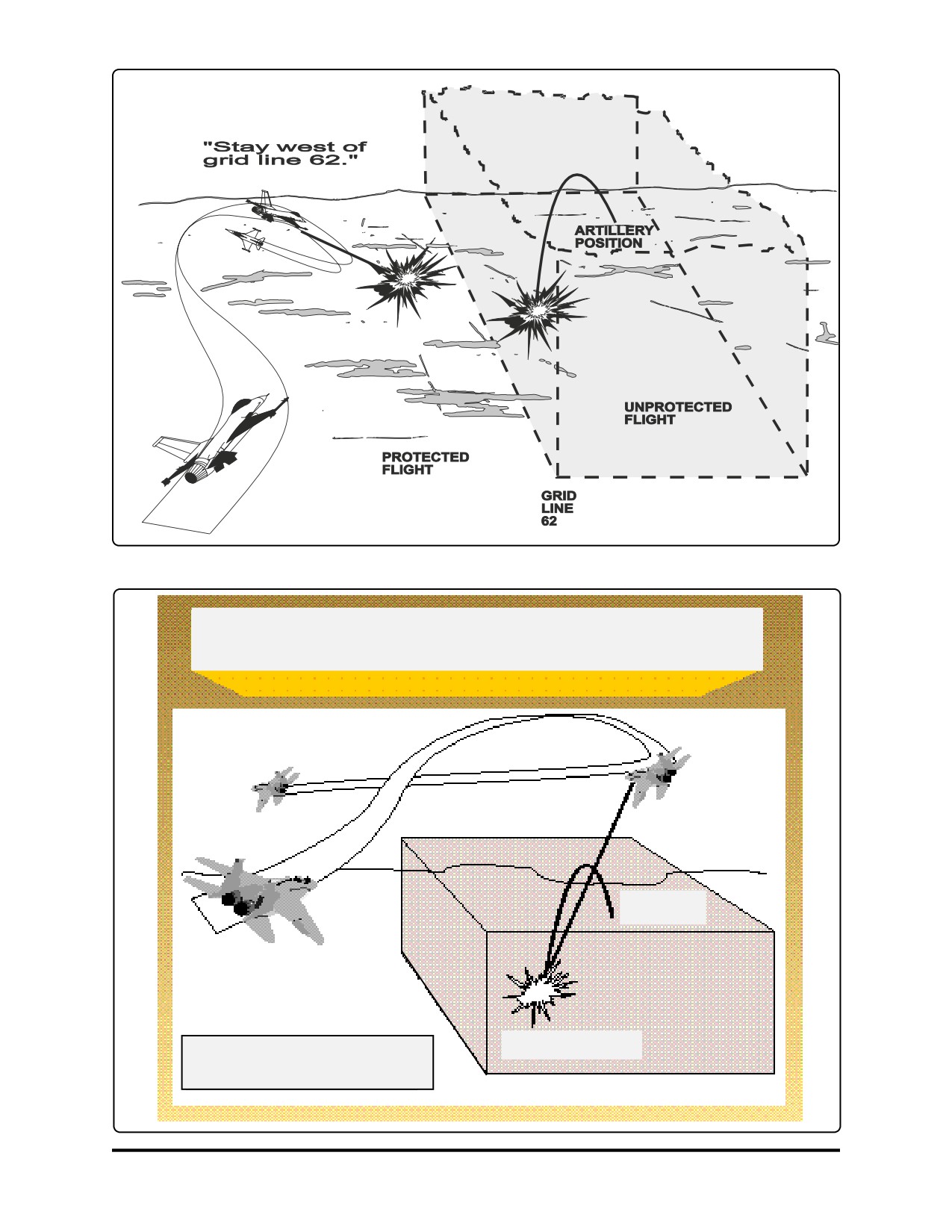
Figure III-1. Lateral/Geographic Separation
(Boundary defined by geographic feature or grid line)
ARTILLERY-CAS AIRCRAFT ALTITUDE SEPARATION
ARTILLERY
POSITION
PROTECTED FLIGHT
UNPROTECTED
"Remain above 3000 ft MSL in
quadrant northeast of grid 6215"
Figure III-2. Altitude Separation
III-2
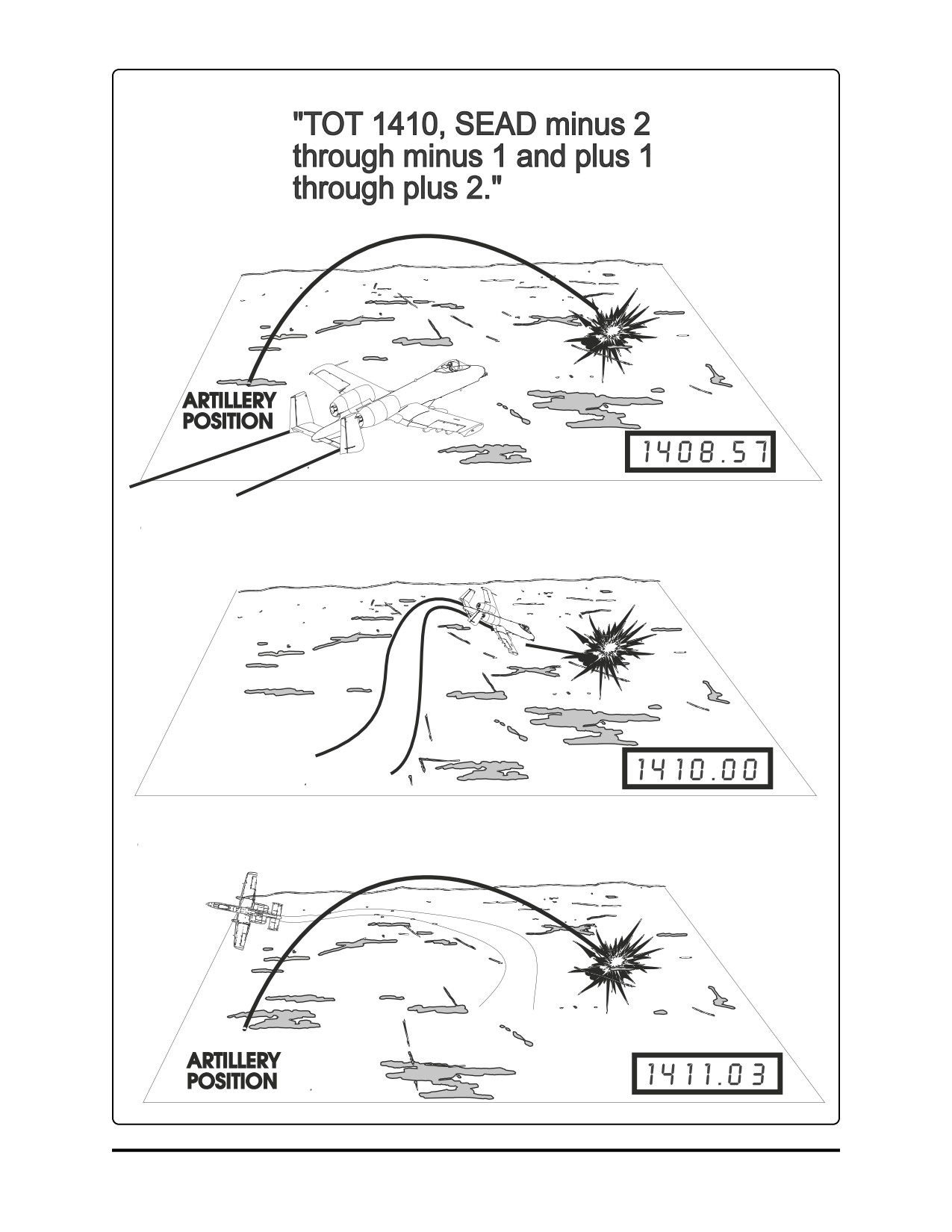
Figure III-3. Time Separation
III-3
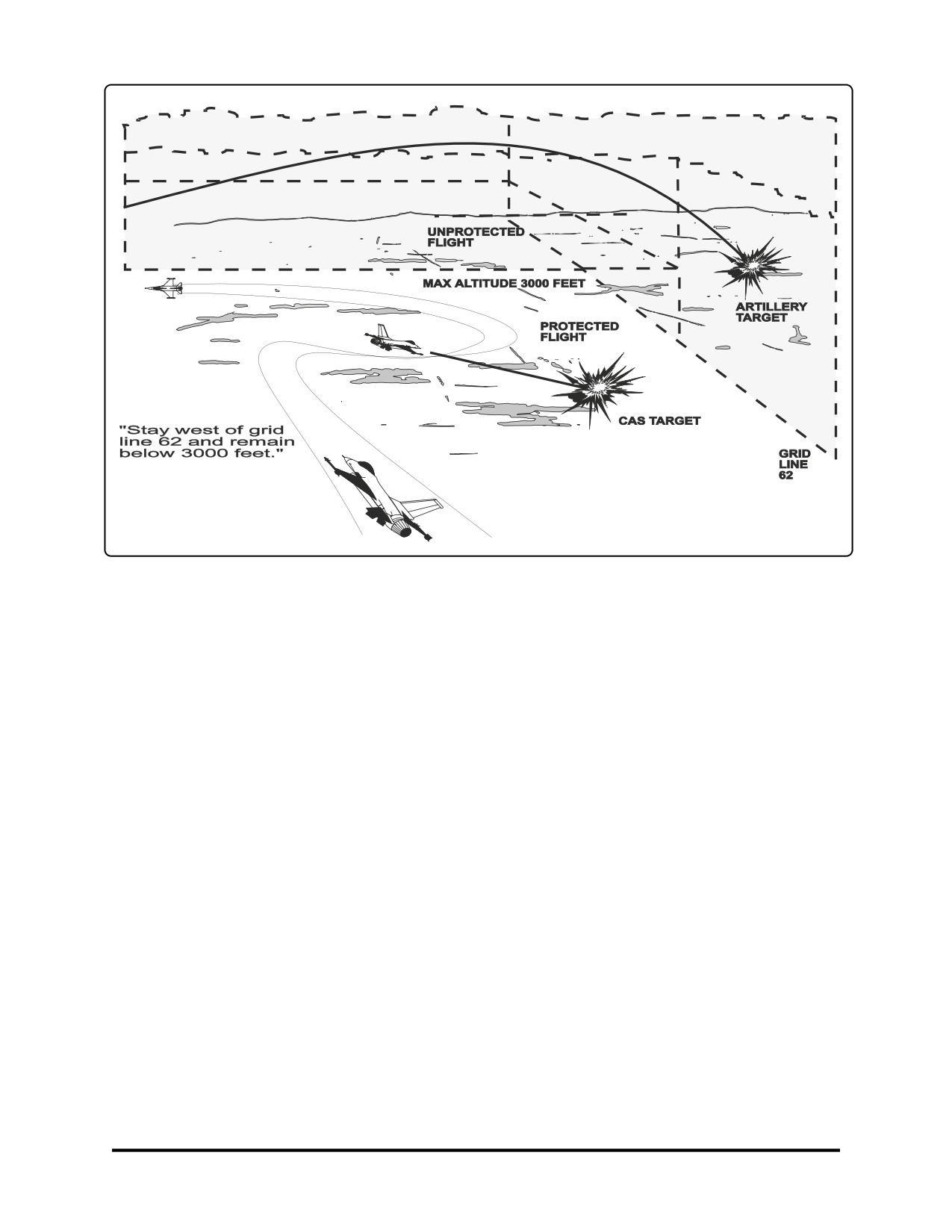
Figure III-4. Combination of Lateral/Geographic and Altitude Separation
b. Check-in and Briefing. JAAT
•Maximizes shock effect.
participants check-in with the mission
commander in accordance with CAS check-
•Complicates enemy ADA
in briefing (Appendix F). The standard
targeting scheme.
9-line CAS brief (Appendix F) is the most
effective means of providing ACM
•Unpredictable.
information and will be used whenever
possible. For detailed discussion, refer to
(b) Disadvantages of simulta-
Joint Publication 3-09.3.
neous timing option:
c. Firepower Timing Options. The
•Complicates target array
three fire power timing options,
sorting and direct fire planning.
simultaneous, sequential, and random are
used to mass and deconflict fires. Employ
these timing options using the attack
•Simultaneous weapons impacts
can interfere with one another.
methods described later in the chapter.
(2) Sequential - all elements attack
(1) Simultaneous - all elements
in a predetermined sequence.
attack at the same time.
(a) Advantages of sequential
(a) Advantages of simultaneous
timing option:
timing option:
•Target area marked for
•Masses fires.
subsequent attackers.
III-4
•Continuous pressure on target
targets within an objective area. Methods
over time allows attackers to
may apply to the joint attack as a whole and
reposition while other attackers
again within each attacking flight or units’
shoot.
individual plan of attack. The two methods,
Combined and Sectored, are described and
•Less interference from weapons
illustrated in Figures III-5 and III-6.
effects for subsequent shooters.
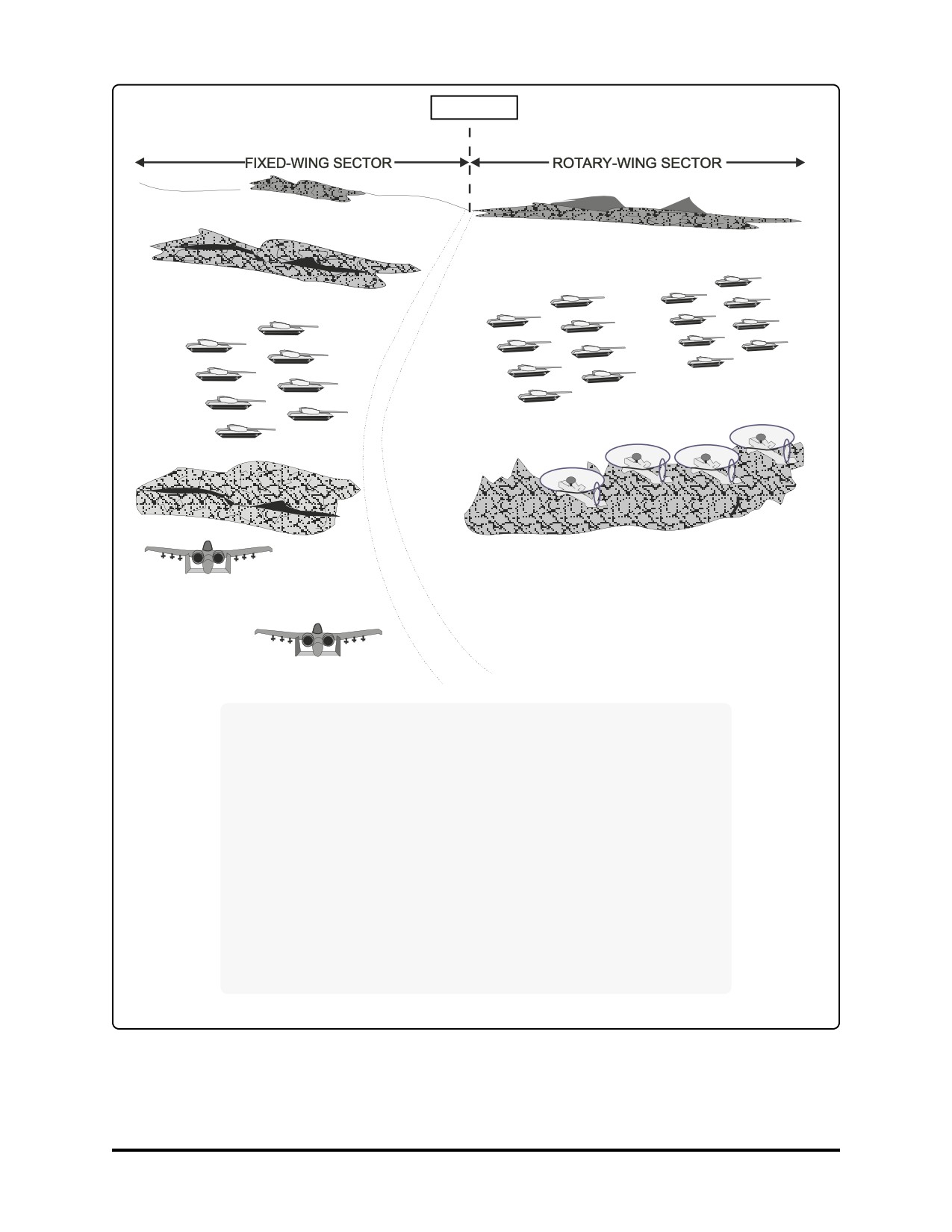
(1) Combined Method. The avenue
•Ensures that individual targets
to the target is shared airspace. During this
are not double-targeted.
attack, all JAAT members will fly in the
•Preference for multiple flights
same area. The mission commander will
of fixed-wing.
reference VIPER’s 60-second call, visually
acquire the F-16, and direct the attack
(b) Disadvantages of sequential
helicopters to engage. The intent, in this
timing option:
case, is for all elements to attack
simultaneously. VIPER flight has been
•Enemy air defenses can target
directed to attack the northern half of the
all players.
specified target area. After attacking,
VIPER has been directed to clear the target
•Takes longer, reduces shock
area. This may imply a follow-on artillery
effect, could provide oppor-
barrage or simply reflect the ground
tunities to enemy.
commander’s scheme of maneuver.
(3) Random - all elements attack at
(2) Sectored Method. The avenue to
will.
the target is sectored (using acknowledged
sectors). During this attack, the A-10 flight
(a) Advantages of random timing
will maneuver exclusively west of a north-
option:
south line drawn through the target area
(the road). The mission commander has
•Easiest on pilots-no timing
directed the A-10 flight to attack at a
required.
specified TOT. The timing coordination call
(“60 seconds” in this example) is requested
•Reduced C2 requirements.
in order to update the attack plan timing.
Pilots must still deconflict weapons fans to
•Unpredictable.
preclude friendly casualties. While
ensuring weapons or weapons effects do not
(b) Disadvantages of random
cross an established sector line, a rule of
timing option:
thumb commonly employed is to never fire
more than 30 degrees towards or into the
•Requires aircraft/weapons
other sector.
deconfliction.
•No guarantees for effects,
(3) Coordination between the type
possible loss of pressure on
of attack and the timing option is vital.
enemy.
Table III-1, Coordinated Attack Types,
shows the relationship between the two.
•Can complicate fire support
plan.
(4) Targeting Methods. Two exam-
d. Attack Methods. The attack methods
ples of targeting methods are TRP and
describe control techniques for attacking
target array (Figure III-7).
III-5
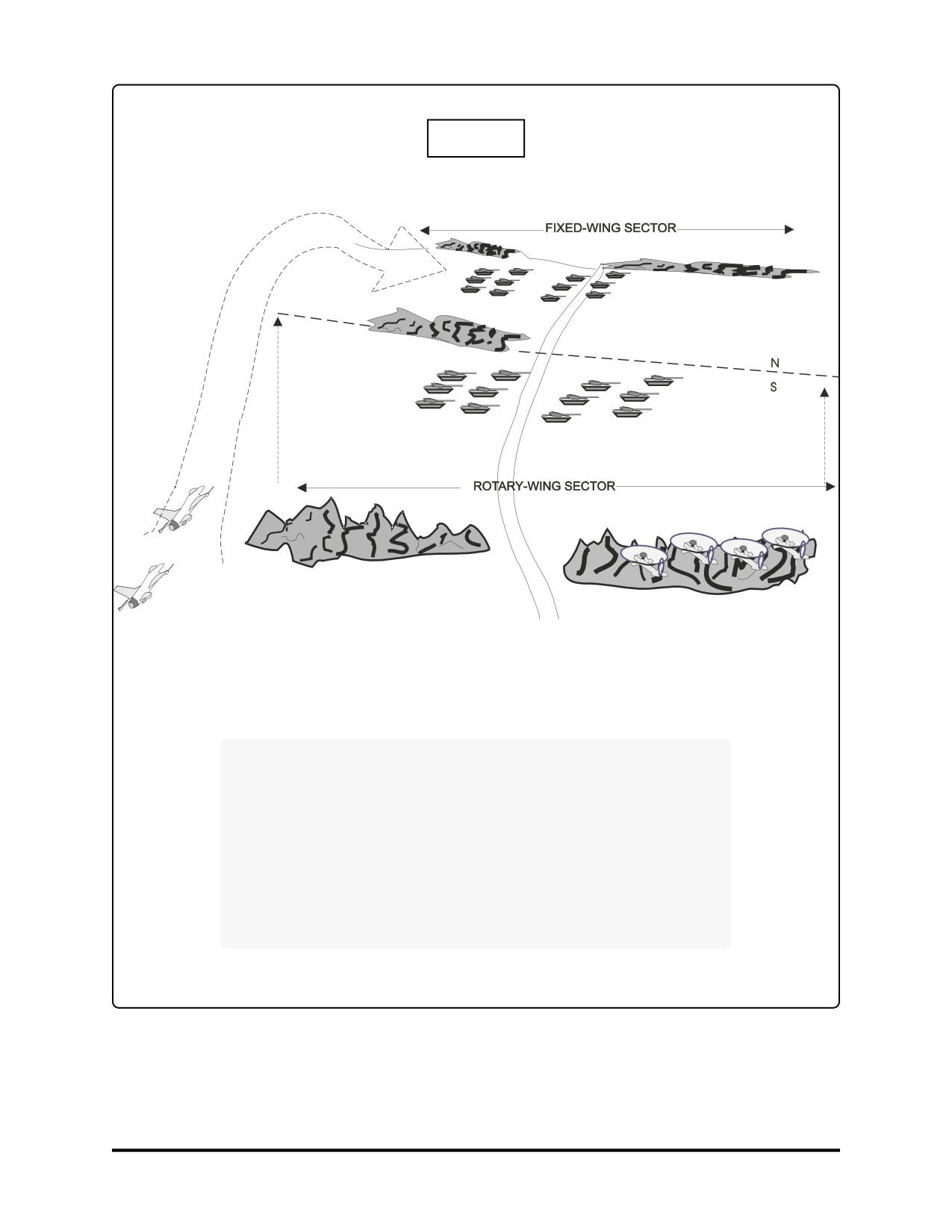
Combined
VIPER: L32, VIPER 1 standing by.
L32: VIPER, target PL382114. Armor moving east. ZSUs in the vicinity.
VIPER: Roger, ZSUs in the vicinity.
L32: VIPER, combined, simultaneous, visual. VIPER attack northern targets.
Call 60 seconds. Egress to IP.
VIPER: VIPER, WILCO.
Figure III-5. Example of Combined Attack
III-6
Sectored
HOG: L32, HOG 1 standing by.
L32: HOG 1, target location PL385211, ZSU two clicks north. Sector west of
road running through the target area.
HOG: HOG, sector west of road, roger.
L32: HOG, sectored-sequential, TOT 1525.
HOG: HOG 1, Roger 25.
L32: HOG, call 60 seconds.
HOG: HOG, WILCO.
Figure III- 6. Example of a Sectored Attack
III-7
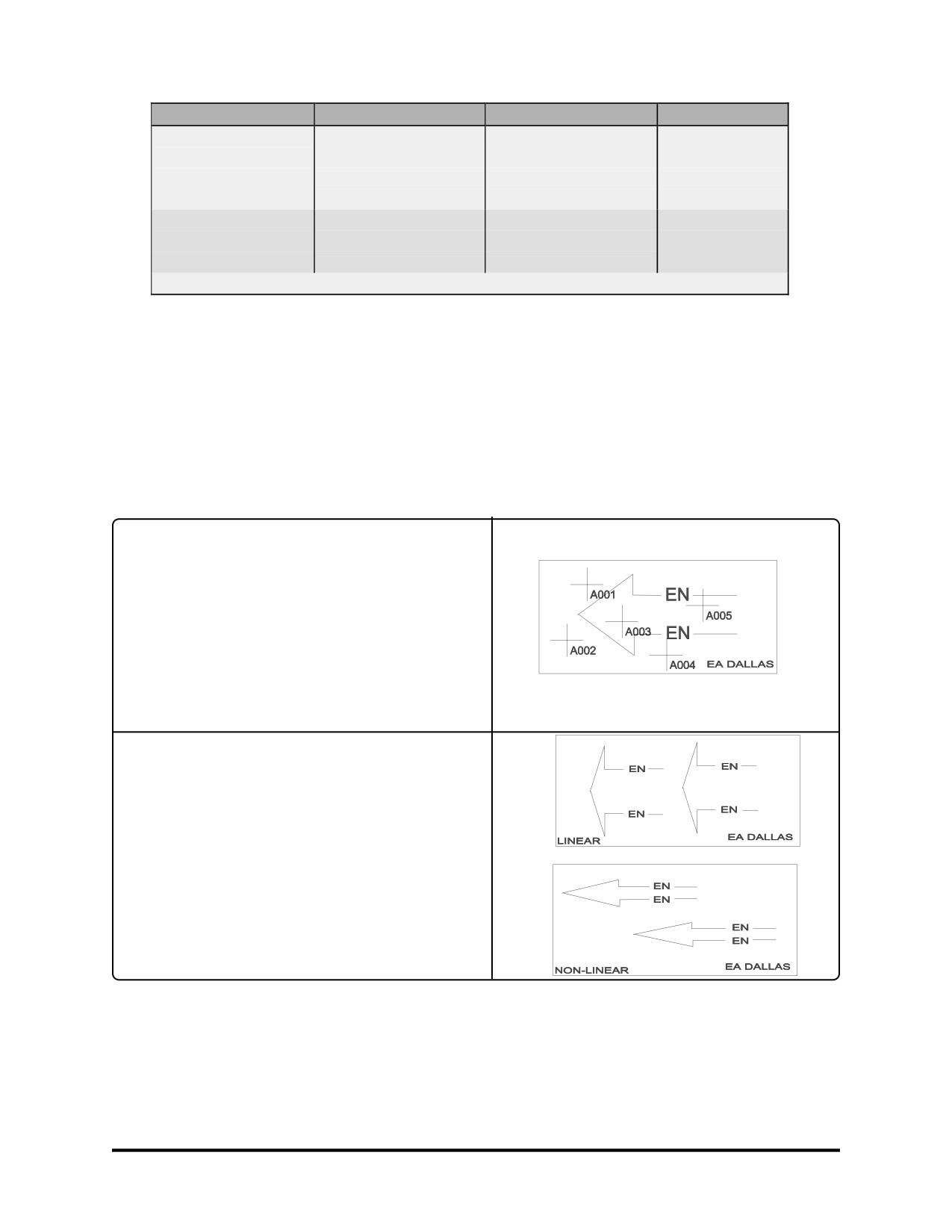
Table III-1. Coordinated Attack Types
Type of Attack
Simultaneous
Sequential
Random
COMBINED
Visual or Hack
Visual or TTT
NOT
same avenue of
(visual spacing or
(visual spacing or
NORMALLY
attack
TTT separation)
TTT separation)
USED for low
altitude
SECTORED
Visual or Hack
Visual or TTT
Free flow*
acknowledged
(visual spacing or
(visual spacing or
sector
TTT separation)
TTT separation)
* Must ensure strafe fan/bomb and missile fragmentation deconfliction.
Target Reference Point
An easily recognizable point on the ground
(either natural or man-made) used for identifying
enemy targets or controlling fires. Target
reference points are designated by using the
standard target symbol, a target number, and
target reference point letter.
Target Arrays
An enemy-oriented method of engagement
where the focus and distribution of fires are
determined by the enemy’s formations or location.
Target array are frontal (linear) and depth
(nonlinear) and can be used to direct and shift
fires quickly.
Figure III-7. Examples of Targeting Methods
III-8
(5) Shifting Targets. When shifting
(1) Hazards to consider include—
targets, provide a cardinal heading and
(a) Enemy forces/threats.
distance. Example: “From previous spot,
north, 1200 meters.”
(b)
Weapons release parameters/
dangers.
e. Disengagement. Consideration must
be given to the disengagement phase of the
(c) Surface danger zones.
operation. These considerations should
include—
(d) Laser operations.
(e) Environmental factors.
(1) Covering Fires. Fixed- and
rotary-wing aircraft may provide
(f) Friendly unit location/
suppressive fires and SEAD as the other
situational awareness.
elements egress. Artillery (cannon, MLRS,
and ATACMS, if authorized) can also
(g) Human factors.
provide suppressive and SEAD fires. EW
(h) Battlefield obscuration/
assets also may provide SEAD with
clutter.
antiradiation missiles or electronic attack.
(i) Terminology.
(2) Route of Egress. Due to the
flexible nature of operations, planned
(2) Control measures used to
egress routes might not be available to all
mitigate risk may include—
JAAT participants. Consideration must be
(a) Airspace coordination
given to coordinating new egress routes.
measures.
(For example, fixed-wing aircraft might be
tasked to provide reconnaissance of a hasty
(b) Flight techniques tactics.
rotary-wing egress route.)
(c) Use of personnel specifically
trained and experienced in JAAT
(3) Battle Damage Assessment. The
operations.
mission commander has overall
responsibility
for
collecting
and
(d) Lethal and nonlethal SEAD.
disseminating BDA reports. The optimum
method of BDA collection is to record the
(e) FSCM.
target area. Reports from all JAAT
(f) Suppressive fires.
participants should be passed BDA as soon
as possible in the INFLTREP format
(g) Positive control.
described in Joint Publication 3-09.3.
(i) Reasonable assurance/indirect
control. Minimum criteria include—
2. Risk Management
•Adequate situational
a. Risk management consists of
awareness.
identifying hazards and implementing
controls during planning, preparation, and
•Known location of friendly
execution. During the execution phase, all
elements.
participants in the JAAT focus primarily
on implementation of controls. However,
•Positive hostile identification.
as additional hazards are identified during
•Minimum separation for
the execution, participants must
munitions employment
implement additional controls.
(fragmentation deconfliction).
III-9
(j) Communications.
(a) Friendly Location. Aircraft
lighting, thermal combat identification,
(k) Friendly combat identification
ground unit identification, and location
(identification, friend or foe
(IFF), IR
descriptions all aid in situational
markings, lights, etc.).
awareness.
(m) Authentication.
(b) Target Marking. IR illumina-
tion, offset illumination, IR pointers and
3. Night Considerations
illuminators, indirect fires, direct fires,
laser, and grid coordinates are all
a. Tactics procedures for night
techniques for marking targets.
employment of the JAAT remain the same
Consideration must be made for the marker
as for day operations. However, techniques
effects on all participants.
required to accomplish night JAAT
operations tactics require a more deliberate
(3) Control Measures. Figure III-8
tempo and strict adherence to these basic
depicts example measures that will assist
procedures. To ensure that all participants
JAAT participants in controlling their fires.
maintain situational awareness. Joint
Other factors include—
Publication 3-09.3 and unit/aircraft specific
tactics manuals provide detailed
(a) Attack heading.
information on conducting night
operations. The following are some
(b) Weapons selection for pass.
considerations when conducting night
(c) Ingress and release altitudes.
operations:
(d) Dive angle.
(1) Visual Descriptions. Perspective
and target resolution vary based on aircraft
(e) Distance from target.
systems. The aviation mission commander
must provide a detailed description of the
4. Conclusion
objective area to ensure that all
participants, regardless of perspective or
JAAT operations involve the
available sensors, have a clear picture of
participation of different force components
the objective area. Night sensor/night vision
with varying operating procedures; they
goggles (NVG) used by all participants
are by nature inherently complex and high
greatly increase the capability and
risk operations. Therefore, execution
effectiveness of the JAAT; however, certain
procedures must be as simple as possible
limitations exist. A terrain feature that is
and lie within the capabilities and
visible by a NVG/forward-infrared looking
understanding of the players involved. This
radar (FLIR) equipped rotary-wing aircraft
chapter assists the JAAT commander,
at 50 feet may not be visible or recognizable
mission commander, and support
by an NVG equipped pilot or for a FLIR
personnel identify areas of consideration
equipped aircraft at 20,000 feet.
for preplanned or immediate JAAT
execution. This chapter is not definitive
(2) C2. Night positive control is more
but does contain procedures proven by
difficult as controllers probably cannot
exercise and combat experience that can
observe both target and attacking aircraft.
reduce the overall risk to the forces
Friendly and threat situational awareness
involved.
is necessary.
III-10
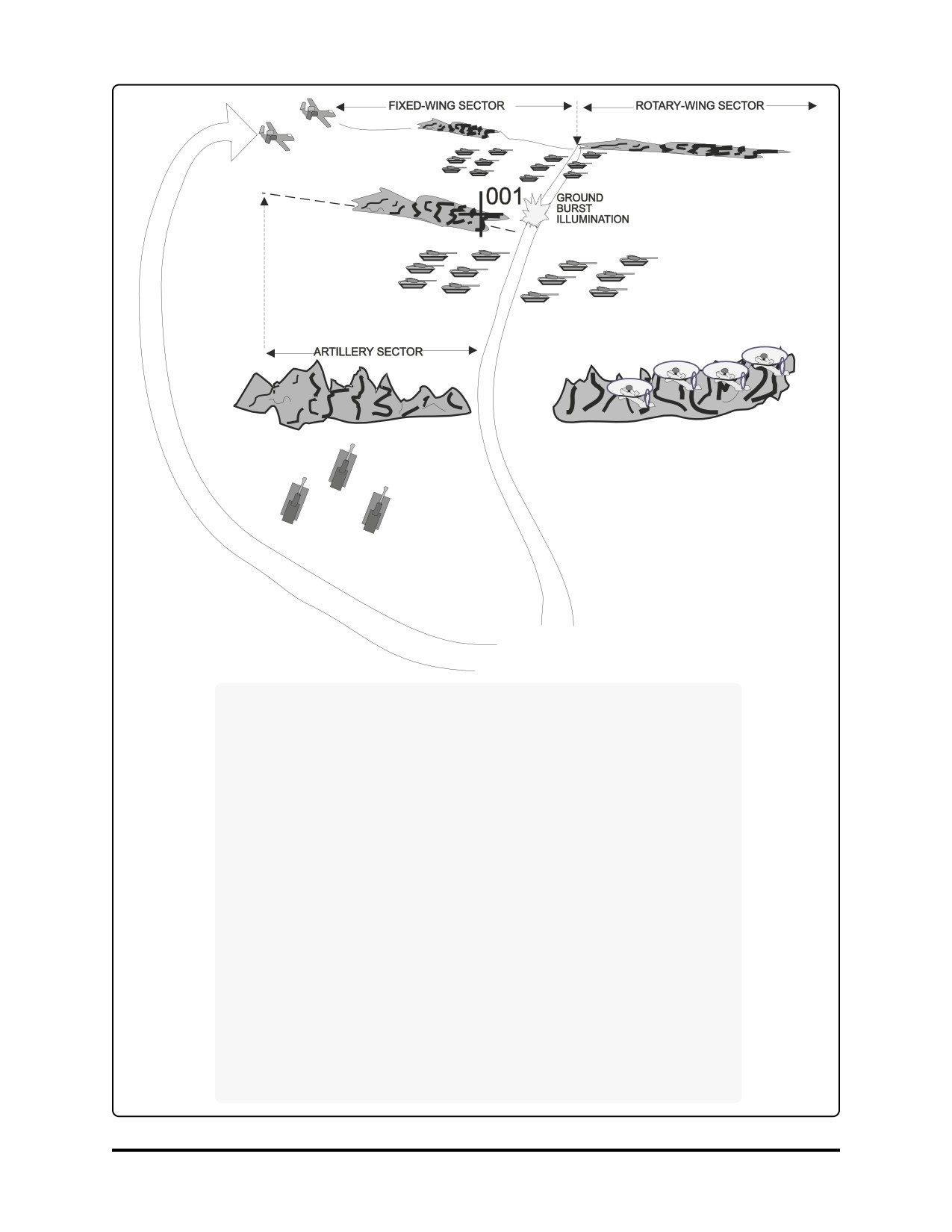
EXAMPLE FIGHTER RELEASE PARAMETERS
1. Attack heading approximately 090.
2. Thirty-degree attack angle with gun.
3. Run in altitude is 15,000 ft.
4. Weapon release at 8000 ft.
5. Egress to north.
EXAMPLE VISUAL DESCRIPTION PASSED TO FIGHTERS
Illumination marks center of engagement area.
Engagement area is divided into four quadrants by road
running north south and line running east west through
illumination. Target Reference point is the hill dividing west
quadrants. Attack all targets north of the TRP. Friendlies
are helicopters south of the hill mass that is south of the
engagement area. Rotary-wing will engage east of the road
with Hellfire. IR illuminator in southwest quadrant marking
for artillery impacting in that quadrant. Gun-target line is
005 degrees.
Figure III-8. Night JAAT and Associated Control Measures
III-11
Appendix A
LASER OPERATIONS
1. Background
following events occur for an effective
JAAT:
Modern rotary-wing laser systems
greatly enhance the effectiveness of the
(1) Include laser code and laser
JAAT by offering increased mobility,
target line (LTL) on line 7 of the 9-line brief.
accuracy, and lethality. Airborne target
lasing capabilities coupled with laser spot
(2) Aircraft avoid the
20 degree
tracking equipment provide for greater
safety zone (10 degrees either side of the
efficiency, integration, and distribution of
LTL for aircraft run-ins).
weapons effects. Because of the variety of
laser systems that can be employed during
(3) Brief pilot if possible.
a JAAT operation, laser techniques and
procedures, along with specific laser codes,
(4) Plan early and get the forward
must be coordinated by all JAAT elements
observer (FO)/FIST ready for mission.
to ensure successful operations. The JAAT
laser briefing and information can be found
(a) Laser code: ensure code in
in Appendix F. Laser code and laser-to-
laser target designator (LTD) matches code
target line information is in line 7 of the 9-
that pilot passed.
line brief.
(b) Actual LTL is no more than
JAAT procedures have been developed
5 degrees off briefed LTL.
and successfully tested using Apache laser
designators with the laser spot tracking
(c) Explain that you are in
equipment on AV-8 Harriers, F/A-18
control and that the LTD is operated at
Hornets, and A-10 Thunderbolt II. The
YOUR command.
scenario and descriptions of JAAT
operations using laser operations cite the
(d) Ensure communications are
A/AO-10 for illustrative purposes only.
in place—the simpler the better.
2. Operations
(e) Ensure appropriate safety
zone is established around laser
a. Laser Coordination. J-Laser stan-
designators and friendlies are not
dard calls are made on the JAAT common
overflown during weapons employment.
frequency.
d. Radio Calls. The required radio calls
b. Laser Codes. Airborne laser spot
for laser operations appear below. See
trackers for target acquisition accept four
Table A-1 for example.
digit codes; ground systems accept only
three digit laser codes. Therefore aircrews
Departing IP. This is a situation
must place a "1" at the first digit of the laser
awareness call that informs all in the JAAT
code.
that the tactical air (TACAIR)/fixed-wing
c. Terminal controller requirements.
flight has departed the IP and is in bound
The terminal controller must ensure the
to the target.
A-1
Timing Coordination and Type
to shift the laser to the next target. The
Weapon Call. The timing coordination call
laser must remain on during the shift to
notifies the mission commander that the
maintain a laser lock on. If the laser is
fixed-wing flight is inbound and states the
turned off, the laser spot tracking
approximate amount of time away from
equipment will revert to a search mode.
attacking in the immediate target area. It
Depending on the search mode, it could
also alerts the Army asset as to what type
take 10 to 20 seconds to reacquire the laser
of weapons (for example, missiles, guns)
energy, leading to unacceptable exposure
will be used. Normally 60 seconds gives the
times and aborted attacks. [Note: When
laser designator time to complete the
the AH-64 has the next target acquired
present engagement, acquire a new target,
he calls “Set.”])
and prepare to lase it.
Terminate. Stop laser illumination of
10 Seconds. Directive to terminal
a target. This call indicates laser no longer
controller to standby for laser on call in
needed. Careful planning must be done
approximately 10 seconds. (The laser
when fixed-wing are attacking in line or
should be turned on in 10 seconds even if
wedge formations to ensure that the lead
the laser on call is not heard.)
aircraft does not terminate the laser before
the wingman’s lock on. When in trail, each
Laser On. Directive to start laser
aircraft may want to make separate laser
designation. (Normal laser designation
on and termination calls, depending on
time is 20 seconds maximum. The aircrew
their separation. Minimizing the time a
may request a longer laser on time by saying
laser is on is important in a laser
laser on and time [for example, “laser on,
countermeasure environment and when
30 seconds.”])
employing battery operated laser
designators.
Spot. Acquisition of laser designation.
e. The laser operator will turn the laser
Rifle. AGM-65 MAVERICK launch.
off—
(Advisory call indicates that Maverick
(1) When “terminate” call is heard.
missile is inbound.)
(2) When the weapon hits the target.
Shift. Directive to shift laser
illumination.
(Once the lead aircraft
(3) After 20 seconds (or longer if
engages the target, a shift call can be made
requested).
Table A-1. Laser Operations Example Radio Calls
A-10:
“HOG 1, departing IP”
AH-64: “Apache 1, roger”
A-10:
“Hog 1, 60 seconds Maverick”
A-10:
“Hog 1, 10 seconds”
A-10:
“Hog 1, laser on”
AH-64: “Apache 1, laser on”
A-10
“Hog 1, spot”
A-10
“Hog 1, rifle”
A-10
“Hog 2, shift, gun”
AH-64: “Apache 1, shift
set”
A-10:
“HOG 2, spot”
A-10:
“HOG 2, terminate”
A-2
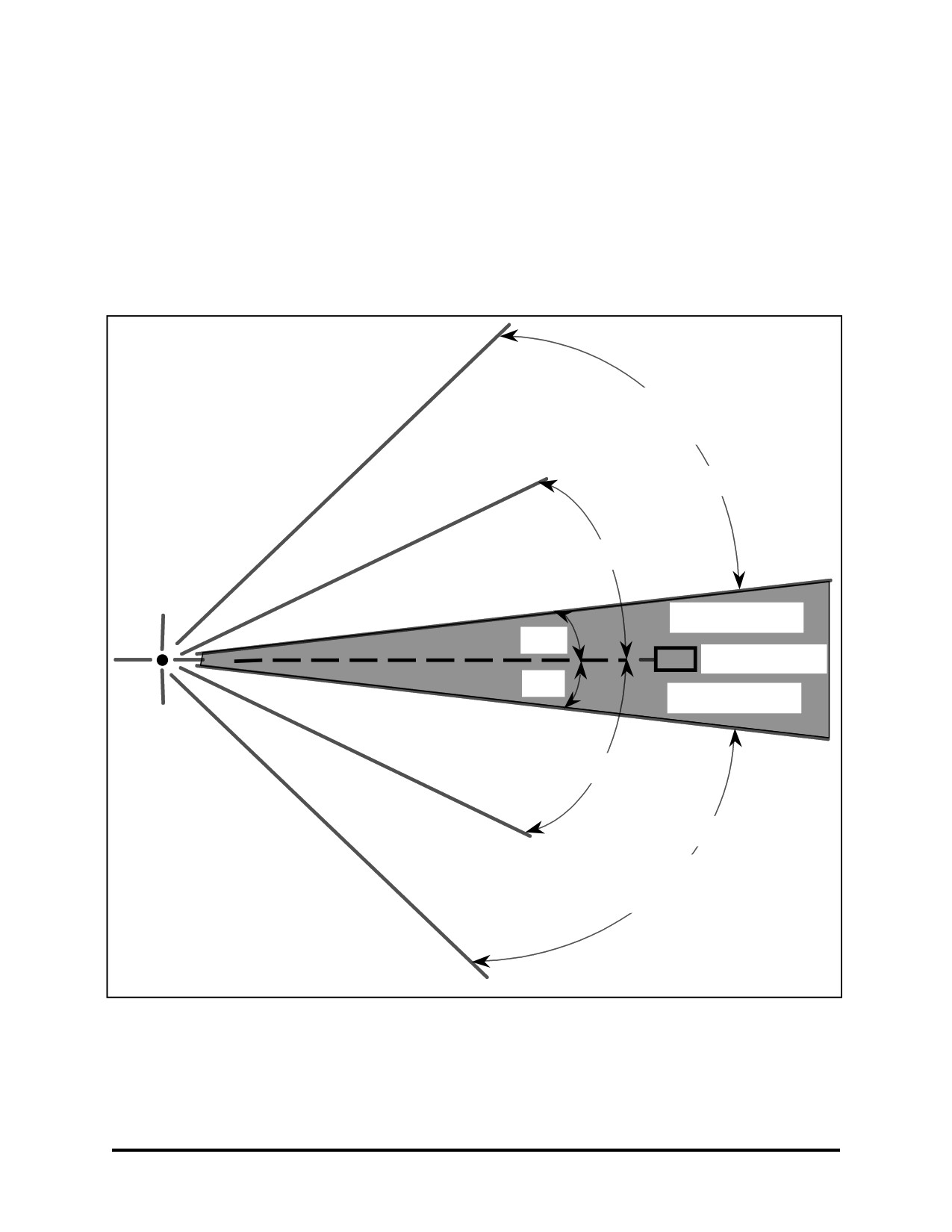
f. Figures A-1 and A-2 depict laser
parameters will take precedence and
designation acquisition areas and safety
should be coordinated, disseminated, and
zones. These are generic parameters that
used. This depiction conforms to the Joint
should suffice in most laser designator
Warfighting Center laser safety issues
employment circumstances. Should more
message regarding a recommended change
specific or restrictive laser designator
to the J-Laser designator safety zone
acquisition and safety area information
(R081957Z January 1996). For more details/
exist for a particular system, those
discussion see Joint Publication 3-09.1.
SAFEST ACQUISITION AREA
(10-60o CONE)
50o
BEST ACQUISITION
45o
AREA
(10-45o )
SAFETY ZONE
10o
DESIGNATOR
10o
SAFETY ZONE
BEST ACQUISITION
AREA
o
45
(10-45o )
50o
SAFEST ACQUISITION AREA
(10-60o CONE)
NOT TO SCALE
Figure A-1. Laser Designation Zones (2-Dimensional)
A-3
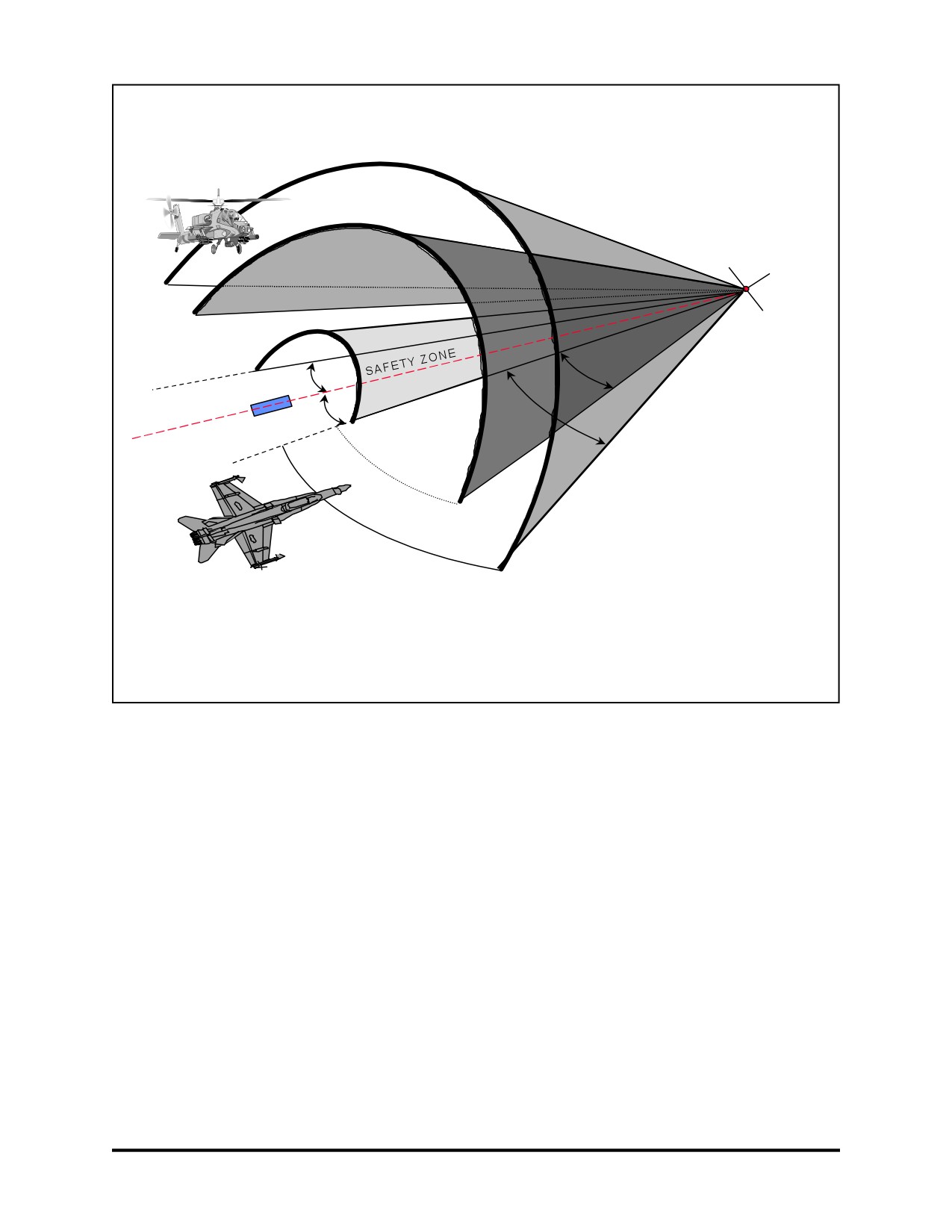
TARGET
45o
10o
10o
60o
DESIGNATOR
BEST ACQUISITION
AREA (10-45o)
SAFEST ACQUISITION
AREA (10-60o)
NOT TO SCALE
Figure A-2. Laser Designation Zones (3-Dimensional)
A-4

Appendix B
AIRCRAFT CAPABILITIES
Table B-1. Fixed-Wing Aircraft Weapons and Capabilities
Aircraft
Using
Laser
Marking
Beacon
Other
M/D/S
Service
Capability
Capability
Capability
Systems
Ordnance
LST LTD
AV-8B
USMC
LGBs*
Yes
No
rockets
None
TV
Harrier II
AGM-65 Maverick
NVG
GP bombs
GPS
CBUs
NFLIR
Napalm
Aerial mines
2.75" rockets
5.0" rockets
LUU-2 flares
25mm cannon
AGM-122 Sidearm
AV-8B
USMC
as above
No
No
rockets
None
NVG
Harrier II
FLIR
(APG-GS-
Radar
Radar)
GPS
“II Plus”
A/OA-10A
USAF
LGB*
Yes
No
WP rockets
None
NVG
AGM-65 Maverick
30mm HEI
GP bombs
LUU-1/2/5/6
CBUs
M257/278RX
Aerial mines
2.75" rockets
LUU-1/-2 flares
LUU-5/-6 flares
30mm cannon
AC-130H
USAF
105mm howitzer
No
Yes
GLINT
PPN-19
FLIR
(SOF)
40mm cannon
Note 1
105mm WP
SST-181
LLLTV
20mm cannon
105mm HE
SSB
Radar
40mm
PLS
GPS
MISCH
LTD
(1688 only)
AC-130U
USAF
105mm howitzer
No
Yes
GLINT
PPN-19
FLIR
SOF
40mm cannon
105mm WP
SST-181
LLLTV
25mm cannon
105mm HE
Radar
40mm
GPS
MISCH
codeable LTD
B-1B
USAF
GP bombs
No
No
None
PPN-19
Radar
CBUs
B-52H
USAF
AGM-142 Have
No
No
None
PPN-19
FLIR
Nap
PPN-20
LLLTV
GP bombs
Radar
CBUs
NVG
Aerial mines
GPS
LGB
B-1

Table B-1. Fixed-Wing Aircraft Weapons and Capabilities (continued)
Other
Aircraft
Using
Ordnance
Laser
Marking
Beacon
Systems
M/D/S
Service
Capability
Capability
Capability
LST LTD
F-14 (non-
USN
LGBs*
No
No
None
NVG
LANTIRN)
GP bombs
TARPS#
20mm cannon
TCS##
CBUs
Link 16
Aerial mines
(F14D)
LUU-2 flares
F-14
USN
LGBs
No
Yes
Laser
None
NVG
(LANTIRN)
GP bombs
FLIR
20mm cannon
TARPS#
CBUs
TCS##
Aerial mines
Link 16
LUU-2 flares
(F14D)
F-15E
USAF
LGBs
No
Yes
Laser
PPN-19
FLIR
GP bombs
PPN-20
Radar
AGM-65 Maverick
CBUs
20mm cannon
F-16 (less
USAF
LGBs*
No
No
WP rockets
PPN-19
Radar
LANTIRN)
AGM-65 Maverick
PPN-20
NVG
GP bombs
GPS**
CBUs
20mm cannon
F-16C/D
USAF
LGBs
No
Yes
Laser
PPN-19
FLIR/TGP
(with
AGM-65 Maverick
WP rockets
PPN-20
GPS
LANTIRN)
GP bombs
NVG
CBUs
Radar
20mm cannon
F/A-18
USN
LGBs
Yes
Yes
Laser
None
FLIR
(A/C)
AGM-65 Maverick
WP rockets
GPS
AGM-62 Walleye
HE rockets
NVG
USMC
AGM-84 SLAM
Radar
(A/C/D)
AGM-88 HARM
GP bombs
CBUs
Aerial mines
2.75" rockets
5.0" rockets
LUU-2 flares
20mm cannon
S-3B
USN
GP bombs
No
No
WP rockets
None
FLIR
CBUs
Radar
2.75" rockets
5.0" rockets
Aerial mines
LUU-2 flares
LST: Laser Spot Tracker. LTD: Laser Target Designator.
Note 1: The AC-130H can only designate laser code 1688.
*Though these aircraft can carry and release LGBs, they require off-board designation for terminal
guidance.
**GPS on some aircraft (Blocks 40/41; 50/52)
#Tactical Air Reconnaissance Pod System-Digital format with real time data link
##TCS-Television Camera System-Magnified Slewable/Recordable Video Camera
B-2

Table B-2. Rotary-Wing Aircraft Weapons and Capabilities
Aircraft
Service
Ordnance
Laser
Marking
Other
M/D/S
Capability
Capability
Systems
LST LTD
UH-1N
USMC
7.62 MG
No
No
Rockets
LRF
.50 cal MG
NVG
2.75” rockets
FLIR
GPS
AH-1F
USA
BGM-71 TOW
No
No
Rockets
NVG
2.75” rockets
20mm cannon
AH-1W1
USMC
BGM-71 TOW
No
Rockets
FLIR 50X
AGM-114 Hellfire
Yes
Laser
DVO 13X
5” rockets
TVC 34X
2.75” rockets
NVG
20mm cannon
GPS
LUU-2 flares
AGM-122 Sidearm
AH-64 A2
USA
AGM-114 Hellfire
Yes
Yes
Laser
FLIR 39.8x
2.75” rockets
Note 1
Rockets
NVG
30mm cannon
DTV 127x
AH-64D
USA
AGM-114L Hellfire
Yes
Yes
Laser
FLIR 39.8x
(including
2.75” rockets
Note 1
Rockets
NVG
Longbow)
30mm cannon
DTV 127x
Radar (air and gnd
tgt modes)
IDM
GPS
OH-58D
USA
AGM-114 Hellfire
Yes
Yes
Laser
FLIR 66 2/3x
(Kiowa
2.75” rockets
Rockets
TVS 50x
Warrior)
.50 cal MG
NVG
Note 1 The AH-1W can designate codes 1111-1788.
“IDM” = Improved Data Modem
Note 2 The AH-64 helicopters can designate laser codes 1111-1688.
Table B-3. Rotary-Wing Weapons Capabilities
Weapon
Effective Max Range (m)
2.75RX, 10-lb
3000
2.75RX, 17-lb
4000
2.75 MK 66/M151 22.95-lb1
6900
7.62 mm minigun
1100
.50 cal machinegun
1000
20-mm cannon
1700
30-mm cannon2
1500-1700
TOW
3750
Hellfire
8000
5.00RX1
7200
1 USMC only
2 USA only
B-3

Appendix C
INDIRECT FIRE SUPPORT WEAPON CAPABILITIES
Table C-1. FA Capabilities
105mm Weapons
Basic Range
Extended Range
DPICM Range
RAP Range
Sustainment
and Ammo
(m)
(m)
(m)
(m)
Rate (RPM)
M102
11,400
N/A
10,500
15,300
3
Applicable Ammo
HE, WP, ILLUM,
DPICM
RAP (M548)
APICM, HC SMK
(M916)
FY 99*
M119A1
11,500
14,000
14,100
19,500
3
Applicable Ammo
HE, WP, ILLUM,
HE (M760)
DPICM (M915)
RAP (M913)
HC SMK, APICM
FY 99*
*Expected year in inventory
155mm Weapons
Basic Range
DPICM Range
BBDPICM Range
RAP Range
Sustainment
and Ammo
(m)
(m)
(m)
(m)
Rate (RPM)
M109A5/A6
18,200
17,900
28,100
30,000
1
Applicable Ammo
HE, WP, ILLUM,
DPICM, M825
BBDPICM (M864)
RAP
HC SMK, APICM
SMK, FASCAM
(M549A1)
M198
18,300
18,000
28,200
30,100
2
Applicable Ammo
HE, WP, ILLUM,
DPICM, M825
BBDPICM (M864)
RAP
HC SMK, APICM
SMK, FASCAM
(M549A1)
Copperhead range for M109s and the M198 is 16,000 meters
M270 Launcher
Munition
Range (m)
Payload
Min
Max
MLRS
M26
10,000
32,000
DPICM
ER MLRS FY 99*
13,000
45,000
DPICM
ATACMS
M39
25,000
165,000
APAM
BLK 1A FY 98*
70,000
300,000
APAM
BLK 2 FY 01*
35,000
140,000
BAT
BLK 2A FY 04*
100,000
300,000
BAT2
*Expected year in inventory
For planning purposes danger close is considered 2000 meters for MLRS (rocket) and ATACMS
(missile) fires, 600 meters from friendly troops for mortar and artillery fires.
C-1
Table C-2. Mortar Capabilities
Range (m)
Rate of Fire (RPM)
Gun/MTR
Max
Min
Max
Min
Ammo
Fuses
60 mm
3500
50
30
20
HE, WP, MULTI-
ILLUM
OPTION
81 mm
5800
70
30
15
HE, WP
PD, VT
ILLUM
107 mm
5650
920
18
3
HE, WP,
VT, TI,
ILLUM,
PD
CHEM
120 mm
7200
180
12
3
HE, WP,
VT, TI
ILLUM
PD
Table C-3. Naval Surface Fire Support
Rate of Fire
Max Range (m)
Per Tube
Weapon
Full/Reduced Charge
(Max/Sust)
Ammo
Fuses
5 inch/38
15,900/8100
20/15
HE, HC
Q/MT/
ILLUM, WP
CVT/VT
RAP
5 inch/54
23,127/12,200
20/16 MK45
HE, HC
Q/MT/
32/30 MK42
ILLUM, WP
CVT/VT/
RAP
DEL
C-2
Appendix D
TRAINING OPTIONS AND BRIEFING GUIDES
1. Background
These training options can be tailored to meet
available assets.
An optimum JAAT training program
should employ all elements of the team.
(1) Option One. The first training
Training should be guided by the concept that
option is coordination training for fixed-wing
each element of the team retains its own system
flights, rotary-wing units, and fire support
of command and control and executes
element. Fixed-wing aircraft require military
according to proven individual doctrine and
operating area (MOA) or restricted airspace to
tactics. The emphasis in training should be to
conduct training, operations/maneuvers. Face-
develop procedures that will maximize the
to-face or telephonic briefings/debriefings are
effectiveness and survivability of the team and
suggested to establish effective coordination
provide positive integration into joint service
between participants. Mutually agreed
operations. Team members should achieve unit-
training objectives, scenarios, and safety
prescribed levels of proficiency before engaging
standards must be briefed to all participants.
in JAAT training. This appendix contains
Debriefings allow for feedback on training
guidelines for establishing training for the
effectiveness.
members as a team and guides for briefing and
(2) Option Two. Option two is a broader
debriefing.
program that emphasizes JAAT planning,
coordination, and employment. The TACP,
2. Preparation for Training
aviation unit LNO, maneuver unit staff, and
combat support elements develop and refine
a. Before JAAT training exercises, the
JAAT standard operating procedures. These
participants should be introduced to the JAAT
include integration of fires, command and
concept, coordination requirements, and team
control, communications, target identification,
member responsibilities. Everyone must receive
and hand-off procedures. This option begins at
instruction on the equipment, roles, and tactics
the basic level and progresses into combined
of the other members of the JAAT.
arms scenarios. Face-to-face coordination/
debriefings and the use of an opposing force
b. Participants should also be briefed on
increase the training for all elements.
the conduct of the training and all safety
Concurrent with this option, briefing teams
requirements. Special restrictions are applicable
comprised of JAAT members may host seminars
to peacetime training involving live-fire
for division, brigade, and battalion commanders
operations. Air Force participants in live-fire
and staff officers on JAAT employment and
training should refer to ACCR 55-26 or the
integration.
appropriate major command or theater
regulation. When possible, participants in a
(3) Option Three. The third option
JAAT exercise should attend each other’s
integrates JAAT operations into exercises using
mission briefings before training. A list of items
wartime procedures and scenarios as much as
to help in preparing a JAAT training program
possible. Emphasis should be on the
is provided (Table D-1).
involvement of participants not trained under
the preceding options; that is, the tactical air
c. Sample training options. Unit
control system and division and corps staffs.
commanders may use the following examples
The full and proper employment of a JAAT
as a guide when conducting JAAT training.
should be a major exercise objective.
D-1
Table D-1. Planning and Execution Considerations
Prior to Mission
••Reattacks.
•Plan a rehearsal.
••Rotating attack companies on station.
•Define the objectives and training goals.
••Communications jamming.
•Review the fundamentals of JAAT
operations.
••Integrate tactical radar threat generators.
•Discuss and develop the scenario. The
•Discuss the capabilities, limitations, and
scenario should be incorporated into the
tactics of the key elements in the JAAT.
ground maneuver commander’s field
training exercise to maximize the training
•Discuss fundamentals of combined arms
benefits for the combined arms team.
operations.
•Outline the training periods by
•Discuss operations with or without a TACP/
participants, roles, and responsibilities.
FAC(A).
•Discuss the training area restrictions,
•Discuss enemy tactical doctrine.
constraints, and limitations.
•Determine weather requirements. Fixed-
•Discuss command and control procedures and
wing normally requires 1500 foot ceiling and
JAAT communications nets.
3 miles visibility (check local requirements).
•Discuss and resolve remaining admin-
•Determine fixed-wing airspace requirements
istrative and logistical issues.
such as a MOA or restricted airspace.
•Rotary-wing scouts pick up attack elements
Flight Operations
and move them to battle positions.
•Issue operations order/air tasking message.
•The unit TACP calls for fixed-wing.
•Conduct mission briefing for the JAAT (face-
•Fixed-wing and rotary-wing unit attack
to-face or telephonic).
targets on the battlespace.
•Reconnoiter the battlespace.
•Conduct detailed debriefing by each element
in the play, to include opposing forces.
•Rotary-wing attack elements move to holding
area.
••Enemy air defense suppression.
•Unit’s TACP conducts own reconnaissance
••Fixed-wing quick-turn operations.
in an observation helicopter or receives
requested information from the FAC(A).
••Fixed-wing on station first.
••Live fire.
Subsequent Missions
••Impromptu initial points.
•Correct identified problems.
•Introduce new variables such as—
••Target attacks from multiple directions.
••Absence of TACP/FAC(A).
••Use of progressively lower altitudes.
Sample JAAT mission briefing and debrief-
marily applicable to training, this briefing guide
ing guides are listed in Table D-2. While pri-
could be used to prepare for a combat mission.
D-2
Table D-2. JAAT Mass Briefing Guide
Briefing Guide
••Attack restrictions.
•Time hack.
•Contact point briefing (TACP/FAC(A)) to flight
lead briefing sequence (9 line).
•Introduce team members.
••Initial point (IP).
•General information.
••Heading (IP to target, magnetic).
••Ground war situation (S2/intelligence).
••Distance (IP to target).
••Weather.
••Target/elevation (FT MSL).
••Call signs.
••Target descriptions.
••Frequencies, communications net. (All
participants must monitor a common
••Target location (lat/long or UTM or offsets
frequency).
or visual).
••Appropriate takeoff times.
••Type Marks (WP, laser, etc.). Code (beacon,
laser).
••Route of flight, altitude, time en route,
and airspace control measures.
••Location of friendly forces.
••Contact point.
••Egress.
••Authentication procedures.
••Remarks.
••Map datum.
•••Frequencies.
•Mission commander to TACP/FAC(A)
•••Call signs.
(airborne briefing sequence).
•••Threats.
••Target description.
•••Abort codes.
••Target location.
•••Restrictions.
••Indirect Fires (artillery/NSFS).
•••Other (sector, timing calls, TOTs, etc.).
•••Assets available.
•
Mission commander to flight lead briefing
•••Positions.
sequence.
•••Ammunition.
••Specific target description.
•••Planned fires.
••Confirm target location.
•••Communication nets and agencies.
••Confirm associated threat.
••Employment method.
•••Fire support coordination measures
(ACAs, FSCL, RFLs).
••Attack restrictions.
•••Restrictions (ordnance, etc.).
••Final attack vectors (if applicable).
••Type of marks.
••Reattack information.
••Friendly location.
•Weapon information (detail as required).
••Request TOT. Sectors or timing used for
••Rotary-wing.
coordination calls.
••Fixed-wing.
••Associated threats.
••Ordnance fan deconfliction.
D-3
Table D-2. JAAT Mass Briefing Guide (Continued)
•Rotary-wing weapon employment tactics
••Code words.
(distances normally expressed in meters).
•Egress to IP.
•Fixed-wing tactics (detail as required).
••When to leave.
••Attack formations.
••Formation.
••Attack method.
••Route considerations.
•••Sectored.
••New target information.
•••Combined.
•Rules of engagement (ROE).
••Firepower coordination.
••Altitude blocks. (Fixed-wing, rotary-
•••Simultaneous.
wing, indirect fires)
•••Sequential.
••Deconfliction during emergencies.
•••Random.
••Using the term KNOCK IT OFF will
terminate all attacks when situational
••Coordination procedures.
awareness is lost or a flight path conflict
•••TACP/FAC(A).
arises. Fixed-wing pilots will climb
immediately and maneuver as necessary
•••AMC.
to avoid a conflict.
•Fixed-wing radio procedures (detail as
••Target run abort criteria/procedures.
required).
••Target engagements.
••Departing IP call.
••Threat engagements.
••Timing/laser coordination calls.
••Mutual support.
••During simulated/actual attacks, call
“RIFLE”/”GUNS.”
••Impact on the target area.
•Rotary-wing simulated attacks call weapons
Debriefing Guide
usage.
•Objectives.
•Reattack/regroup.
•En route phase.
••Coordination between/within flights.
•Rendezvous phase.
•Employment phase.
••Timing.
••Communications plan.
••Coordination with TACP/FAC(A)/
••Attack plans.
mission commander.
••Coordination requirements.
••Coordination with rotary-wing attack
•Overall effectiveness.
elements.
•Lessons learned.
••Regroup areas.
D-4
Appendix E
COMMUNICATIONS
1. Background
Before executing the JAAT, all participants
should check-in on strike frequency. The
A JAAT communications net has no set
primary elements on this net will be the
configuration. The communications nets
rotary-wing aircraft, the TACP, TAC(A),
used depend upon the availability of
FAC(A), and fixed-wing aircraft. ABCCC,
different types of radios in the rotary-wing
AWACS, and other supporting elements
and TACAIR/fixed-wing aircraft and the
such as electronic warfare assets may also
specific tactical situation. Note: Table E-1
participate supporting deep operations.
provides a communications matrix for
Have Quick should be used if available
fixed- and rotary-wing elements. Reference
(Note: Some services require preplanning
Tables E-2 through E-7 for commun-
for Have Quick use). Adjustments based on
ications capabilities for all JAAT
enemy jamming, lack of aircraft radios, or
participants.
lack of team members would have to be
made on a case-by-case basis. All aircraft
2. Command Net
will monitor the assigned strike frequency.
The mission commander uses the
The JAAT communications matrix (Table
maneuver commander’s command net to
E-1) should be referenced when preparing
coordinate the JAAT with other maneuver
the JAAT communications plan.
units and to keep the maneuver
commander informed on the situation in the
4. Authentication
battle area. Stations on this net include the
maneuver commander, subordinate
All JAAT communications should occur
maneuver units, mission commander,
over secure radios. When this is not
TACP, and FSO. In some cases the
possible, authentication procedures
maneuver commander may instruct the
between JAAT elements must occur.
aviation liaison officer to maintain
Because service authentication tables
communications with the mission
differ, the mission commander should
commander. In these instances, situation
coordinate authentication procedures
reports and instructions to and from the
between all JAAT participants.
maneuver commander will pass through the
Additionally, mission commanders must
liaison officer.
consider joint communications and brevity
codes. Multiservice Air-Air, Air-Surface,
3. Strike Frequency
Surface-Air Brevity Codes, FM 90-38,
The mission commander uses the JAAT
MCRP 6-25B, NWP 6-02.1, AFTTP(I) 3-2.5
strike frequency to coordinate the JAAT.
contains standard brevity words.
E-1

Table E-1. JAAT Communications Matrix
Elements
Radio Preference
Command/Control
Priority Comm
Maneuver
FM (SINCGARS)
Not Applicable
1. Maneuver Commander's
Commander
FM Secure
Clearance
Mission
FM
2. Intelligence/Spot Reports
Commander
3. BDA
Maneuver
FSO
Command Net
Avn LNO
TACP
CAS (Air Force)
UHF (HQ II)
AMC
1. Final Clearance
CAS ( Navy/
UHF (Note 1-2)
TACP
2. Threat Calls
Strike
USMC)
3. 9-Line Information
Frequency
Army Aviation
ANGLICO
4. Remarks
J-SEAD
FAC(A)
5. BDA
TAC(A)
6. Intelligence/Spot Reports
CAS (Air Force)
VHF/FM
AWACS
1. Threats
Internal
CAS (Navy /
VHF/UHF
E-2C
2. Tactics
USMC)
Flight Common
Army Aviation
FM/VHF
ABCCC
3. Targeting
Note 1: Have Quick II WODs can be found in the ITO/ATO spins.
Note 2: TODs can be received from CAS flight leads on initial check-in.
Table E-2. Ground Communication Equipment
Frequency
Frequency
Secure
Component
Radios
Band (Note 1)
Hopping
Capable
AN/PRC-119
VHF-FM
SINCGARS
KY-57
US Army
AN/PRC-177
VHF-FM
No
FIST
AN/VRC-12
No
AN/VRC-24
No
AN/GRC-206
HF
No
KY-65/99
AN/GRC-206
VHF-FM
No
KY-57
AN/GRC-206
VHF-AM
No
KY-57
AN/GRC-206
UHF
Have Quick II
KY-57
USAF
AN/PRC-77
VHF-FM
No
KY-57
TACP
AN/PRC-119
VHF-FM
SINCGARS
KY-57
AN/PRC-104
HF
No
KY-65/99
AN/PRC-113
VHF-AM
No
KY-57
AN/PRC-113
UHF
Have Quick II
KY-57
AN/PRC-77
VHF-FM
No
KY-57
USMC
AN/PRC-119
VHF-FM
SINCGARS
KY-57
TACP
AN/PRC-104
HF
No
KY-65/99
AN/PRC-113
VHF-AM
No
KY-57
AN/PRC-113
UHF
Have Quick II
KY-57
AN/VRC-12
VHF-FM
No
No
AN/PRC-117D
VHF-FM
No
KY-57
AN/PRC-117D
VHF (Note 2)
No
KY-57
SOF
AN/PRC-117D
UHF (Note 3)
No
KY-57
SOTAC
AN/PRC-126
VHF-FM
No
KY-57
LST-5
UHF SATCOM
No
KY-57
LST-5
Note 1: Frequency bands for ground radios are as follows:
HF: 2.000 to 29.999 MHz in 1 kHz increment.
VHF-FM: 29.950 to 75.950 MHz in 50 kHz increments.
VHF-AM: 116.000 to 149.975 MHz in 25 kHz increments.
UHF: 225.000 to 399.975 MHz in 25 kHz increments.
Note 2: AN/PRC-117D VHF-AM/FM frequency range is 116.000-173.995 MHz.
Note 3: AN/PRC-117D UHF-AM/FM frequency range is 225.000-419.995 MHz.
NOTICE: In an AOR, national and international regulations and agreements govern the specific
frequency assignments. Before conducting operations, coordinate with host nation.
E-2

Table E-3. Rotary-Wing Communications Summary
Aircraft
Frequency
Frequency
Secure
Type
Radios
Band (Note 1)
Hopping
Capable
AH-1W
2-AN/ARC-182
(Note 2)
No
KY-58
AH-1W(CNU)
2-AN/ARC-210(V)
VHF-AM/FM
Have Quick I/II
KY-58
UHF
SINCGARS
UH-1N
2-AN/ARC-182
(Note 2)
No
KY-58
UH-1N
3-AN/ARC-210(V)
VHF-AM/FM
Have Quick I/II
KY-58
(CDNU)
UHF
SINCGARS
SATCOM
1-AN/ARC-201
FM
SINCGARS
KY-58
UH-60
1-AN/ARC-201
FM
SINCGARS
KY-58
1-AN/ARC-186
VHF-FM
No
No
1-AN/ARC-164
UHF
Have Quick II
No
2-AN/ARC-201
VHF-FM
SINCGARS
KY-58
OH-58C
1-AN/ARC-186
VHF-FM
No
No
(Note 4)
1- AN/ARC-164
UHF
Have Quick II
No
or AN/ARC-116
No
2-AN/ARC-201
FM
SINCGARS
KY-58
OH-58D
1-AN/ARC-186
VHF-FM
No
KY-58
(Note 5)
1-AN/ARC-164
UHF
Have Quick II
KY-58
1-AN/ARC-199
HF
No
KY-75
1-AN/ARC-201
FM
SINCGARS
KY-58
AH-64
1-AN/ARC-164
UHF
Have Quick II
No
1-AN/ARC-186
VHF (Note 3)
No
No
Note 1: Frequency bands are as follows:
HF = 2.000 to 29.999 MHz in 1 kHz increments.
VHF-FM = 29.950 to 87.975 MHz in 25 kHz increments.
VHF-AM = 108.000 to 151.975 MHz in 25 kHz increments.
UHF = 225.000 to 399.975 MHz in 25 kHz increments.
Note 2: The AN/ARC-182 is a multiband radio that operates in any one of four bands: standard VHF-FM,
VHF-AM, UHF, or 156.0-173.975 MHz VHF-FM. It can monitor only one band at a time.
Note 3: The AN/ARC-186 operates either in the VHF-AM or VHF-FM band. Each radio can monitor only one
band at a time.
Note 4: Only one AN/ARC-201 is connected to the KY-58. The other one is unsecured.
Note 5: The OH-58D has two KY-58s. One is dedicated to an AN/ARC-201. The other KY-58 is shared
between the other three radios
NOTICE: In an AOR, national and international regulations and agreements govern the specific
frequency assignments. Before conducting operations, coordinate with host nation.
E-3

Table E-4. Fixed-Wing Aircraft Communication Summary
Aircraft
Frequency
Frequency
Secure
Type
Radios
Band (Note 1)
Hopping
Capable
2-AN/ARC-164
UHF
Have Quick II
KY-58
AC-130
1-AN/ARC-164
SATCOM
No
KY-58
3-AN/ARC-186
VHF (Note 3)
No
KY-58
2-AN/ARC-190
HF
No
KY-75
2-AN/ARC-159
UHF
No
EA-6B
1-AN/ARC-175
VHF
No
1-AN/ARC-105
HF
No
KY-58
AV-8B
2-AN/ARC-182
(Note 2)
No
KY-58
1-AN/ARC-164
UHF
Have Quick II
KY-58
A/OA-10
1-AN/ARC-186
VHF-FM
No
KY-58
1-AN/ARC-186
VHF-AM
No
No
B-1B
2-AN/ARC-164
UHF or
Have Quick II
KY-58
SATCOM
1-AN/ARC-190
HF
No
No
1-AN/ARC-164
UHF
Have Quick II
KY-58
B-52H
1-AN/ARC-171
UHF or
No
No
SATCOM
1-AN/ARC-190
HF
No
No
F-14
1-AN/ARC-182
(Note 2)
Have Quick II
KY-58
(Note 5)
1-AN/ARC-59
UHF
No
KY-58
F-15E
2-AN/ARC-164
UHF
Have Quick II
KY-58
F-16
1-AN/ARC-164
UHF
Have Quick II
KY-58
1-AN/ARC-186
VHF (Note 3)
No
F/A-18
2-AN/ARC-182
(Note 2)
No
KY-58
(Note 4 and 5)
2-AN/ARC-210
VHF
Have Quick II
KY-58
Note 1: Frequency bands are as follows:
HF = 2.000 to 29.999 MHz in 1 kHz increments.
VHF-FM = 29.950 to 87.975 MHz in 25 kHz increments.
VHF-AM = 108.000 to 151.975 MHz in 25 kHz increments.
UHF = 225.000 to 399.975 MHz in 25 kHz increments.
Note 2: The AN/ARC-182 is a multiband radio that operates in any one of four bands: standard VHF-FM,
VHF-AM, UHF, or 156.0-173.975 MHz VHF-FM. It can monitor only one band at a time.
Note 3: The AN/ARC-186 operates either in the VHF-AM or VHF-FM band. Each radio can monitor only
one band at a time.
Note 4: F/A-18s are fitted with either two AN/ARC-182 radios or two AN/ARC-210 radios.
Note 5: LINK/TADIL capabilities are available for FA-18/F-14 aircraft
NOTICE: In an AOR, national and international regulations and agreements govern the specific
frequency assignments. Before conducting operations, coordinate with host nation.
E-4

Table E-5. USMC Fire Support Request Nets
Net
Purpose
Net Control
Stations on Net
Freq
Artillery
FOs request and adjust
DS artillery bn
DS arty bn, firing battery, arty LNO
VHF
Conduct of Fire
artillery fire
at bn, FOs, rein arty units
GCE Air Spot
Naval aviation observers
Artillery regt
NAO, arty bn, firing battery, FOs,
VHF
Net
FSCCs, GCE HQ
Tactical Air
To request immediate air
TACC - afloat
TACC, DASC, FSCCs, TACPs,
HF
Request
support
DASC - ashore
airborne controllers, HDC, TADC
Tactical Air
Direction of aircraft in
TACC - afloat
TACC, DASC, FSCCs, TACPs,
UHF/VHF
Direction
CAS missions by a
DASC - ashore
airborne controllers, OAS aircraft
aircraft
terminal controller
dependent
NGF Ground
Spot teams request and
NGLO at bn FSCC
Bn NGLO, NGF spot teams, DS
HF pri
Spot
adjust NGF
ship, GS Ship as req’d
VHF alt
NGF Air Spot
NAOs request and adjust
SACC - afloat
SACC, TACC, FSCCs, DS&GS
UHF/VHF
NGF
TACC- afloat as req’d
Ships, NAOs
aircraft
GCE FSCC ashore
dependent
Bn Mortar
Mortar FOs request and
Mortar platoon
Mortar platoon commander, mortar
VHF
adjust fires
commander
FOs, bn FSCC
Table E-6. Army Fire Support Request Nets
Net
Purpose
Net Control
Stations on Net
Freq
Mvr Bn Fire
Calls for fire from non-FA
Mvr bn FSE
Mvr bn FSE, mvr bn FSO, FOs, mvr bn
FM
Support
observers
mortar FDC, FIST HQ, any FDC, FSO,
or COLTS as req’d, mvr bde FSO
Mvr Bn
Tactical and technical fire
Mvr bn mortar
Mvr bn FSE/FSO, mvr co FOs mvr bn
FM
Mortar FD
direction and calls for fire to
FDC
mortar FDC, FIST HQ, COLT(S), any
the mortar FDC
FSO or observer as req’d
DS Bn Fire
Tactical and technical fire
DS bn FDC
DS bn FDC, plt FDCs, FIST HQ, FOs,
FM
Direction
direction and calls for fire to
AN/TPQ-36 radar, COLT(S), bn
FA bn, btry, or plt FDCs
FSE/FSO, mvr bde FSE/FSO, FA btry
FDCs, FA plt FDCs
NGF Ground
Fire control teams request and
SALT at bn FSE
Company FCT, bn FSE & SALT, bde
HF pri
Spot
adjust NGF
FSE & ANGLICO tm, div FSE &
VHF alt
ANGLICO tm, DS ship, GS ship as req’d
Table E-7. Air Force Air Request Net
Net
Purpose
Net Control
Stations on Net
Freq
Air Force Air
TACP request
ASOC
TACPs, ASOC, ALO, ABCCC
HF
Request Net
immediate air
support
E-5

Appendix F
BRIEFING INFORMATION
1. Background
information the mission commander must
pass to the TACP/FAC(A).
This appendix provides standardized
briefing formats for JAAT operations and
3. Fixed-Wing Flight Lead to TACP/
typical scenarios illustrating radio calls.
FAC(A)
2. Mission Commander to the TACP/
FAC(A)
Figure F-2 shows the fixed-wing flight
lead checkin briefing format.
Figure F-1 show the critical elements of
CRITICAL ELEMENTS
Target Description
Target Location (in 6-digit UTMs)
Type of mark (laser codes, indirect fires).
Friendly locations.
Requested TOT (1535 hours) or time to target (i.e., request support in 15 minutes-
HACK)
Attack sectors or timing used for coordination calls.
Associated threats (type and location).
Attack restrictions.
Figure F-1. Mission Commander to TACP/FAC(A) Brief
CAS CHECK-IN BRIEFING
Aircraft Transmits to Controller
Aircraft:
”_____________________________________ this is ____________________________________________”
(Controller Call Sign)
(Aircraft Call Sign)
Note: Authentication and appropriate response suggested here. The brief may be abbreviated for brevity or
security (“as fragged” or “with exception”).
Identification/Mission Number: “
_________________”
Number and Type of Aircraft: “_ __________
____ _____”
Position and Altitude: “__________________
_ ___ ____”
Ordnance: “_________________________________________________________________________________ ___”
Play Time: “_ _________
___________________”
Abort Code: “_____________
___
____” (If applicable)
*Remarks: “_______
___
___ (NVG, LST, Special Mission Items)
__________________________________
___”
*Optional Entry
Figure F-2. Fixed-Wing Flight Lead to TACP/FAC(A) Check-In Briefing
F-1
4. TACP/FAC(A) to the Fixed-Wing Flight
JAAT common frequency. The mission
commander verifies that the fixed-wing
Lead
flight lead has received target information
from the TACP/FAC(A). If the fixed-wing
After initial contact between the flight
flight lead has not been briefed or has
lead and the TACP/FAC(A) has been
received an incomplete briefing, the
established, the TACP/FAC(A) provides the
mission commander should pass target
following information to the fixed-wing flight
information to the flight lead using the
lead (Figure F-3).
format in Figure F-3. Normally the mission
commander briefs updates or changes to
5. Mission Commander to Fixed-Wing
the situation followed by the JAAT attack
Flight Lead
plan. Example mission commander to fixed-
wing flight lead briefing is shown in Figure
The fixed-wing flight lead establishes
F-4.
contact with the mission commander on the
CAS BRIEFING FORMAT (9-LINE)
(Omit data not required, do not transmit line numbers. Units of measure are standard unless
otherwise specified. *denotes minimum essential in limited communications environment.
BOLD denotes readback items when requested.)
Terminal controller:
“___________________________________ this is ___________________________________”
(Aircraft Call Sign)
(Terminal Controller)
*1. IP/BP:
“
______________________________________________________________________________________________”
*2. Heading: “________________________________________________________________________” (Magnetic)
(IP/BP to Target)
Offset:
“__________________________________________________________________________” (Left/Right)
*3. Distance:
“_________________________________________________________________________________”
(IP-to-Target in Nautical Miles/BP-to-Target in Meters)
*4. Target Elevation:
“___________________________________________________________________________”
(in Feet/MSL)
*5. Target Description:
“__________________________________________________________________________”
*6. Target Location: “______________________________” (Latitude/Longitude or Grid Coordinates or Offsets or Visual)
*7. Type Mark: “____________________________________” Code: “____________________________________”
(WP, Laser, IR, Beacon)
(Actual Code)
Laser to Target Line: “_________________________________________________________ Degrees”
*8. Location of Friendlies: “_____________________________________________________________________”
Position Marked By: “_________________________________________________________________________”
9. Egress: “ ___________________________________________________________________________________”
Remarks (as appropriate): “_______________________________________________________________________”
(Threats, Restrictions, Danger Close, Attack Clearance, SEAD, Abort Codes, Hazards)
“Time on Target (TOT): “________” or Time to Target (TTT): “Stand by_____________ plus ____________, Hack. ”
NOTE: When identifying position coordinates for joint operations, include the map datum data. DESERT
STORM operations have shown that simple conversion to latitude/longitude is not sufficient. The location may
be referenced on several different databases; for example, land-based versus sea-based data.
Figure F-3. TACP/FAC(A) to Fixed-Wing Flight Lead
F-2
Specific target description: “HOG 01, target is armor column in choke point.”
Confirm target location (visual reference, if possible): “PL385211, 4 klicks (KMs)1 north
of river bridge.”
Confirm associated threat (type and location): “ZSU, two klicks (KMs) north.”
Employment method (add where/when applicable): “ Your sector west of road running
through target area. Sectored sequentially, TOT 3 minutes. Ready, ready, HACK.”
Attack restrictions (if any): “HOG 01, attack south to north only.”
Specific role: “Cover rotary-wing reposition.”
Additional information as necessary (coordination call, TOT, laser code info, etc.):
“Call 60 seconds.”
1TACP/FAC(A) normally give IP-to-target distances in nautical miles. Friendly positions and
threat distances are normally given in meter/kilometers.
Figure F-4. Example of Mission Commander to Fixed-Wing Flight Lead Brief
F-3
REFERENCES
Joint
Joint Publication 0-2, Unified Action Armed Forces (UNAAF)
Joint Publication 3-01.4, Joint Tactics, Techniques, and Procedures for Joint Suppression
of Enemy Air Defenses
Joint Publication 3-09.3, Joint Tactics, Techniques, and Procedures for Close Air Support
(CAS)
Joint Publication 3-52, Doctrine for Joint Airspace Control in a Combat Zone,
Joint Publication 3-56, Command and Control Doctrine.
Joint Publication 3-56.1, Command and Control for Joint Air Operations,
Multiservice
FM 90-38/MCRP 3-25B/NWP 60-2.1/AFTTP(I) 3-2.5, Multiservice Air-Air,
Air-Surface, Surface-Air Brevity Codes
Army
FM 1-111, Aviation Brigades
FM 6-20, Fire Support in the Air Land Battle
Marine Corps
MCWP 3-25.3, Marine Air Command and Control System Handbook, Draft Mar 1997
FMFM 5-40, Offensive Air Support
FMFM 5-41, Close Air Support and Close-In Fire Support
FMFM 6-18, Techniques and Procedures for Fire Support Planning/Coordination
Air Force
ACCR 55-26, Joint Live Fire Training Operations Fighter/Bomber/Reconnaissance/
Airlift/Special Operations
AFI 11-214, Aircrew, Weapons Director, and Terminal Attack Controller Procedures for
Air Operations
References-1
GLOSSARY
PART I—ABBREVIATIONS AND ACRONYMS
A
a/c
aircraft
A2C2
Army airspace command and control
ABCCC
airborne battlefield command and control center
ABF
attack by fire
ACA
airspace coordination area
ACCR
Air Combat Command Regulation
ACE
aviation combat element (MAGTF)
ACM
airspace coordination measures
AD
air defense
ADA
air defense artillery
ADAM
area denial artillery munition
AFARN
Air Force air request net
AFDC
Air Force Doctrine Center
AFI
Air Force Instruction
AFTTP(I)
Air Force Tactics, Techniques, and Procedures (Interservice)
AGM
air to ground missile
AIRSUPREQ
air support request
ALSA Center
Air Land Sea Application Center
ALO
air liaison officer
alt
alternate
AM
amplitude modulation
AMC
air mission commander
ammo
ammunition
ANGLICO
air/naval gunfire liaison company
AO
area of operations
AOC
air operations center (USAF)
AP
armor piercing
APAM
antipersonnel antimateriel
APERS-T
antipersonnel w/tracer
APICM
armor piercing improved conventional munition
arty
artillery
ASOC
air support operations center
ATACMS
Army Tactical Missile System
ATDL-1
Army tactical data link
ATO
air tasking order
attn
attention
avn bde
aviation brigade
avn cdr
aviation commander
avn LNO
Army aviation liaison officer
AWACS
Airborne Warning and Control System
B
BAT
brilliant antitank
BBDPICM
base bleed dual-purpose improved conventional munitions
BCD
battlefield coordination detachment
BD
base detonating
Glossary-1
BDA
battle damage assessment
blk
block
bn
battalion
bp
battle position
C
C2
command and control
C3
command, control, and communications
CAS
close air support
CBU
cluster bomb unit
CE
command element
chem
chemical
co
company
COA
course of action
COLT
combat observation and lasing teams
COMARFOR
Commander, Army Forces
COMSEC
communications security
CP
concrete piercing
CPHD
copperhead
CSAR
combat search and rescue
CSSE
combat service support element
CVT
controlled variable time
CVW
carrier air wing
D
DA
Department of the Army
DASC
direct air support center
del
delay
div
division
DPICM
dual-purpose improved conventional munition
DS
direct support
DTV
day television
E
EA
engagement areas
ECM
electronic countermeasure
EOTDA
electrooptical tactical decision aids
ER
extended range
ETAC
enlisted terminal air controller
EW
electronic warfare
F
FA
field artillery
FAC
forward air controller
FAC(A)
forward air controller airborne
FAE
fuel air explosive
FASCAM
family of scatterable mine
FCT
fire control team
FD
fire direction
FDC
fire direction center
ft
feet
FIST
fire support teams
Glossary-2
FLIR
forward-looking infrared
FM
frequency modulation; field manual
FO
forward observer
FOS
future operations section
FOV
field of view
FS
fire support
FSC
fire support coordinator
FSCC
fire support coordination center
FSCL
fire support coordination line
FSCM
fire support coordination measure
FSE
fire support element
FSO
fire support officer
G
G-2/S2
intelligence officer
G-3/S3
operations officer
GCE
ground combat element
gnd
ground
GP
general purpose
GPS
global positioning system
GS
general support
H
HARM
high-speed antiradiation missile
HC
hexachloroethane (smoke)
HDC
helicopter direction center
HE
high explosive
HEAT
high explosive antitank
HEI
high explosive incendiary
HEP
high explosive plastic
HES
high explosive spotting
HF
high frequency
HPT
high payoff targets
HQ
headquarters
I
ICM
improved conventional munition
IDM
improved data modem
i.e.
that is
IEWSE
intelligence and electronic warfare support element
IFF
identification, friend or foe
Illum
illumination
INFLTREP
in-flight report
IP
initial point
IPB
intelligence preparation of the battlespace
IR
infrared
ITO
integrated tasking order
Glossary-3
J
J-Laser
joint laser
J-SEAD
joint suppression of enemy air defenses
JAAT
joint air attack team
JAOC
joint air operations center
JFACC
joint force air component commander
JFC
joint force commander
JTTP
joint tactics, techniques, and procedures
K
kHz
kilohertz
km
kilometer
L
LANTIRN
low-altitude navigation and targeting infrared for night
lat
latitude
LGB
laser guided bomb
LGW
laser guided weapons
LLLTV
low light level television
LNO
liaison officer
long
longitude
LST
laser spot tracker
LTD
laser target designator
LTL
laser-target-line
LUU
launch utility unit
M
m
meter
MACCS
Marine Corps air command and control system
MAGTF
Marine air-ground task force
MARFOR
Marine Corps forces
max
maximum
MCCDC
Marine Corps Combat Development Command
MCPDS
Marine Corps Publication Distribution System
MCRP
Marine Corps Reference Publication
MCWP
Marine Corps Warfighting Publication
MEF
Marine expeditionary force
MEU
Marine expeditionary unit
MG
machine gun
MHz
megahertz
MILSTRIP
Military Standard Requisitioning and Issue Procedure
MLRS
multiple launch rocket system
min
minimum
mm
millimeter
MSL
mean sea level
MT
mechanical time
mtr
mortar
MTSQ
mechanical time super quick
mvr
maneuver
Glossary-4
N
NADGE
NATO Air Defense Ground Environment
NAO
naval aviation officer
NATO
North Atlantic Treaty Organization
NAVSOP
Navy Standing Operations Procedures
NDC
Naval Doctrine Command
NGLO
naval gunfire liaison officer
NSFS
naval surface fire support
NVG
night vision goggles
NWP
Naval Warfare Publication
O
OAS
offensive air support
OPCON
operational control
P
PD
point detonating
PLS
position locating system
plt
platoon
pub
publication
pri
primary
Q
Q
quick
R
RAAM
remote antiarmor mine
RAP
rocket assisted projectile
regt
regiment
rein
reinforcement
req'd
required
RPM
rounds per minute
ROE
rules of engagement
RTF
return-to-force
S
SACC
supporting arms coordination center
SALT
supporting arms liaison team
SATCOM
satellite communication
SDZ
surface danger zone
SEAD
suppression of enemy air defenses
SINCGARS
single-channel ground and airborne radio system
SLAM
standoff land attack missile
smk
smoke
SOC
special operations capable
SOP
standing operating procedure
SPMAGTF
special purpose MAGTF
SSB
single side band
sust
sustained
Glossary-5
T
TAC(A)
tactical air coordinator (airborne)
TACAIR
tactical air
TACC
tactical air command center
TACON
tactical control
TACP
tactical air control party
TADIL
tactical digital information link
TAOC
tactical air operations center (USMC)
tgt
target
ti
time
tm
team
TODs
time of day
TOT
time on target
TOW
tube launched, optically tracked, wire-command guided missile
TRADOC
United States Army Training and Doctrine Command
TRP
target reference point
TTP
tactics, techniques, and procedures
TTT
time to target
TVS
television system
U
UAV
unmanned aerial vehicle
UCN
unmanned aerial vehicle communications
UHF
ultrahigh frequency
UNAAF
Unified Action Armed Forces
USA
United States Army
USAF
United States Air Force
USMC
United States Marine Corp
USN
United States Navy
UTM
universal transverse mercator
V
VHF
very high frequency
VT
variable time
W
WILCO
will comply (radio communication)
WOC
wing operations center
WODs
word of day
WP
white phosphorus
X
XO
executive officer
zsu
Soviet antiaircraft cannon
Glossary-6
PART II—TERMS AND DEFINITIONS
airborne battlefield command and control (ABCCC). An airborne platform with
threat updates and communications assistance to include the relay of immediate JAAT
requests and J-Fire briefings.
air liaison officer (ALO). An officer (aviator/pilot) attached to a ground unit who
functions as the primary advisor to the ground commander on air operations matters
(Joint Pub 1-02). Each tactical air control party (TACP) has an Air Force officer. The
officer advises the Army commander on all aspects of the employment of tactical air
power to include tactical airlift, tactical reconnaissance, battlefield interdiction, and
close air support. Serves as the focal point for Air Force coordination in joint air-
ground operations and assists in the planning for tactical air support of ground
operations. The ALO supervises the activities of TACP personnel and is responsible for
all subordinate TACPs. At the brigade and battalion levels, this officer will remain
current to provide CAS terminal attack control.
air support operations center (ASOC). An agency of a tactical air control system
collocated with a corps headquarters or an appropriate land force headquarters, which
coordinates and directs close air support and other air support. See also tactical air
control center
(Joint Pub 1-02). An element of a tactical air control system that is
usually located at corps level. The ASOC is subordinate to the JAOC and is designed to
plan, coordinate, and direct tactical air operations in support ground forces.
aviation liaison officer (AVN). An Army officer from an Army helicopter unit who
establishes liaison with the Army ground maneuver force headquarters when a
command relationship between the two units has been established or is anticipated.
battlefield coordination detachment (BCD). The BCD is a land component
commander (LCC) liaison element which is collocated with the joint air operations
center (JAOC). The BCD processes land forces requests for tactical air support,
monitors and interprets the land battle situation for the JAOC and provides the
necessary interface for the exchange of current intelligence and operational data.
close air support (CAS). Air action against hostile targets which are in close
proximity to friendly forces and which require detailed integration of each air mission
with the fire and movement of those forces (Joint Pub 1-02). Any TACAIR fighter or
attack aircraft may be tasked to provide CAS.
close operations. Close operations at any echelon comprise the current activities of
major committed combat elements, together with their immediate combat support and
combat service support. At the operational level, close operations comprise the efforts
of large tactical formations—corps and divisions—to win current battles. At the tactical
level, close operations comprise the efforts of smaller tactical units to win current
engagements.
enlisted terminal attack controller (ETAC). Enlisted person who is specifically
trained and certified by the unit commander to perform the terminal attack control
function routinely.
Glossary-7
fire support coordinator (FSC). The senior field artillery officer at each echelon
above platoon level who serves as the principal advisor to the commander for the
coordination of all fire support within the unit’s area of responsibility.
fire support elements (FSE). Found in Army maneuver battalions, cavalry squadrons,
regiments, brigades, divisions, and corps. Fire support planning and coordination is
done in the fire support element.
fire support officer (FSO). A full-time coordinator of all fire support and the field
artillery commander’s representative at the supported headquarters.
fire support team (FIST). Coordinates fire support for Army tank, mechanized
infantry, and infantry companies, and cavalry troops. The FIST chief is normally an
Army field artillery lieutenant. The FIST has five major duties:
1. Planning fires
2. Locating targets—requesting and adjusting fires
3. Coordinating fire support
4. Reporting battlefield information
5. Providing target location to CAS aircraft when a FAC is not available
forward air controller (FAC). An officer (aviator/pilot) member of the tactical air
control party who, from a forward ground or airborne position, controls aircraft in close
air support of ground troops
(Joint Pub 1-02).
forward edge of the battle area (FEBA). The foremost limits of a series of areas in
which ground combat units are deployed, excluding the areas in which the covering or
screening forces are operating, designated to coordinate fire support, the positioning of
forces, or the maneuver of units.
(Joint Pub1-02)
forward line of own troops (FLOT). A line which indicates the most forward position
of friendly forces in any kind of military operation at a specific time.
ground/vehicular laser locator designator (G/VLLD). Provides distance, direction,
and vertical angle as well as laser illumination termed designation for Army, Navy and
Air Force guided munitions.
gunline. A term used to describe the heading that the attack helicopters will use to
attack the target, (for example, gunline 050 means they will be attacking the targets on
a heading 050 degrees).
Have Quick. An electronic counter-countermeasure modification which provides a
frequency hopping capability to selected radios.
initial point (IP). A well-defined point, easily distinguishable visually and/or
electronically used as a starting point for the bomb run to the target.
(Joint Pub 1-02)
joint air attack team (JAAT). A coordinated attack by rotary and fixed-wing aircraft
normally supported by artillery or naval surface fire support. Ground or airborne
electronic warfare systems may also support the JAAT.
Glossary-8
operational control (OPCON). The authority delegated to a commander to perform
those functions of command over subordinate forces involving the composition of
subordinate forces, the assignment of tasks, the designation of objectives, and the
authoritative direction necessary to accomplish the mission. Operational control
includes directive authority for joint training. Operational control should be exercised
through the commanders of assigned normal organizational units or through the
commanders of subordinate forces established by the commander exercising operational
control. Operational control normally provides full authority to organize forces as the
operational commander deems necessary to accomplish assigned missions, and to retain
or delegate operational control or tactical control as necessary. Function, time, or
location may limit operational control. It does not, of itself, include such matters as
administration, discipline, internal organization, and unit training.
(Joint Pub 1-02)
pave penny. A passive laser energy detection system used by the Air Force as an aid in
target location and identification.
reasonable assurance. A circumstance under which the maneuver commander allows
aircrew to attack targets and release ordnance without positive control. Specific
employment criteria ensure that the maneuver commander, the controller, and aircrew
are reasonably assured, during each mission, that ordnance will not adversely affect
friendly forces.
reattack. Another attack made upon the same target array by the same attacking
aircraft.
reconnaissance. A mission undertaken to obtain, by visual observation or other
detection methods, information about the activities and resources of an enemy or
potential enemy or to secure data concerning the meteorological, hydrographic, or
geographic characteristics of a particular area.
standing operating procedures (SOP). A set of instructions covering those features
of operations which lend themselves to a definite or standardized procedure without
loss of effectiveness. The procedure is applicable unless ordered otherwise. Also called
standard operating procedure.
suppression. Temporary or transient degradation of the performance of a weapon
system below the level needed to fulfill its mission objectives by an opposing force.
suppression of enemy air defenses (SEAD). That activity which neutralizes,
destroys, or temporarily degrades enemy air defenses in a specific area by physical
attack and/or electronic warfare.
surface-to-air missile (SAM). A guided missile launched from land or sea for the
purpose of destroying fixed- or rotary-wing aerial vehicles.
tactical aircraft (TACAIR). Normally all tactical aircraft but for the JAAT, only
tactical fighter/bomber aircraft to distinguish from attack helicopters.
Glossary-9
tactical air command center (TACC) USMC/joint air operations center (JAOC)
USAF. The principal air operations installation (land or ship based) from which all
aircraft and air warning functions of tactical air operations are controlled.
(Joint Pub
1-02)
tactical air control party (TACP). A subordinate operational component of a tactical
air control system designed to provide air liaison to land forces and for the control of
aircraft.
(Joint Pub 1-02)
time on target (TOT). The time an aircraft is scheduled to attack a target; the time an
aircraft actually attacks the target.
universal transverse mercator (UTM). The grid coordinate reference system
commonly used by ground forces for identifying a location on the earth’s surface.
vinson. The current series of secure voice equipment used in conjunction with FM
radio.
WILCO. Radio communication for “will comply.”
zsu. Soviet antiaircraft cannon.
Glossary-10